




What to Wear Snorkeling - Swimsuits, Rash Guards & Sun Protection
By Andrea, PADI Divemaster. Last updated August 2026.
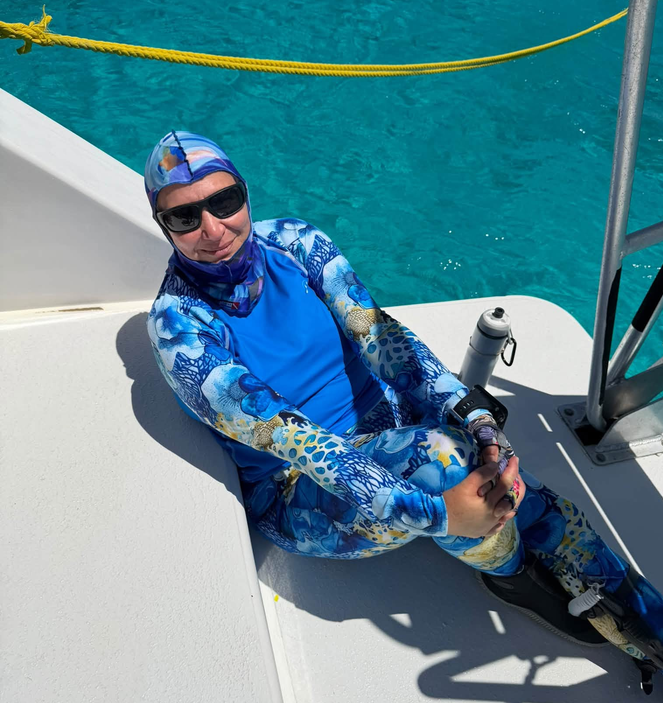
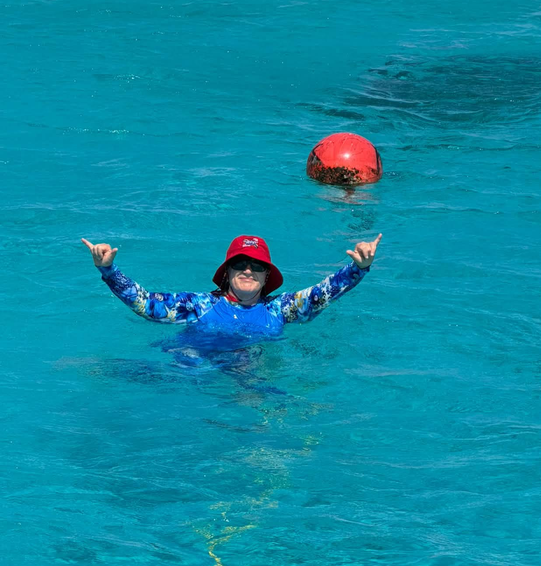
The short answer: a swimsuit you can actually kick in, and a UPF 50+ rash guard over the top. That covers almost all tropical snorkeling. The rash guard is the part people skip and regret, because snorkeling puts more sun on your back than nearly anything else you do in the water.

Snorkeling is harder on swimwear than diving is
I dive and I snorkel, and I will say something that surprises people: snorkeling is rougher on what you are wearing.
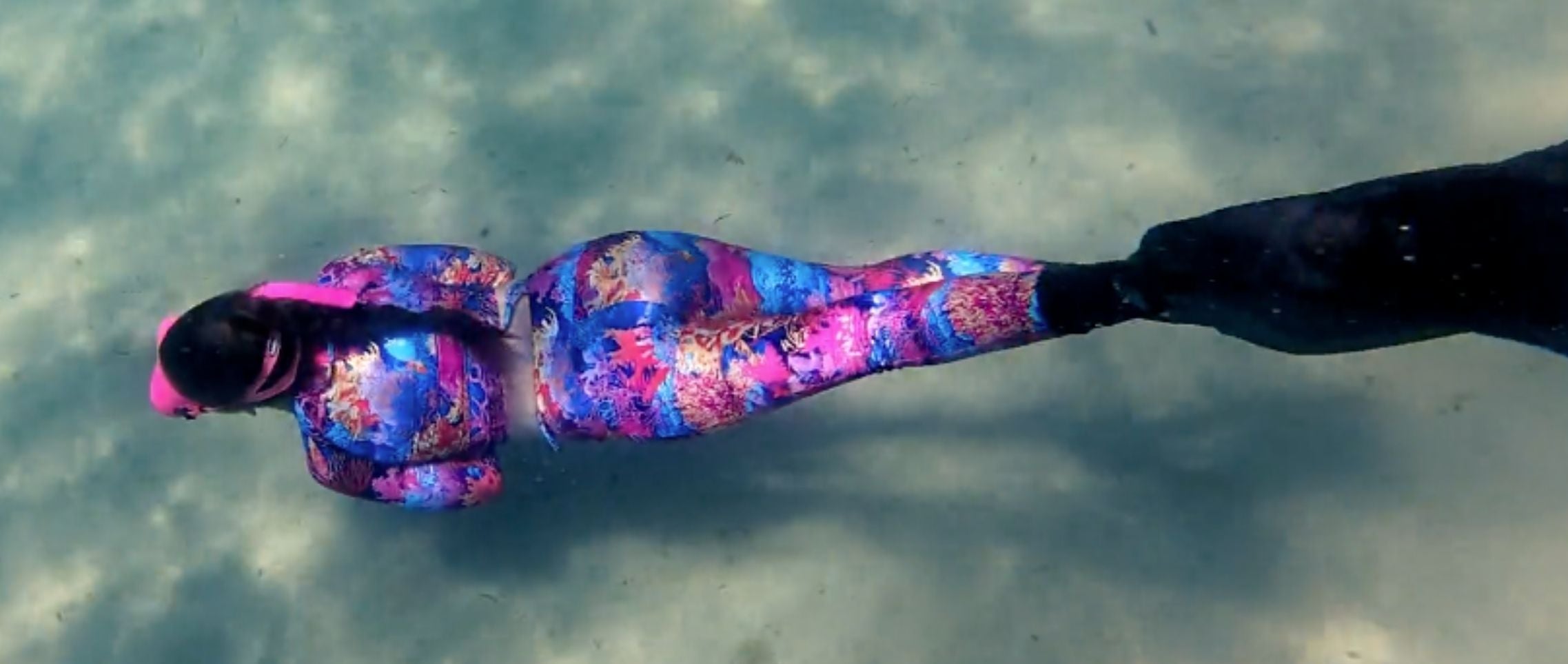
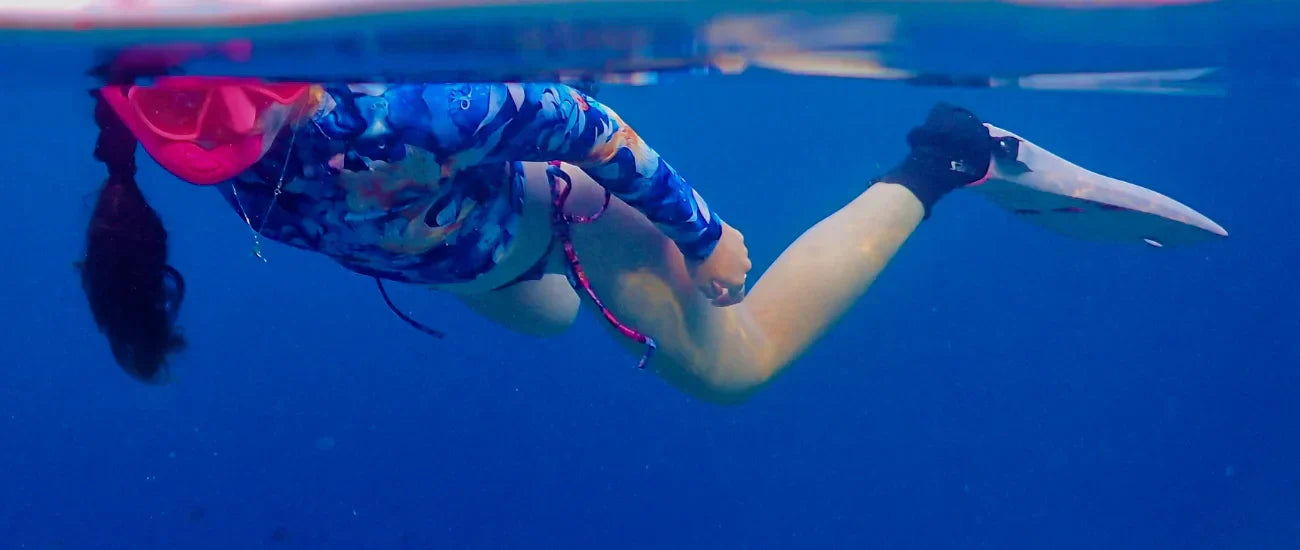
A diver is wrapped in neoprene, weighted down, and forty feet under for forty-five minutes. A snorkeler floats face-down at the surface for two hours with nothing over their swimsuit, nothing holding it in place, and their entire back turned toward the sun.
Three things follow from that, and they shape everything else in this guide:
- Nothing is holding your suit down. A wetsuit compresses a swimsuit flat against you. Snorkeling has no such thing, so every strap and tie is doing its job unassisted, for hours.
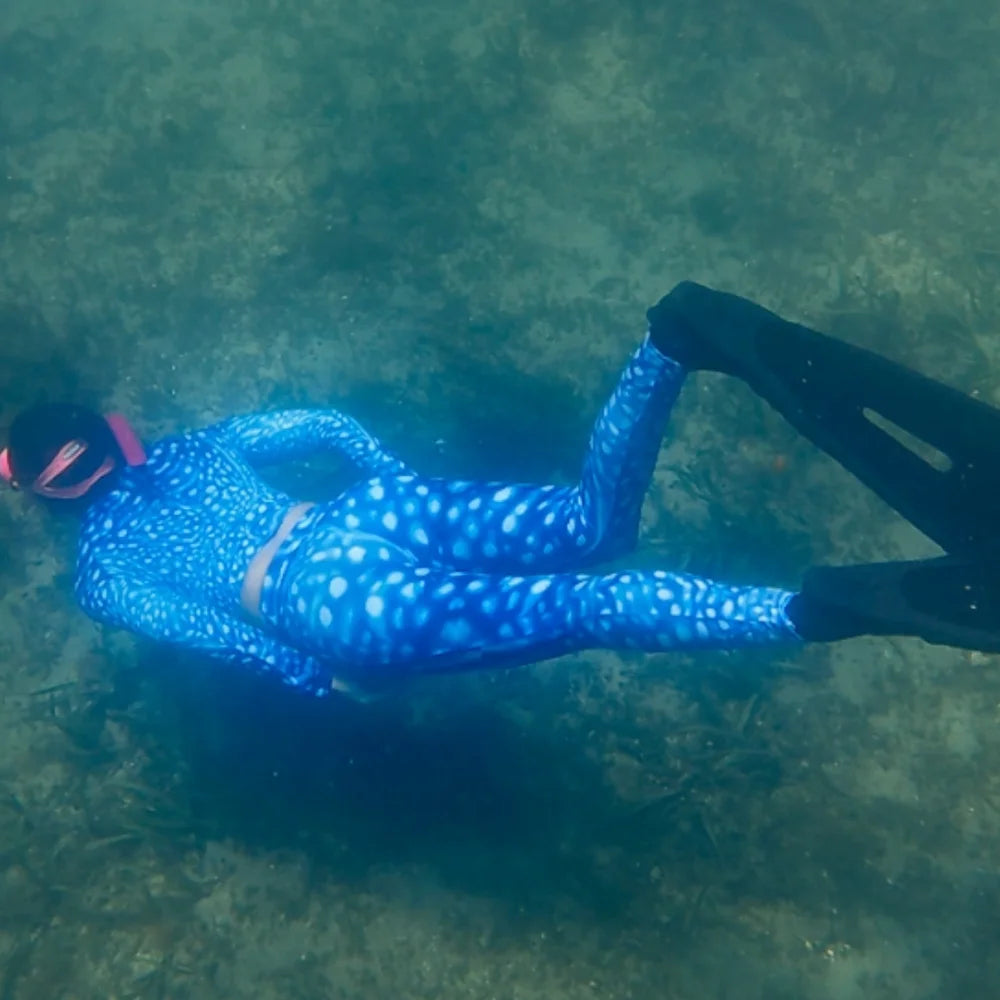
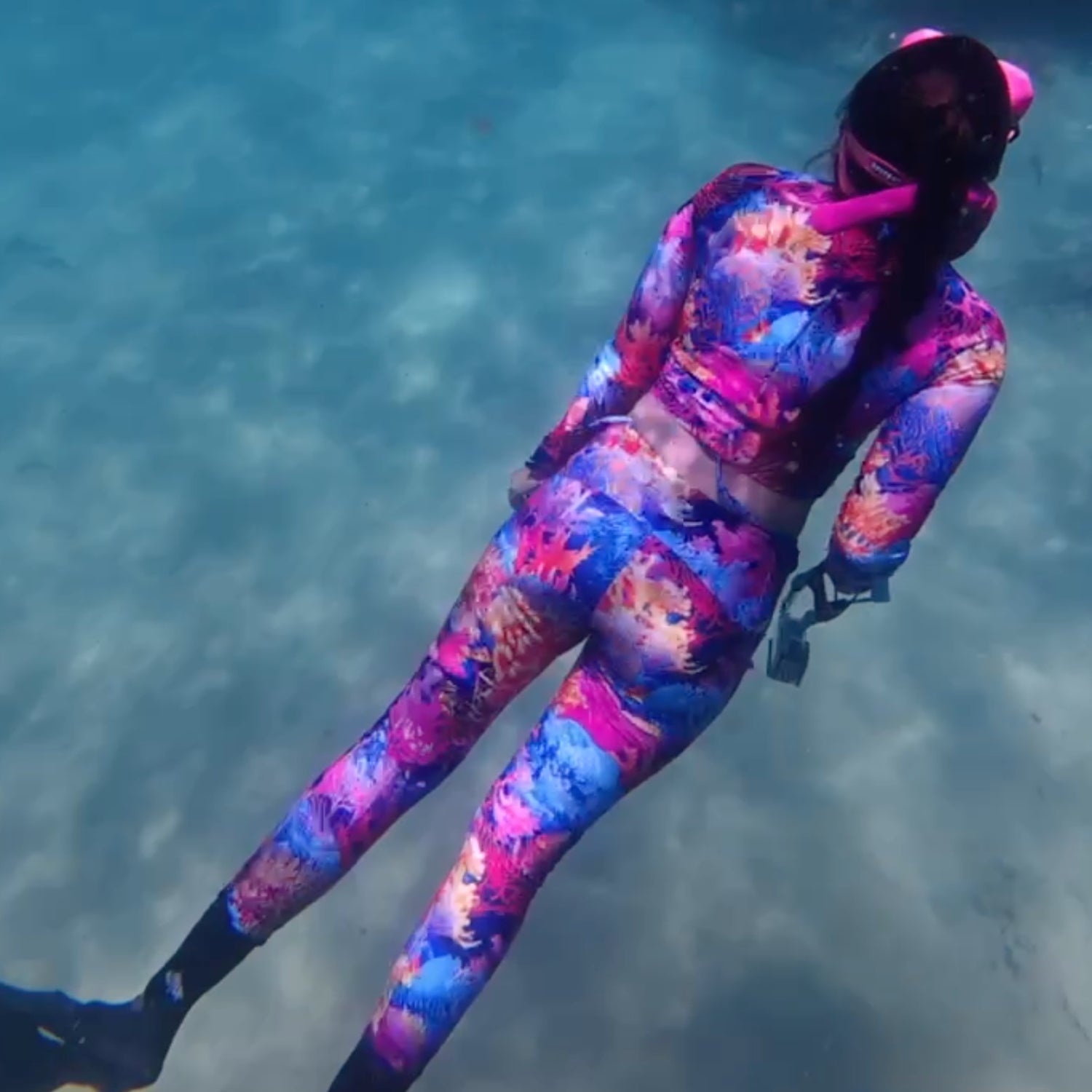
- Your back takes the full dose of sun. You are horizontal, face-down, in the one position that exposes the largest surface area of skin to overhead sun, and you are not going to feel it happening because you are cool and wet the whole time.
- The surface is where the movement is. Chop, swell and current pull at everything. Down at depth the water is calm. At the surface it is not.
I can't tell you the number of times while living in Australia I thought I'd go for a quick snorkel wearing just a bikini without a rash guard on top, and I ended up sunburning parts of my body I didn't even know could get sunburned. Let me tell you, the Australian sun is brutal. I learned the hard way that no amount of SPF 50+ sunscreen (non-nano and reef safe, of course) measures up to a UPF 50+ rash guard. Sunscreen has to be reapplied over and over, and washes off in twenty minutes or less after a quick dip.
What to wear snorkeling: the short list
| Layer | What it does | Skip it when |
|---|---|---|
| Swimsuit | The base. Has to stay put while you kick. | Never. |
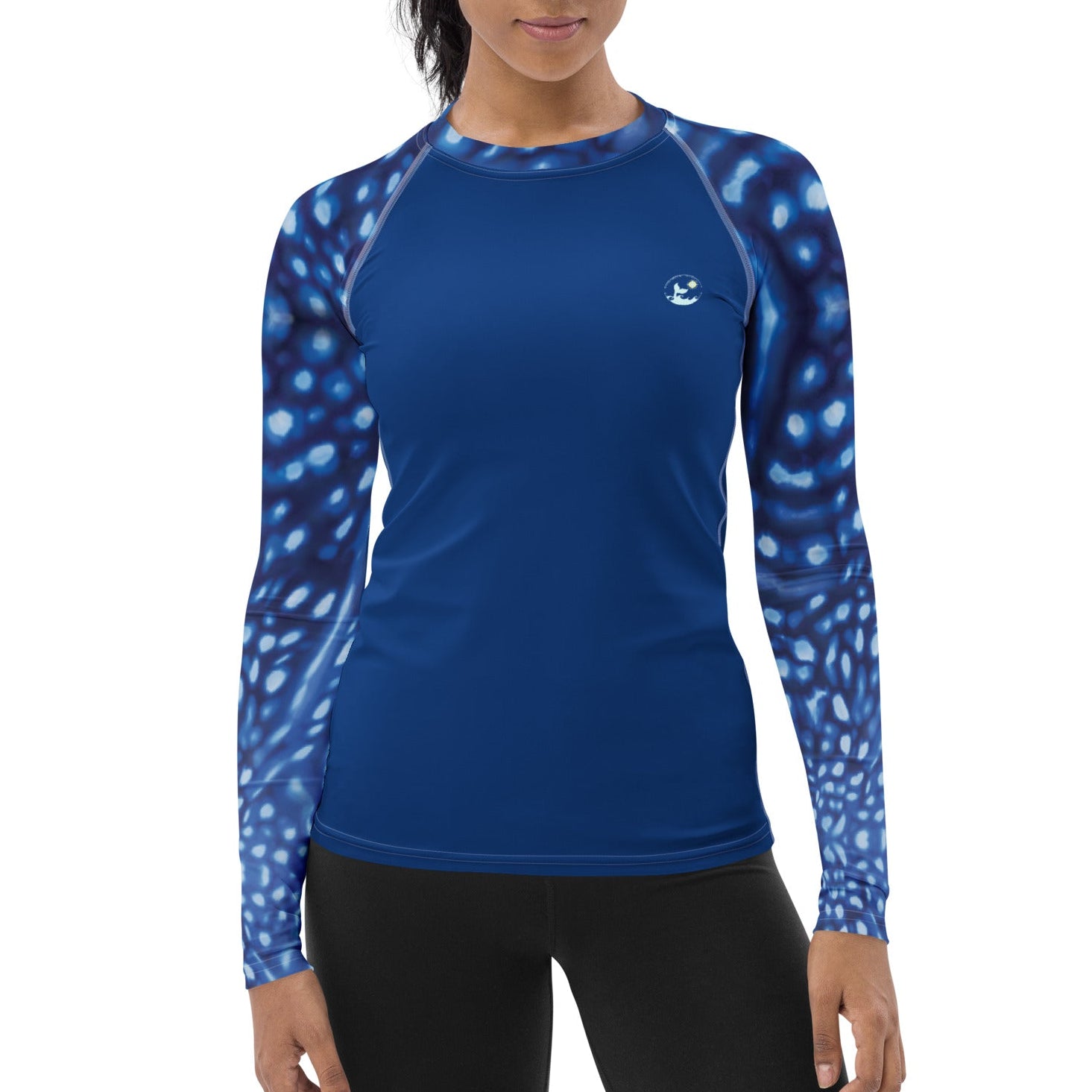
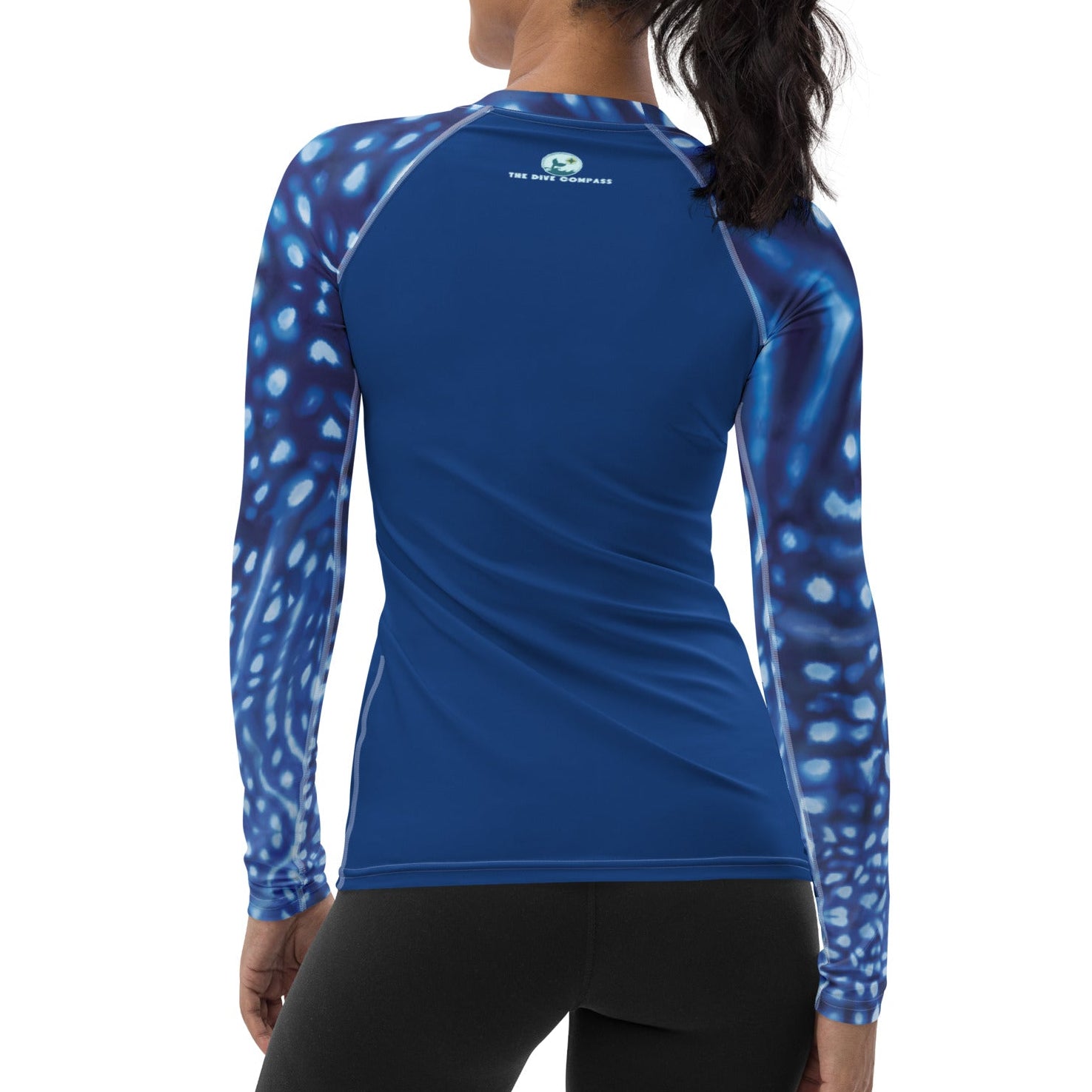
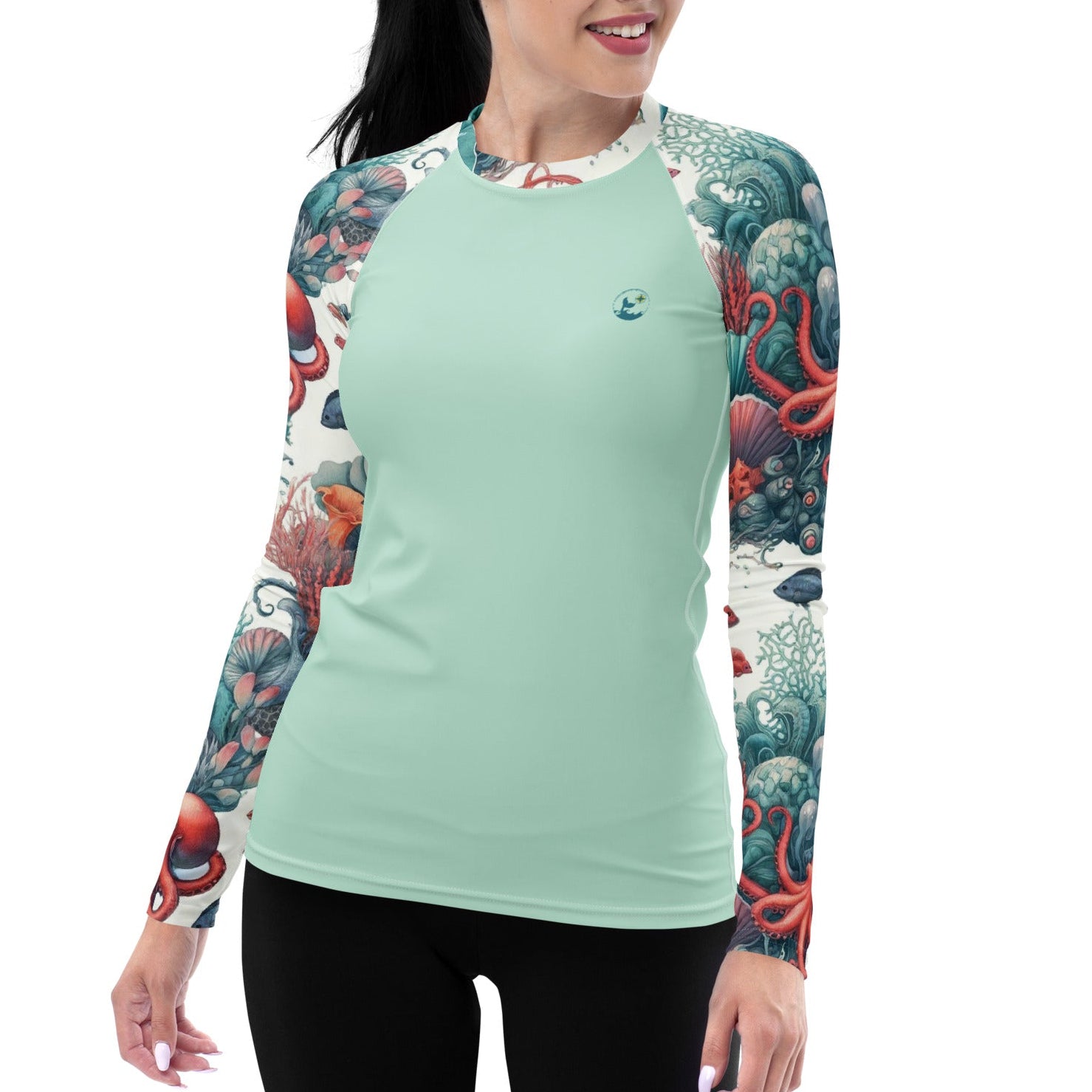
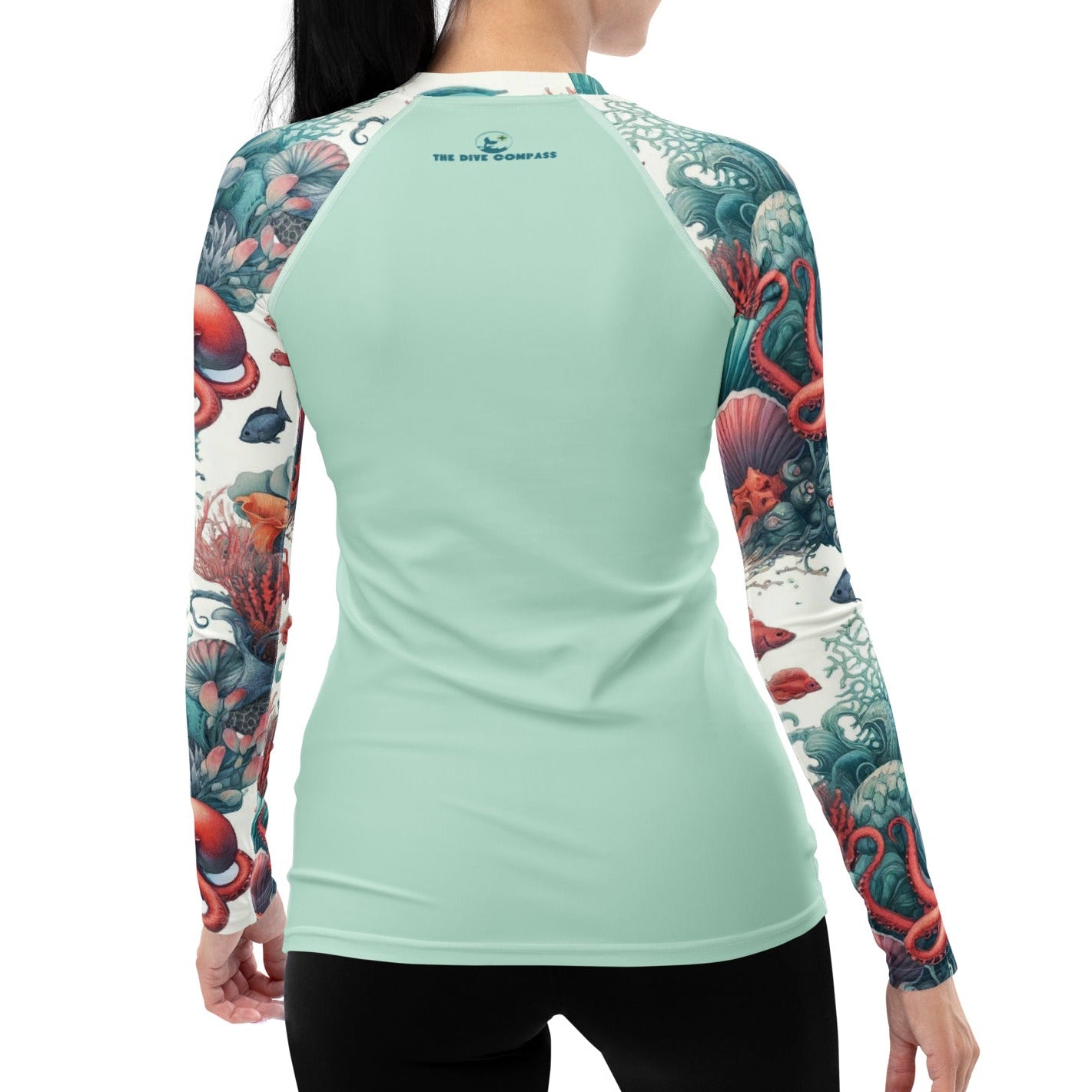
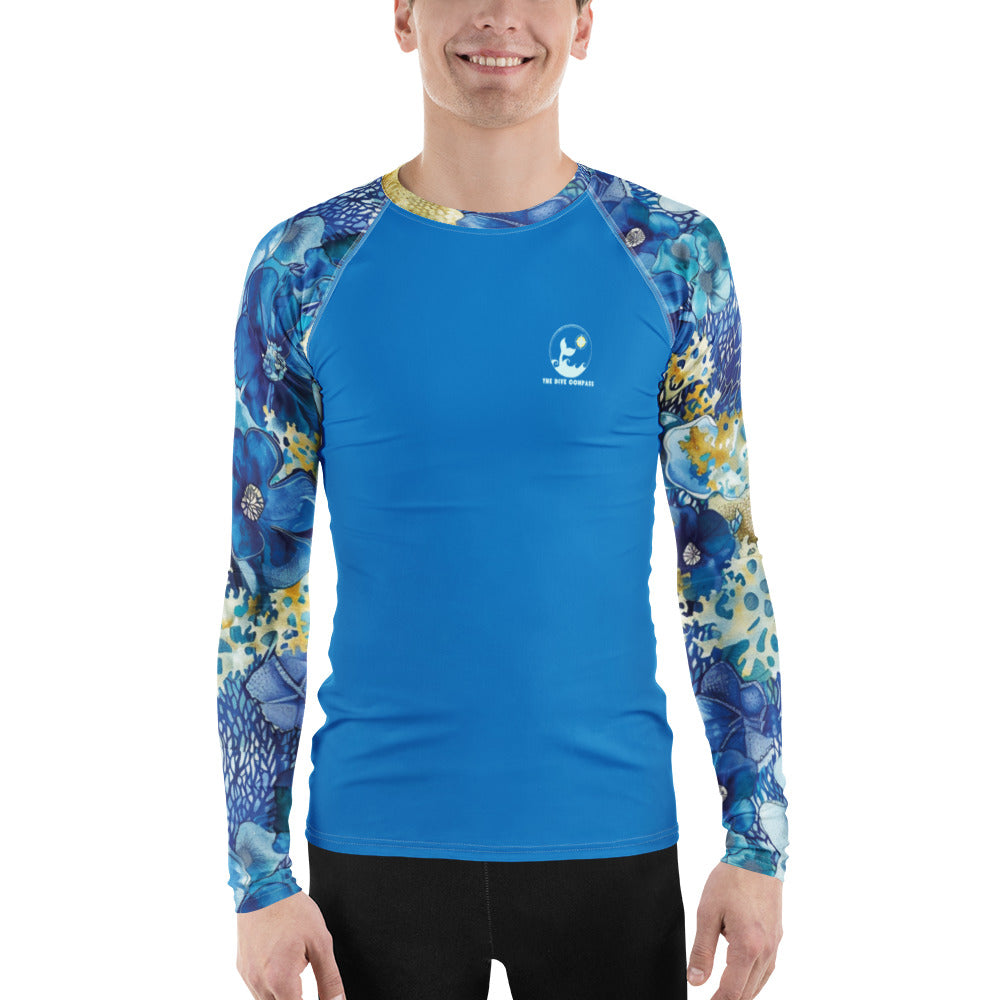
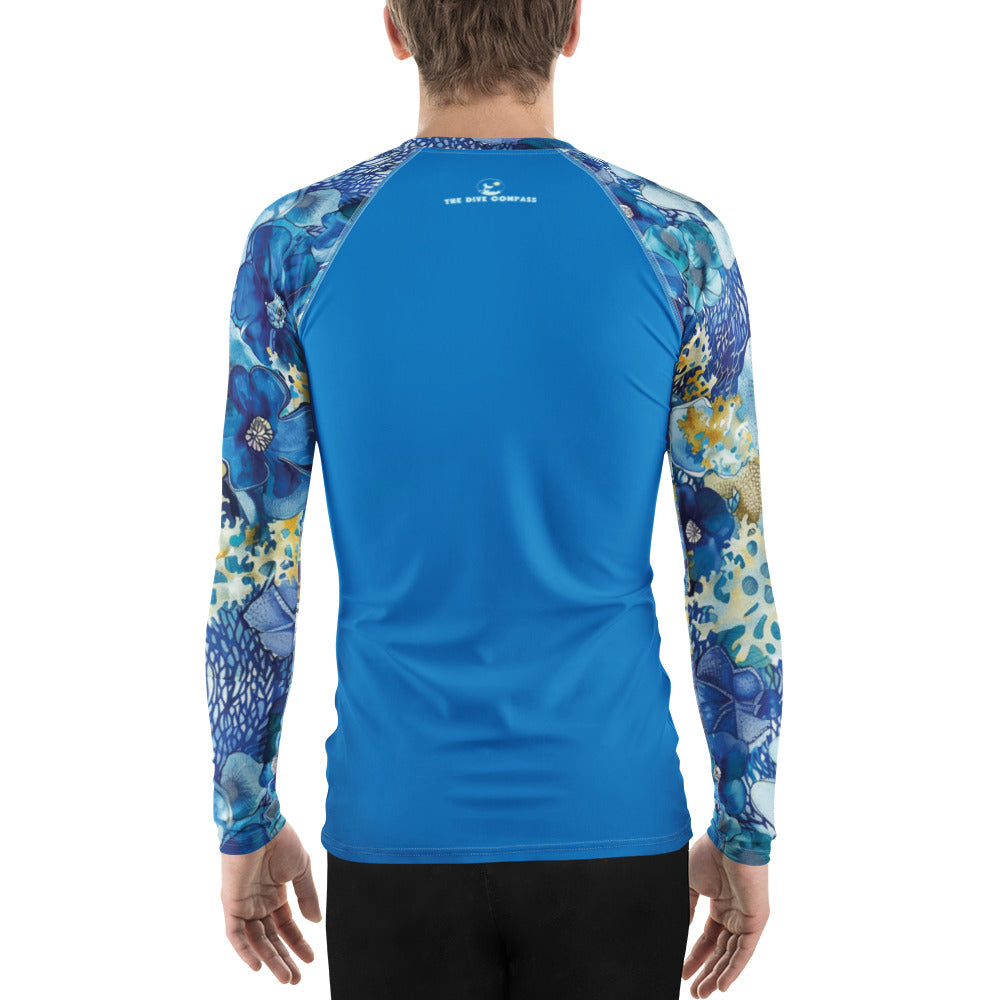
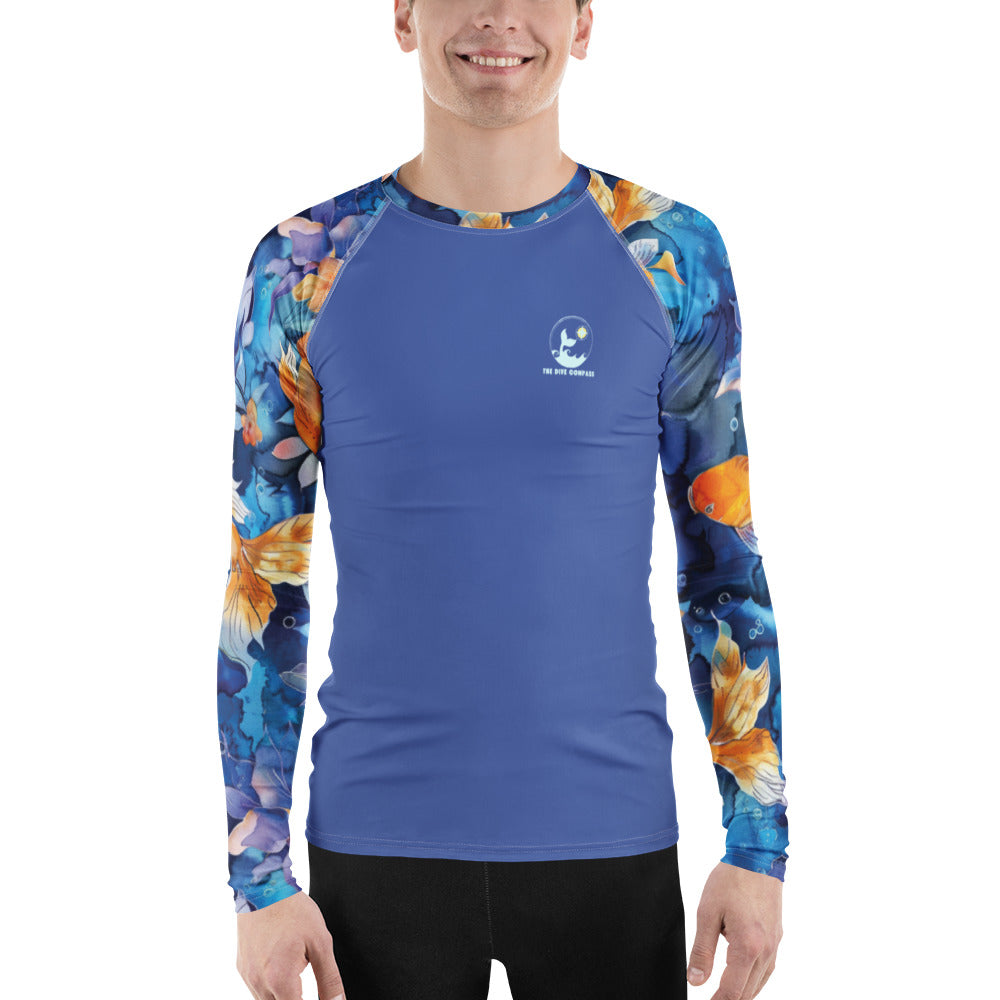
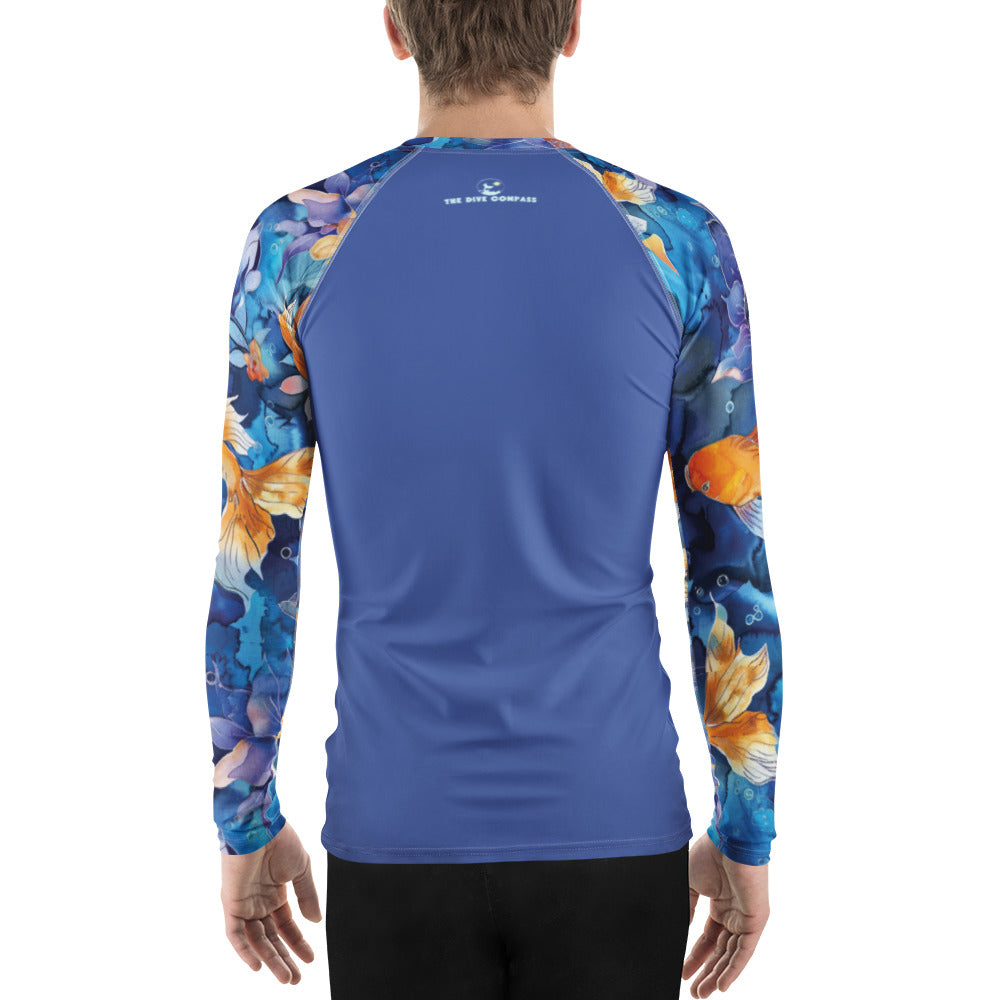
| UPF 50+ rash guard | Sun on your back and shoulders, sting protection, chafe from straps. | Under an hour, early morning or late afternoon. |
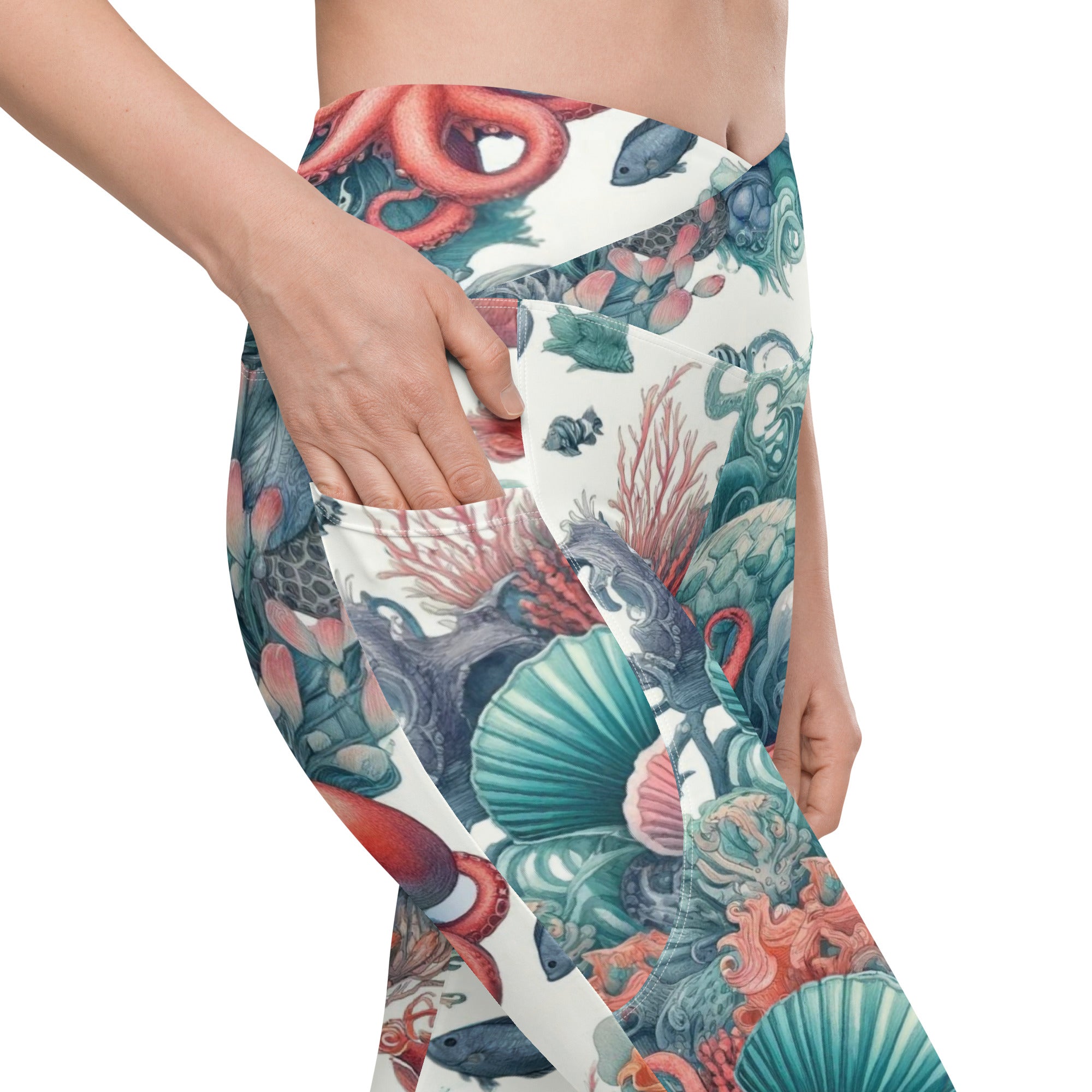
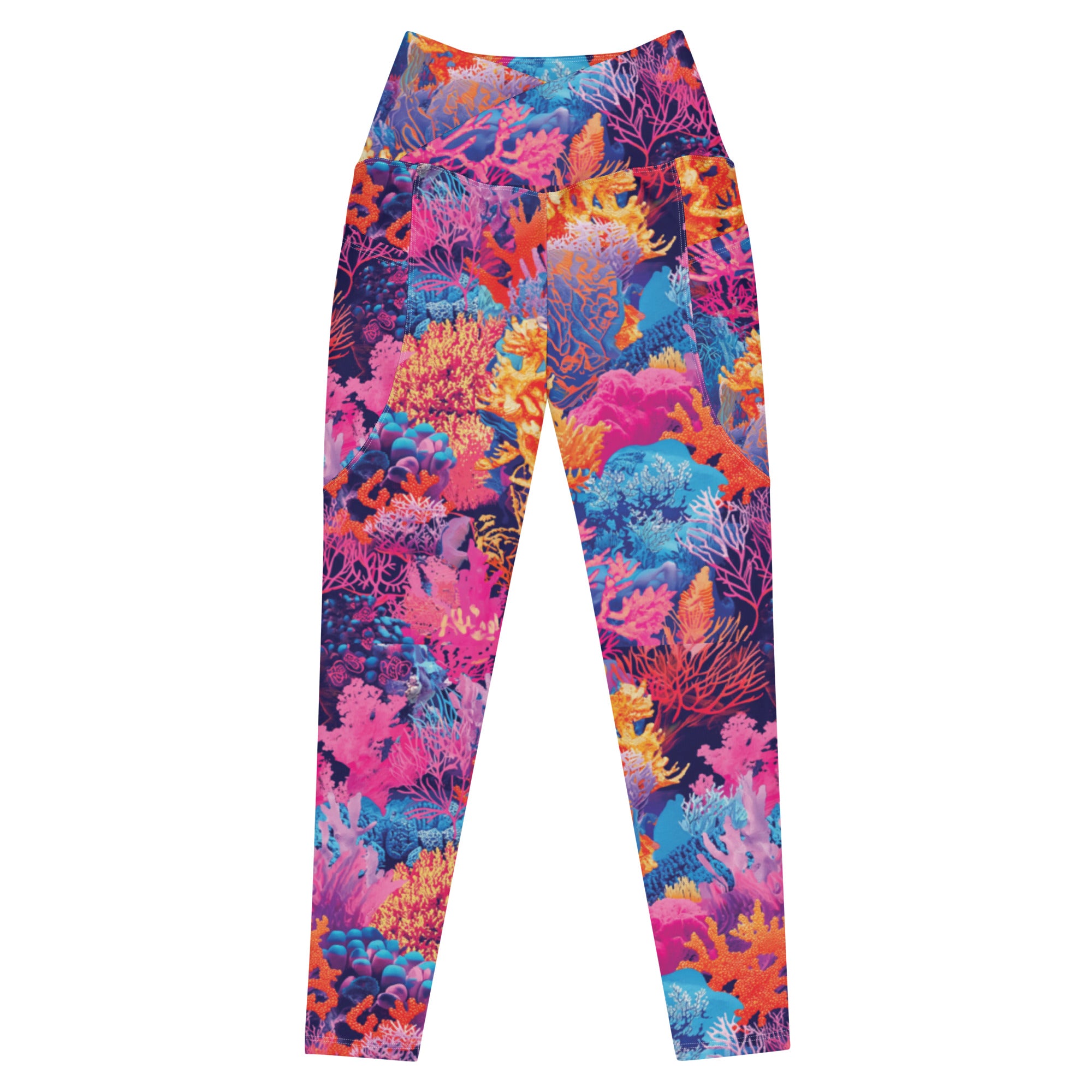
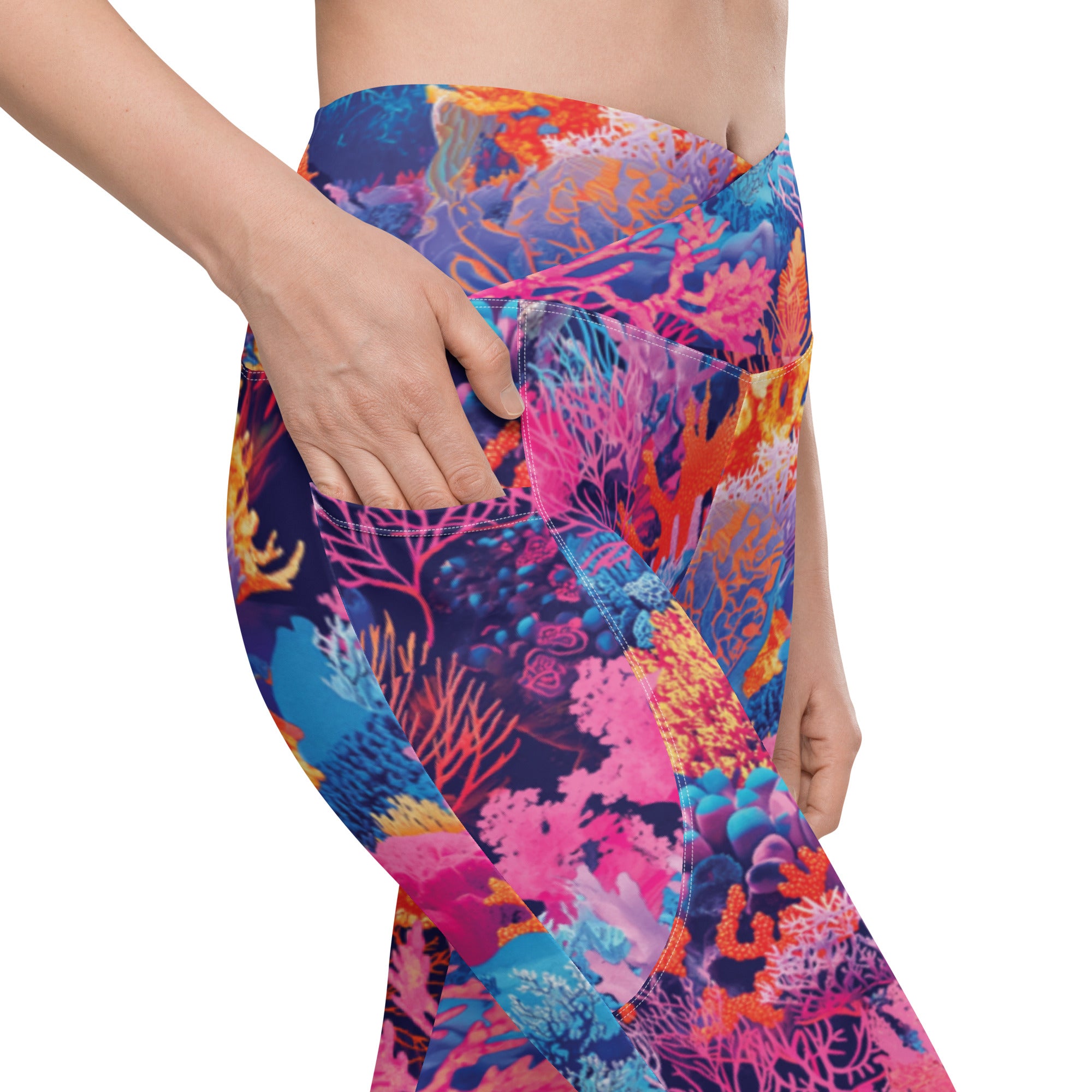
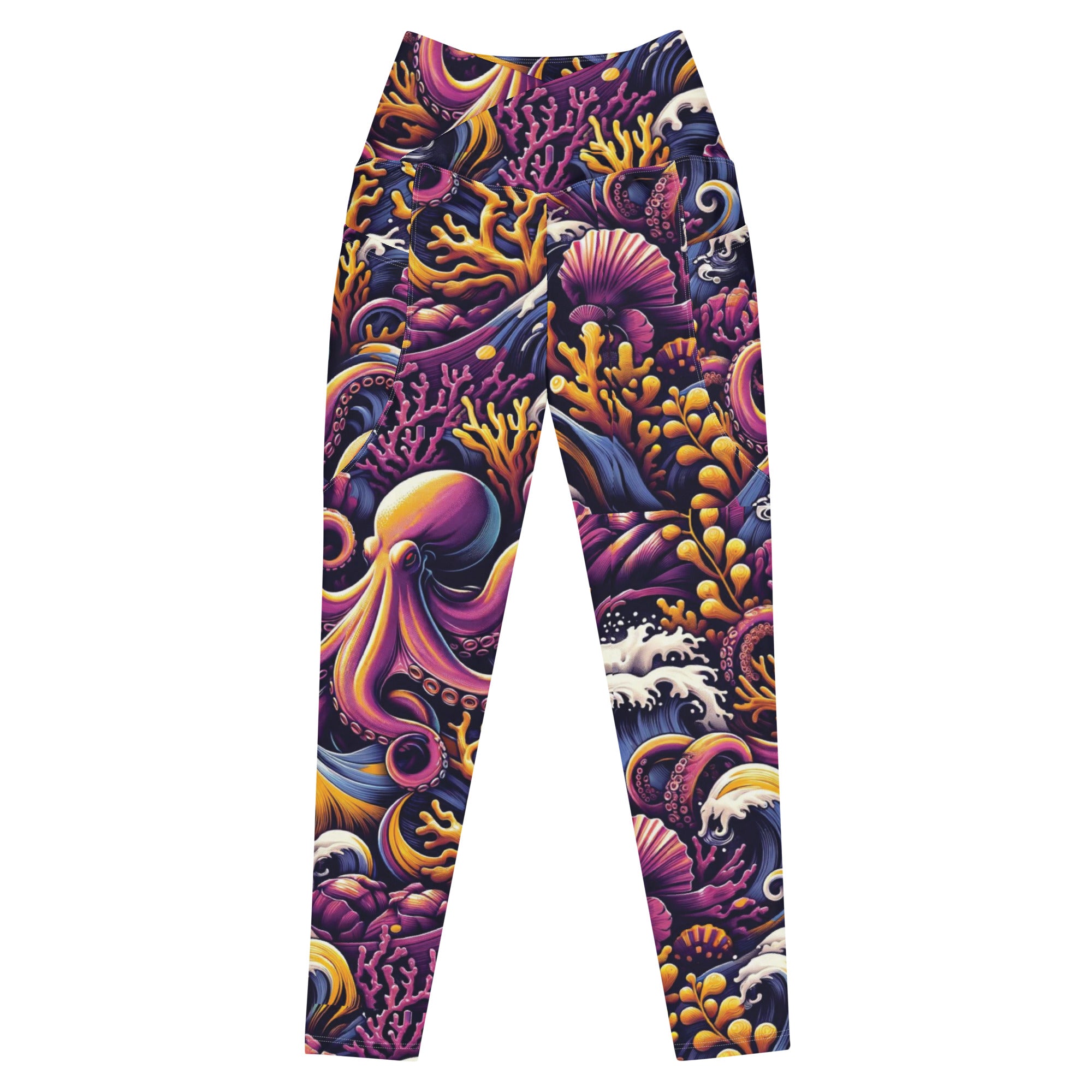
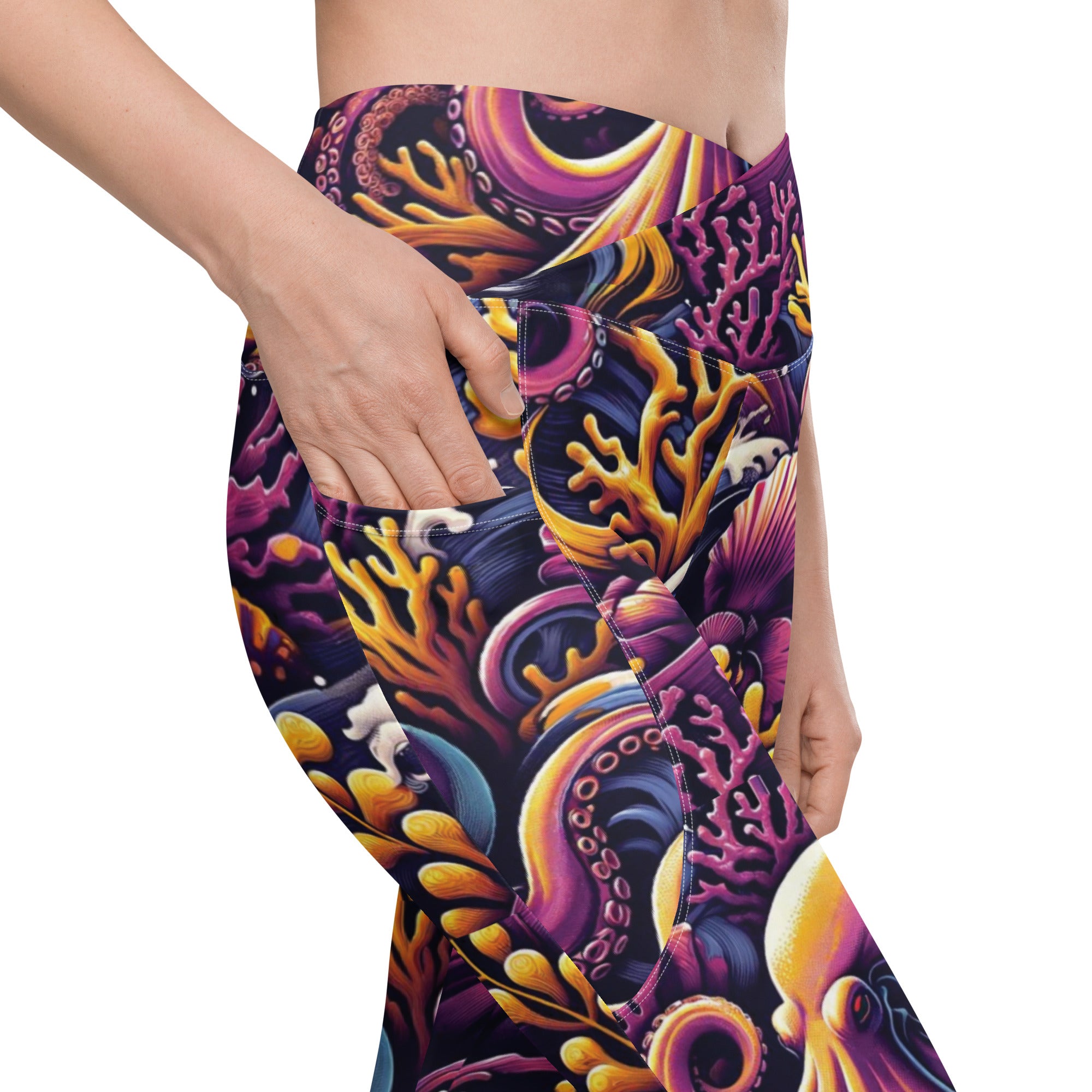
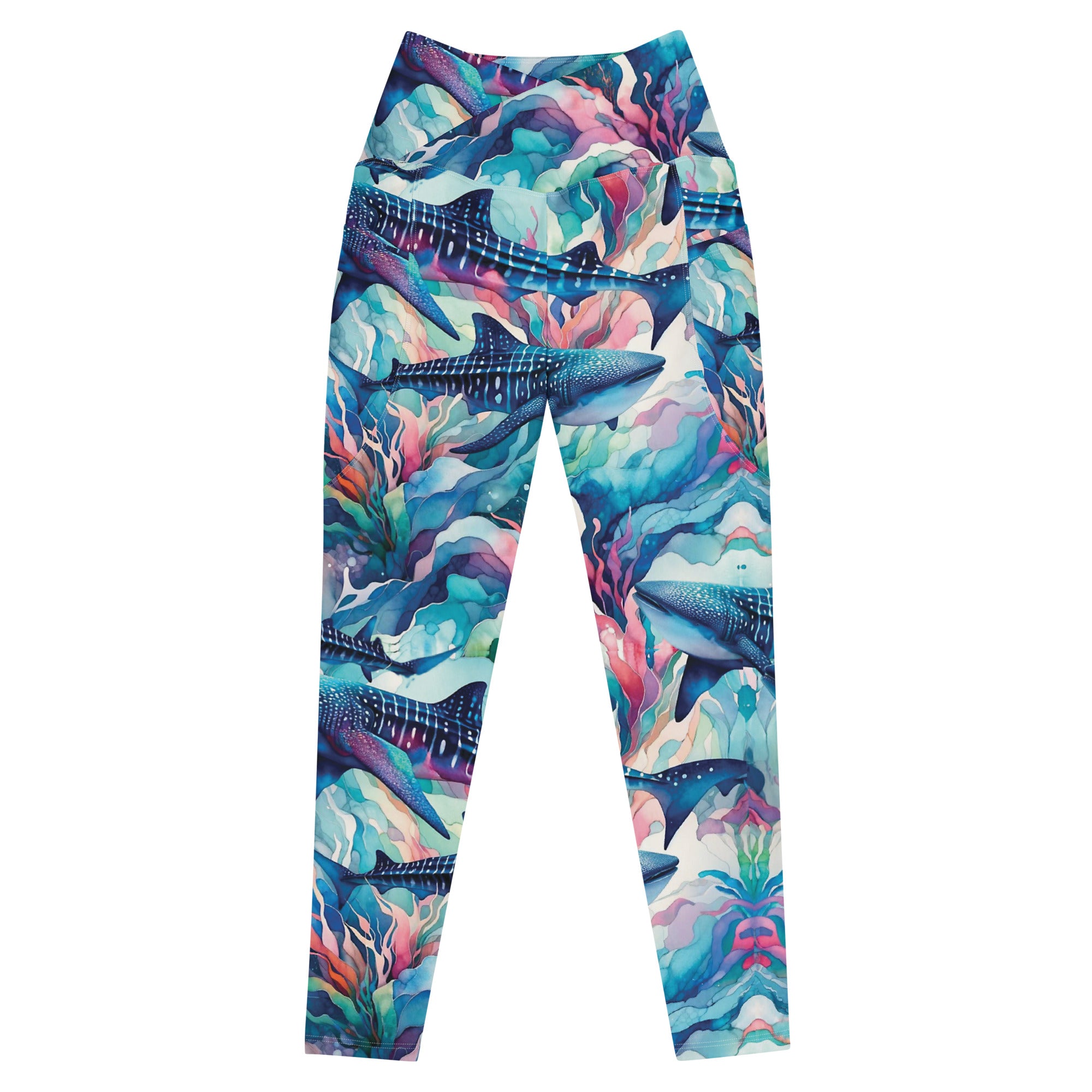
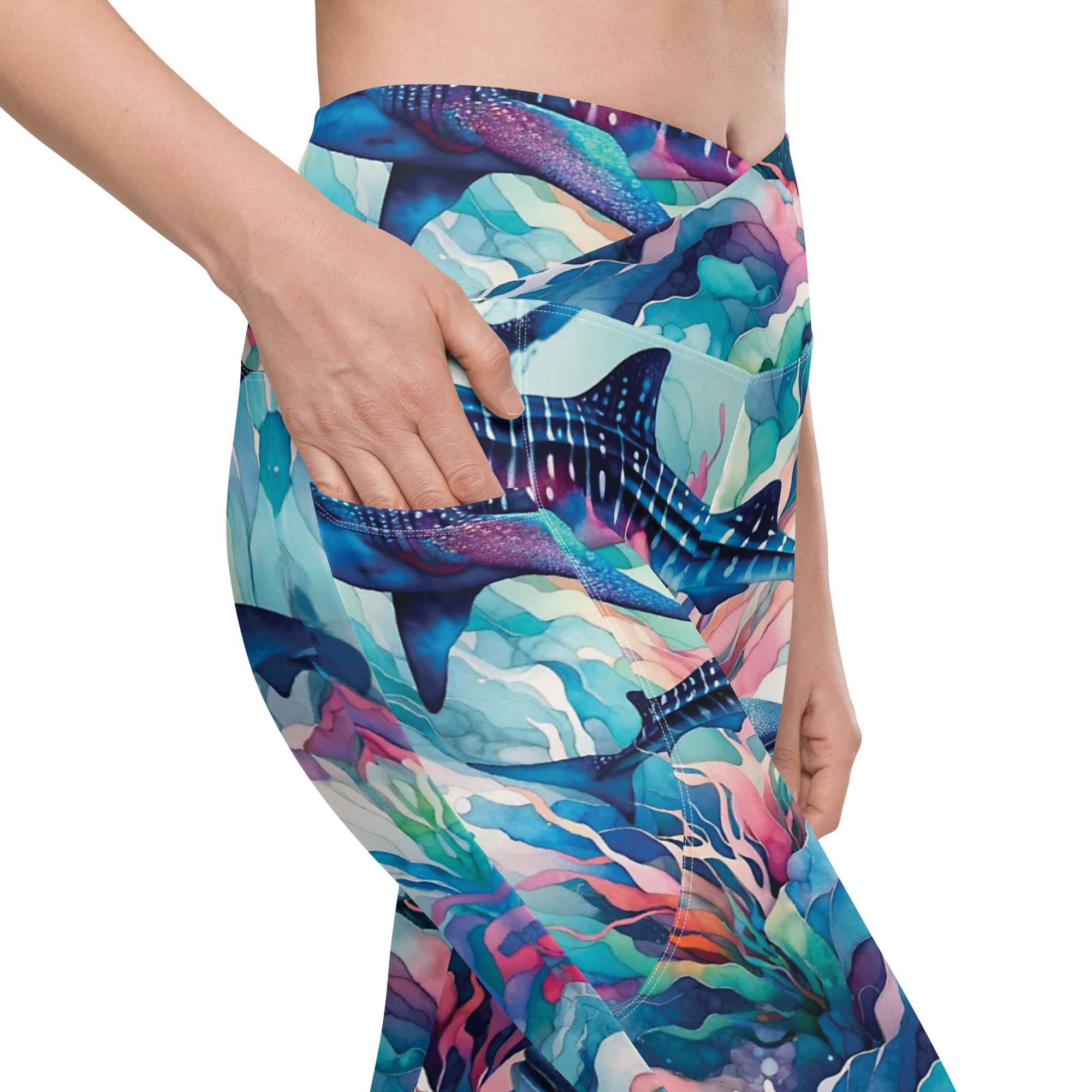
| Leggings or swim shorts | Backs of the legs, which burn as badly as your back. | Short swims, or you are getting out often. |
| Shorty or thin wetsuit | Warmth only, on long swims in cooler water. | Anything above about 79 degrees F for a normal session. |

Do you wear anything under a snorkeling dress or rash guard?
Yes. Always a swimsuit, never underwear. This is the question I get asked most often and the one people are most embarrassed to ask, so here is the plain answer.
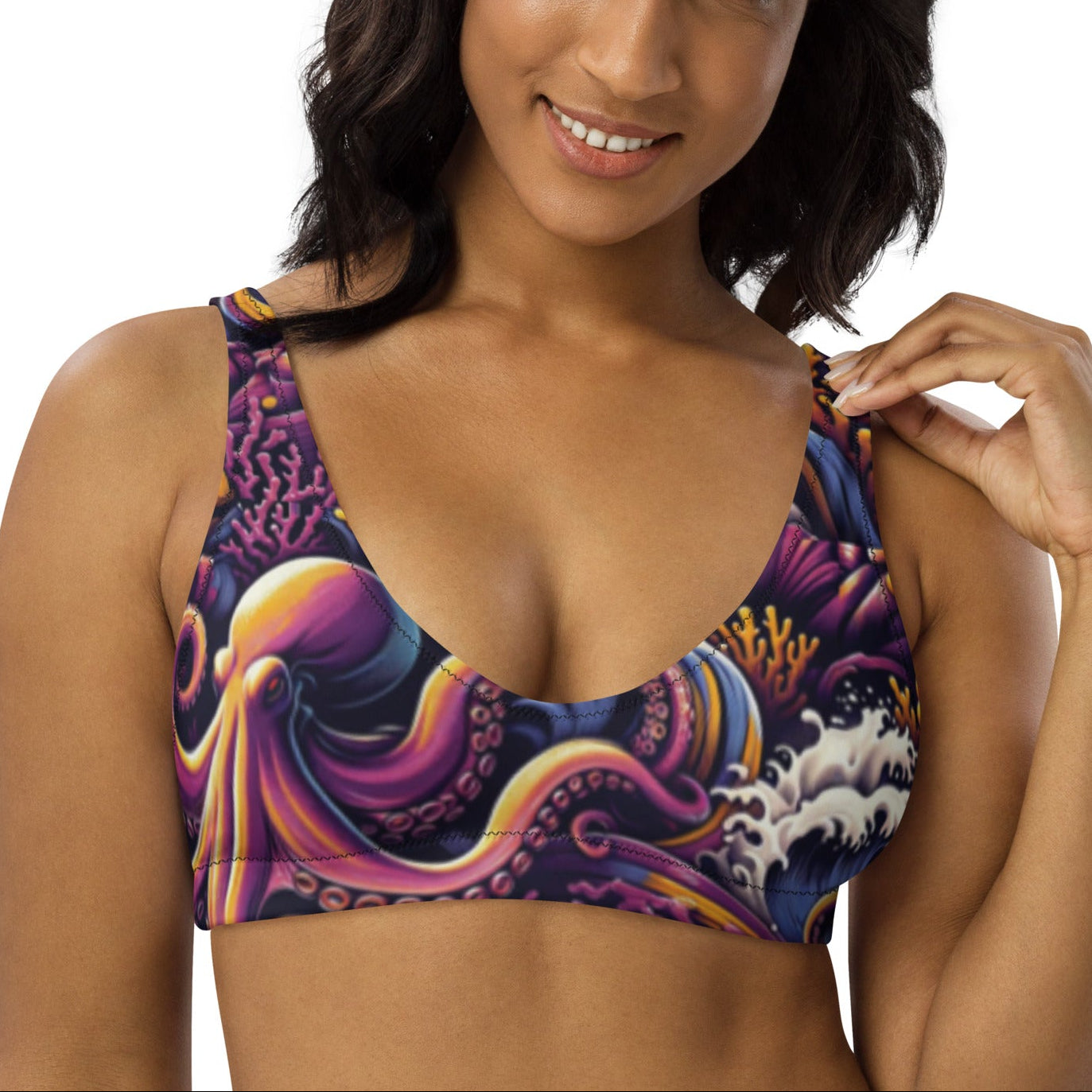
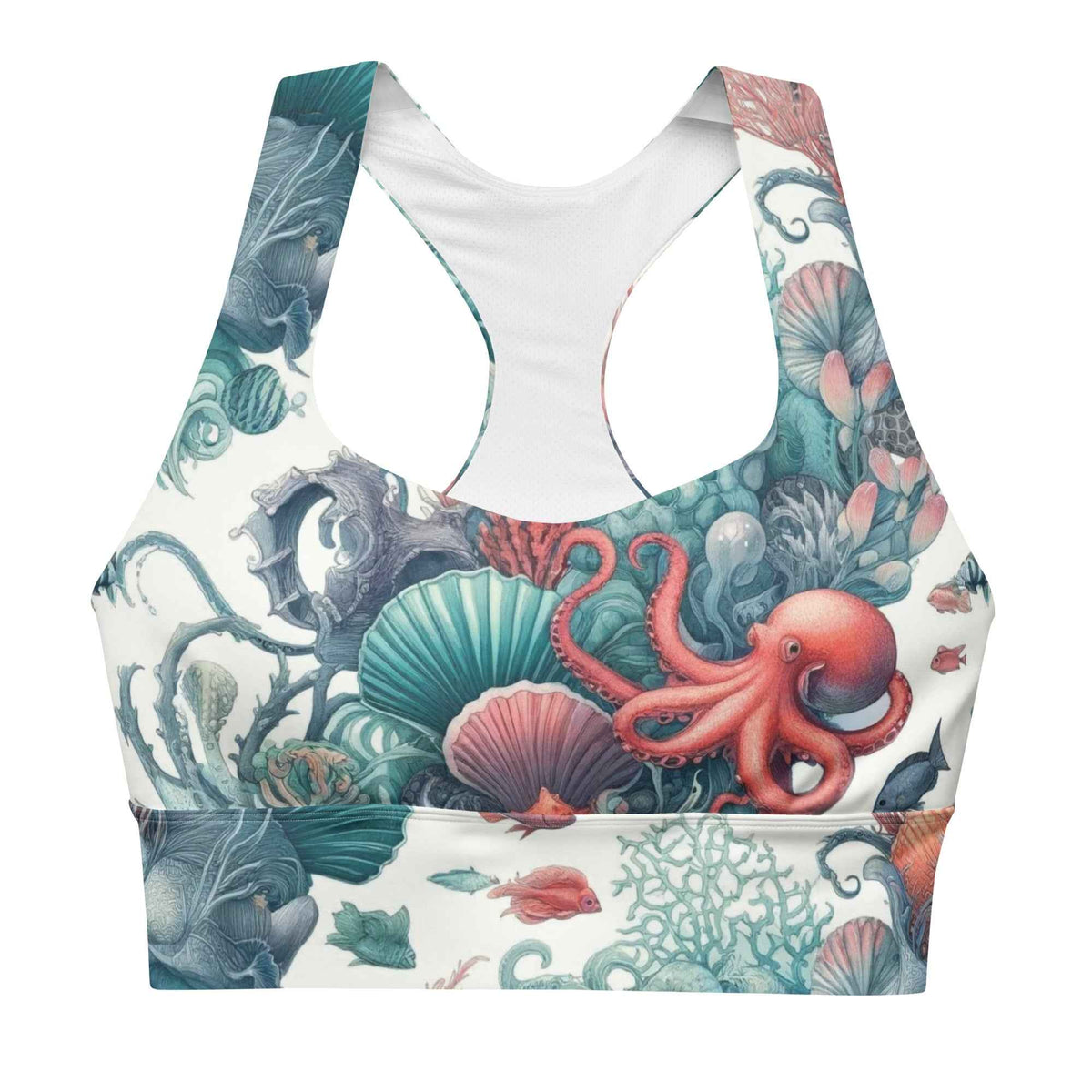
- Under a rash guard: a swimsuit. Rash guards are unlined and turn semi-transparent when wet, especially in lighter colors. A bikini top or the top half of a one-piece is what goes underneath.
- Under a snorkeling dress or swim dress: swimsuit bottoms at minimum. A full swimsuit is better, because a dress rides up the moment you start kicking and the fabric floats.
- Under swim leggings: swimsuit bottoms. Nothing else.
- Never regular underwear. Cotton absorbs and holds water, goes translucent, chafes badly once salt gets into it, and takes a day to dry. Lace and seams create pressure points you will feel within twenty minutes.
- Never a bra with metal hardware. Underwires and clasps rust, chafe and dig in under a rash guard.
If you are snorkeling straight off a beach with no changing facilities, wear the swimsuit under your clothes before you leave. It sounds obvious and it is still the thing people forget.
Rash guard or swimsuit for snorkeling?
This is usually framed as a choice, and it is not. The swimsuit is your base layer. The rash guard goes over it. The real question is which rash guard, and how much of you it needs to cover.
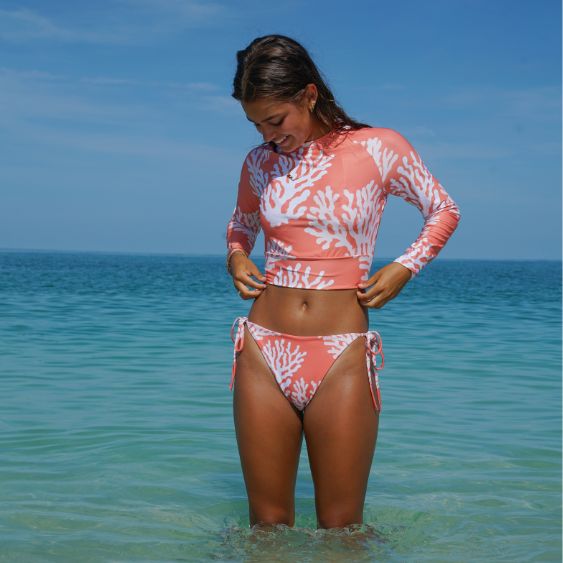
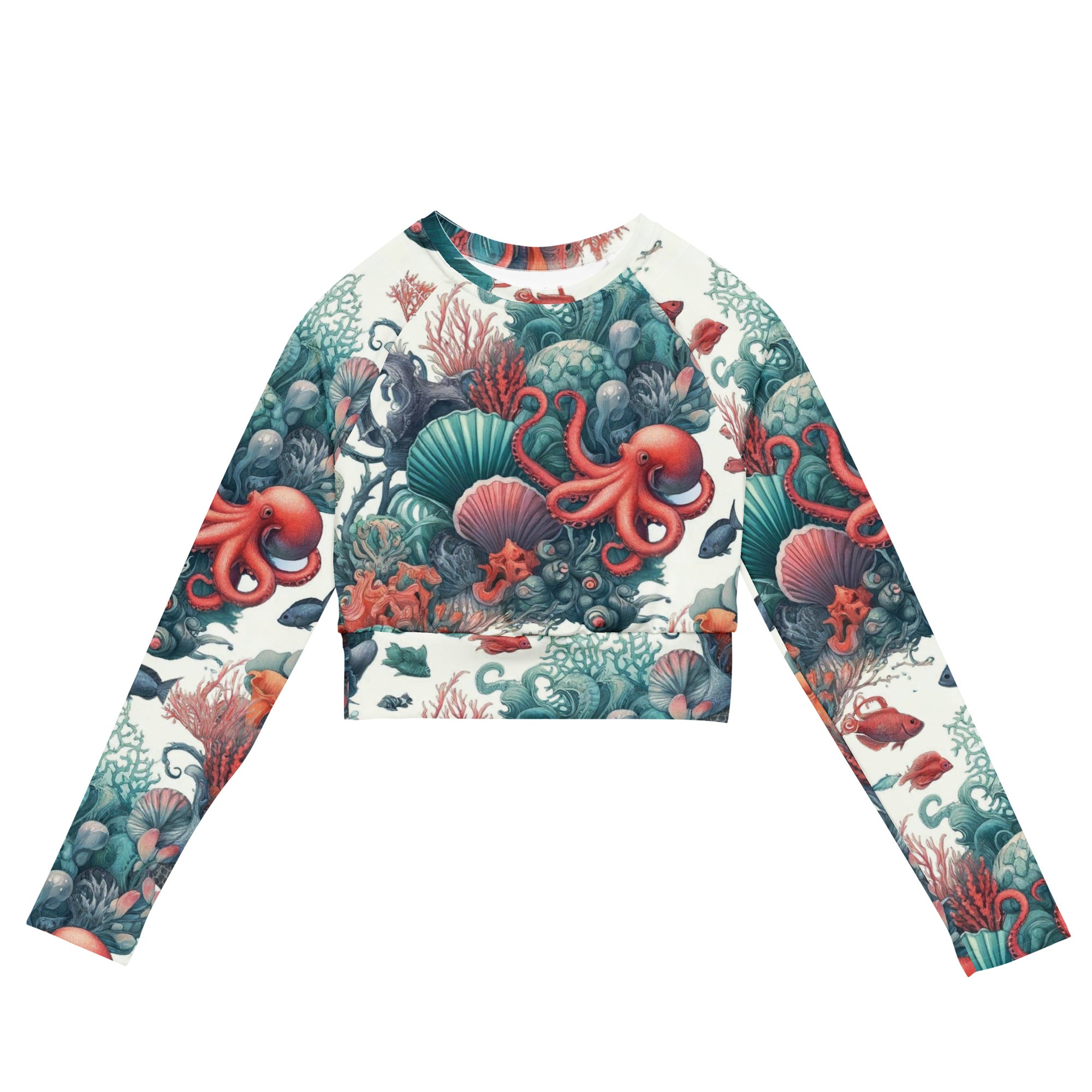
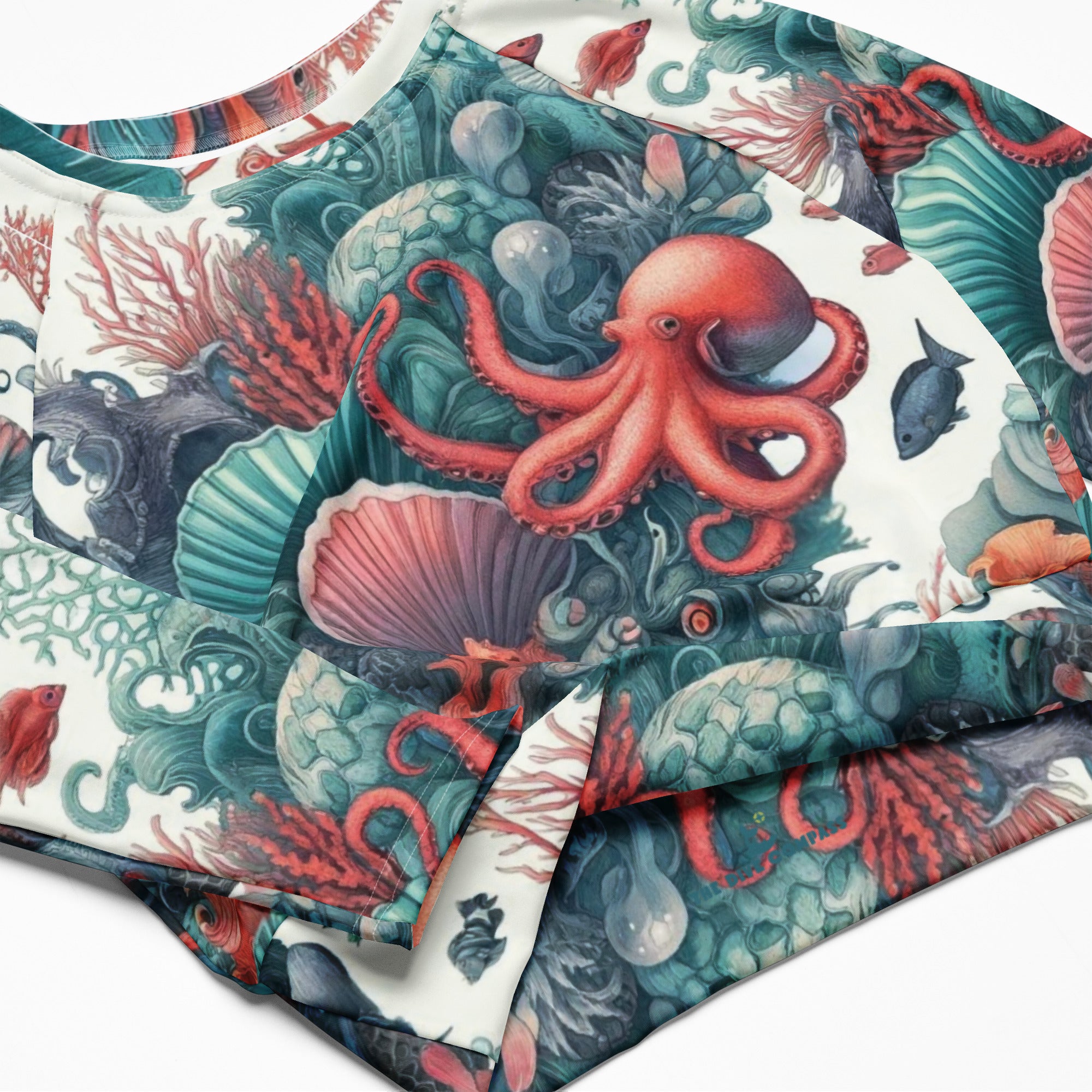
Cropped rash guard
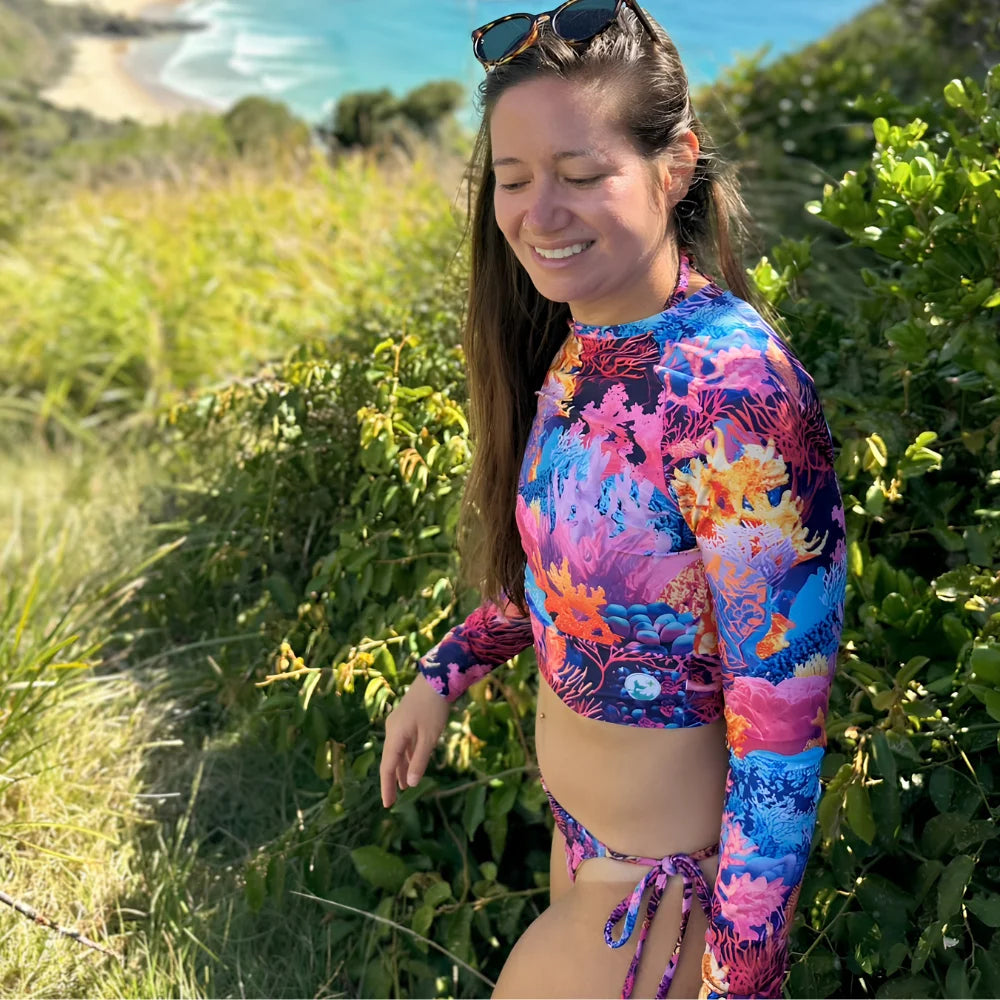
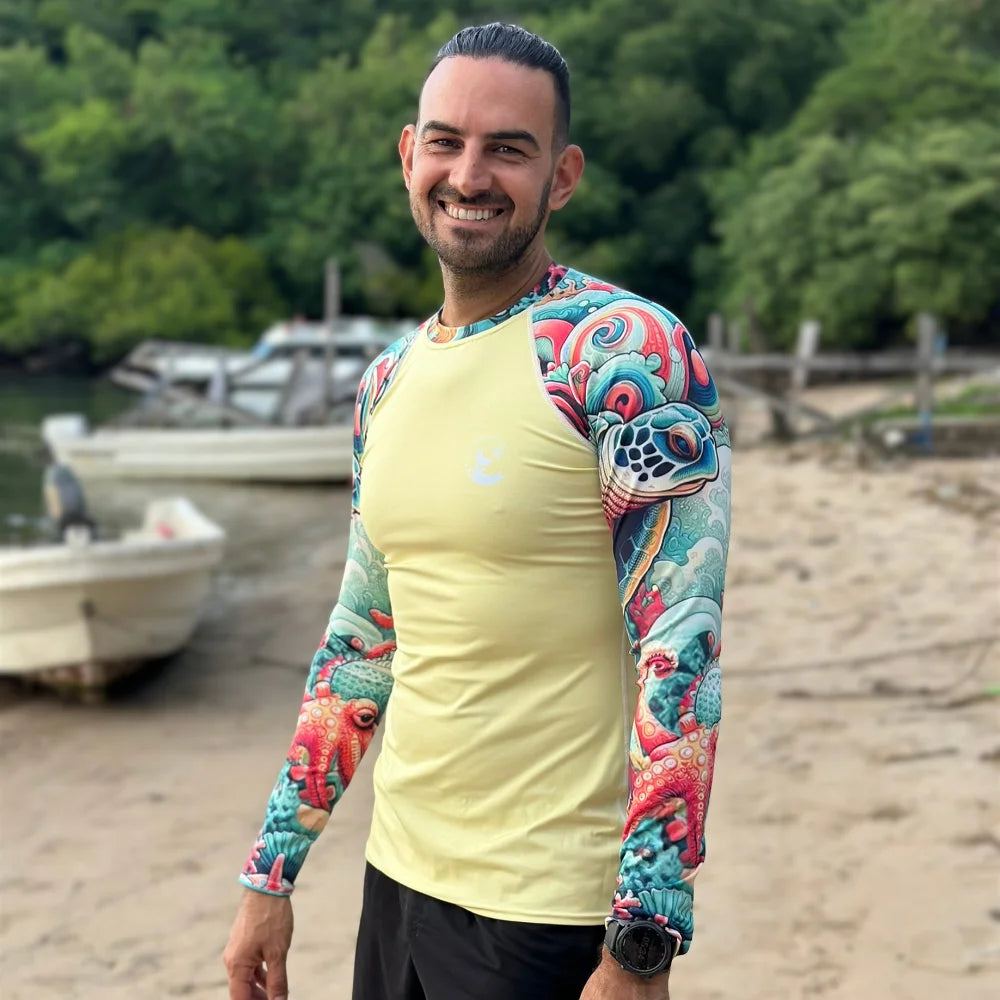
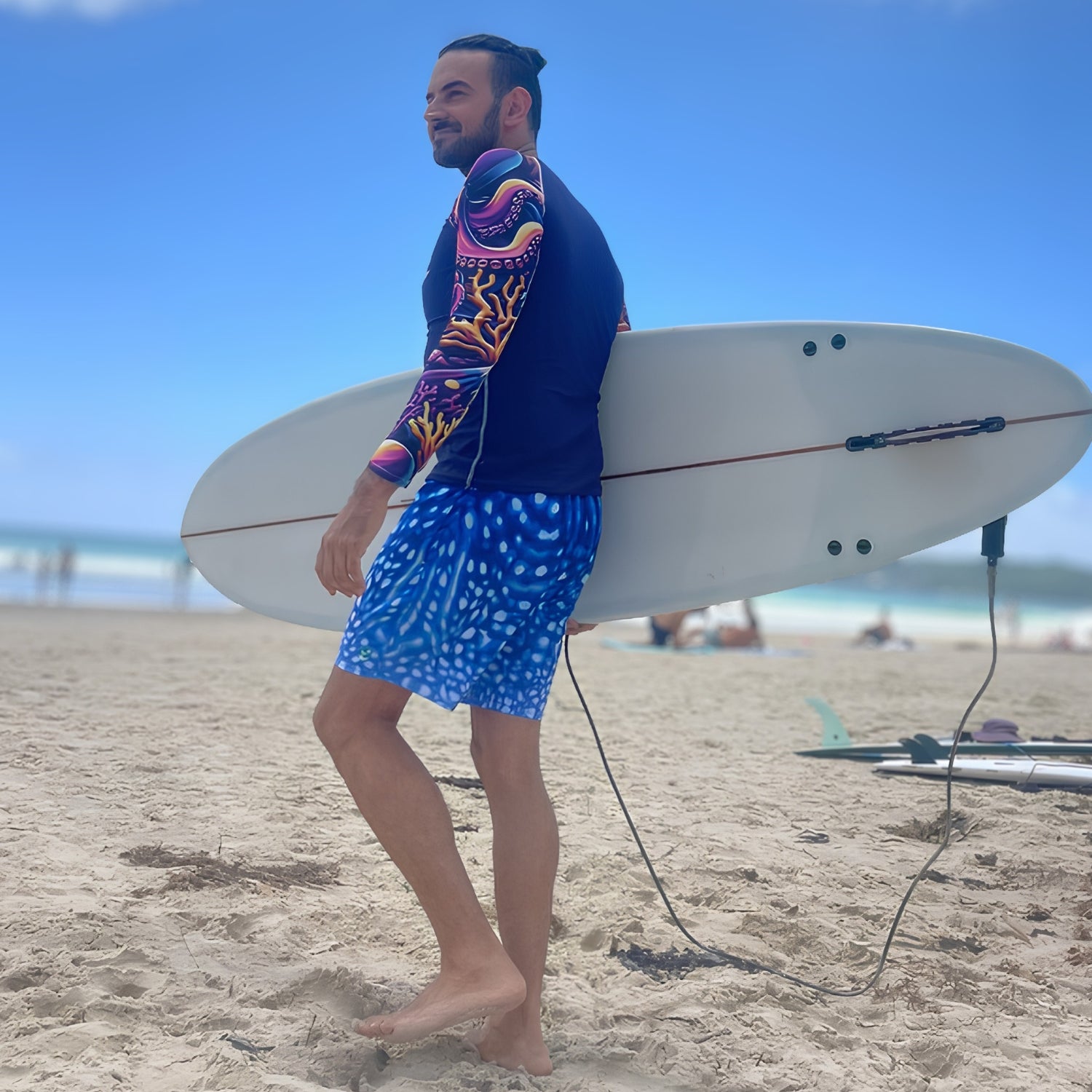
Covers shoulders, upper back and arms, the three places that burn first. Cooler, less fabric, easier to swim in, and it pairs with bikini bottoms so you are not fighting a full-body layer every time you get out. My default for warm, calm water.
Full-length rash guard
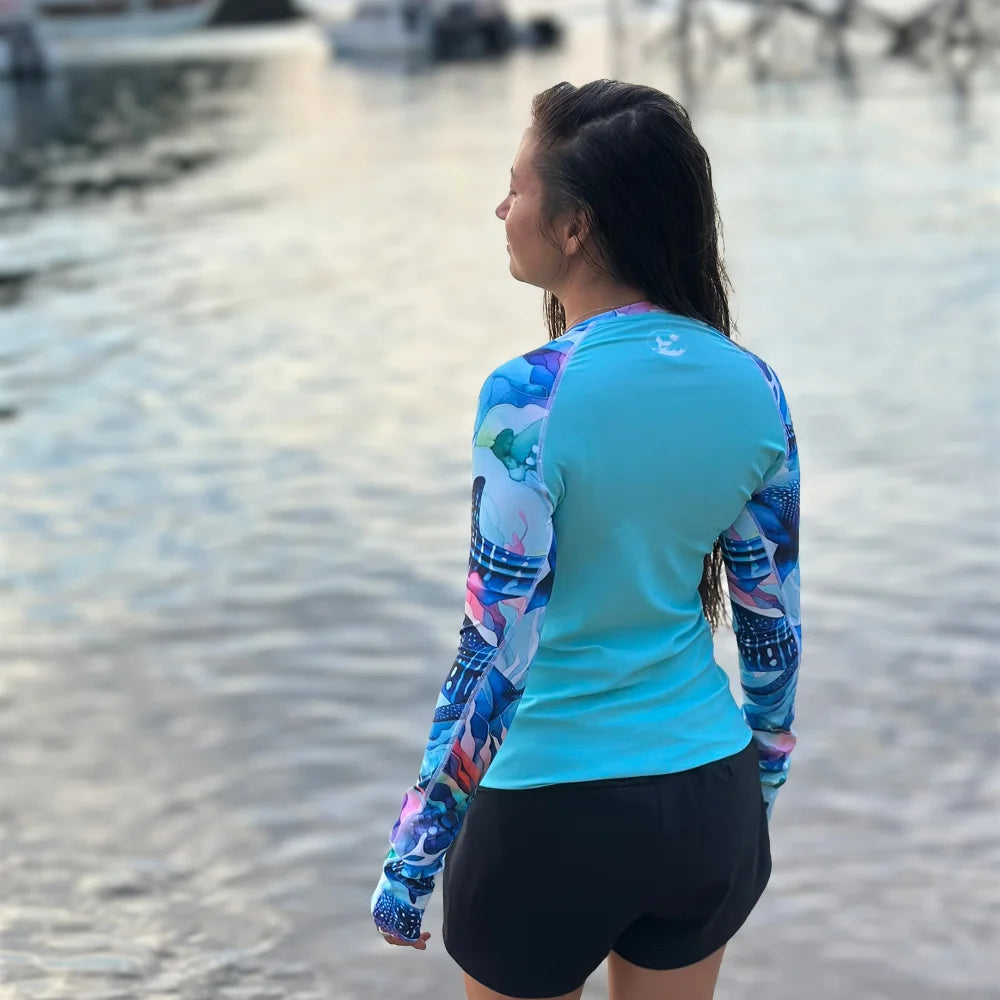
Covers down past the hips. This is what I reach for on longer swims, on boat trips where I will be in and out all day, and anywhere with hydroids or jellyfish. It also removes the sunscreen question for your whole torso.
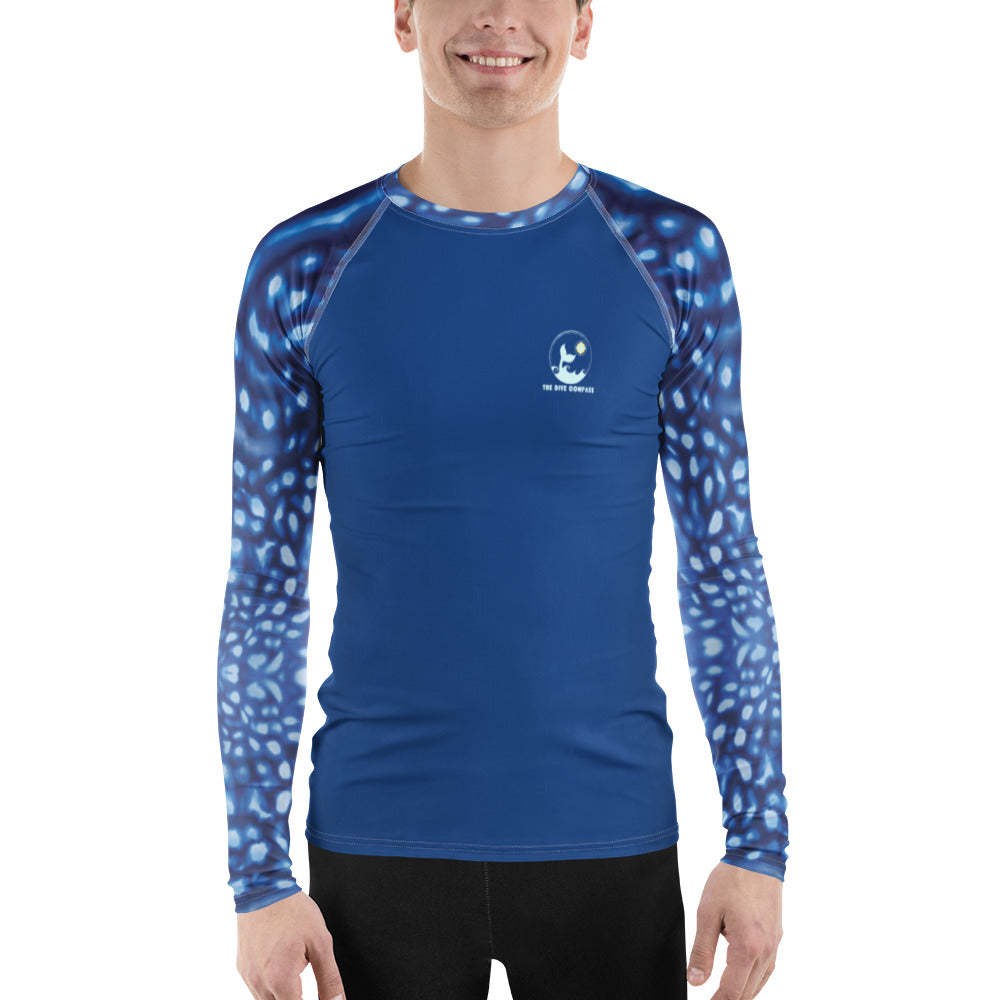
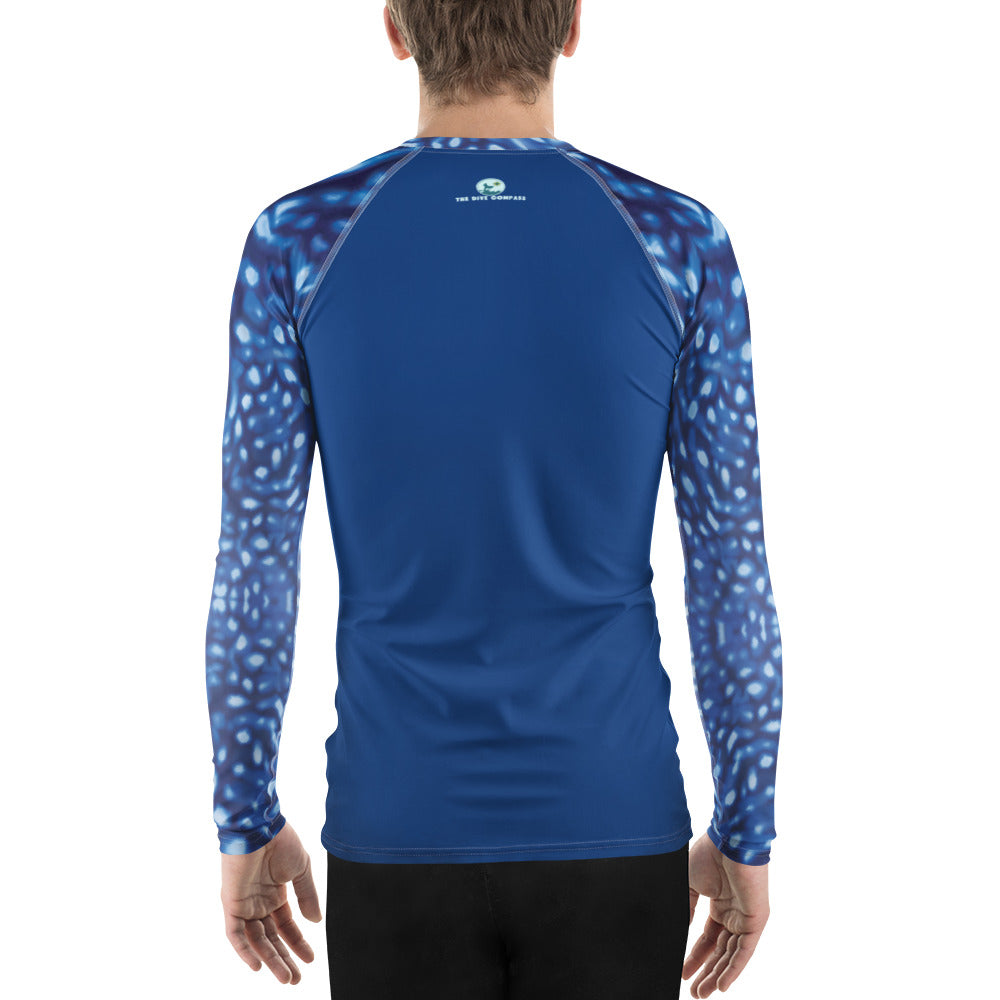
For the detail on UPF rating, fit and seam placement, I have written that up separately in how to choose a rash guard. You can see the full range in women's rash guards and men's rash guards.

Best swimsuit style for snorkeling: one-piece or bikini?
Both work. What matters more than the style is whether it stays where you put it when you kick hard against a current.
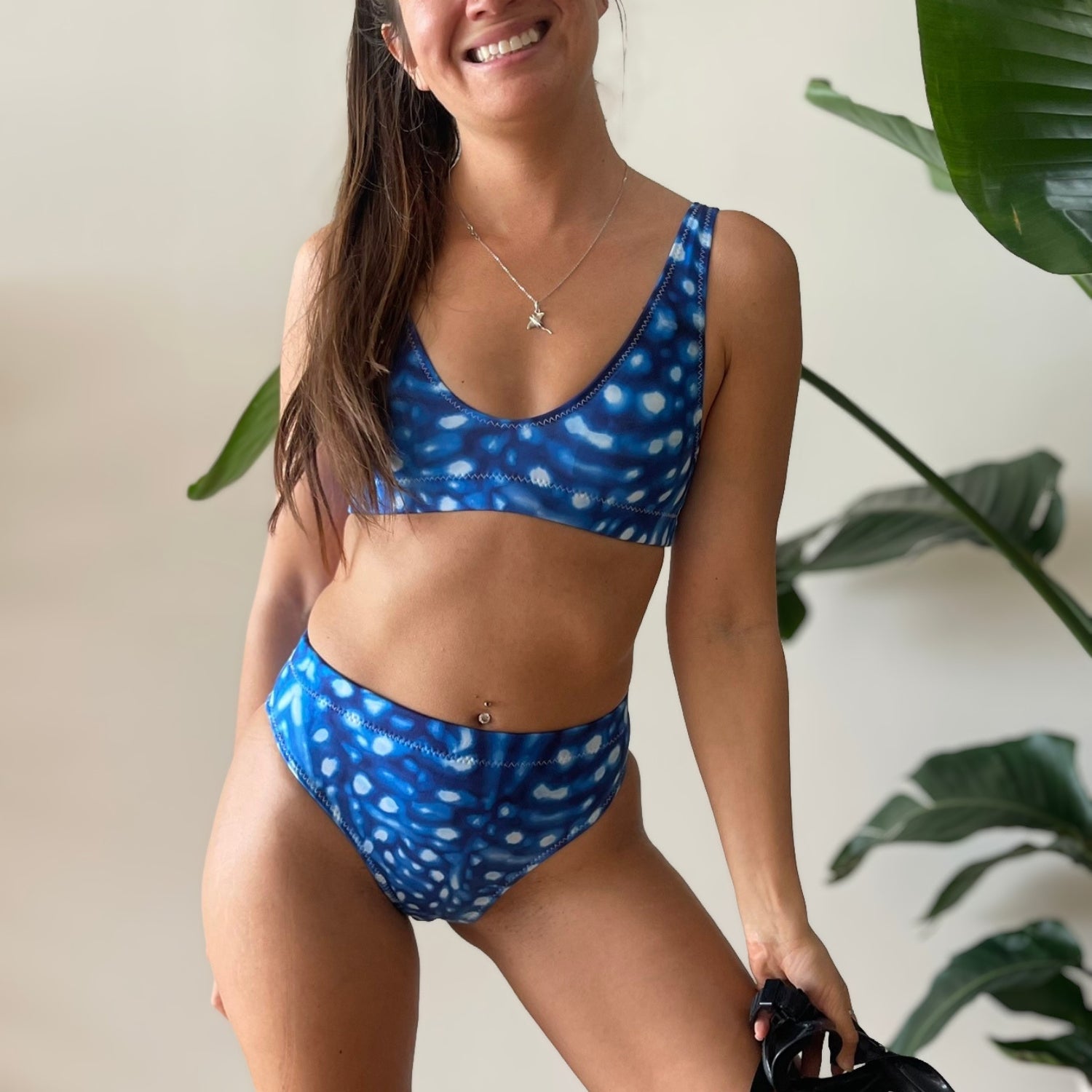
A one-piece gives you full torso coverage with nothing to shift at the waist, which is genuinely useful in surf and on boat entries. The trade is that it is slower to get in and out of, and awkward if you are snorkeling all day with bathroom stops.
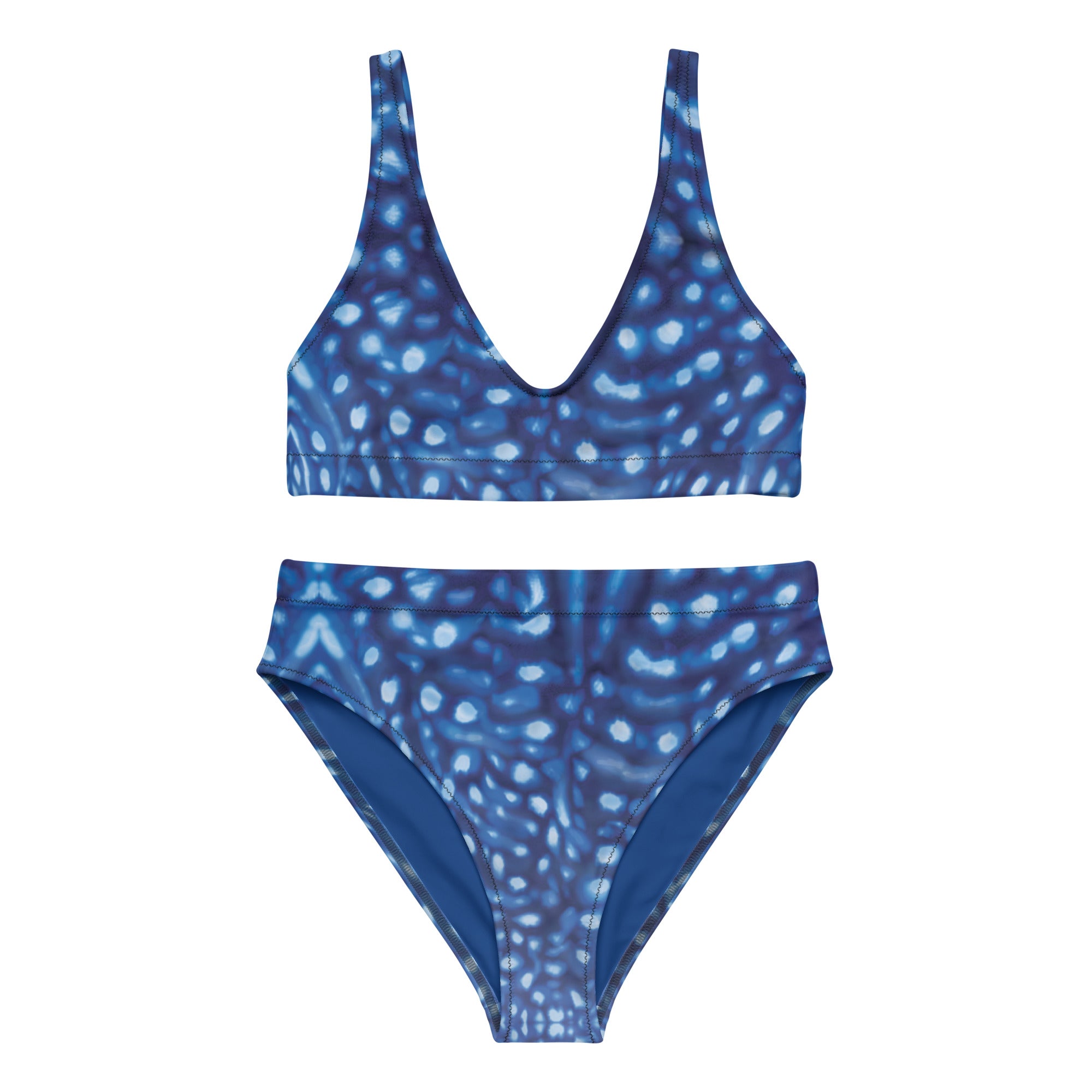
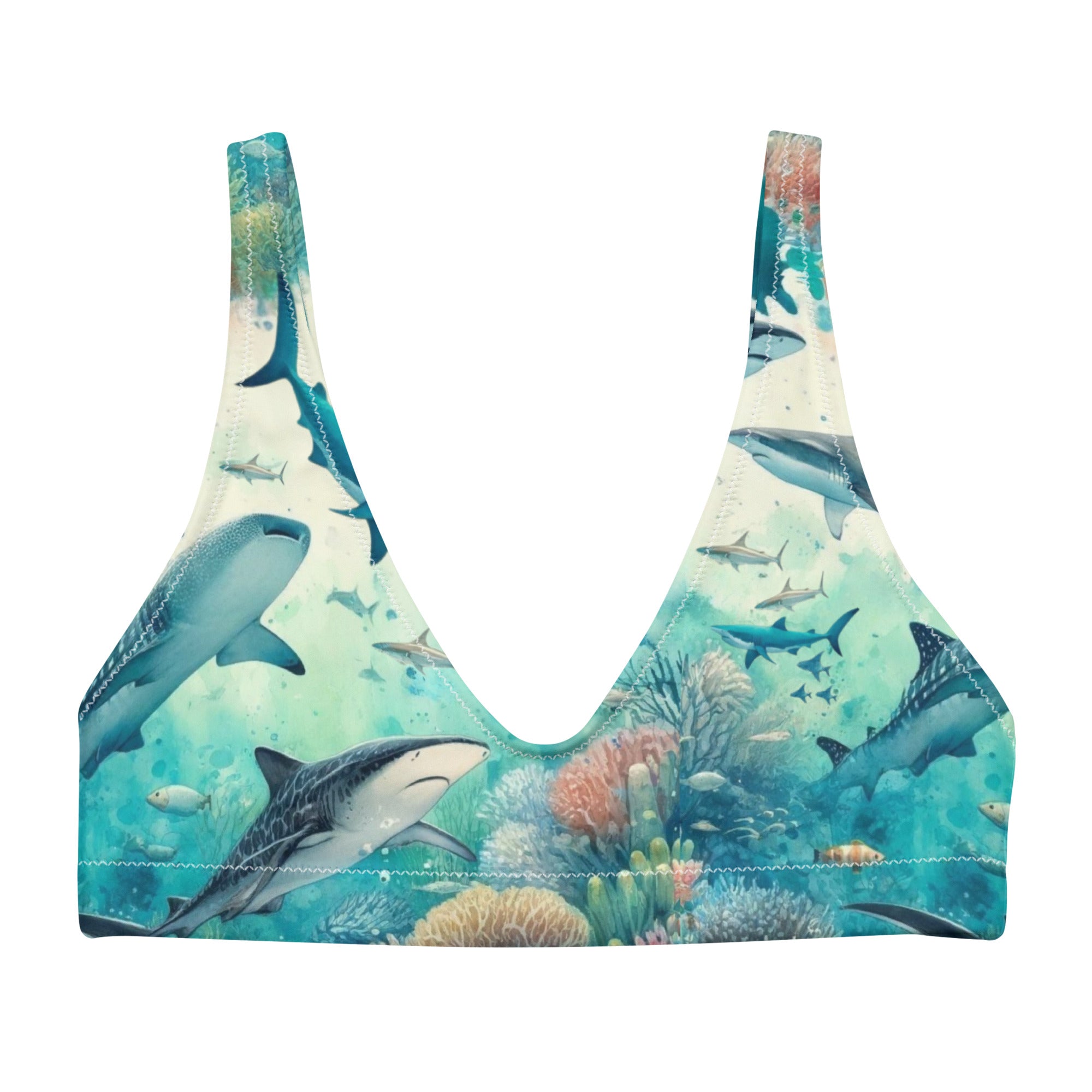
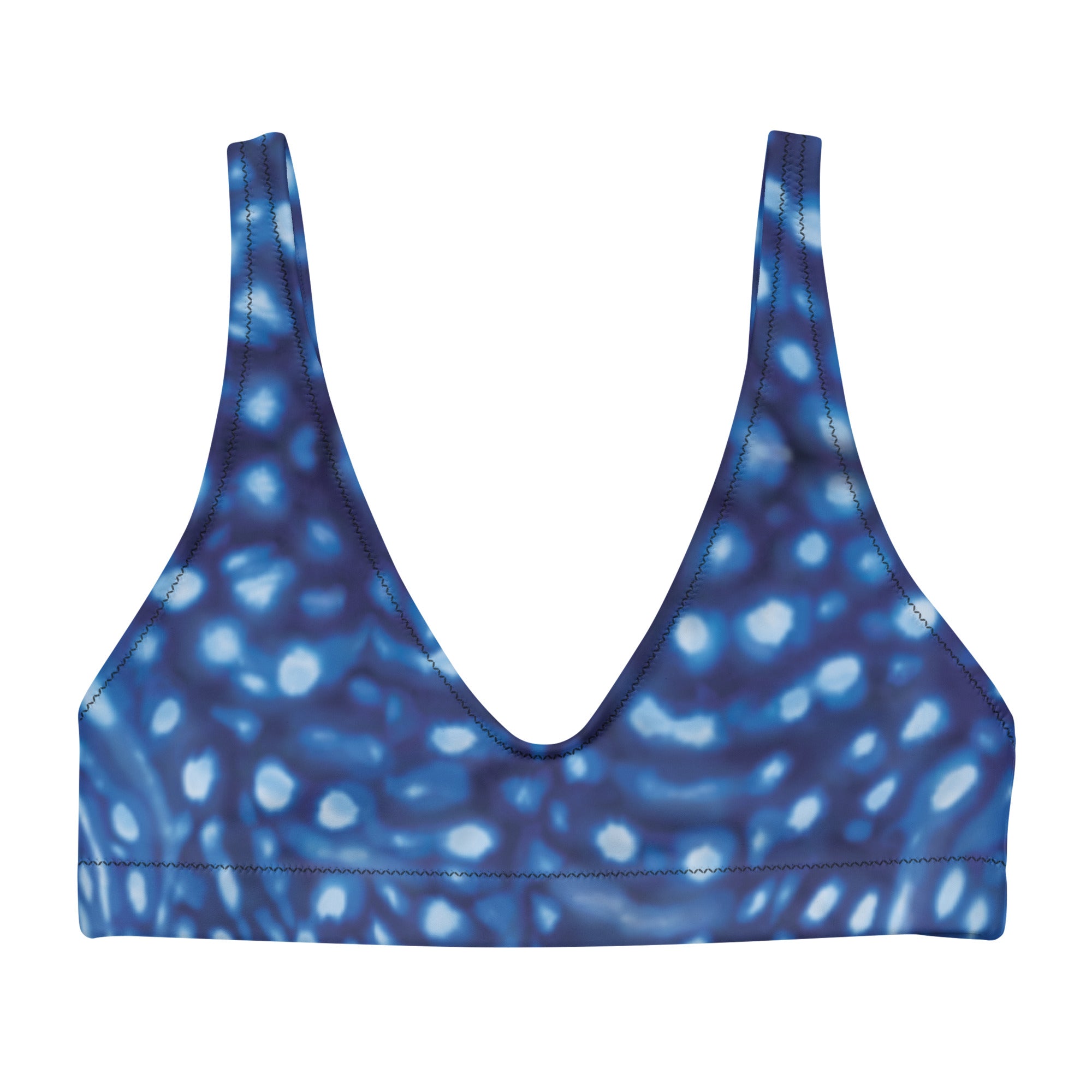
A two-piece is faster to change, faster to dry, and easier to pack. The trade is more hardware and more ties, all of which have to hold on their own with no wetsuit over the top.
What I look for in either, and what most beach swimwear fails on:
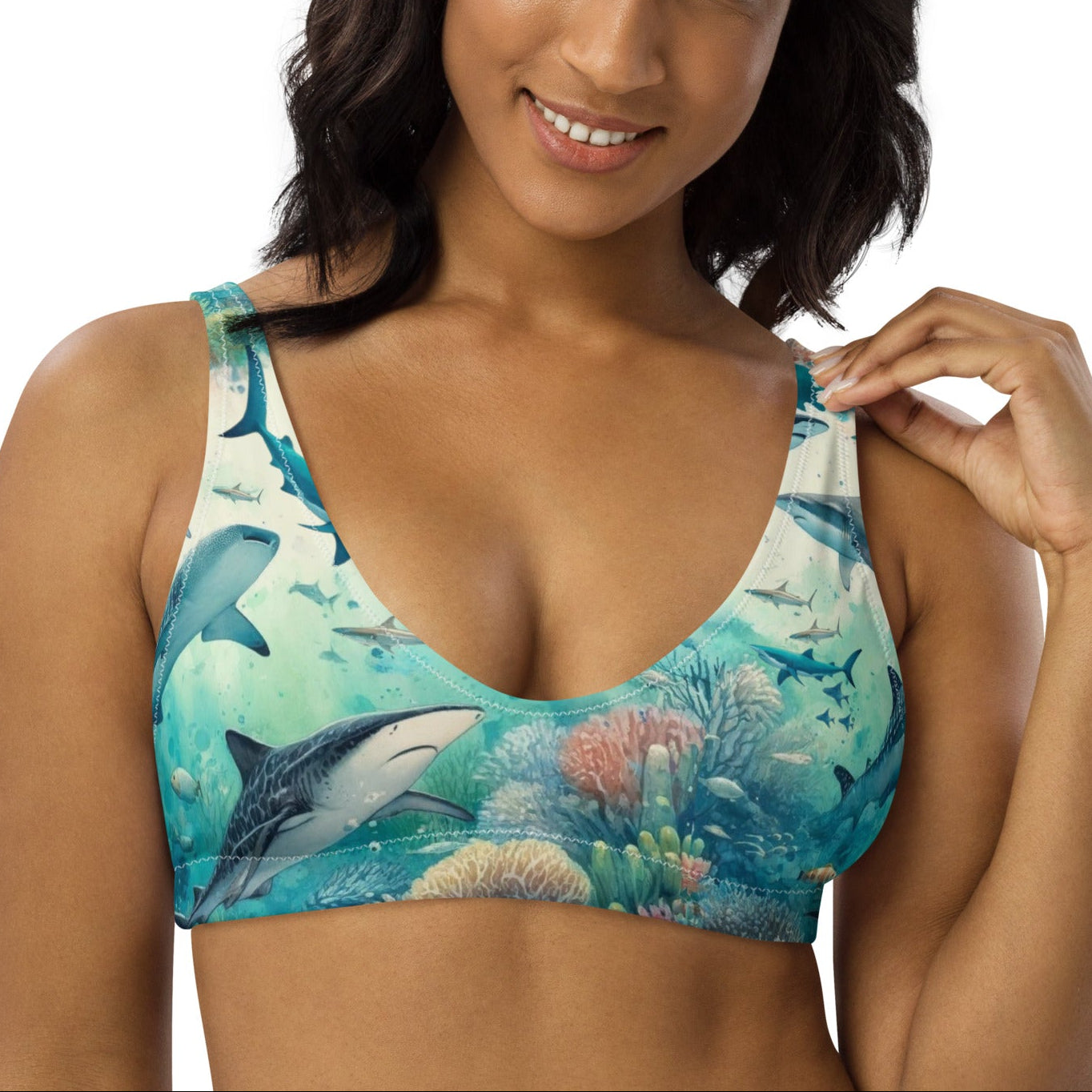
- Wide, fixed straps over thin adjustable ones. Thin straps dig in under a mask strap and slip when wet.
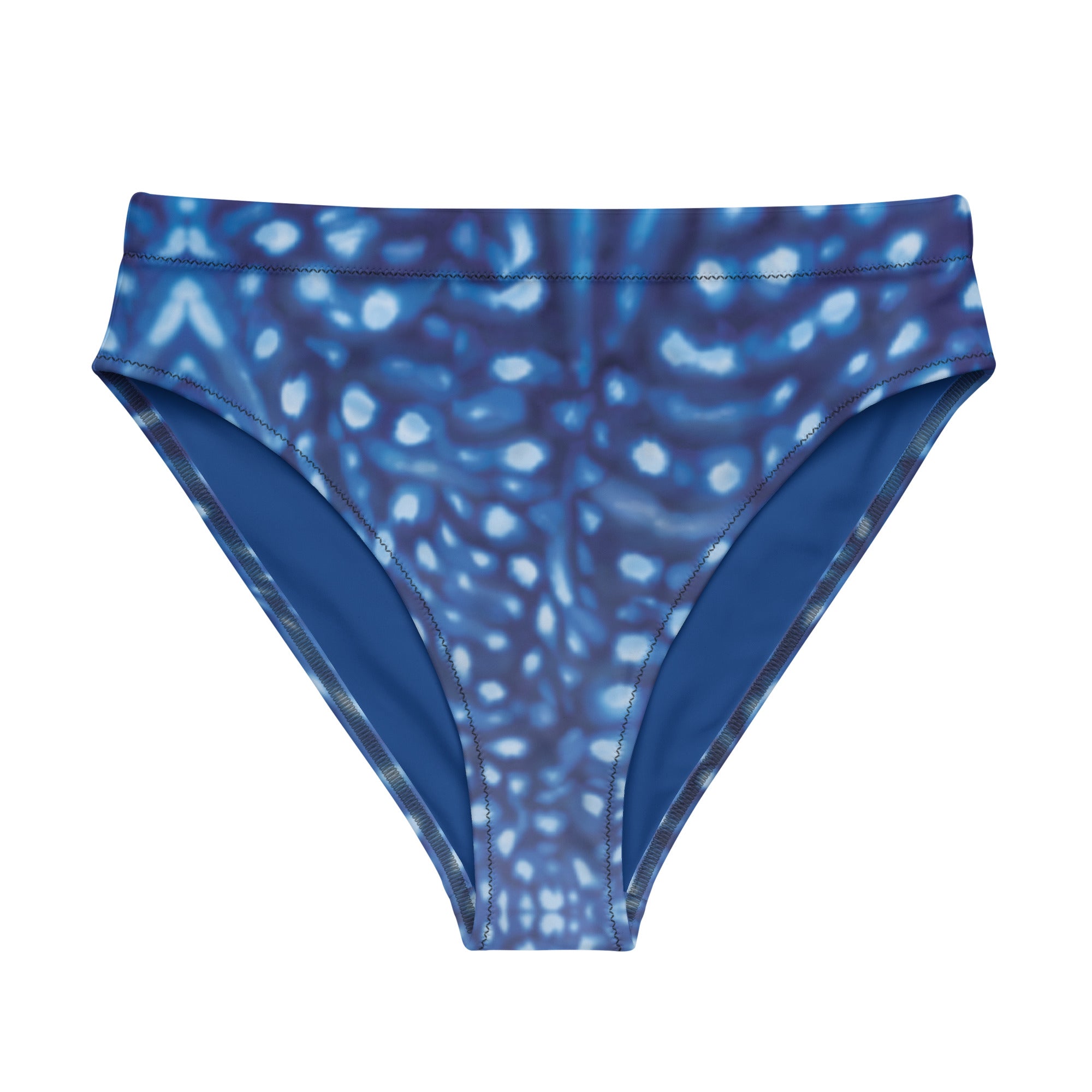
- Flat seams and no metal. Rings, clasps and thick side seams become pressure points under a rash guard.
- Fabric with real recovery. Cheap swim fabric stretches out after a few hours in salt and sun and never fully returns.
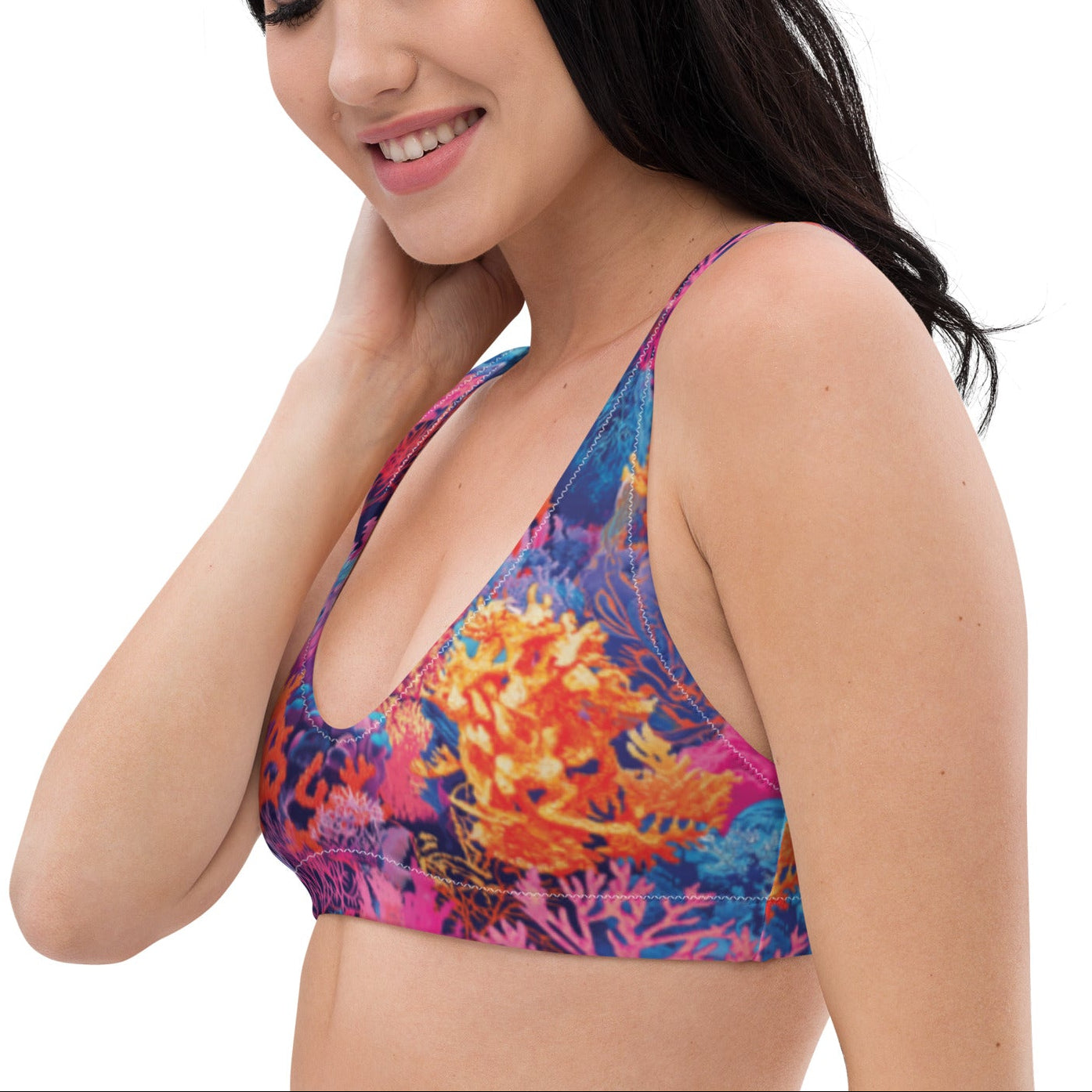
- A darker or busy print. Pale solids go see-through when wet. This is not vanity, it is the thing people discover on the boat afterwards.
I have gone into the full comparison, including the practical detail nobody writes about honestly, in one-piece vs bikini. If you want to browse, the one-piece swimsuits and two-piece sets are all cut for exactly this.

Snorkeling in waves and current
Calm-lagoon snorkeling forgives almost anything. Surf entries and drift snorkels do not, and this is where most swimwear failures happen.
- Tie everything in front, not behind. A knot you cannot reach is a knot you cannot fix while you are being pushed around. Front ties also keep the bulk away from where a mask strap or a boat ladder will catch it.
- Anything that can be pulled down, will be. Surf strips tie-side bottoms. Go for high-waisted or fixed-side scuba bikini bottoms if you are entering or exiting from a wavy beach.
- Check yourself before you get back on the boat, not after. Do it in the water. Everyone does it, nobody mentions it.
- Fin straps chafe the tops of your feet after an hour, more so in chop. Neoprene socks solve it entirely and almost nobody packs them.
What not to wear snorkeling
- Cotton anything. Shirts, underwear, board shorts with a cotton content. It holds water, gets heavy, chafes and never dries.
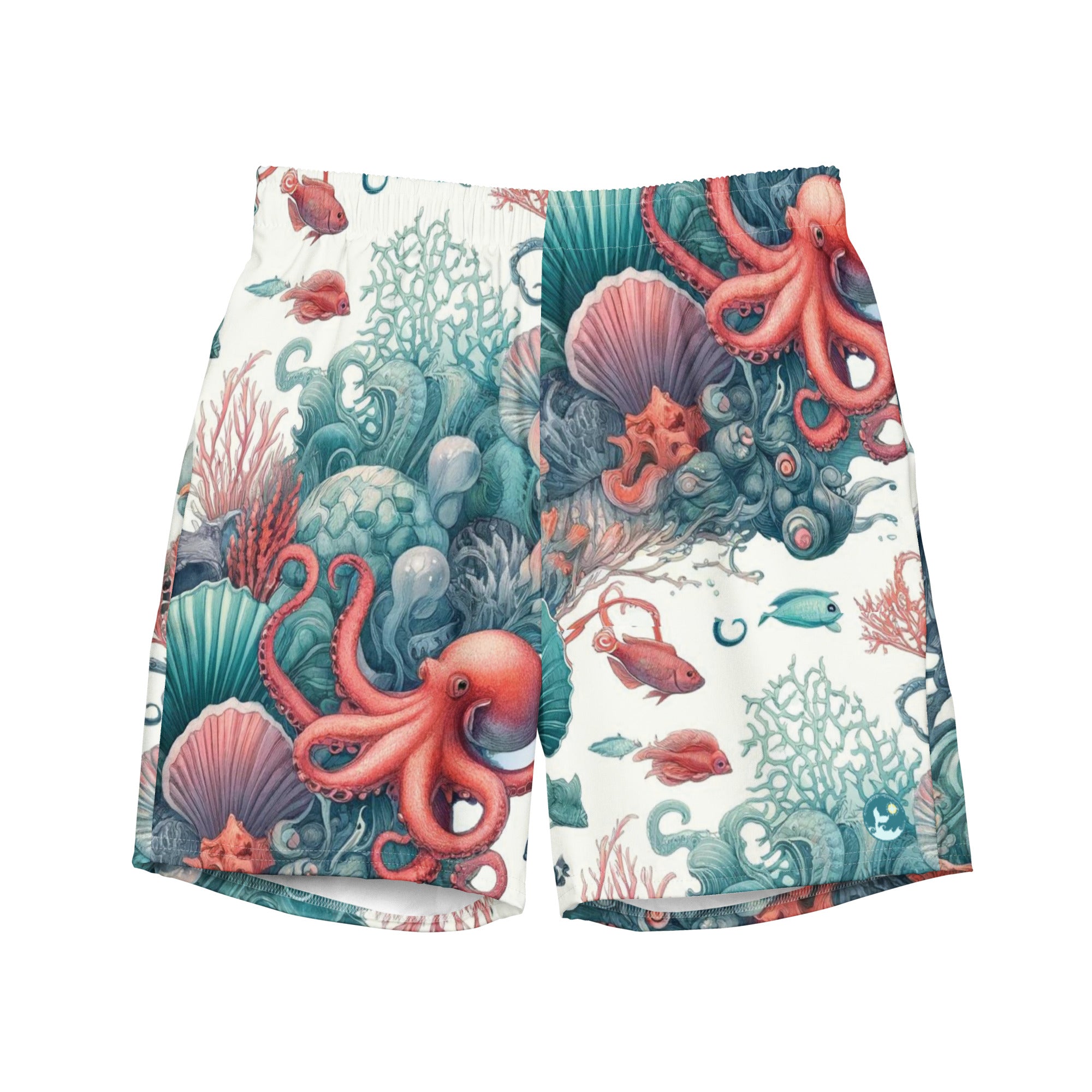
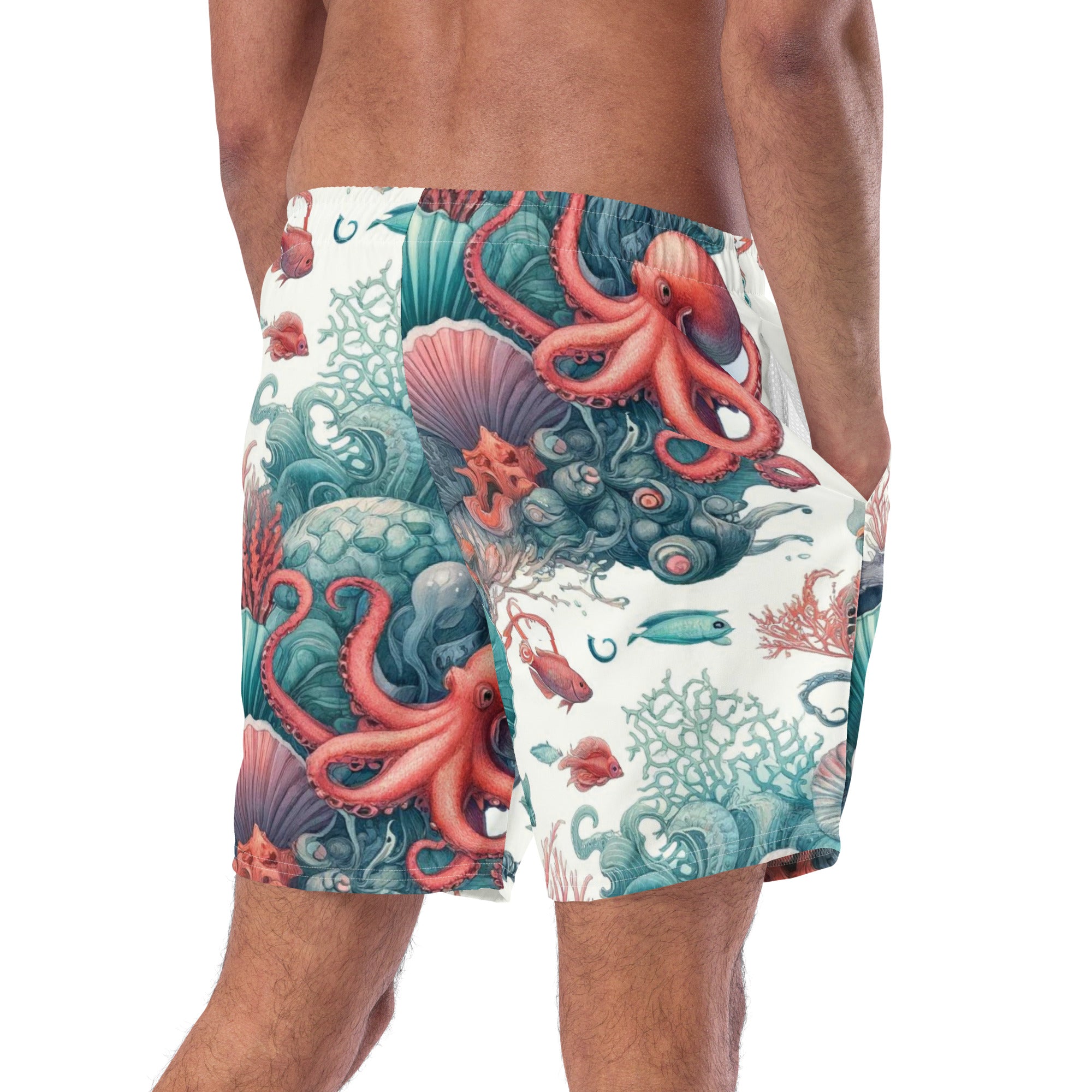
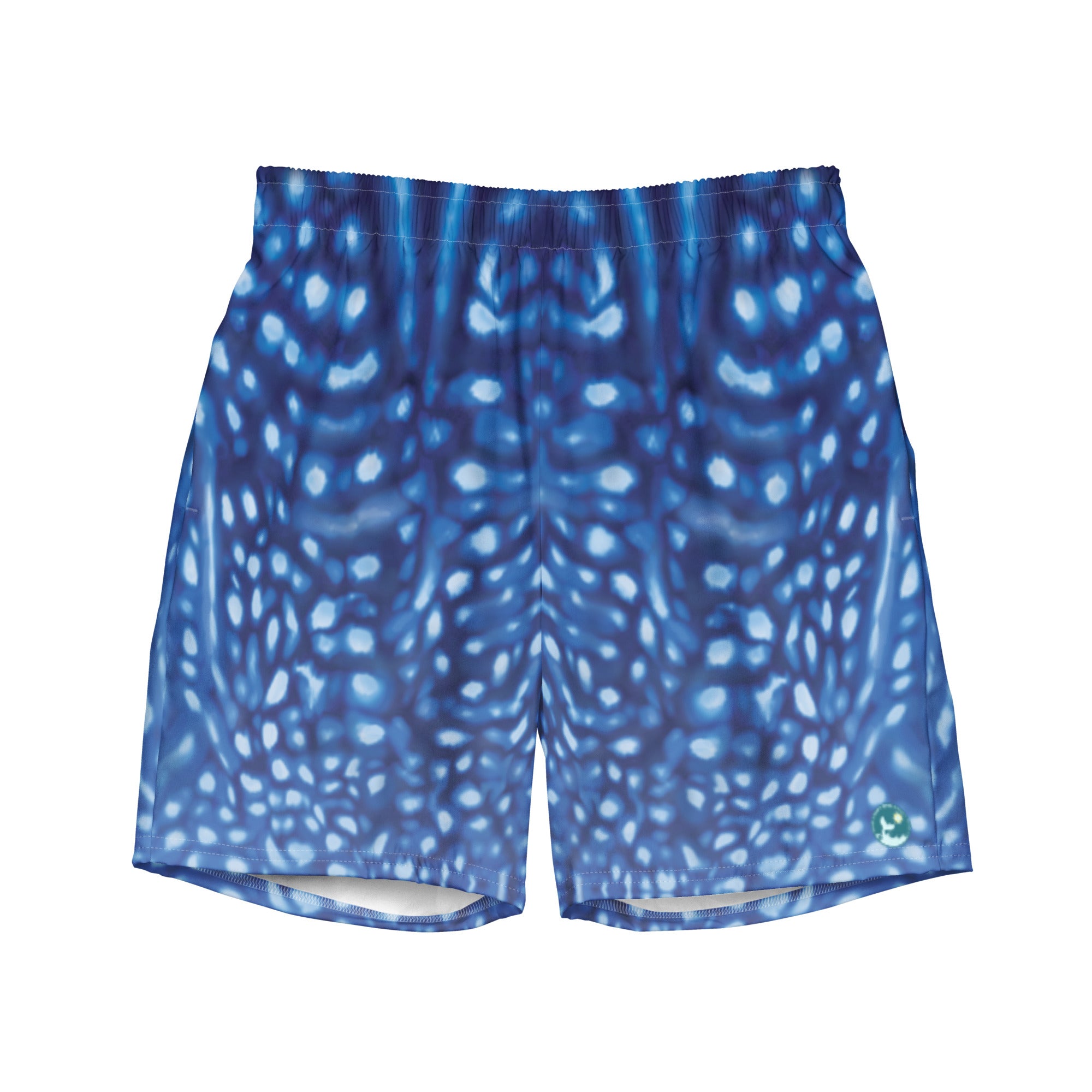
- Loose board shorts. They create real drag when you are kicking with fins, and they balloon.
- A brand new suit you have not swum in. Test it in a pool first. Snorkeling is a bad place to discover a strap slips.
- Pale solid colors, unless you have checked them wet.
- Jewelry. Take rings, bracelets and anything shiny off. Barracuda are curious about flashing metal, and I would rather not test how curious.
- Sunscreen as your only sun protection. More on that next.
The sun part people get wrong
Water does not protect you. UV penetrates well below the surface, and the surface itself reflects UV back up at you, so while you are floating face-down you are getting sun from above and bounced light from below at the same time.
That is why fabric wins. A UPF 50+ rash guard blocks over 98% of UV, does not wash off, does not need reapplying, and does not end up on the reef you came to look at. Cover the back, shoulders and upper arms with fabric, and save the sunscreen for your face, neck and the backs of your hands. The full case for this, including what happens to the coral, is in why UPF 50+ beats sunscreen for the reef.

A snorkeling day, packed
- Swimsuit, worn under your clothes before you leave
- UPF 50+ rash guard, cropped or full length
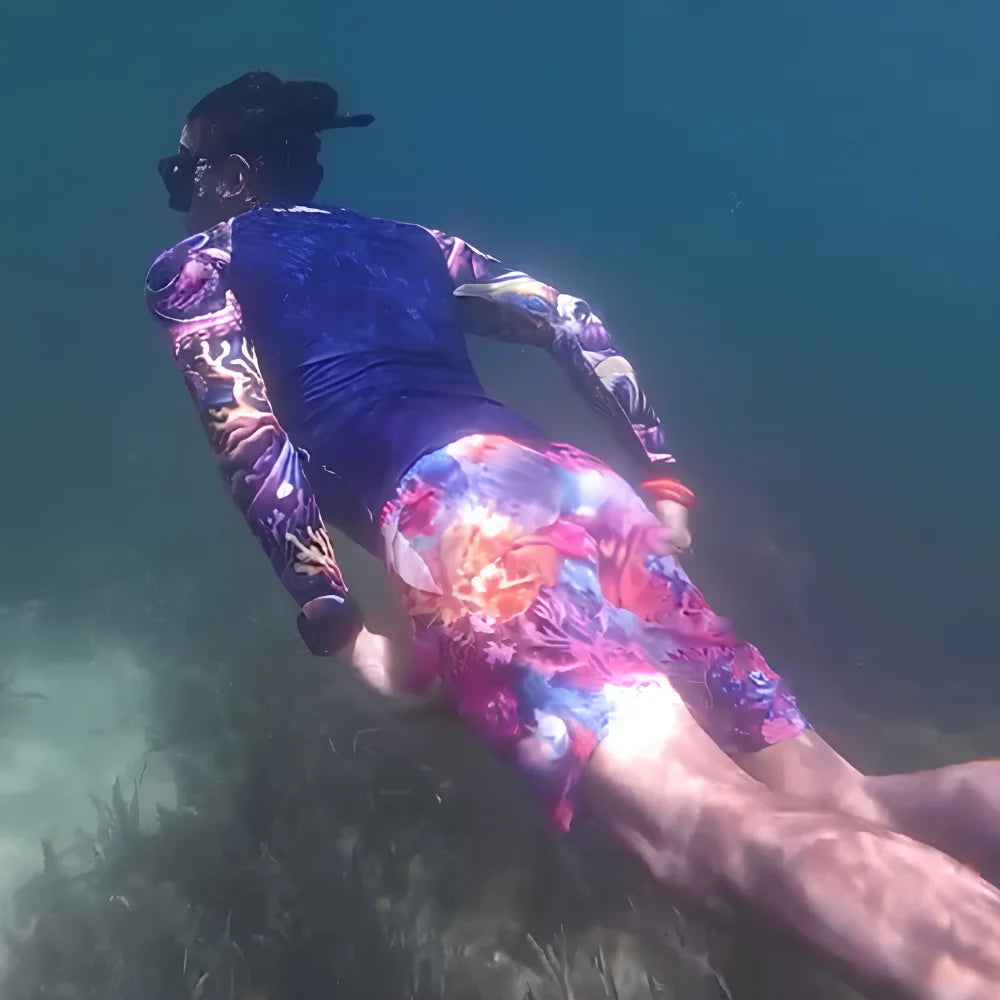
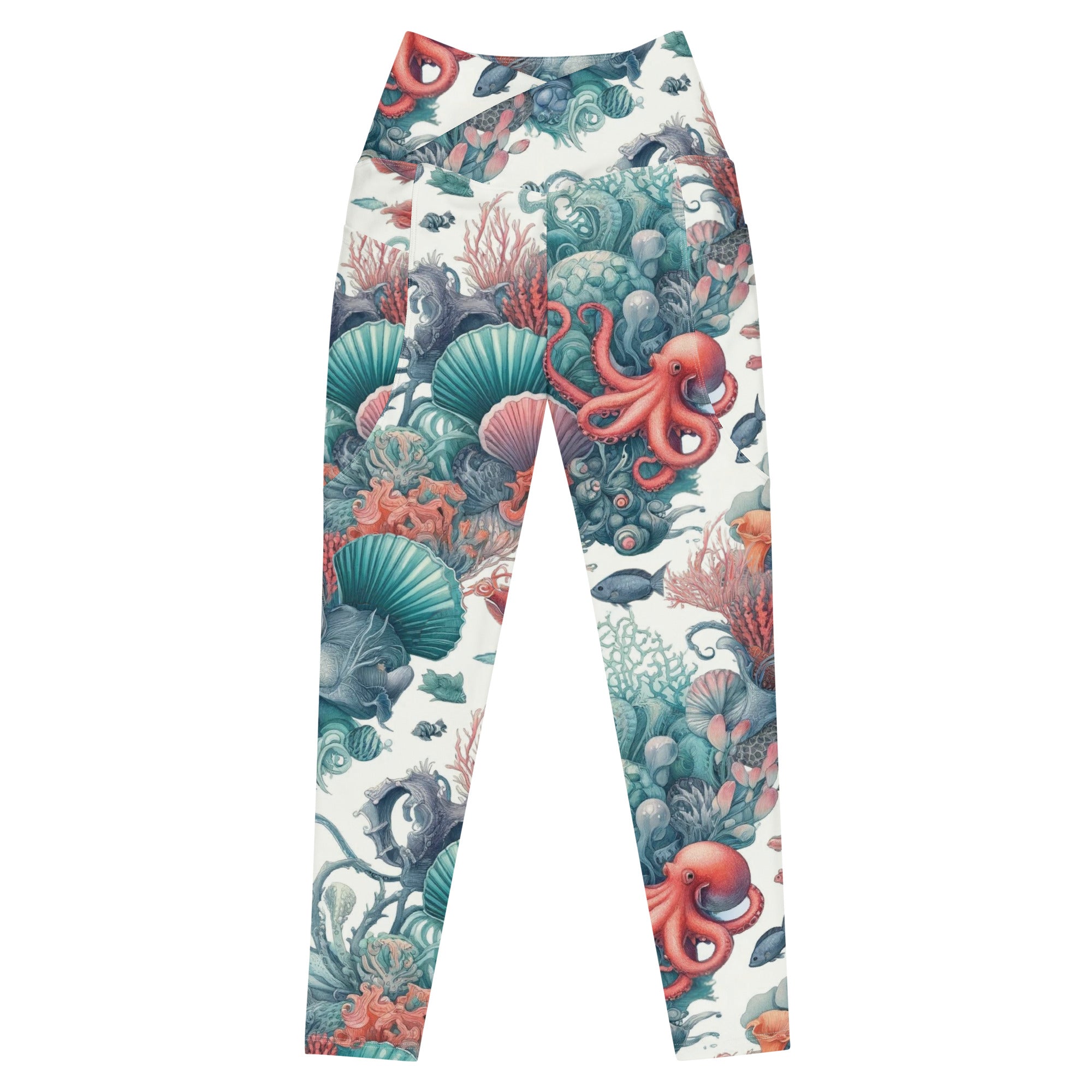
- Swim leggings or shorts if it is a long day on the water
- A second dry swimsuit if you are doing two sessions
- Neoprene socks if you are using rental fins
- Reef-safe sunscreen for face, neck and hands only
- A dry bag, and something warm for the boat ride back
Snorkeling and diving are not the same thing
If you snorkel now and are thinking about learning to dive, most of this still applies but the layering changes completely once neoprene is involved. Those are covered separately:
- What to wear scuba diving, every layer explained
- What to wear under a wetsuit
- Rash guard vs wetsuit, by water temperature
- Scuba bikinis: what makes one work under a wetsuit
Frequently asked questions
Do you wear a bathing suit under a rash guard for snorkeling?
Yes. A rash guard is unlined and goes semi-transparent when wet, so a swimsuit always goes underneath. Never regular underwear, because cotton holds water, chafes once salt gets into it, and takes a full day to dry.
Should I wear a rash guard or a swimsuit for snorkeling?
Both. The swimsuit is the base layer and the rash guard goes over it. The rash guard is what protects your back and shoulders from sun during the hours you spend floating face-down, which is the part of snorkeling that catches people out.
Is a one-piece or a bikini better for snorkeling?
Both work. A one-piece gives better torso coverage and nothing shifts at the waist, which helps in surf. A two-piece is faster to change and dries quicker. What matters more than the style is wide fixed straps, flat seams and no metal hardware.
What should I wear under a snorkeling dress?
Swimsuit bottoms at minimum, and a full swimsuit is better. A swim dress rides up as soon as you start kicking and the fabric floats, so you want proper swimwear underneath rather than underwear.
Do I need a wetsuit for snorkeling?
Usually not. Above about 79 degrees F a rash guard is plenty for a normal session. A shorty or thin wetsuit is worth it only for long swims in cooler water, or if you get cold easily and plan to be in for hours.
Can you get sunburned while snorkeling?
Badly, and it is the most common thing I see go wrong. You are horizontal and face-down, so your back and the backs of your legs take direct overhead sun, and you will not feel it because you are cool and wet the whole time. Fabric is the only reliable answer.
About the author
Andrea is a PADI Divemaster and the founder of The Dive Compass. She has been diving for over 15 years across Indonesia, the Red Sea, Mexico and Thailand. She designs UPF 50+ swimwear and rash guards made from recycled polyester for divers and snorkelers.




























Leave a comment
This site is protected by hCaptcha and the hCaptcha Privacy Policy and Terms of Service apply.