


Why our swimwear no longer contains recycled polyester
By Andrea, Founder of The Dive Compass — PADI Divemaster, MSc Sustainability Science
When I started The Dive Compass, I made one promise I wasn't willing to back out of: I would always tell you the truth about what you're wearing in the water. Today, keeping that promise means writing an article I never expected to write, and unfortunately I wish I didn't have to.
In September 2026, our production partner changed the fabric used in our swimwear for all US production. The old fabric was made with 75% recycled polyester. The new one contains no recycled content at all.
I could have quietly updated the product pages and hoped nobody noticed. Plenty of brands would. Instead, I want to walk you through exactly what happened, because the story behind this change is bigger than one small swimwear brand. It's the story of a recycling industry in collapse, plastic bottles being pulled back into a closed loop where they arguably always belonged, and European regulators drawing a hard line on what brands like mine are allowed to call "sustainable."
This wasn't our choice. The recycled polyester supply chain in North America has been under real strain, several major recyclers have shut down in the past year, and new trade tariffs have made recycled fabric harder and more expensive to source. Our partner switched. As a small brand, unfortunately we don't get a vote.
By the end, I hope you'll understand why I've stopped seeing this change as purely bad news. I am trying to take the greenwashing out of the textile industry and be honest about the change and what it means for you.
What actually changed
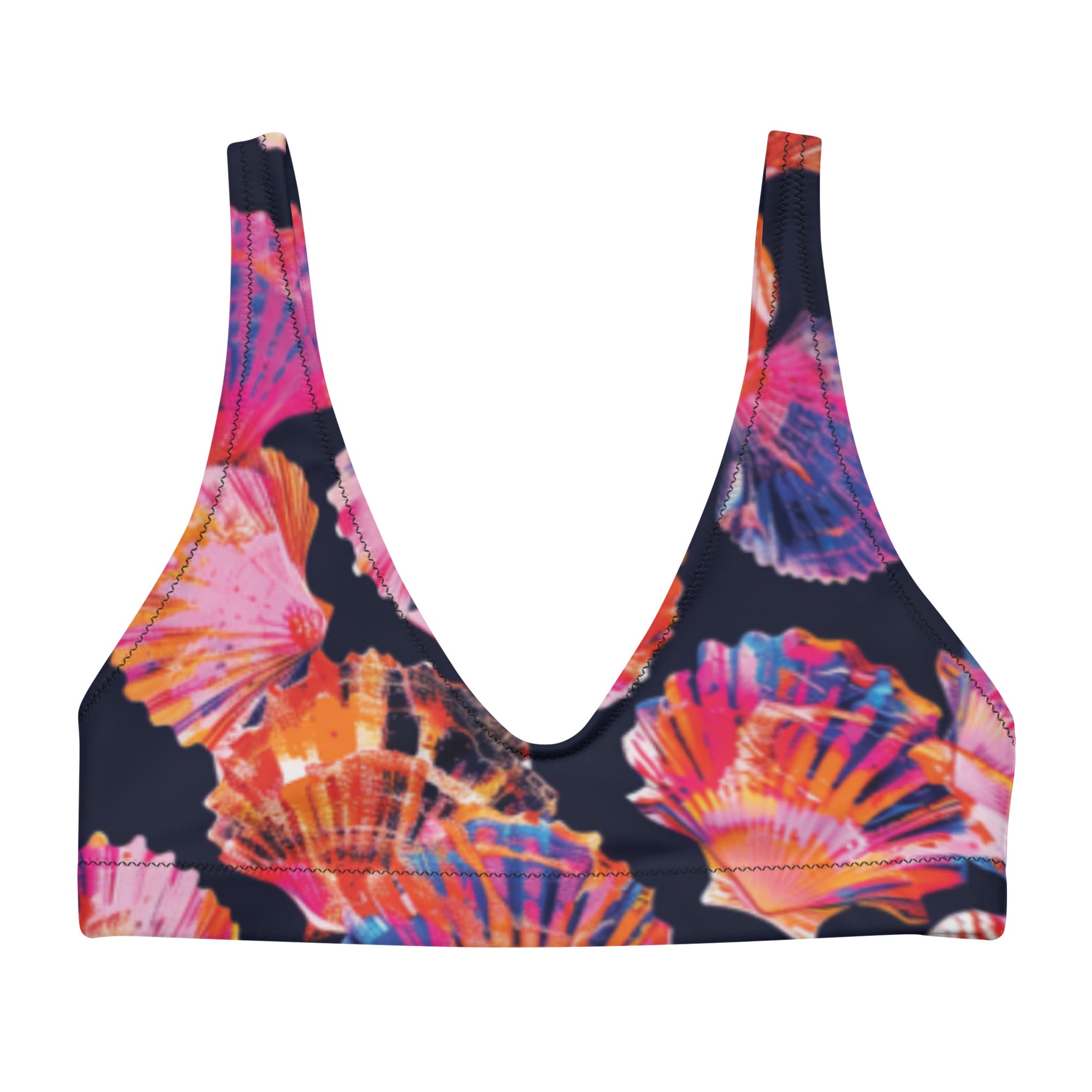
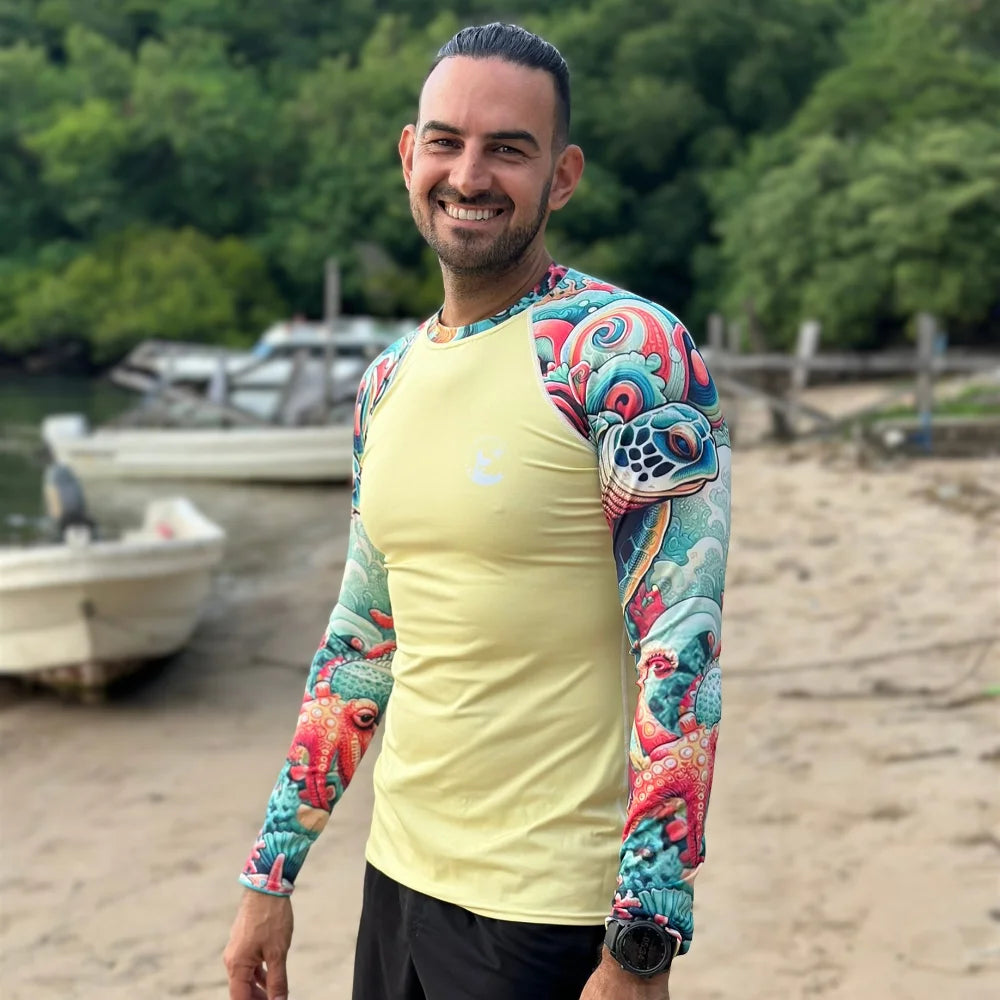
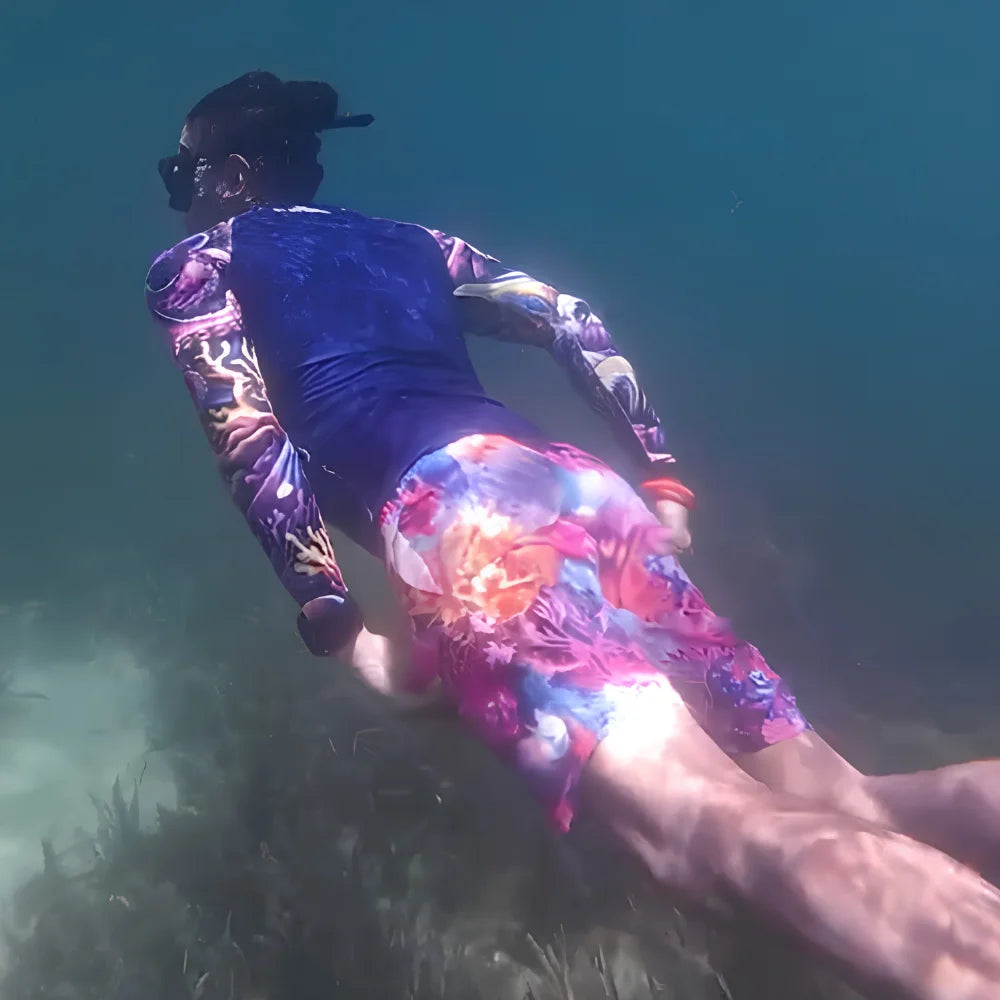
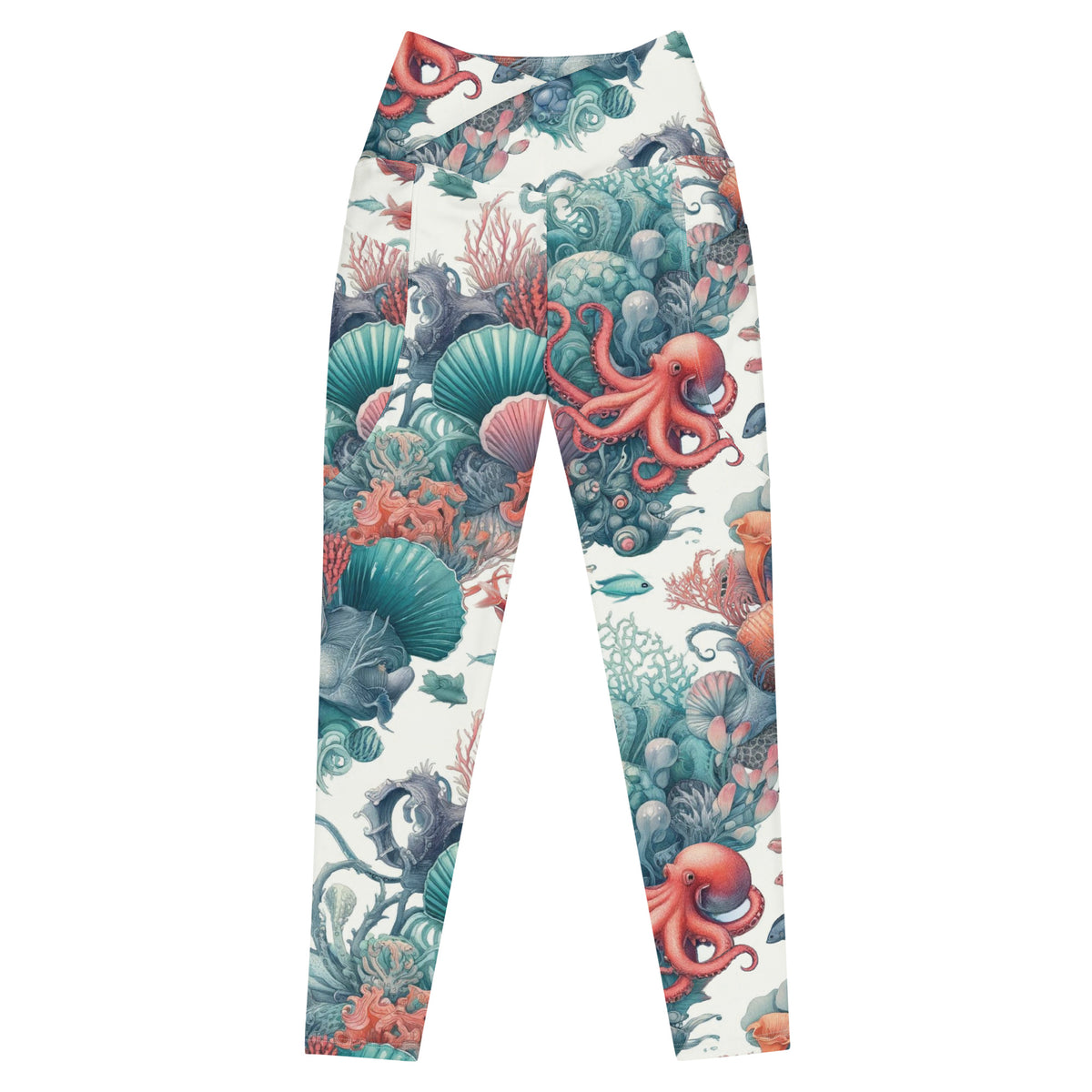
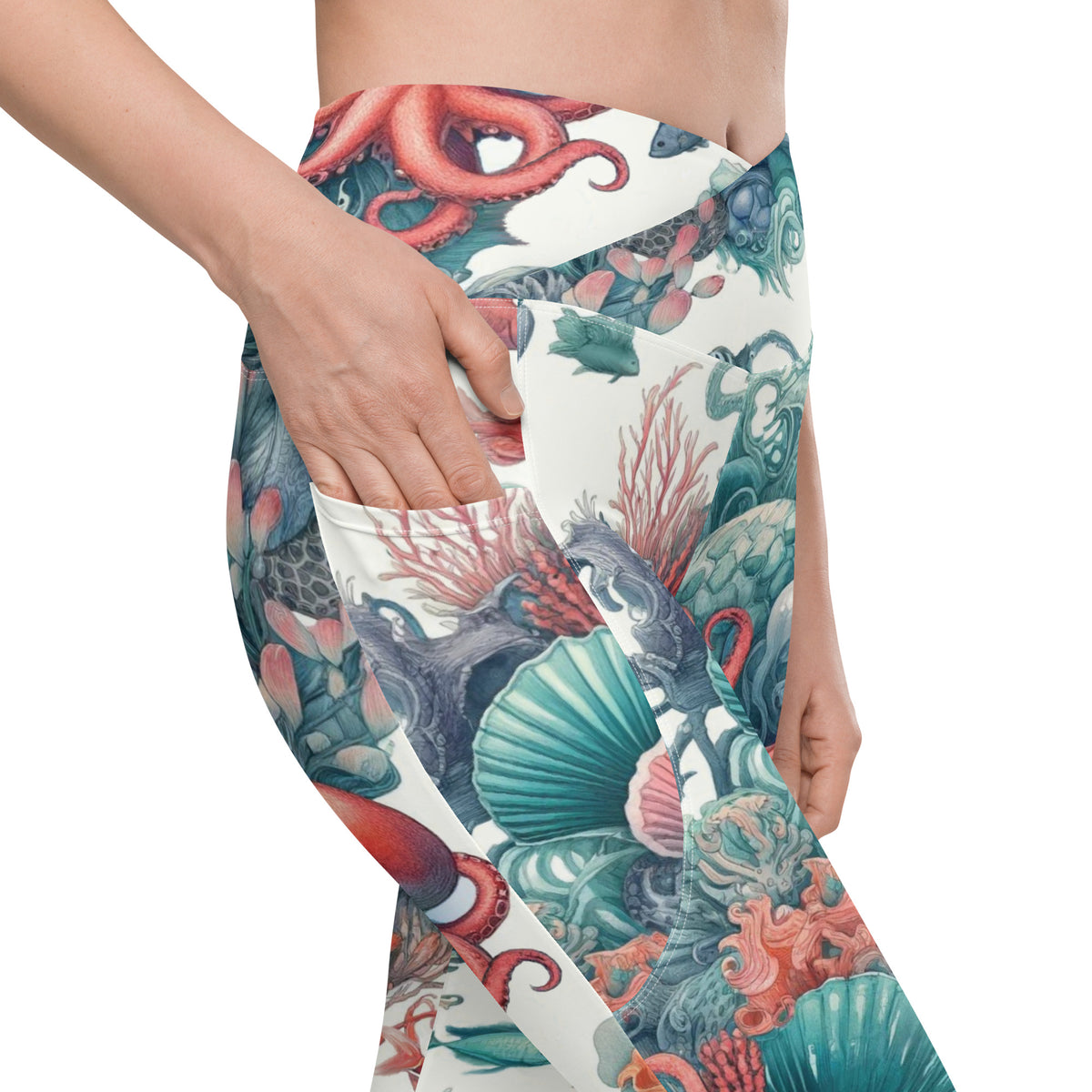
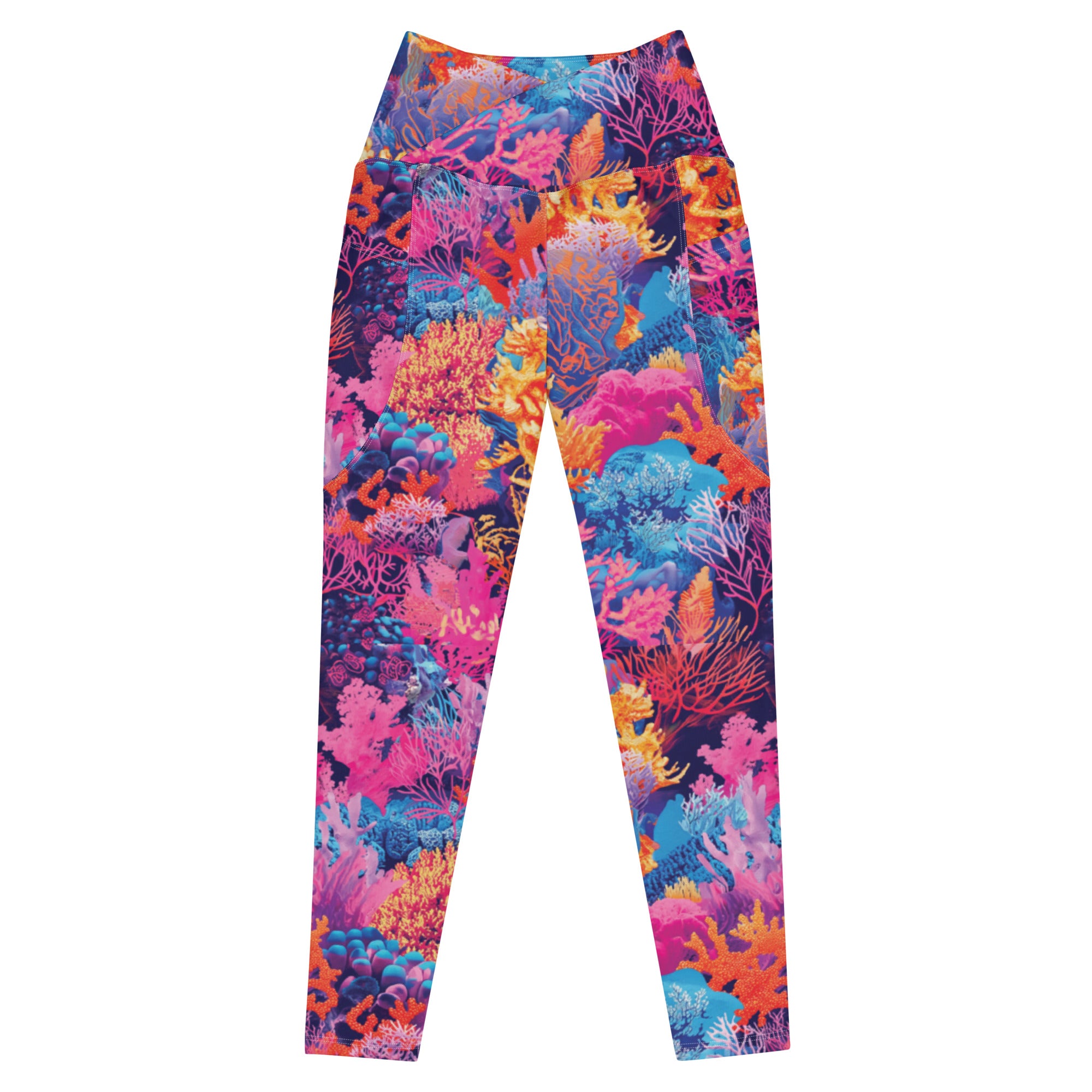
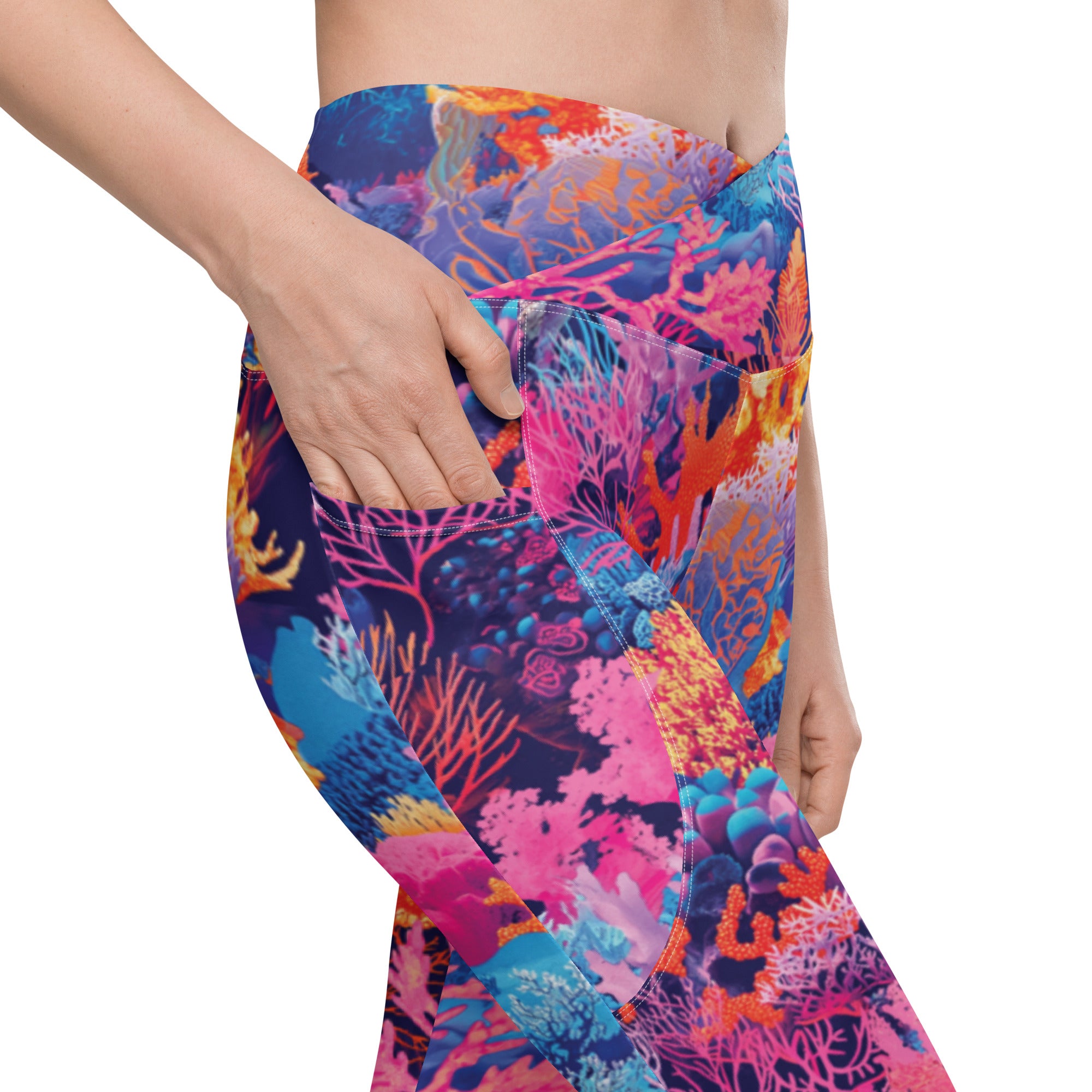
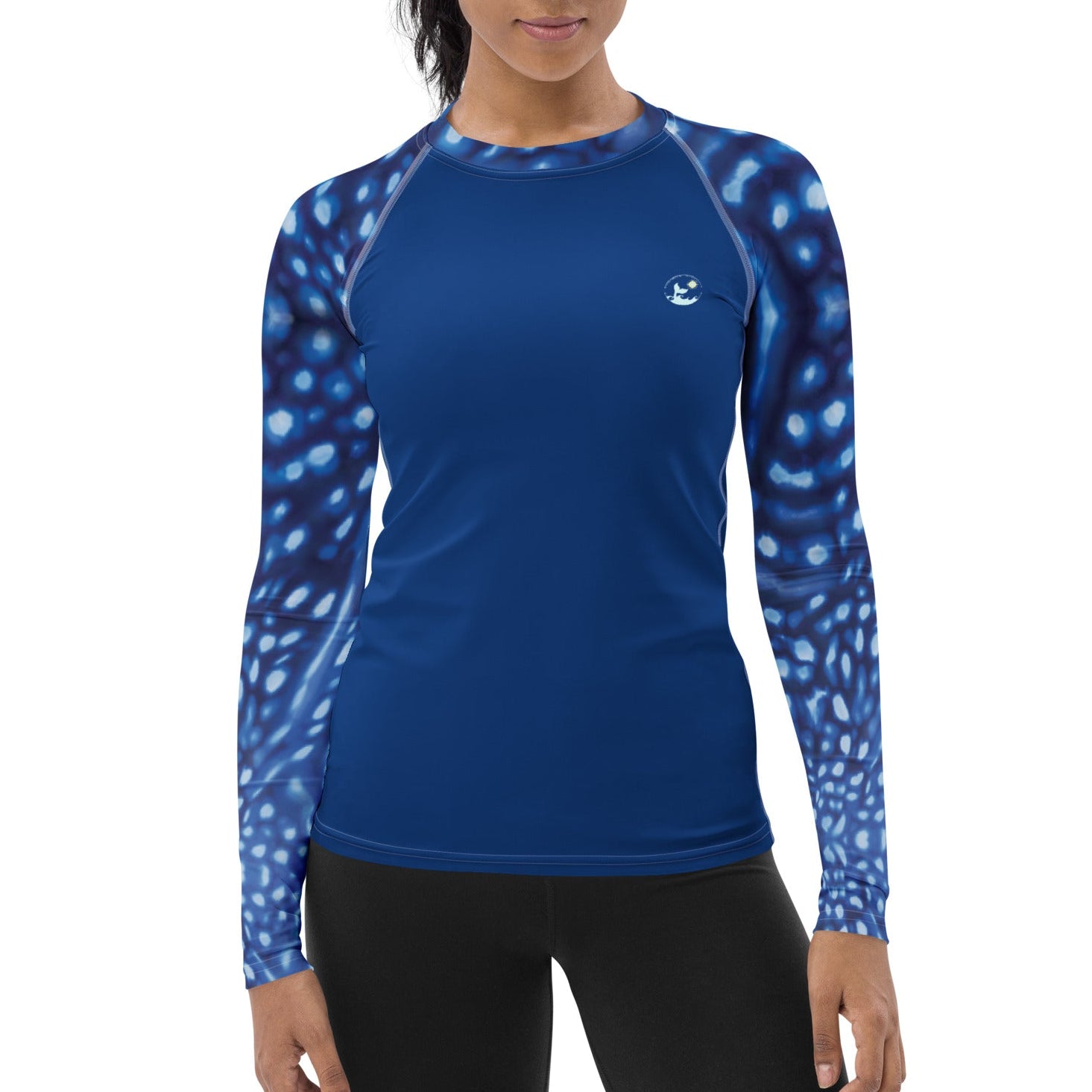
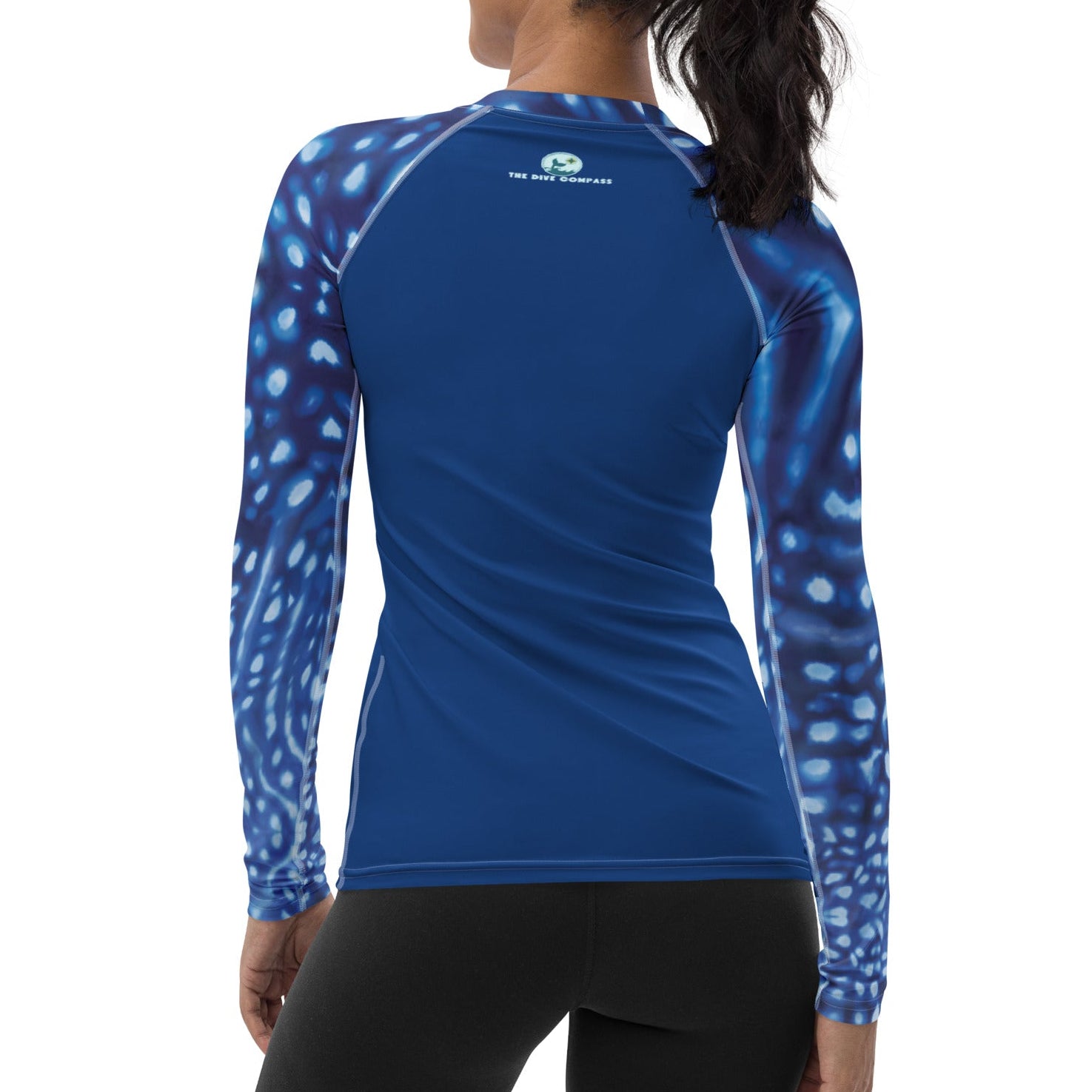
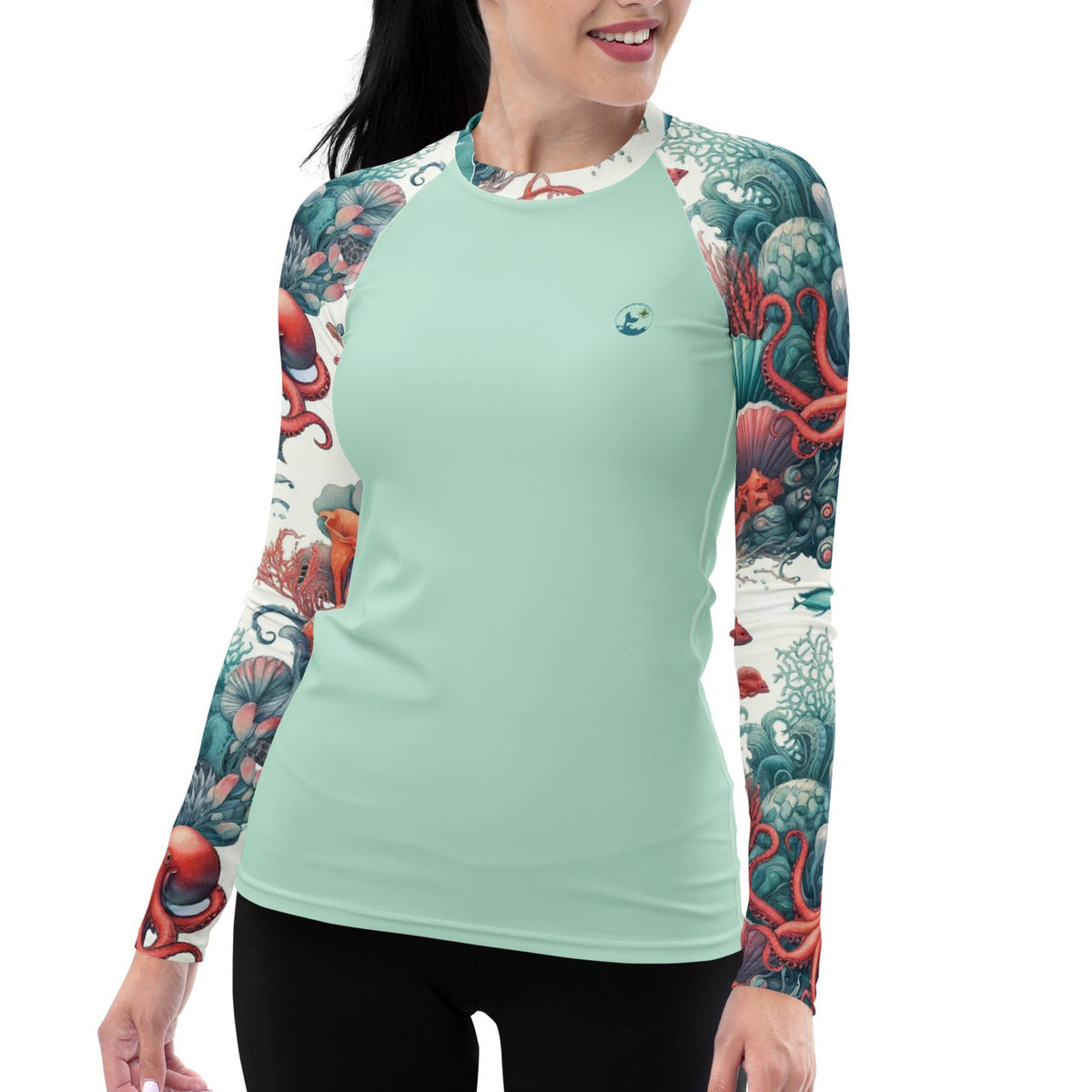
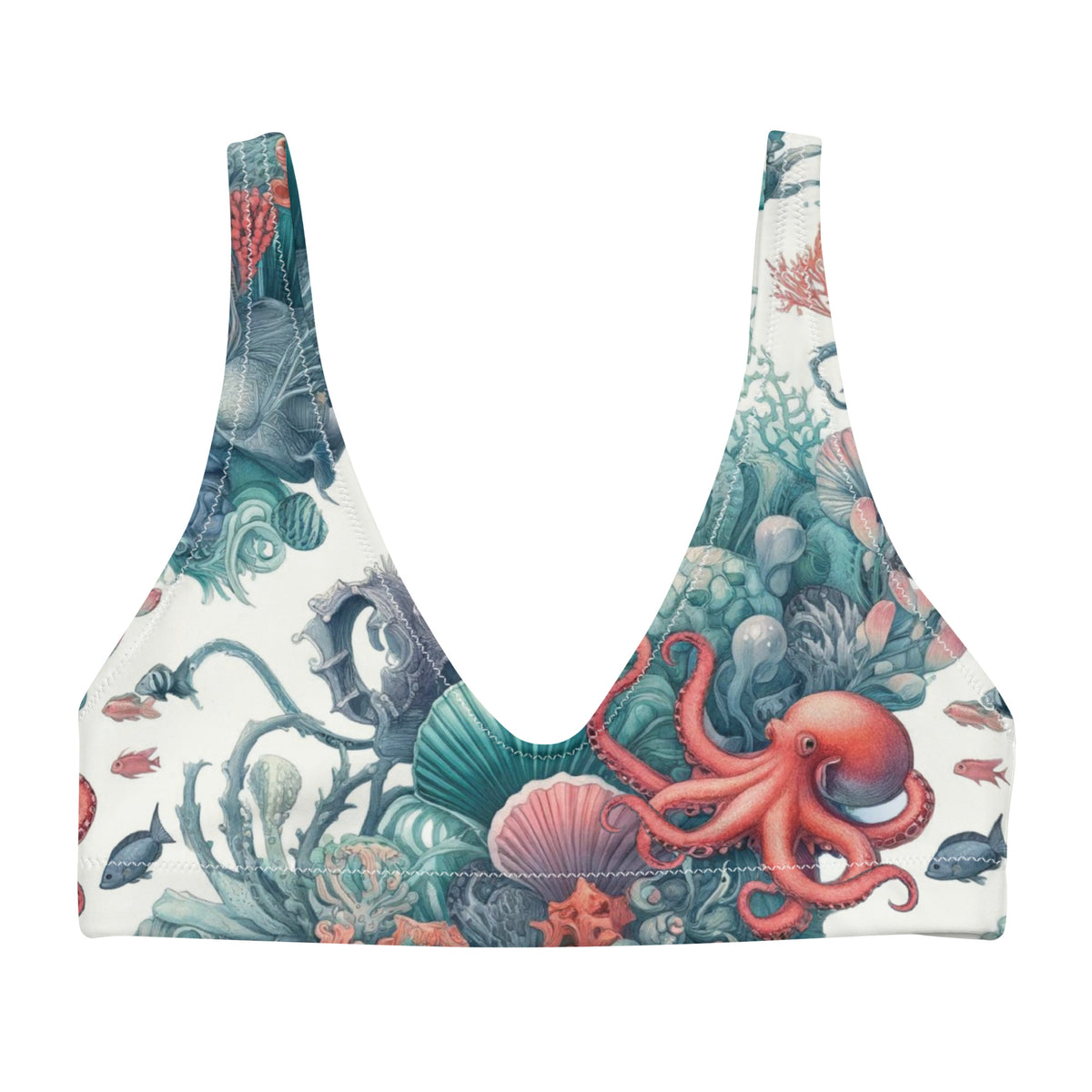
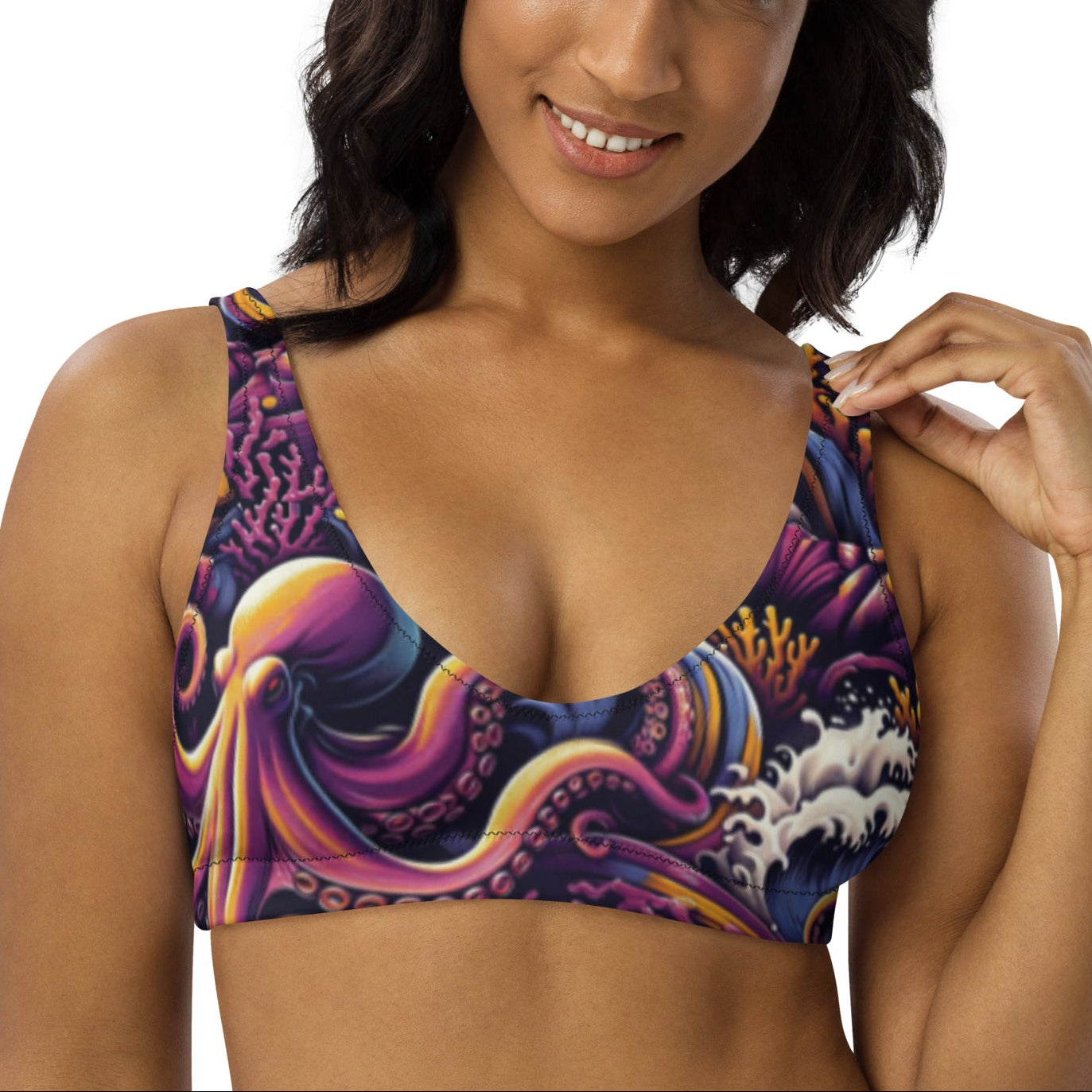
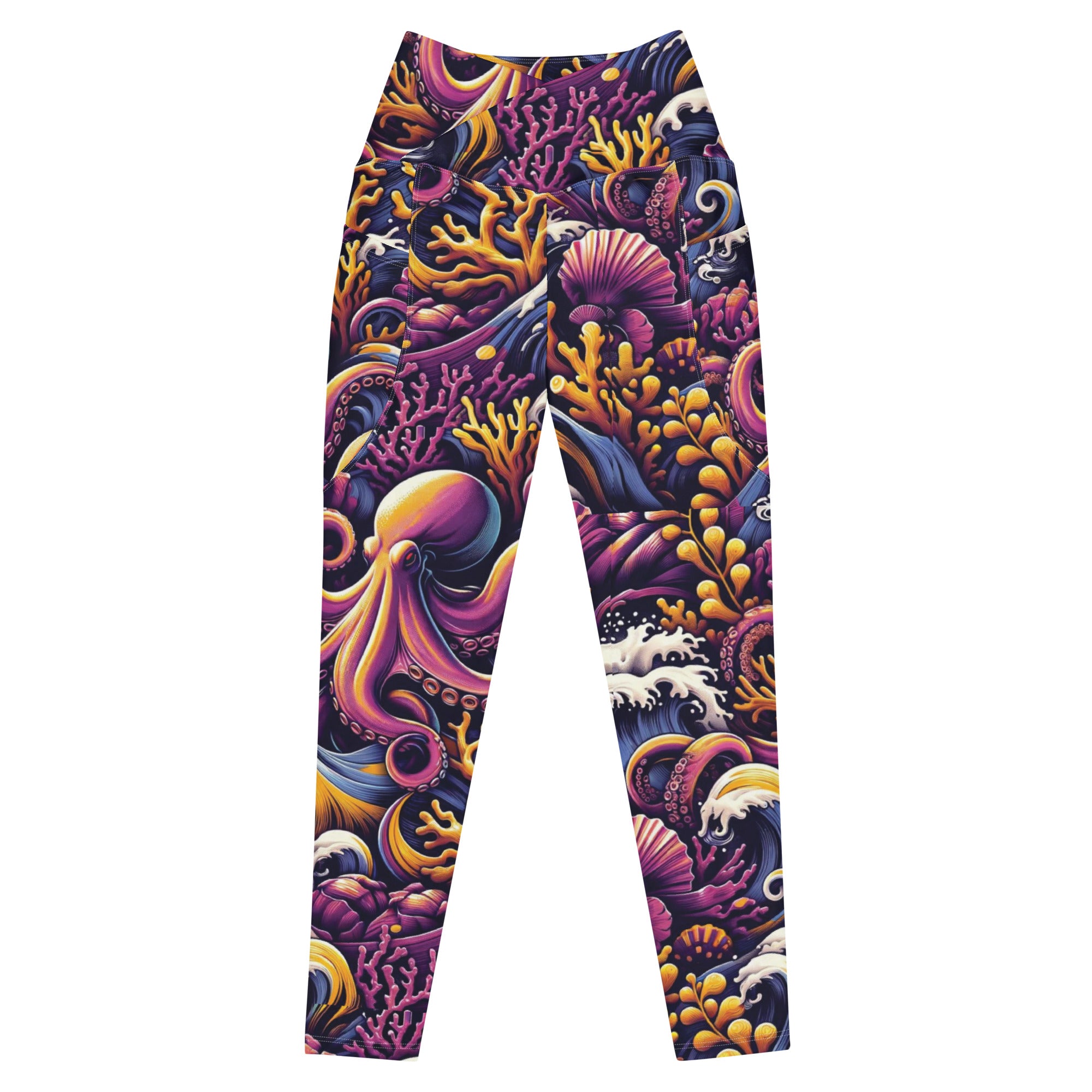
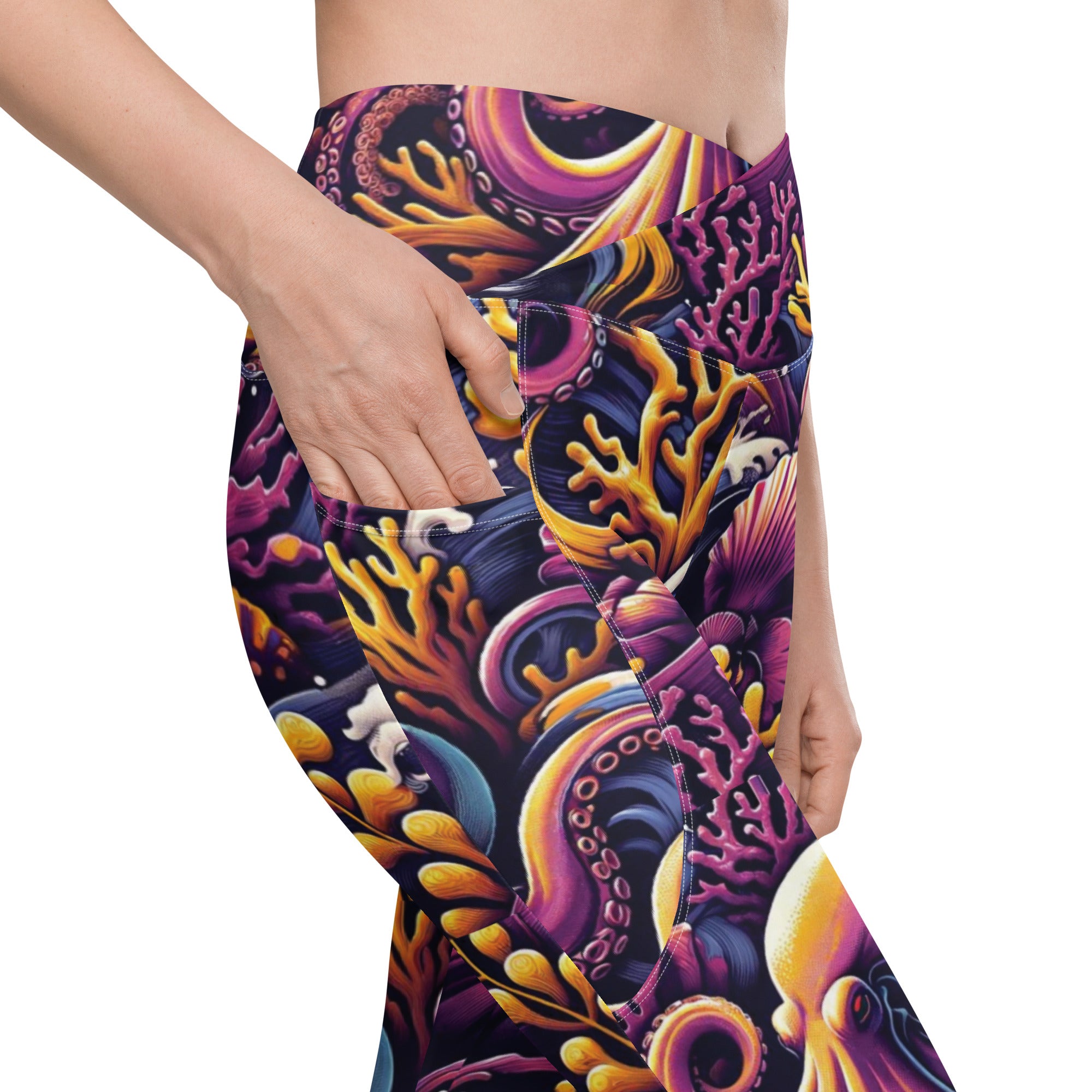
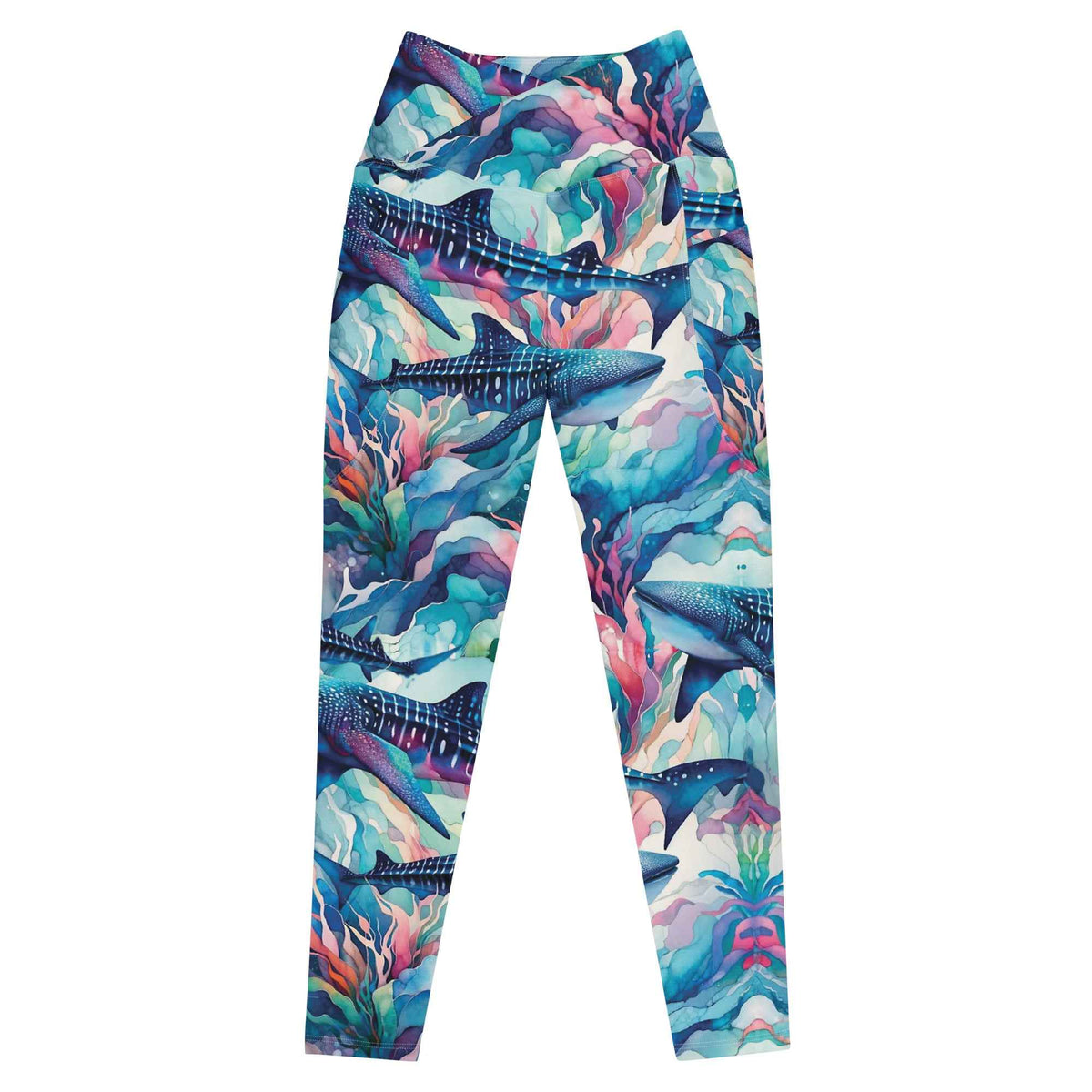
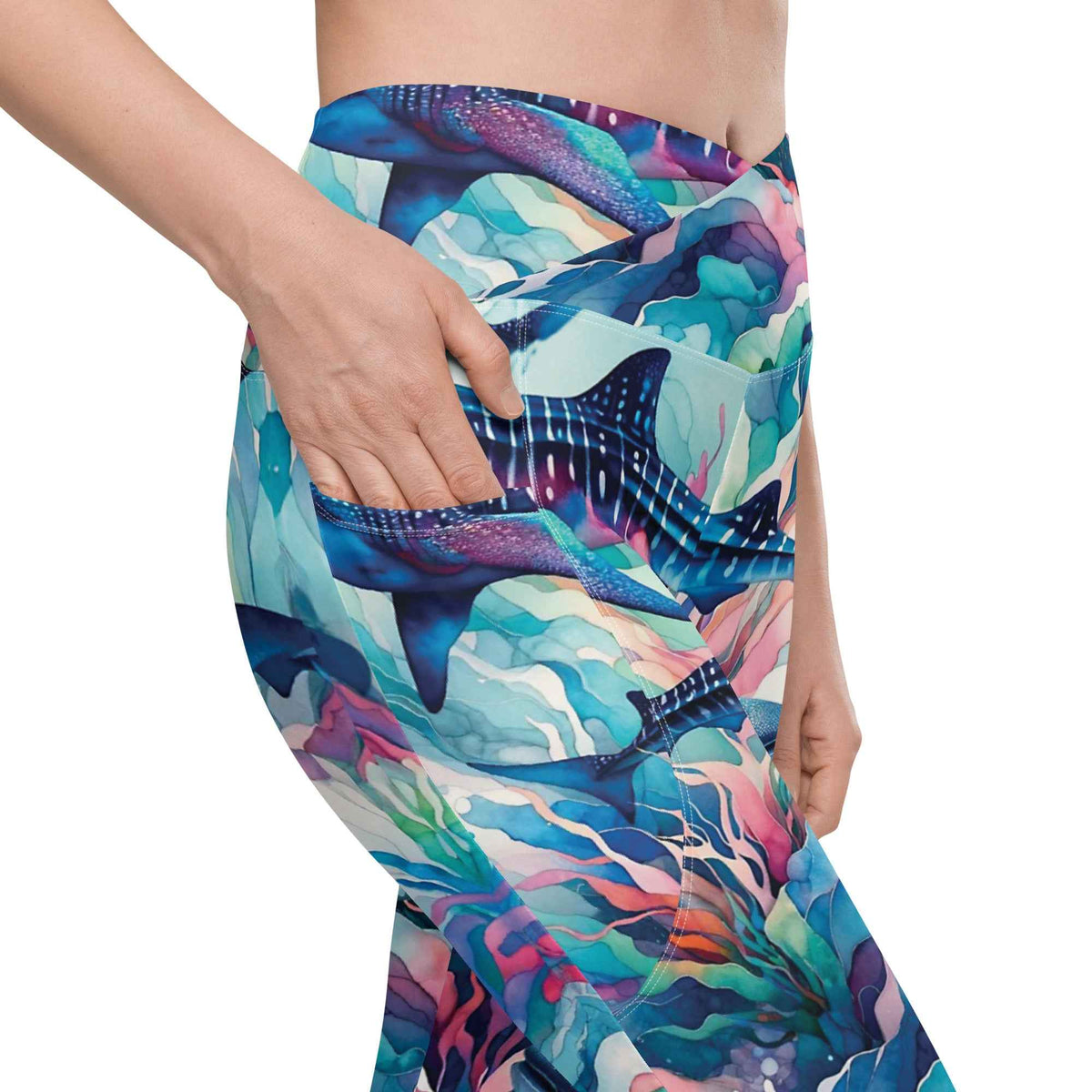
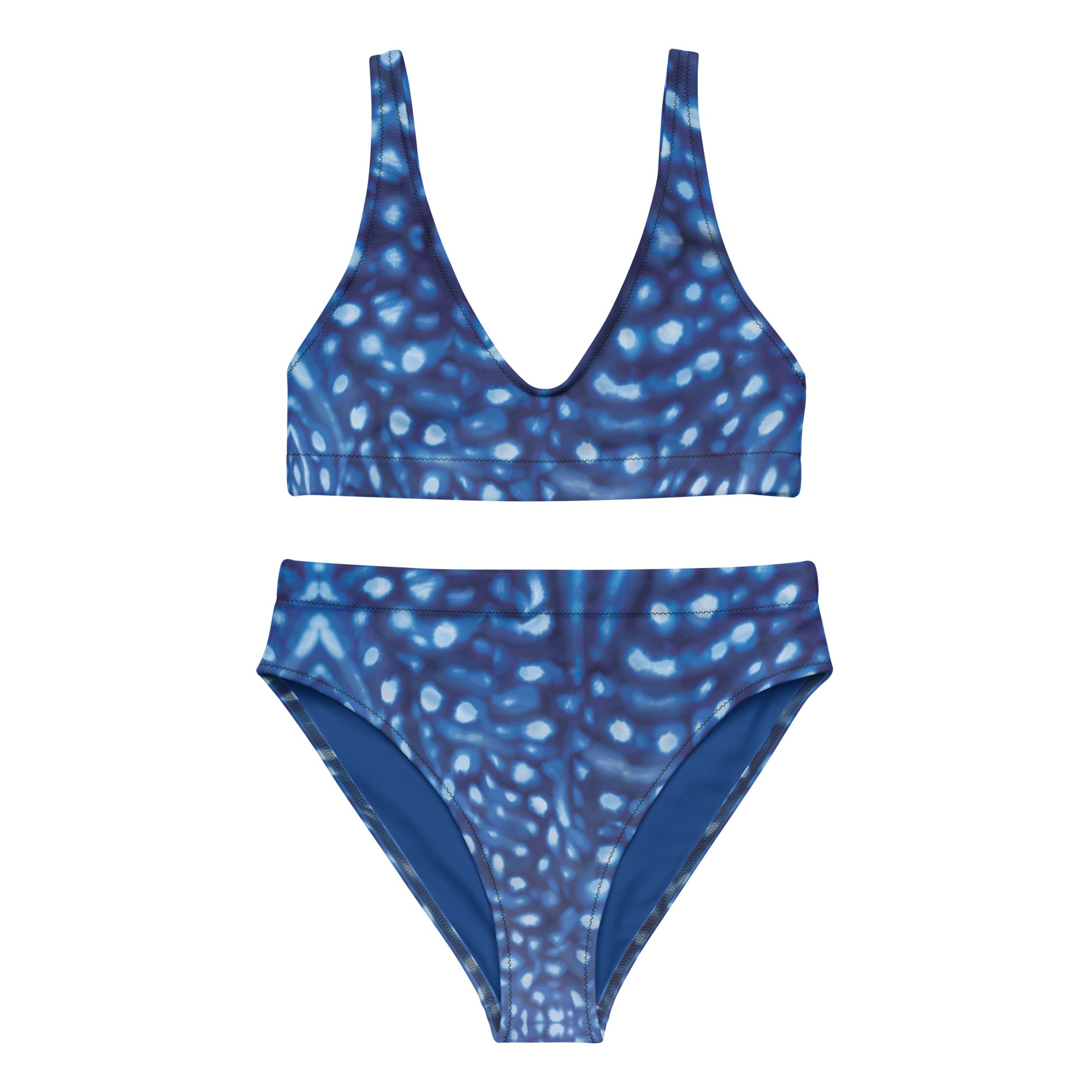
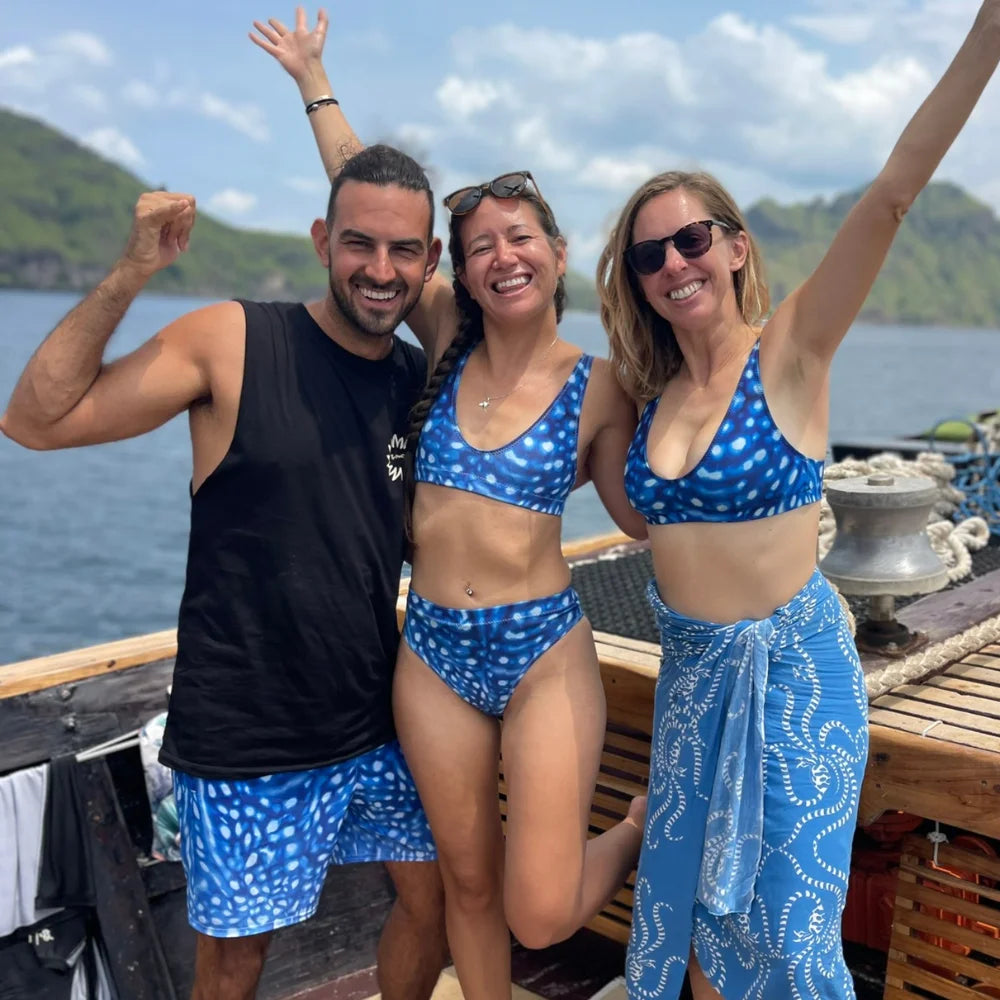
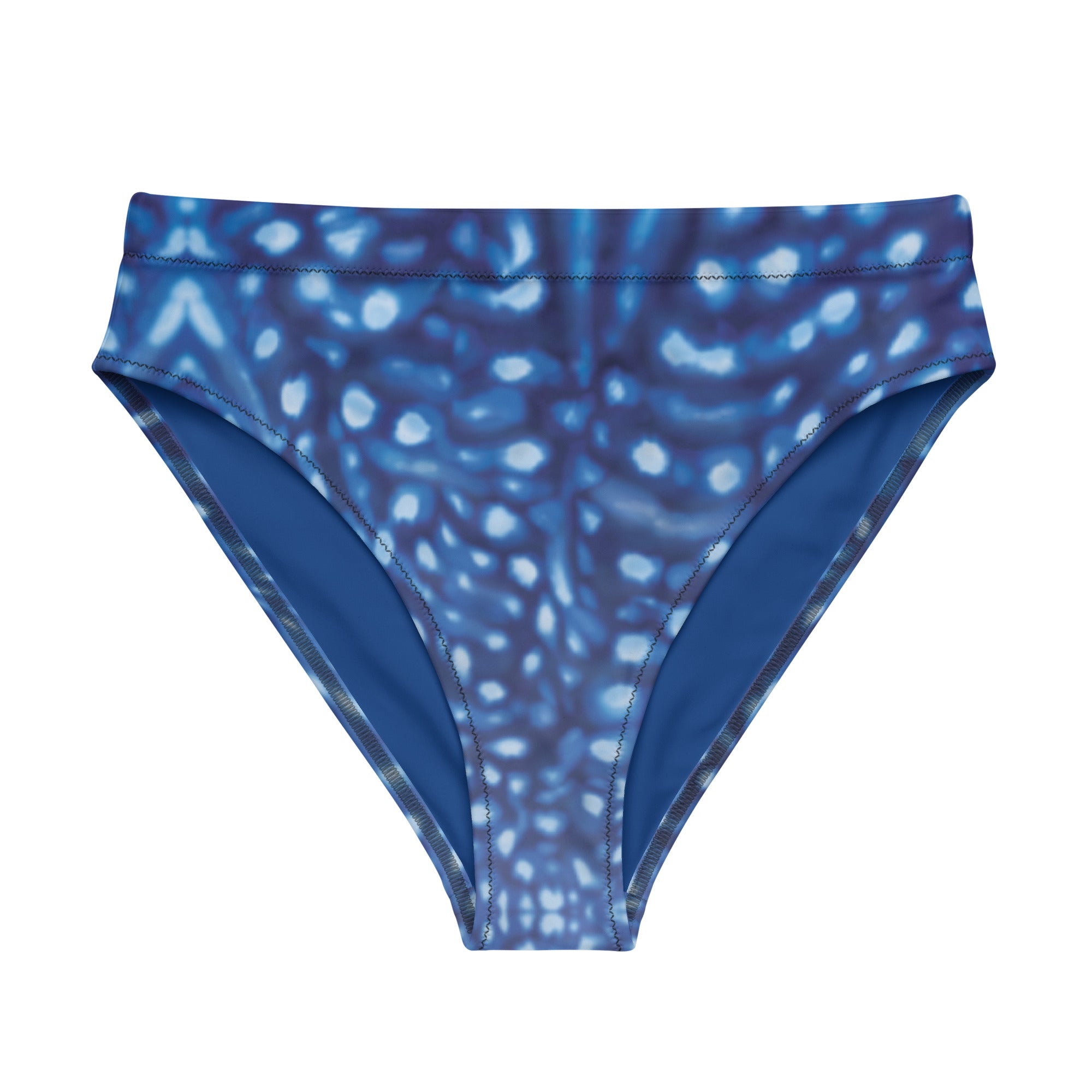
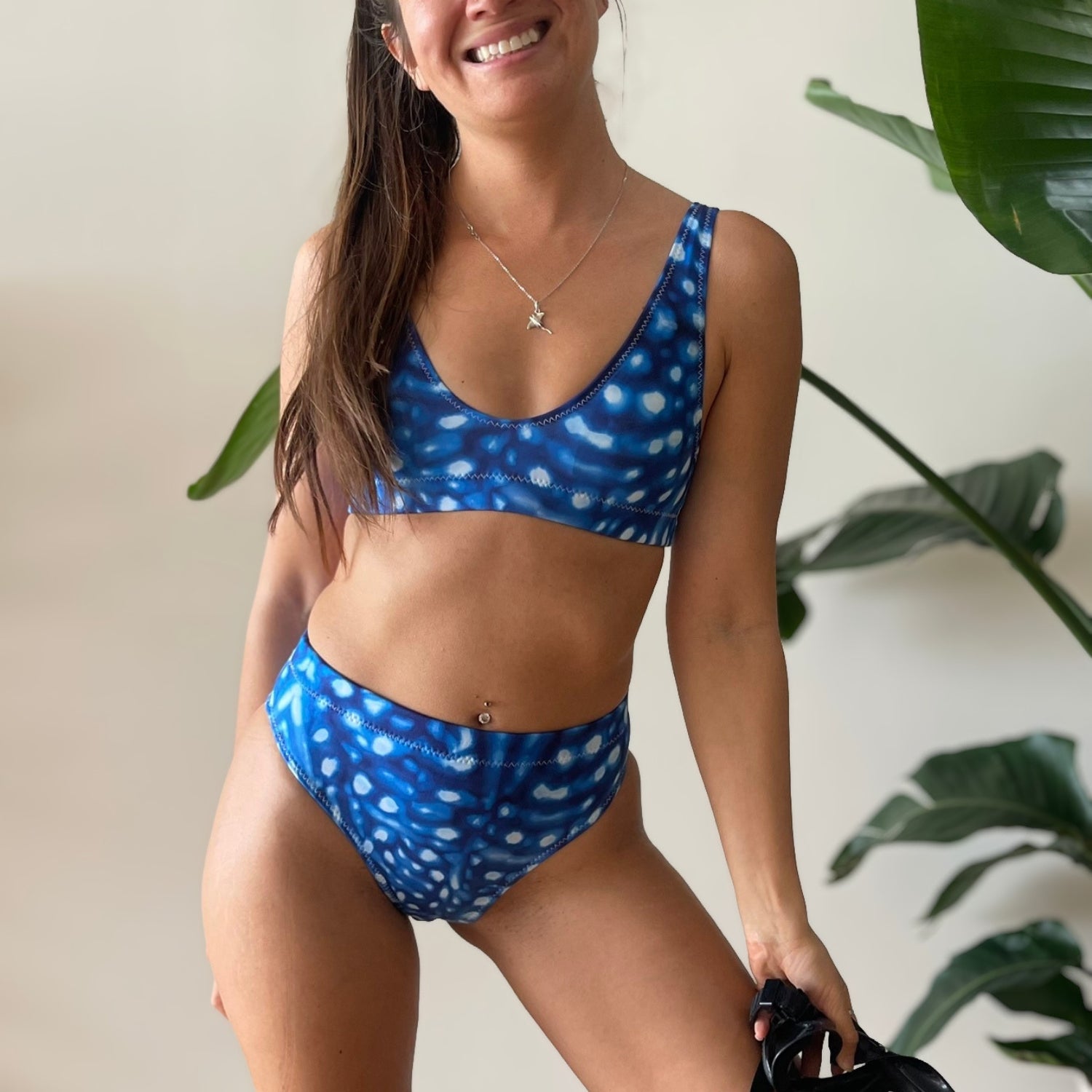
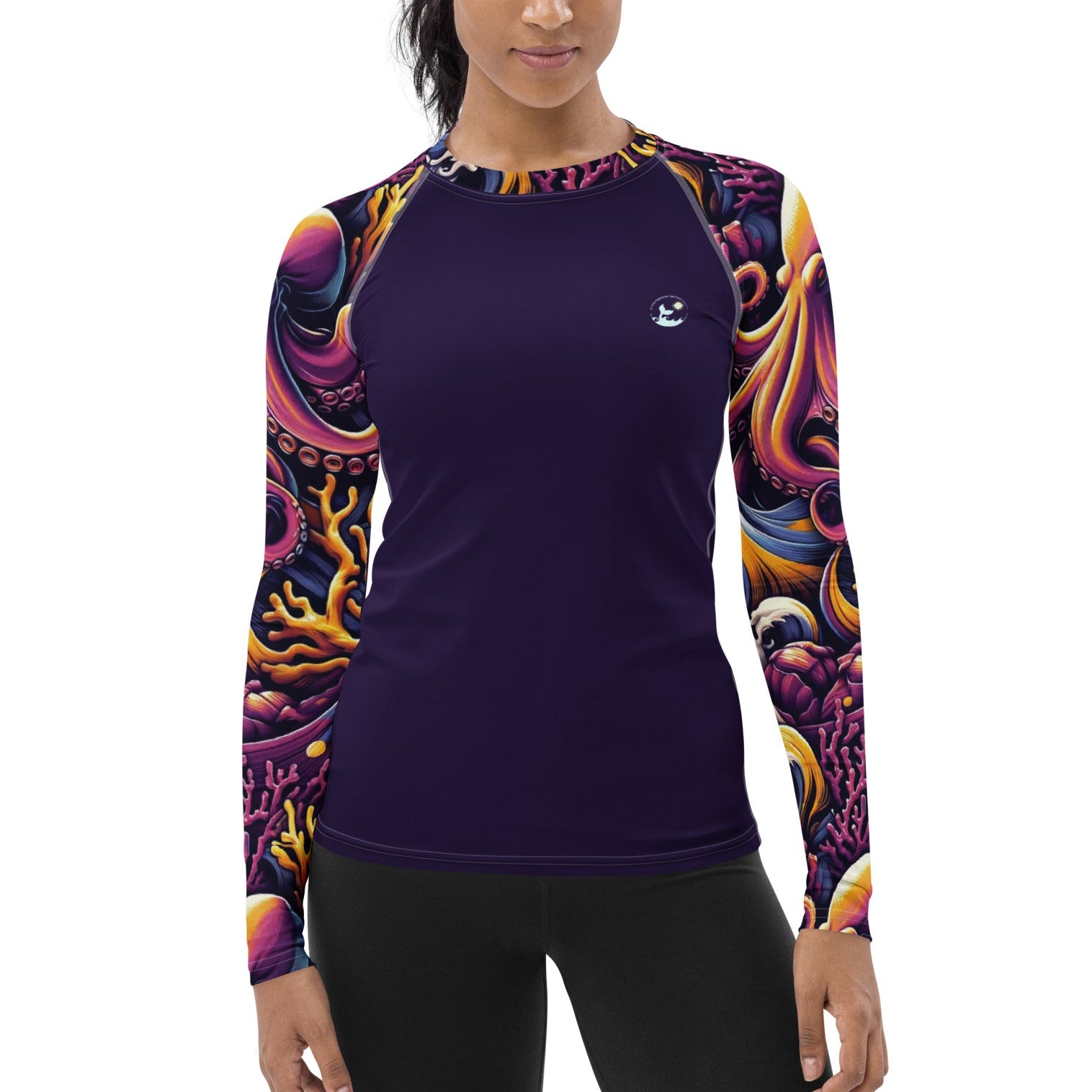
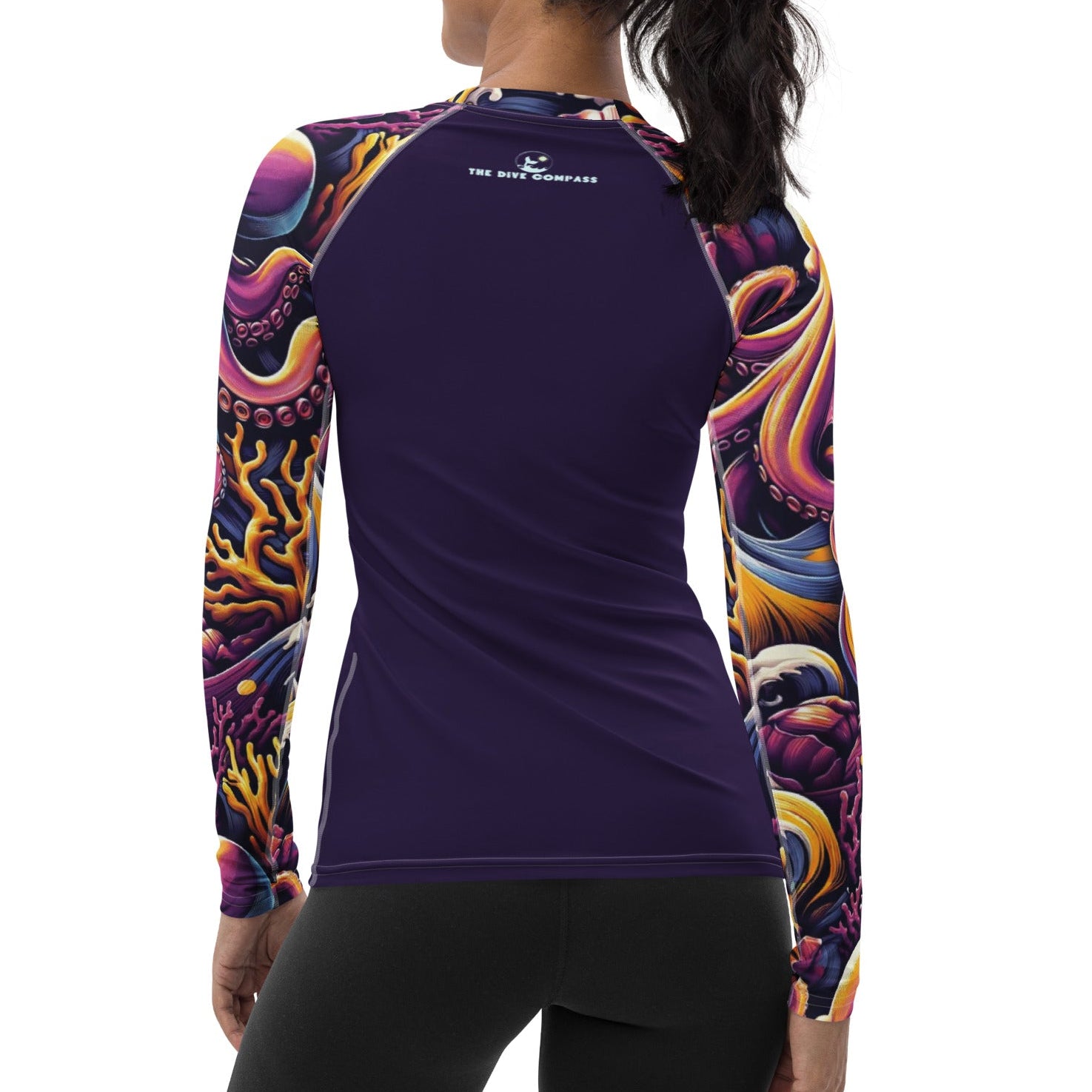
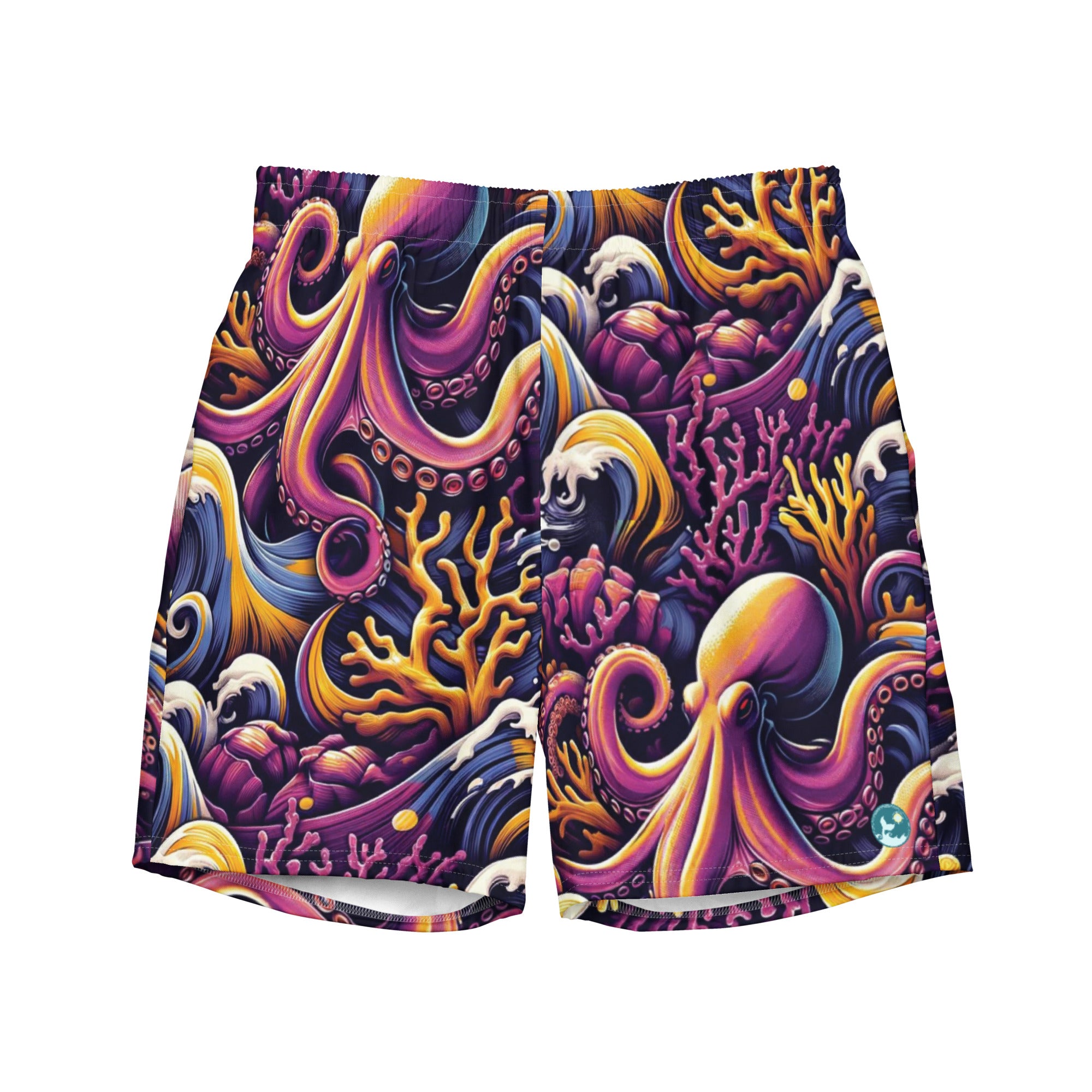
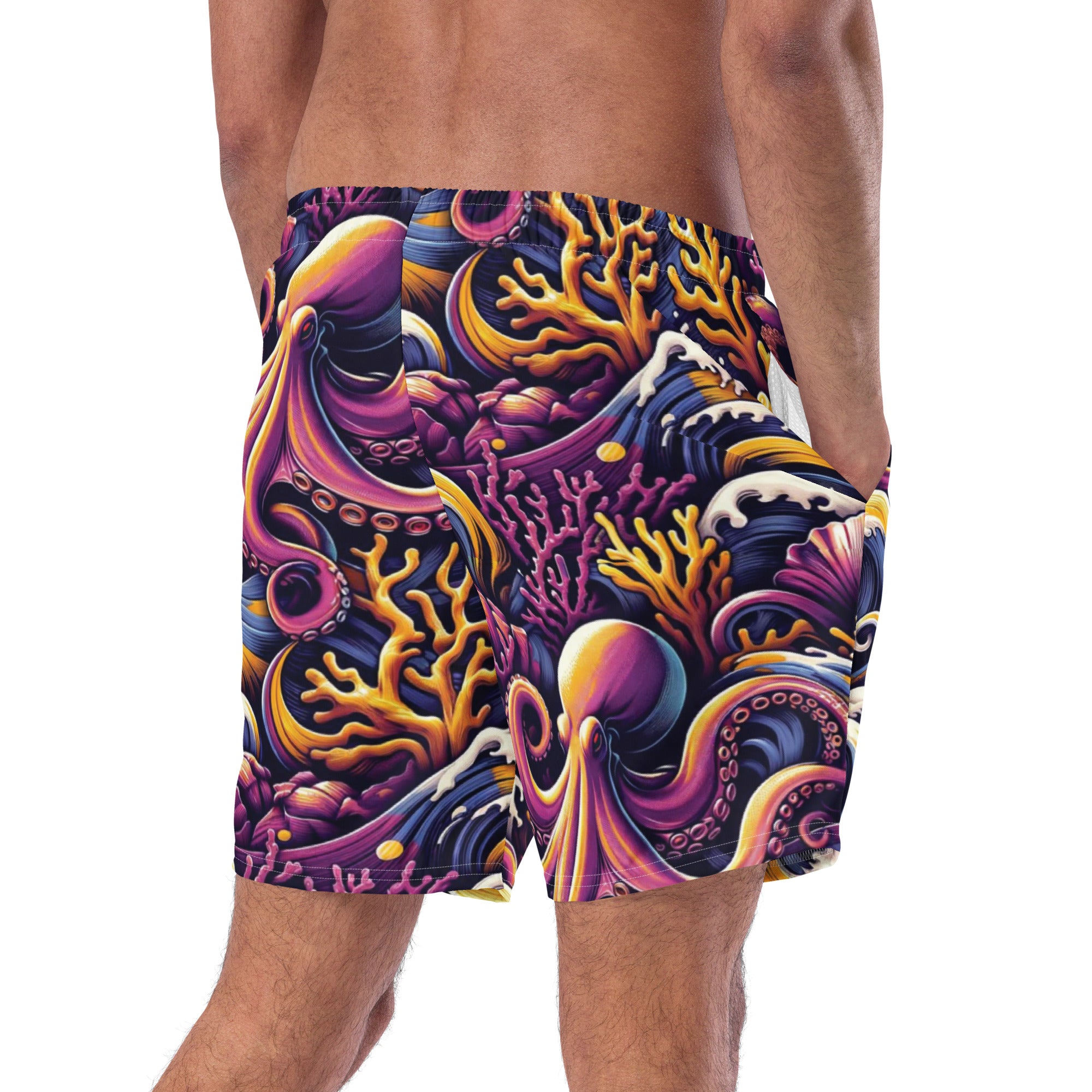
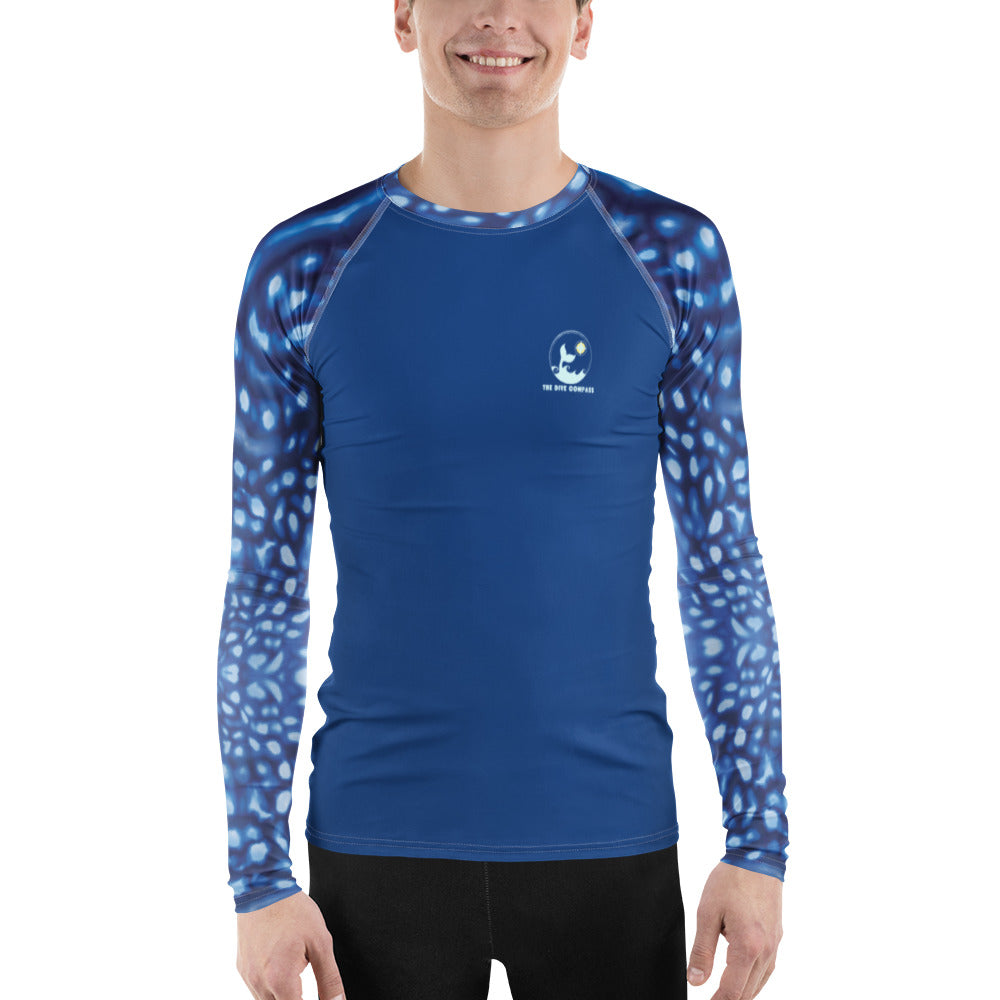
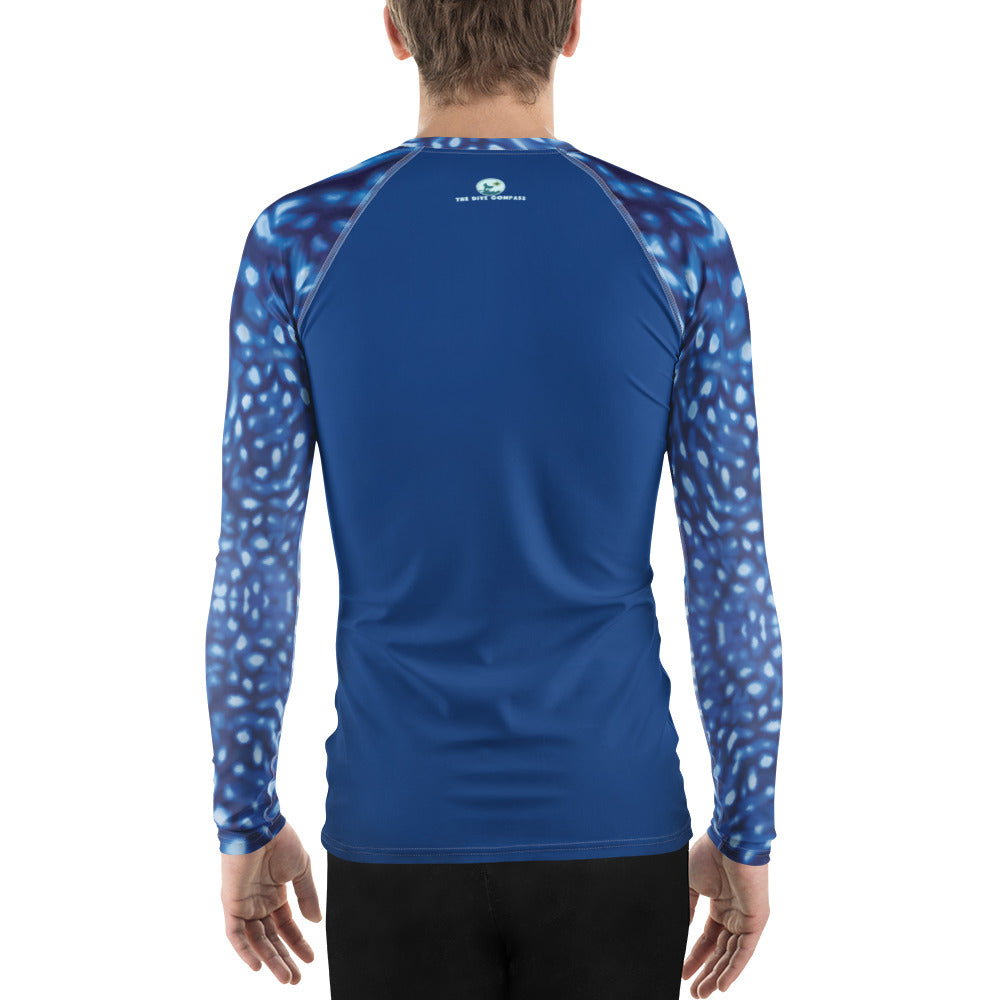
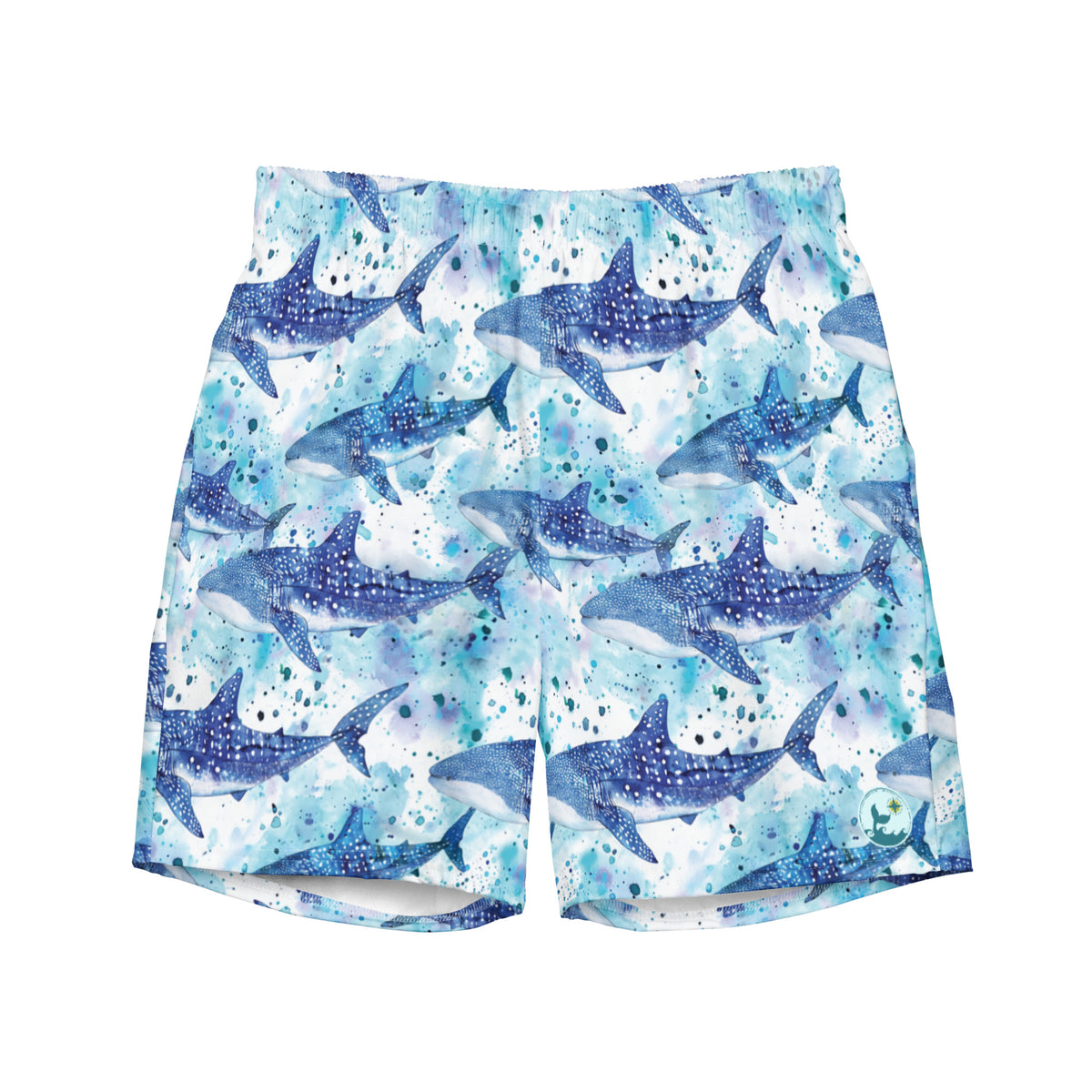
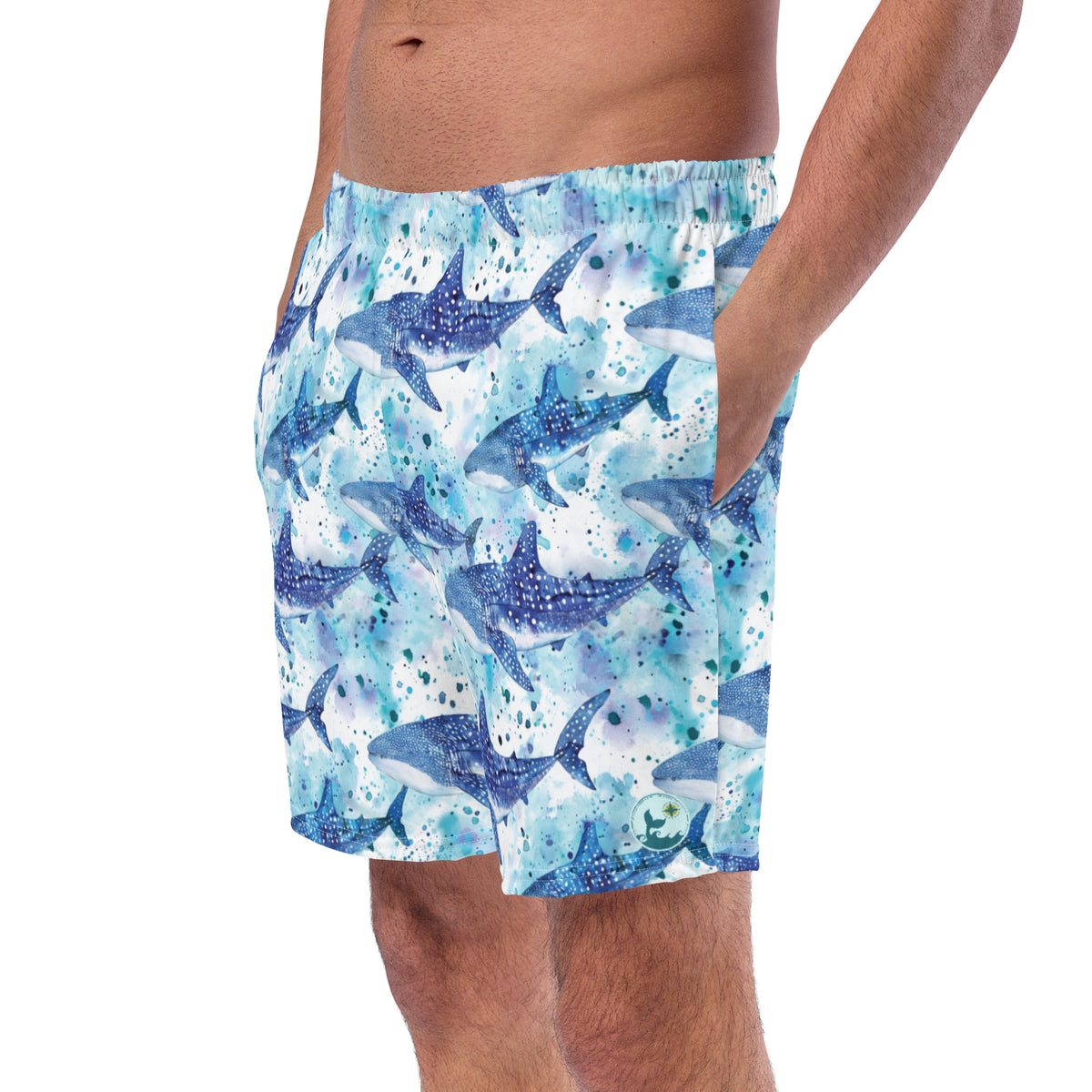
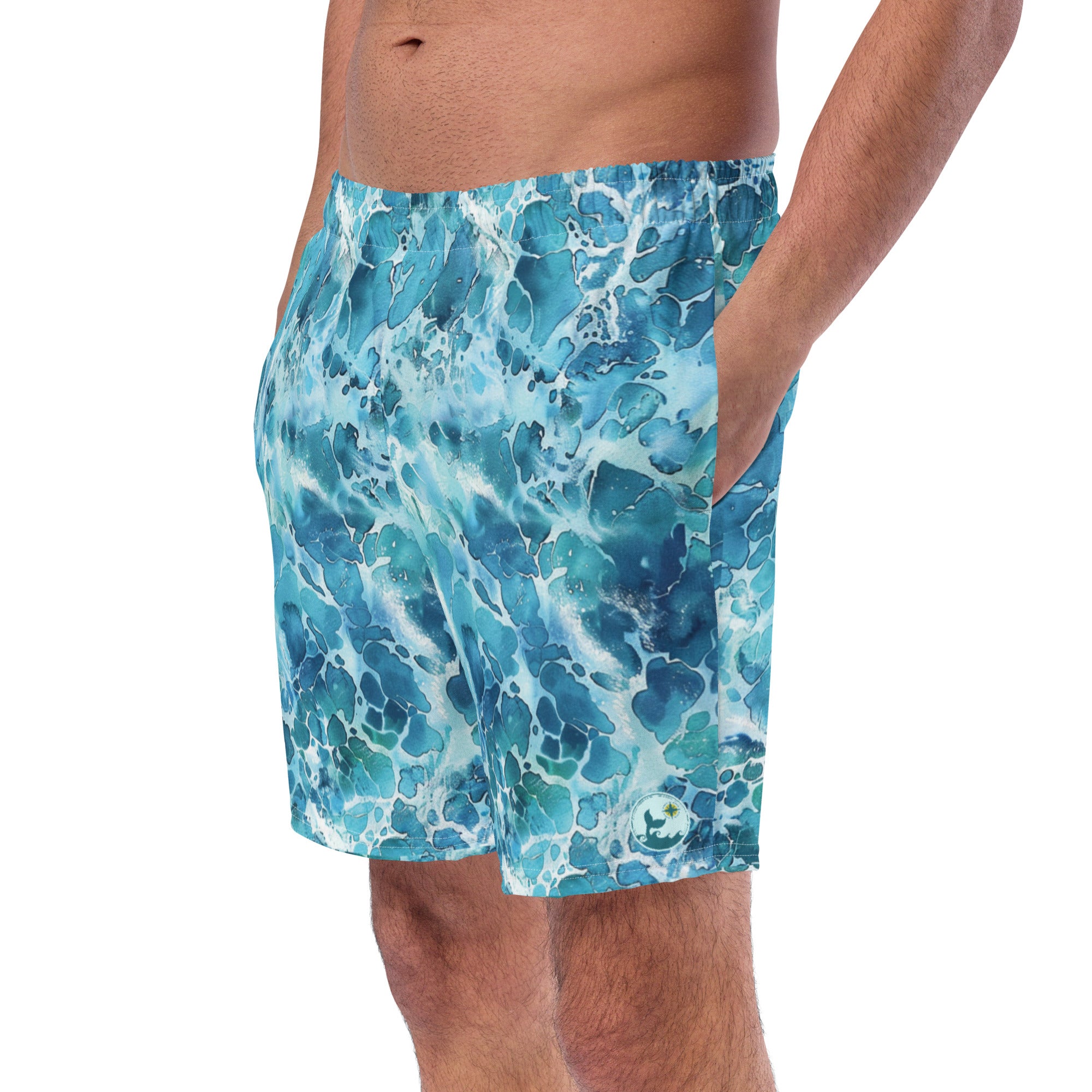
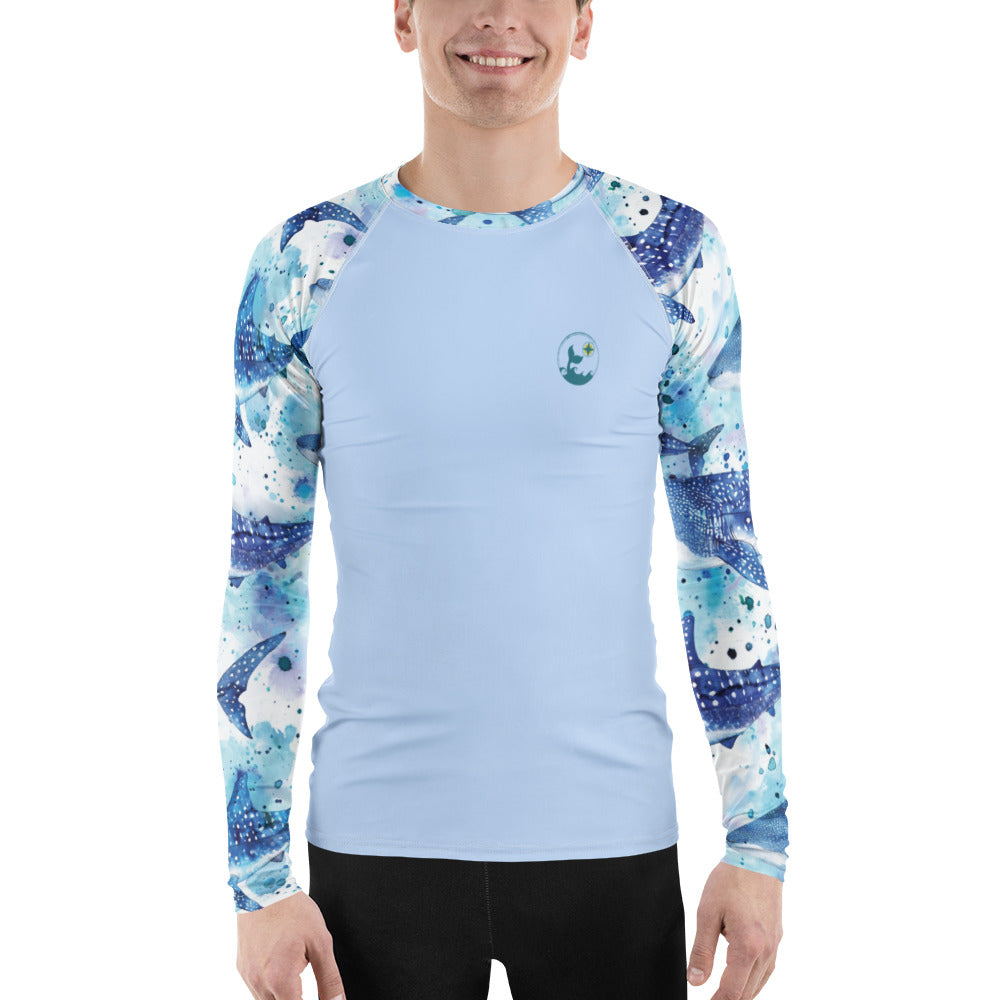
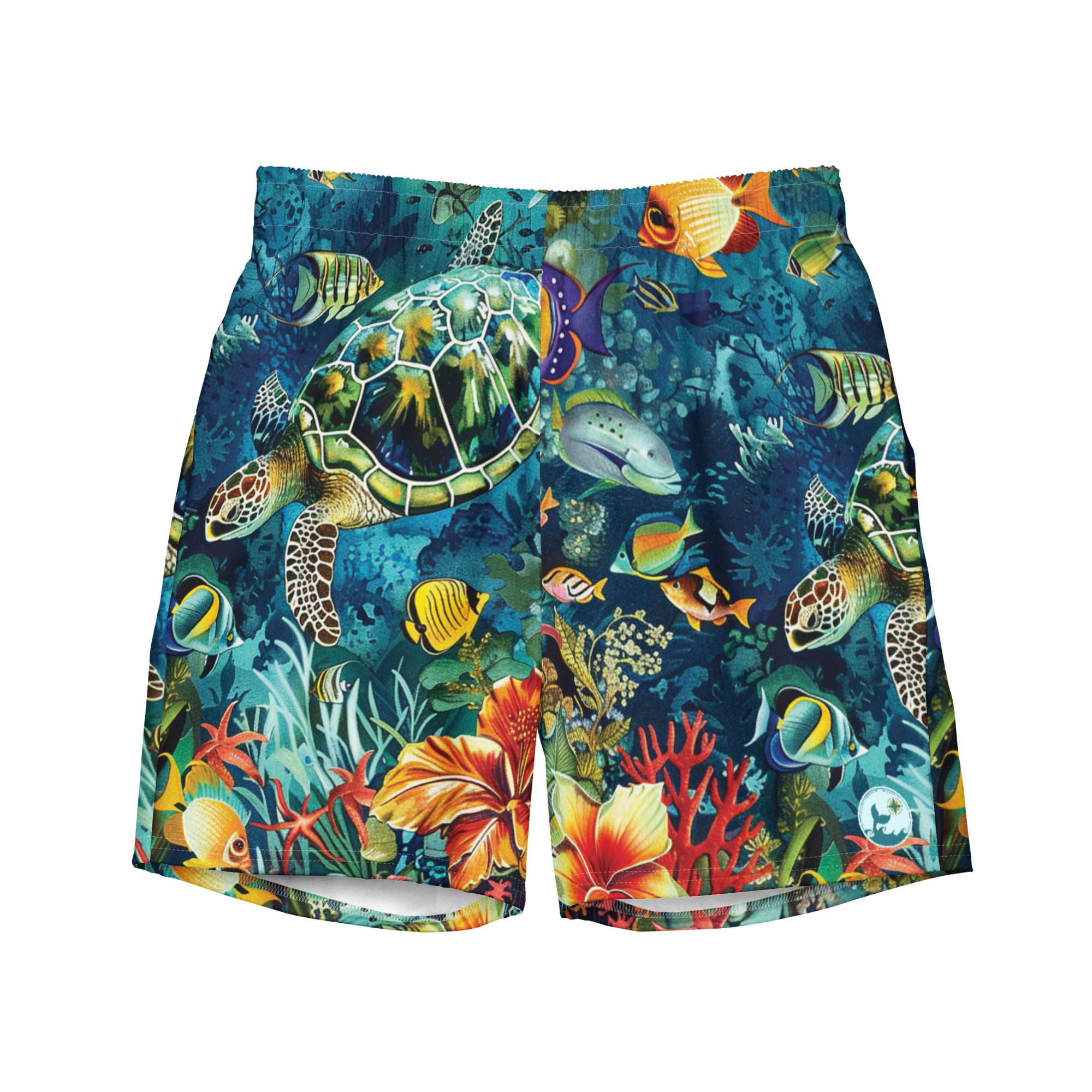
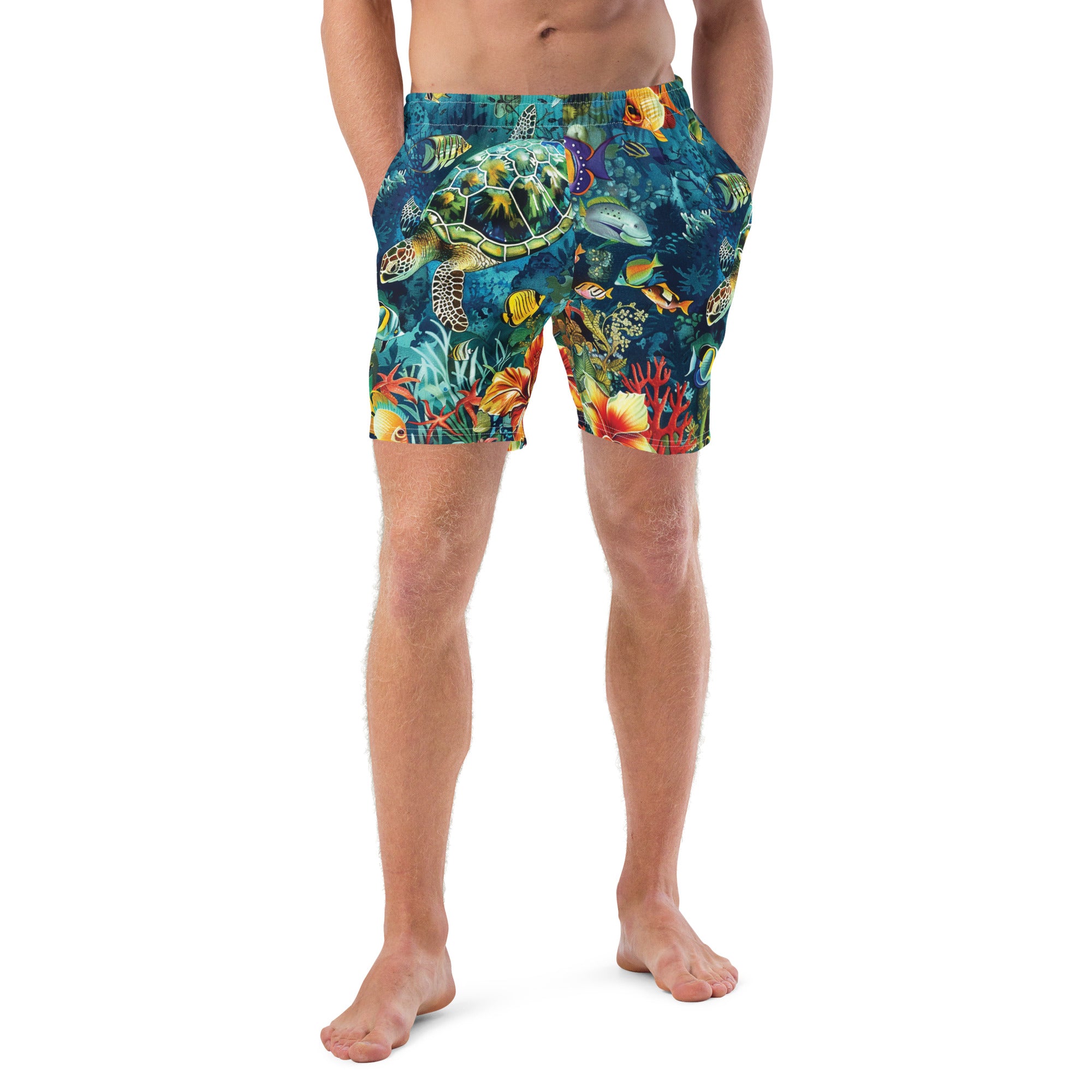
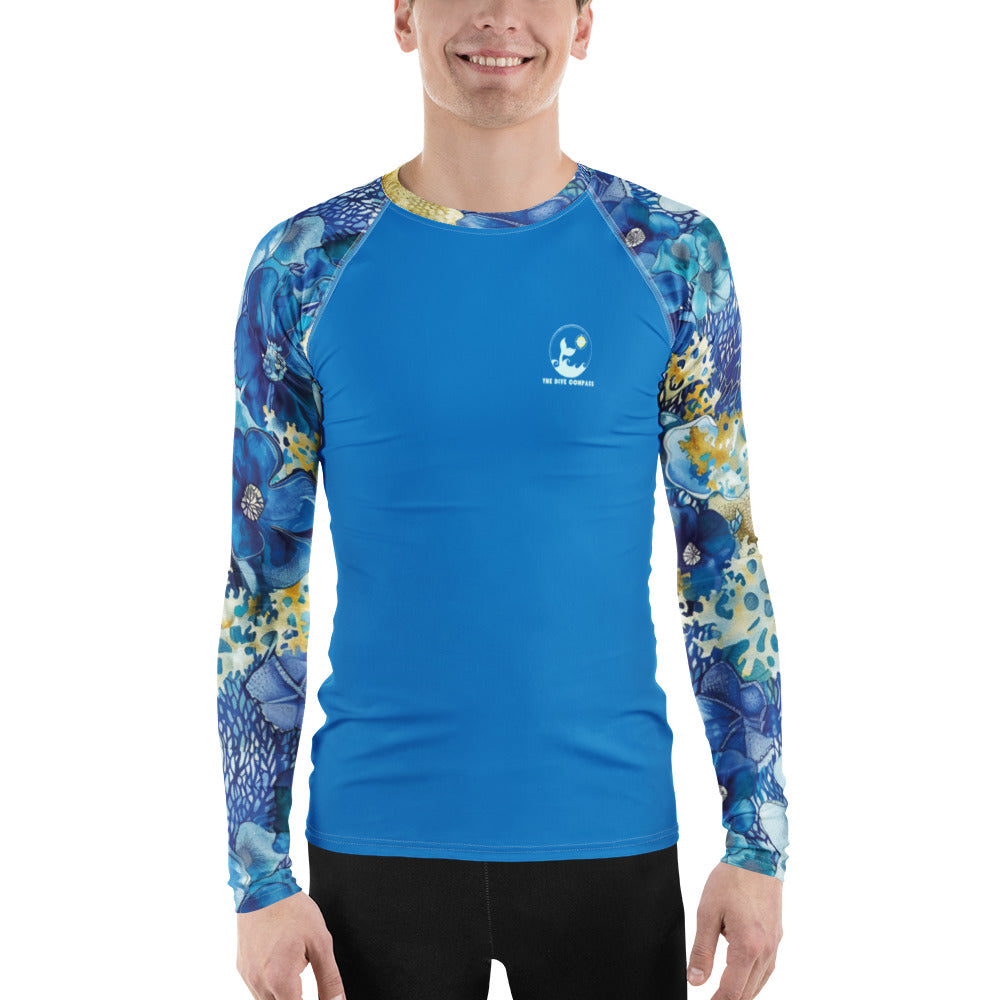
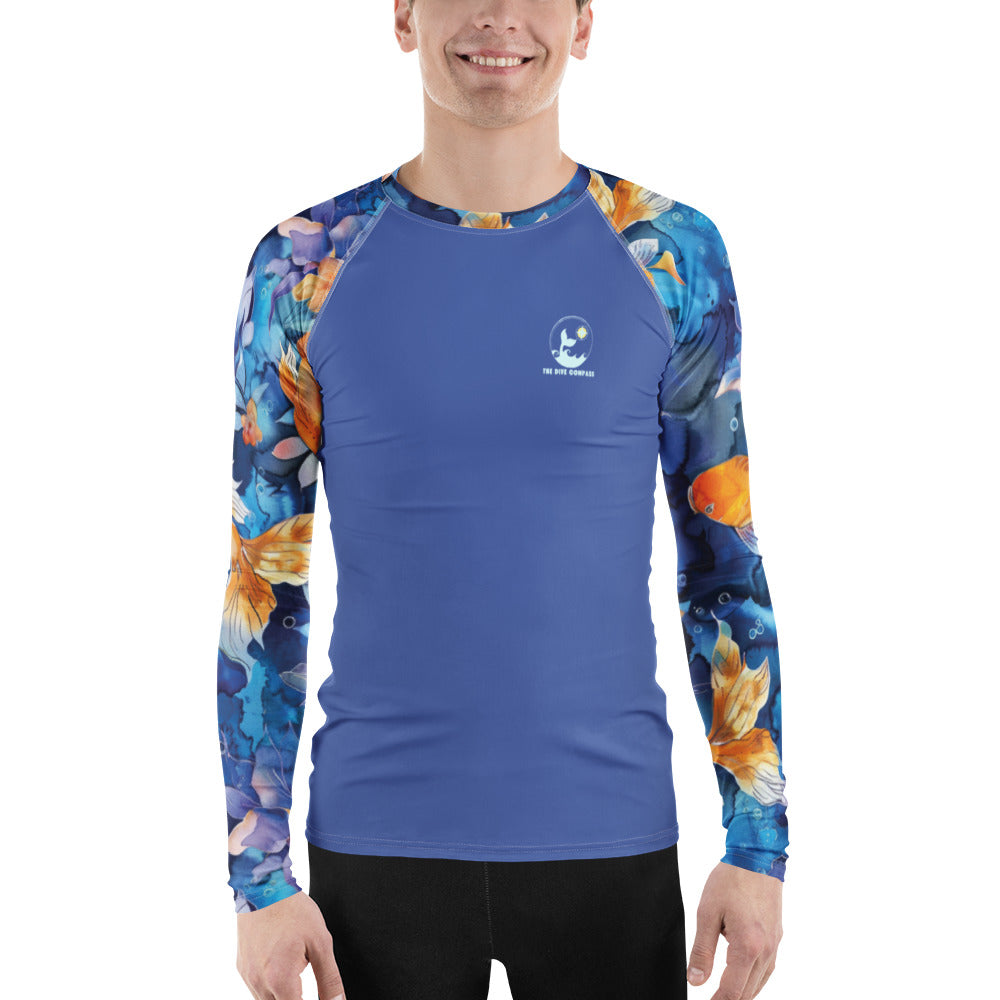
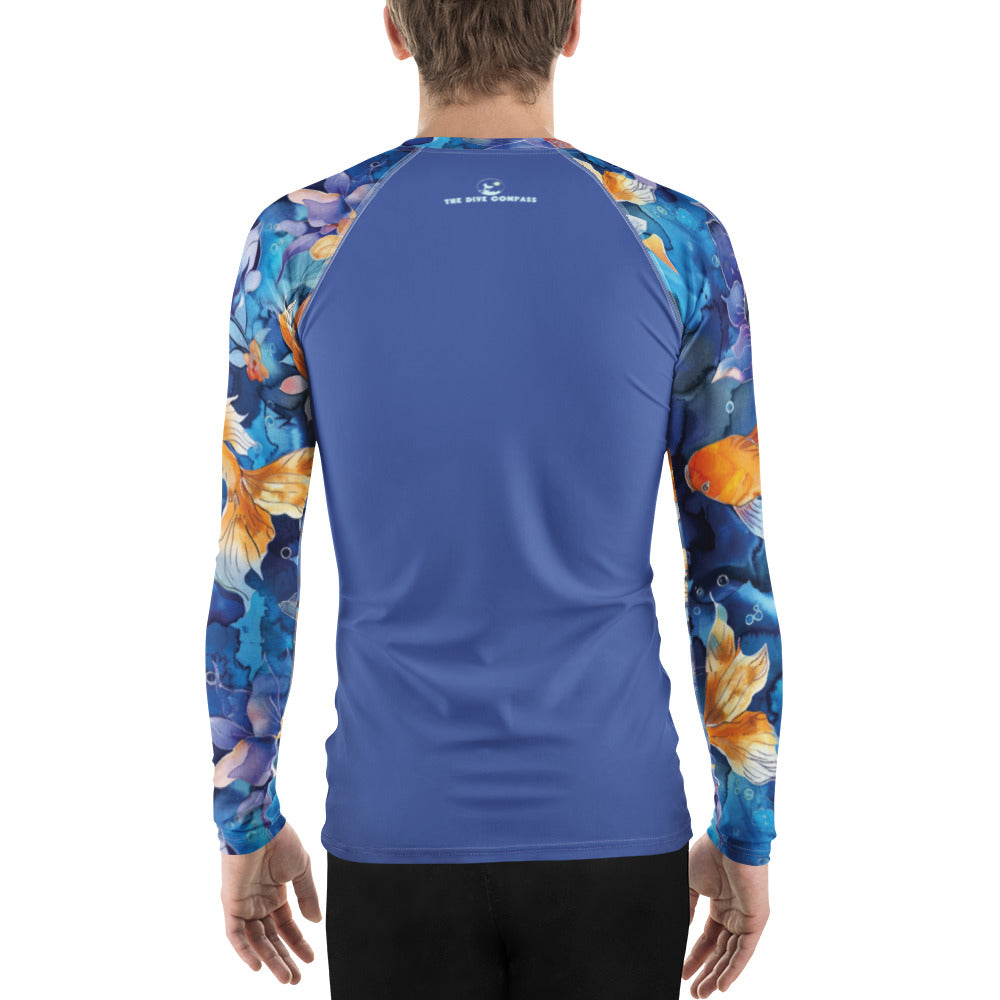
Our swimwear is made to order by our production partner, and their Mexico facility, which produces orders for our US customers, switched its swim, rash guard and leggings fabric in mid-September 2026. The old fabric was 75% recycled polyester and 25% elastane. The new one is 78% polyester and 22% elastane, and it's noticeably thicker: about 29% heavier, with better coverage, less transparency, and improved seam strength.
As a functional dive garment, the new fabric is genuinely better. As a materials story, it's a step backwards, and I won't pretend otherwise.
As a U.S. brand, we've removed the word "recycled" from every product page, description, and feed on our store that has been affected. For European orders, our bikinis still use recycled polyester with our European production partner, and have made note of this in the fabric composition section of our product pages.
Small brands like ours don't get a vote in our manufacturer's fabric sourcing. But we do get a vote in how honestly we respond. So let's talk about why this happened. After I was notified by my manufacturer about this change, I dug deeper into the industry and why they decided to make this change.
The quiet collapse of the recycled polyester industry
Recycled polyester, often called rPET, is made by collecting plastic bottles, shredding them into flakes, melting those into pellets, and spinning the pellets into yarn. For a decade it was the sustainable fashion material: a way to divert bottles from landfill and reduce demand for virgin plastic.
Then the economics broke.
Over the past two years, a flood of cheap virgin polyester, driven by global oversupply, made recycled fiber the expensive option, sometimes carrying a significant price premium over the virgin equivalent. At the same time, major brands began quietly walking back their recycled-content commitments. The result, at least five major recycled PET producers in the United States closed their doors between early 2025 and early 2026, including the largest standalone bottle-to-bottle recycling plant in the Americas. Industry bodies openly describe the North American rPET sector as being "under real strain."
Mexico, where our swimwear is sewn, added its own pressure. In December 2024, the Mexican government imposed tariffs of up to 35% on imported textiles and restricted duty-free fabric imports under its manufacturing program, measures that were extended and expanded into 2026, with tariffs of up to 50% on textiles from countries without a trade agreement. Recycled polyester was largely imported. Suddenly, it wasn't just expensive. It was expensive, tariffed, and scarce.
Meanwhile, Mexico's largest PET recycling operation, one of the biggest in the world, is owned by beverage bottlers and dedicates its output to making new bottles, not fabric.
It turns out that the last detail matters more than I would have expected, it points to the deeper problem with recycled polyester in clothing, one that scientists, regulators, and even the beverage industry have been raising for years.
The bottle problem: why "made from recycled bottles" was never a closed loop
Here's the uncomfortable truth about turning bottles into swimwear.
A plastic bottle in a functioning recycling system can be recycled into a new bottle, again and again. This bottle-to-bottle recycling is a closed loop, the material keeps circulating and being recycled.
But when that bottle is turned into fabric, the loop closes forever. Textile-to-textile recycling barely exists at meaningful scale; most recycling systems can't handle blended fabrics like swimwear (which needs elastane to stretch). So a garment made from recycled bottles almost always ends its life in landfill or an incinerator. In circular-economy terms, this isn't recycling, it's downcycling. The bottle got one extra life, and then the material left the system permanently.
Campaign groups have documented that the overwhelming majority of "recycled polyester" in fashion comes from downcycled bottles rather than old clothing, and Europe's beverage industry has been urging policymakers since 2021 to stop bottles being diverted into textiles. The reason is simple: new laws now require recycled content in bottles, the EU mandates 25% recycled plastic in beverage bottles from 2025, and California requires 25% from 2026, both rising over time. Every bottle spun into a bikini is a bottle the bottle industry now has to replace, often with virgin plastic.
And there's a problem that hits especially close to home for divers: microplastics. Research increasingly shows that recycled polyester sheds microfibers during washing at rates comparable to, and in some testing, worse than, virgin polyester, because mechanical recycling shortens and weakens the polymer fibers. Those fibers end up in the ocean we dive in.
None of this means recycled polyester was worthless. Diverting bottles from landfills and reducing virgin plastic demand was real, with environmental benefits, and I stand behind having chosen it. But the honest picture was always more complicated than the marketing, ours included.
Europe just made greenwashing marketing illegal
If the economics killed recycled polyester's supply, European regulation is now confronting its story.
On 27 September 2026, the month I'm publishing this article, the EU's Empowering Consumers for the Green Transition Directive (Directive 2024/825) becomes enforceable across all 27 member states. It bans generic environmental claims like "eco-friendly," "green," or "sustainable" unless they're backed by recognized proof, outlaws self-created sustainability labels, and prohibits environmental claims about a whole product when they really only apply to one part of it.
That last rule is worth delving deeper into. A swimsuit marketed as "recycled" when it's 75% recycled polyester and 25% virgin elastane, with virgin thread, lining, and hardware, is exactly the kind of claim now under scrutiny. So is presenting bottle-derived fabric as "circular" when the garment itself can never be recycled is greenwashing. A more ambitious EU proposal (the Green Claims Directive) was withdrawn in 2025, but even in its draft form it took a dim view of bottle-to-textile recycling precisely because it competes with the closed bottle loop.
The direction of travel is unmistakable. Major fast-fashion groups that built their sustainability narratives on recycled bottles are now publicly pivoting toward textile-to-textile recycling. The era of slapping "made from recycled bottles" on a garment and calling it circular is ending, and honestly, it should.
I have a chemical engineering degree and a master's in sustainability science, and I'll admit it plainly: the industry I sourced from, and by extension my own product pages, told a simpler story than the science supported. The new EU rules will force thousands of brands to reckon with that. I'd rather do it voluntarily, in the open, and be honest and transparent with you.
So what does honest sustainability look like for a small swimwear brand?
Here's where I've landed, and why I said this change isn't purely bad news.
Made to order remains our biggest sustainability decision, bigger than fiber choice ever was. Every Dive Compass piece is produced only after you order it. Nothing is mass-produced against a sales forecast, nothing sits in a warehouse, and no unsold inventory is ever landfilled or incinerated. In an industry where overproduction, making clothes nobody buys, is arguably the largest environmental problem of all, made-to-order eliminates it entirely. That was true with recycled fabric. It's still true today.
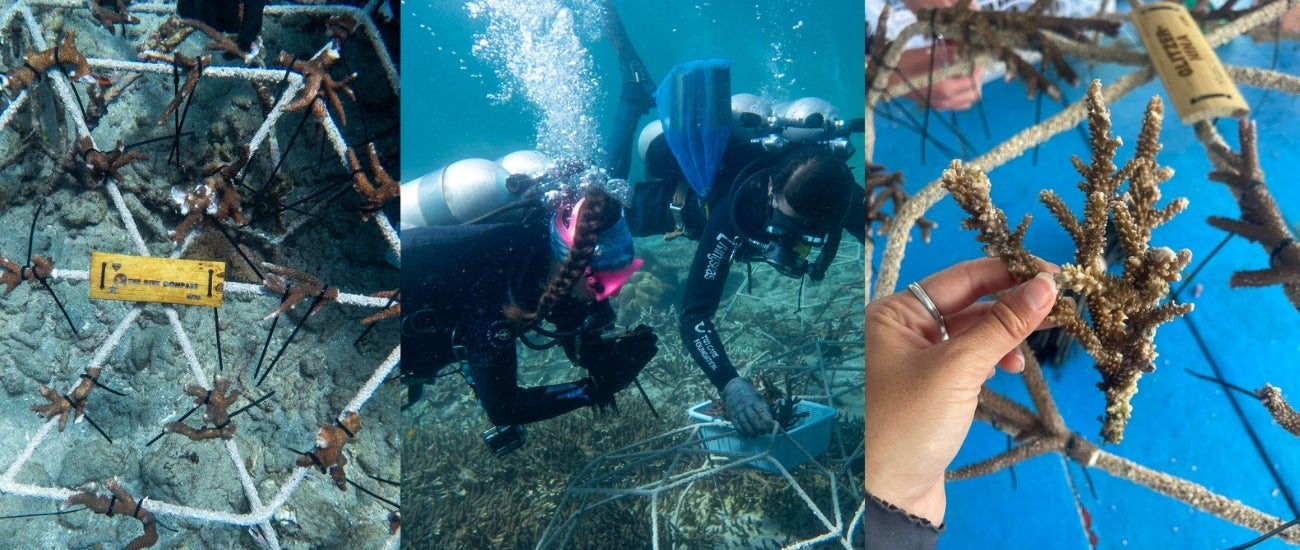
Ten percent of every order goes back to the ocean. Through our Save Our Seas Pledge, 10% of sales funds coral reef restoration with Livingseas Foundation in Bali, real corals, planted by real divers, on reefs I've worked on personally. Together, Dive Compass customers have planted more than 2,080 corals to date (September 13, 2026). We built this into the brand because I believe swimwear worn in the ocean should give back to the ocean and leave it better than we found it, and no fabric change touches that commitment.
Durability is sustainability too. The new fabric is thicker, more resistant to wear, and built to last more seasons. A swimsuit you replace half as often has a real environmental benefit, one that's less marketable than "recycled," but no less true.
And we'll keep doing the best we can within our means. We're a small brand. We can't build a textile recycling plant or dictate our manufacturer's supply chain. What we can do is refuse to make claims we can't stand behind, watch the textile-to-textile recycling technology now scaling up, and adopt genuinely better materials the moment they become accessible to brands our size. That's the deal I can offer honestly.
The bottom line
Our swimwear for all US orders lost its recycled polyester because the recycled polyester industry lost its economics, and because the world is, rightly, pulling plastic bottles back into the closed loop where they do the most good. The comforting version of the recycled story was always simpler than the truth. New European law is about to make the comforting version illegal.
What's left is the harder, better version of sustainability: make things only when they're wanted, make them to last, tell the truth about the trade-offs, and give back more than you take. That's what The Dive Compass has always tried to be underneath the fabric label, and it's what we'll keep being.
If you have questions this article didn't answer, email me or reply to any of our newsletters. I read every message.
See you in the blue,
Andrea
Founder, The Dive Compass
Frequently asked questions
Did the quality of the swimwear change?
Yes and for the better. The new fabric is about 29% thicker than the old one, with improved coverage, less transparency, more stretch, and stronger, more elastic seams. Fit, sizing, print areas, and UPF 50+ sun protection are unchanged.
Is the new fabric worse for the ocean than recycled polyester?
It's genuinely mixed. The new fabric doesn't divert bottles from landfill, which is a real loss. But research shows recycled polyester sheds microfibers at similar or higher rates than virgin polyester, and bottle-derived fabric removed bottles from the closed bottle-to-bottle recycling loop. Whatever the fiber, we recommend washing swimwear in cold water, using a Guppyfriend bag to catch microfiber shedding, and only wash it when you actually need to which also makes it last longer.
Why not just switch to a manufacturer that still uses recycled fabric?
We looked. No made-to-order manufacturer currently offers recycled swim fabric, the same supply collapse affected the whole industry. The alternative would be bulk manufacturing, which means producing inventory before anyone orders it. We're not willing to trade our zero-unsold-inventory model for a fabric label, because overproduction causes more waste than fiber choice prevents.
Does the Save Our Seas Pledge continue?
Yes, unchanged. 10% of every order funds coral restoration with Livingseas Foundation, where our community has planted more than 840 corals so far. Every order plants corals, that's the part of our sustainability story no supply chain can take away.
Sources and further reading:
- Recycling Today: A "pivotal moment" for recycled PET
- Recycling Today: Alpek Polyester USA in Pennsylvania set to close
- Changing Markets Foundation: Spinning Greenwash
- The Conversation: Your "recycled polyester" leggings are not as sustainable as you think
- Trellis: Why H&M is turning away from polyester recycled from bottles
- European Commission: Directive (EU) 2024/825 on empowering consumers for the green transition
- Clark Hill: Mexico increases import duties for textile and apparel imports




































Leave a comment
This site is protected by hCaptcha and the hCaptcha Privacy Policy and Terms of Service apply.