

Planting Coral in Bali: A Day with Livingseas Foundation
A year and a half ago I turned up in Padang Bai, Bali with a mission to get involved with ocean conservation and learn how to plant corals.
I have been back five or six times since, for a couple of weeks at a time and I have personally planted somewhere over a thousand coral fragments, probably a couple of thousand, but who's counting.
This is what that actually involves, because almost everything written about coral restoration is either a press release or a drone shot, and neither tells you what it is like to kneel on a rubble field with a fistful of cable ties doing the dirty work.
What was there before the restoration site
The restoration site at Padang Bai was not a reef when Livingseas Foundation started working on it. It was just coral rubble and sand, the coral reef was destroyed by dynamite fishing 15 years ago, and prior to that it was significantly degraded by improper boat anchoring.
Dynamite fishing is one of the most destructive fishing practices that is still practiced to this day. Reefs broken by storms tend to leave large, stable pieces that coral can recolonise on its own, but blast fishing leaves fragments under ten centimetres that shift constantly with every surge, leaving no way for new coral growth to take hold. Research published in 2025 across Bunaken National Park found fewer than one in ten fragments in blast-fished rubble were stable, and some sites showed no sign of natural recovery even after two decades.
Rubble fields are the result of the last resort of local fisheries wehn traditional fishing methods are no longer are working due to declining fish stocks and degradation. Dynamite fishing is a cheap, destructive, and unsustainable way to squeeze the life off the reef, leaving it in a state it can never recover from, instead it waits.

A day at Padang Bai
Livingseas restoration site is proof that under the right conditions, coral restoration works and that it can even be so successful that after a few years life surges back on the reef.
So what does a typical day volunteering on Bali's biggest coral restoration site look like?
Livingseas Foundation has an office in town with restaurant where the desk work happens. There is a lot of it, mostly driven by interns from universities across Europe, Indonesia and the United States working on different conservation projects, all sharing the same passion for the sea.
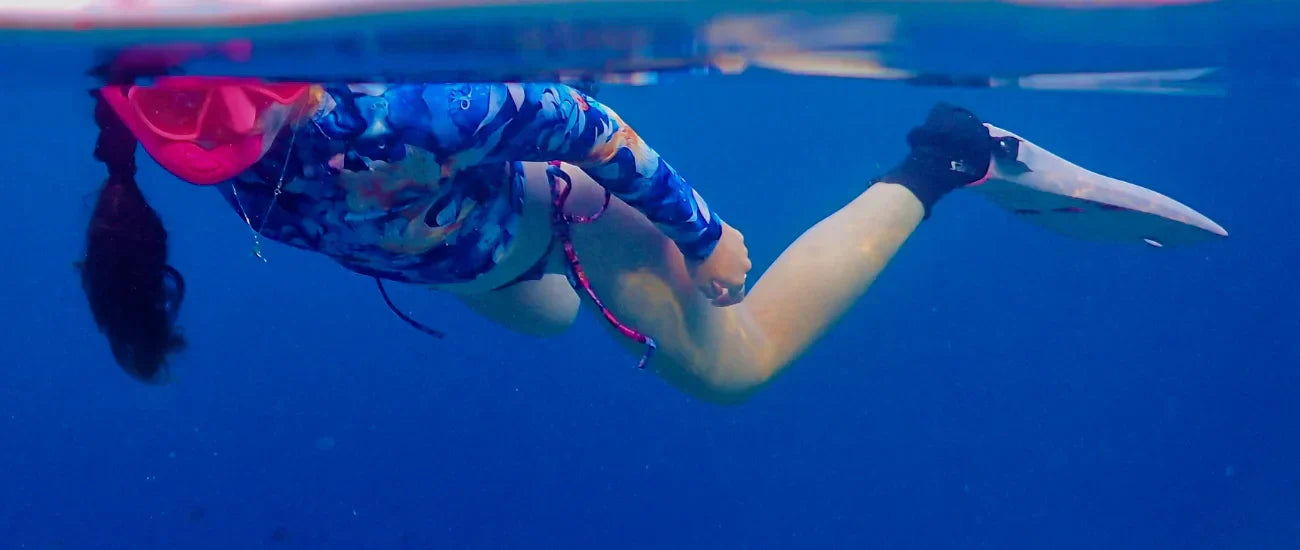
The diving runs out of the bay every morning. You sort your gear, pull your wetsuit on, and load the boat, which takes you out to the Livingseas pontoon. That pontoon is where the magic happens.
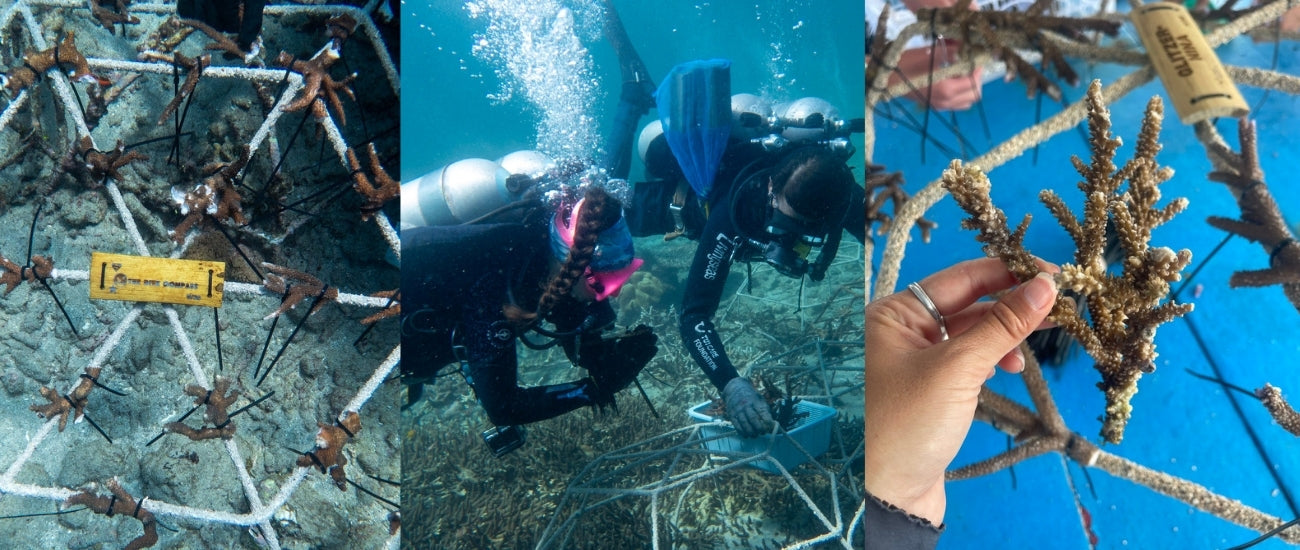
If you are there to snorkel, you plant on the pontoon itself. The reef structures sit on the table, a diver brings coral fragments up from the tables below, and you build the structure in the air. Corals out of the water live in a bucket of seawater and get watered every ten or fifteen minutes. When your structure is finished it goes back over the side, hangs off the pontoon, and a diver takes it down and connects it into the web of structures already on the bottom.
If you are diving, you gear up on the pontoon and carry your tools down with you.
- Cable ties
- Cutters
- A bag for the cut tails, which come back up with you
- A crate to collect coral fragments
- Gloves to protect your hands, always
Then you giant stride in from the pontoon and swim to the part of the site being worked on for the day because the day is either a planting day or a maintenance day, and they are very different jobs.

Attaching a fragment
The actual technique is actually surprisingly simple. You hold the fragment against the structure and fix it with a plastic cable tie, cut the tail off, put the tail in your bag, and move on.
People are often surprised that it is plastic. There are two reasons. Padang Bai has real current, and glues and softer materials would not survive the surge. Surprisingly, the coral grows over the tie, which takes about six months, after which the tie is inside the skeleton and the fragment is attached to the structure by its own growth rather than by anything we did.
The corals we plant are all hard corals, mostly Acropora. Hard corals are the foundation of the reef ecosystem. They are the architecture of a reef, the structure that invertebrates and fish live inside and feed on. Soft corals are beautiful, but you will not find a school of fish living in a soft coral bed, they need to hard corals for protection. Soft corals can fill in around the base of the structure, but the hard corals have to be there first.
Where the corals come from
Not from the reef we are restoring, and not from healthy reefs nearby.
Most of them are rescued from Candidasa, a few kilometres up the coast, where the Indonesian government is running a major coastal works project. The Bali Beach Conservation Project, funded through a JICA loan, is reshaping around 5.7 kilometres of coastline with beach nourishment and a public promenade. Work has been underway since 2024 and is expected to continue into 2027.
The shallow corals in that stretch are all going to be destroyed, so Livingseas has been going over a couple of times a month and rescues corals before the machinery reaches them. The rescued corals are brought back to Padang Bai and planted on the restoration site.
Those rescued corals go onto the coral tables and into the nurseries, and when the Candidasa project finishes, the plan is to go back and build a restoration site there using the very same corals that were rescued previously.
There is an accidental advantage in this. The Candidasa corals came off a very shallow reef, where water is warmest and light is harshest, yet they were thriving there. Corals that healthy in the warm shallows have already demonstrated some heat tolerance, which is important considering rising sea temperatures are a threat to coral reefs.

Reef Stars, Superstars and nurseries
The structures are built by hand in a metal workshop just outside of town, by about ten local employees.
Reef Stars are hexagonal frames of steel rod, welded and then coated in resin and coral sand. Each one carries up to eighteen fragments. They are laid in an interlocking web across the rubble, and the web is the actual innovation, because it stops the rubble moving. This is the MARS Assisted Reef Restoration System, developed in South Sulawesi and now used around the world.
The sand coating is there to give coral larvae and other settling organisms a natural calcium carbonate surface to attach to, rather than bare steel. It also slows corrosion.
Superstars are Livingseas' own larger version, holding up to thirty fragments.
Nurseries are a different job entirely. They are large metal grid structures holding around a thousand fragments each, and they are designed for scaling restoration. Right now they are where the Candidasa rescues live. Later they become the source: you can take roughly ten percent of a healthy colony without harming it, which is the working rule most practitioners use, so a nursery full of grown-out colonies becomes a supply of fragments for the next site.
Maintenance is the half nobody photographs
Planting days are the ones that make good video. Maintenance days are what make the planting worth anything.
A young hard coral fragment is weak. Fast-growing sponges and soft corals will grow over it and smother it, and they grow far faster than it does. So maintenance means going down and clearing them off, structure by structure, fragment by fragment. It is slow, repetitive, and it is the difference between a restoration site and a field of dead cable ties.
Once a hard coral is big enough it holds its own and you can leave it alone. Getting it to that point is thanks to the maintenance work.
Maintenance is also where mortality gets dealt with honestly. Not every fragment makes it. At the Livingseas site the survival rate runs around seventy to eighty percent, which is at the upper end of what is published globally, where the average across hundreds of projects is closer to sixty six percent. When a fragment dies, it gets replaced with a healthy one. Over time that process quietly selects out the weaker and less heat-tolerant corals, and what is left is a reef built from the ones that coped.
Why this site, and not an easier one
This is the part I would most like people to take away, because it is the mistake I see made most often.
When humans choose a restoration site, we tend to choose one that suits us. Shallow, so it is easy to reach. Warm, because the diving is pleasant. Calm, because working in current is hard.
Those are poor conditions for coral.
Padang Bai is not comfortable. It gets strong current, and cold-water upwelling from the deep. I have watched my computer read 22°C on a site where the surface was around 30°C. Bali's east coast sits beside the Lombok Strait, one of the main outflows of the Indonesian Throughflow, and the seasonal upwelling there is well documented. It is the same phenomenon that brings mola mola into these waters.
That cold water is the secret to success. It buffers heat stress, and the current brings nutrients up from depth. The site is harder to work in but better for coral, and those two facts are related.
If you are choosing where to restore, choose for the coral. Not for the diver.

Does coral restoration actually work?
There is genuine scientific debate here and I would rather give it to you than skip it.
The case against is about scale and cost. A 2020 review of restoration projects worldwide found the median restored area was one hundred square metres, and very few projects had shown any ability to scale beyond a hectare. A 2025 paper in Nature Ecology and Evolution put the cost somewhere between six thousand and a hundred and forty three million US dollars per hectare and concluded restoration cannot be scaled globally.
Restoration also does nothing about the cause. It does not cool the ocean and it does not stop bleaching.
The case for is what happens when it is done at scale, on stabilised rubble, in the right place. In 2024 a study in Current Biology looked at reefs at Pulau Bontosua in South Sulawesi, blast-fished in the 1990s and still bare rubble thirty years later. Four years after Reef Stars went in, coral cover had gone from around seventeen percent to fifty six percent, and net carbonate production had tripled to the point where the restored reefs were indistinguishable from healthy control sites.
Four years, from rubble to a reef that grows like a reef.
The authors are careful, and so am I. Restored reefs are dominated by branching corals rather than the mix a natural reef has, which may make them more vulnerable to bleaching. And the conclusion is explicitly conditional on projects being large and well managed.
Which is exactly why the size of the Padang Bai site matters. Livingseas has planted over 456,000 coral fragments and deployed more than 9,000 structures across roughly 9,000 square metres, within a planned five hectare project. Their current target is half a million corals in 2026.
Postage-stamp restoration does not restore reef function. The projects that have demonstrably brought function back are the ones operating at this kind of scale.
What has changed since my first visit
Every time I go back there are more structures, more coral, and more life.
The last trip there was a school of barracuda swimming over the site on nearly every dive I went on. I've seen turtles fairly regularly, and cuttlefish. Recently a whitetip reef shark has started showing up.
None of that was there when this was rubble. You do not need a carbonate budget study to notice it, although it is satisfying that the science says the same thing.
How you can do this yourself
You do not need a marine biology degree and you do not need to be a diver.
Livingseas Foundation runs coral planting sessions roughly every other weekend, and you can join as a snorkeler or a diver. Snorkelers build structures on the pontoon; divers plant on the site. Either way you are doing the actual work, not watching someone else do it.
There are half-day coral workshops, and snorkel-and-plant packages for groups of five or more.
For anyone who wants to go deeper, there are internships. The Restoration track runs two to four weeks or eight weeks and up, and requires no previous experience. The Restoration and Research track is four weeks, aimed at marine science students and graduates, with intakes in January, April, July and October, and it requires Advanced Open Water.
The reason they run all of this is deliberate. The point is not the labor, which they have. The point is that people go home and talk about it.
For Australian readers: Livingseas is currently setting up with Myriad Australia, which will make donations from Australia tax deductible. That is in progress rather than live, so check before you give.

How every order plants coral
I should be precise about this, because vague environmental claims are easy to make and I would rather you could check mine.
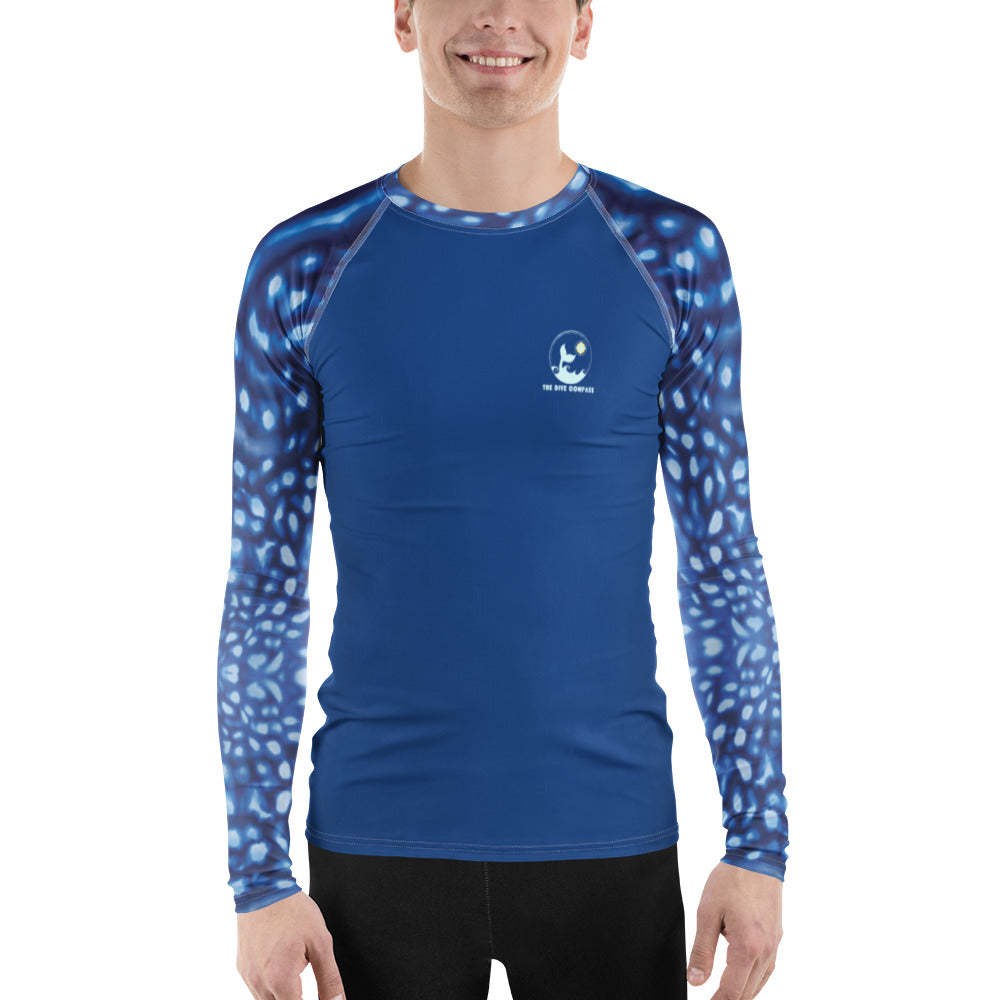
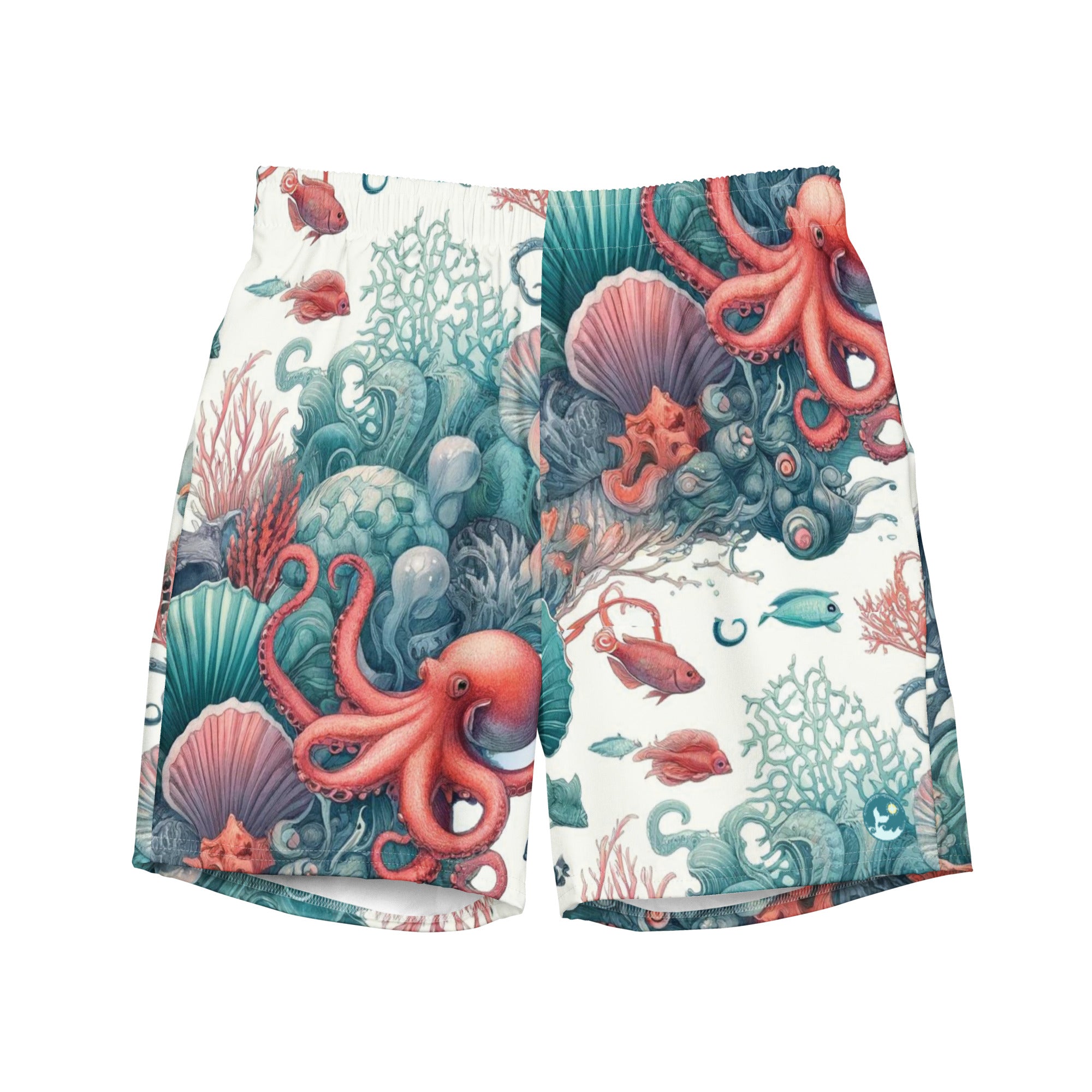
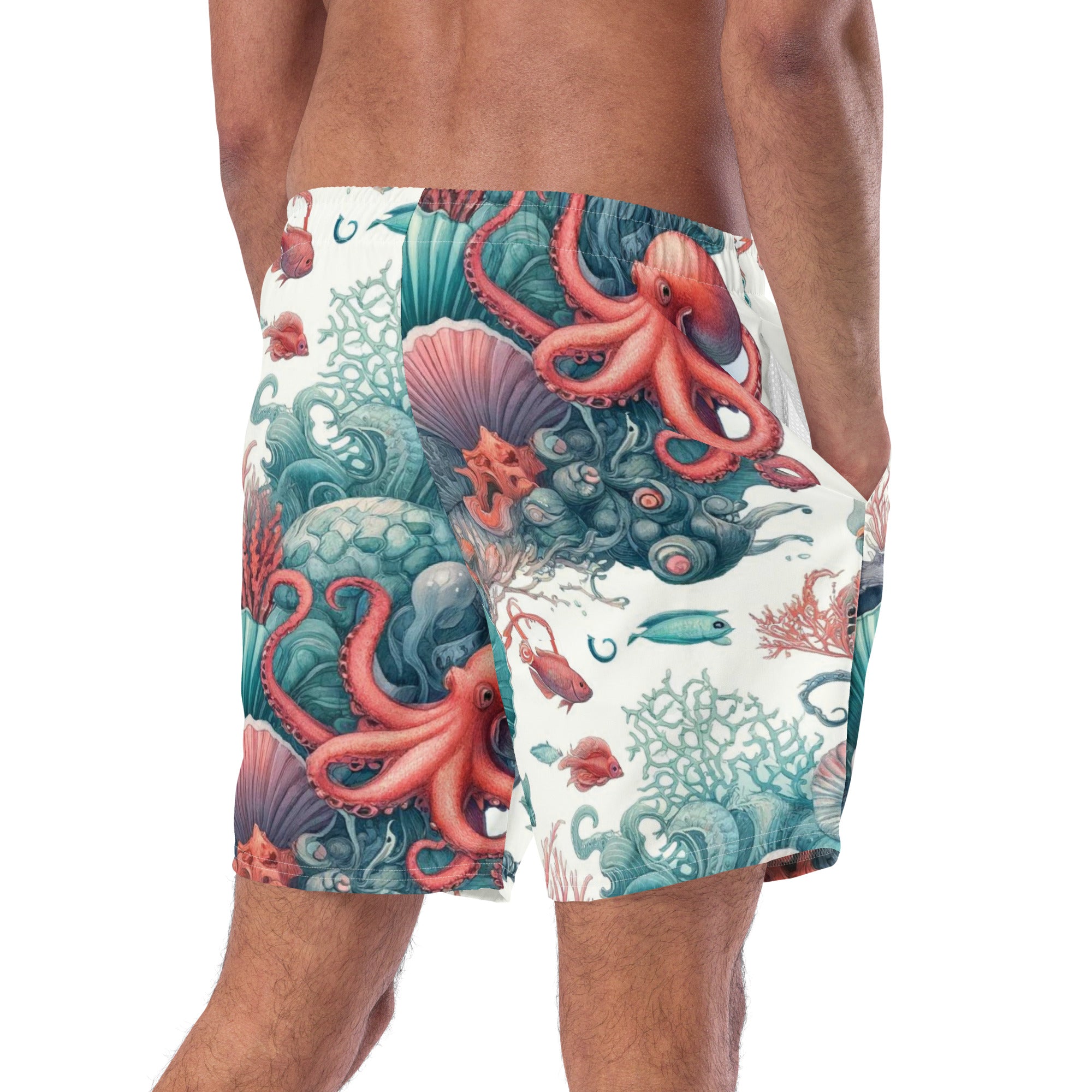
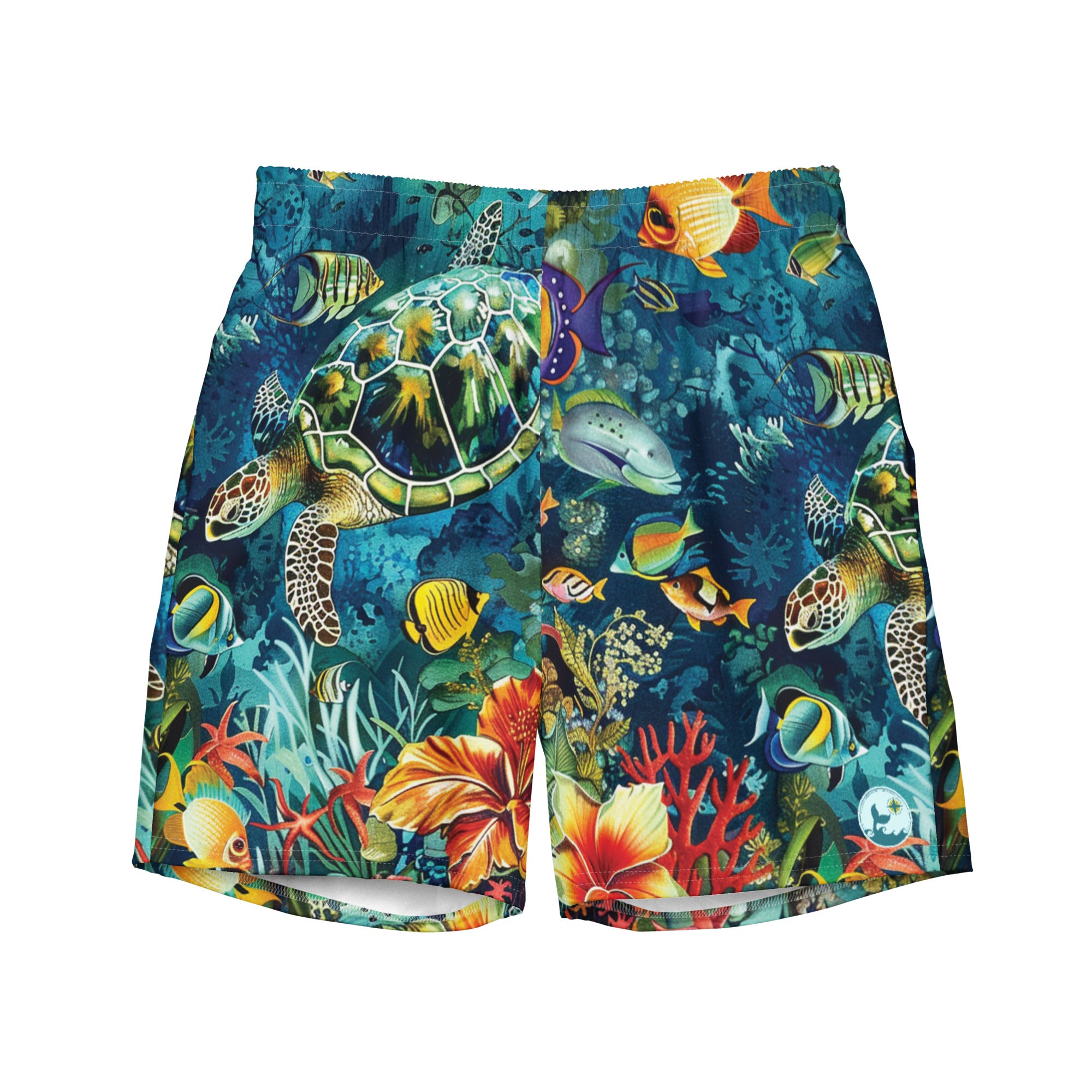
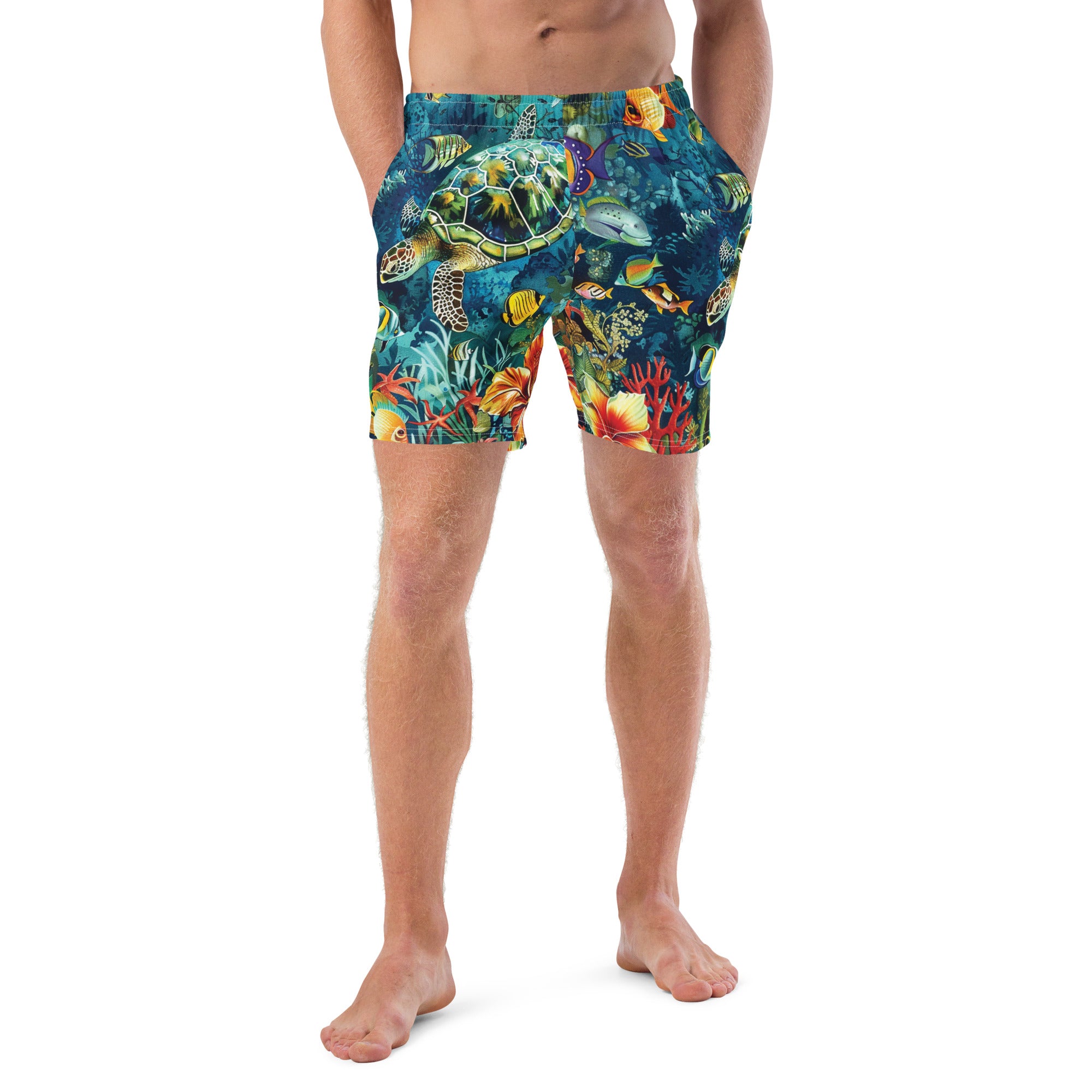
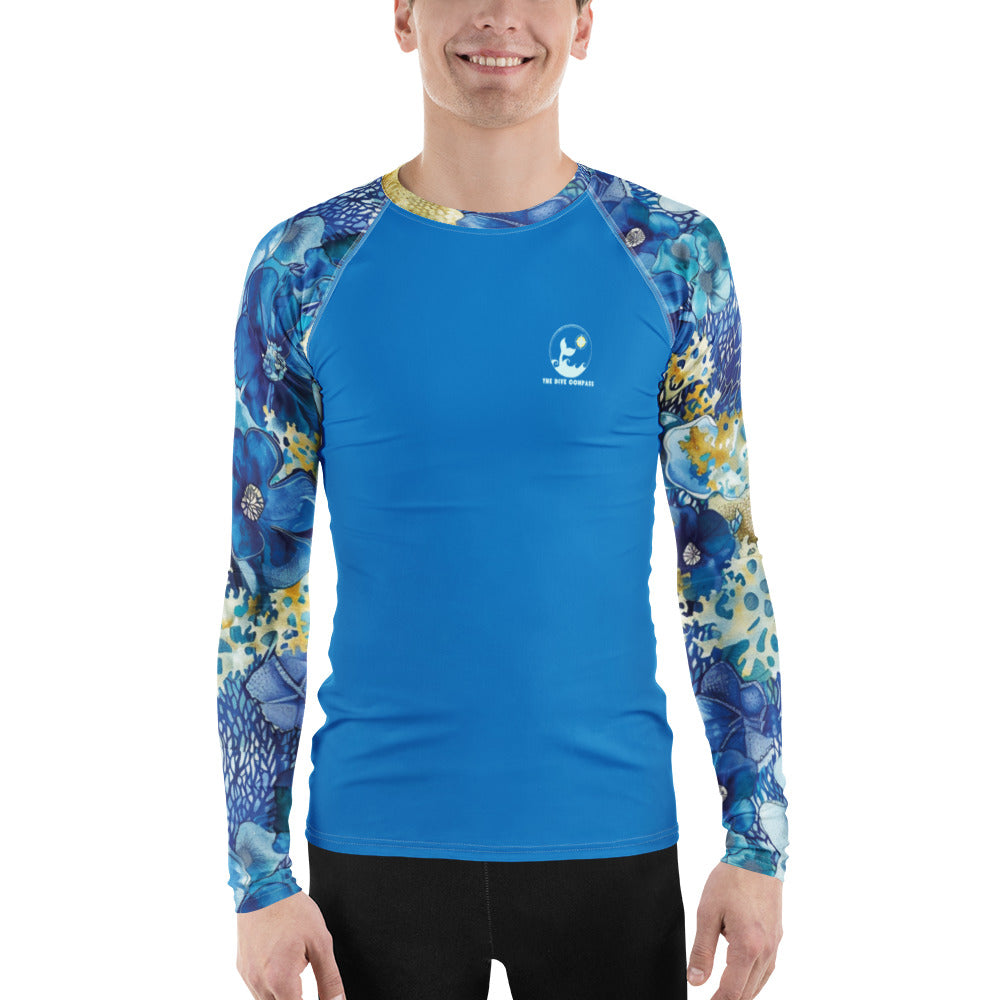
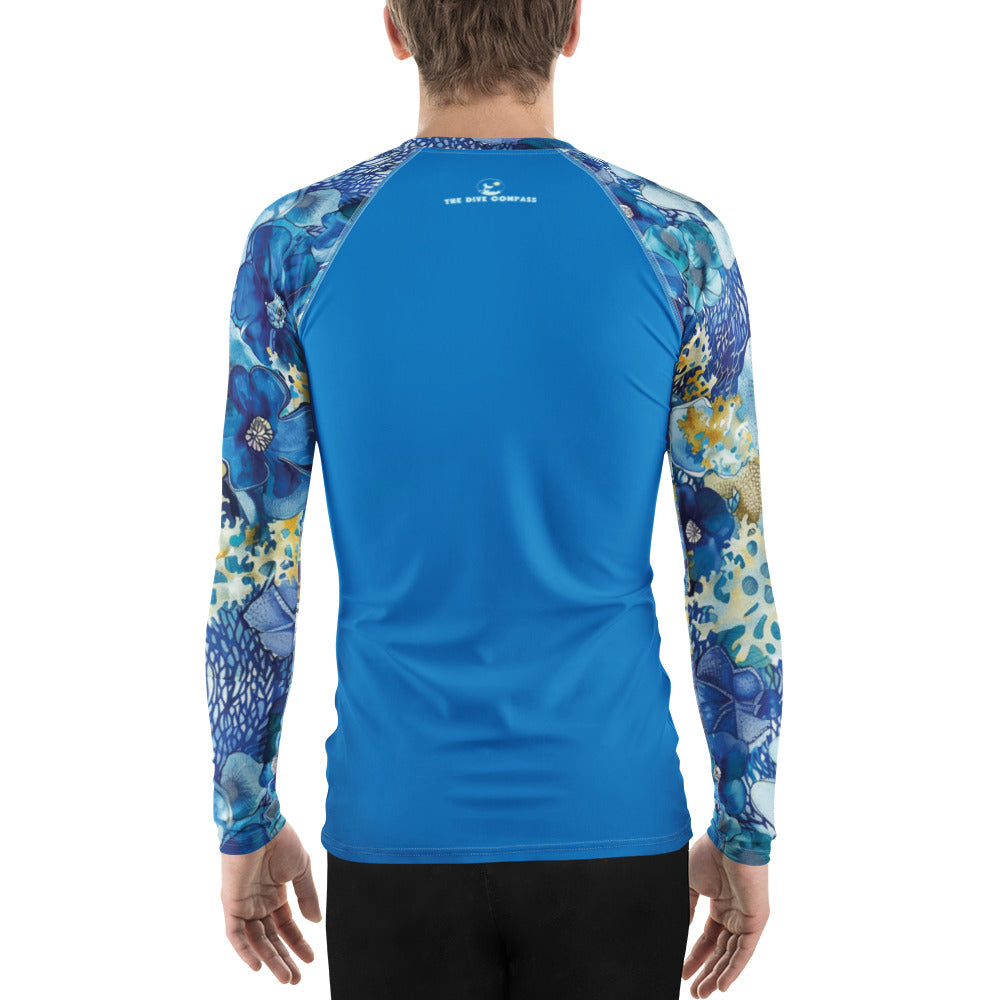
Ten percent of every Dive Compass order goes to the Livingseas Foundation, Ocean Conservancy and Sea Shepherd. The coral planting comes specifically out of the Livingseas share. Each item on our site corresponds to a set number of coral fragments, and those numbers are published on our Save Our Seas Pledge page rather than left as a slogan.
So far that has funded around 2,080 coral fragments at Padang Bai.
✨ See the Save Our Seas Pledge →

The reef is worth the effort
The first time I went to Padang Bai I wanted to be useful for a week. I did not expect to still be going back, or to have spent that much of my own time hovering over a rubble field cutting cable ties.
What keeps me going is not the planting, it is going back six months later and finding a structure I remember planted, unrecognizable with coral growth and fish living in it.
The reef was gone. Now it is not.
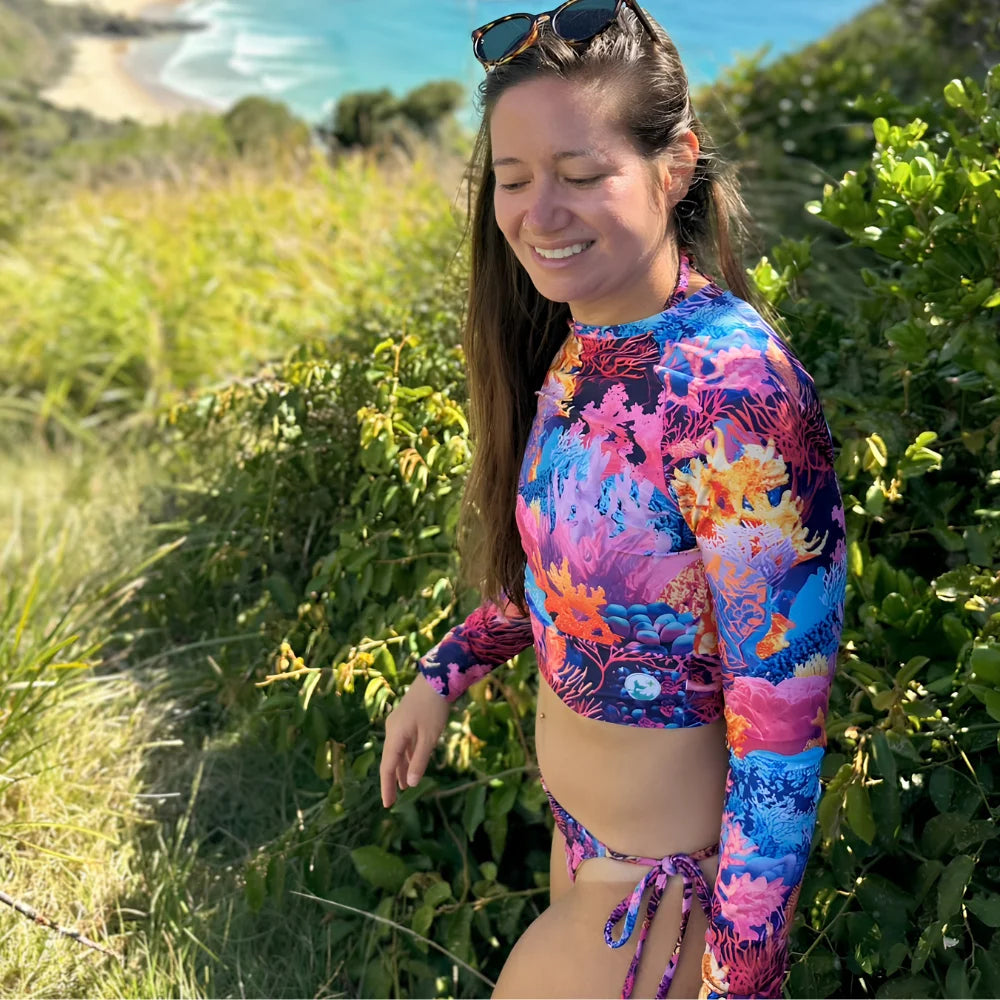
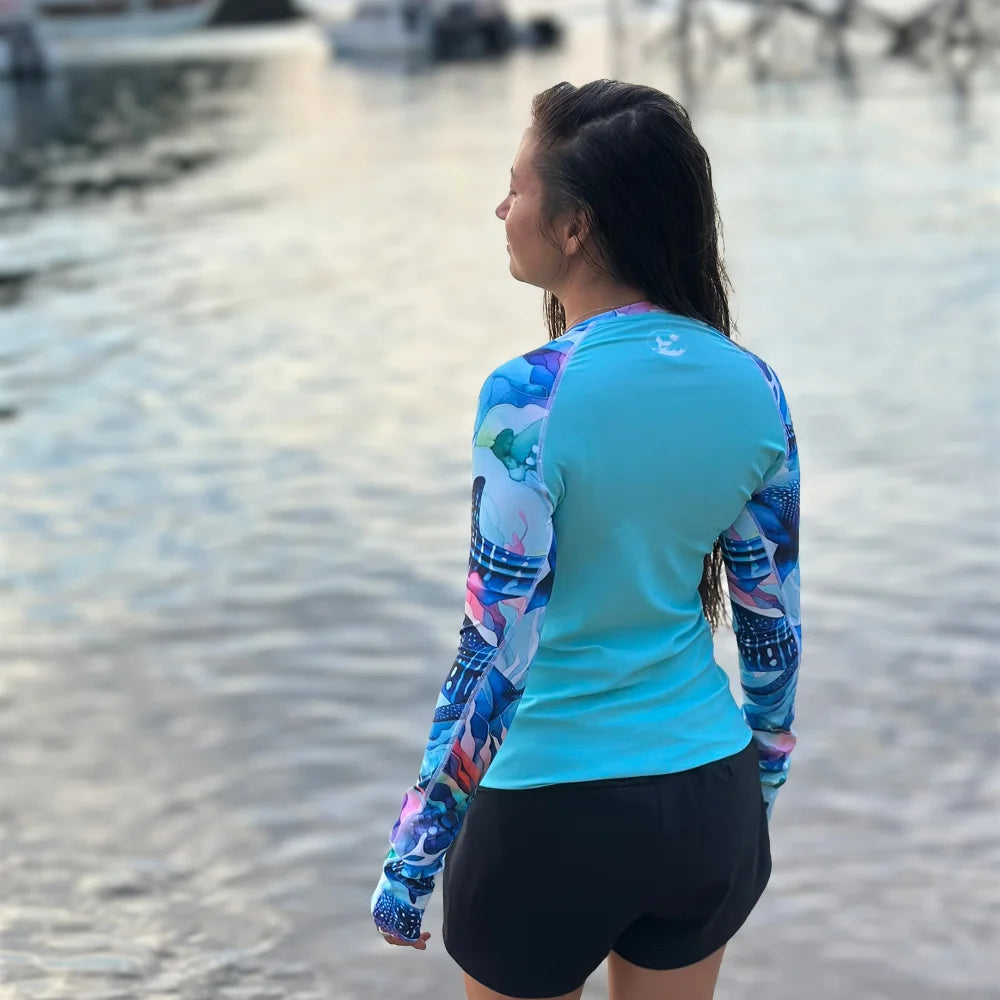
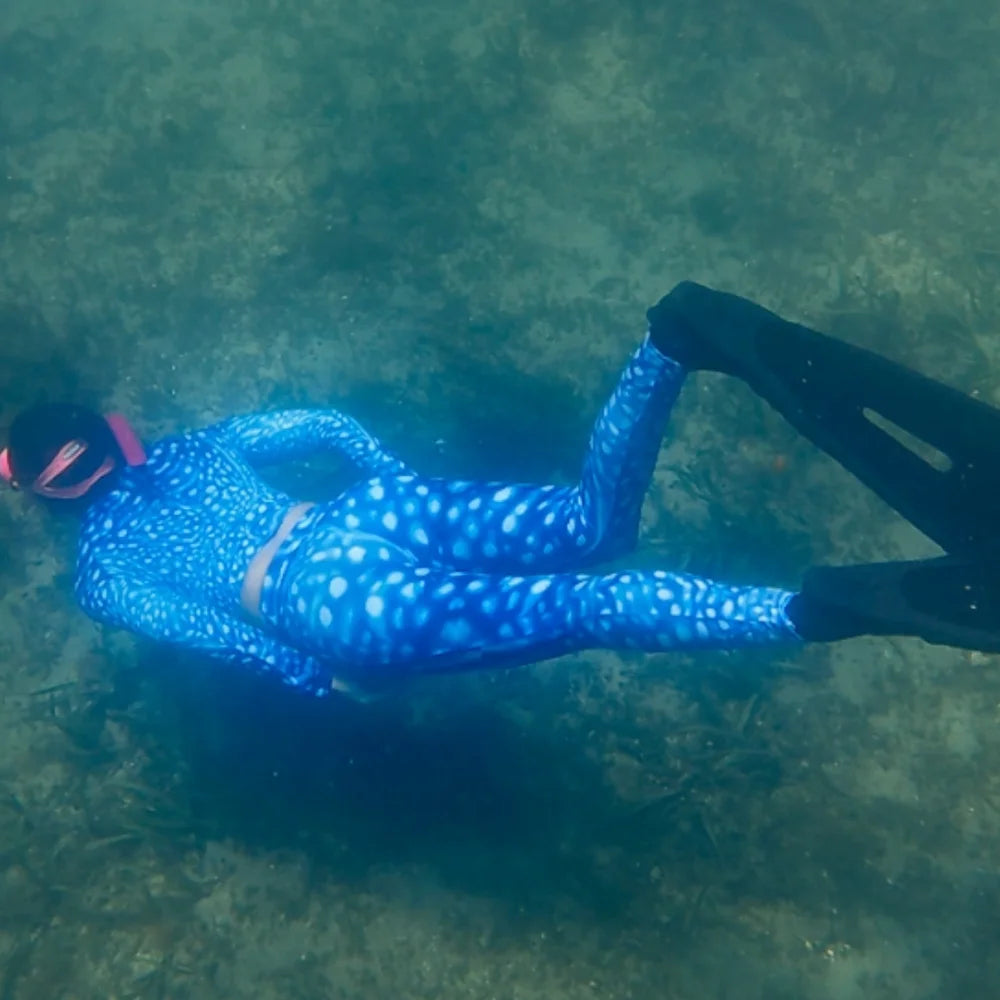
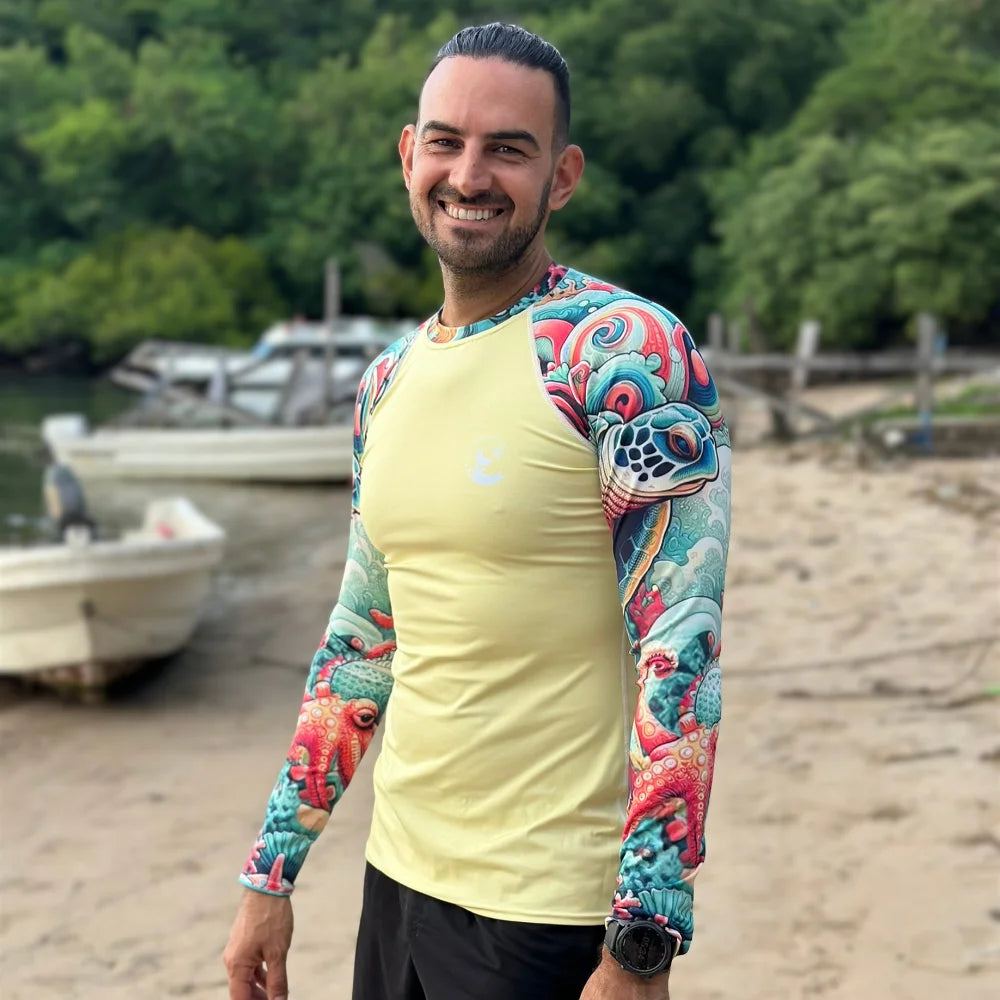
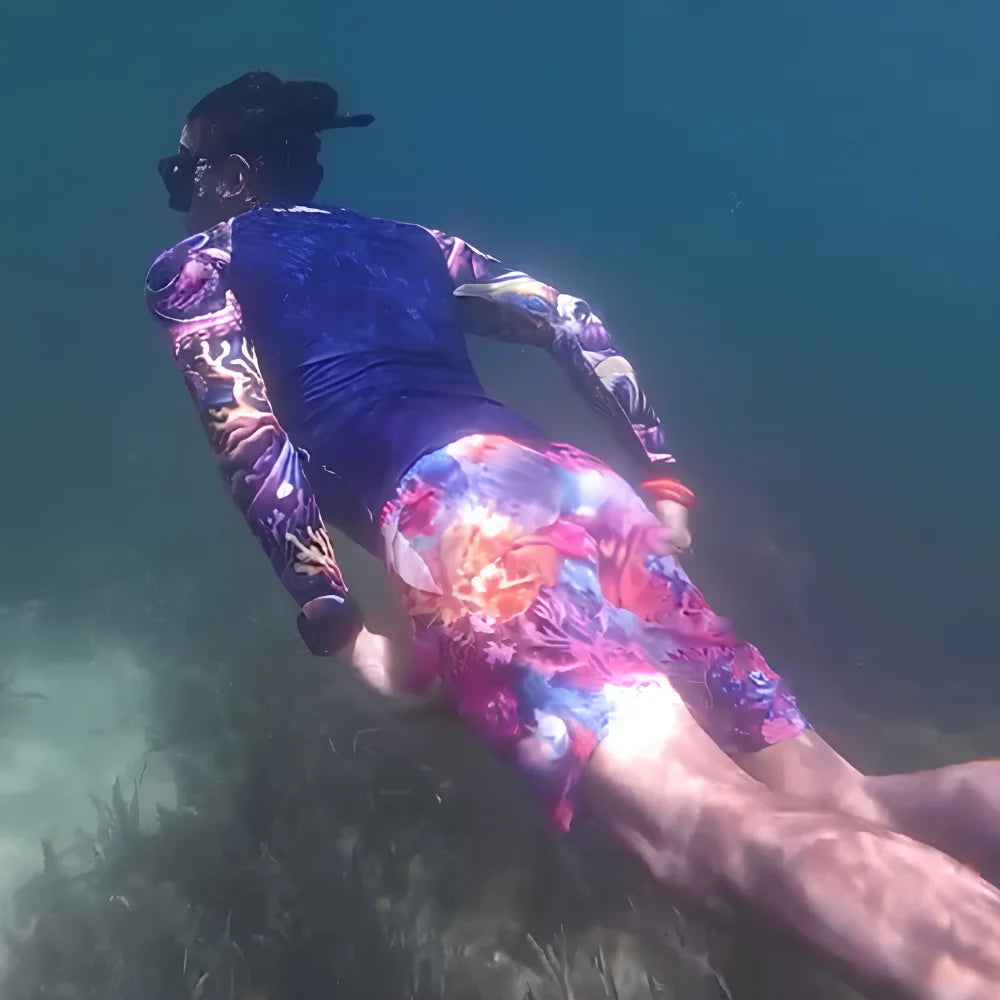
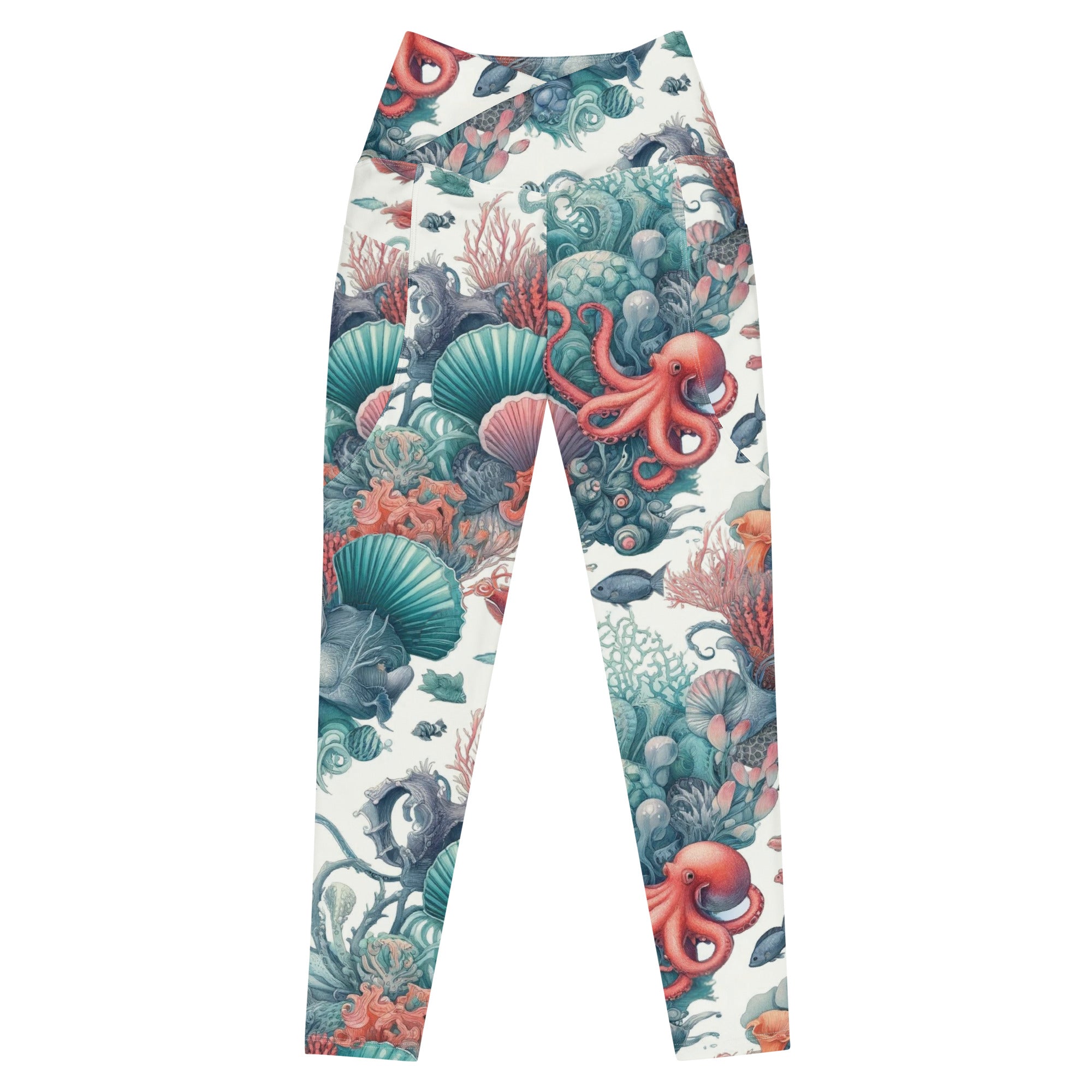
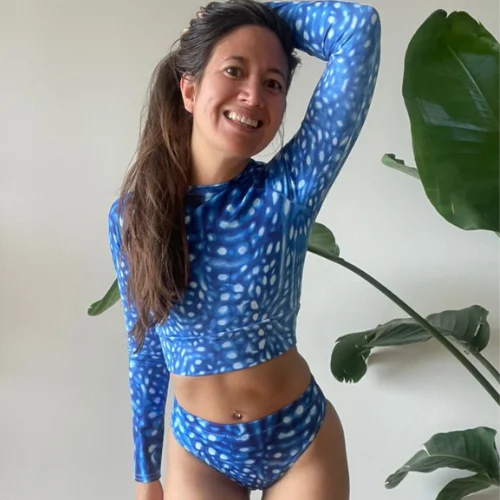
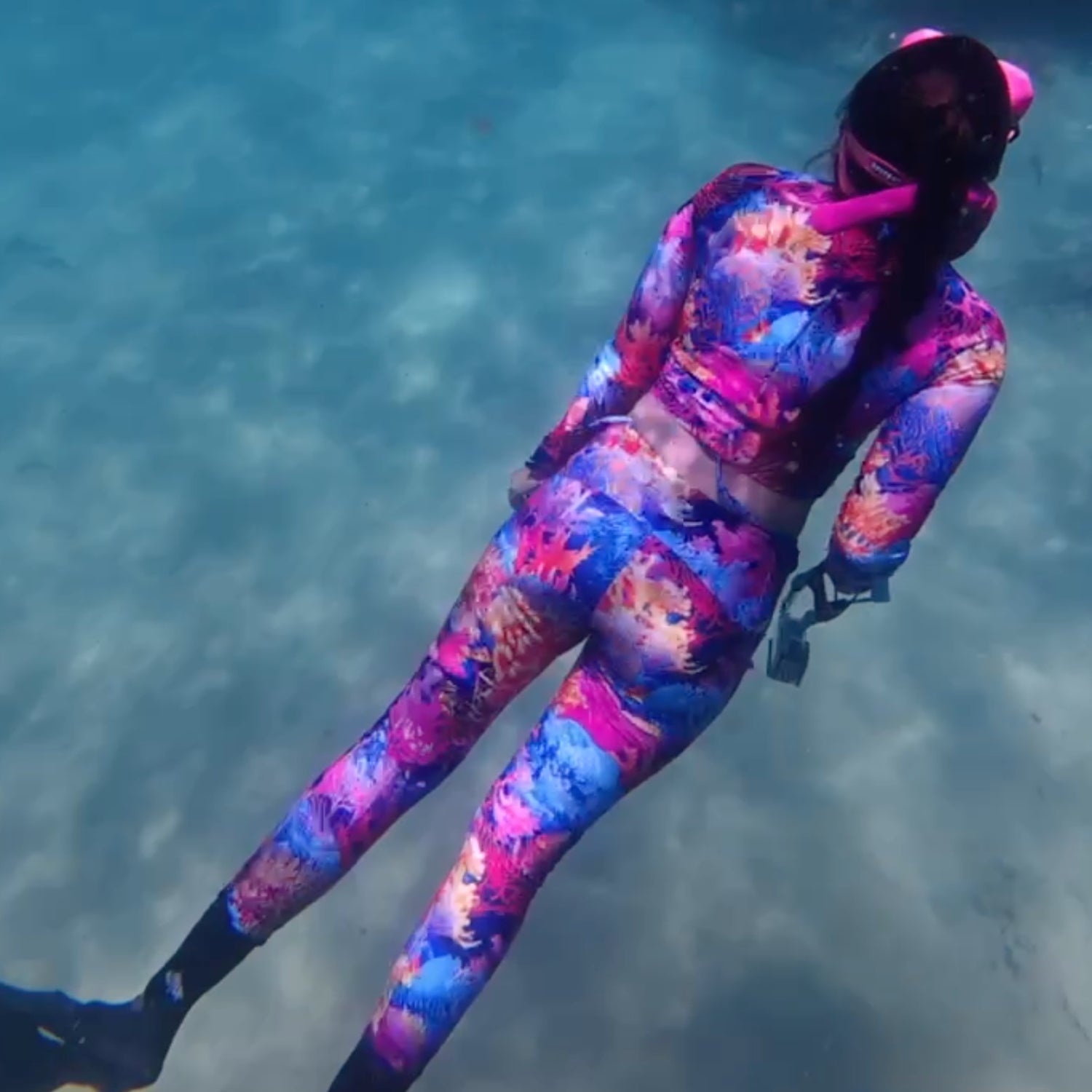
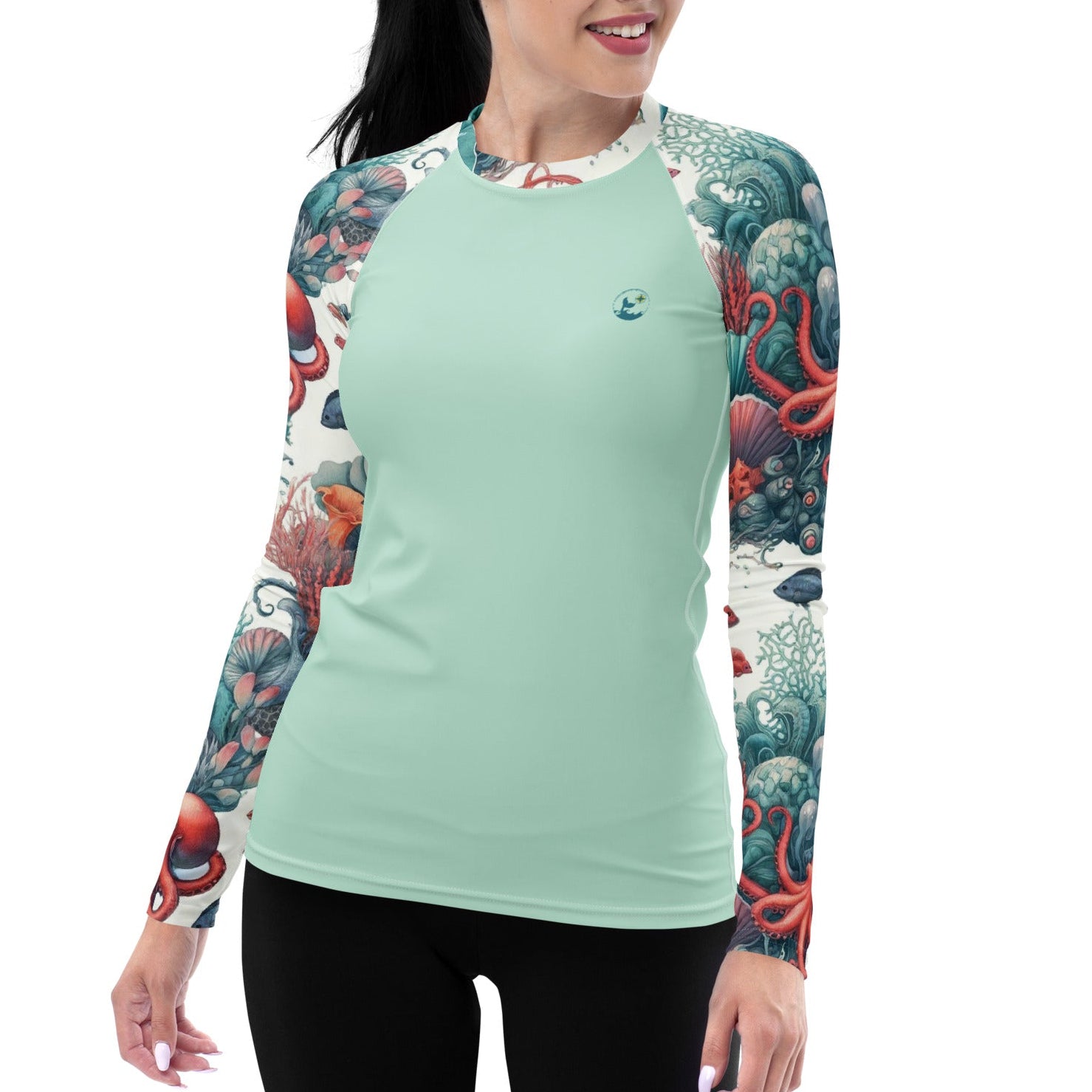
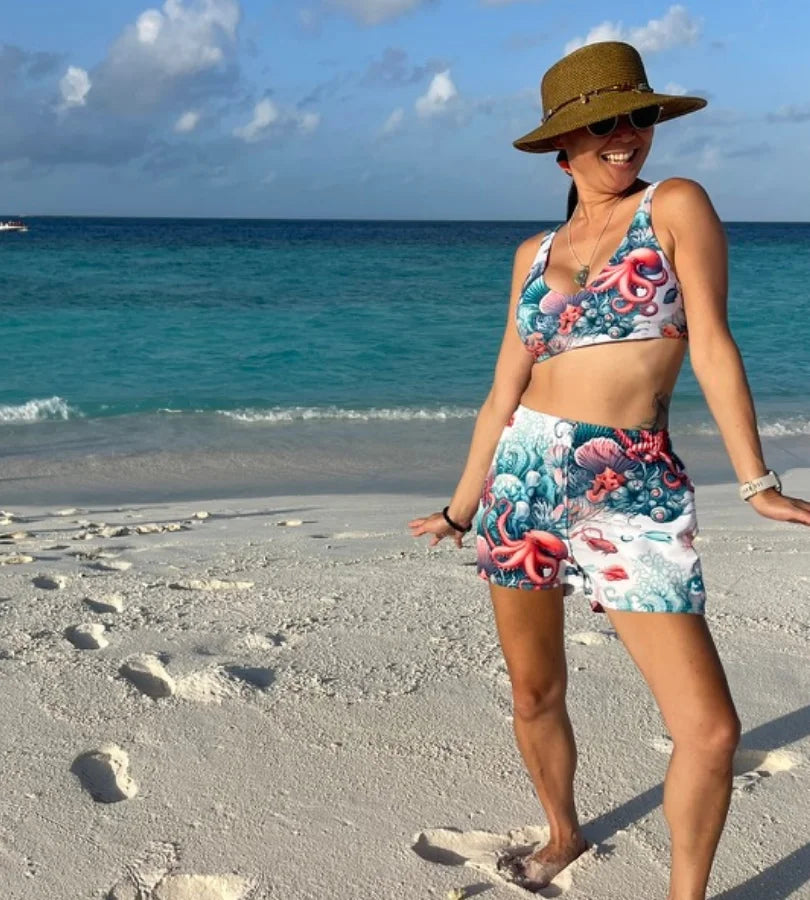
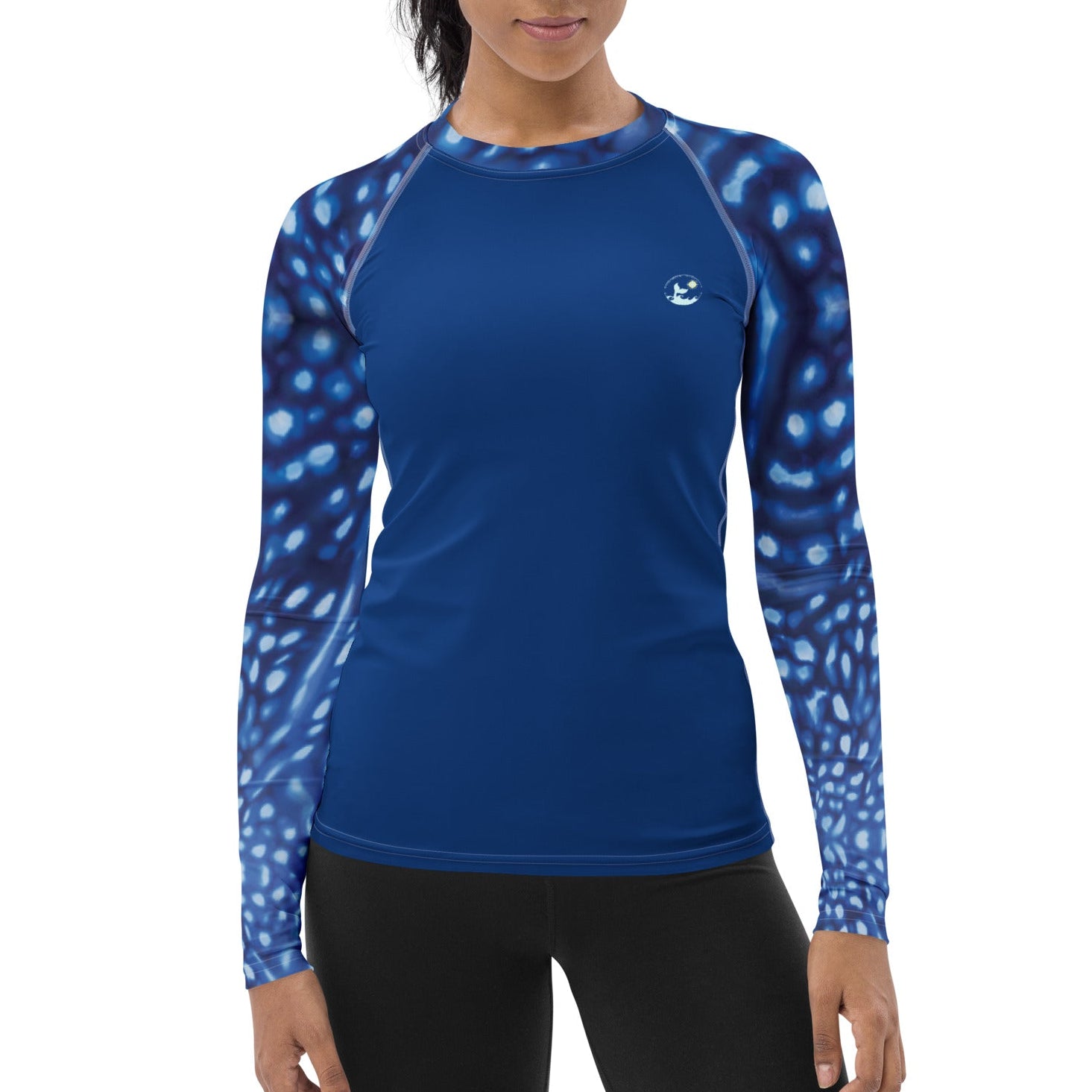
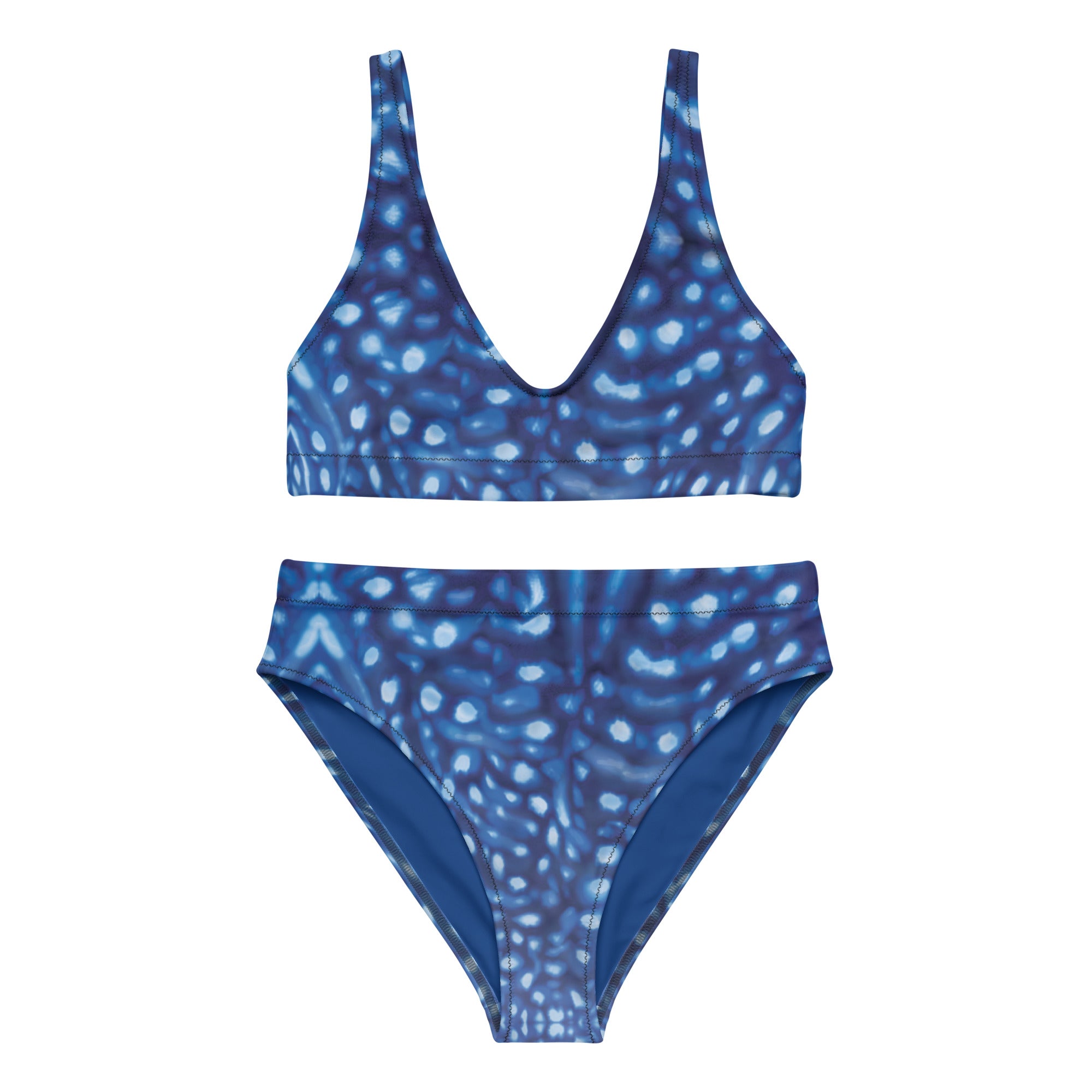
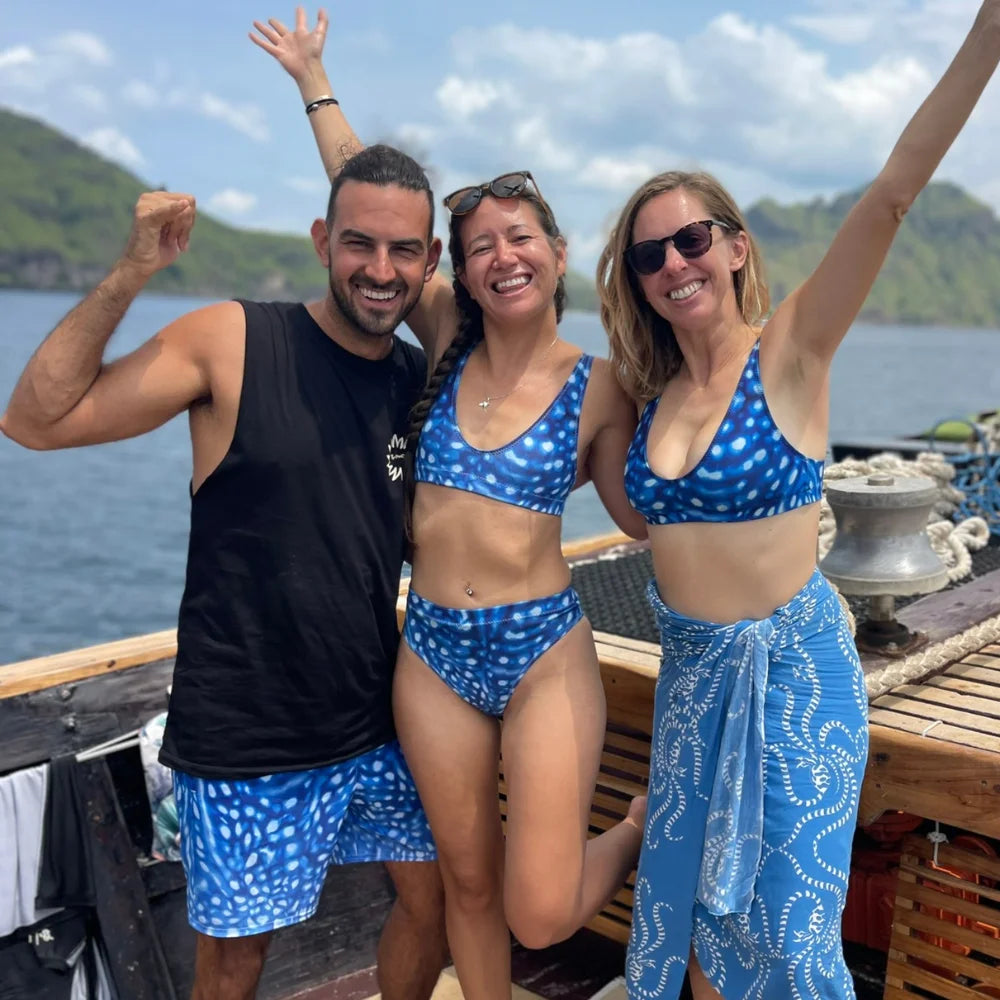
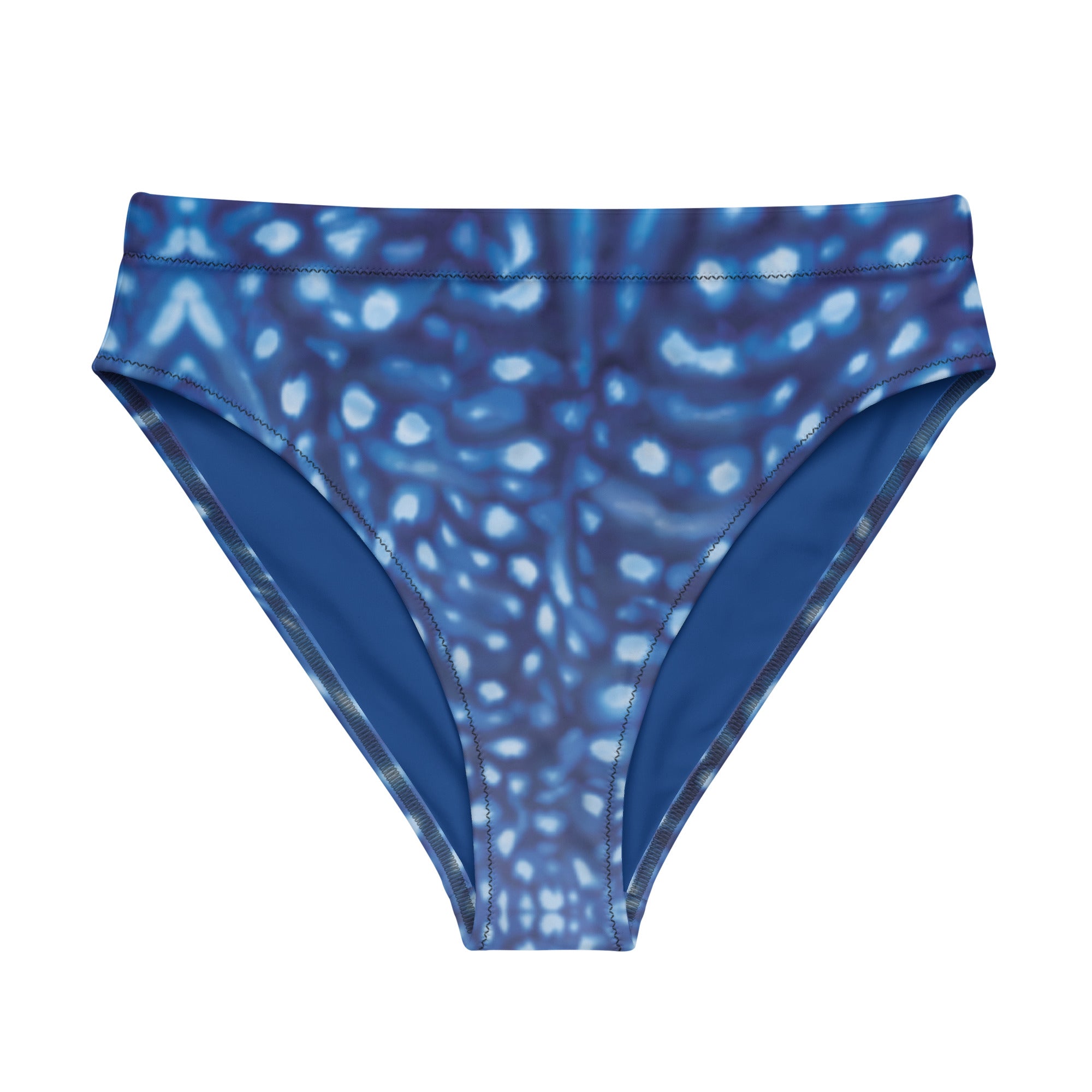
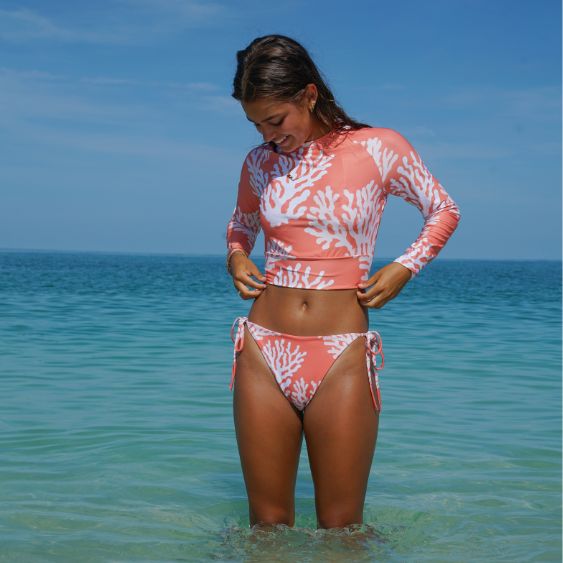
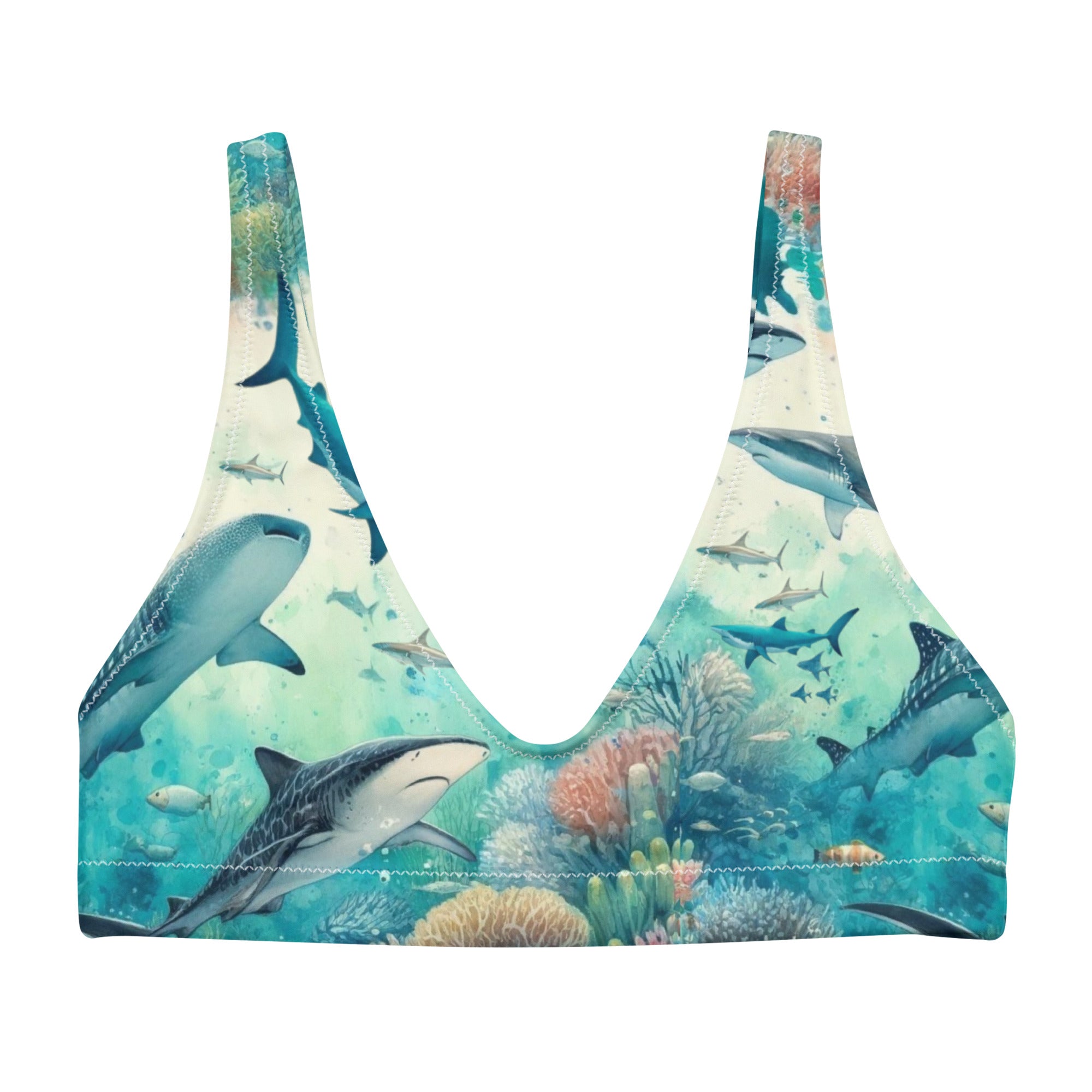
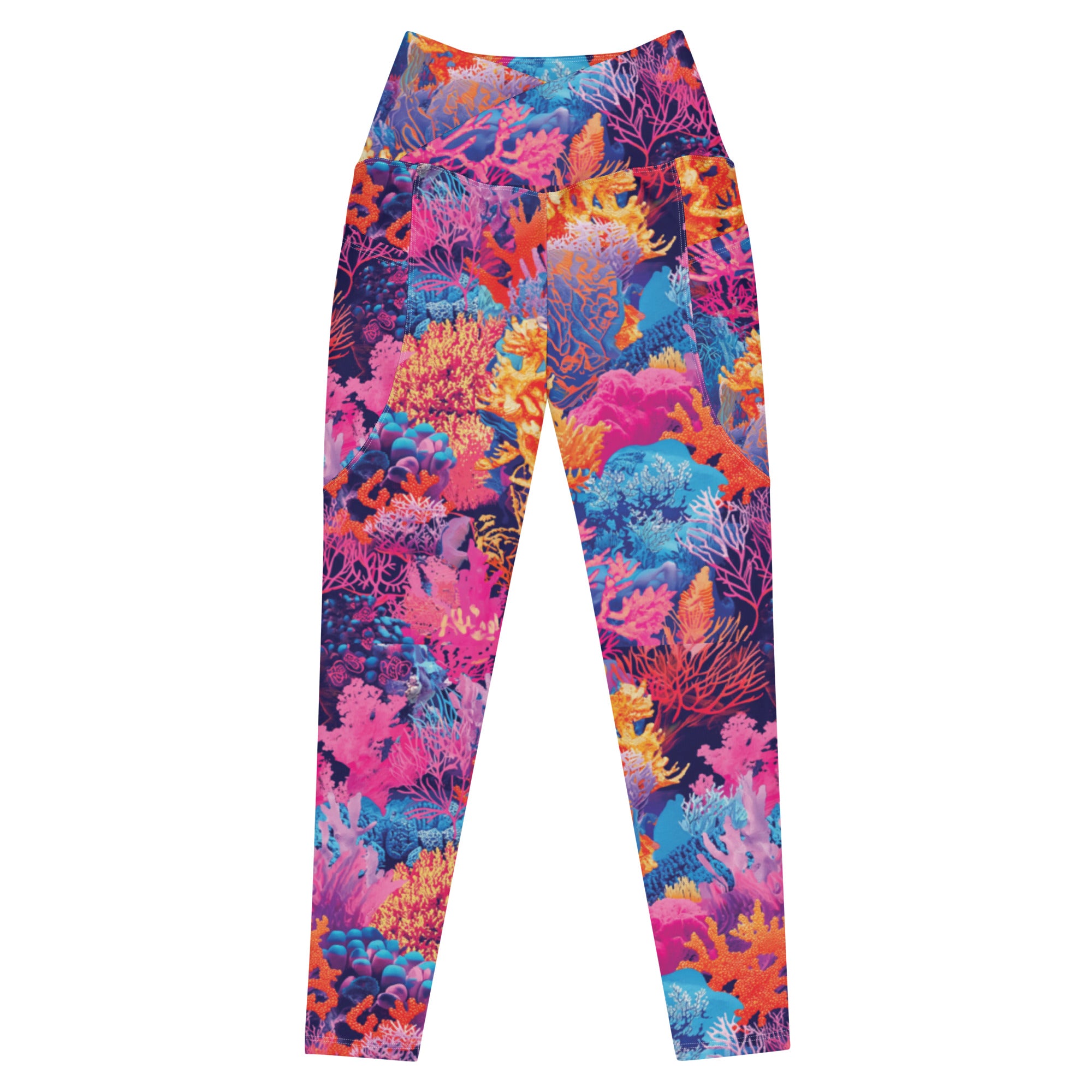
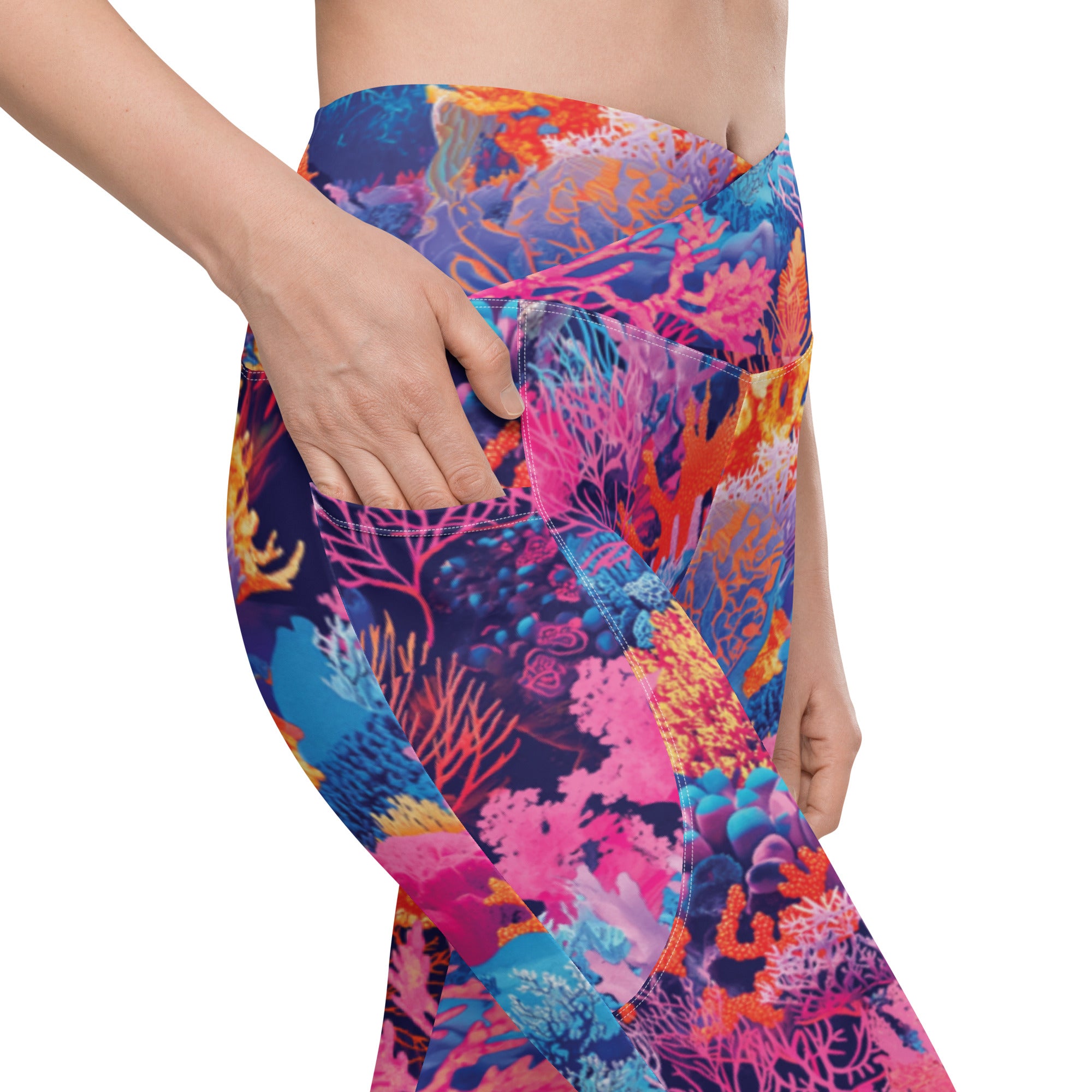
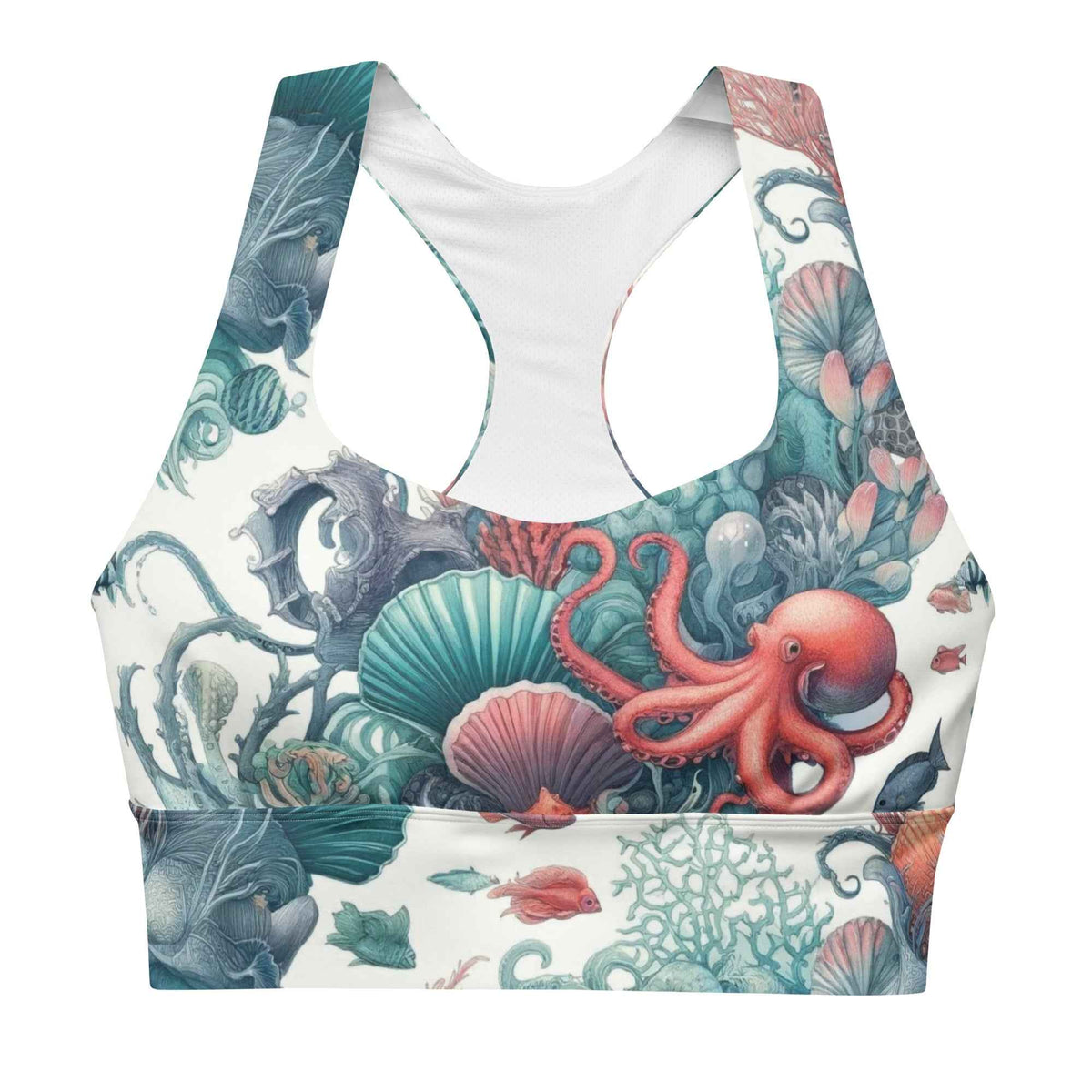
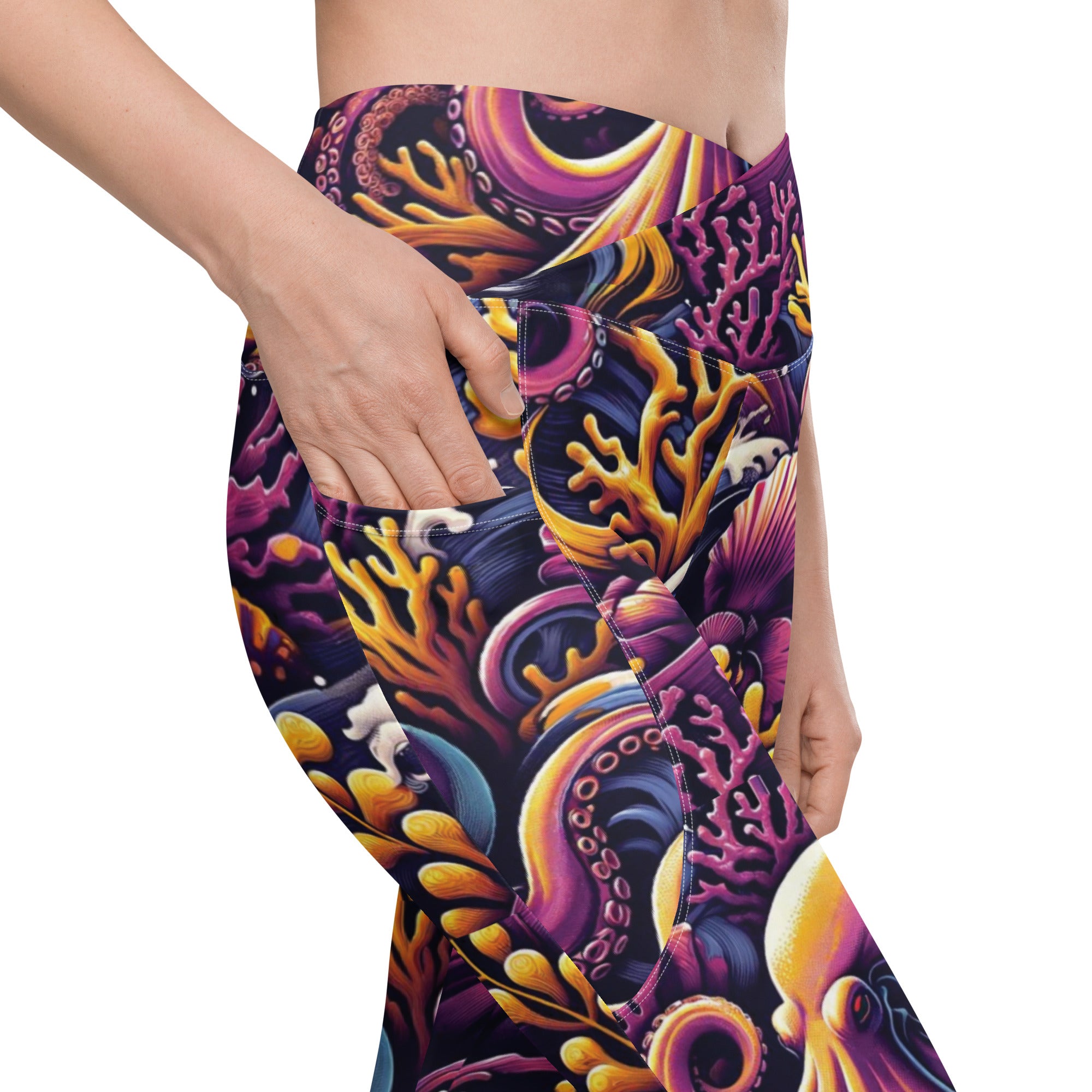
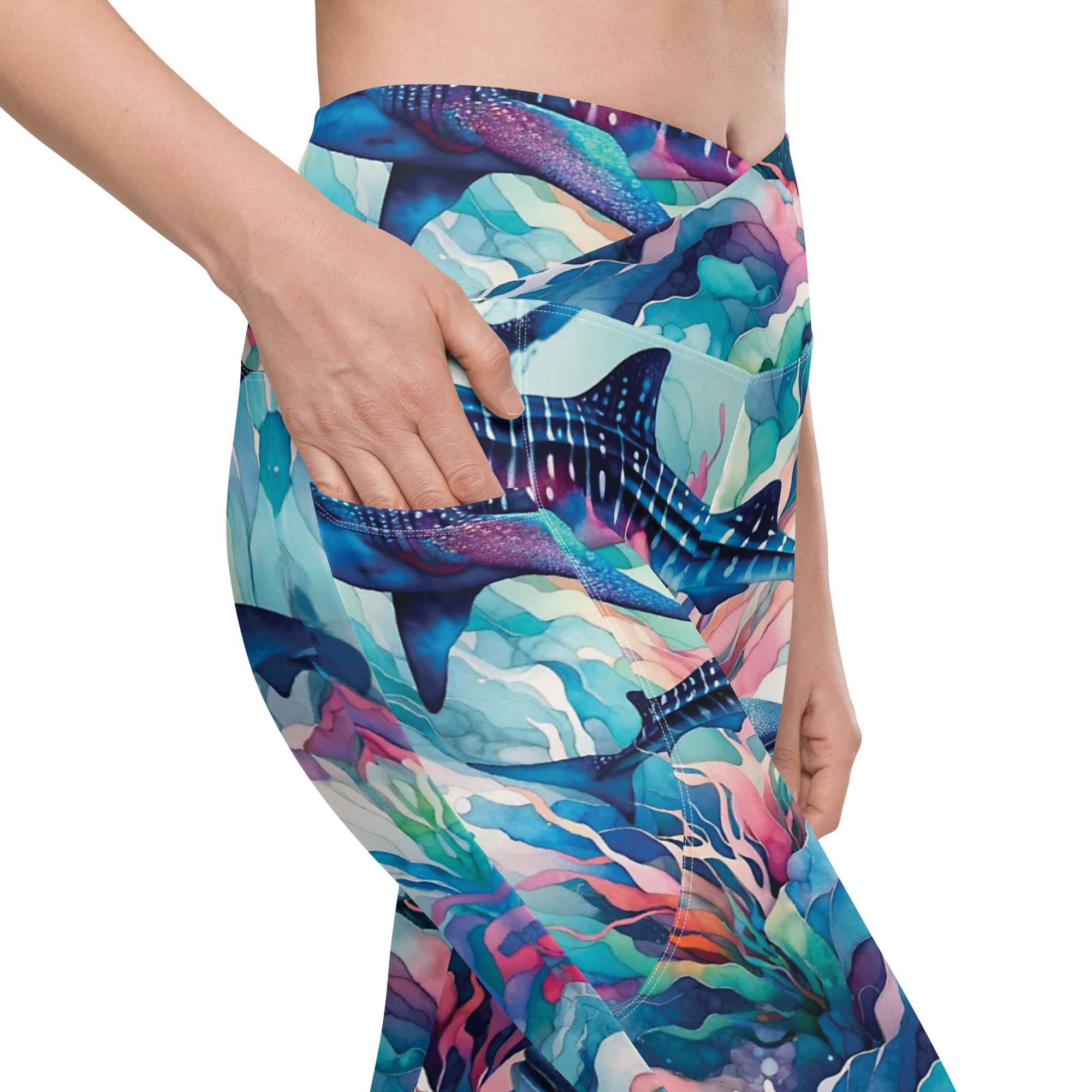
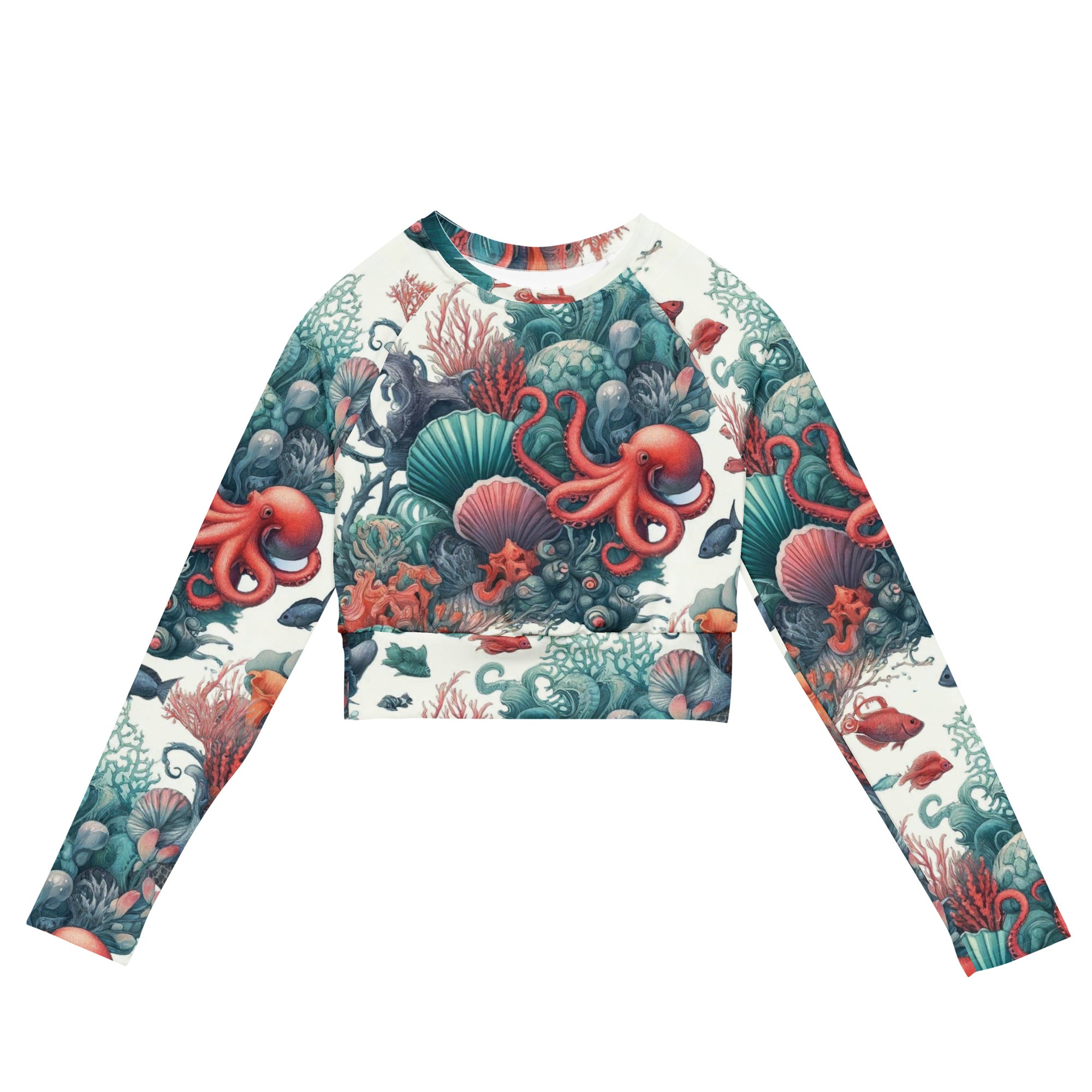
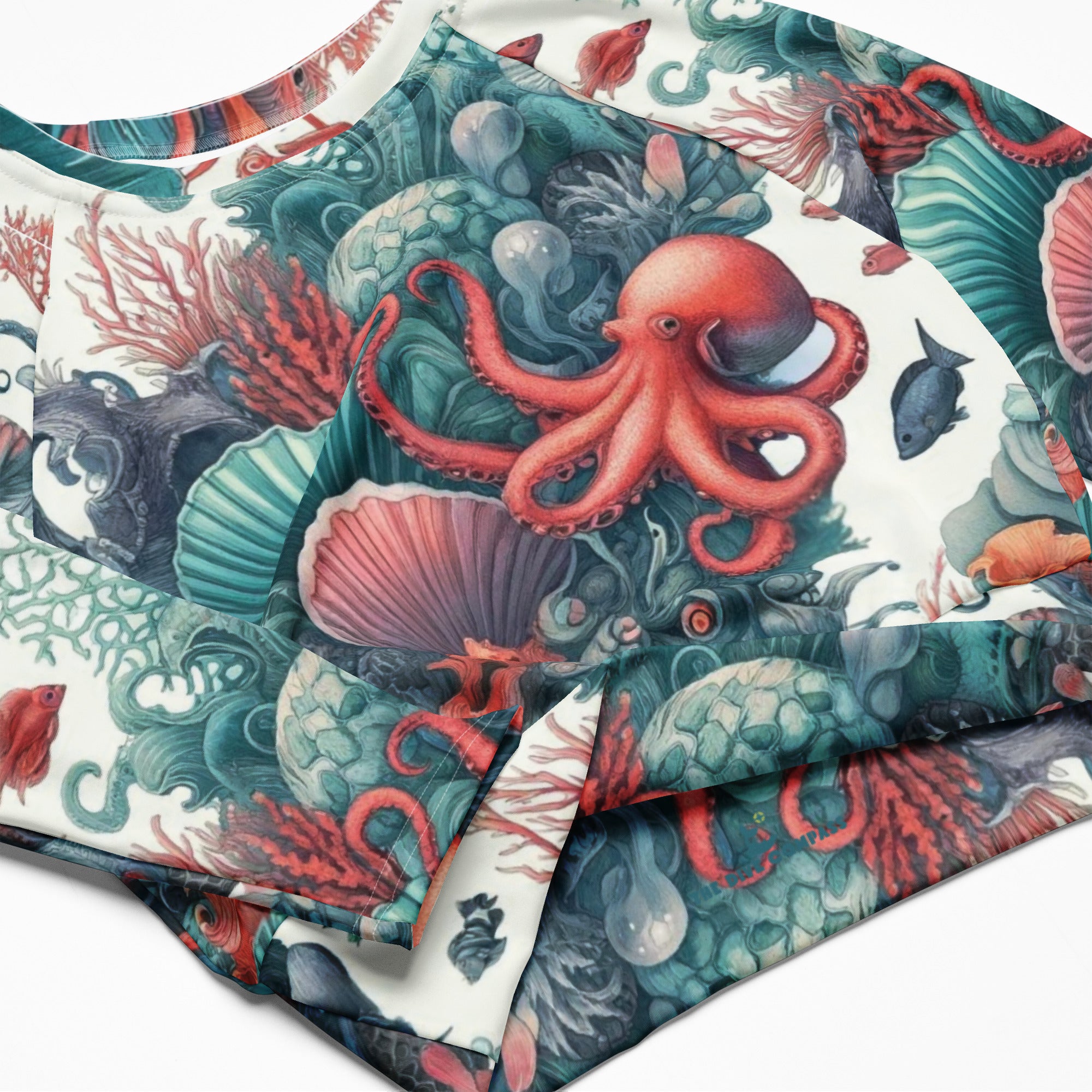
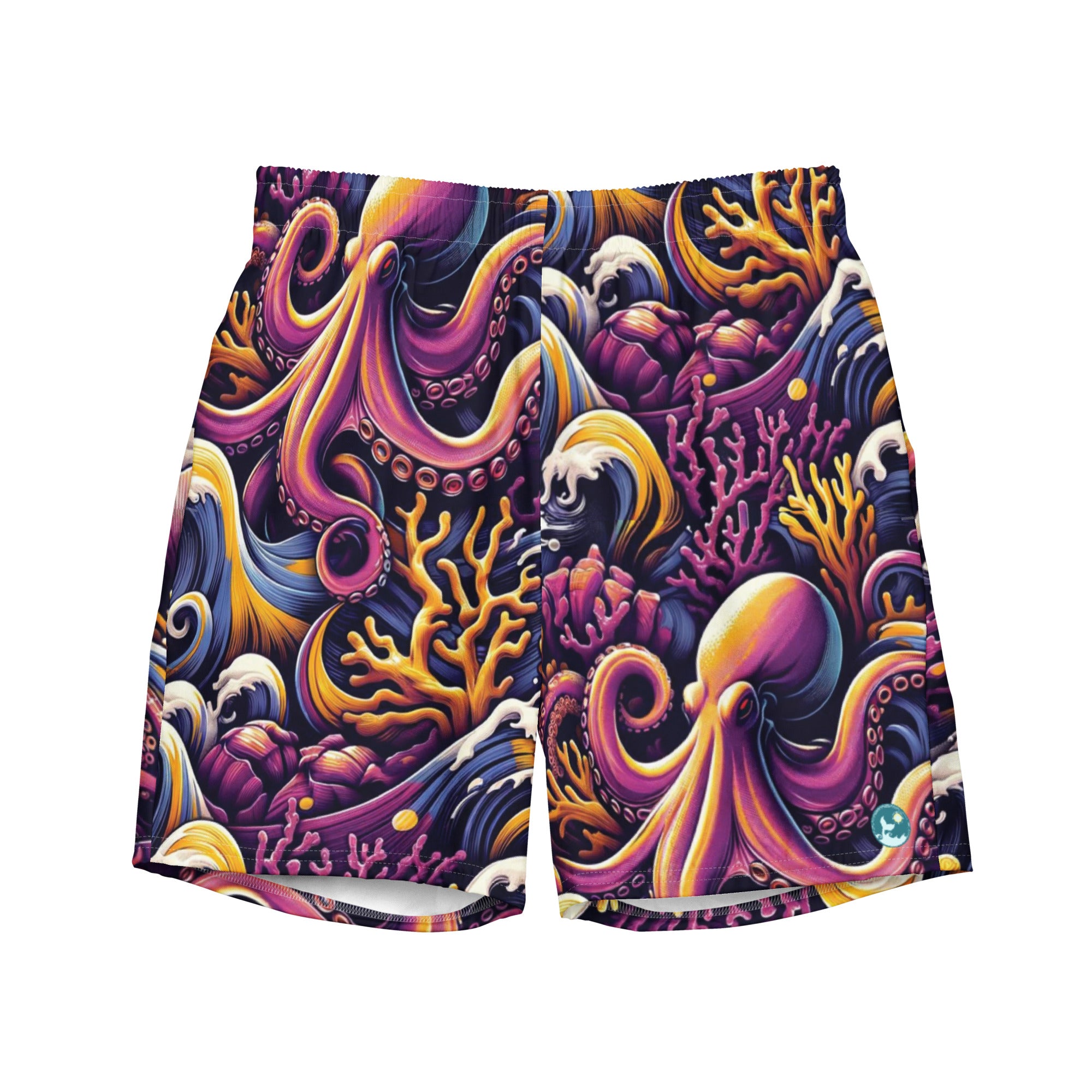
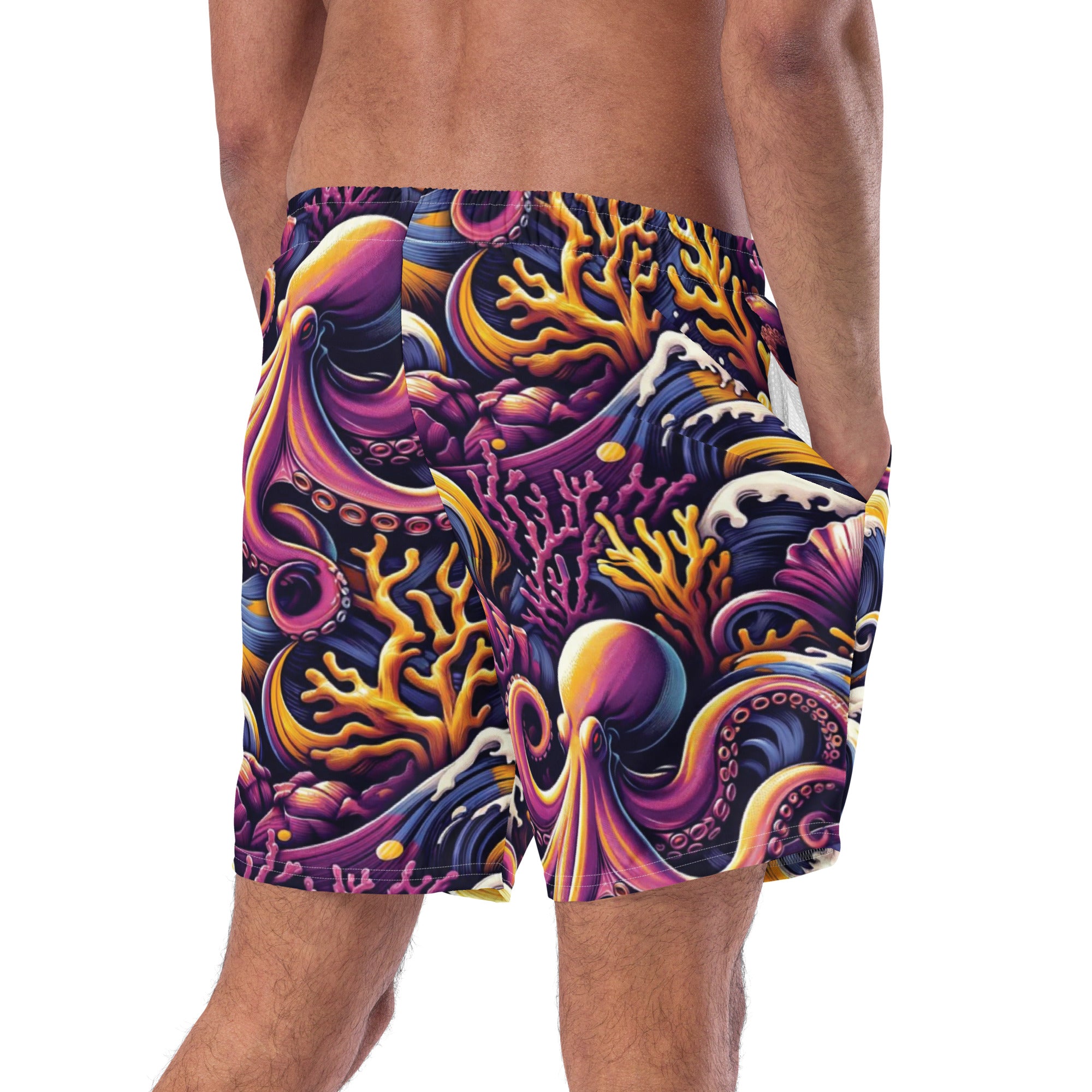
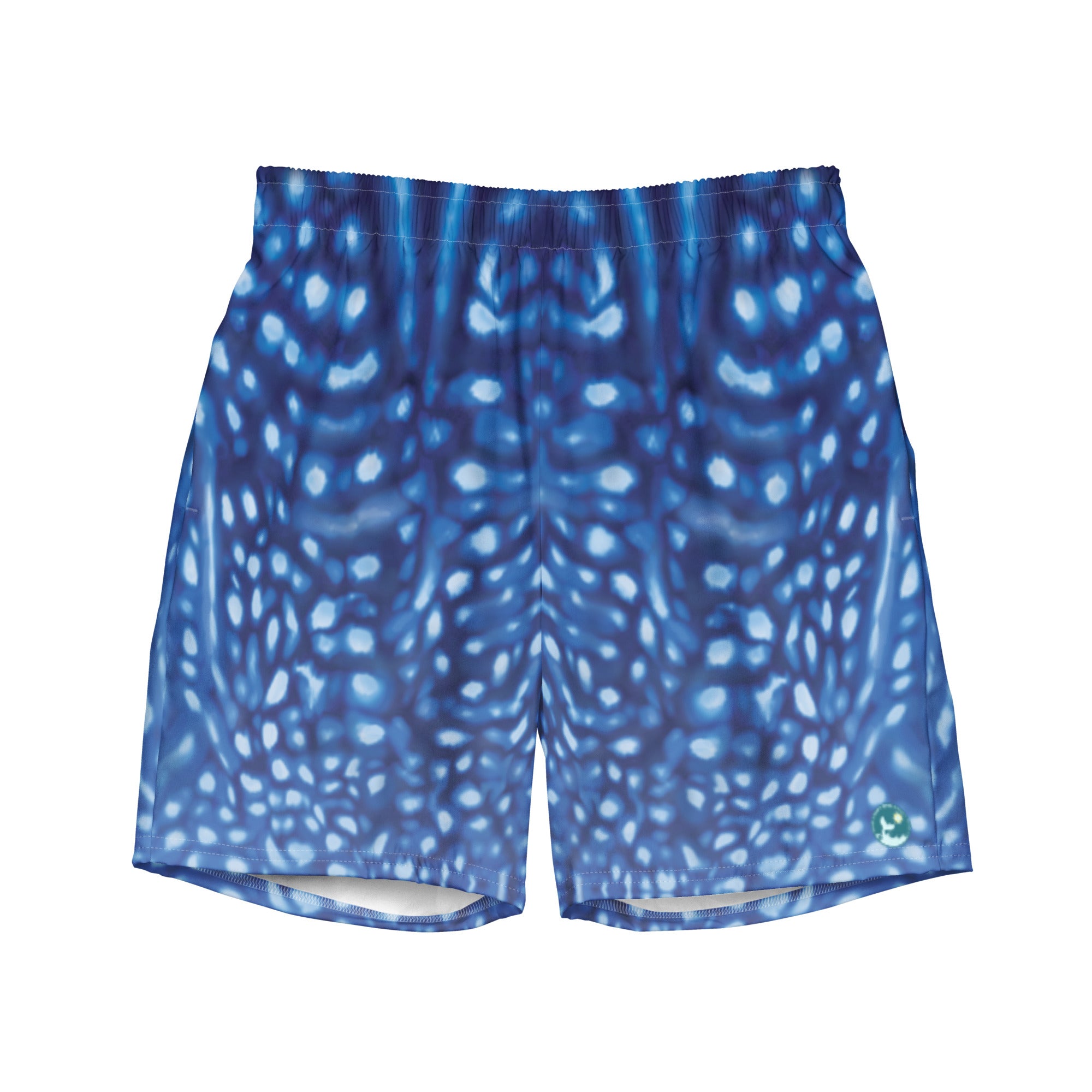
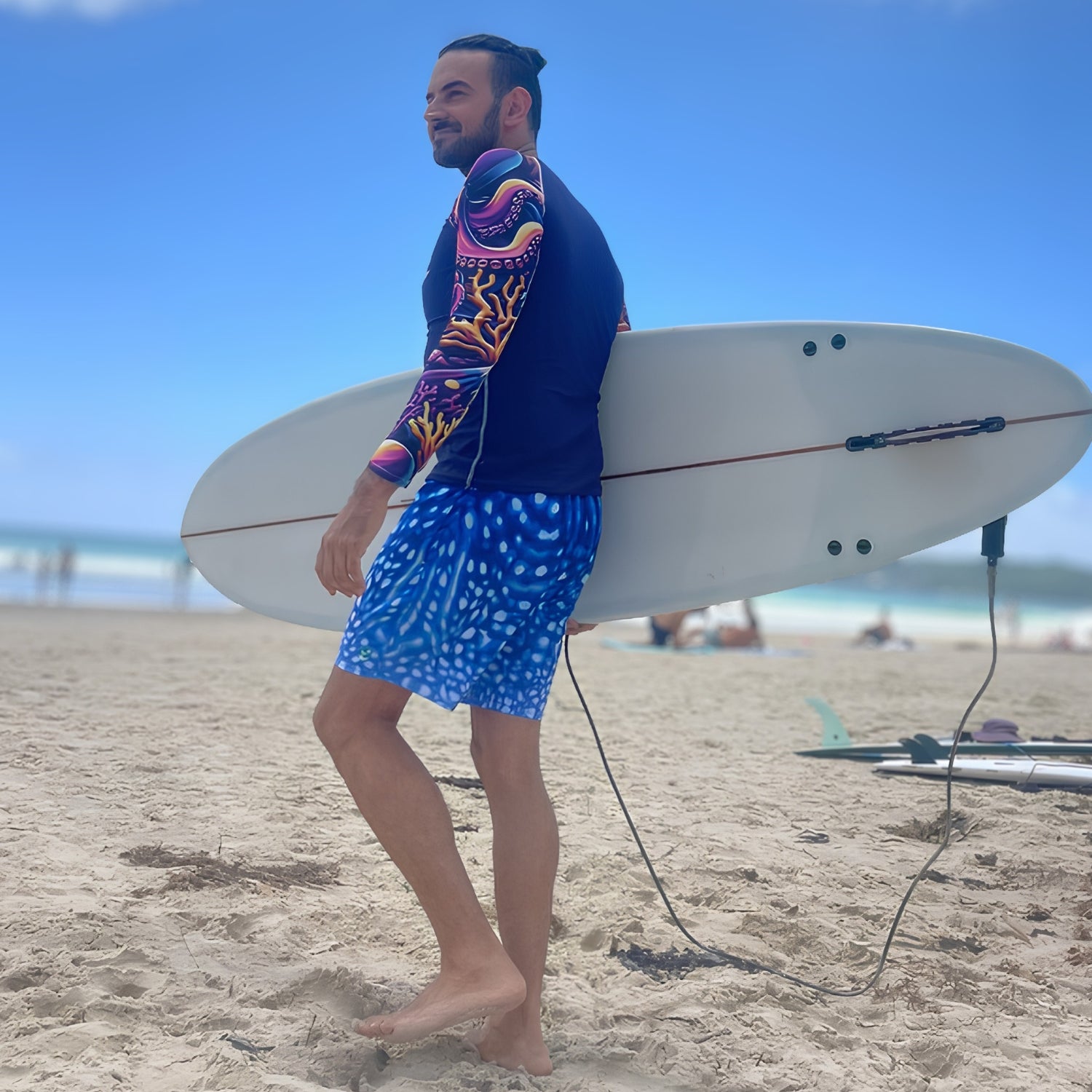
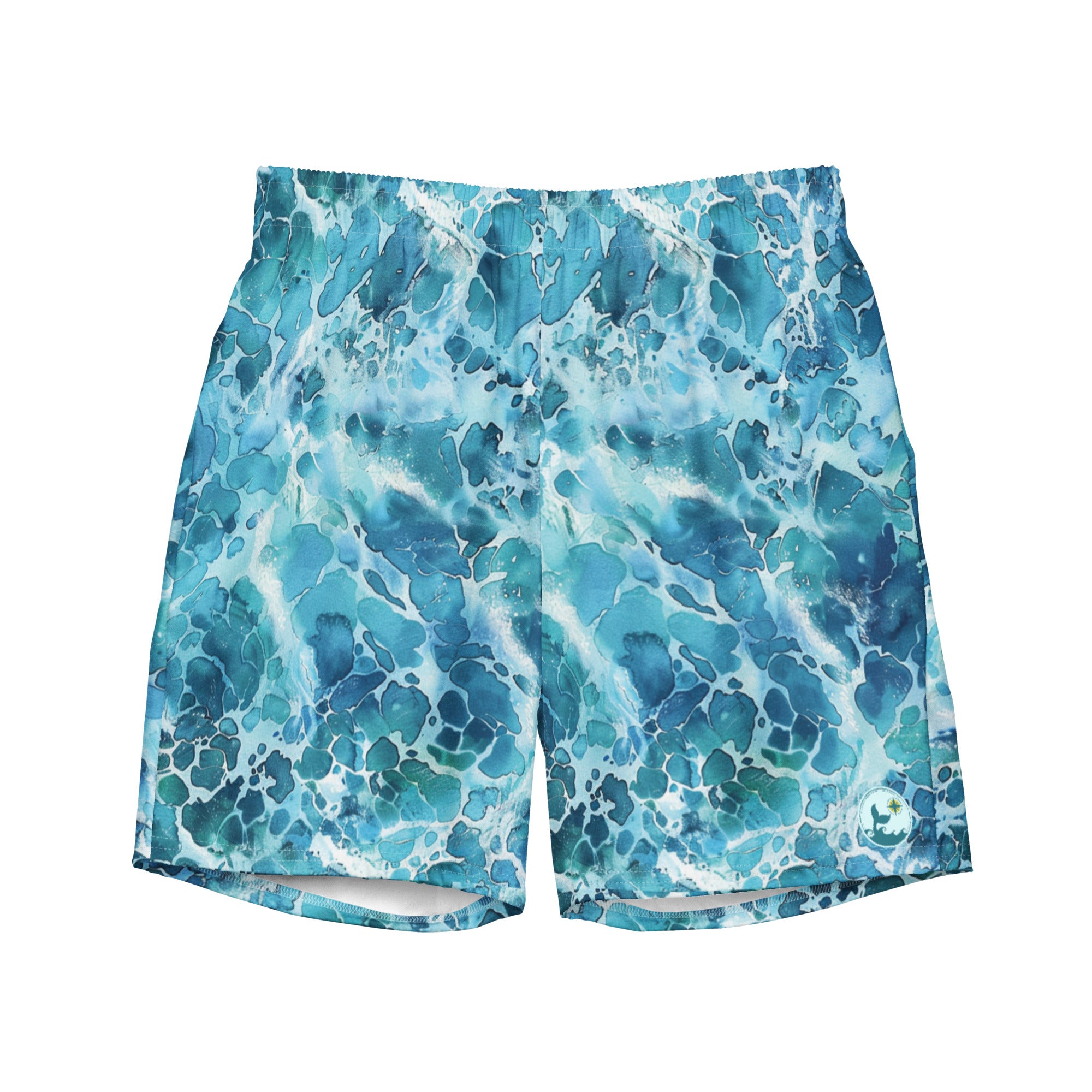
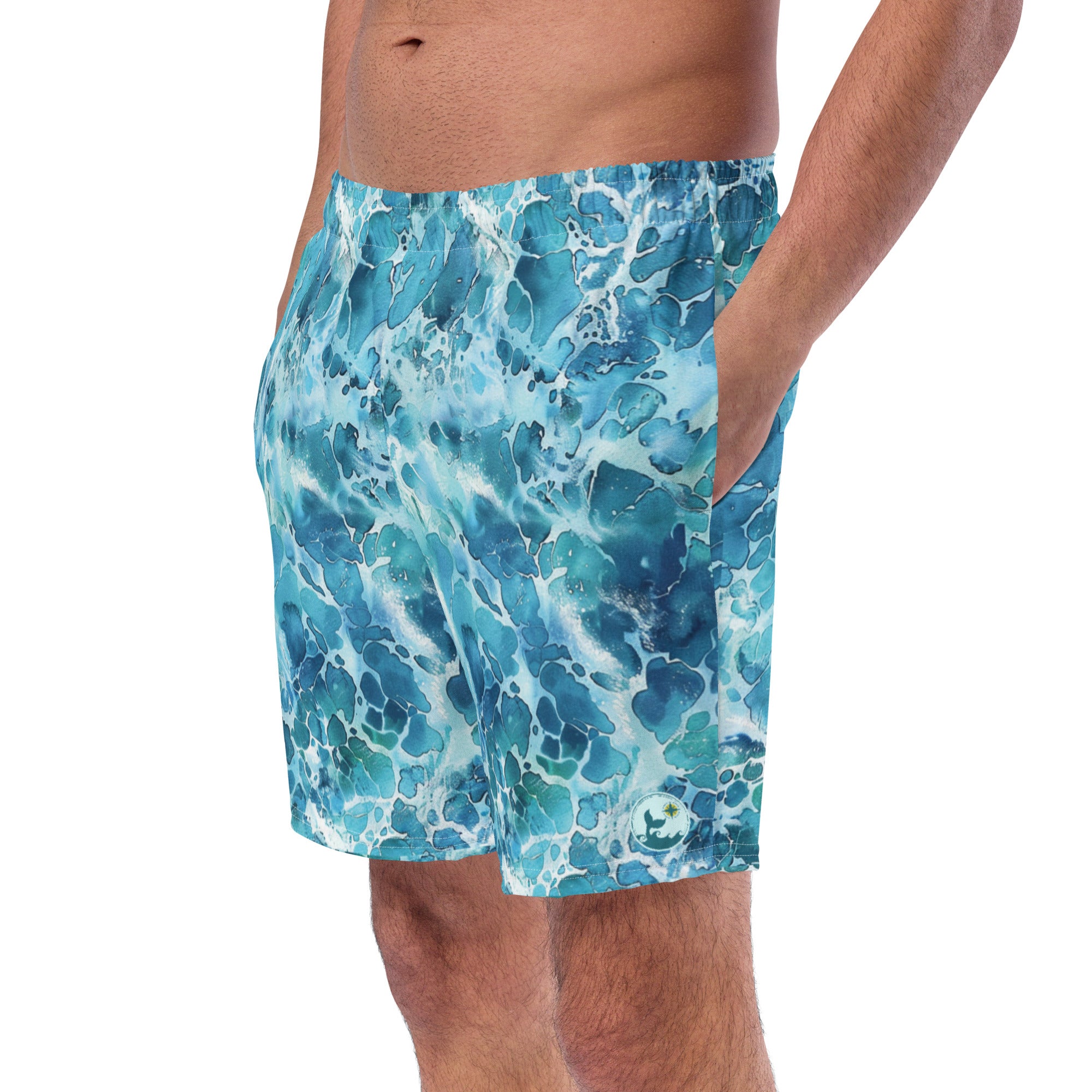
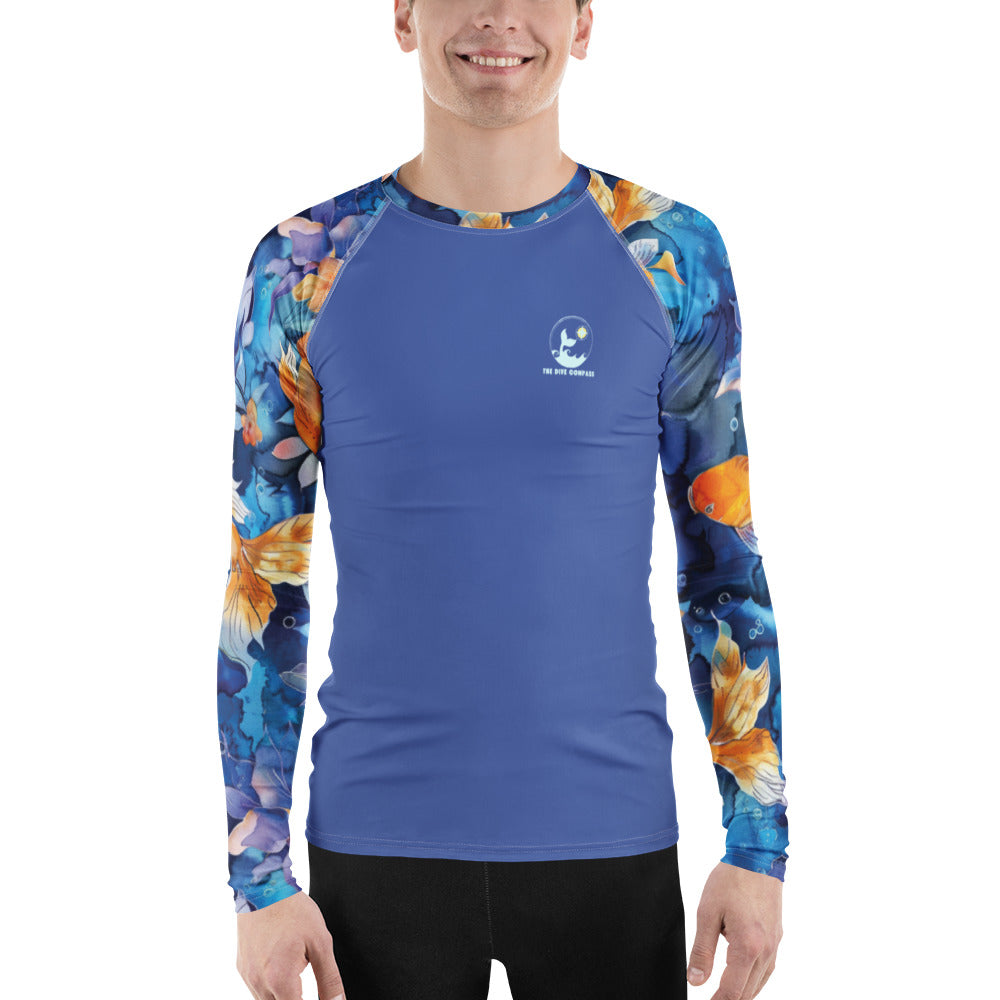
🪸 Every piece we make is produced to order from recycled polyester with a UPF 50+ rating, and every order funds coral at Padang Bai.
































Leave a comment
This site is protected by hCaptcha and the hCaptcha Privacy Policy and Terms of Service apply.