





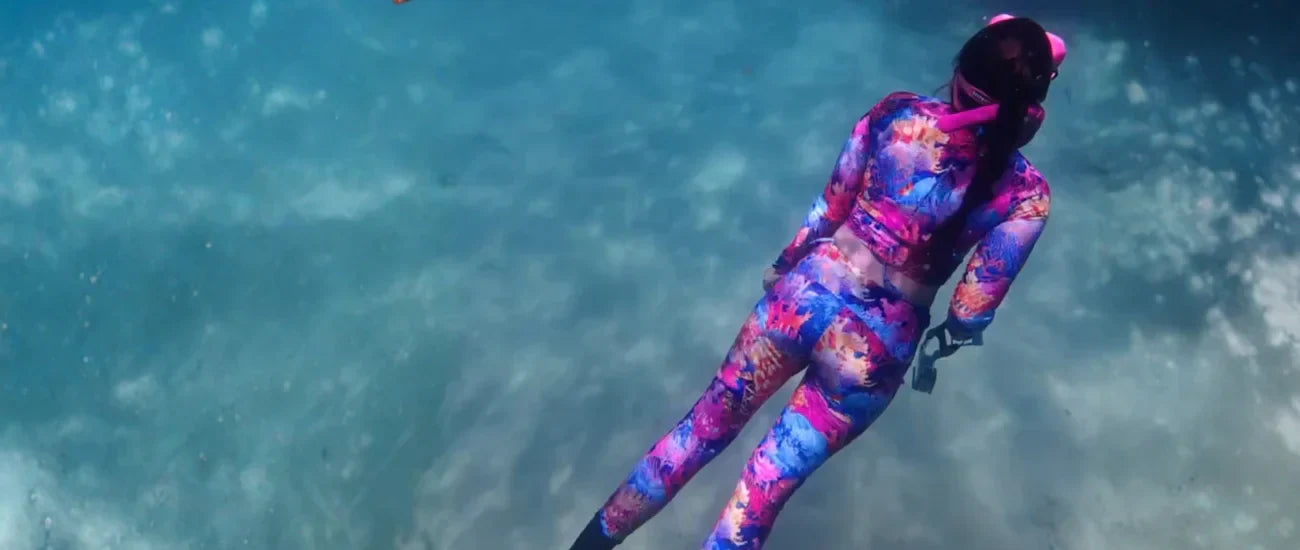
How to Choose a Rash Guard for Scuba Diving — A Divemaster's Guide
Most rash guards are not made for scuba diving.
They're made for swimming, paddleboarding. or looking good on the beach. They're designed for people who spend twenty minutes in the water and then go back to their towel.
Scuba diving is something else entirely.
When you're diving, your rash guard needs to perform across multiple environments simultaneously, it has to stay put during a giant stride entry, sit flush under your BCD without bunching, survive repeated saltwater immersion across multi-day dive trips, and keep you protected from sun, stingers, and coral scrapes for hours at a time.
A generic rashie from a sportswear brand may fail at least one of those things. This is the guide I wish existed when I started diving. It covers exactly what to look for, and what to avoid, when choosing a rash guard specifically for scuba diving.

Why Rash Guards Matter More Than Most Divers Realise
Before we get into what to look for, let me tell you why this decision matters more than it might seem.
Story one: Early in my diving, I freedived without a rash guard in strong tropical sun. I was focused on the water, not the sky. By the time I got out, I was badly sunburned, the kind that ruins the rest of a trip. When you're horizontal at the surface between dives or freediving sessions, you're presenting your entire back to direct overhead sun with zero protection. You don't feel it happening but your shoulders feel it two hours later.
Story three: I've done liveaboards where rental wetsuits, through no fault of the dive operation, had small holes or worn patches that let cold water flood in. A rash guard underneath changed that experience completely. It didn't make the wetsuit perfect, but it added a layer that the water had to penetrate before reaching my skin. Warmer. More comfortable. Longer in the water.
Story four: Anyone who has spent a week in a rental wetsuit with sensitive skin knows the neoprene irritation that can develop, particularly around the neck and wrists. A rash guard underneath eliminates that contact entirely.
These aren't edge cases. These are normal diving situations that a well-chosen rash guard solves completely.

The 6 Things I Look For When Recommending a Rash Guard to Dive Students
When a diver asks me what rash guard to buy, this is exactly what I tell them.
1. Stay-Put Construction: The Non-Negotiable
This is the most important criterion for diving specifically and the one most generic rash guards fail.
A surf rash guard is designed to sit on your body while you're standing or lying on a board. It doesn't need to stay put when a BCD harness is cinched across your torso, when you're reaching overhead to signal, when you're doing a controlled descent feet-first, or when you're climbing a boat ladder with full equipment.
What you're looking for is a rash guard made specifically for active movement, longer in the torso is best if you're wearing it as a dive skin. If you can pull the hem of a rash guard and it doesn't immediately return to position, the fabric recovery is insufficient for diving.
A rash guard that bunches under your BCD is uncomfortable at best and genuinely distracting at worst. On a dive, distraction costs you awareness. That matters.
2. UPF 50+ Rating: Verified, Not Just Labelled
UPF 50+ means the fabric blocks 98% or more of UV radiation. For diving and snorkeling this is essential — you're spending hours in tropical sun, often horizontal at the surface where your exposure is maximised.
The important distinction: look for a verified UPF 50+ rating from the fabric itself, not just a label claim. High-quality performance fabrics maintain their UPF rating through repeated saltwater exposure and washing. Cheaper fabrics lose UV protection as the fibres degrade.
As a chemical engineer I can tell you that fabric construction matters here — tightly woven, high-quality synthetic blends hold their UV protection far longer than loosely constructed alternatives. The UPF rating on a cheap rash guard after six months of saltwater diving is not the UPF rating it had in the shop.
UPF 50+ protection also means zero chemical sunscreen in the water — which matters enormously for reef health. Oxybenzone and octinoxate, found in common sunscreens, are toxic to coral larvae. A rash guard that covers your torso and arms eliminates that chemical load from the reef entirely.
3. Fabric: What It's Made From Matters
For scuba diving specifically, your rash guard fabric needs to do several things simultaneously:
Chlorine and saltwater resistance — if the fabric degrades from repeated salt and chlorine exposure, your UPF rating drops, your colours fade, and your fabric loses its recovery and stretch. Quality rash guard fabrics are specifically constructed to resist this degradation.
Quick drying — between dives on a liveaboard or day boat, you want a fabric that dries reasonably fast. Heavy fabrics that stay wet all day become cold and uncomfortable.
Stretch and recovery — the fabric should stretch freely with your body and return to its original shape. Four-way stretch construction is ideal for diving because it accommodates the full range of arm and torso movement required.
Sustainability — if you're diving because you love the ocean, the material your rash guard is made from matters. Recycled polyester (rPET) — made from diverted plastic waste — produces up to 79% less CO₂ than virgin polyester in manufacturing. It also performs equivalently or better in saltwater environments because the recycling process can produce high-density, tightly woven fibres with excellent chlorine resistance.
As a chemical engineer who specifically built a brand around recycled performance fabrics, I'm confident in saying that sustainable and high-performing are not in conflict here. The right rPET fabric is genuinely better for diving than cheap virgin polyester alternatives.
4. Seam Placement: The Detail Nobody Talks About
Seam placement is something almost no rash guard buying guide mentions. It matters enormously for diving.
Your BCD sits across your chest, shoulders, and back. The harness and waistband create pressure points across those exact areas. A rash guard with thick seams running across the chest or shoulder blades will cause chafing and discomfort on long dive days — the kind that you don't notice on dive one but are very aware of by dive four.
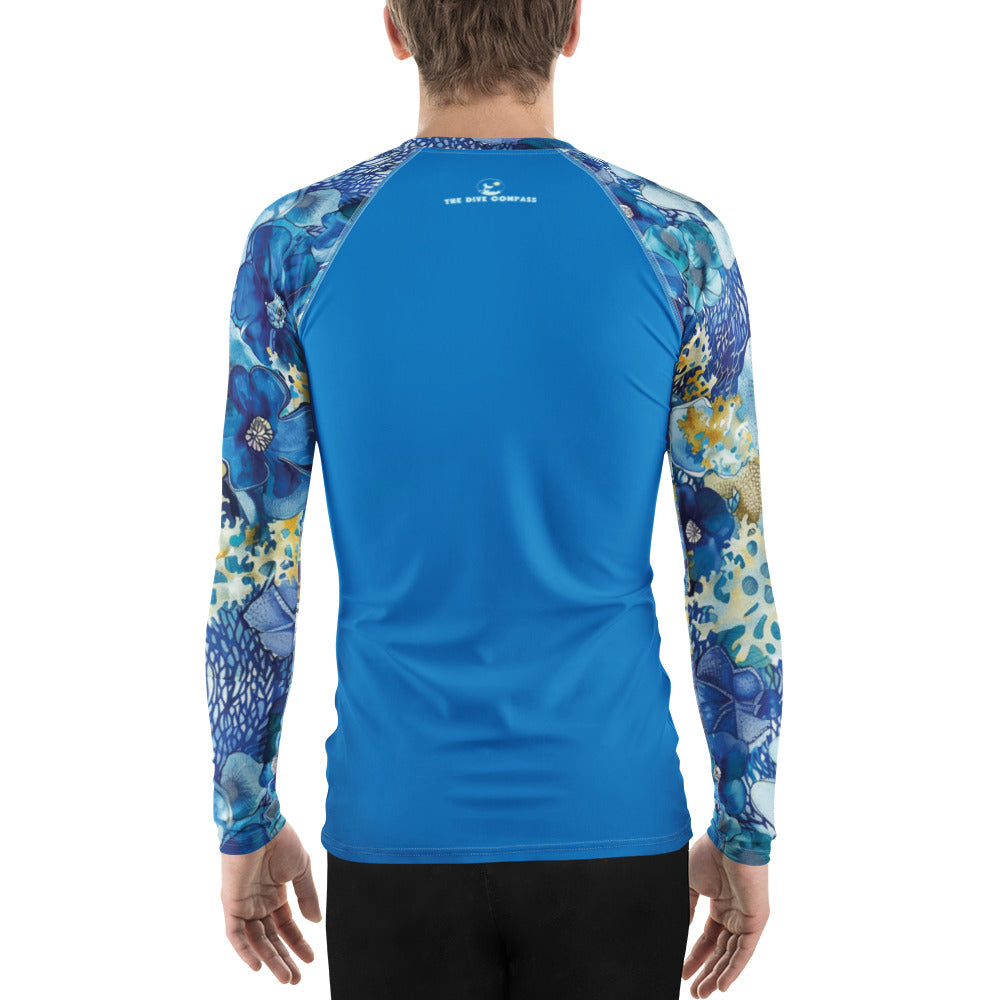
Look for flat seams — sometimes called flatlock stitching — across all pressure point areas. Flat seams lie flush against the skin rather than creating raised ridges. They're the difference between a rash guard you forget you're wearing and one you're aware of all day.
5. Fit Under a Wetsuit: If You Dive Both Warm and Cold Water
If you dive exclusively in warm tropical water, your rash guard is your primary thermal layer and you want it to fit well as a standalone garment.
If you ever dive in temperate water or use rental wetsuits — which most recreational divers do at some point — you want a rash guard that layers cleanly underneath.
Here's what I've learned from personal experience with rental wetsuits across dozens of dive destinations: rental suits are sized approximately, not precisely. They may have worn patches, small holes, or simply not fit your body correctly. A rash guard underneath solves most of these problems simultaneously:
- It creates a smooth base layer that the wetsuit slides over — making donning dramatically easier on a rocking dive boat
- It fills gaps in an oversized wetsuit, improving thermal performance by reducing water flushing
- It adds warmth through holes or worn patches in the neoprene
- It prevents direct neoprene contact with sensitive skin, eliminating irritation entirely
For anyone who regularly uses rental wetsuits, a quality rash guard underneath is genuinely transformative. I recommend it to every student I teach.
6. Long Sleeve vs Cropped — Which Is Right for Your Diving?
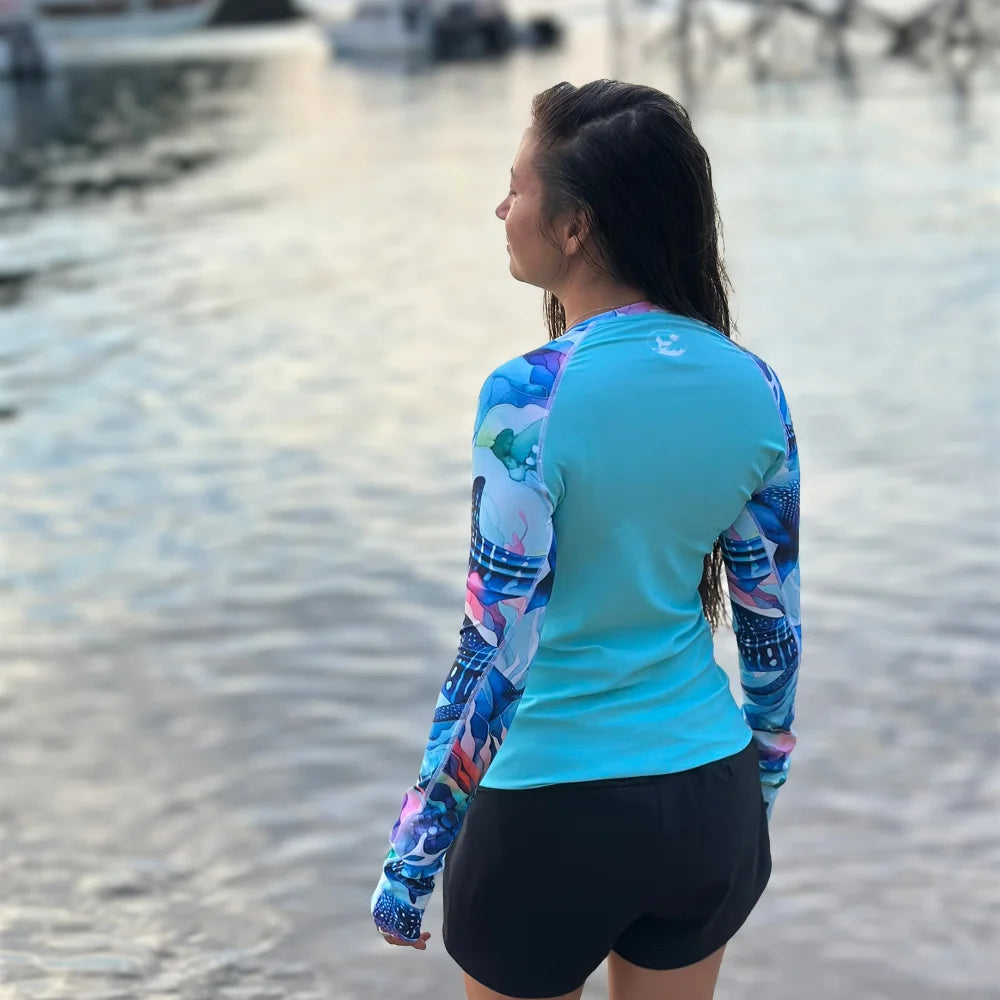
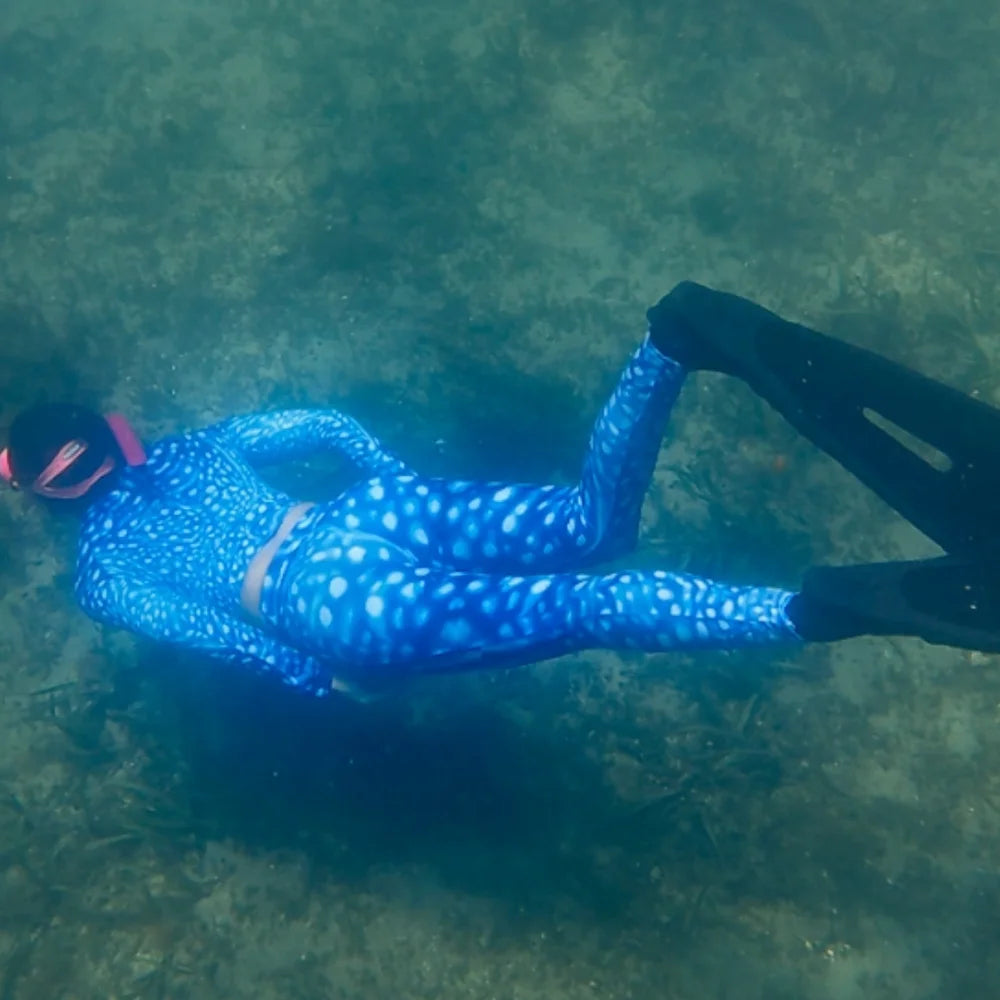
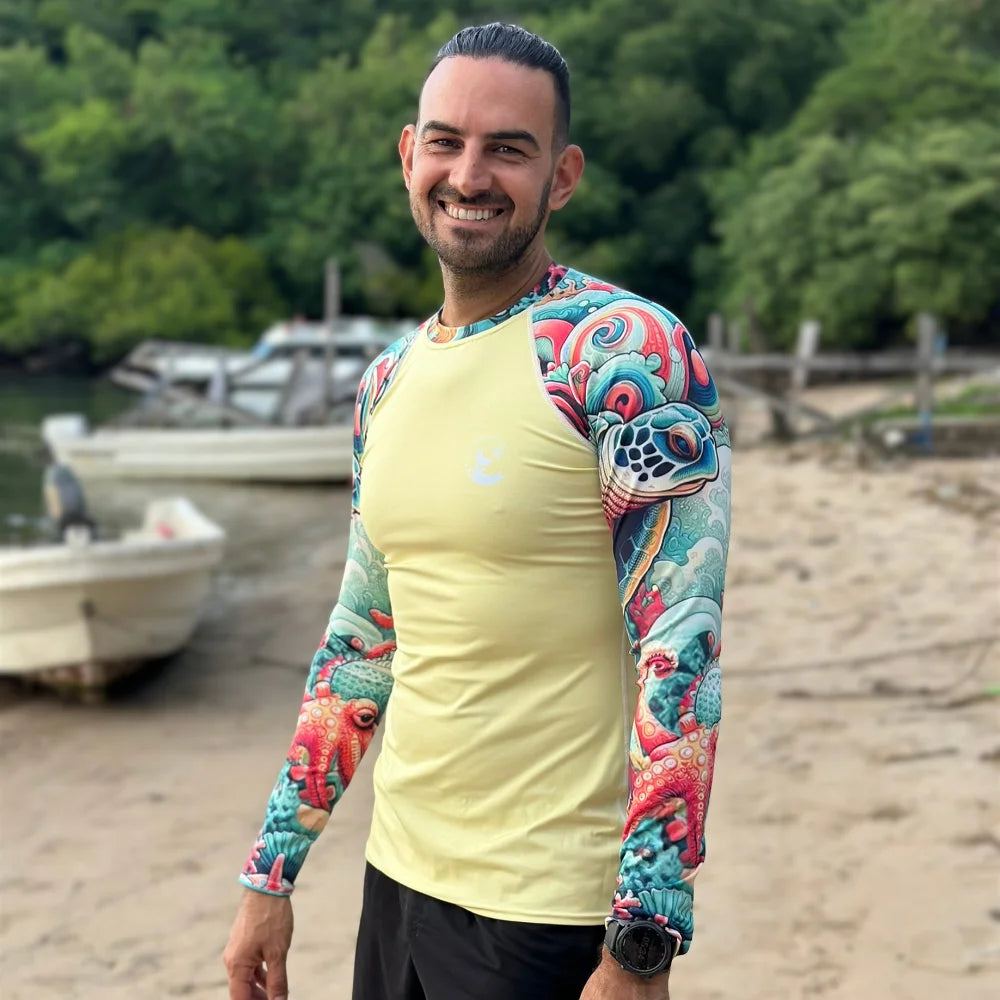
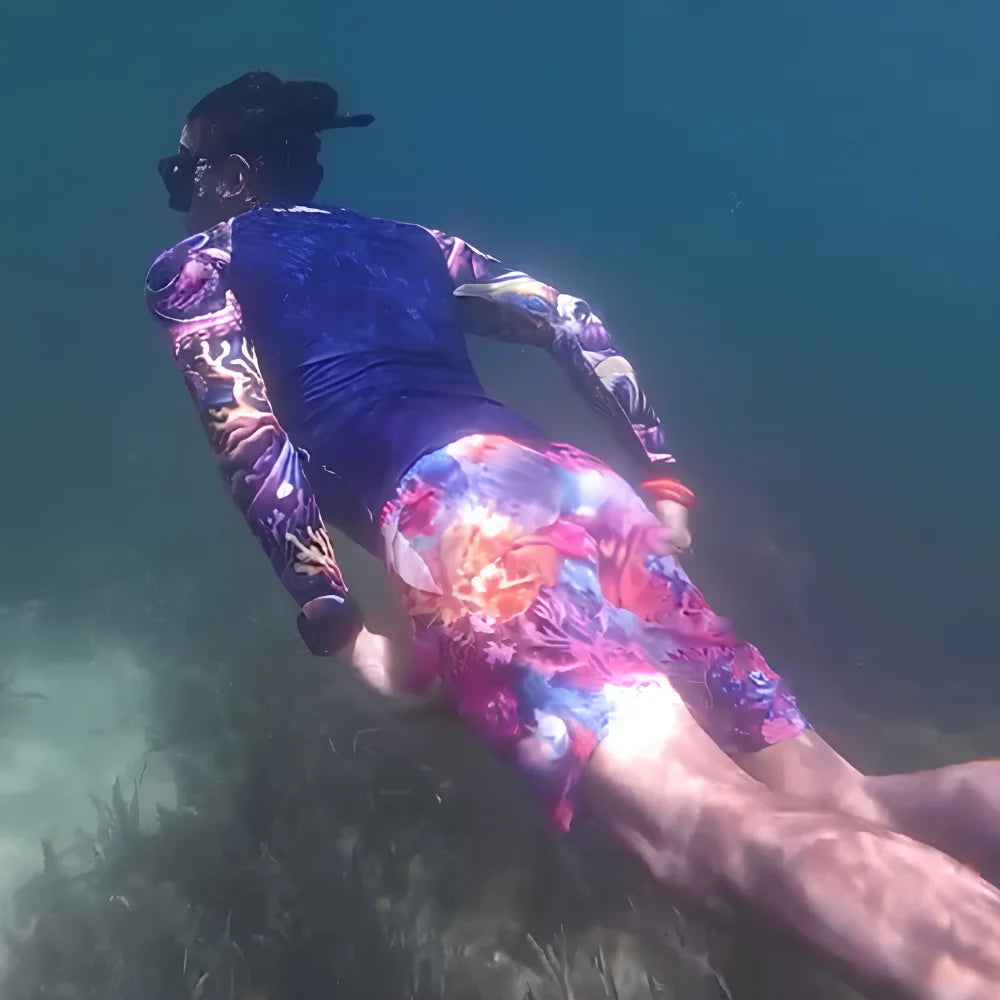
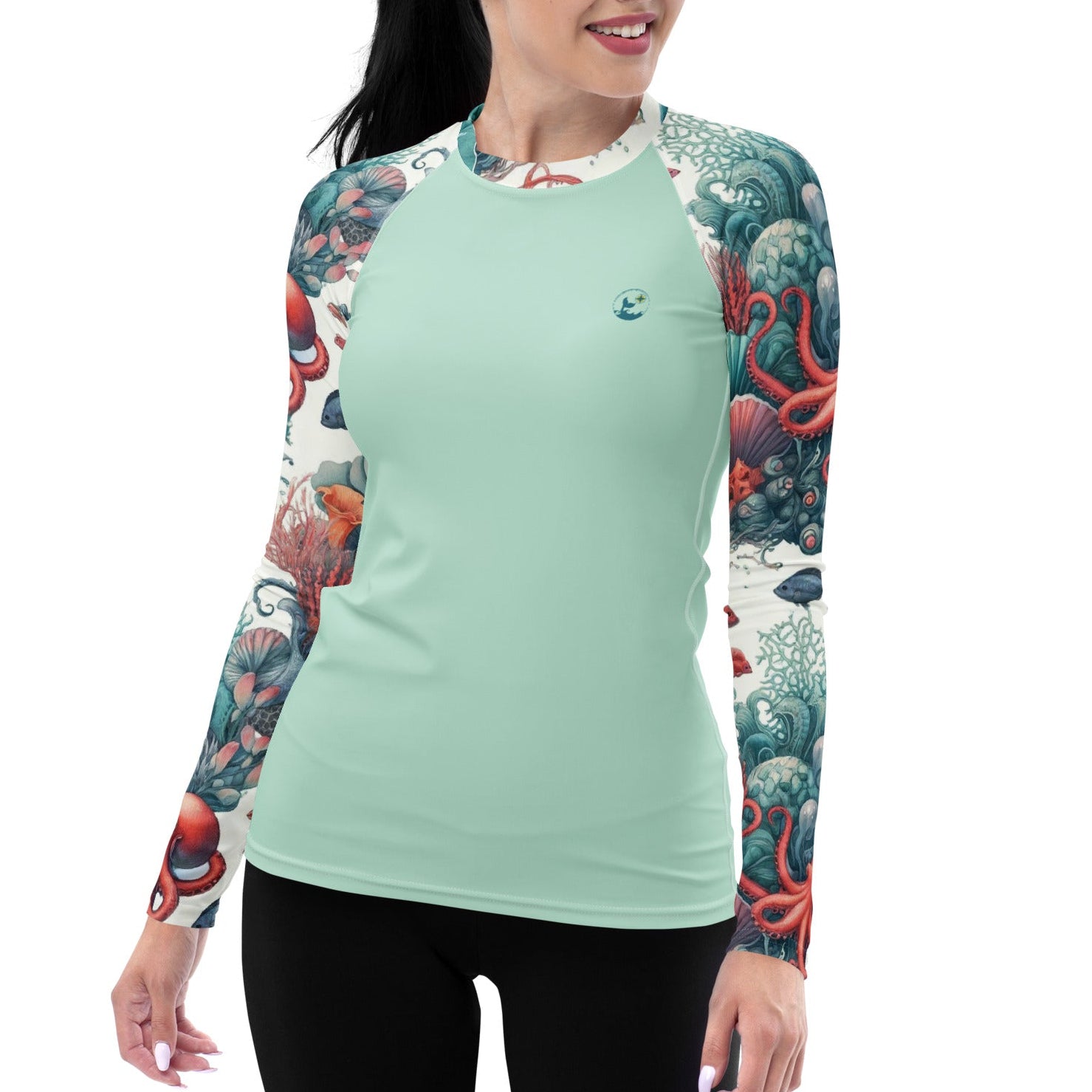
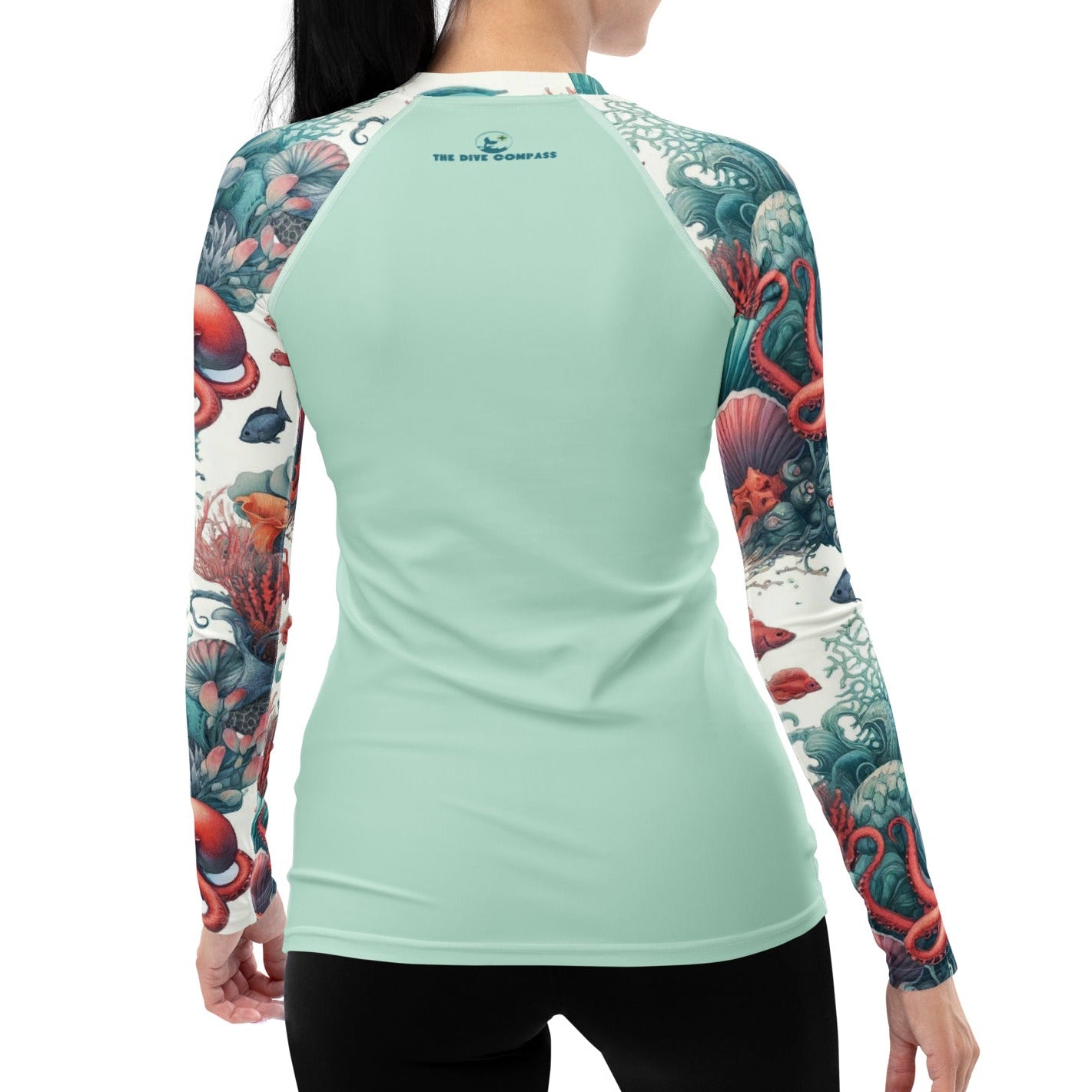
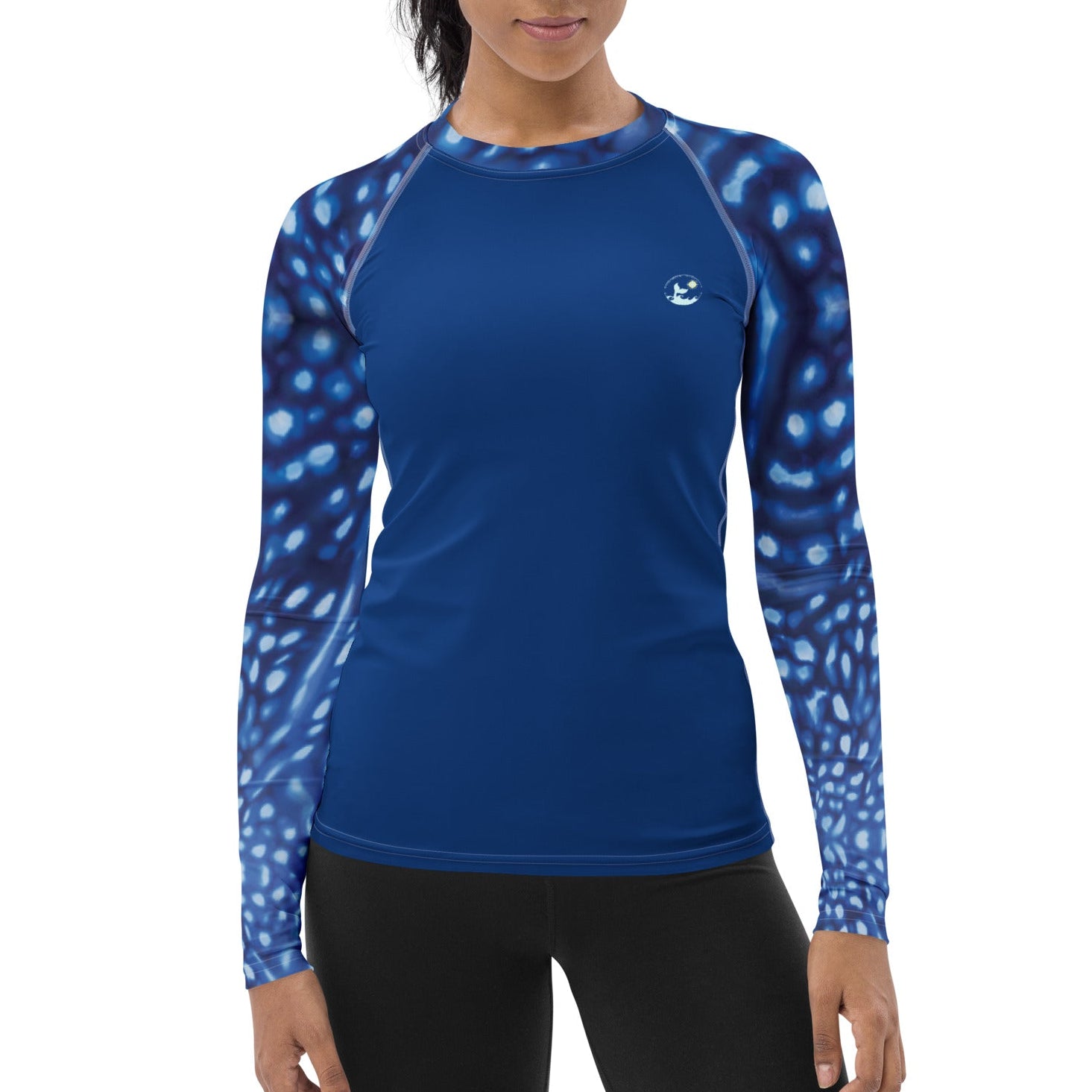
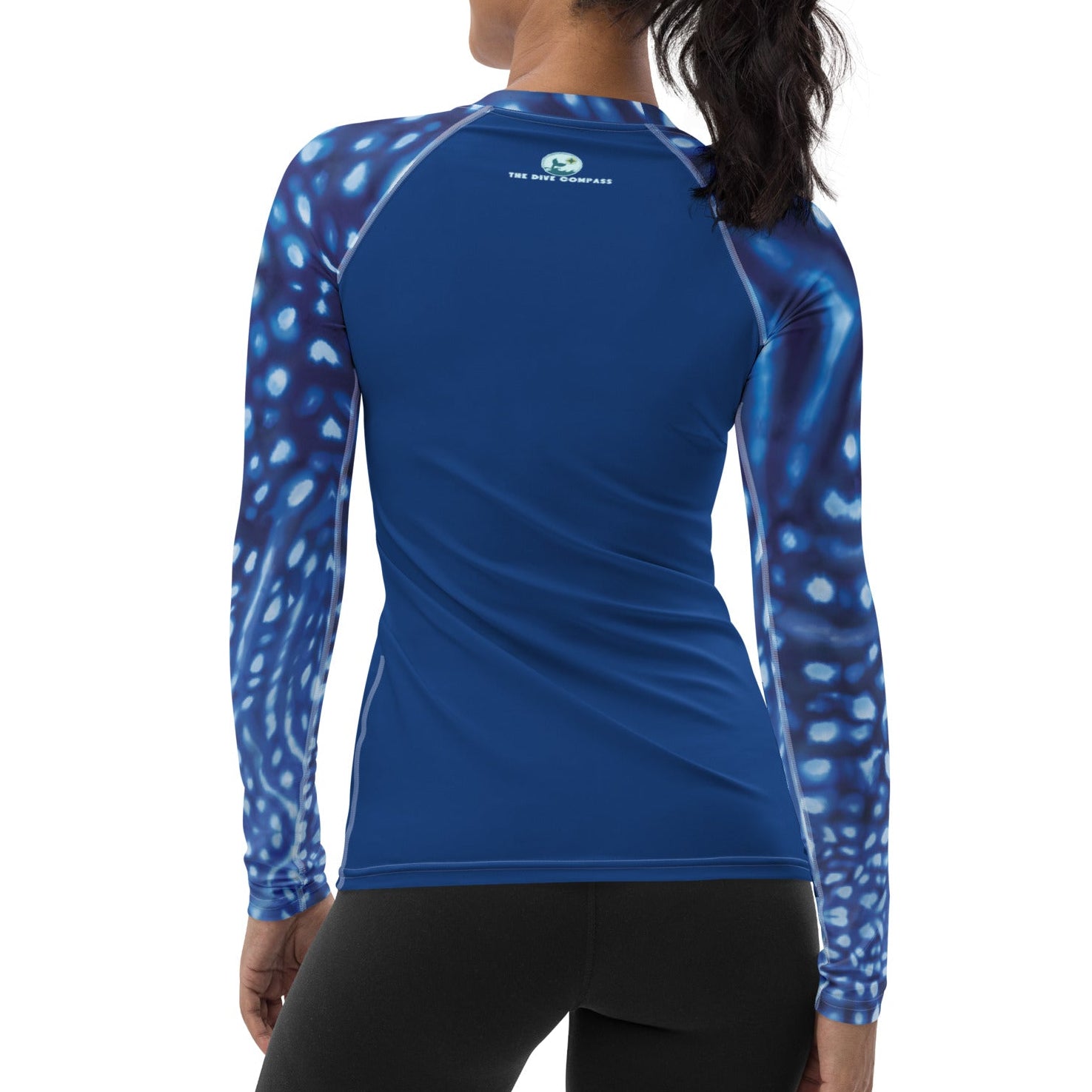
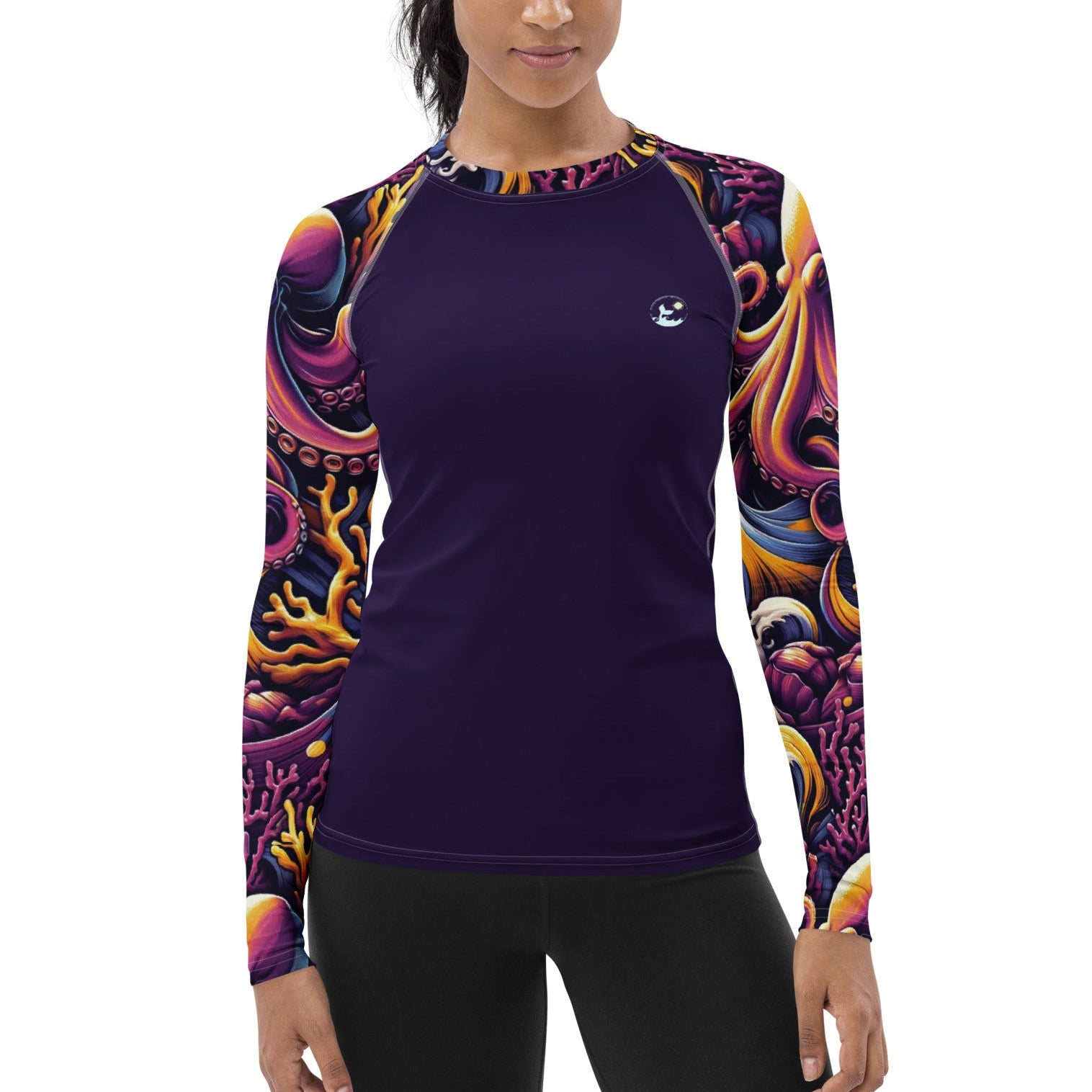
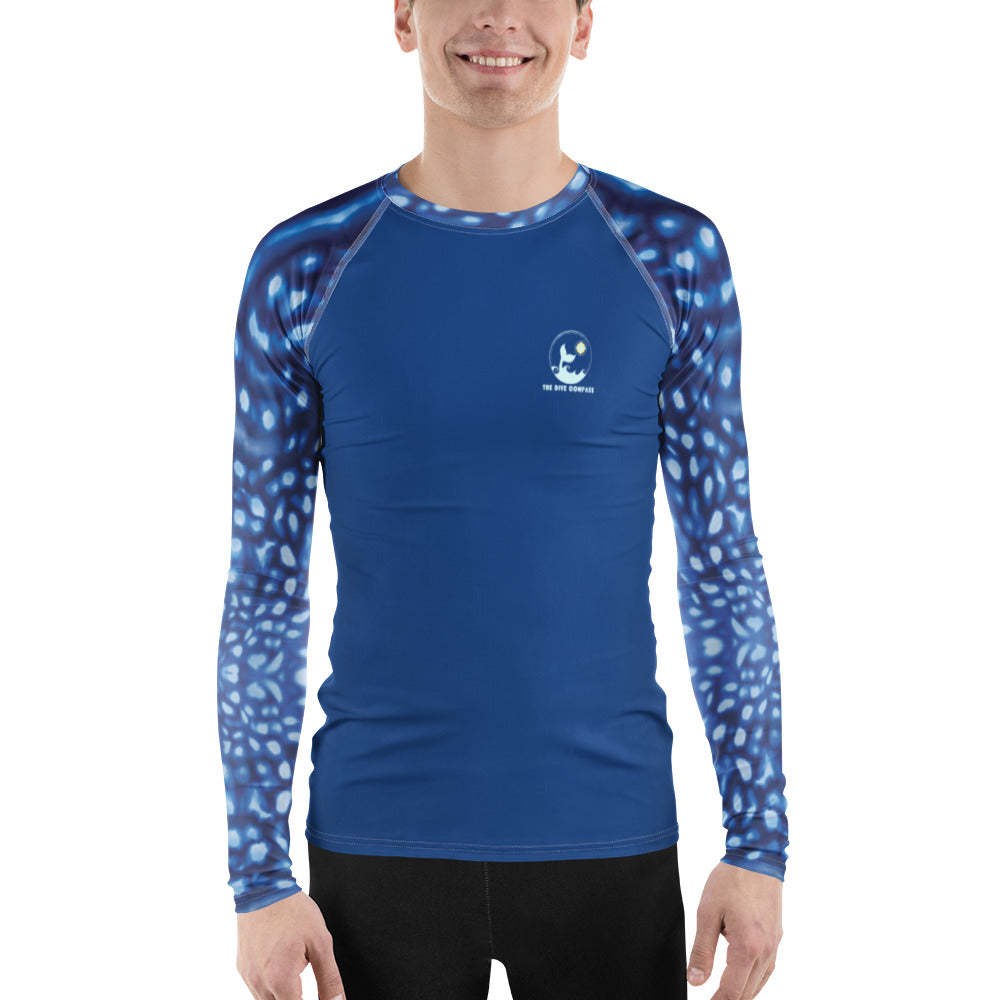
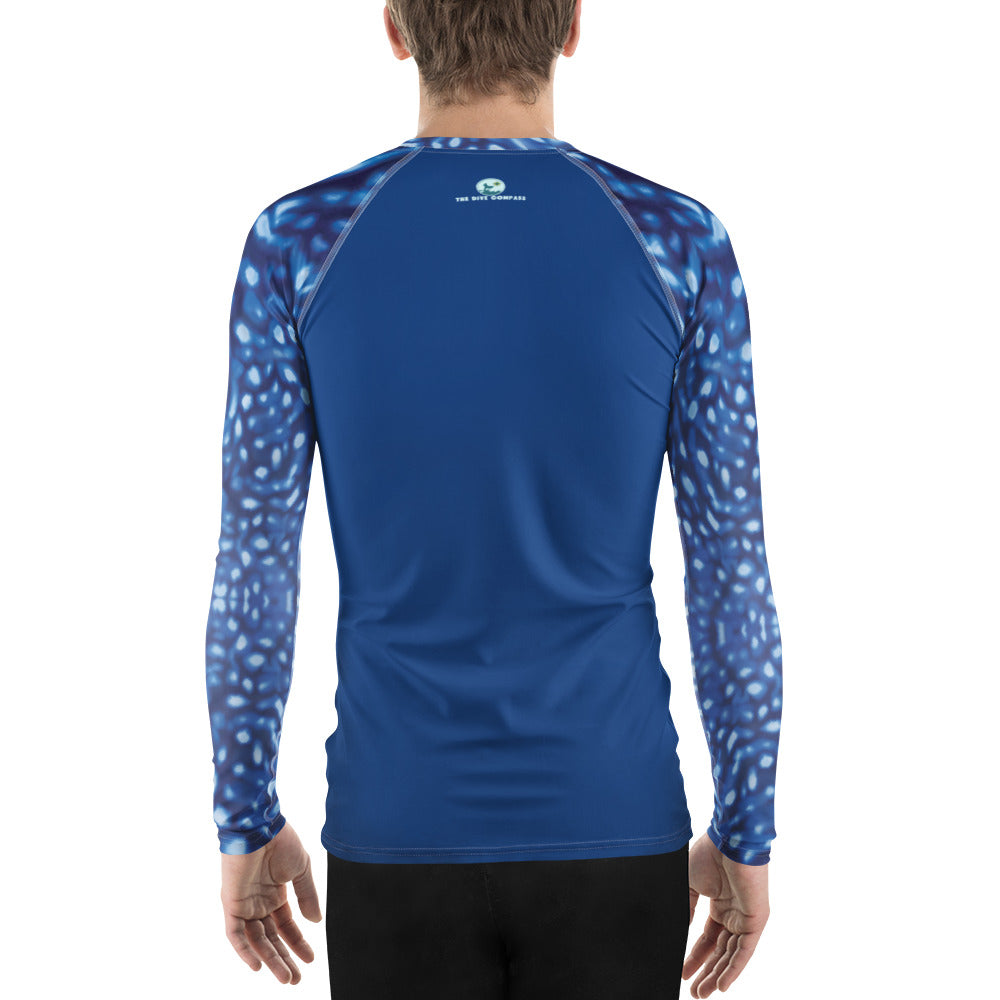
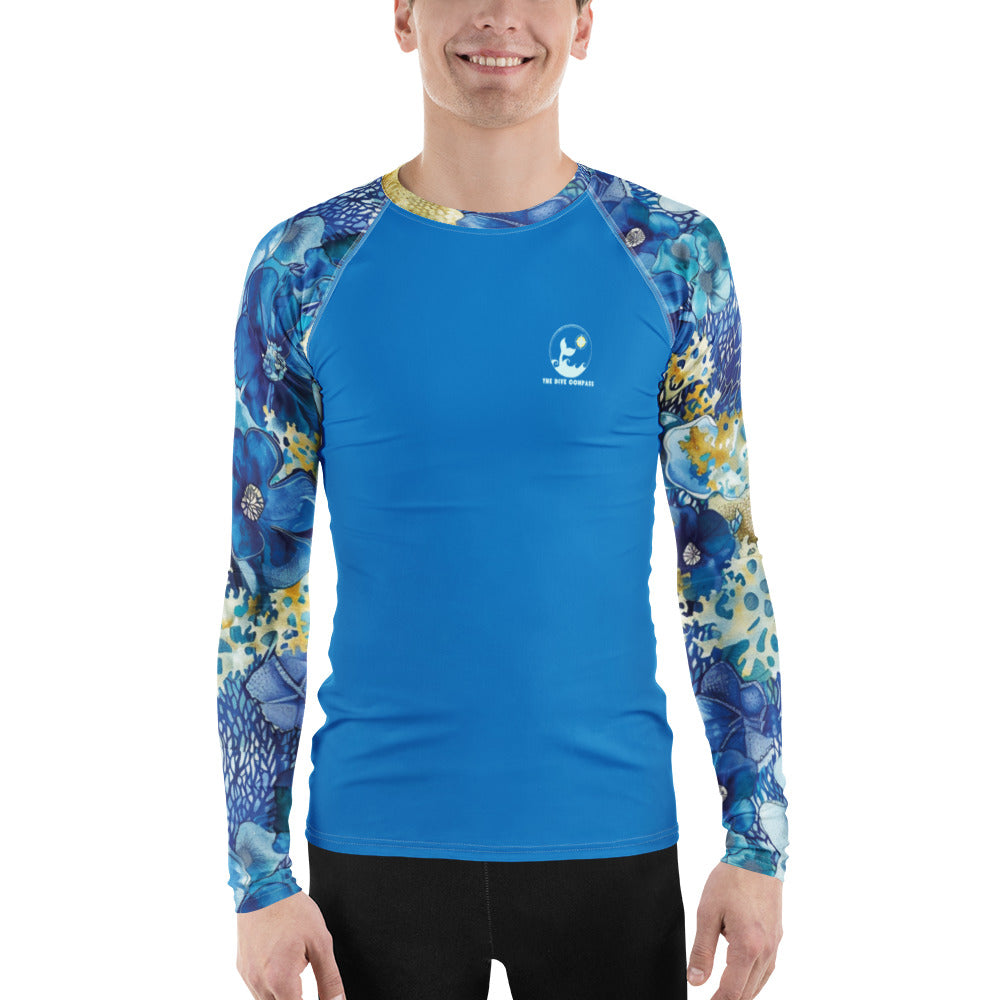
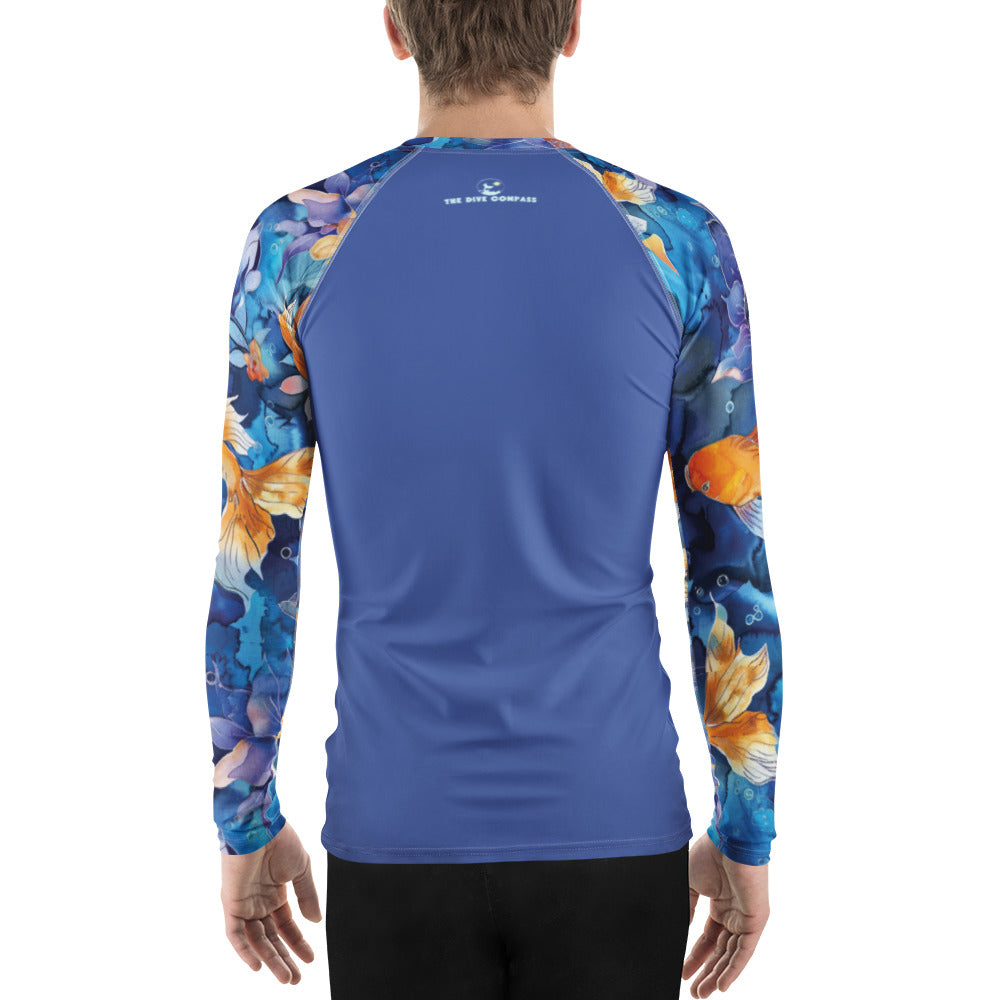
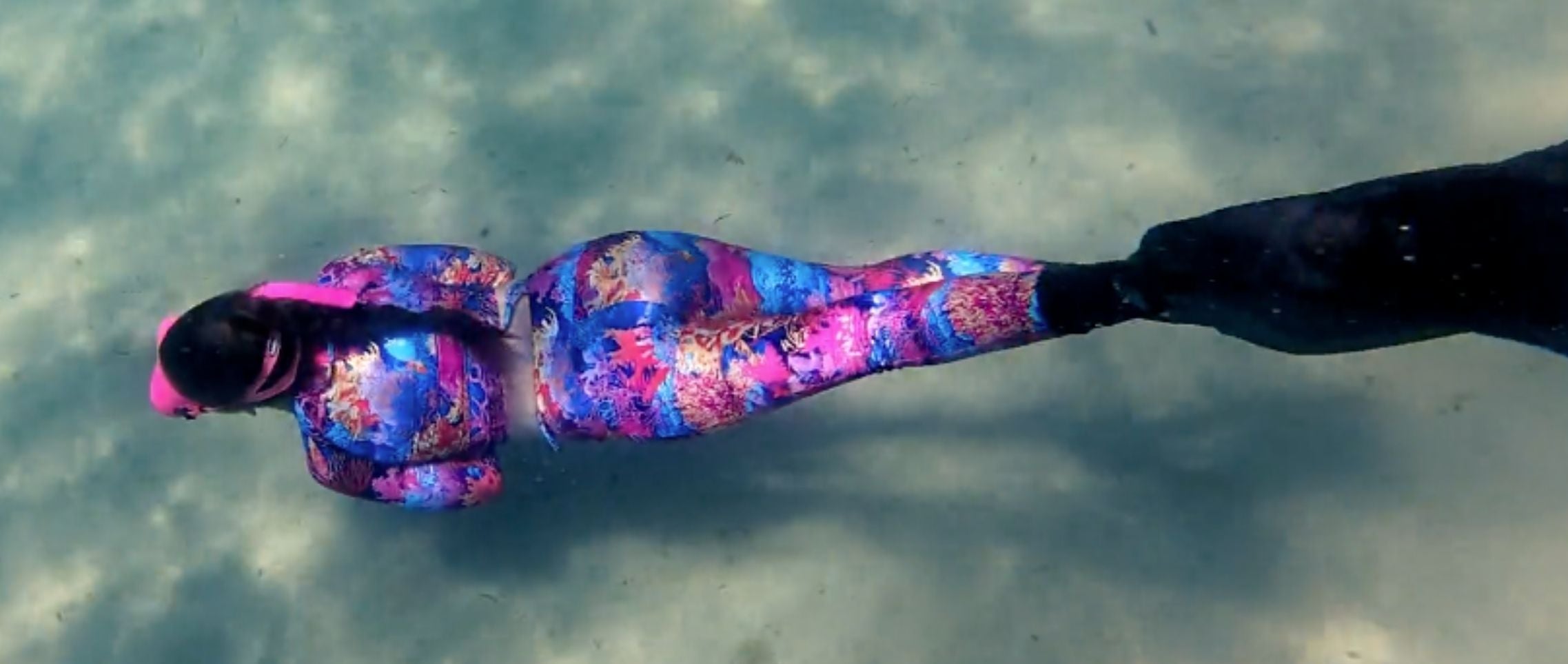
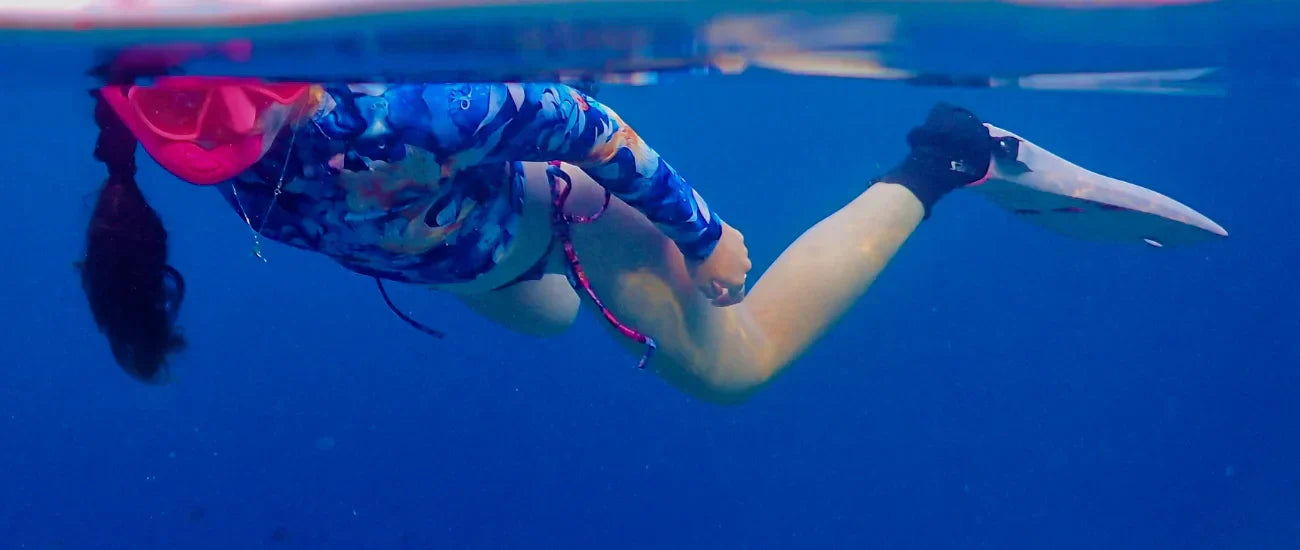
Full-length long sleeve — the correct choice for most scuba diving applications. It provides complete arm coverage against sun, stingers, and abrasions. It layers cleanly under a wetsuit. It protects against the near-invisible stinging cells found in many tropical waters.
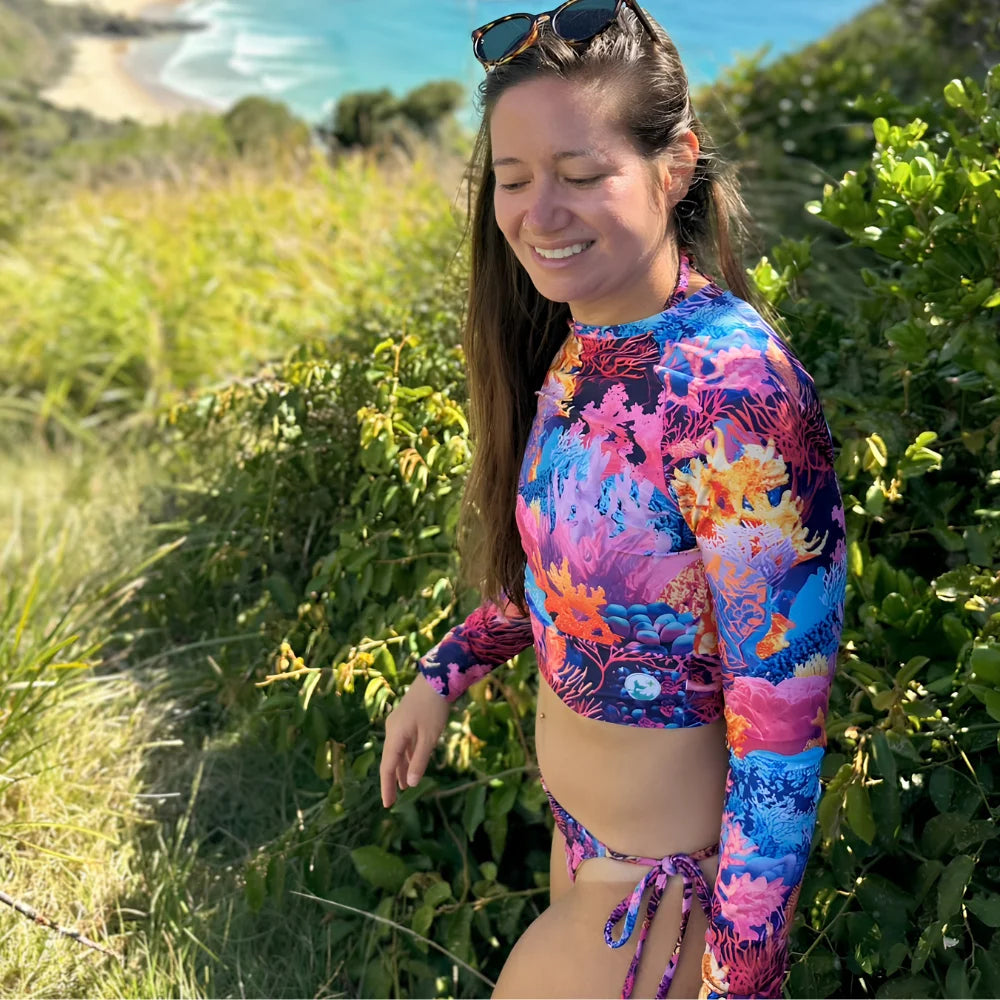
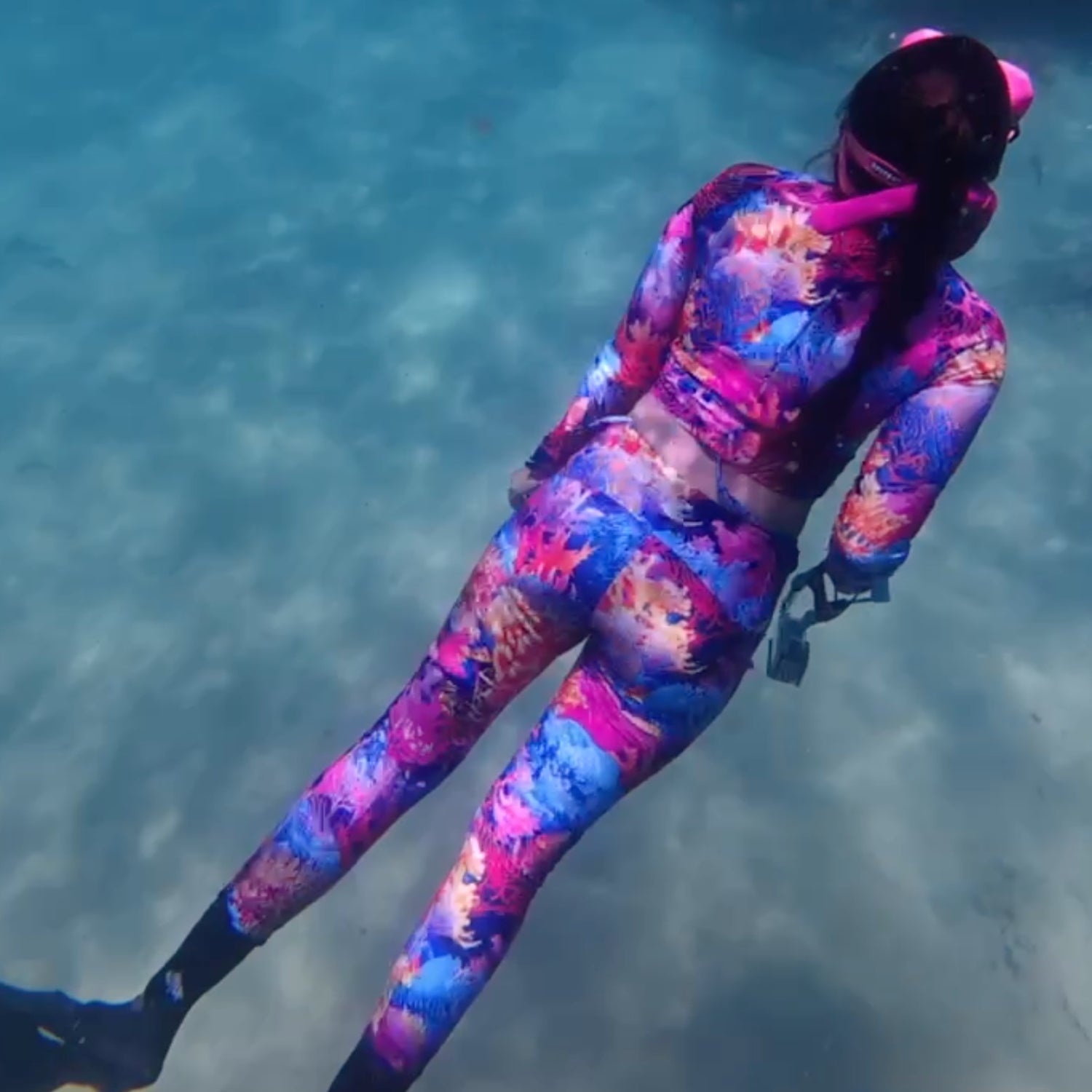
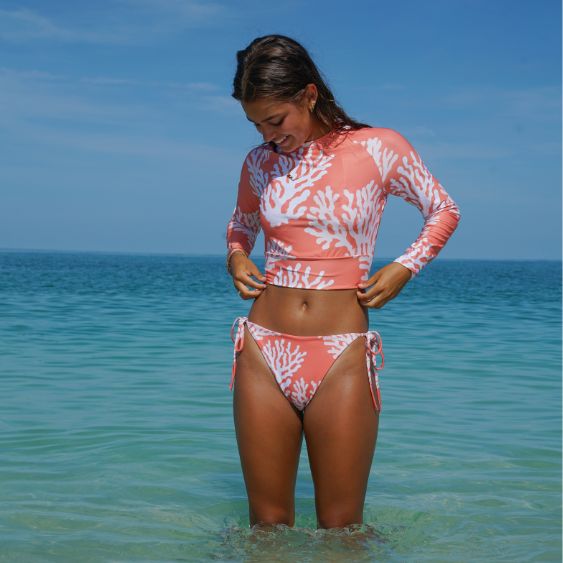
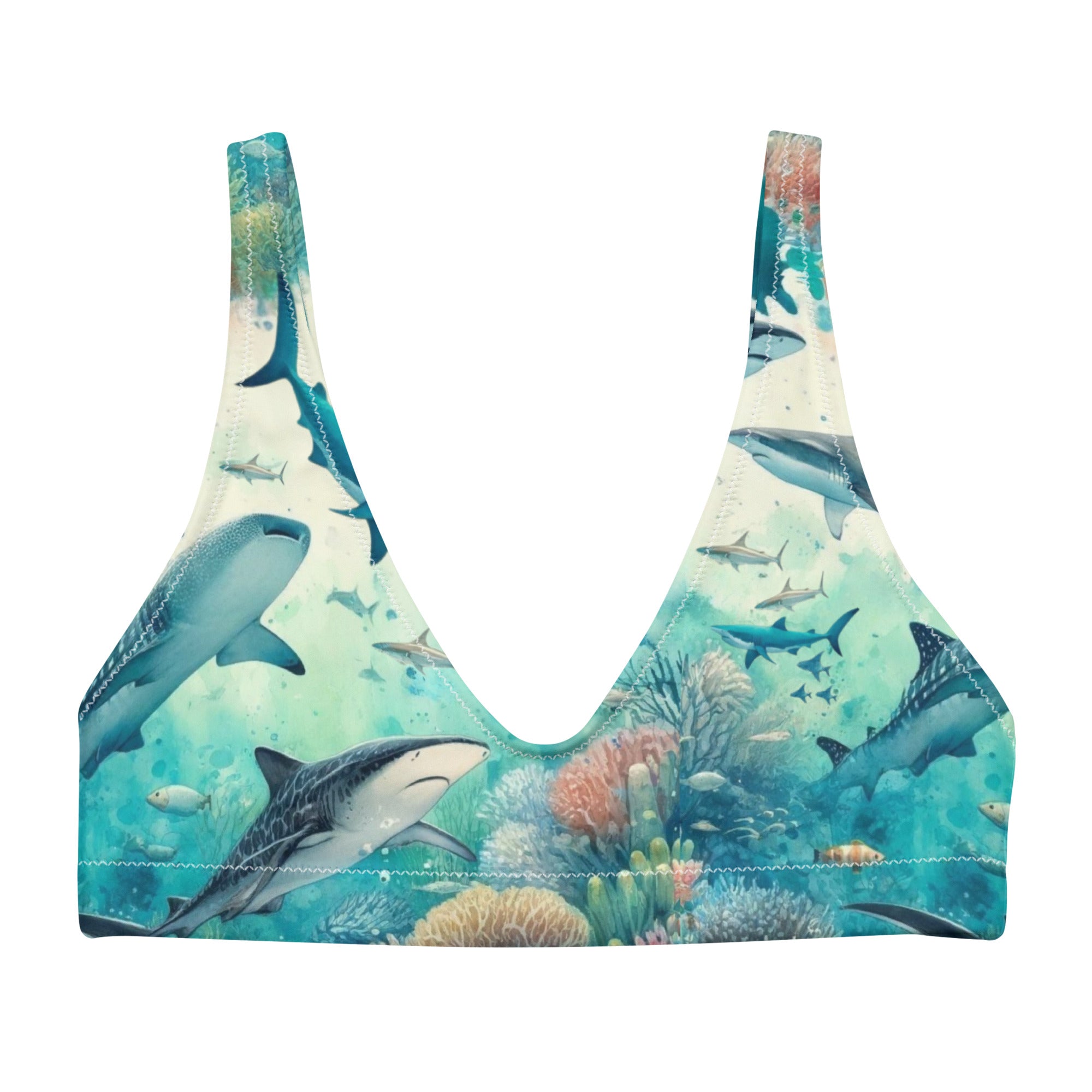
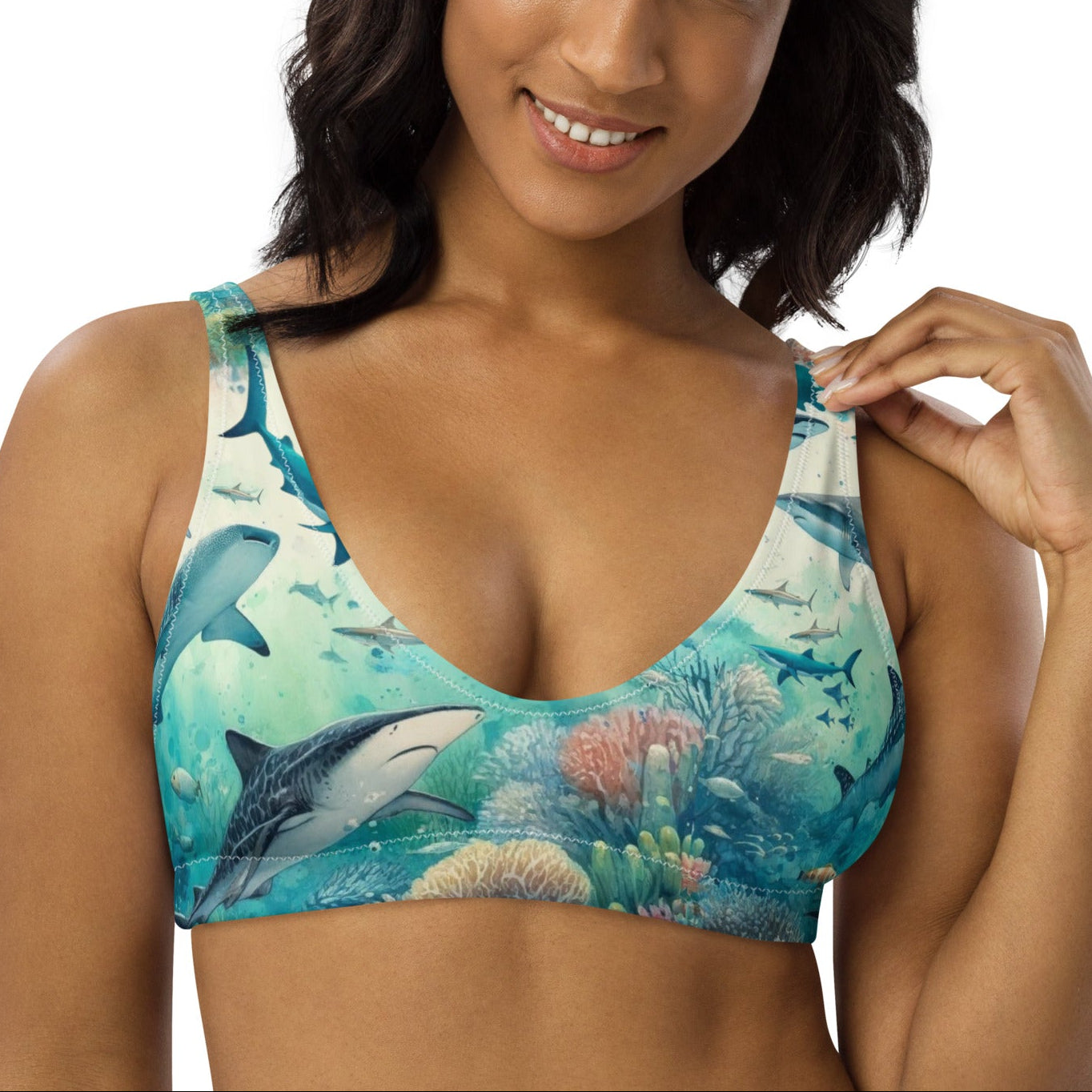
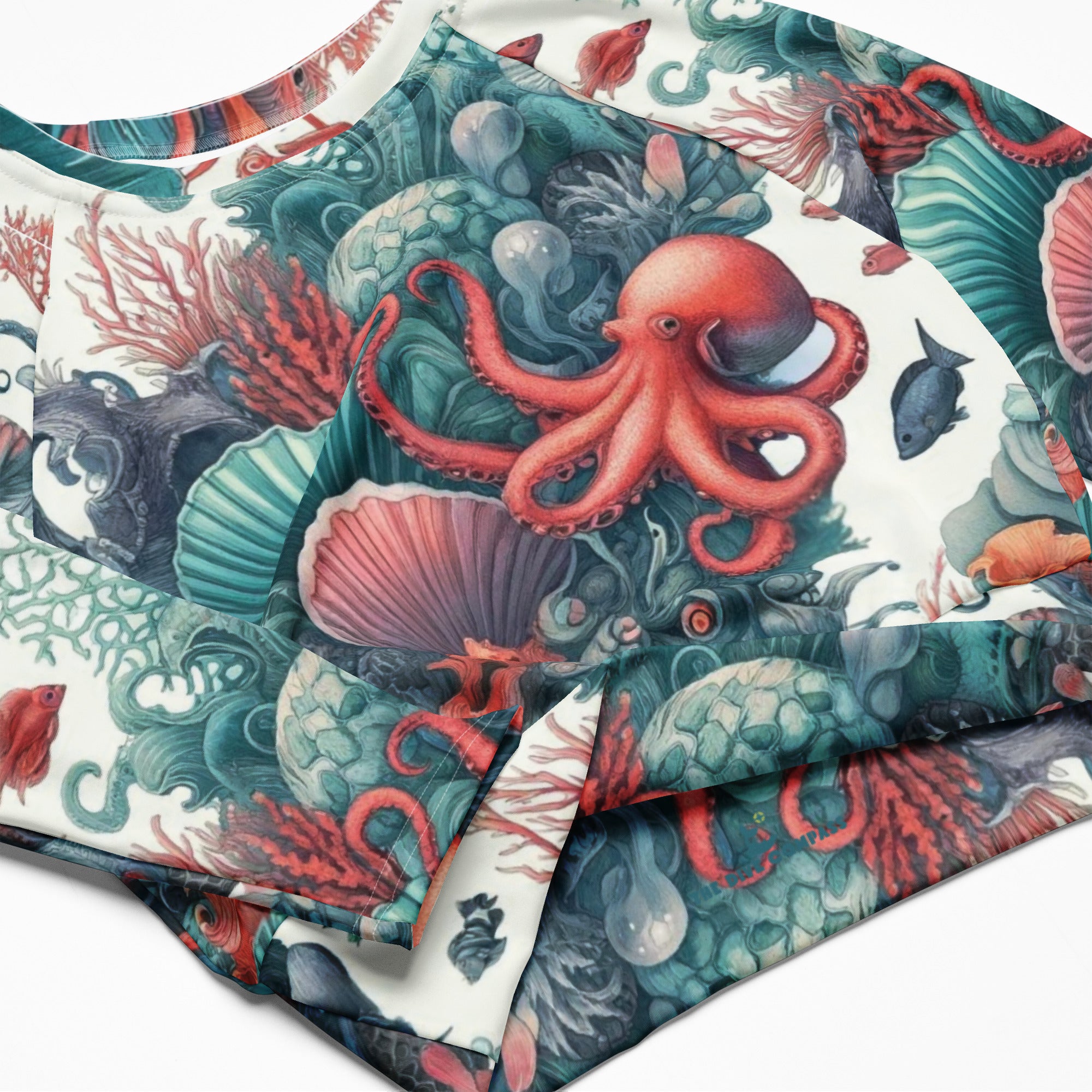
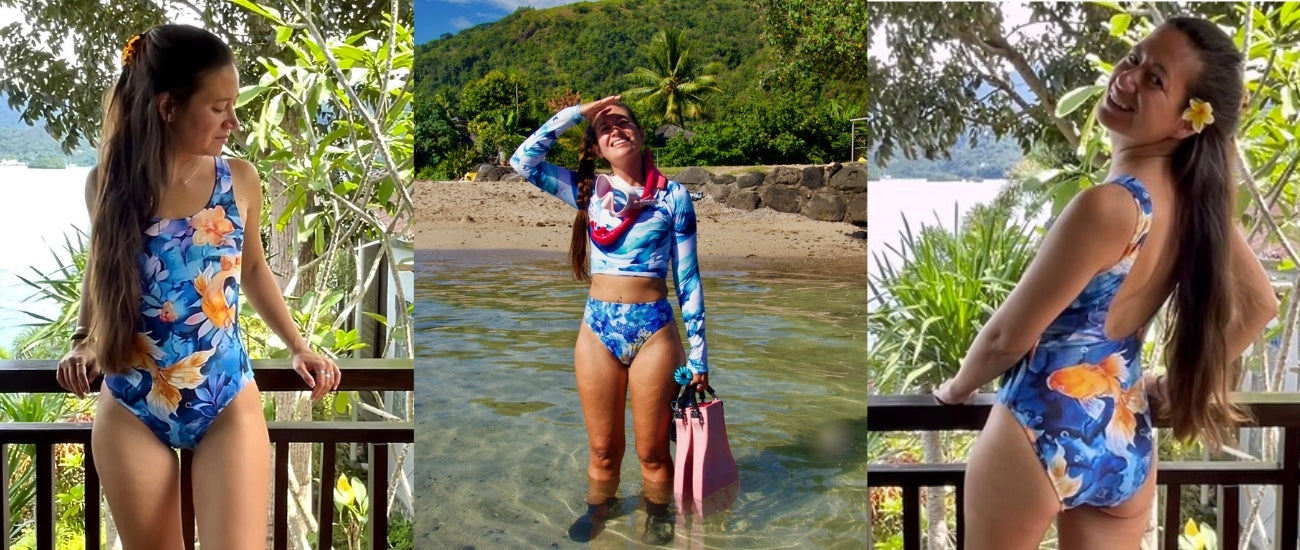
Cropped rashie — excellent for warm water diving as a standalone layer when full arm coverage isn't a priority, or as a base layer under a wetsuit where the wetsuit provides arm coverage. Also the right choice for freediving and snorkeling where hydrodynamics matter more.
The honest answer is that most serious divers end up with both. A full-length rash guard for dive days and a cropped version for snorkeling, freediving, and surface intervals.

The Rash Guard Checklist — What to Ask Before You Buy
Before purchasing any rash guard for scuba diving, run through these questions:
- ✅ Is the UPF rating verified by the fabric — not just a label claim?
- ✅ Does the fabric have proven chlorine and saltwater resistance?
- ✅ Is it constructed from four-way stretch fabric with strong recovery?
- ✅ Are the seams flat across the chest, shoulders, and back?
- ✅ Is the torso cut long enough to stay put under a BCD harness?
- ✅ Is it made from sustainable materials — recycled polyester rather than virgin synthetic?
- ✅ Is it designed specifically for diving — or is it a surf rashie being marketed as dive wear?
That last question is the most important one. The dive wear market is full of generic surf rash guards being sold to divers. They'll work — until they don't. Until the BCD bunches the fabric on your third dive of the day, or the cheap fabric fades after a liveaboard, or the loose cut lets jellyfish tentacles slip underneath the hem.
Dive-specific construction matters. It's not a marketing claim. It's the difference between gear that disappears when you're in the water and gear that reminds you it exists at exactly the wrong moment.
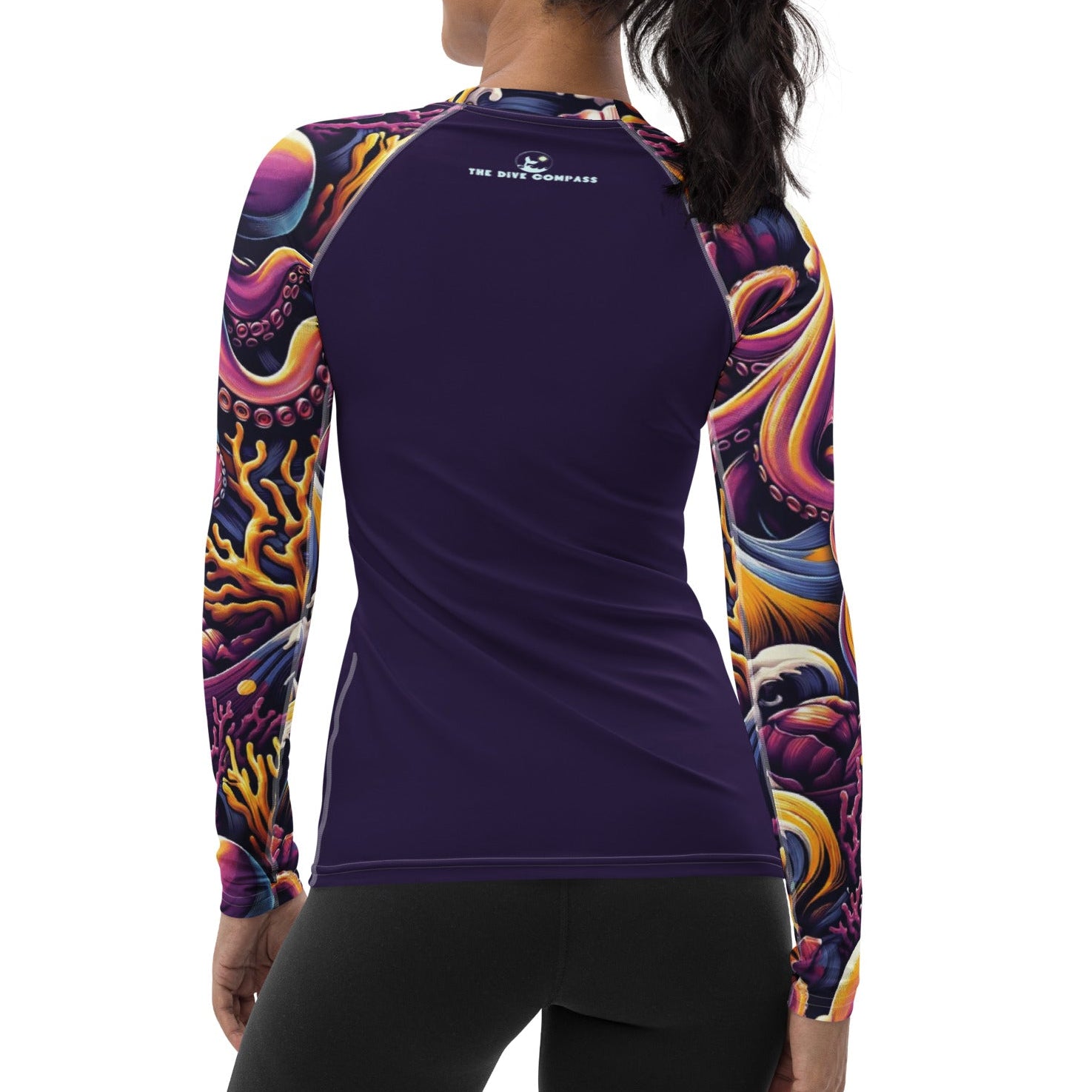
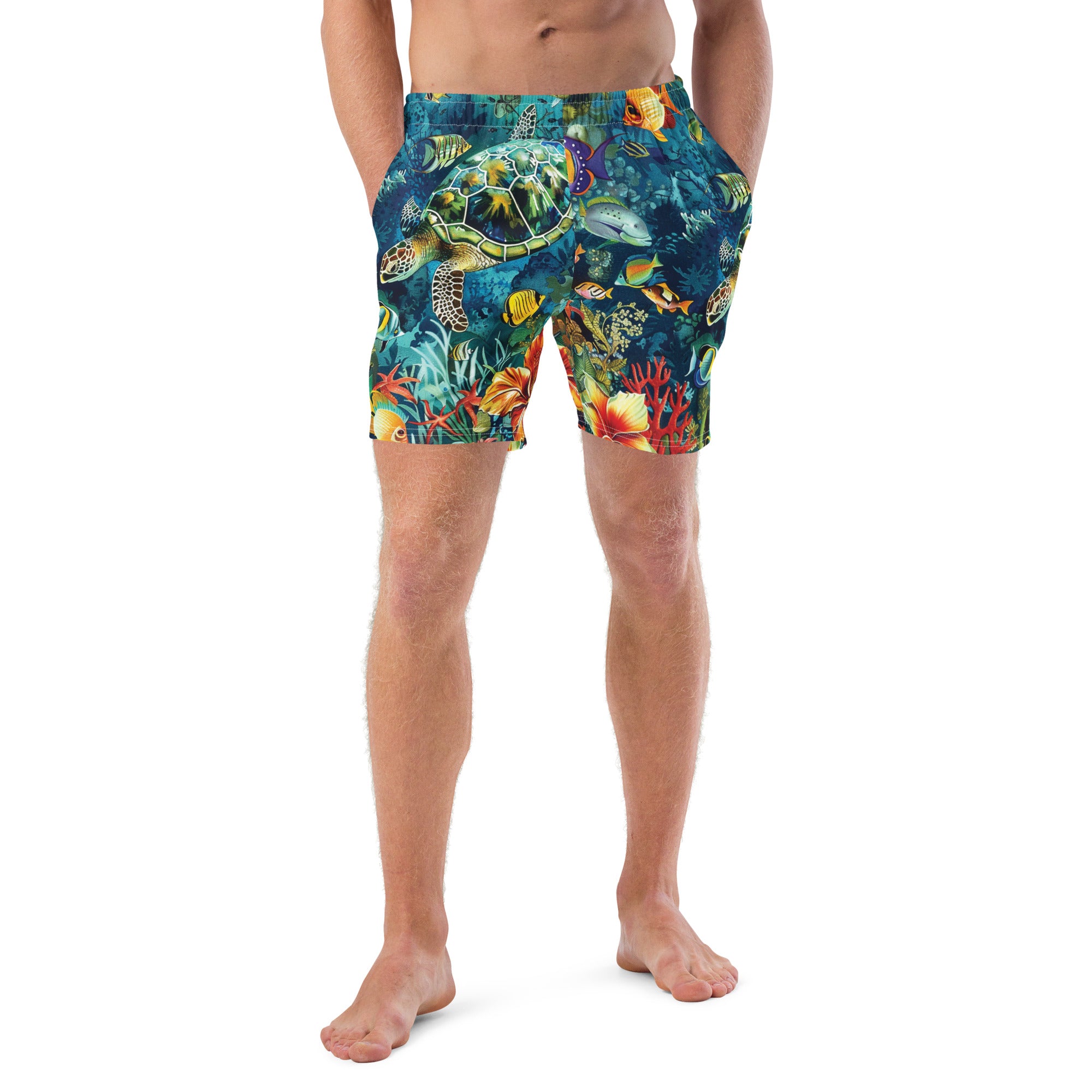
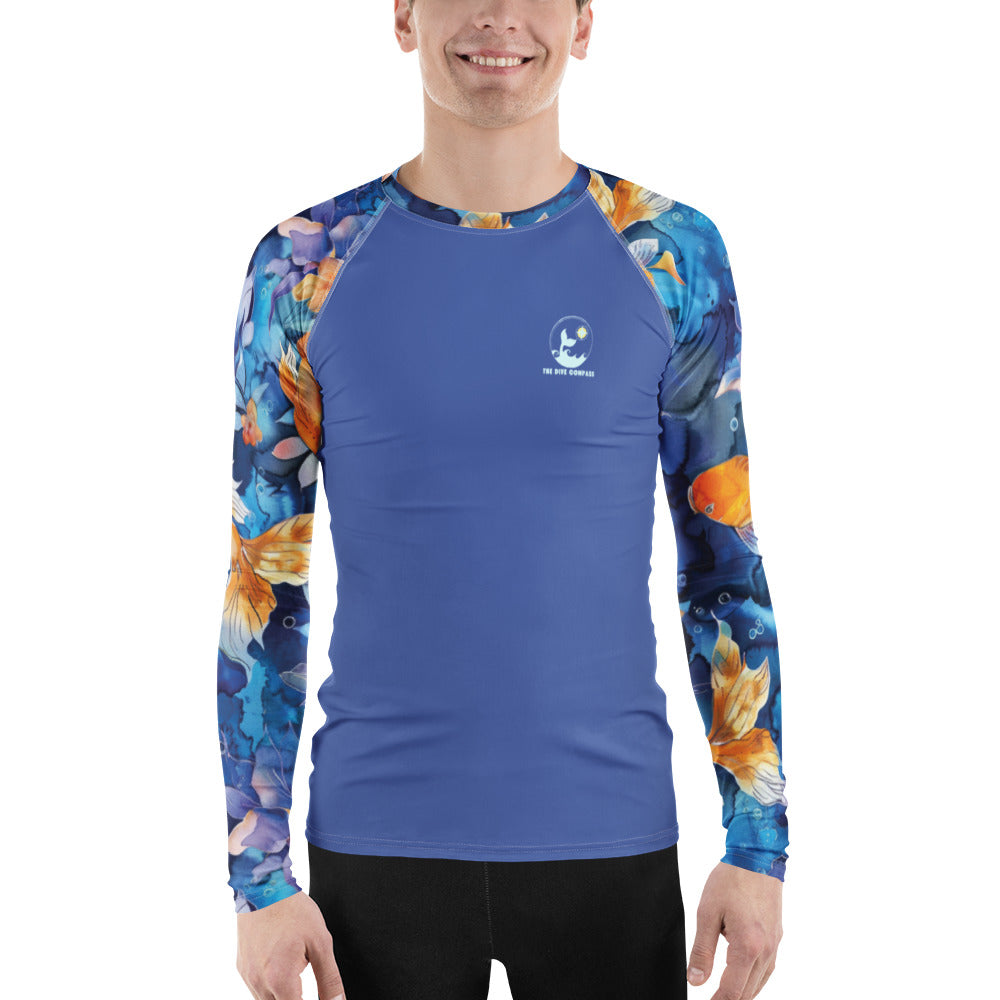
How The Dive Compass Rash Guards Are Built Differently
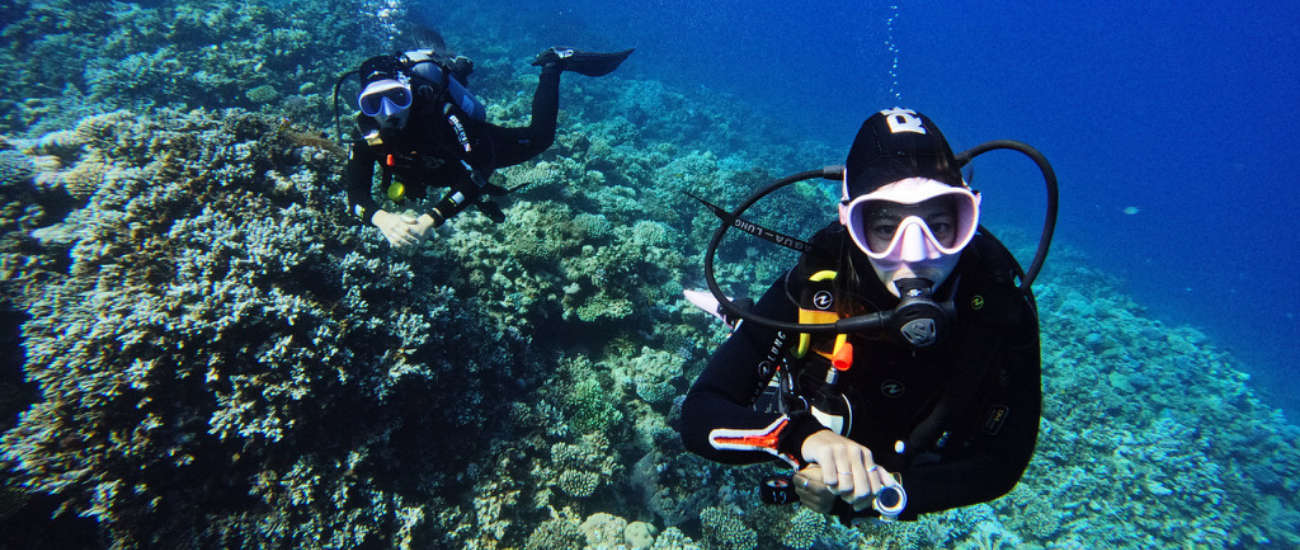
Every rash guard at The Dive Compass is designed by a divemaster who wears them on every dive — across liveaboards, open water training, freediving, and tropical reef diving across three oceans.
They're built around the criteria in this guide:
- UPF 50+ — fabric-verified, maintained through repeated saltwater exposure
- 75% recycled polyester (rPET) (for US production) — high-density construction with excellent chlorine resistance and colour retention
- Stay-put fit — longer torso cut specifically designed to sit flush under a BCD harness
- Flat seams — across all pressure point areas for all-day comfort
- Four-way stretch — full freedom of movement in and out of the water
- Made to order — zero overproduction, zero waste
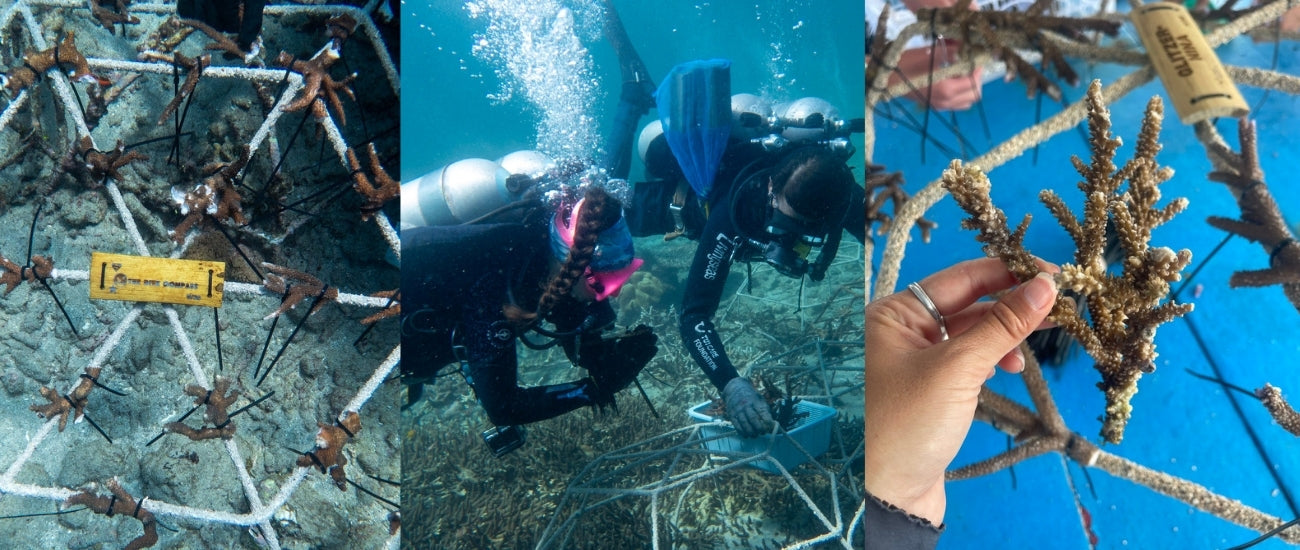
- Every purchase plants coral — through our Save Our Seas Pledge with Living Seas
Available in full-length and cropped styles, for men and women, in sizes XS to 3XL.
Much love and happy diving 🤿
Andrea Galassi — Divemaster & Founder, The Dive Compass
FAQ — Rash Guards for Scuba Diving
Q: Do I need a rash guard if I wear a wetsuit? A: Yes — and for multiple reasons. A rash guard under your wetsuit makes it dramatically easier to put on, particularly on a moving boat. It adds warmth through worn patches or holes in rental suits, improves the fit of an oversized wetsuit by reducing water flushing, and prevents neoprene irritation on sensitive skin. I wear one under my wetsuit on every cold water dive.
Q: Can I use a surf rash guard for scuba diving? A: You can — but it may not perform the way you expect. Surf rash guards are designed for different movement patterns and don't typically have the torso length or fabric recovery needed to stay put under a BCD harness. For occasional diving it'll work. For regular or liveaboard diving, a dive-specific rash guard is worth the investment.
Q: What UPF rating do I need for tropical diving? A: UPF 50+ is the standard to look for — it blocks 98% or more of UV radiation. For tropical diving where you're spending multiple hours in direct overhead sun, particularly during surface intervals on a dive boat, anything less is insufficient. Make sure the UPF rating is fabric-verified rather than just a label claim.
Q: How do I care for a rash guard to make it last? A: Rinse in fresh water after every dive — salt and chlorine degrade fabric over time if left to dry without rinsing. Wash on a gentle cycle with mild detergent, avoiding fabric softeners which affect stretch and moisture properties. Air dry away from direct sunlight — UV exposure degrades elastic fibres faster than almost anything else.
Q: Is recycled polyester as good as regular polyester for diving? A: High-quality recycled polyester (rPET) performs equivalently or better than virgin polyester for diving applications. The recycling process can produce dense, tightly woven fibres with excellent chlorine and saltwater resistance. The performance difference between quality rPET and quality virgin polyester is negligible — the environmental difference is significant. rPET production generates up to 79% less CO₂ than virgin polyester.
Q: What's the difference between a full-length and cropped rash guard for diving? A: For scuba diving, a full-length long-sleeve rash guard is the recommended choice — it provides complete arm coverage against sun, stingers, and abrasions, and layers cleanly under a wetsuit. A cropped rash guard works well for warm water snorkeling, freediving, or as a base layer under a wetsuit that provides arm coverage. Most regular divers end up with both.



























Leave a comment
This site is protected by hCaptcha and the hCaptcha Privacy Policy and Terms of Service apply.