






Rash Guard vs. Wetsuit Diving - Which You Need by Water Temp
By Andrea, PADI Divemaster. Last updated August 2026.
The short answer: a rash guard protects you from sun, stings and chafe. A wetsuit keeps you warm. They solve different problems, which is why the question isn't really "which one" — it's "at this water temperature, do I need warmth as well as protection?" Above about 84°F / 29°C, a rash guard alone is usually enough. Below that, you want neoprene, and you'll be more comfortable wearing a rash guard underneath it.
I get asked this more than almost anything else on a dive boat, usually by someone who's just bought a wetsuit they didn't need, or is shivering through a surface interval because they trusted a temperature chart. So let's do this properly.
What each one actually does
A rash guard is protection, not insulation
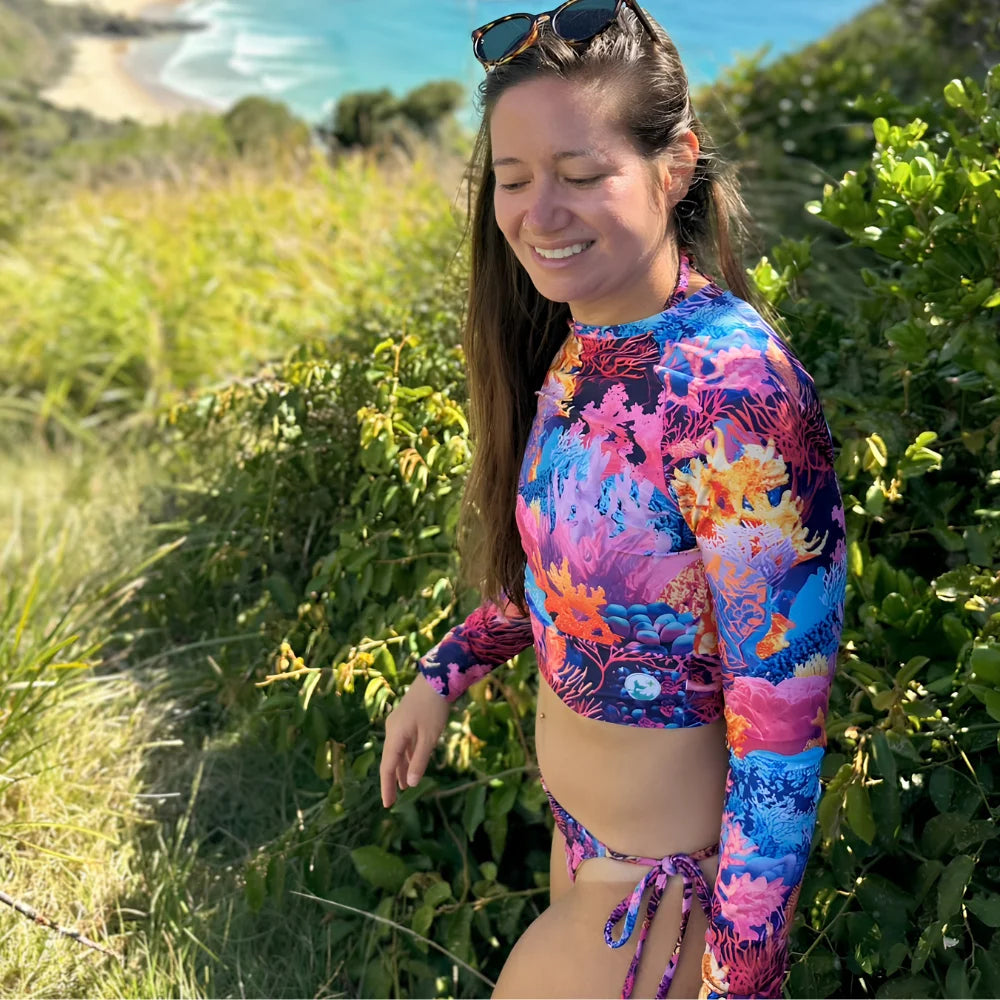
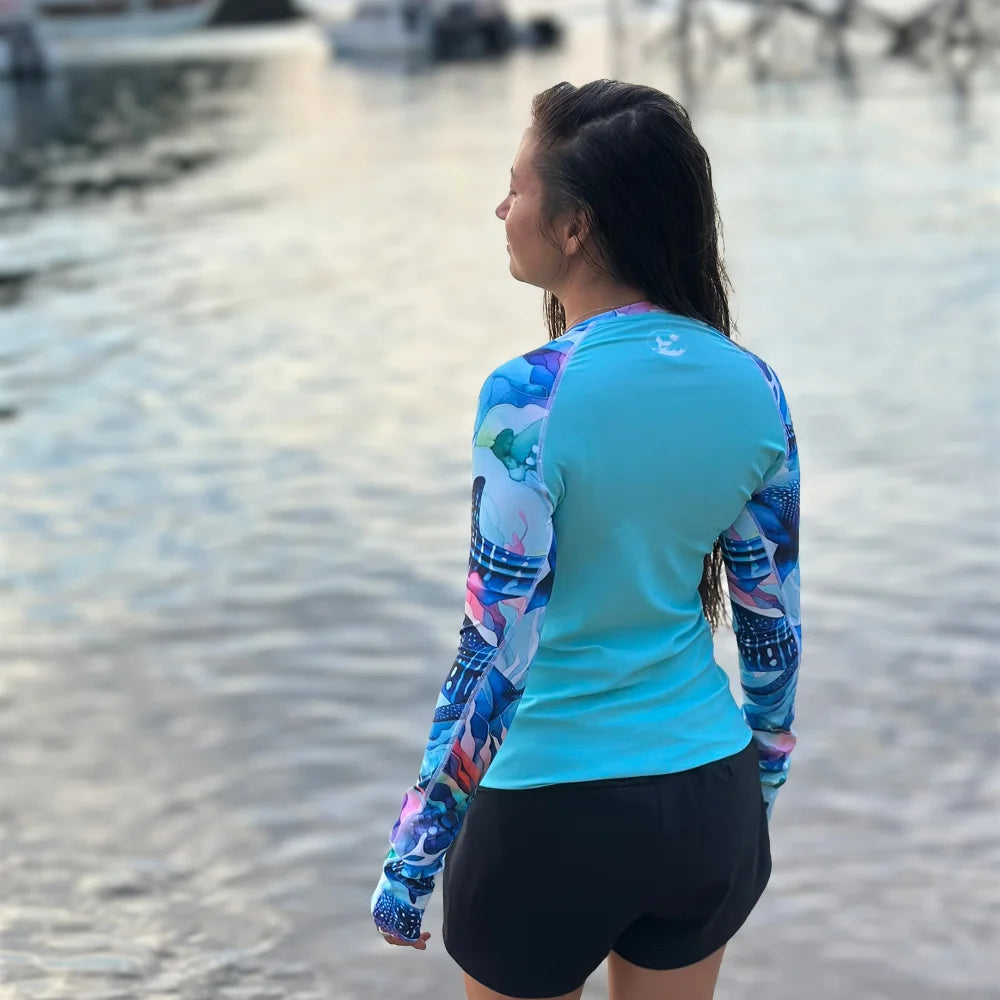
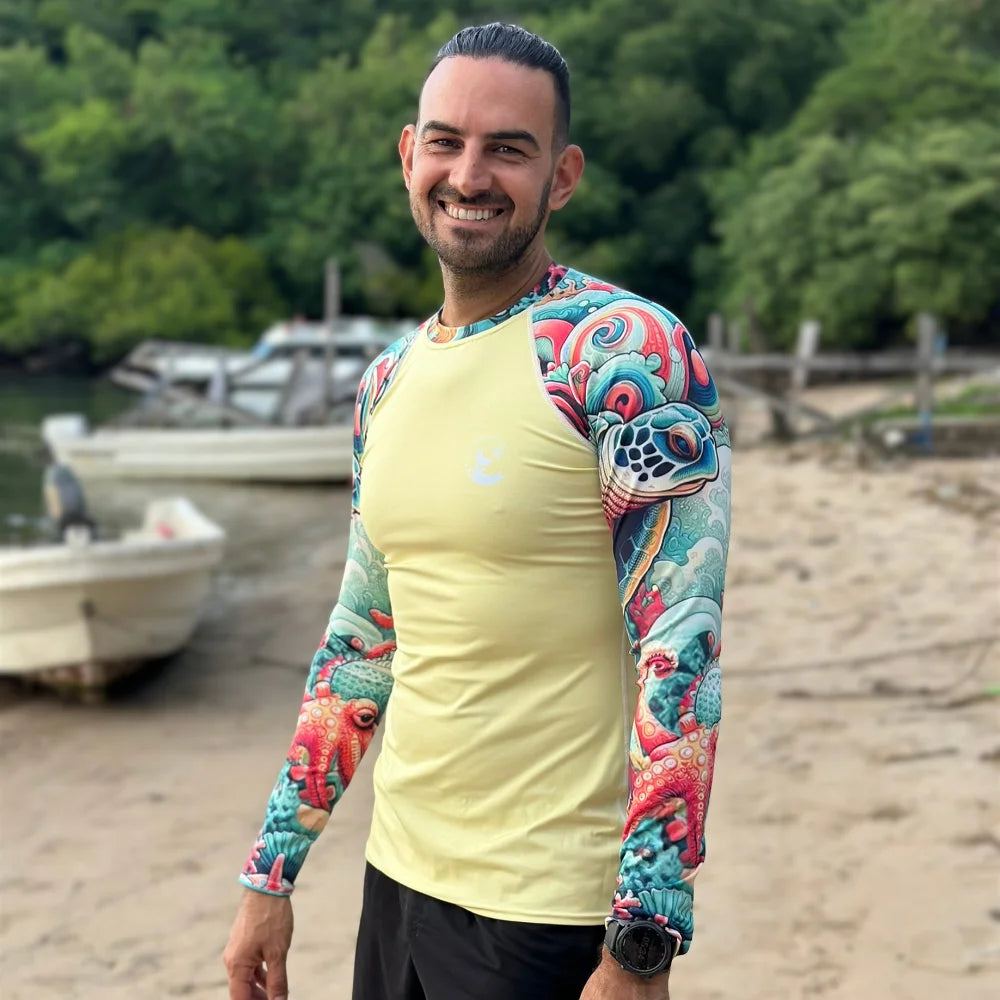
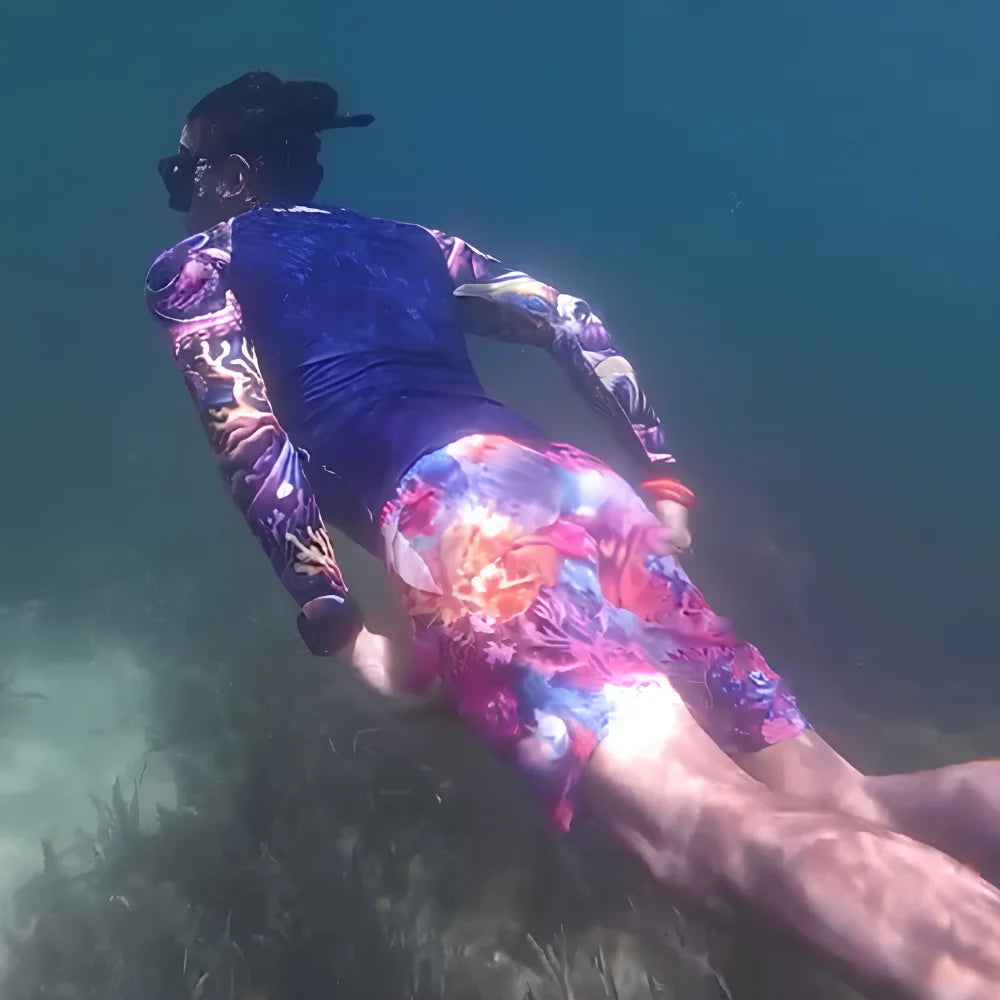
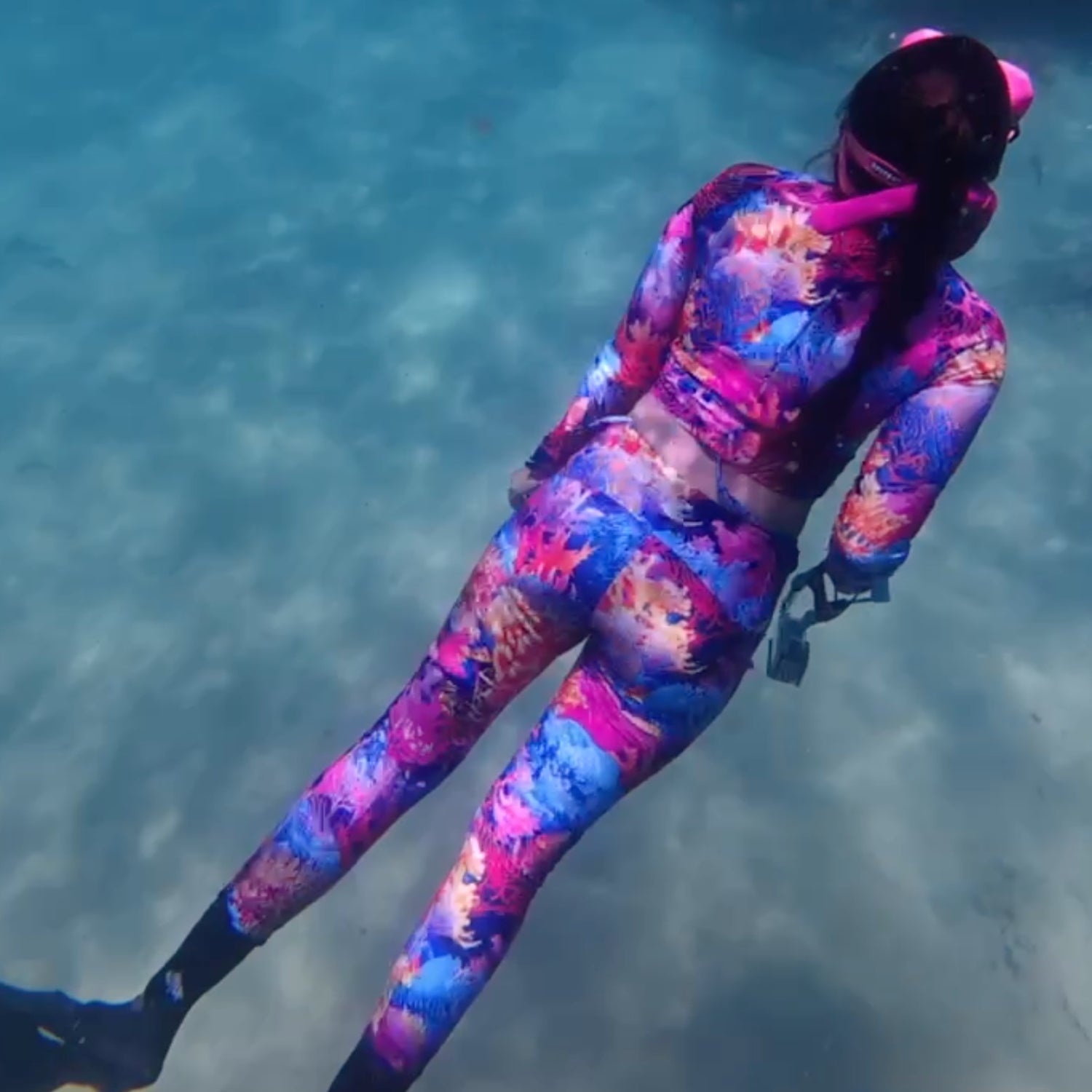
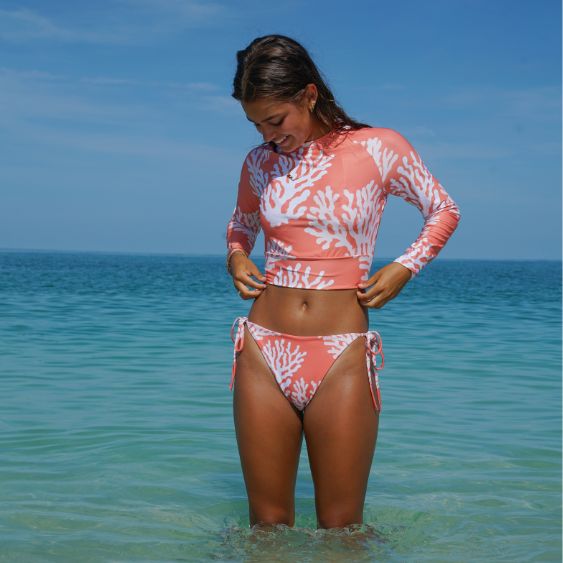
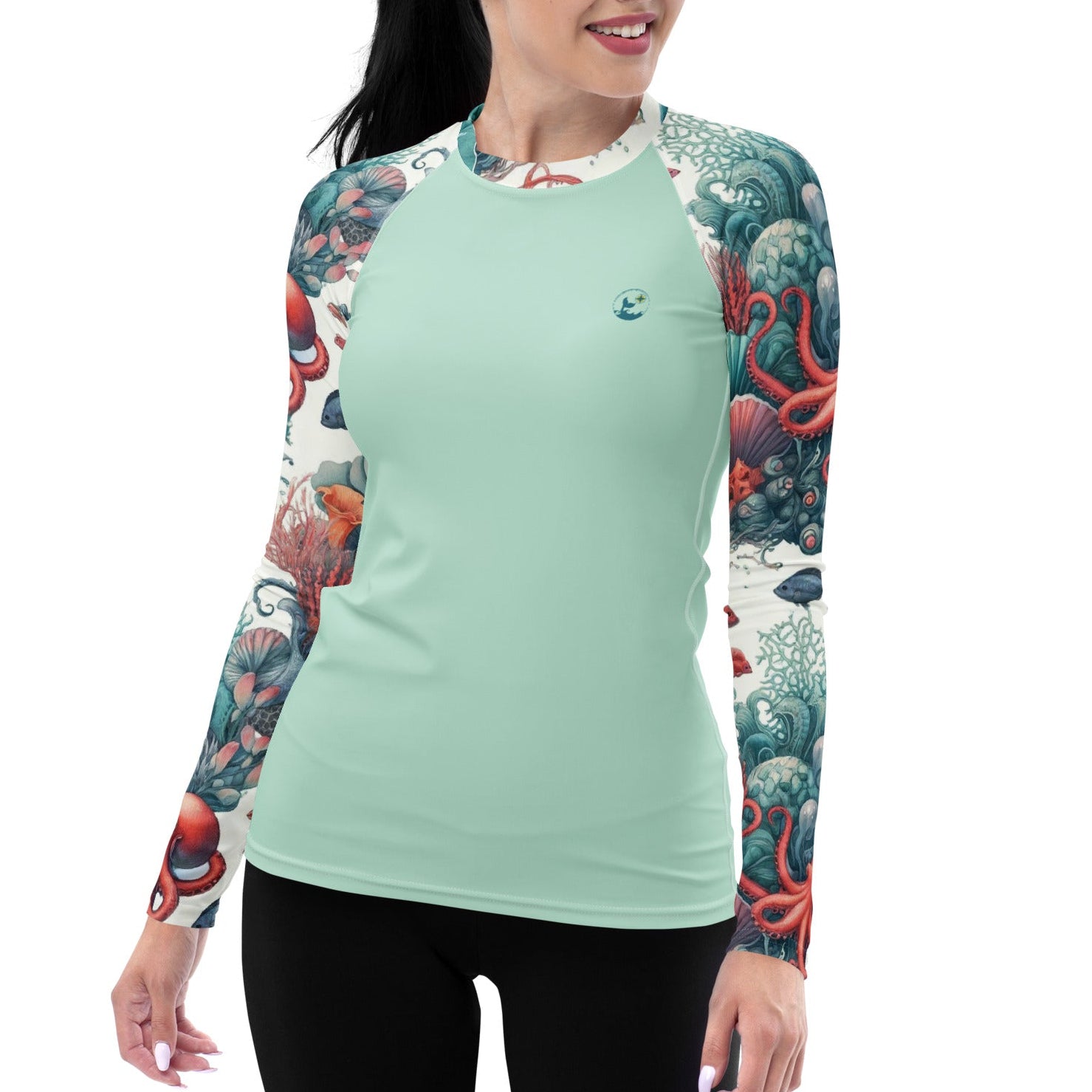
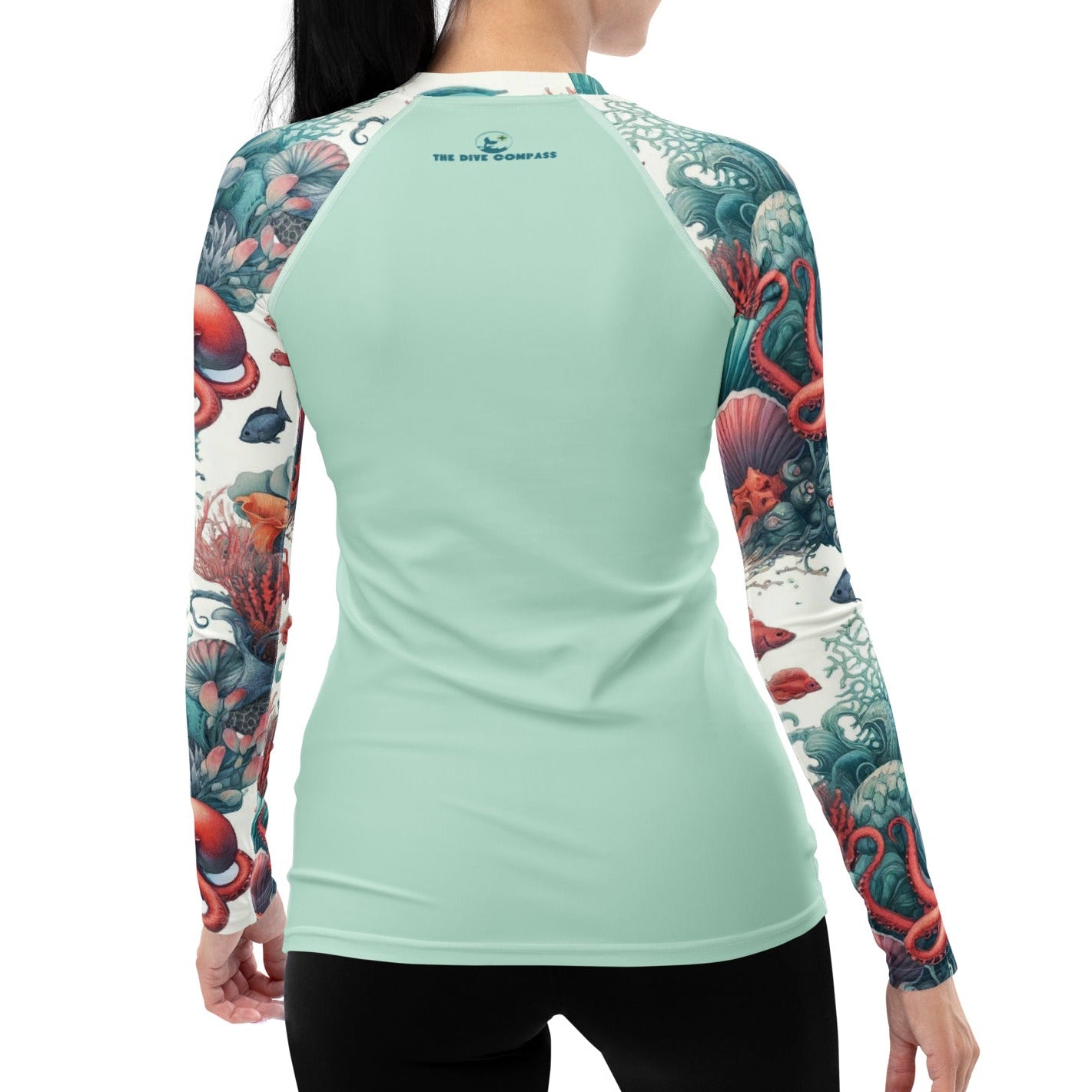
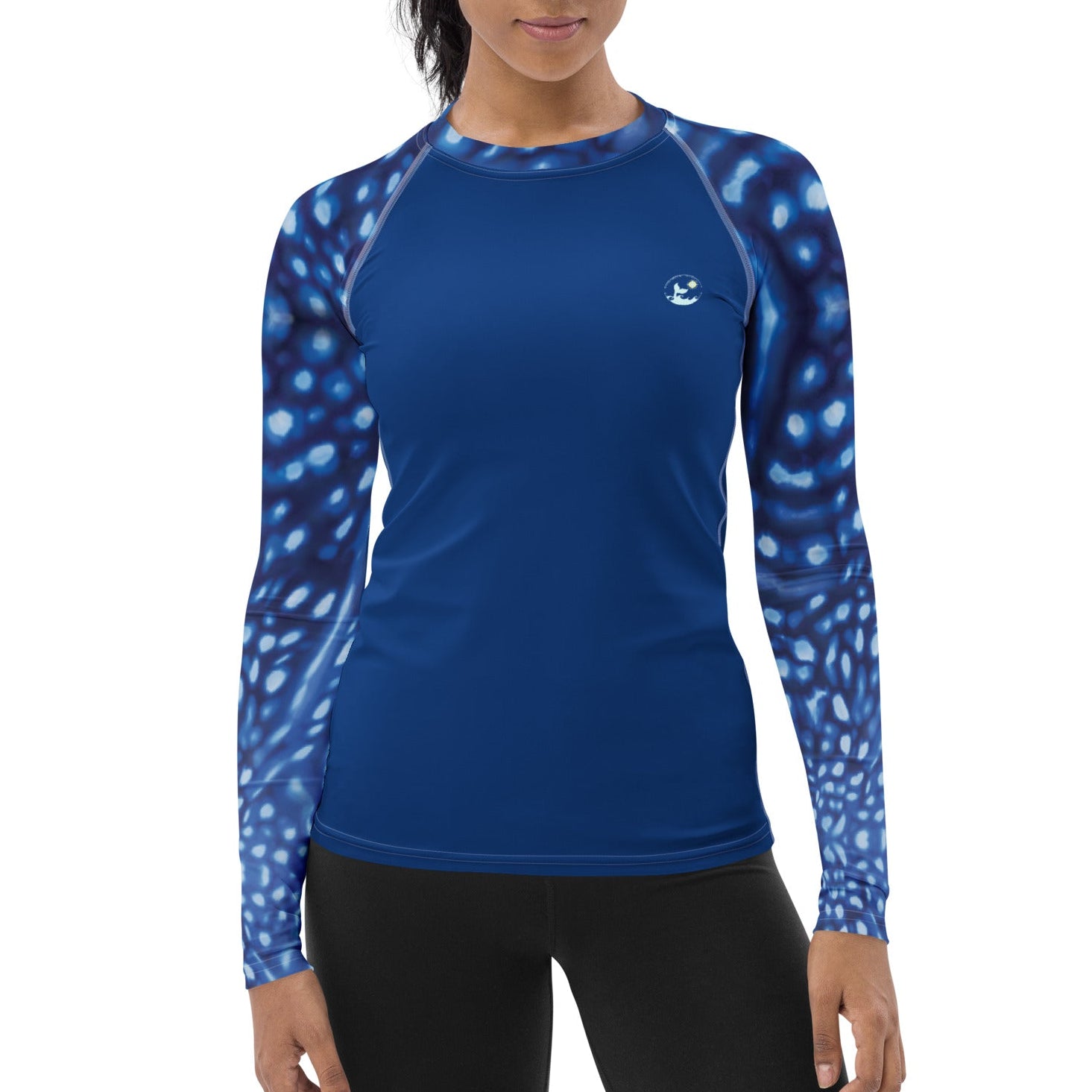
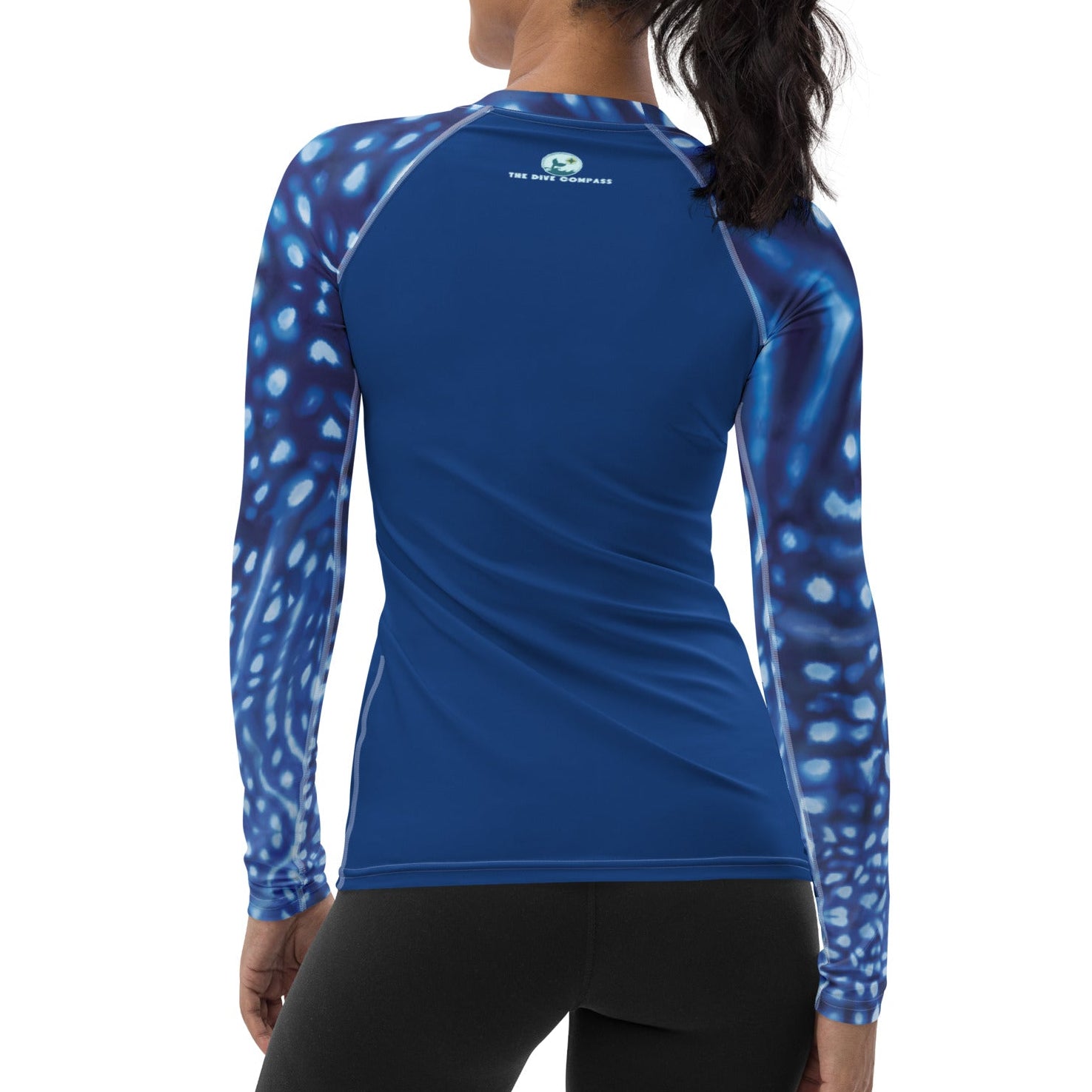
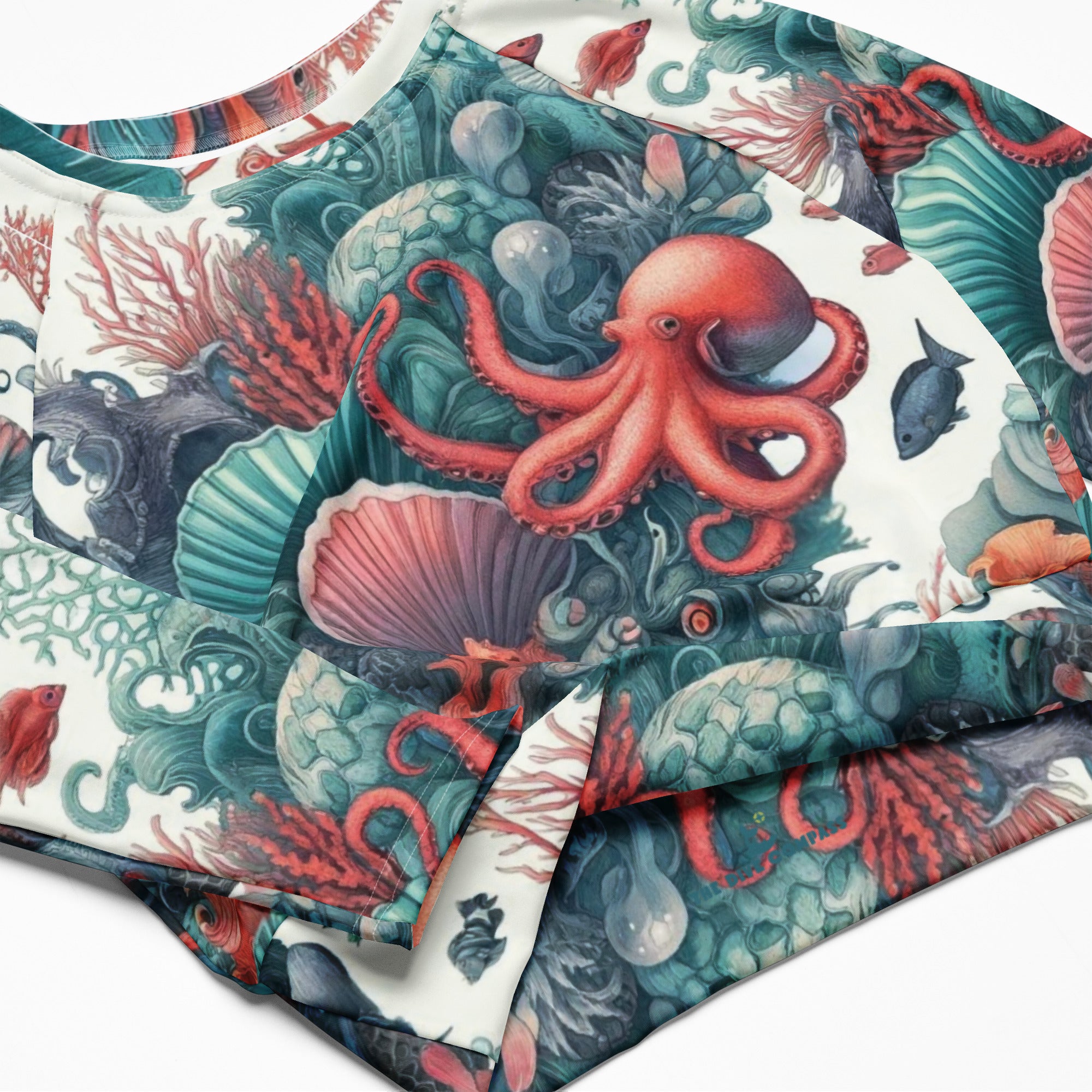
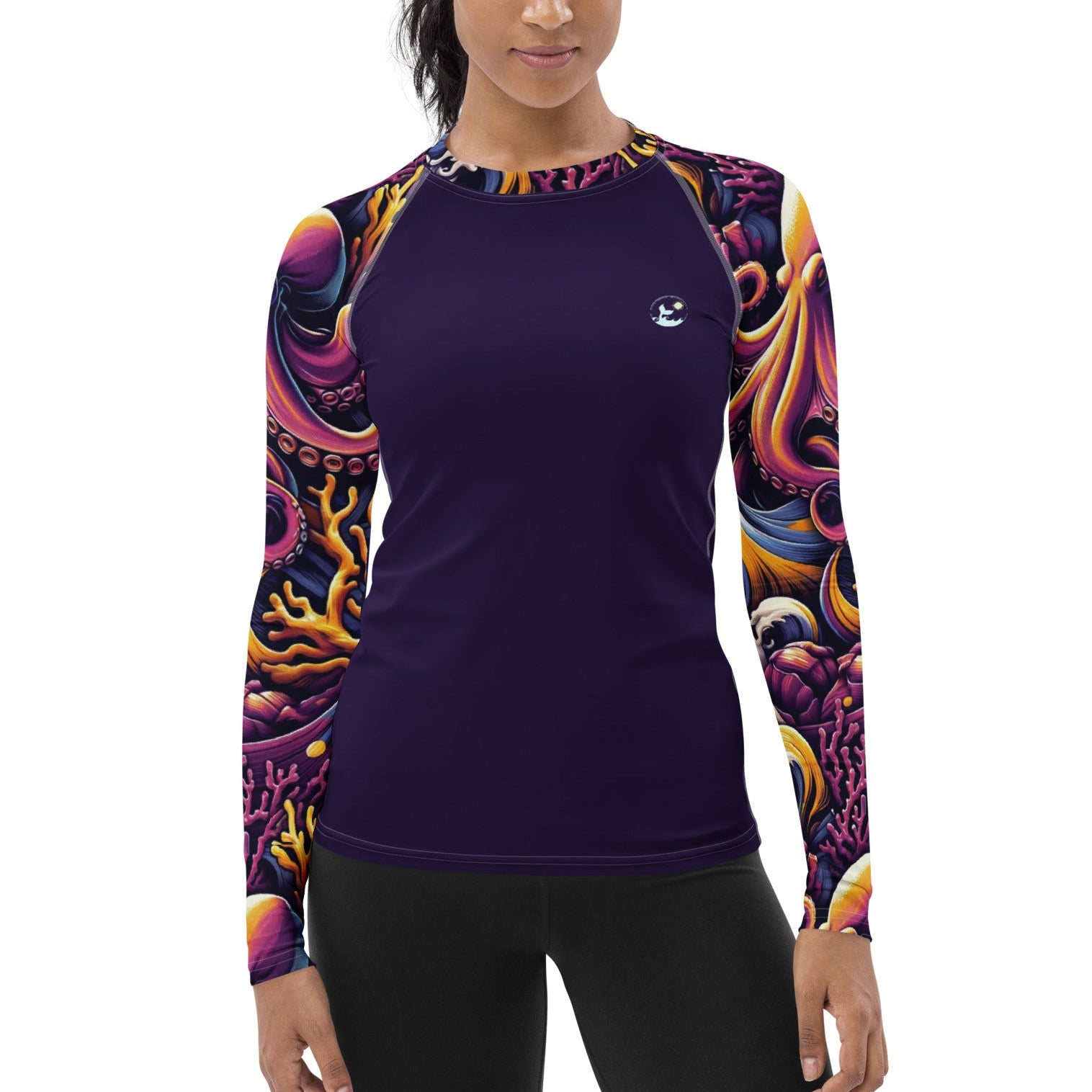
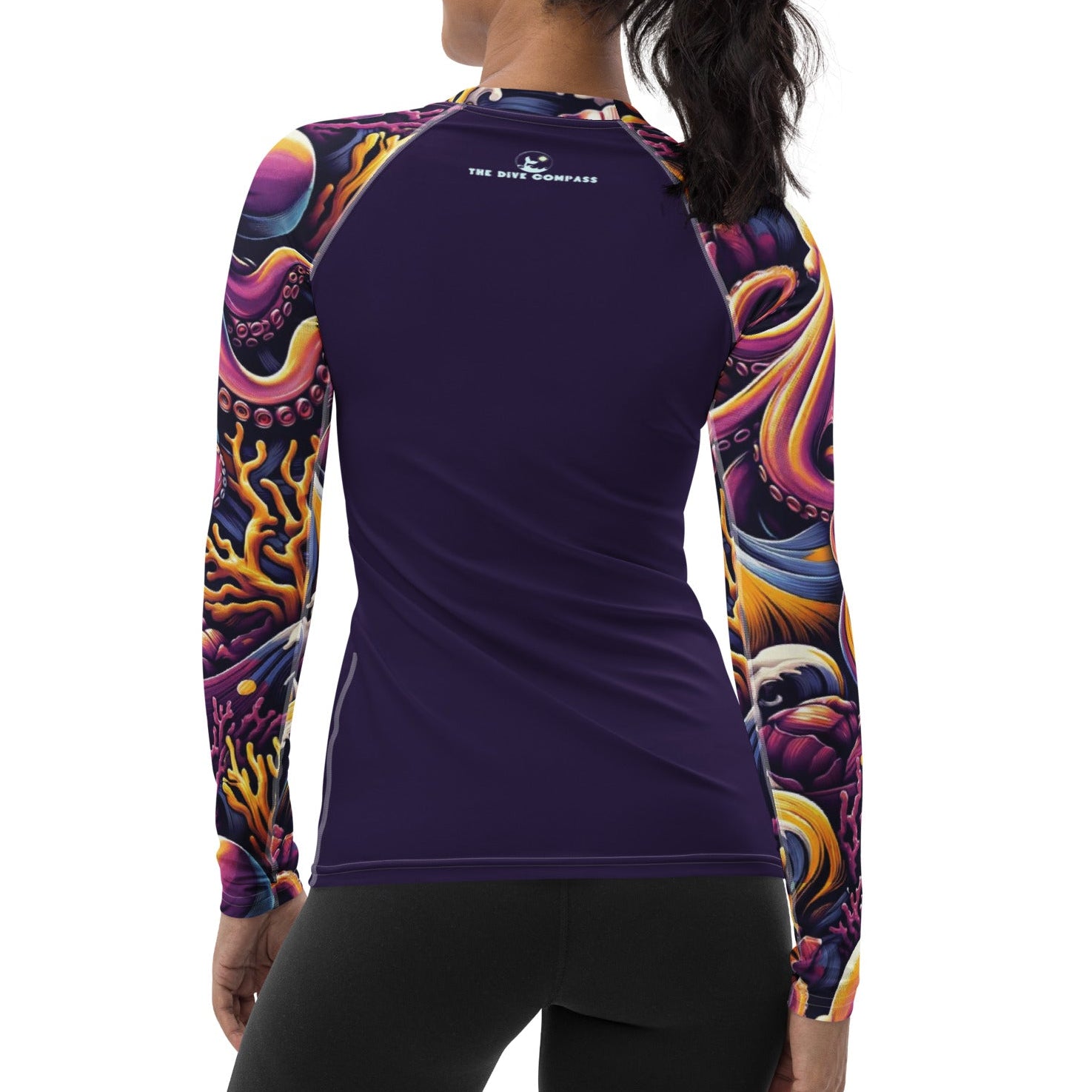
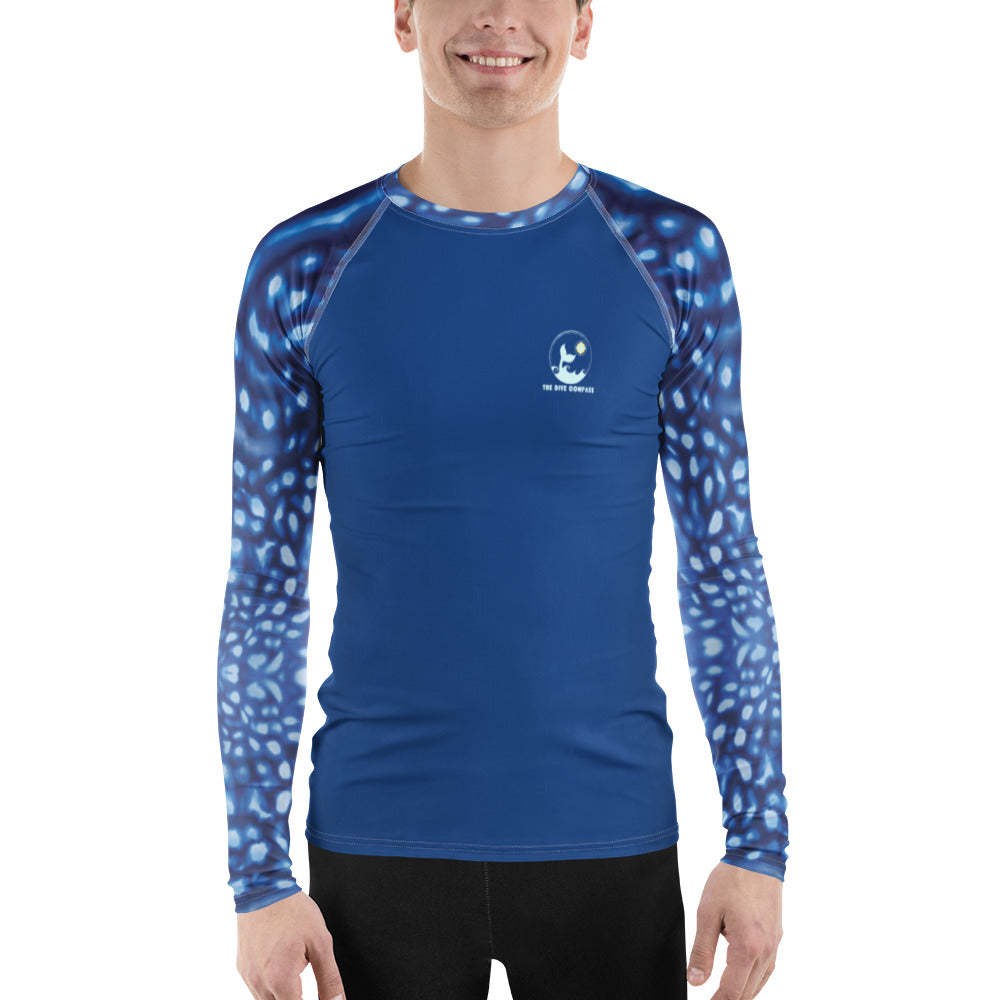
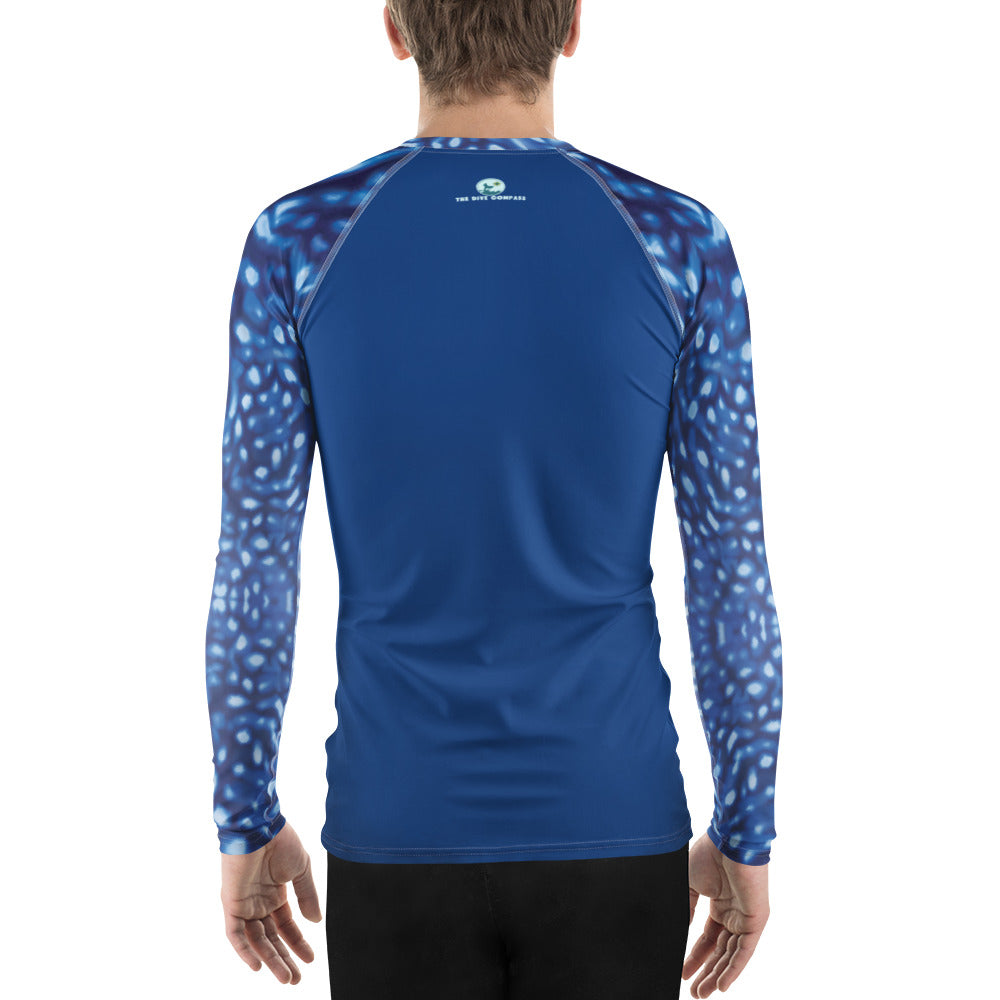
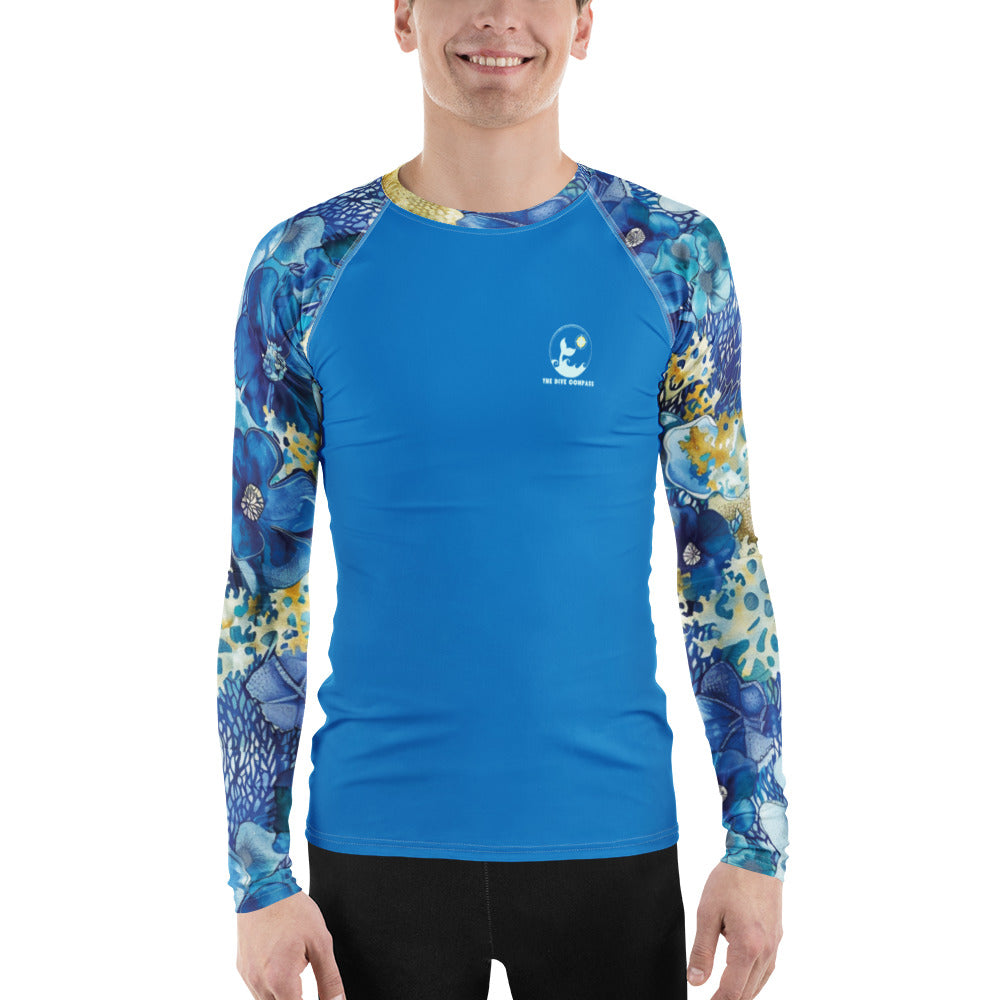
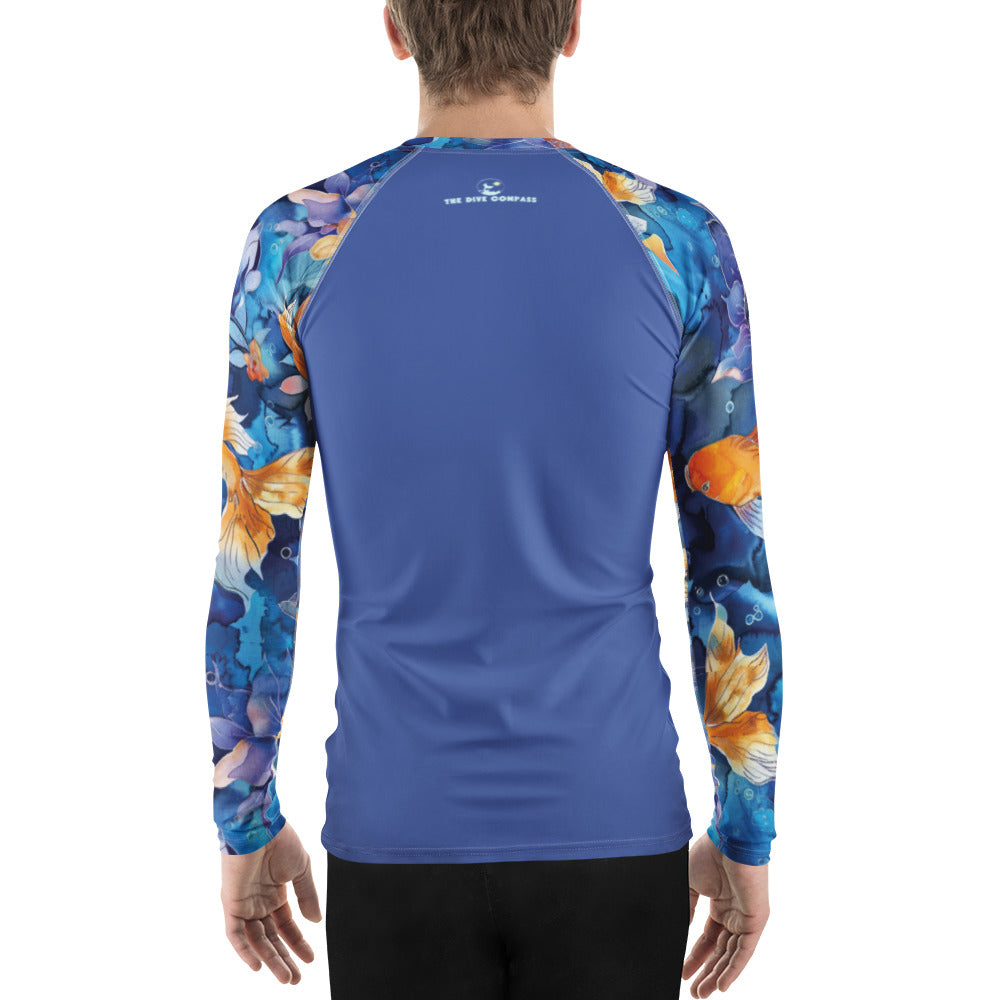
A rash guard is a thin stretch layer — usually recycled polyester or nylon with elastane. Against a wetsuit, it does three things neoprene doesn't:
- Sun protection. UPF 50+ fabric blocks over 98% of UV, and unlike sunscreen it doesn't wash off after twenty minutes in saltwater.
- Sting protection. Hydroid and jellyfish stings on the forearms and shoulders are the most common minor injury I see, and a long-sleeve layer stops nearly all of them.
- It makes a wetsuit easier to put on. More on this below — it's the most useful thing in this article.
What it does not do is keep you warm. A rash guard adds essentially no thermal value. If you're cold, a thicker rash guard won't fix it.

A wetsuit is insulation, and it has a cost
A wetsuit traps a thin layer of water against your skin, which your body warms. Thickness is measured in millimeters, and more millimeters means more warmth — but also more buoyancy, more weight on your belt, less flexibility, and considerably more effort getting in and out of it.
That trade-off is the real reason not to over-buy. A diver in a 5mm when a 3mm would do is carrying extra lead, working harder, and burning through air faster.
The water temperature guide
Start here, then read the section below it — because this chart is a starting point, not a promise.
| Water temp | What most divers need | What I'd actually wear |
|---|---|---|
| 84°F+ / 29°C+ | Rash guard or dive skin | Long-sleeve UPF 50+ rash guard. No neoprene at all, unless you tend to get cold easily. |
| 79–84°F / 26–29°C | Rash guard, or 2mm shorty | 3mm, or a rash guard for one or two dives. Shorty if I'm diving three-plus days back to back. |
| 75–79°F / 24–26°C | 3mm full wetsuit | 3mm to 5mm, with a rash guard underneath. |
| 70–75°F / 21–24°C | 3mm to 5mm full | 5mm to 7mm and a hooded vest if there's any current, or if I'm diving repetitively. |
| 64–70°F / 18–21°C | 5mm full + hood | 7mm or a drysuit, hooded vest, and gloves. A hood matters more than people expect. |
| Under 64°F / Under 18°C | 7mm, semi-dry or drysuit | Specialist territory — get fitted locally rather than buying online. |
Why the chart is optimistic (and what to do about it)
Wetsuit thickness ratings are written for a single dive, in still water, by someone who isn't cold-natured. Almost nobody dives like that. Five things push you a full step colder than the chart suggests:
- Repeat dives. Dive two is colder than dive one, and dive three is colder again. You don't fully rewarm on a surface interval.
- The surface interval itself. Wet skin plus wind on a moving boat is where most people actually get cold — not underwater.
- Depth and thermoclines. The temperature on the dive brief is the surface temperature. Sixty-five feet down can be several degrees colder, and it arrives all at once.
- Current. Water flowing through your wetsuit strips heat faster.
- You, specifically. Body composition and how much you've eaten make more difference than a millimeter of neoprene. If you're someone who gets cold in a movie theater, size up.
I'll never forget the first time I dove in the Mediterranean. I was in Barcelona just after the COVID lockdown, missing diving badly, so I booked a dive in May to celebrate the rules relaxing. If you know anything about Barcelona in May, it is still spring — it is not hot yet, and neither is the water. I rented a 7mm semi-dry with a hood from the dive shop and got in at 17°C / 62°F. As soon as I put my head under, the cold took my breath away, and about three minutes in I was shivering and counting down the minutes until the dive was over. Ever since, I've stopped trusting wetsuit charts and other divers' recommendations, and started listening to my own body when it comes to water temperature.

The answer is usually both
The framing of "rash guard or wetsuit" is where most people go wrong. Below about 79°F you want both, and not only for warmth:
- A wetsuit slides on over a rash guard. Neoprene grips bare wet skin and fights you. A slick synthetic layer underneath turns a two-minute wrestle into a ten-second pull. This one thing has saved me more boat-deck dignity than anything else I own.
- No collar rub. Over a week of diving, the wetsuit neckline is what leaves a mark. A rash guard is the barrier.
- It's your surface-interval layer. Peel the wetsuit to your waist between dives and you're still covered, still sun-protected, and not sitting in wet neoprene.
- Marginal extra warmth from wind. Not in the water, but on the boat — which, again, is where you actually get cold.

What goes underneath — and where to read about it
Whichever you land on, there's a layer under it, and getting that wrong undoes the rest. But that's a whole subject of its own, and I've written it up properly elsewhere rather than half-covering it here:
- What to wear under a wetsuit for scuba diving — the full base-layer breakdown.
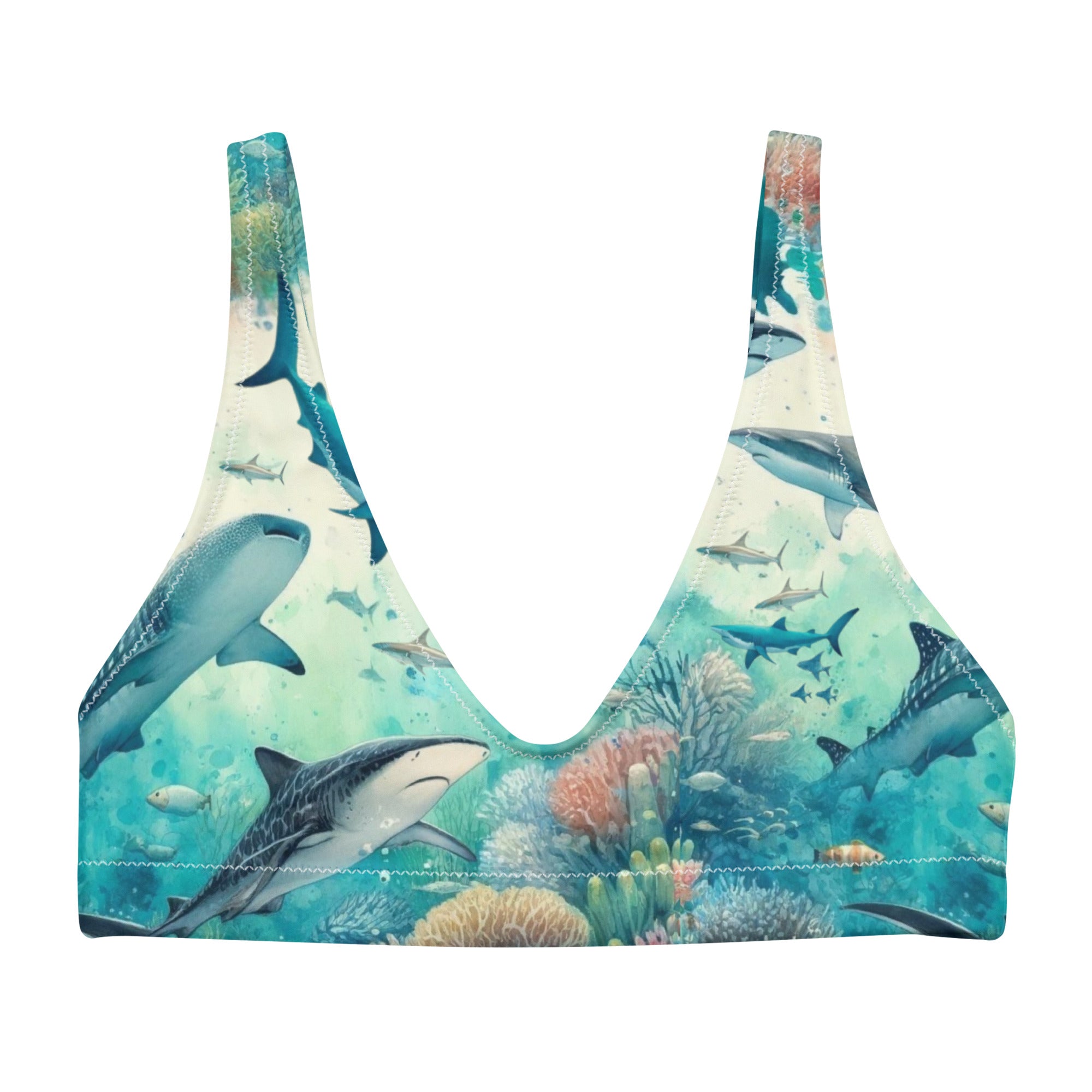
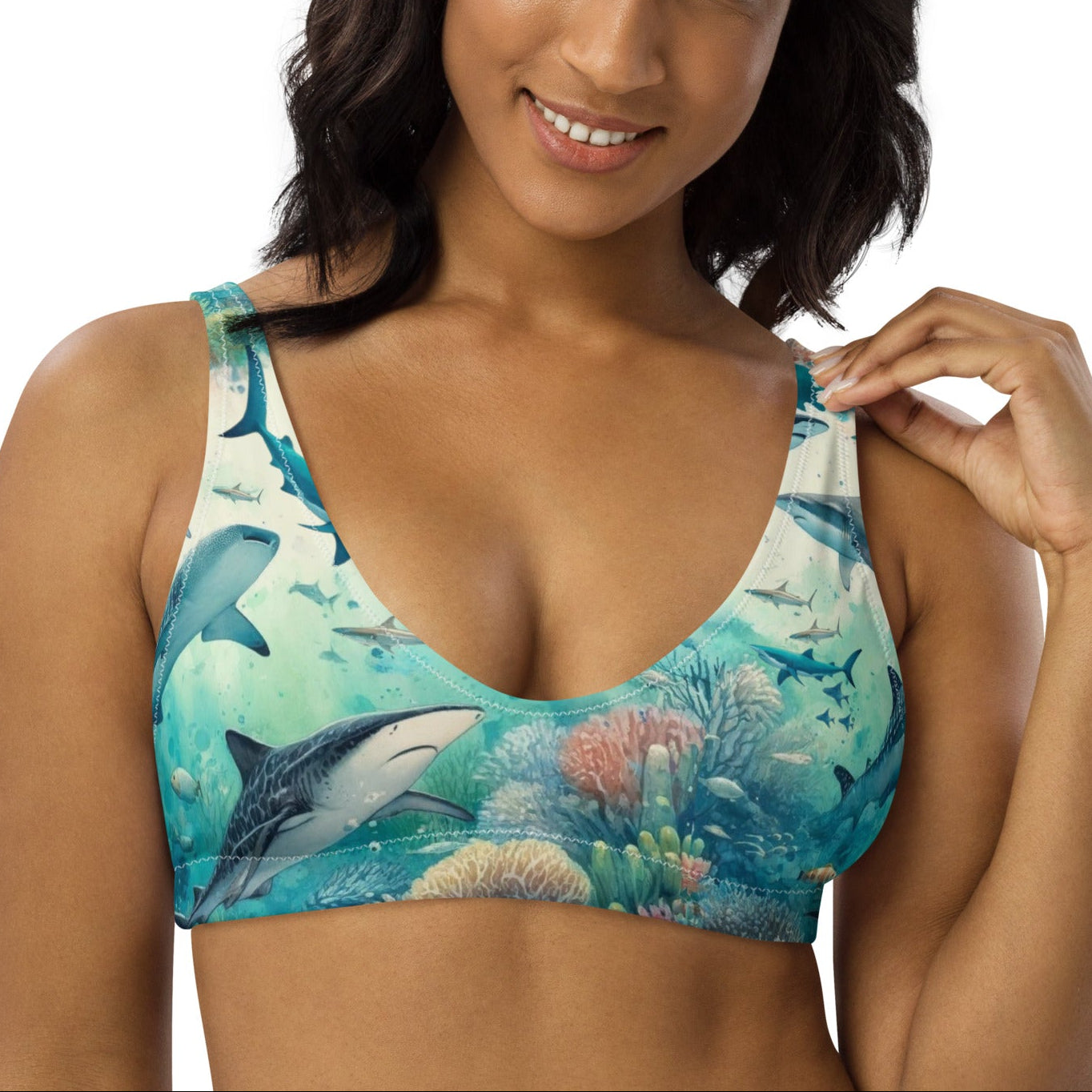
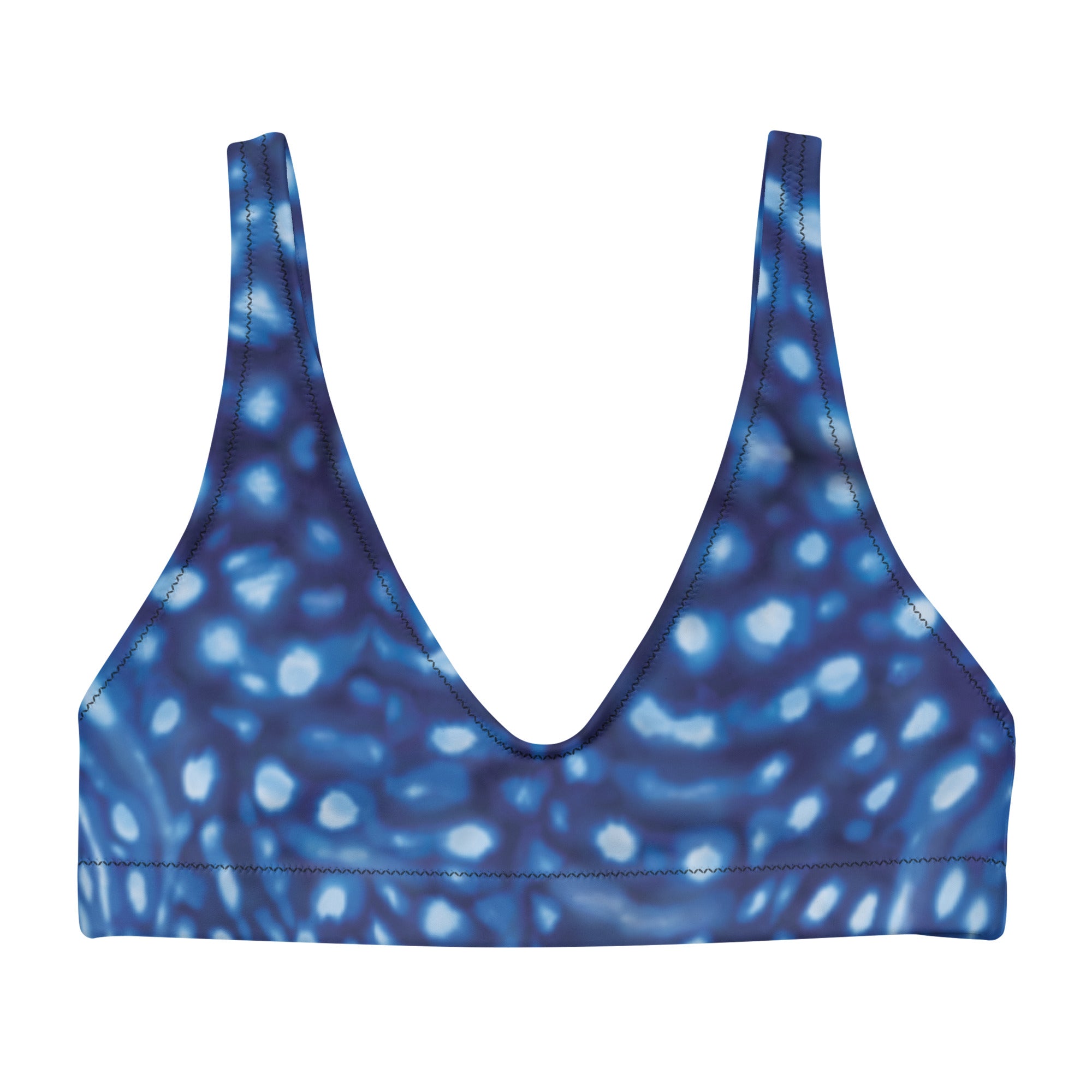
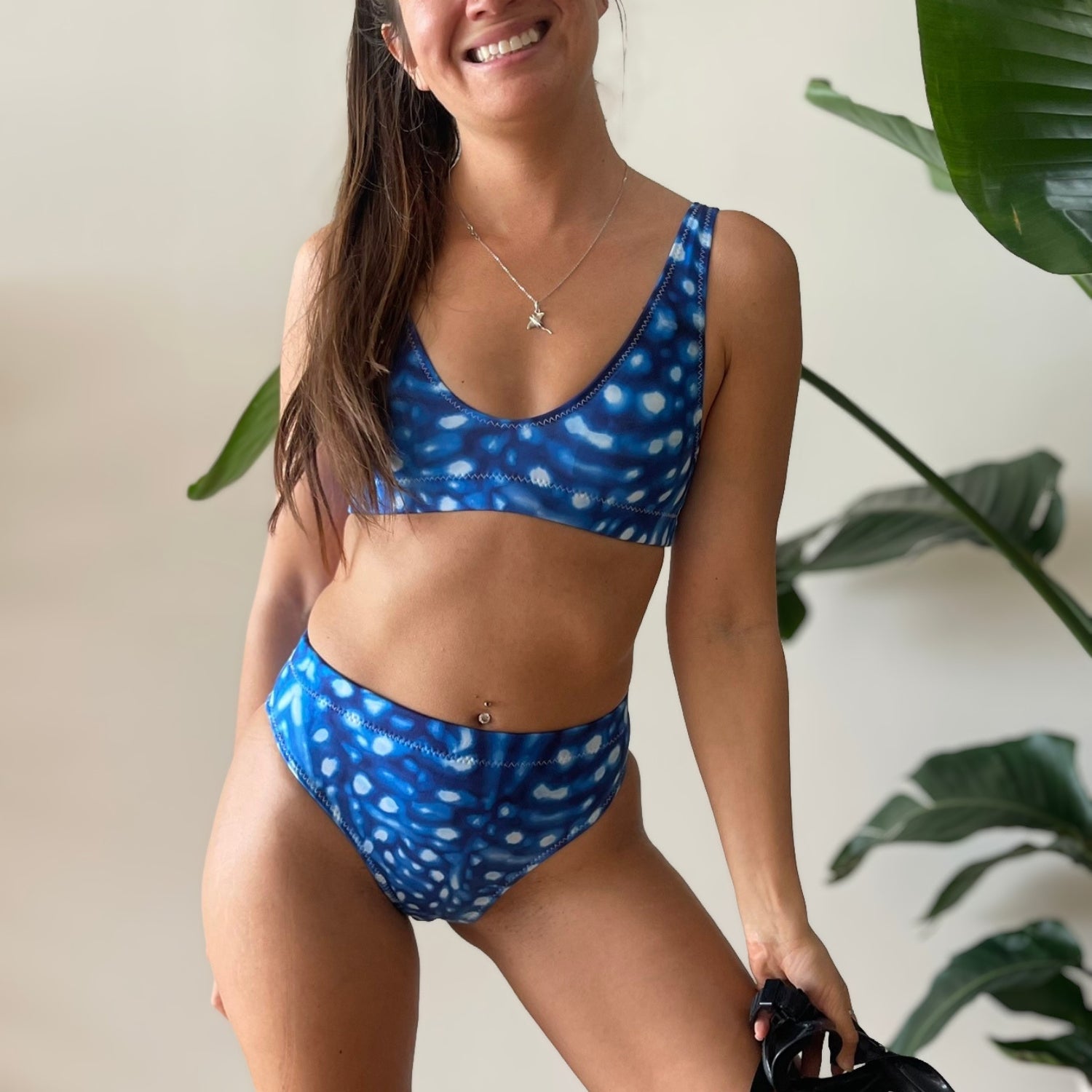
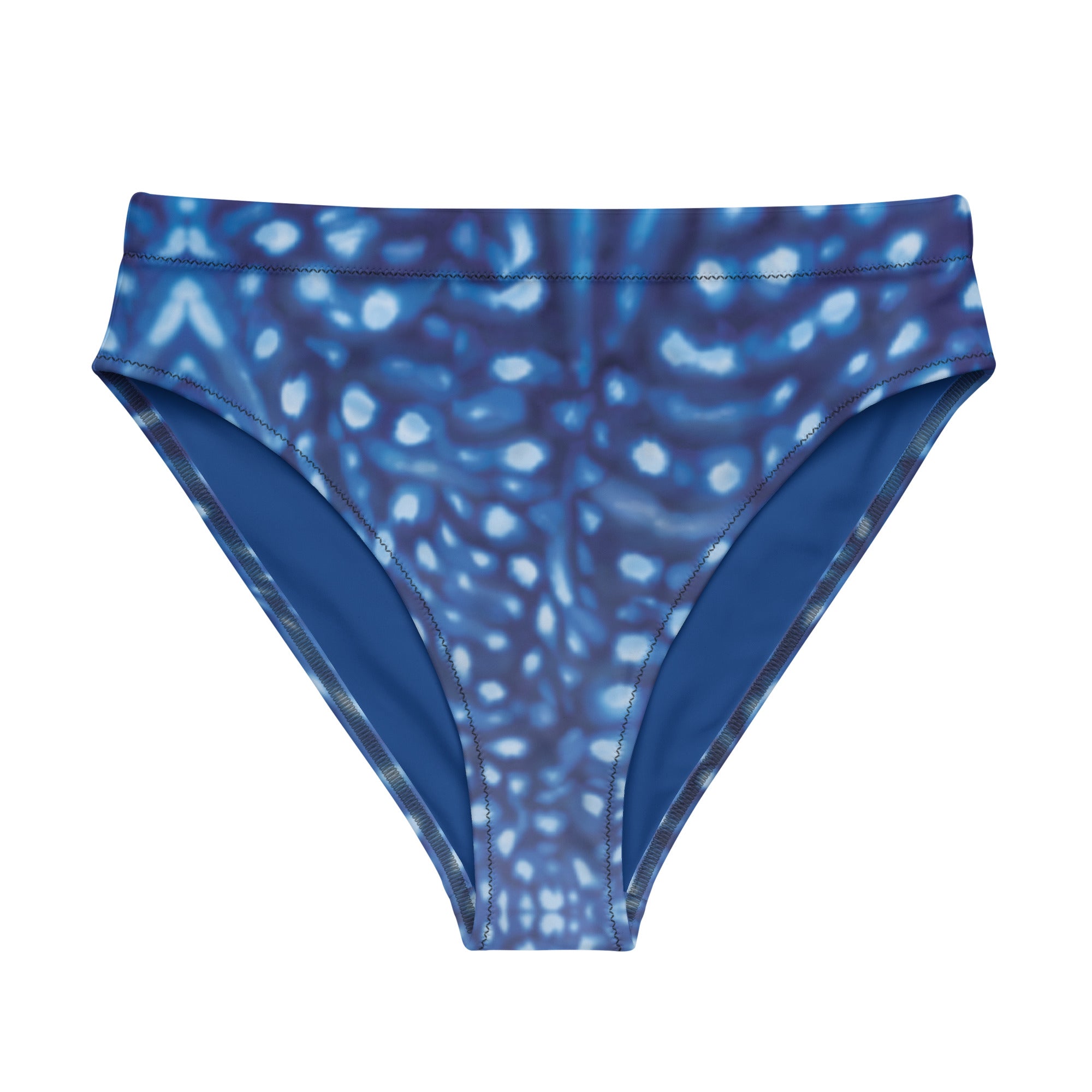
- What makes a scuba bikini work under a wetsuit — if you prefer a two-piece.
- One-piece vs bikini for diving — if you're deciding between the two.
- Yes, you can dive in a string bikini — and the one trick that makes it work.
- How to choose a rash guard for scuba diving — fit, fabric and UPF rating in detail.
- Why UPF 50+ beats sunscreen for the reef — the conservation case, in full.
And for the complete picture of how every layer stacks together, start with the beginner's guide to what to wear scuba diving, or see it laid out across a whole dive day in the scuba diving outfit guide.

A 30-second decision
- Look up the water temperature for your destination and month — not the air temperature, and not the annual average.
- Take one step colder if you're doing more than two dives a day, diving several days running, or you're someone who feels the cold.
- Above 84°F / 29°C: long-sleeve rash guard, no neoprene.
- Below that: the wetsuit thickness from the chart, plus a rash guard underneath.
- Renting the wetsuit? Bring your own rash guard anyway. Rental neoprene fits worse and has been worn by a lot of people.
Common questions
Can I wear a rash guard instead of a wetsuit?
Yes, above roughly 84°F / 29°C, for one or two dives a day. Below that you'll get cold, and a thicker rash guard won't help — rash guards provide almost no insulation regardless of fabric weight.
Do you wear a rash guard under a wetsuit?
I do, on every dive below 79°F. It makes the wetsuit far easier to get on, stops collar chafe, and gives you a layer to sit in during the surface interval.
Is a rash guard warmer than nothing?
Marginally, and mostly out of the water where it blocks wind on wet skin. In the water the difference is negligible. Treat it as sun and sting protection.
Is a dive skin the same as a rash guard?
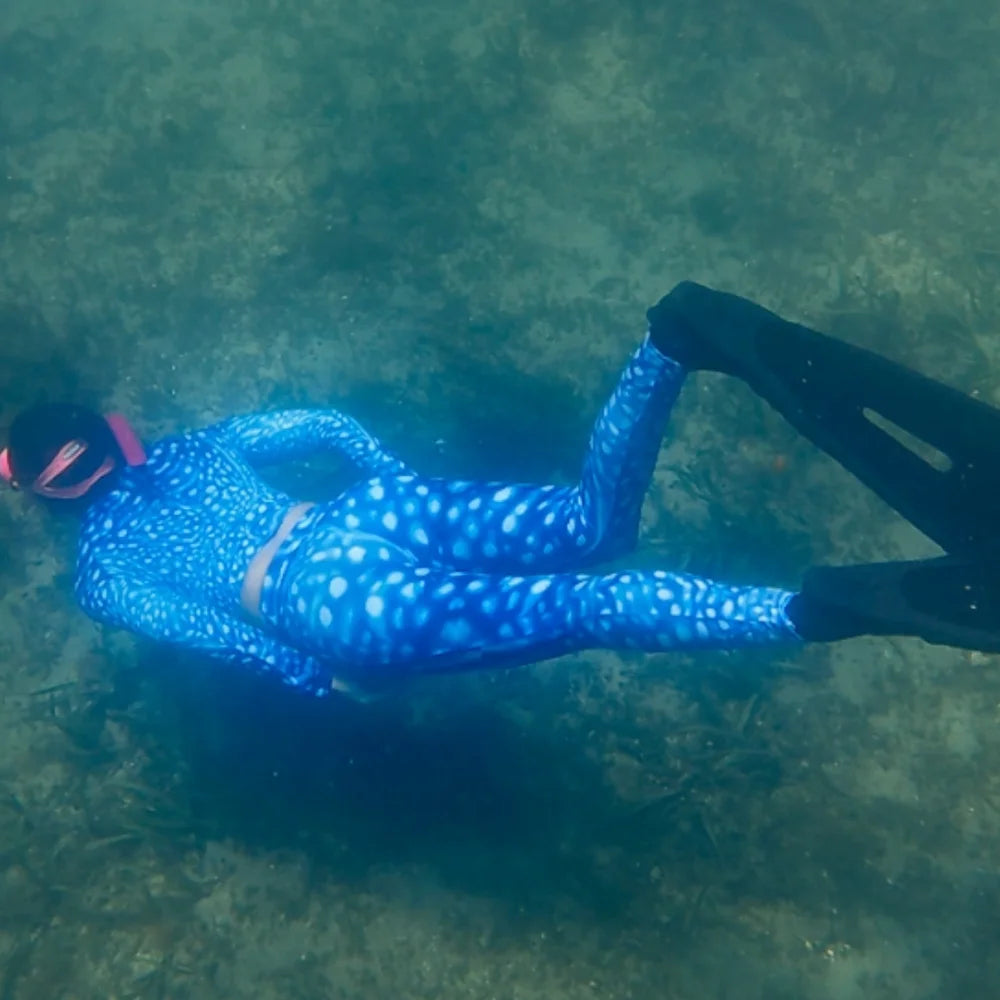
Close, but not identical. A dive skin is full-length — arms and legs — and usually a slightly heavier fabric. A rash guard is the top half only. In genuinely warm water either works; the dive skin just extends the same sting and sun coverage to your legs.
What thickness wetsuit for tropical diving?
3mm covers most tropical diving comfortably, and it's what I'd point most people to first. I'd go 5mm if you're diving repetitively, somewhere with current, or you run cold — which, as the Barcelona story tells you, I do. In genuinely warm water, 84°F and up, many divers skip neoprene entirely.
About the author
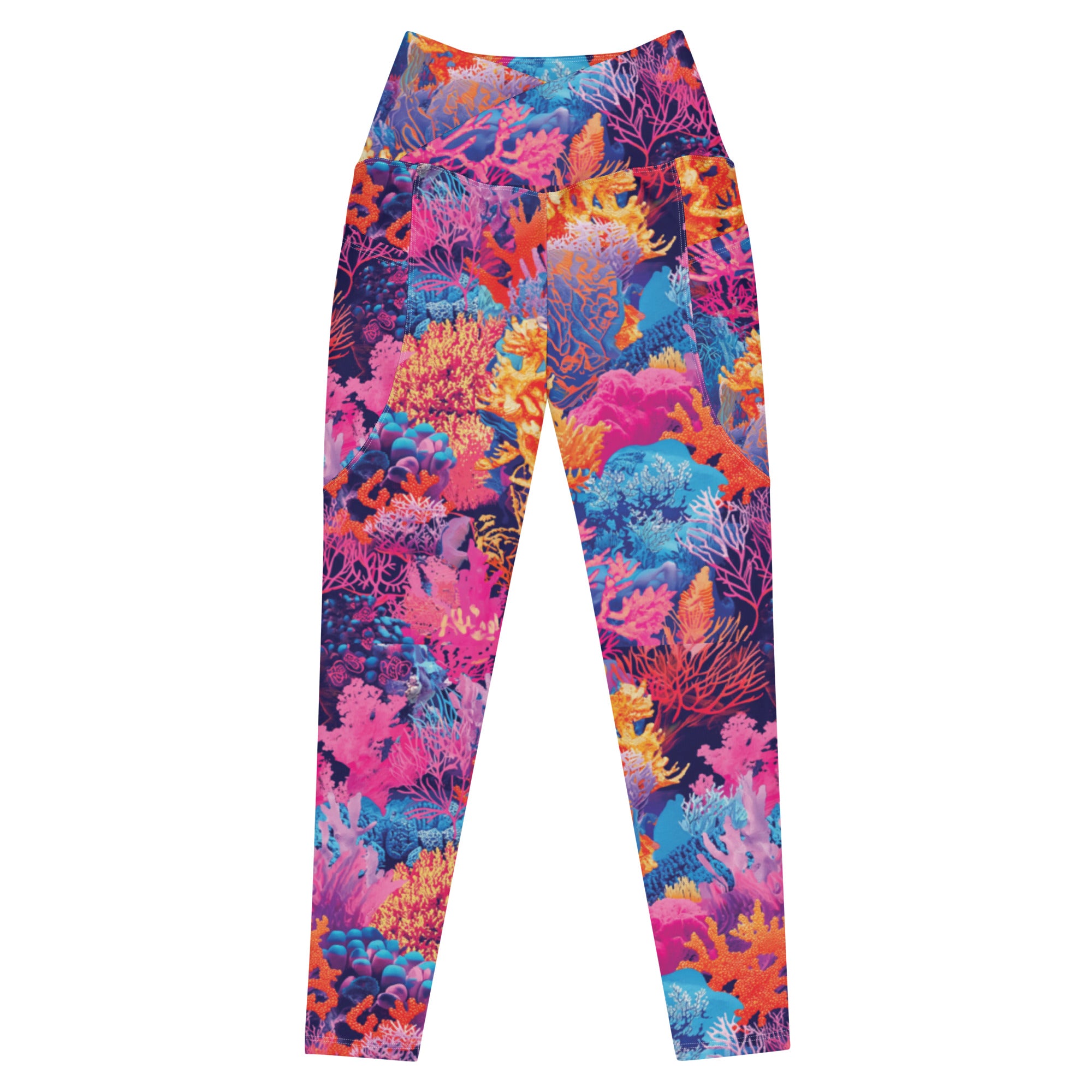
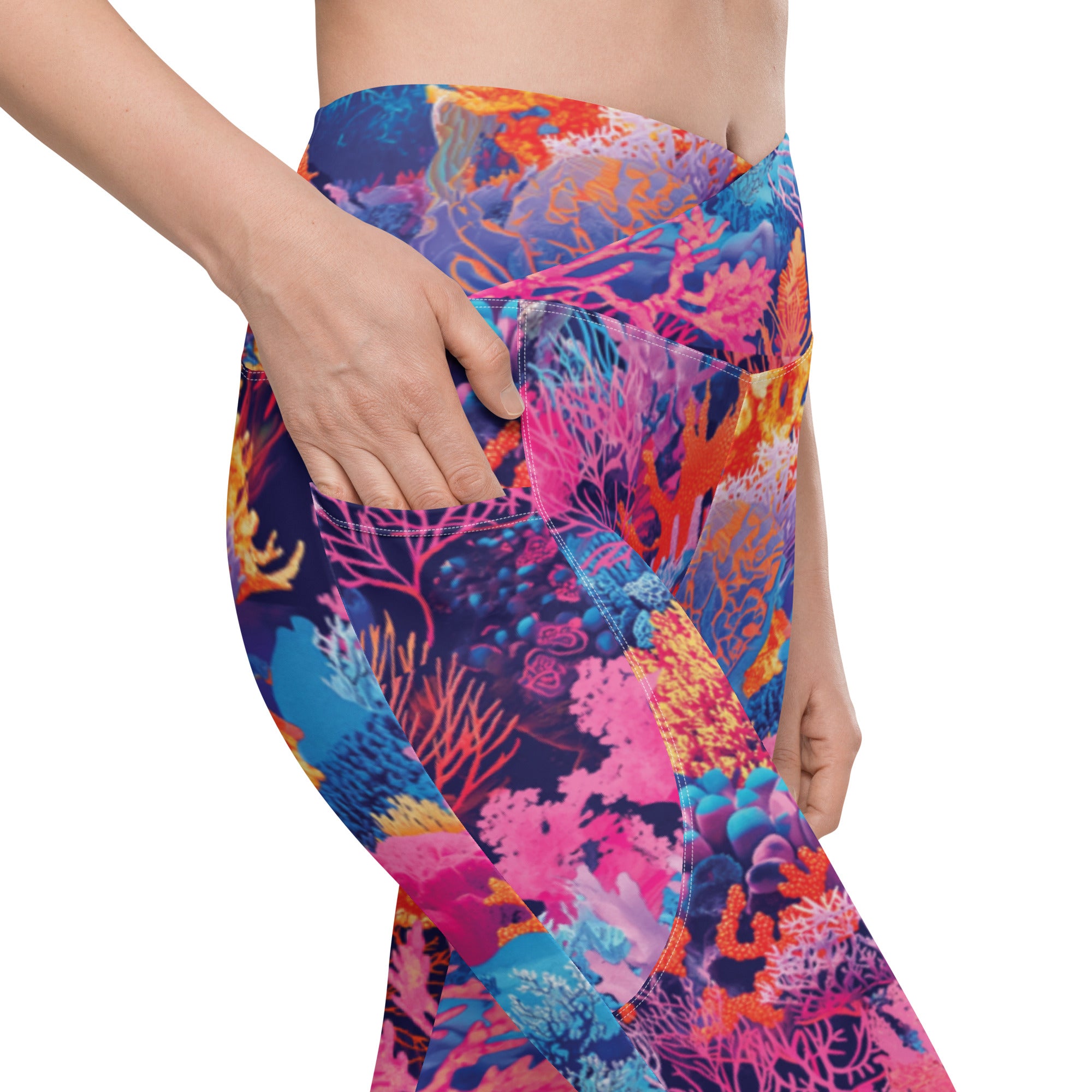
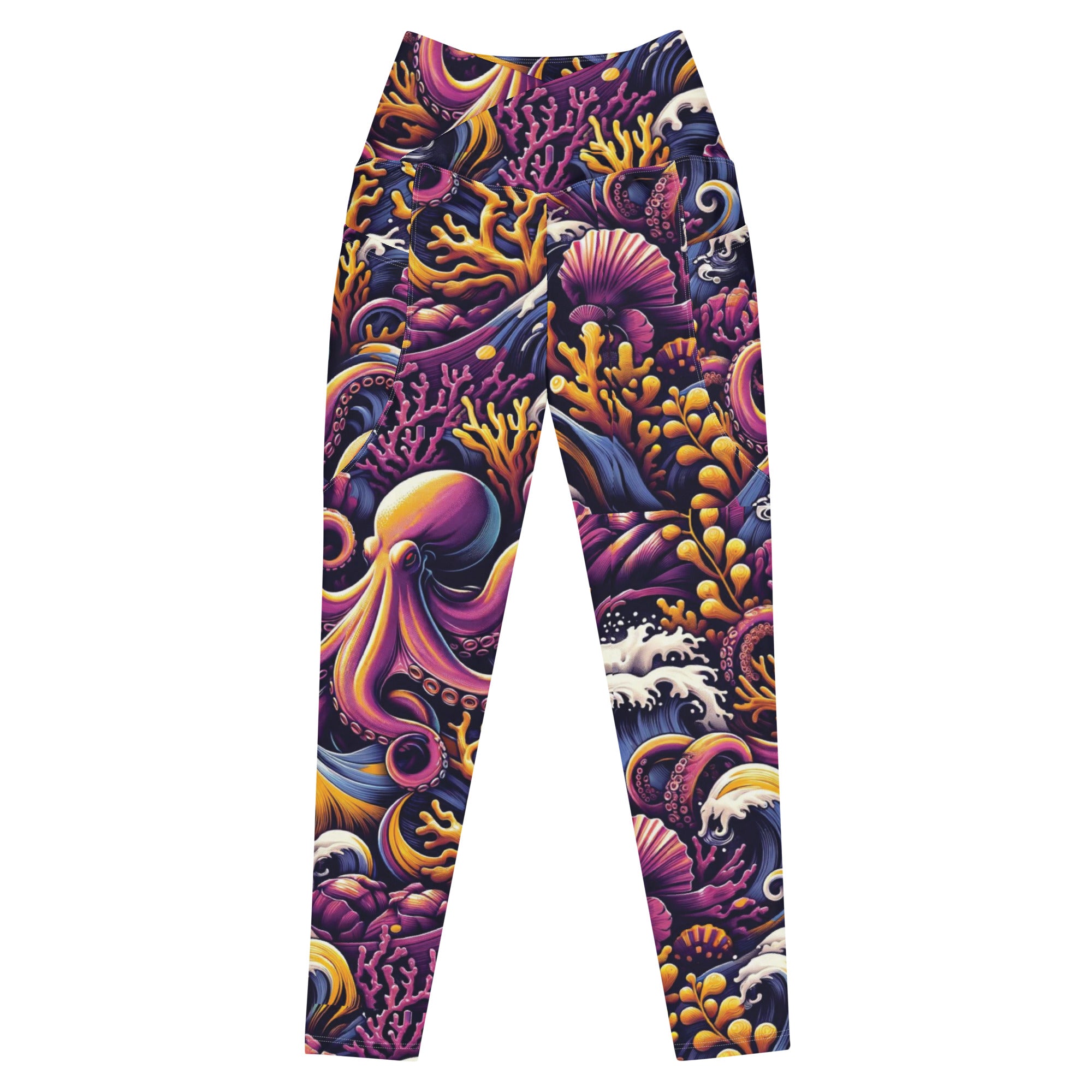
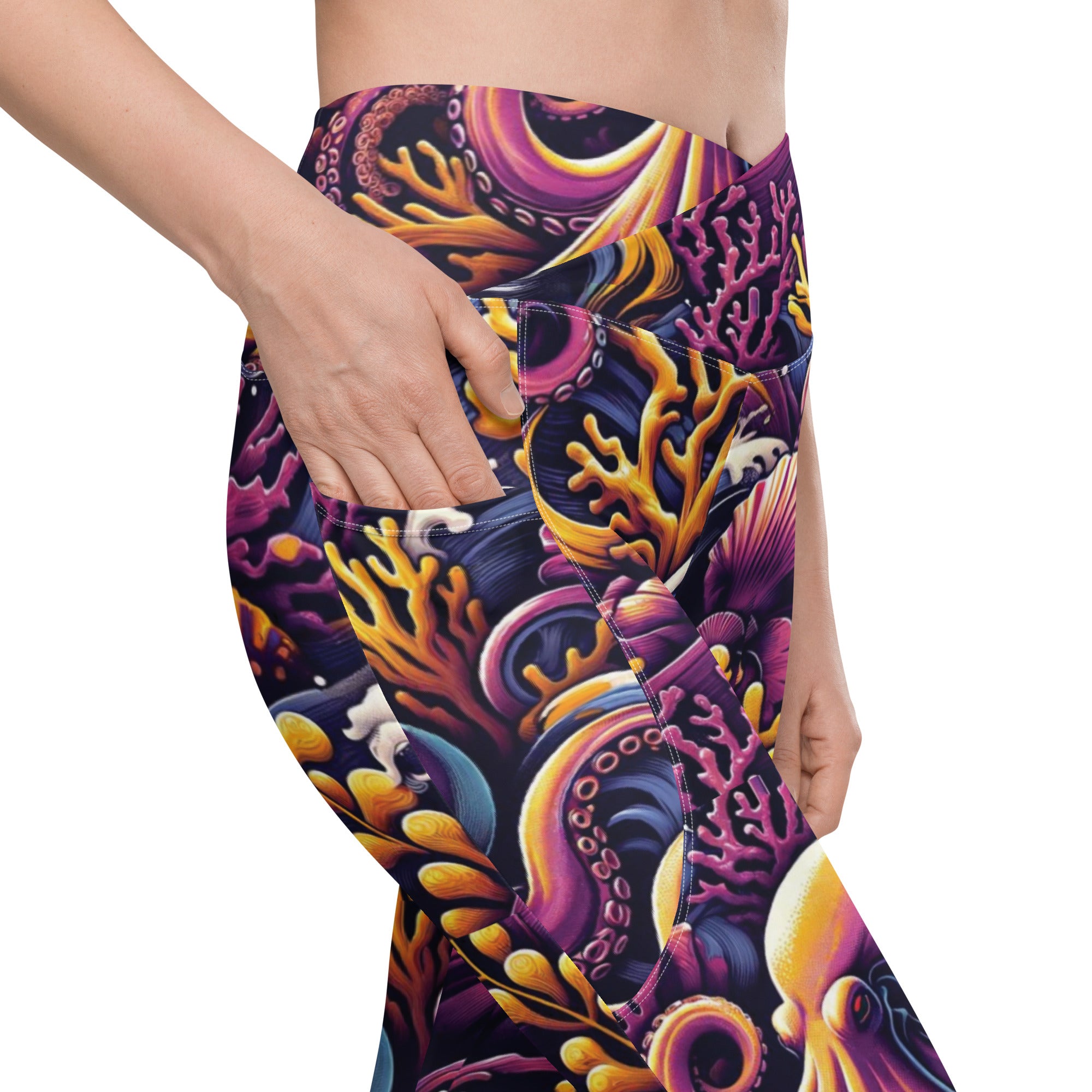
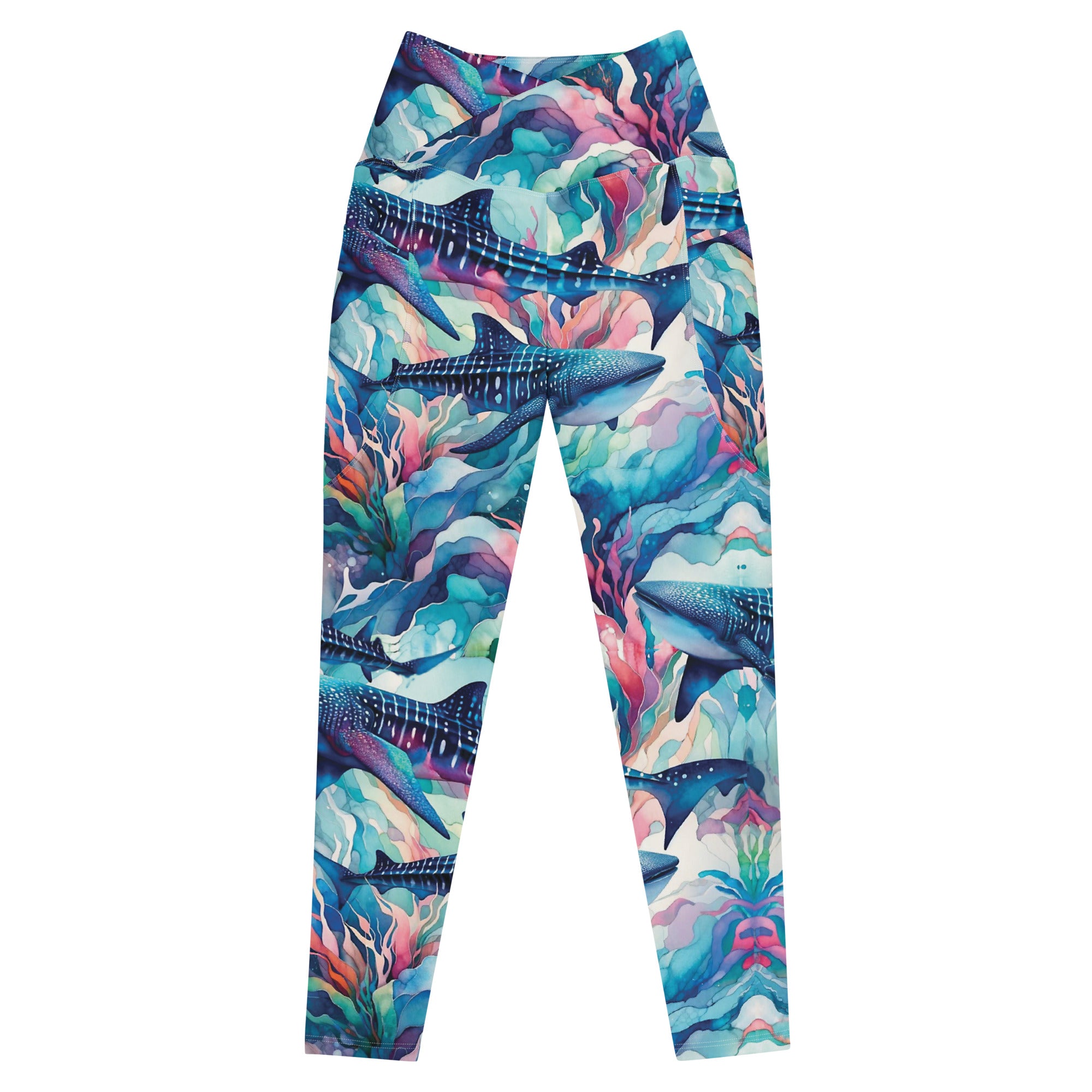
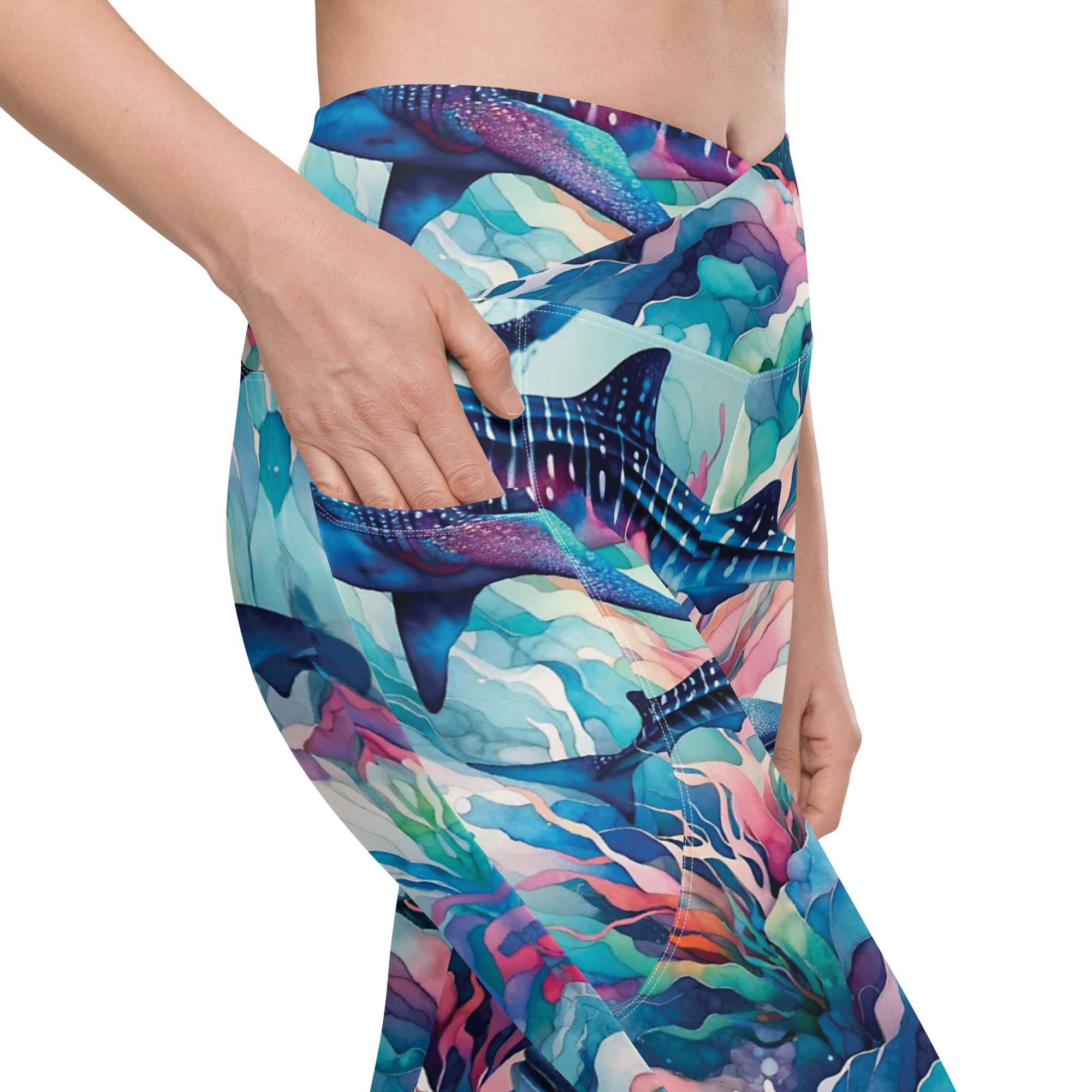
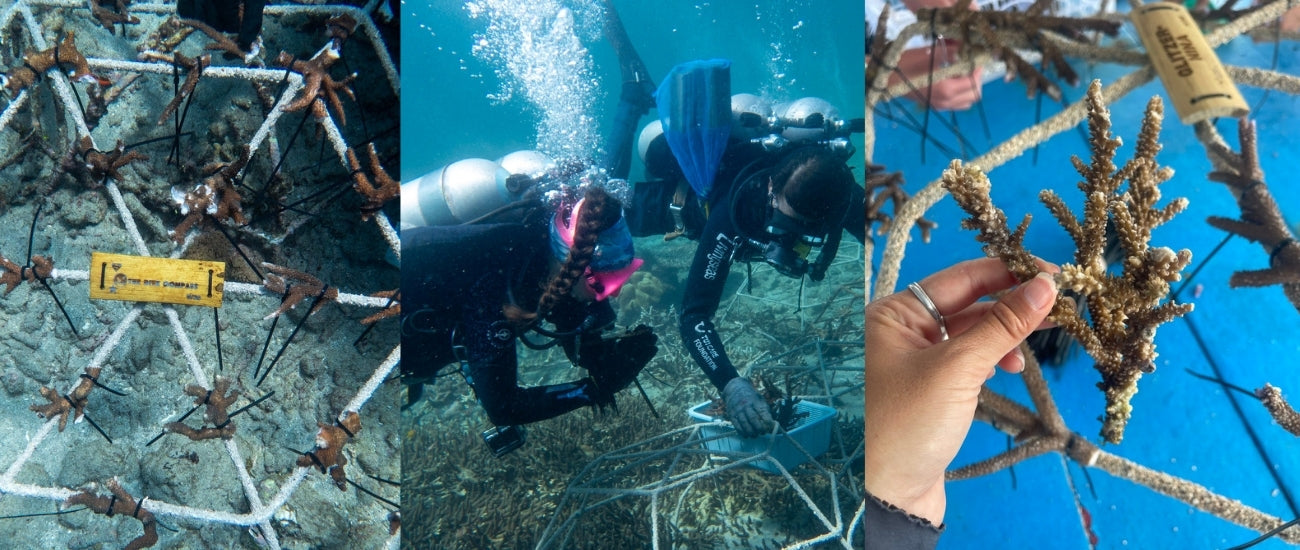
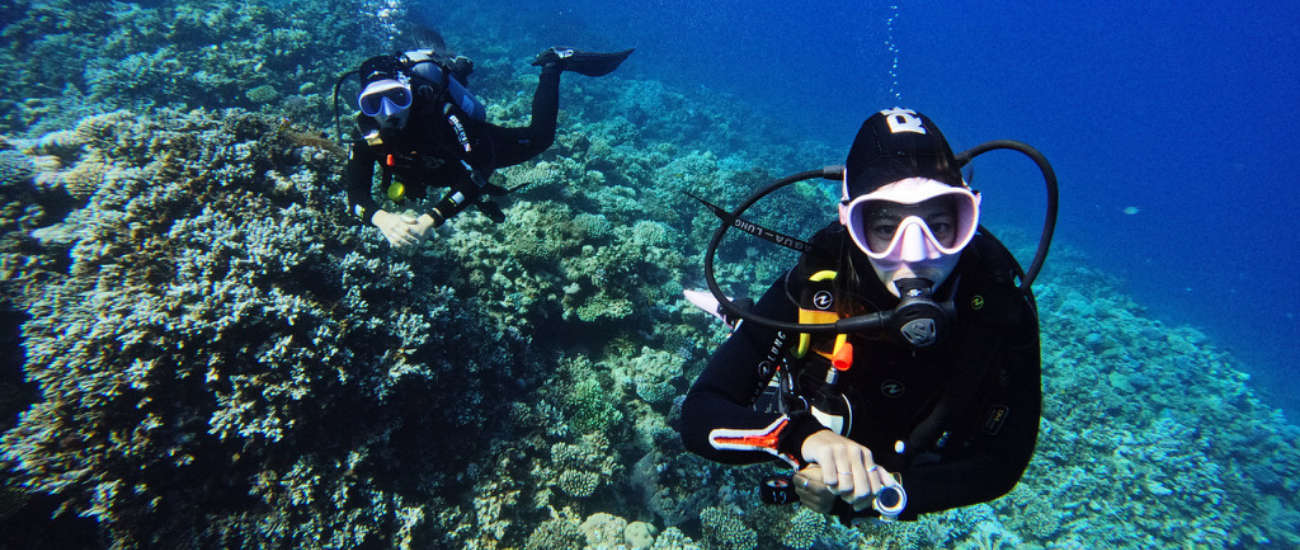
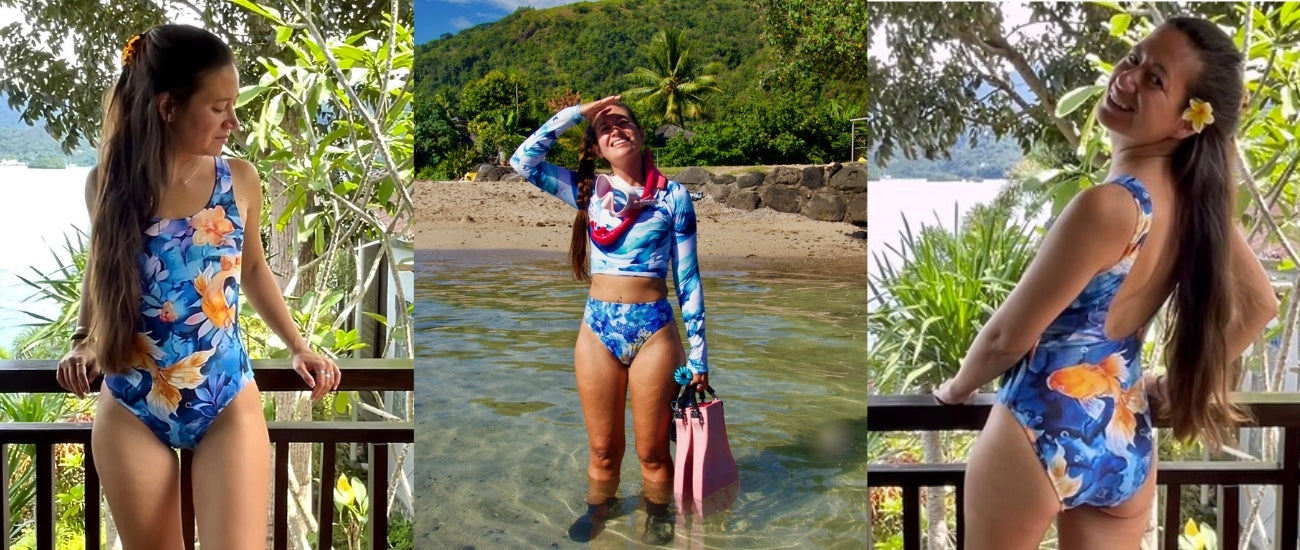
Andrea is a PADI Divemaster and the founder of The Dive Compass. She has been diving for over 15 years across Indonesia, the Red Sea, Mexico and Thailand. She designs UPF 50+ swimwear and rash guards made from recycled polyester for divers and snorkelers.

























Leave a comment
This site is protected by hCaptcha and the hCaptcha Privacy Policy and Terms of Service apply.