


Article: What to Wear to Your Scuba Certification Course (And Which Agency to Choose)
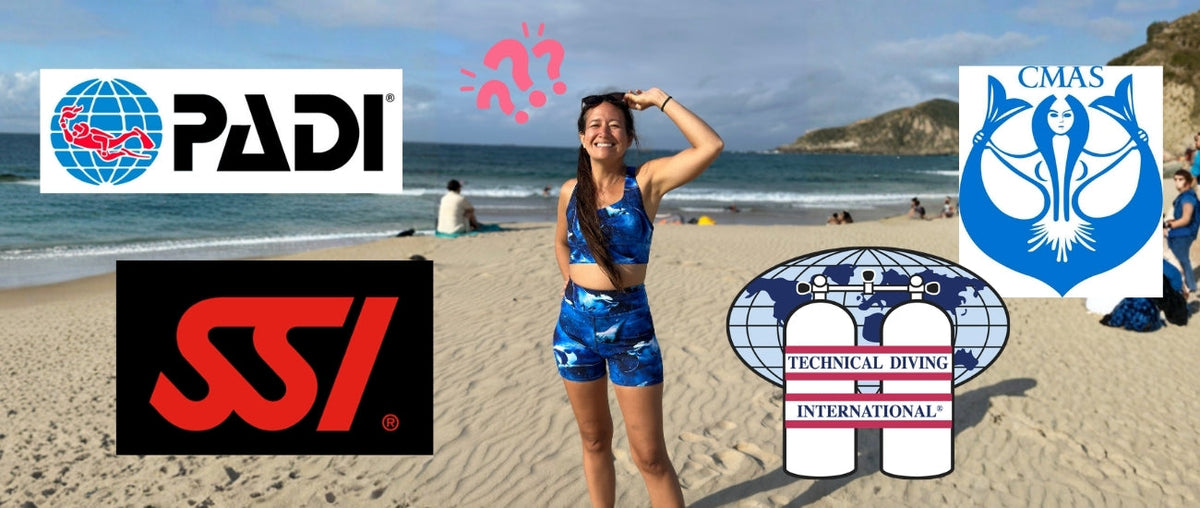
What to Wear to Your Scuba Certification Course (And Which Agency to Choose)
Sixteen years ago, on my sixth ever dive, a dive shop in Belize took me to 40 meters, or 130 feet.
I was only Open Water certified up to 18 meters. I had just finished the course two days earlier with the very same dive shop, and nobody at the shop hesitated for a second when we were making the plans to dive the Great Blue Hole a couple days later, a dive that goes down to 40 meters in an oceanic sink hole in the Caribbean. As a 22 year old, I trusted that the dive center had my best interests and safety at heart and didn't think to question it.
This is what I wish someone had told me before this, because almost everything written about getting certified is either from an agency selling you a course or from the dive shops perspective also trying to sell you courses, and neither one tells you what to look out for and question as a new diver.
What happened in Belize

The Great Blue Hole is a flooded limestone sinkhole, 124 meters deep and roughly 300 meters wide, it was formed during the last ice age when sea level was far lower and then became submerged when the sea level rose after the ice age. The recreational dive profile takes you down to 40 meters, where you stay only for a couple minutes to not max out your NDL (no decompression limit) and then you shallow back up. It is really dark at 40 meters, the water gets cold, and at around thirty meters the rock wall transforms to enormous stalactites that start appearing out of the gloom. All while Caribbean reef sharks circle overhead in the shallows.
The Blue Hole is not a beginner dive, it requires advanced training and can be very dangerous. PADI requires you to have Advanced Open Water and the Deep Diver specialty down to 40 meters before you go, but the dive center that took me not only completely ignored the regulations, but also encouraged me to go on this dive when it was well outside of my certificate level and limits.
It is still one of the most memorable dives I've been on, but I should not have went on that dive. I only had four open water dives before going down to 40 meters. I was young and didn't know to ask the right questions and take my safety into my own hands.
What nobody tell you

Nobody tells you that some dive shops just don't have their divers safety as a top priority and instead all they care about is making more money and selling more dives and courses, especially in countries where diving regulations are lax or non existent. What I learned from this experience, nearly 17 years and over 800 dives later is how important it is to take full responsibility for your own safety and the limits of your certification level. Even when you have dive insurance, if you have a dive accident but have been outside of your certified limits, dive insurance won't cover you. At all.
Safety is always the number one priority in diving, asking the questions before the dive to make sure your dive shop is taking you on a dive that is within your certification limits is your responsibility and could make the difference between an amazing fun dive and one that you expose yourself to dangerous conditions.
Always ask to make sure the dive plan matches your certification level, you aren't exceed your certified max depth and that there is a plan to not approach your NDLs and go into deco. A properly planned dive is a safe dive, and safe dives are the most fun of all.
What else dive centers doesn't prepare you for
Now that we've addressed the most important safety points, I've also realized over the years that new divers aren't guided on how to stay most comfortable during their course by choosing the right dive outfit to wear under their wetsuits.
I went looking properly before writing this, expecting to find some official guidance I could point you to. Neither PADI nor SSI publishes anything about what to wear to your course. Not the pool sessions, not the open water dives. PADI's beginner equipment guide covers wetsuits and drysuits and never mentions rash guards or dive skins. SSI's gear guide for new divers treats an exposure suit as something you buy after you qualify and says nothing about what goes underneath it.
There is no standard, instead it is left entirely up to you, and most shops quietly assume you already know.
So here it is all laid out for new divers and experienced divers alike. What actually happens across your open water course, what to wear, how the six agencies really differ, and what it costs, from someone who made poor diving decisions when they were 22 and has spent the past seventeen years since figuring out the parts nobody mentioned.
What an Open Water course actually involves

The open water course consists of three parts, and only one of them is the actual diving.
First there is the theory, delivered as eLearning or a book with quizzes and a final exam. Physics, physiology, dive tables or computers, planning, and what to do when something goes wrong. Then five confined water sessions in a pool, where you learn every skill you will later be assessed on, and this is the part that is genuinely hard for most people. Then four open water dives in the actual ocean. Dives one and two are to a maximum of twelve meters, dive three to eighteen meters where the full mask removal happens, and dive four is putting it all together.
PADI advertises it as two to four days. Three to five is more honest if you want to enjoy any of it. The course is performance based rather than time based, which means you finish when you can do the skills, not when the clock runs out, and any shop that implies otherwise is just trying to churn through divers to maximize profit.
The swim test, and the thing nobody tells you
This is the single biggest thing new students are anxious about, and the reassurance is solid enough that I want to state it plainly.
The World Recreational Scuba Training Council minimum standard, which every major agency builds its course on, gives you two options. A 200 meter continuous swim with no aids, or a 300 meter swim using a mask, fins and snorkel. Then a ten minute float or tread.
It is not timed. There is no time limit written into any agency's standard, not PADI's, not SSI's, not SDI's. You can breaststroke it, you can backstroke it, you can take twenty minutes or more to complete it. What you have to do is cover the distance without stopping.
What to wear to stay comfortable during your course
Here is my own progression, mistakes included, because we all learn from our mistakes.
For my Open Water Course in 2010, I genuinely cannot remember what I wore, which tells you how little thought I gave it. A shorty wetsuit almost certainly, and whatever swimsuit a twenty year old happened to own. For my Advanced ten years later, still was given a shorty to rent, still not thinking about it.
Then somewhere around forty dives something changed, I started getting cold when my buoyancy got better.
A new diver works hard underwater. You are constantly finning, correcting, over-breathing, fighting the water, and all of that effort keeps you warm by generating heat. Once your buoyancy settles and you stop swimming and start hovering, you stop over exerting yourself and you just relax. Everyone assumes cold tolerance improves with experience. Mine got worse, because I got better at diving.
That is when I moved out of the shorty into a full length wetsuit and started wearing a rash guard underneath it. At around two hundred dives I bought my own wetsuit, because I was tired of being cold in rental neoprene that a thousand previous divers had already compressed flat and probably peed in. And a few dozen dives after that my own suit started thinning too, so I went back to layering. Thermal rash guards underneath, a hood on the colder days.
What I would actually pack for a course
Split it by session, because the pool and the ocean are different problems.
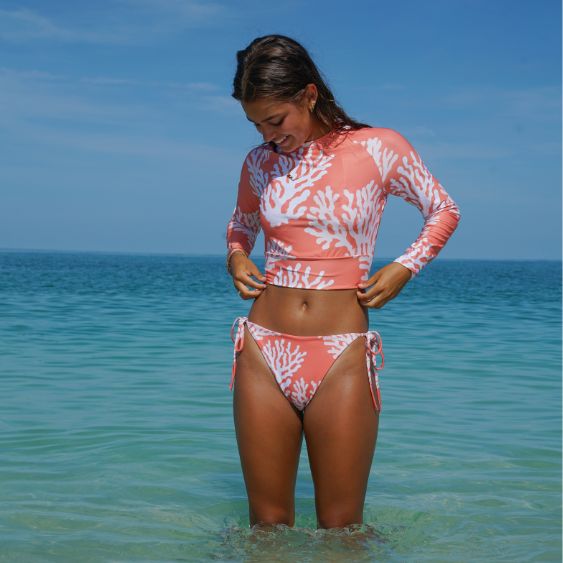
For the confined water sessions you want a swimsuit that does not move, and doesn't have any ties or metal clasps. You will be kneeling on the bottom, rolling, taking your mask off, flooding it, having an instructor haul you around by the tank valve, and anything that needs adjusting is going to need adjusting thirty times. This is not the week for a suit you have to think about and gets untied underwater.
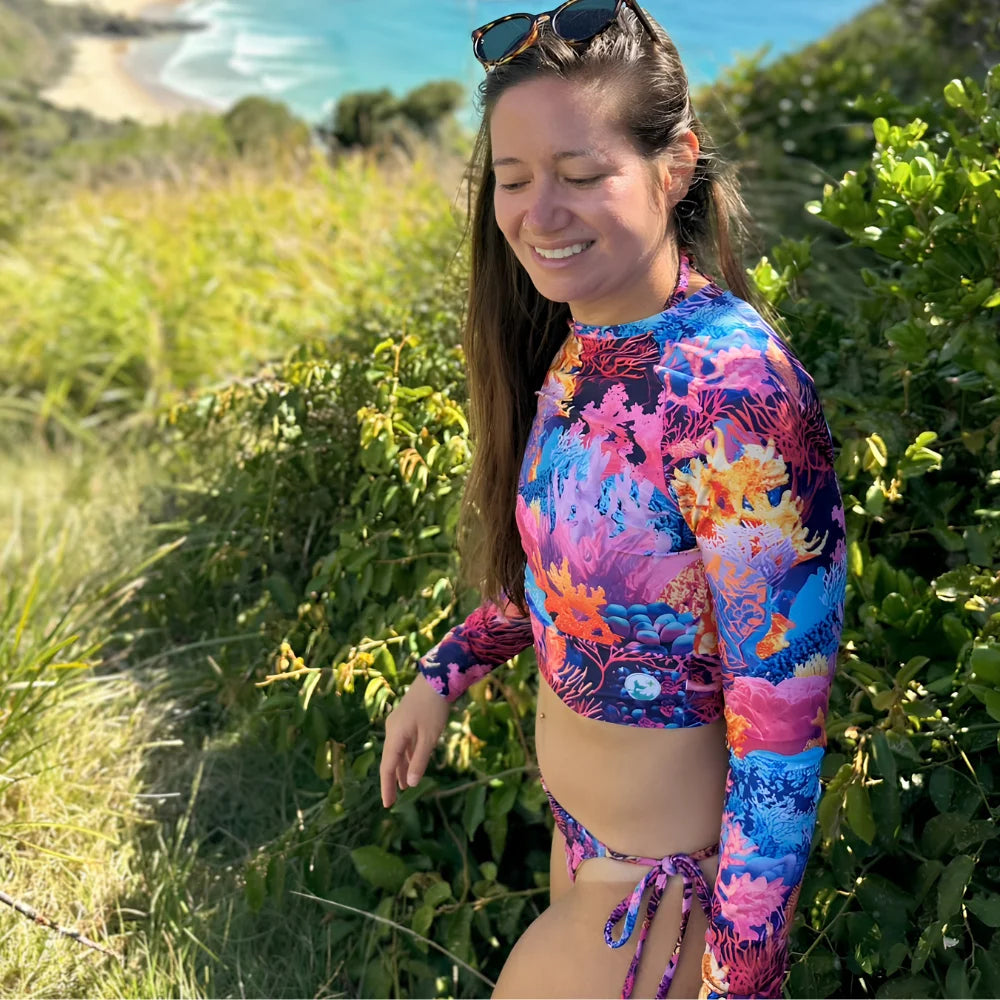
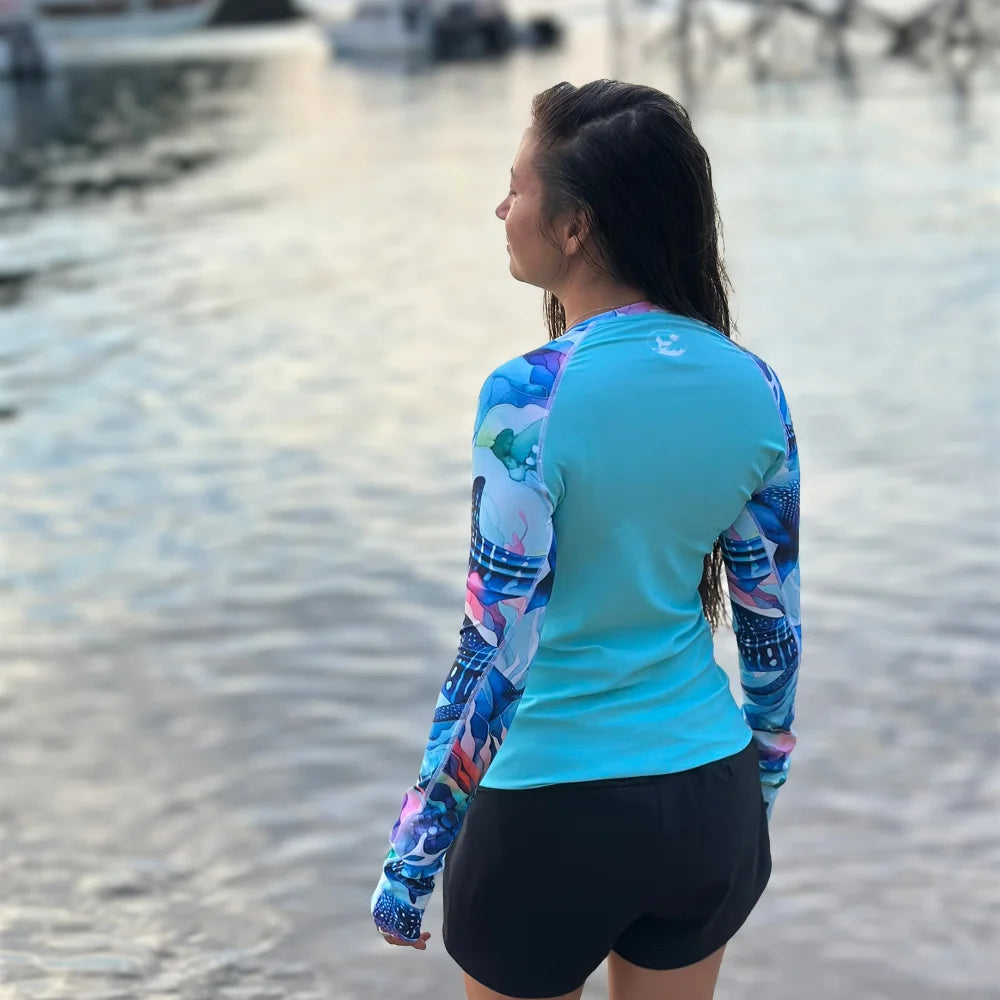
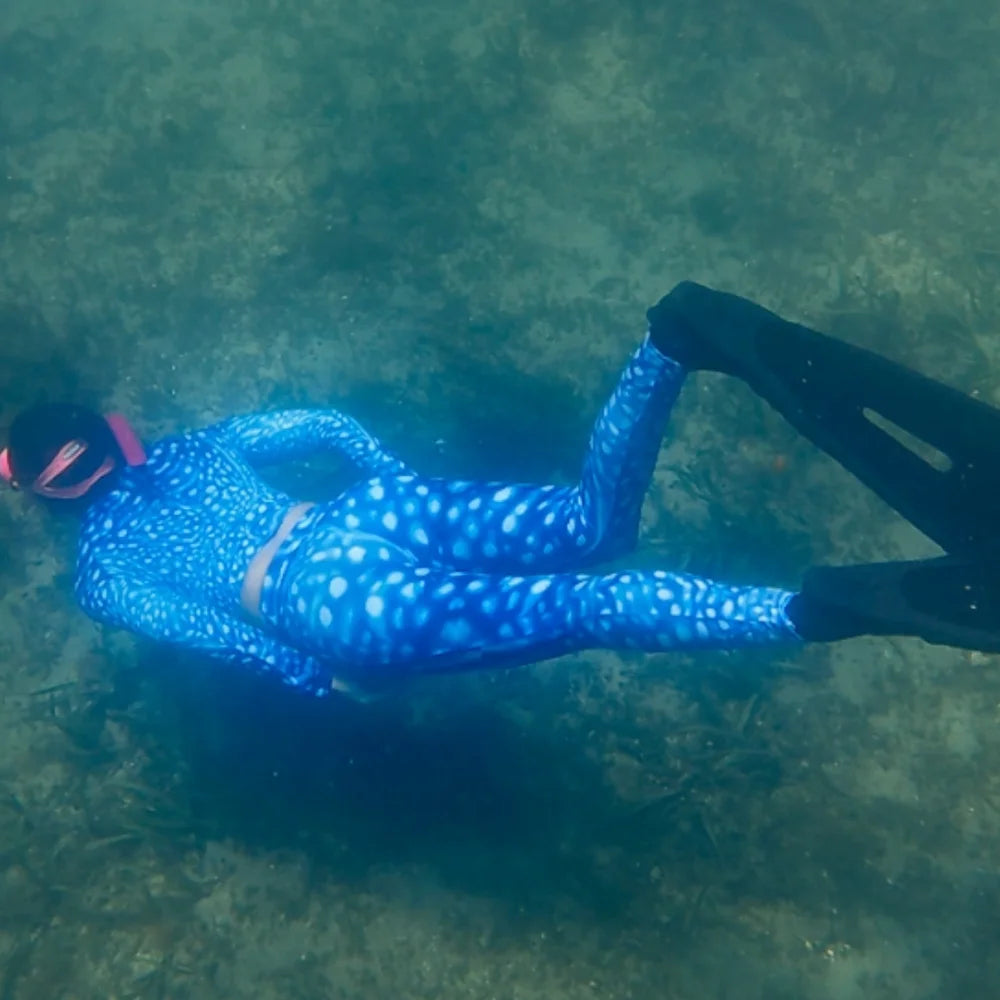
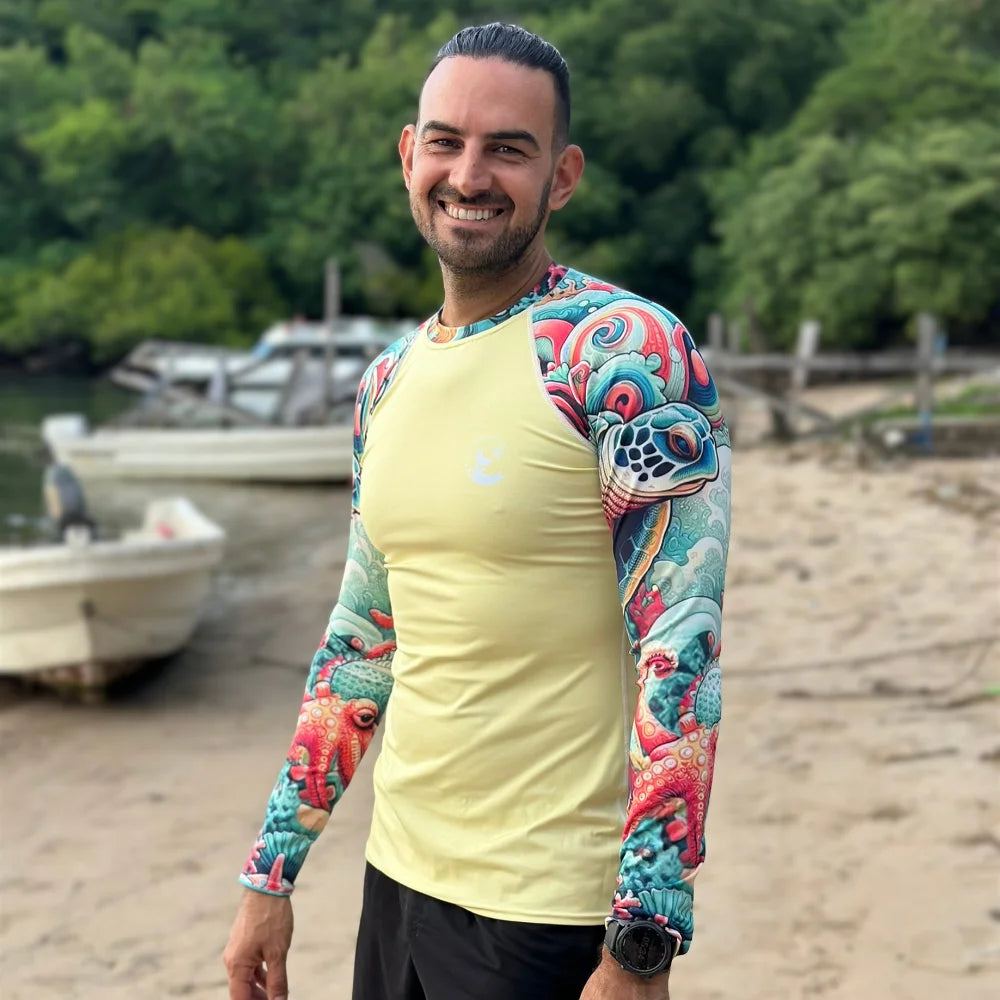
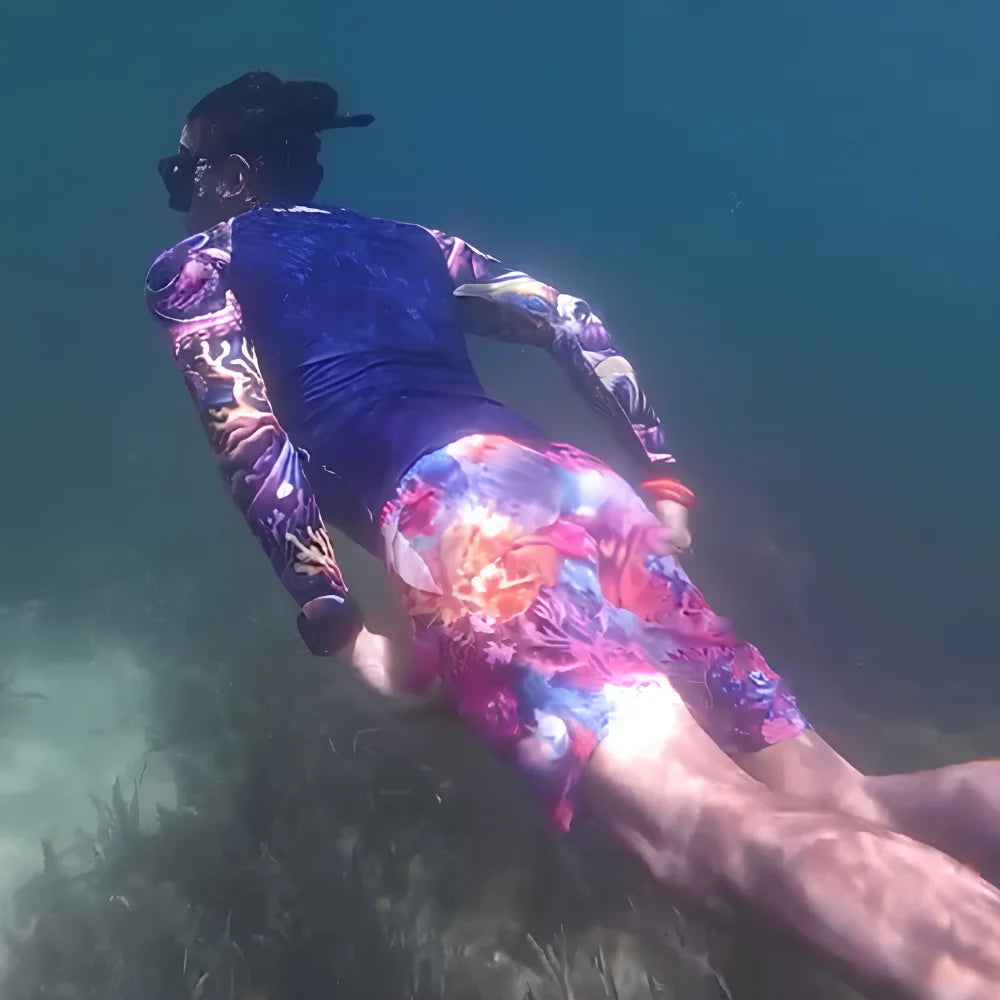
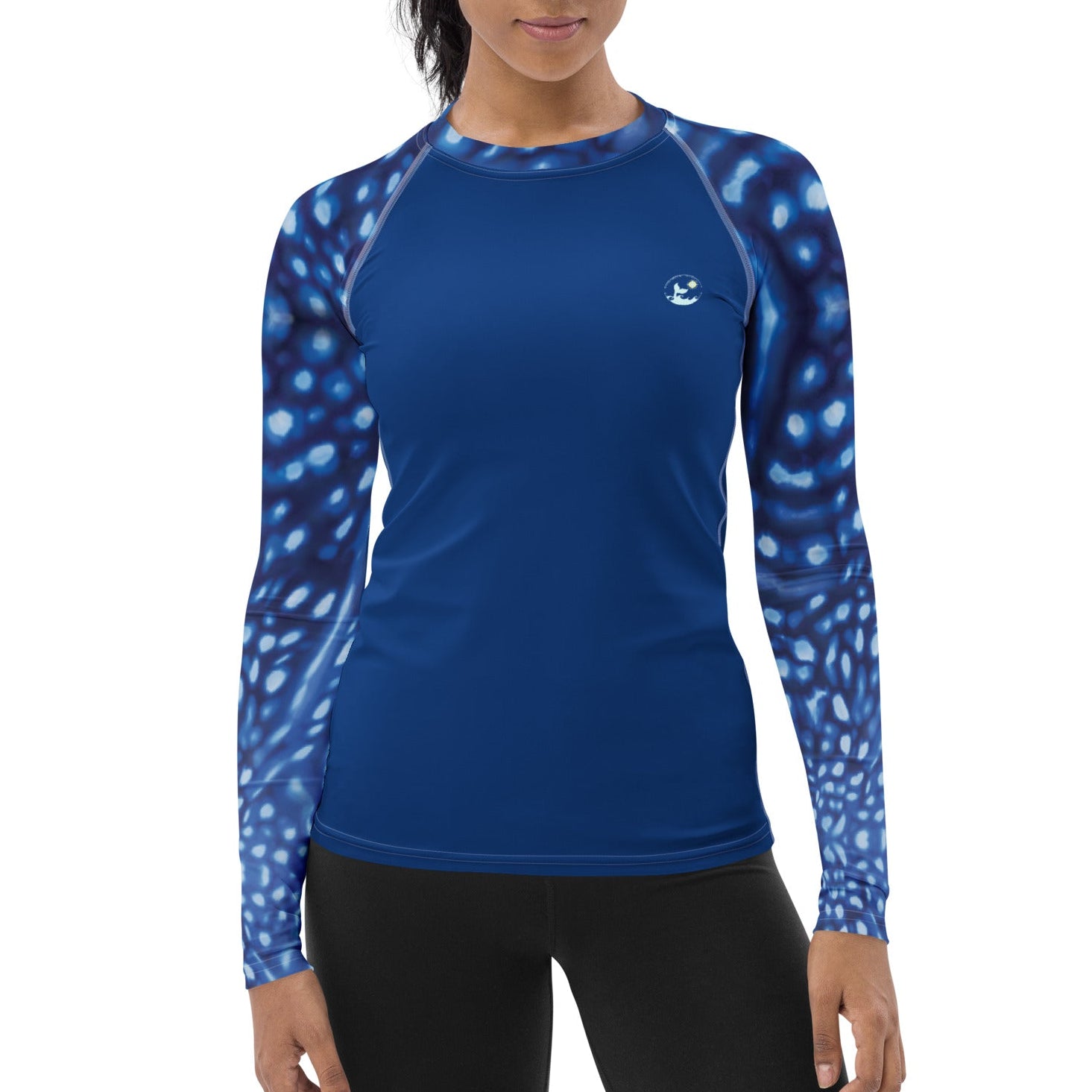
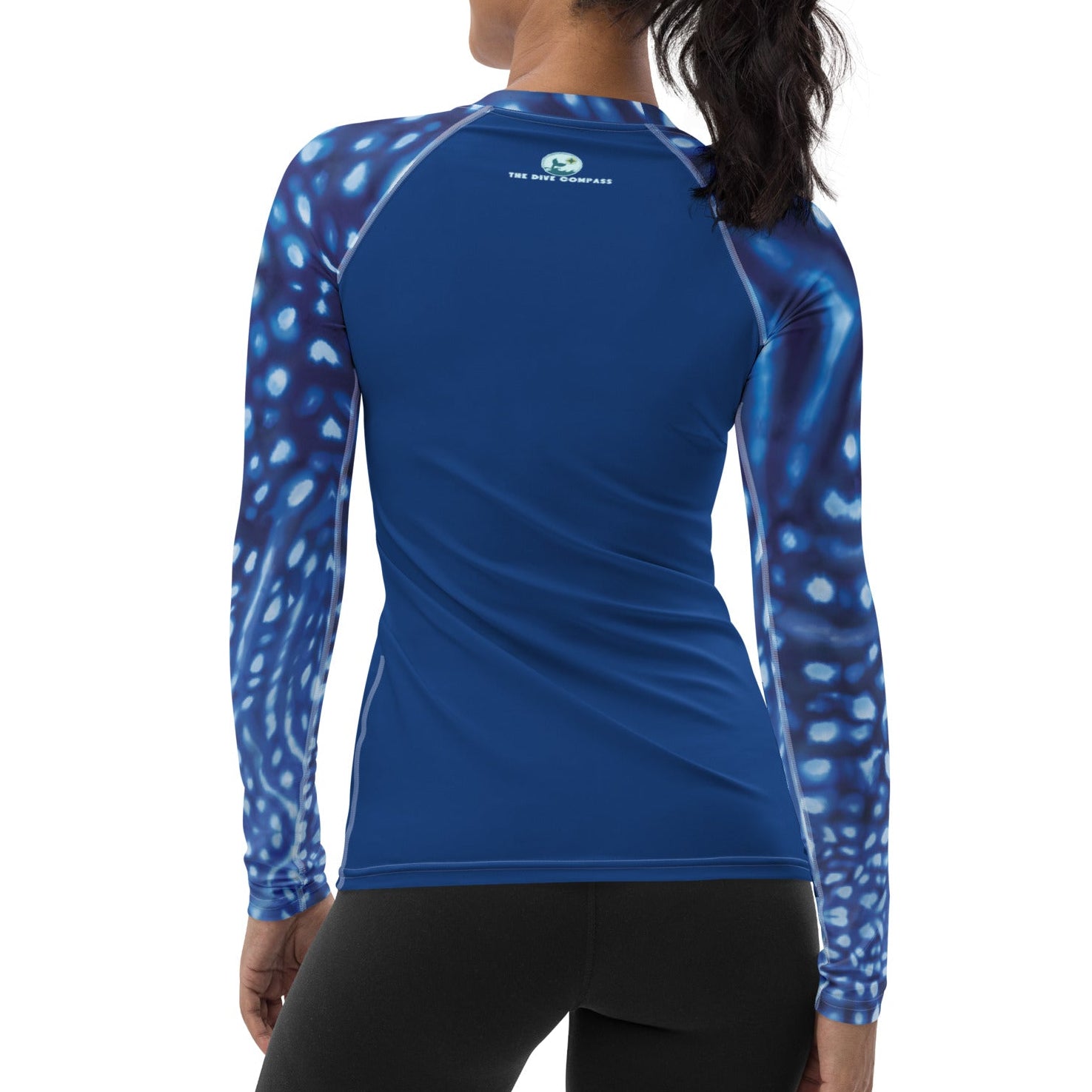
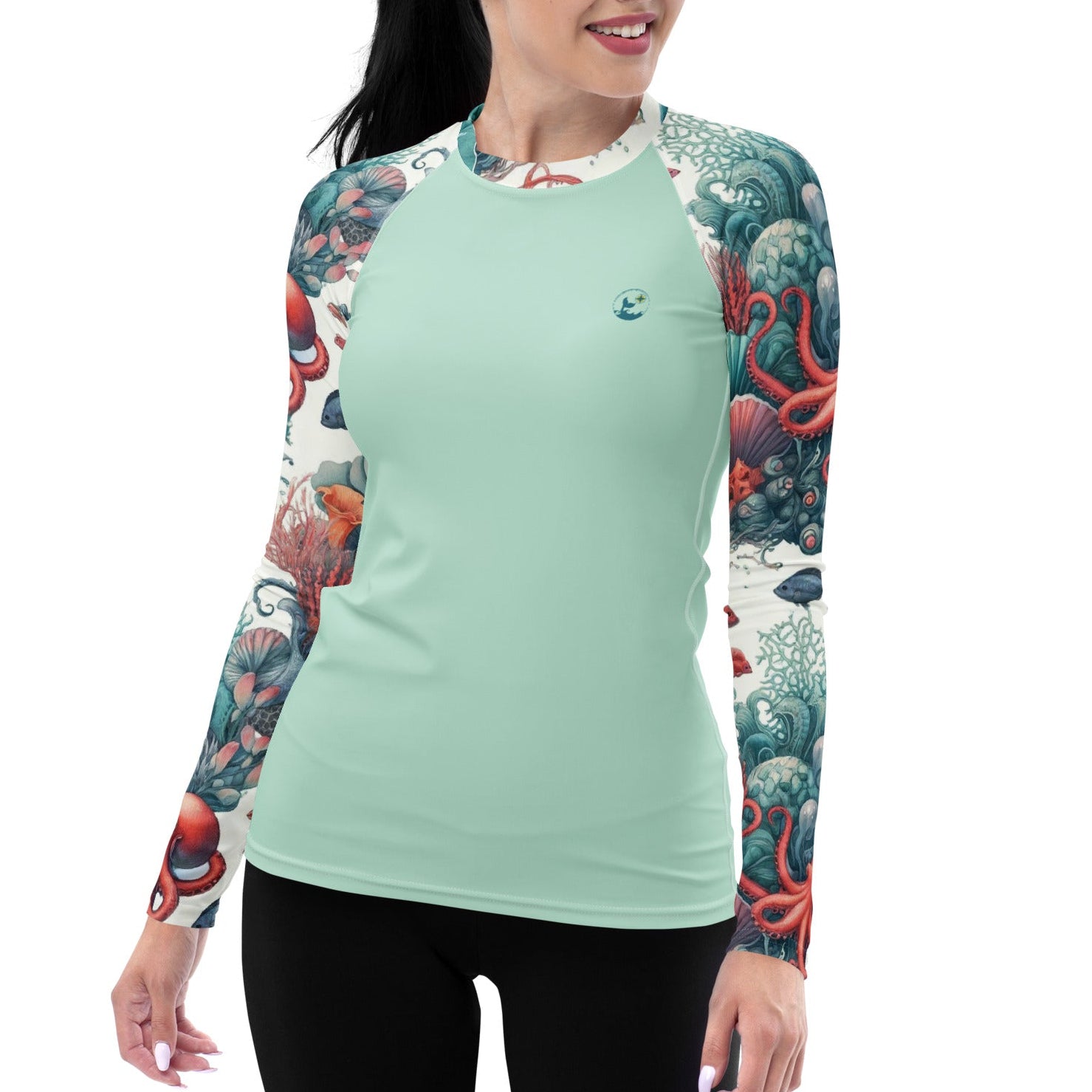
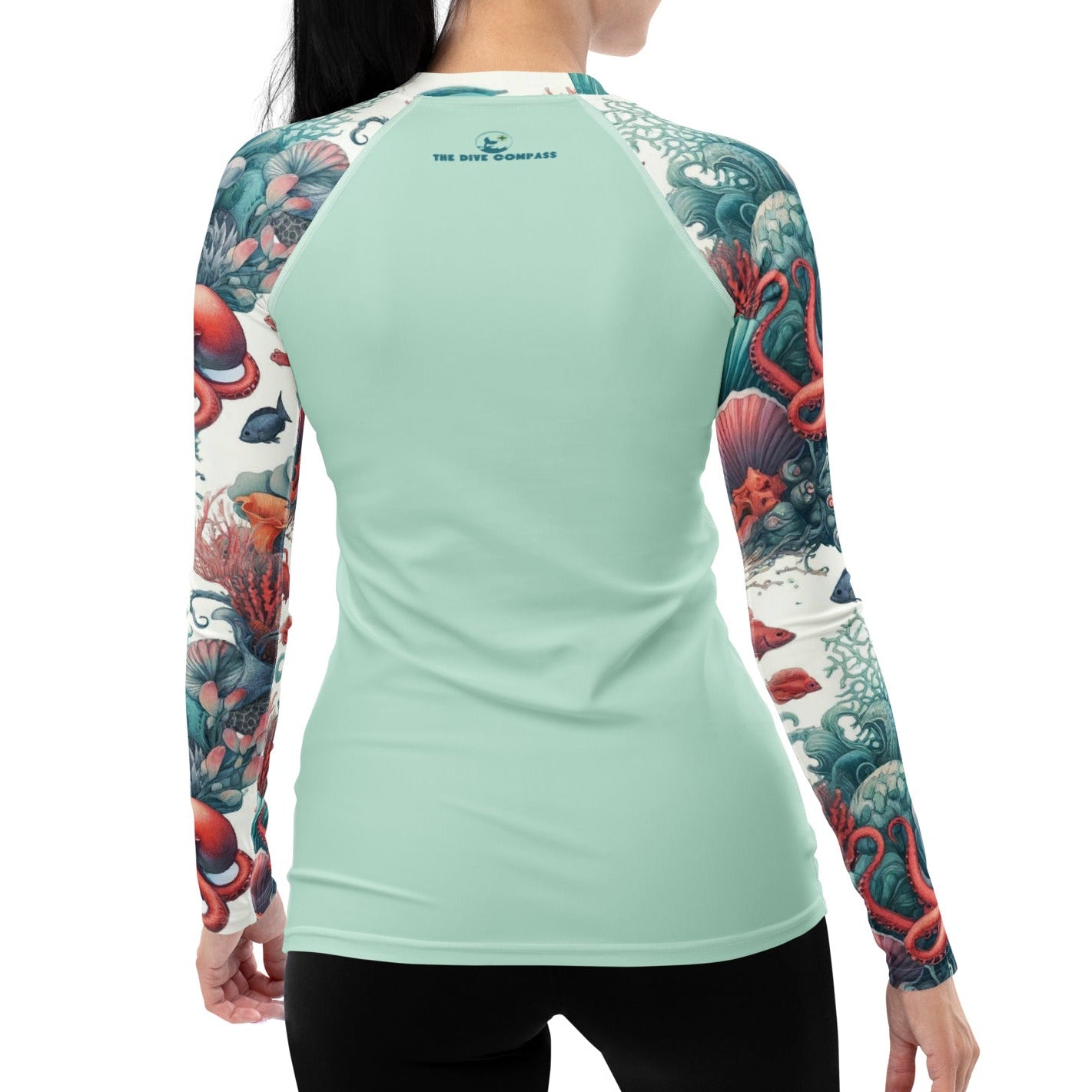
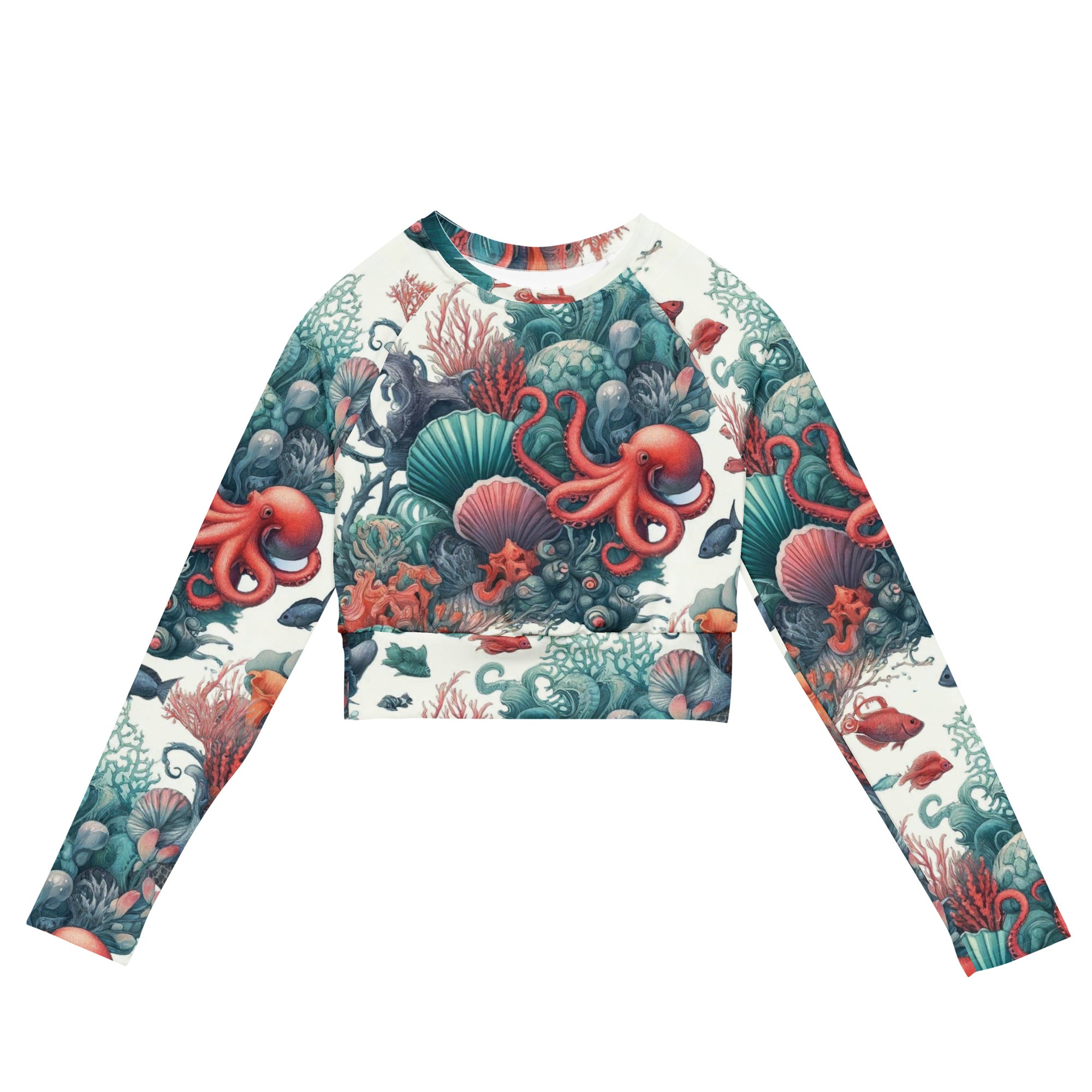
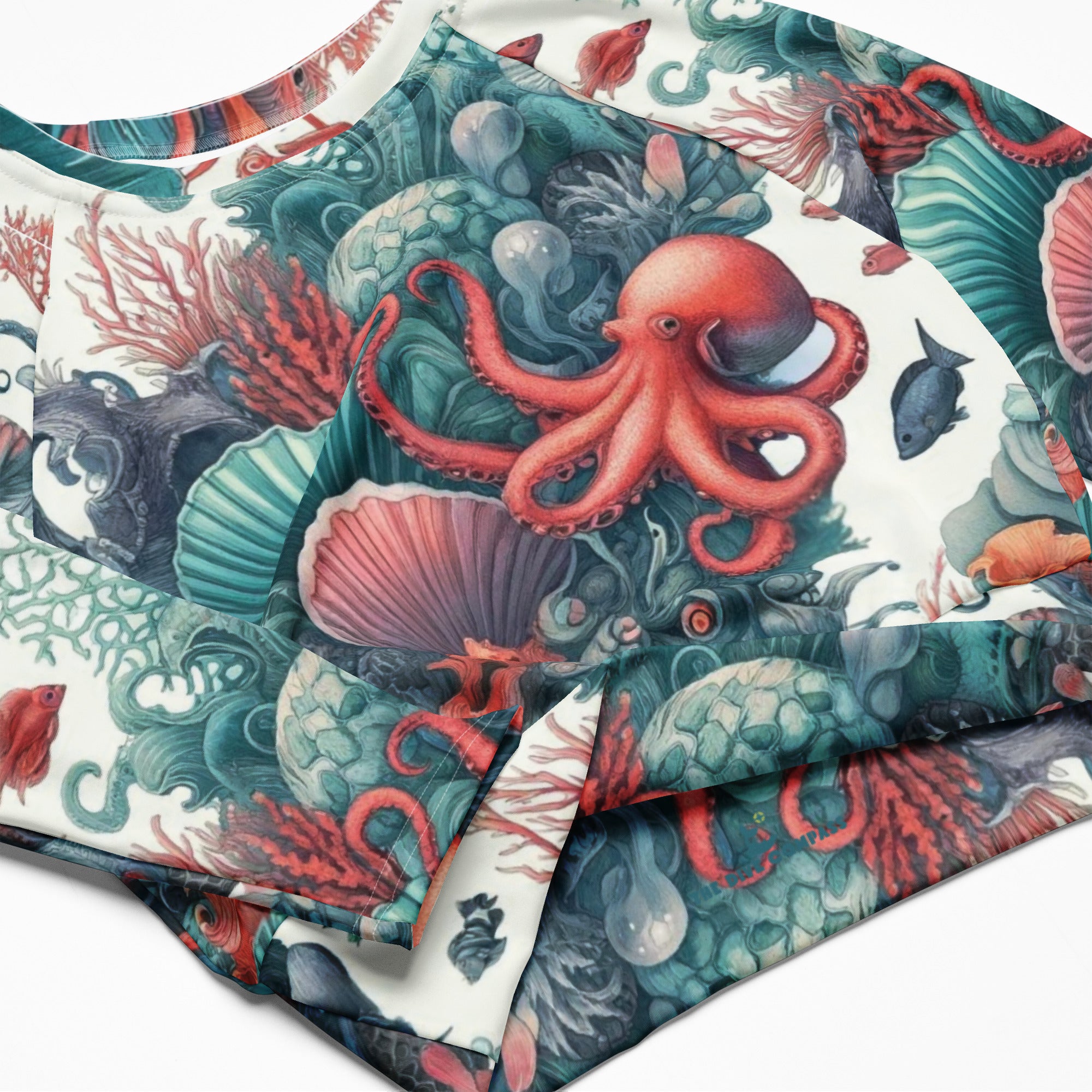
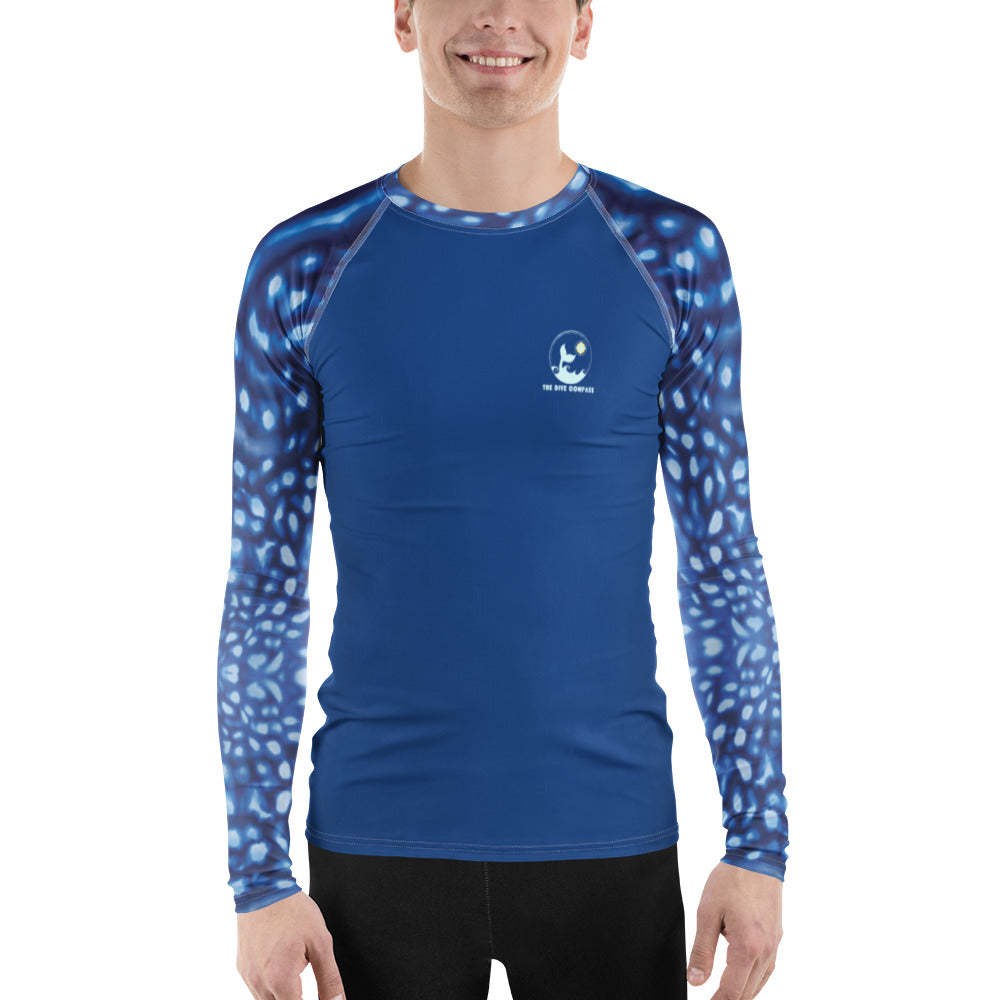
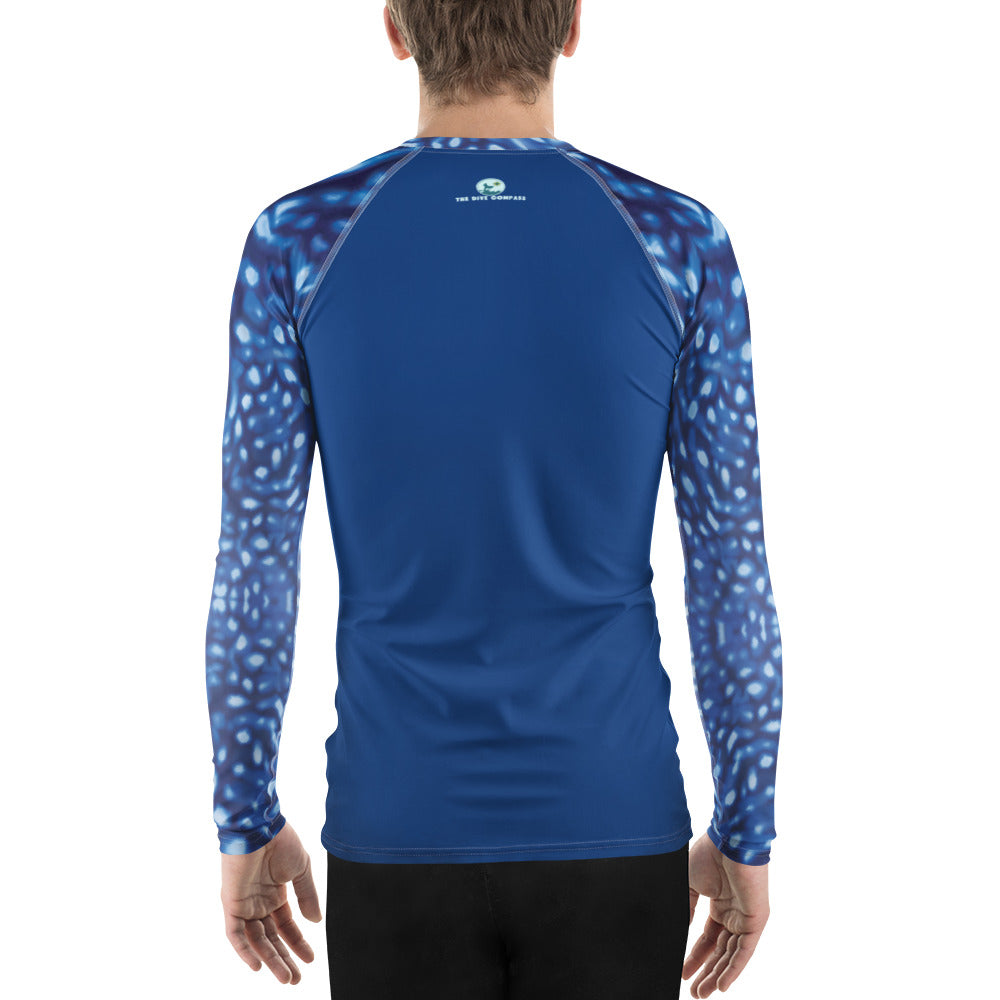
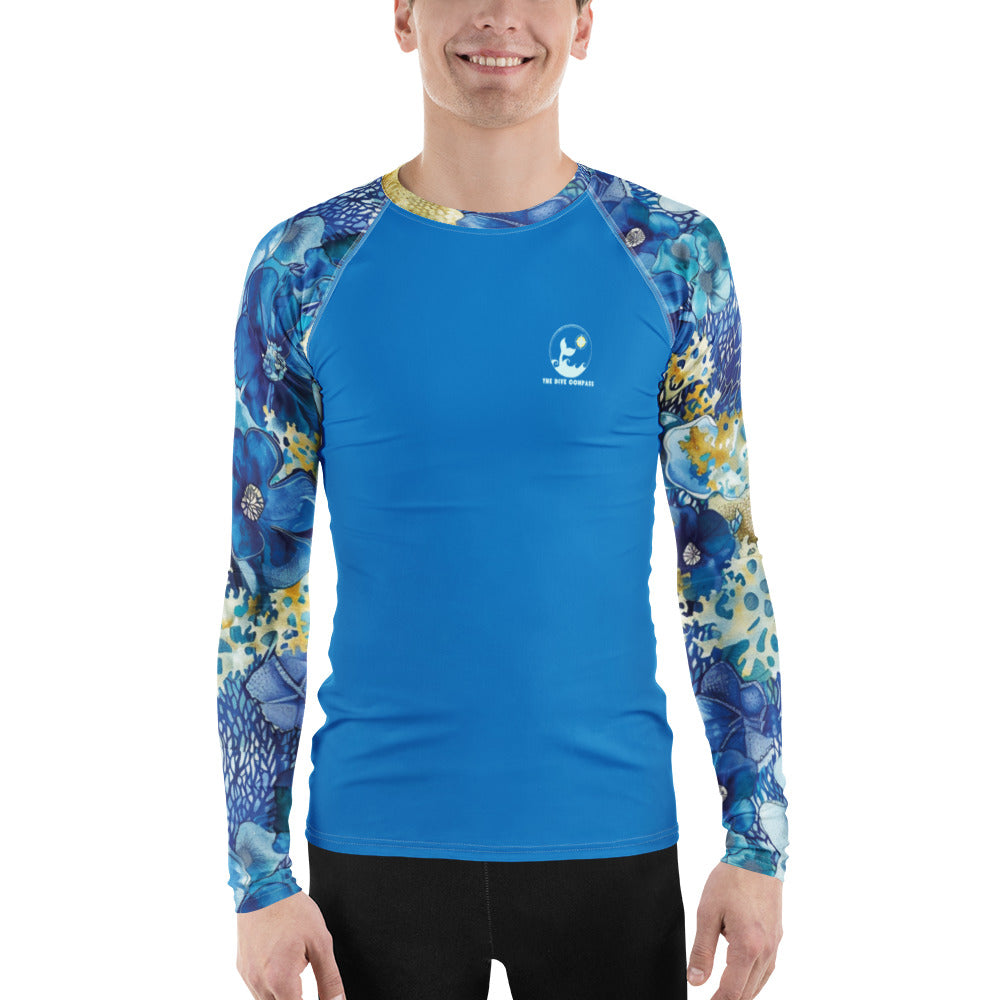
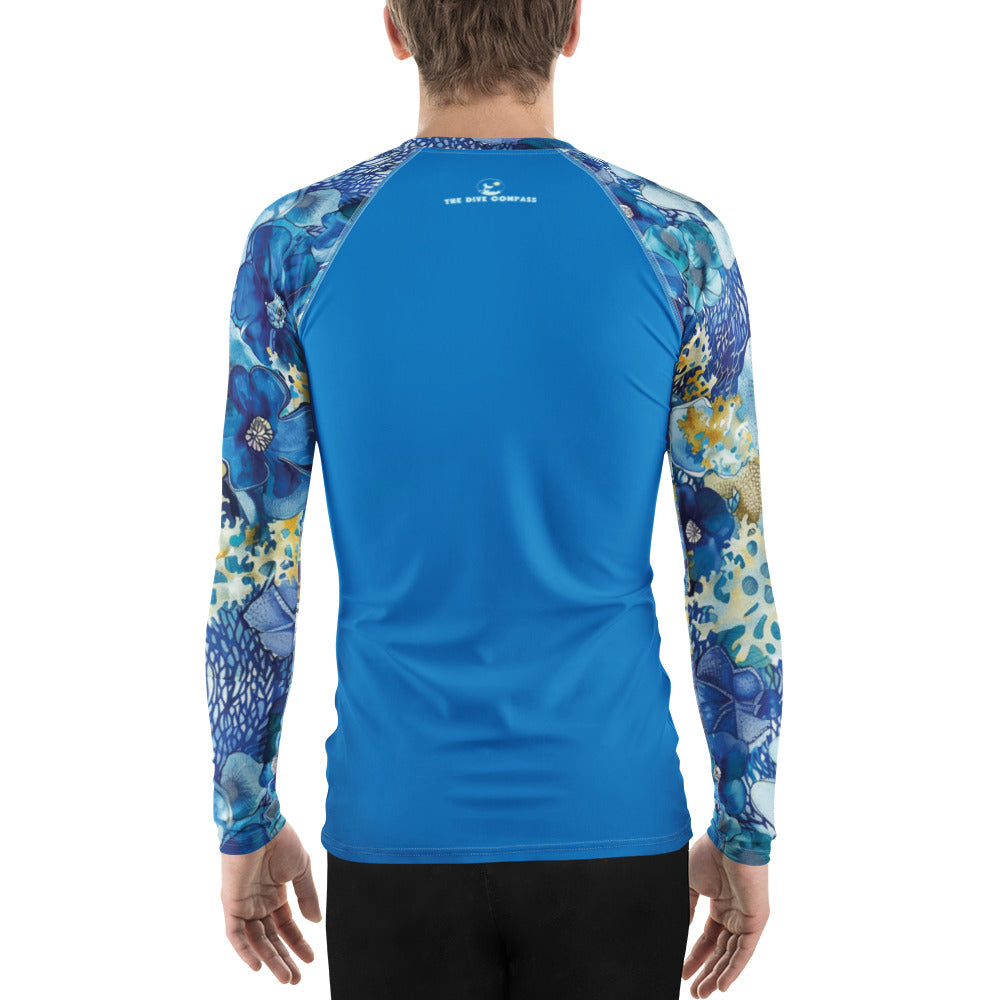
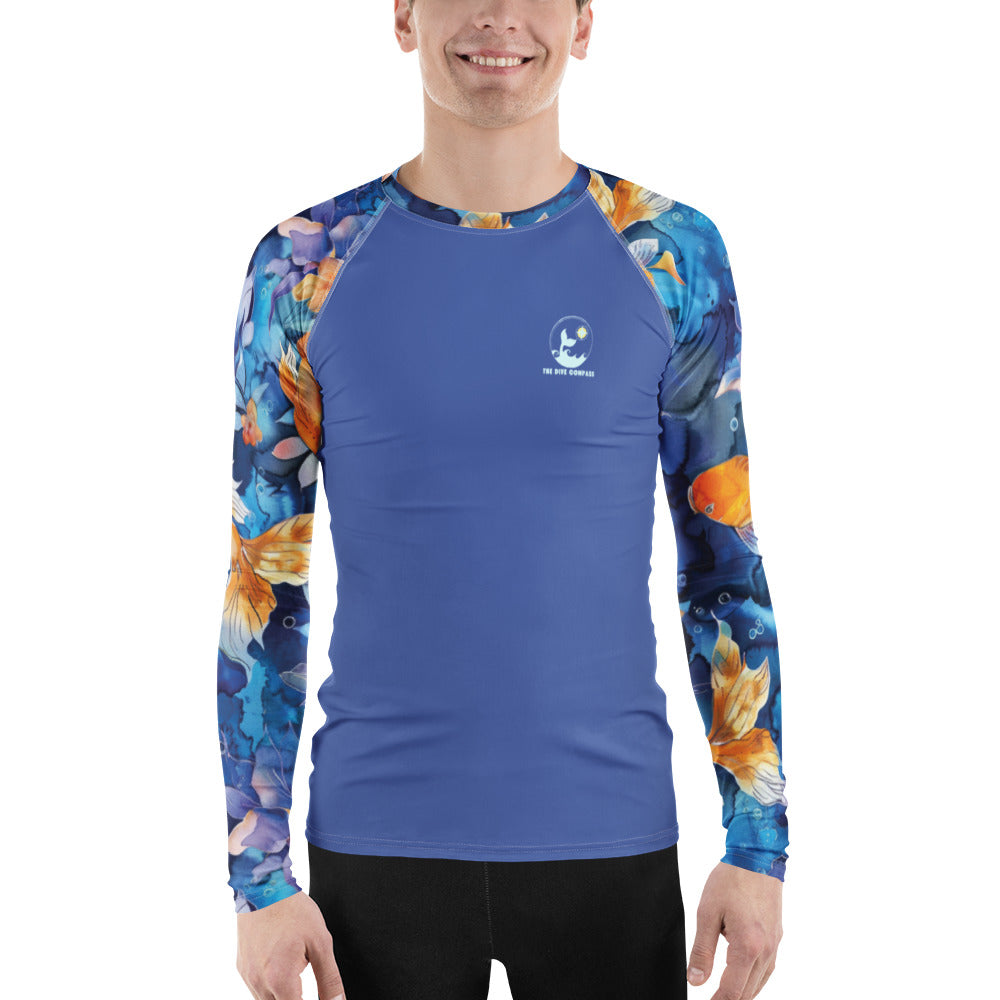
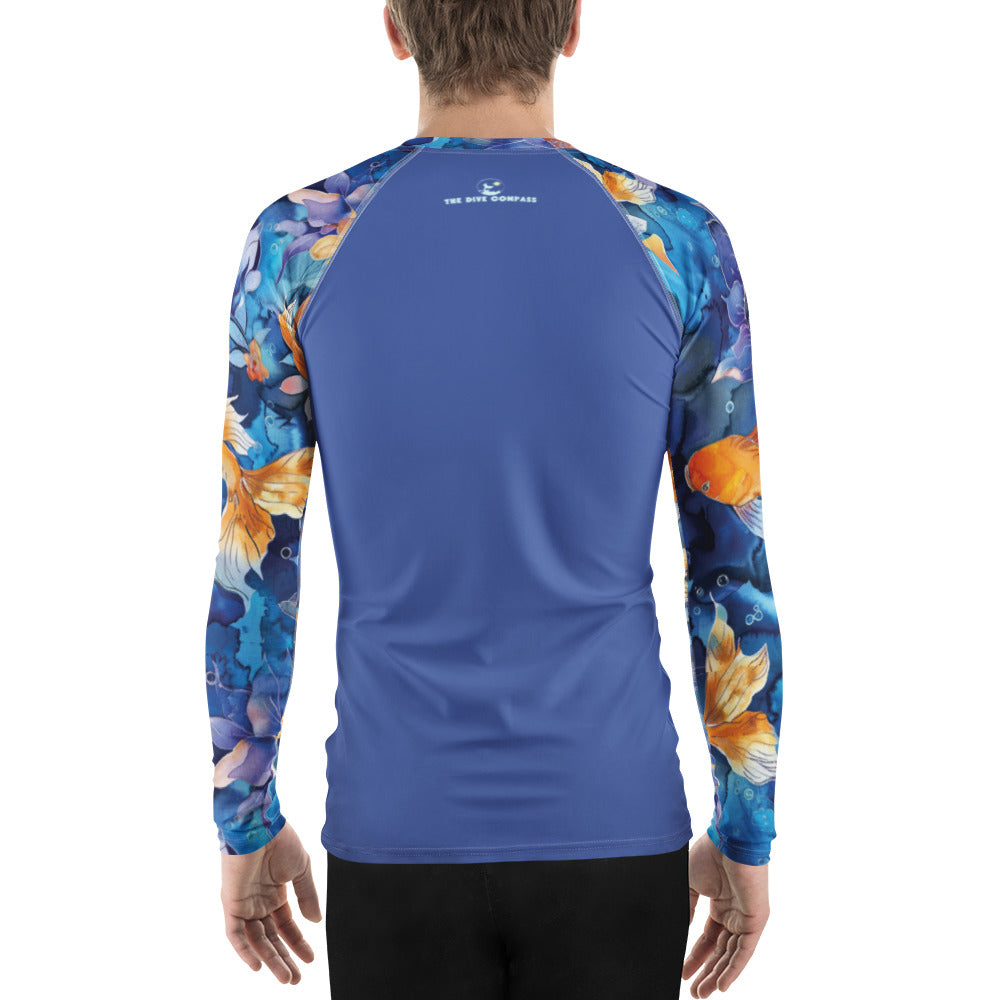
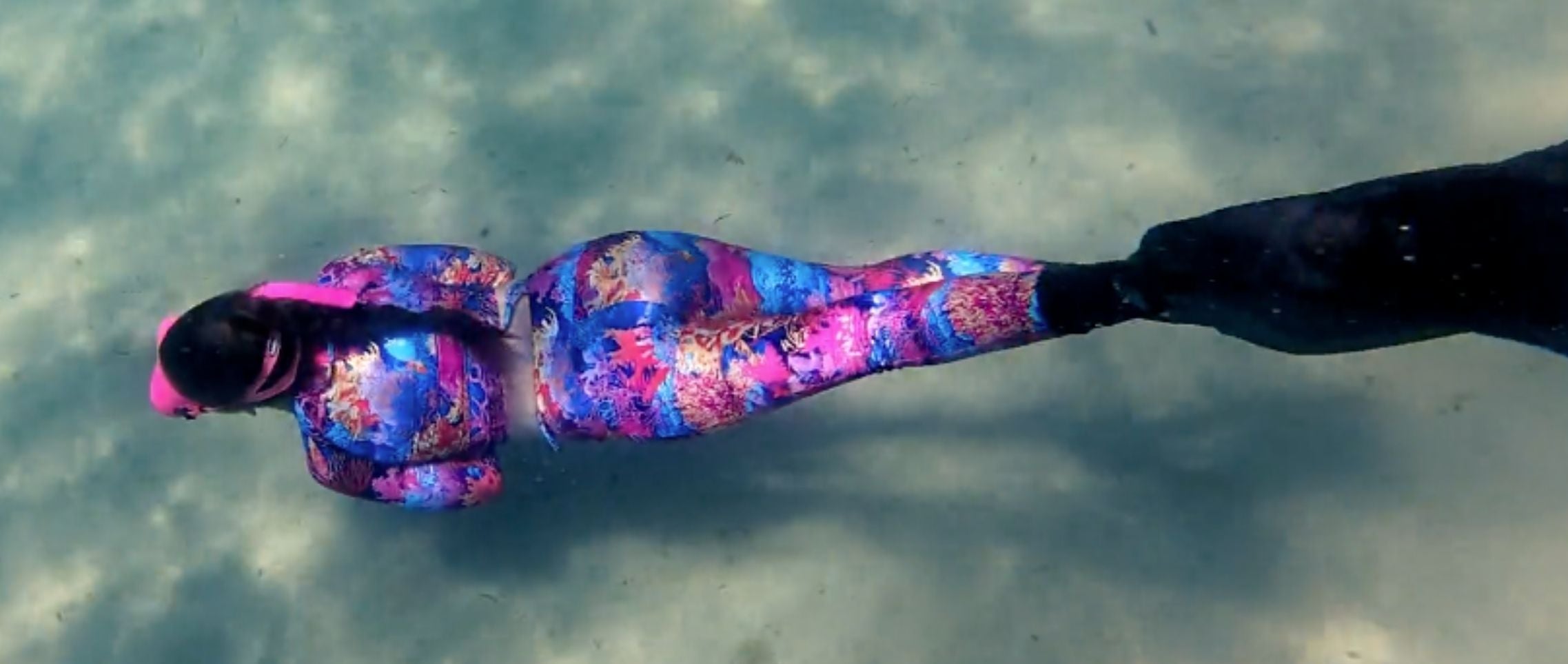
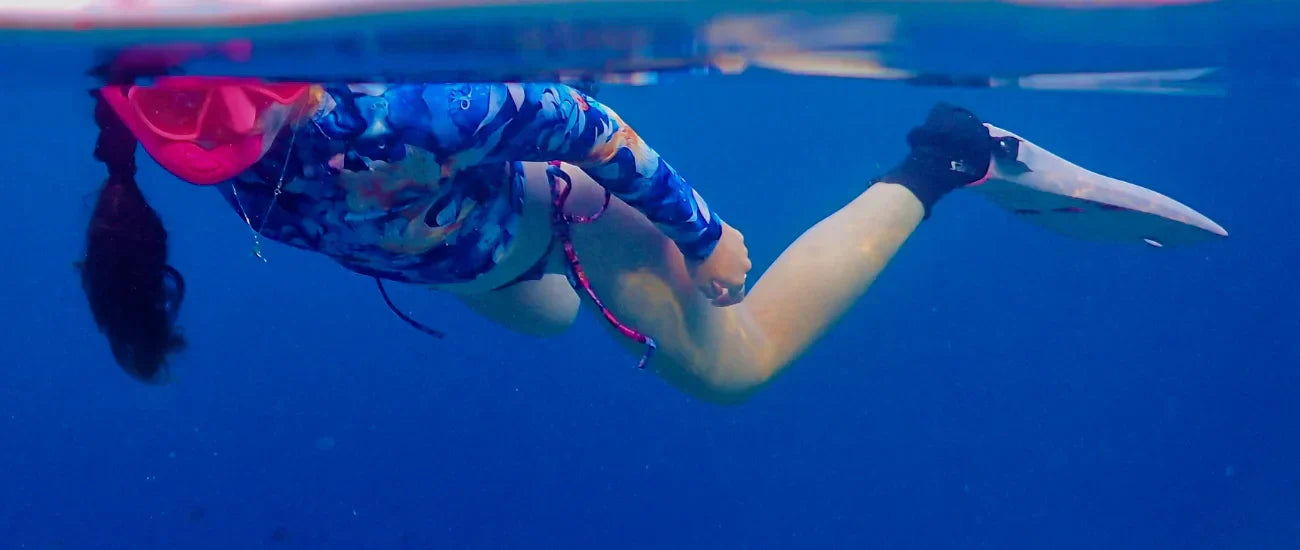
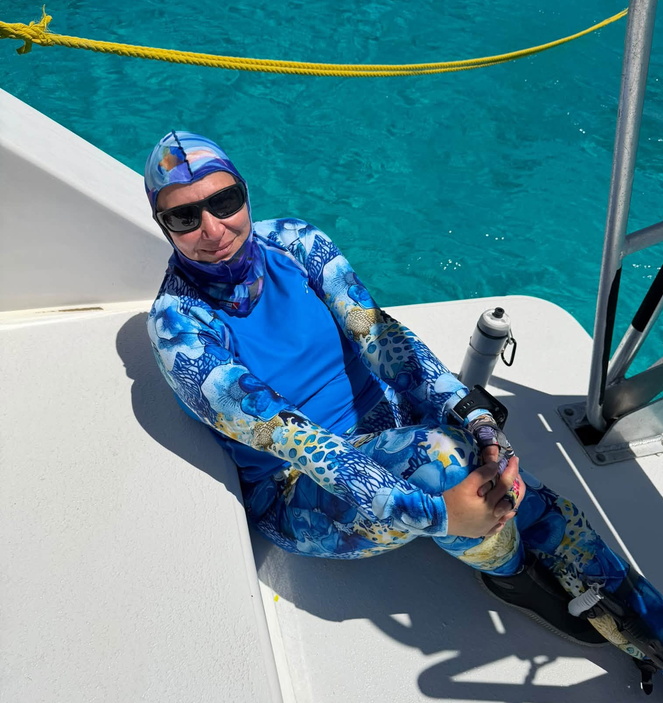
You also want a rash guard, and this is where it earns its place rather than where it looks nice. Rental neoprene often is not the best quality and is old and thinning. After five sessions in a rental 5mm there is a chance the neck is chafing and you're freezing since it was a men's fit so it loose on top and had holes for water to flush through. PADI's own gear page describes a body suit as abrasion resistant and designed to layer under another exposure suit, in diver terms this means wearing dive skins under your wetsuit maximizes your comfort on the dive.
And make sure you wear something you do not mind getting chlorine on, pool sessions means you're in cholorin all day, over several days, and chlorine is considerably harder on swimwear than salt water. Rinse everything with fresh water properly afterward.
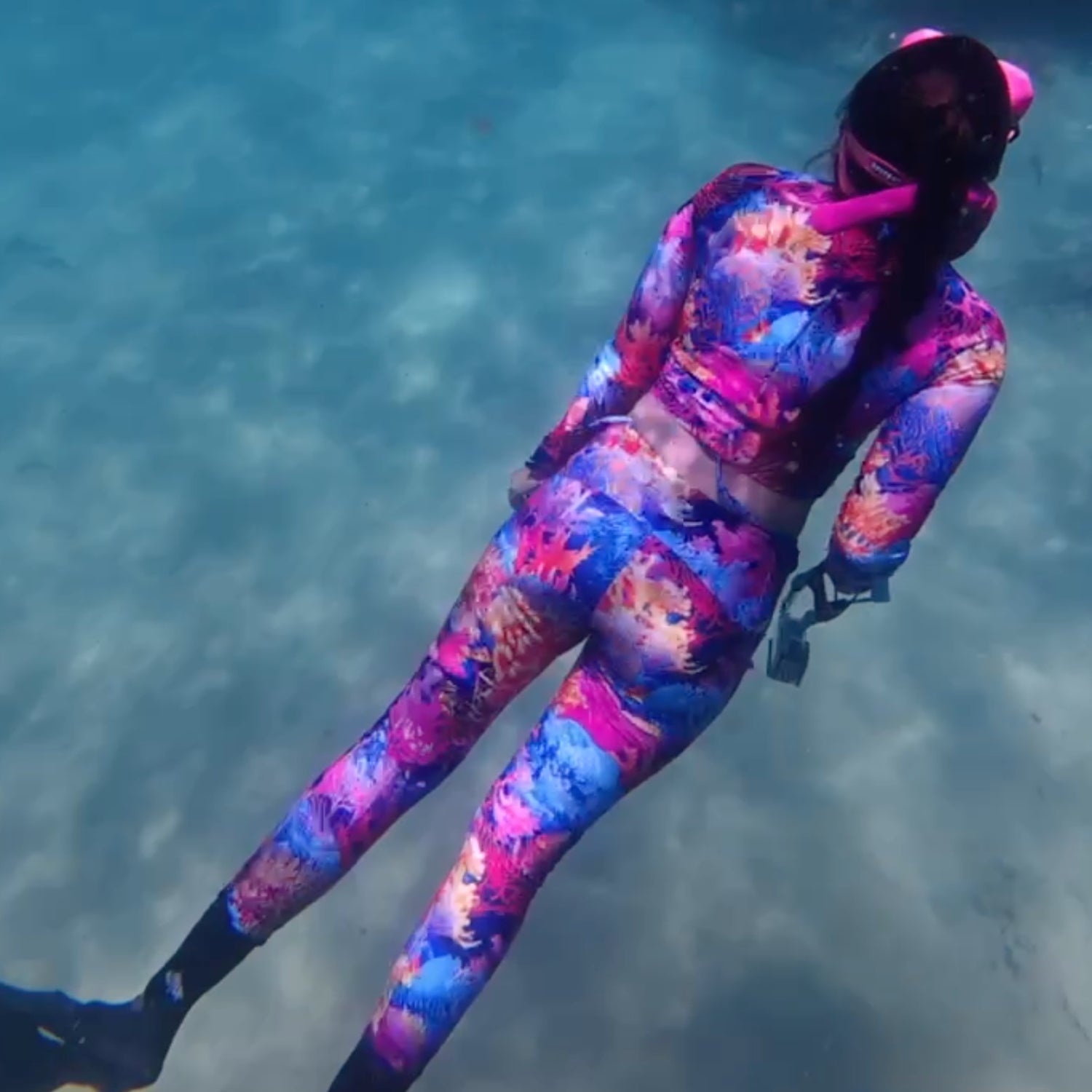
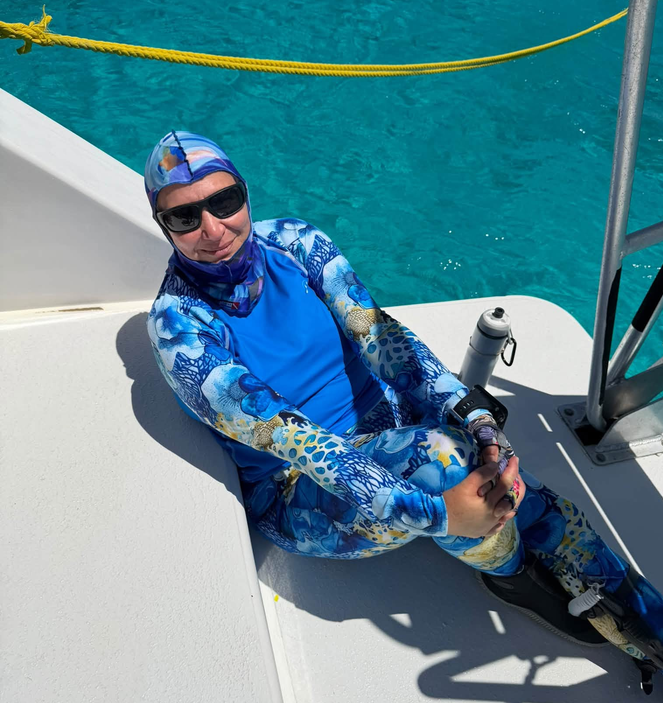
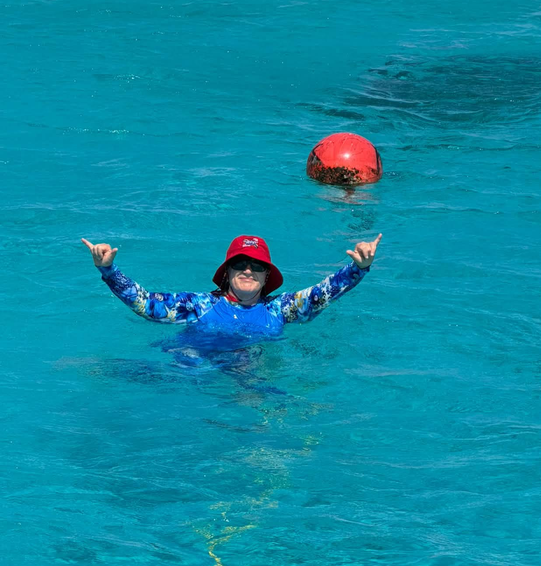
For the open water dives you'll want to wear the rash guard again, this time doing sun duty as much as chafe duty, because you will spend far more of the day on a boat than under the water and a UPF layer beats sunscreen you keep having to reapply with wet hands. If the water is below about 28 C or 82 F, you'll want to wear a wetsuit, and if it's warmer just wearing dive skins can be comfortable. I have written about water temperature by destination and what women actually need at length, because the standard charts assume a level of cold tolerance most women do not have. Make sure to bring a dry layer for the surface intervals, because wind while being wet is what actually makes you cold on a dive day, not just the water.
What you do not need to buy before your course is a wetsuit, a BCD, a regulator or a computer. In most destinations, all the rental gear is included in the course fee. Additionally, when you're a new diver you haven't figured out what type of gear works best for you and often you're pushed to buy expensive equipment you'll just end up replacing as you become a more experienced diver.
The first thing every diver should purchase is a mask if you want one thing that fits you properly, and a dive computer which is very important for staying safe and being in control of your dive.
If you want the longer version I have separate guides on what to wear under a wetsuit, how to choose a rash guard, and a beginner's guide to what to wear scuba diving that runs through the whole gear list. If the course is part of a trip, the dive trip packing list for women is built for exactly that.
Which agency to choose, an honest opinion

I actually have been certified across three different dive agencies: PADI Open Water, Advanced and Divemaster; SSI Rescue, Nitrox, Deep and Freediving Level 1; IANTD Cavern, Intro to Cave and Full Cave. Having a combination of certifications from different agencies is not unusual and it has never once caused me a problem anywhere in the world, which is the first useful thing to know before anyone tries to sell you on an acronym.
| Agency | Founded | Structure | Entry course | Depth limit |
|---|---|---|---|---|
| PADI | 1966, USA | For-profit, private equity owned | Open Water Diver | 18 m / 60 ft |
| SSI | 1970, USA, now Germany | For-profit, owned by HEAD | Open Water Diver | 18 m / 60 ft |
| NAUI | 1960, USA | Nonprofit | Scuba Diver | 18 m / 60 ft |
| CMAS | 1959, Monaco | Federation of national bodies | One Star Diver | 20 m |
| SDI | 1998, USA | For-profit, International Training | Open Water Scuba Diver | 18 m / 60 ft |
| TDI | 1992, USA | Same parent as SDI | Technical only | Beyond recreational |
PADI (Professional Association of Diving Instructors) is dominates the industry, with around 6,600 dive centers, 128,000 professionals and more than thirty million certifications issued over six decades. Its instructors are individually licensed and can teach independently of any one shop, which is why you find PADI absolutely everywhere. PADI has a reputation with divers to be an acronym meaning "Put Another Dollar In" as they have monetized all aspects of the course and often is the more expensive option for getting certified, however in many places PADI is the only option as it dominates the industry. The materials such as access to eLearning or print documents often cost around $200 on top of the course fees which are set by the dive shop.
SSI (Scuba Schools International)is digital first certification agency, and its app, digital logbook and digital certification cards are free, which after eighteen years of losing plastic cards I have come to appreciate more than I expected. The structural difference nobody explains is that SSI instructors can only teach through an SSI dive center rather than independently. Worth knowing too that SSI's Advanced Open Water Diver is not a course at all, it is a recognition rating you receive after four specialties and twenty four logged dives, and the course that actually corresponds to PADI's Advanced is called Advanced Adventurer.
NAUI (National Association of Underwater Instructors) is the only nonprofit of the six agencies listed here, incorporated as a not for profit education association in Florida, with the motto Dive Safety Through Education. Its instructors have more academic freedom and autonomy PADI's system allows for, so if you find a NAUI instructor you have often found someone who chose the harder path on purpose. With a must smaller global footprint, the Open Water Certification equivalent often involves 6-8 open water dives compared to PADI's 4 open water dive equivalent.
CMAS (Confédération Mondiale des Activités Subaquatiques) is the odd one out and the most interesting. The primary certification agency in France, it was founded in Monaco in 1959 with Jacques Cousteau as its first president, and it is not a training company at all, but a federation of more than a hundred national underwater federations that also governs competitive underwater sports. Training tends to be club based, delivered over a season rather than a long weekend, and it is often the cheapest route in Europe. Its standards are published free and openly, which PADI's are not, and it is a much more rigorous certification system, with a star based structure 1*, 2*, 3*, 4*. The CMAS Open Water Certification equivalent, 1*, often involves 25-30 practical dives when compared to PADI's 4 required open water dives.
SDI (Scuba Diving International) has two positions that genuinely set it apart. It requires students to use a dive computer from the very first training dive rather than teaching tables, and it recognizes solo diving as part of recreational diving and offers a course in it, which almost no other recreational agency will touch. It also publishes its complete standards free as PDFs.
TDI (Technical Diving International) is SDI's technical sibling under the same parent company, International Training. Rebreathers, trimix, mixed gas. Not somewhere you start, but somewhere you might end up.
The thing that makes the whole argument smaller than it looks
All five of those recreational entry level certifications map to the same international standard, ISO 24801-2, Autonomous Diver. PADI Open Water, SSI Open Water, NAUI Scuba Diver, SDI Open Water and CMAS One Star all meet it. That is exactly why you can move between agencies without redoing anything, and why my own scattered collection of cards has never held me up. Sitting above all of them is the World Recreational Scuba Training Council, an umbrella of four regional councils that publishes the minimum course content every member agency has to hit.
So the honest answer to should you choose PADI or SSI for your open water course is that it matters far less which agency you choose than who is your instructor. The agency sets the standards. The instructor is the one who teaches you the skills and decides you are ready to be certified, choosing a good instructure makes all the difference in your certification and confidence in the water.
What it costs, from my own experience
I should be precise about this rather than quote a range, because prices vary enormously by country. This are what I paid, alongside what the same thing costs now.
| Certification | Where and when | What I paid | Typical prices today |
|---|---|---|---|
| Open Water, PADI | Pool in Colorado, dives in Belize, 2008 | Too long ago to say honestly | $260 Dahab, $340 Koh Tao, $350 Utila, $450 Playa del Carmen, $630 to $820 all in at a US shop |
| Advanced, PADI | Similan Islands liveaboard, 2018 | Around $300 to $400 | $250 to $400 in the US, around $310 Koh Tao |
| Nitrox and Deep, SSI | Barcelona | $130 to $150 each | About the same |
| Rescue, SSI | Playa del Carmen, 2021 | Around $400 | $300 to $500 US |
| Sidemount and tech | Dahab, 2021 | Day rate, see below | Varies widely |
| Cavern, Intro to Cave, Full Cave, IANTD | Playa del Carmen, 2022 | $250 per day | Comparable |
| Divemaster, PADI | Dahab, 2022 | Around $1,000 | $800 to $1,500 US, around $1,090 Koh Tao |
Two things that table does not show. The first is that I did my full cave certification before I became a divemaster, which is backwards according to most people's mental map of how your certification journey is supposed to work, and is a reasonable illustration that there is no single ladder. You go where the diving takes you.
The second is that nobody warns you how expensive this gets, or how addictive it is. Those two facts are related, and every diver I know found them out in that order. Diving is the most incredible hobby that completely transformed my life and unlocked 70% of planet earth and connected me to some of my closest friends, but unfortunately it is not cheap.
Learn at home or learn on a trip
My honest view, having done it in the least sensible way available to me.
If you live somewhere with warm water and decent visibility, learn at home. You will dive more, you will build real local knowledge, and you will not be trying to absorb a syllabus while also being on vacation.
If you do not live somewhere like that, learn on a trip, and I mean that seriously rather than as a nice to have. If I had learned to dive in a cold quarry where you cannot see your own fins, I am genuinely not sure I would have kept going. Your four open water dives are your first four dives, and their job is to show you what you have just signed up for. Somewhere warm with fish in it does that job. Somewhere green and freezing does not.
The option nobody mentions
You can split it, and it is a real formal agency supported thing rather than a workaround. It is called a referral. You do the theory and the pool sessions with one instructor, and your four open water dives with another one somewhere else entirely. This is what I did, Colorado for the pool and Belize for the ocean.
- PADI referrals are valid for 12 months, at any PADI dive center in the world
- SSI's is a formal certification level called Referral Diver, valid for 6 months, and past twelve you redo the skills update and the exam
- SDI's Global Referral Form is the most flexible, valid six months and accepted by any instructor from any internationally recognized agency
The upside is obvious. You turn up at your destination with the classroom already behind you and spend the trip in the water instead of in a briefing room.
The downside is the one I lived through, and I would rather give it to you than sell you the convenient half. You get two instructors with two teaching styles and, in practice if not on paper, two different sets of standards, and neither of them ever sees your whole progression. The instructor in Colorado who taught me to clear a mask never saw me dive in the ocean. The shop in Belize never saw how I had been taught. Nobody in that chain had the full picture of what I could actually do, which is very possibly how a diver with four training dives ended up at forty meters two days later.
Three things nobody told me when I started
Don't wear a flimsy swimsuit with ties or metal clasps
First of all, ties can be easily untied under your wetsuit or when you go to take your wetsuit off at the end of the dive. This can be pretty embarrassing so I definitely would just recommend avoid bikinis with ties when you're diving.
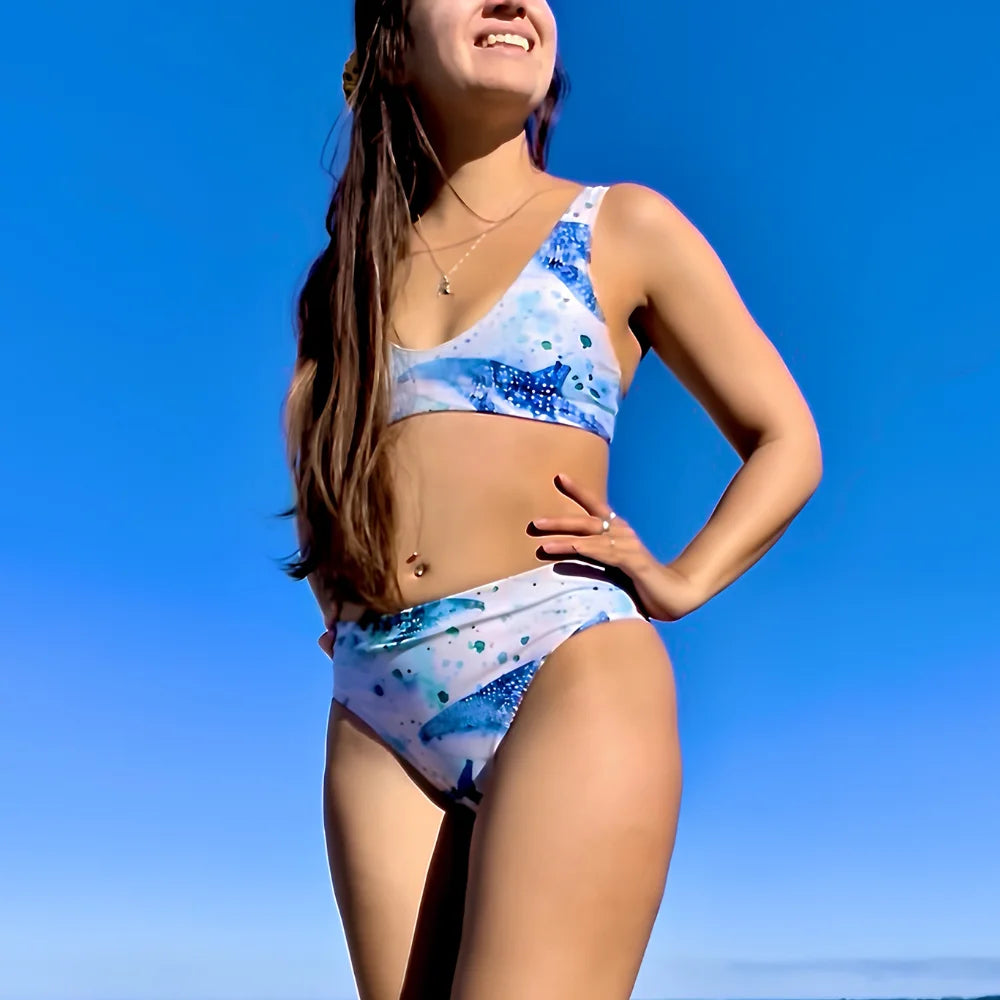
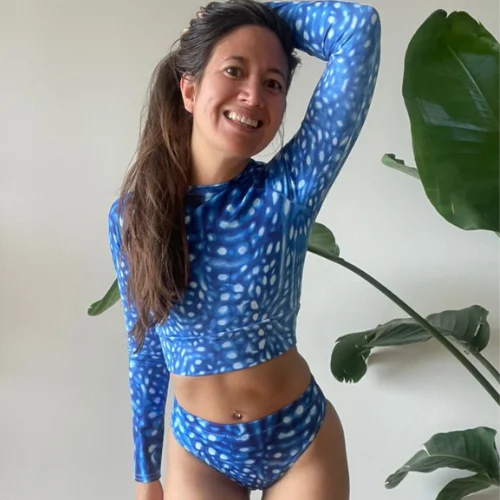
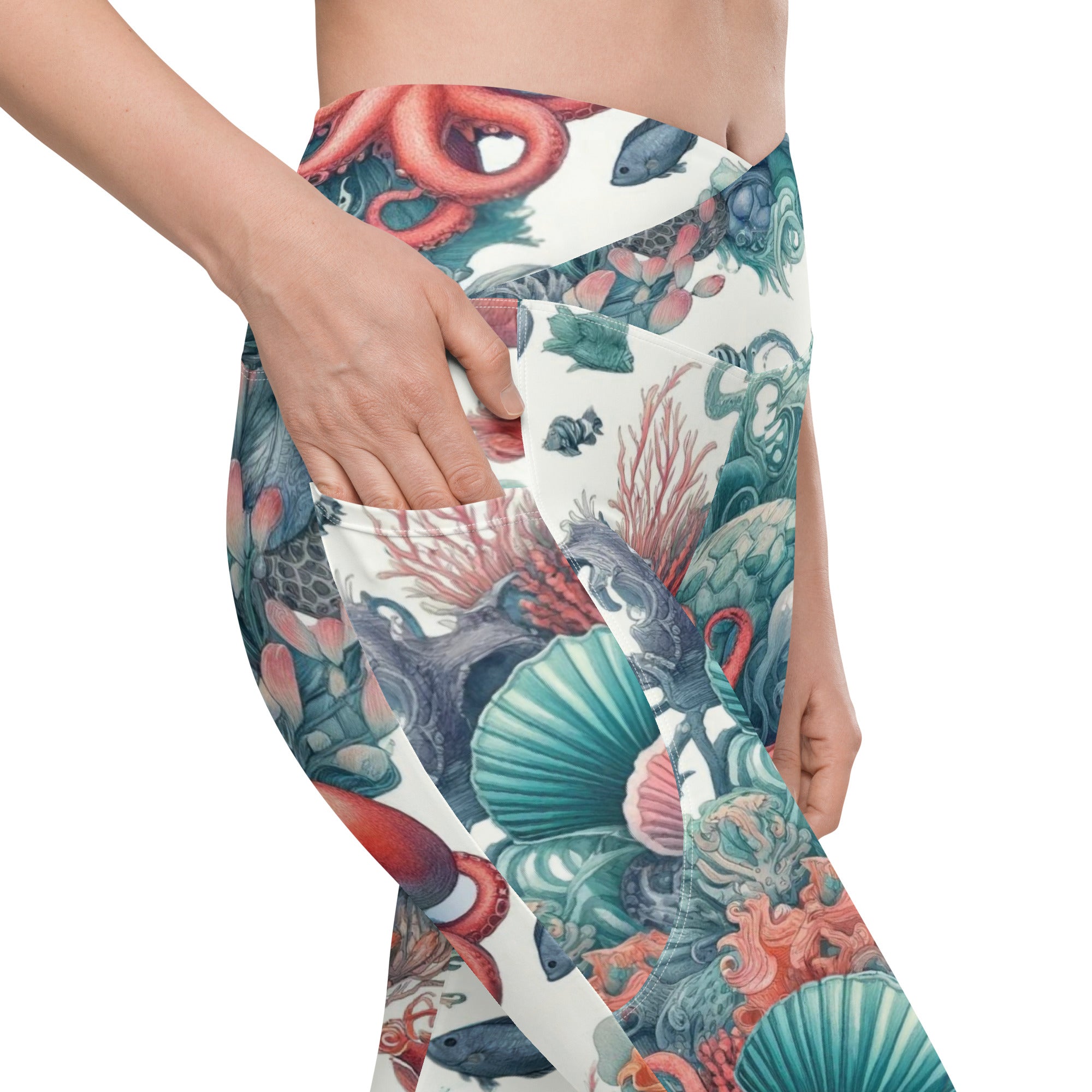
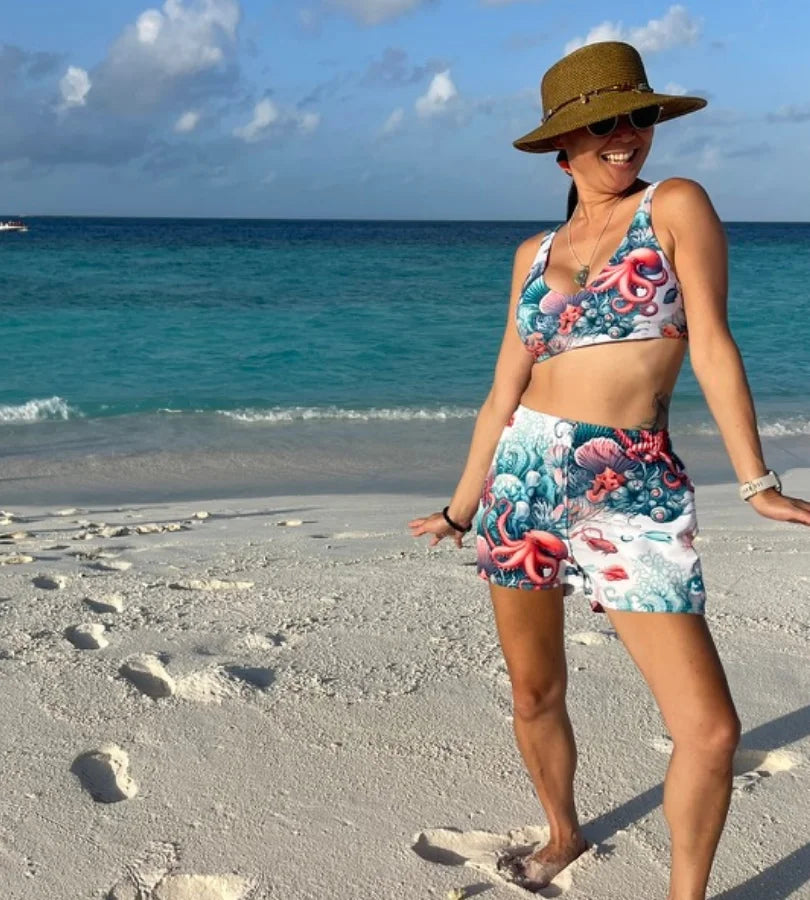
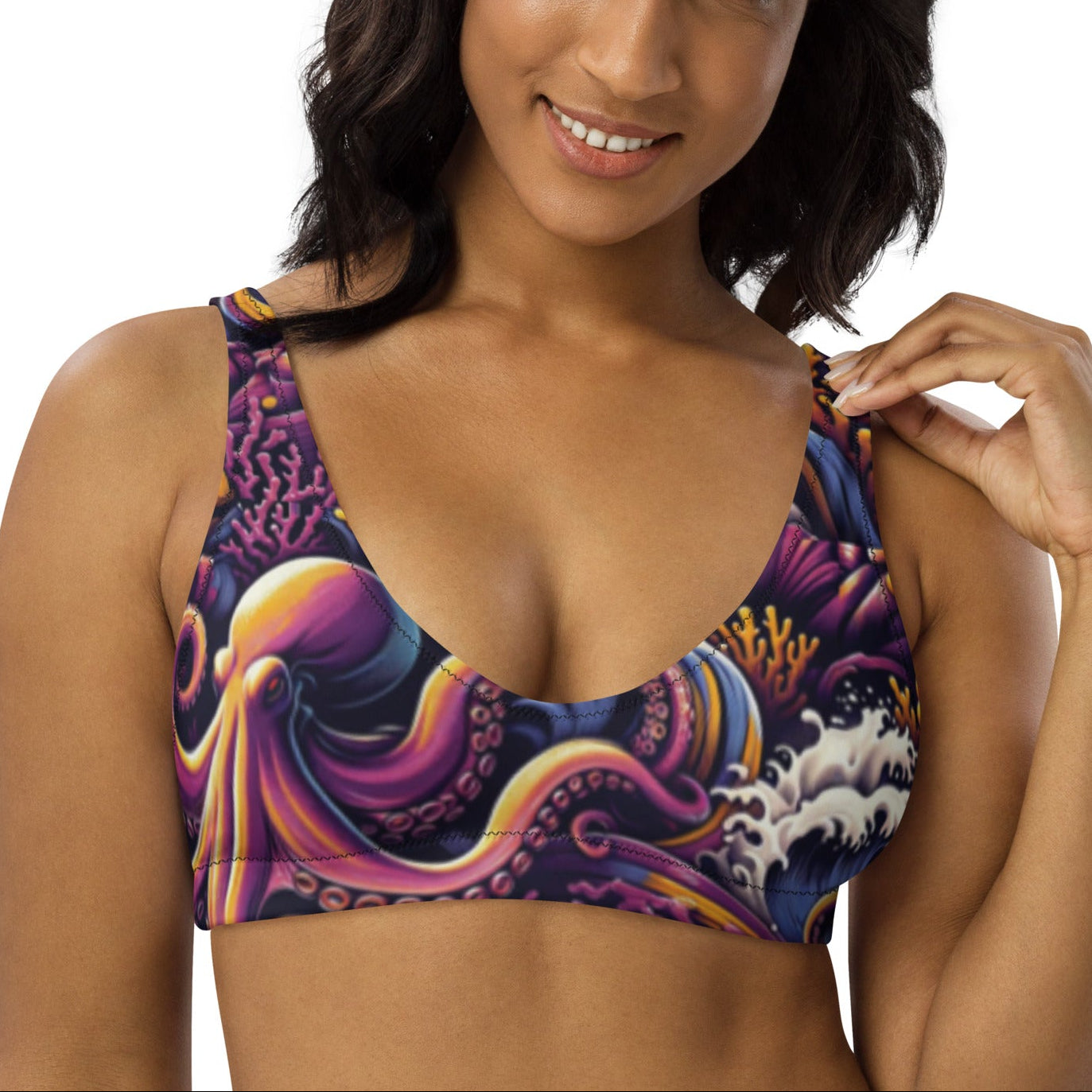
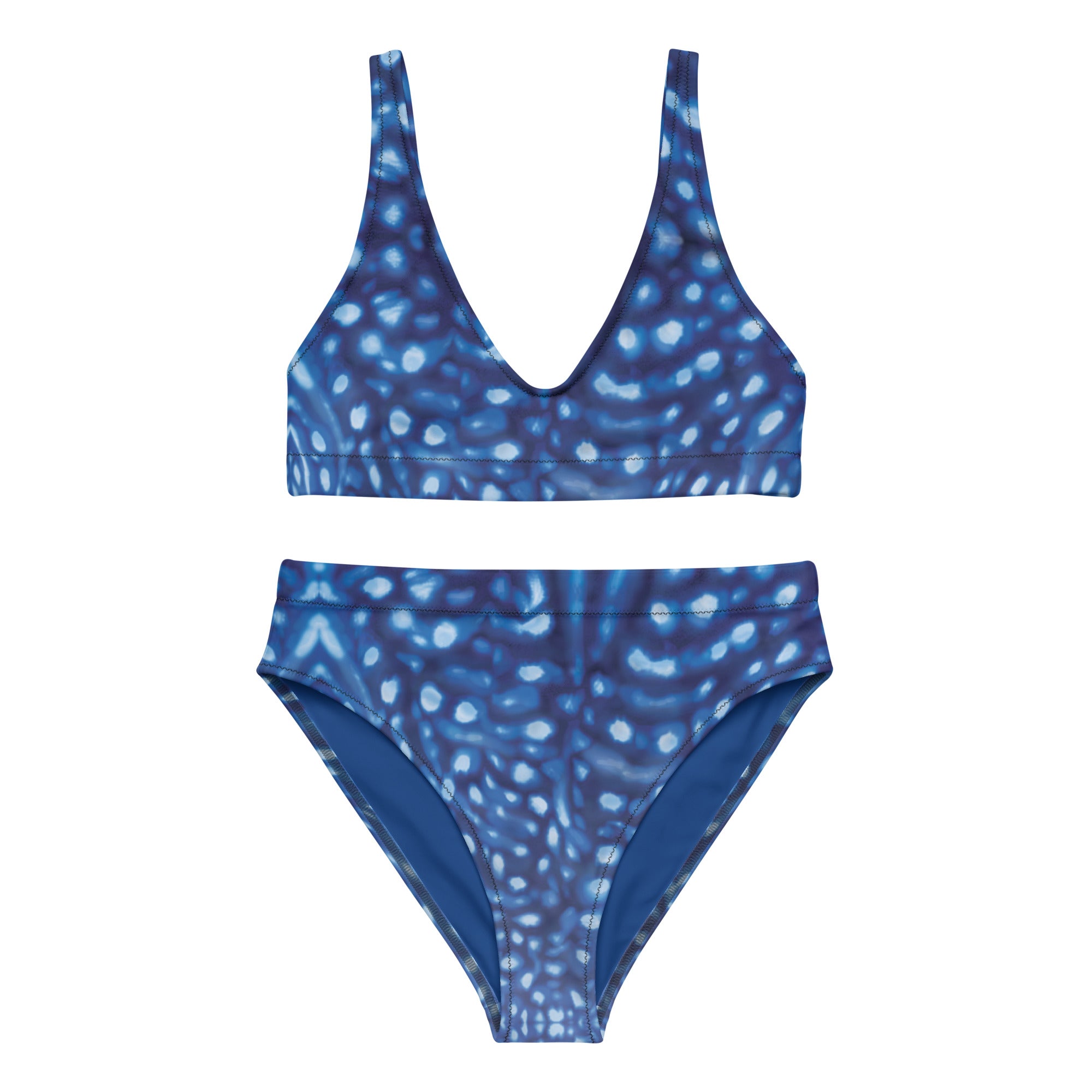
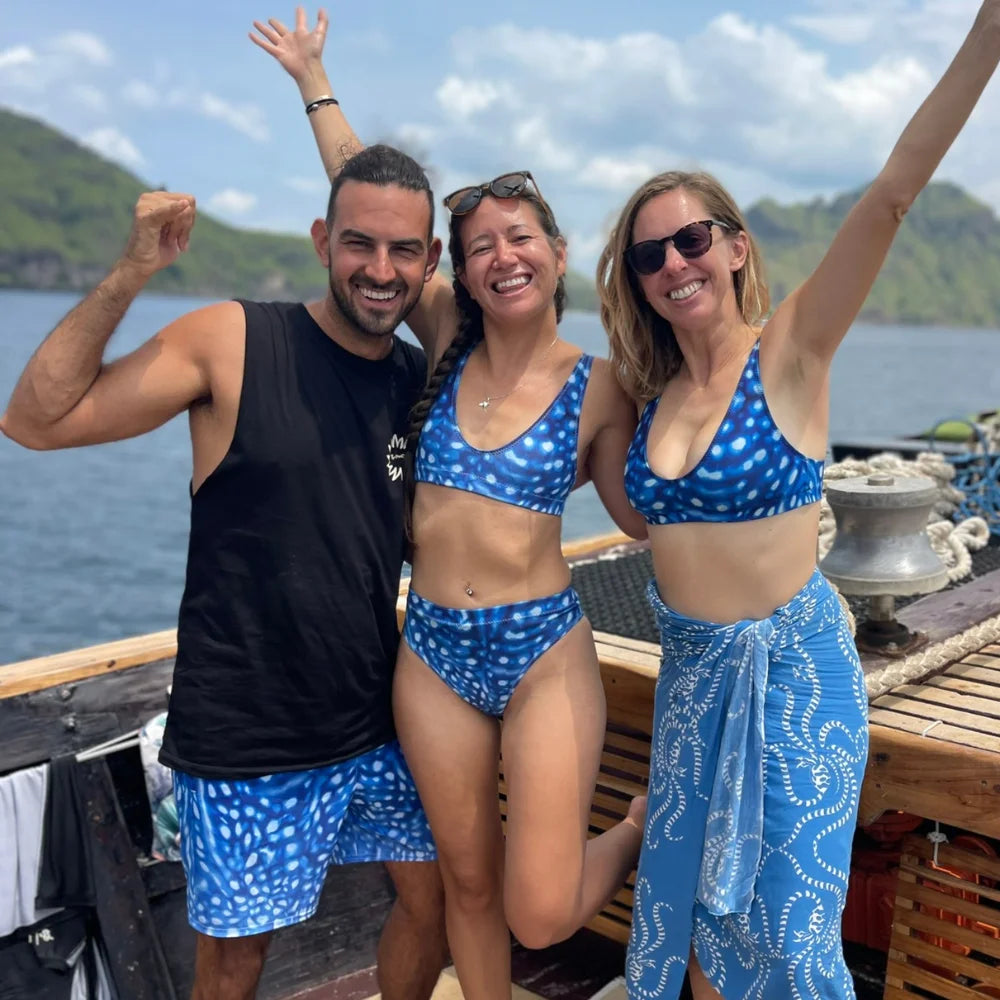
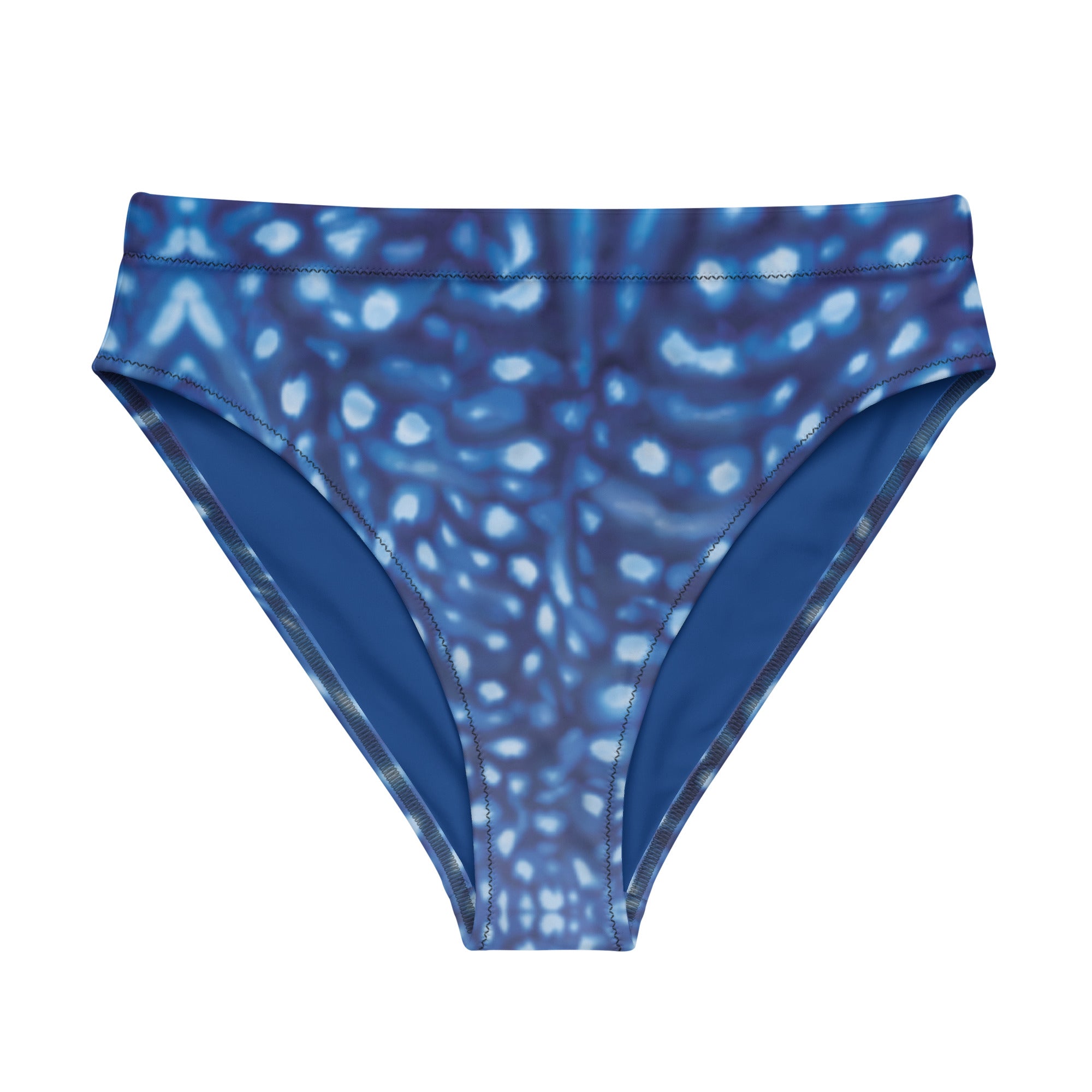
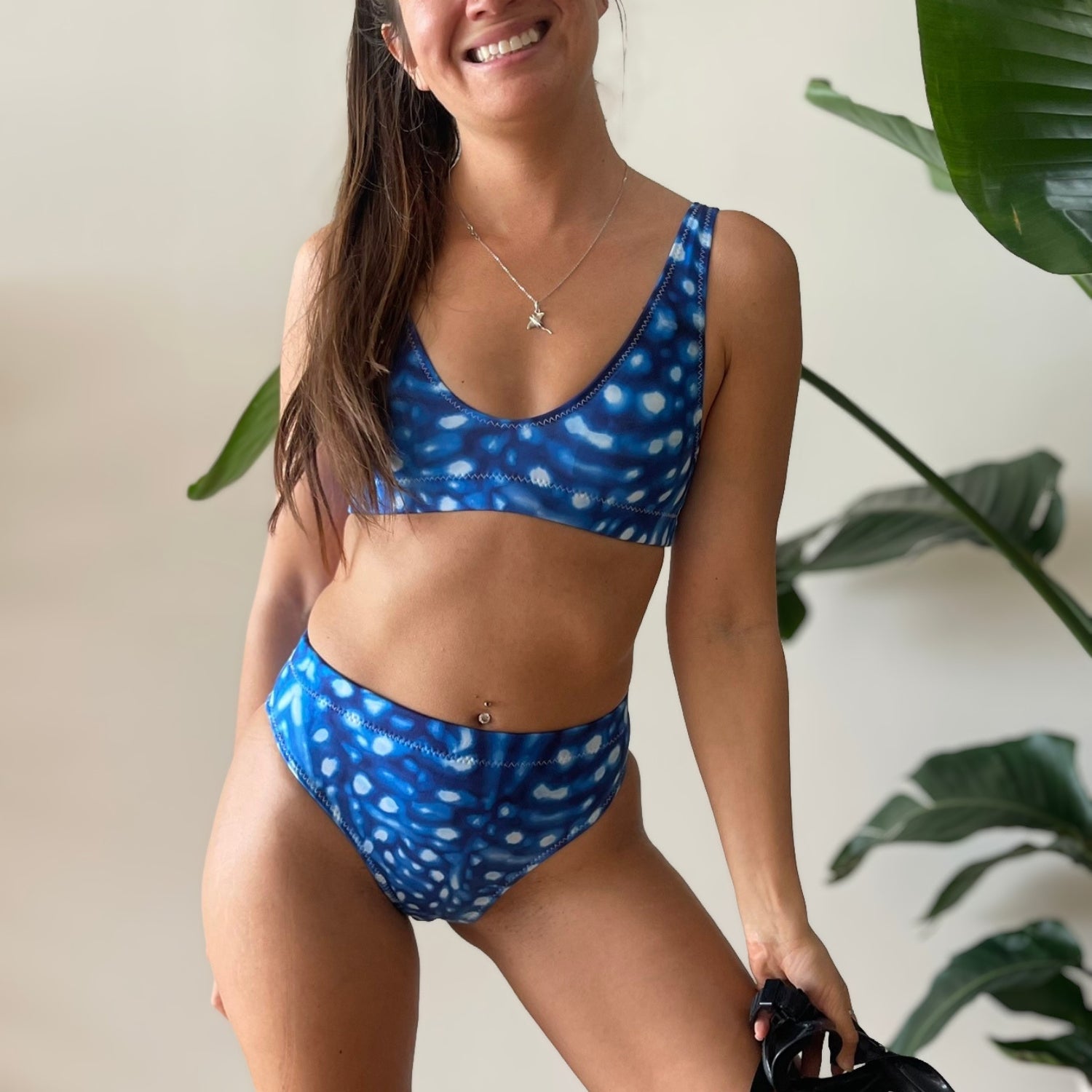
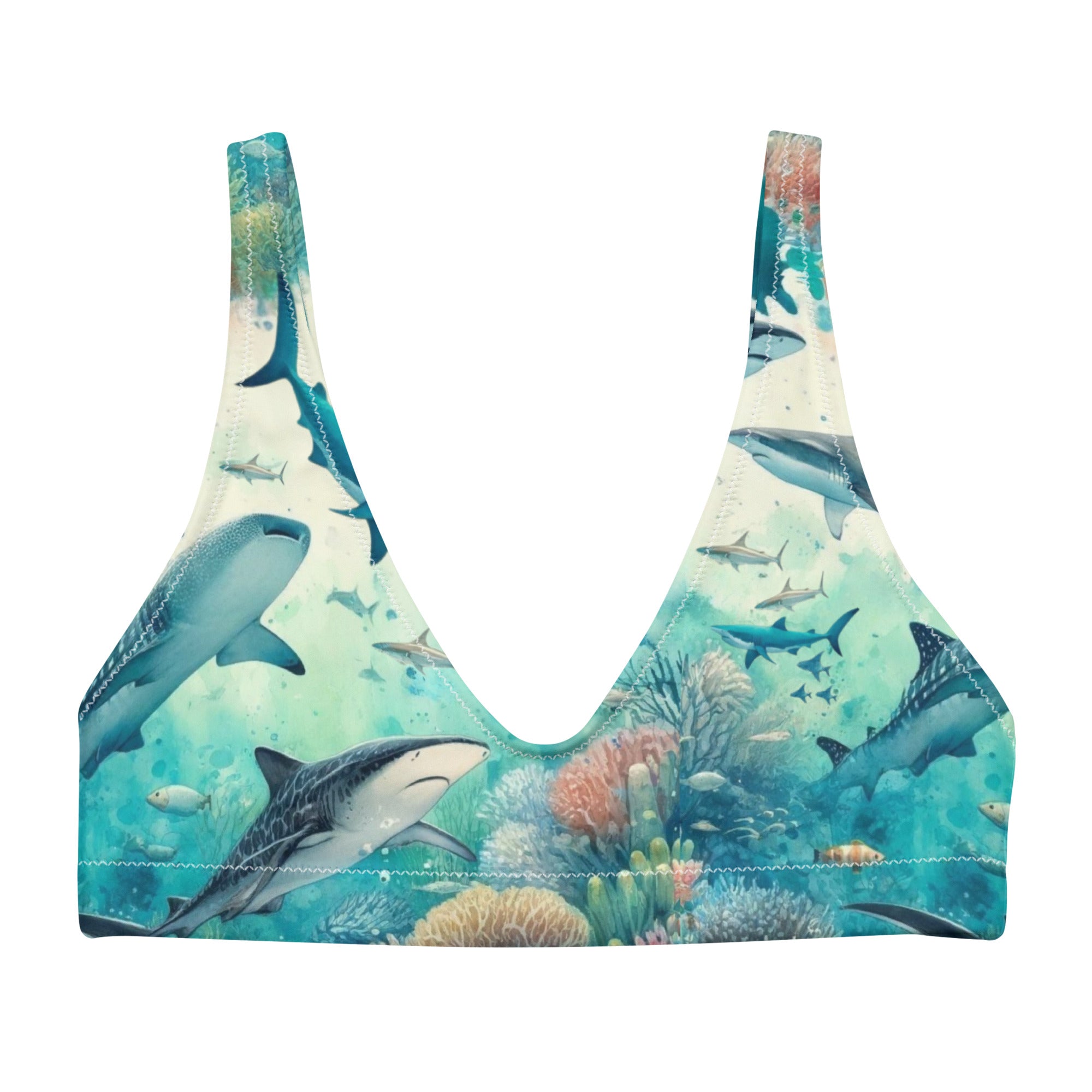
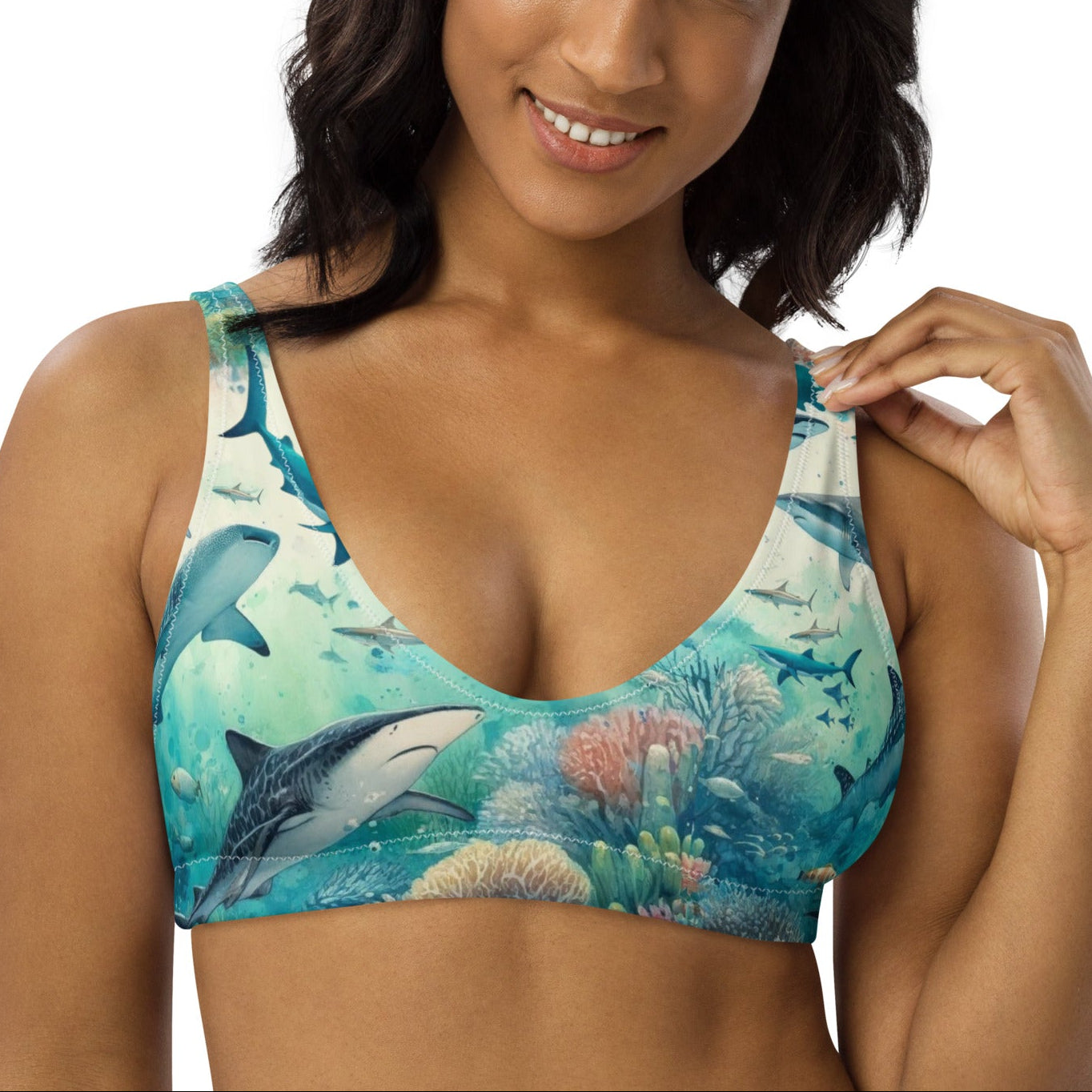
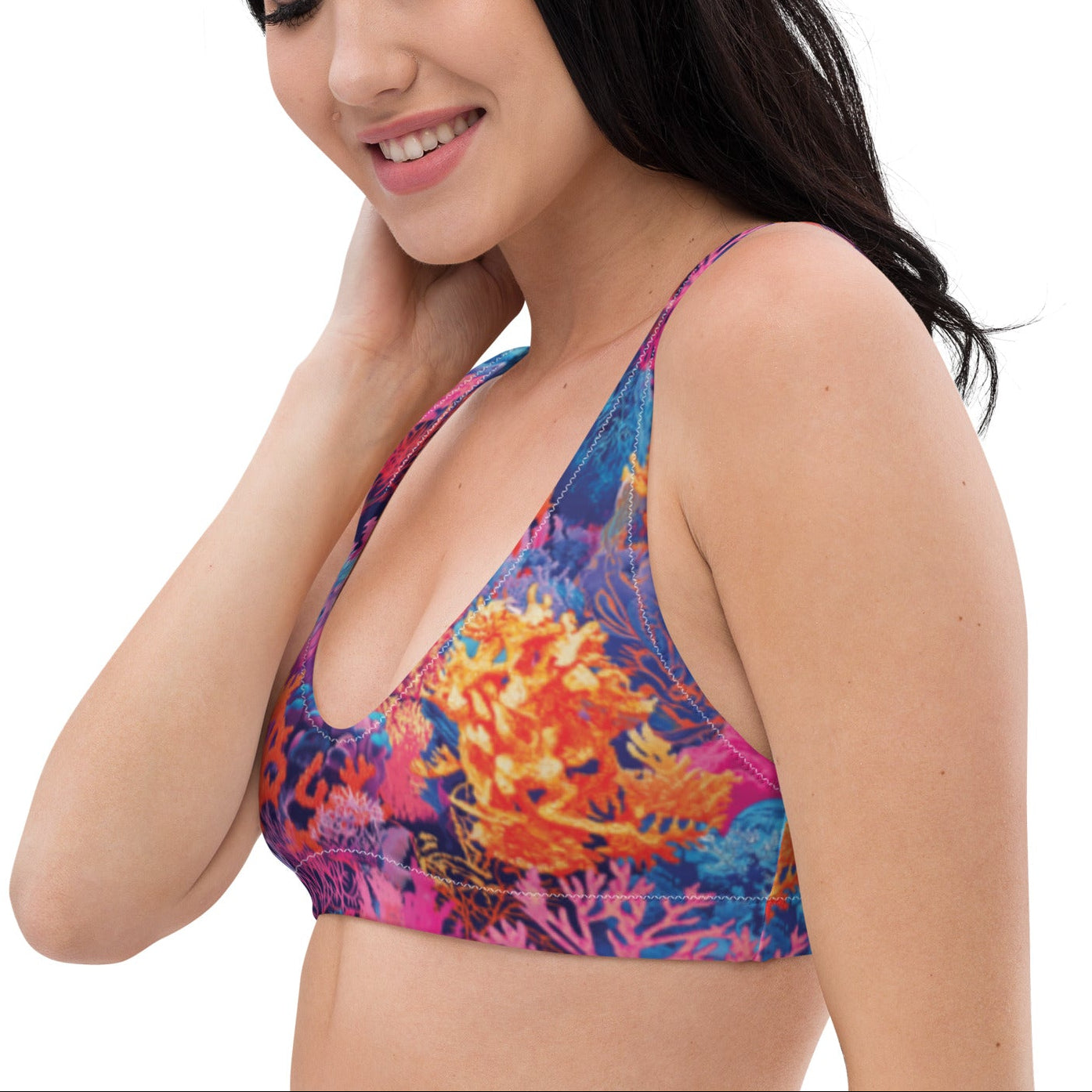
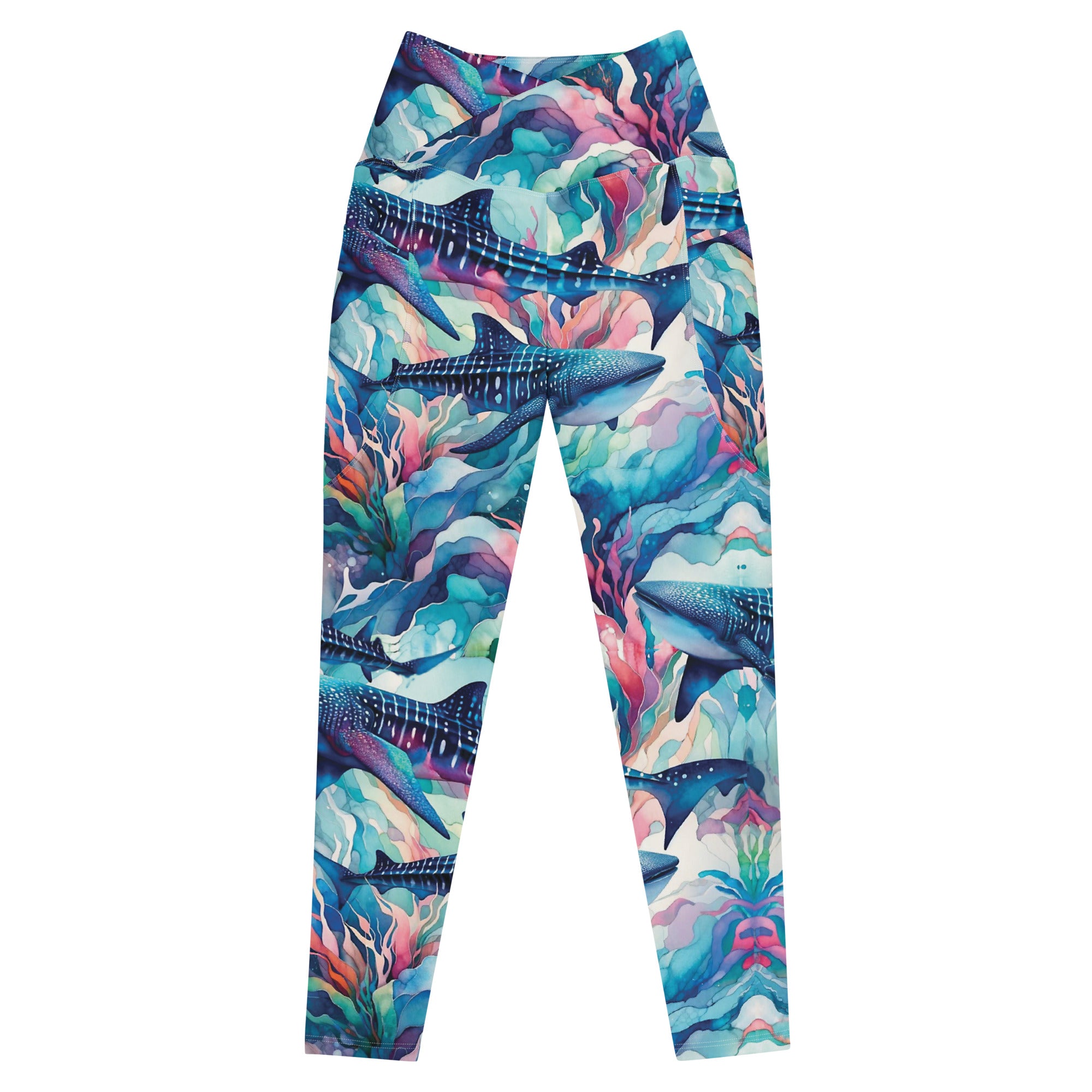
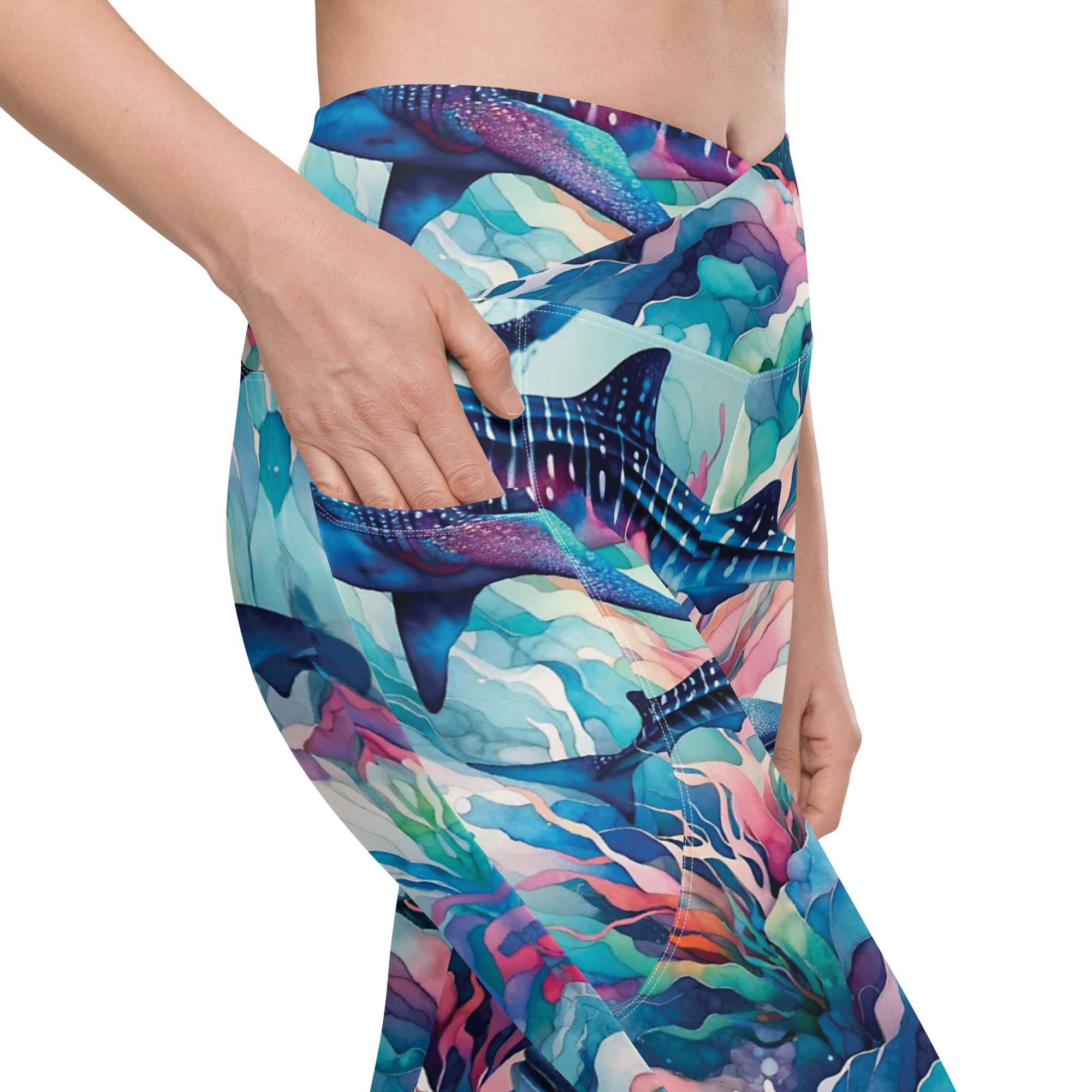
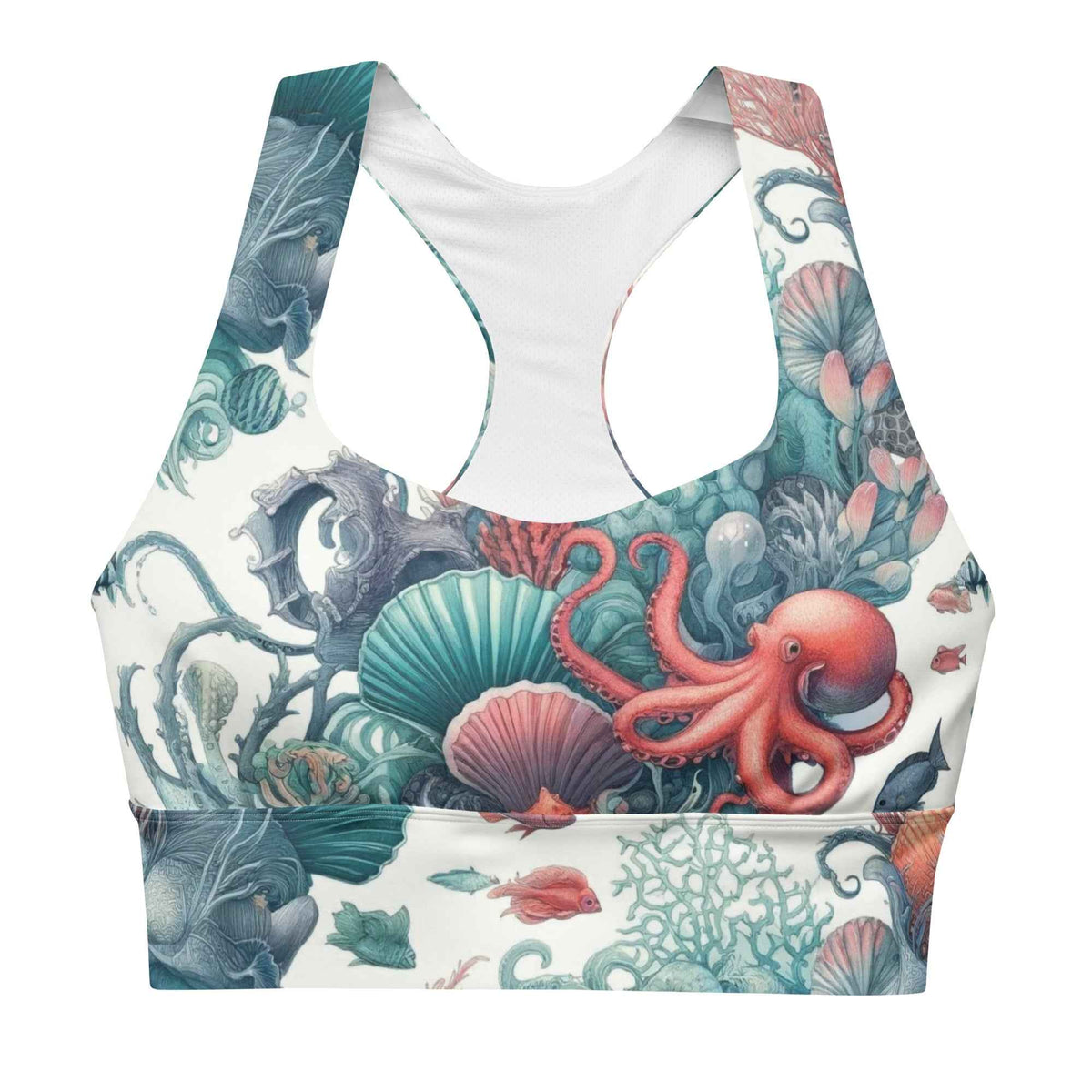
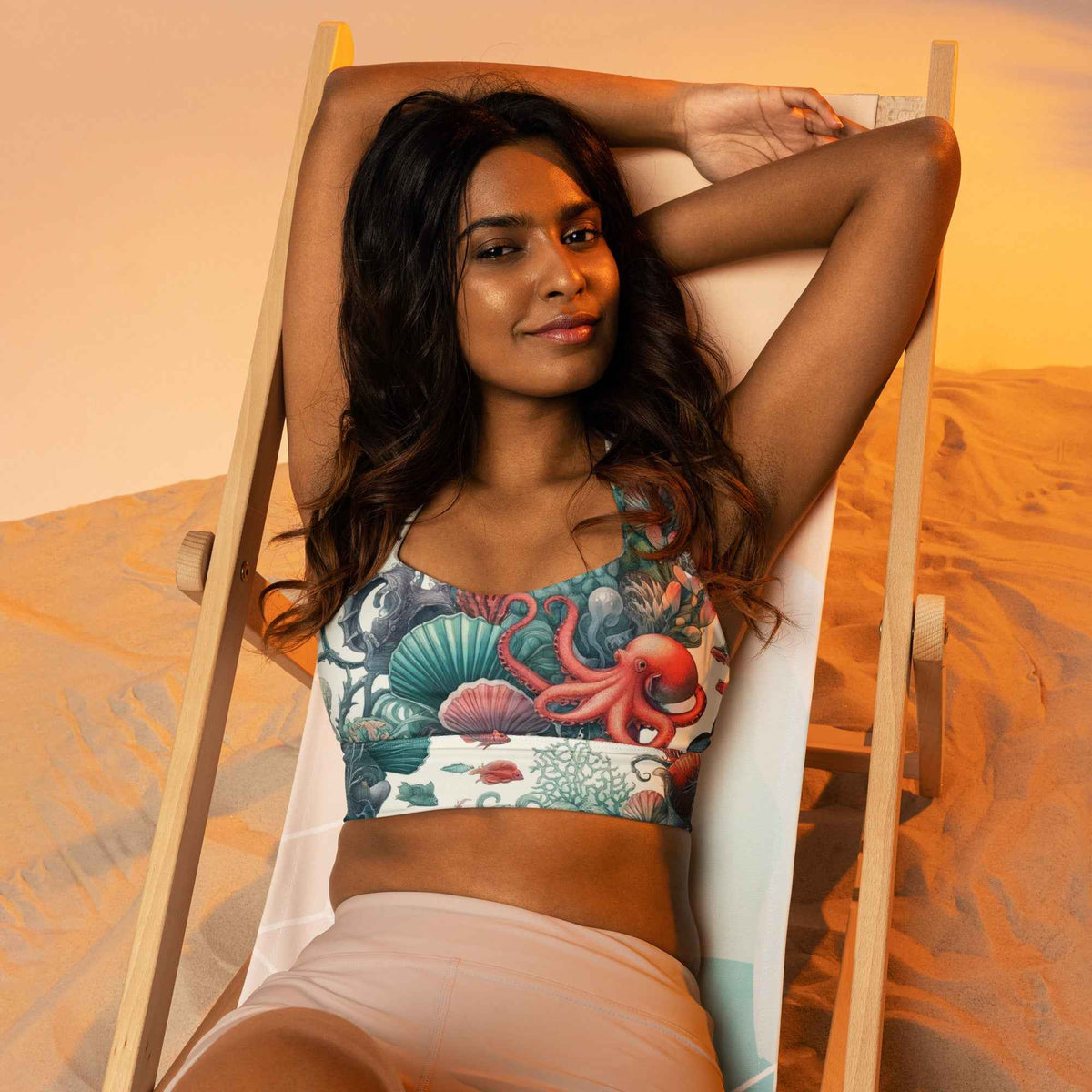
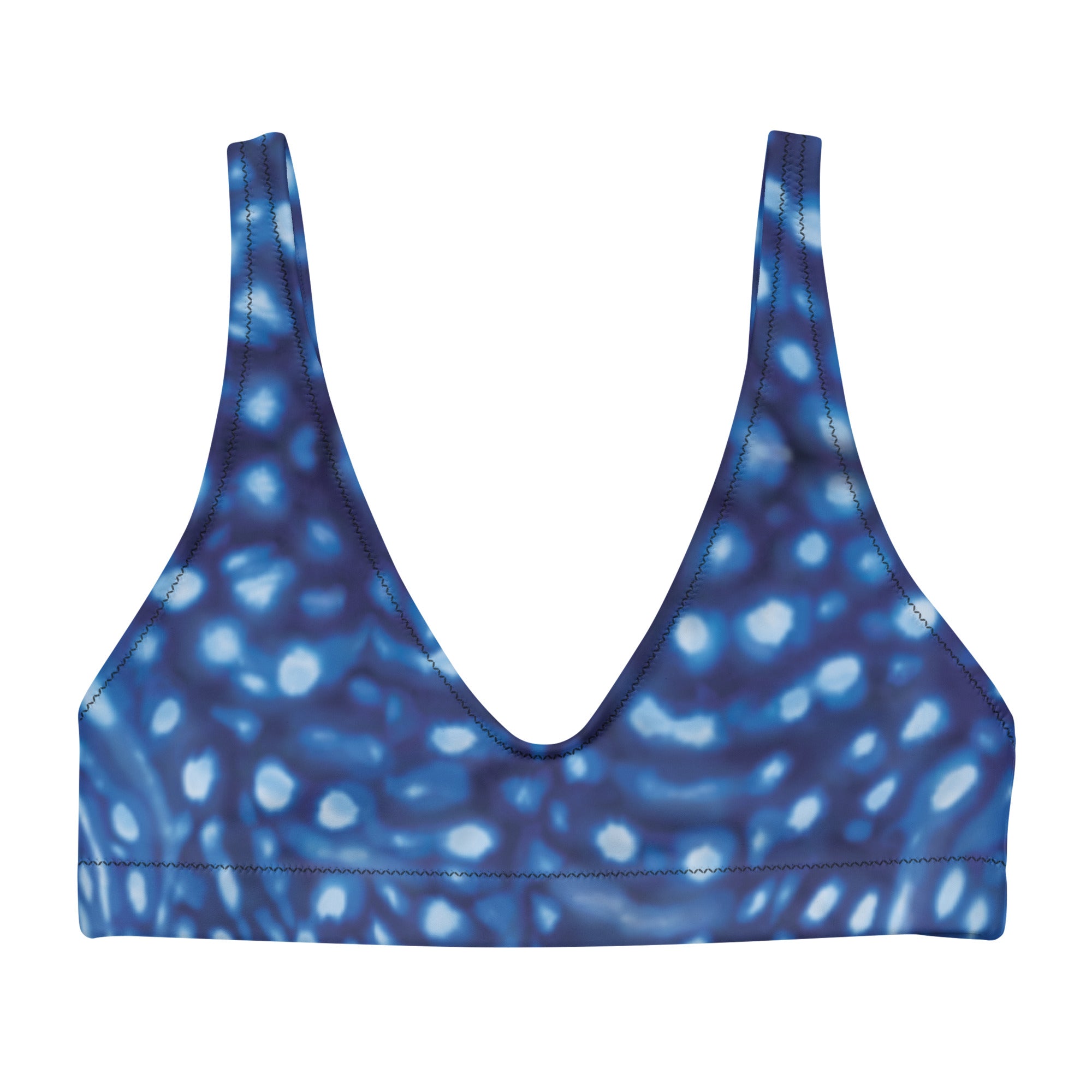
Another issue of the tie is that the tie creates a hard lump under your wetsuit which just presses into your skin under the compression of the wetsuit and your gear, the same goes for swimsuits with metal clasps, and this can be soo uncomfortable during a dive. Just avoid swimsuits with ties and metal clasps all together, instead choose athletic bikinis like our Scuba Bikini. Not all athletic bikinis are ungly and monotone, which is why why created the Scuba Bikini in the first place.
Contact lenses and the no mask skill
I wear contacts lenses so when I did my divemaster in Dahab the skill circuit required me to be comfortable swimming with no mask on, not just to endure it for a few seconds, and I ended up opening my eyes underwater to get through it.
PADI, citing DAN, recommends soft lenses over hard ones because gas bubbles can form between a rigid lens and the cornea, and tells beginners who wear contacts to keep their eyes closed during any skill that floods or removes the mask. Soft lenses can occasionally seal to the eye under pressure, and any lens at all can be washed straight out when a mask floods. DAN's own current guidance is more relaxed than PADI's paraphrase of it, noting that plenty of divers wear contacts without any issue and that the real problems are dryness and irritation, with preservative free drops, a well fitting mask and backup glasses as the fix.
What I would tell you is to keep your eyes shut for the Open Water version, carry spares, and understand that the skill exists to prove you will not panic if your mask gets kicked off at depth. That is its entire purpose.
The divemaster version of that skill is a different animal
At Open Water you have to do the skill. At divemaster you have to do twenty four skills to demonstration quality, scored out of five, needing at least a three on every one and eighty two points overall, performed slowly enough and calmly enough that a nervous student watching you can copy it. Getting through a skill and demonstrating a skill are not the same task at all.
Depth limits are not enforced by anybody
Which brings me back to my experience in Belize.
During a course, depth limits are binding standards on the instructor. WRSTC requires open water training dives between five and eighteen meters, and an instructor who exceeds that is in violation of their agency's standards.
After certification, nothing enforces them at all. Your card does not stop you descending. PADI calls them restrictions, SSI calls the forty meter recreational limit generally accepted, and NAUI publishes the actual reasoning, which is diminished breathing capacity, increasing nitrogen narcosis and elevated risk of decompression sickness. None of them claims any legal force. ISO 24801-2 does not set a depth limit at all, the numbers are agency policy laid on top of it.
What actually binds is a mix of local law where it exists, whatever rules the individual operator decides to impose, and civil liability afterward if something goes wrong. Which means, in practice, that nothing at all happens until somebody gets hurt.
That is not hypothetical. In May 2025 a forty five year old certified diver died at Lighthouse Reef in Belize, the same atoll the Blue Hole sits inside, while part of a group of eighteen divers supervised by a single divemaster. The reporting is not clear on whether they were operating as one group or split into buddy teams.
Eighteen divers, one guide, and nobody broke a law.
I got away with my Blue Hole dive. It is still one of my most memorable dives, I shouldn't have been allowed to go on that dive, but I got away with it, and those are two different things. If you are booking your certification right now, the question worth asking the shop is not which agency they teach. It is how many divers they put with one guide, and what they will and will not let you do the week after you qualify.
I was 22 and nobody told me otherwise. You have to ask and take responsibility for your own safety.
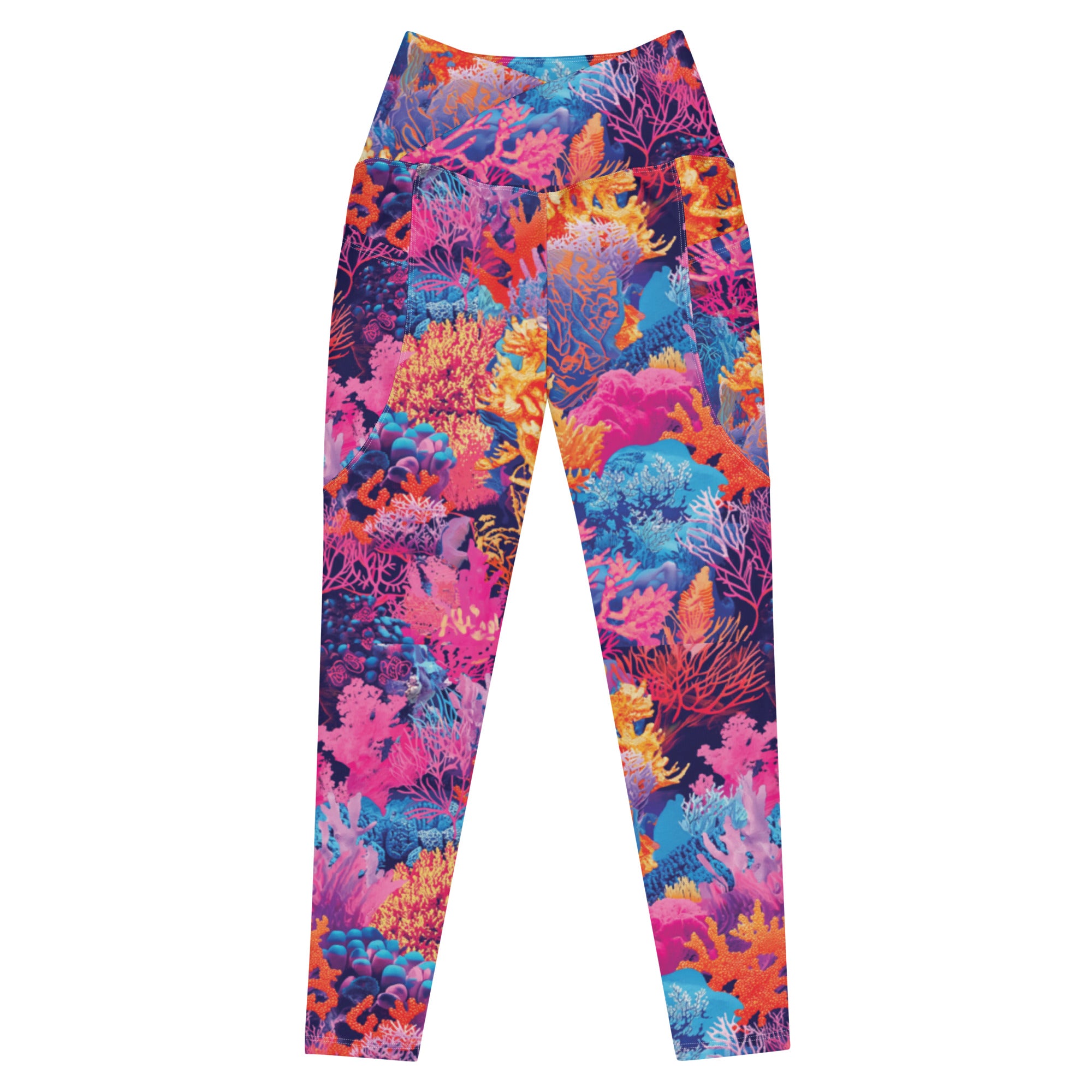
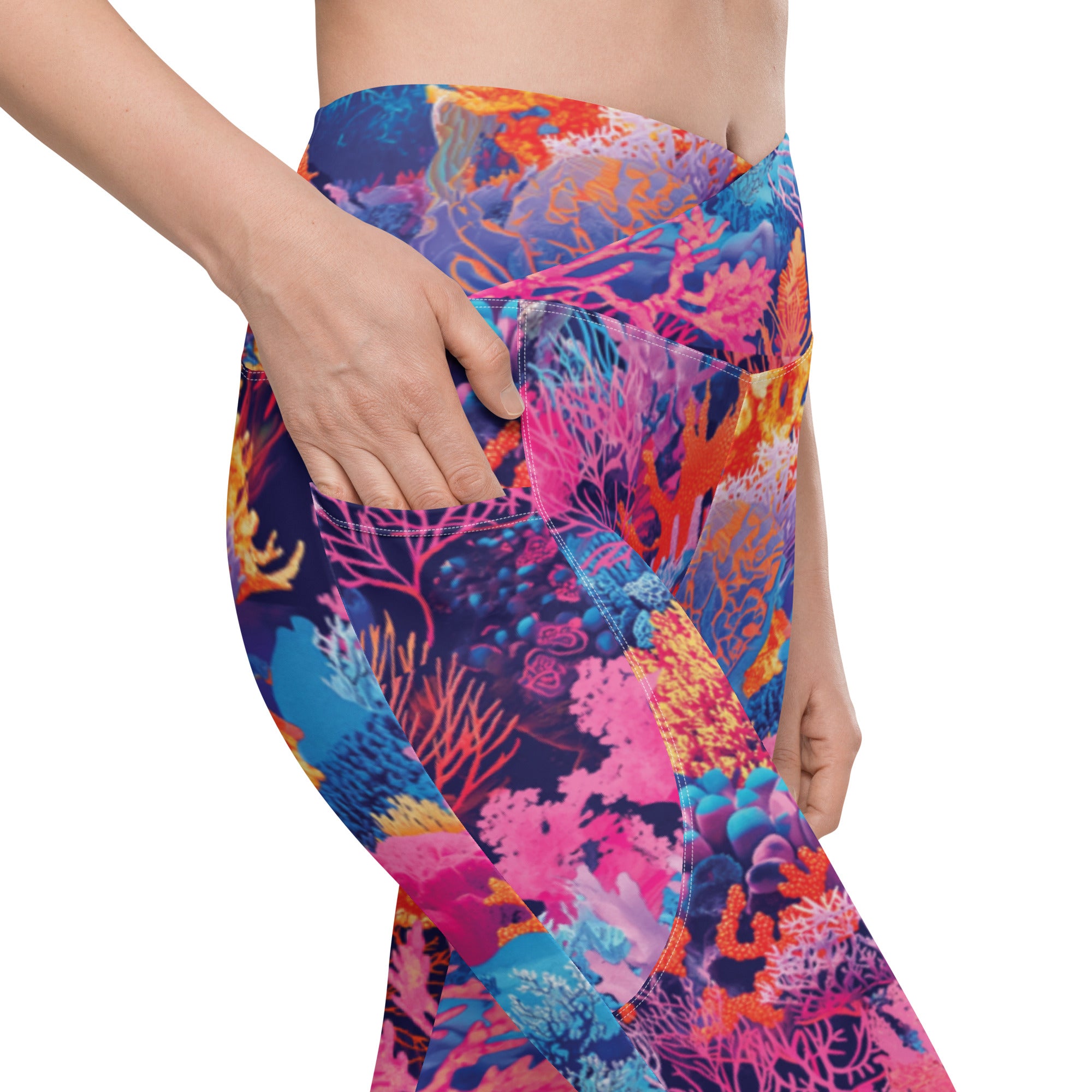
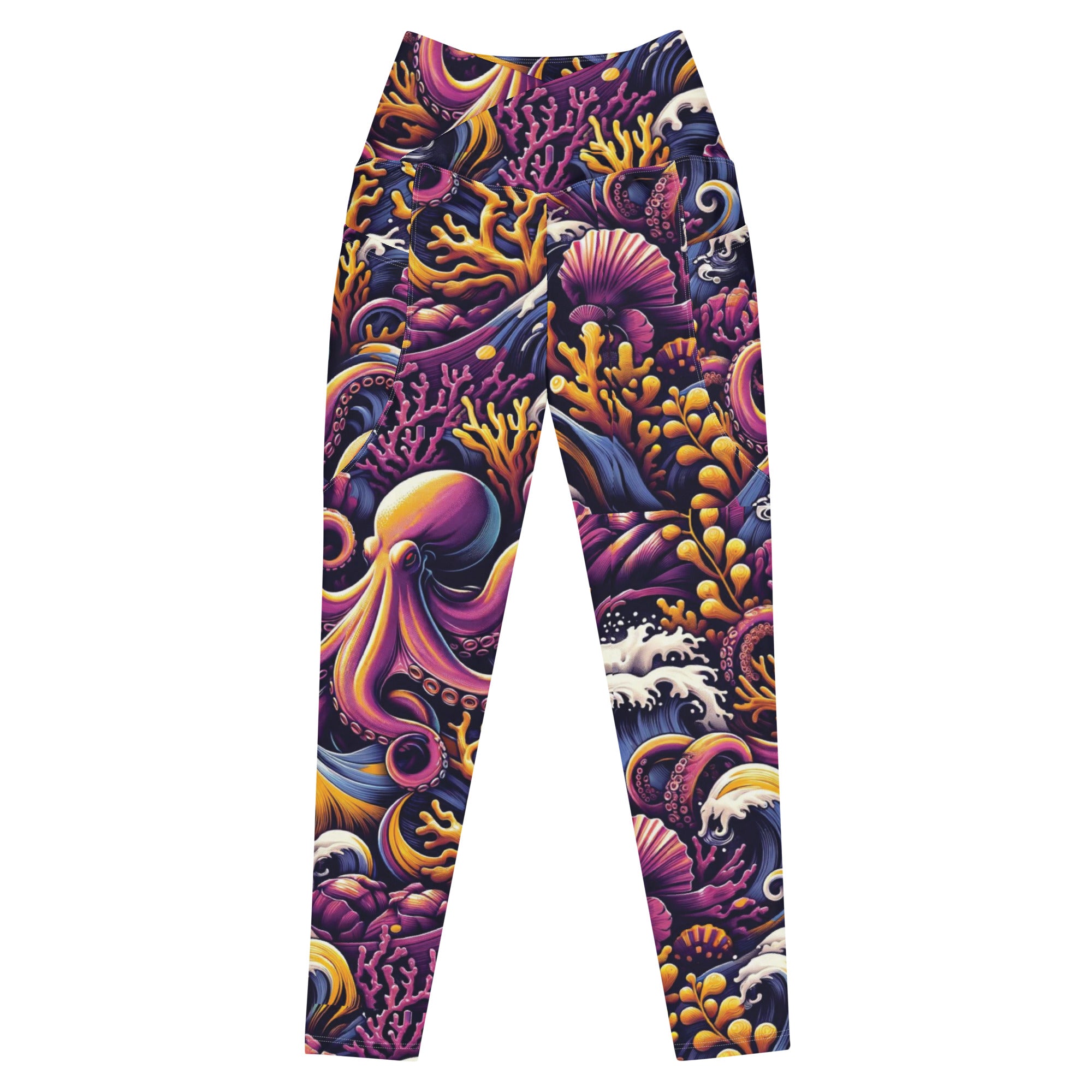
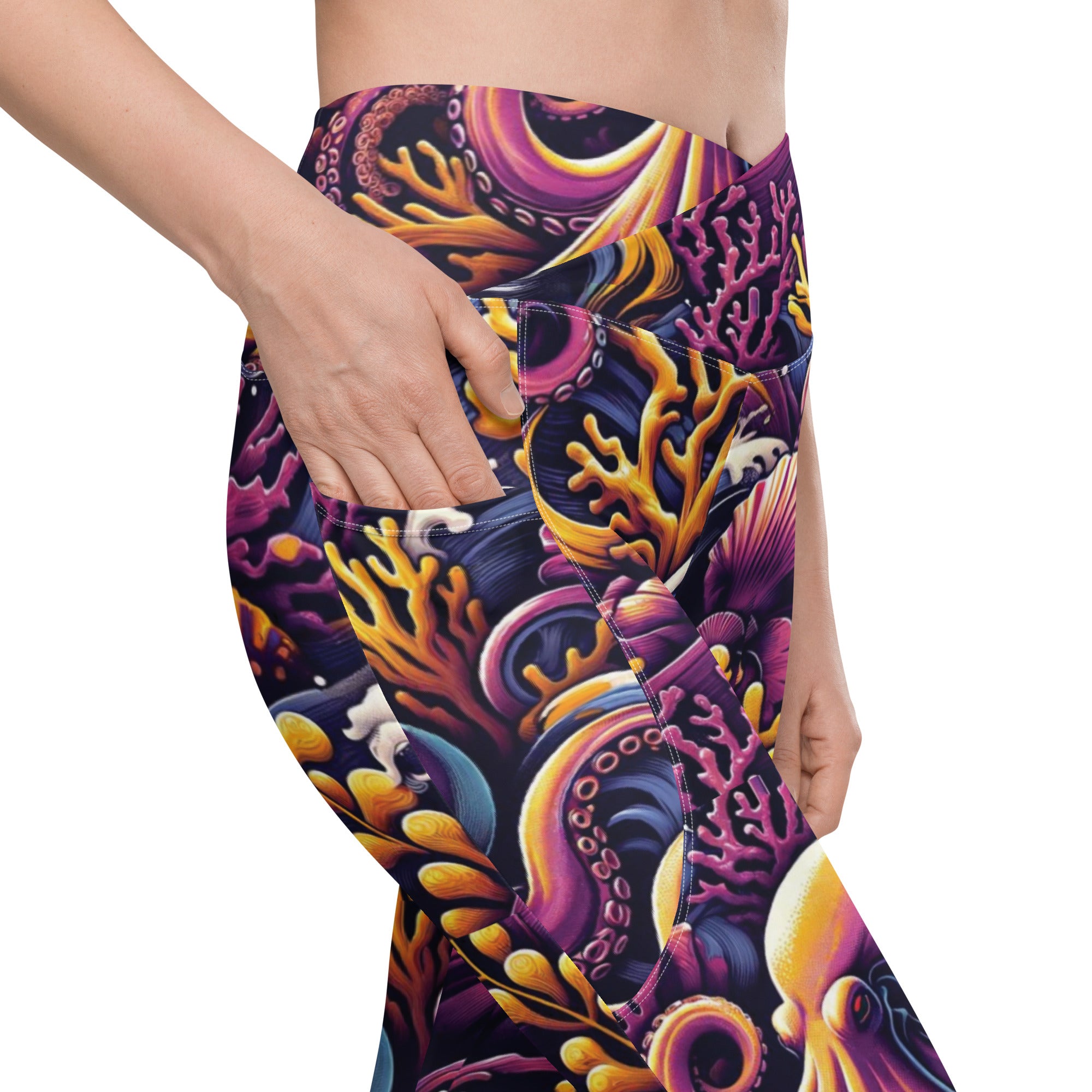
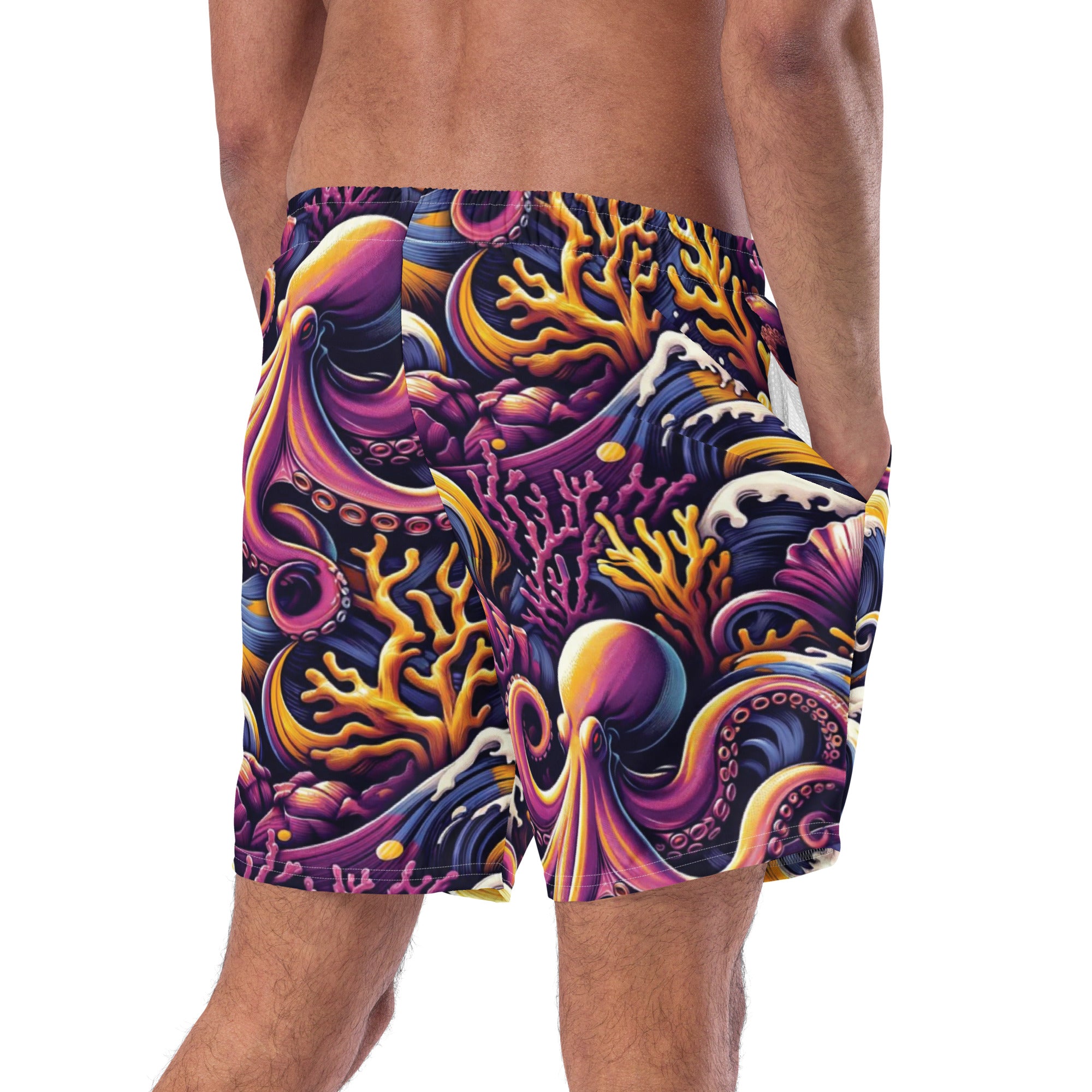
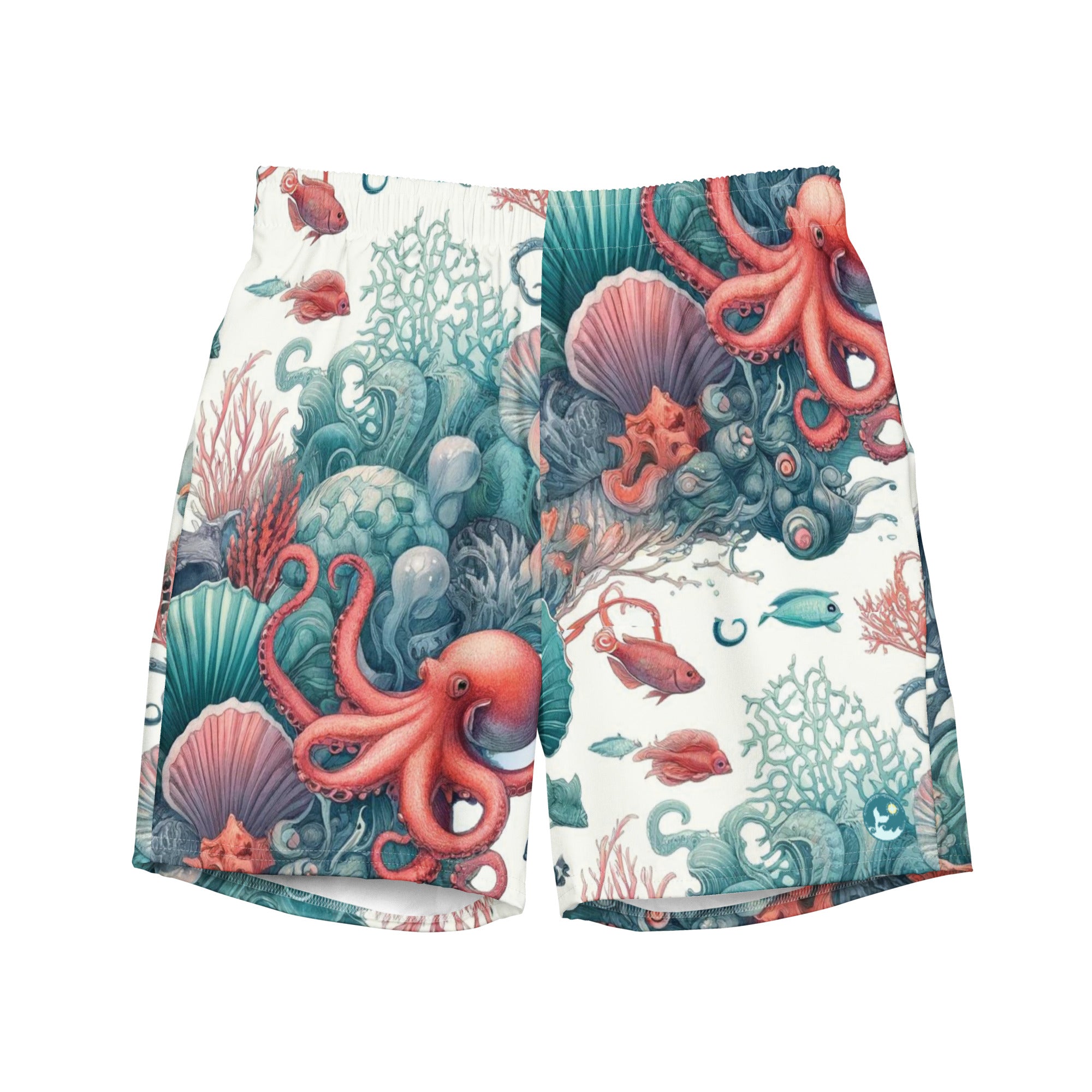
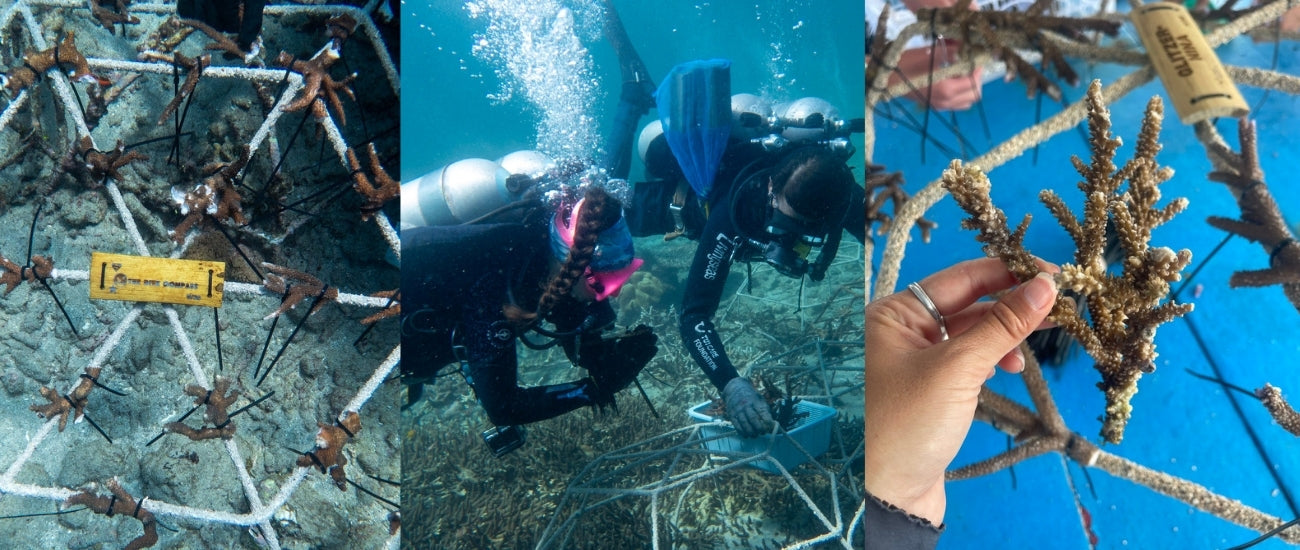
🪸 Every piece we make is produced to order from recycled polyester with a UPF 50+ rating, and every order funds coral at Padang Bai.
Frequently asked questions
What should I wear to my scuba diving class?
A swimsuit that stays put without adjusting, and a rash guard. Neither PADI nor SSI publishes guidance on this, so most shops assume you already know. The rash guard matters most in the pool, where rental neoprene rubs the neck and underarms across five confined water sessions, and again on the boat as sun protection. You do not need to buy a wetsuit, BCD, regulator or computer, because all of that is included in your course fee.
What do I wear under a wetsuit for my Open Water course?
A close fitting swimsuit with nothing rigid in it, and a rash guard over the top if you want to reduce chafe and make the suit easier to pull on. PADI's own gear page describes body suits as abrasion resistant and designed to layer under another exposure suit, which is exactly the job they do during repeated training sessions.
Is there a swim test for scuba certification, and is it timed?
There is a swim test and it is not timed. The World Recreational Scuba Training Council minimum standard gives you two options, a 200 meter continuous swim with no aids or a 300 meter swim using mask, fins and snorkel, plus a ten minute float or tread. No agency standard sets a time limit. You need to cover the distance without stopping, not cover it quickly.
Which scuba certification is best, PADI or SSI?
It matters far less than which individual instructor you get. PADI Open Water, SSI Open Water, NAUI Scuba Diver, SDI Open Water and CMAS One Star all meet the same international standard, ISO 24801-2 Autonomous Diver, which is why you can convert between agencies freely. The agency sets a floor. The instructor decides how far above that floor you end up.
How much does it cost to get scuba certified?
Open Water runs roughly $260 in Dahab, $340 in Koh Tao, $350 in Utila and $450 in Playa del Carmen, against $630 to $820 all in for a typical US dive shop once materials are added. Advanced is $250 to $400, Rescue $300 to $500, and Divemaster $800 to $1,500 in the US market. I paid around $1,000 for my divemaster in Dahab in 2022.
Can I do my pool sessions and open water dives in different places?
Yes, and it is a formal agency supported process called a referral. PADI referrals are valid for 12 months at any PADI dive center worldwide. SSI's Referral Diver is valid for six months. SDI's Global Referral Form is valid six months and is accepted by instructors from any internationally recognized agency. The downside is that two instructors each see half your progression and neither sees the whole picture.
How deep can an Open Water diver go?
Eighteen meters or 60 feet for PADI, SSI, NAUI and SDI, and 20 meters for CMAS One Star. Advanced Open Water raises that to 30 meters or 100 feet, and the Deep Diver specialty takes you to the recreational limit of 40 meters or 130 feet. After certification these limits are not law and nothing enforces them, which is precisely why they are worth taking seriously yourself.
Can I wear contact lenses scuba diving?
Yes. PADI, citing DAN, recommends soft lenses rather than hard ones, because gas bubbles can form between a rigid lens and the cornea, and advises beginners to keep their eyes closed during any skill that floods or removes the mask. DAN's own guidance notes that many divers wear contacts without issue, and recommends preservative free lubricating drops, a well fitting mask and backup glasses.






















Leave a comment
This site is protected by hCaptcha and the hCaptcha Privacy Policy and Terms of Service apply.