




How To Choose Dive Swimwear That Actually Fits (And Doesn’t Ruin Your Dive)
I spent an entire dive adjusting my bikini top. Here's what I learned.
It was day three of a liveaboard in the Maldives.
Visibility was extraordinary. We were diving a cleaning station — manta rays circling overhead, reef sharks below, the kind of dive you plan a trip around for months.
And I spent a significant portion of it pulling my bikini top back into place.
Not because I'd bought cheap gear, but because I'd bought the wrong kind of gear. Beautiful swimwear that was designed for lounging in a sun bed, not for giant strides, current swimming, and climbing back up a ladder with a full tank on my back.
That dive taught me something I now tell every diver I meet: dive swimwear is its own category. And choosing it wrong doesn't just affect your comfort. It affects your whole experience underwater.
So if you're planning a dive trip, whether it's your first liveaboard, a week in Bali, or just a weekend at a local dive site, here's exactly what to look for. From someone who's made every mistake first.

What makes dive swimwear different from regular swimwear
Regular swimwear is designed to look good standing still. On a beach. In a photo. Maybe doing a gentle breaststroke in a pool.
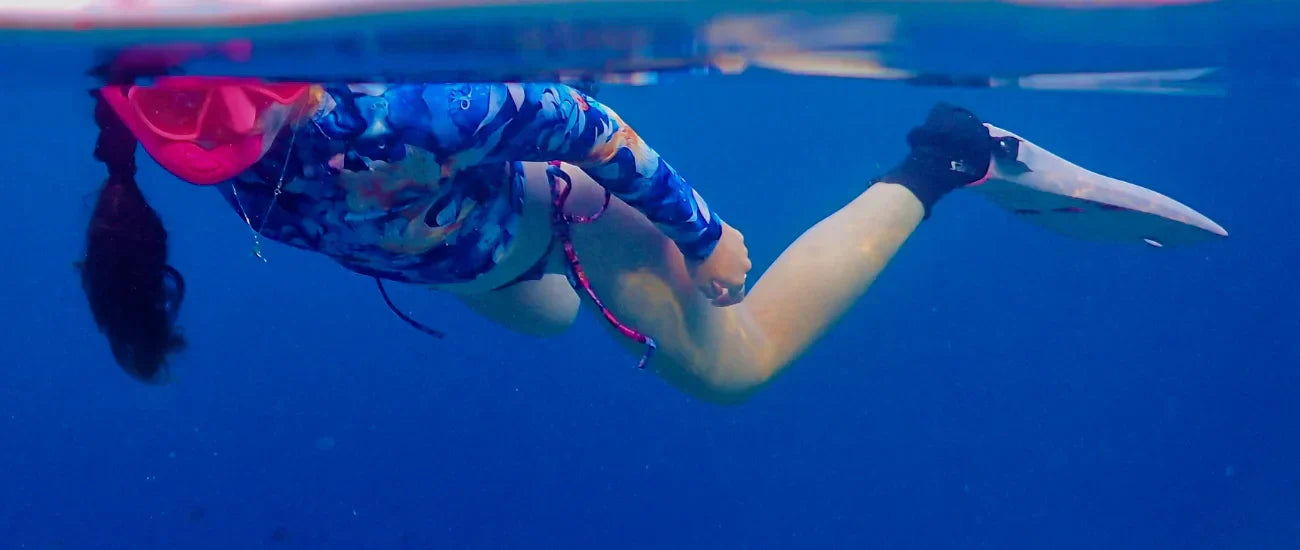
Dive swimwear has to do something much harder, it has to stay exactly where you put it while you:
- Giant stride off the back of a boat
- Pull a wetsuit on and off (repeatedly, on a rocking deck, with wet hands)
- Swim against current
- Climb ladders with full equipment
- Spend six to eight hours in and out of the water across multiple dives
The moment you do any of those things in regular swimwear, it shifts. It bunches. It rides up under your wetsuit and BCD. And suddenly you're not thinking about the reef, you're thinking about your gear.
Good dive swimwear solves that completely. Once you're in it, you forget it's there. That's the goal.
The four types of dive swimwear — and when to wear each
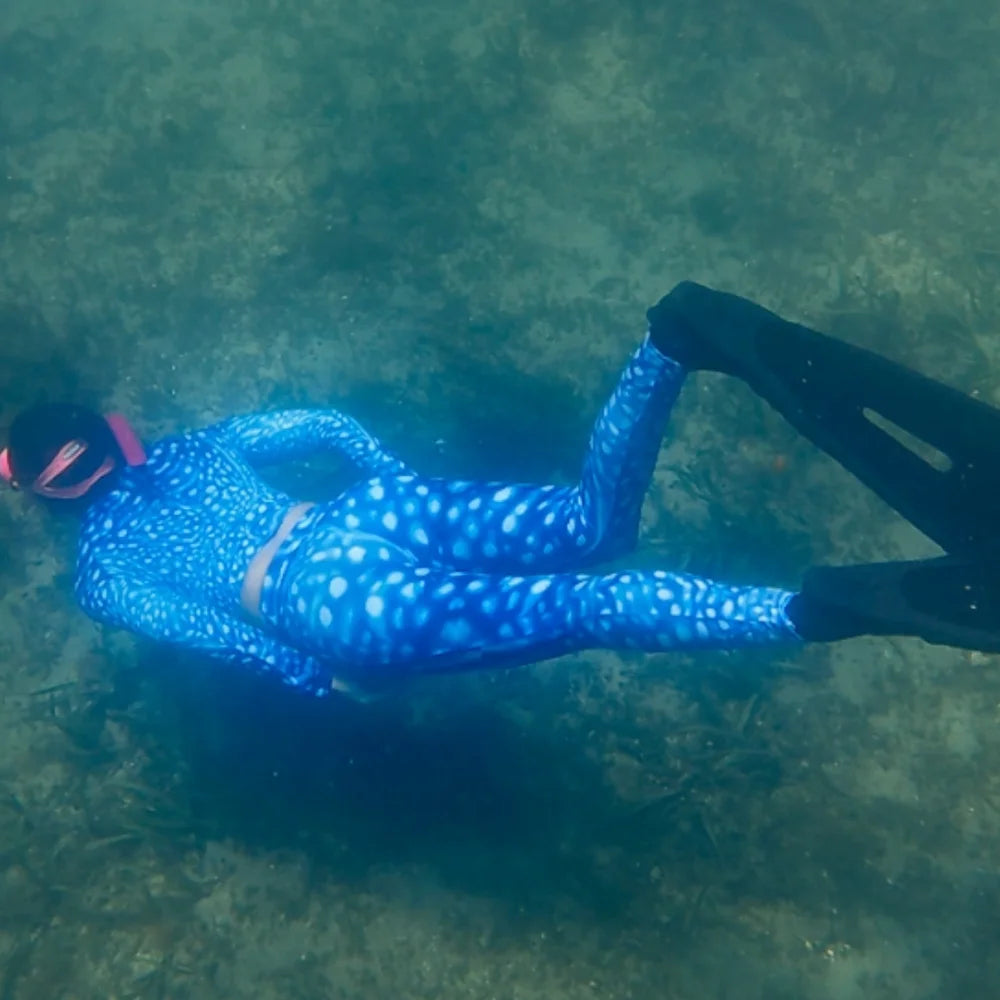
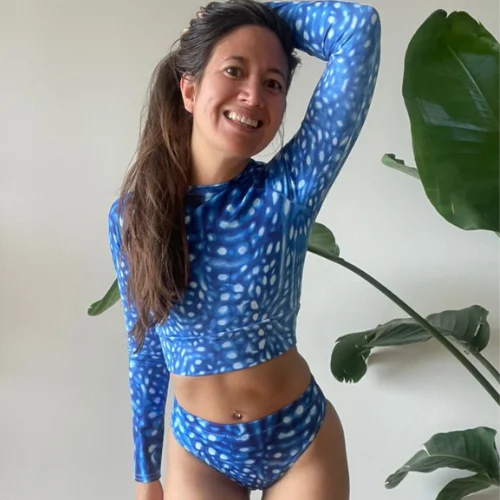
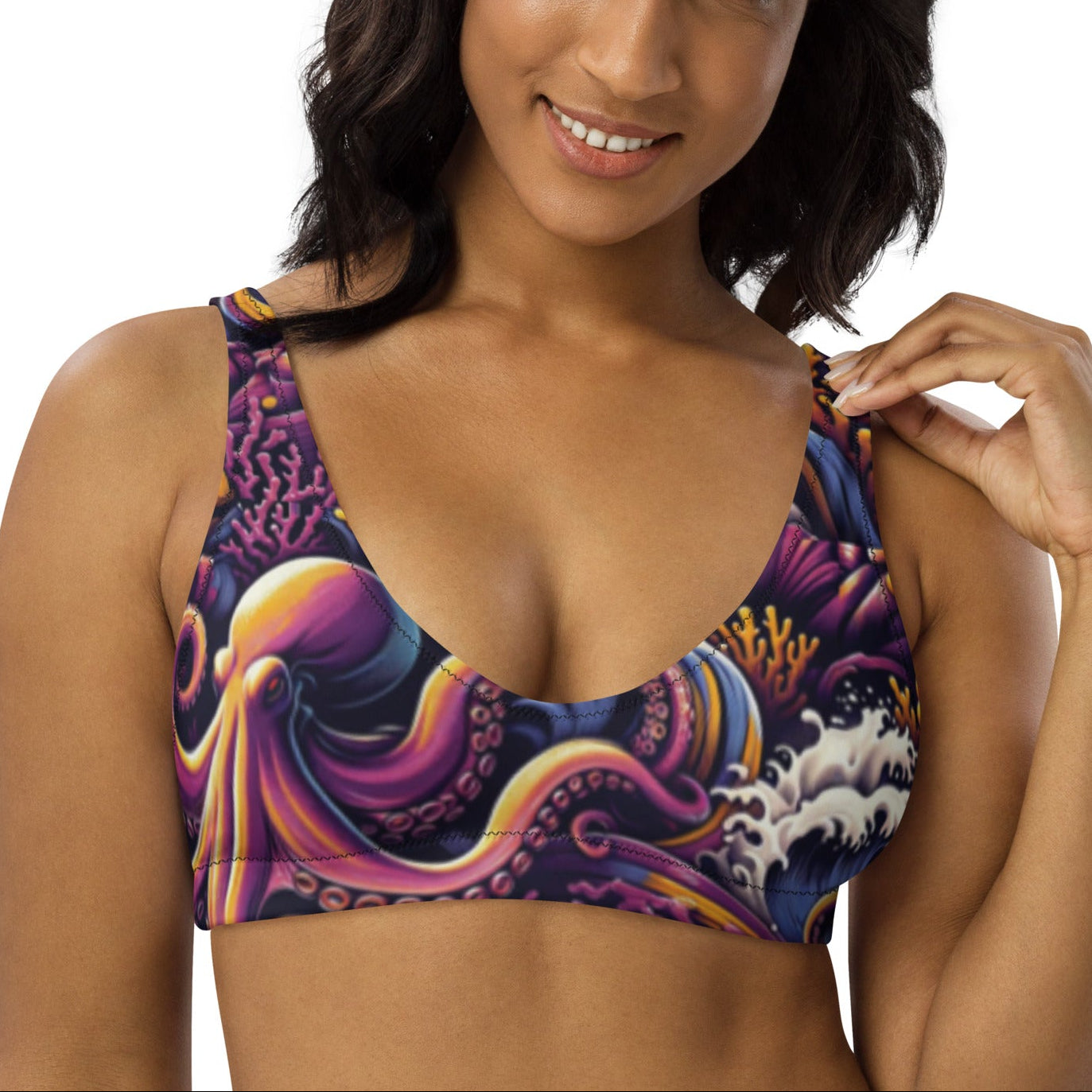
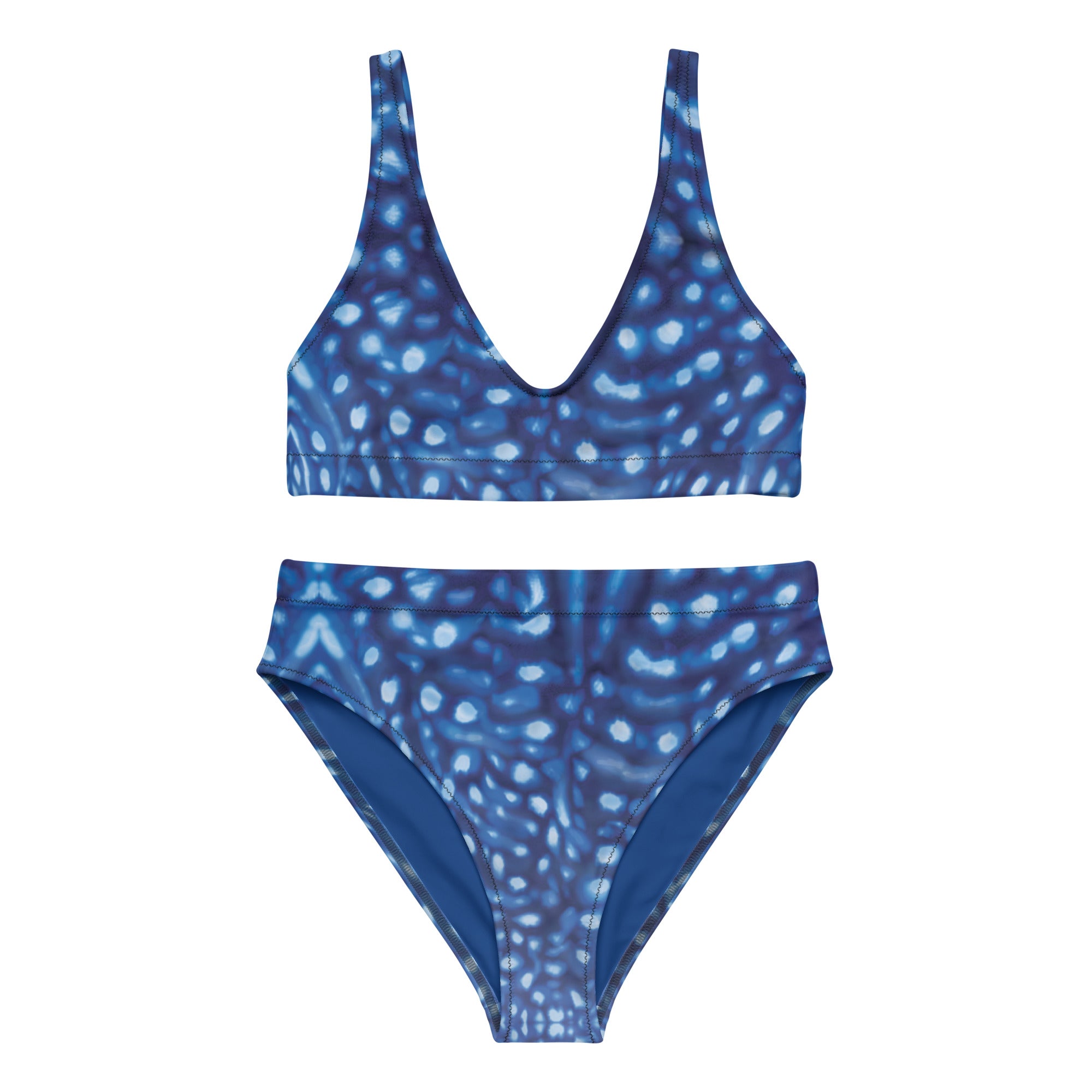
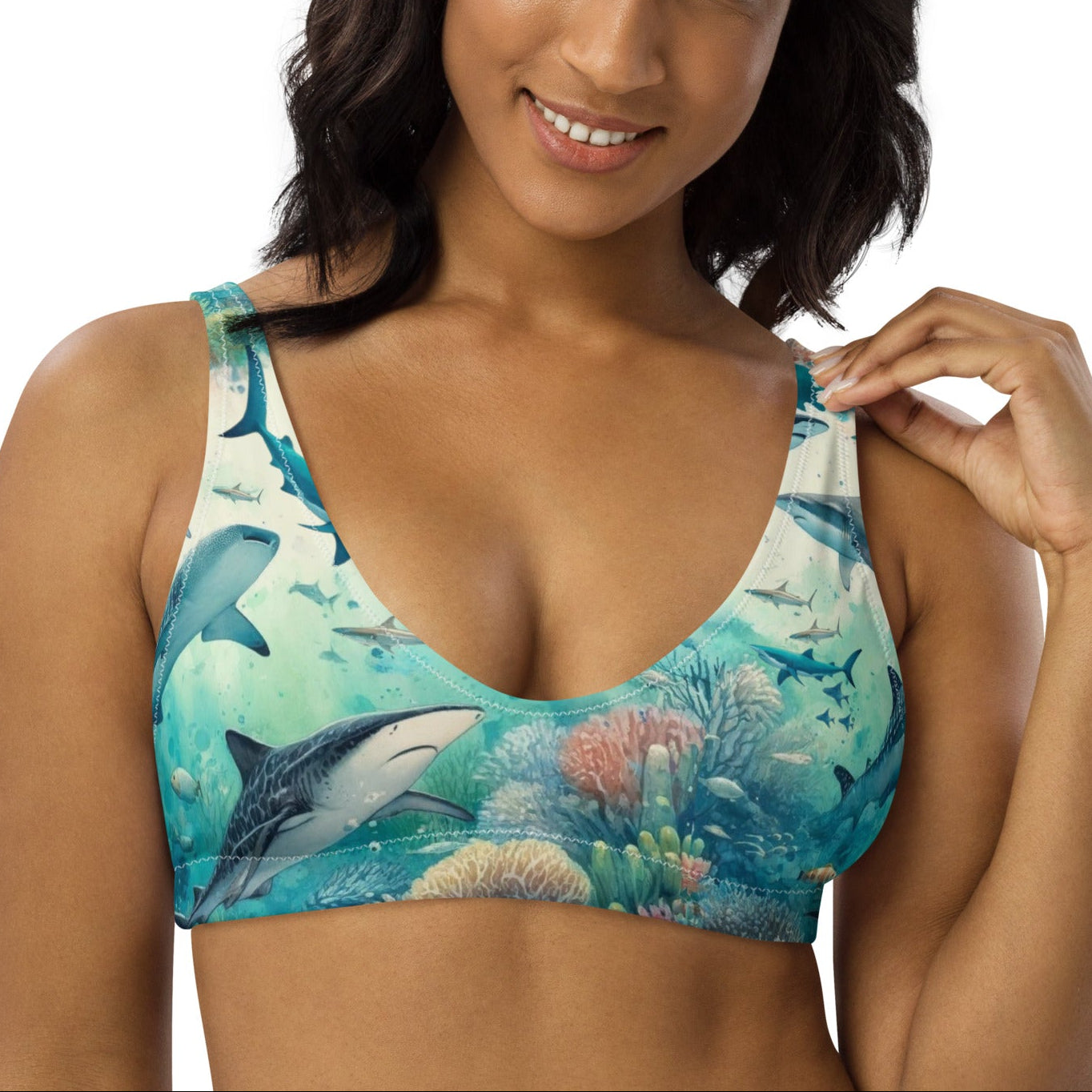
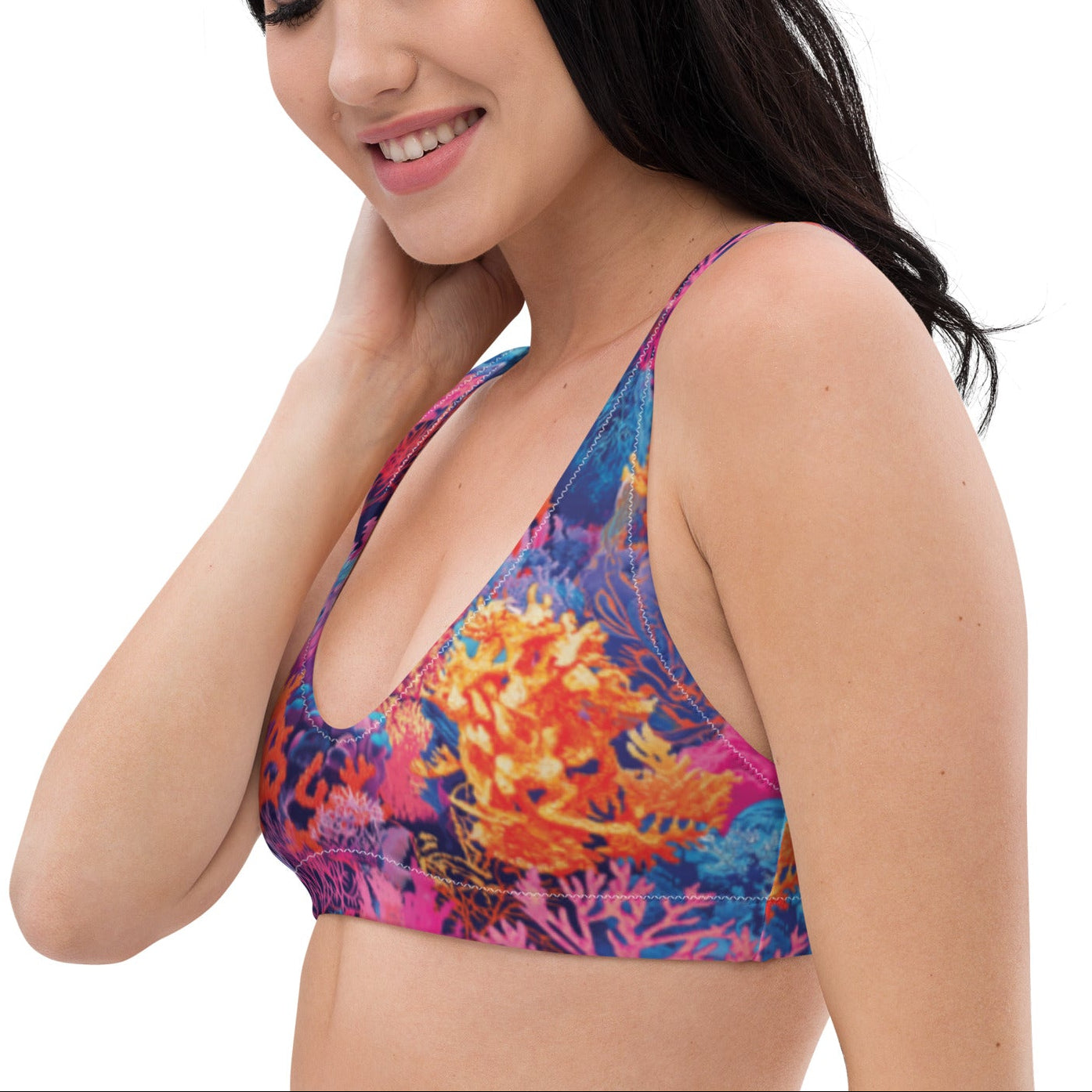
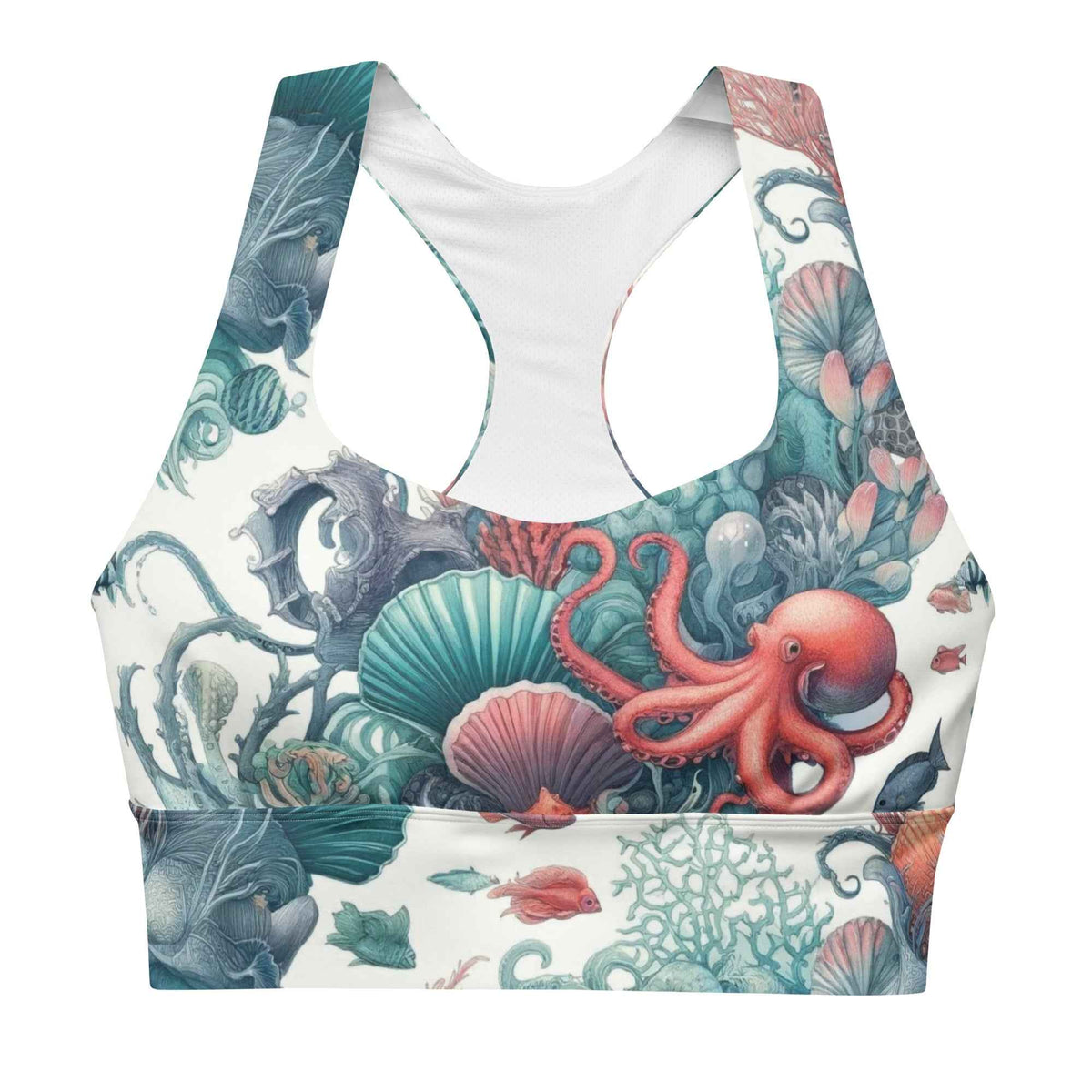
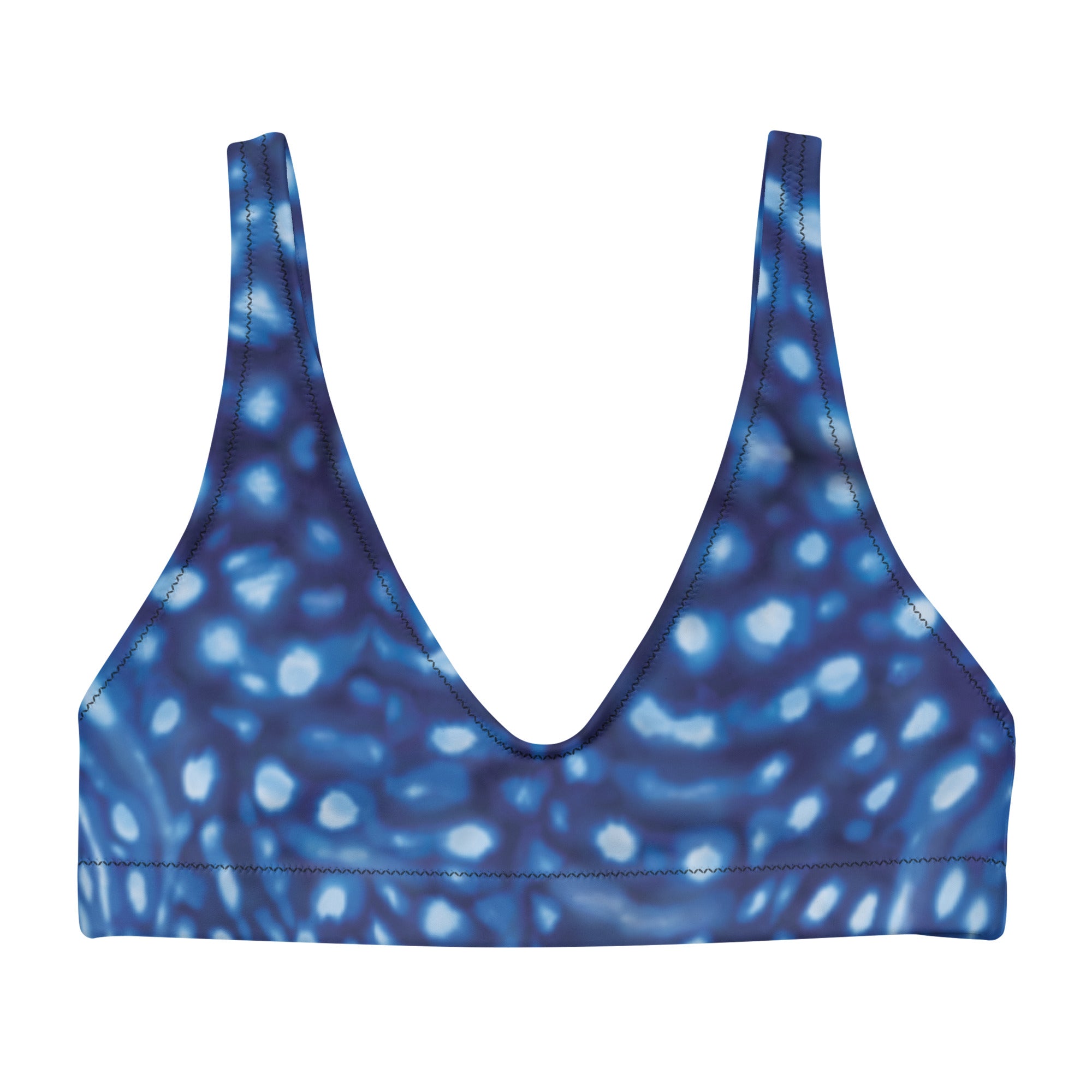
Scuba bikinis
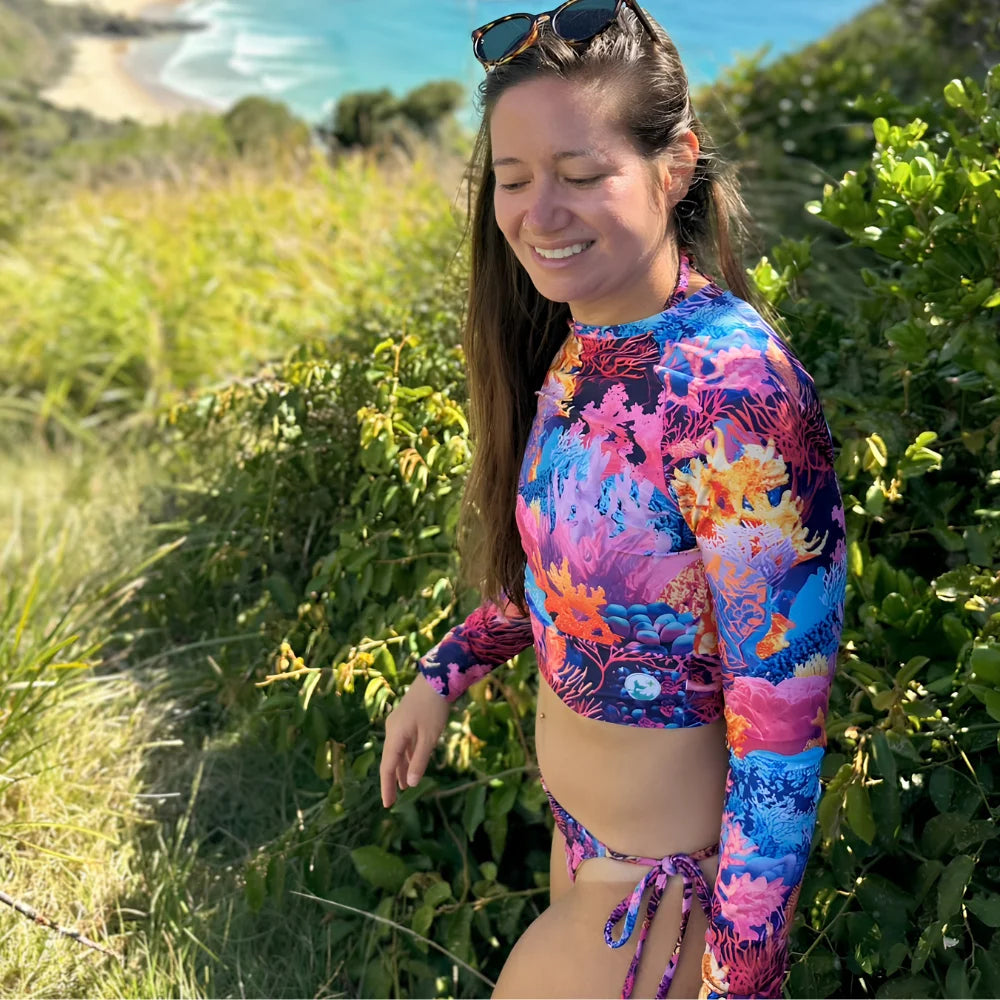
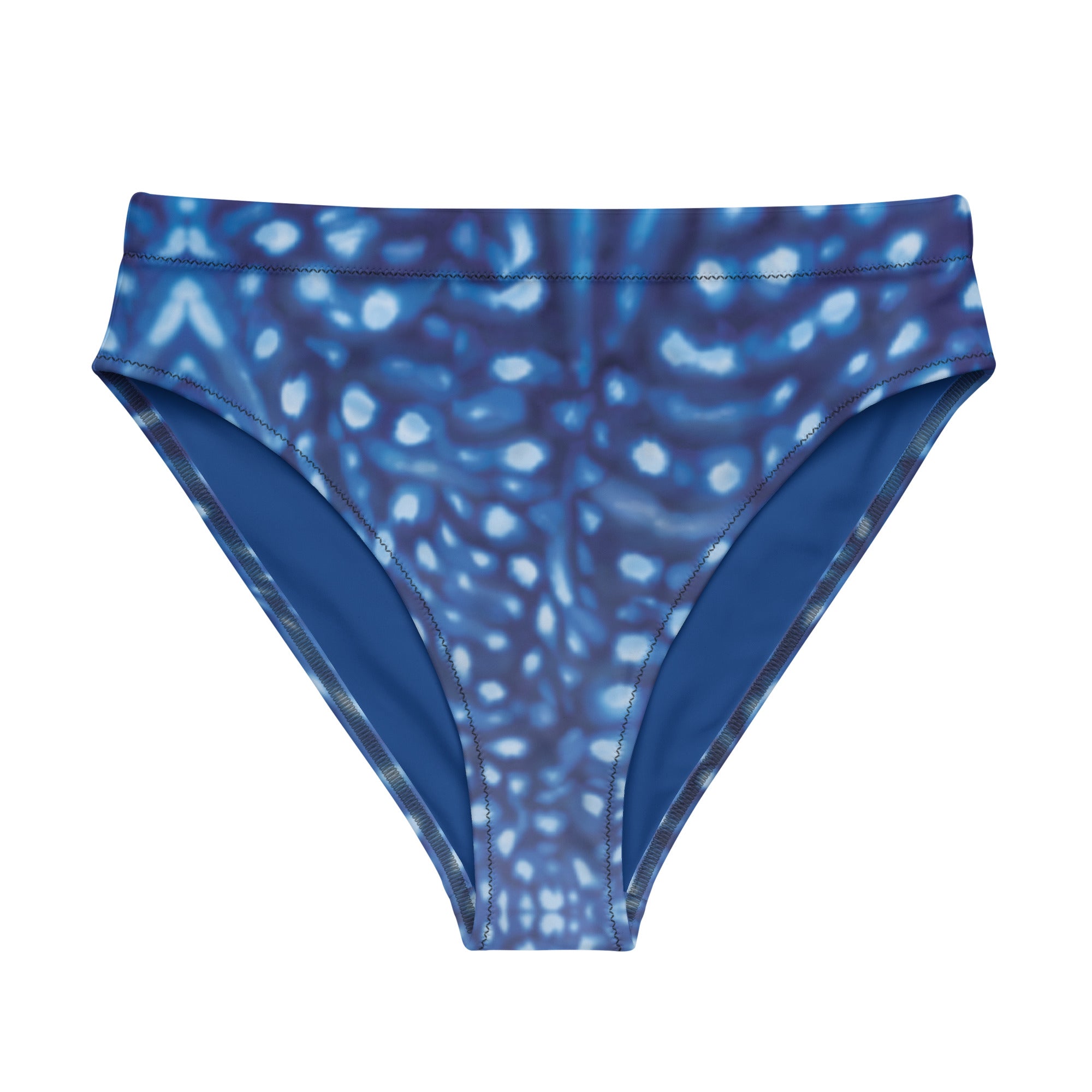
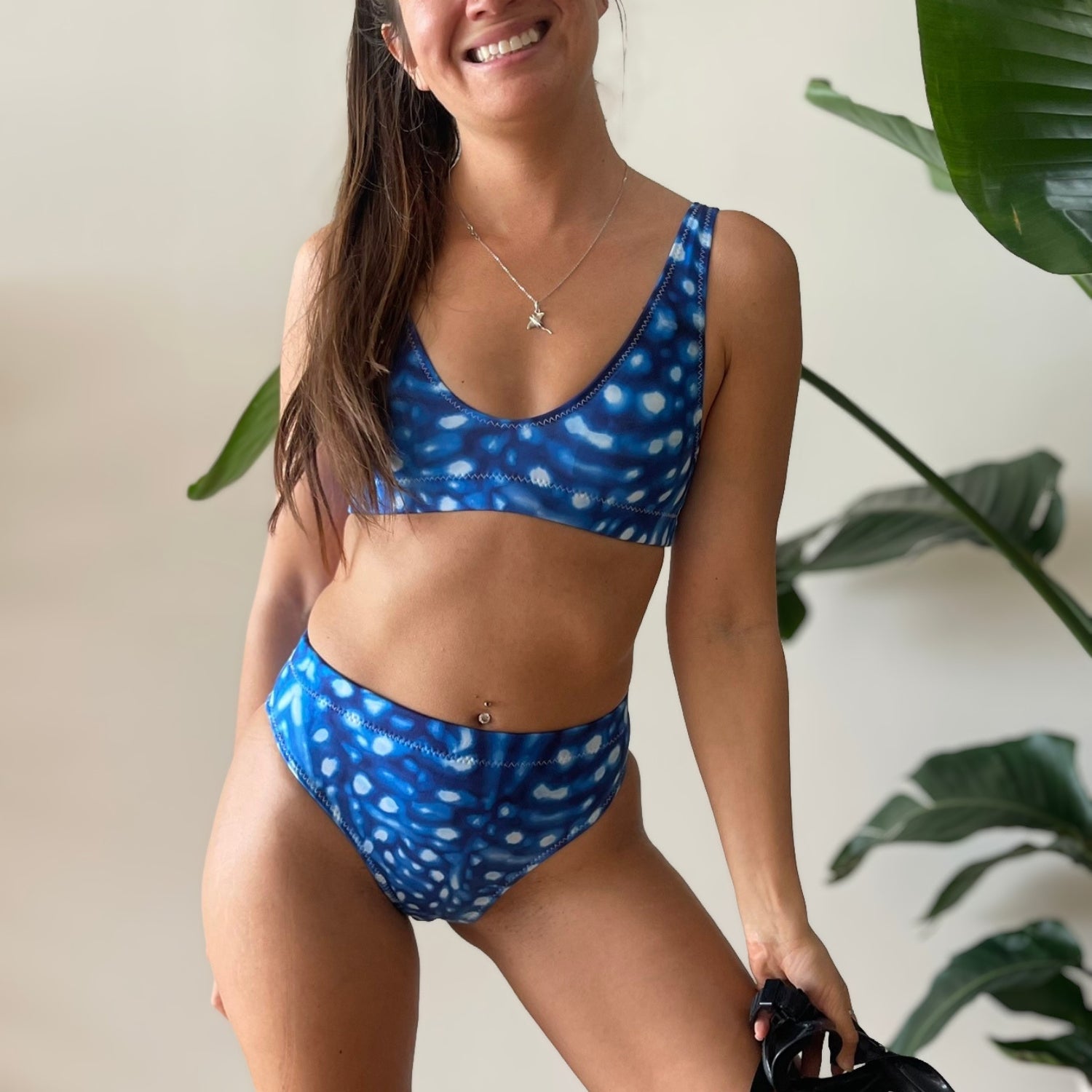
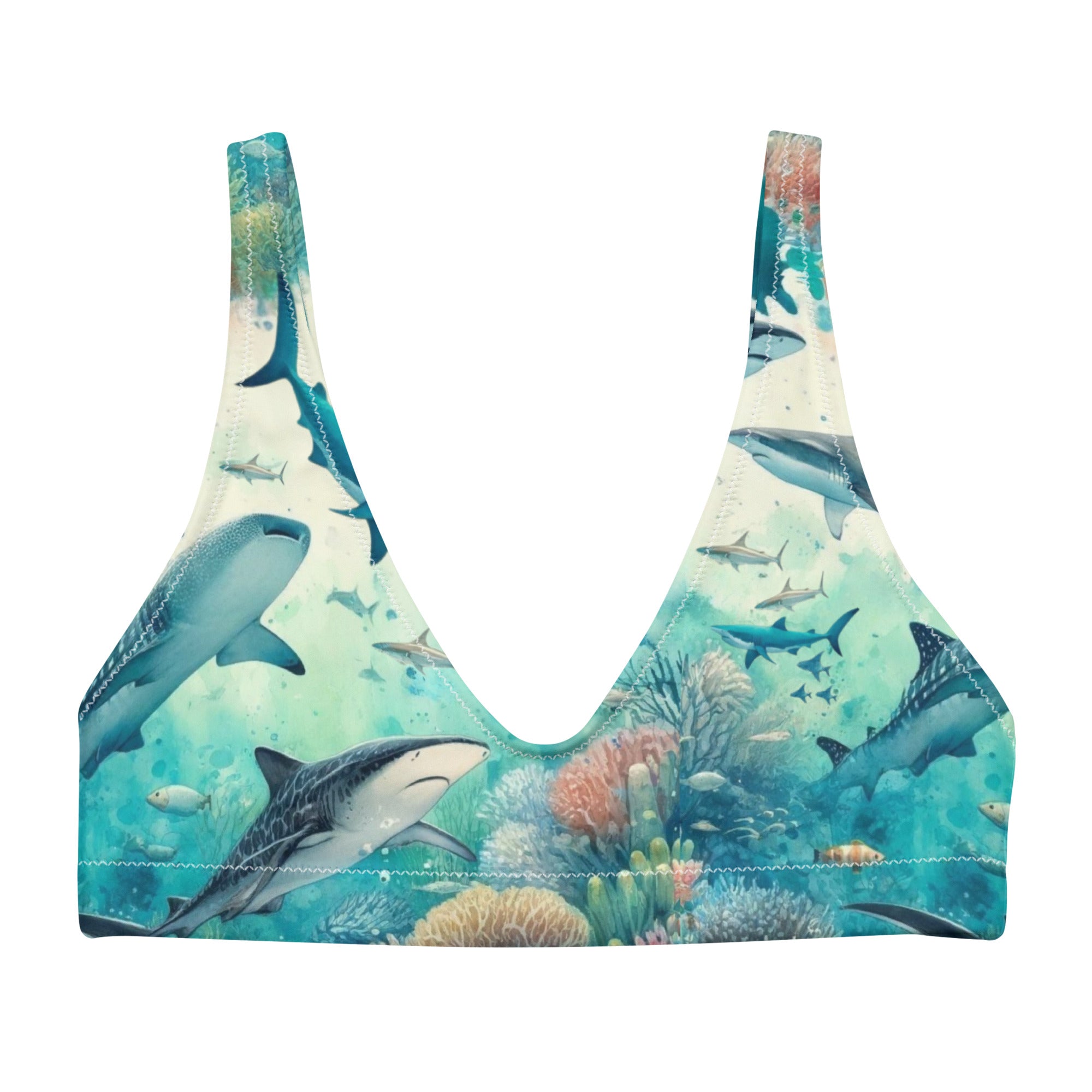
 Not all bikinis are created equal. A scuba bikini has a secure, stay-put construction that a regular bikini simply doesn't, the straps don't slip, the bottoms don't shift, and the whole thing sits flush under a wetsuit without creating uncomfortable ridges or bunching.
Wear them for: warm water diving above 28°C, long tropical dive days, wearing under a wetsuit as a base layer.
What to look for: secure cross-back or halter straps, a snug but not restrictive fit, and fabric with proper recovery, meaning it snaps back to shape after being stretched rather than bagging out after a season.
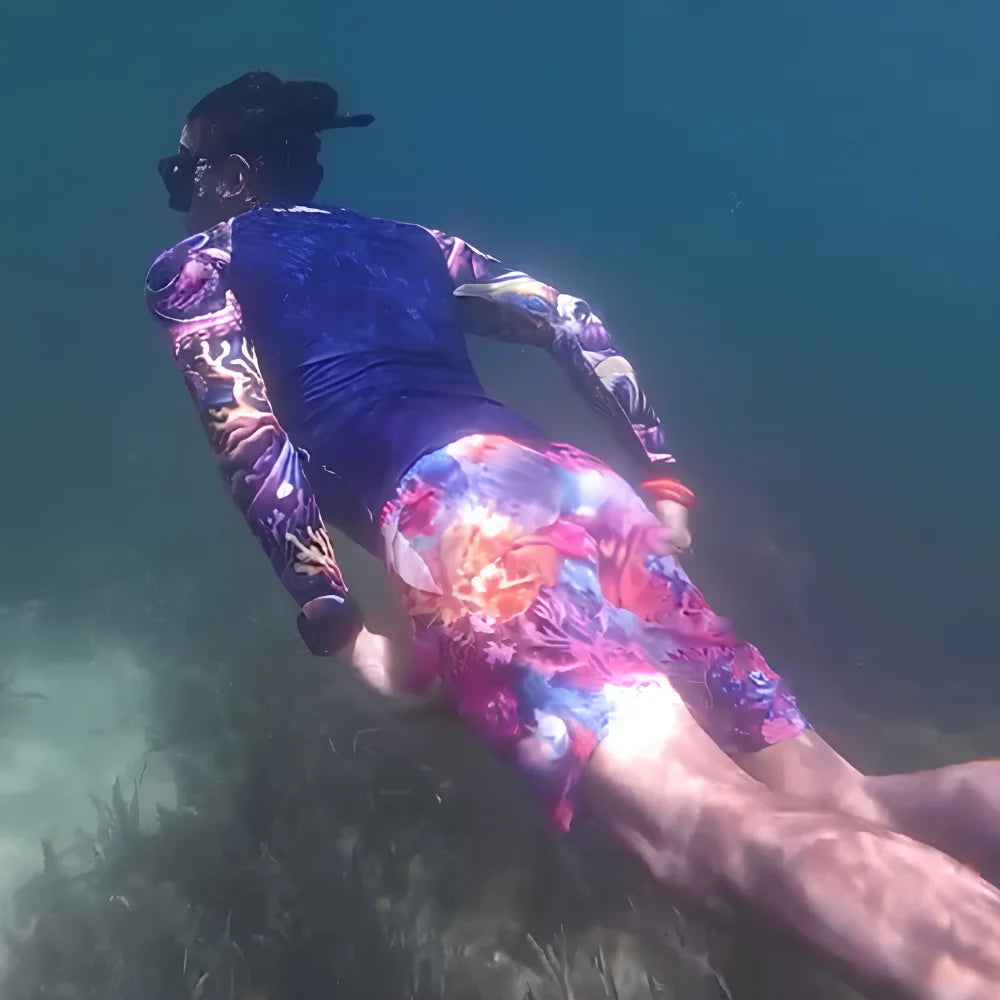
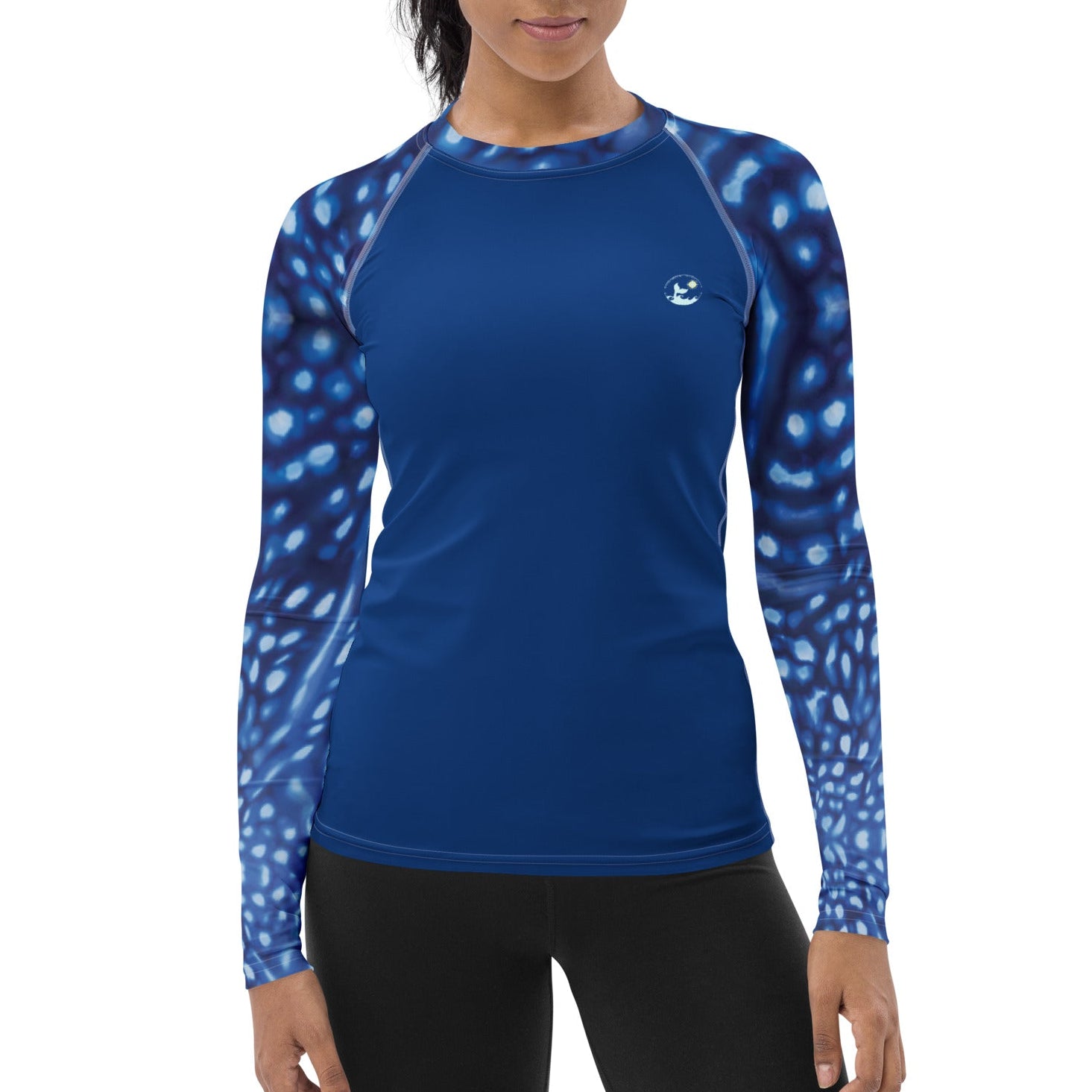
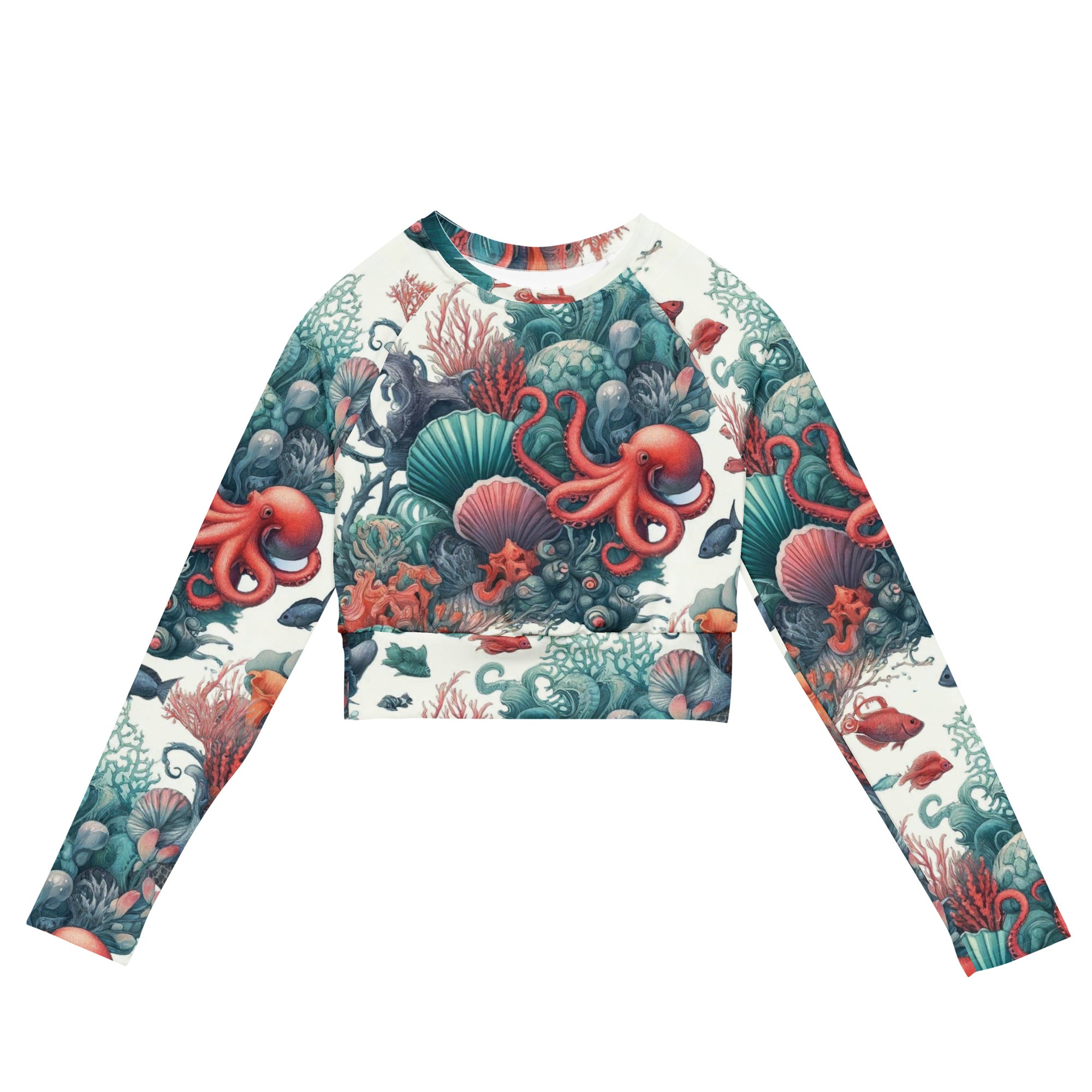
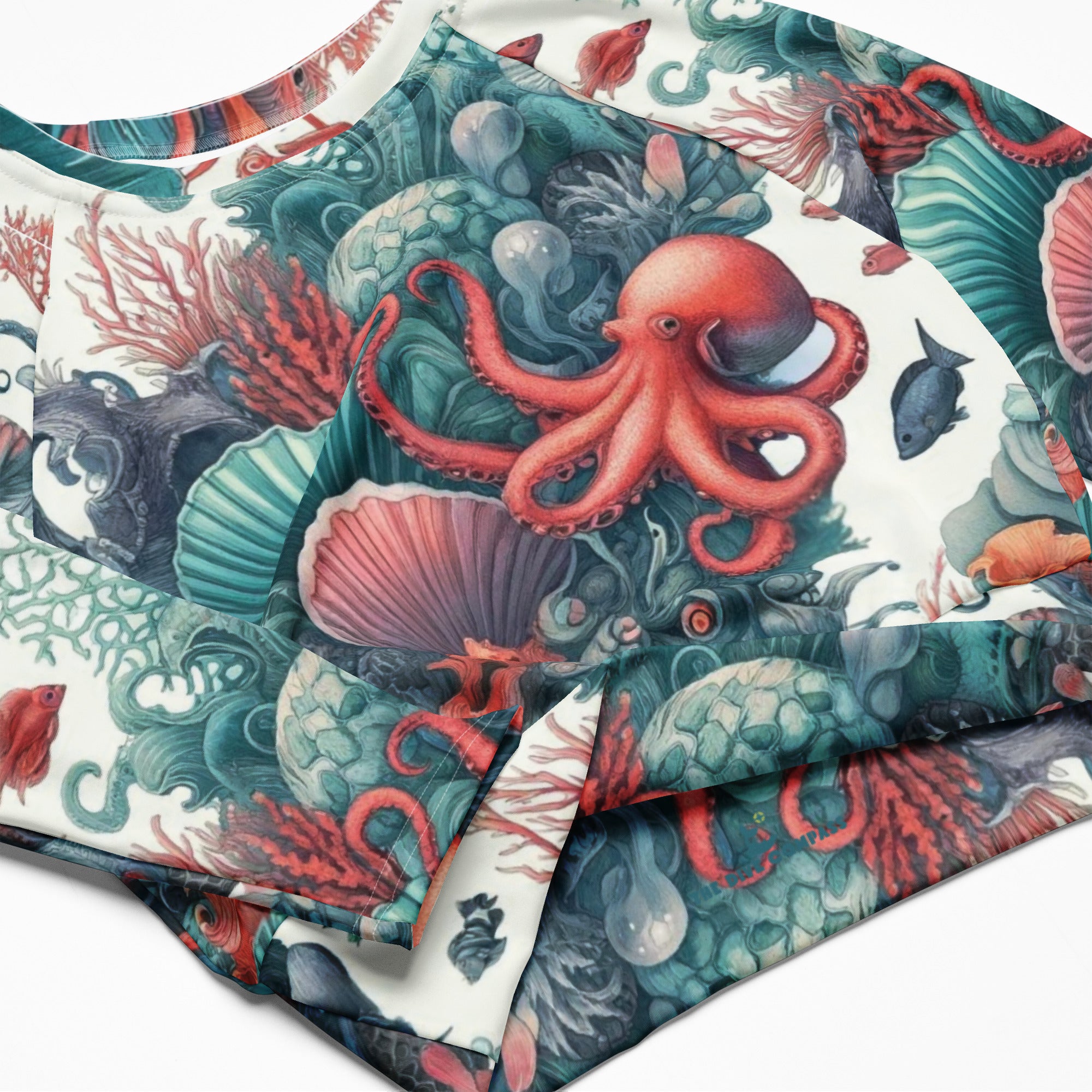
Rash guards
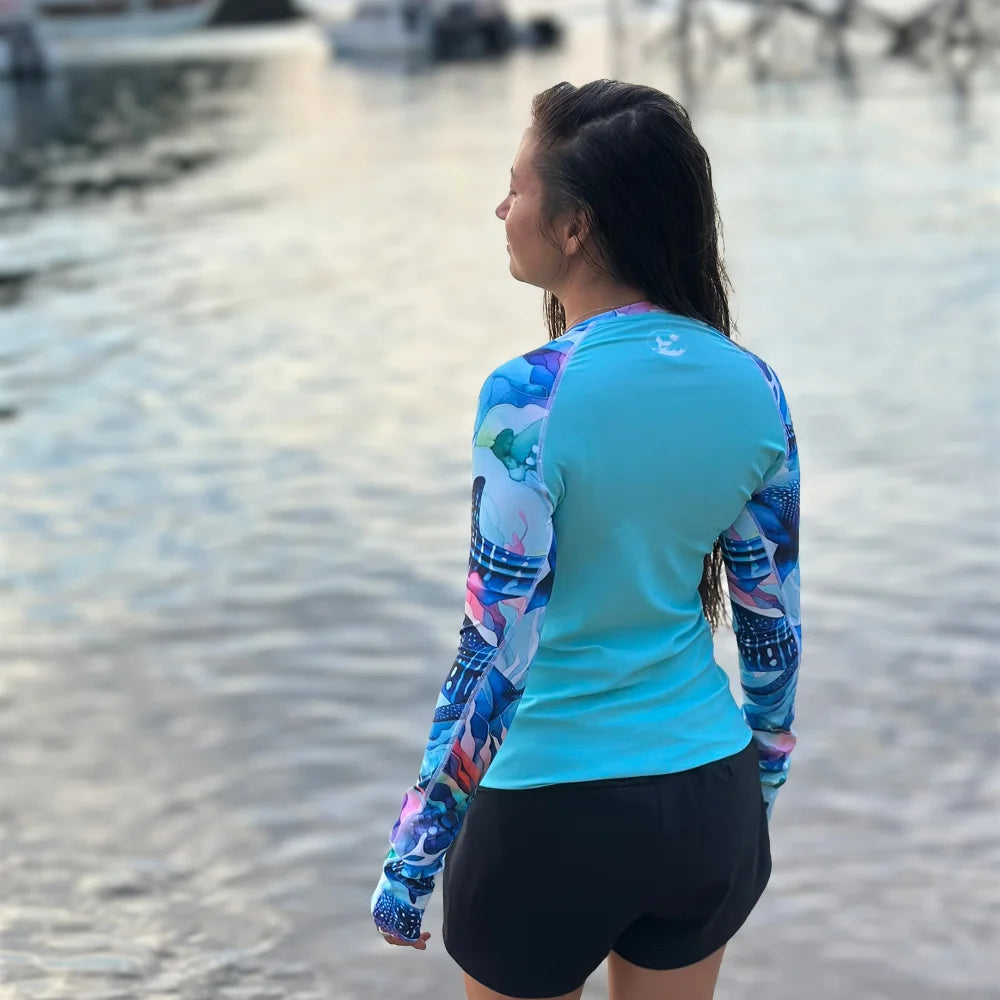
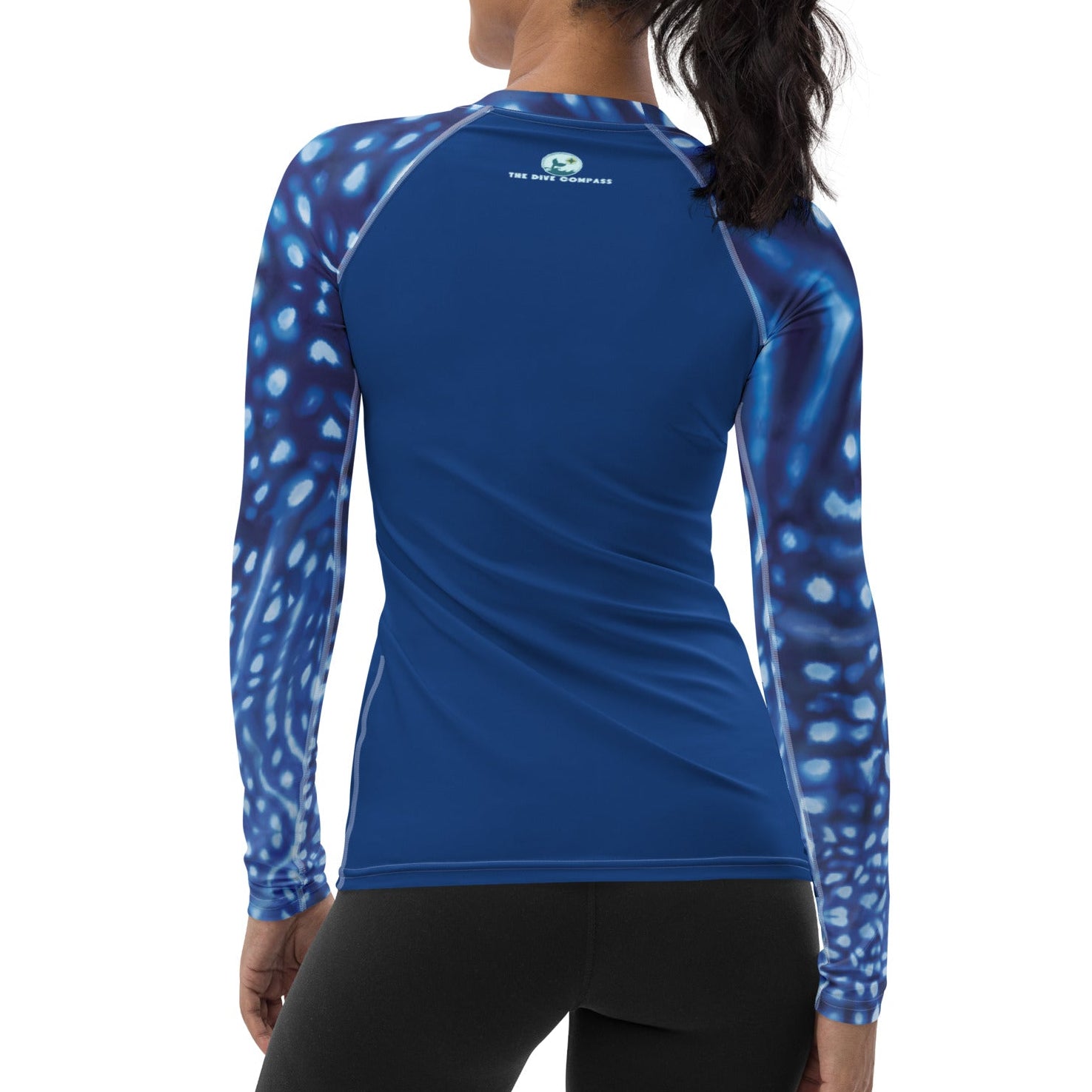
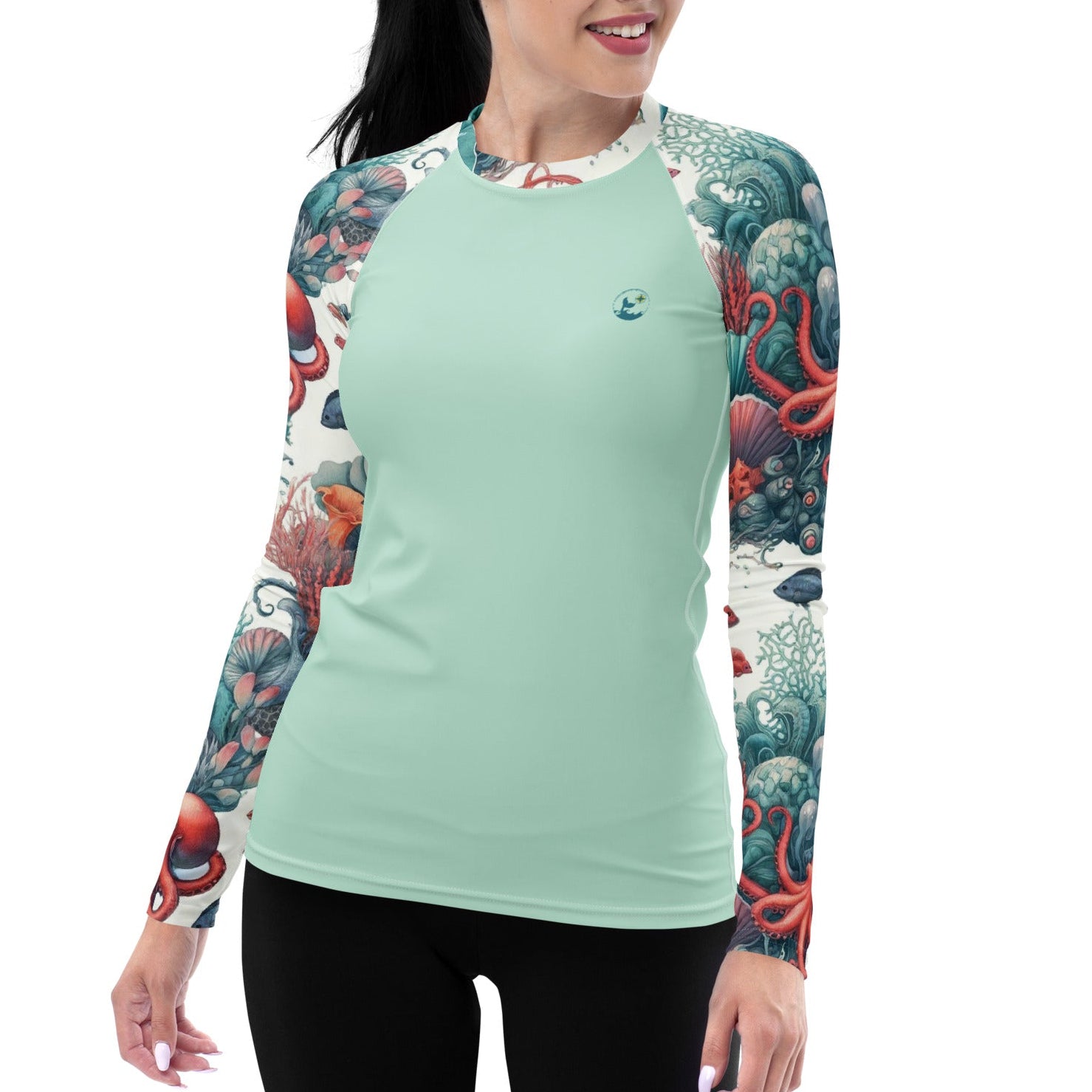
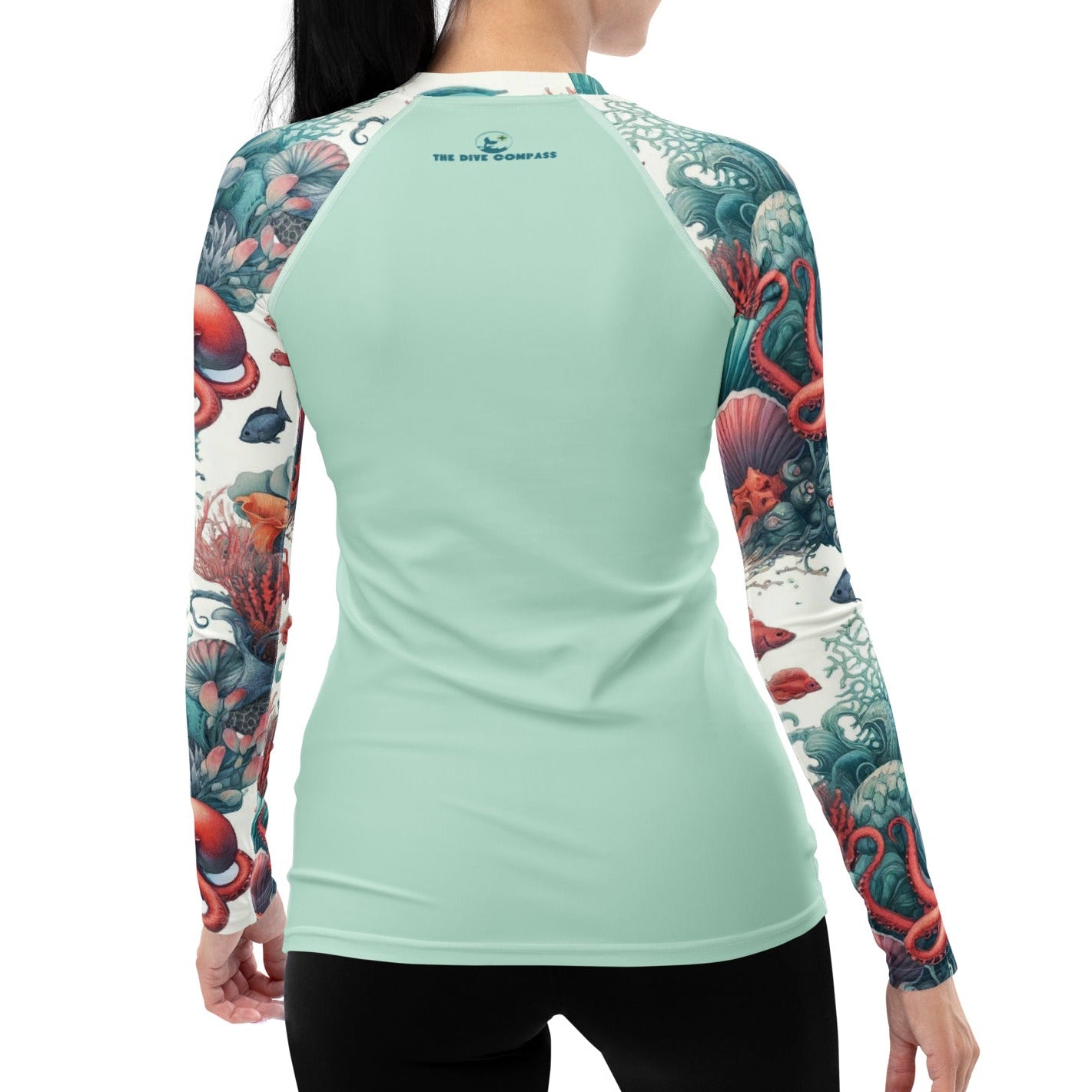
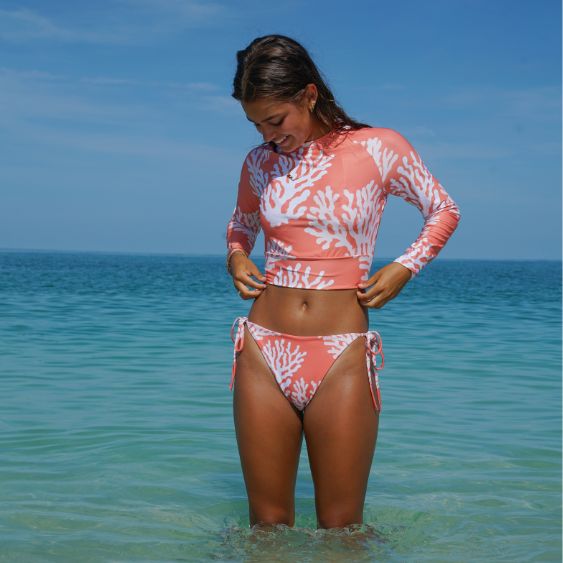
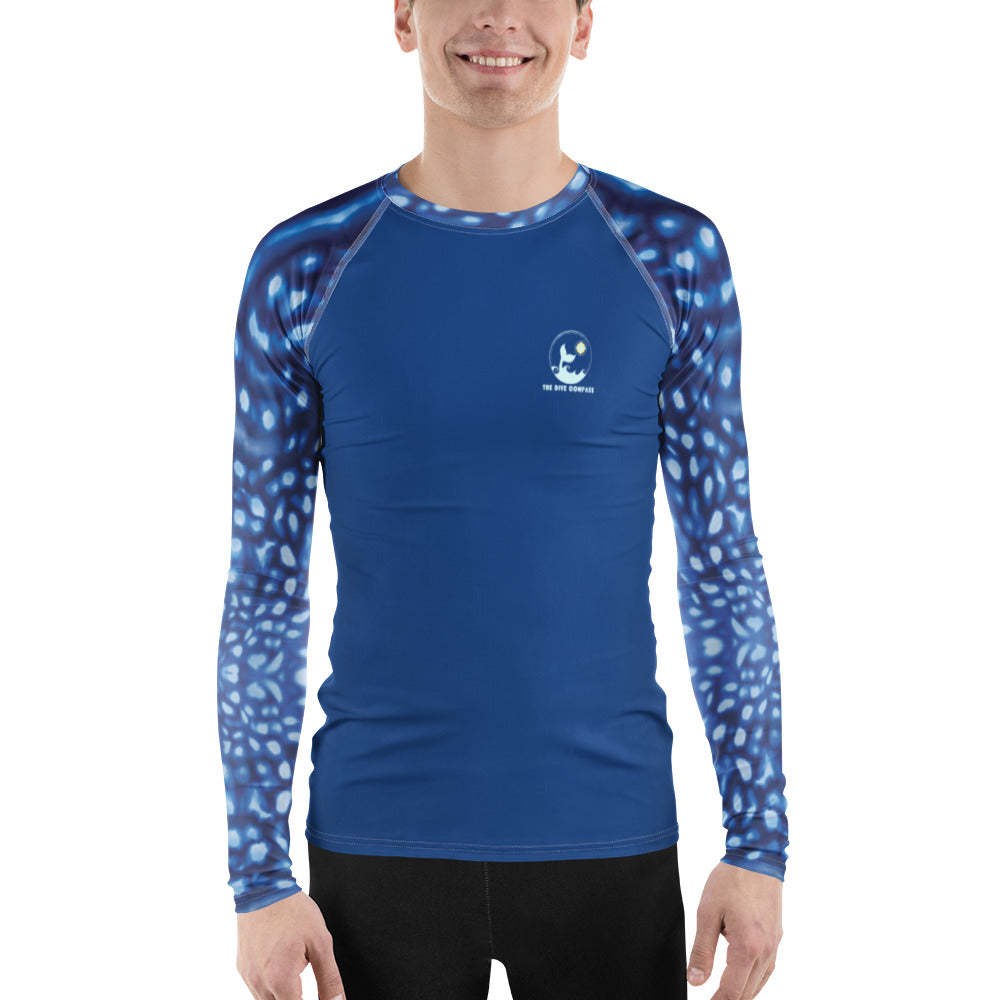
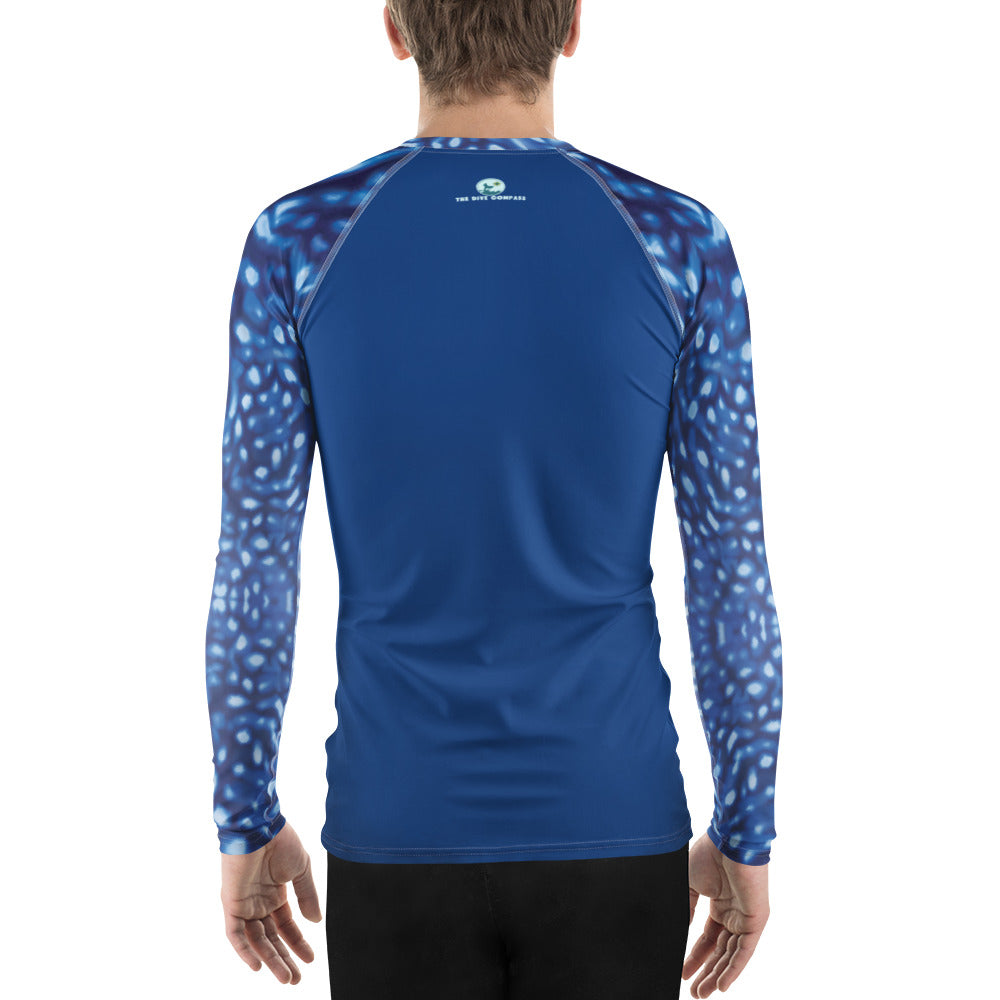
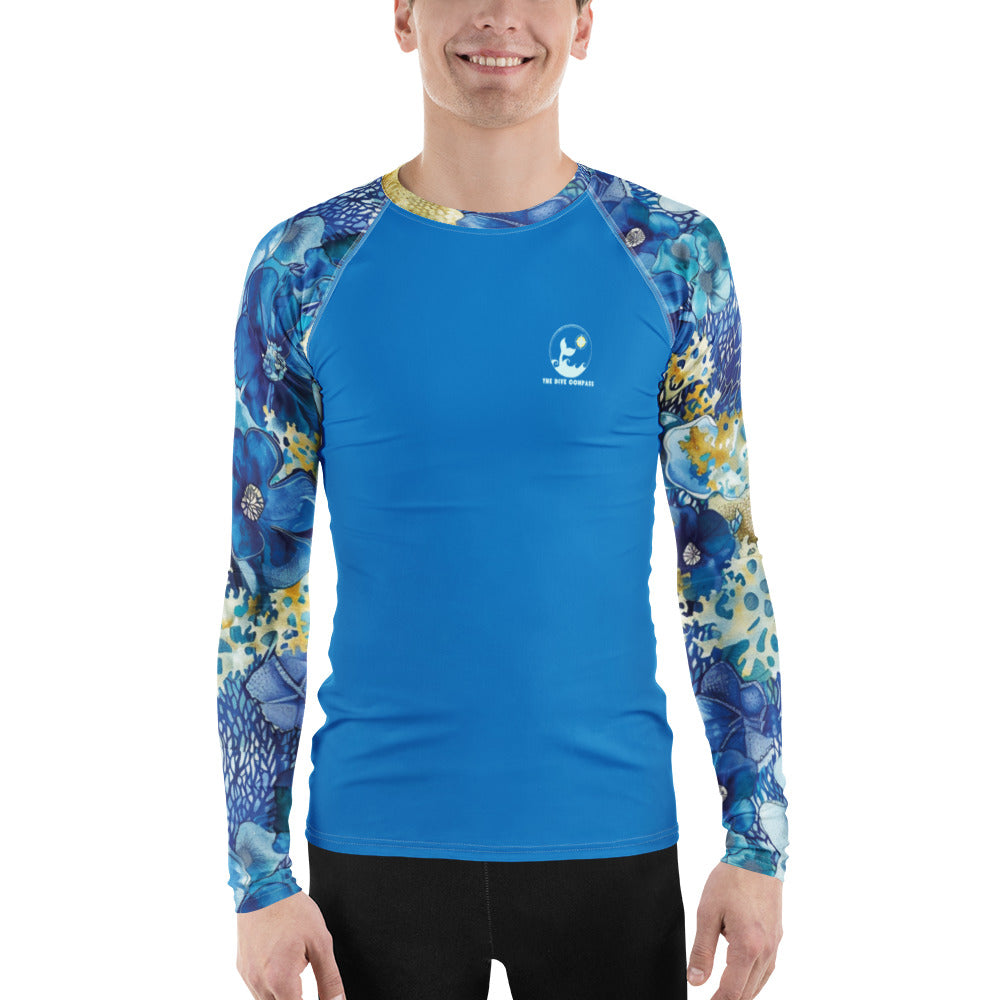
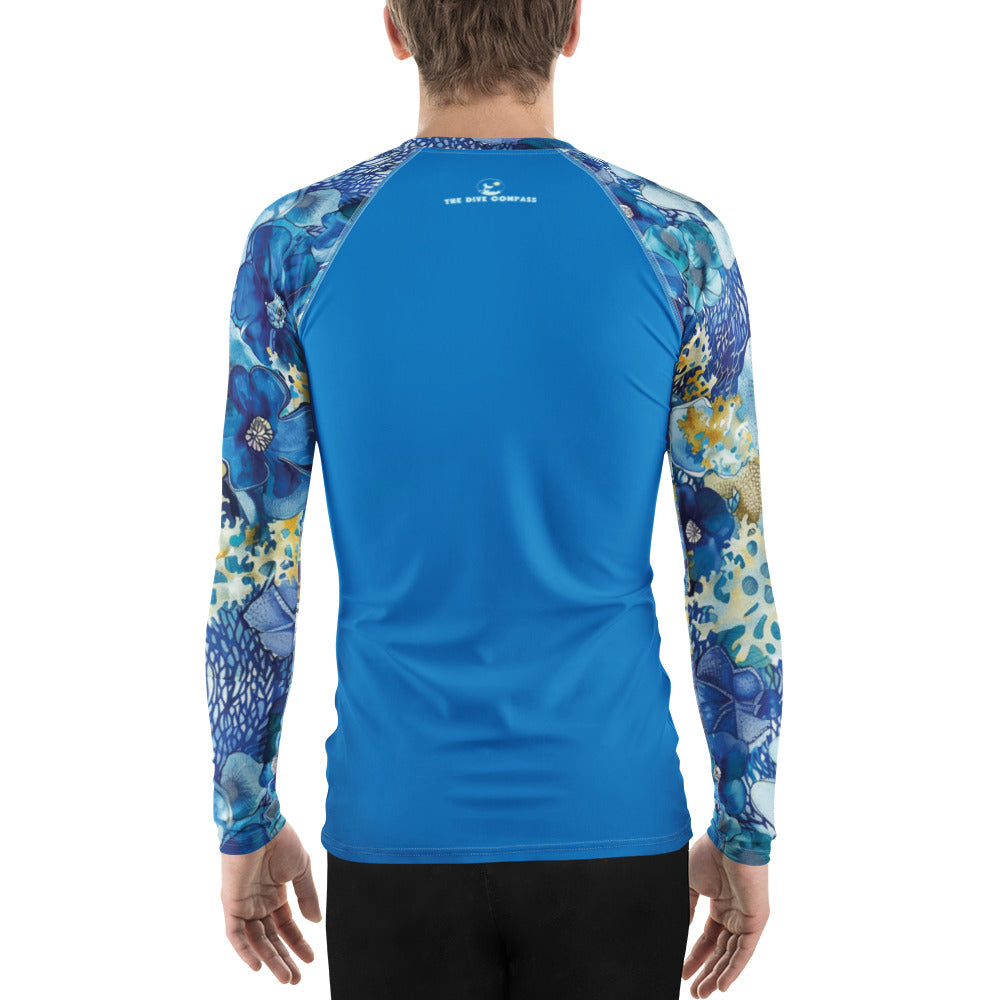
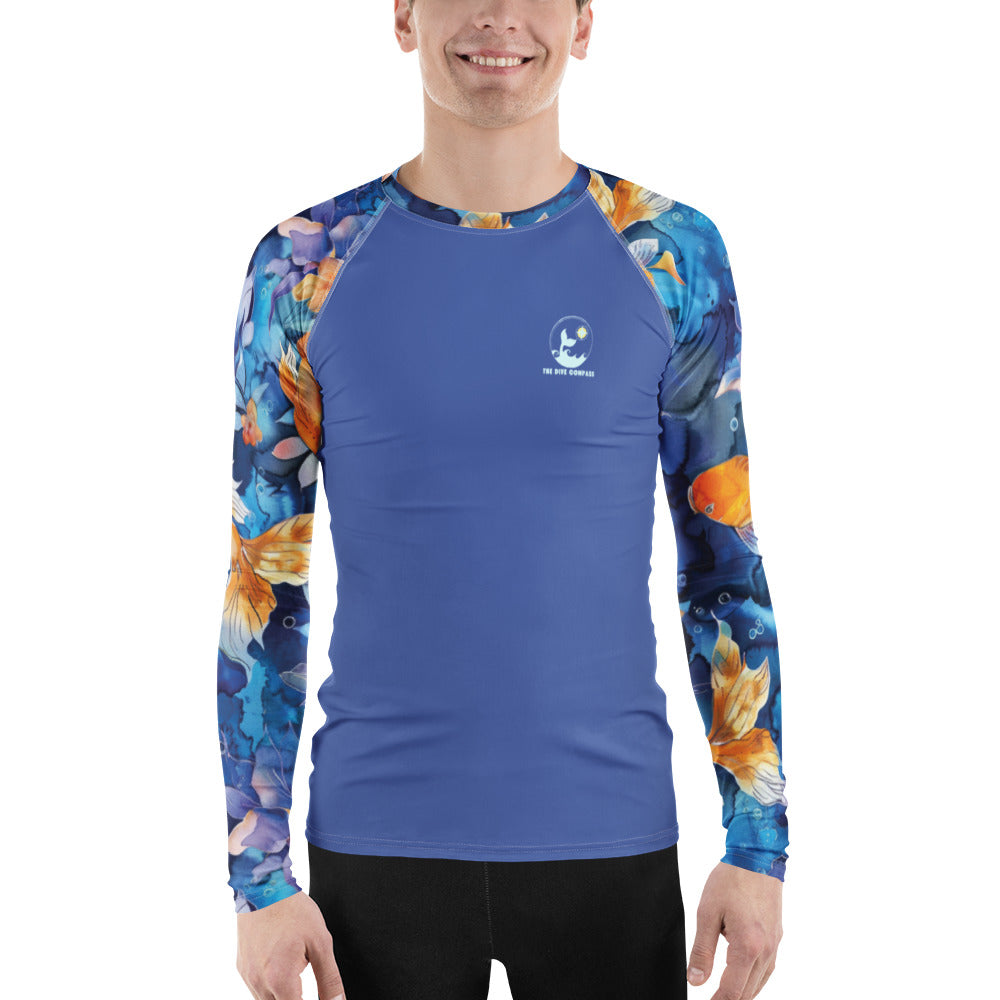
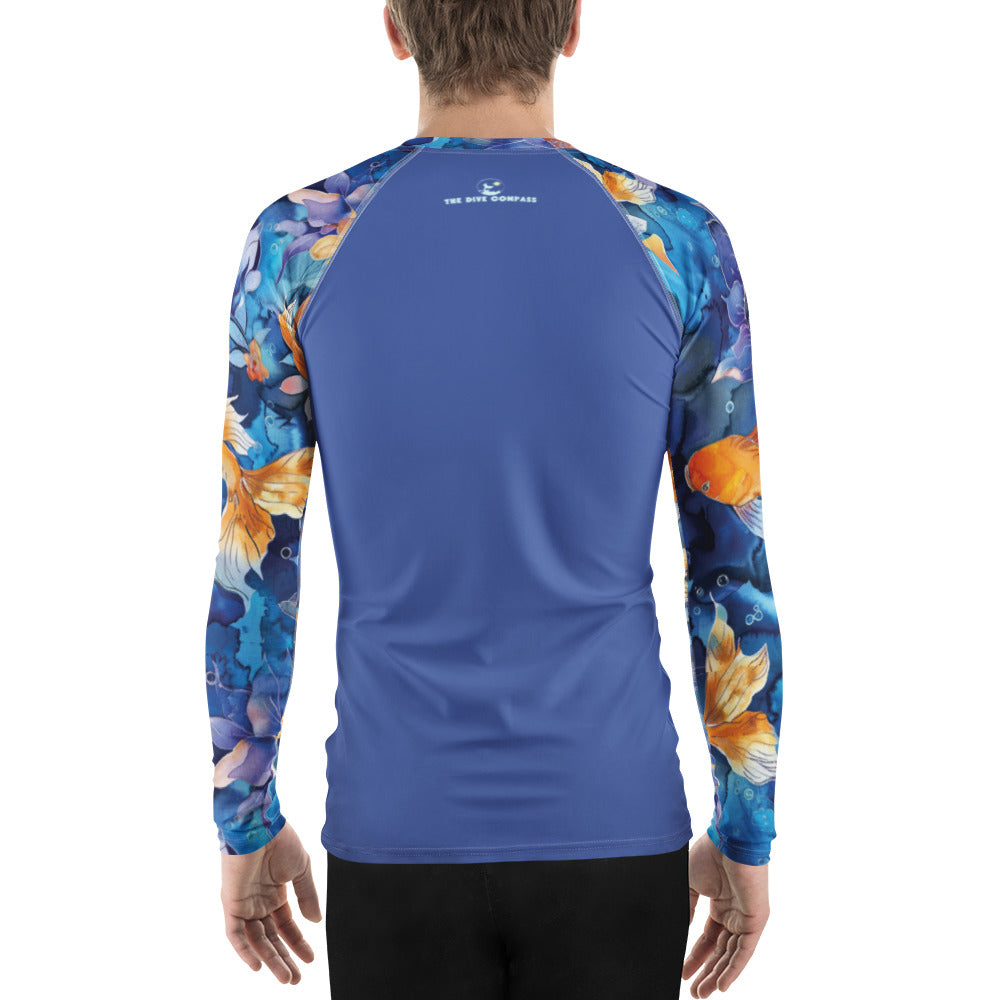
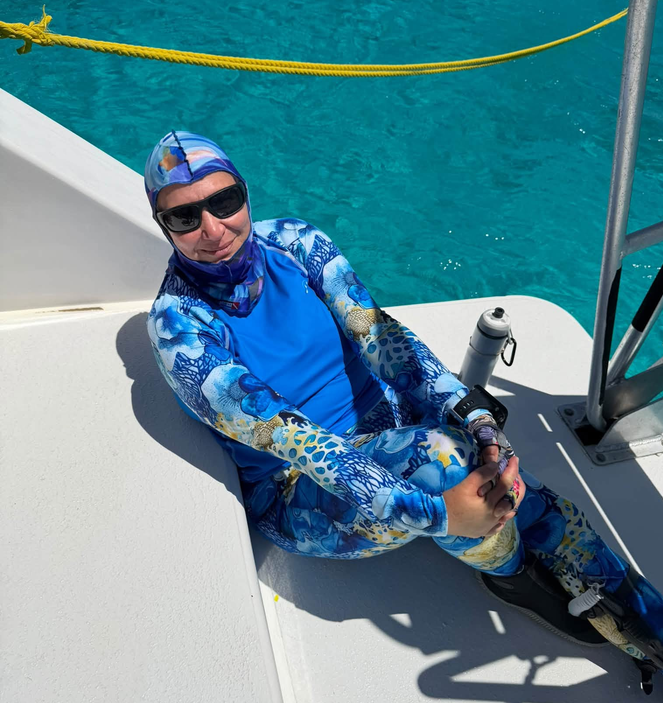
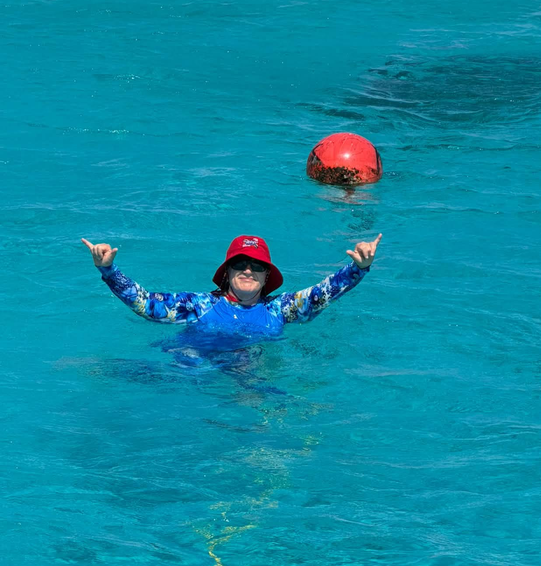
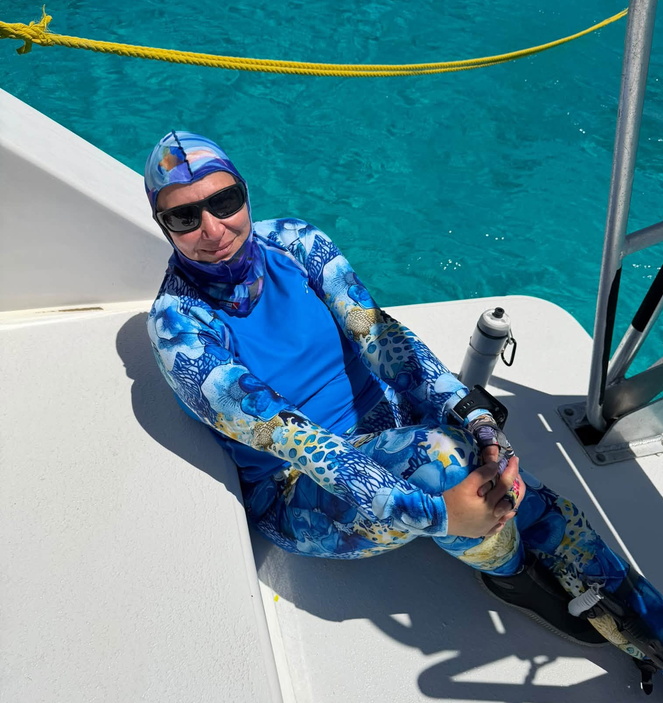
If you're diving in tropical water and you're not wearing a rash guard, you're making your life harder than it needs to be. A long-sleeve UPF 50+ rash guard replaces chemical sunscreen entirely in the water, which means zero reef damage, zero reapplying between dives, and full protection from both UV and jellyfish stingers.
Wear them for: sun protection on boat days, snorkeling, freediving, warm water scuba diving, and as a base layer under your wetsuit.
What to look for: UPF 50+ rated fabric, a long-sleeve cut, a fit that doesn't ride up under your BCD, and flat seams that won't chafe across a full day of diving.
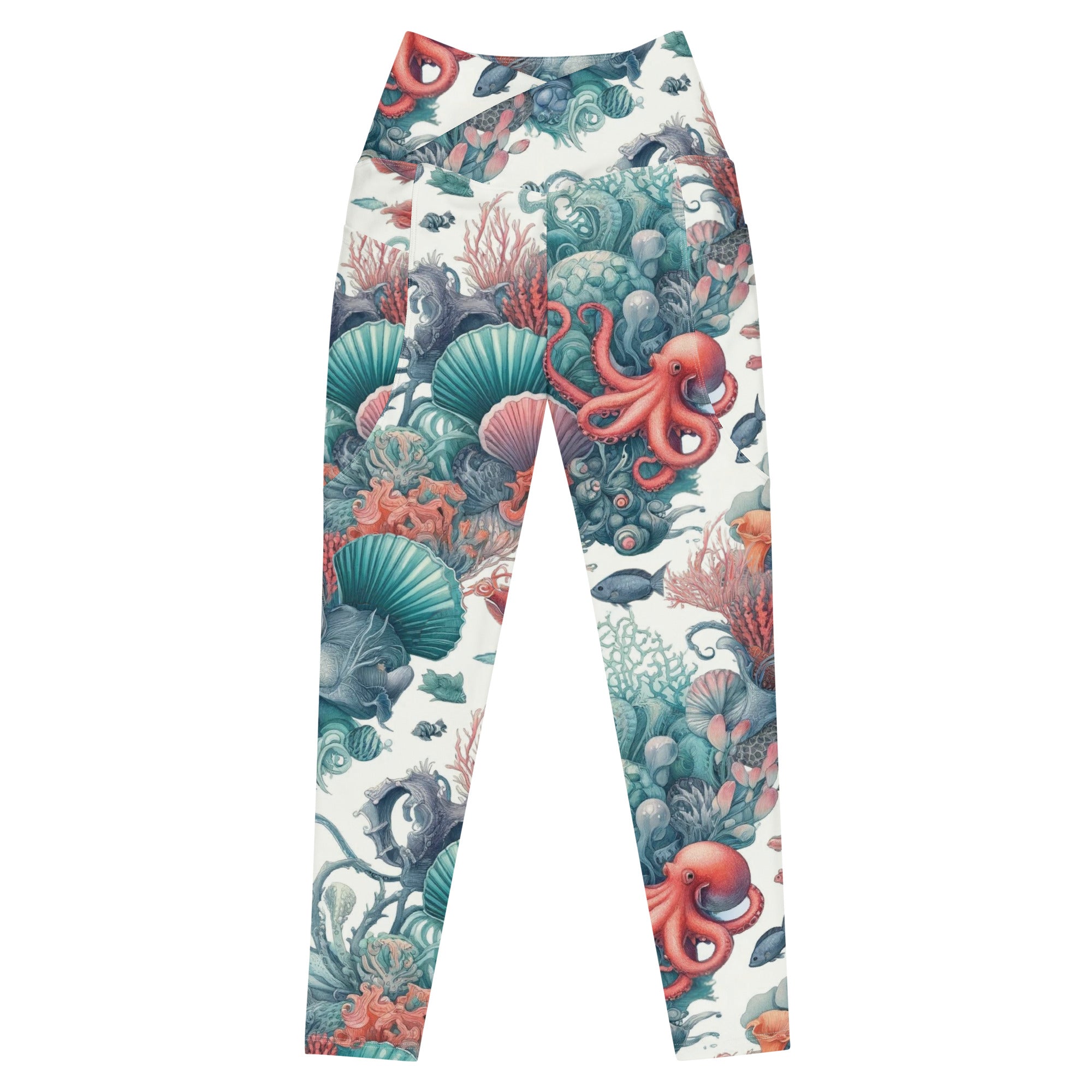
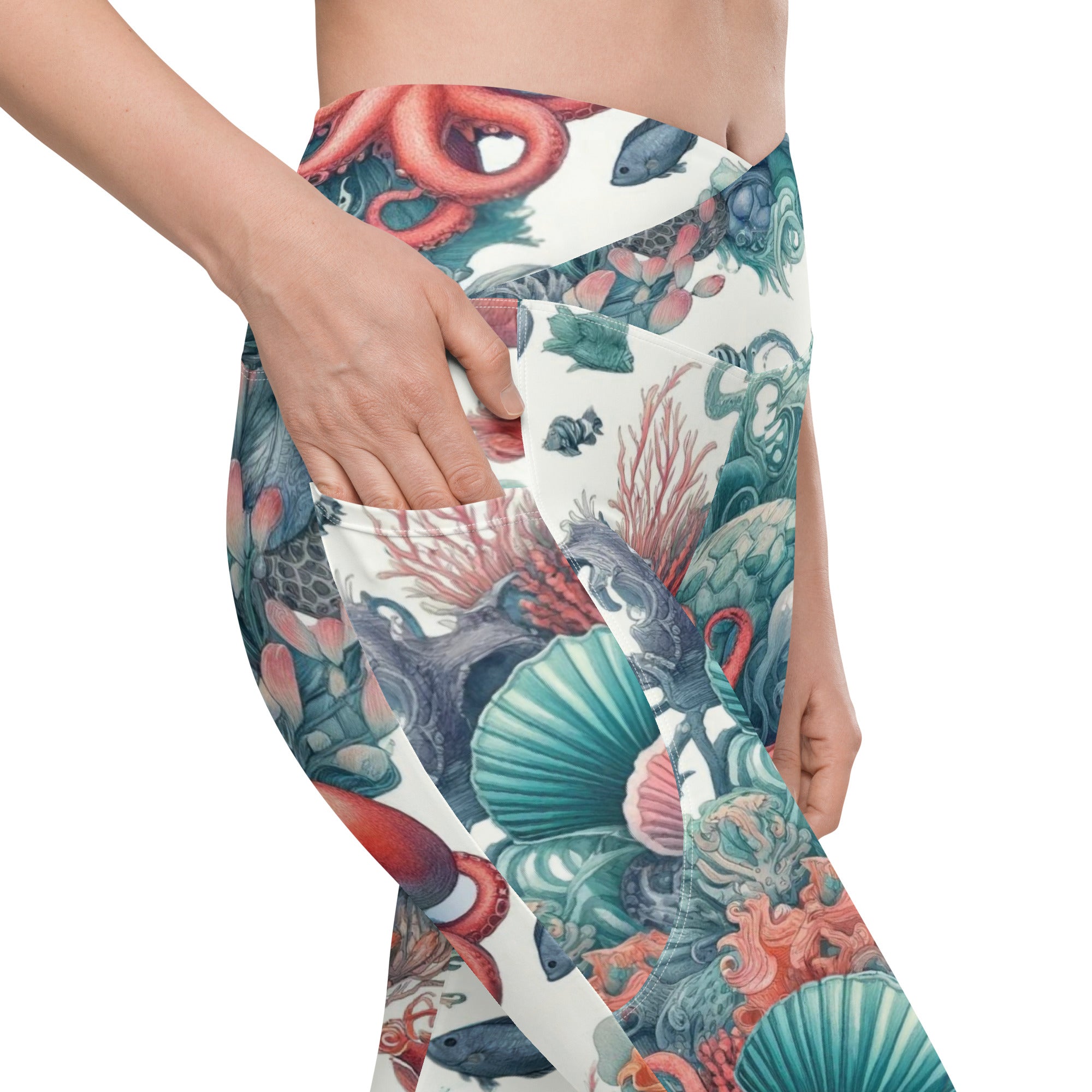
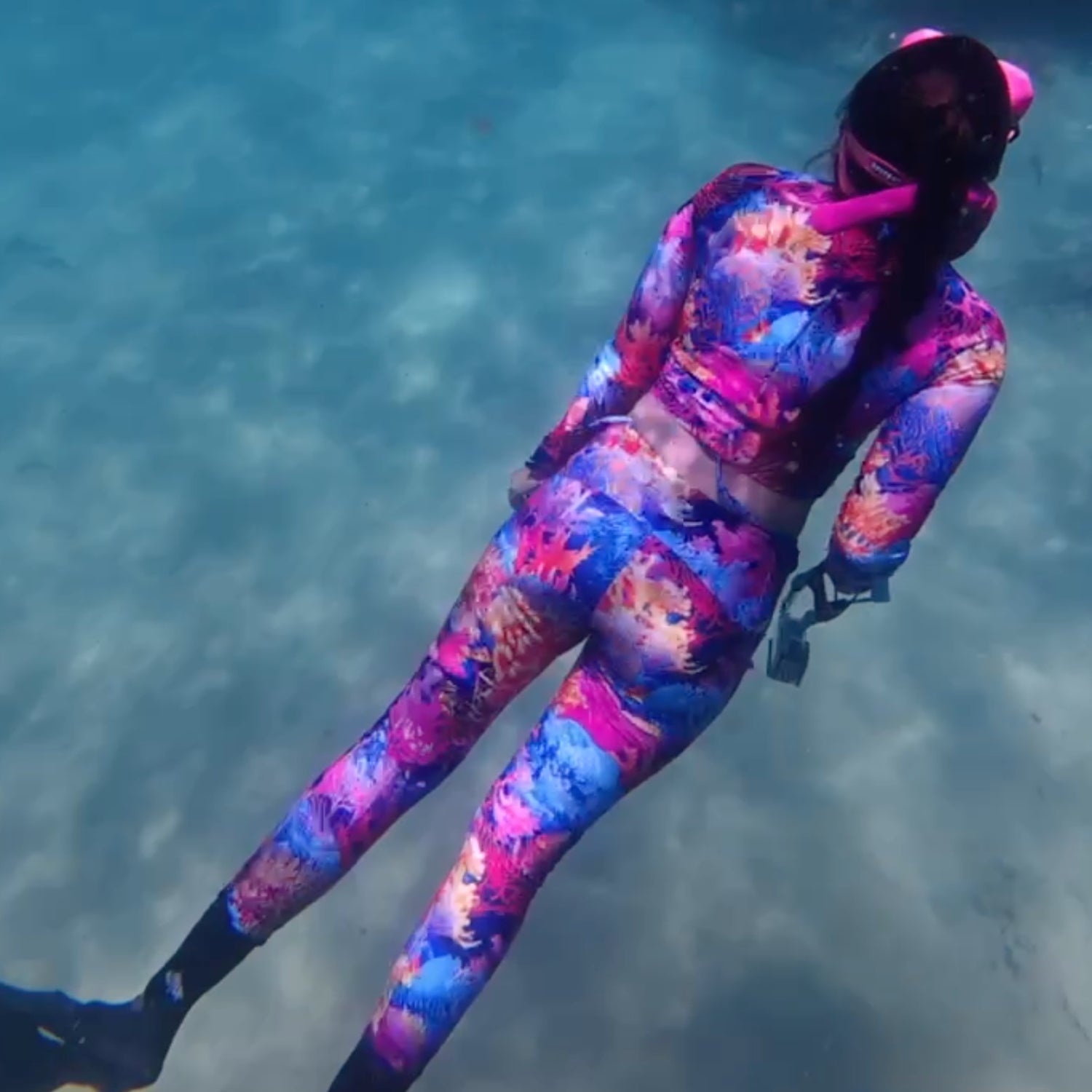
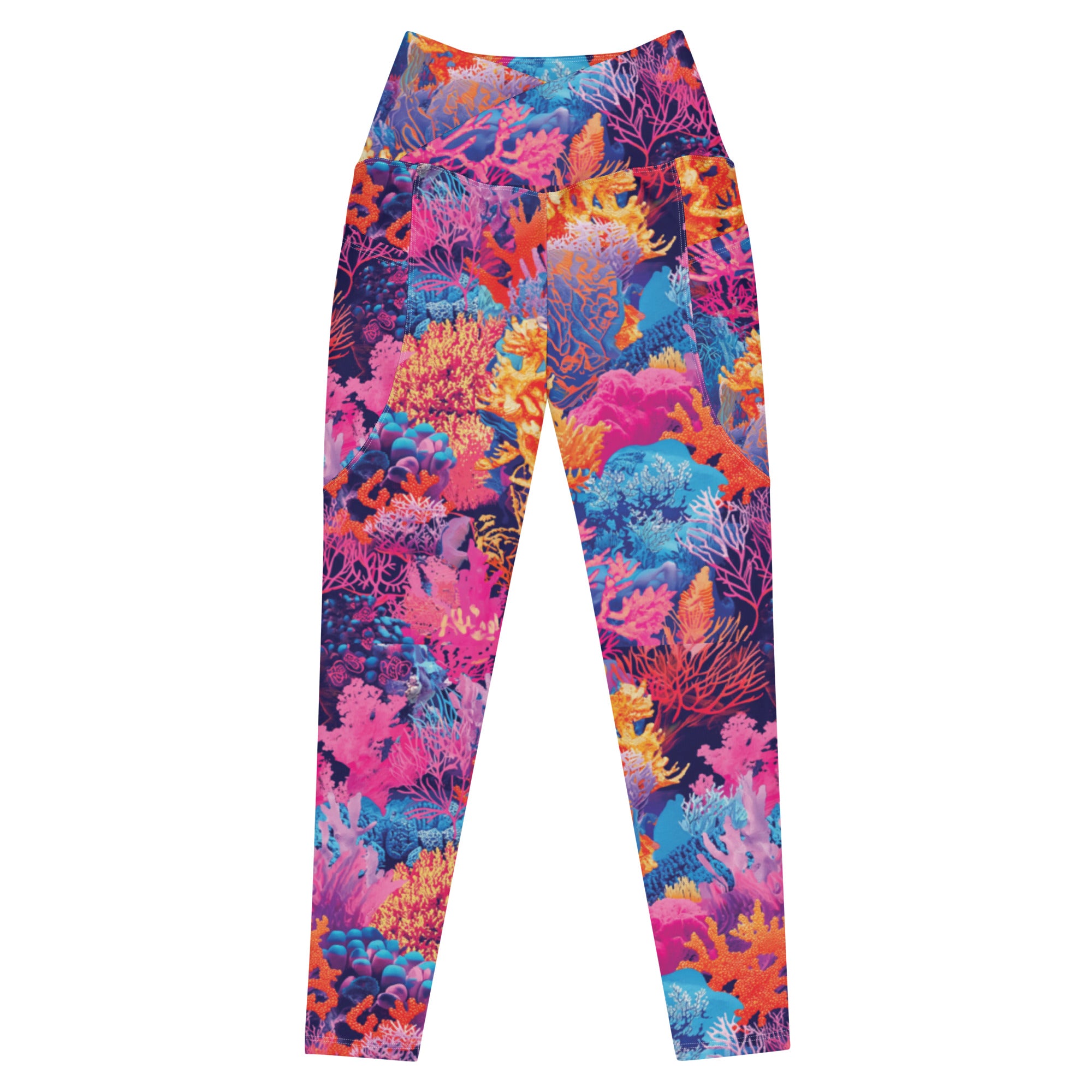
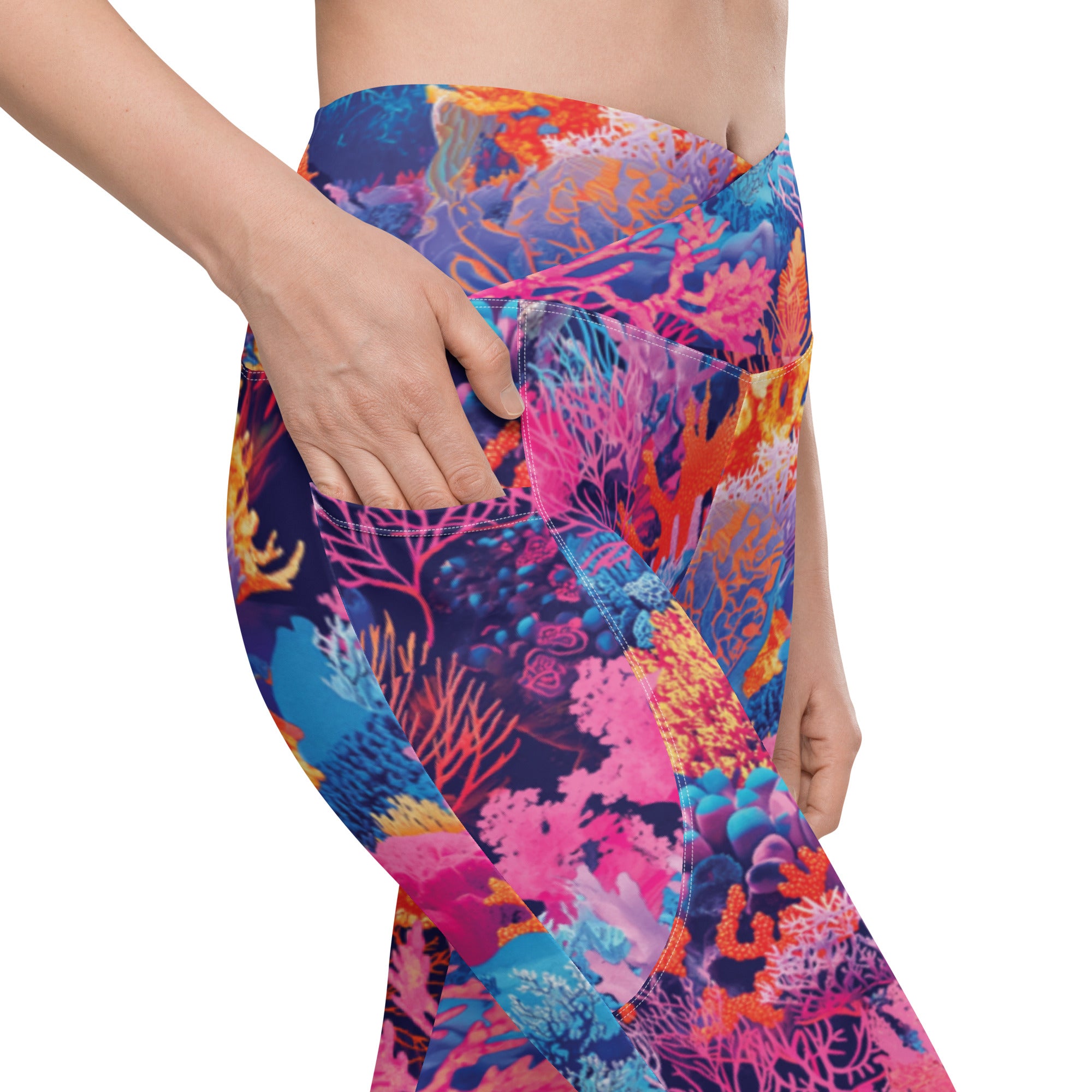
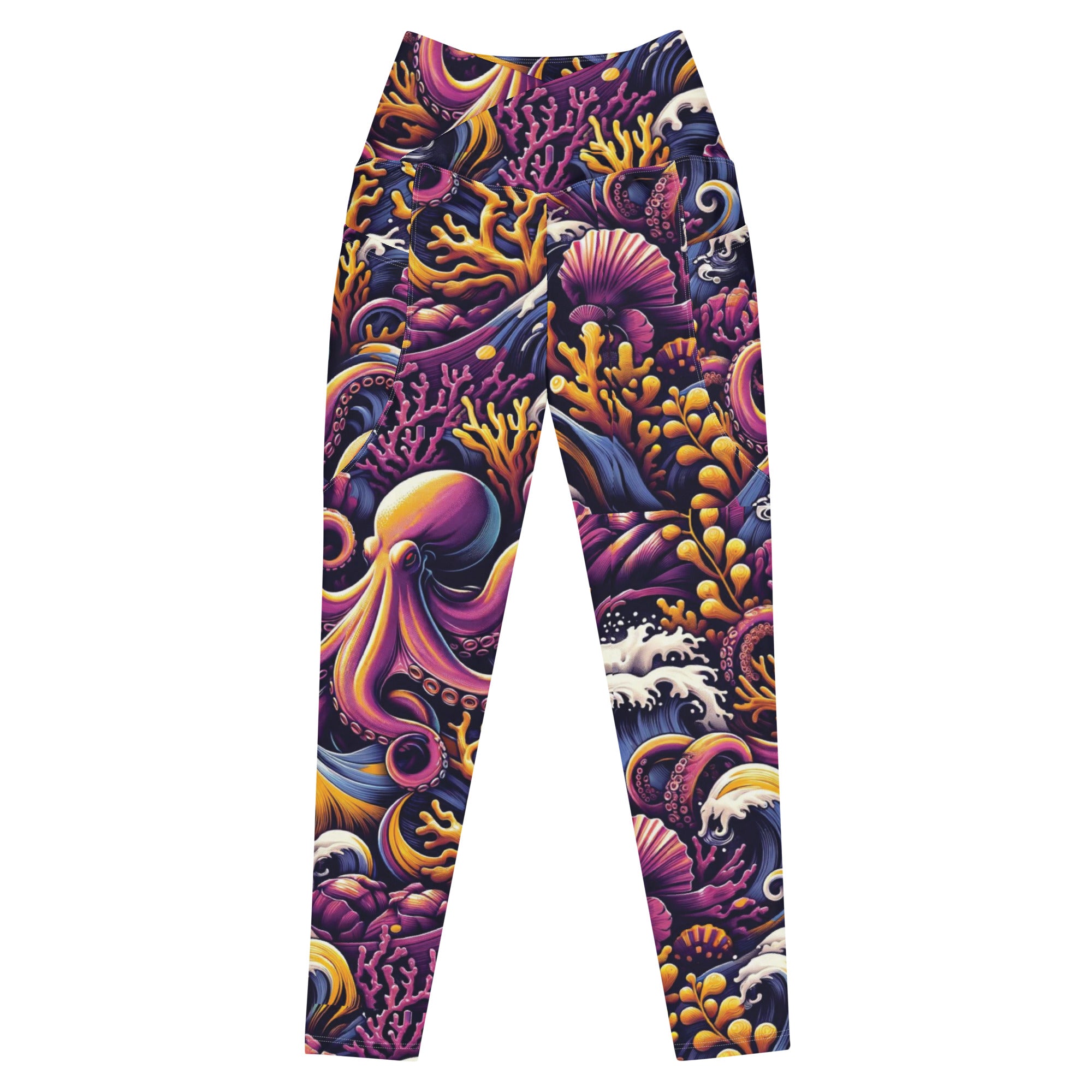
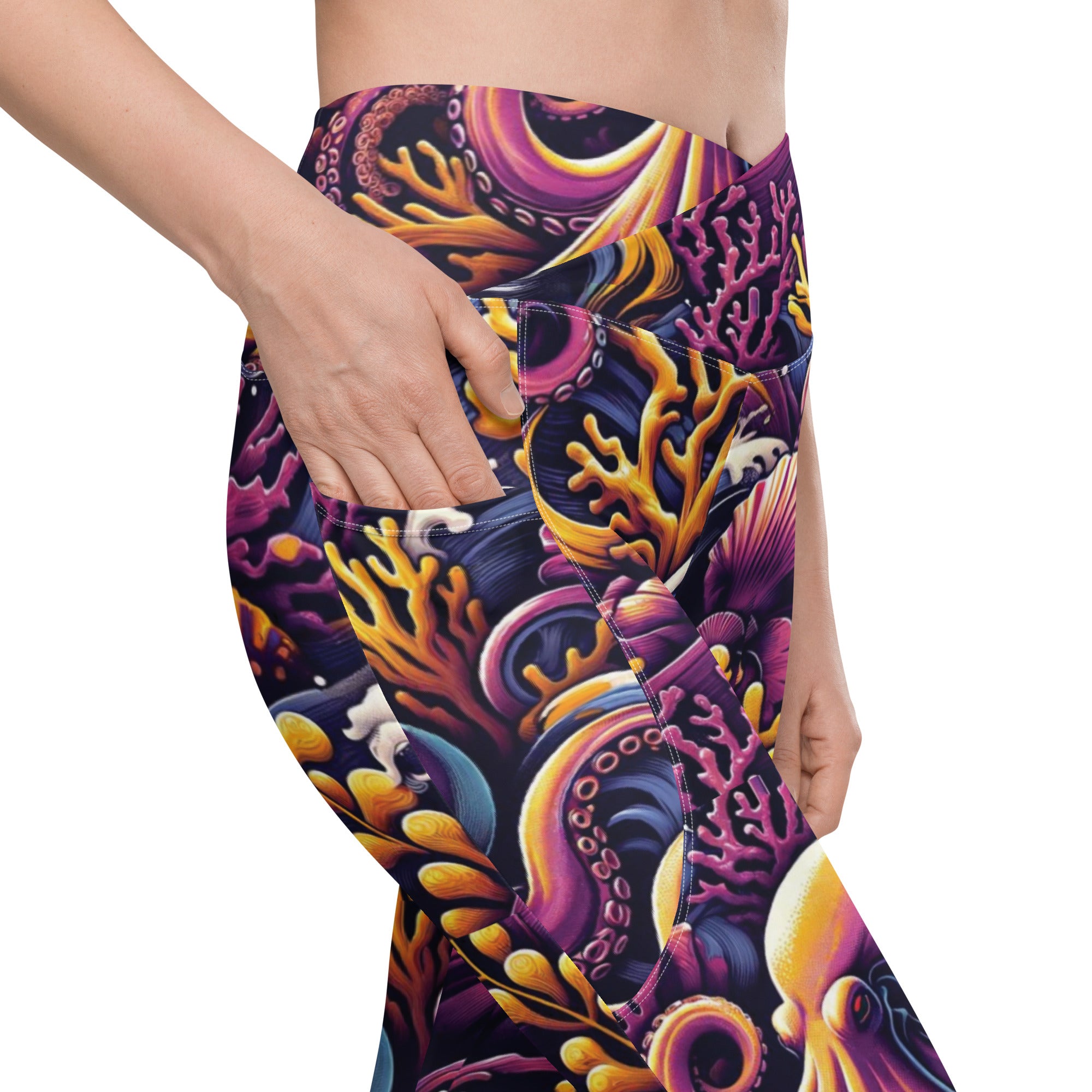
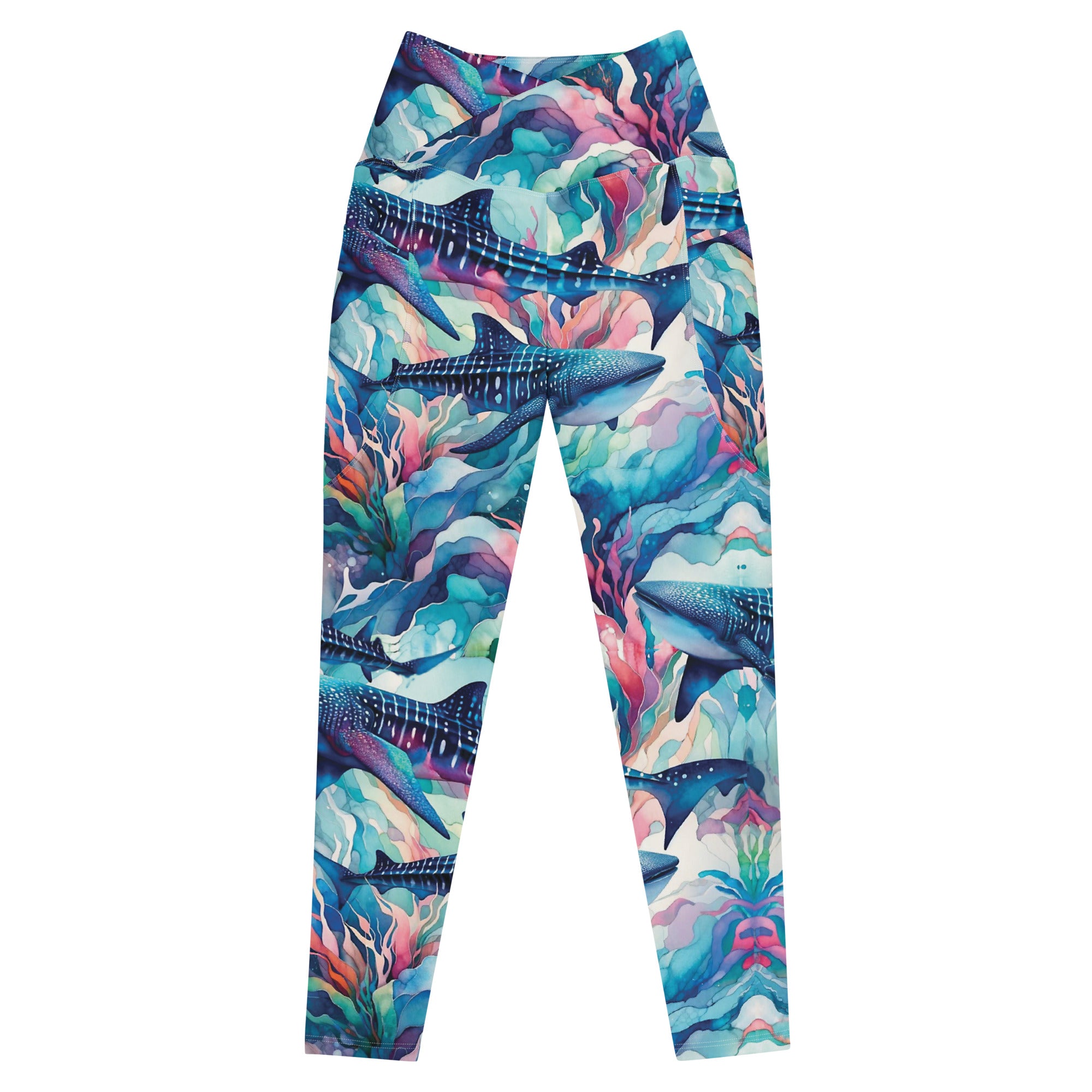
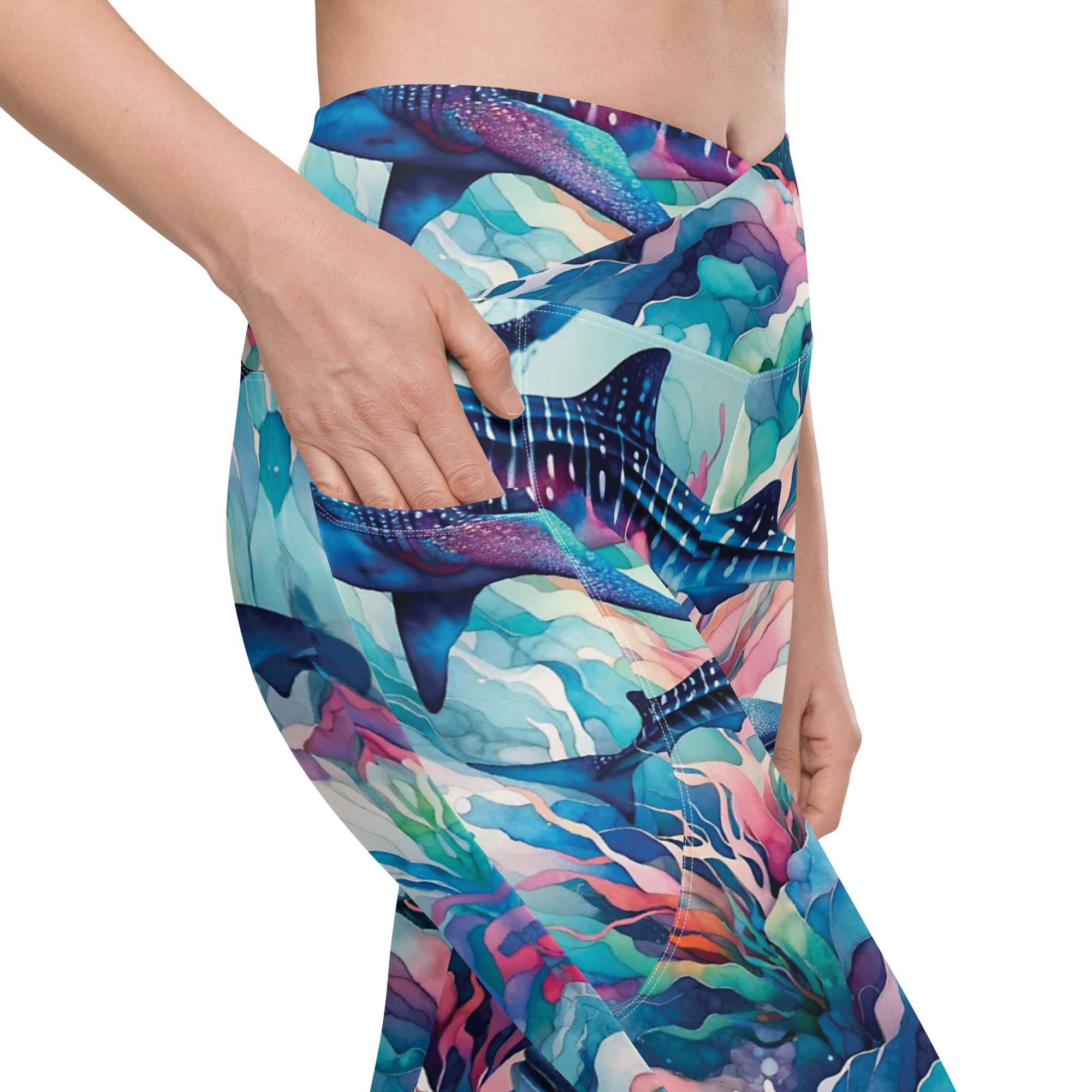
Dive leggings

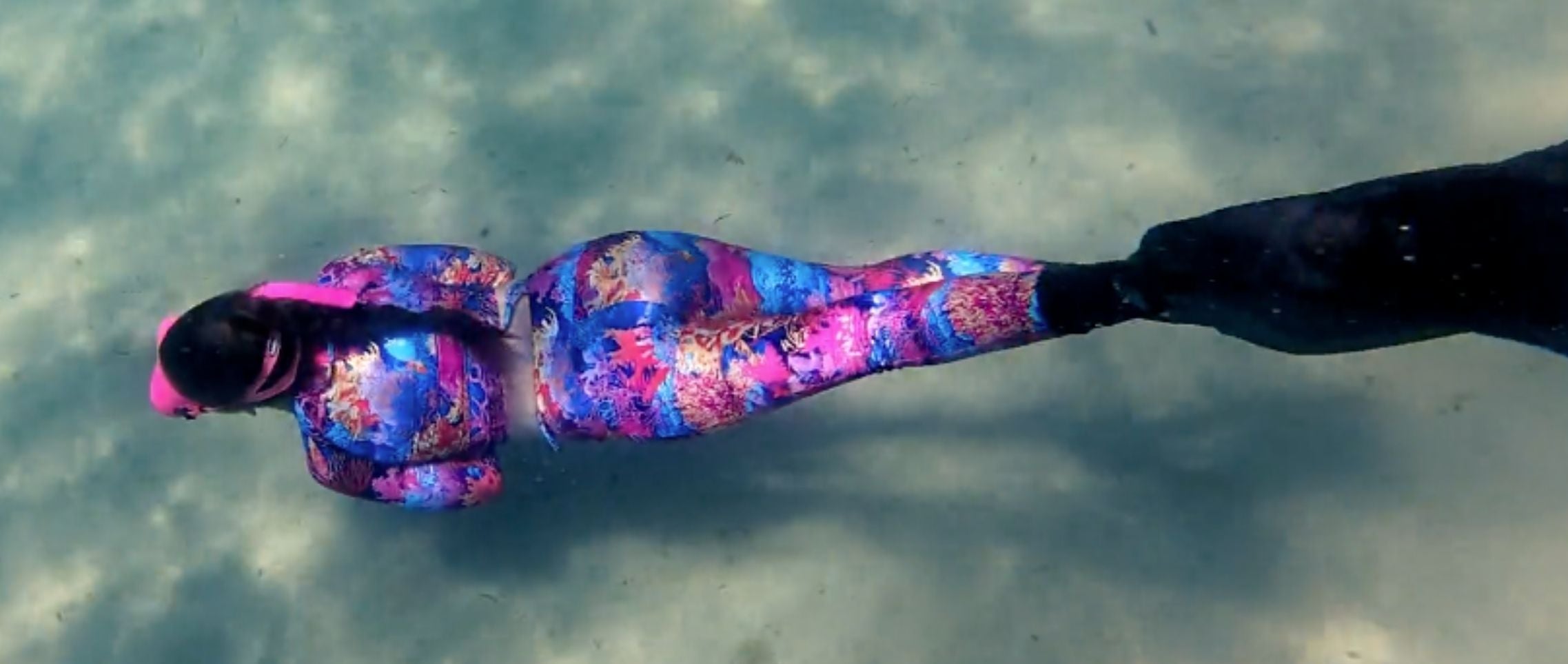
Underrated and incredibly practical. Dive leggings give you full leg coverage against sun, stingers, and coral scrapes — and they layer beautifully under a wetsuit without bunching.
Wear them for: full coverage tropical diving, jellyfish-heavy sites, long days in the water, or any time you want a complete base layer setup.
What to look for: a non-see-through fabric when wet (test this before you buy), a stay-up waistband that doesn't roll down mid-dive, and a fabric weight that moves freely in water rather than dragging.
One-piece swimsuits

The underrated workhorse of dive swimwear. A well-fitted one-piece gives you complete coverage, nothing to adjust, and a smooth profile under a wetsuit. They're brilliant for divers who want simplicity without compromising on security.
Wear them for: snorkeling, freediving, warm water scuba, and long days where you want one piece that does everything.
What to look for: double-lined fabric, secure straps that don't stretch out over time, and a cut that doesn't gap at the chest when you bend forward.
The fabric question — and why it matters more than you think
Here's something I learned from my background in chemical engineering that most swimwear brands never talk about:

Not all polyester is the same.
Most fast fashion swimwear is made from virgin polyester, a petroleum-derived synthetic that takes significant energy to produce, sheds microfibres into waterways with every wash, and degrades relatively quickly in saltwater and UV exposure.
High-quality dive swimwear, the kind worth investing in, is made from recycled polyester, or rPET. This is fabric made from diverted plastic waste, and the difference is significant:
- rPET produces up to 79% less CO₂ than virgin polyester in manufacturing
- It keeps plastic out of landfill and ocean-bound waste streams
- Higher quality rPET fabric is chlorine-resistant, colourfast, and holds its shape far longer than cheaper alternatives
This matters for two reasons. First, because better fabric performs better, it won't bag out after a season of saltwater diving, your prints won't fade, and your UPF rating stays intact for the life of the garment. Second, because if you love the ocean enough to dive in it, the fabric you choose is a vote for the kind of ocean you want to keep diving.
One well-made piece that lasts three years has a fraction of the environmental impact of three cheap ones that end up in landfill.
The sizing question, answered honestly
I know online sizing is one of the biggest barriers to buying dive swimwear online. It's the question I get most in my DMs, and I want to answer it properly.
Here's the honest framework:
Step 1: Ignore the number on the label. Sizing varies wildly between brands and even between garments. The number means nothing on its own.
Step 2: Measure yourself and compare to the size chart. Every reputable dive swimwear brand will have one. Measure your bust, waist, and hips, then compare directly to the chart rather than guessing by your usual size.
Step 3: Consider how you want it to fit.
- For wearing under a wetsuit — go true to size or slightly snug. You want it to sit flush with no excess fabric.
- For wearing as a dive skin in warm water — true to size gives the most secure fit.
- If you're between sizes — go up for comfort, stay true for performance.
Step 4: Read the reviews. Real divers who've worn the piece in real ocean conditions will tell you things a size chart can't — whether it runs large, how it holds up after repeated use, and whether it actually stays put.
At The Dive Compass, we size from XXS to 6XL precisely because dive swimwear should be available to every body that wants to be in the water. If you're ever unsure, email us, we'll help you find the right fit before you order.

What our divers say
" I LOVE my dive compass bikinis and rashguards! I'm a dive instructor so it is super important that my swimsuits are supportive and can hold up to swimming and being active. The dive compass absolutely nails it - the suits are cute, comfortable, & stay put. i also love the commitment to sustainability and protecting the reefs!" — Verified customer ⭐⭐⭐⭐⭐
Does one purchase actually make a difference?
It can be hard to believe that buying a rash guard connects to meaningful ocean conservation. I get it. The ocean's problems are enormous and a single purchase feels small.
Here's what I'd say to that:
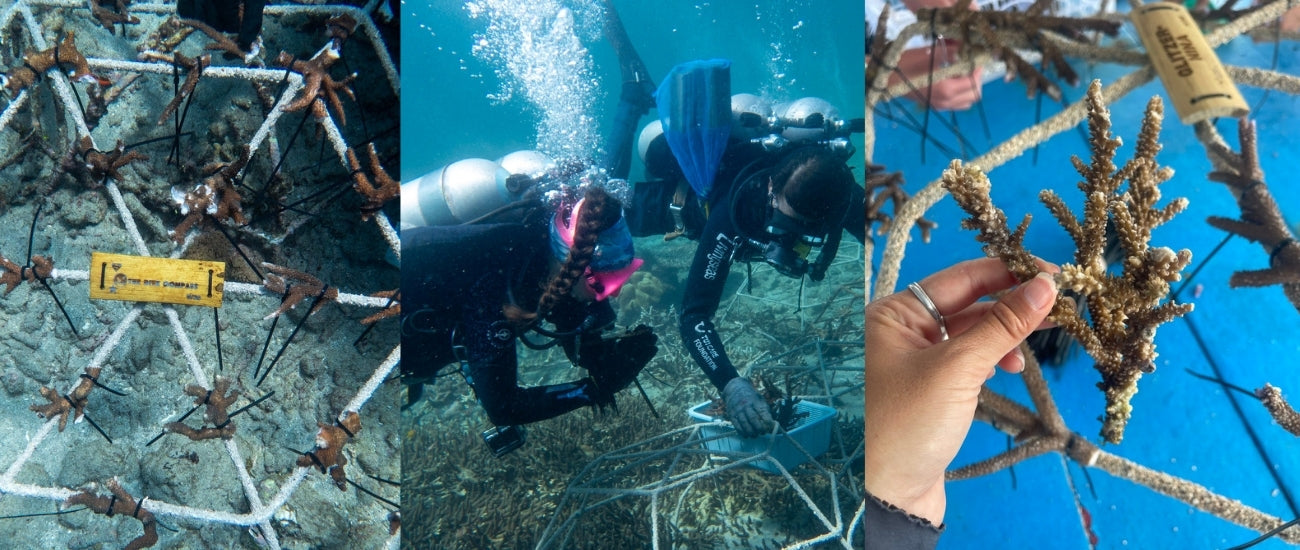
Through our Save Our Seas Pledge, every single order plants a coral through our partnership with Living Seas. Those aren't symbolic corals, they're physically placed, monitored, and contributing to reef restoration in real ocean systems.
But the impact doesn't stop there. When you choose dive swimwear made from recycled polyester over virgin polyester, you're reducing CO₂ at the manufacturing level. When you choose made-to-order over mass-produced, you're eliminating the overproduction waste that sends unsold garments to landfill. When you choose UPF 50+ fabric over chemical sunscreen in the water, you're keeping one more source of reef stress out of the ecosystem.
No single purchase saves the ocean. But every conscious choice compounds. And a community of divers making those choices together? That's something the reef can actually feel.
Your dive swimwear checklist
Before you buy anything, run through this:
- ✅ Is it designed specifically for diving — not just labelled as swimwear?
- ✅ Does it have UPF 50+ rating if it's a rash guard or skin?
- ✅ Is the fabric chlorine and saltwater resistant?
- ✅ Have you compared your measurements to the size chart?
- ✅ Does the fit style match how you'll wear it — under a wetsuit or as a dive skin?
- ✅ Is it made from sustainable materials?
- ✅ Will your purchase give something back to the ocean you're diving?
If the answer to all seven is yes — you've found your dive swimwear.

Ready to find yours?
At The Dive Compass, every piece of dive swimwear we make is:
- Designed by a divemaster who actually wears it on every dive
- Made from 75% recycled polyester — rPET from diverted plastic waste
- Rated UPF 50+ — blocking 98% of UV rays
- Available in XXS to 6XL
- Made to order — zero overproduction, zero waste
- Paired with a coral planted with every purchase through our Save Our Seas Pledge




























Leave a comment
This site is protected by hCaptcha and the hCaptcha Privacy Policy and Terms of Service apply.