




How Wearing a UV Rash Guard Is One of the Best Ways to Protect the Ocean
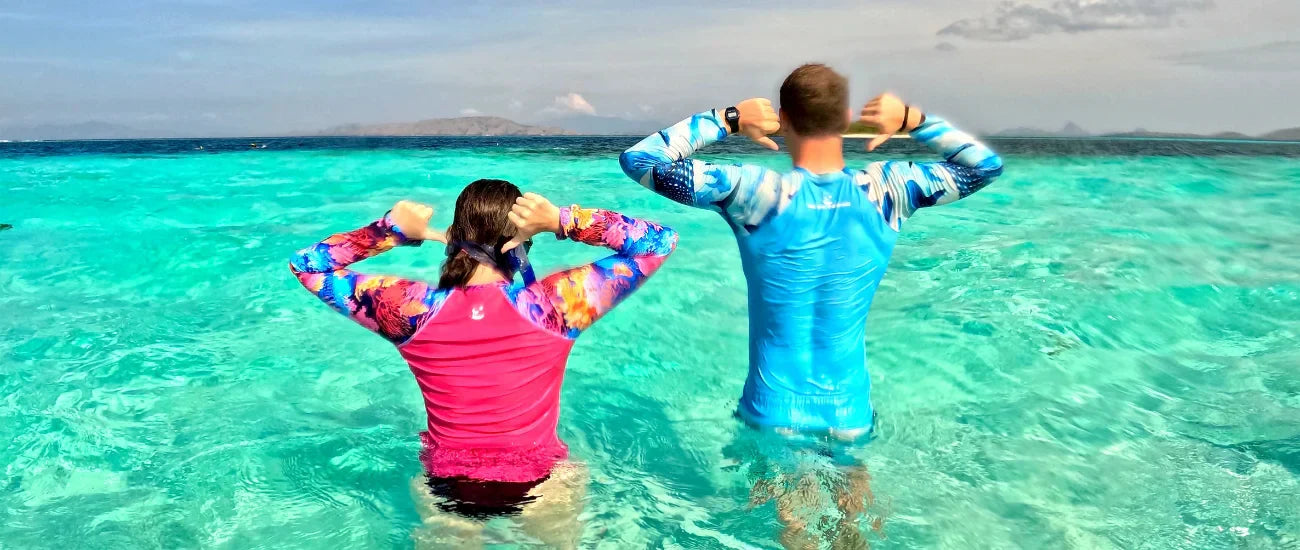
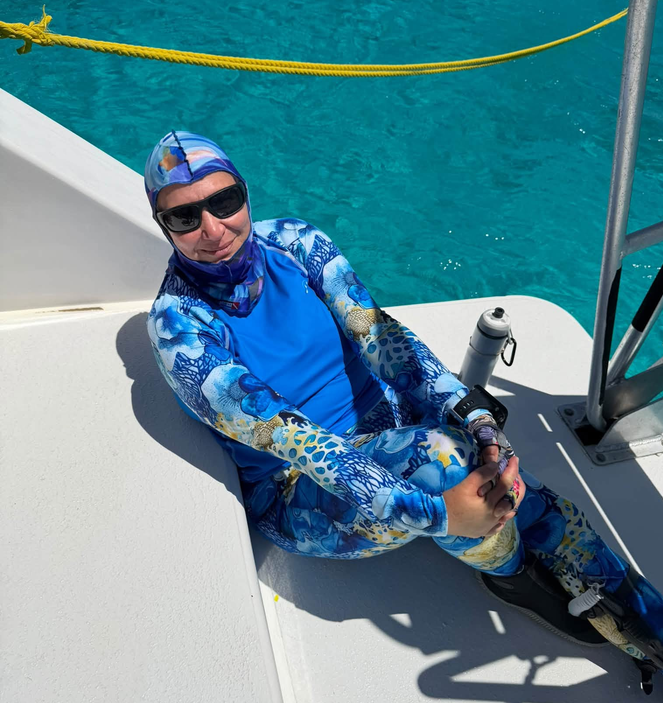
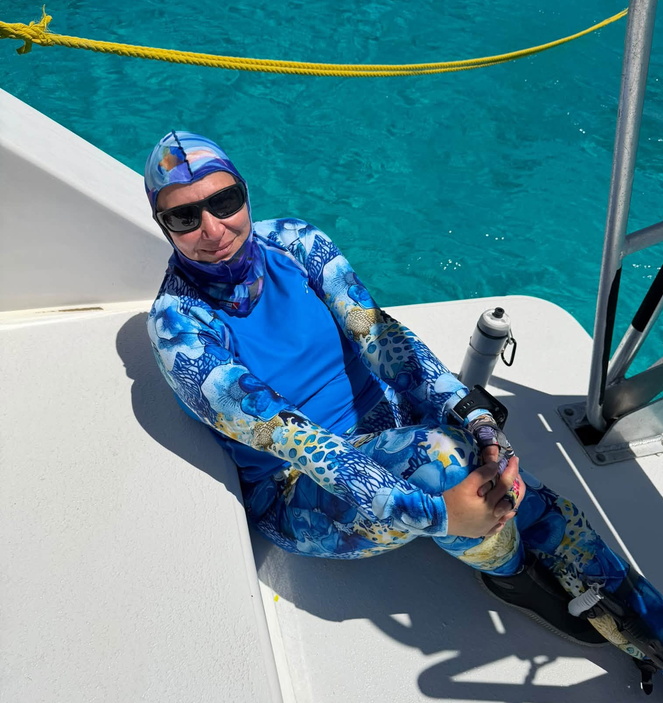
If you’re new to diving, you’ve probably heard a lot about reef-safe sunscreen. But here’s the truth: the most ocean friendly way to protect your skin isn’t in a bottle of organic sunscreen but it is something you wear. Enter the UPF 50+ UV rash guard, your ultimate dive essential that shields your skin, saves the reefs, and keeps you comfortable on every sunny ocean adventure.
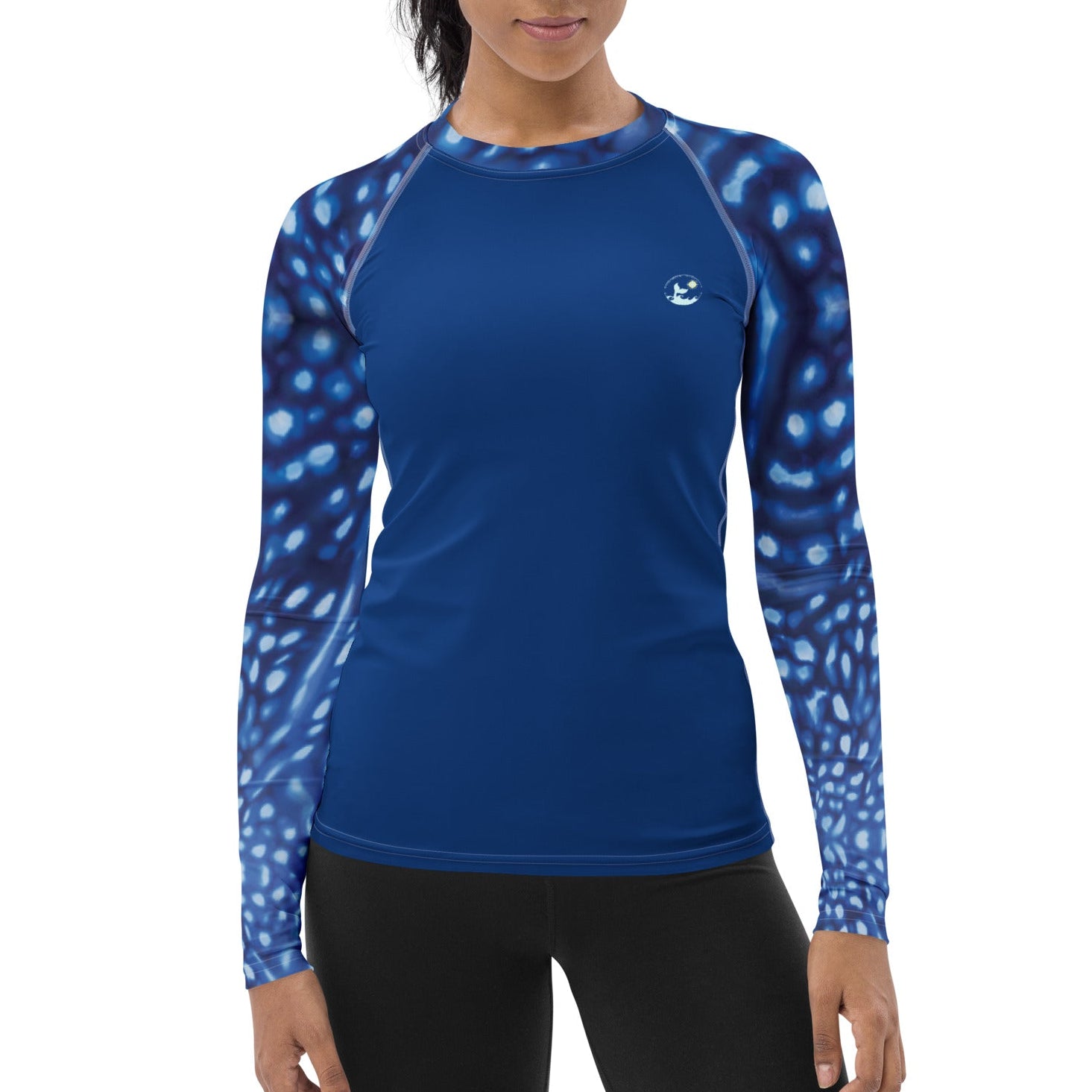
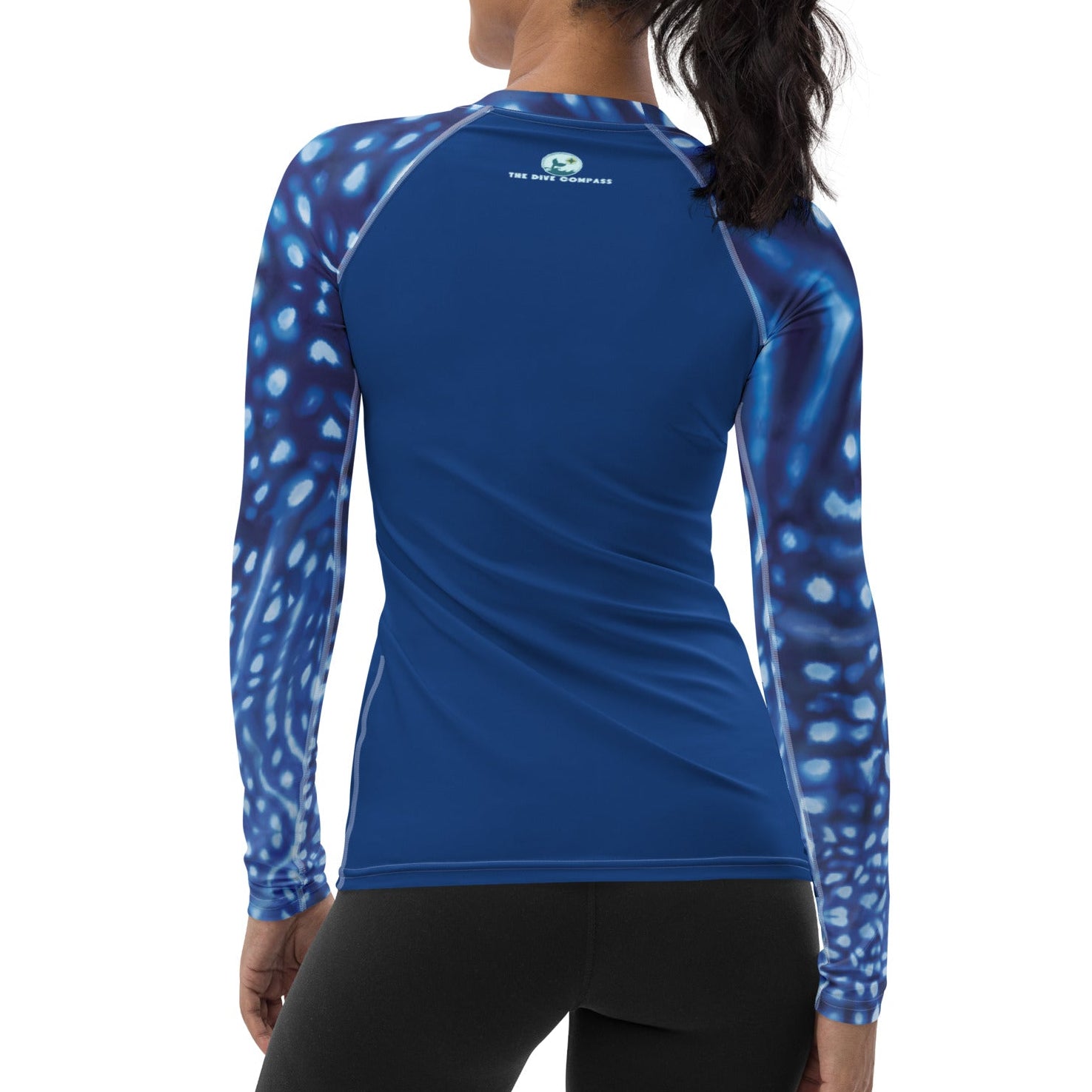
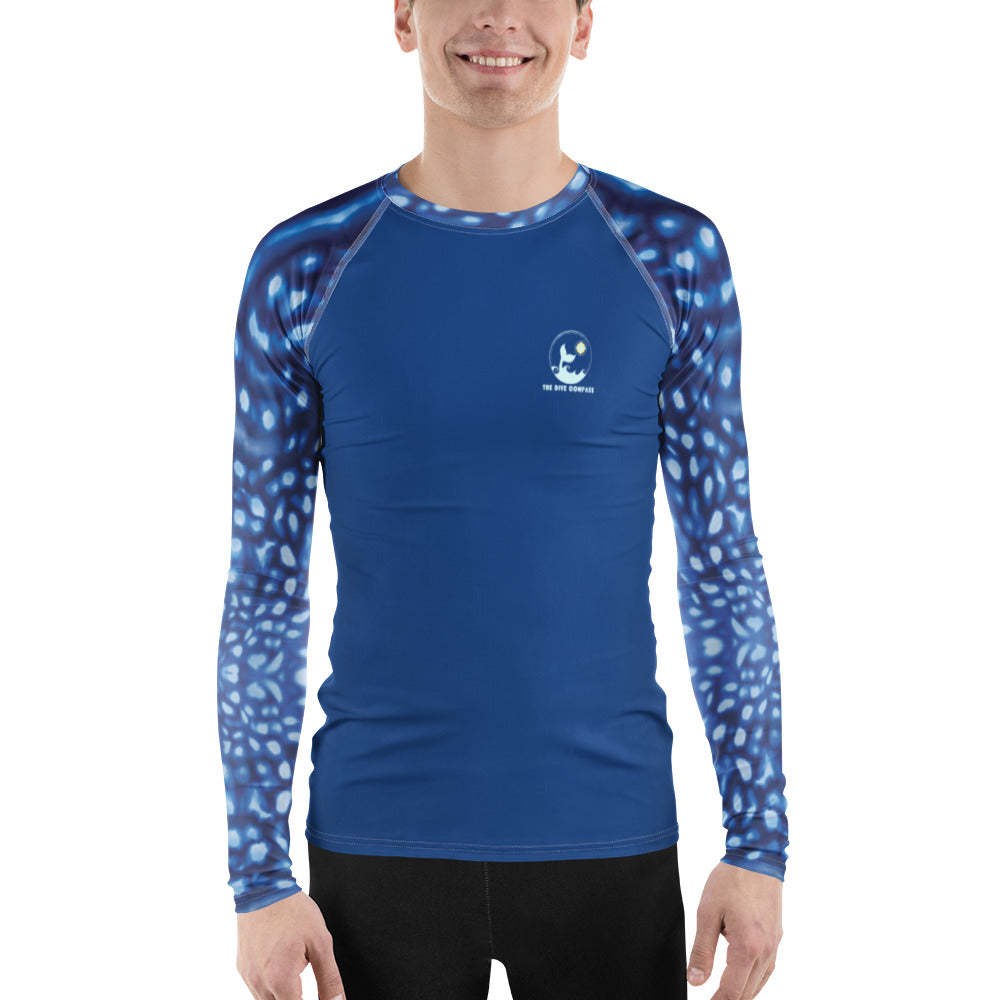
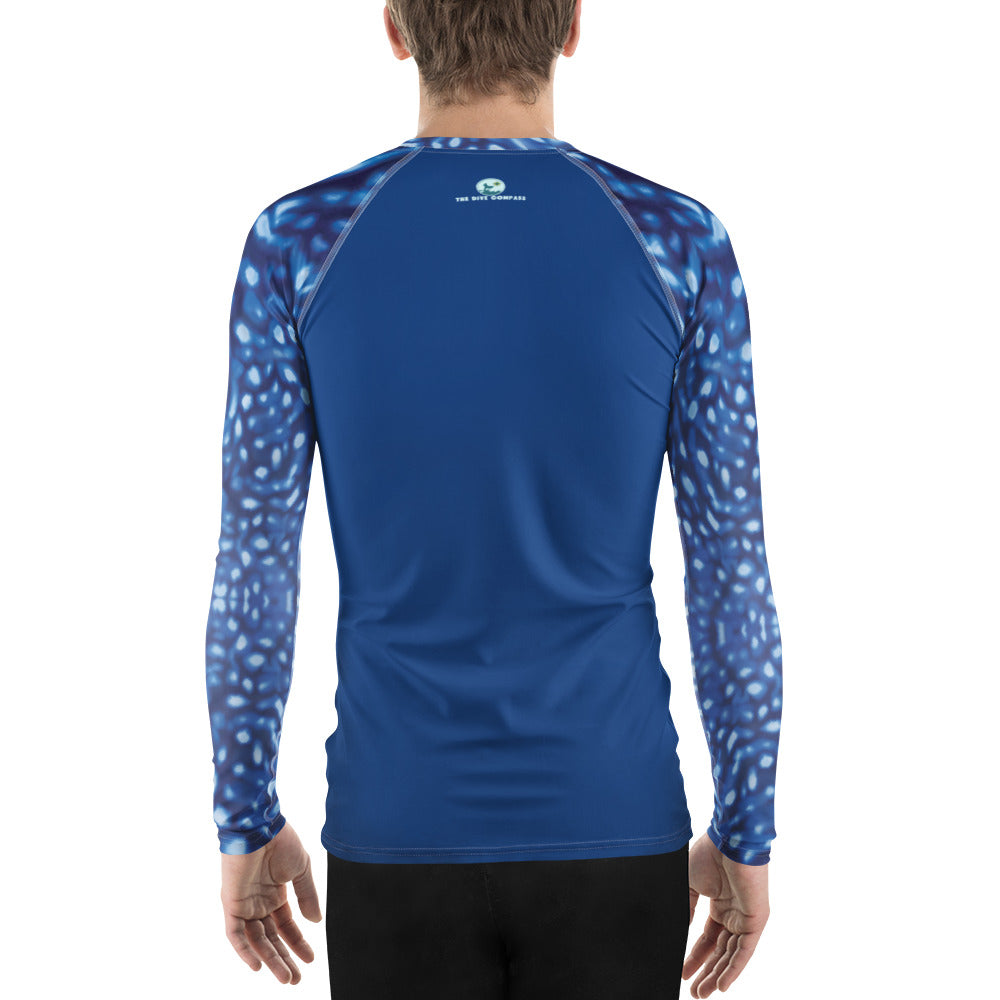
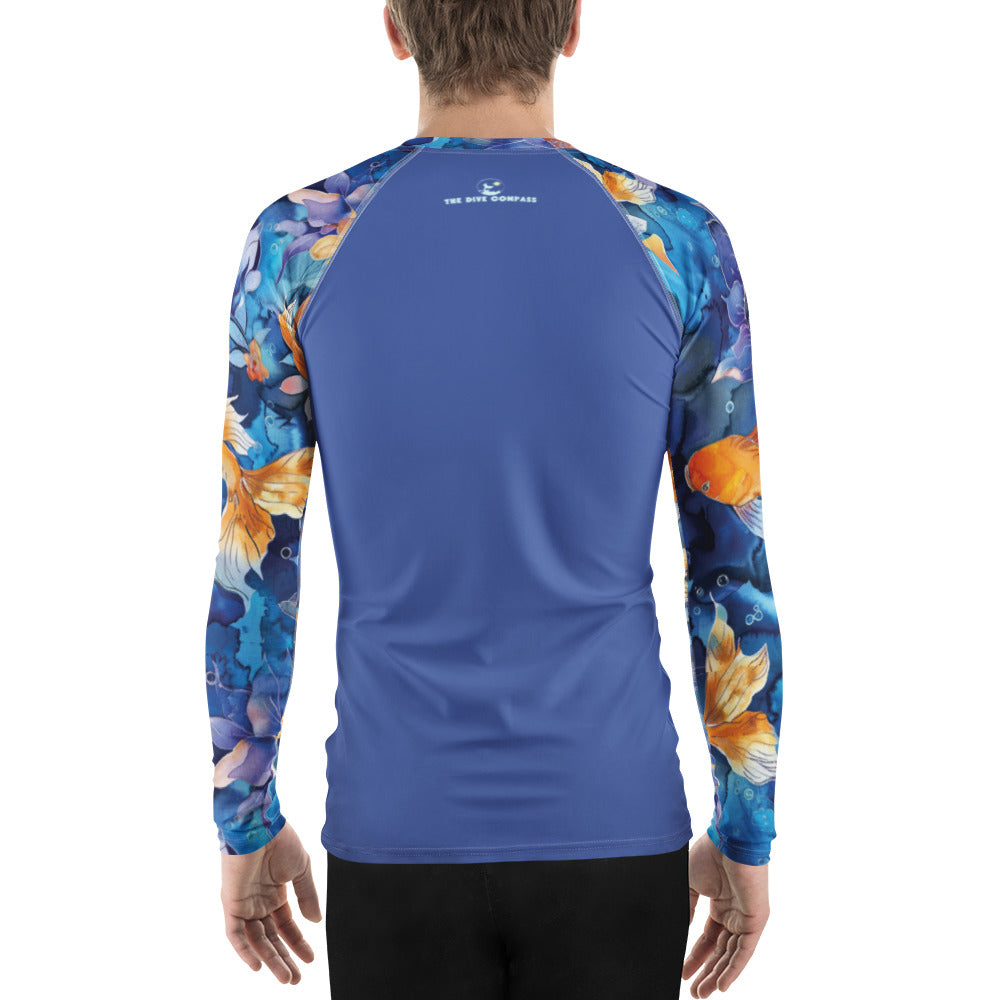
At The Dive Compass, our rash guards are designed for divers who care about performance, protection, and the planet. Here’s why they’re a game-changer for ocean lovers and divers who strive to protect the reefs.
1. UPF 50+ UV Rash Guard = Maximum Sun Protection, Zero Chemicals
What is UPF 50+ exactly? UPF stands for ultraviolet protection factor and UPF 50+ means a fabric blocks at least 98% of the sun’s harmful ultraviolet (UV) radiation.
That means:
✅ You stay protected for on your longer tropical dives and during surface intervals.
✅ You reduce your need for sunscreen (especially on your back, shoulders, and chest)
✅ You avoid the oily residue and chemical runoff that happens when sunscreen washes off in the water
Unlike sunscreen, UPF 50+ fabric never washes away, so you can protect yourself and the reefs at the same time.

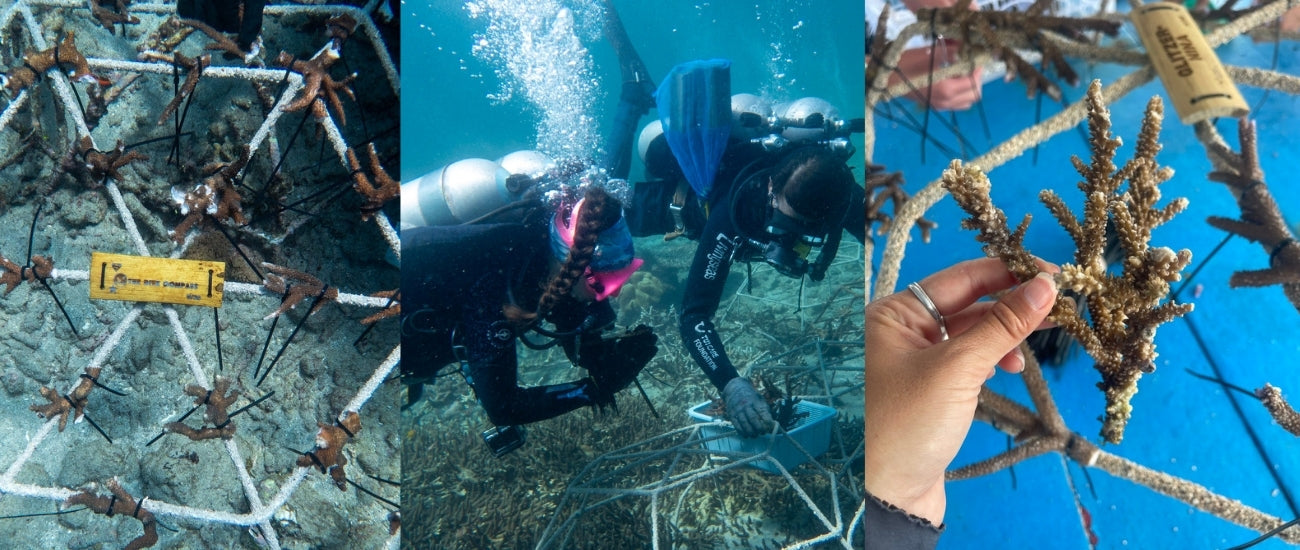
2. Less Sunscreen in the Ocean = Healthier Coral Reefs
Greenwashing at its finest, did you know that even sunscreens that claim to be reef safe can still damage coral reefs? Studies show that certain sunscreen ingredients, like oxybenzone and octinoxate, damage coral DNA, inhibit growth, and increase bleaching.
When thousands of divers and snorkelers wear sunscreen in tropical waters, it adds up. Scientists estimate up to 14,000 tons of sunscreen enter the ocean every year by being washed off during swimming after application.
By switching to UPF 50+ rash guards, divers, swimmers, and beach goers can dramatically reduce this pollution.
When you choose a rash guard, you’re doing more than protecting your skin, you’re helping give coral reefs a fighting chance.

3. Designed for Divers, Not Tourists
Let’s be honest, not all rash guards are made equal.
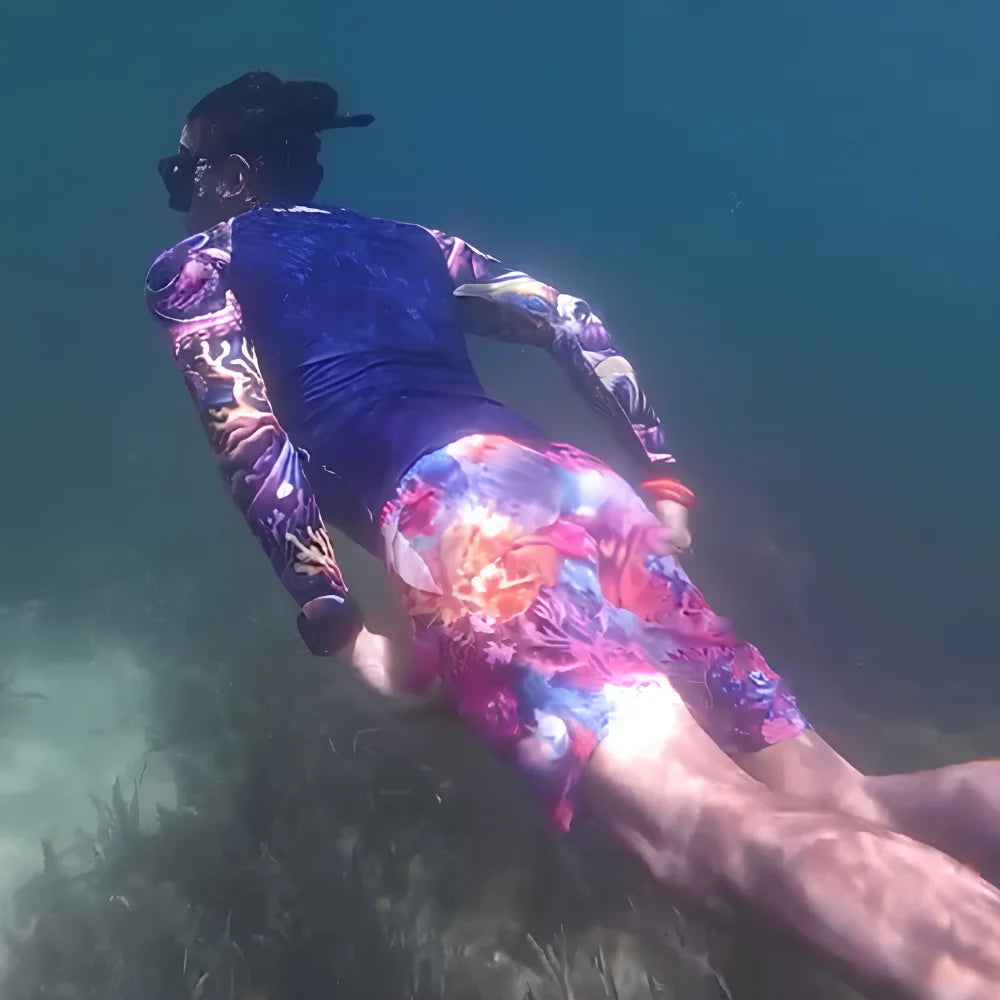
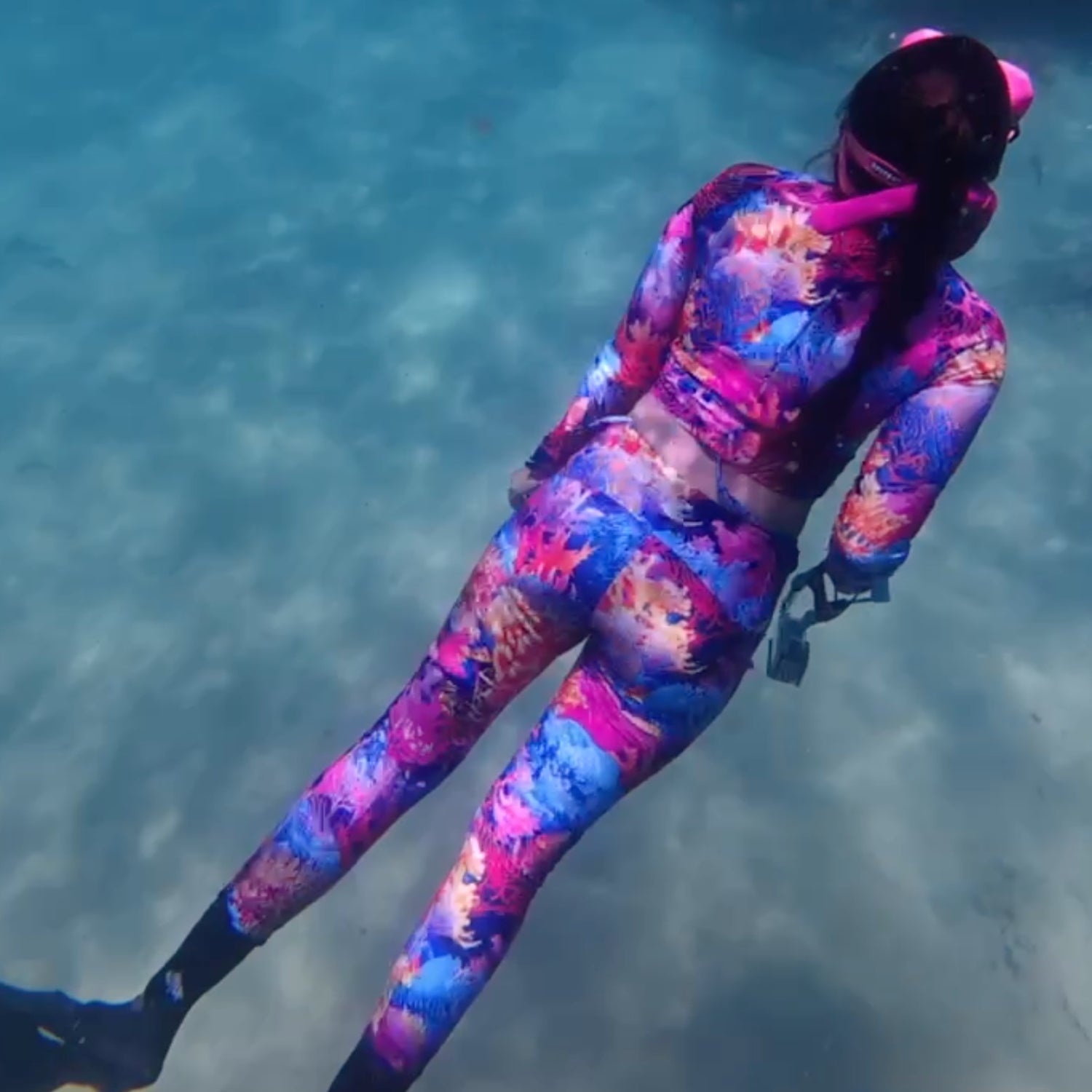
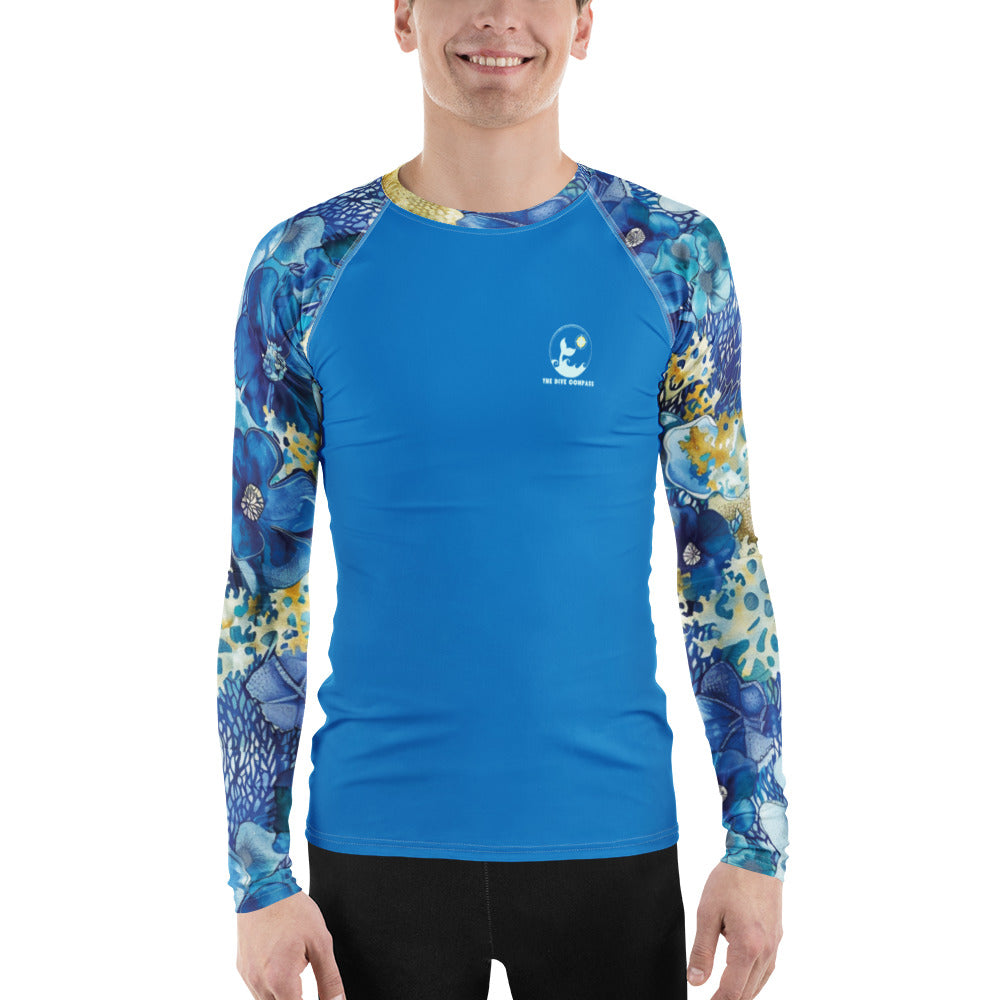
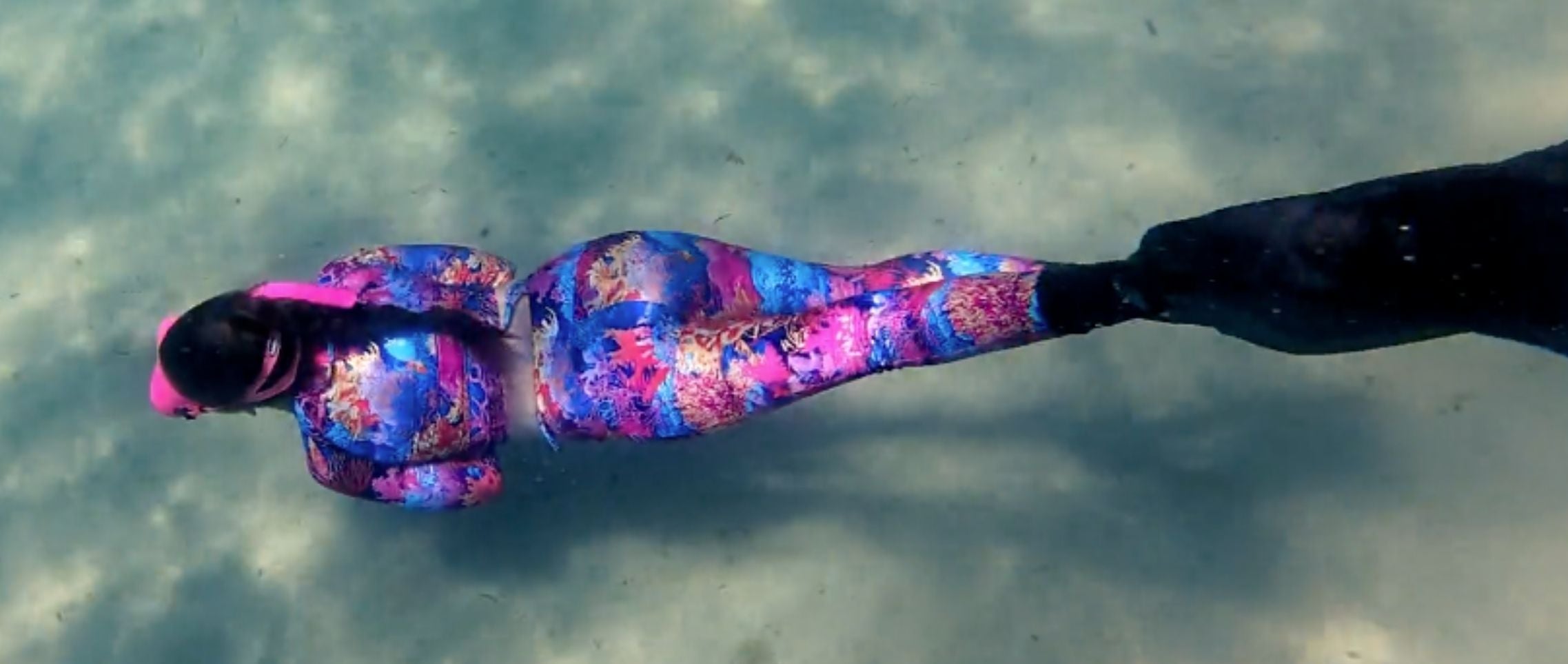
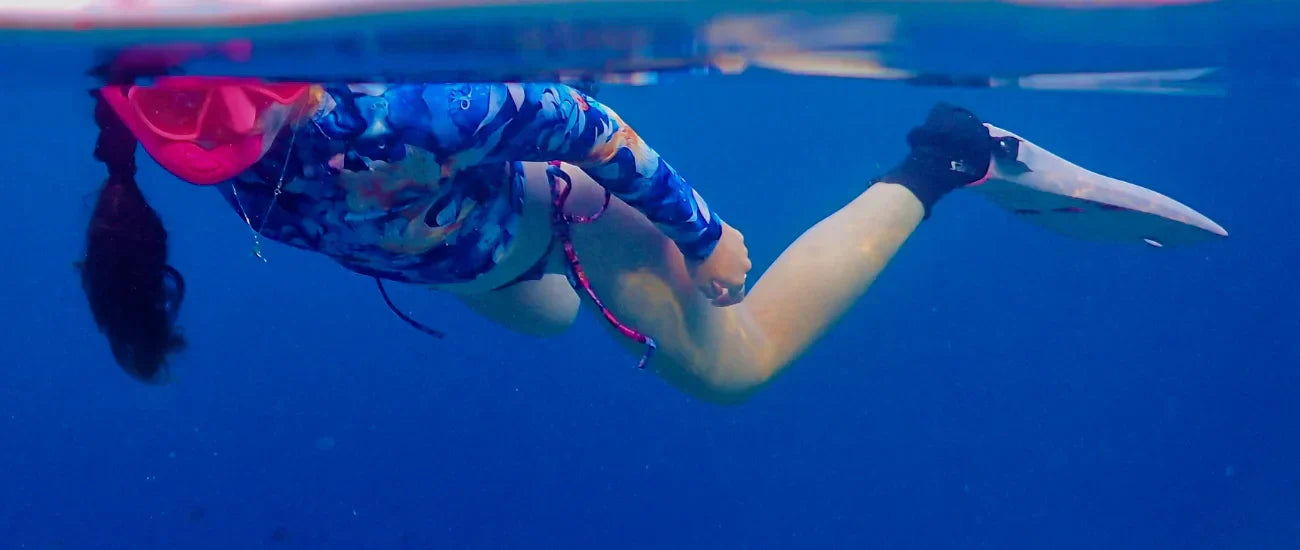
The Dive Compass rash guards are designed specifically for scuba divers, freedivers and swimmers, which means:
- They’re form-fitting and hydrodynamic (no drag underwater).
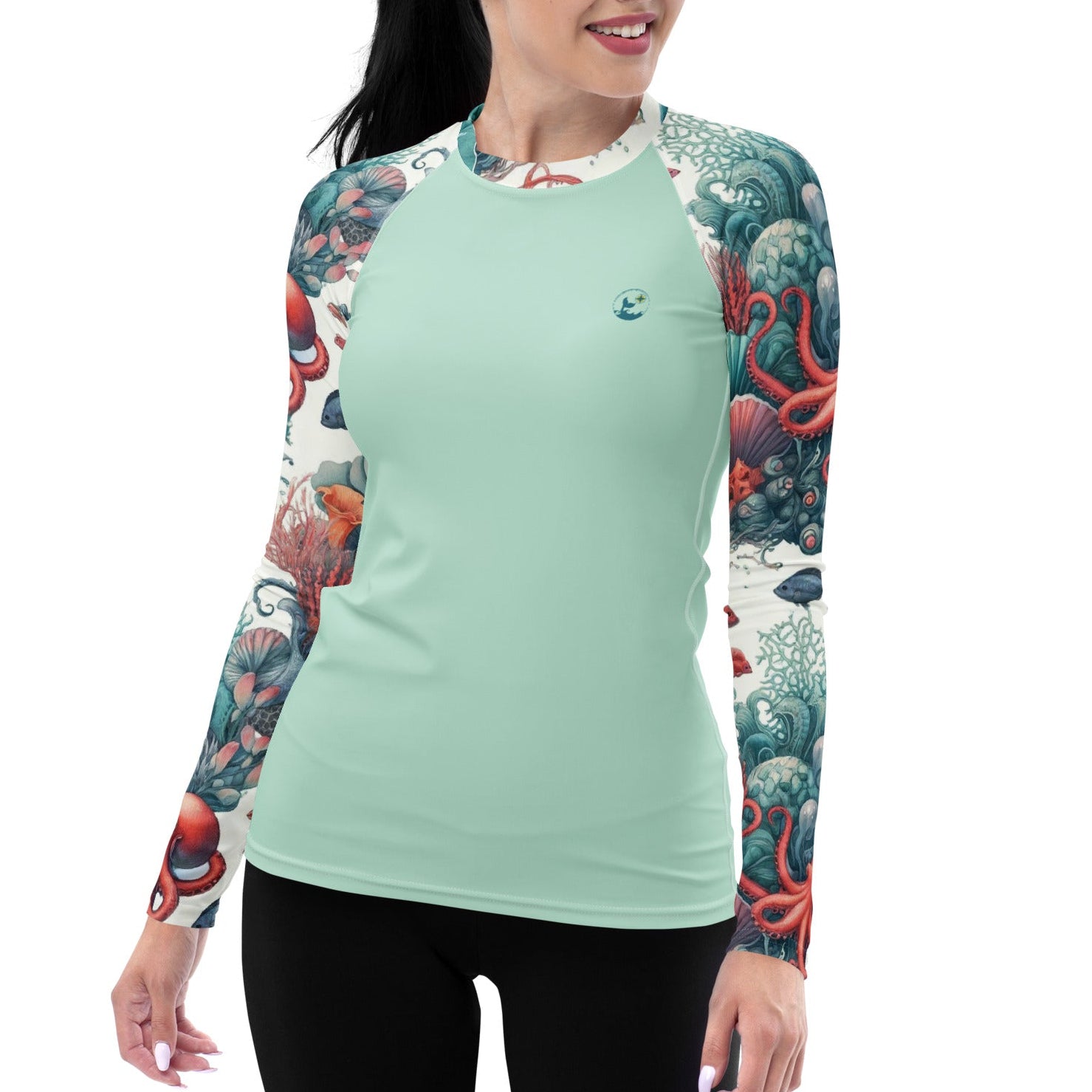
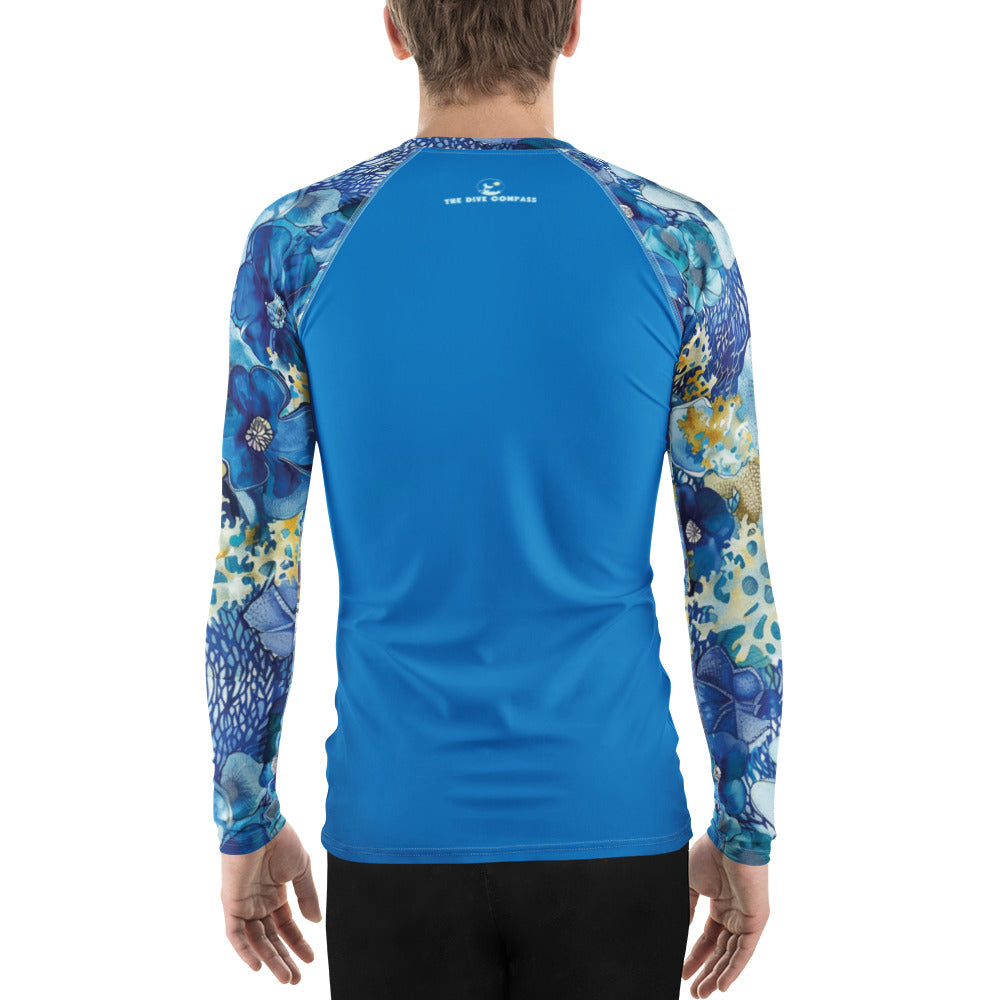
- They have flat seams and stretchy recycled fabric for all-day comfort.
- They’re built from recycled post consumer plastics, so you’re literally wearing what used to pollute the sea.
Every rash guard is made-to-order, meaning no overproduction, no excess waste, and a smaller footprint for the planet you love exploring.
4. A Stylish Way to Protect What You Love
Who says eco-friendly can’t look amazing?
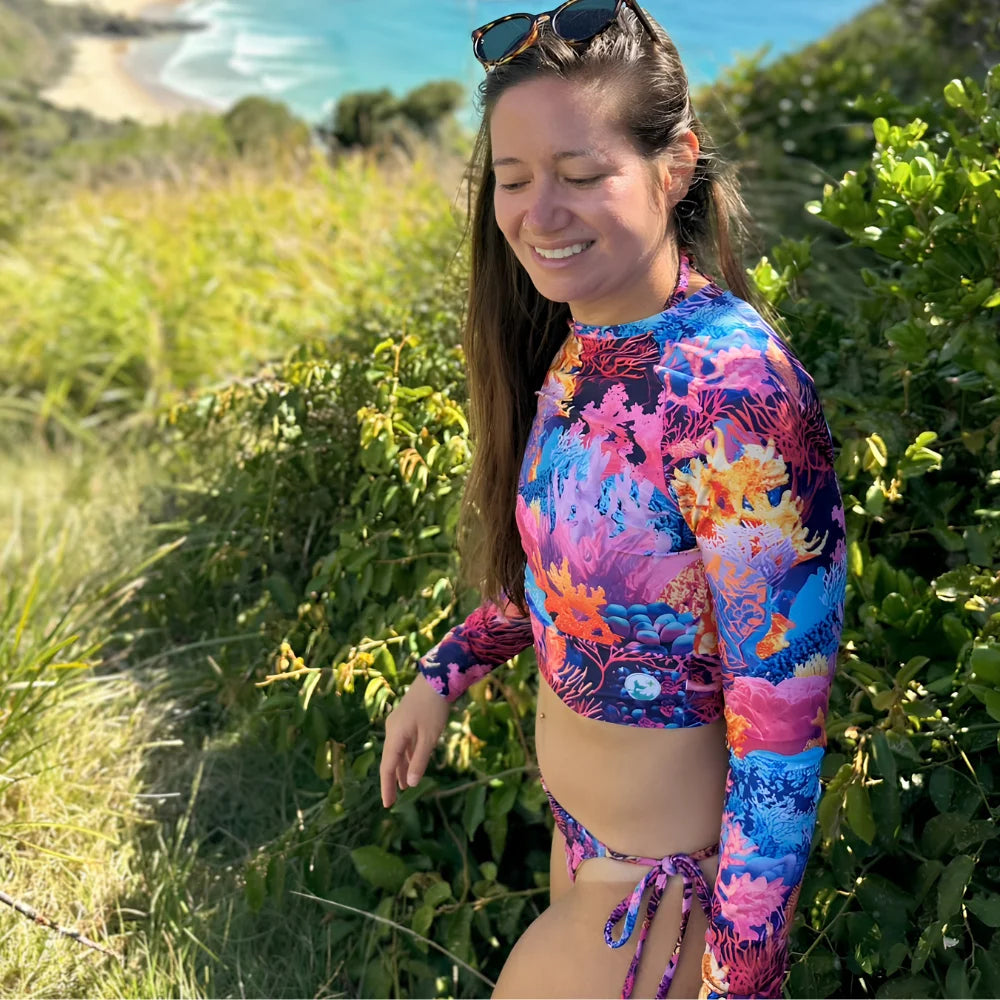
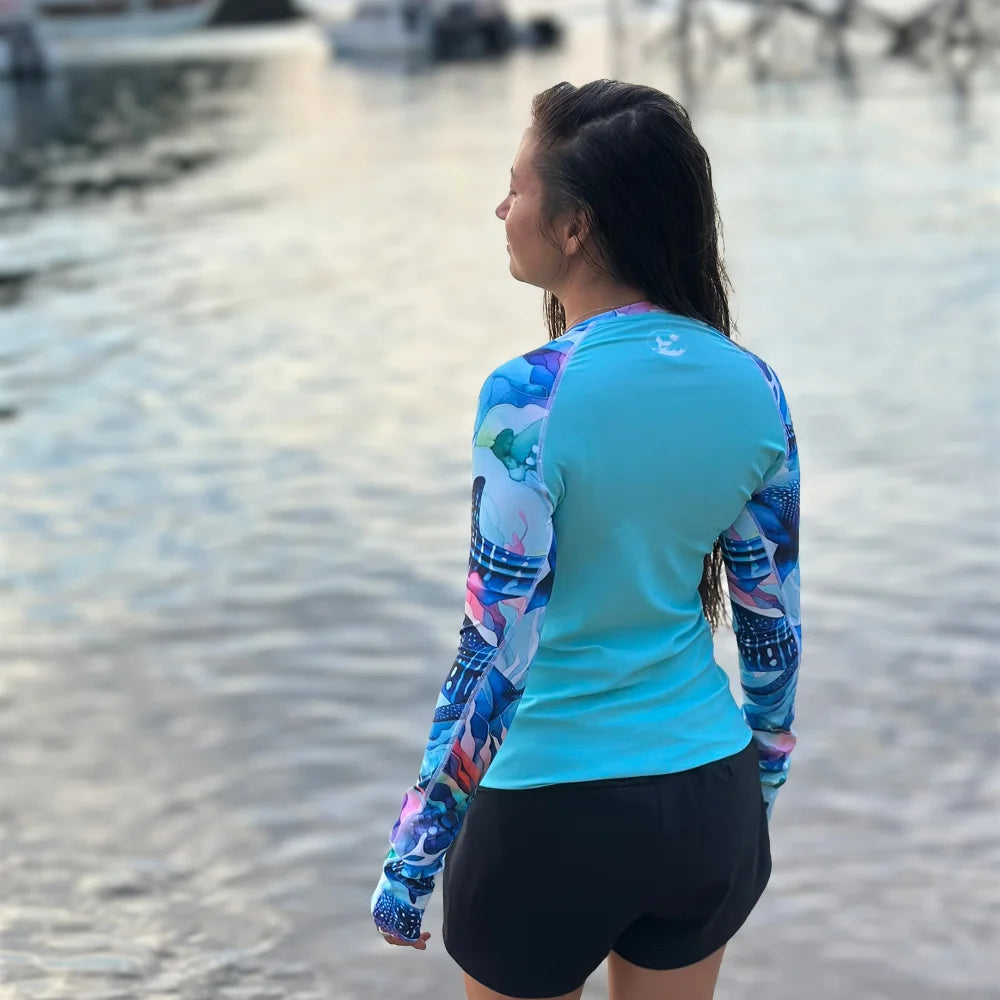
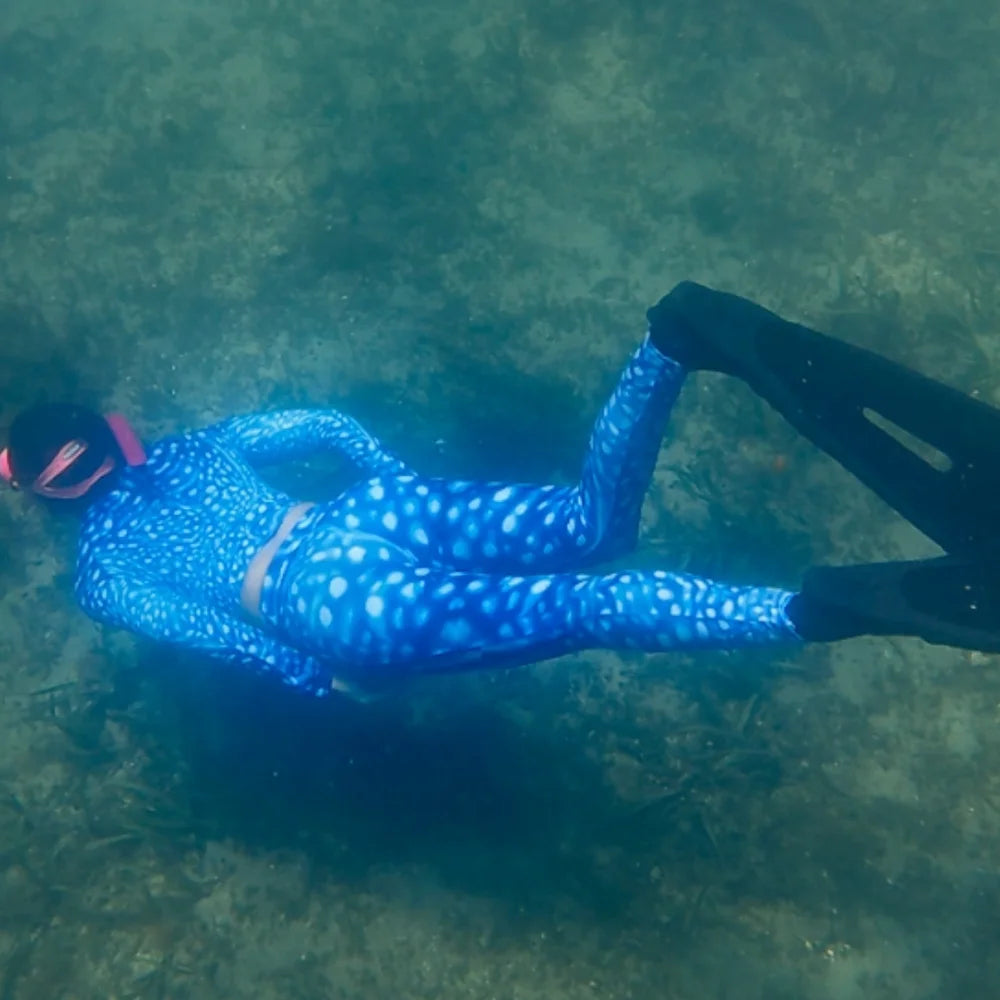
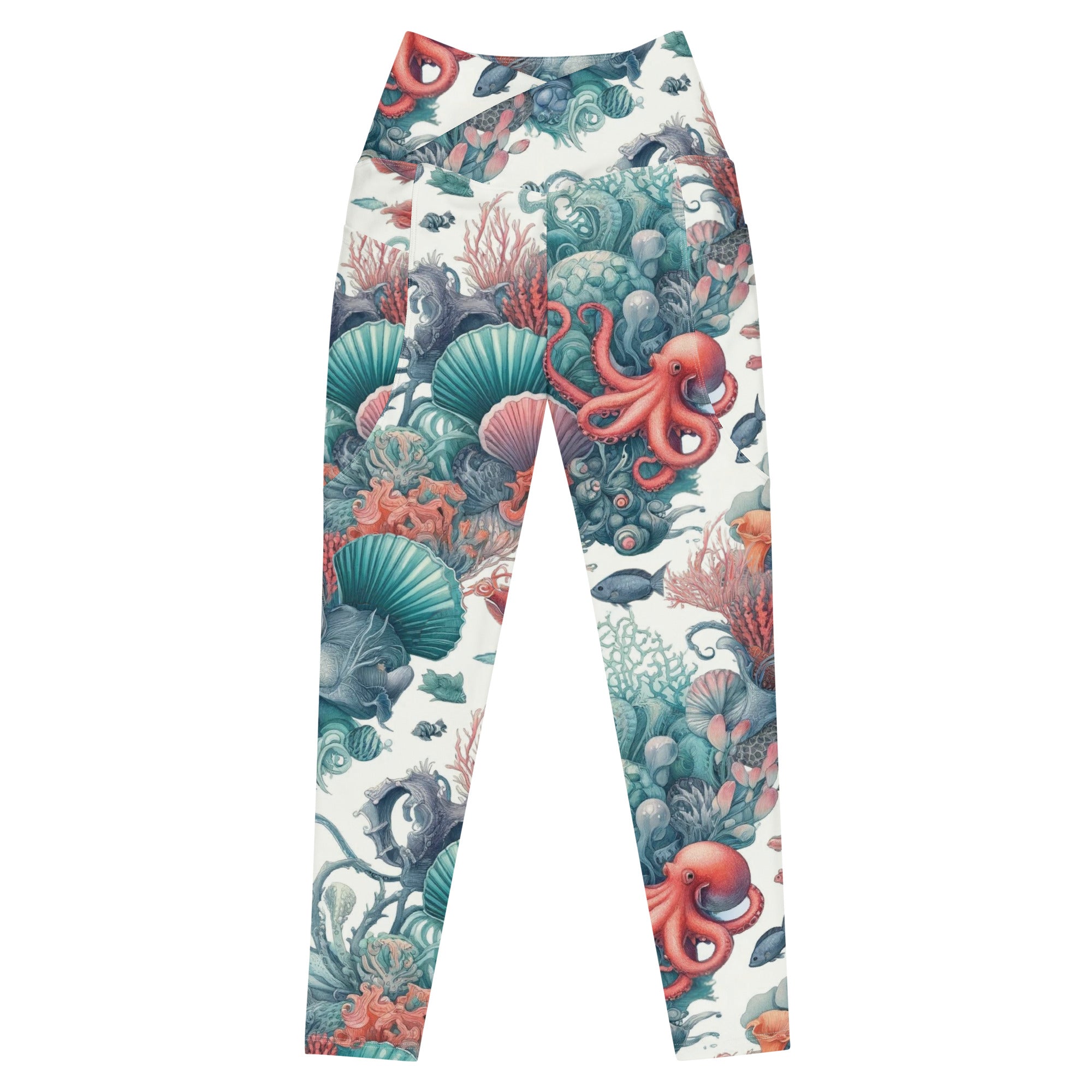
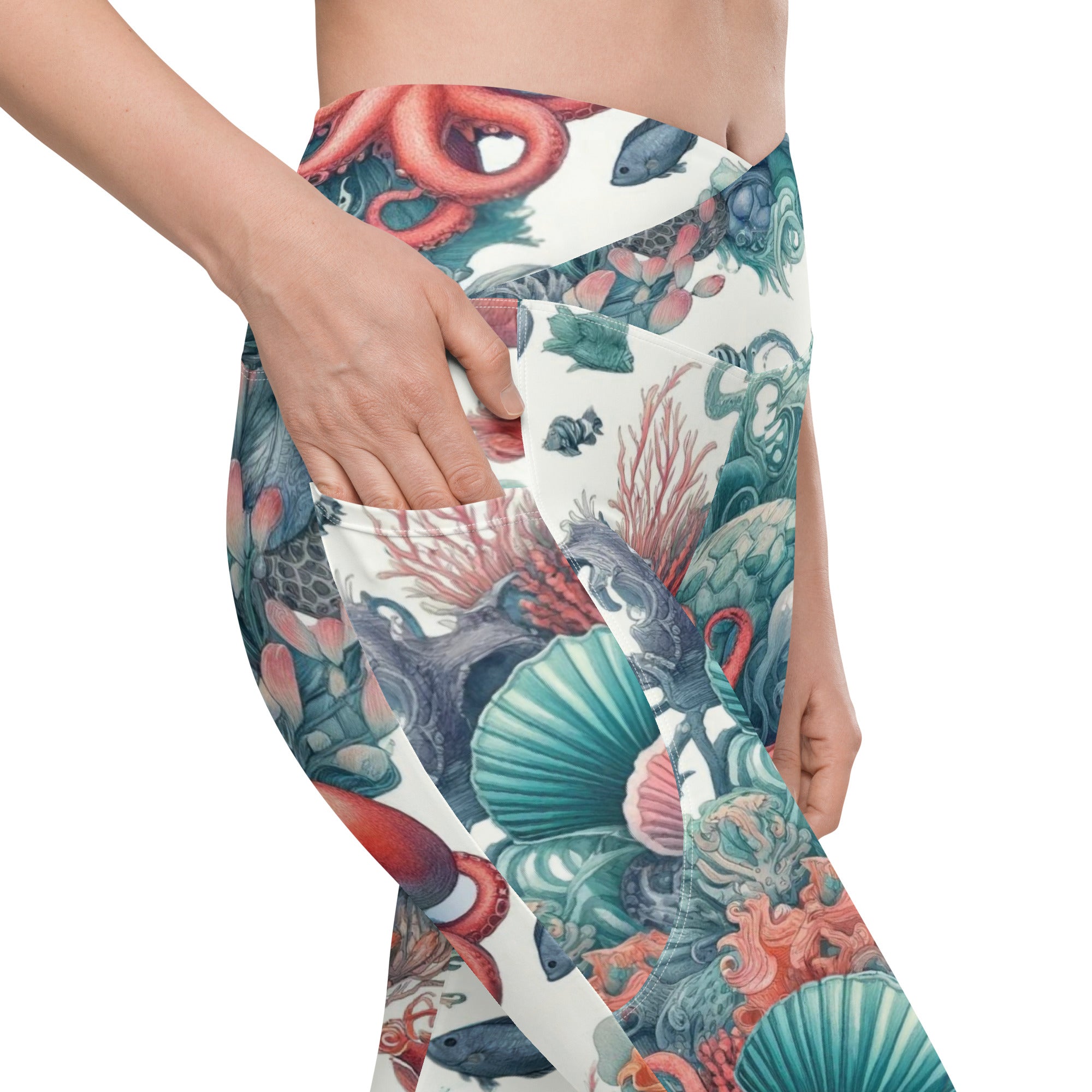
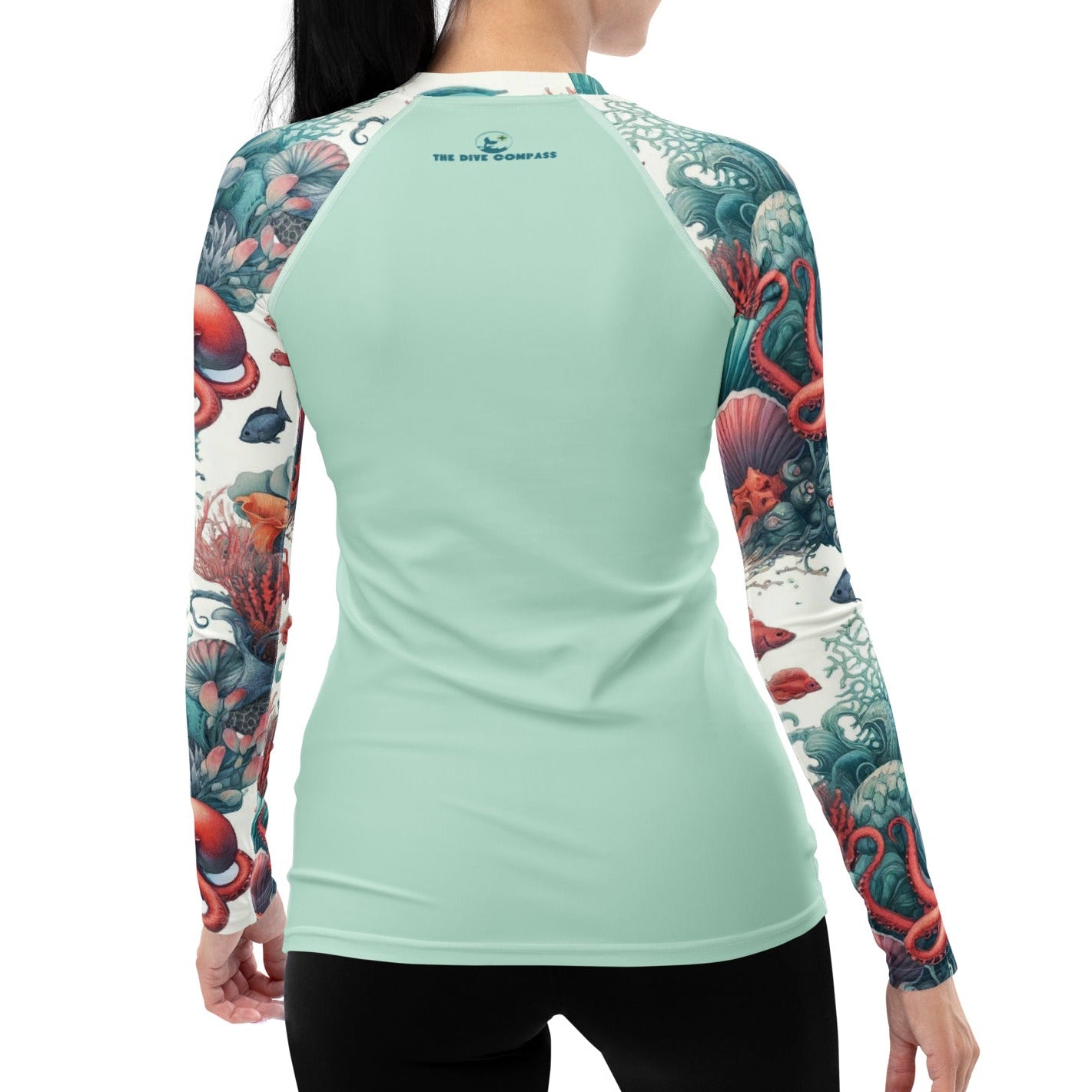
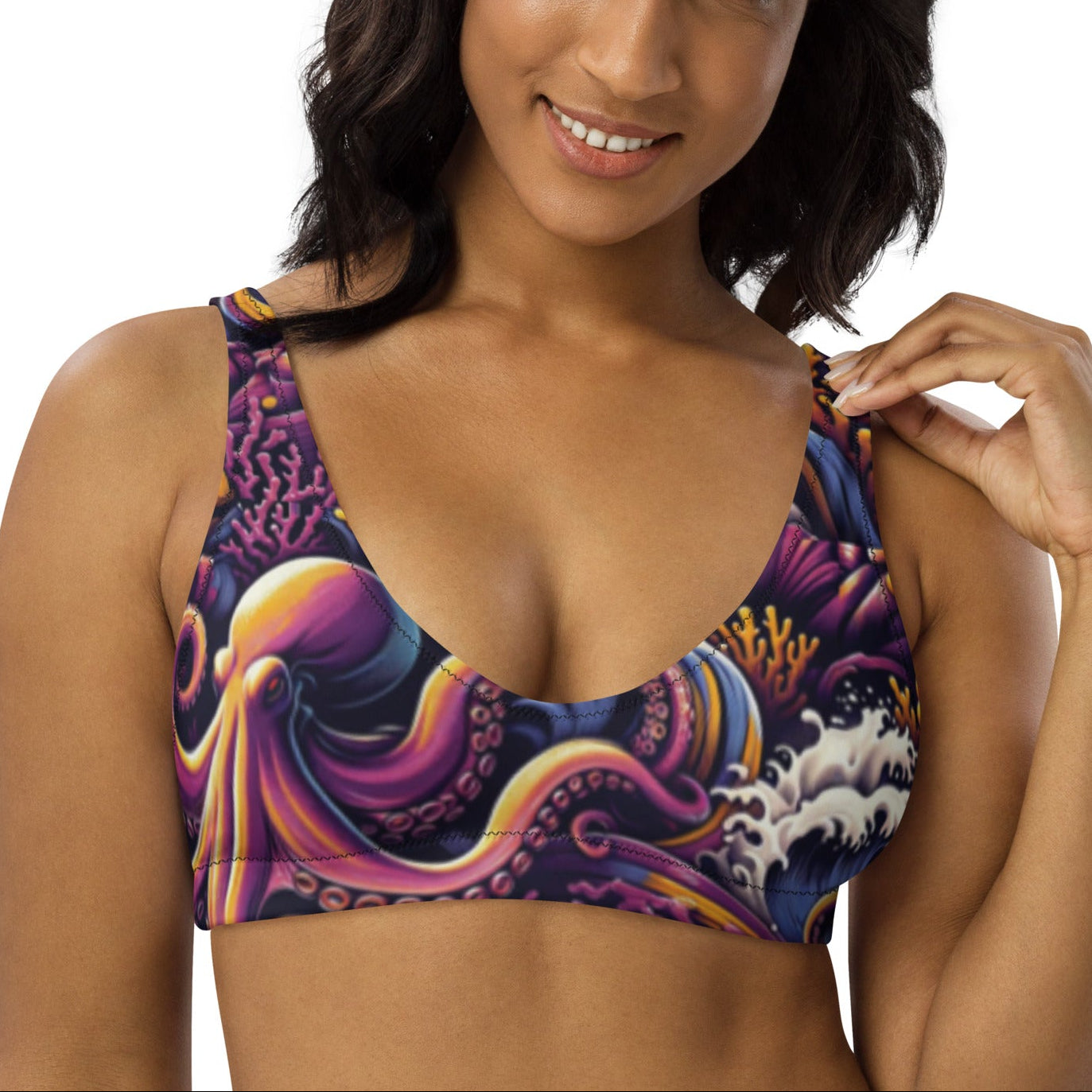
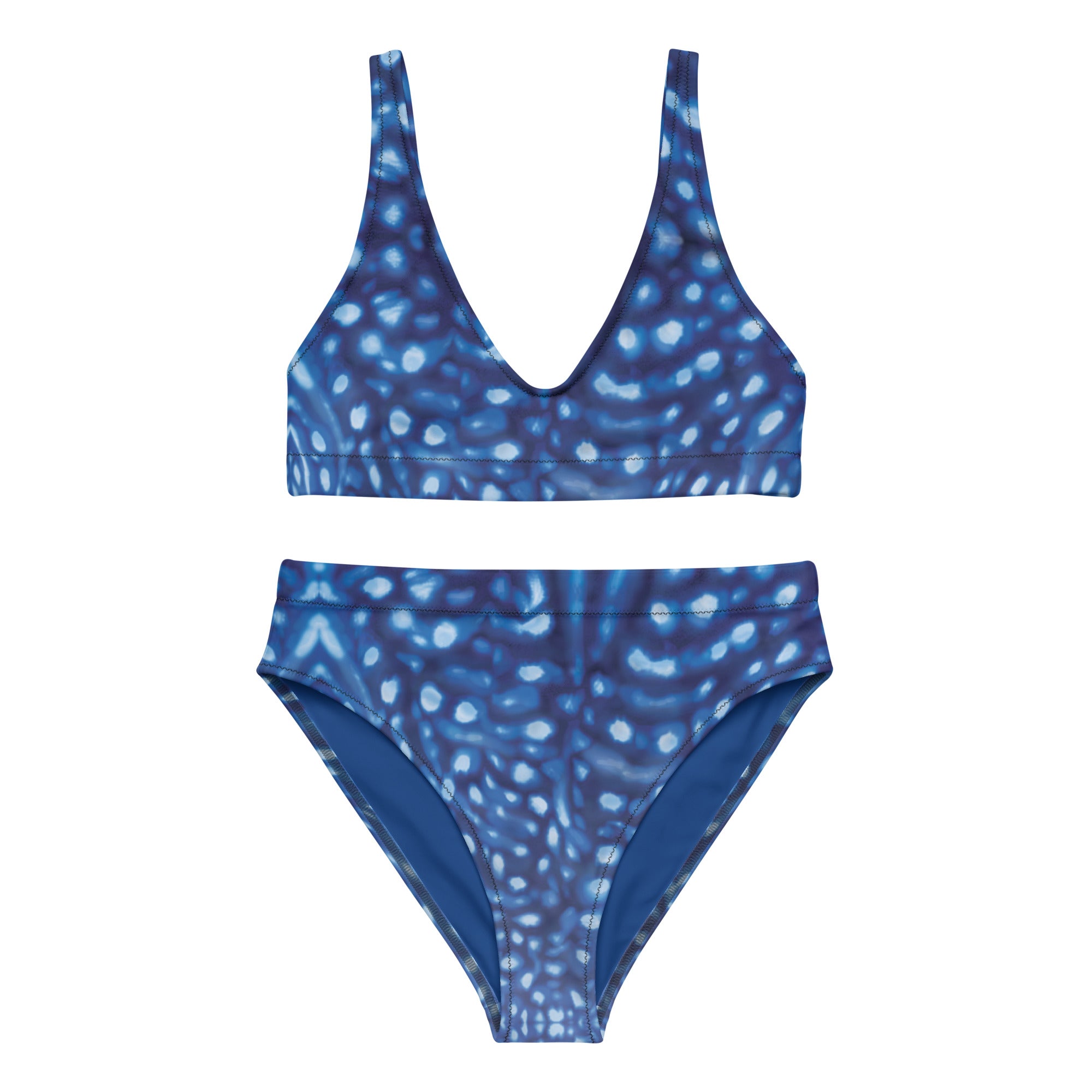
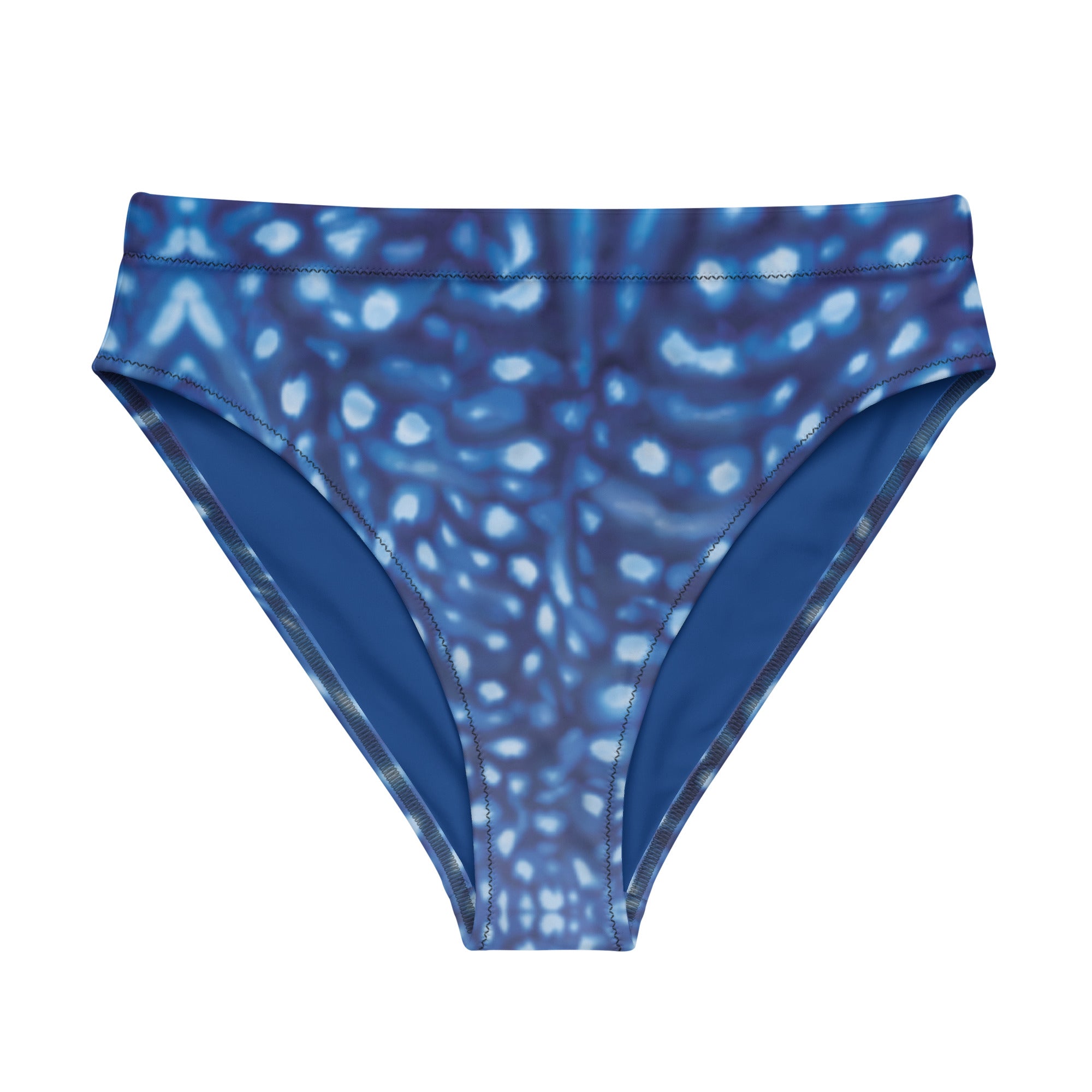
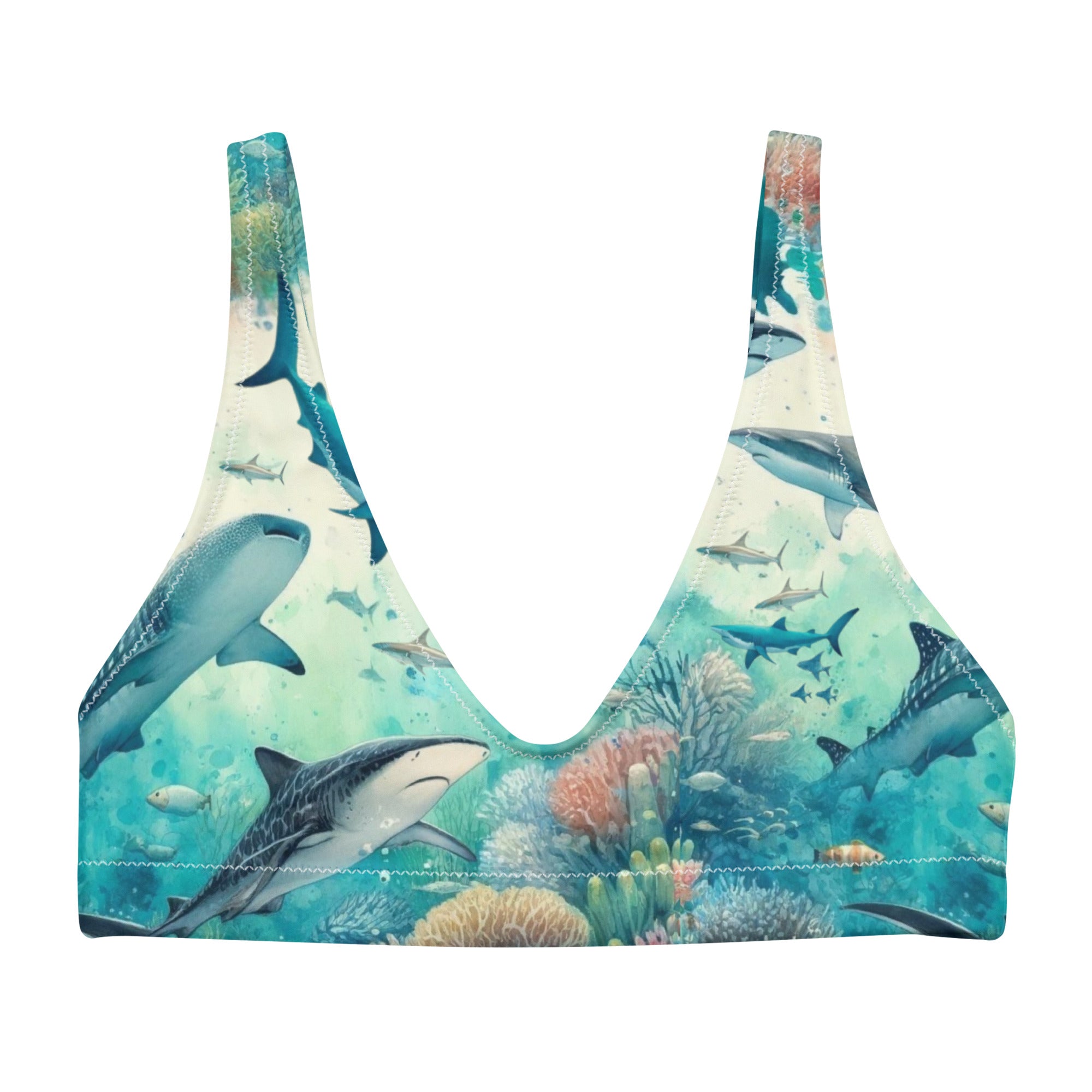
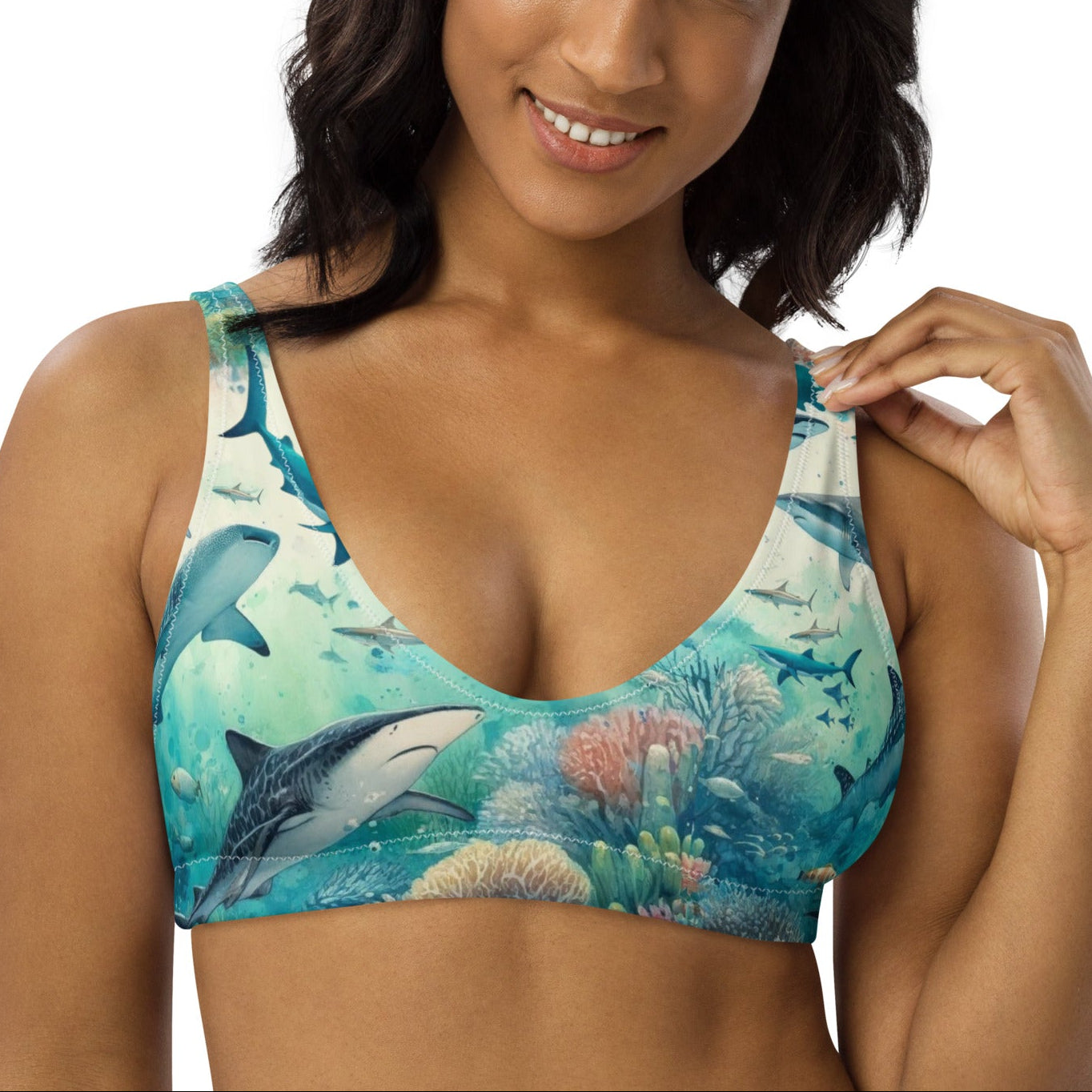
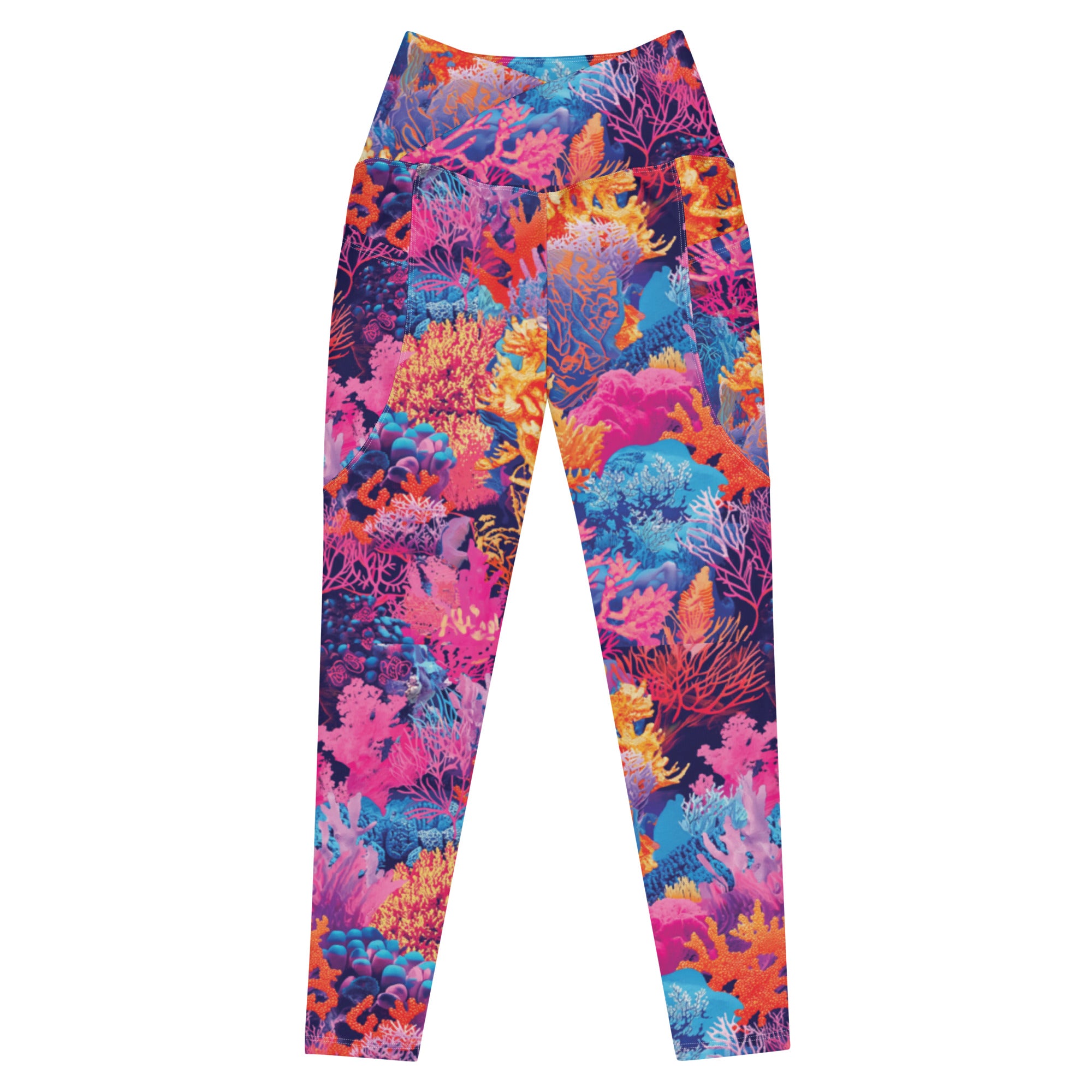
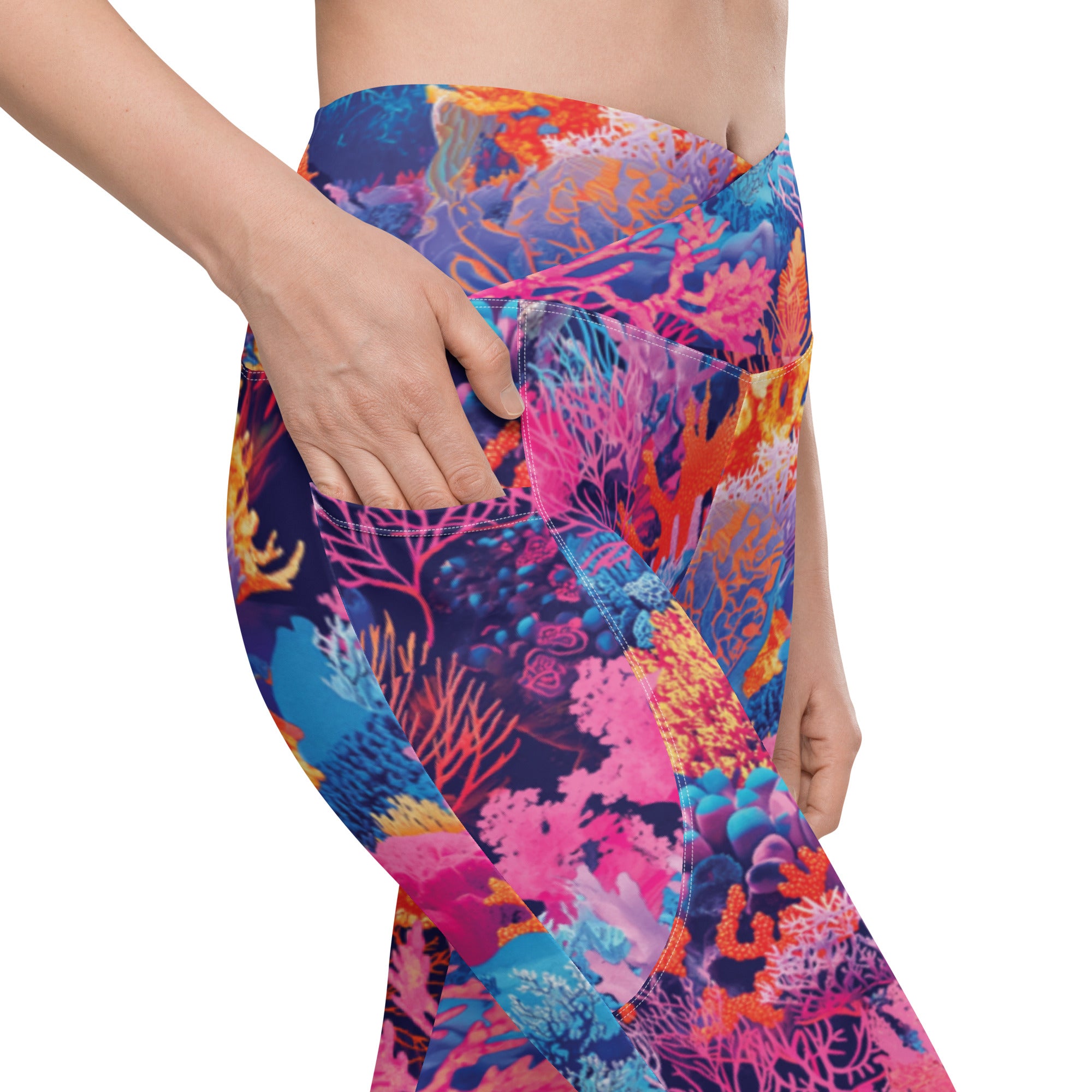
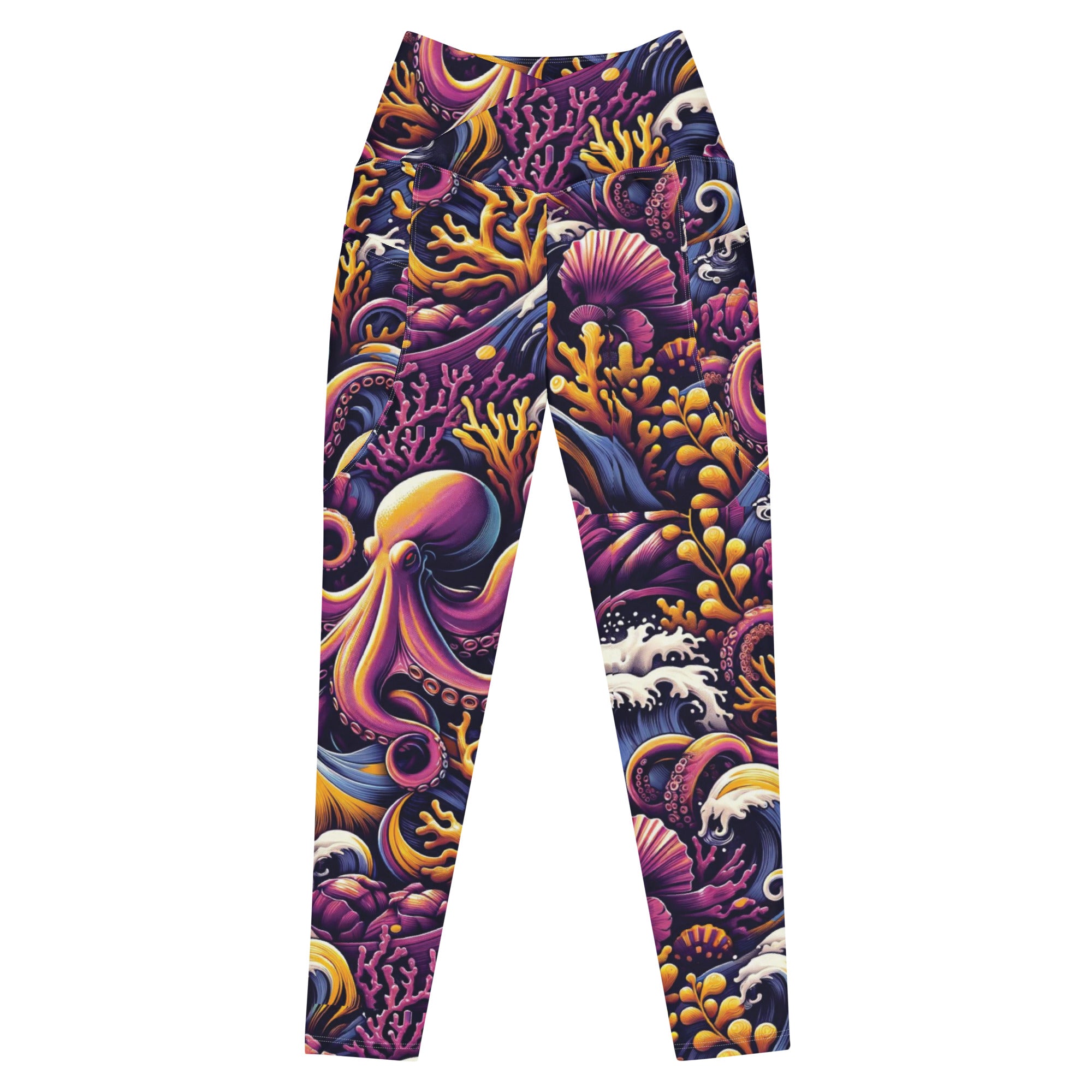
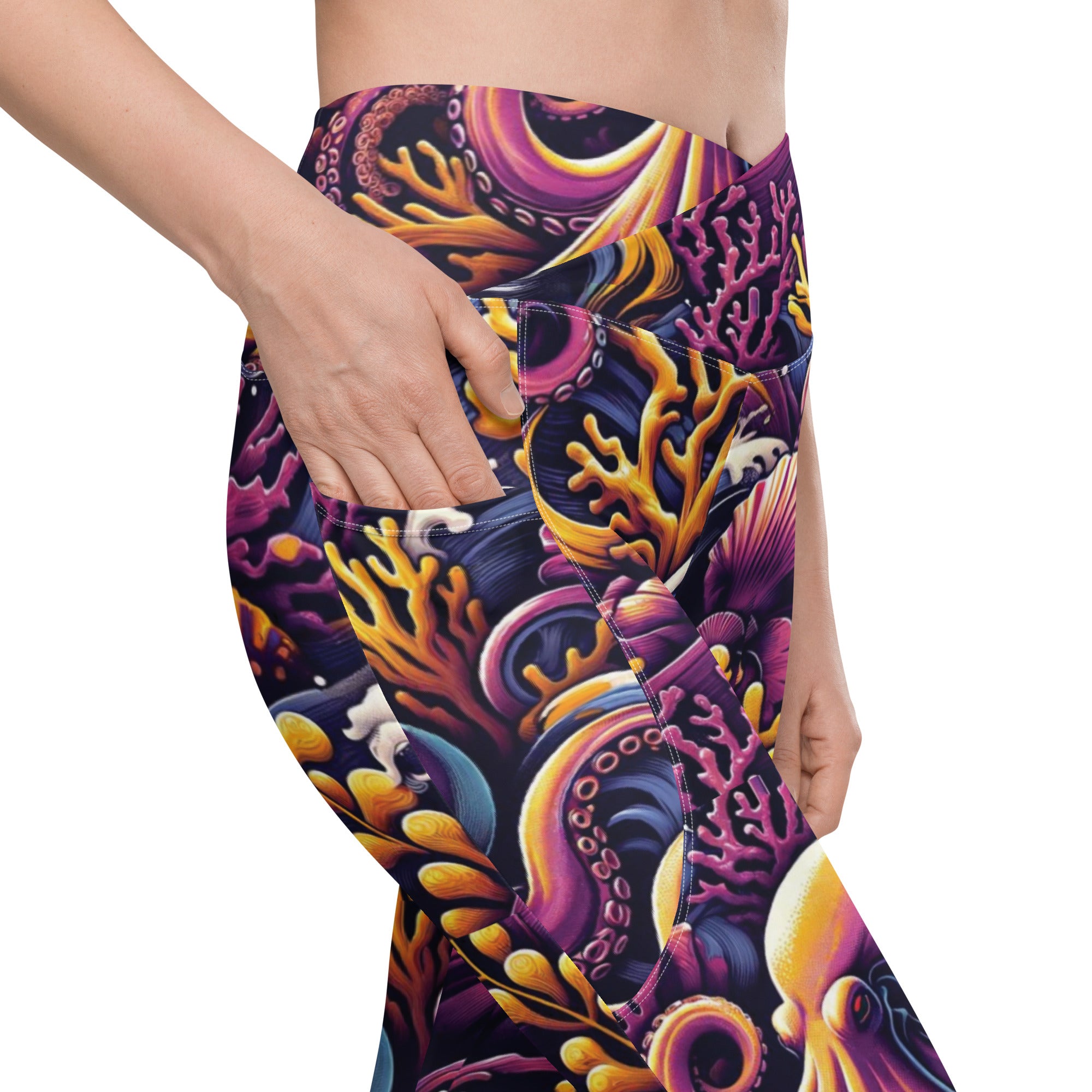
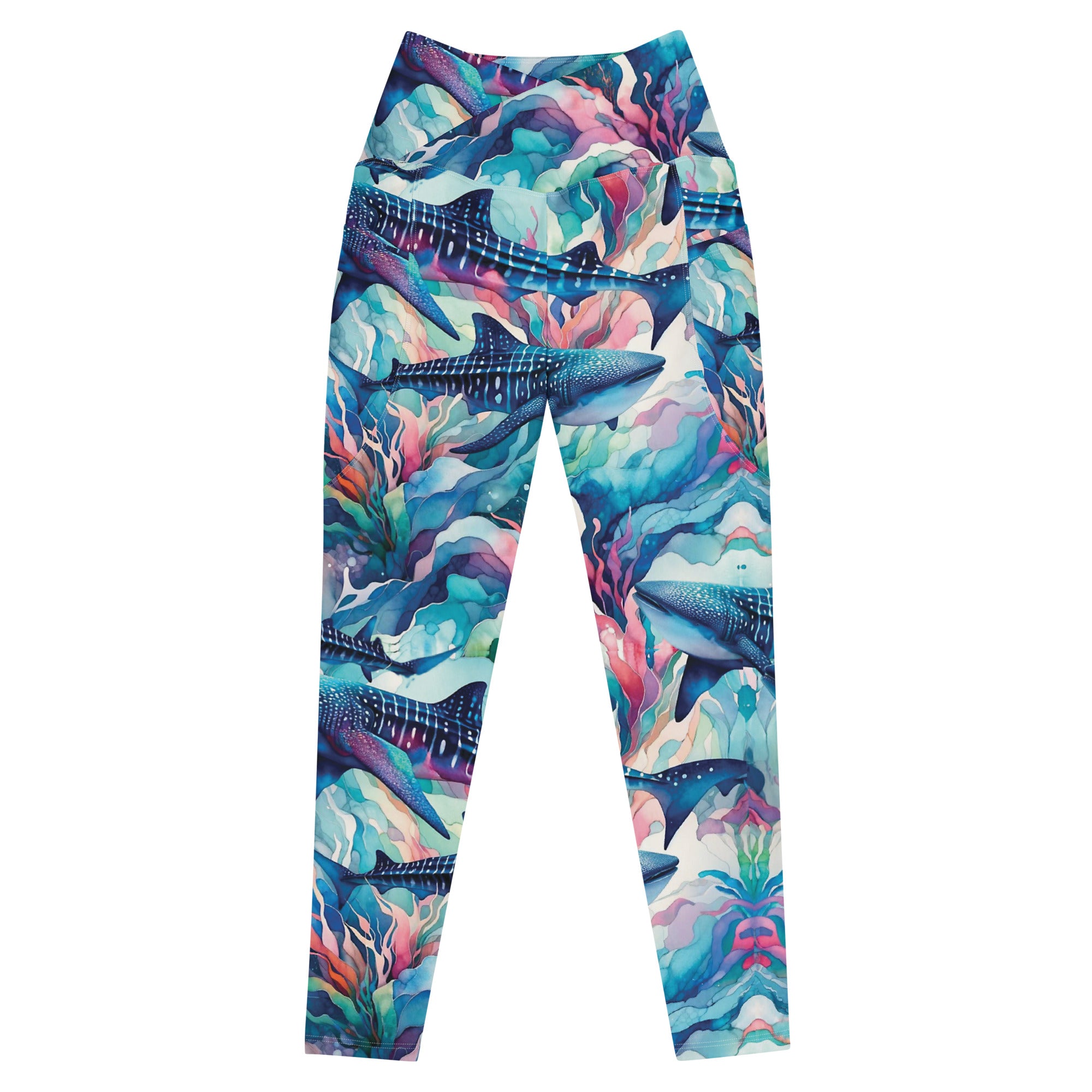
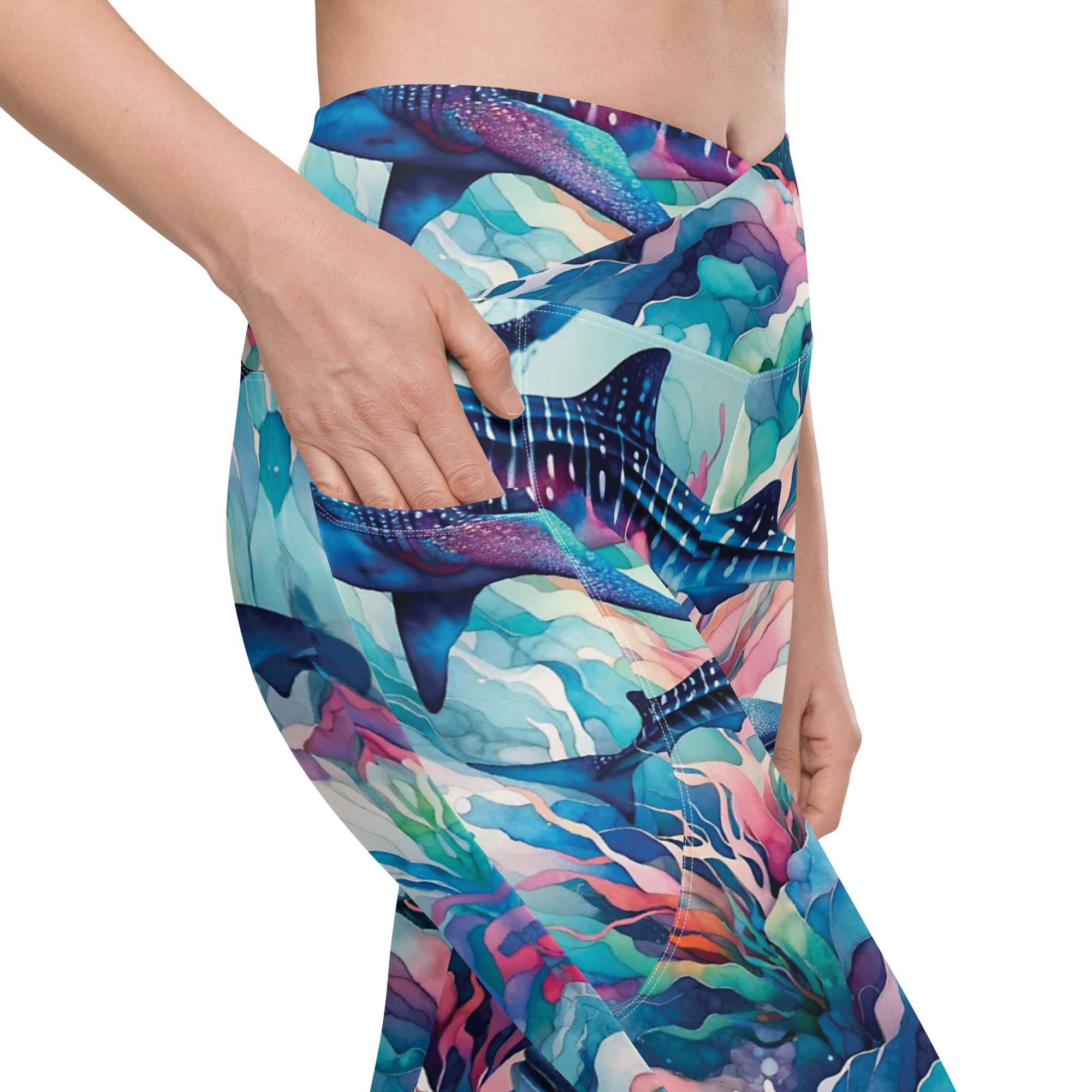
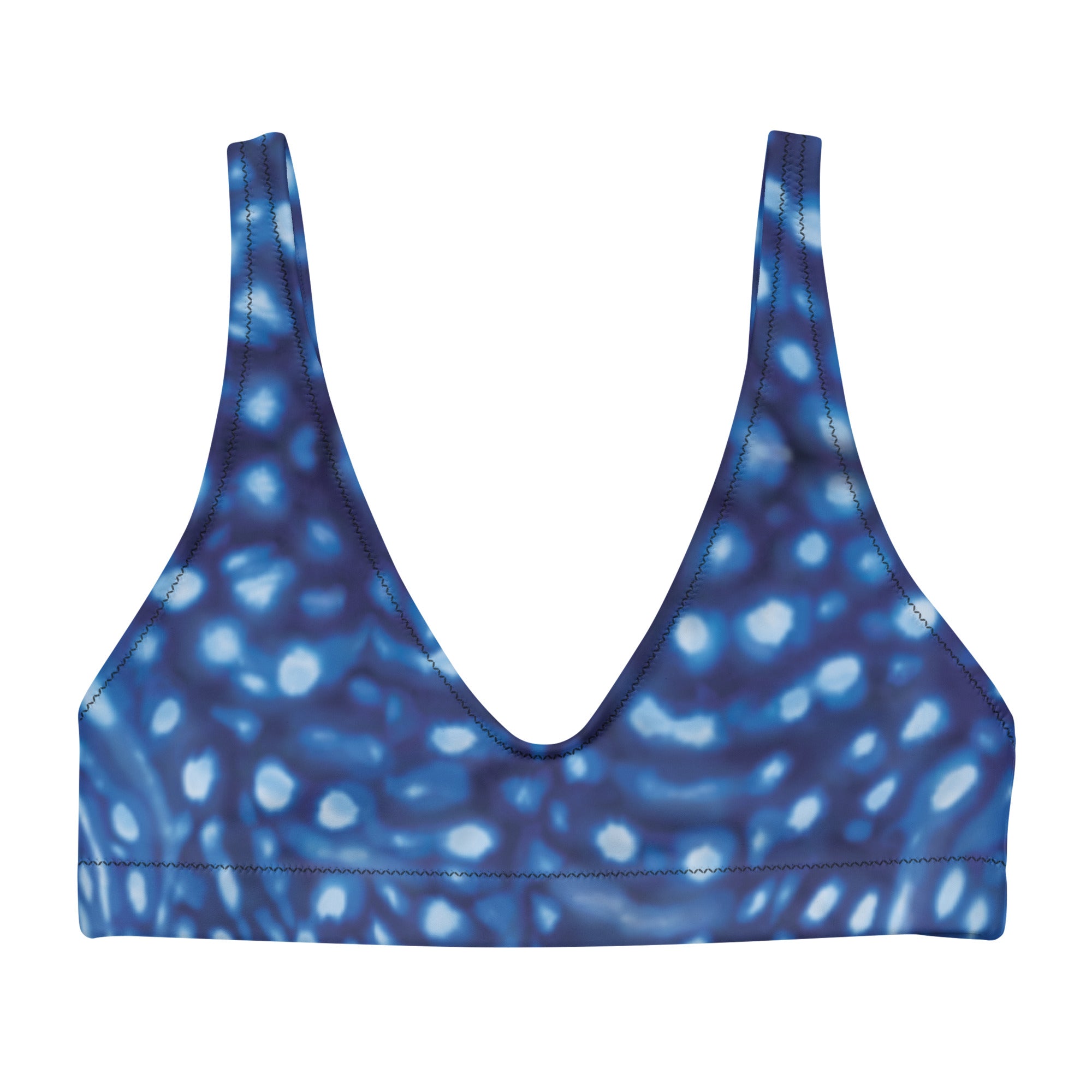
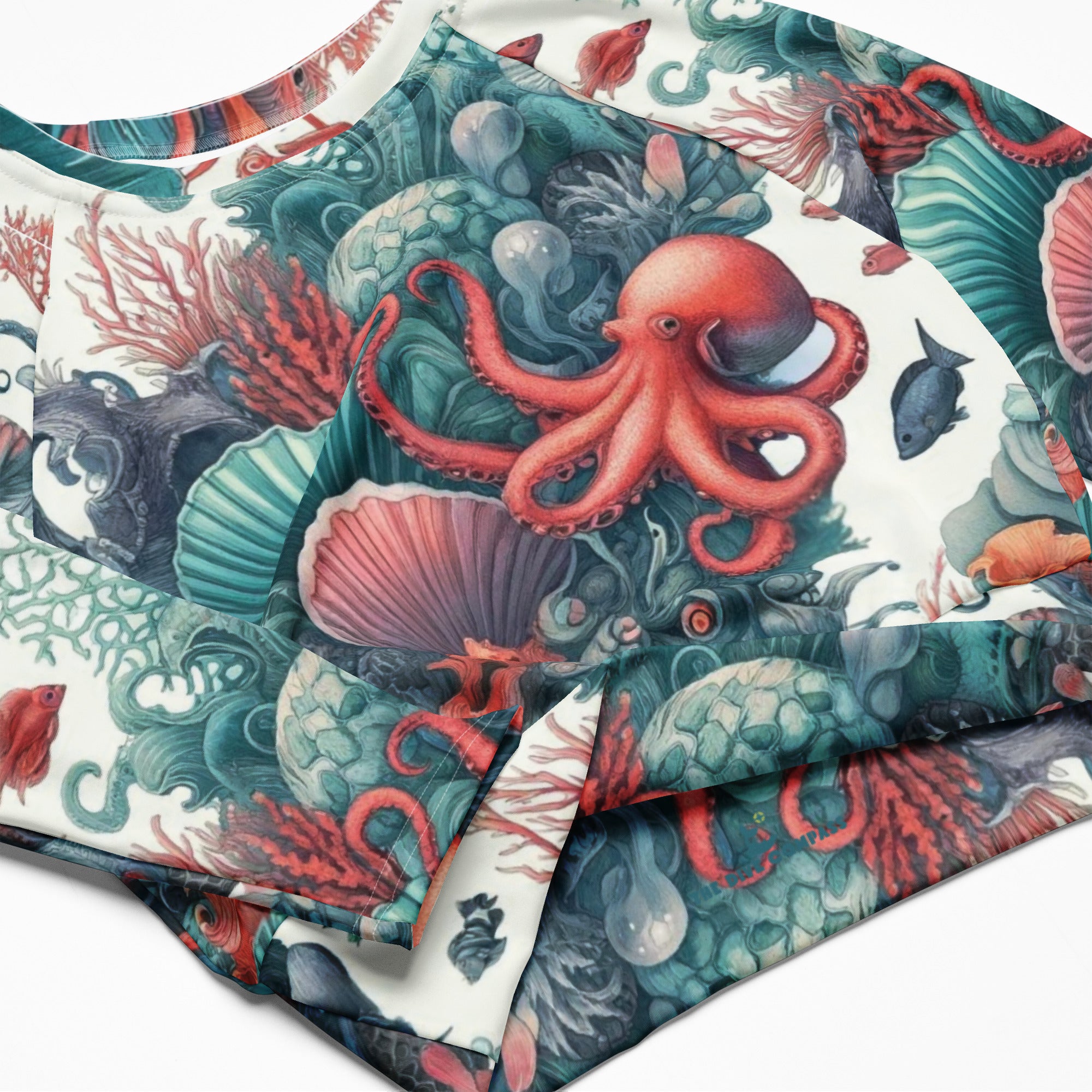
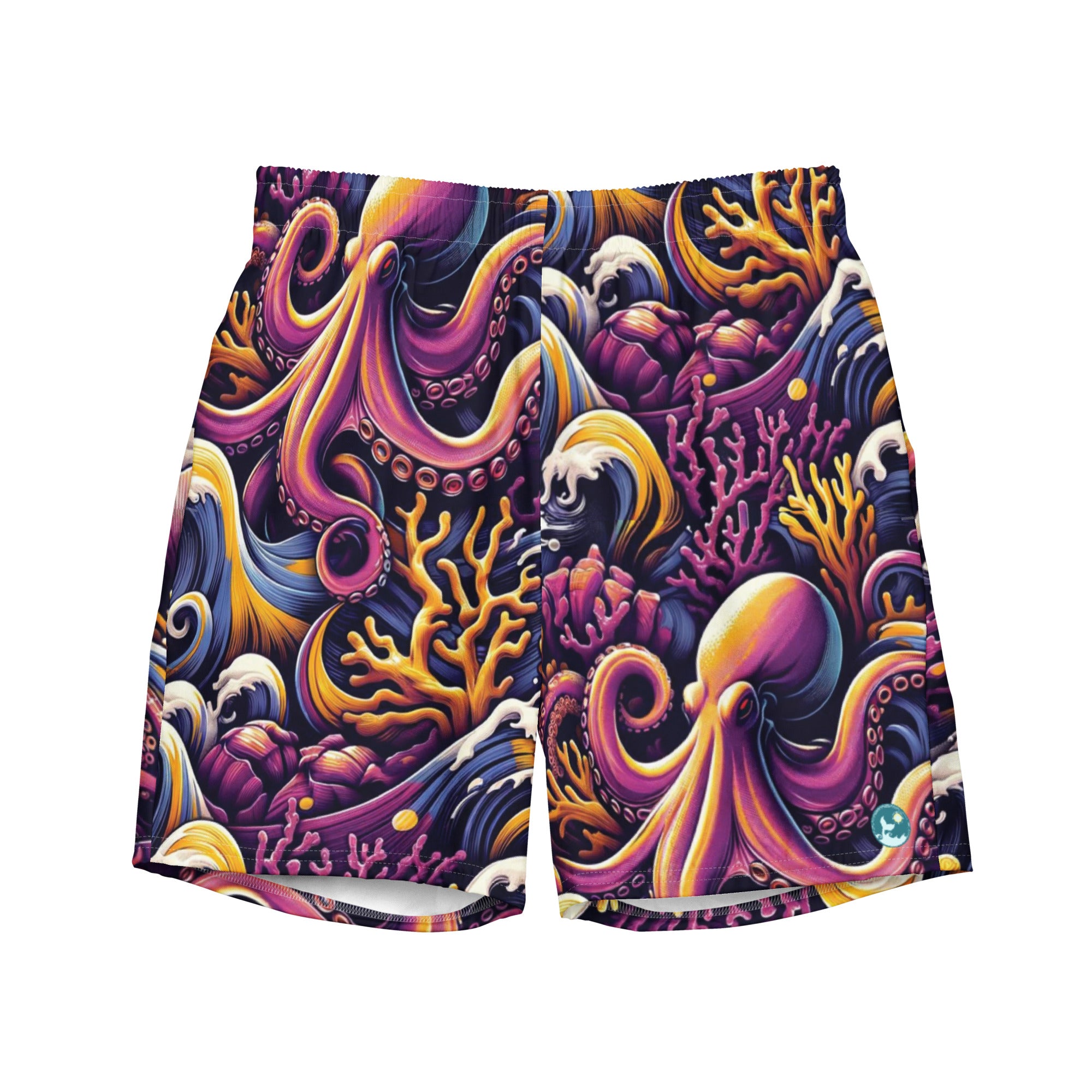
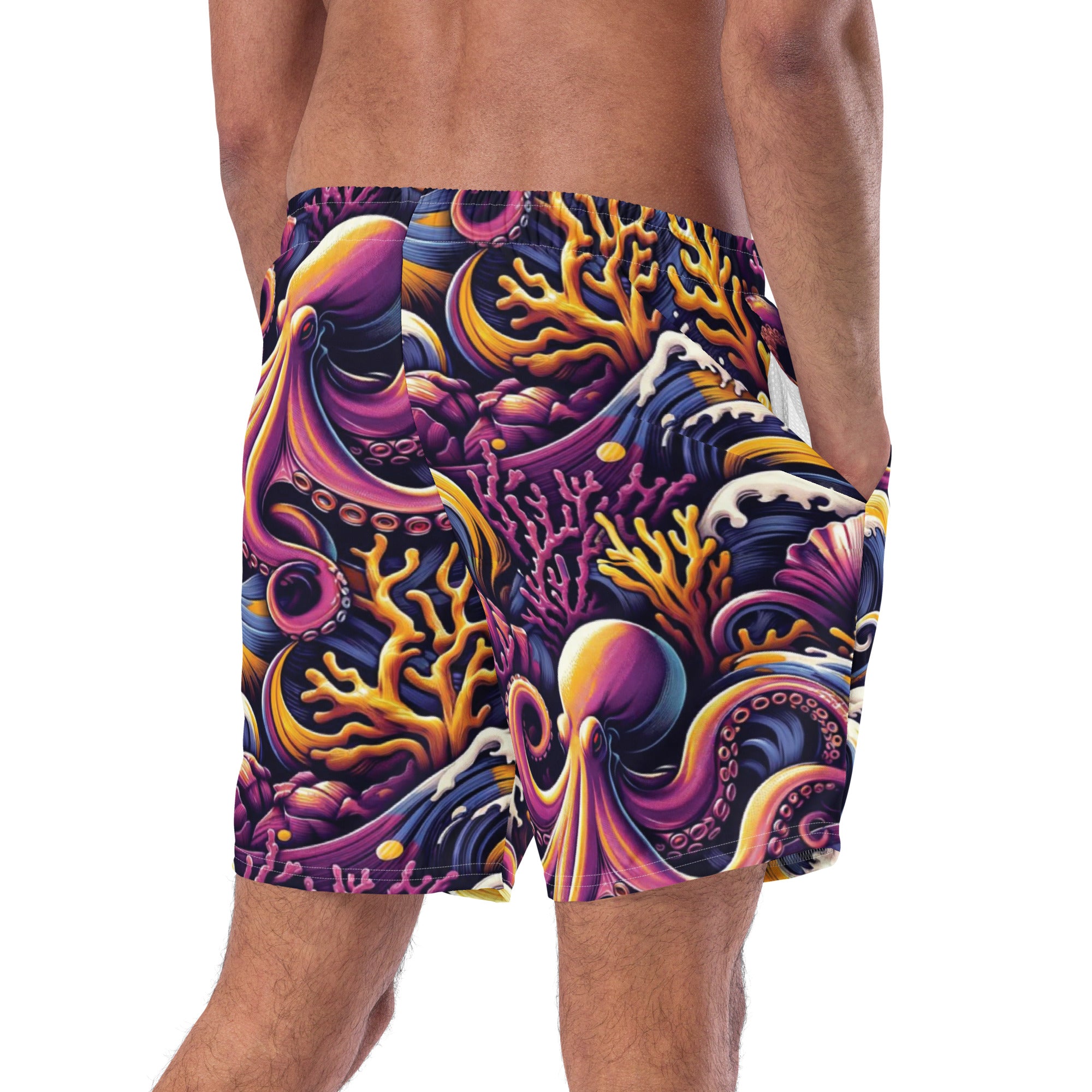
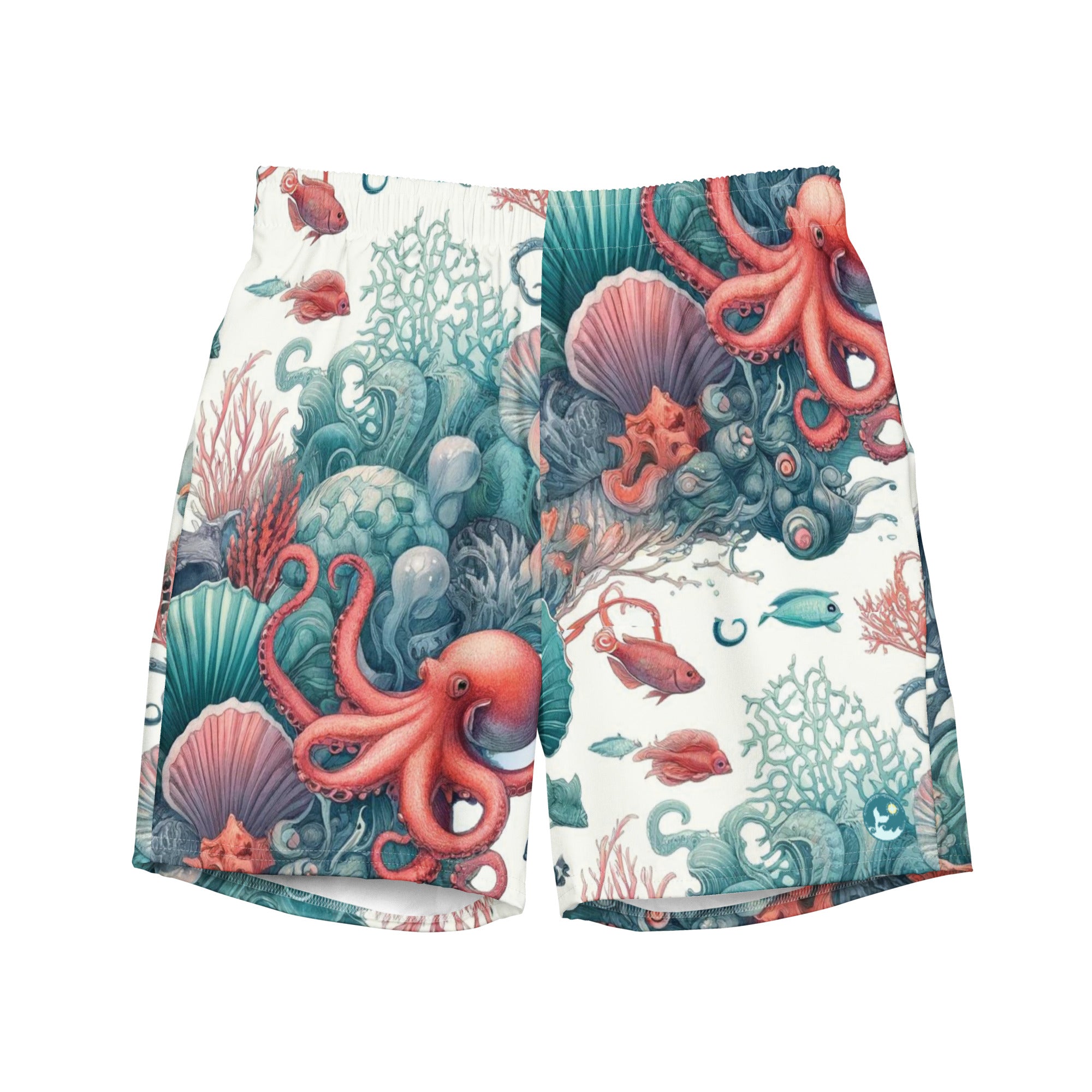
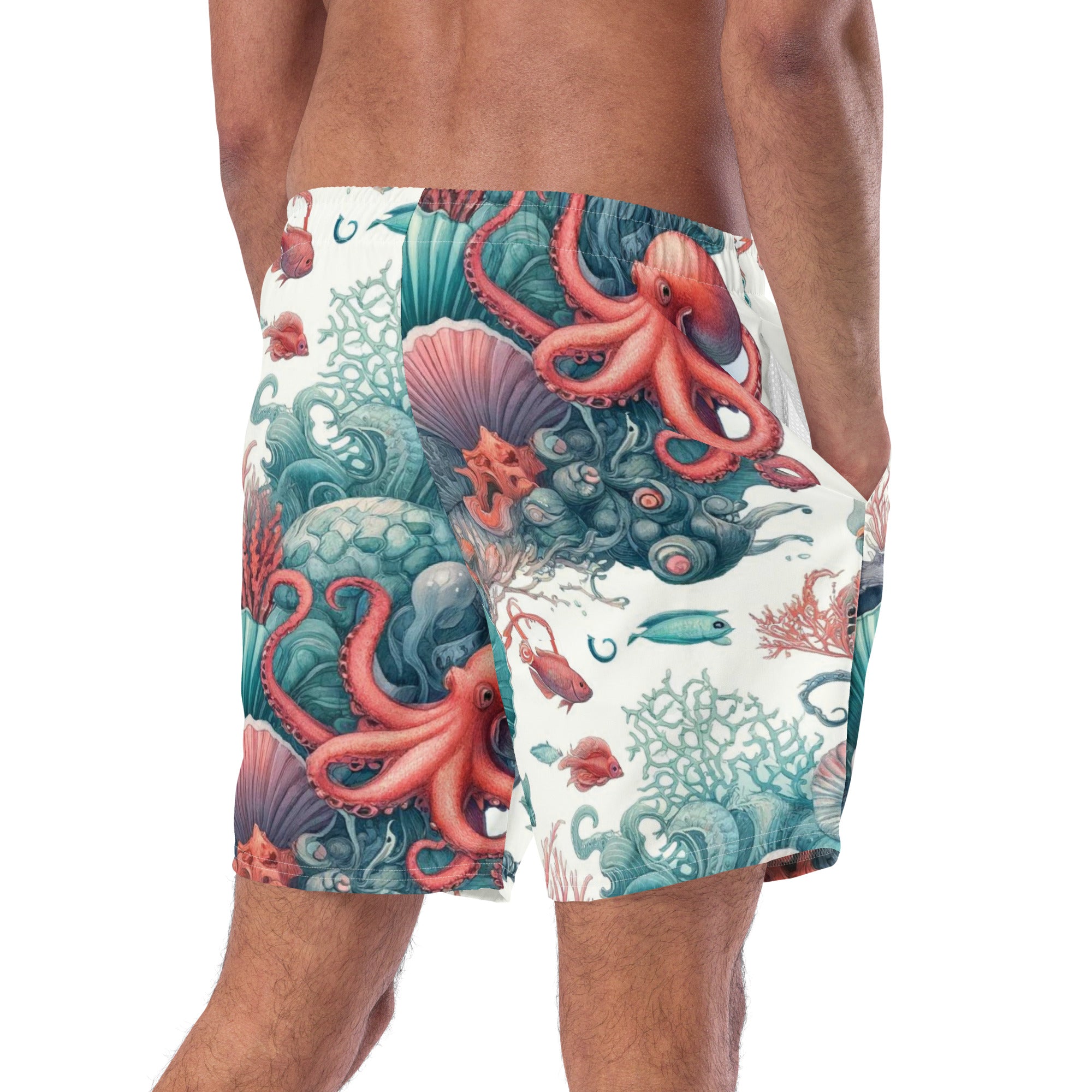
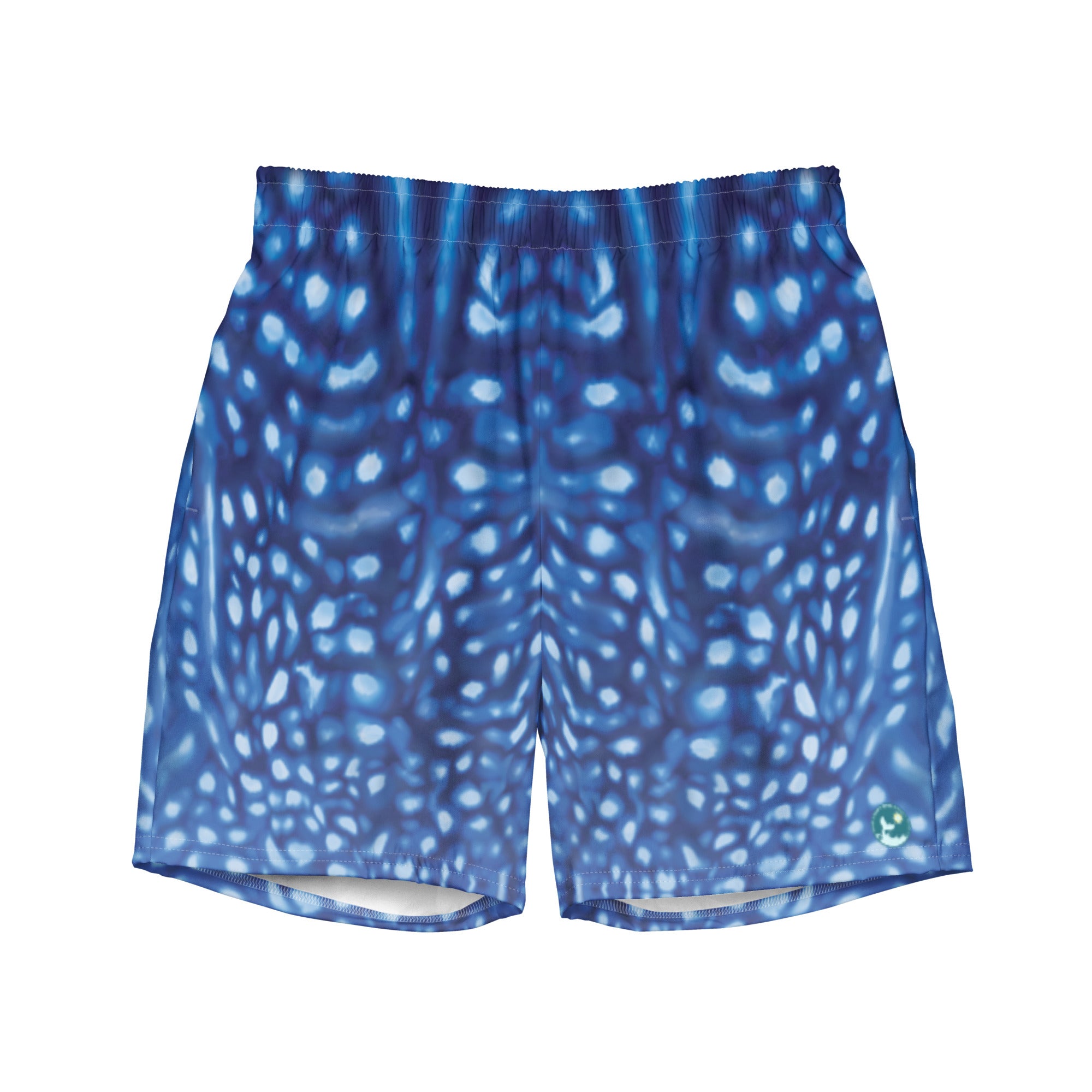
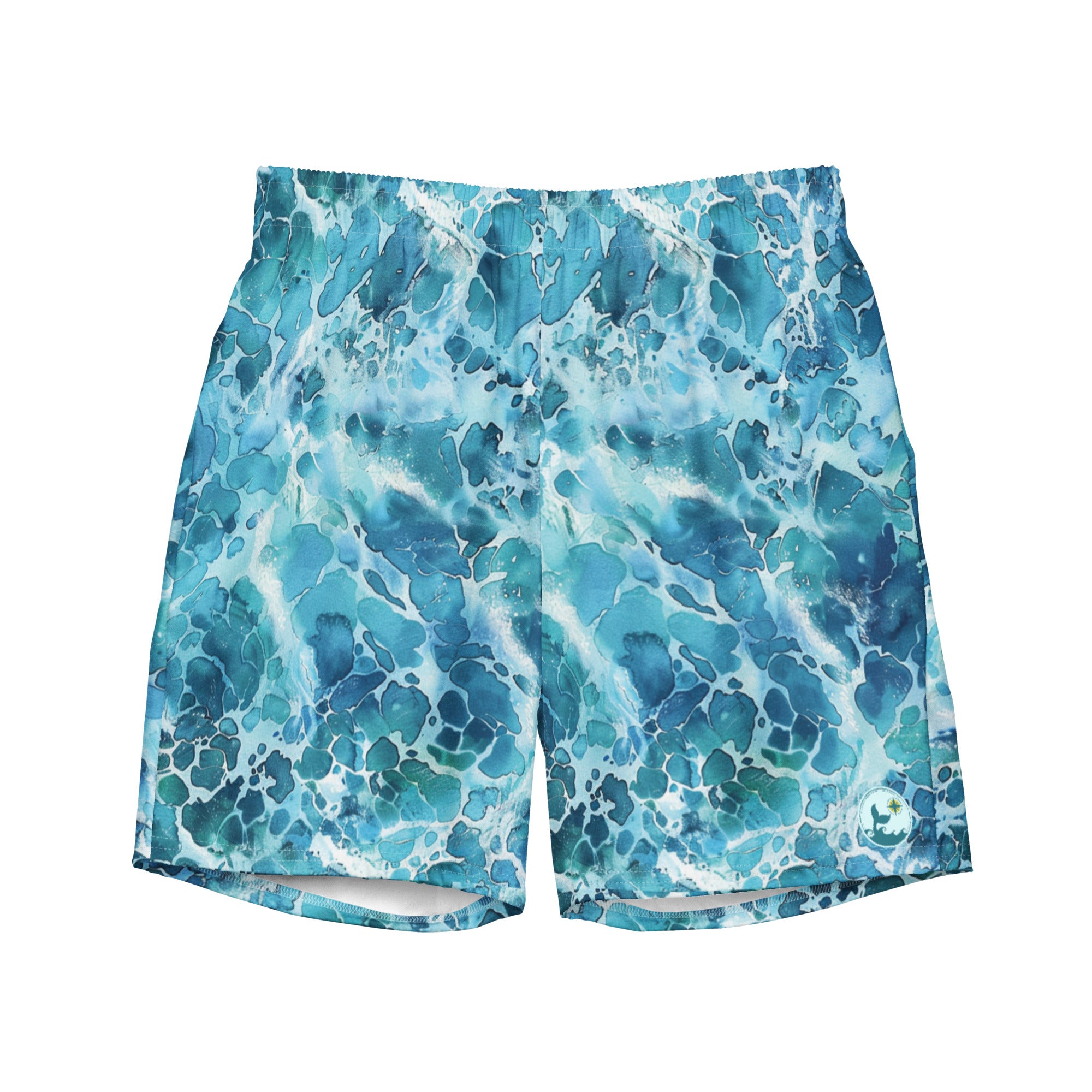
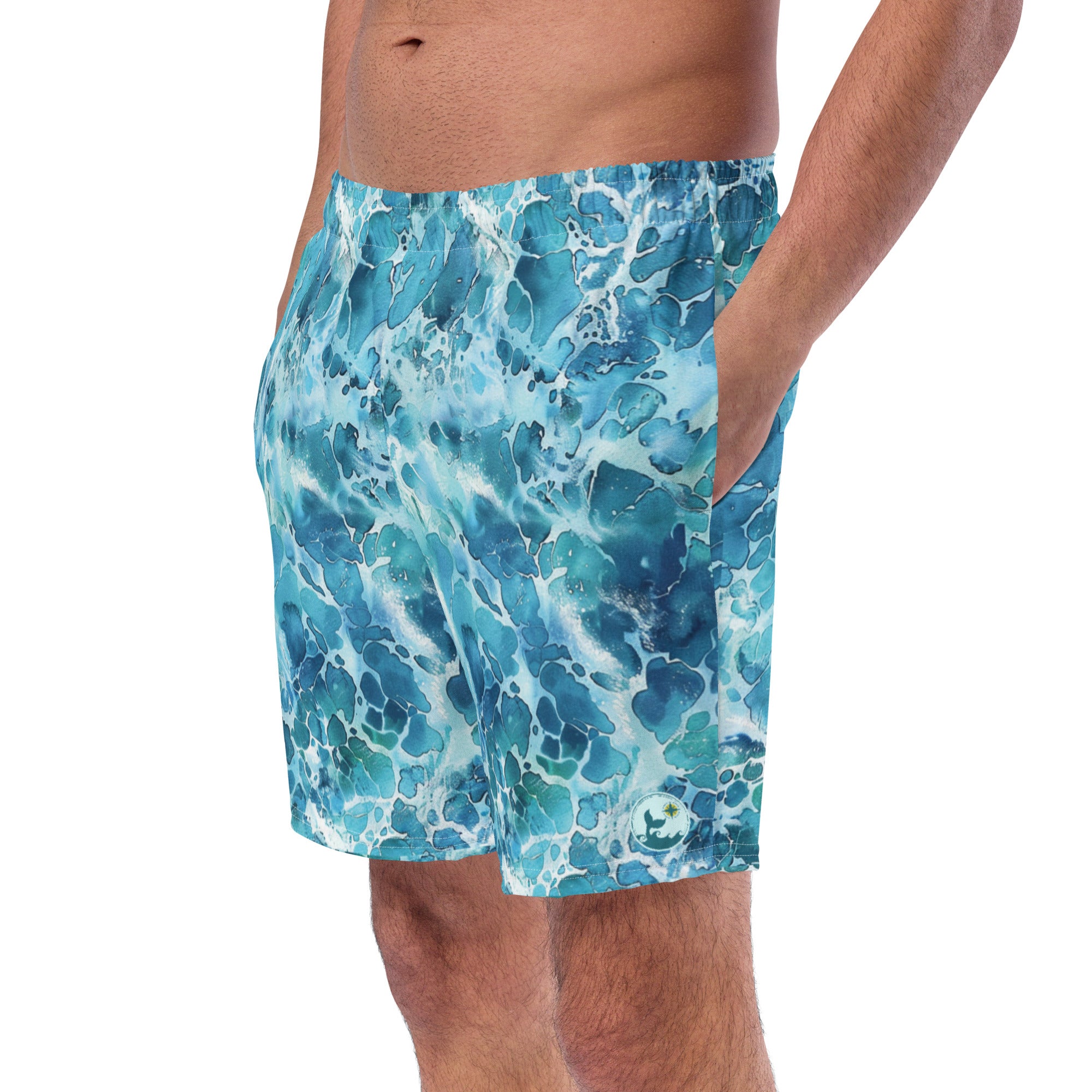
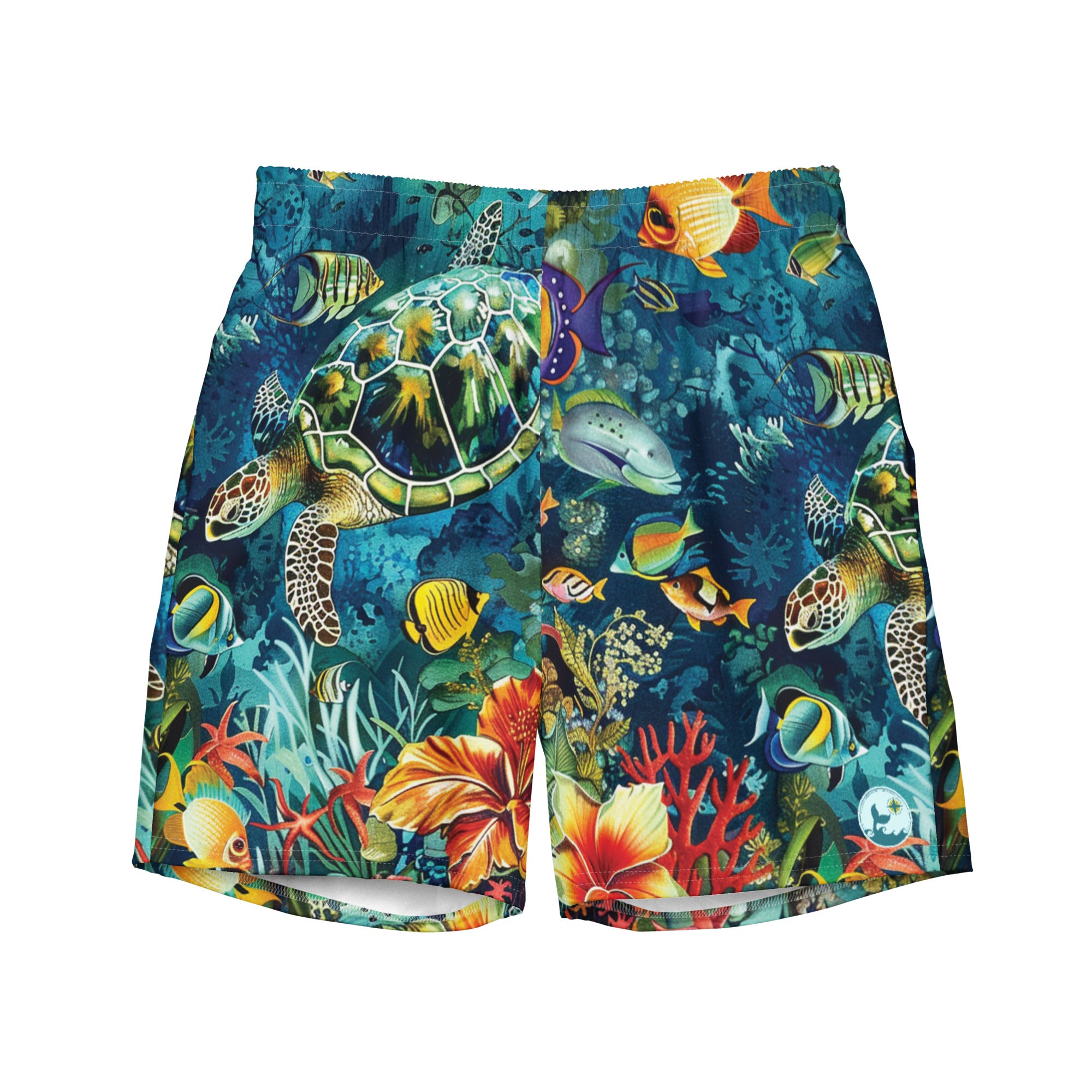
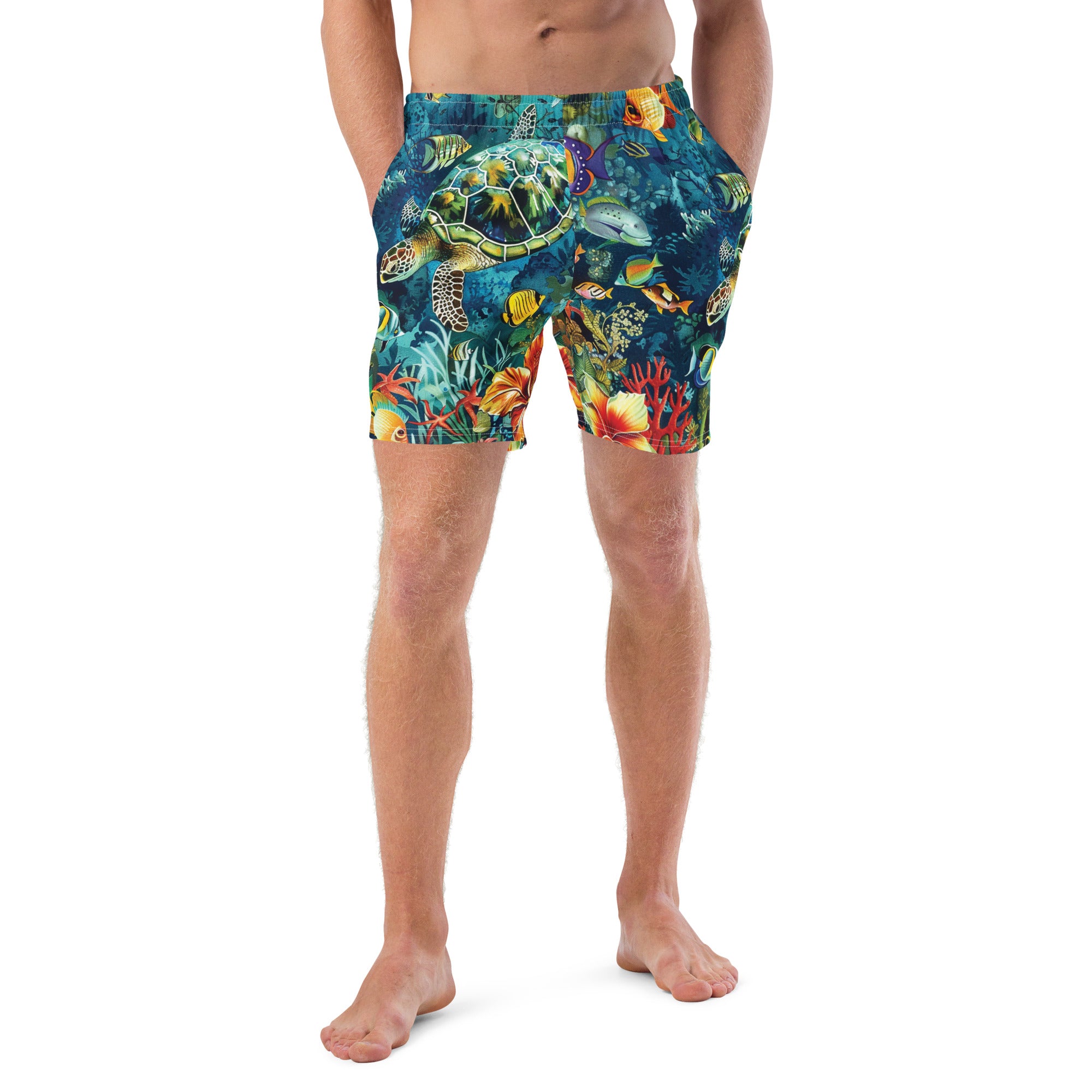
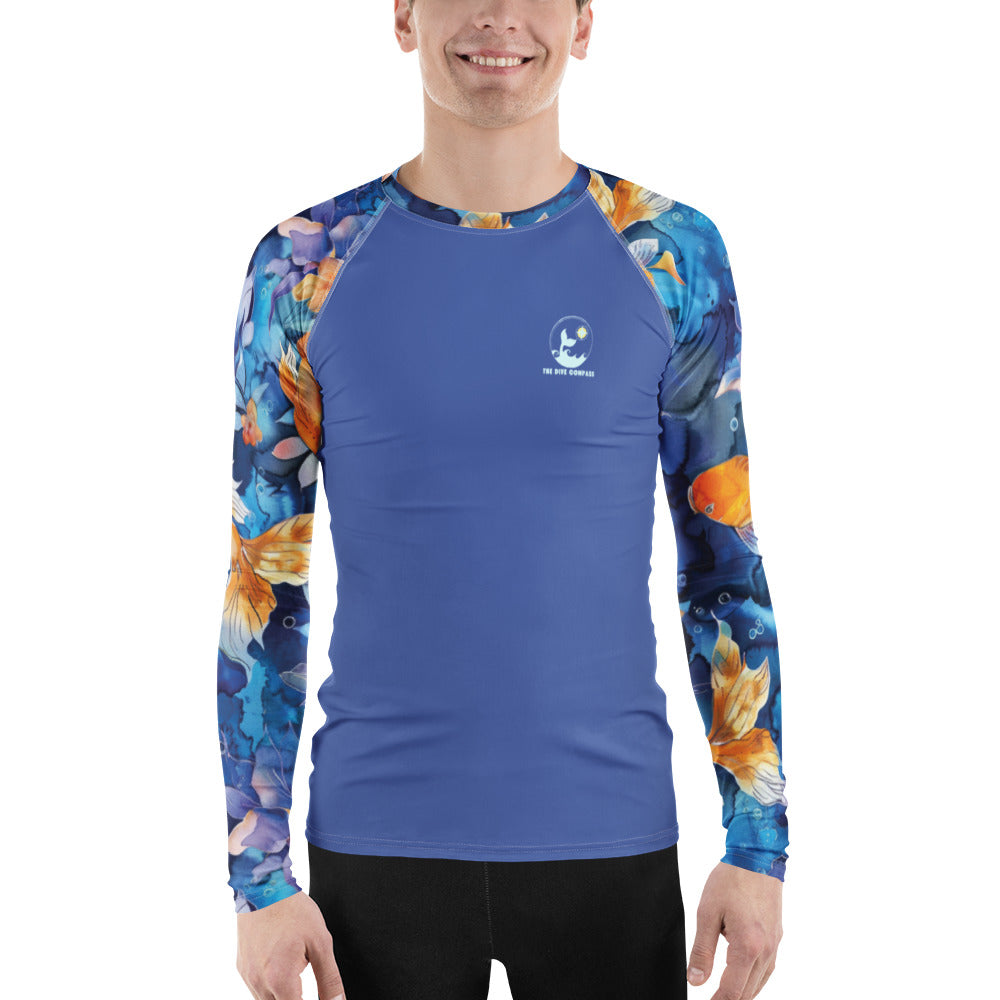
Our ocean-inspired prints from Octopus Ink to Whale Shark Blues are made to help you express your love for the sea every time you dive.
Each one tells a story about the ocean and contributes to it because 10% of every sale goes toward marine conservation through our Save Our Seas Pledge.
So when you wear a Dive Compass rash guard, you’re not just protecting your skin, you’re protecting your reefs.
5. The Smart Choice for New Divers
If you’re new to diving, here’s why investing in a quality rash guard is one of the best things you can do:
- You’ll stay warmer and protected during long surface intervals.
- You’ll prevent chafing from BCD straps and wetsuits.
- You’ll drastically reduce your sunscreen use (and avoid that slippery feeling before dives).
- You’ll contribute to ocean health every single time you dive.
It’s comfort, protection, and conservation all in one.

Wear the Change You Want to See
Protecting our oceans starts with small choices that add up. Choosing a UPF 50+ recycled rash guard means fewer chemicals in the sea, fewer plastics in landfills, and one less diver contributing to reef decline.
Because diving isn’t just about exploring the ocean, it’s about protecting it.
Join the movement. Protect what you love.
👉 Shop UPF 50+ Rash Guards





































Leave a comment
This site is protected by hCaptcha and the hCaptcha Privacy Policy and Terms of Service apply.