


Coral Bleaching: Why Divers Should Care (And How to Help)
Did you know that coral reefs support about 25% of all marine life? Unfortunately, climate change and human activities are putting these vibrant ecosystems at risk.
As divers, we have a unique connection to the underwater world — and a crucial role in its preservation, particularly when it comes to combating coral bleaching.
In this post we'll explore what coral bleaching is, why it matters to divers, and practical steps you can take to make a difference. Because small changes in your diving habits can lead to significant impacts on coral reef conservation.
Understanding Coral Bleaching

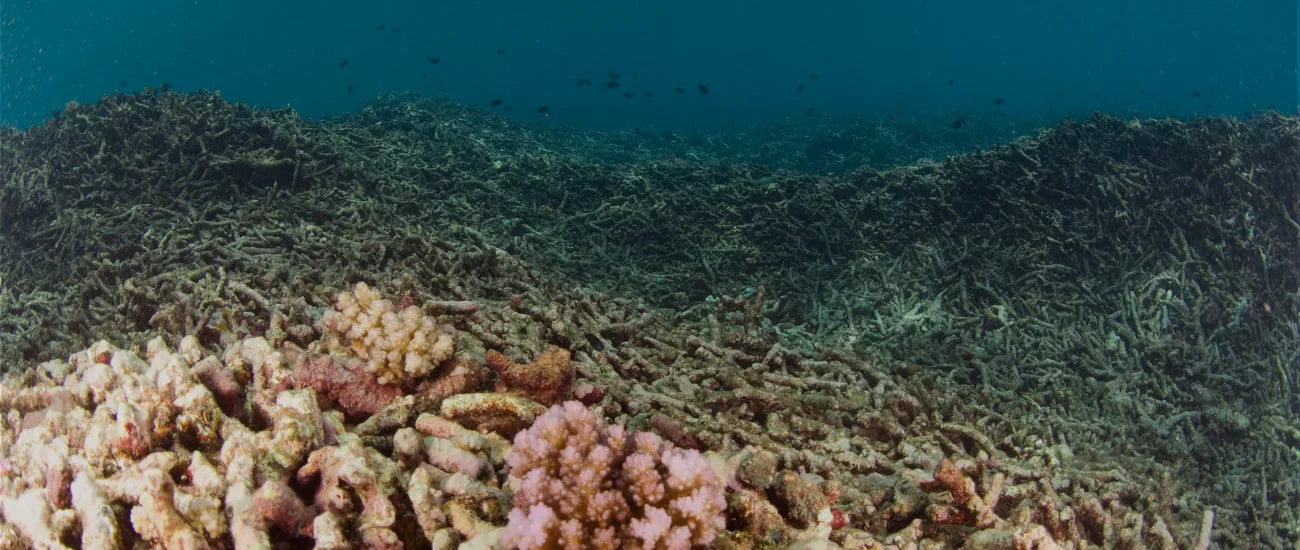
Coral bleaching occurs when corals are stressed by changes in conditions such as temperature, light, or nutrients. When stressed, coral expels the symbiotic algae — known as zooxanthellae — that live within its tissues. These algae are crucial for coral health, providing food through photosynthesis and giving coral its vibrant colour. When coral loses its algae, it turns white — hence the term "bleaching." This process not only signals coral distress but can lead to coral death if the stress persists.
The Causes of Coral Bleaching
- Rising Sea Temperatures: One of the primary causes of coral bleaching is the rise in sea temperatures due to global warming. Even small increases in temperature can trigger coral stress.
- Ocean Acidification: Increased carbon dioxide emissions lead to higher levels of carbonic acid in seawater, which negatively impacts coral growth and resilience.
- Pollution: Runoff from land activities — such as agricultural fertilizers and sewage — introduces toxins into coral ecosystems.
- Overfishing: Disruption of marine food webs can alter coral reef health and resilience.
The Importance of Coral Reefs

Coral reefs are more than beautiful underwater landscapes — they are vital to the health of the ocean and the planet. Here's why they matter:
- Biodiversity: Coral reefs are home to over 1 million marine species, making them one of the most diverse ecosystems on earth.
- Economic Value: They support fisheries, tourism, and provide protection against coastal erosion — benefiting the economies of coastal communities worldwide.
- Climate Regulation: Coral reefs play a crucial role in carbon sequestration, helping to regulate climate.
Why Should Divers Care?
As divers, we are not just passive observers — we are active participants in the health of coral reefs. Here's why it matters:
- Connection to Nature: Divers have a unique and personal connection with the underwater world. Witnessing the beauty of coral reefs firsthand fosters a deeper appreciation and responsibility for their preservation.
- Impact of Divers: Our diving activities can impact coral health. If not done responsibly, diving can physically damage reefs — contributing to their decline.
- Advocacy: Divers are often the most powerful ambassadors for ocean conservation. Sharing information and advocating for coral protection can inspire others to take action.
Actions Divers Can Take for Coral Conservation

- Practice Reef-Safe Diving: Stay off the coral, avoid touching marine life, and use appropriate equipment to prevent accidental damage.
- Reduce Your Carbon Footprint: Make lifestyle choices that lower your carbon emissions — small changes compound over time and collectively make a real difference.
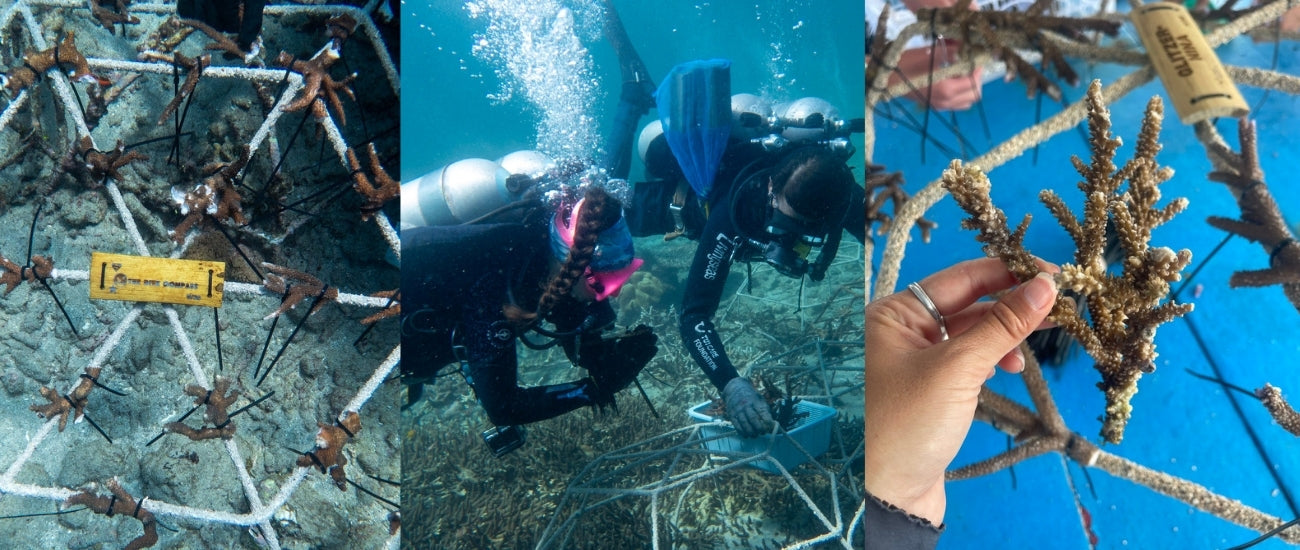
- Support Coral Restoration Projects: Contribute to organisations working on reef restoration through donations or volunteering. At The Dive Compass, every purchase funds coral restoration with Livingseas Foundation in Bali through our Save Our Seas Pledge — with a coral planted with every single order.
- Educate Yourself and Others: The more you understand coral reefs and the challenges they face, the better equipped you are to advocate for their protection. Share what you know in your diving community.
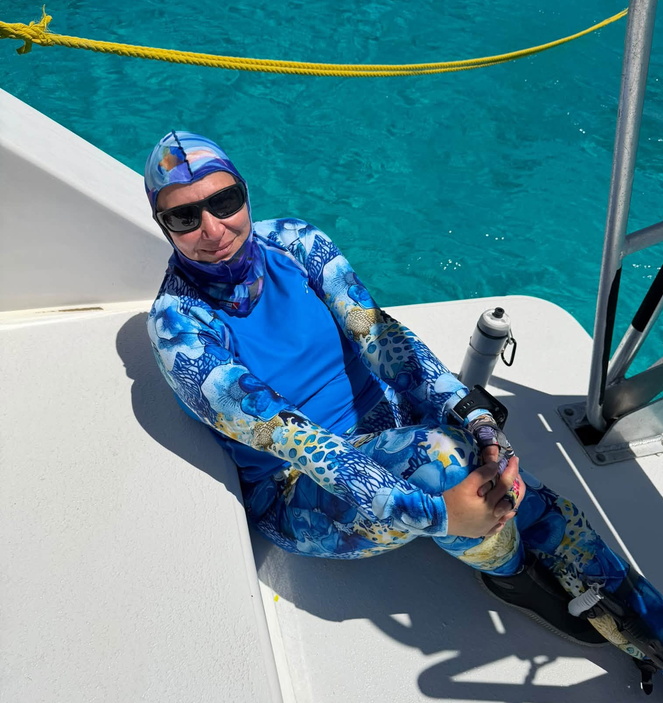
- Use Reef-Safe Products: When buying sunscreen, choose mineral-based options with non-nano zinc oxide — or better yet, wear a UPF 50+ rash guard in the water and skip the chemical SPF entirely.
- Participate in Local Clean-Ups: Join beach and underwater clean-up efforts to remove harmful debris that can physically damage coral reefs and affect marine life.
- Stay Informed: Keep up with ocean conservation research. Understanding the latest findings on coral bleaching and restoration empowers you to make better decisions — and talk about it credibly.
The Reef Needs More Than Our Admiration
Coral bleaching is a real and pressing issue — but as divers, we have the power to influence change. By diving reef-safely, reducing our footprint, and supporting coral restoration, we can contribute to the health of the reefs we love.
Every small action counts. And when a whole community of divers chooses better, the impact is anything but small.
💙 Dive with purpose. Protect what you love.








































































Leave a comment
This site is protected by hCaptcha and the hCaptcha Privacy Policy and Terms of Service apply.