





Article: Dive Skins for Women: What They Are and When You Actually Need One
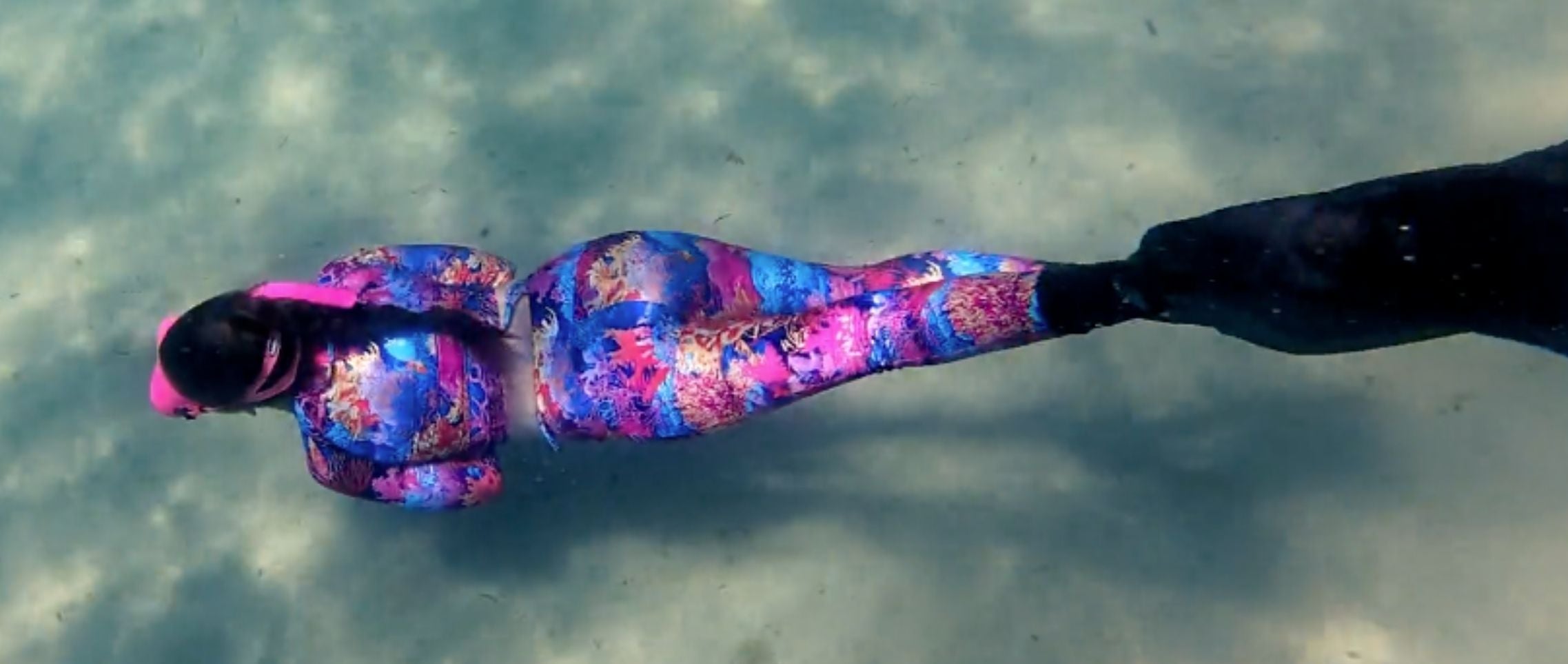
Dive Skins for Women: What They Are and When You Actually Need One
I get cold easily so I always wear at least a 5mm wetsuit, even in the tropics, which means I have massive FOMO of other divers who are able to only wear dive skins during tropical diving. They're able to skip the wetsuit fight pre-dive, have so many more cute options instead of wearing a boring black wetsuit, and feel so much freer in the water while diving, yup, the FOMO is real. I've written this article to help the tropical diver who doesn't need a wetsuit while diving.
It is not toughness. It is that above a certain temperature the wetsuit stops earning its place and starts being a nuisance you fight into twice a day, and no one likes putting on a wetsuit that is still wet from the previous dive.
What to wear instead is a dive skin. And it is one of the most misunderstood pieces of gear in diving, because half the people selling them oversell what they do. I would rather tell you what they actually do.

What a dive skin is, and why some people call it a scuba skin
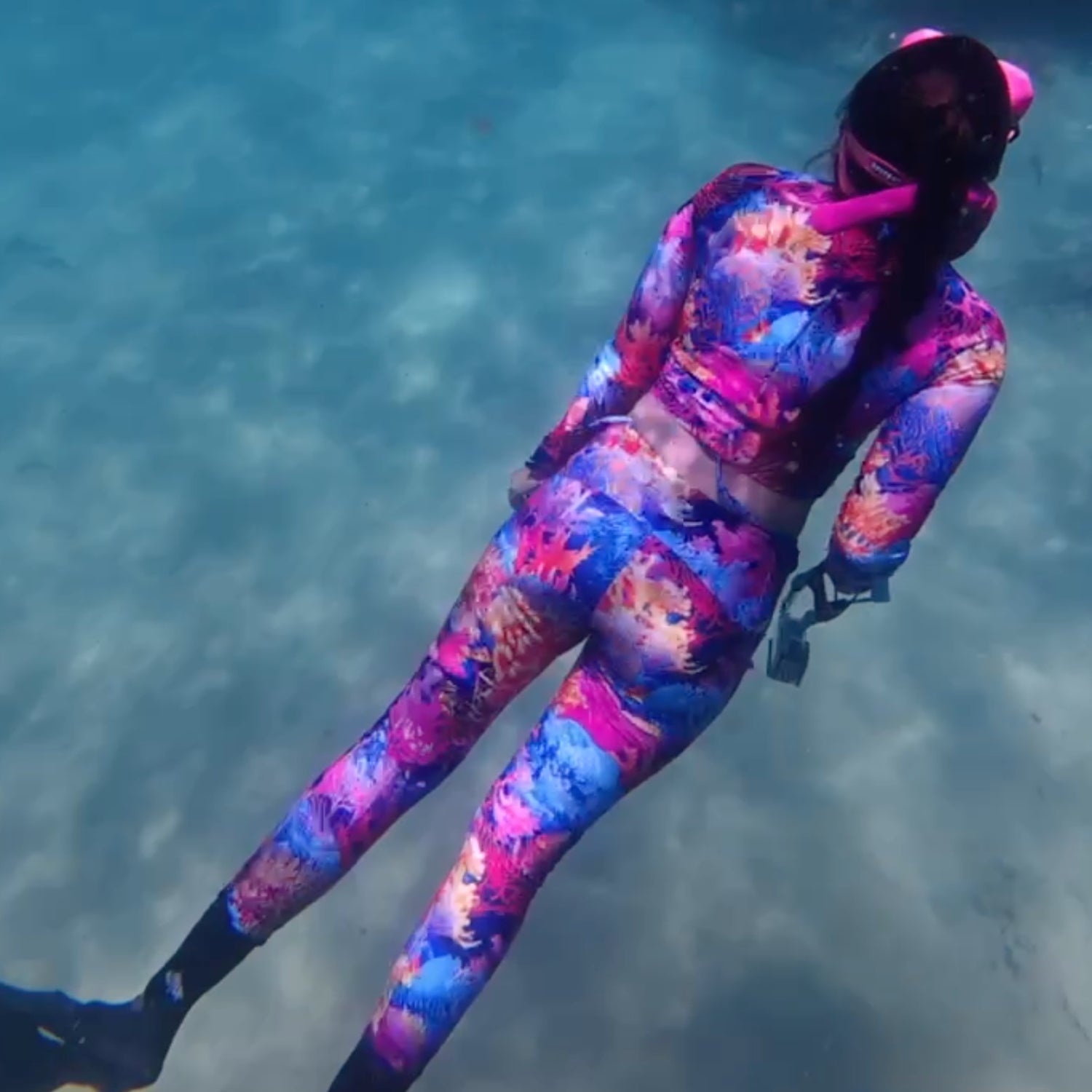
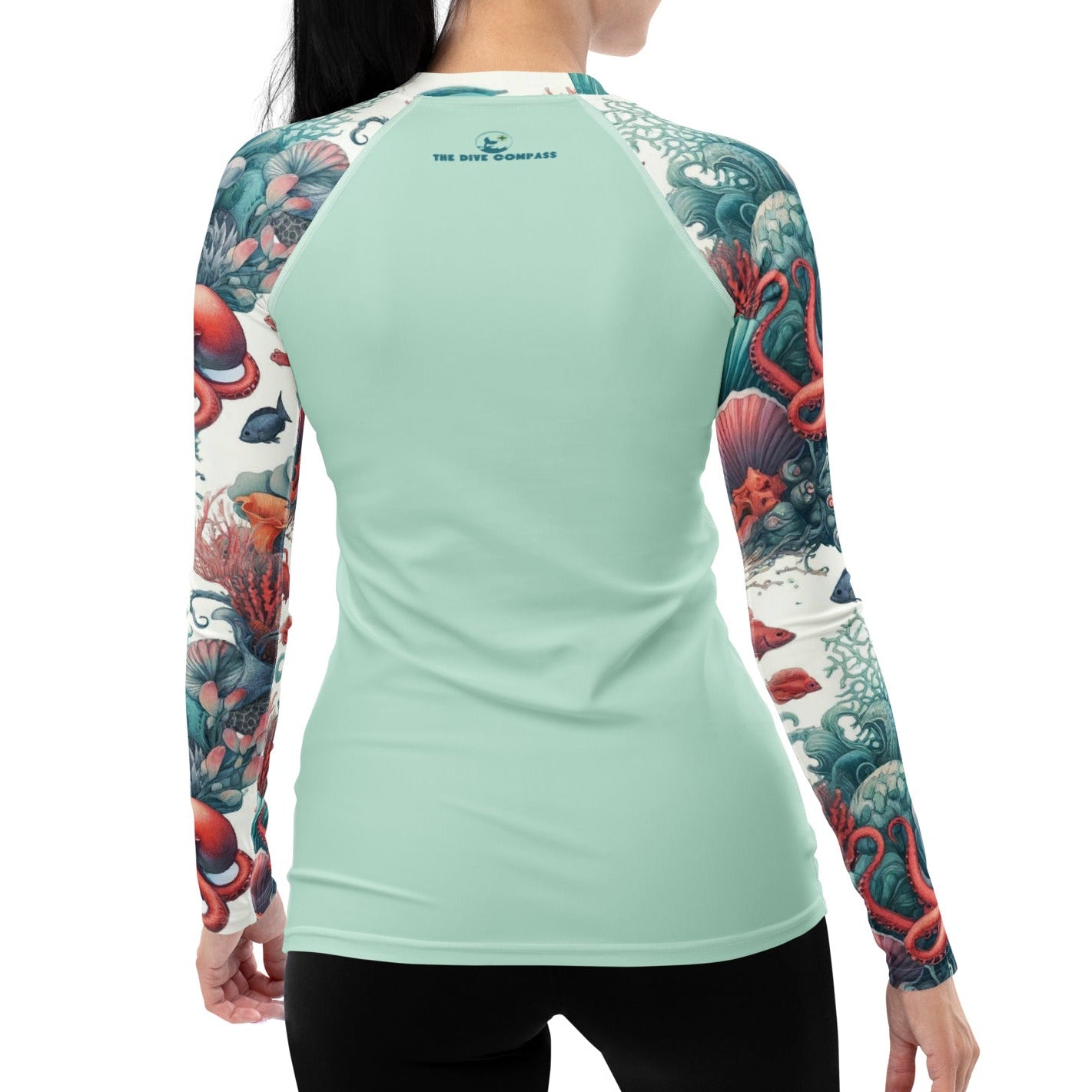
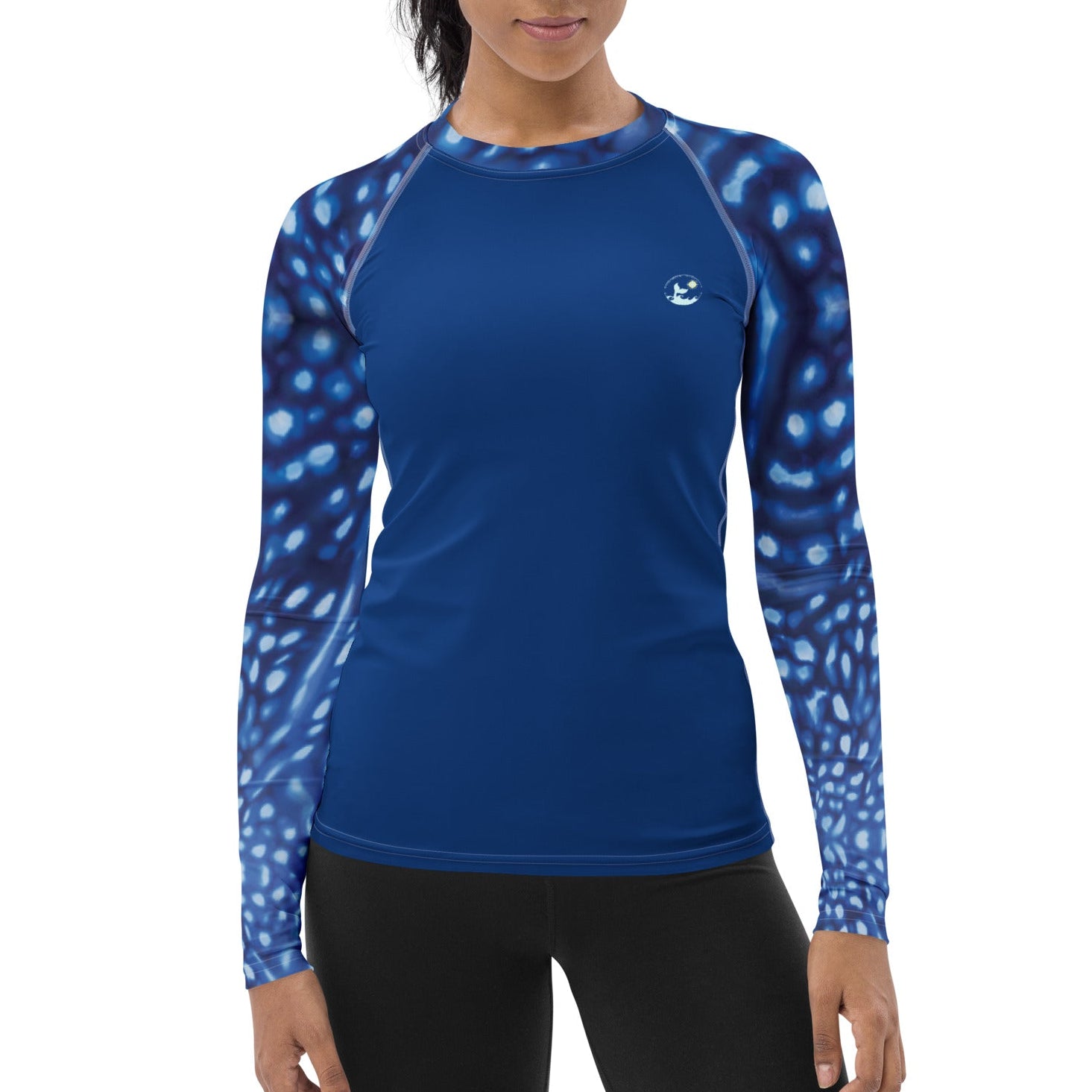
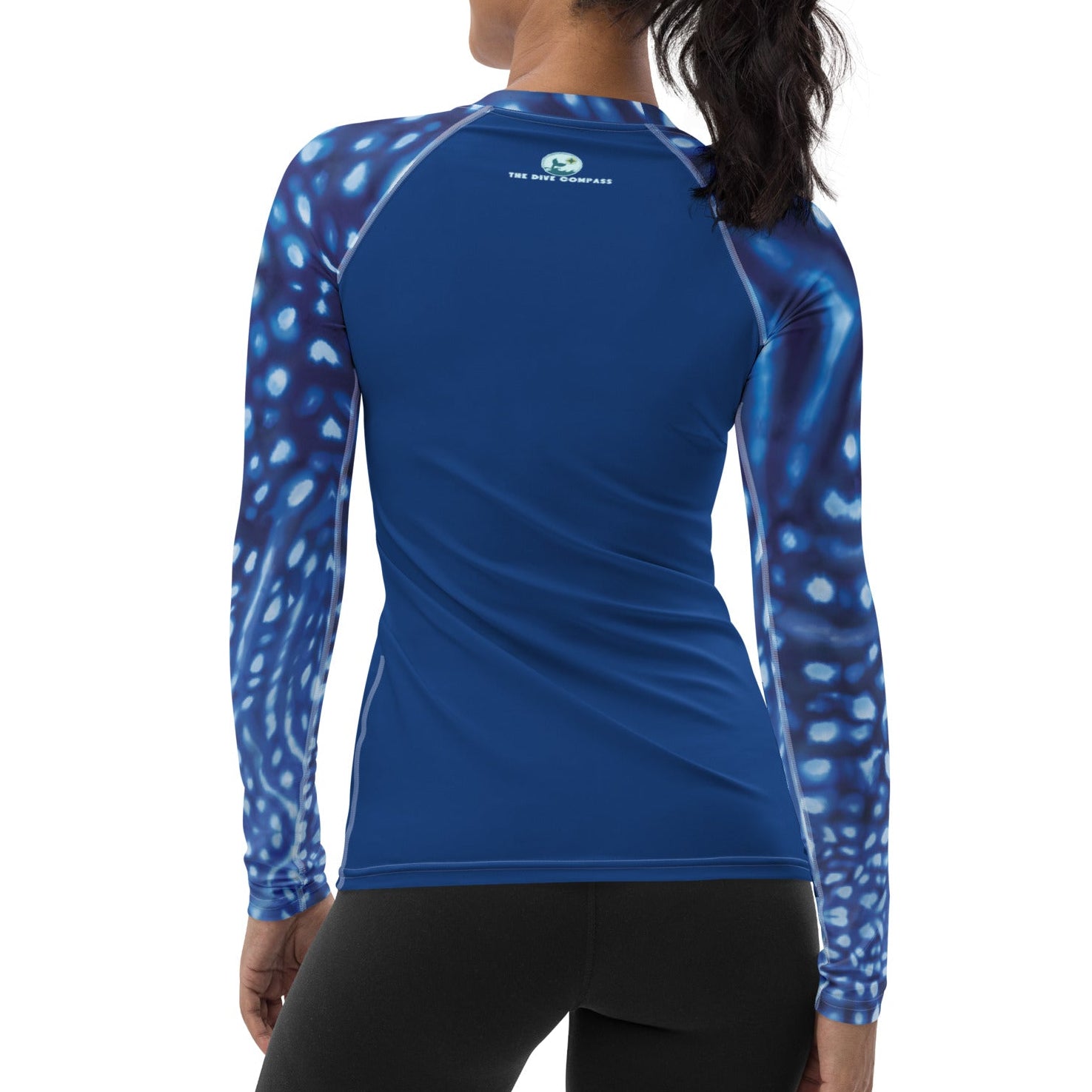
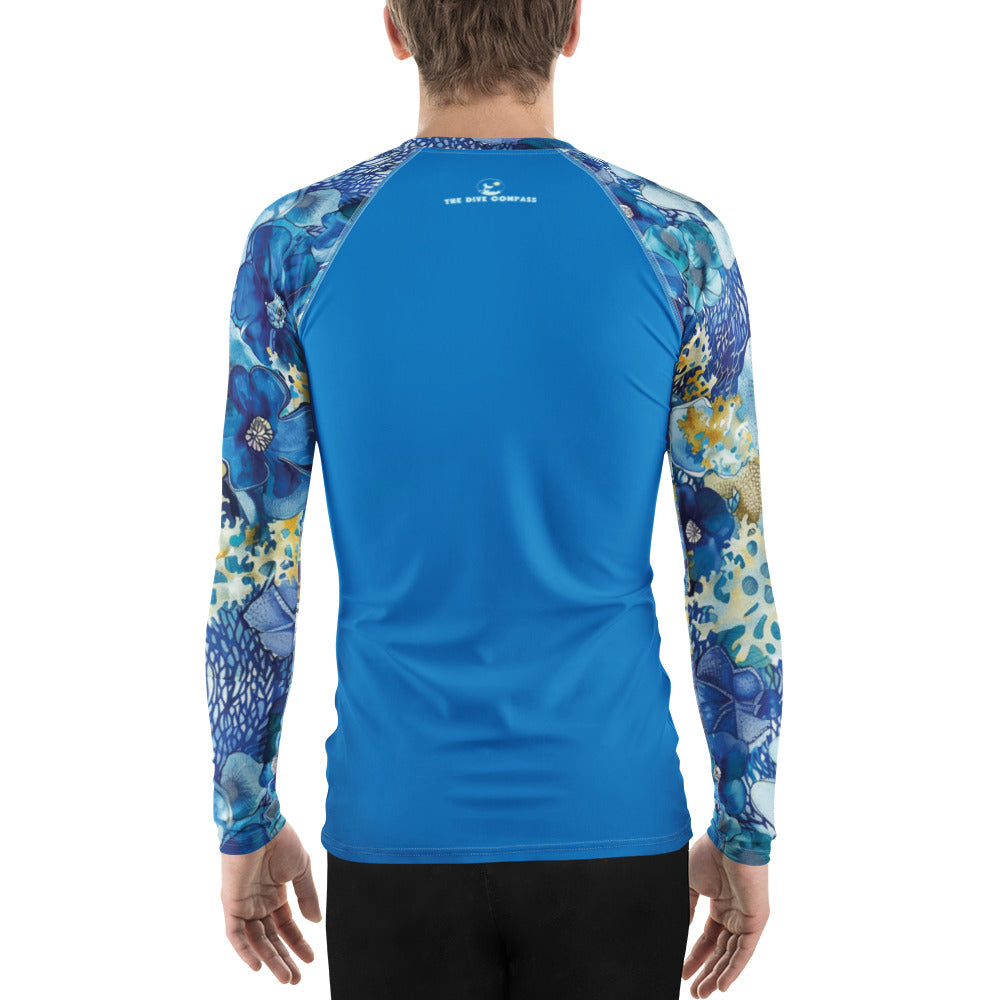
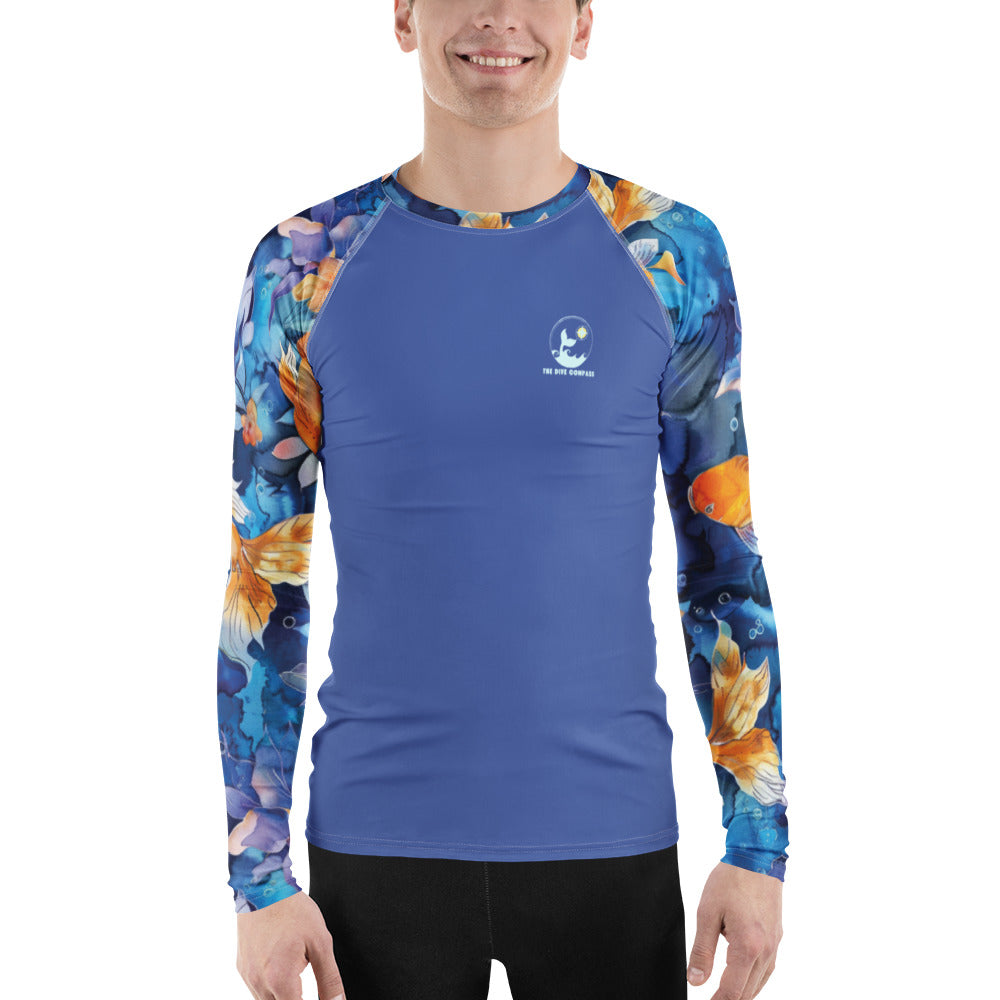
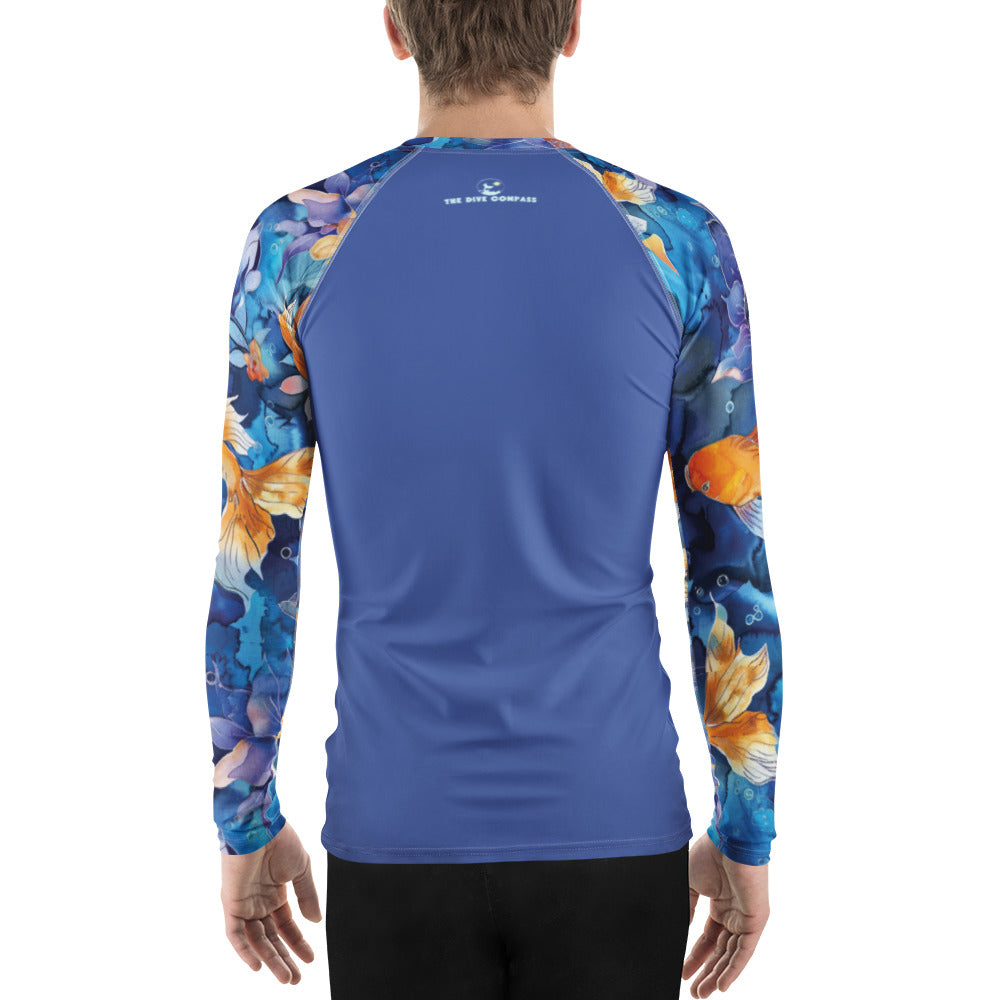
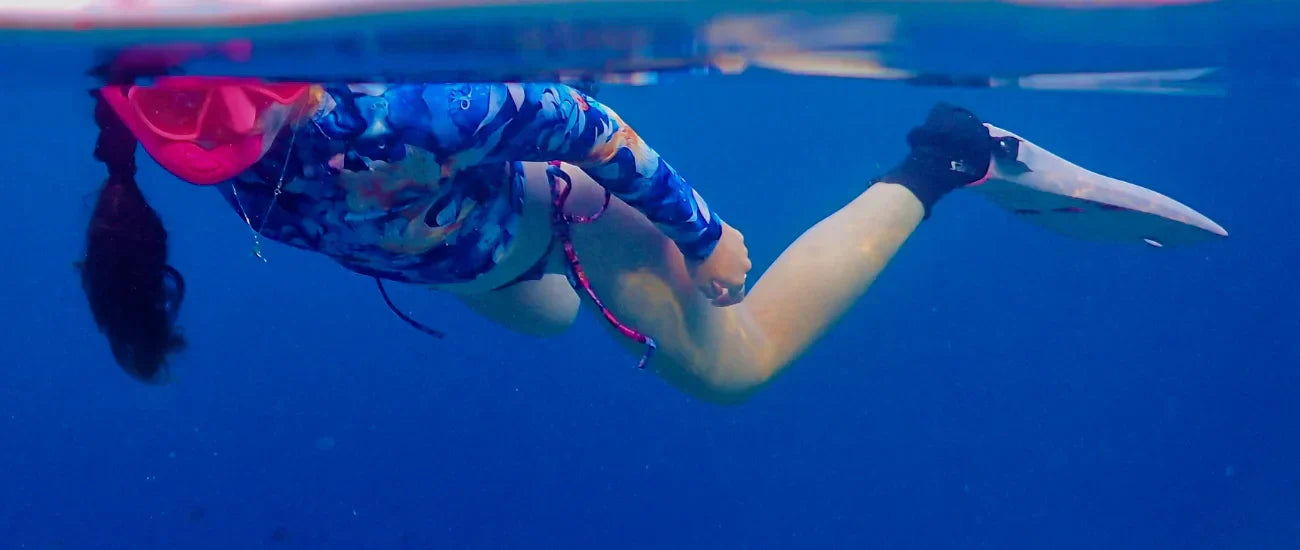
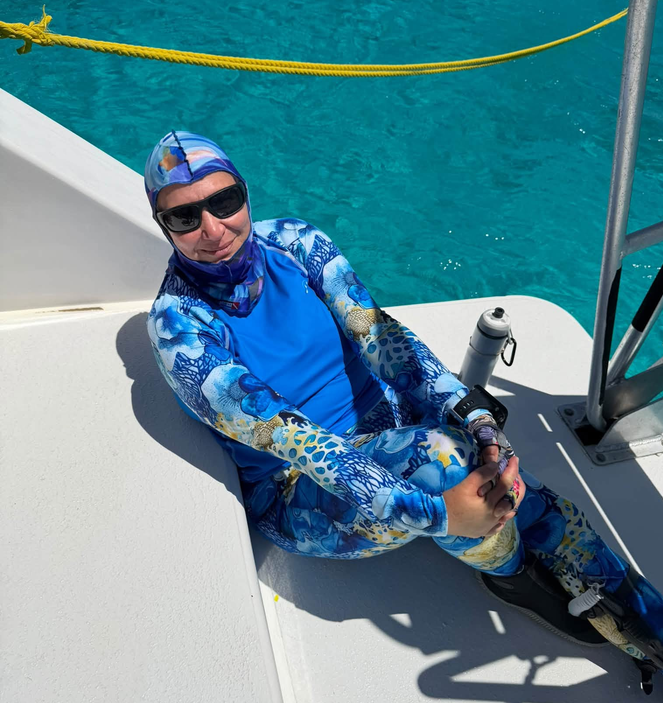
A dive skin is a thin, full-coverage layer worn either instead of a wetsuit in warm water, or underneath one in cooler water. You will also see them sold as scuba skins, diving skins, skin suits, or honestly just a rash guard and leggings paired together. Same garments, different shop.
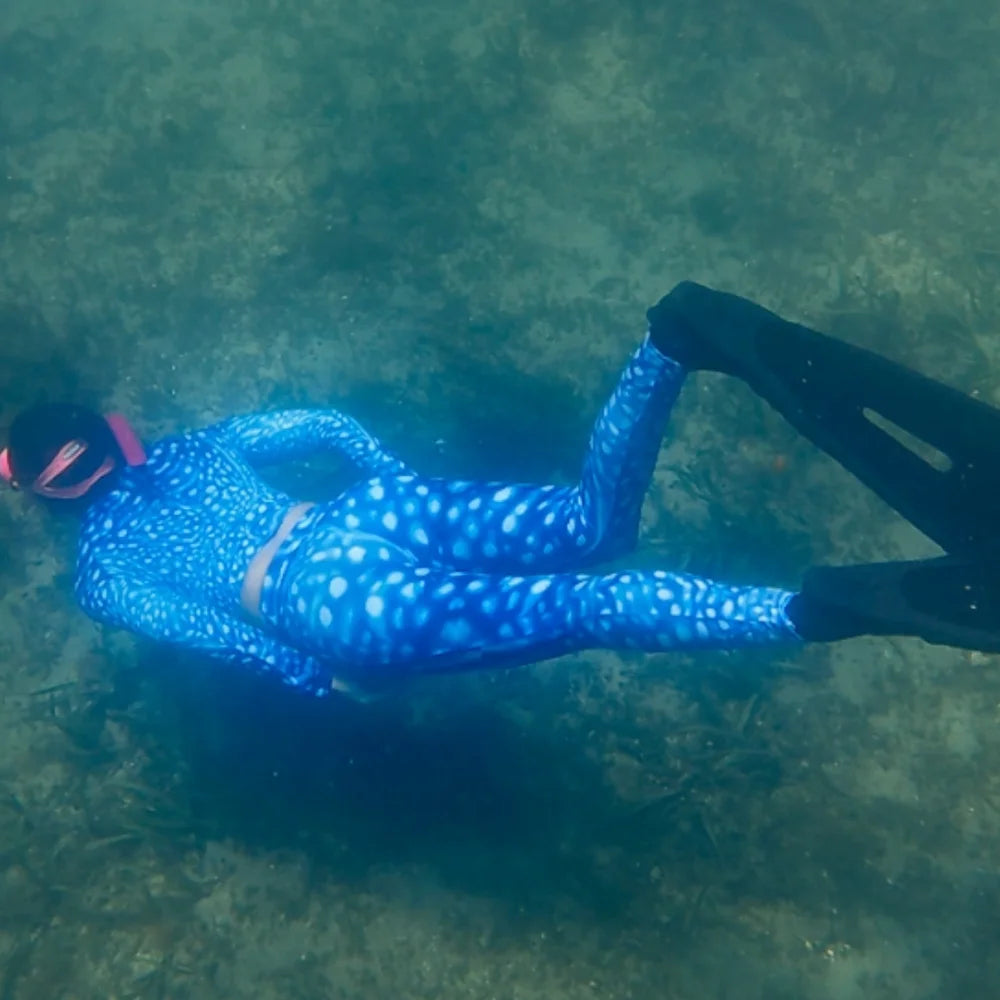
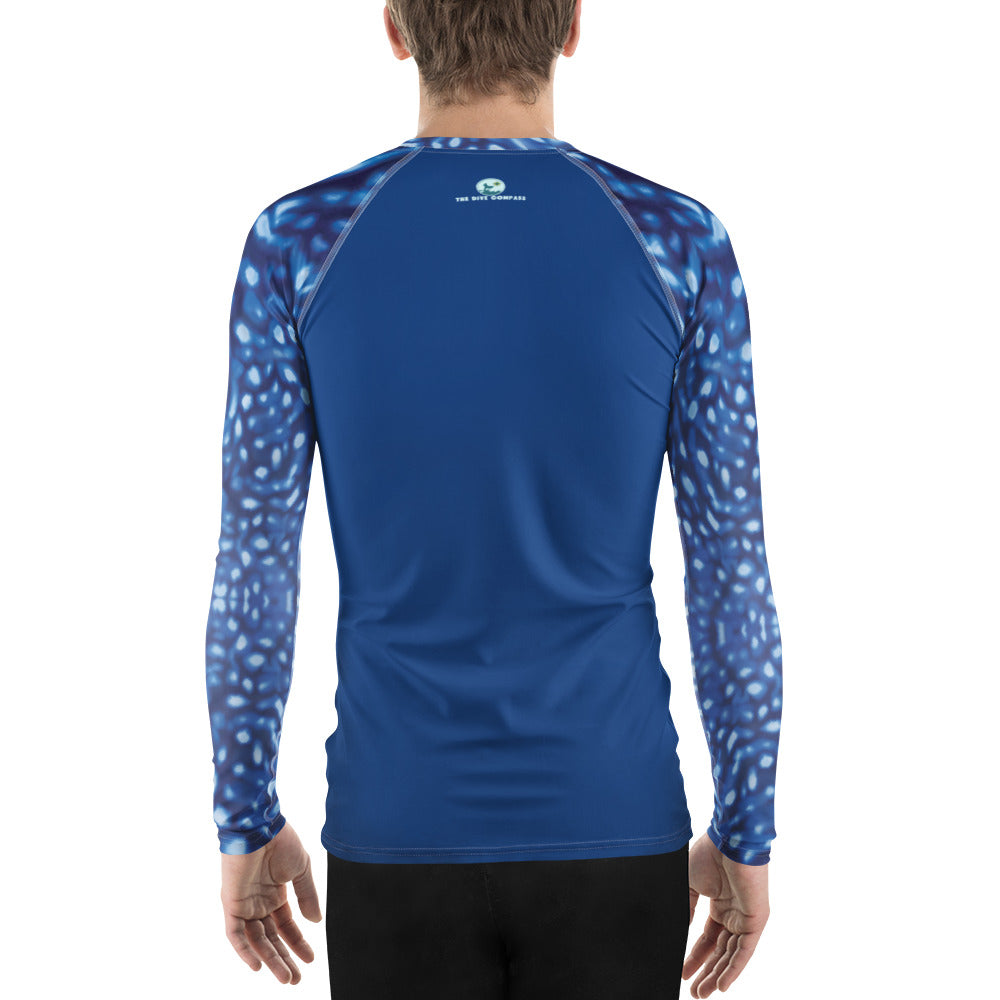
Traditionally it meant a one-piece lycra or spandex suit, ankle to wrist to neck, like a very thin unlined wetsuit with no insulation in it. Most divers today wear the two-piece equivalent instead, which is a long-sleeve rash guard and leggings. Same coverage, but different construction, and I will come back to why the two-piece has largely won in my opinion.
What it is not is thermal exposure protection from getting cold. Which brings me to the part that gets oversold.
What a dive skin does not do
It will not keep you warm. A standard dive skin provides essentially no significant thermal protection. It is a millimeter of fabric with no closed-cell structure to trap water against you, and trapping water is the entire mechanism a wetsuit works on. In warm tropical water it does minimize flushing water directly against your skin which does keep you slightly warmer than no layer at all.
You will see products marketed as dive skins that claim to match a 3mm or even a 5mm wetsuit. Those are a different category, usually a bonded fleece-lined technical fabric, and they are genuinely warmer than a 1mm rash guard. They are also thicker, considerably more expensive, and not what anyone means when they say dive skin.
If you get cold, the answer is neoprene. A dive skin is not a shortcut around that, and anyone telling you otherwise is selling.

Dive skin vs rash guard: what is the difference?
This one comes up constantly and the answer is simpler than people expect.
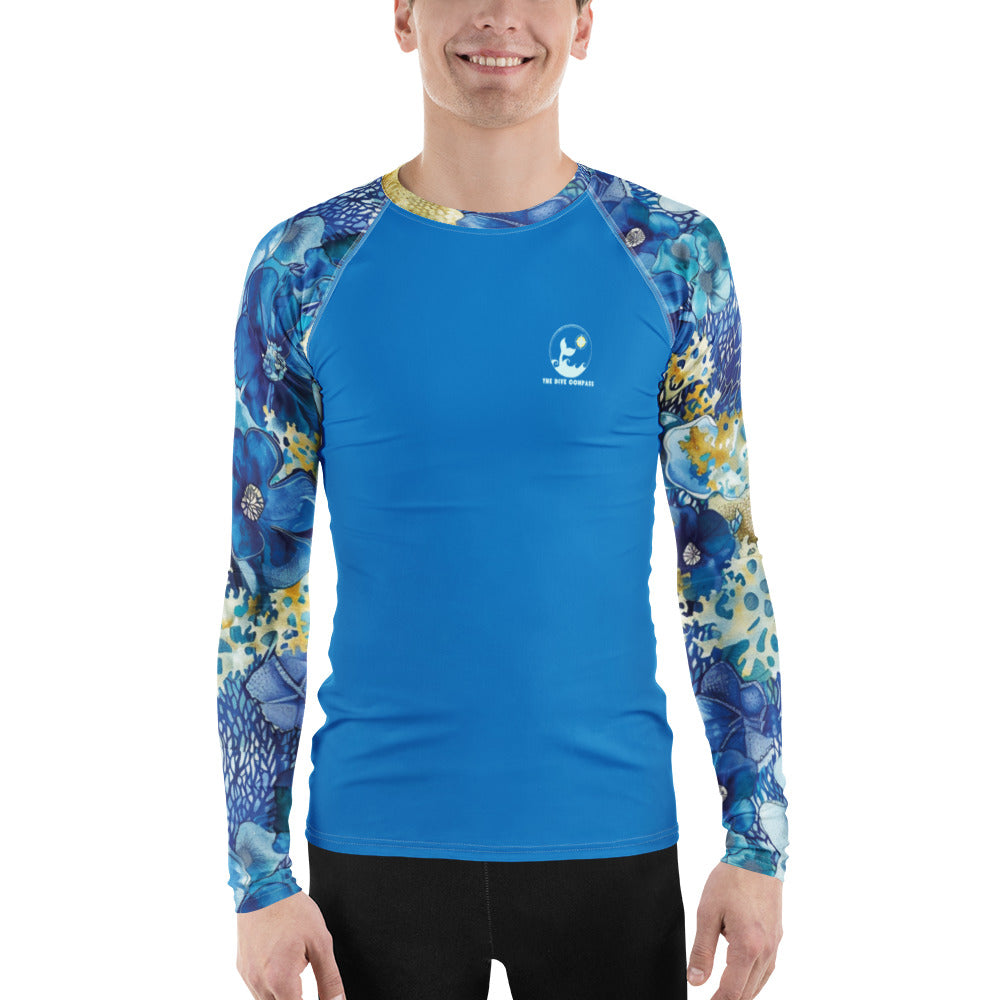
A rash guard is the top half. A dive skin is the whole body. Either as a one-piece suit, or as a rash guard and leggings worn together.
So every dive skin contains something functionally identical to a rash guard, but a rash guard on its own is not a dive skin, because your legs are still bare. If you are diving somewhere with hydroids on the mooring line, your legs are exposed and can still get stung.
The practical version, if you own a long-sleeve rash guard and a pair of dive leggings, you already own a dive skin. You just have not been calling it one.
What a dive skin does do, which is more than people expect
Sun Protection
A UPF 50+ fabric blocks around 98% of UV, and it does it without putting any chemicals on the reef. On a two-tank morning in the tropics that is the difference between being comfortable and getting burned.
One honest caveat, because I would rather you could check mine: UPF is a rating for the fabric, so it protects where the fabric is. Your face, your hands, the backs of your ears and the tops of your feet still need reef-safe sunscreen.
Stings, and the evidence here is better than most people realize
This is the job I think is most underrated.
Warm water is full of things that sting on contact and that you will never see coming. Hydroids growing on wrecks and mooring lines. Fire coral, which look harmless and but have a vicious sting. Sea lice, which are jellyfish larvae and get inside a loose swimsuit rather than bouncing off it. And in some places, genuinely dangerous jellyfish.
There is a peer-reviewed study on this that I think should be better known. Gershwin and Dabinett tested eight types of protective clothing against live Irukandji jellyfish (the most dangerous jellyfish in Australia) under a microscope, looking at whether the tentacles could penetrate the fabric.
Two findings stand out. A 0.5mm neoprene suit was completely impenetrable, but carries a heat stress problem in tropical water. And a mesh stinger suit, the kind sold specifically for this job, failed badly. Tentacles "easily and readily penetrated the mesh," and the bell adhered to the fabric.
What performed best for everyday use was plain lycra. The authors concluded that lycra suits were "the best choice for routine-use stinger-protective clothing."
A modest, thin, unglamorous piece of fabric outperforming a purpose-built product. It is the strongest argument for a dive skin that exists. It's important that the dive skin fit snugly and close to your skin so no water is able to flush through.
If you are diving the Great Barrier Reef between November and May, operators will require full coverage during stinger season regardless of what you would otherwise choose.
Abrasion protection
Reef, wrecks, ladders, boat decks, and the general business of getting in and out of the water a dozen times a week. Dive skins can help protect your skin from cuts and abrasions.
Getting a wetsuit on
Neoprene grabs at damp skin which is why it's so hard to put on a proper fitting wetsuit, but slide over smooth fabric. This is the single biggest practical improvement you can make to how a dive day feels, and it is the reason I never travel without one, even to cold places.
When a dive skin replaces the wetsuit
Above roughly 28°C / 82°F, for most people, a dive skin on its own is enough. Below that you are relying on neoprene for warmth, and the skin becomes a base layer rather than the whole solution.
I say "most people" deliberately. I get cold faster than most, and I have written about why the standard temperature charts run warm for women. If you are the person on the boat who is always cold, set your own threshold higher and stop apologizing for it.
👉 Water temperatures by dive destination, and what to wear at each

Wearing a dive skin under a wetsuit
Everywhere else, and for four reasons that have nothing to do with warmth.
- The suit goes on. Covered above, and it is the big one.
- No chafe. Neoprene against bare skin at the neck and underarms, over four days of diving, can genuinely be miserable if your wetsuit is chafing.
- Hygiene in a rental. You are not the first person wearing that suit and everybody knows that there are two types of divers out there, ones that pee in their wetsuits and ones that lie about not peeing in their wetsuit.
- Peeling to the waist works. On the surface interval you can roll the suit down and still be dressed.
👉 The full guide to what to wear under a wetsuit
One-piece or two-piece?
This is the real decision, and it is worth being straight about the trade-off rather than just recommending what I sell.
What a one-piece dive skin does better
No gap. A traditional one-piece skin has no waistband to ride up and nothing to separate when you stretch for a fin. If you have had a rash guard creep up your back mid-dive, that is the problem a one-piece solves.
What a two-piece does better
- Bathroom logistics. Anyone who has spent a day on a boat in a one-piece knows exactly why this is first on the list.
- You can mix sizes. Very few people are the same size top and bottom, and a one-piece forces a compromise.
- Each piece works alone. The rash guard is your boat layer. The leggings work under a wetsuit on their own. A one-piece is one thing.
- It packs smaller and dries faster, which matters when you are washing kit in a sink.
- You can replace half of it when half of it wears out.
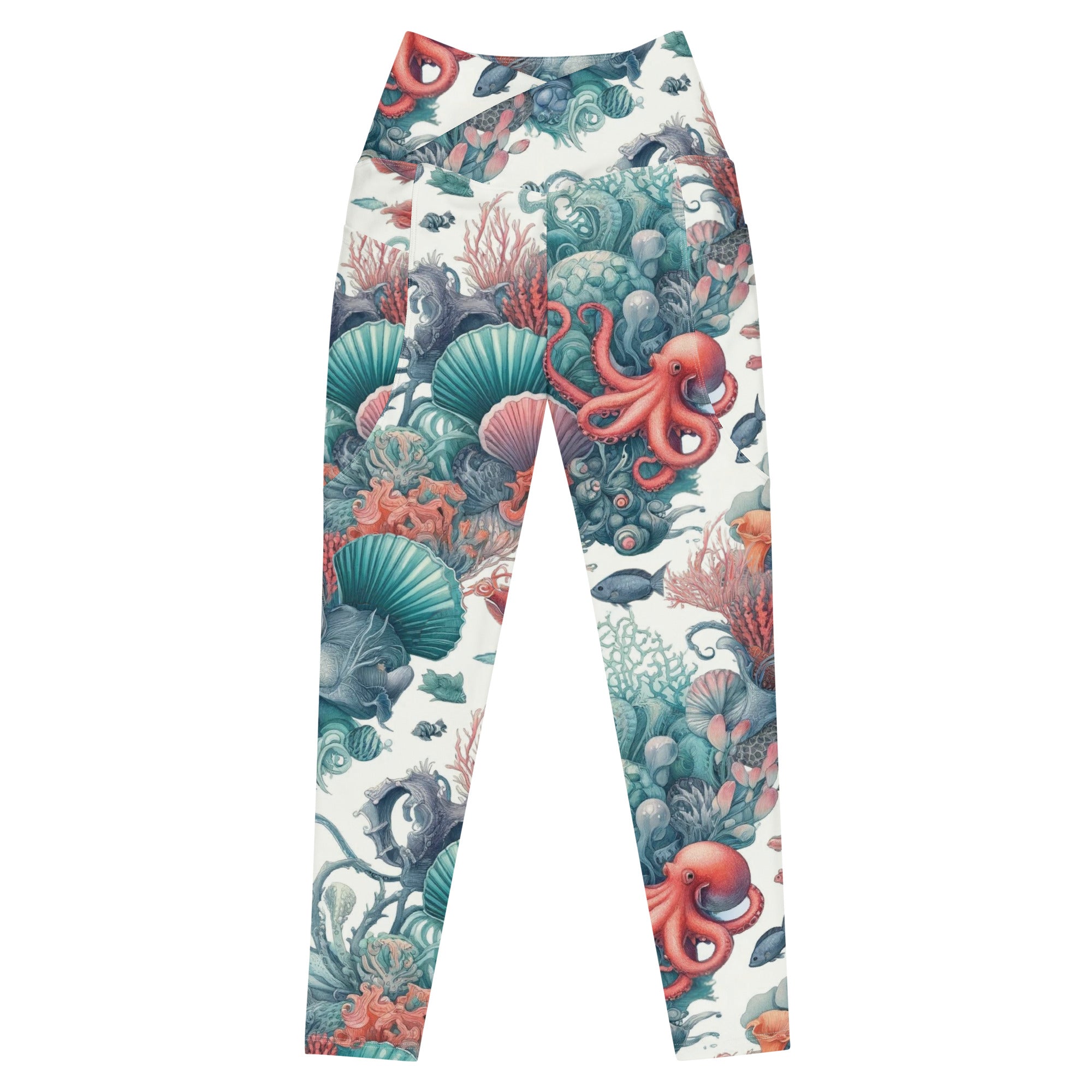
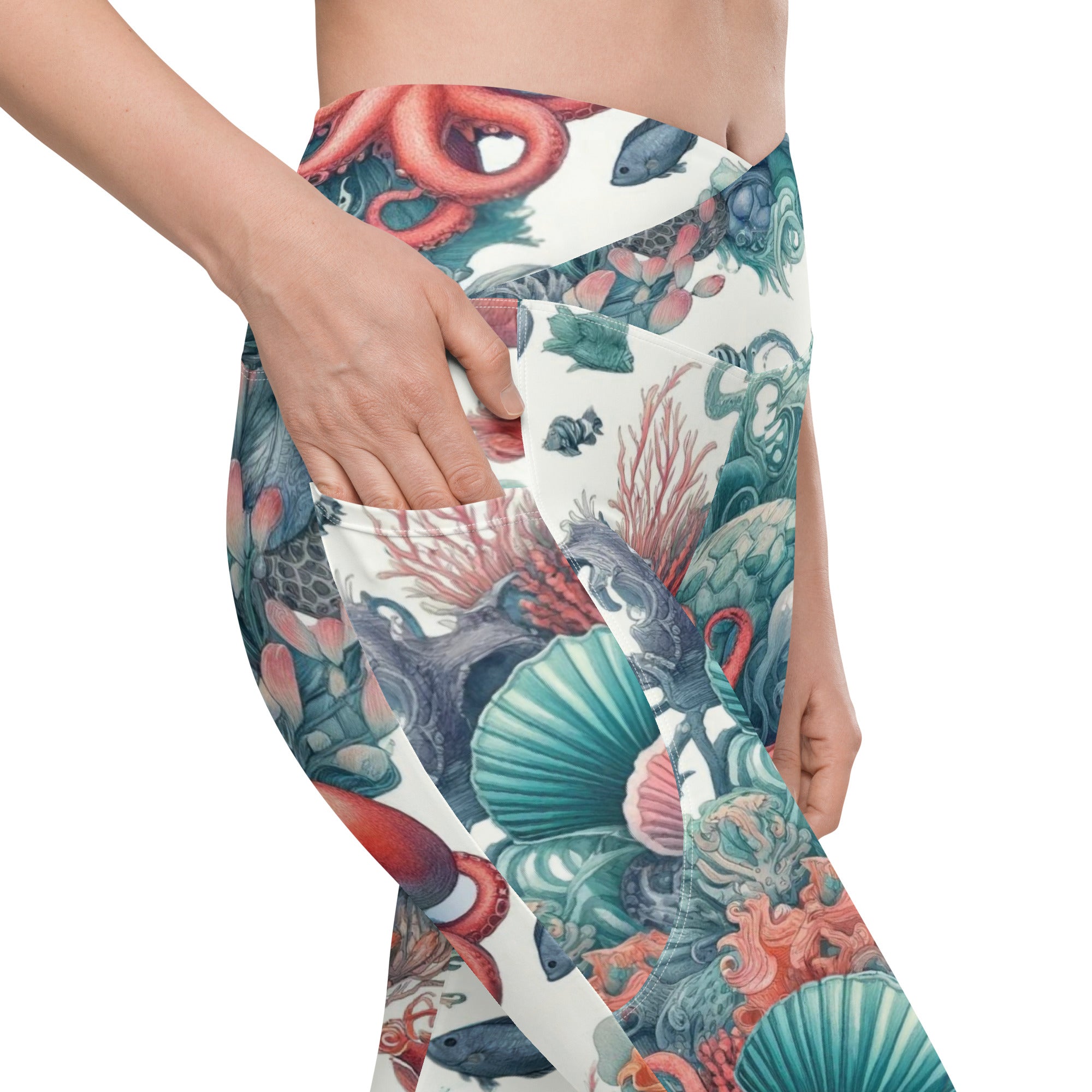
The waistband problem is real but solvable. A high-waisted legging with a wide band, paired with a rash guard long enough in the body, does not separate. What does separate is a short rash guard over a low-rise legging, which is why the cropped versus full length question actually matters.
So, cropped or full length rash guard?
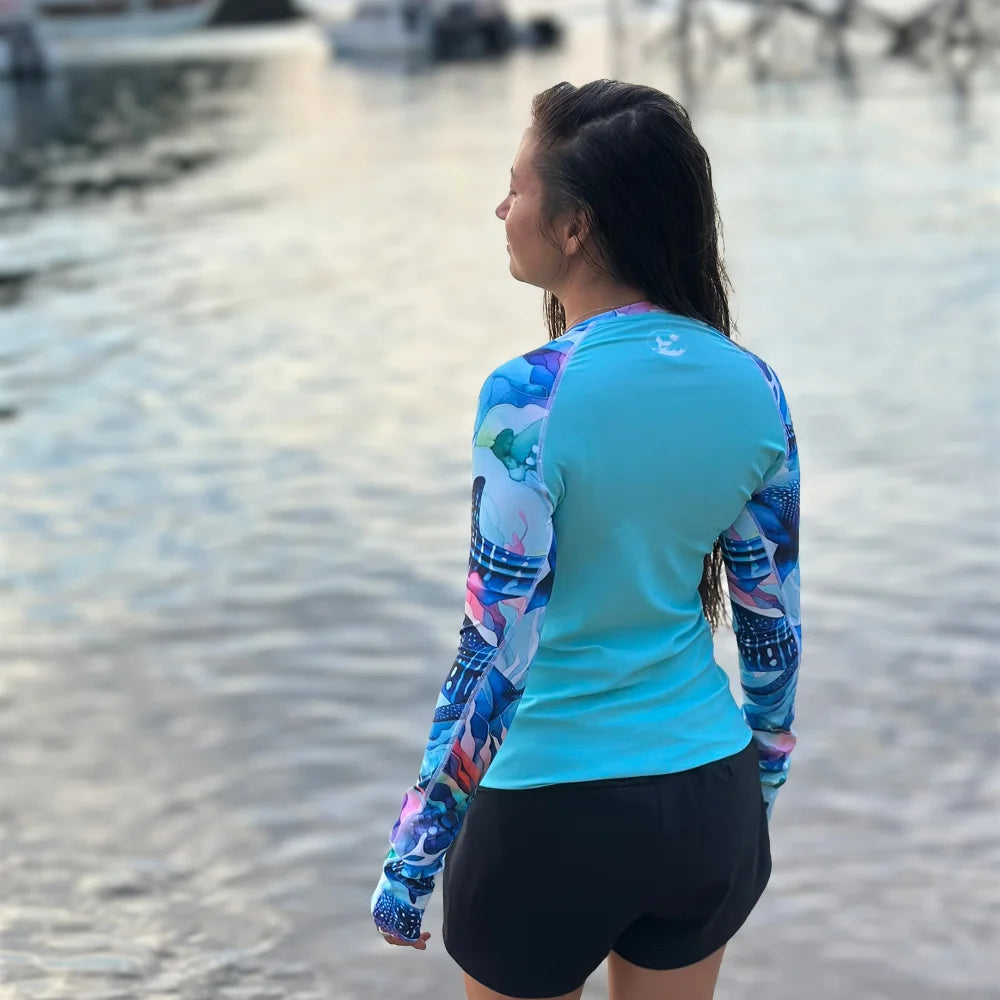
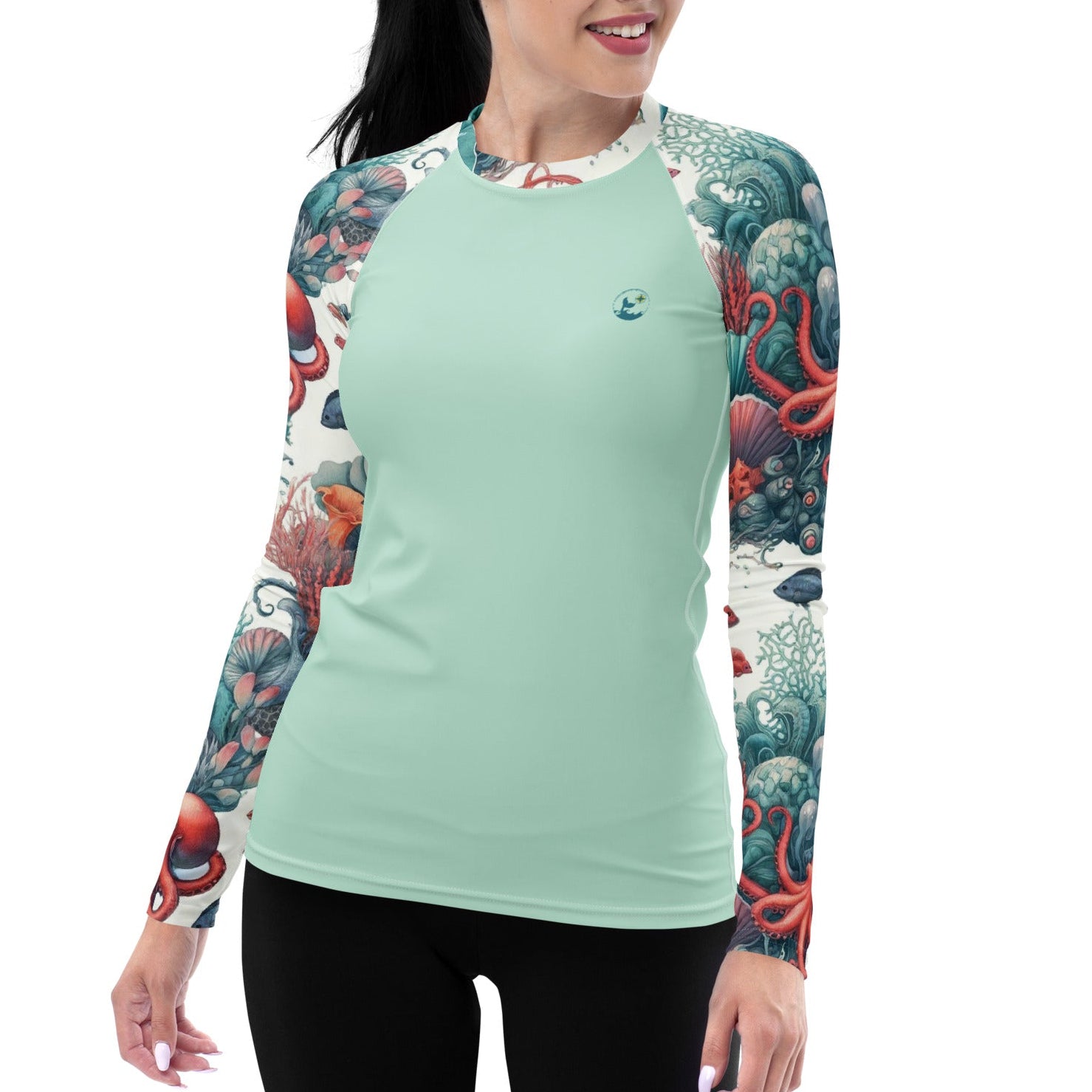
Full length, if the rash guard is doing dive skin duty. The whole point is uninterrupted coverage, and a cropped rashie leaves your midriff exposed to sun and to stings.
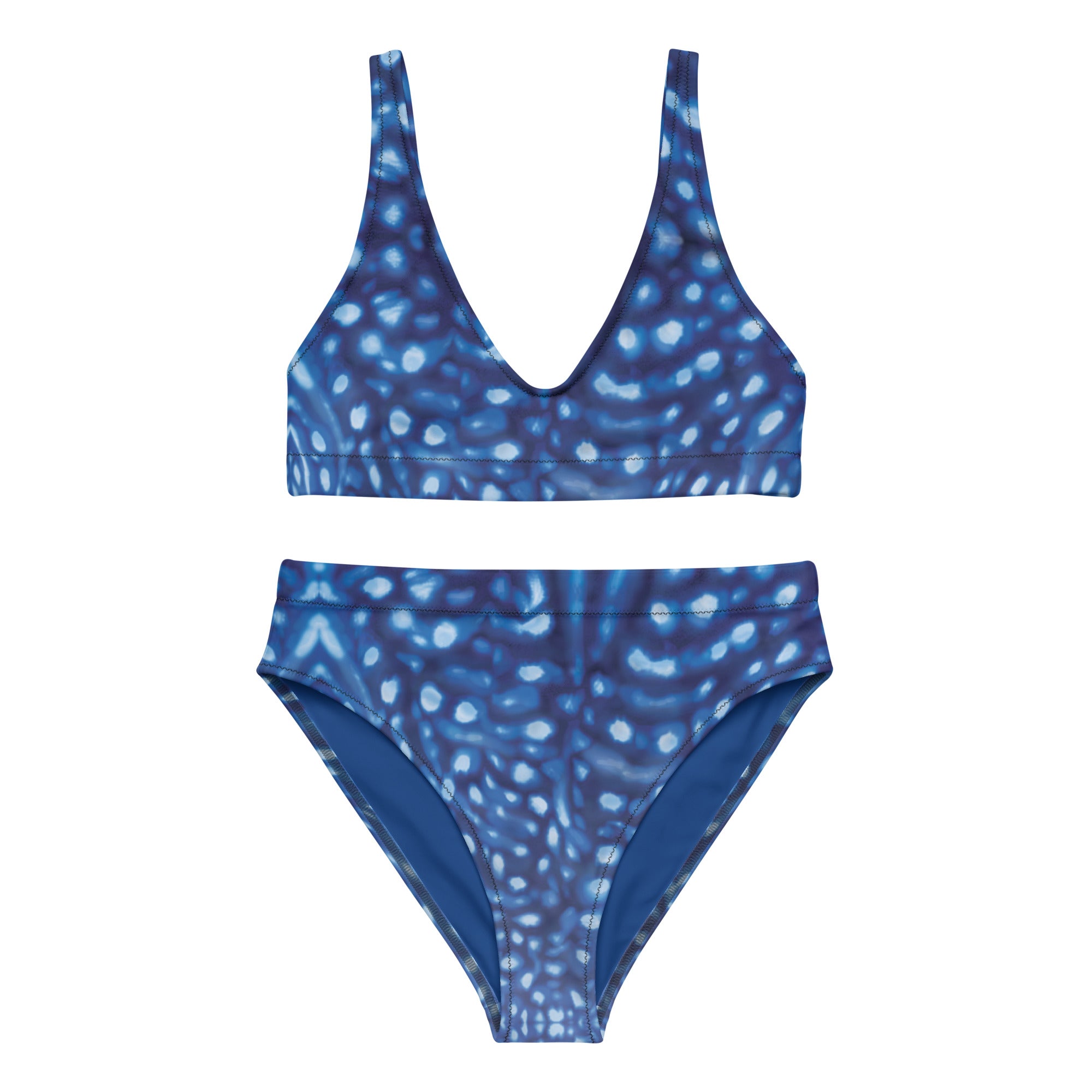
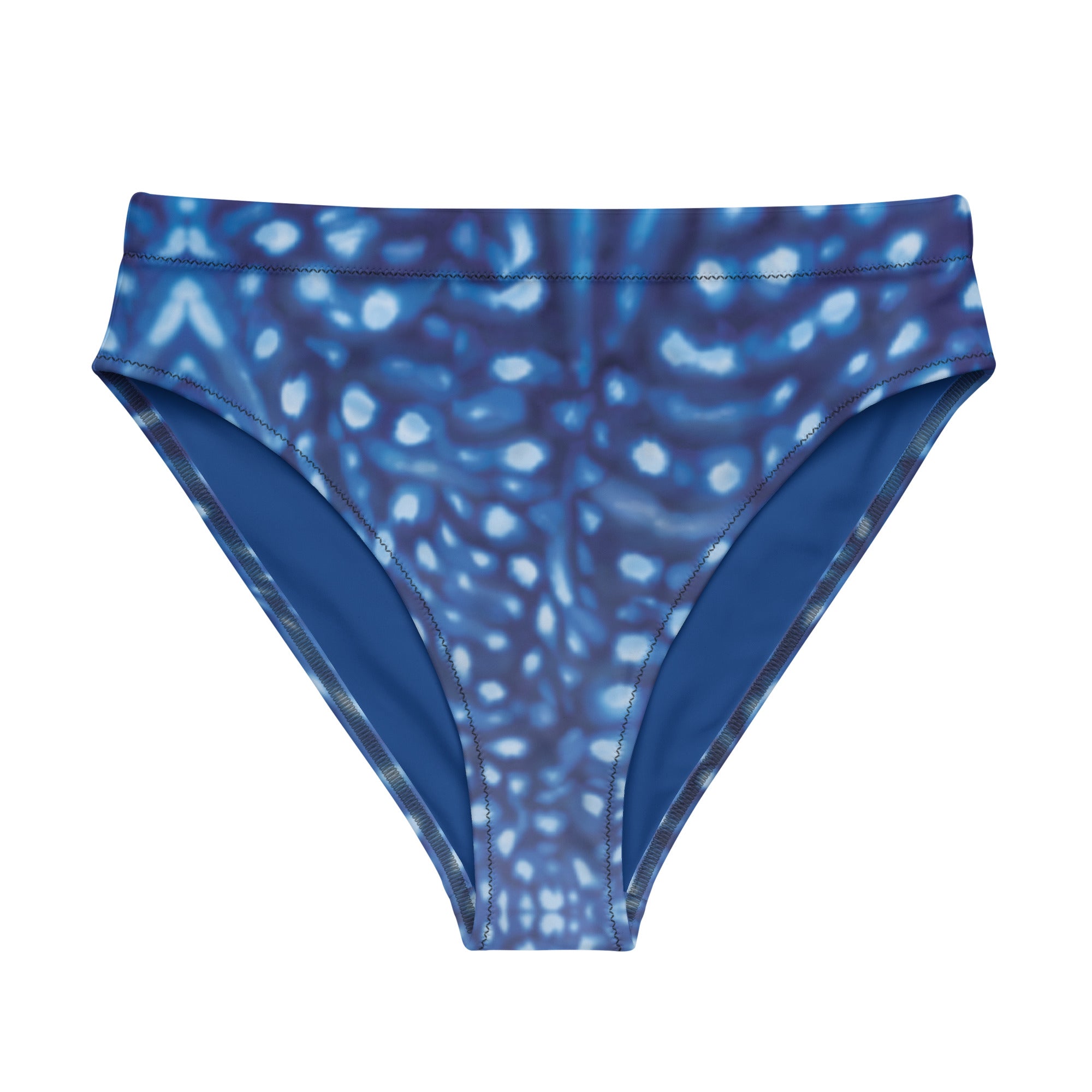
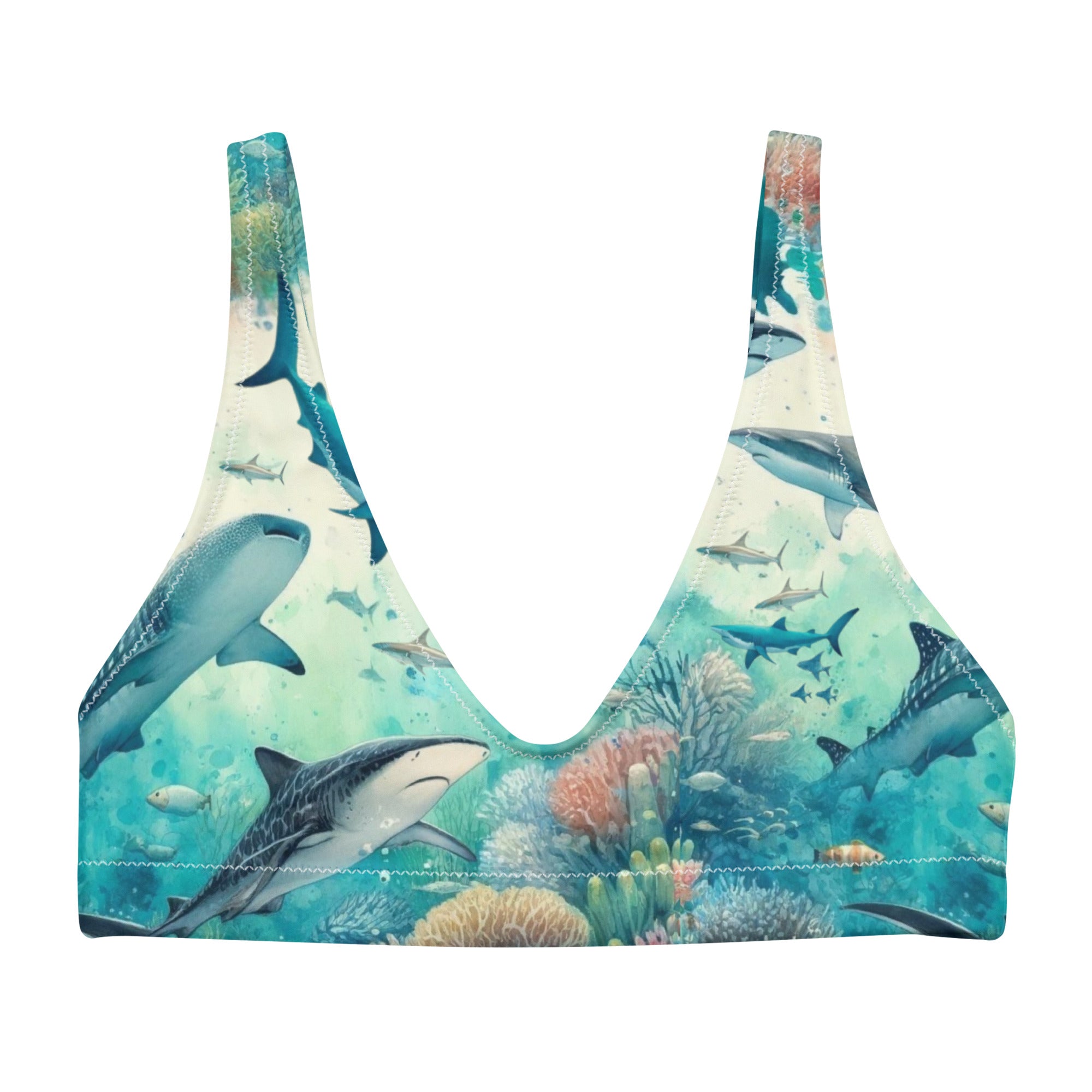
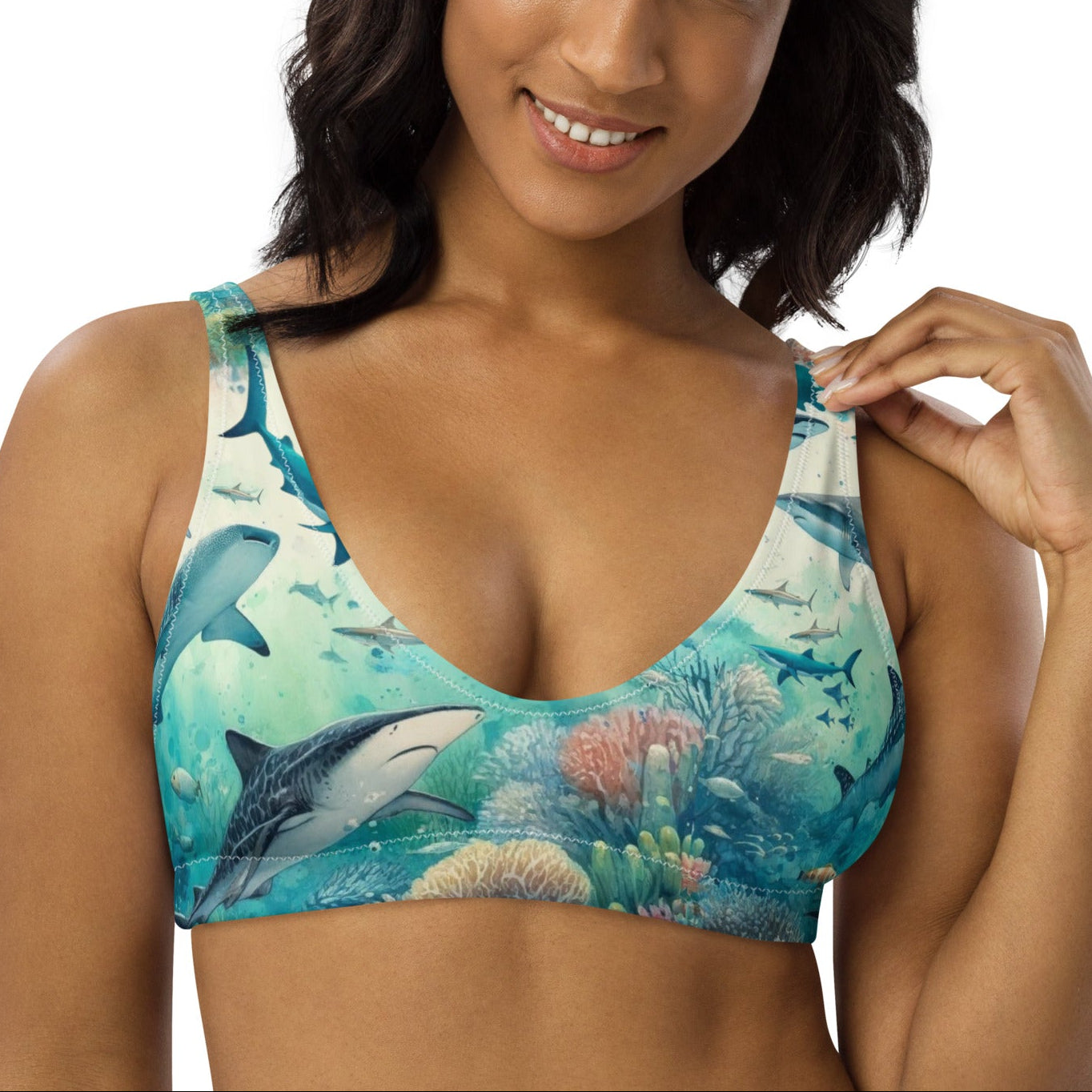
Cropped works when you are layering, or want the cropped look. Under a wetsuit, where the neoprene provides the coverage and the rashie is there for chafe and ease of donning, a cropped rashie is less bulky, and pairs cleanly with a high-waisted bikini bottom so there is no gap in the middle. And of course, if you want the cute cropped look for instagram, but make sure you have reef safe sunscreen on your stomach and lower back and it's not jellyfish season.

How to choose the best dive skin for women
Close, not tight, and it changes depending on what goes over the top.
Worn alone, a little room is more comfortable. Worn under a wetsuit, size true to your measurements. Neoprene compresses everything beneath it, spare fabric has nowhere to go, and it gathers into a fold that then sits under a compressed suit for forty minutes. You will feel it across the shoulder and there is nothing you can do about it at eighteen meters.
Nothing rigid anywhere. No chunky seams across the shoulders or hips, which is exactly where the BCD and the weight belt sit.
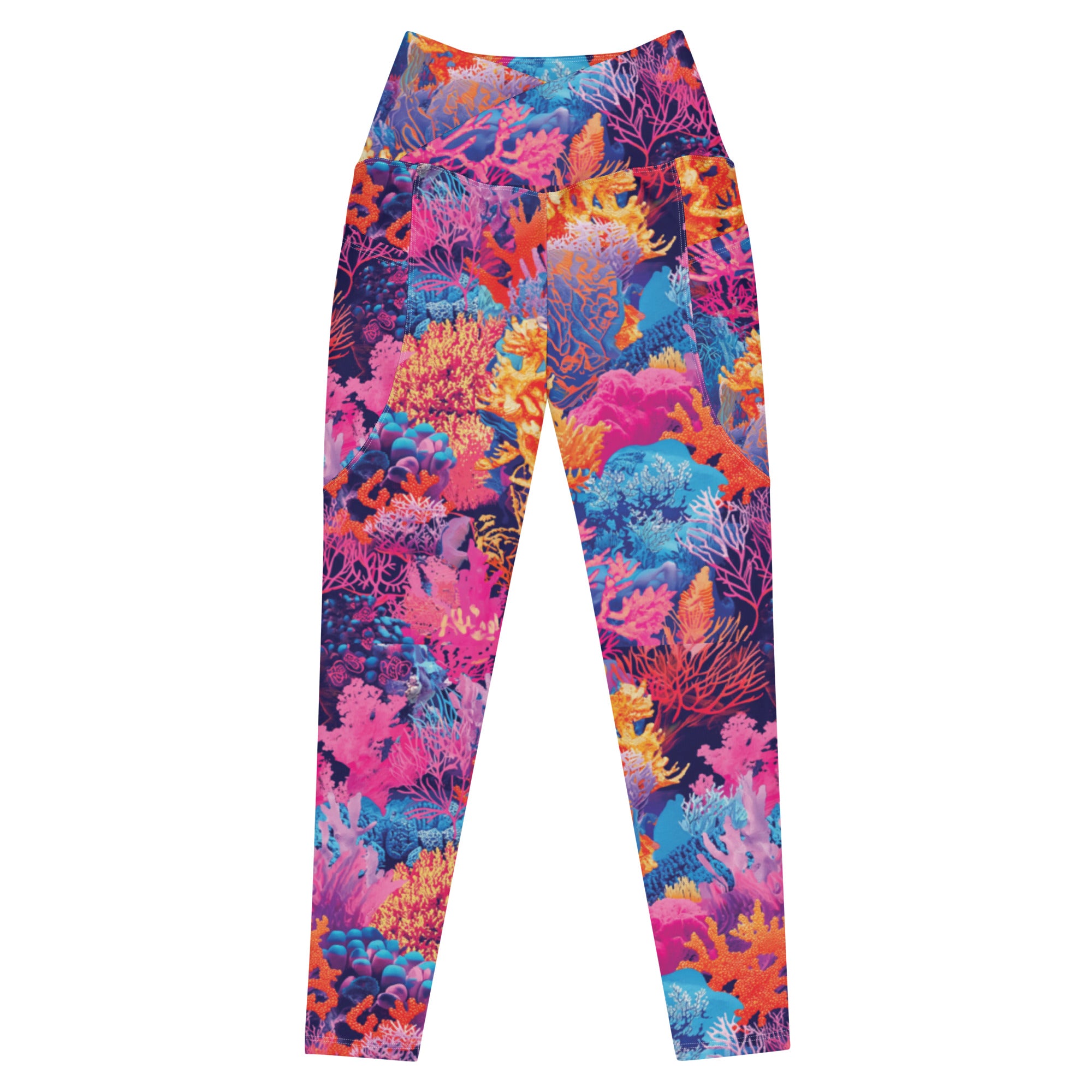
And the honest answer to which one is best: the one you will still want to put on for the fourth day in a row. Practically, that means a fabric that dries overnight, a high-waisted legging with a wide band that does not roll under a weight belt, and a top long enough in the body that it does not separate when you reach.
What about dive skin shorts?
A perfectly reasonable middle ground, and more popular than the full-coverage purists admit.
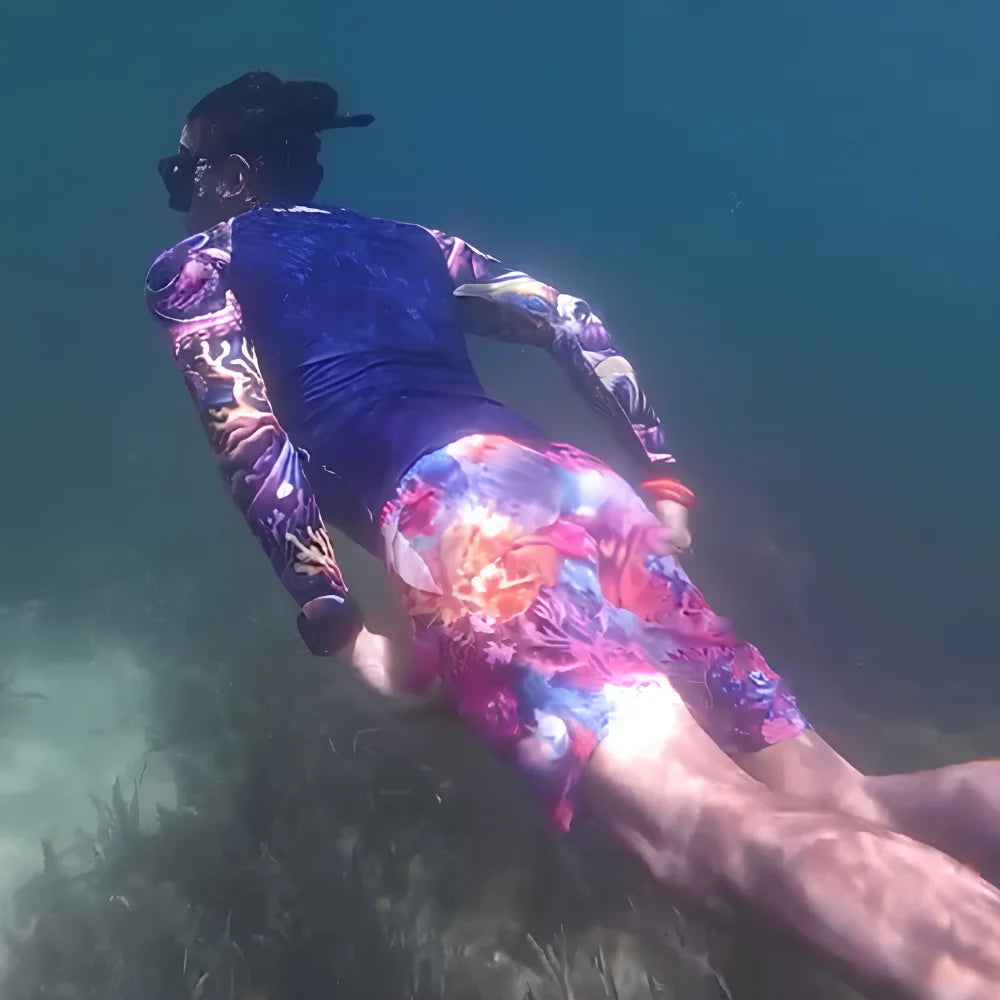
A long-sleeve top with swim shorts gives you sun protection where you actually burn, which is your back, shoulders and arms, while leaving your legs free. It is cooler than full leggings, easier to swim in, and for a lot of warm-water diving it is genuinely enough. I normally choose the dive skin shorts or bikini bottoms route when I'm snorkeling with a long sleeve rash guard on top.
What you lose is sting protection on the legs, and that matters more at some sites than others. If you are diving anywhere with hydroids or sea lice, cover your legs.
Looking after it
These fabrics can hold up in salt and sun if properly cared for.
- Rinse in fresh water after every dive day. Not at the end of the trip. Salt crystallizes in the fibers and grinds them apart from the inside.
- Wash cold, inside out, gentle.
- Hang dry in the shade, never in a dryer. Heat destroys elastane, and elastane is what makes it hold its shape.
- Keep it away from the velcro on your BCD. Fastest way to pull a thread on any technical fabric.
- Wash it in a GUPPYFRIEND bag. Recycled polyester still sheds microfibers and the bag catches most of them. Recycled fabric shedding into the ocean rather defeats the point, and I would rather name that than leave it out.

Common questions about dive skins
What is a dive skin?
A thin, full-coverage layer worn either instead of a wetsuit in warm water or underneath one in cooler water. Traditionally a one-piece lycra suit, though most divers now wear a long-sleeve rash guard and leggings instead. It protects against sun, stings and abrasion, and it makes a wetsuit far easier to get on.
Do dive skins keep you warm?
No. A standard dive skin provides essentially no thermal protection, because it has no closed-cell structure to trap water against your skin. If you are cold you need neoprene. Products marketed as dive skins that claim wetsuit-equivalent warmth are a different, thicker category of garment. What a dive skin does do is protect your skin from water flushing over it while moving in the water, this can help you stay slightly warmer but the fabric doesn't trap heat like neoprene.
Do I need a dive skin?
If you dive in water above about 28°C / 82°F you probably want one instead of a wetsuit. If you dive anywhere colder, you want one underneath your wetsuit, because it stops chafe and makes the suit dramatically easier to put on. The only divers who genuinely do not need one are those doing a single dive a day in cool water in their own suit.
Can you wear a dive skin under a wetsuit?
Yes, and it is one of the best reasons to own one. Neoprene grabs at damp skin making it hard to put on your wetsuit over bare skin but slides over smooth fabric, so the suit goes on far more easily. It also prevents neck and underarm chafe, and it is more hygienic in a rental suit.
Are dive skins good for jellyfish?
Better than most people assume. A study comparing eight types of protective clothing against Irukandji jellyfish found that lycra suits were the best choice for routine stinger protection, and that a purpose-made mesh stinger suit performed poorly because tentacles penetrated the mesh. For general reef stings, hydroids and sea lice, full coverage is the single most effective thing you can do.
What is the difference between a dive skin and a rash guard?
A rash guard is the top half. A dive skin is full body coverage, either as a one-piece suit or as a rash guard and leggings worn together. Every dive skin includes something functionally identical to a rash guard.
Are scuba skins and dive skins the same thing?
Yes. Scuba skin, dive skin, diving skin and skin suit all describe the same garment. The terminology varies by brand and by country rather than by anything about the product.
Should a dive skin be tight?
Snug rather than tight. Worn on its own a little room is more comfortable. Worn under a wetsuit, size true to your measurements, because neoprene compresses everything underneath it and loose fabric gathers into a fold you will feel for the whole dive.
What is the best dive skin for women?
The one you will actually wear on the fourth day of a dive trip. Practically, that means a two-piece in a fabric that dries overnight, a high-waisted legging with a wide band that does not roll under a weight belt, and a top long enough in the body that it does not separate when you reach.
Keep reading
- How to Choose a Rash Guard for Scuba Diving
- What to Wear Under a Wetsuit (Female Diver's Guide)
- Water Temperature by Dive Destination
- The Ultimate Dive Trip Packing List for Women
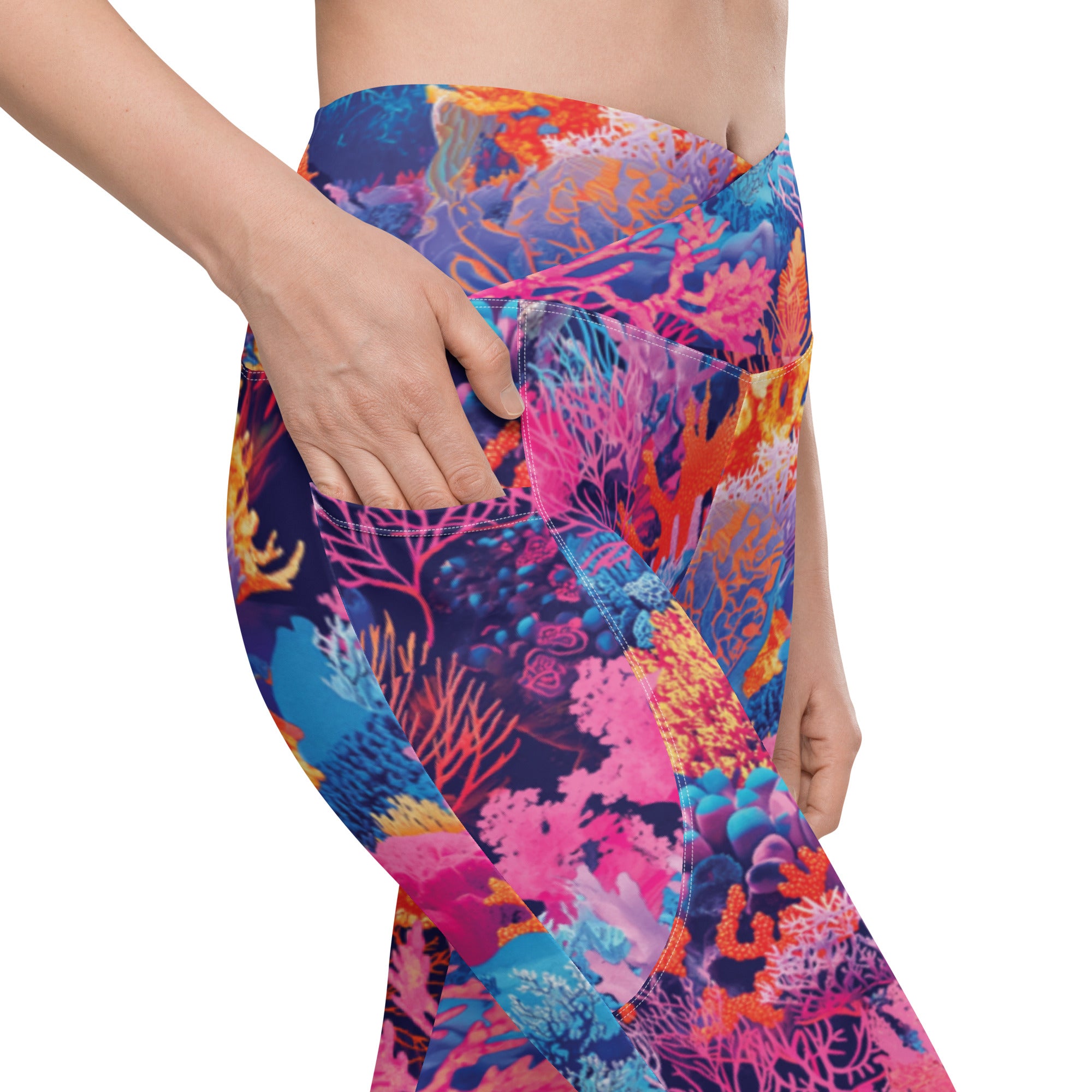
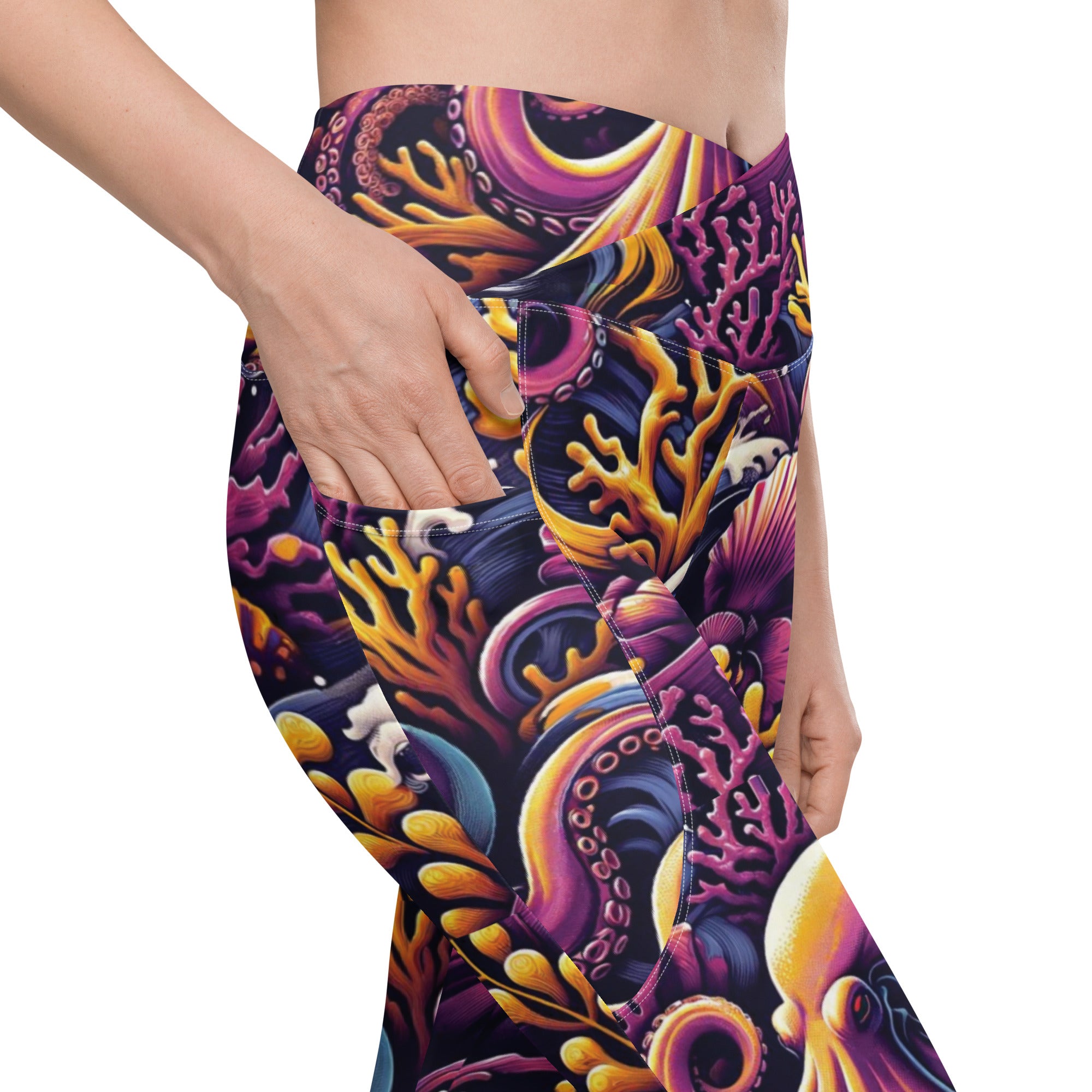
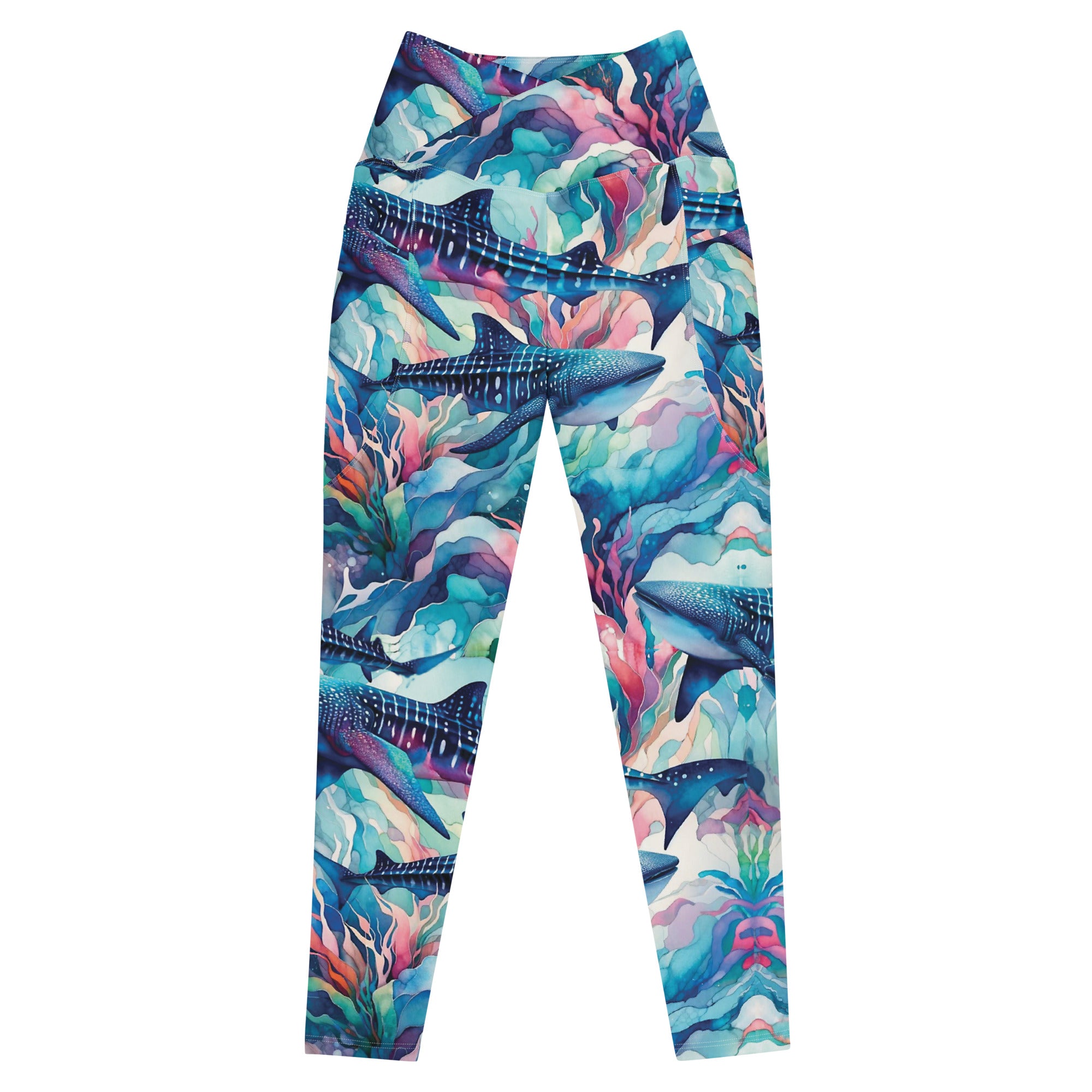
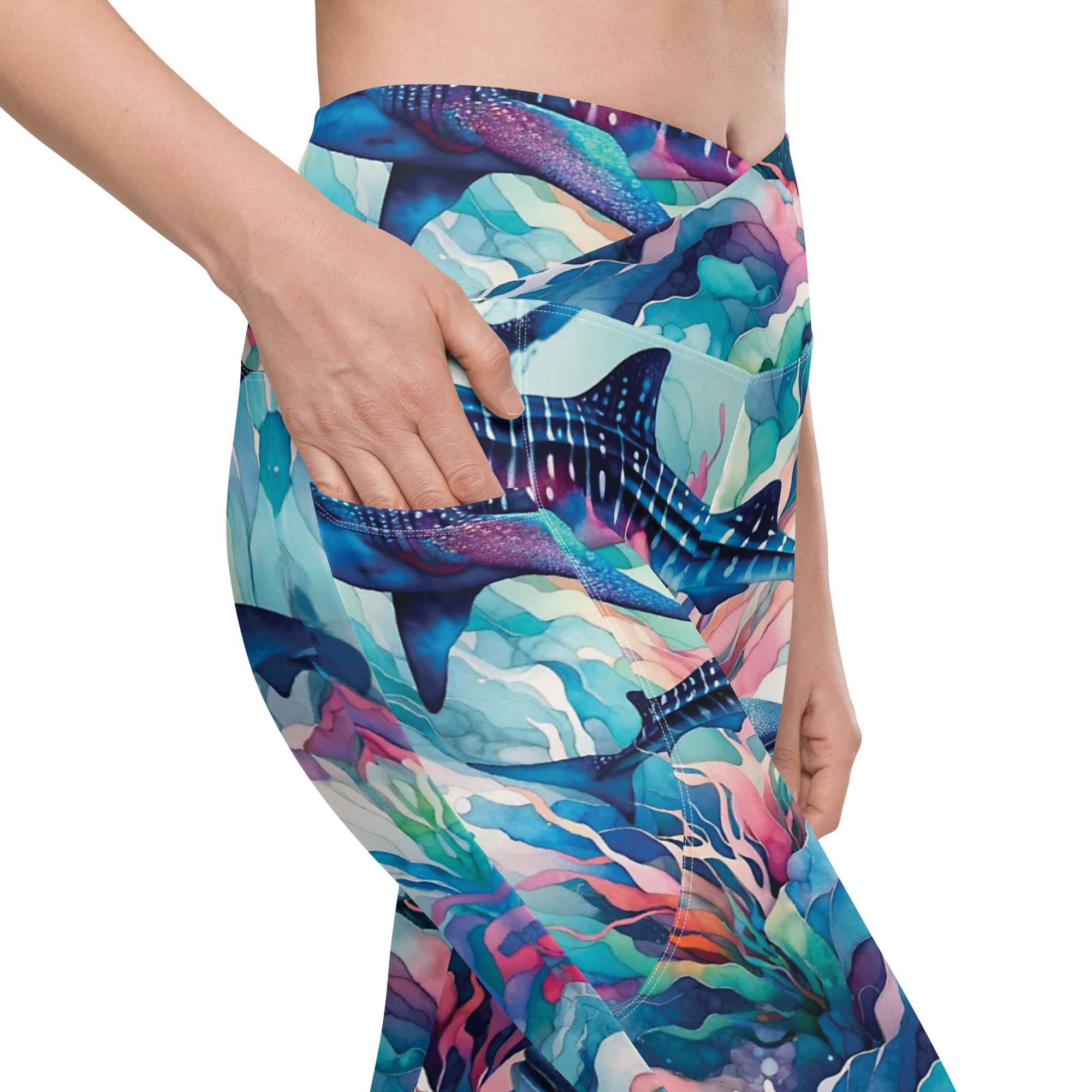
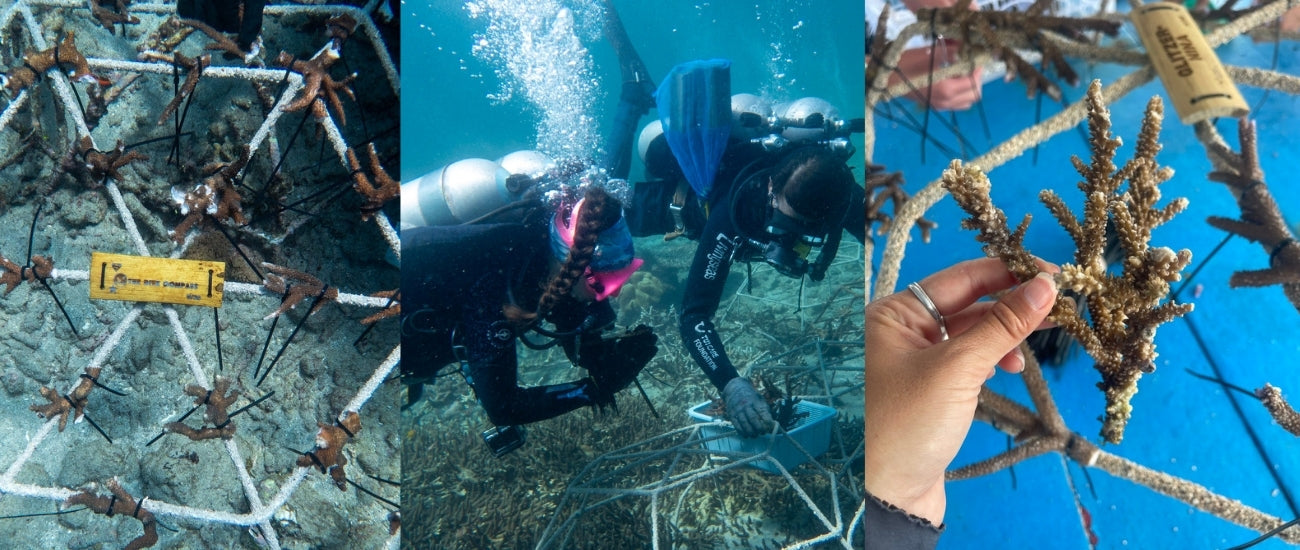
🪸 Every piece we make is produced to order from recycled polyester with a UPF 50+ rating, in sizes 2XS to 6XL depending on the style. Every order plants a coral at Padang Bai in Bali with the Livingseas Foundation.










































Leave a comment
This site is protected by hCaptcha and the hCaptcha Privacy Policy and Terms of Service apply.