







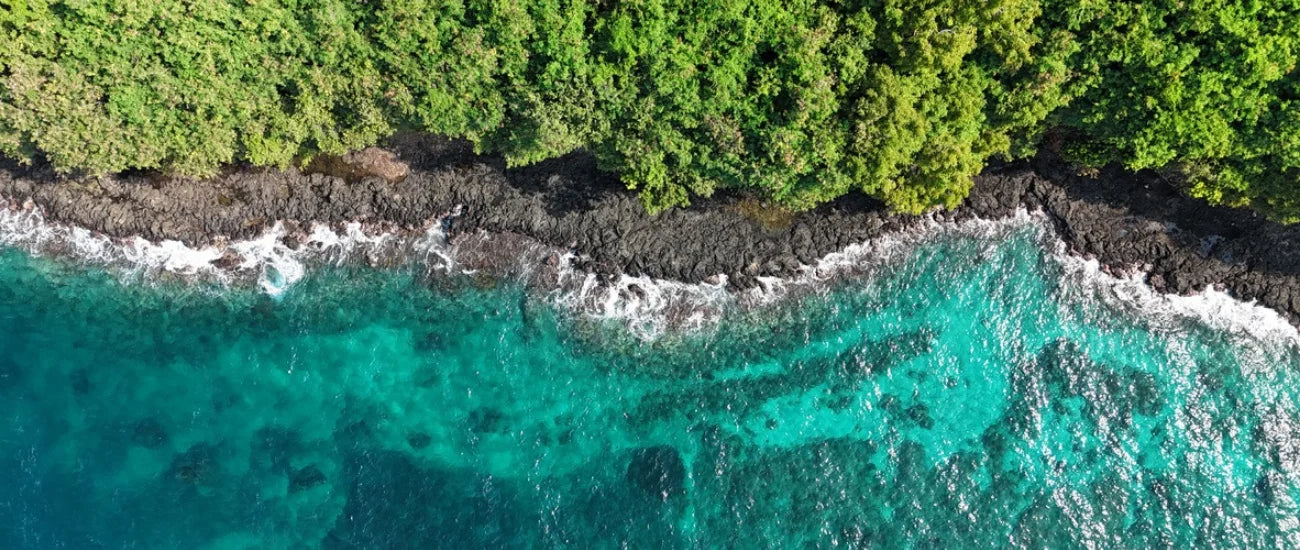
10 Essential Tips for Sustainable Scuba Diving (From a Diver Who Actually Cares)
If you scuba dive, you already love the ocean. But here's the uncomfortable truth: Loving the ocean isn't the same as protecting it. Learn how to protect the ocean with these simple sustainable scuba diving tips.
Even well-intentioned divers can accidentally damage reefs, stress marine life, or contribute to the same problems that are slowly killing the places we travel across the world to see.
The good news? Being a more sustainable diver doesn't mean giving up comfort, fun, or adventure. It just means being a little more intentional.
Here are 10 practical, realistic ways to dive more sustainably — without turning your dive trip into a guilt trip.
1. Use Less Sunscreen (And Be Smart About the Kind You Do Use)

Let's start with the big one. Many sunscreens contain chemicals that are harmful to coral reefs — even so-called "reef safe" labels can be misleading.
Better options:
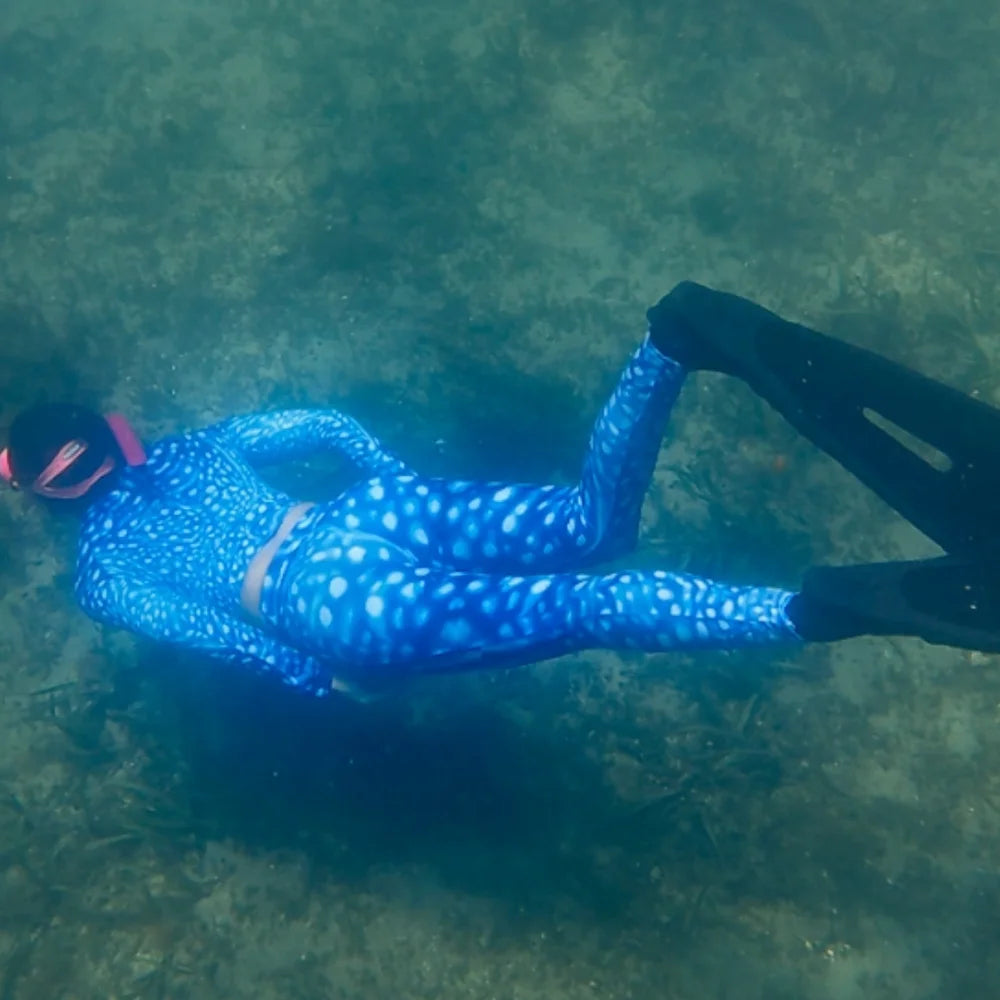
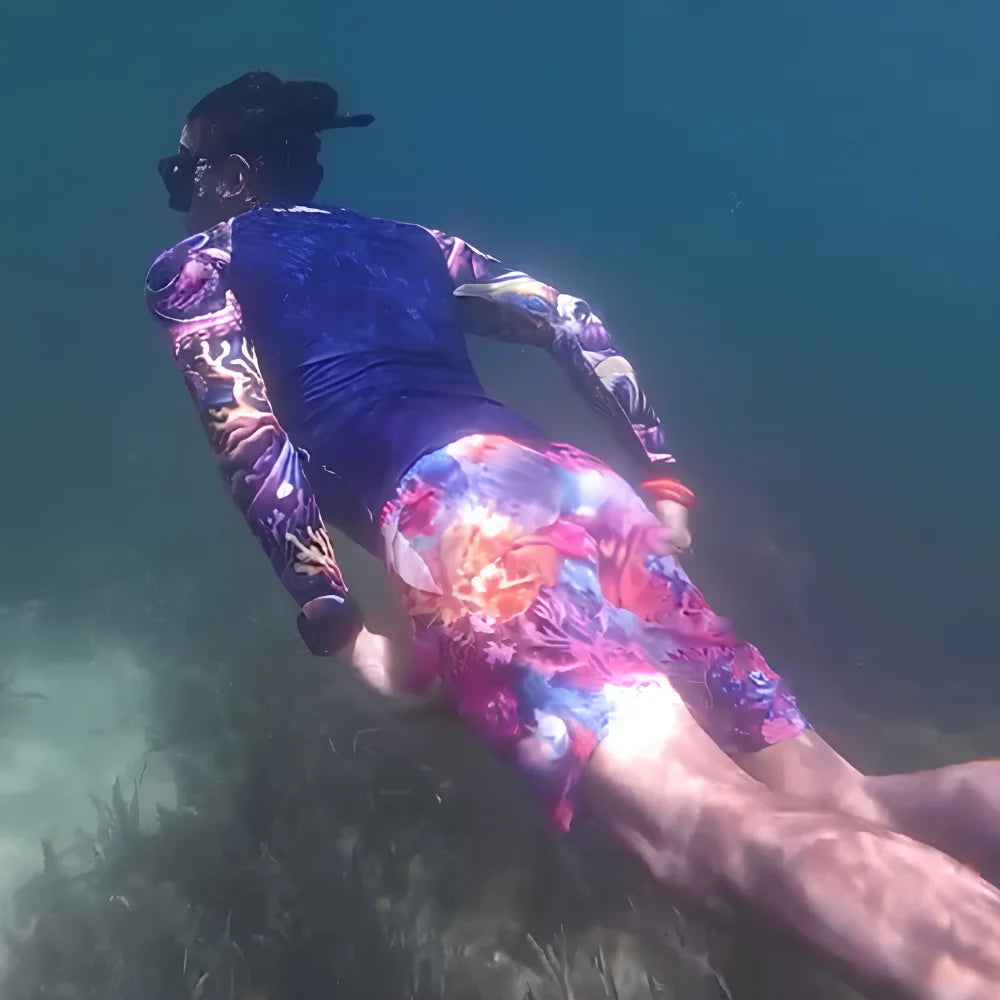
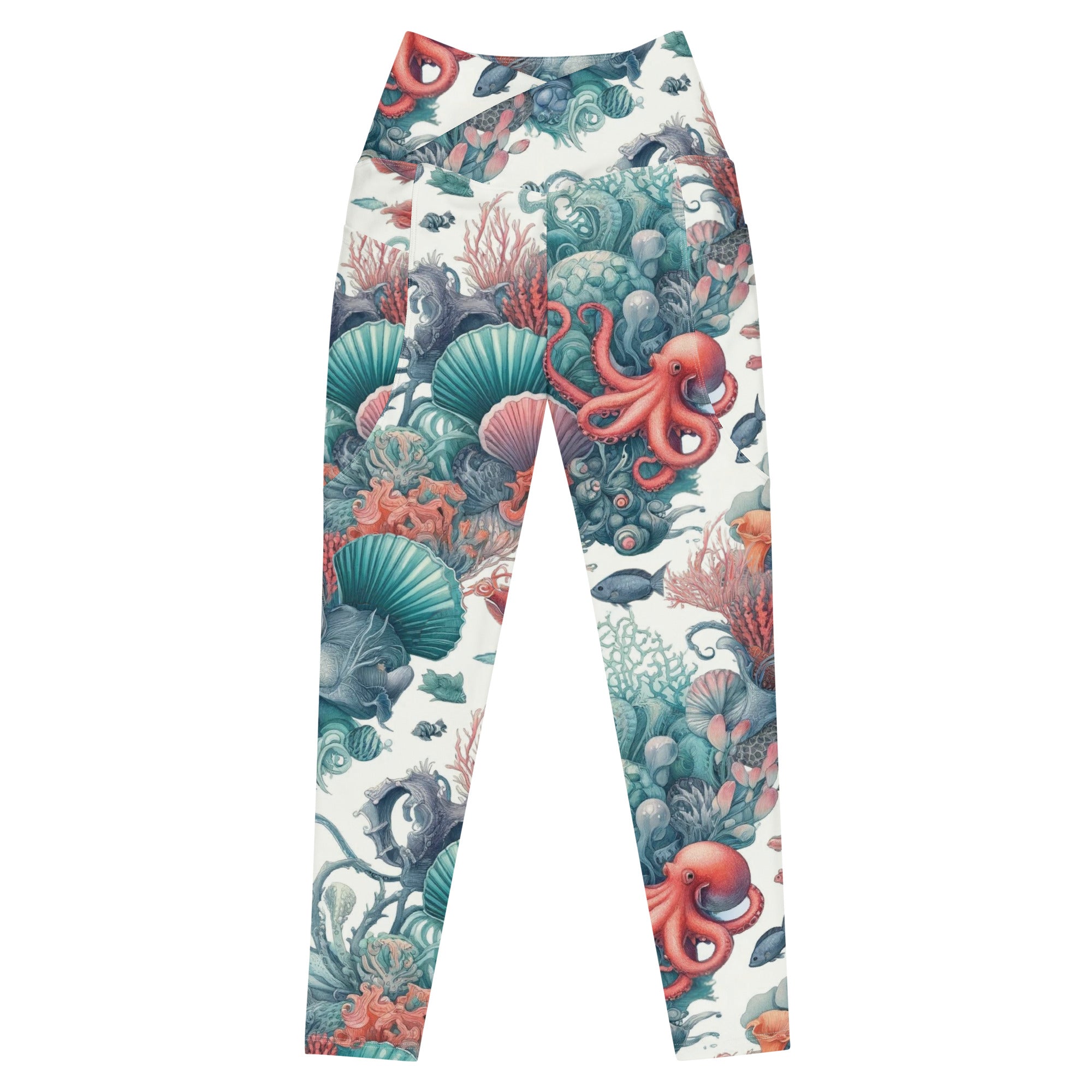
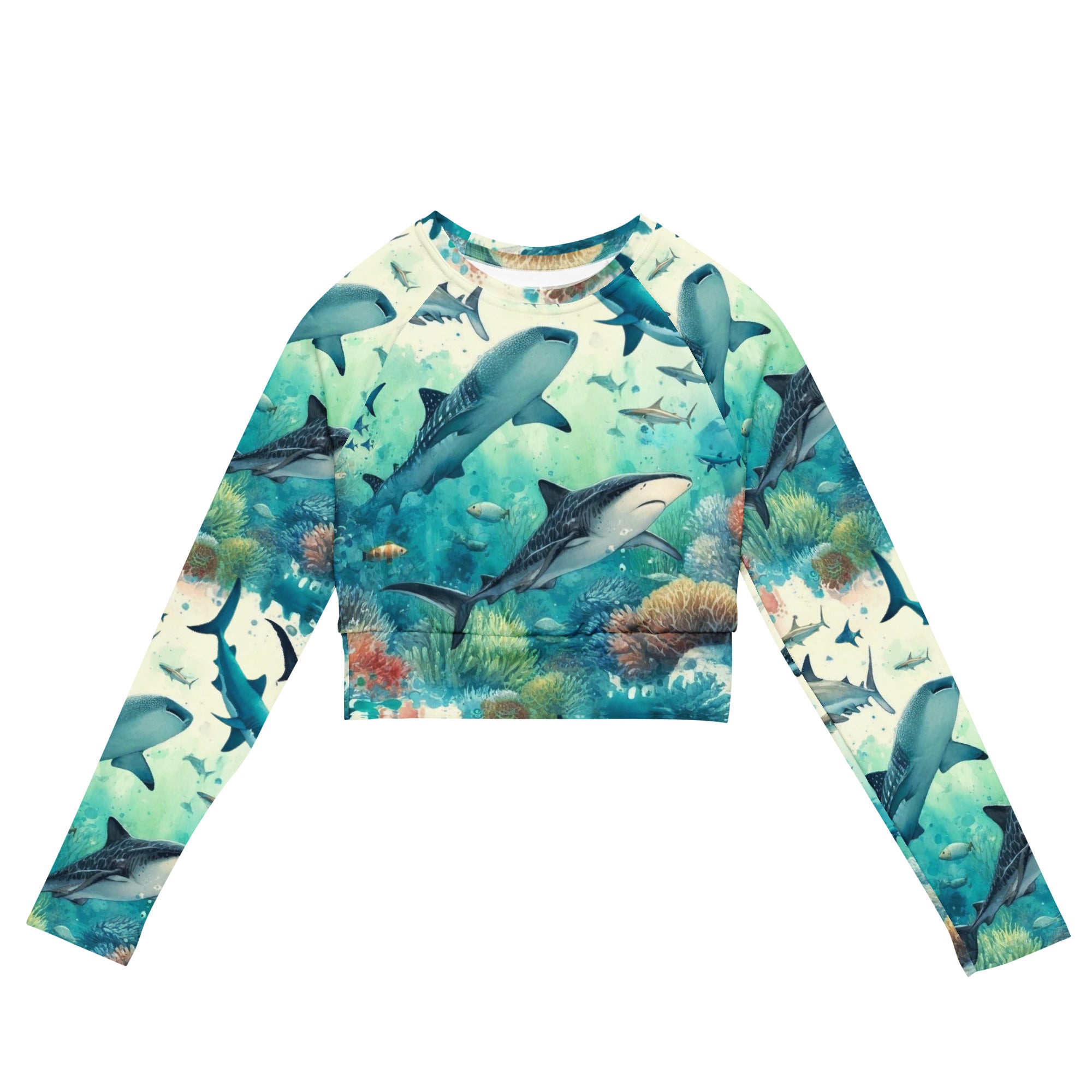
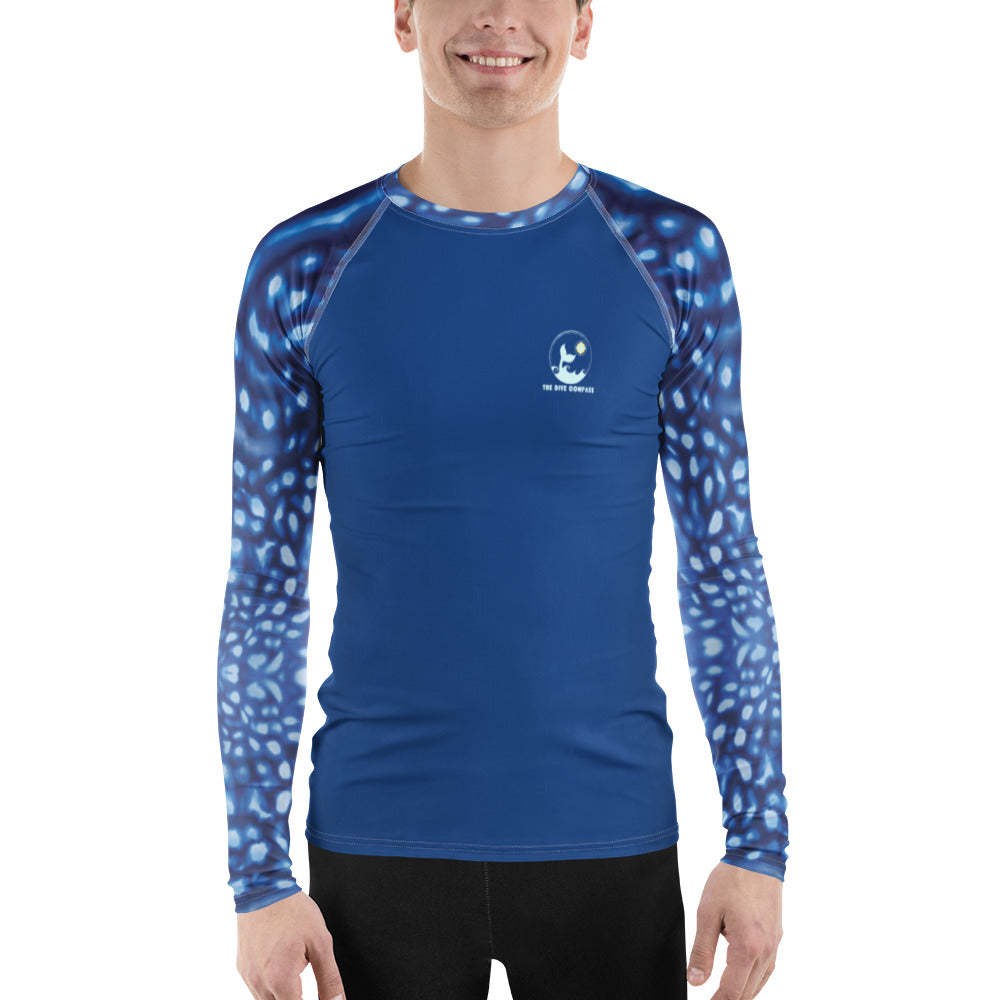
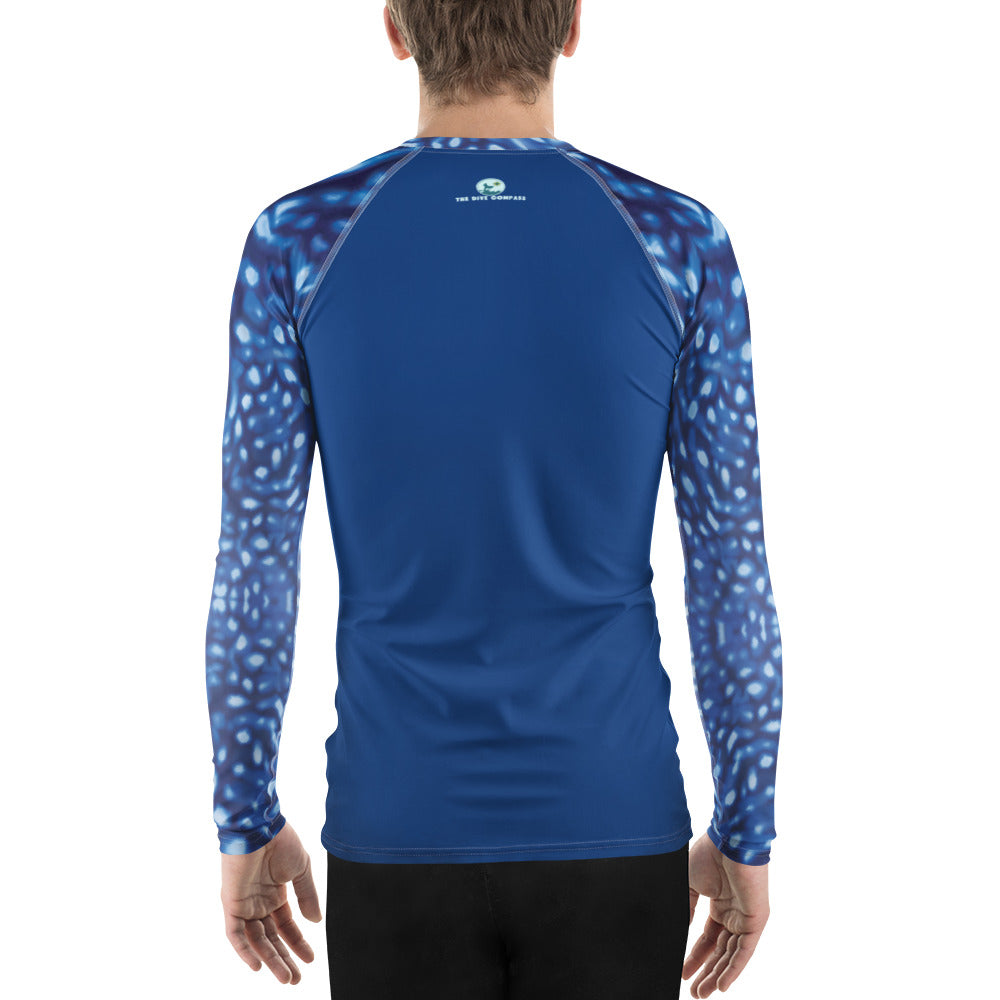
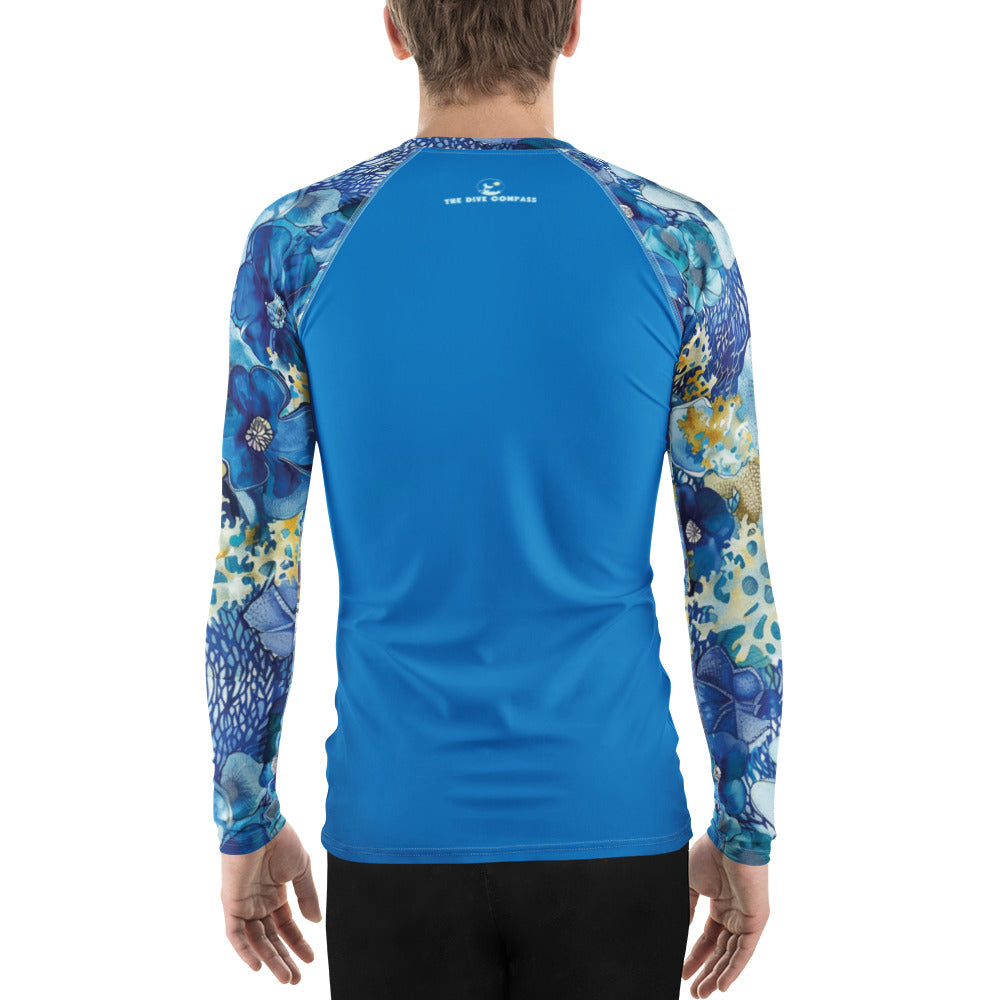
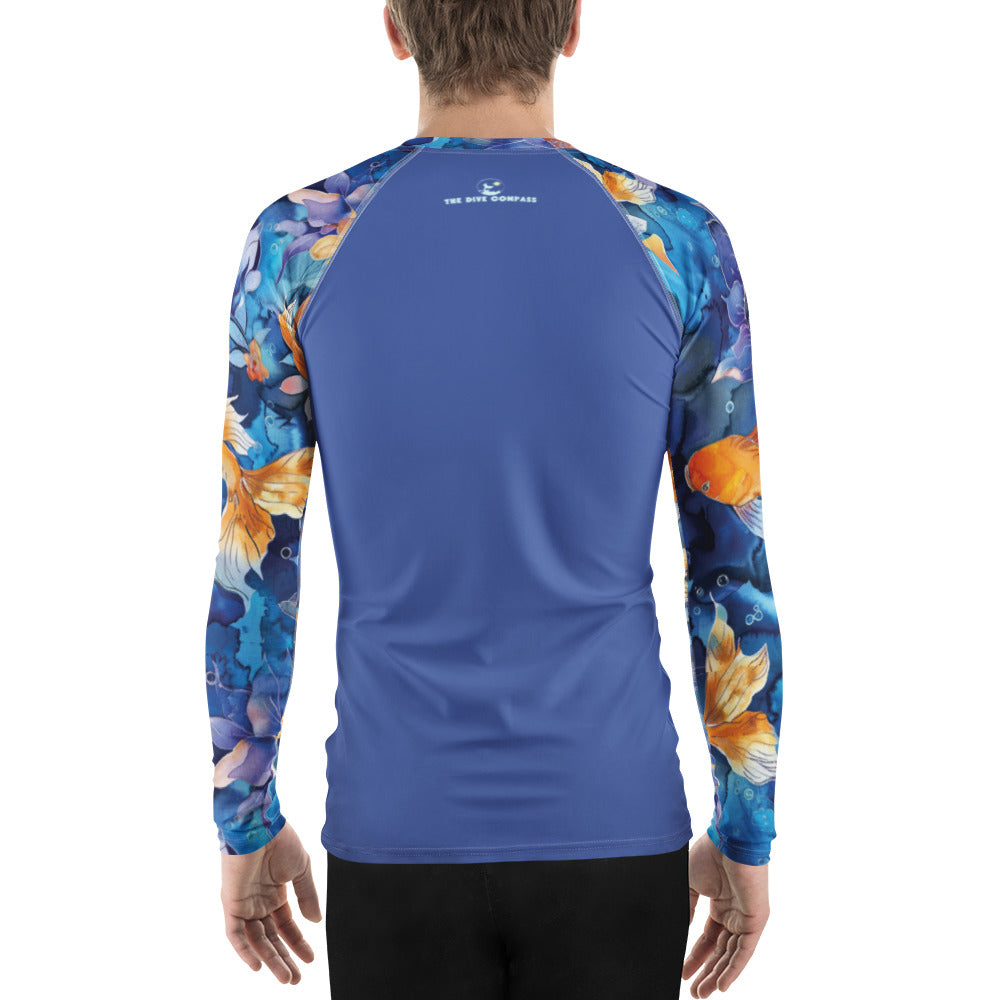
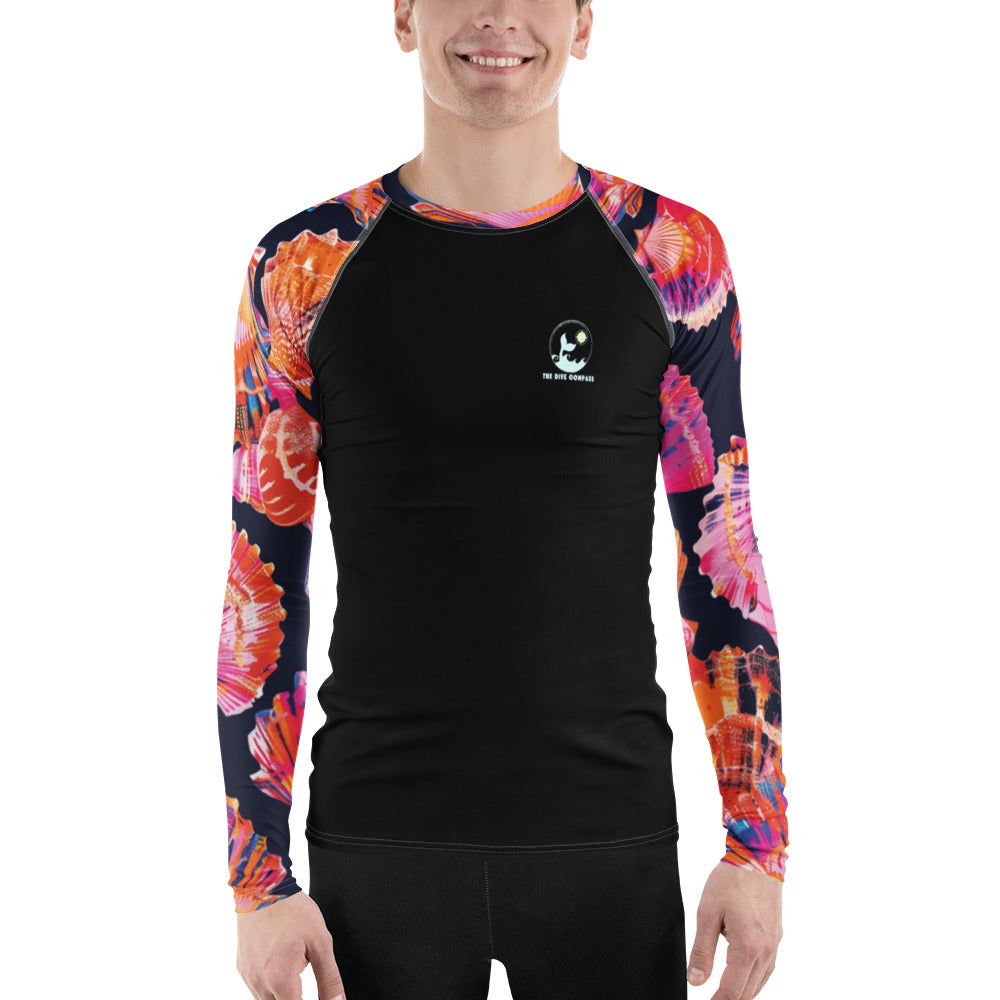
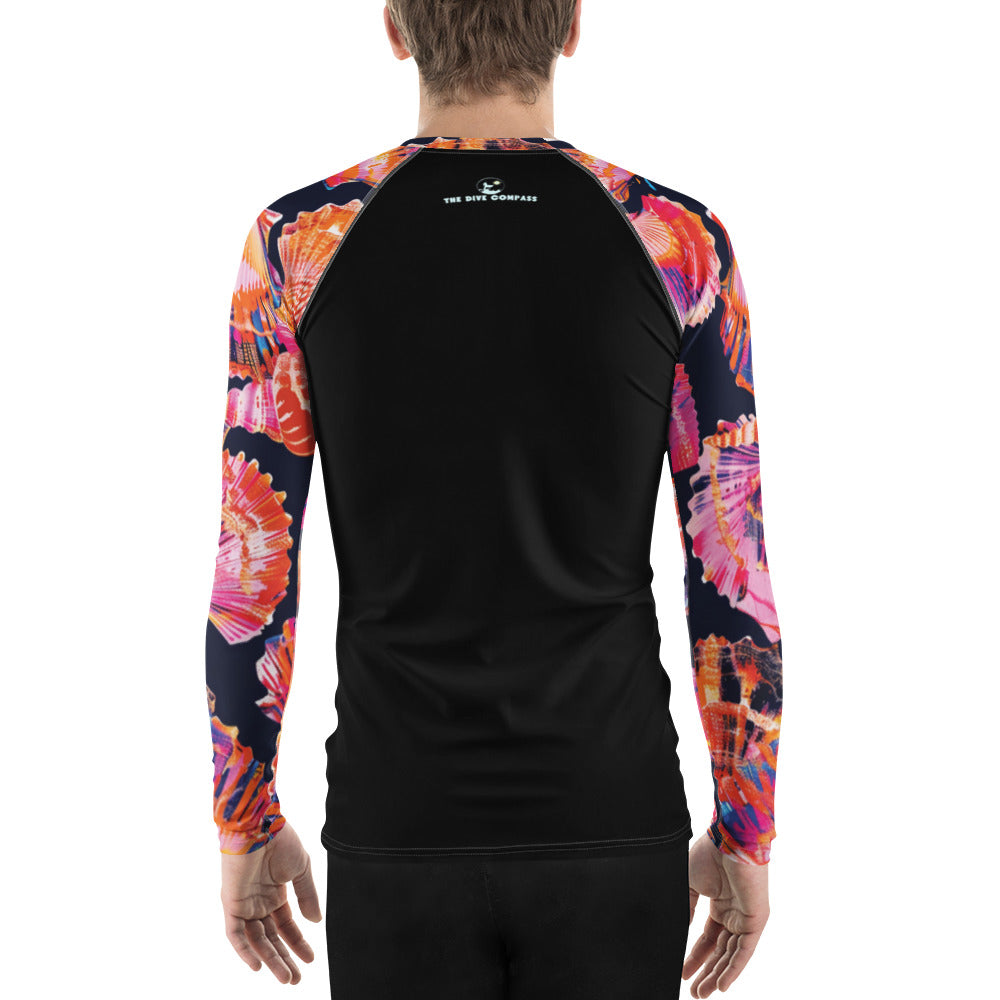
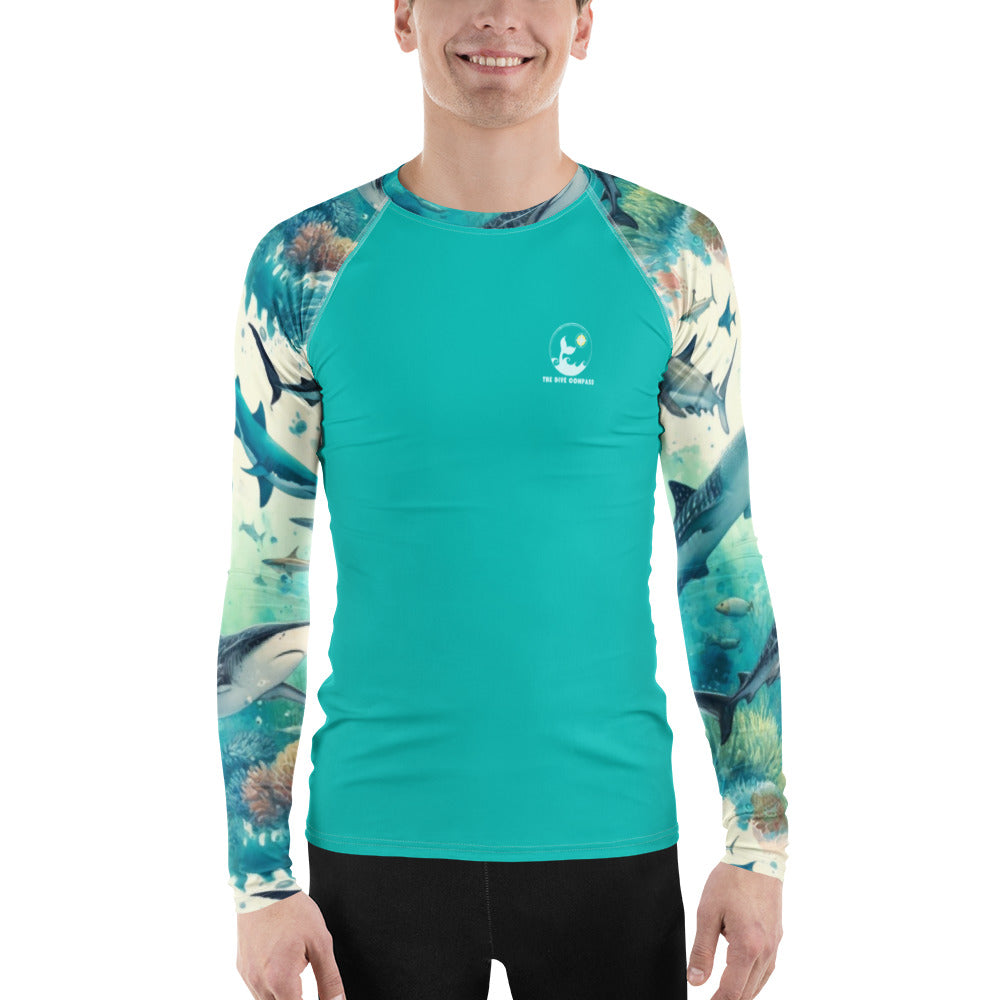
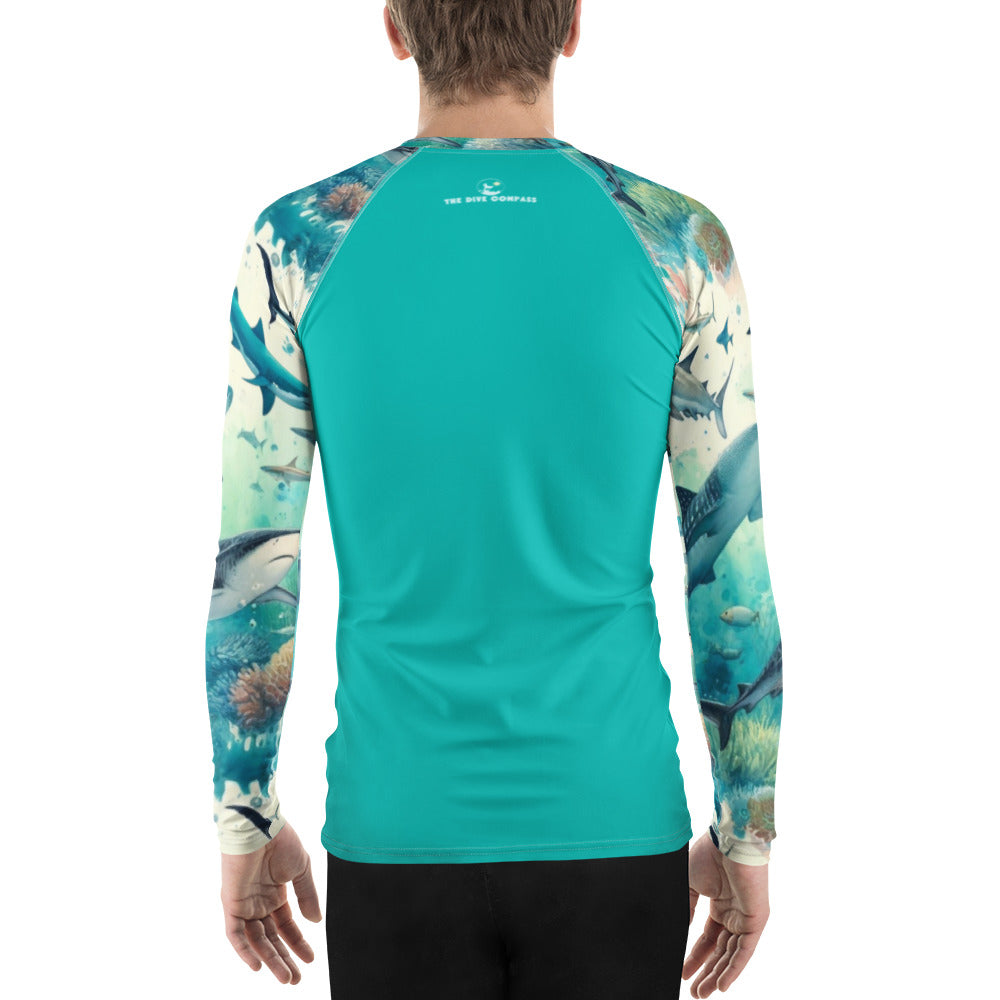
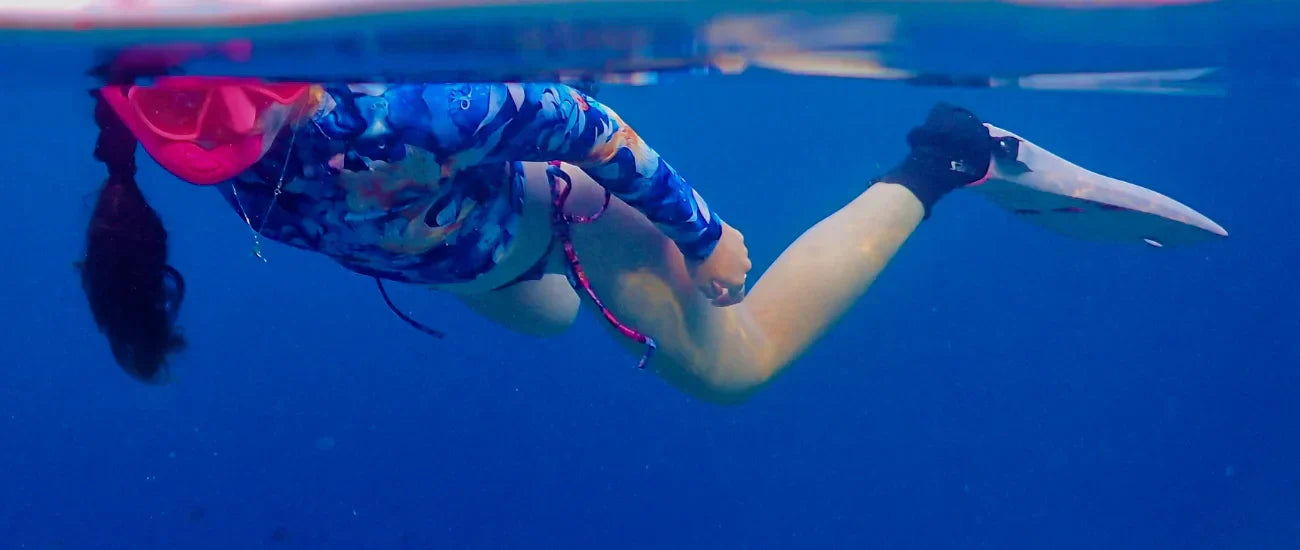
- Cover up with rash guards and leggings.
- Use sunscreen only where you actually need it.
- Choose mineral-based sunscreen when you do.
This is one of the easiest ways to reduce your impact instantly.
2. Master Your Buoyancy (It's the #1 Skill That Protects Reefs)

Good buoyancy isn't just about looking cool underwater. It's about:
- Not kicking coral.
- Not crashing into the bottom.
- Not stirring up sediment.
- Not breaking things that took decades to grow.
If your buoyancy needs work, that's okay. Practice. Take a workshop. Ask your guide for feedback.
Every improvement helps the reef.
3. Look, Don't Touch
This sounds obvious… and yet. Corals are animals. Many marine creatures are fragile, stressed by contact, or covered in protective layers that we damage just by touching them.
- Don't touch.
- Don't chase.
- Don't ride. (Yes, I've seen those Instagram Reels — just DON'T!)
- Don't harass.
The best encounters happen when you let animals choose you.
4. Choose Dive Operators That Actually Care
Not all dive shops are the same. Look for operators who:
- Brief reef-safe behavior.
- Limit group sizes.
- Respect marine life.
- Support conservation projects.
- Don't encourage bad behavior "for photos."
Your money is a vote. Spend it wisely.
5. Support Coral Restoration and Conservation Programs

If you're diving in beautiful places, chances are someone is working very hard to keep them alive. Coral restoration, reef monitoring, and marine protection programs need funding. Whether that's:
- Volunteering.
- Donating.
- Or supporting brands that give back.
It all helps.
6. Reduce Your Plastic (Before You Even Get on the Boat)
Single-use plastic is one of the biggest threats to the ocean. Easy wins:
- Bring a reusable water bottle.
- Say no to plastic bags.
- Pack snacks in reusable containers.
- Pick up trash when you see it.
Small actions. Big collective impact.
7. Learn About What You're Seeing
The more you understand the ocean, the more you respect it. Learn:
- About coral bleaching.
- About fish behavior.
- About reef ecosystems.
- About local conservation issues.
You'll become a better diver and a better advocate.
8. Leave Nothing Behind (Except Bubbles)
No shells. No coral. No souvenirs. And:
- Don't feed fish.
- Don't move animals.
- Don't "fix" the reef.
The ocean doesn't need us to curate it.
9. Be Thoughtful About Your Gear
What you buy matters. Look for gear that:
- Lasts longer.
- Is made more responsibly.
- Replaces harmful habits — like excessive sunscreen use.
The dive industry doesn't have to be disposable.
10. Talk About It (Without Being Too Annoying!)
You don't have to preach. But:
- Share what you've learned.
- Set a good example.
- Normalize reef-safe behavior.
Culture changes when behavior becomes normal.
The Big Picture - Sustainable Scuba Diving

Sustainable diving isn't about being perfect. It's about being better.
Every reef we protect is a place that future divers — and future generations — still get to experience.
A Note From Us
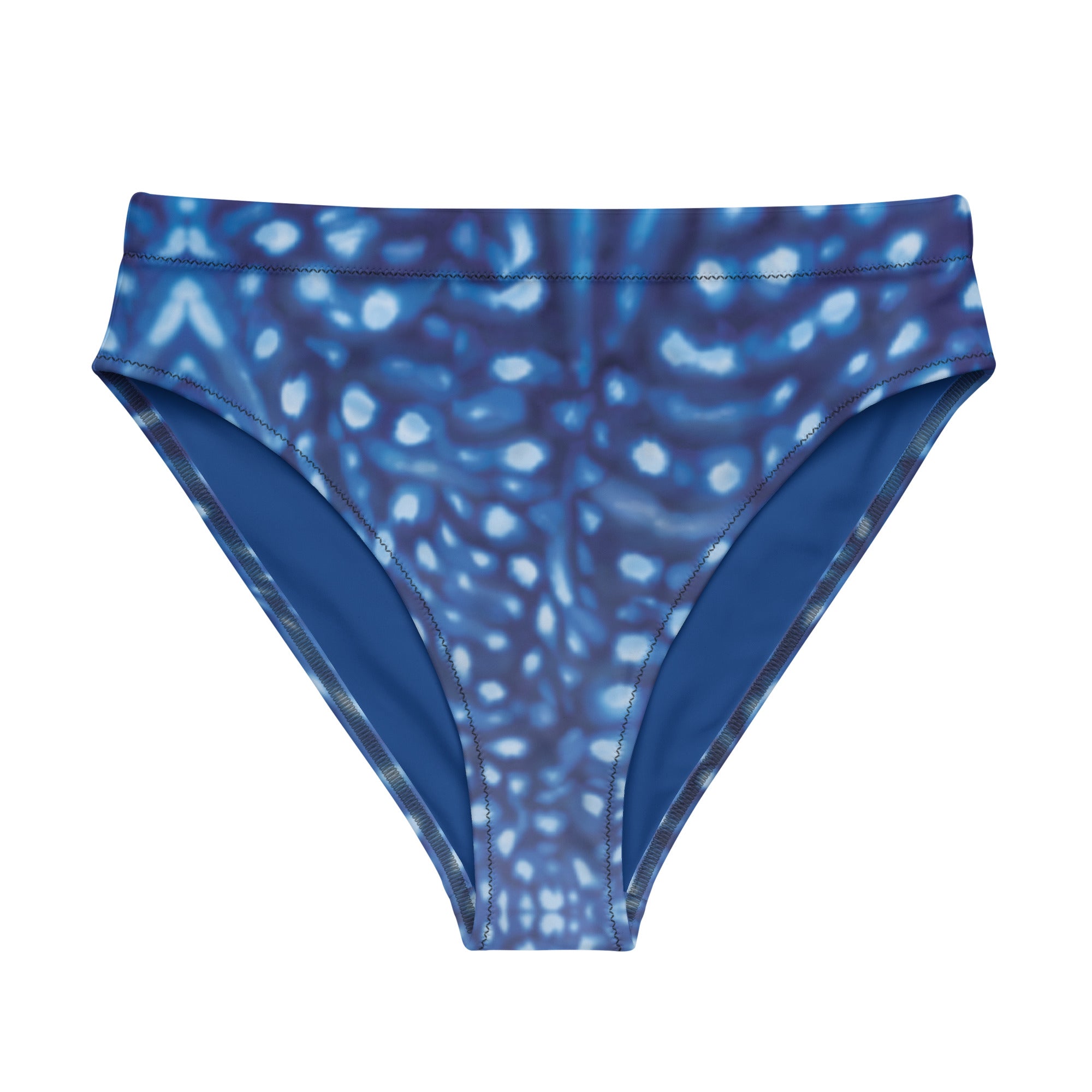
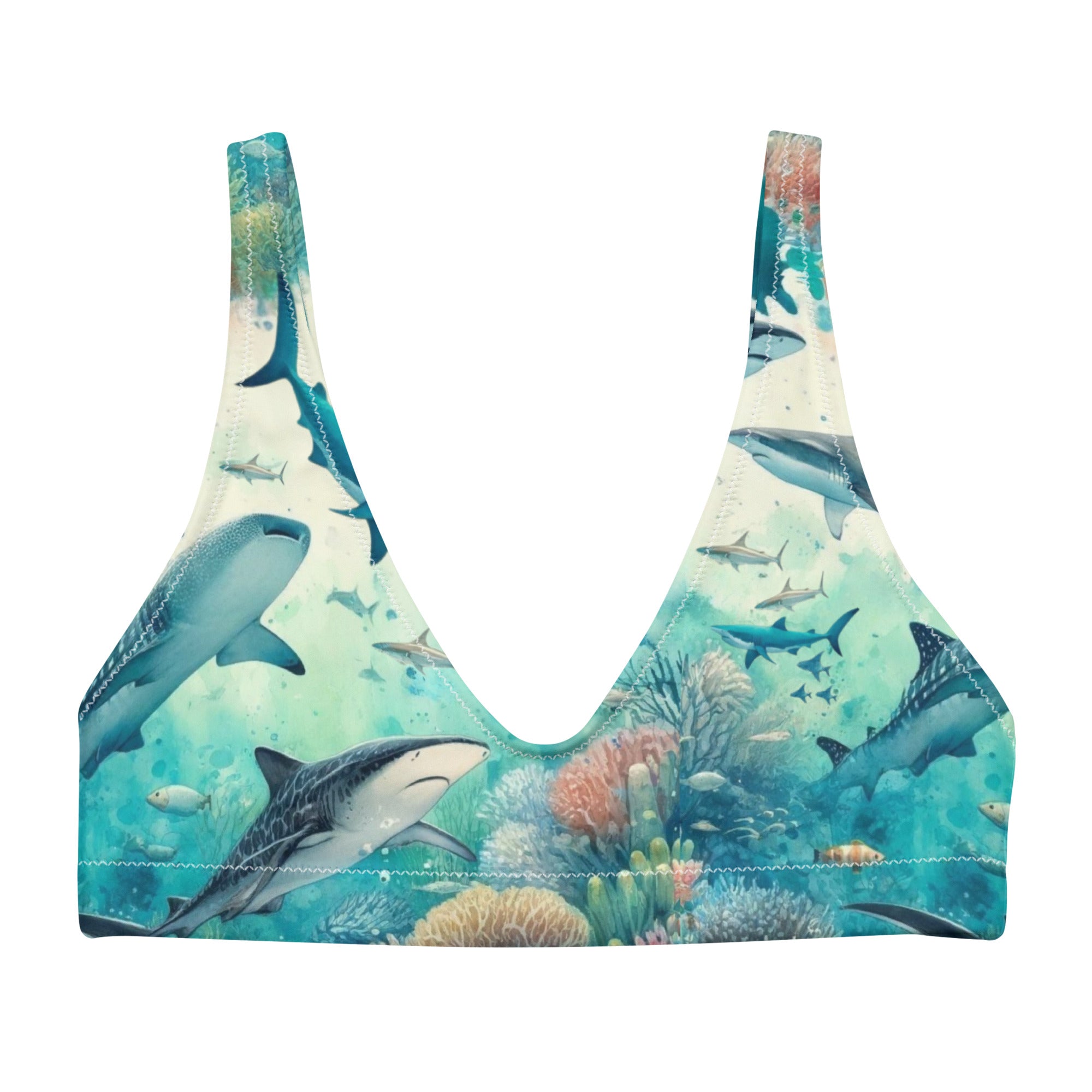
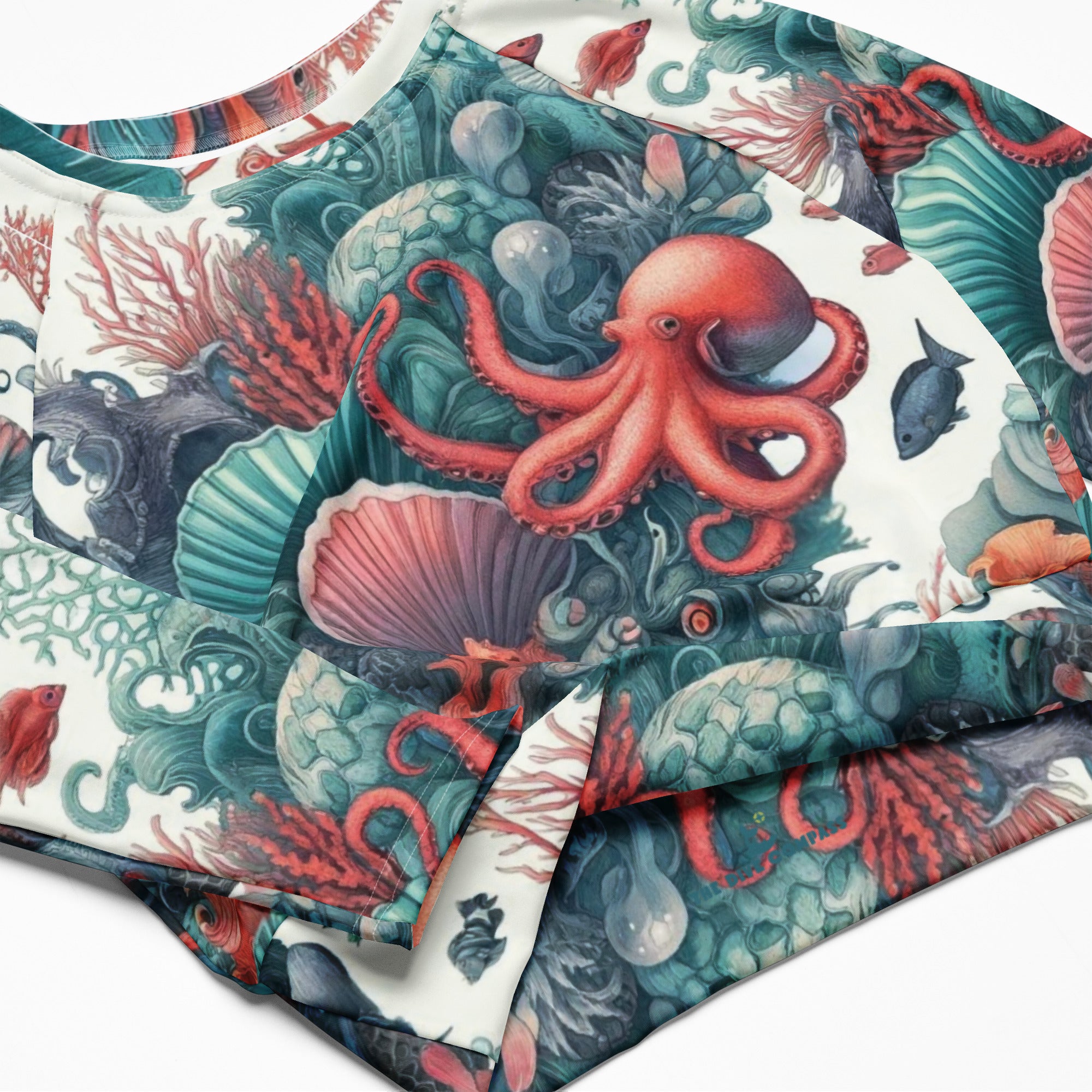
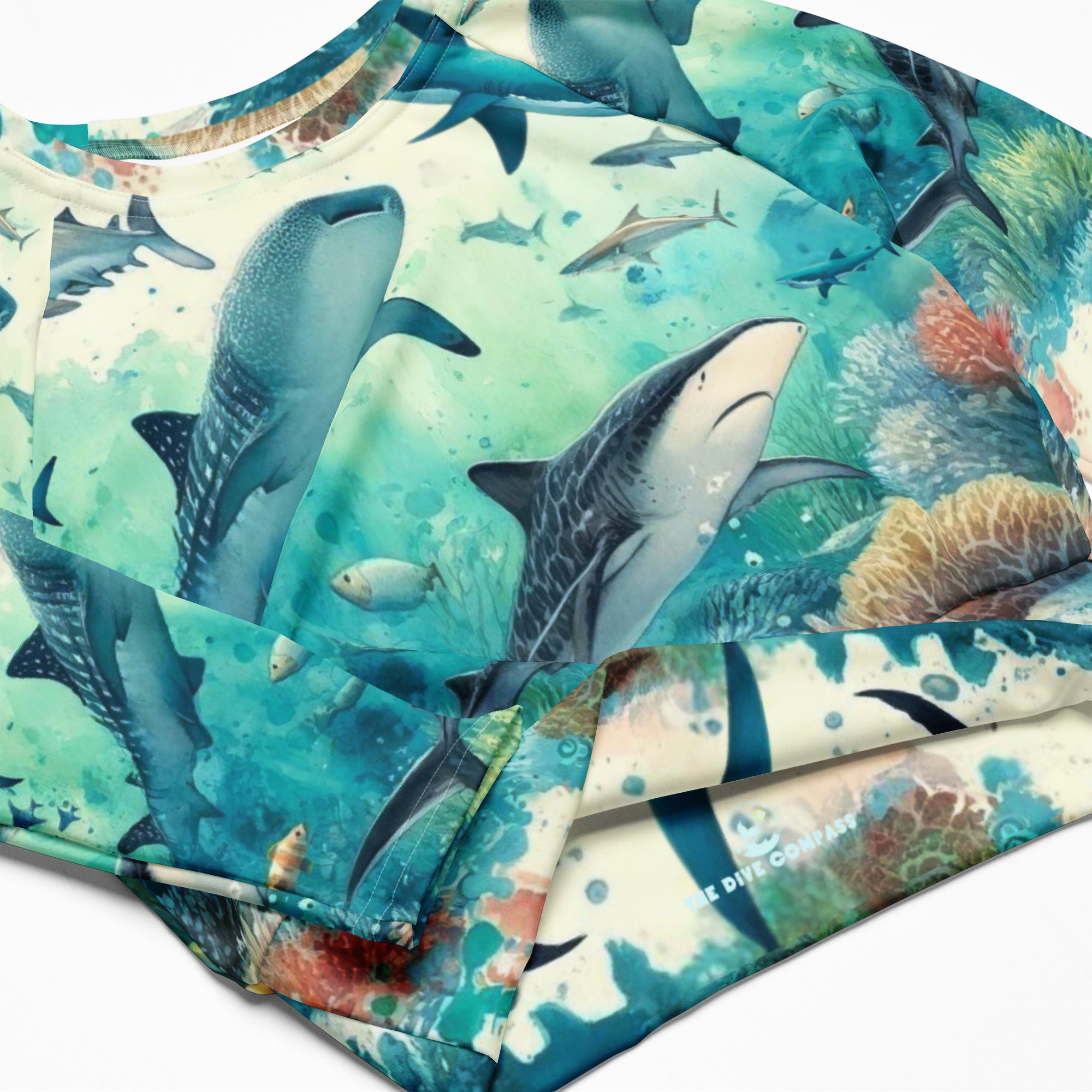
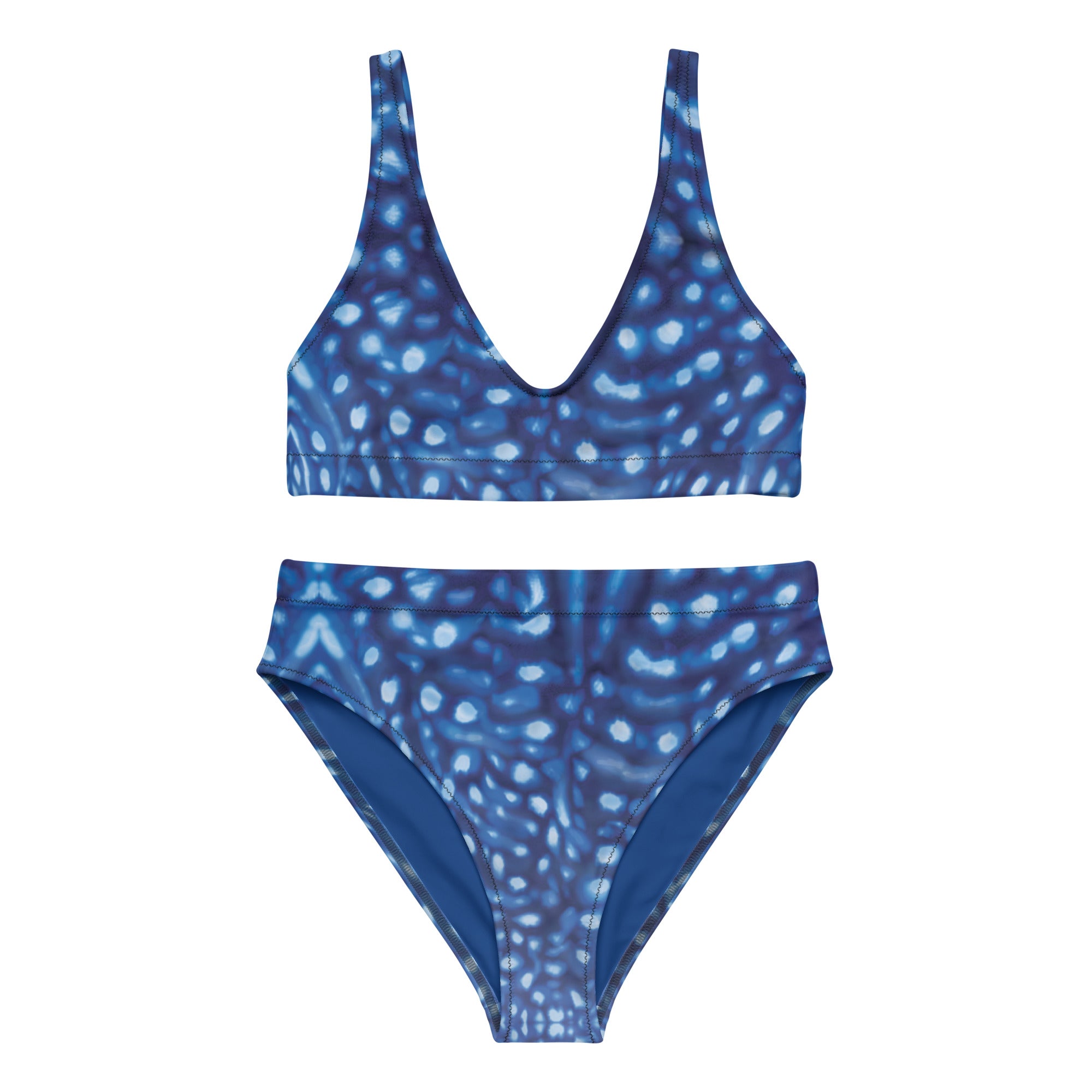
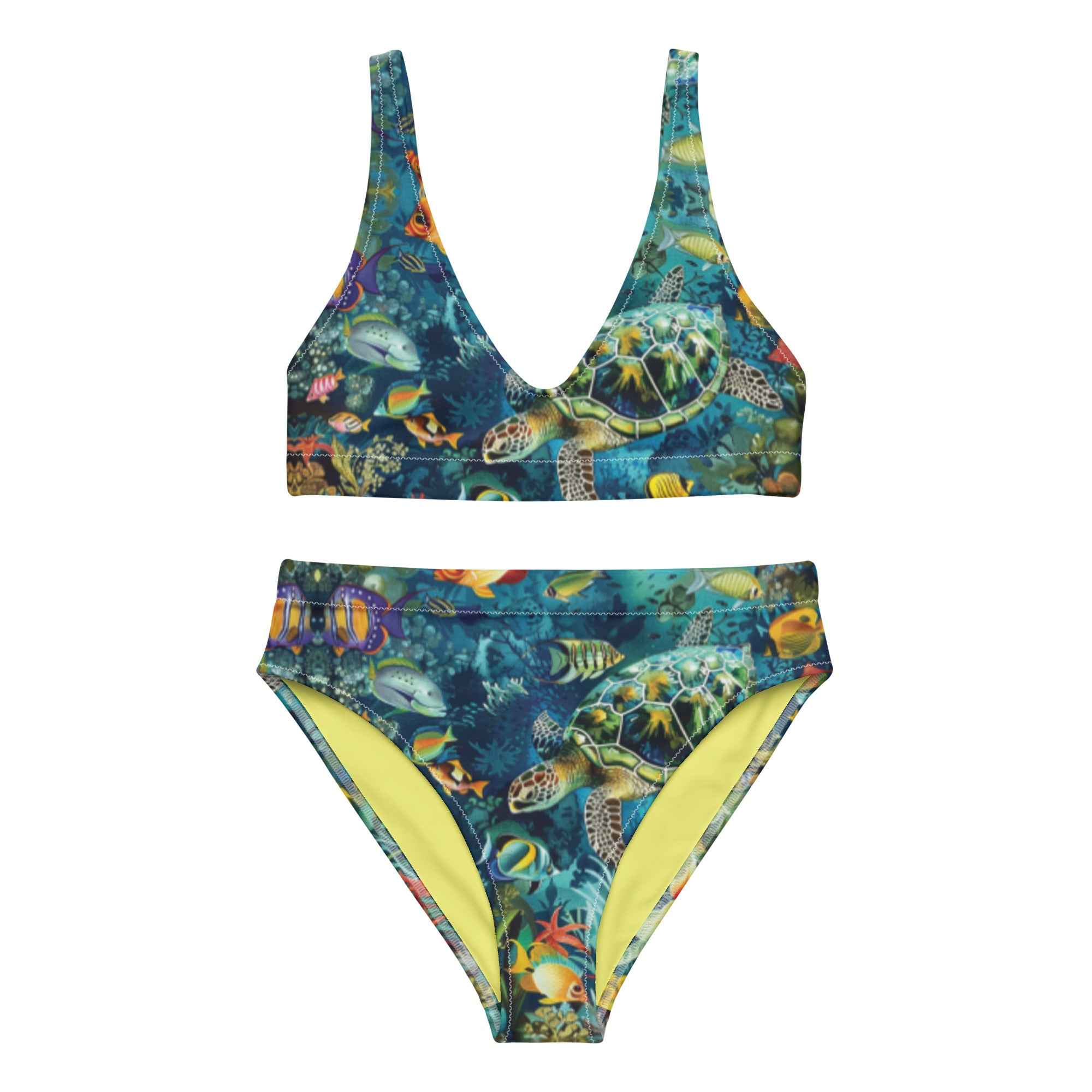
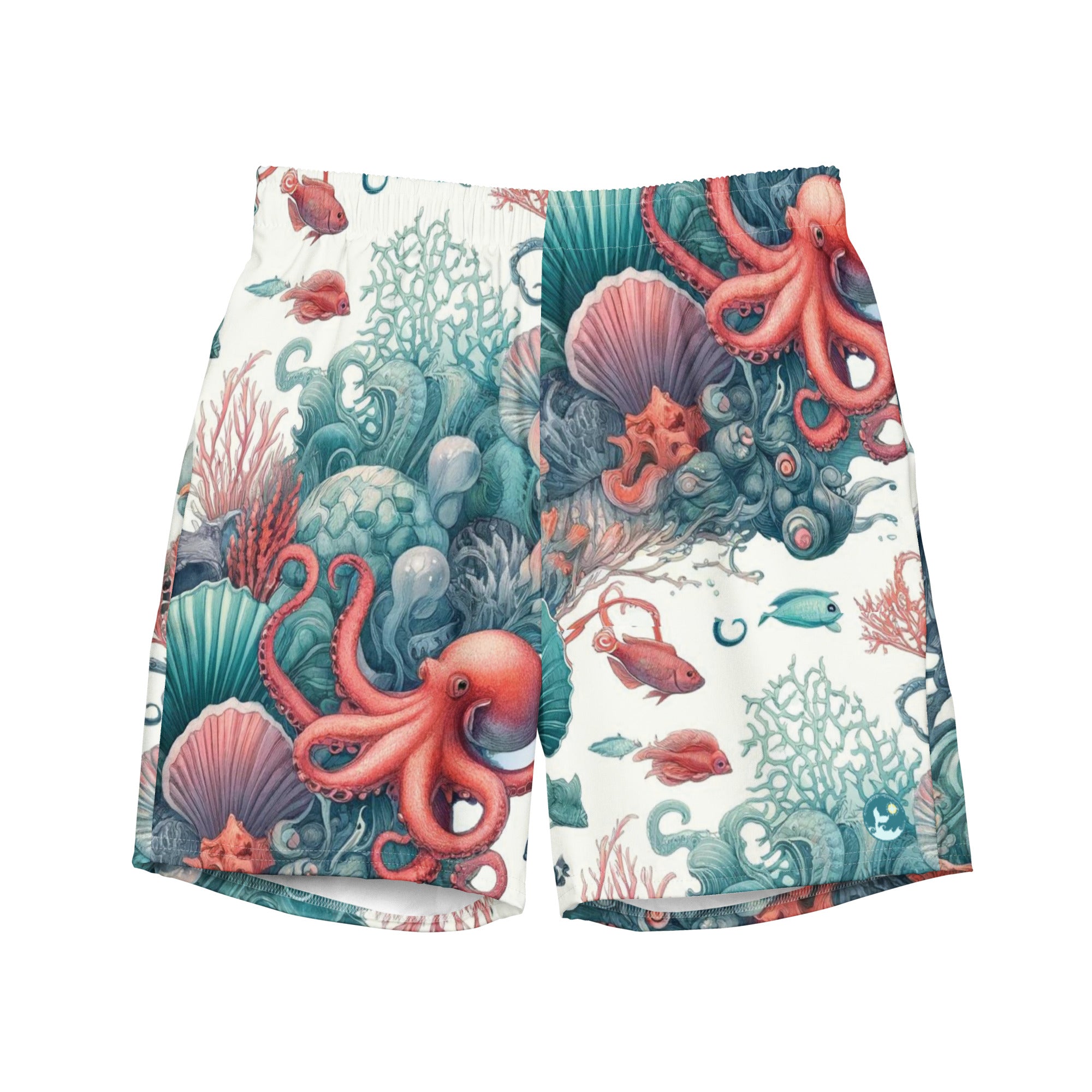
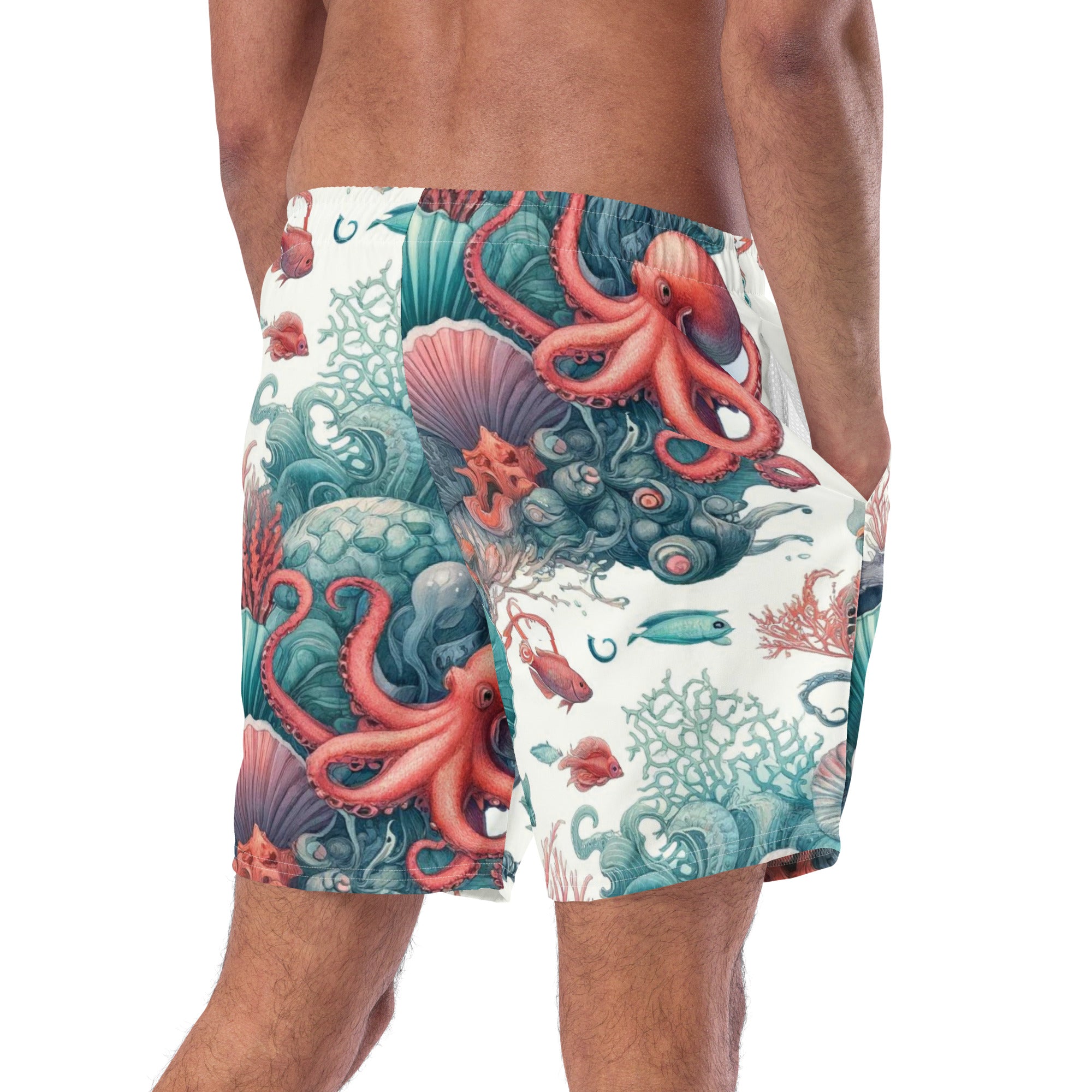
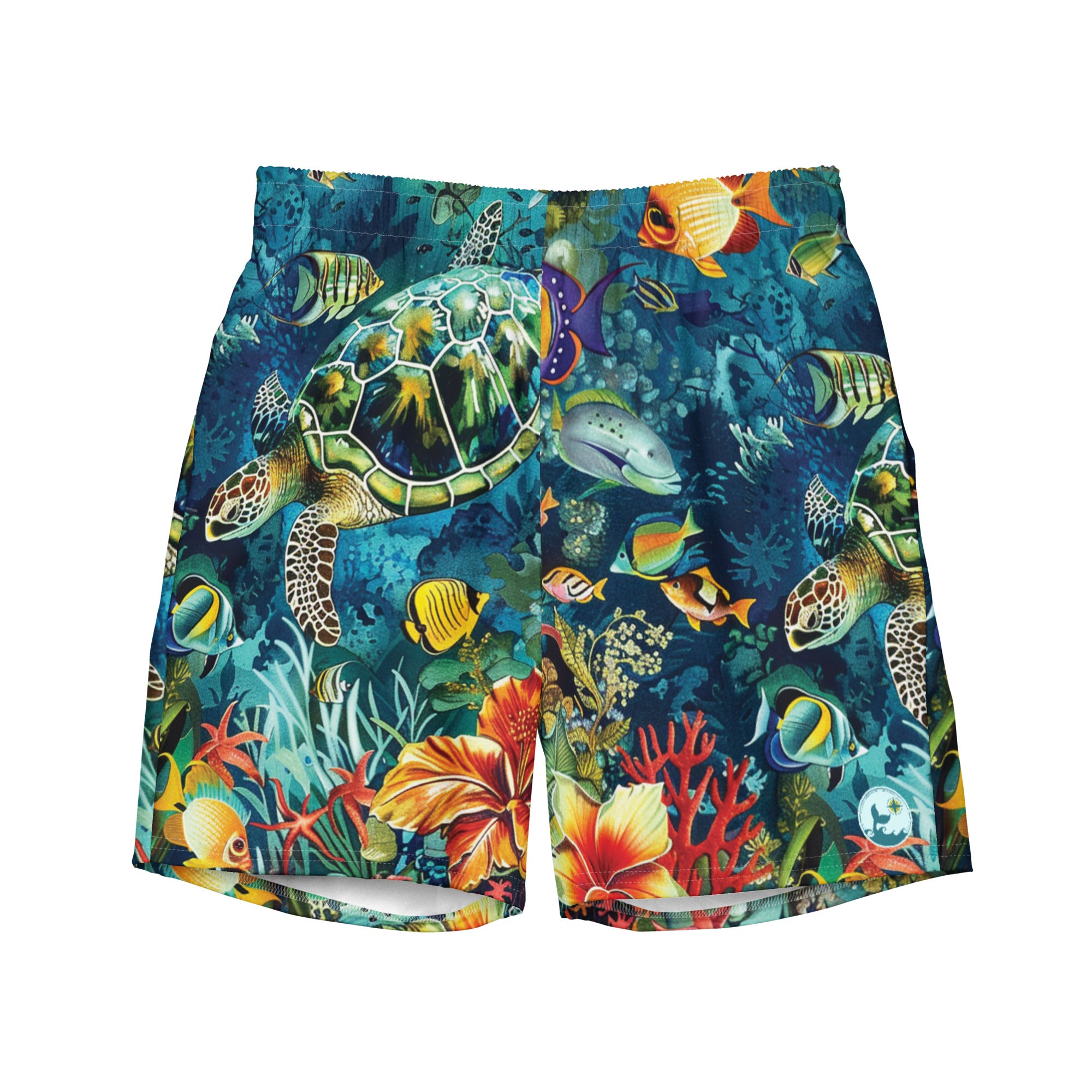
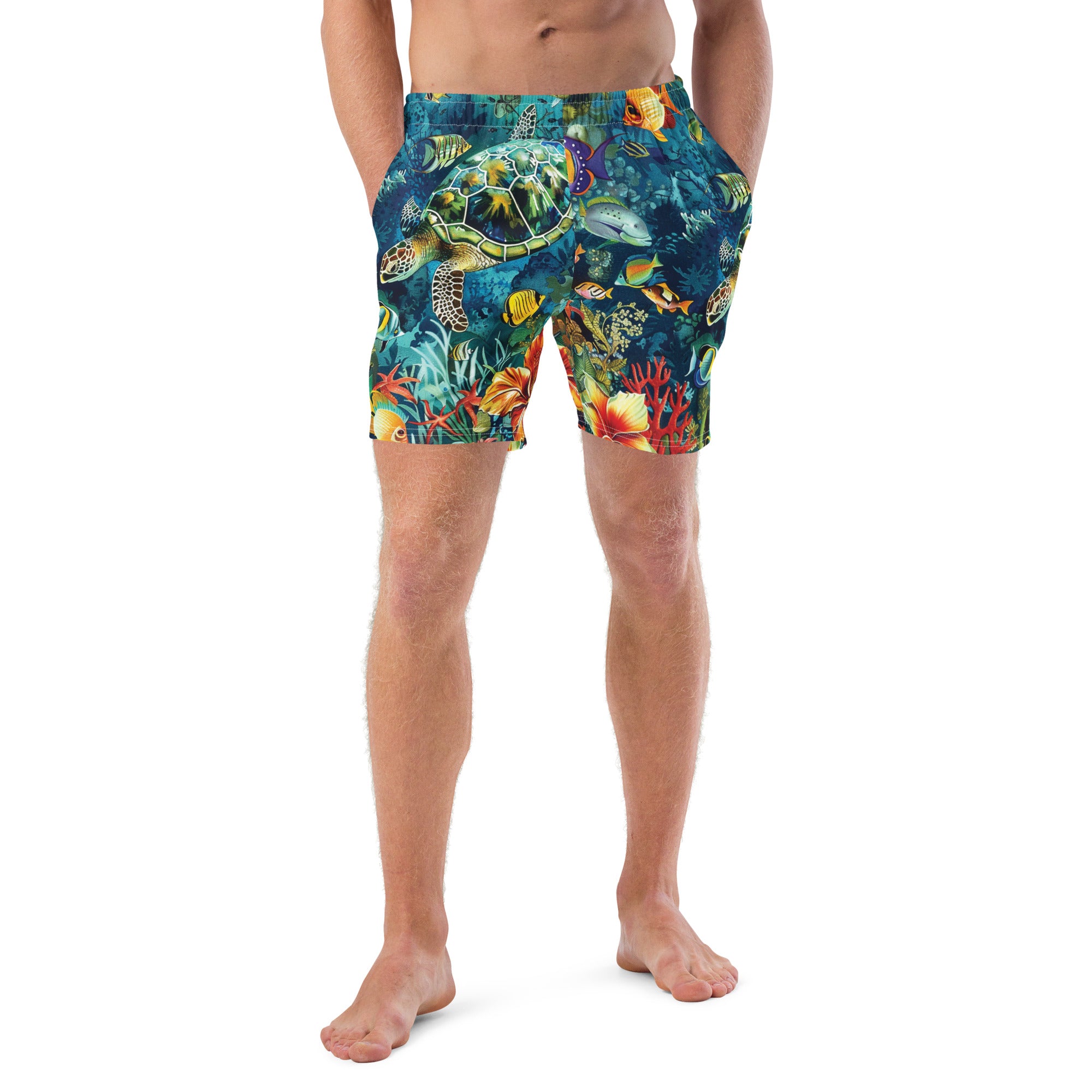
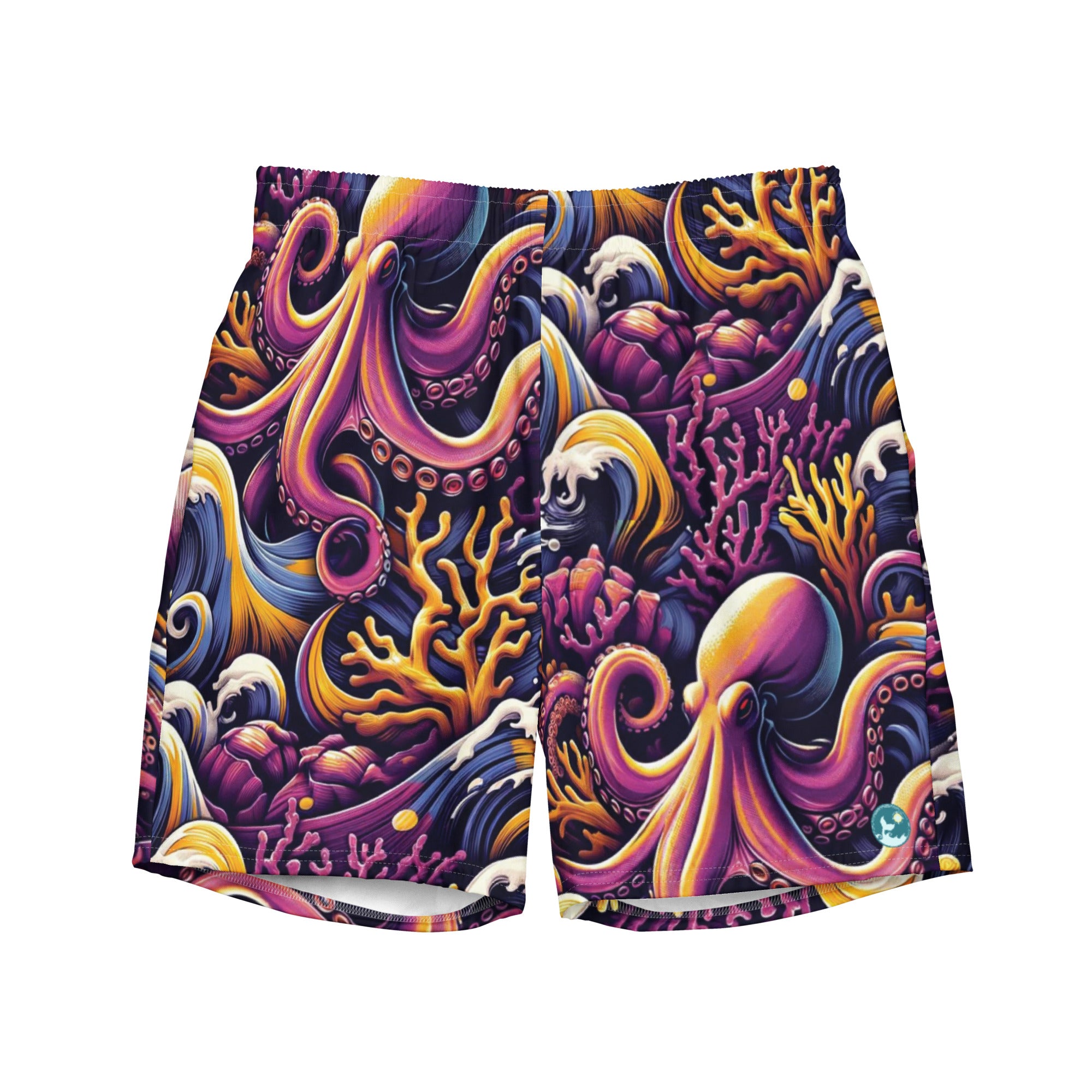
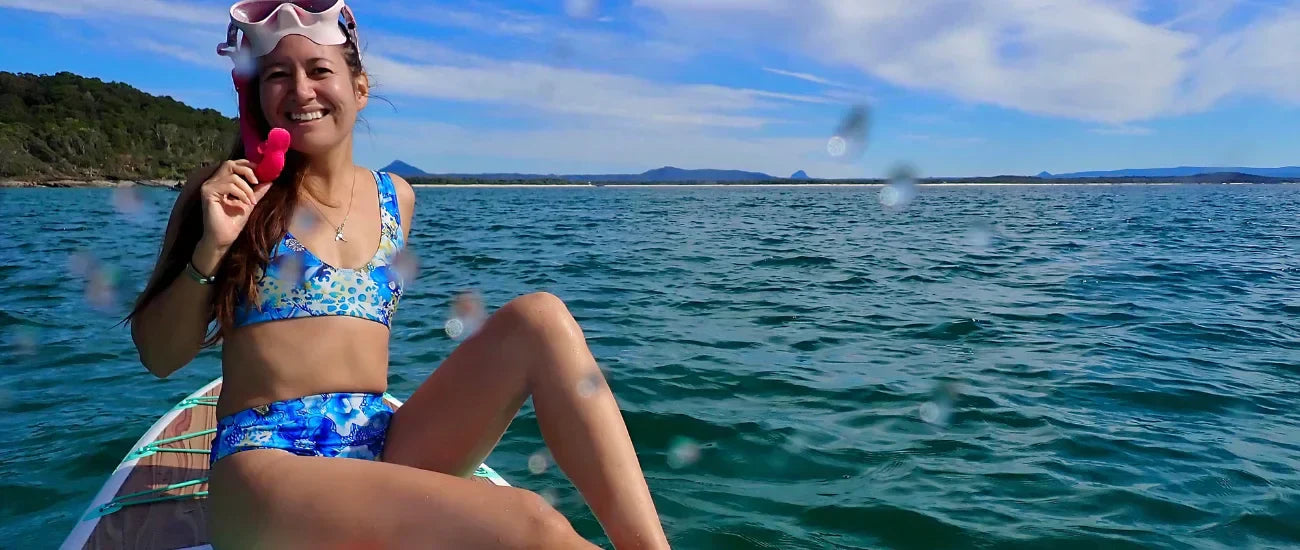
At The Dive Compass, we build dive wear that:
- Reduces sunscreen use.
- Is made from recycled materials.
- Helps fund coral restoration.
Because loving the ocean should include showing up for it.
















































Leave a comment
This site is protected by hCaptcha and the hCaptcha Privacy Policy and Terms of Service apply.