

5 Ocean Creatures Every Diver Dreams of Seeing (And Where to Find Them)
There's a moment on every dive where time stops.
Not literally. But you know the feeling. You're descending, equalized, breathing slowly, and then something moves in the blue just beyond your visibility range. Your brain does that thing where it simultaneously says stay calm and please let that be what I think it is.
I've been diving long enough to have had that moment with some of the most extraordinary animals on the planet. And every single time, whether it was my first whale shark or my twentieth turtle, it hit exactly the same way.
This is my list. Five creatures that stop time underwater. Where to find them, what the science says about why they matter, and what it actually feels like to share water with them.

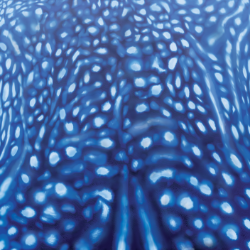
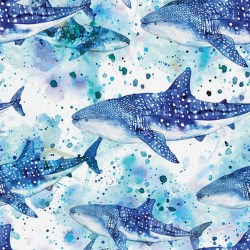
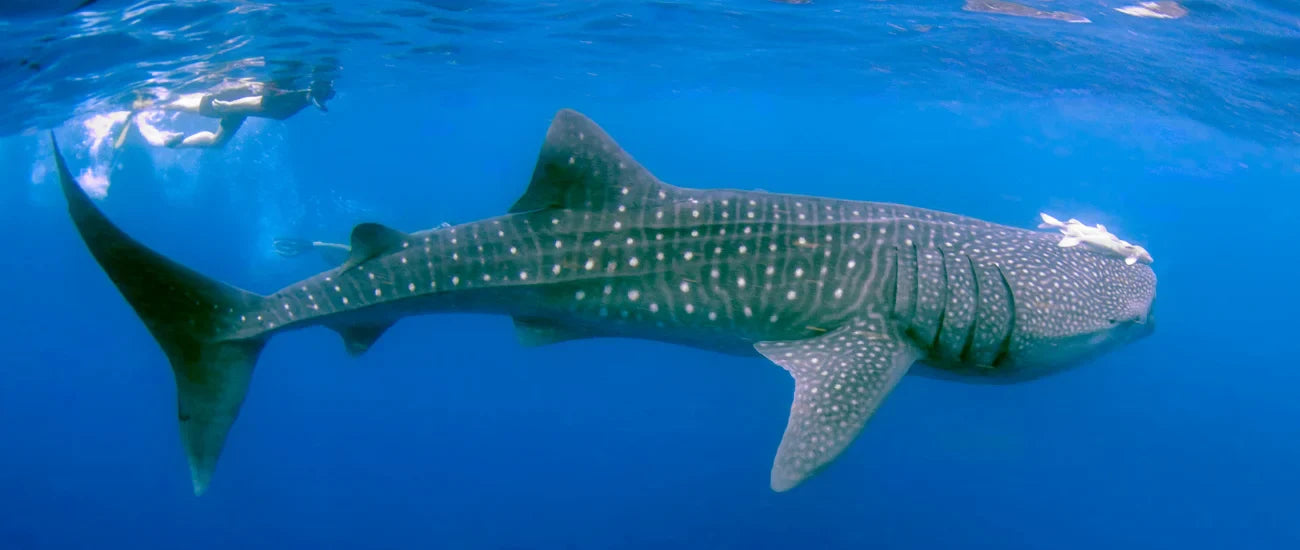
1. The Whale Shark — Rhincodon typus
The largest fish on earth. The most humbling encounter in diving.
I saw my first whale sharks in the Similan Islands, Thailand, during my Advanced Open Water course, of all things.
I didn't fully understand what was happening at first. Two whale sharks appeared in the blue and the entire dive group, instructors, divemasters, experienced divers, completely lost their composure. The excitement was electric even underwater. People were pointing, grabbing each other's arms, doing that wide-eyed look through their masks that only happens when something truly extraordinary shows up.
That reaction told me everything I needed to know about how special the moment was.
The sharks themselves were enormous. Slow. Completely unbothered by us. They moved through the water with that quiet authority that only comes from being the largest fish in the ocean and knowing it. I floated there and watched them until they disappeared back into the blue, and I remember thinking: I need to spend the rest of my life trying to see that again.
Here's the honest part of that story: I've been trying ever since. I went to the Maldives specifically during whale shark season. I've done countless dives at sites known for sightings. And I haven't seen another one since the Similans. That's the thing about whale sharks, their appearance on that dive in Thailand wasn't routine. It was rare. It was a gift. And I didn't even fully know it at the time.
What the science tells us:
Whale sharks grow up to 12 metres, some reaching 18. They're filter feeders, harmless to humans, and classified as Endangered, populations have declined over 50% in the last 75 years from fishing pressure, vessel strikes, and poorly managed tourism. As they feed near the surface their movements drive nutrient cycling and support the plankton blooms that underpin entire food chains.
Where to find them, ethically:
-
Similan Islands & Koh Tao, Thailand
As my own encounter proved, unexpected sightings happen here during liveaboard season; the marine park has strict visitor limits that help protect the ecosystem -
Ningaloo Reef, Western Australia
One of the most responsibly managed whale shark encounters in the world; seasonal aggregations based on natural coral spawning -
Maldives, South Ari Atoll
Year-round sightings in this protected marine area; look for operators affiliated with the Maldives Whale Shark Research Programme -
Isla Holbox, Mexico
June through September aggregations driven by tuna spawning, you can see them from Cancun and Isla Mujeres as well.
One thing worth knowing: not all whale shark encounters are equal. Avoid destinations where sharks are fed or baited. The encounter you'll remember is the one where the animal was completely free.

2. The Manta Ray — Mobula birostris / Mobula alfredi
The ocean's most graceful animal. And proof that patience is the most important skill in diving.
It took me over 100 dives to see my first manta ray.
I want to let that sink in for a moment. Over 100 dives. The first time I dove Komodo National Park, one of the most famous manta destinations in the world, and didn't see one. I dove multiple dedicated manta points across Indonesia and Malaysia. I did shore dives from Maafushi and Fulidhoo in the Maldives, where manta rays are practically synonymous with the destination.
Nothing.
My first manta appeared in Dahab, Egypt, during my Divemaster training. Dahab is a world-class diving destination, famous for the Blue Hole and incredible macro life. It is not known for manta rays. It's not a place you put on your manta bucket list.
And there it was.
I've thought about that encounter a lot over the years. Why Dahab? Why then, after all those dedicated manta dives elsewhere? The ocean doesn't follow your itinerary. It shows you things when it decides you're ready. Or maybe it's just beautifully, chaotically random.
Since that first one in Dahab, I've seen mantas in Komodo during manta season, in the Maldives, in Hawaii, and in Australia. Now that I've seen my first, I seem to see them everywhere. That's not unusual, experienced divers often describe this phenomenon. You don't just develop an eye for marine life. You develop a patience for it.
What the science tells us:
Manta rays have the largest brain-to-body ratio of any fish. They demonstrate self-awareness in mirror tests, a cognitive ability shared with dolphins, great apes, and elephants. Giant oceanic mantas (Mobula birostris) are listed as Endangered; reef mantas (Mobula alfredi) as Vulnerable. They're targeted for gill plates in traditional medicine markets despite zero scientific evidence of medicinal efficacy. A single manta ray generates an estimated $1 million USD in ecotourism revenue over its lifetime versus approximately $500 if caught and sold.
Where to find them:
-
Komodo National Park, Indonesia
Dedicated manta points at Karang Makassar and Manta Alley; best during manta season from February to April. Worth every attempt even if, like me, your first visit doesn't deliver, I can tell you I've been back to Komodo and seen them -
Maldives
Multiple atolls with reliable aggregations, particularly during plankton bloom season May to November -
Kona, Hawaii
Famous for nighttime manta encounters; one of the most reliable manta dives in the world -
Lady Elliot Island, Australia
Reef manta aggregations in the southern Great Barrier Reef

3. The Sea Turtle — Multiple species
Ancient. Unhurried. The calmest presence in any ocean.
Sea turtles have been on this planet for 100 million years. They survived the mass extinction that wiped out the dinosaurs.
I've been lucky enough to dive with them across Indonesia, Egypt, Malaysia, and Thailand, from the reefs of the Red Sea to the islands of Southeast Asia. And here's what I want to tell you about sea turtles: they never get old.
Some marine encounters are bucket list moments that, once achieved, feel complete. Sea turtles are different. Every single one, whether it's my first or my fiftieth, brings that same feeling of quiet. They move through the water with such deliberate calm that you find yourself matching them. Your breathing slows. Your mind stills. It's almost meditative.
I think that's why divers love them so consistently. It's not just about the animal. It's about what happens to you when you're near one.
What the science tells us:
All seven species of sea turtle are listed as Vulnerable, Endangered, or Critically Endangered. Their ecological roles are extraordinary and largely invisible to most people: hawksbill turtles eat sponges that would otherwise outcompete coral; green turtles graze seagrass beds keeping them productive and oxygenated; leatherbacks control jellyfish populations. Remove the turtles and reef ecosystems shift measurably within years.
Sea turtles also navigate using the earth's magnetic field, females returning to the exact beach where they hatched, decades later, accurate to within kilometres. It's one of the most remarkable navigational feats in the animal kingdom.
Where to find them:
-
Indonesia
Virtually every dive destination from Komodo to Raja Ampat to the Gili Islands has resident turtle populations; green and hawksbill turtles in abundance -
Red Sea, Egypt
Particularly around Marsa Alam and the southern Egyptian coast where hawksbills nest on offshore reefs -
Malaysia
Sipadan Island is one of the highest density turtle dive sites in the world; green turtles in extraordinary numbers -
Thailand
Similan Islands and Koh Tao both have reliable resident turtle populations

4. The Hammerhead Shark — Sphyrna spp.
The most spectacular schooling fish in the ocean. And the one I most wish I'd had a camera for.
I've seen hammerhead sharks twice. Once at Gordo Banks in Baja California — a deep seamount dive where large scalloped hammerheads cruise the thermocline in small groups, appearing and disappearing in the blue like something from a fever dream.
And once at Kicker Rock in the Galápagos. Which was something else entirely.
We dropped into the current and the hammerheads were just there — a school of them, moving in slow coordinated circles in the channel between the two rock formations. I have no idea how many there were. Dozens at least. Possibly more. They moved as one entity, turning in perfect synchrony, completely ignoring the small cluster of divers holding position against the current below them.
I didn't own an underwater camera at the time as I was in the backpacking stage of my life and it's one of my great diving regrets. But I've also wondered whether not having a camera meant I was completely, fully present for that twenty minutes. Not composing a shot. Not checking footage. Just watching.
I still think about that school of hammerheads. I probably always will.
What the science tells us:
Hammerheads are apex predators keeping everything beneath them in balance. Their distinctive cephalofoil head shape spreads electroreceptors across a dramatically wider surface area, allowing them to detect electrical fields of prey buried under sand with extraordinary precision. Scalloped hammerheads (Sphyrna lewini) are Critically Endangered, an estimated 73 million sharks are killed for the fin trade annually. Their loss triggers trophic cascades that restructure entire reef ecosystems.
Where to find them:
-
Gordo Banks, Baja California, Mexico
A deep seamount dive for experienced divers; large scalloped hammerheads in the thermocline year-round with peak sightings October through January -
Kicker Rock (León Dormido), Galápagos
One of the most dramatic hammerhead experiences in the world; schooling aggregations in the channel current -
Cocos Island, Costa Rica
Remote, cold, extraordinary; some of the largest hammerhead schools on the planet, only accessible by liveaboard. -
Wolf and Darwin Islands, Galápagos
The most remote and spectacular diving in the archipelago; hammerheads alongside whale sharks, only accessible by liveaboard.

5. The Octopus — Octopoda
The ocean's greatest illusionist. And proof that the most extraordinary things are hiding right in front of you.
Ask divers what their favourite unexpected encounter was and a disproportionate number will say octopus. I understand completely.
I've seen mimic octopuses in Lembeh Strait — the dedicated muck diving destination in North Sulawesi where you spend an entire dive hovering inches above black sand looking for things that don't look like what they are. A mimic octopus impersonating a flatfish, then a lionfish, then a banded sea snake in real time is one of the most genuinely astonishing things I've witnessed underwater. The intelligence behind it is palpable.
But I've also had wonderful octopus encounters in much less expected places — the Red Sea, Komodo National Park, Amed in Bali. The common octopus you find tucked into a reef crevice in the Red Sea is not the exotic headline of the Lembeh mimic. But watch it long enough and it will do something that makes you laugh through your regulator. They're curious. They watch you back.
I once spent twenty minutes watching an octopus in Komodo dismantle a crab with methodical, almost architectural precision, one arm holding, one probing, others braced against the reef. It didn't acknowledge me once. It was entirely focused on lunch.
What the science tells us:
Octopuses have nine brains, one central and one in each arm that can act semi-independently. Three hearts. Blue copper-based blood. They can change colour and texture in 200 milliseconds, faster than any other animal. They use tools. They play. They have distinct individual personalities documented in controlled studies.
They're also keystone predators in reef ecosystems, controlling crustacean and small fish populations while serving as critical prey for eels, dolphins, and sharks. Healthy octopus populations are a reliable indicator of balanced reef health.
Where to find them:
-
Lembeh Strait, Indonesia
The world's premier muck diving destination for exotic cephalopods; mimic octopus, wonderpus, and blue-ringed octopus for those who look carefully -
Amed, Bali, Indonesia
Excellent muck diving with regular octopus sightings on the black sand slopes; more accessible than Lembeh for newer divers -
Komodo National Park, Indonesia
Common reef octopus on the reef walls between the more dramatic current dives; worth keeping an eye on sheltered areas -
Red Sea, Egypt
Common reef octopus abundant throughout the reef systems; one of the more reliably accessible octopus destinations globally
Important safety note: the blue-ringed octopus, found across the Indo-Pacific including Lembeh and Amed and even Melbourne, is potentially lethal despite being golf-ball sized. It's extraordinarily beautiful. Never handle any octopus on a dive. Observe only, always.

Why These Encounters Matter Beyond the Bucket List
Every one of these animals is under pressure.
Whale sharks from vessel strikes and tourism done badly. Mantas from gill plate harvesting for traditional medicine with no scientific basis. Sea turtles from plastic ingestion, bycatch, and beach destruction. Hammerheads from a shark fin trade that kills 73 million sharks every year. Octopuses from habitat degradation and the acidification slowly dissolving the reef systems they depend on.
As a divemaster who has dived across three oceans, I've watched sites change. Species that were common become rare. The silence where sound used to be. A healthy reef has a soundscape, the clicking and crackling of thousands of animals going about their lives. When that sound starts to disappear, you notice.
These encounters are not guaranteed. They're not permanent. They exist right now because enough of the ocean is still intact, and because enough people have cared enough to protect what remains.
The whale sharks I saw in the Similans as a newly qualified Advanced Open Water diver are still out there somewhere. The manta that appeared in Dahab when I'd stopped expecting it. The hammerhead school at Kicker Rock that I watched without a camera and will never forget.
Every choice you make as a diver, the operator you book, the sunscreen you skip, the gear you choose, the brand you buy from, is a vote for whether future divers get to have those moments too.
Carry the Ocean With You
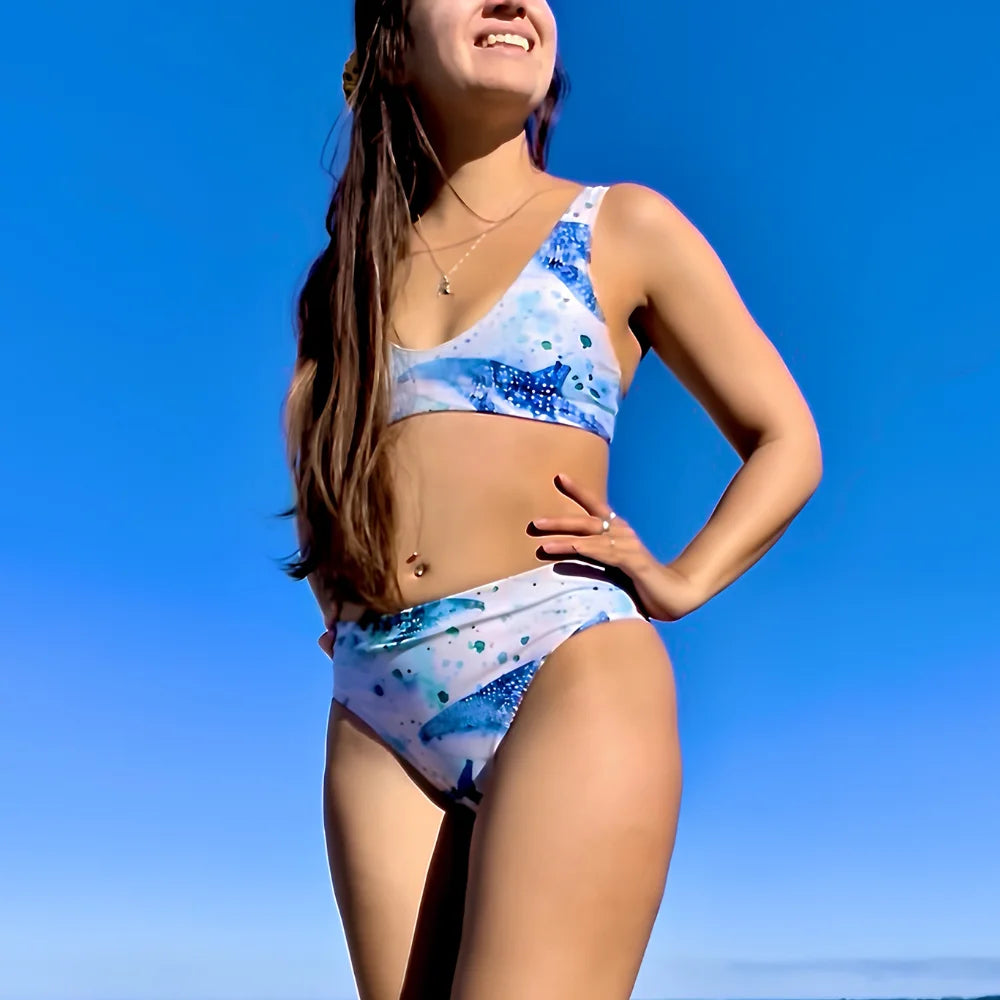
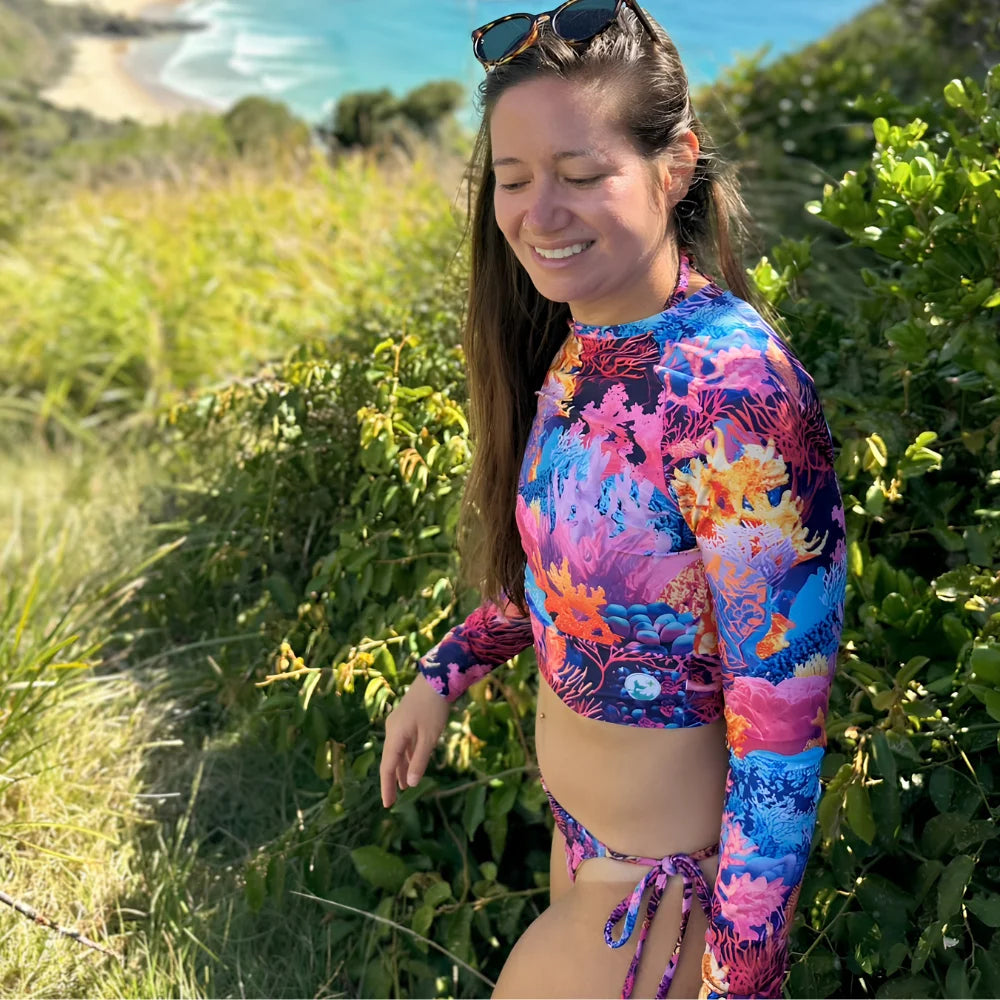
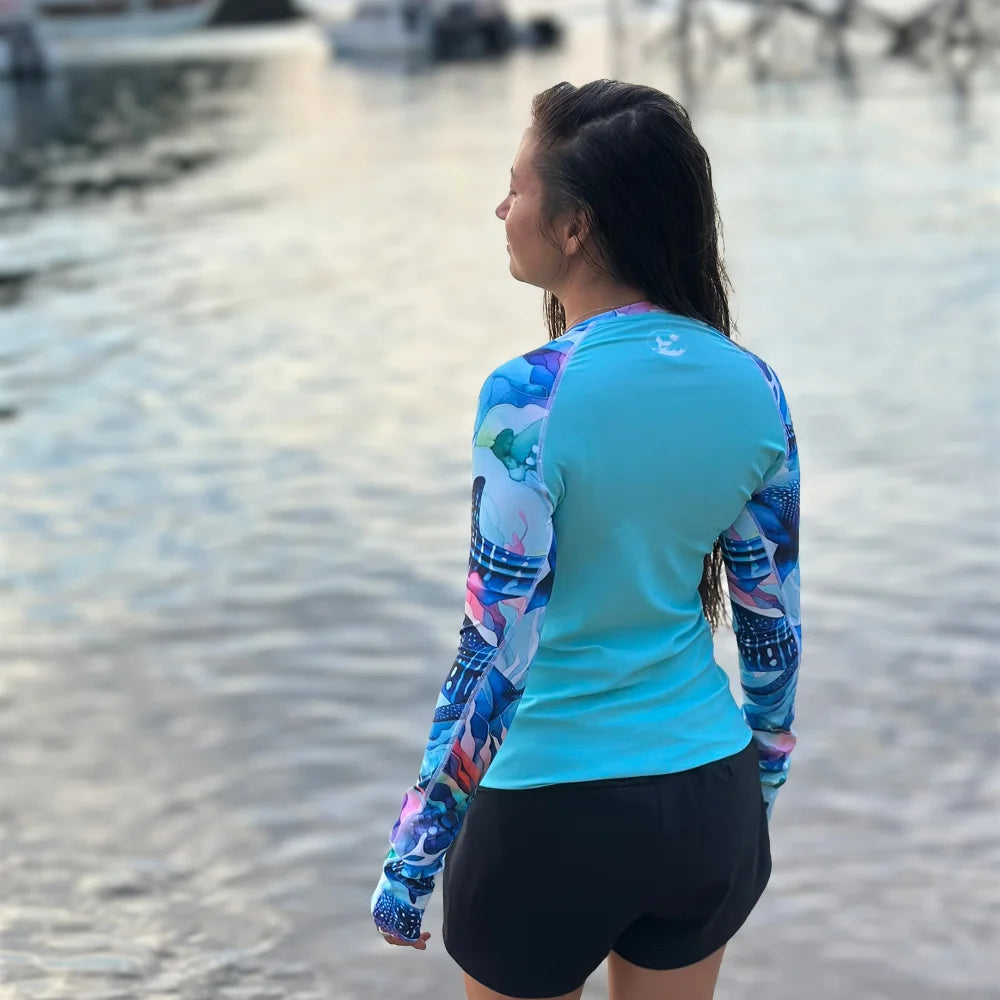
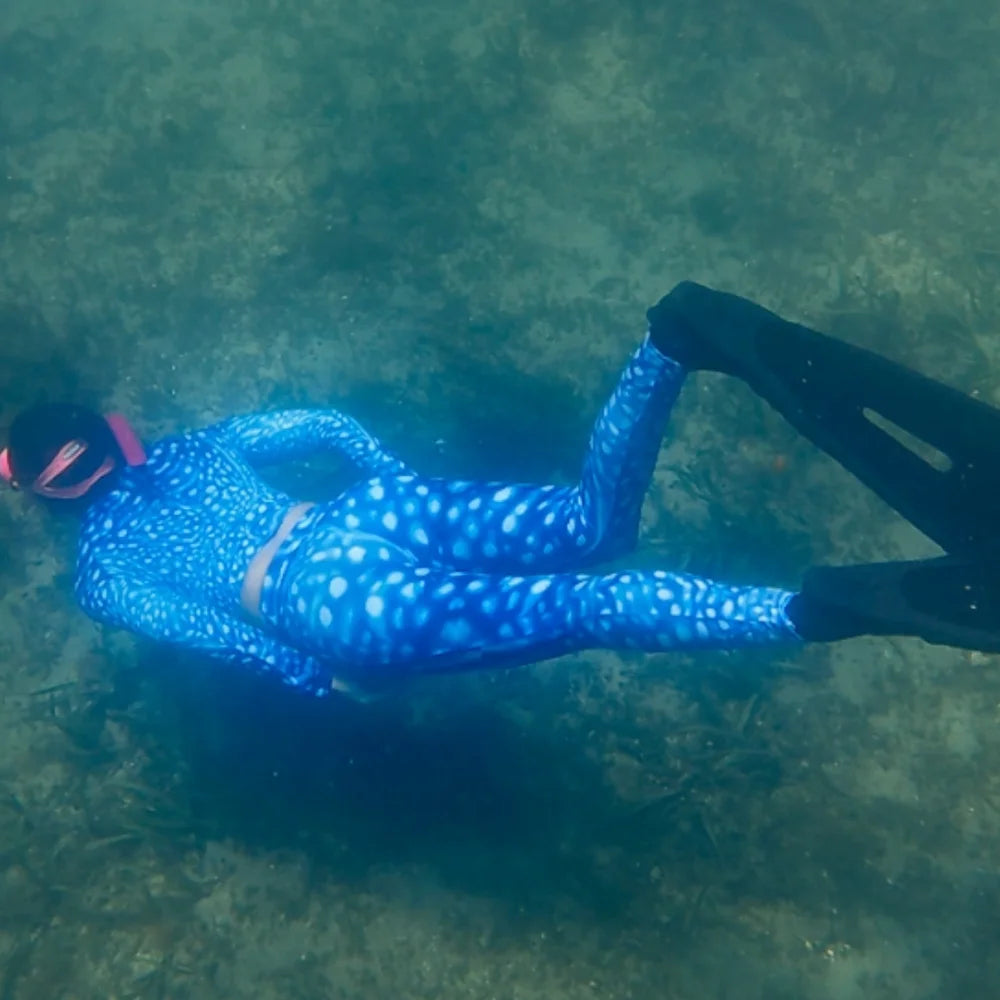
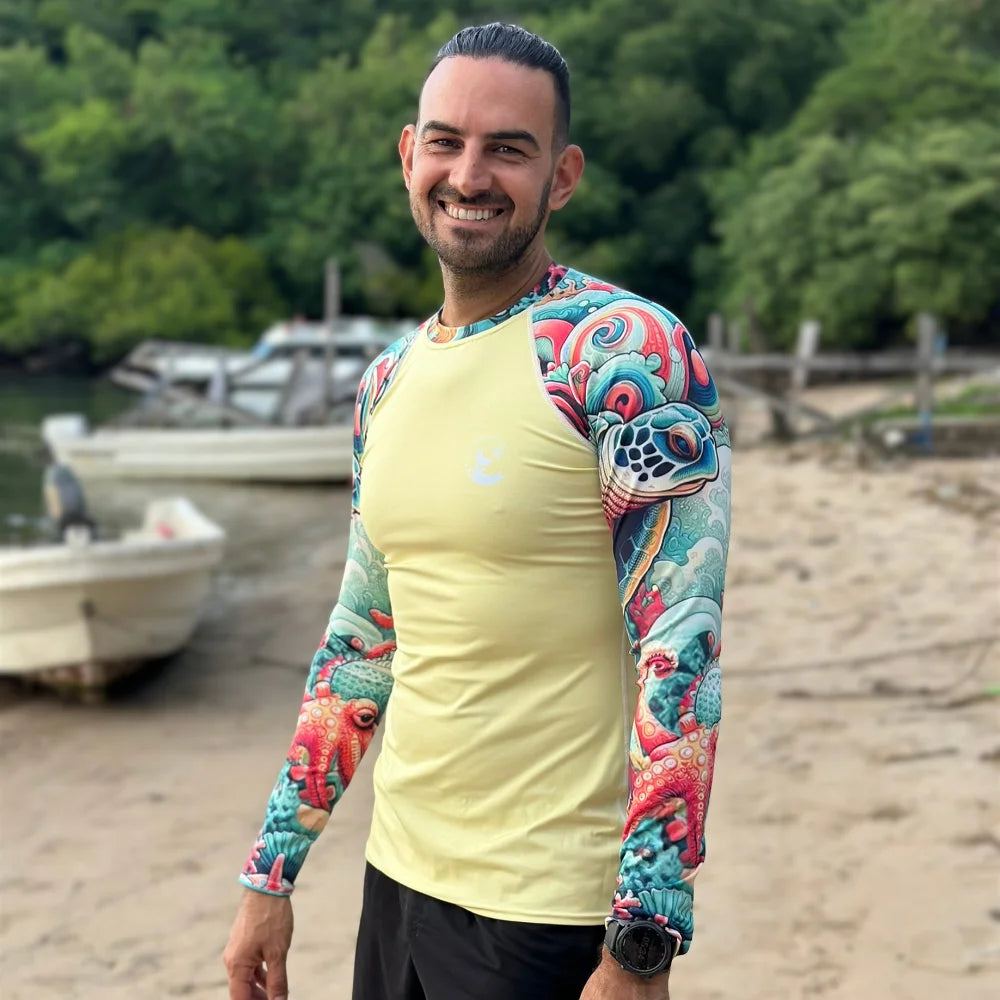
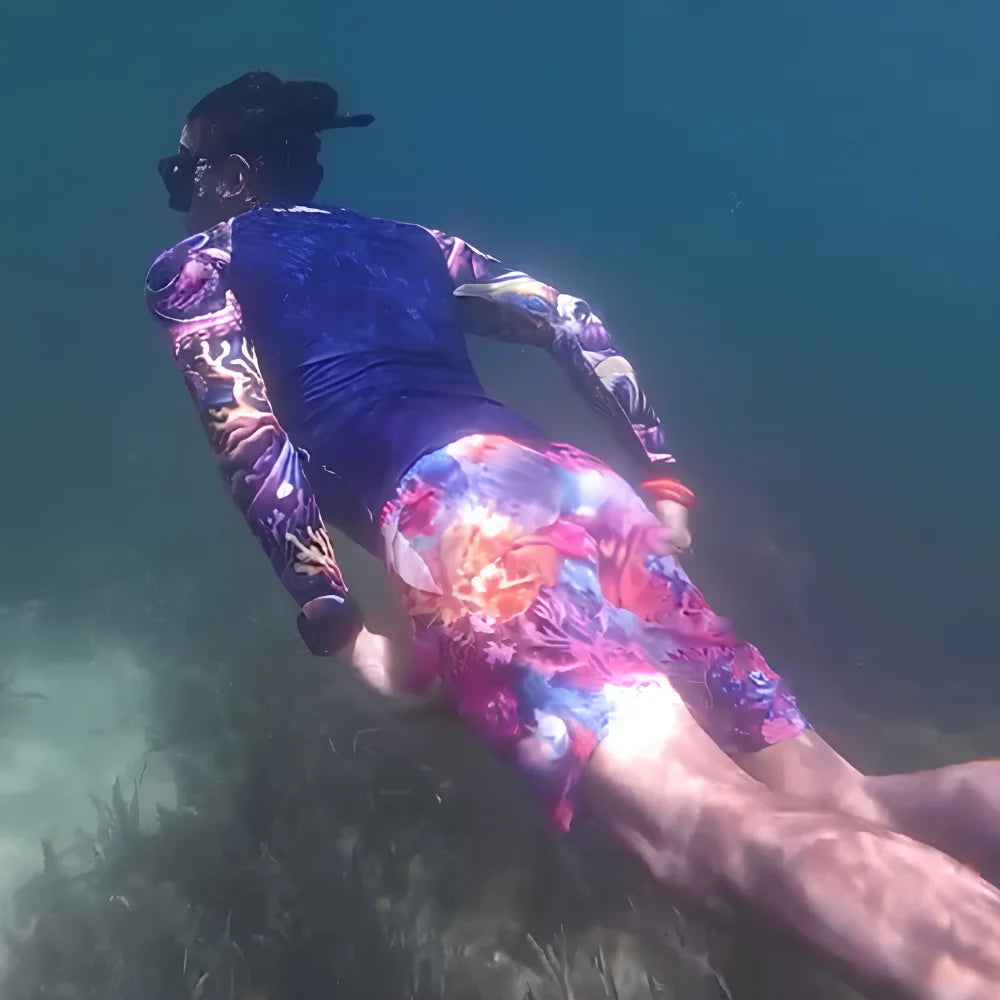
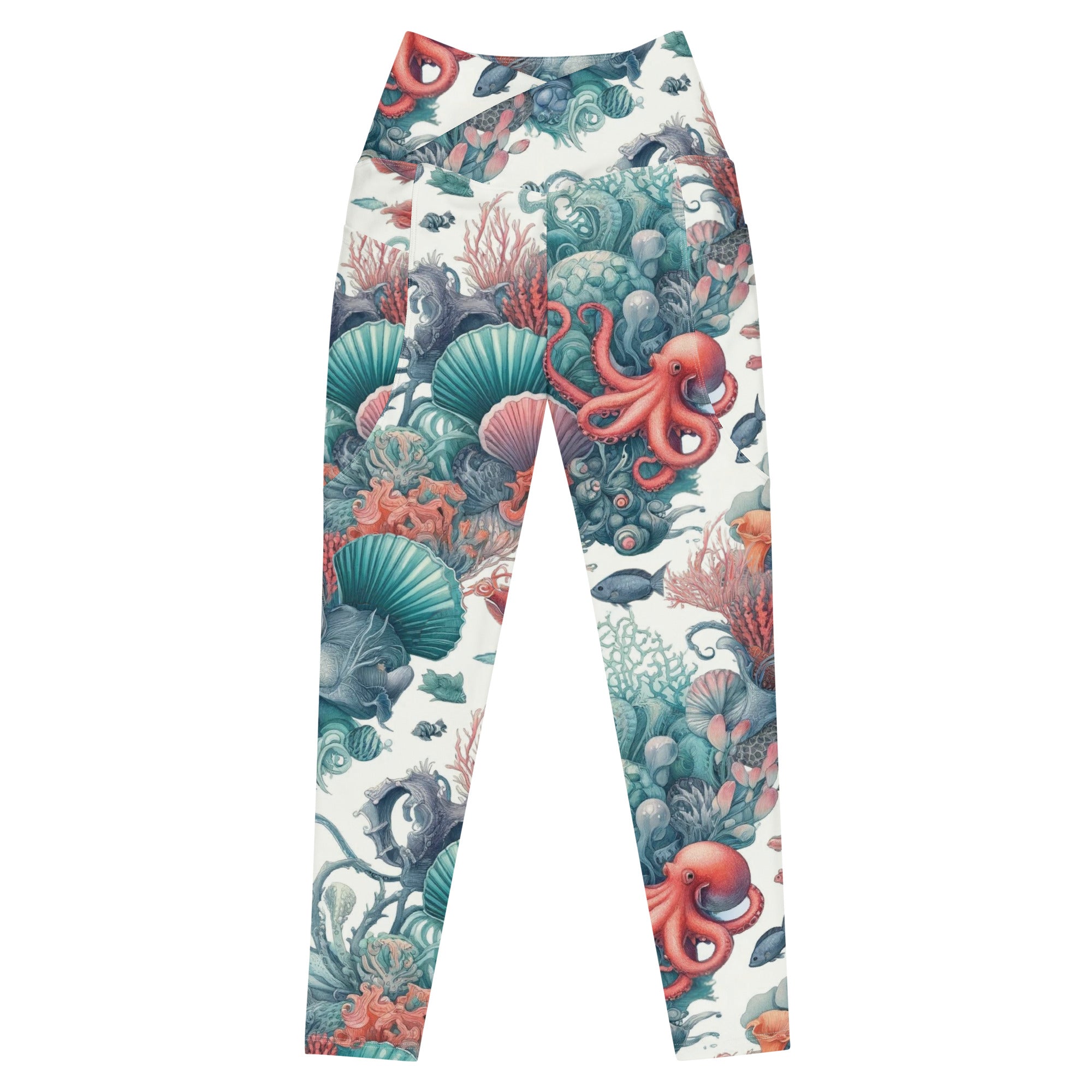
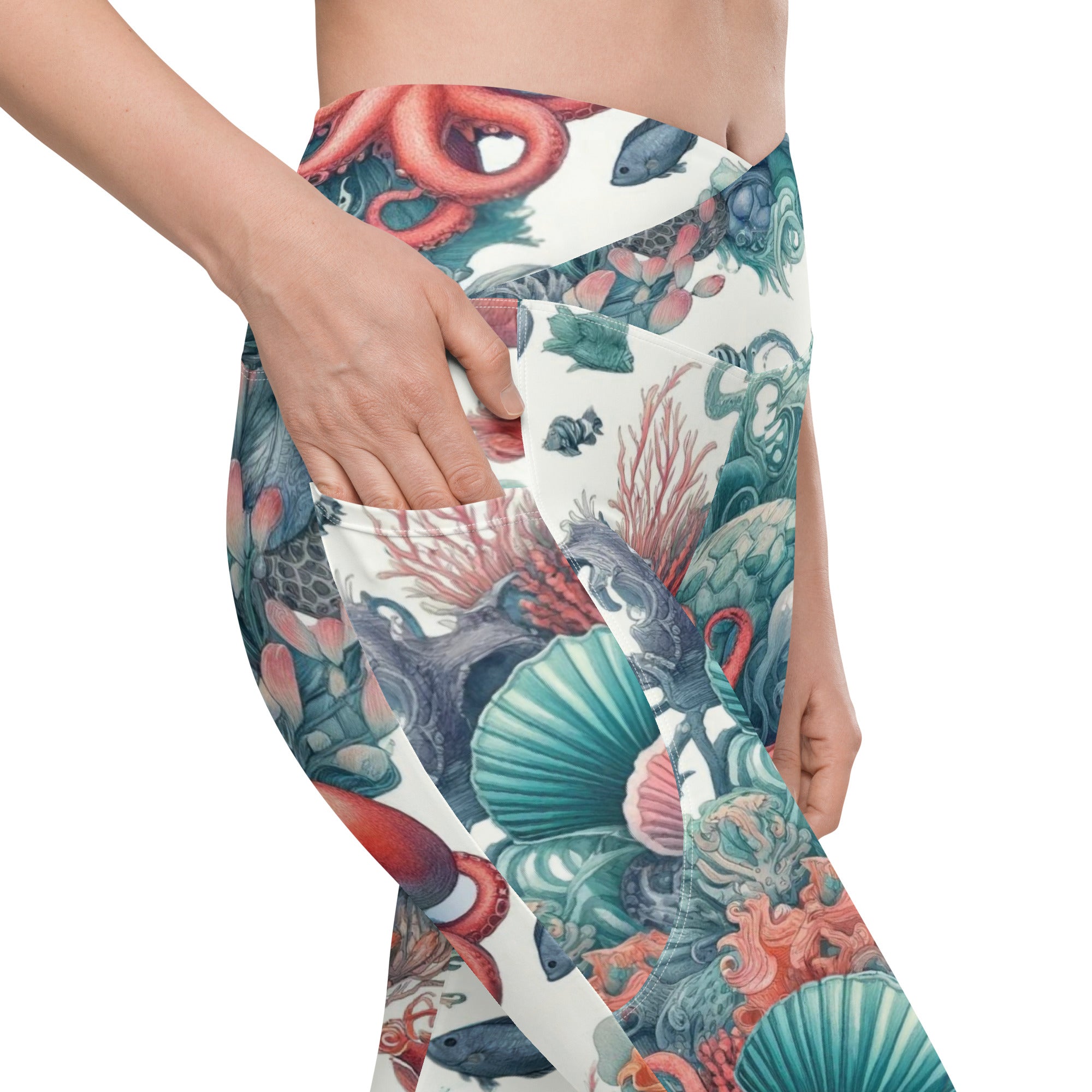
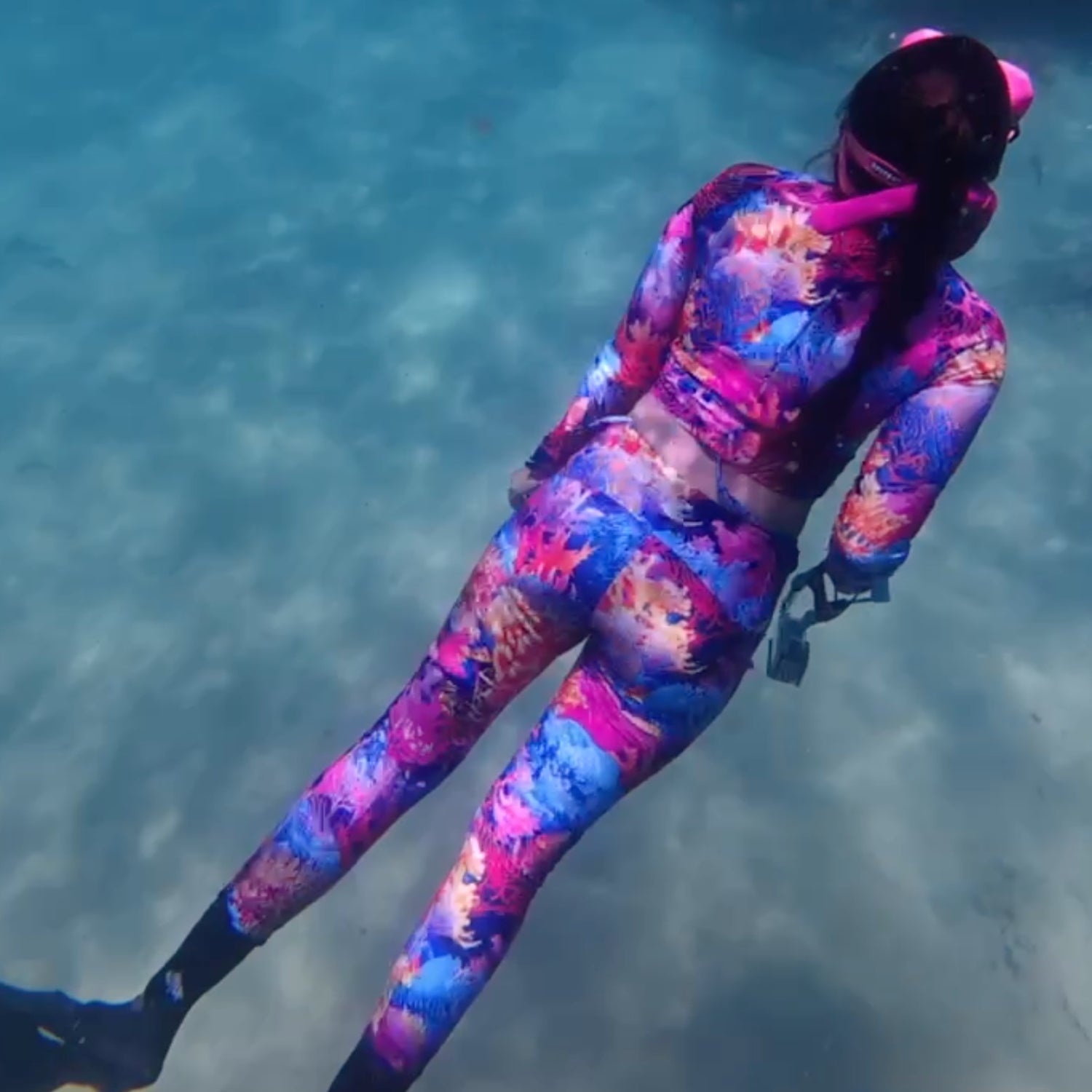
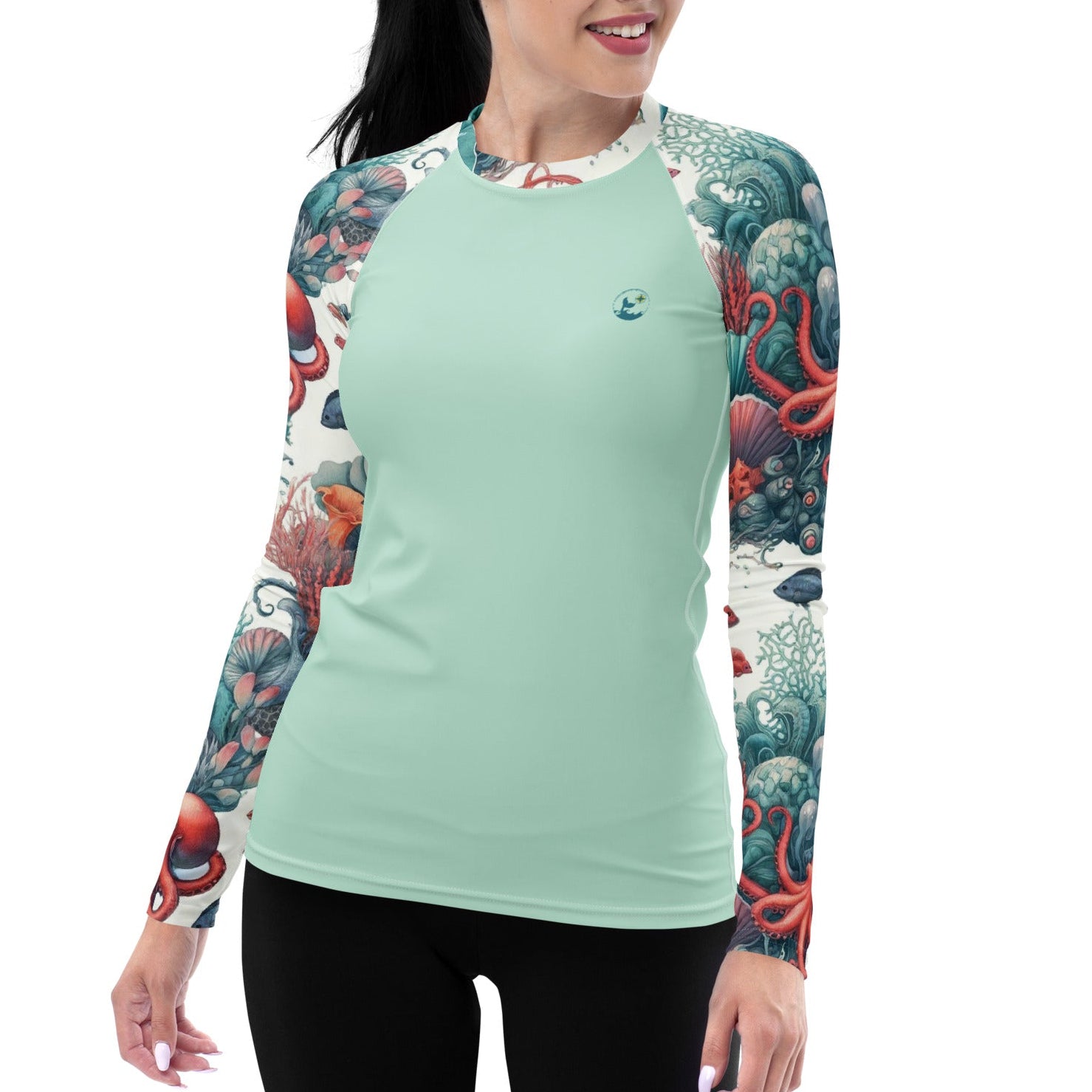
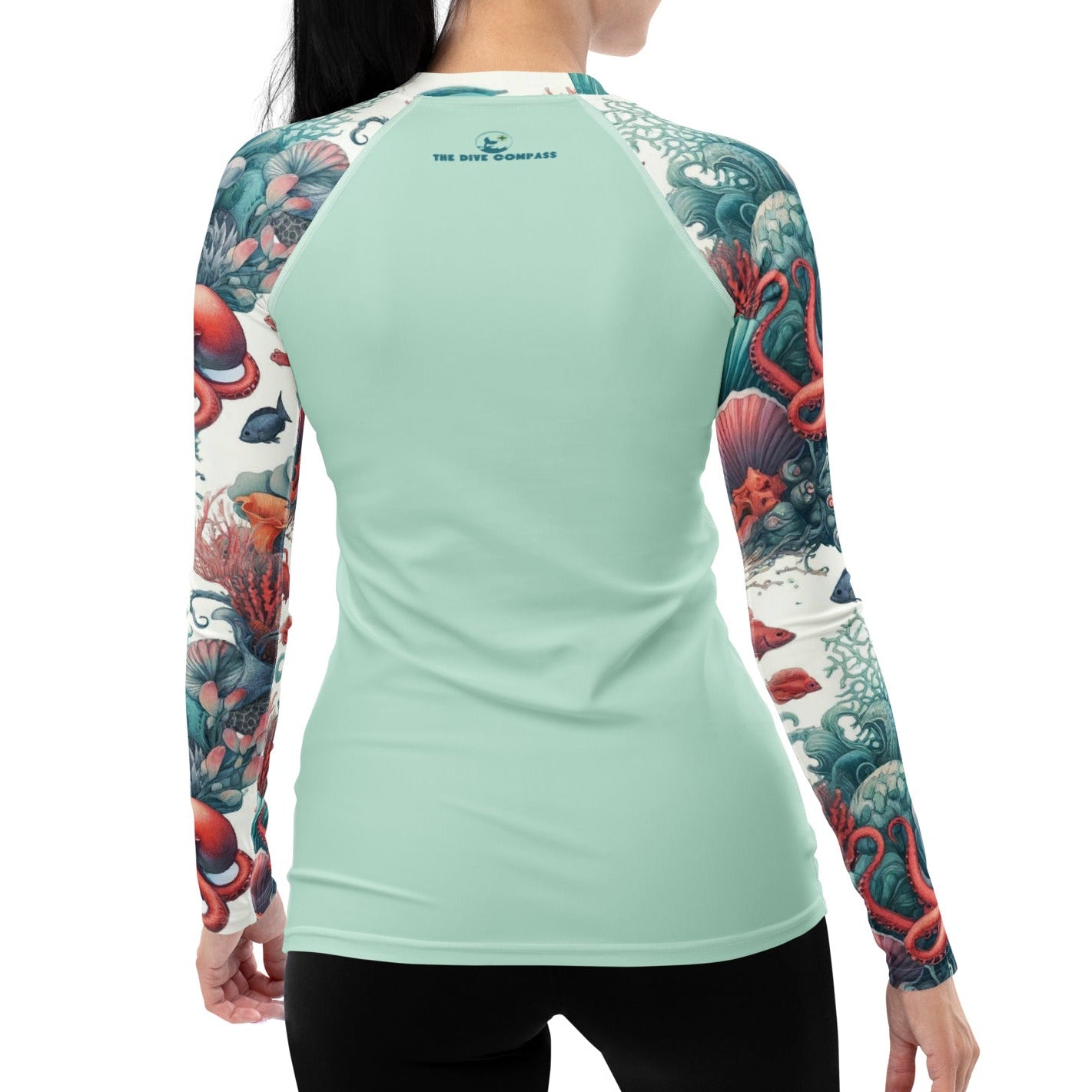
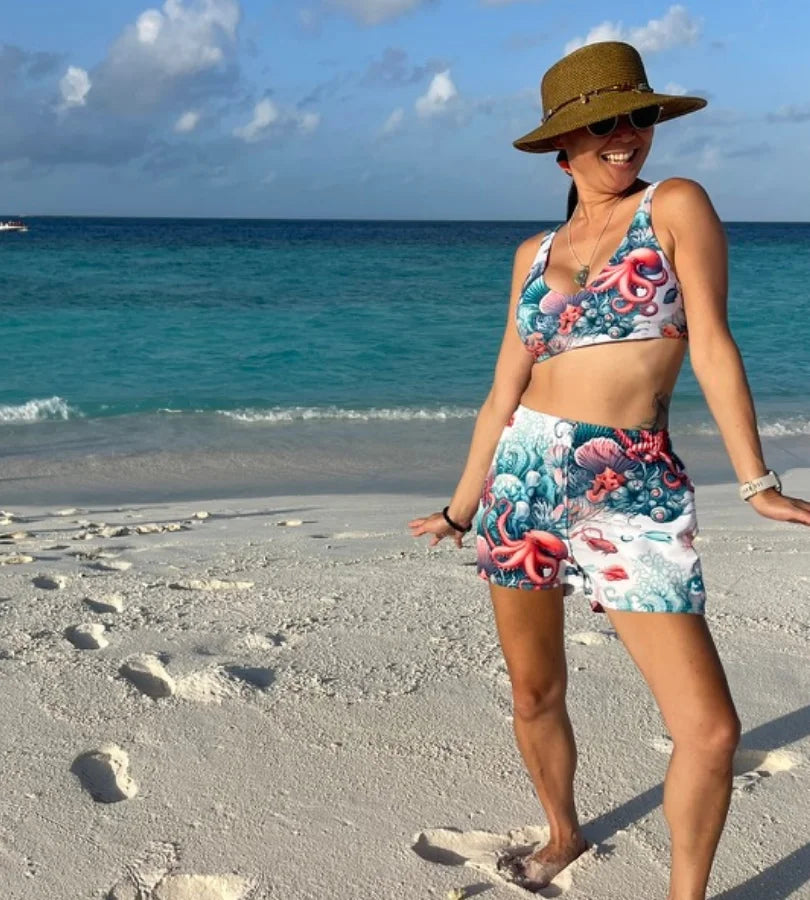
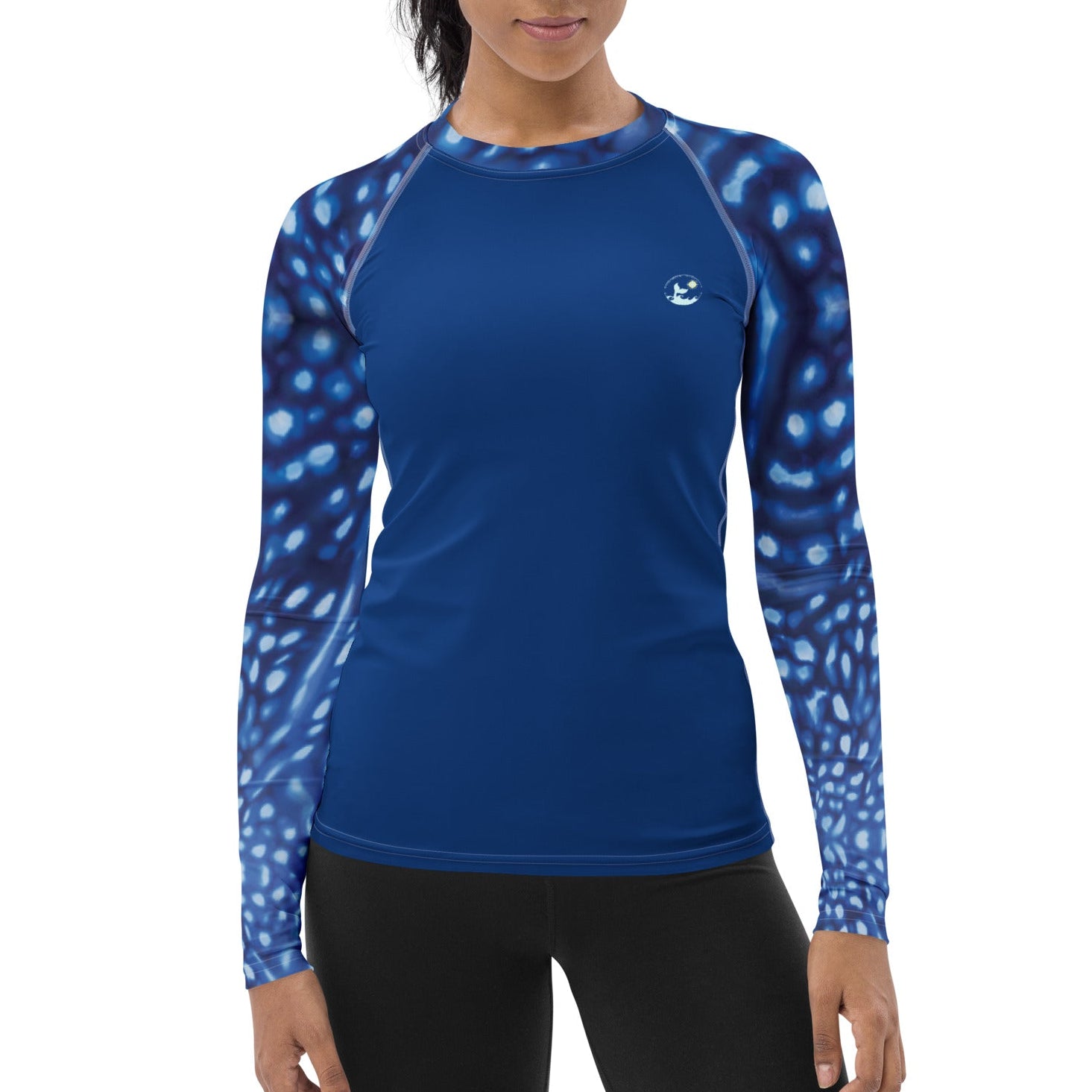
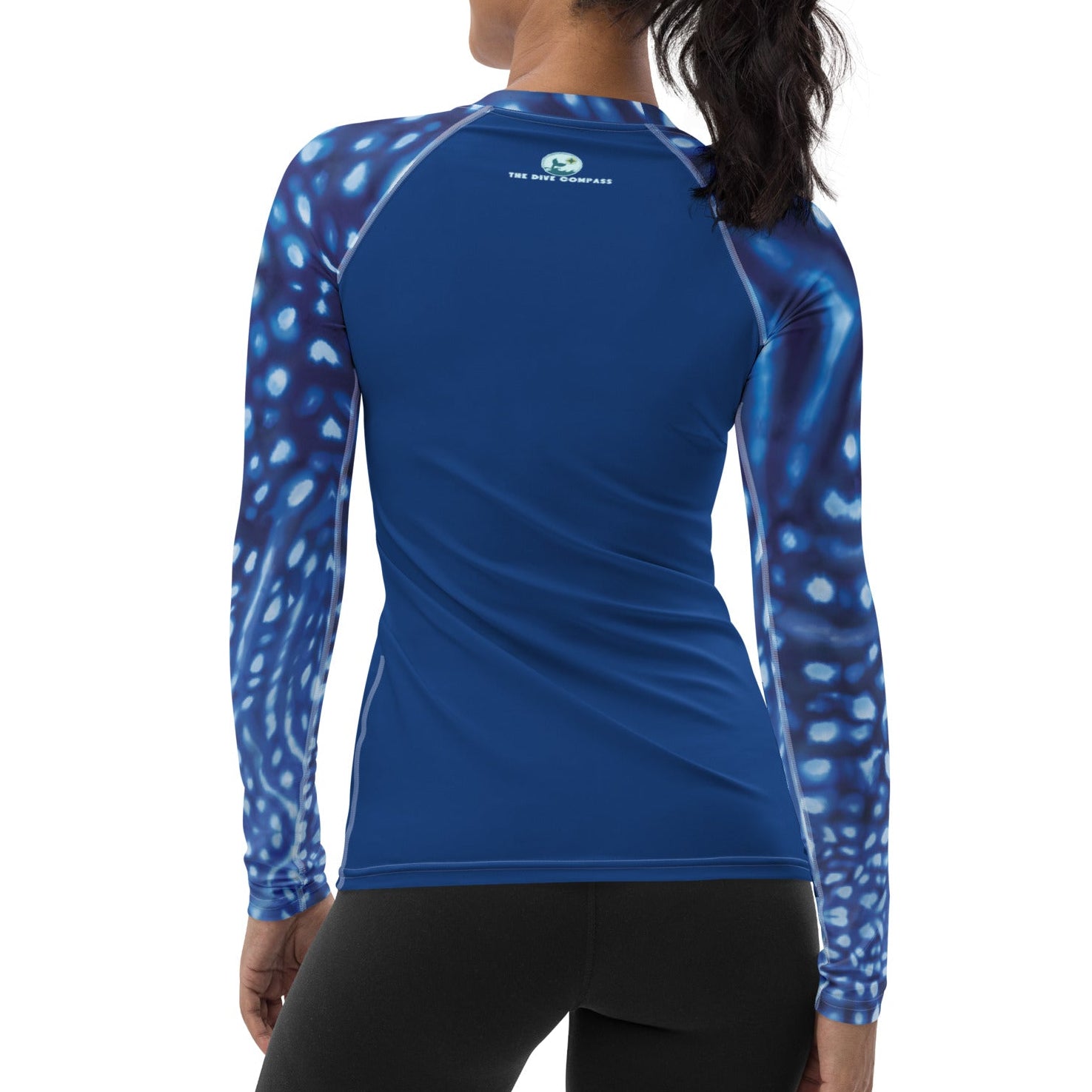
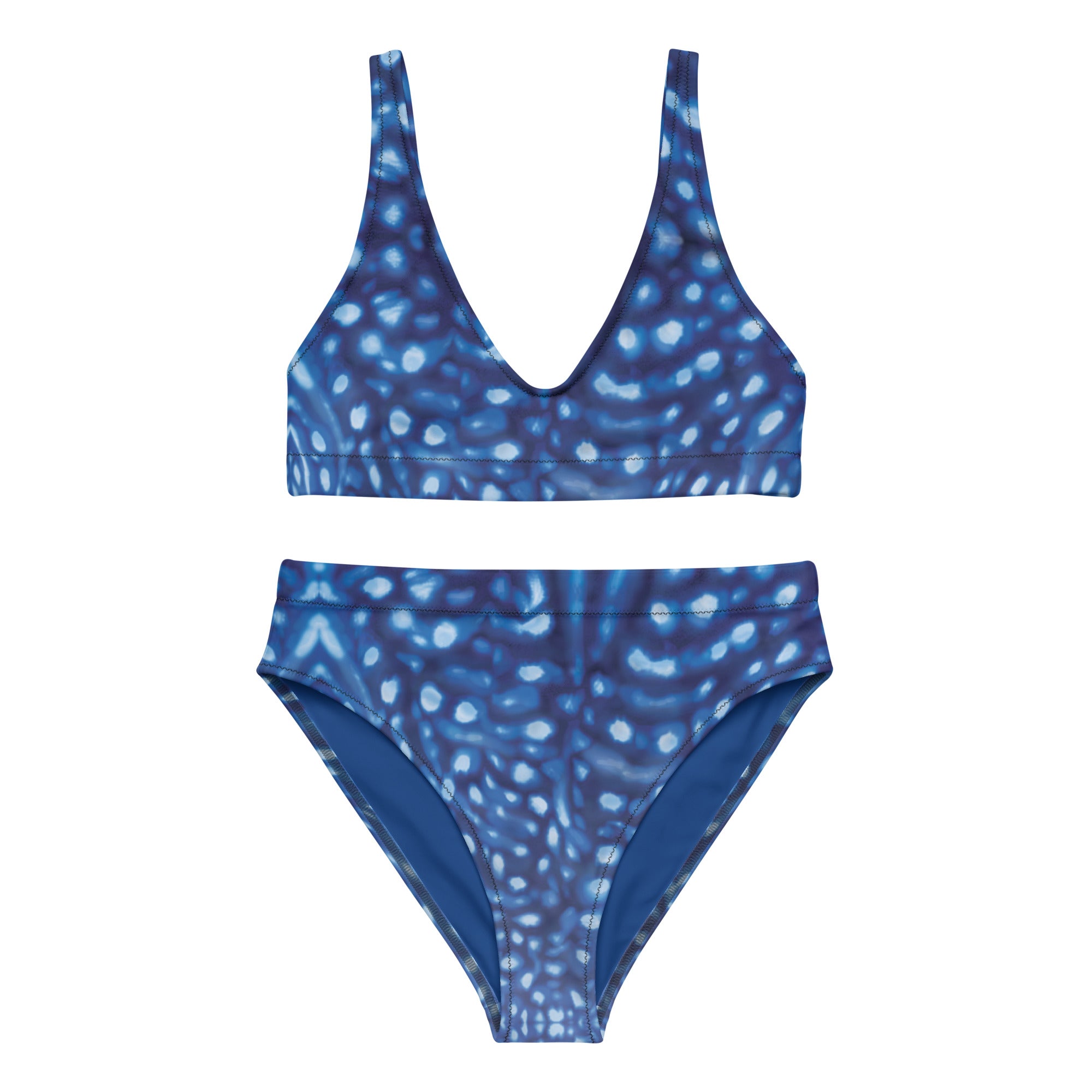
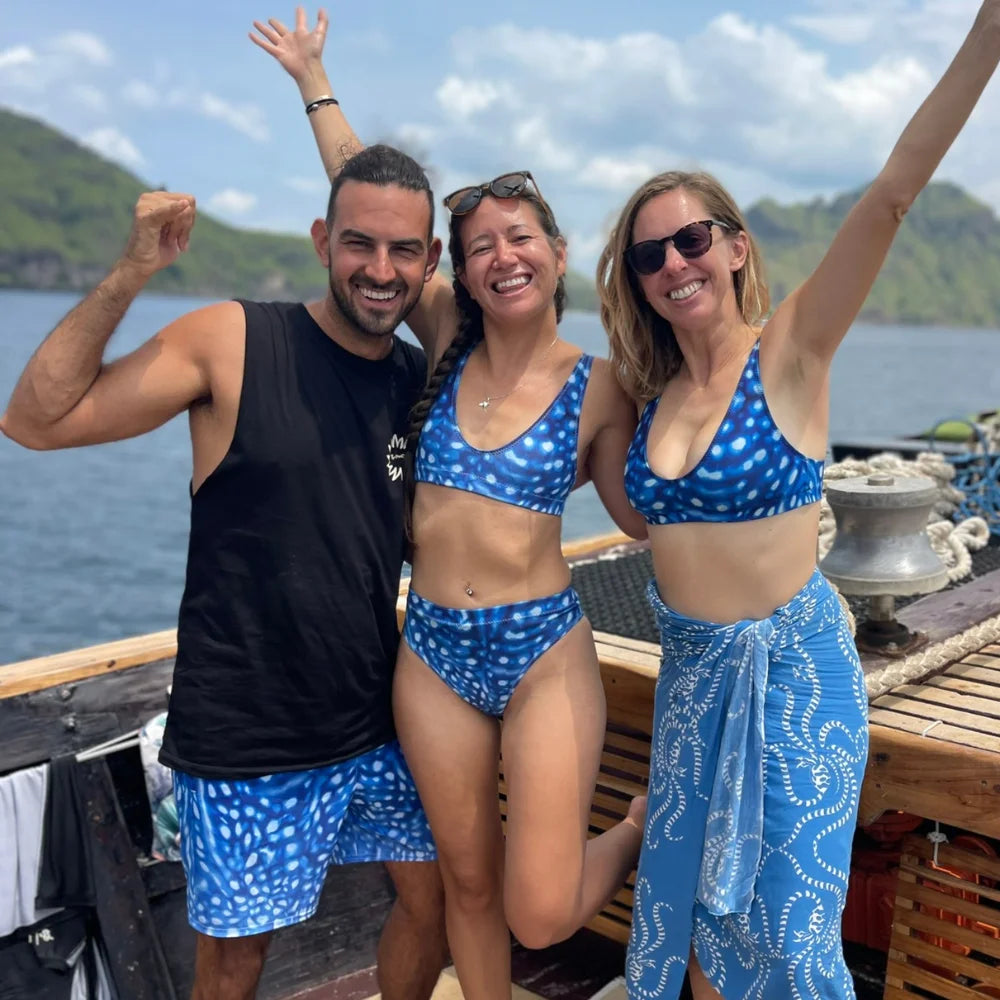
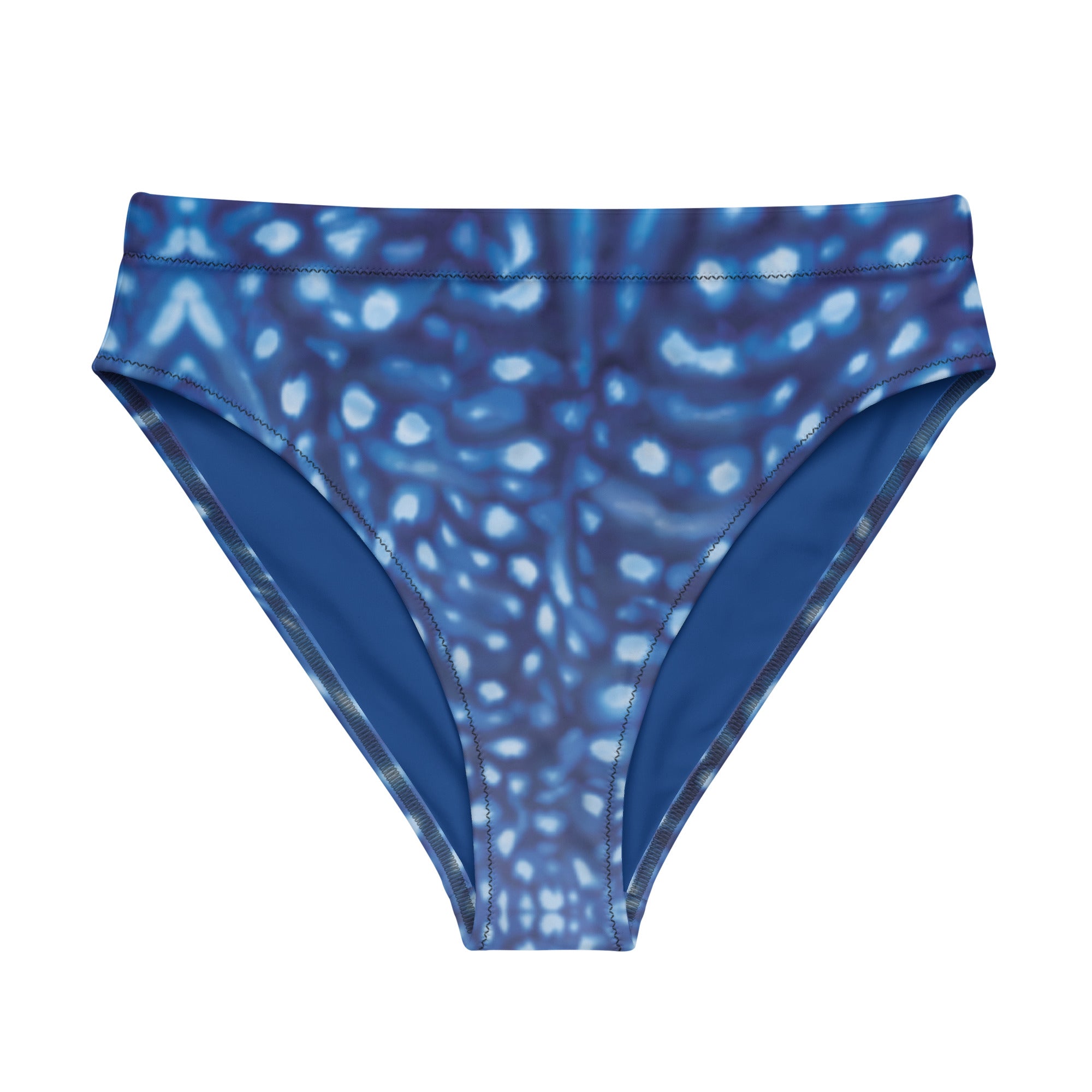
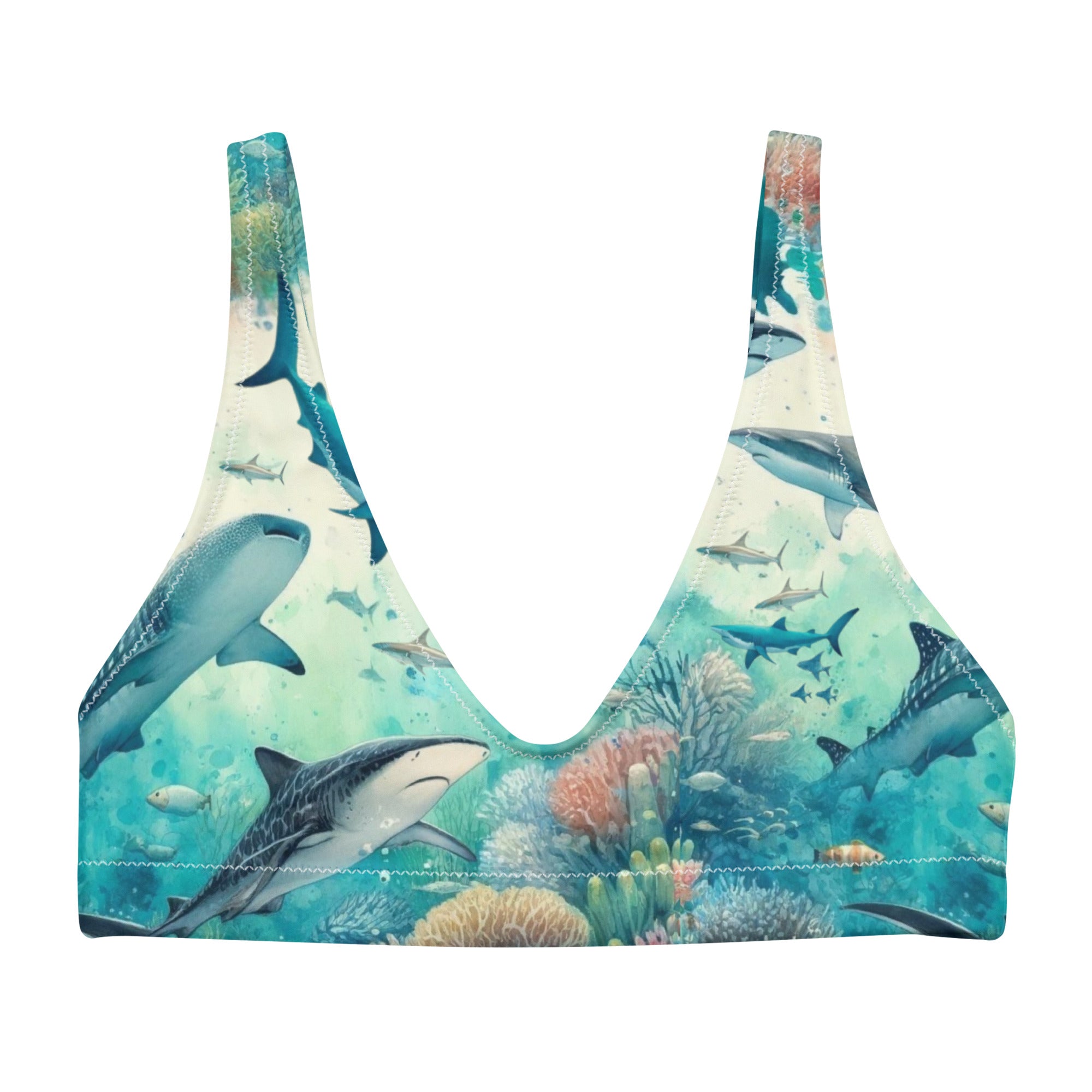
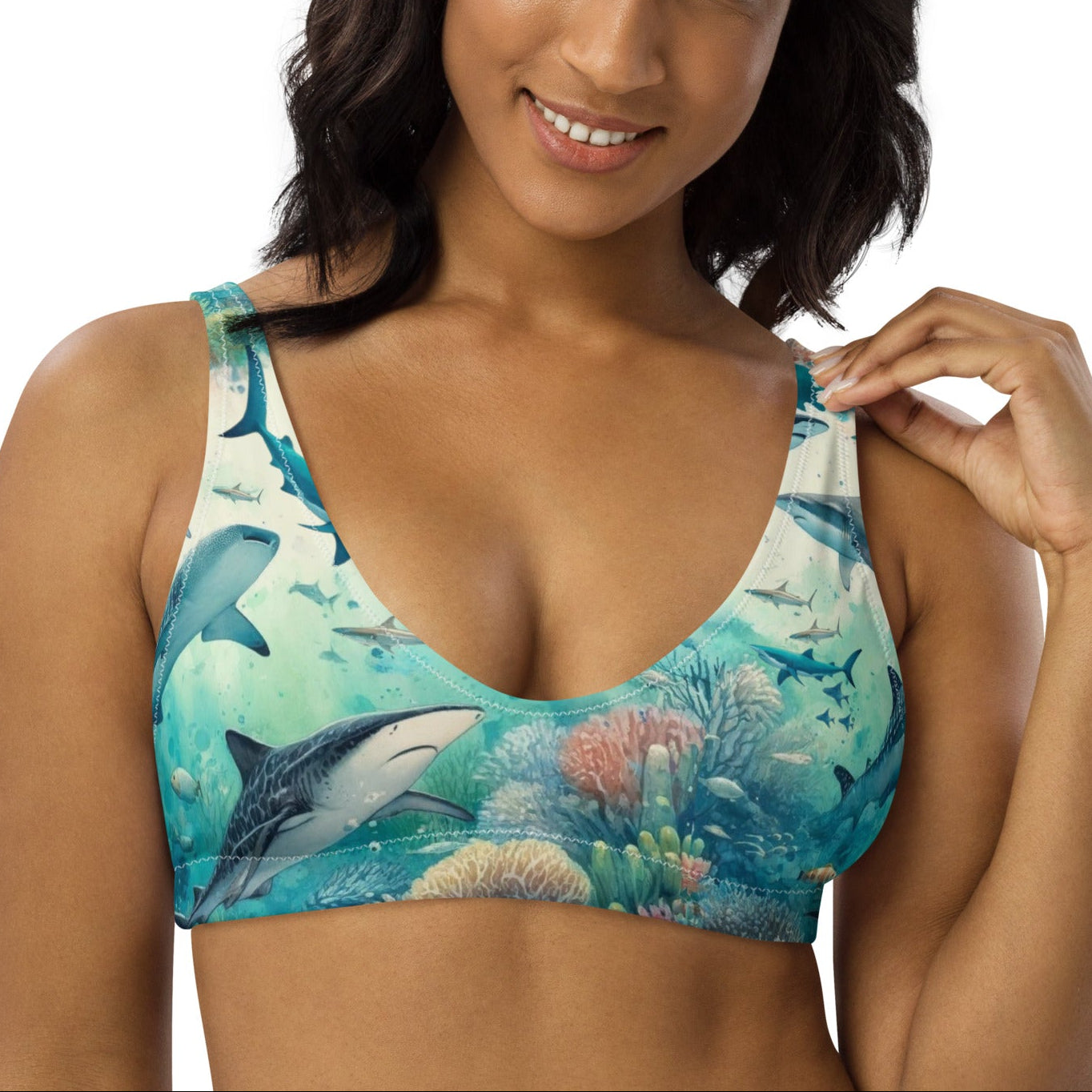
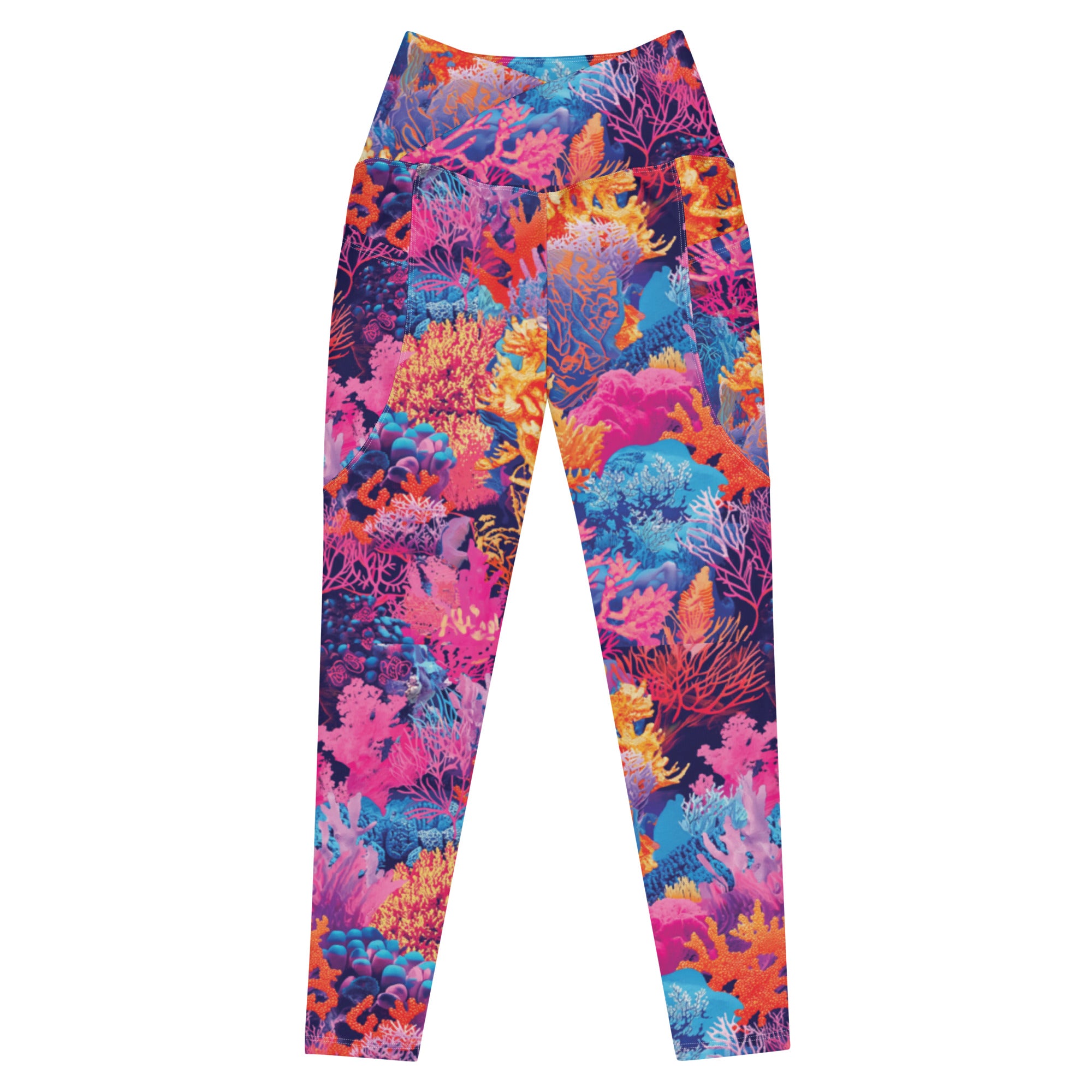
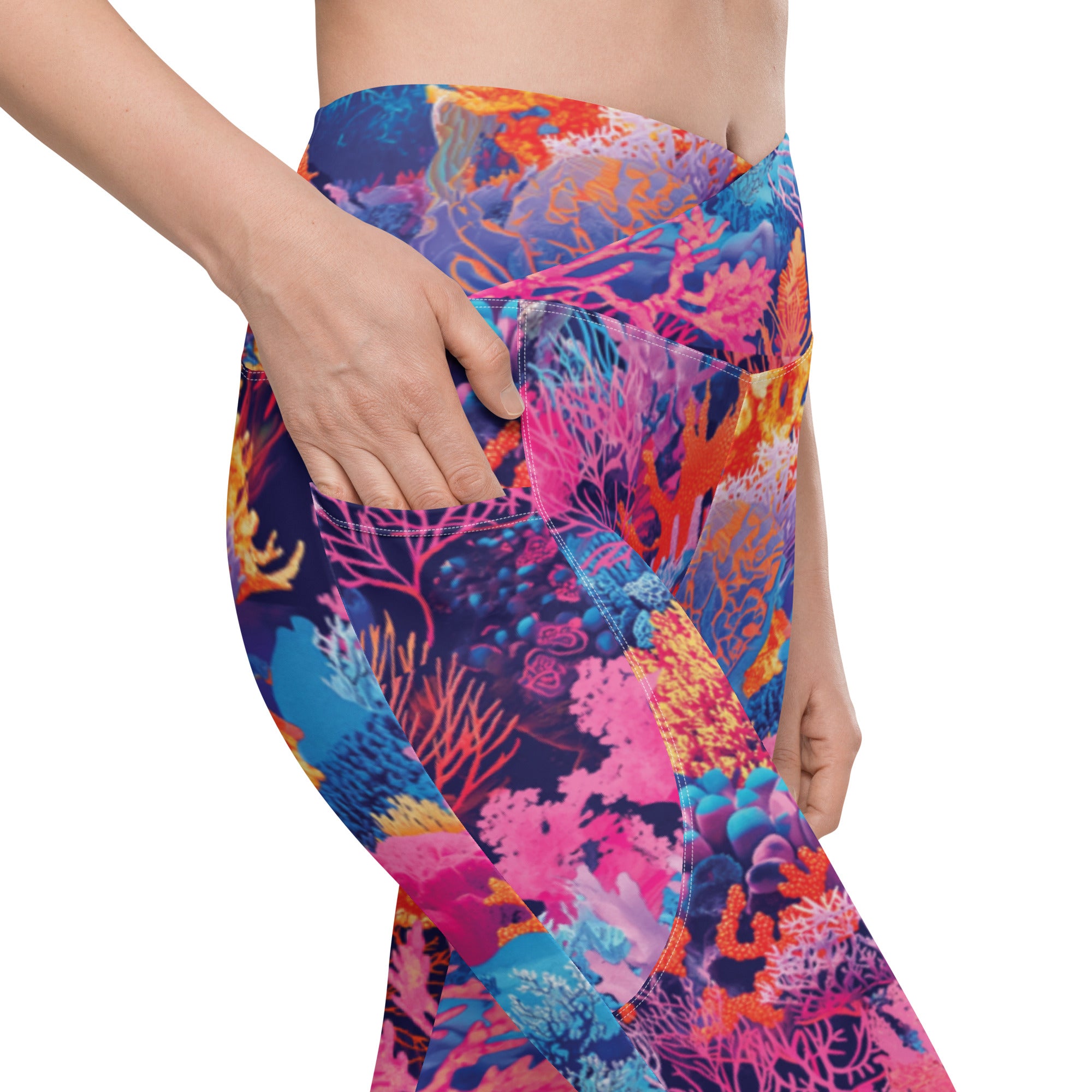
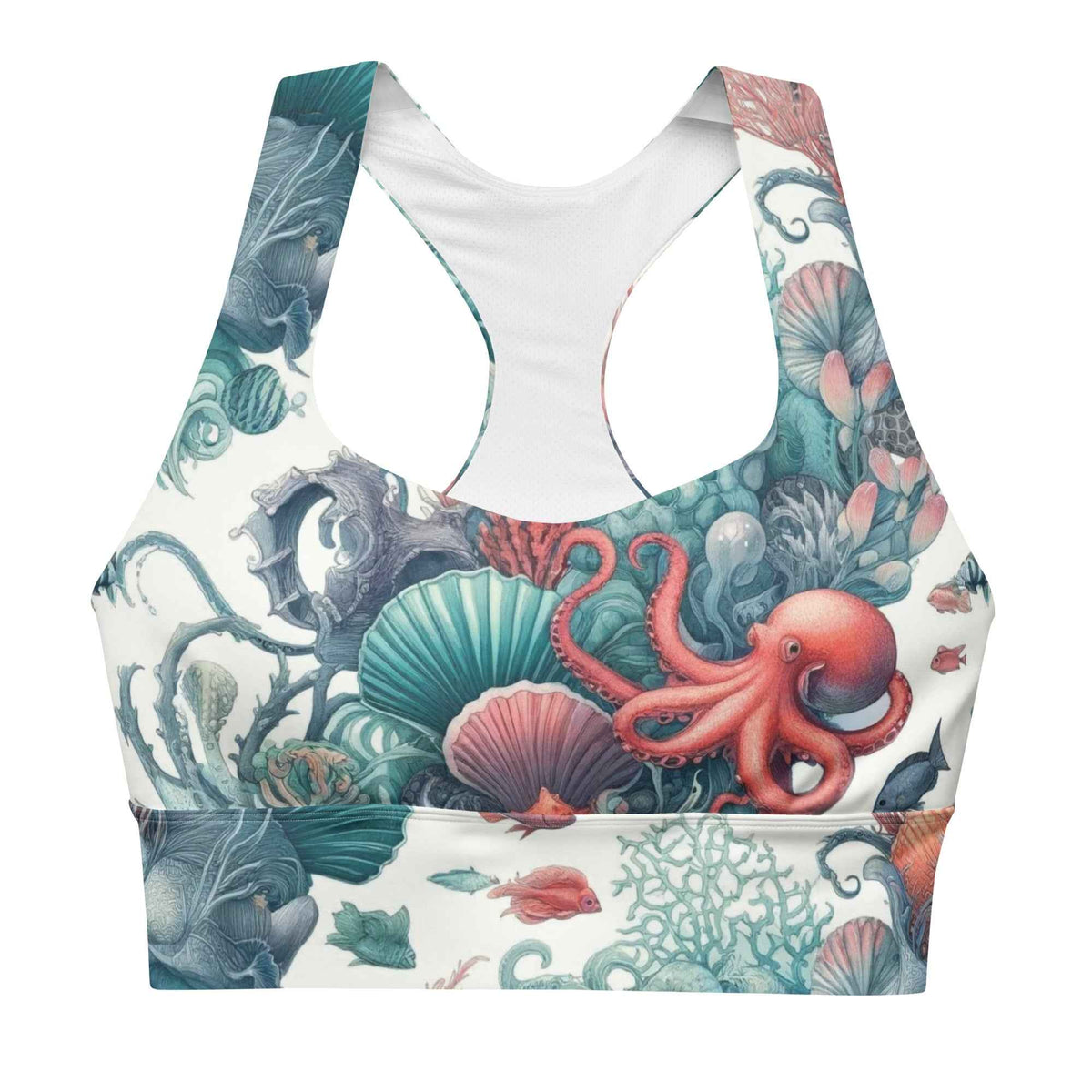
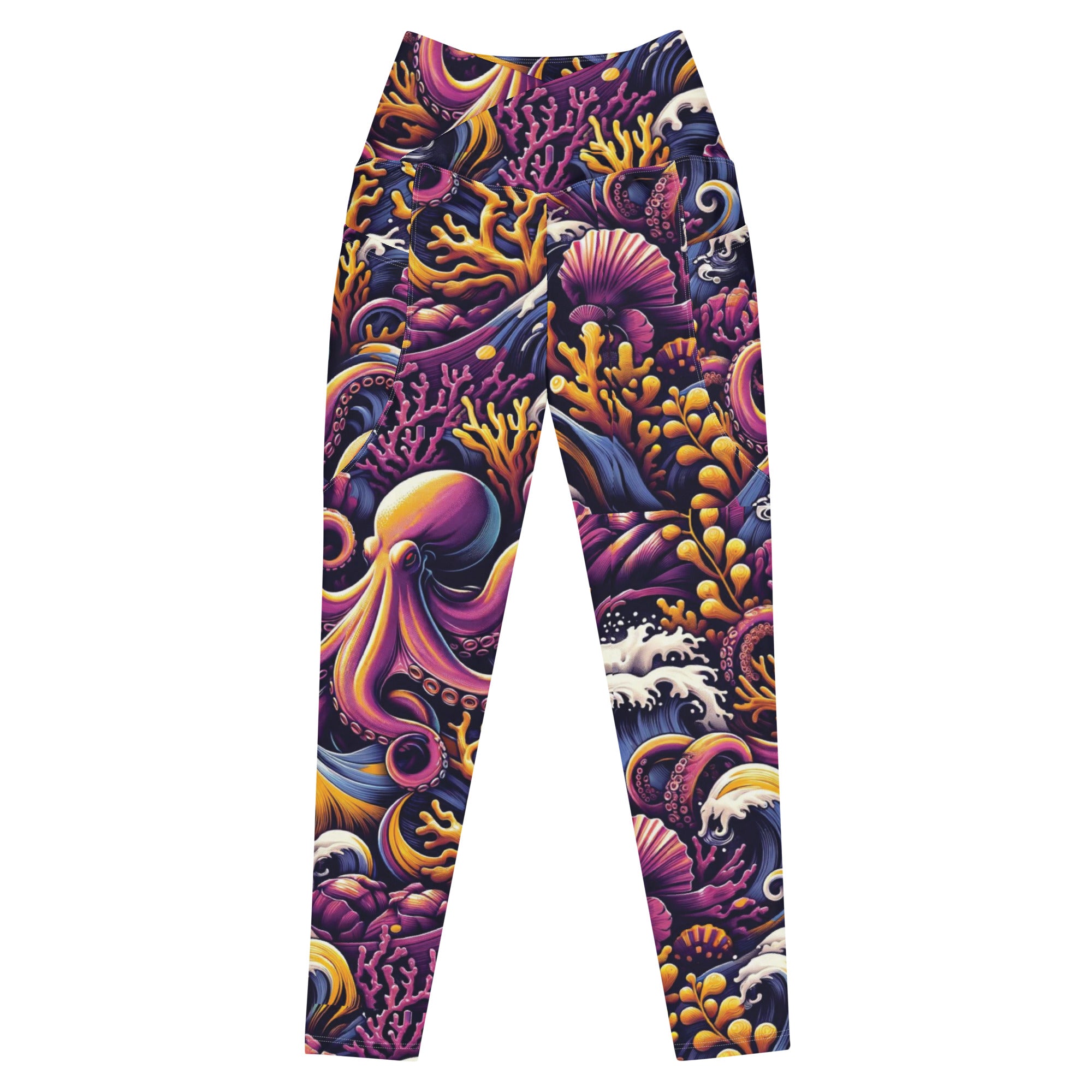
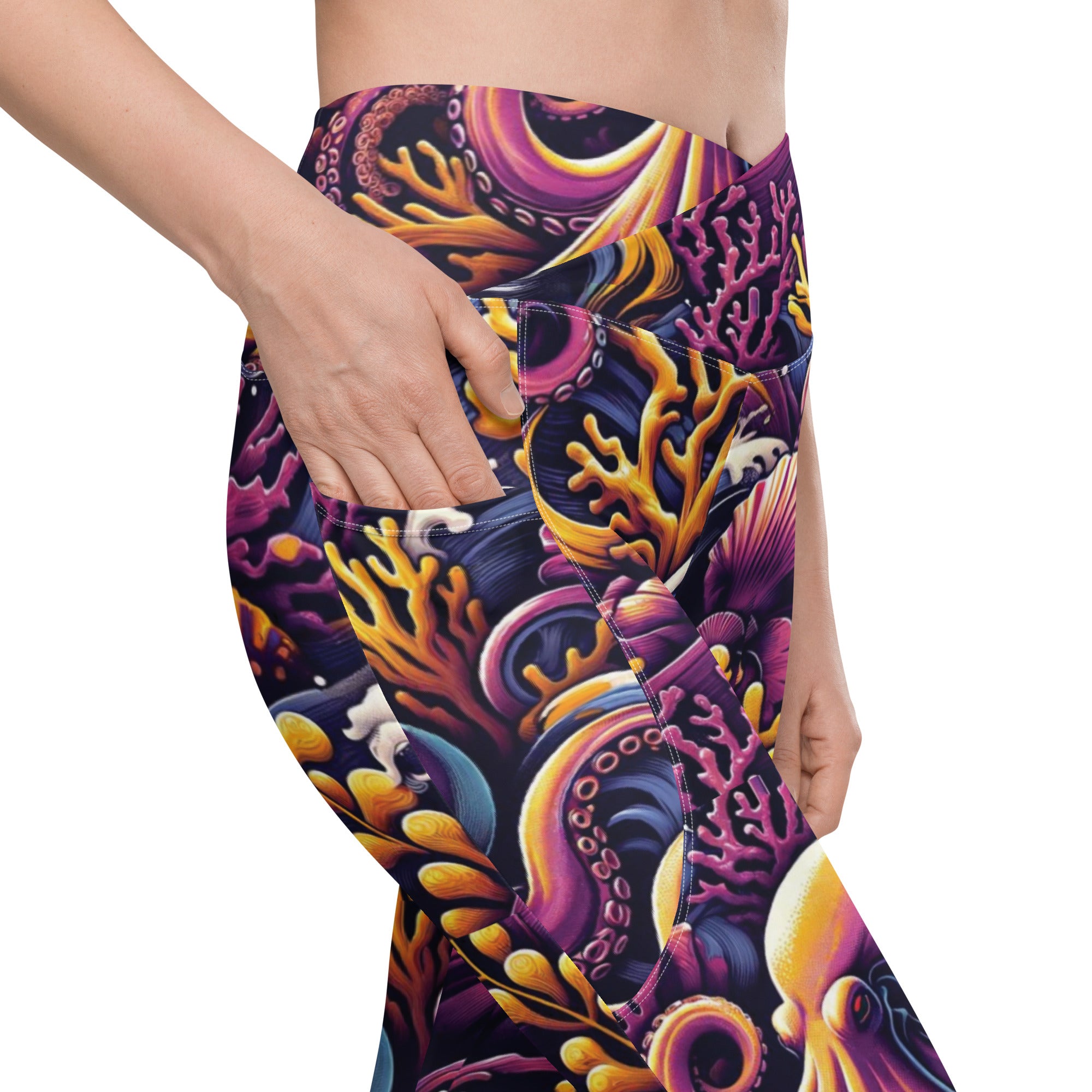
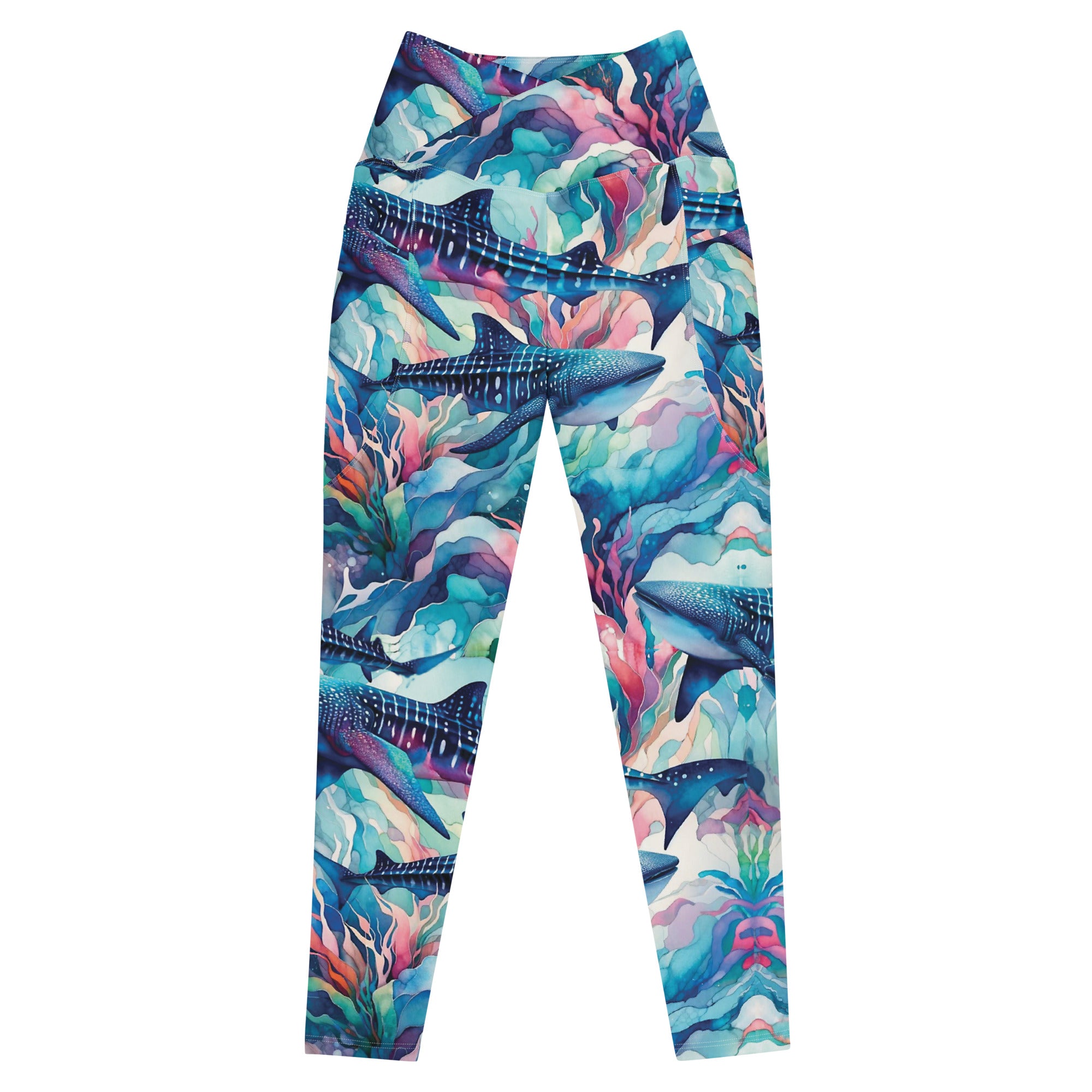
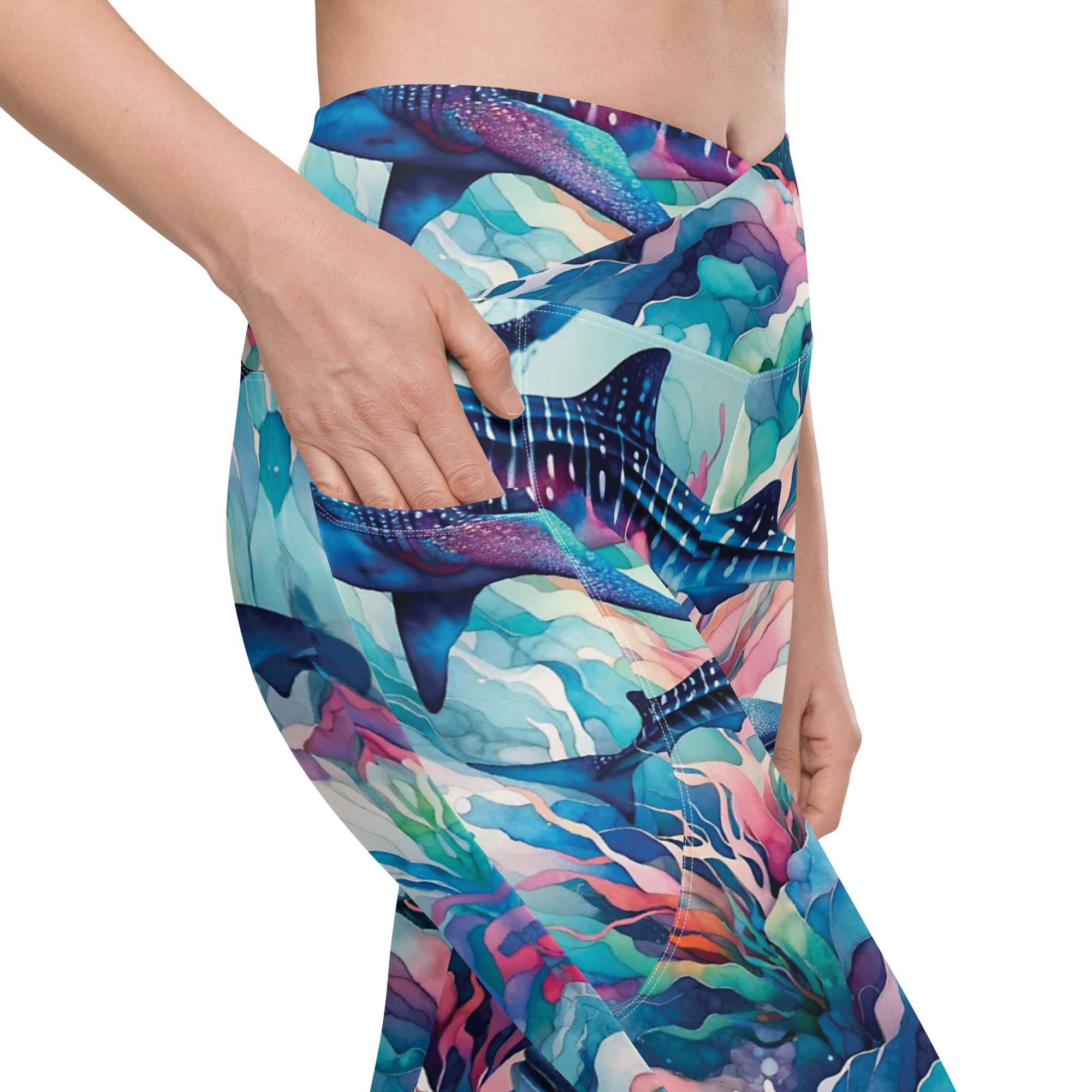
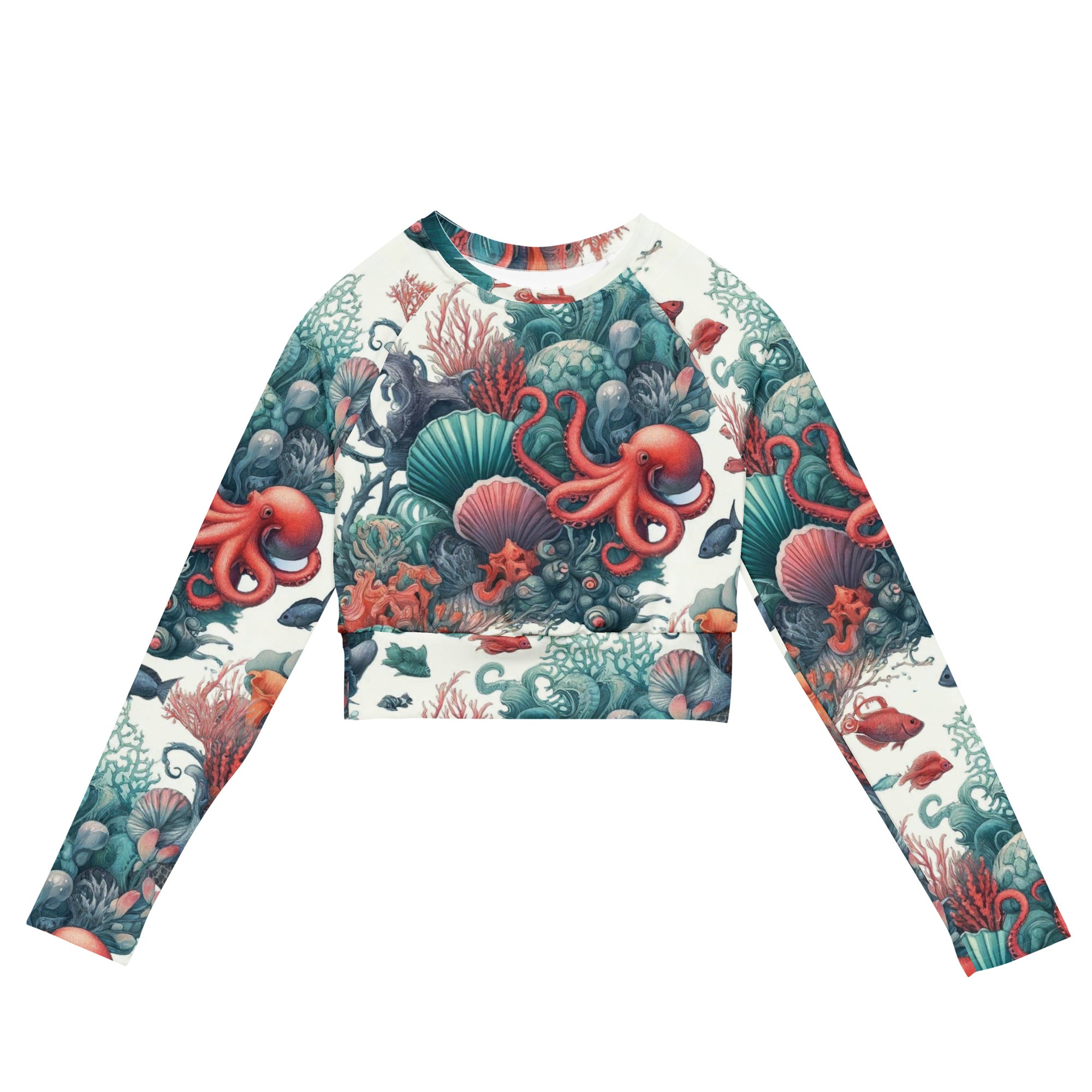
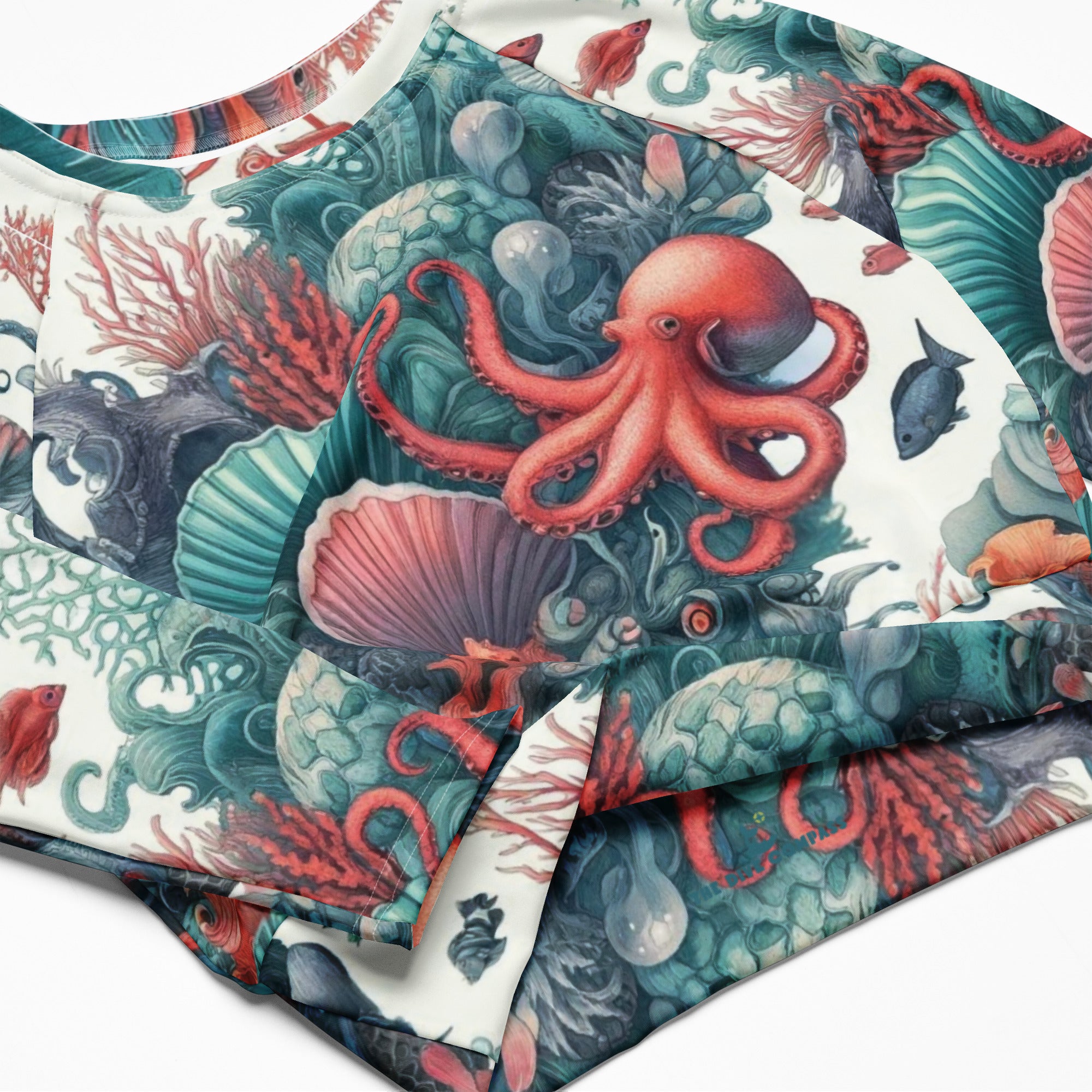
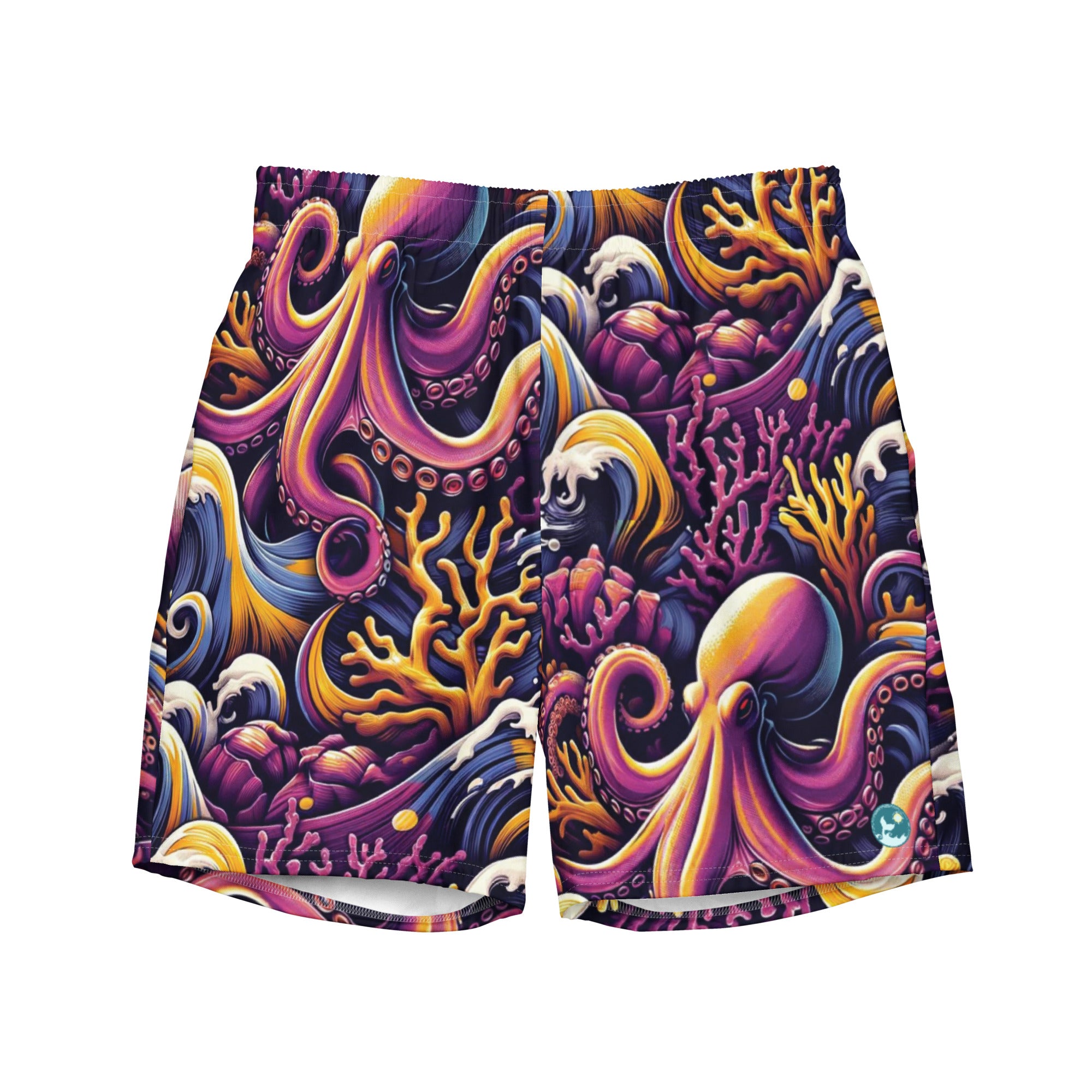
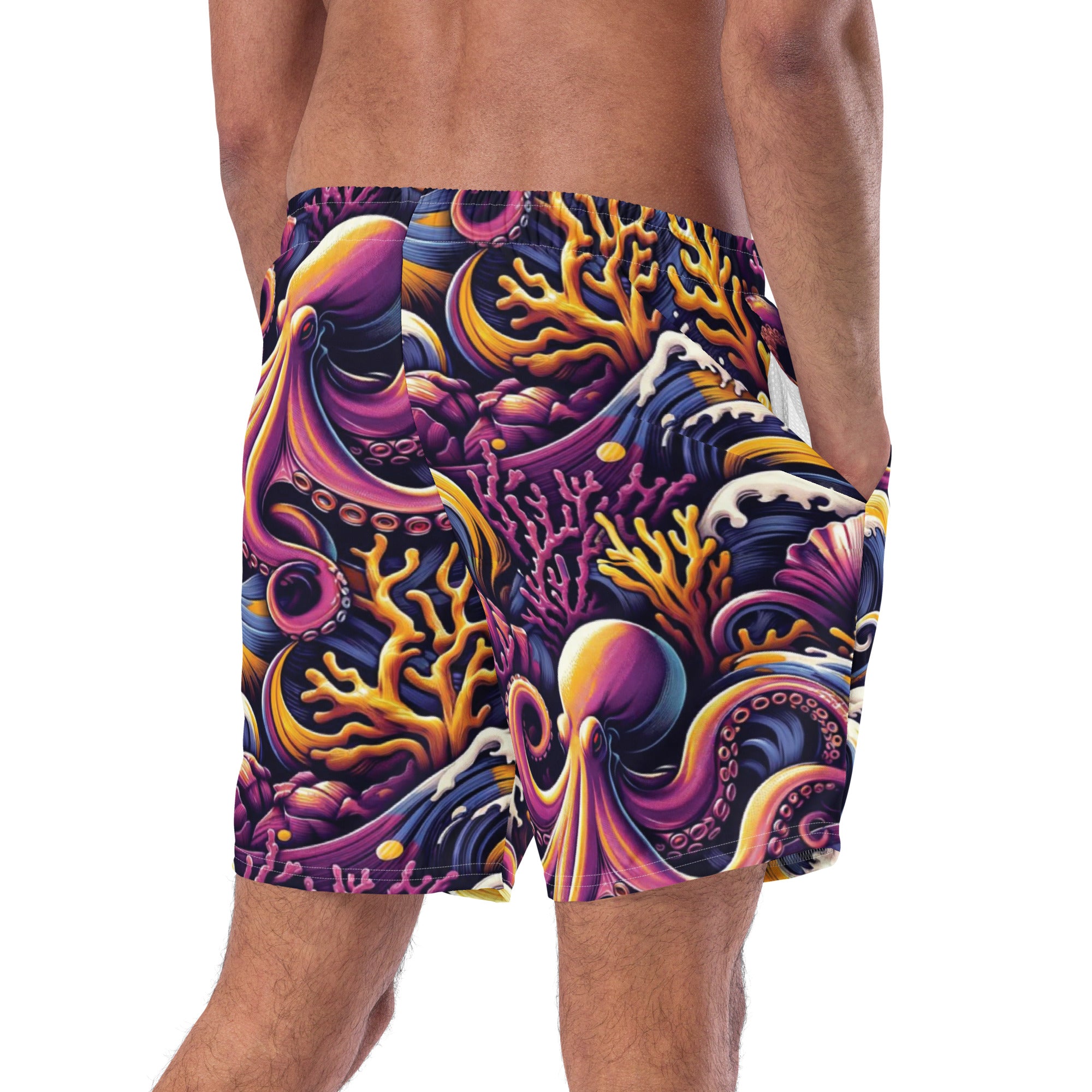
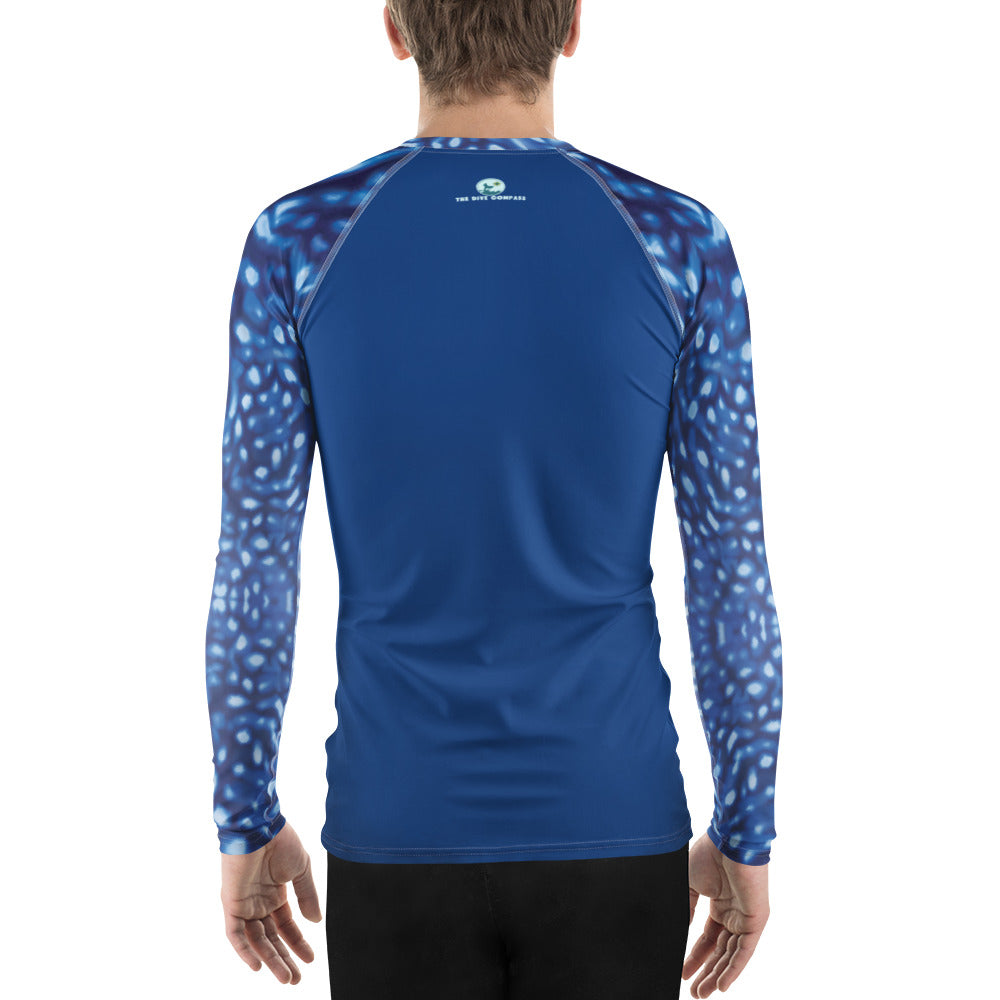
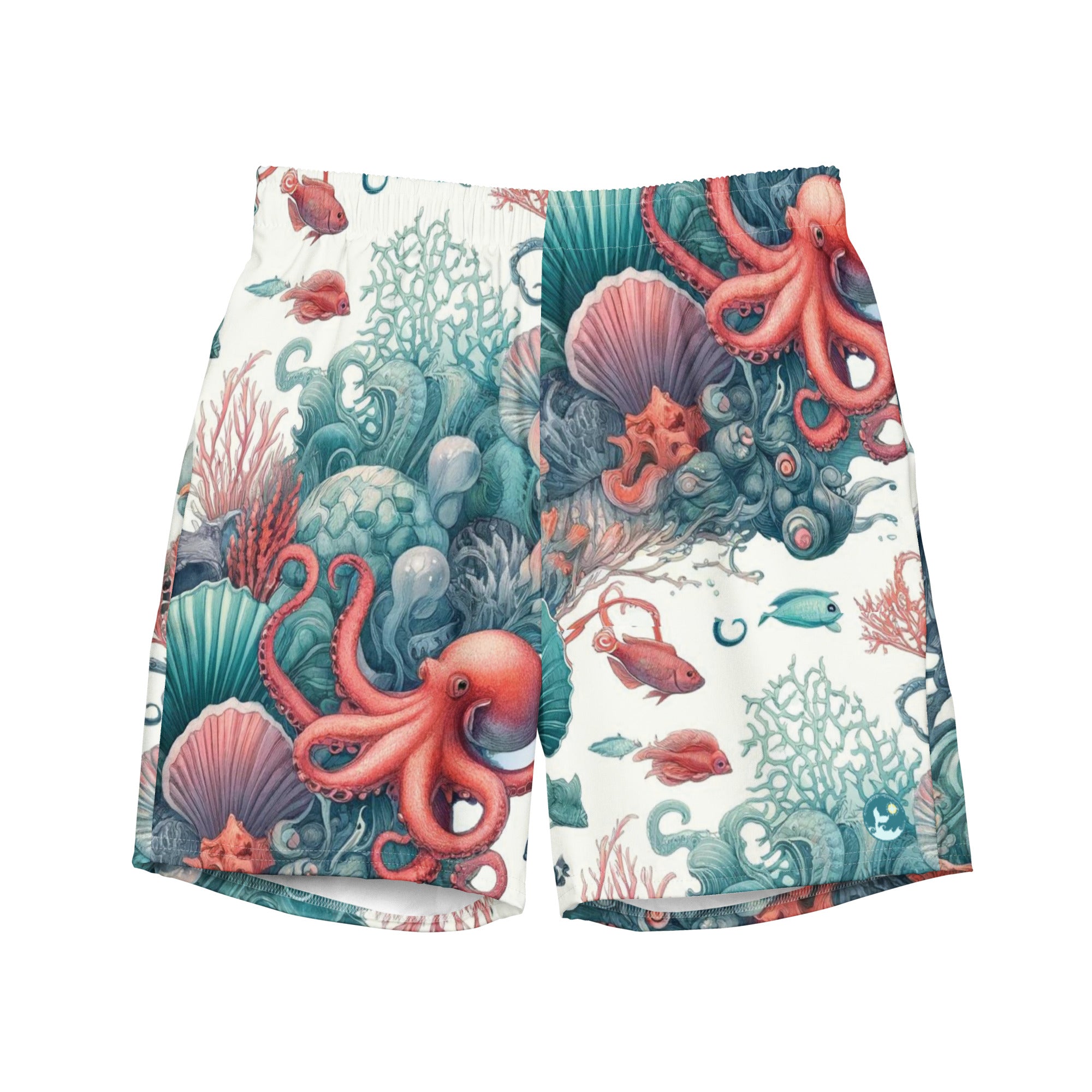
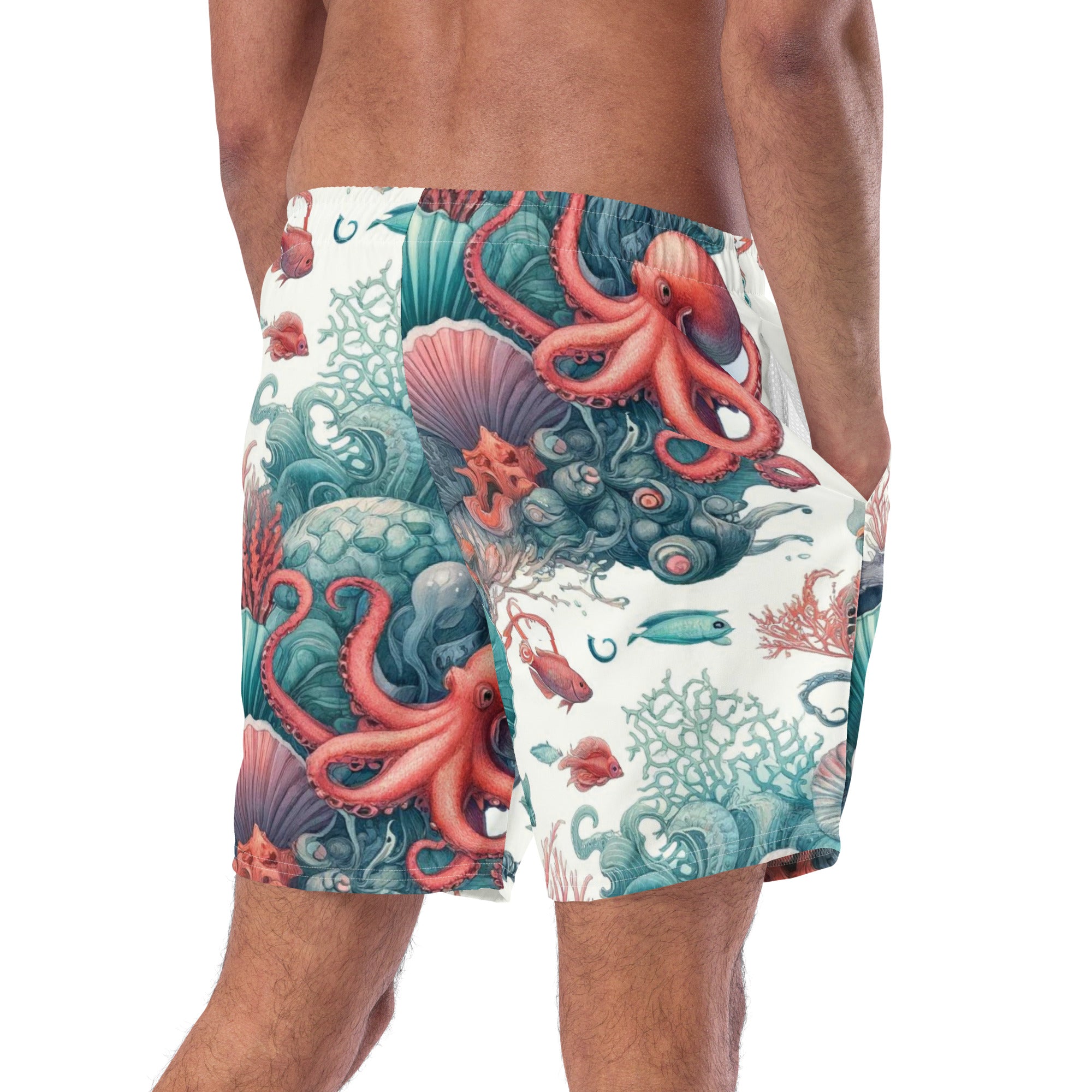
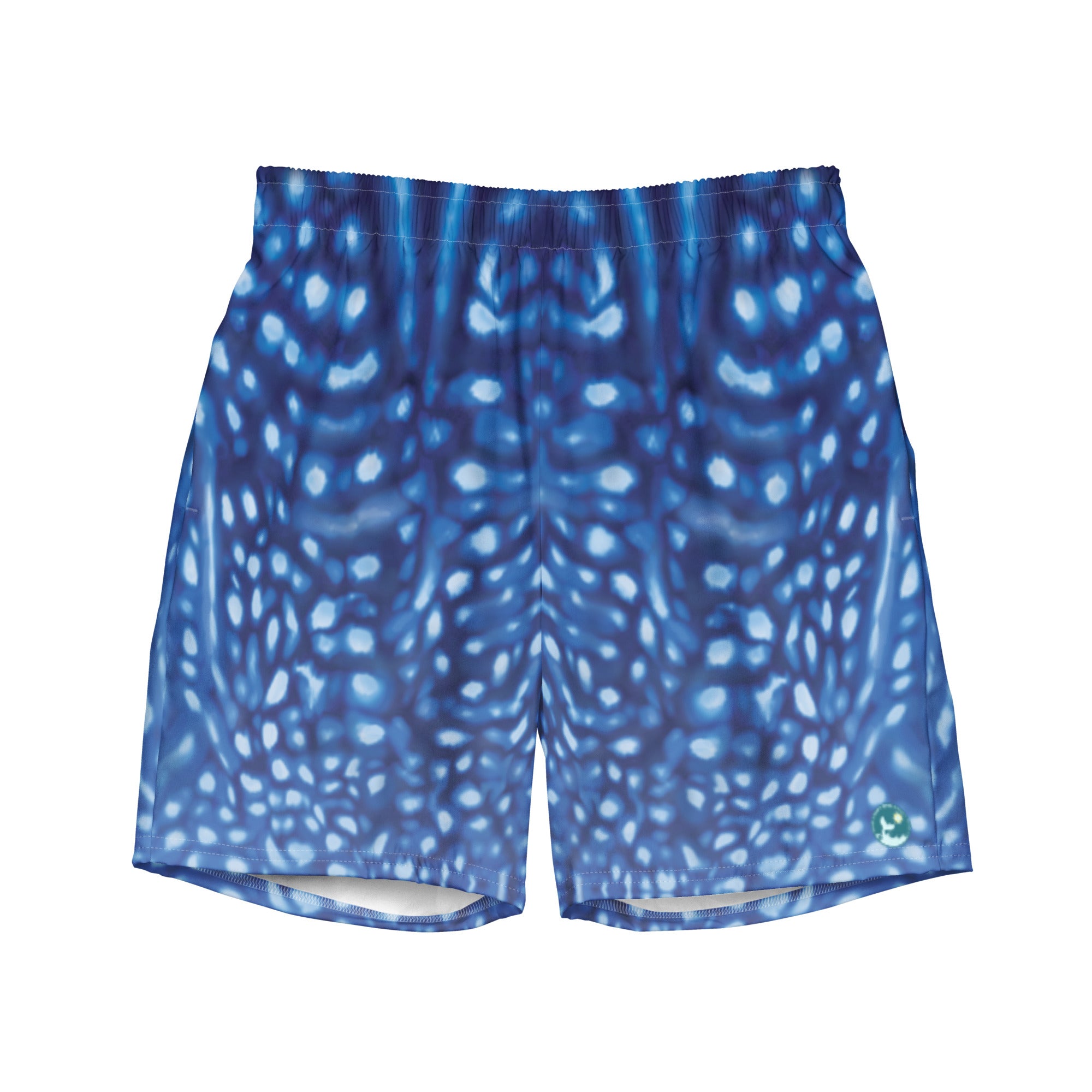
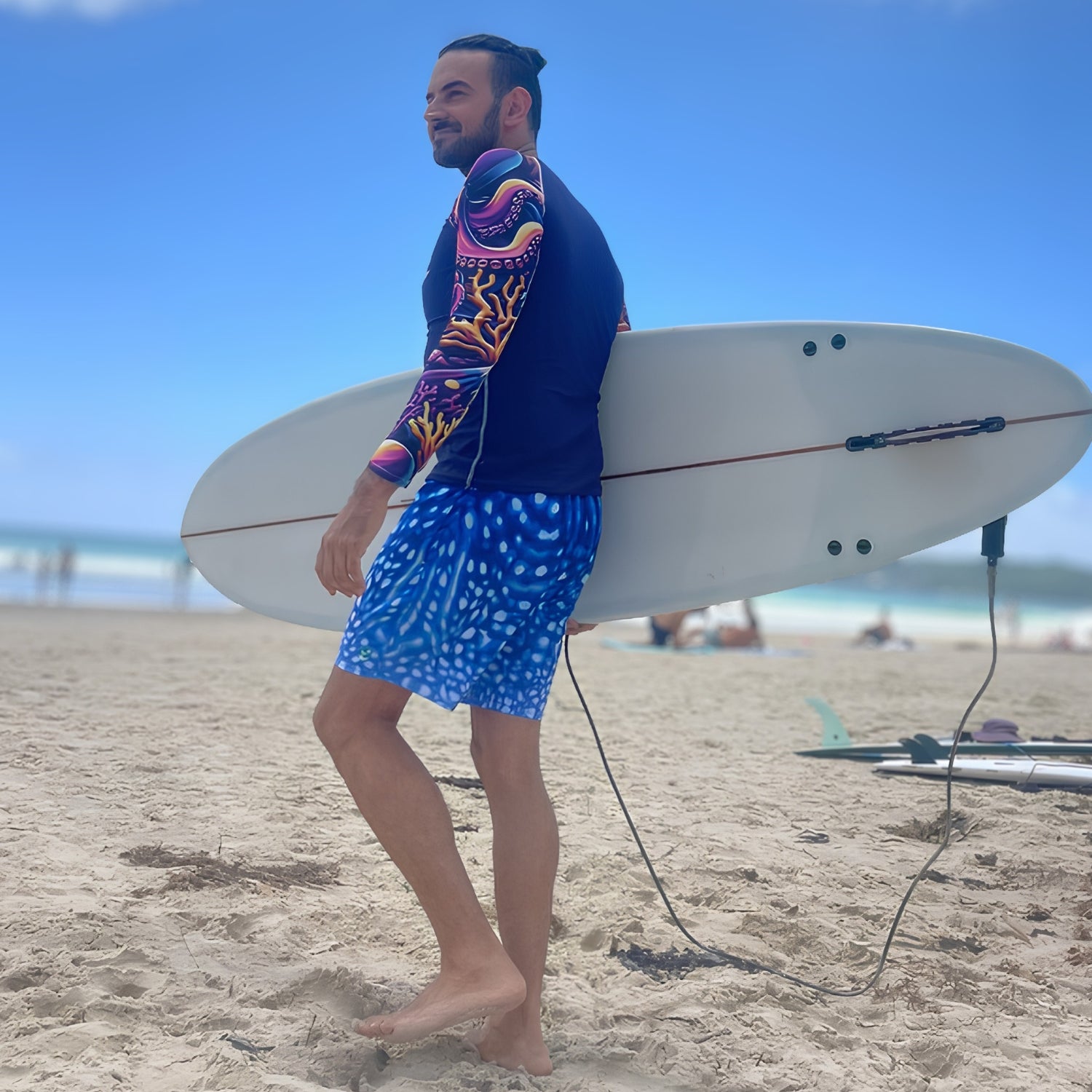
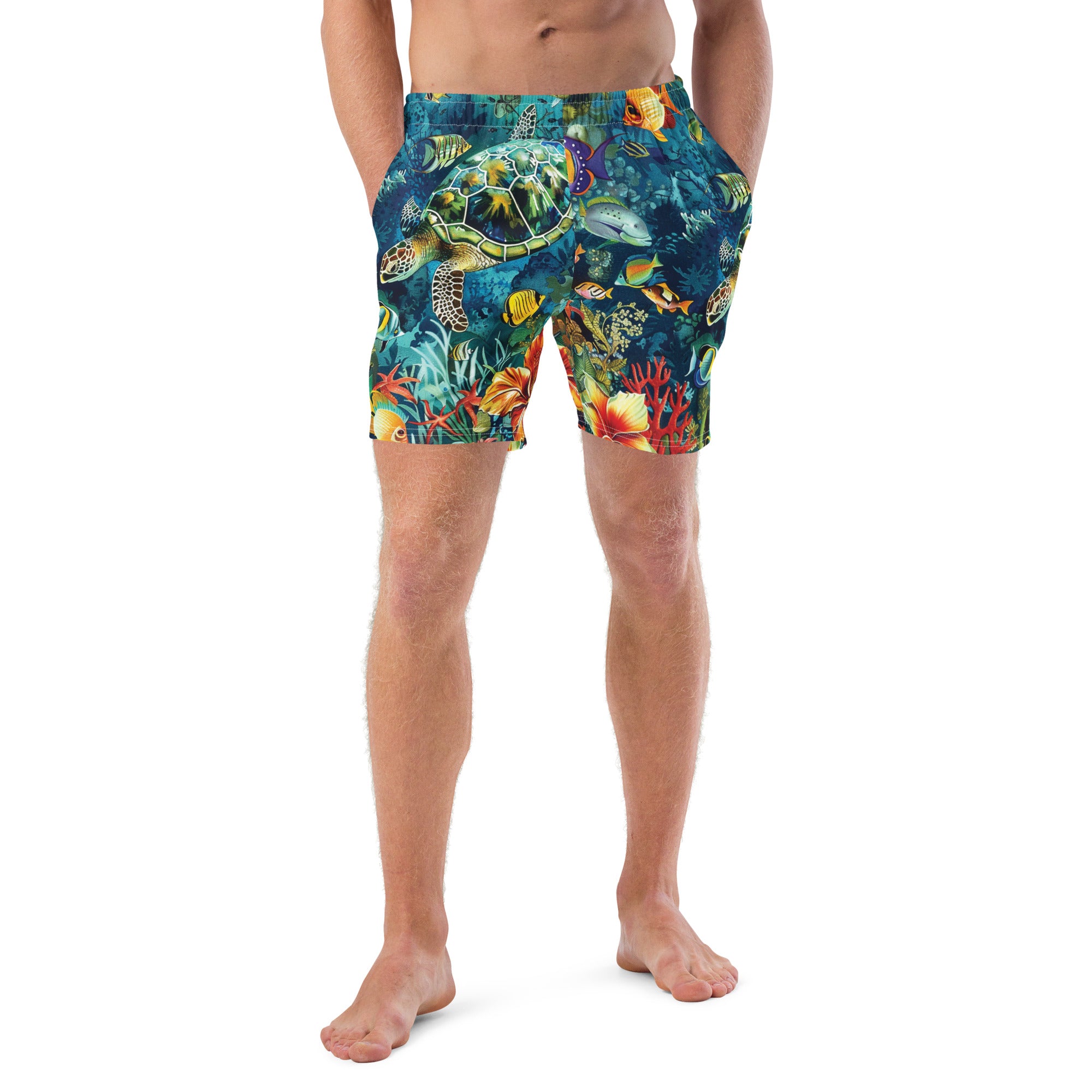
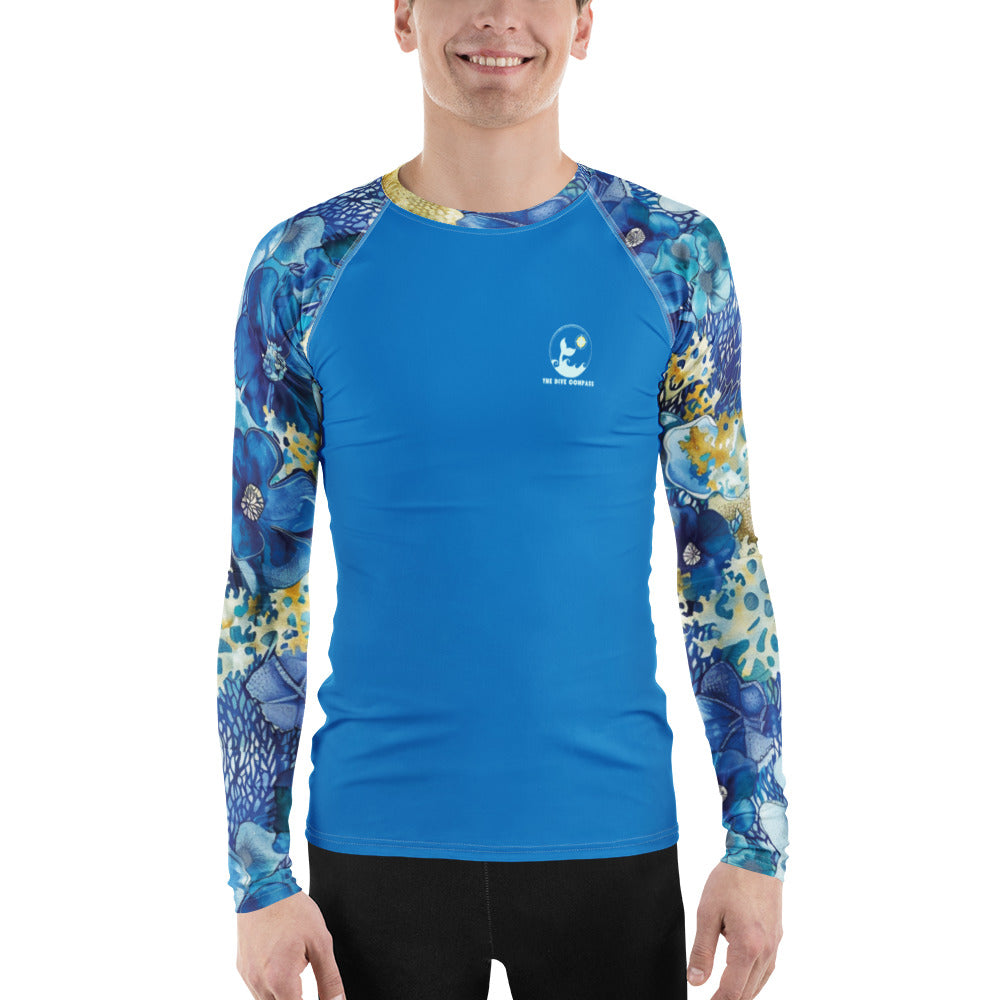
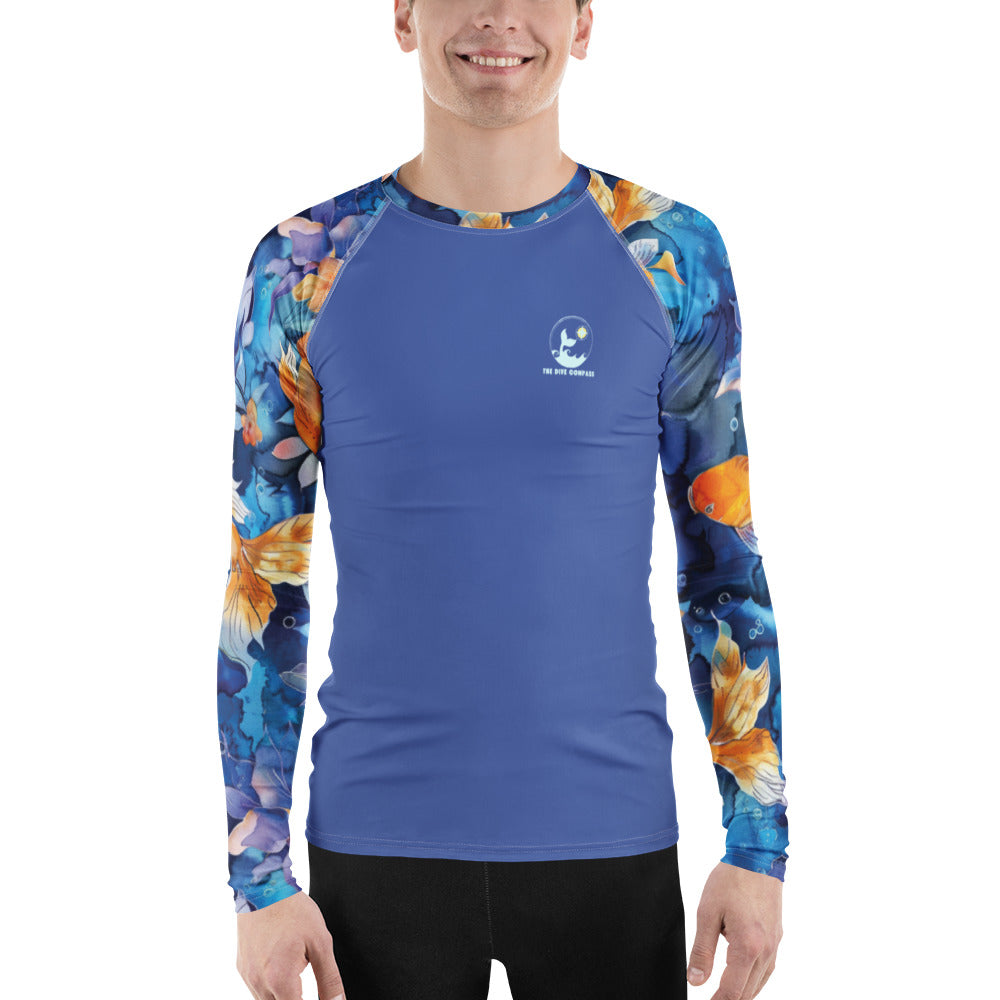
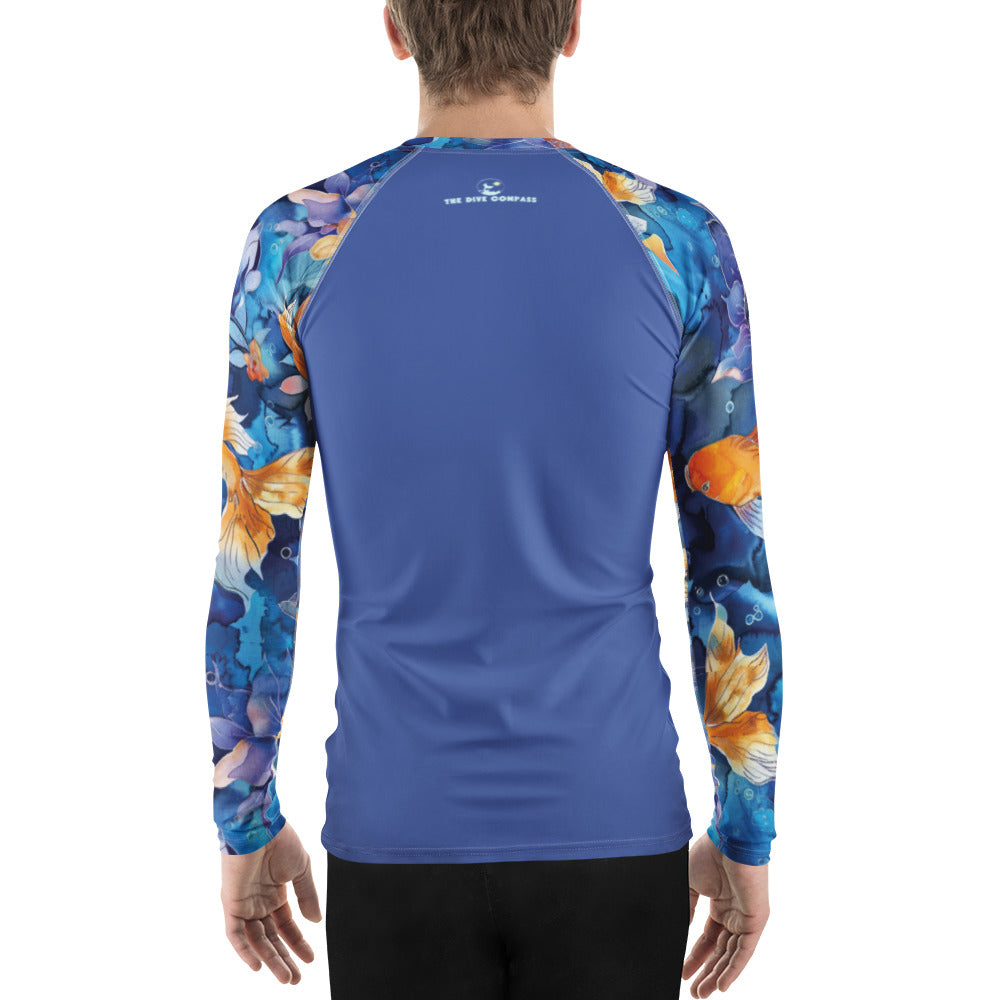
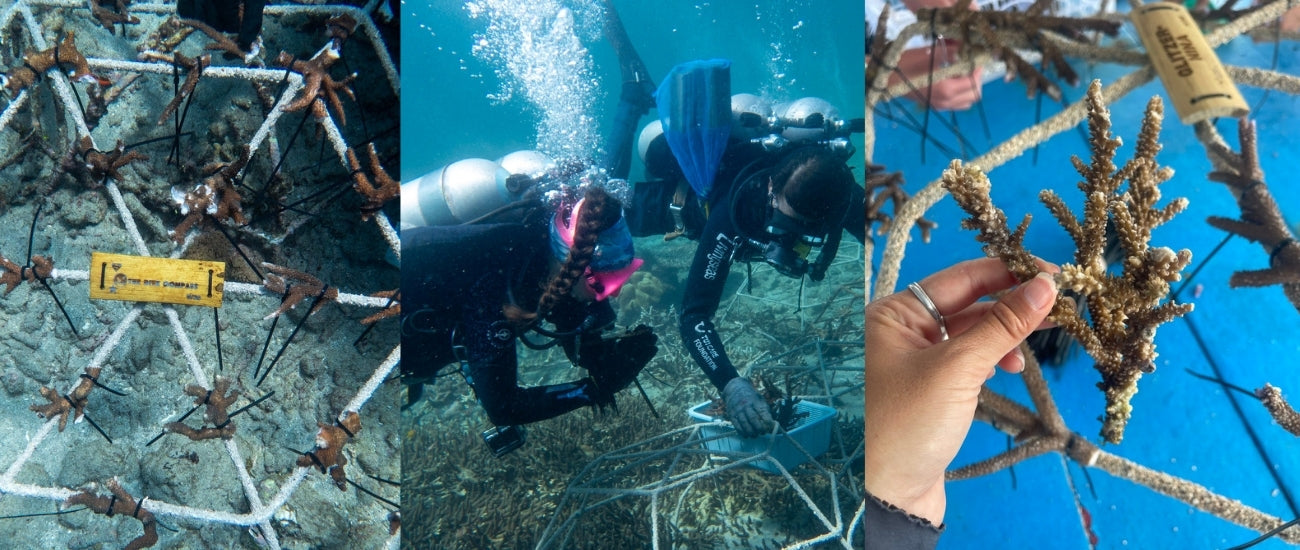
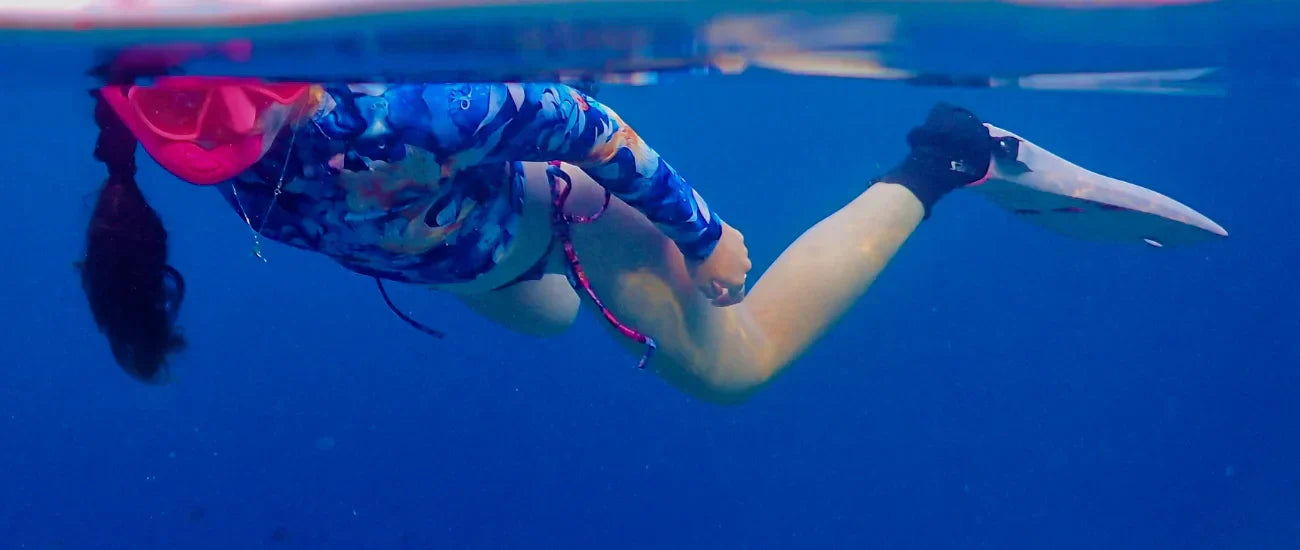
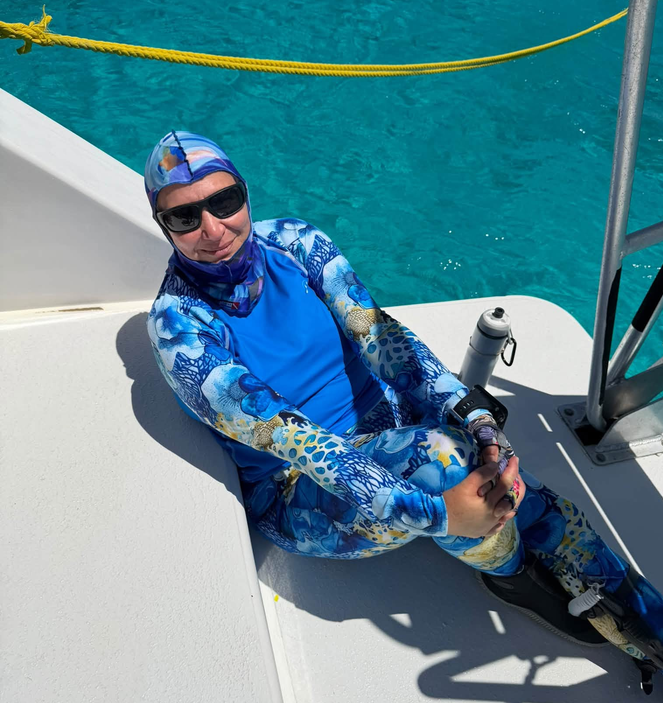
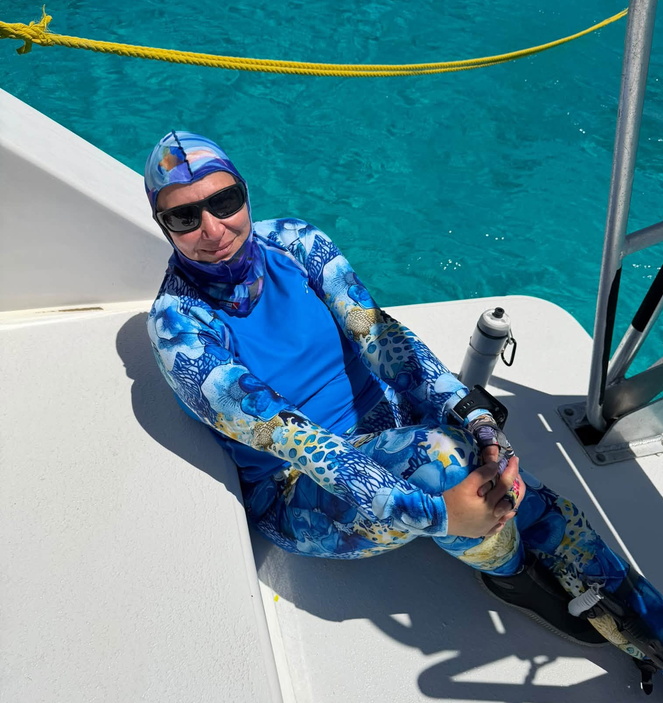
At The Dive Compass, every print is inspired by the marine life we dive with, study, and fight for. Our swimwear is made from 75% recycled polyester, manufactured to order, zero overproduction, zero waste and every purchase plants a coral through our Save Our Seas Pledge with Living Seas.
Because the best thing you can do for these animals between dives is make every choice count.
FAQ
Q: What is the rarest bucket list marine encounter?
A: Based on my own experience — manta rays surprised me most. I dove over 100 dives across dedicated manta sites in Indonesia and the Maldives before my first sighting, which happened unexpectedly in Dahab, Egypt. Whale sharks are similarly unpredictable outside peak aggregation sites.
Q: Are hammerhead sharks dangerous to divers?
A: Unprovoked hammerhead attacks on divers are extraordinarily rare. Scalloped hammerheads — the species most commonly encountered schooling — are notoriously shy and typically retreat from divers. The danger runs almost entirely the other way: hammerheads are critically endangered from human activity.
Q: What is the best time of year to see whale sharks?
A: It varies by location. Ningaloo Reef peaks March to July, the Maldives offers year-round sightings at South Ari Atoll, Isla Holbox peaks June to September, and Similan Islands liveaboard season runs roughly November to May. Always research timing for your specific destination — and choose operators who follow responsible encounter guidelines.
Q: Can octopuses be safely approached while diving?
A: Most species can be observed safely from a respectful distance — never handle them. The critical exception is the blue-ringed octopus, found across the Indo-Pacific, which is potentially lethal despite its tiny size. If you see a small, strikingly patterned octopus with blue rings appearing when disturbed, maintain significant distance and do not touch under any circumstances.
Q: How can divers help protect these animals?
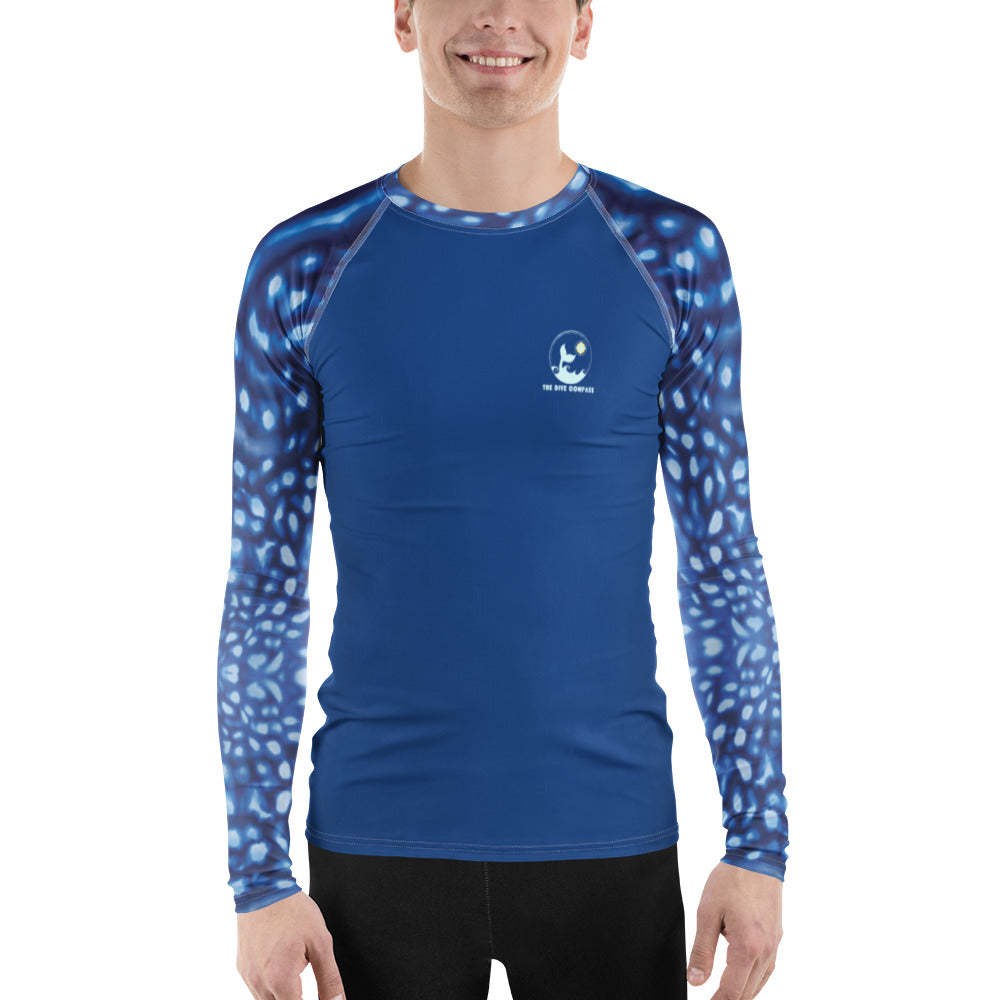
A: Choose responsible operators who follow marine life encounter guidelines. Never touch or chase marine animals. Replace chemical sunscreen in the water with a UPF 50+ rash guard — zero chemicals, full protection. Support brands and organisations actively contributing to coral restoration and marine conservation.





























Leave a comment
This site is protected by hCaptcha and the hCaptcha Privacy Policy and Terms of Service apply.