





How to Choose a Dive Shop: A Divemaster's Honest Guide
I was traveling in Koh Tao early in my diving life. I had signed up for a night dive on the far side of the island from Sairee, we had to take a local taxi from the dive shop over to where the boat was.
When got there with my guide the boat had already left without us. It turns out we were not on the schedule, nobody had put us on it.
It was going to be one of my first night dives and I had been looking forward to it all week. Nothing dangerous happened, it was just an admin problem, and admin is what actually goes wrong at dive centers far more often than the things people worry about.
Since then I have dived in something like a dozen countries, trained as a divemaster, led dives and assisted courses. This is what I have learned about telling a good dive operator from a bad one, including the parts you only see from the staff side.
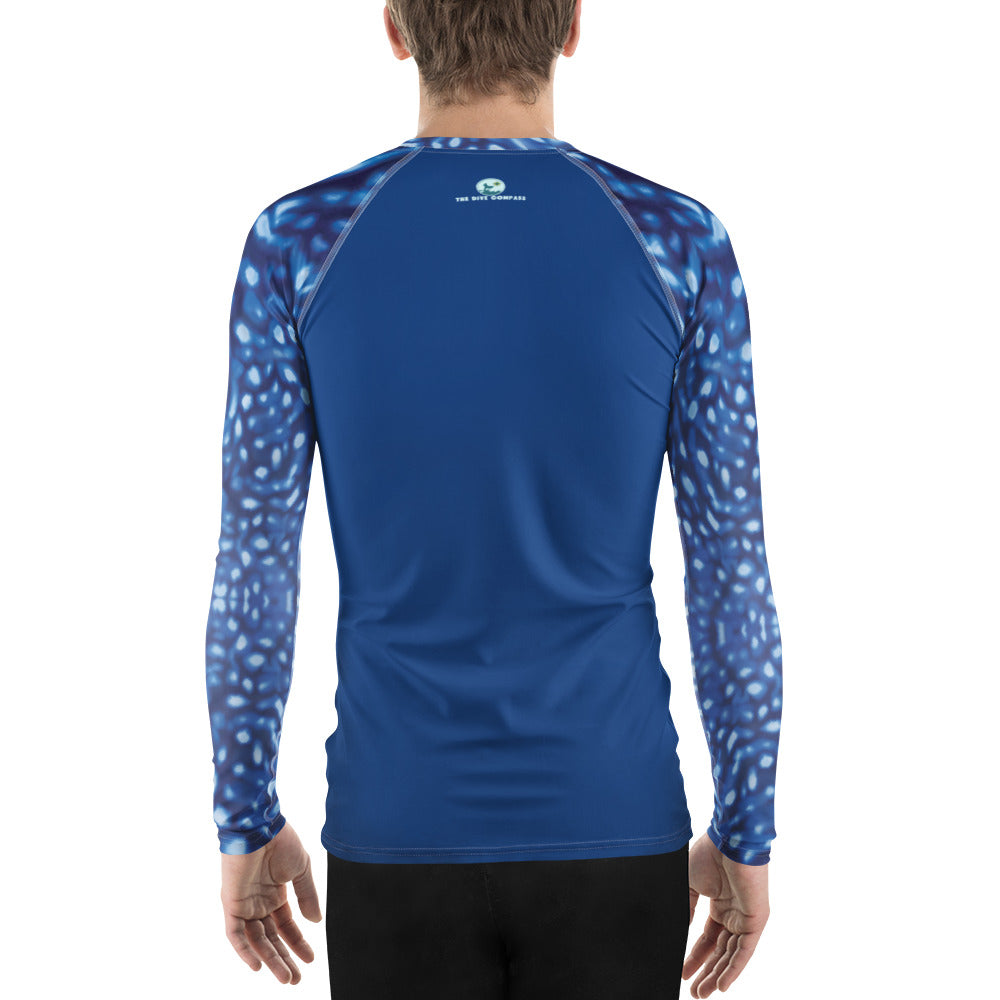
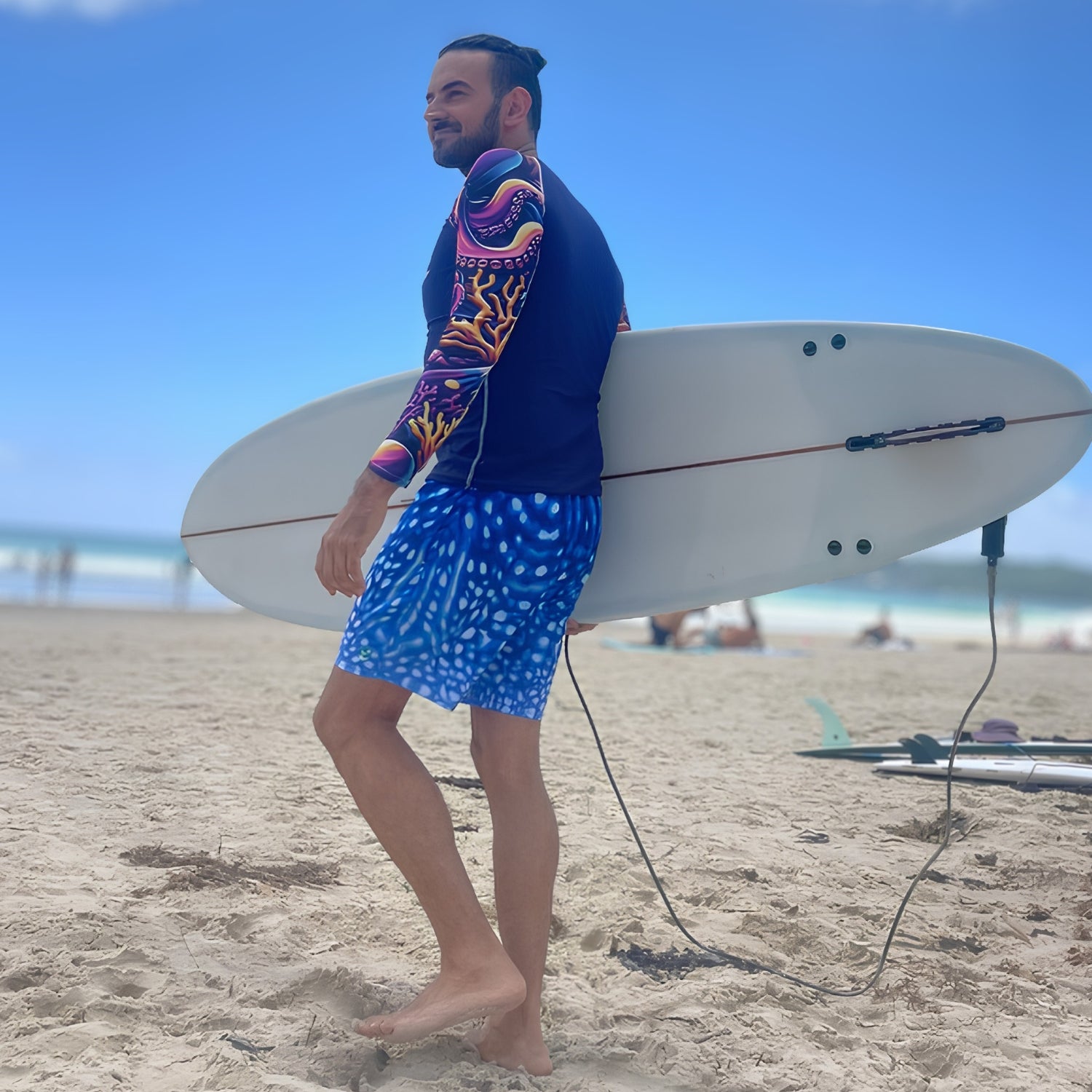
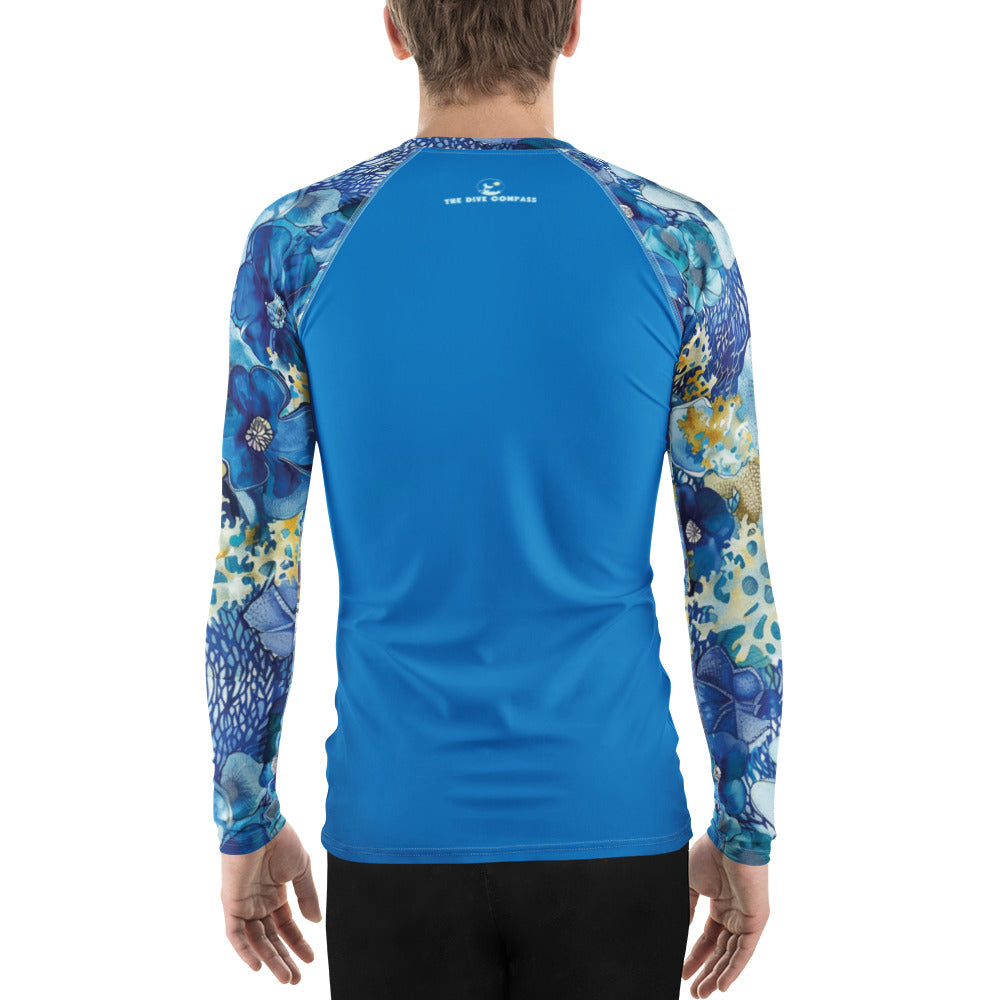
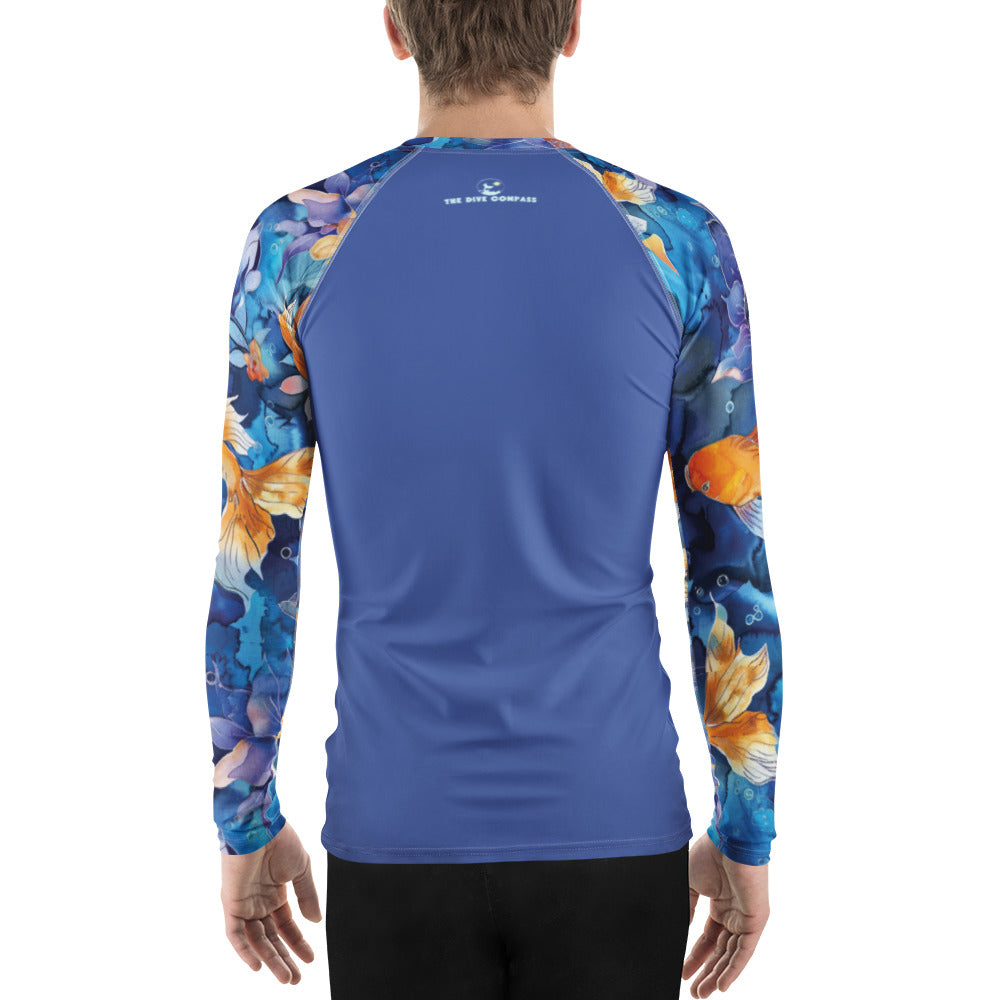
✨ Planning a trip? Shop dive-ready swimwear →
What actually goes wrong
It's not shark attacks or catastrophic equipment failures. Instead, usually one of three things: paperwork, logistics, or a bad experience with the person you happened to be assigned to.
And here is the part nobody writes about, because it is not a good story, but honestly most of it comes down to money.
Diving is expensive to sell and expensive to run so dive centers don't actually make that much. Equipment costs a fortune and wears out even fast in salt water. So maintenance is the first thing that slips, and sometimes goes unnoticed over years, even in shops that are otherwise perfectly good.
I have watched this happen to centers I loved. You dive with them and they are excellent, then you come back two or three years later and it is the same gear you're renting, but now it is falling apart. The shop has not become bad, it has become underfunded.
The logistics are less obvious still. In a lot of places the center does not own its tanks or its boat. In Playa del Carmen, for instance, tanks are typically rented from fill stations rather than owned, and the boat space is booked the night before. Which is why the answer to "can I just join tomorrow morning?" is sometimes genuinely no. Not unhelpfulness, but there is no tank with your name on it.
The questions I ask before I book

1. How many divers per guide?
This is the question that changes your dive most and almost nobody asks it.
Here is what surprised me when I looked it up properly: for guided dives with certified divers, there is no universal standard at all. PADI and SSI both publish ratios for training, but for fun diving PADI simply says to "determine appropriate ratios based on the environment, conditions and experience." No number.
A few countries do regulate it. Egypt is the clearest: the Chamber of Diving and Water Sports, which licenses every dive center in the country, caps it at twelve divers per guide. Let me tell you, twelve divers is a lot.
Good operators set their own limit far below whatever the law allows. Wunderpus, the liveaboard I have done twice in Komodo National Park, holds a maximum of four divers per guide. That is a choice, not a rule, and it is the single clearest signal of how a center thinks.
Four is excellent. Six is workable. Eight and up means nobody is watching anyone's buoyancy, and twelve... that's a sh*t show.
2. Who is my guide going to be?
A dive center can only do so much. Your experience comes down almost entirely to the person in the water with you, and a good shop can still have a mediocre guide on shift the day you turn up.
What separates the good centers from the mediocre ones, in my experience, is not the gear brands they choose or their marketing, it is that they hire good people and keep them.
A good guide with a nervous diver goes out of their way. They invite questions rather than wait for them. They are explicit that you should not be diving outside your limits. And they stay close to you in the water, which matters more than everything else combined.
3. What is your equipment service schedule?
This is the question I started asking after Mexico.
I had taken my parents diving just after they got their Open Water. My mom's BCD came out of the rental pile with an inflator hose connection that simply would not stay connected and actually disconnected underwater.
I gave her my BCD, because we are a similar size, and took the spare, which was an extra large. I dived that morning in a BCD several sizes too big for me and it was extremely funny and completely fine. But if I had not been there, my mother would have been handed unusable equipment on one of her first dives.
Worth knowing: the old "service your regulator annually" advice is out of date. Most major manufacturers now specify roughly every 24 months or around 100 dives, whichever comes first. Scubapro, for example, publishes 24 months or 100 dives.
That "or" is the whole point for rental gear. A busy rental regulator can do 300 dives in a year, which means it is due for service two or three times before the calendar date arrives. A shop working to the calendar rather than the dive count is under-servicing without necessarily knowing it.
What you can check yourself, in about ninety seconds:
- Suck test both second stages before they are pressurized. Your mouth should create a vacuum and you should not be able to pull air through. If you can, the exhaust valve or diaphragm has gone.
- Breathe from both regs once the tank is on, before you get anywhere near the water.
- Press the inflator button and listen for a clean stop. Sticky is bad.
- Connect and disconnect the low pressure inflator hose. If it is a fight, there is corrosion in there.
- Inflate the BCD fully and leave it. If it has sagged by the end of the briefing, it leaks.
- Look at the tank. In the US, look for a dated visual inspection sticker, usually annual, and check the hydrostatic test date stamped into the neck is within five years. Only the five year hydro is federally required; the annual visual is industry practice. Other countries differ, and the UK for example uses a two and a half year visual.
4. Do you own your tanks and your boat?
Not because renting is bad. Because it tells you how much notice they need, and it explains a lot of the friction people mistake for rudeness.
5. Are you Green Fins, and are you Certified or Digital?
This is the one that catches people out, and it caught me out too.
Green Fins is run by the Reef-World Foundation with the UN Environment Programme, and it is genuinely rigorous. But there are two kinds of membership and they are not equivalent.
- Certified Members are assessed in person, by a trained national assessor, at least once every twelve months. They are scored against a fifteen point code of conduct, they have to hit a minimum threshold to pass, and they are ranked Gold, Silver or Bronze depending on how far below that threshold they score.
- Digital Members complete a guided self-evaluation online each year. There is no minimum score to pass.
Both are steps in the right direction and I would rather an operator did the self-assessment than nothing. But a logo on a website does not tell you which one you are looking at, and the directory does.
👉 Search the Green Fins directory
The directory also catches something a logo never will. It lists operators as Inactive when they have had no assessment or self-evaluation in the last twelve months. Plenty of centers still display a badge from a membership that has lapsed.
The clearest example is not even Green Fins. PADI retired its Green Star Award in 2023, replacing it with PADI Eco Center, and you can still find Green Star badges on dive center websites all over the world today. The badge is real, but the award no longer exists.
Worth knowing that PADI Eco Center is built on top of Green Fins: to qualify, a center has to be an active Green Fins member, Certified or Digital. So Green Fins is the substance underneath both.

6. Do you enforce no touch and no chase on every dive, or only for new divers?
Almost every center says no touch. Far fewer enforce it, and the ones that only enforce it for students are the reason I now ask it this way.
The research on this is unusually clear, and it says something most divers do not want to hear.
Experience does not make you gentler on the reef. A 2016 study of divers in the Philippines found no relationship at all between how often a diver touched the reef and either their certification level or their lifetime number of dives. A separate study in Brazil the same year, in a different ocean with different divers, found exactly the same thing: no significant difference in contacts by gender, group size, or experience level.
So a shop that briefs no touch to Open Water students and then lets the experienced group do as they like has it precisely backwards.
It gets worse for the people who care most. A study at the Great Barrier Reef put specialist underwater photographers at 1.6 coral breaks per ten minutes, against 0.3 for divers without cameras. Then the researchers ran an experiment, they handed disposable cameras to randomly chosen divers and watched what happened. Nothing happened. The novice camera users were no worse than the control group.
Which means it was never the camera. It is the commitment. The person who has invested in a housing and two strobes and has one dive to get the shot is the person hanging on the reef, and that person is never the beginner.
(For what it is worth, the same study found male divers broke significantly more coral than female divers, 1.4 breaks per fifteen minutes against 0.3. That is a single study and it is not a license for the rest of us to relax.)
And the "no chase" half is not a side note. A 2026 study that observed more than 700 divers across Indonesia and the Philippines found that when a charismatic animal appeared, intentional reef contacts jumped by 220 percent, unintentional contacts by 85 percent, and damaging contacts by 106 percent. The turtle shows up and everyone forgets where their fins are.
What a good answer actually sounds like
Here is the finding that should change how you listen. Researchers in St Lucia tested adding a single sentence to the standard dive briefing asking divers not to touch the reef. It had no measurable effect. None. What did work was the guide correcting people in the water: that cut contact rates from 0.3 to 0.1 per minute.
So "we brief it" is not an answer. The answer you want describes what happens underwater. A guide who signals you off the reef, who keeps supervising past the first ten minutes rather than swimming out front once everyone is down, and who mentions it on the boat afterwards.
That last part matters more than it sounds. In the 2026 study, over 80 percent of damaging contacts were unintentional or entirely unnoticed by the diver who made them, and divers underestimated their own contact rate by roughly fivefold. Around three quarters rated themselves above average at avoiding the reef. You cannot fix what nobody tells you about.
Thailand has now written this into law
Since April 22, 2025, national diving regulations apply across Thailand under the Marine and Coastal Resources Management Act. Contact with marine life is forbidden in all circumstances, for everyone. Divers must stay at least two meters above coral heads. Guides may not move or handle marine life to show it to guests.
And cameras are restricted by experience: you need an Advanced certification or at least 40 logged dives to carry one, with proof on request.
If a diver breaches the rules, the operator must suspend the activity and report it. Operators who fail to enforce can lose their license. A national regulator looked at this problem and concluded that no touch has to apply to everybody, and that cameras belong in experienced hands. That is worth remembering next time a shop tells you the rules are just for the students.
7. What happens if a diver damages the reef?
This is the question I have started asking last, because the answer tells you more than all the others put together.
There is no universal published procedure for this. I looked. Green Fins requires members to enforce a strict no touch policy and to brief guests, but I could not find a documented standard for what an operator does after a guest breaks coral. That absence is exactly why the question works. The operator either has thought about it or has not, and you will know within about four seconds.
A good answer is specific and slightly boring. The guide corrects it in the water. It gets raised on the boat, without humiliating anyone. If it is serious or repeated, that diver's day ends. Some centers log it. Some start their dives over sand precisely because contacts cluster in the first ten minutes, which is a sign someone has read the same research I have.
A bad answer is "that does not really happen." It happens on every dive. That 2026 study recorded 4,981 reef contacts across 300 hours of observation, roughly one contact every four minutes per diver, and about 41 percent of them caused visible damage to the coral. An operator who tells you it does not happen is either not looking or not telling you.
And it is not a hypothetical cost
In several places the damage carries a real bill, and it usually lands on the business rather than the diver:
- Egypt fined a boat owner US$34,000 after a grounding near Hurghada in 2020, and a vessel operator US$108,000 in 2021 for destroying a patch of reef 40 m by 3 m, valuing the damage at around US$300 per meter.
- Hawaii applies administrative fines of up to US$1,000 per specimen, where every square meter of a large coral colony counts as a separate specimen. One careless fin kick across a big colony is arithmetically expensive.
- Australia penalises vessel-caused damage in the Great Barrier Reef Marine Park into the millions, and permit breaches cost an operator up to A$110,000 as a company.
- Thailand, as above, puts the operator's license on the line if they fail to enforce.
An operator who has genuinely thought about this has an answer ready, because they have imagined the day it goes wrong. That is the same instinct you are testing with every other question on this list.
8. What happens if something goes wrong?
Ask what oxygen they carry, whether there is a written emergency plan, and where the nearest recompression chamber is.
Most divers assume this is regulated. Almost nowhere is it. Egypt is one of the few exceptions, its licensing body requires an oxygen kit capable of fifteen liters a minute for twenty minutes, a documented emergency plan covering casualty recovery and evacuation, contact details for the nearest chamber, and civil liability insurance. In Queensland, Australia a written emergency plan is law but oxygen is only a code of practice. Everywhere else it is a choice.
Which is precisely why you should ask.
The dive I should have refused

I was in Rangiroa in French Polynesia a couple of years ago. I had six or seven hundred dives by then and was one of the more experienced people on the boat.
The briefing went roughly like this. You are PADI, we are CMAS, the French system, and our standards are a little different from yours. So today we will go down to forty meters, look at the sharks, probably go into deco, and then do our decompression stops drifting through the channel.
I am certified to forty meters, but my partner was not and neither of us has any decompression training. Thankfully we were all on fifteen liter tanks, but there were people on that boat considerably less experienced than us, some of whom really struggled.
I got in and I probably shouldn't have.
Here is the thing I did not understand at the time, and it is worth understanding before you are standing on a boat in a wetsuit being told this. The guide was not being reckless by the standards he trained under.
The French system, which follows the Code du sport, permits guided diving to forty meters at Niveau 2 and sixty meters at Niveau 3, and it teaches decompression from the tables upward. CMAS says in its own published guidance that its member federations envisage "sport diving with mandatory stops, up to 57 or 60 m in air." Deco stops are built into the furniture of French recreational diving in a way they simply are not in PADI or SSI.
PADI's recreational curriculum is built entirely inside no-stop limits. PADI's own words are that technical diving "allows you to extend your diving beyond recreational no stop limits," and its instructor standards prohibit planning any training dive that exceeds a no-decompression limit. Planned decompression sits in a separate, technical curriculum with separate equipment requirements.
So two competent systems, two different definitions of a normal dive. Neither is wrong, but an operator's normal is not automatically your normal, and "this is just the dive we do here" is not a reason to do it.
If you take one thing away from this article, take that. It is much harder to say no on a boat, in front of a group, than it is to decide in advance that you are willing to.
Choosing a dive center for a course

Everything above matters more when you are learning, and one thing matters more than all of it.
A dive center can have outstanding reviews and still give you a bad instructor. The instructor is the course. They are the entire experience, and there is no rating system anywhere that tells you which one you will get.
What I do instead:
- Read reviews looking for names. When a reviewer says "Marco was incredible," that is worth more than five stars with no name attached.
- Then ask for that person by name when you book. Most centers will accommodate it and nobody ever thinks to ask.
- Weight personal recommendations above everything. One trusted recommendation beats a hundred reviews.
On ratios, both PADI and SSI cap entry-level Open Water training at eight students per instructor in open water, and both allow that to rise with certified assistants. Eight is the ceiling, not the target. For a Discover Scuba experience PADI's limit is four participants per instructor in open water, rising to six with an assistant, to a maximum depth of twelve meters.
If a center is running eight students and calling it personal attention, believe the number. Look for centers that have small groups for courses maxed at 3 or 4.
What a well run center looks like from the inside
Having worked in one, this is the shape of a good morning:
- Staff arrive early, before guests.
- Paperwork was done the day before at sign-up, not in a rush on the day.
- Guest equipment is prepared and set aside before anyone arrives, matched to the sizes on the booking.
- Guests check out their own kit and are given time to look at it properly.
- Then the briefing, unhurried.
If you turn up and the shop is scrambling to find you a BCD while the boat is loading, that is not bad luck. That is the process.
Operators I recommend
I am not paid by any of these and none of them know I am writing this.
- Dahab Divers, Dahab, Egypt. A PADI 5 Star IDC Resort, which is a higher tier than the standard five star and requires a Course Director on staff. I did my divemaster training with them across four months and they were rigorous about standards throughout. They sit right beside the Lighthouse dive site, so you can walk your kit down.
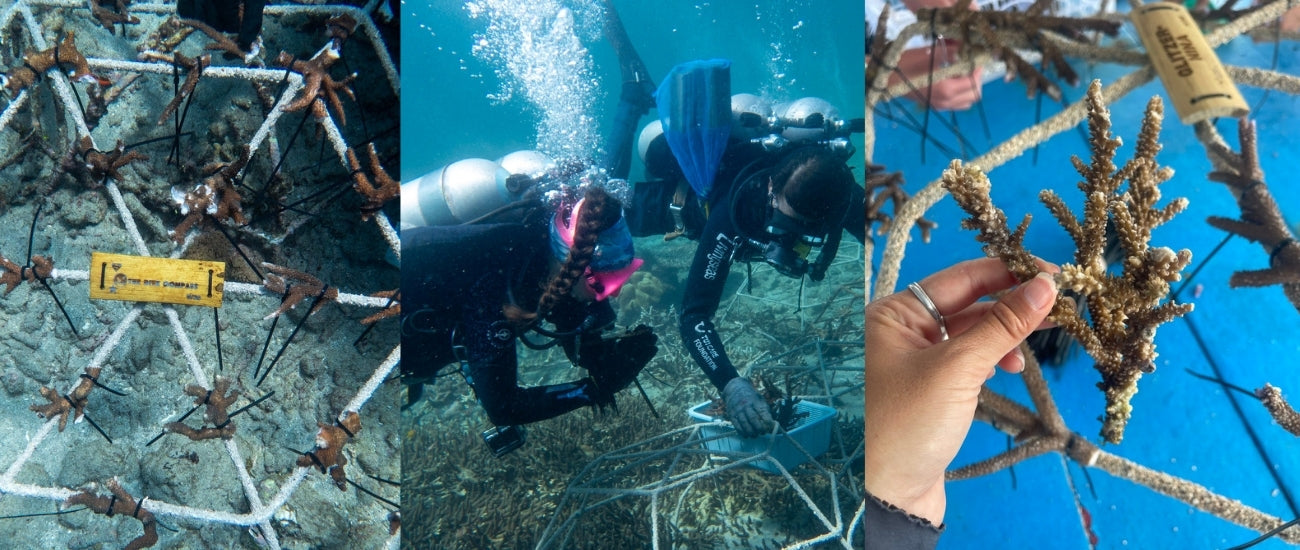
- Livingseas, Padang Bai, Bali. A very unique diving experience for the coral restoration work. Seeing the amount of life that has arrived on a site that was rubble and sand 7 years ago is worth the trip on its own.
- Blue Corner Dive, Nusa Lembongan, Indonesia. Professional, good equipment, and they do restoration work of their own. A PADI 5 Star Career Development Center.
- Wunderpus Liveaboard, Komodo. I have done this trip twice. Small groups, a maximum of four divers per guide, and guides who plan around the current and the moon rather than the schedule. Genuinely one of the best diving experiences I have had.
- GoDiveMEX, Playa del Carmen, Mexico. Where I did my full cave course. Serious technical operation, proper tech equipment including wings for wreck diving, and they teach technical and cave diving rather than just selling it.
The short checklist
Before you book, ask:
- How many divers per guide?
- Who will be guiding, and can I request someone by name?
- How often is rental equipment serviced, and is that by calendar or by dive count?
- Do you own your tanks and boat, or rent them, and how much notice do you need?
- Are you Green Fins, and Certified or Digital? Then check the directory rather than the logo.
- Do you enforce no touch and no chase on every dive, or only for new divers? And do guides correct people in the water, or just say it in the briefing?
- What happens if a diver damages the reef?
- What oxygen do you carry, do you have a written emergency plan, and where is the nearest chamber?
And on the day, before you get in: suck test both regs, work the inflator, inflate the BCD and watch whether it holds, and look at the tank sticker.
The answers matter. But honestly, what I pay most attention to is the reaction. Operators who care light up when a diver asks these questions. They will tell you about the mooring project they are fundraising for, or the site they stopped visiting because it needed a rest. The ones who do not care get vague, or slightly impatient, and that tells you just as much.
Common questions
How do I know if a dive shop is safe?
Ask about divers per guide, equipment service intervals, and what oxygen and emergency plan they carry. Check they are licensed where licensing exists, and check any eco-certification in the issuing body's own directory rather than trusting a logo on their website.
How many divers should there be per guide?
There is no universal standard for guided dives with certified divers. Egypt caps it at twelve by law, and good operators voluntarily run at four to six. Above eight, nobody is watching your buoyancy.
Does it matter whether a dive shop is PADI or SSI?
Far less than people think. Both are recognized worldwide and their entry-level training ratios are identical at eight students per instructor in open water. What matters is the individual instructor, not the agency logo.
What should I check on rental scuba equipment?
Suck test both second stages before pressurizing, breathe from both once the tank is on, press the inflator and listen for a clean stop, connect and disconnect the low pressure hose, inflate the BCD and see whether it holds air, and check the tank's inspection dates.
How often should dive shops service their equipment?
Most manufacturers now specify roughly every 24 months or 100 dives, whichever comes first, which is a change from the older annual advice. Rental gear hits the dive count long before the calendar date, so ask which one the shop works to.
What is Green Fins and does it mean a dive shop is eco-friendly?
Green Fins is run by the Reef-World Foundation with the UN Environment Programme. Certified Members are assessed in person annually against a fifteen point code and must hit a minimum score, and are ranked Gold, Silver or Bronze. Digital Members self-assess online with no minimum score. Check which one an operator holds in the public directory.
How do I choose a dive shop for my Open Water course?
Read reviews looking for instructors mentioned by name, then request that person when you book. The instructor makes or breaks the course far more than the center does. Also ask the class size, because eight students per instructor is the maximum both PADI and SSI allow, not a target.
What should I do if I am not comfortable with a dive plan?
Do not get in. Standards differ genuinely between agencies and countries, so an operator's normal dive may sit outside what you were trained for. Decide before you are on the boat that you are willing to say no, because it is much harder in the moment.
Keep reading
- Water Temperature by Dive Destination: What Women Divers Actually Need to Wear
- What to Wear Under a Wetsuit
- The Ultimate Dive Trip Packing List for Women
🪸 10% of every Dive Compass order goes to the Livingseas Foundation, Ocean Conservancy and Sea Shepherd through our Save Our Seas Pledge, and every order plants a coral at Padang Bai in Bali.
































































Leave a comment
This site is protected by hCaptcha and the hCaptcha Privacy Policy and Terms of Service apply.