



From Plastic Bottles to Swimwear: 6 Steps How Recycled Polyester Helps Protect Our Oceans
Plastic Bottles to Swimwear: The Plastic Pollution Problem
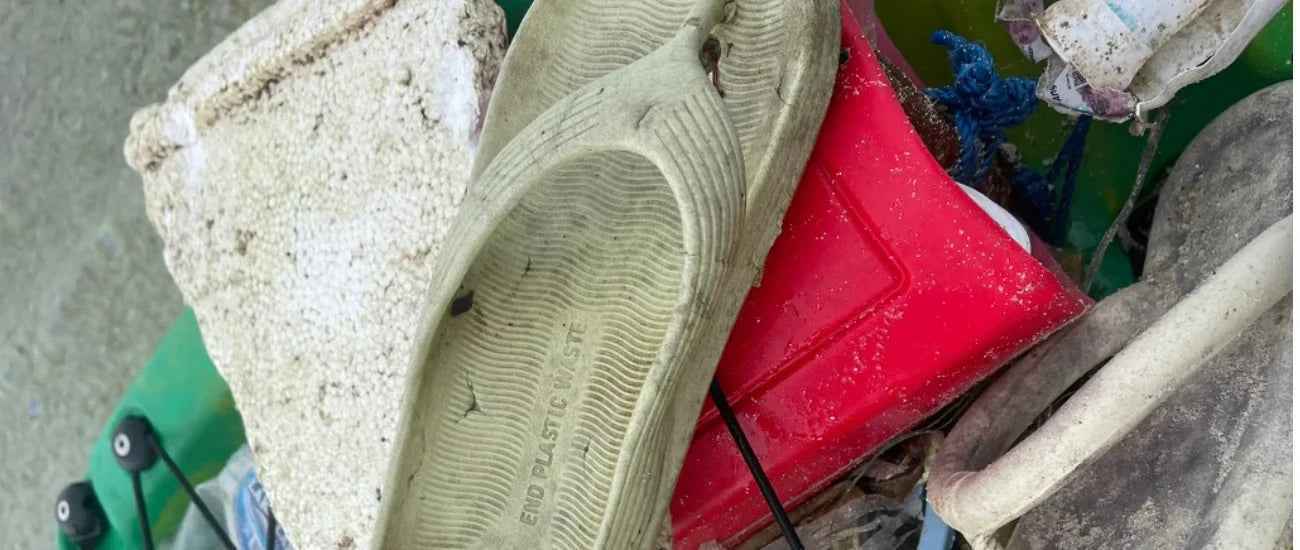
Every year, an estimated 8 million metric tons of plastic enter our oceans — from plastic bottles and bags to discarded fishing nets. This plastic not only threatens marine life but also disrupts delicate ocean ecosystems. At The Dive Compass, we believe that sustainability isn't just about reducing waste, it's about giving it new life. From plastic bottles to swimwear - that's why our swimwear is made with recycled polyester crafted from post-consumer plastic waste, turning waste into something beautiful and functional.
We'll dive into how recycled polyester is made, how it helps keep plastic out of our oceans, and why it's a game-changer for a more circular economy.
1. What is Recycled Polyester (rPET)?

Recycled polyester, or rPET, is a fabric made by recycling existing plastic — typically PET (polyethylene terephthalate) bottles and post-consumer plastic waste. By using recycled materials instead of virgin polyester, we can significantly reduce plastic waste, lower energy use, and cut down greenhouse gas emissions.
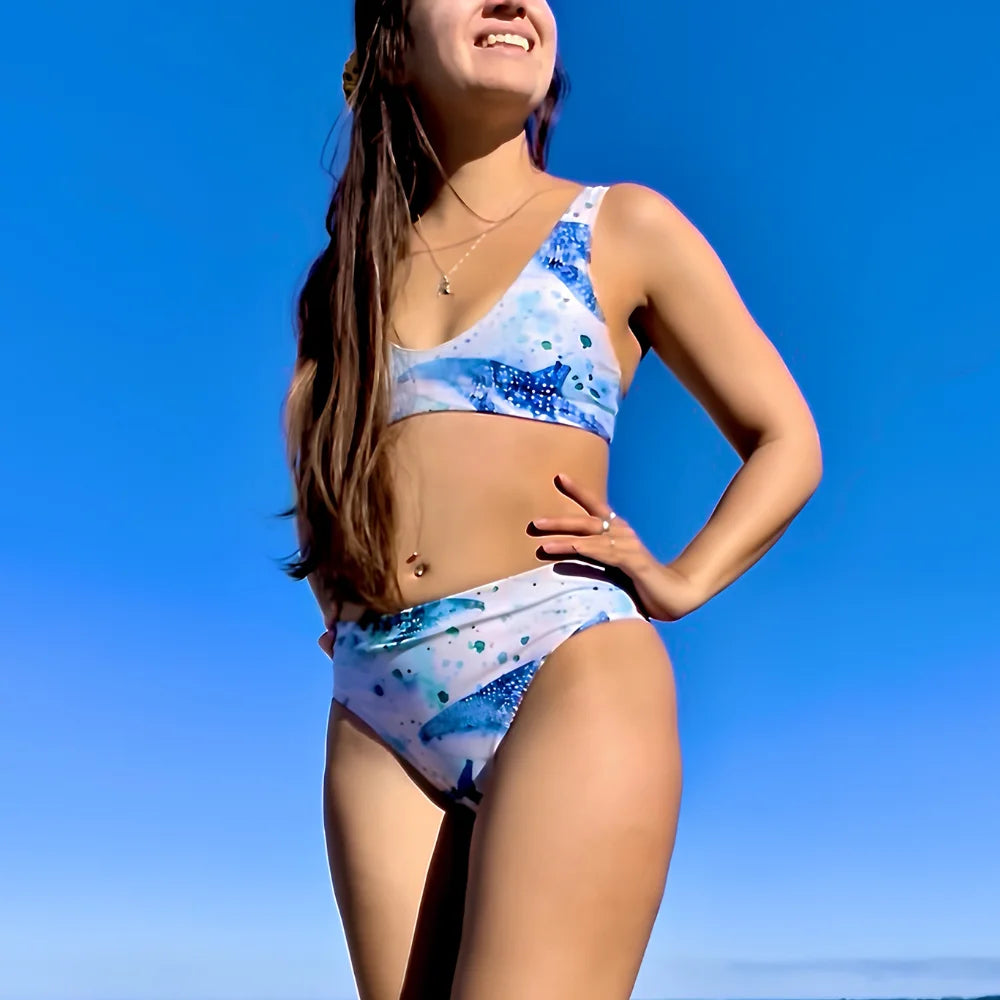
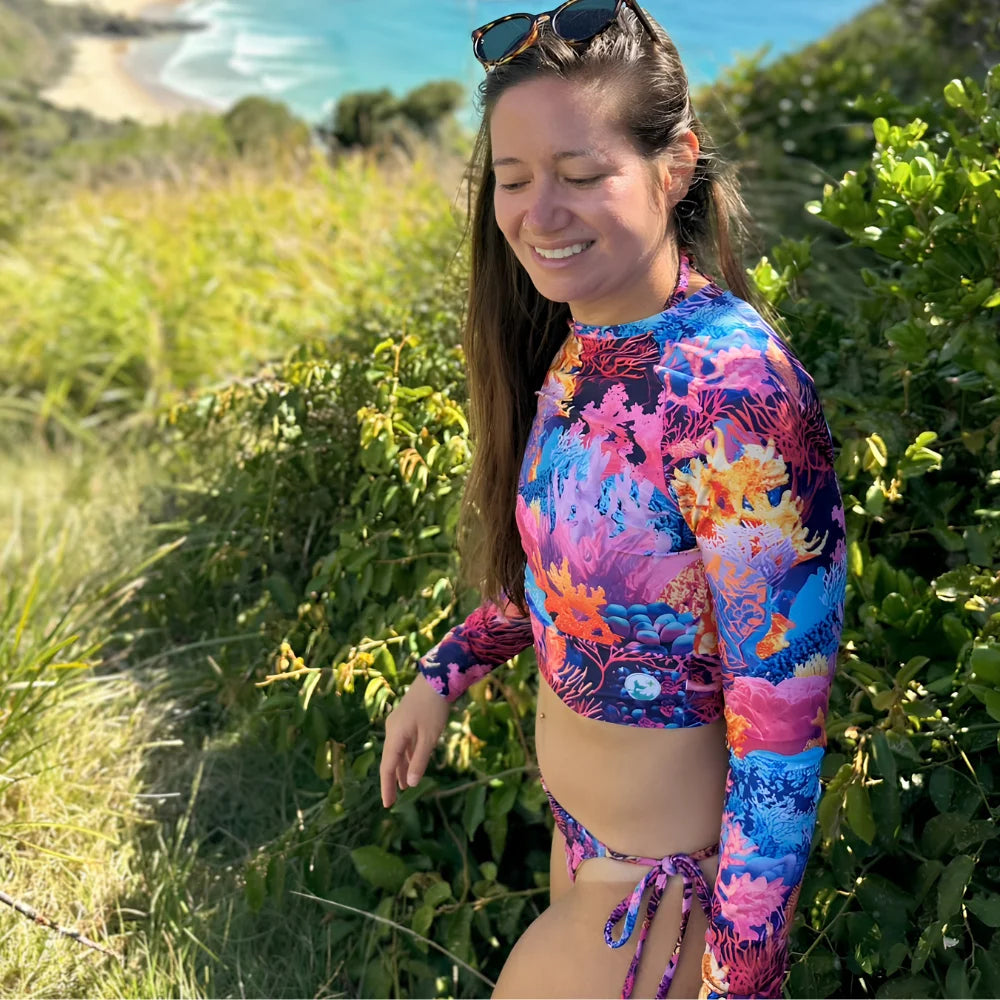
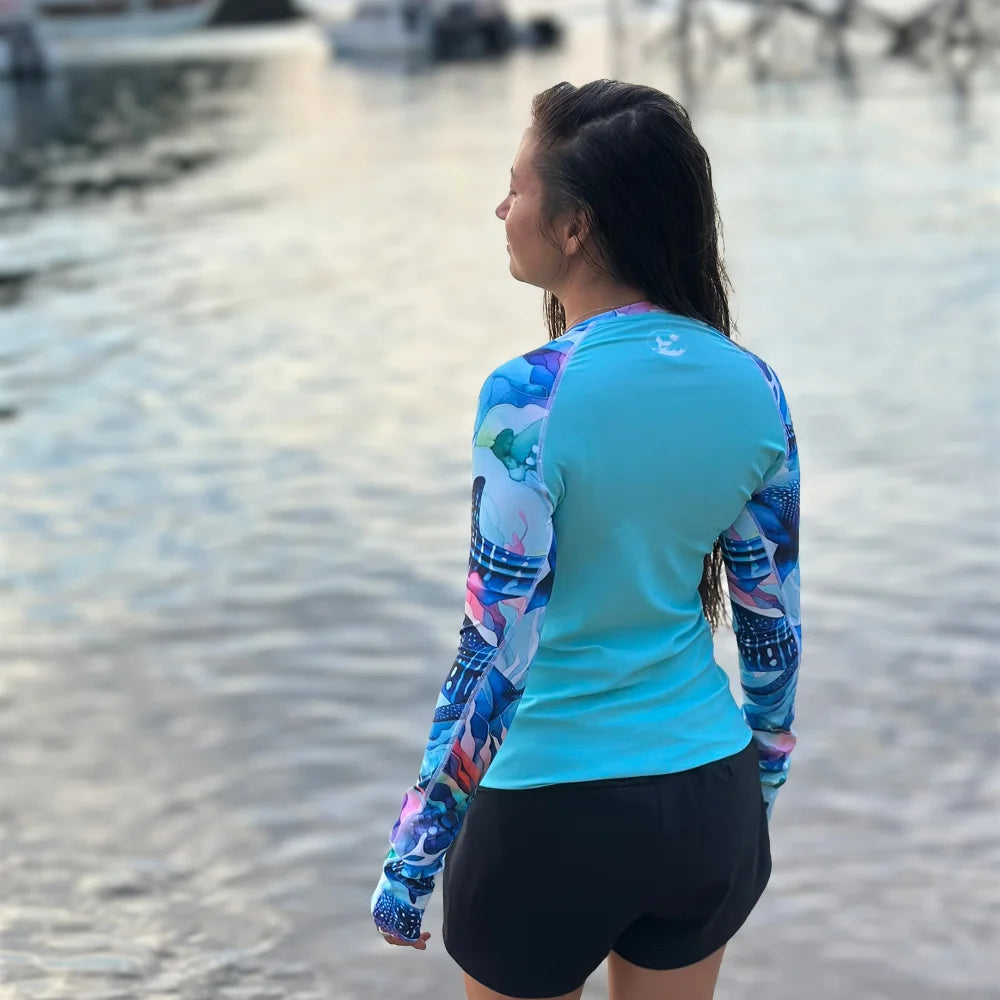
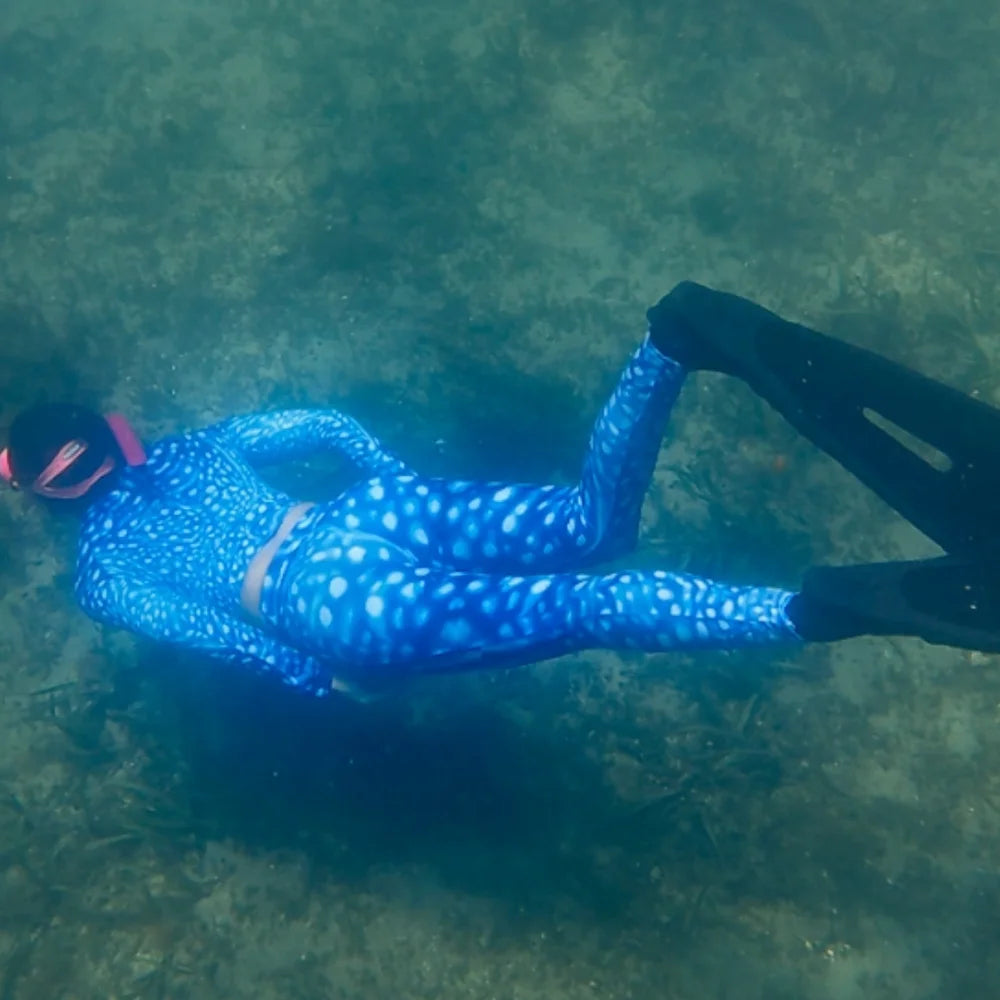
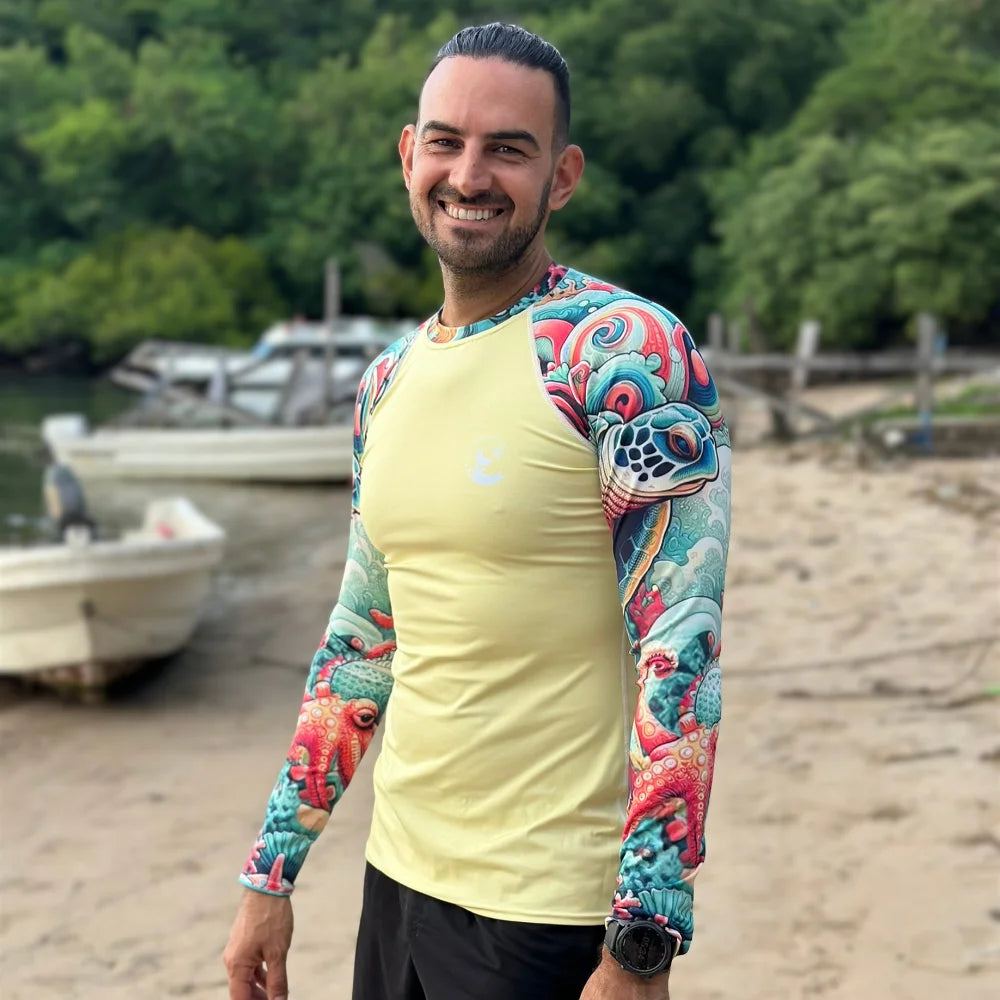
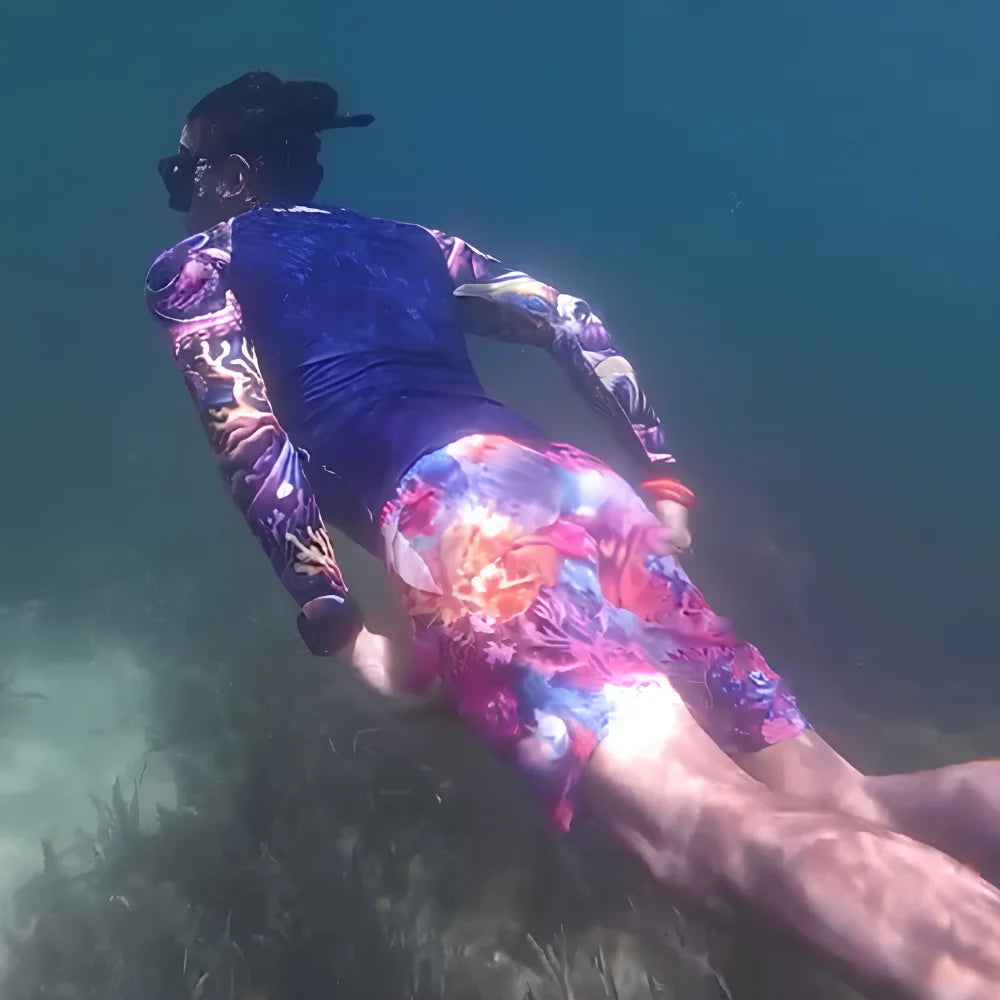
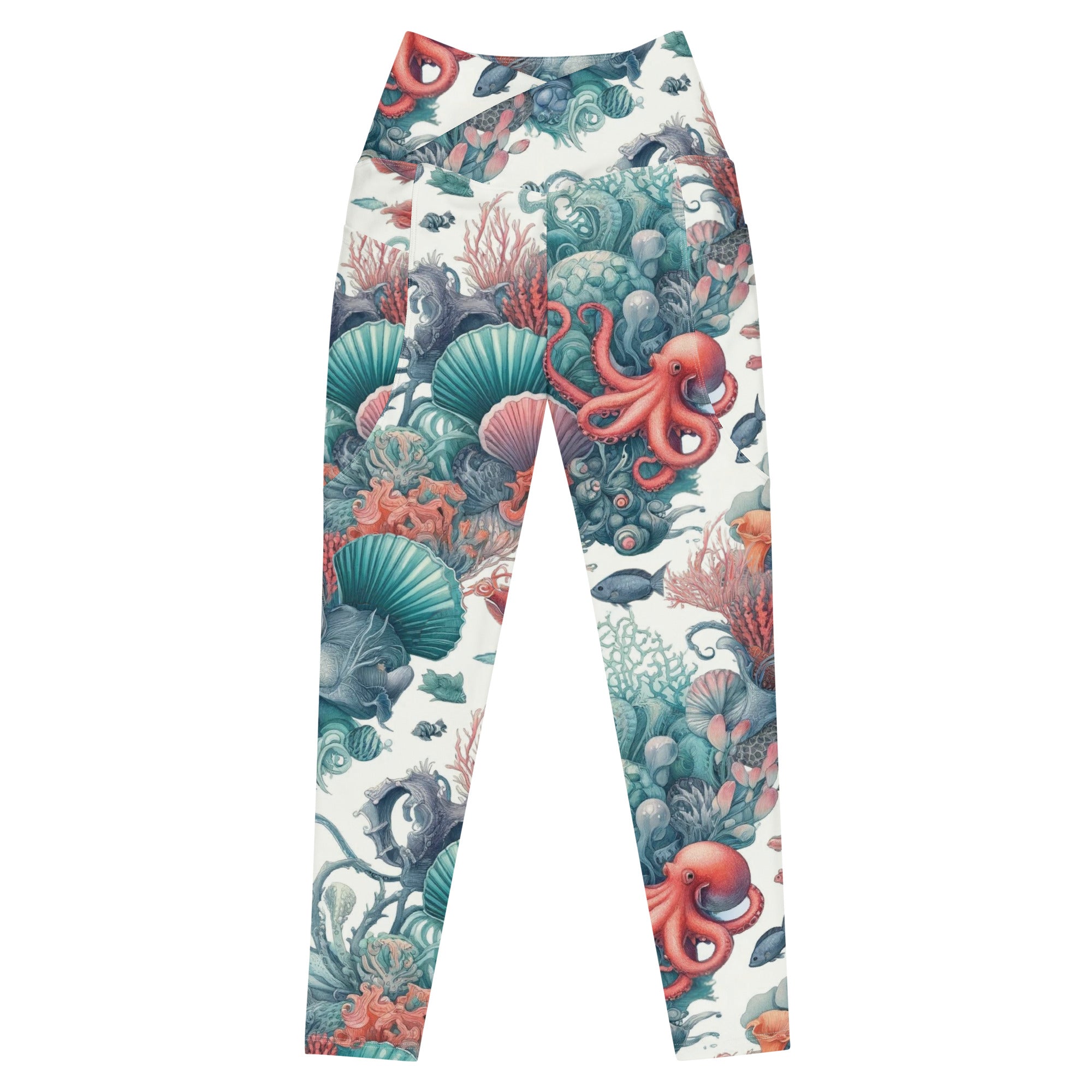
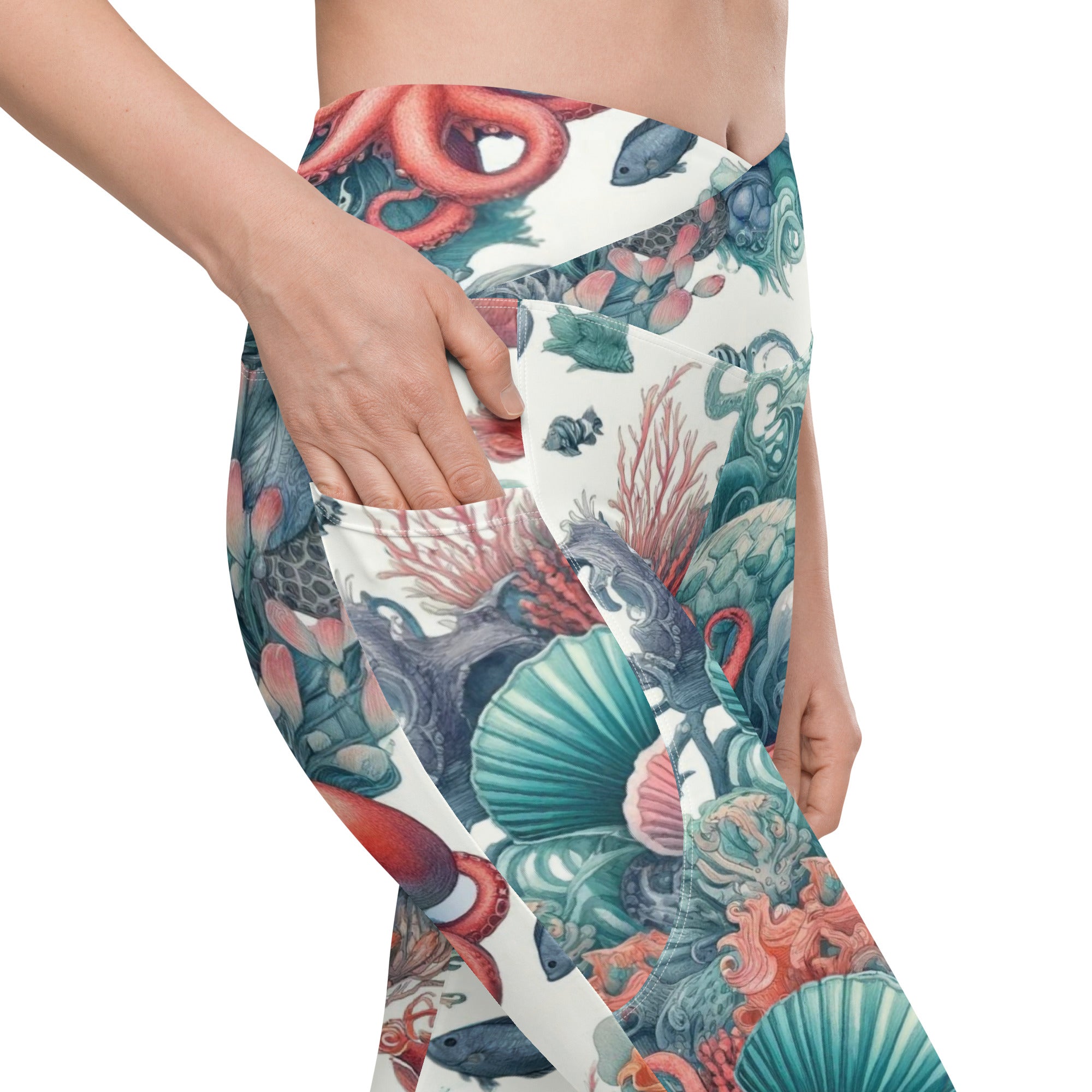
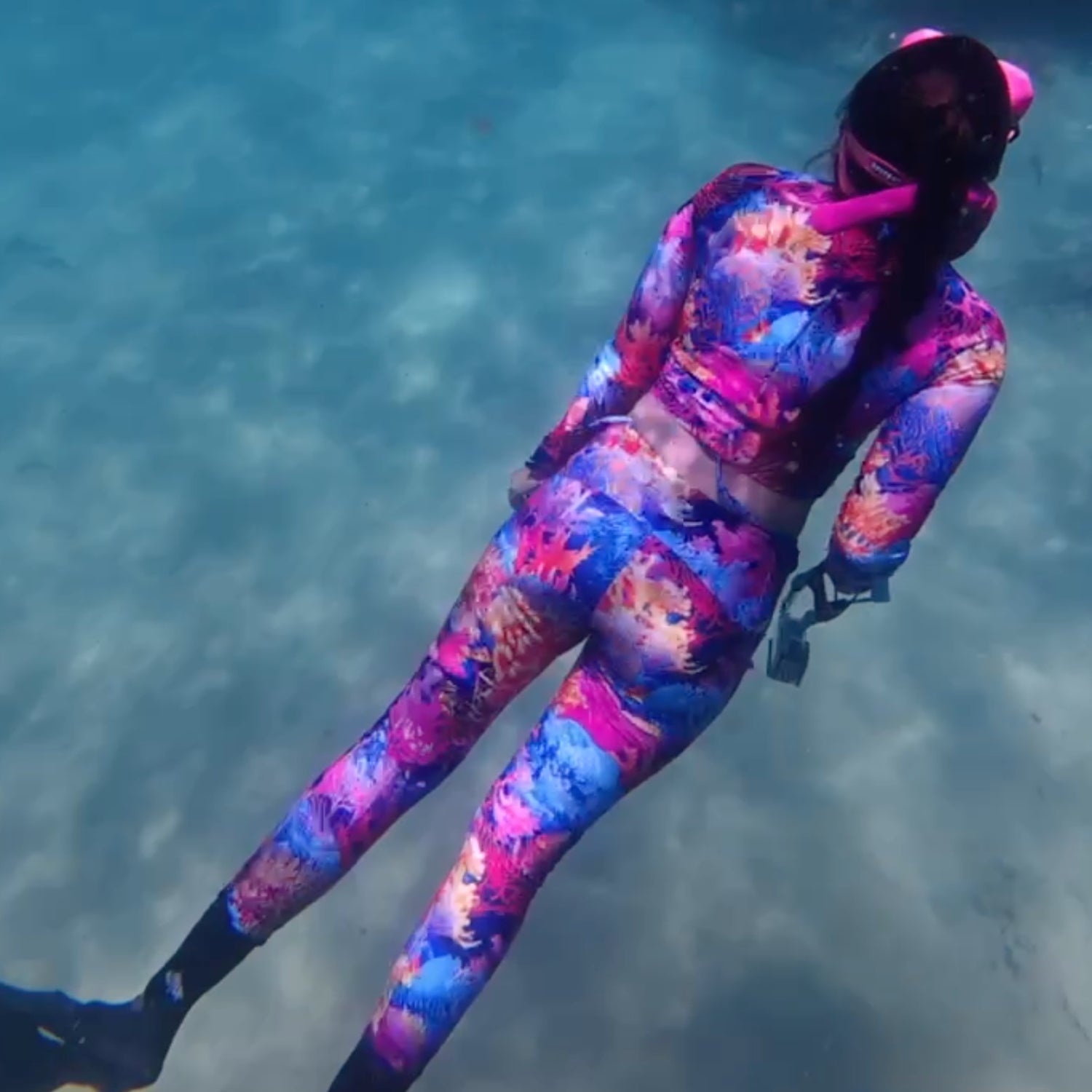
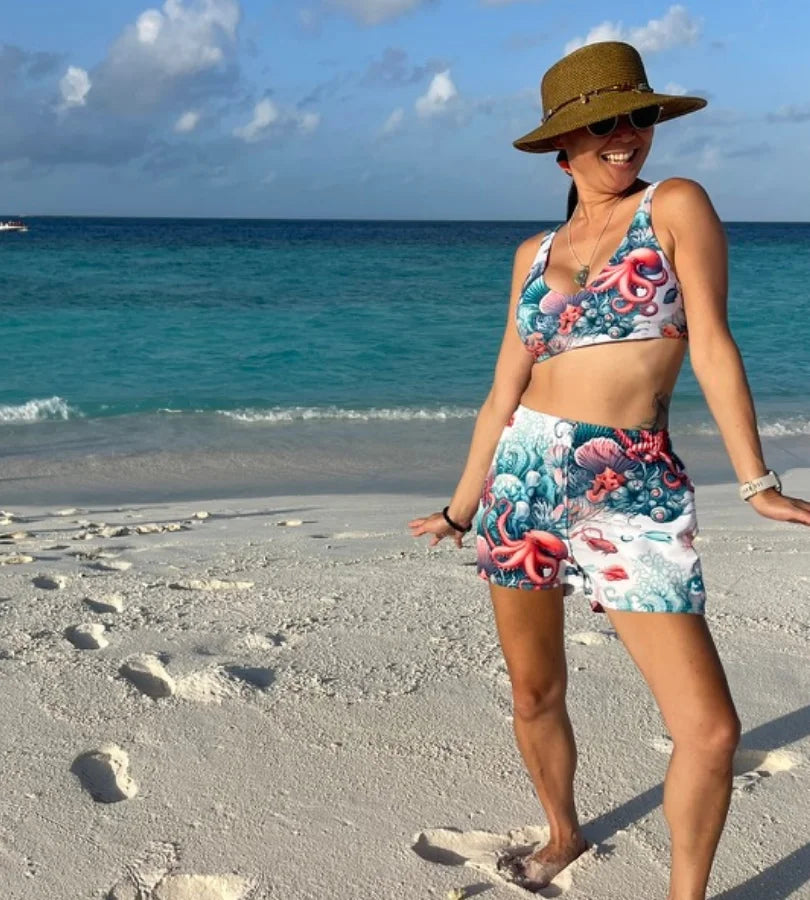
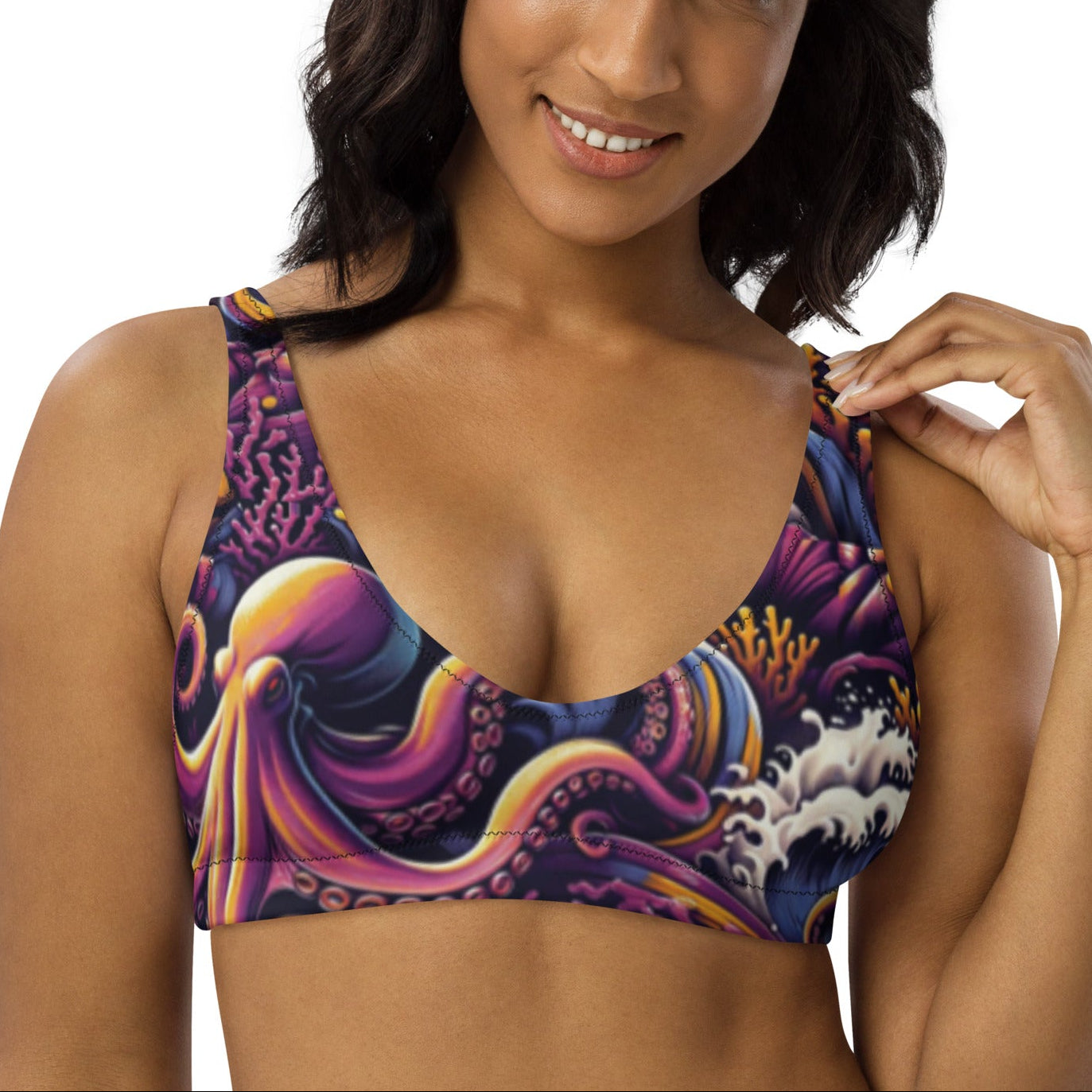
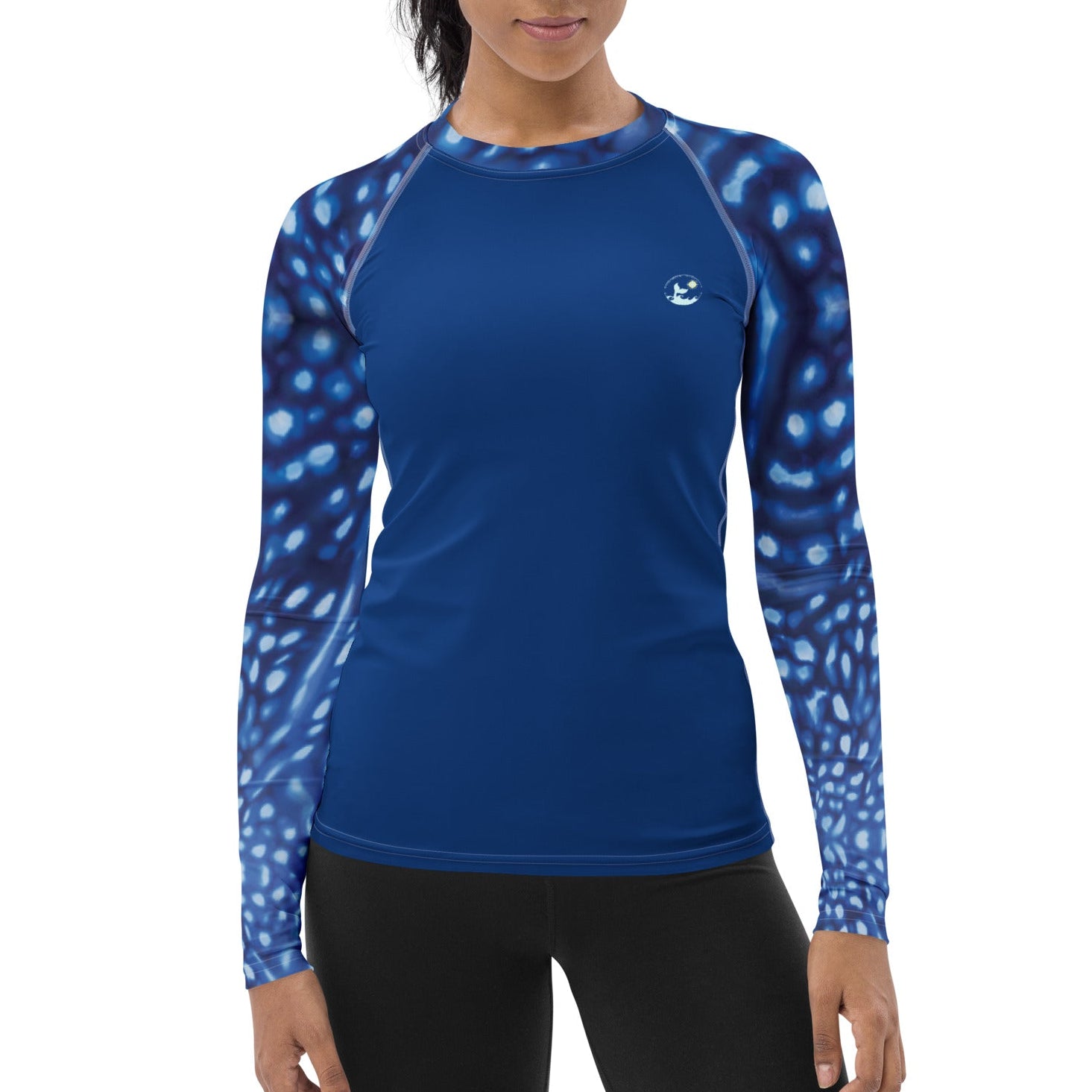
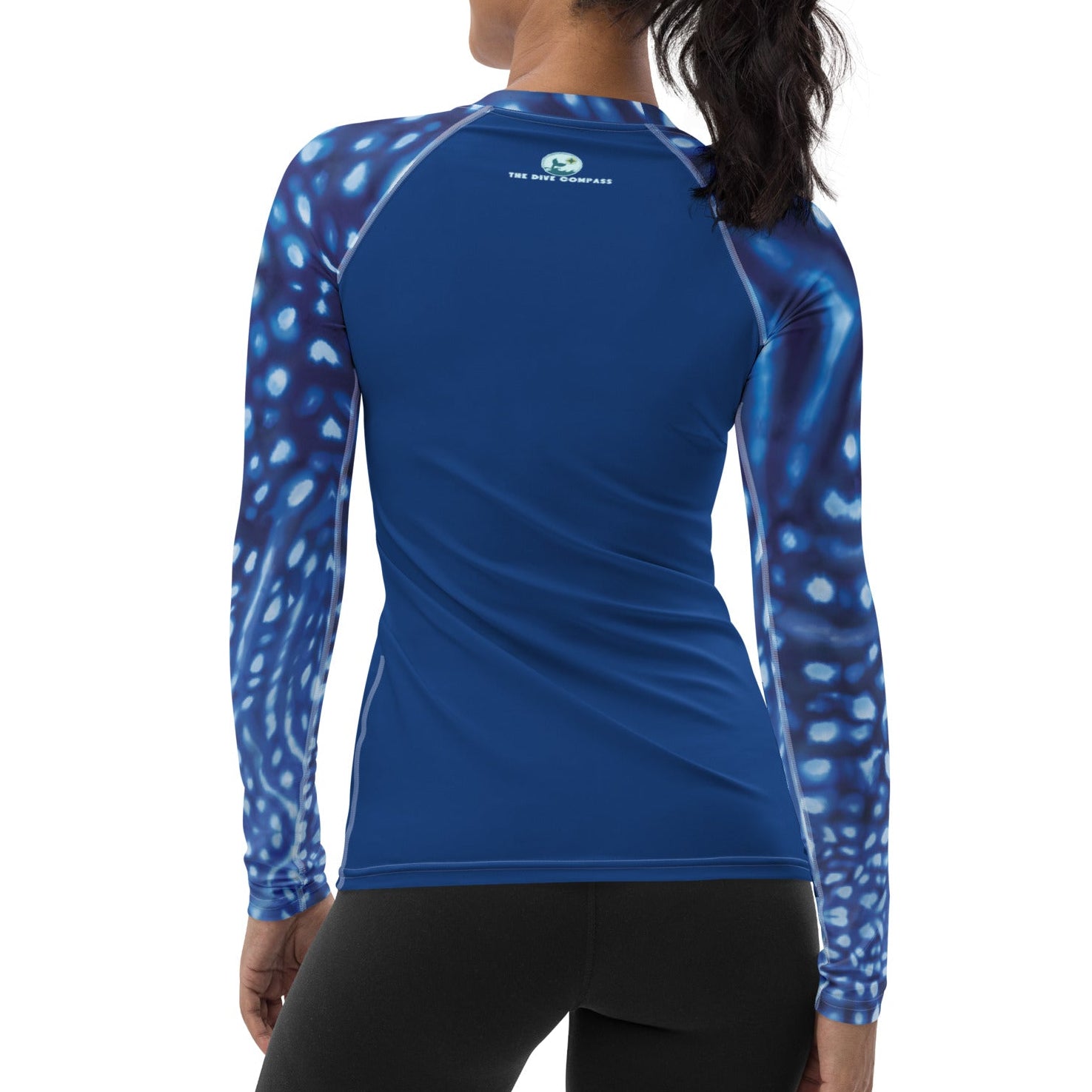
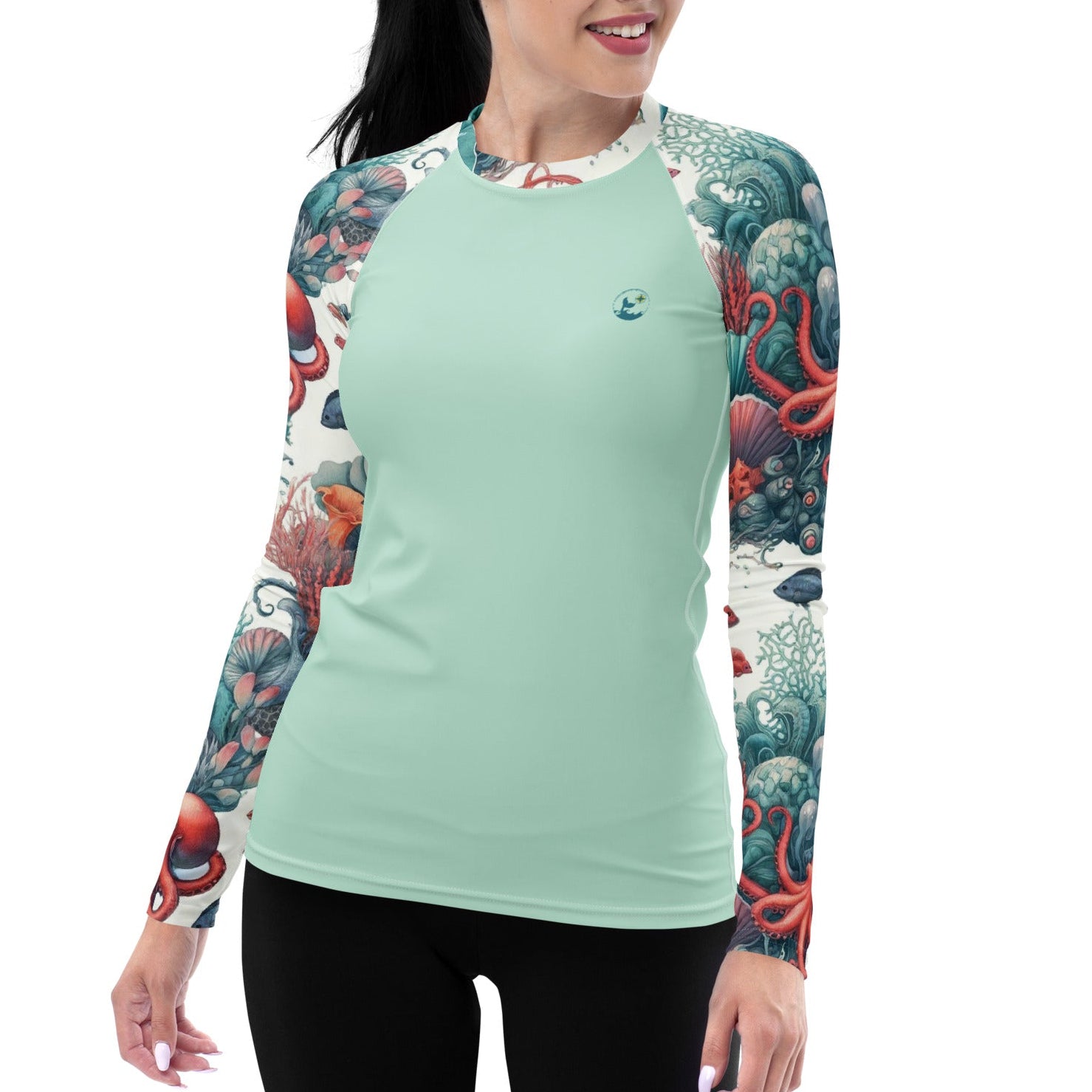
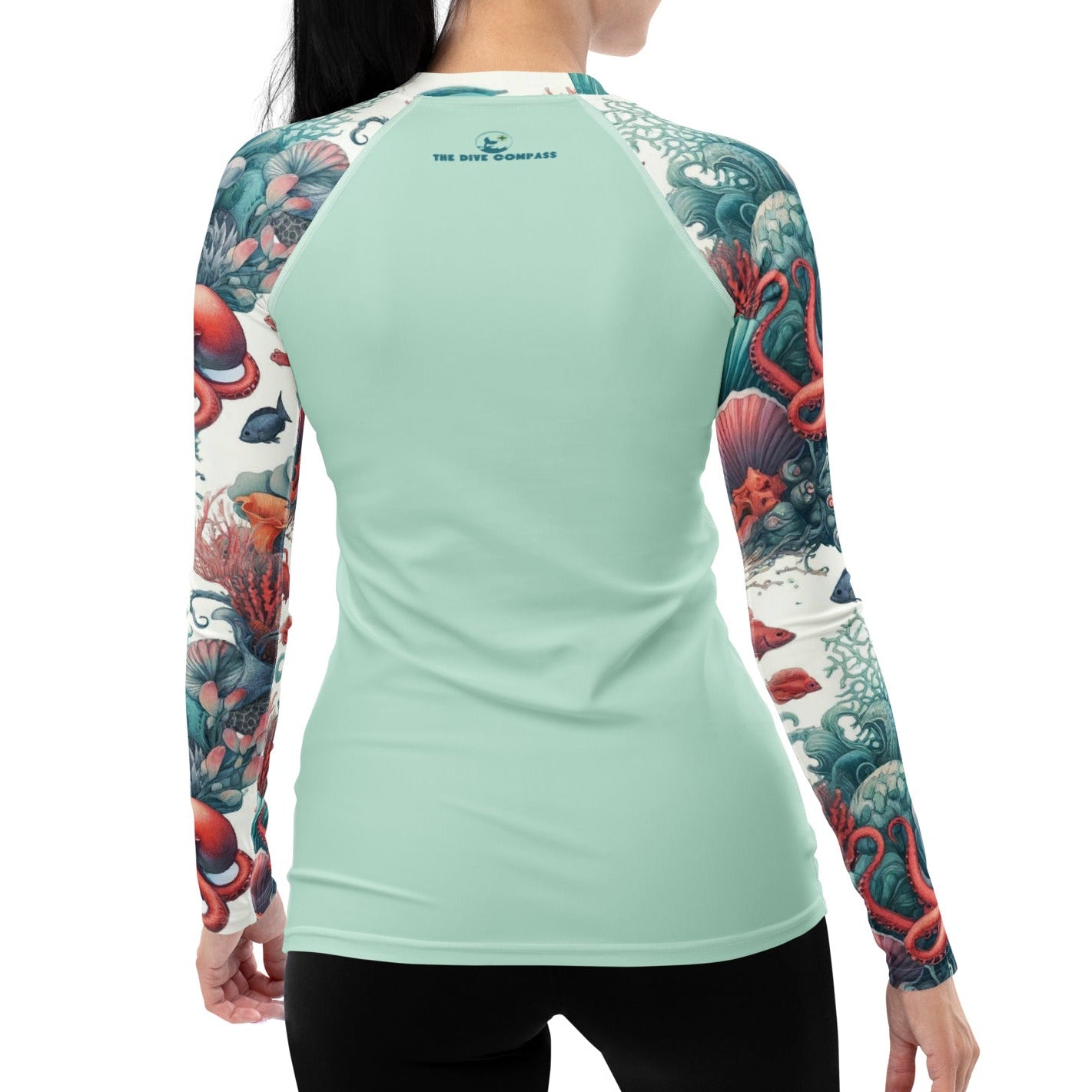
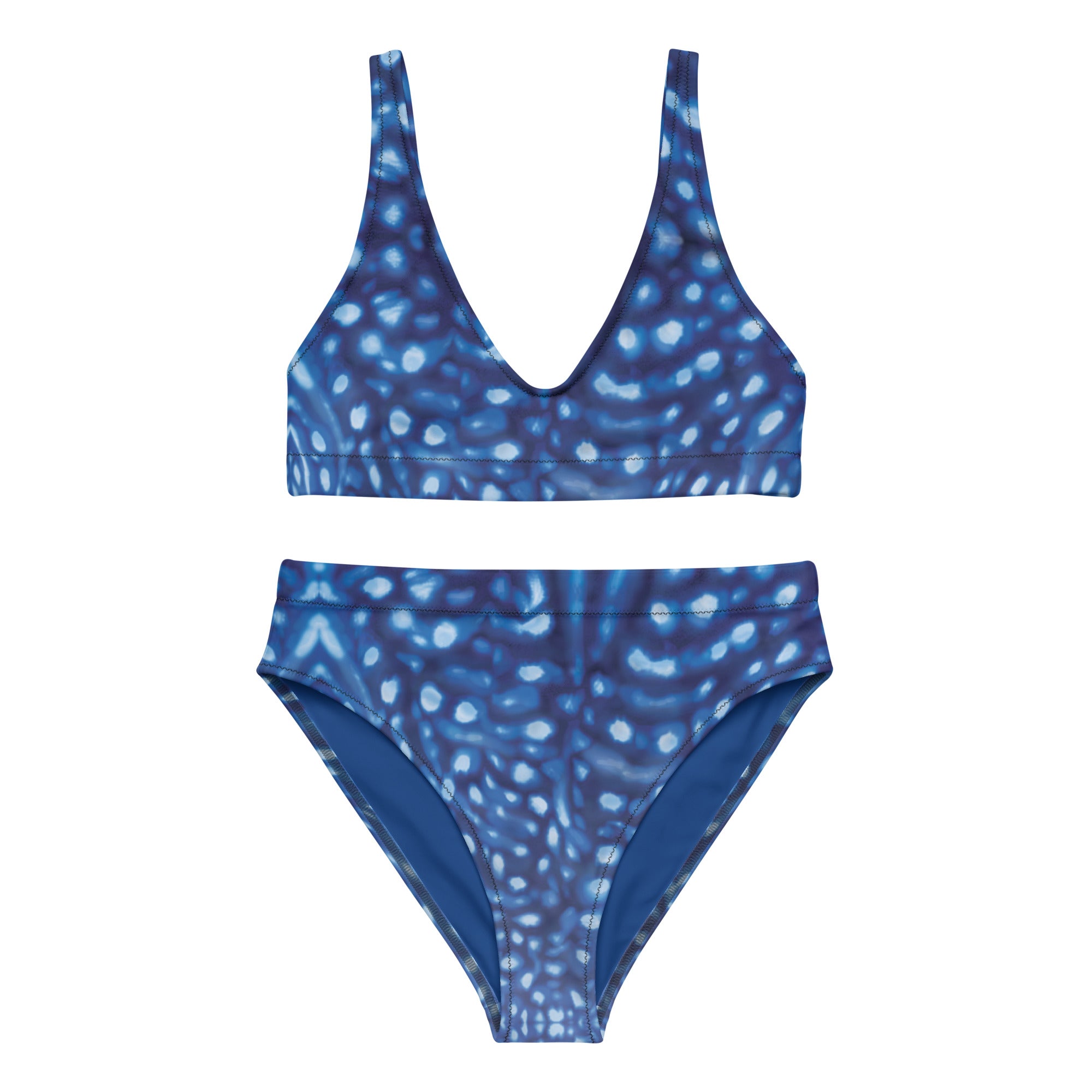
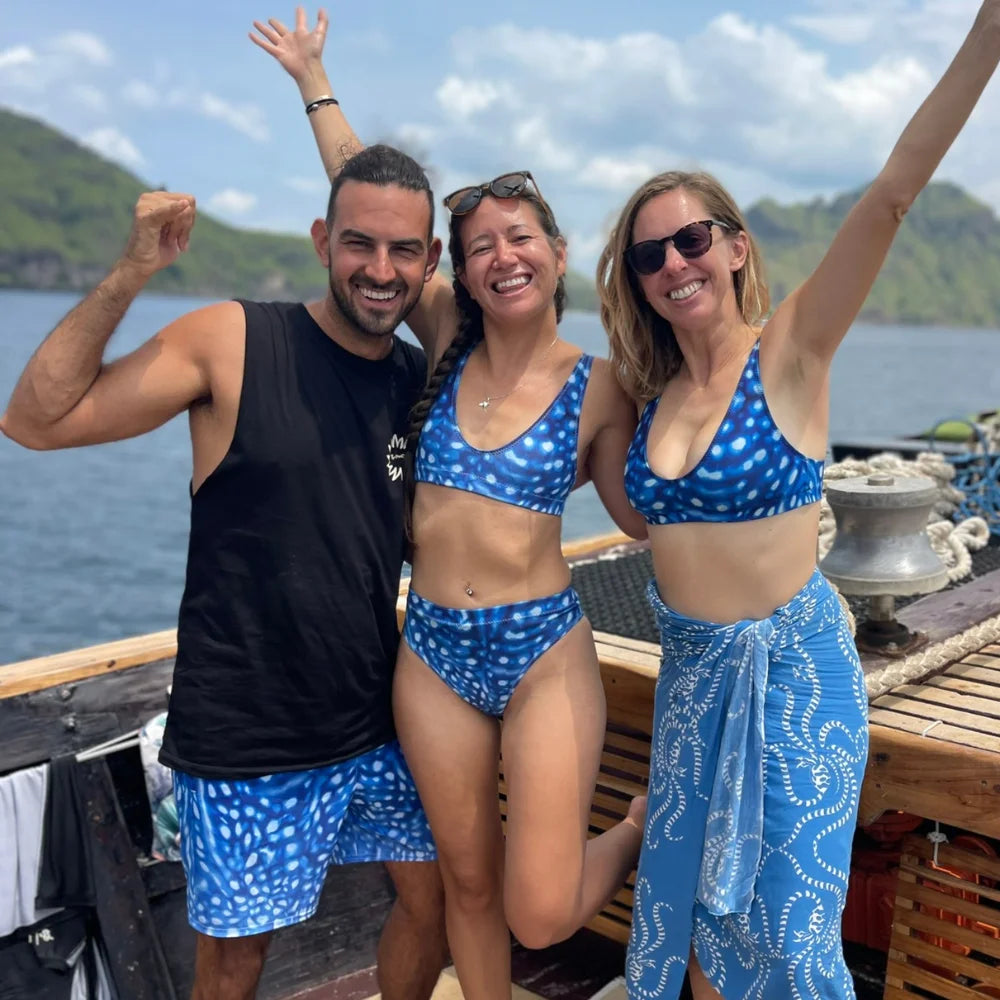
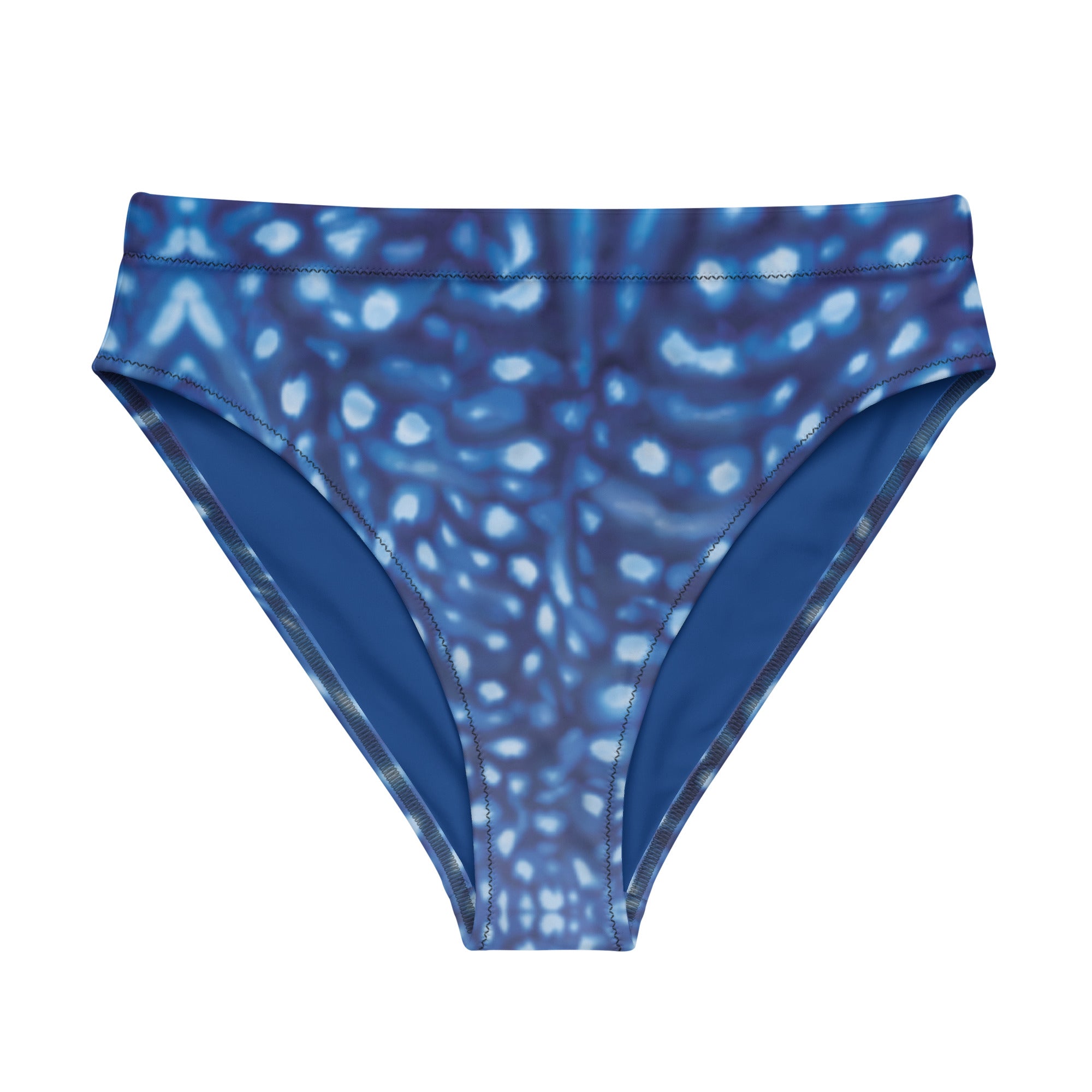
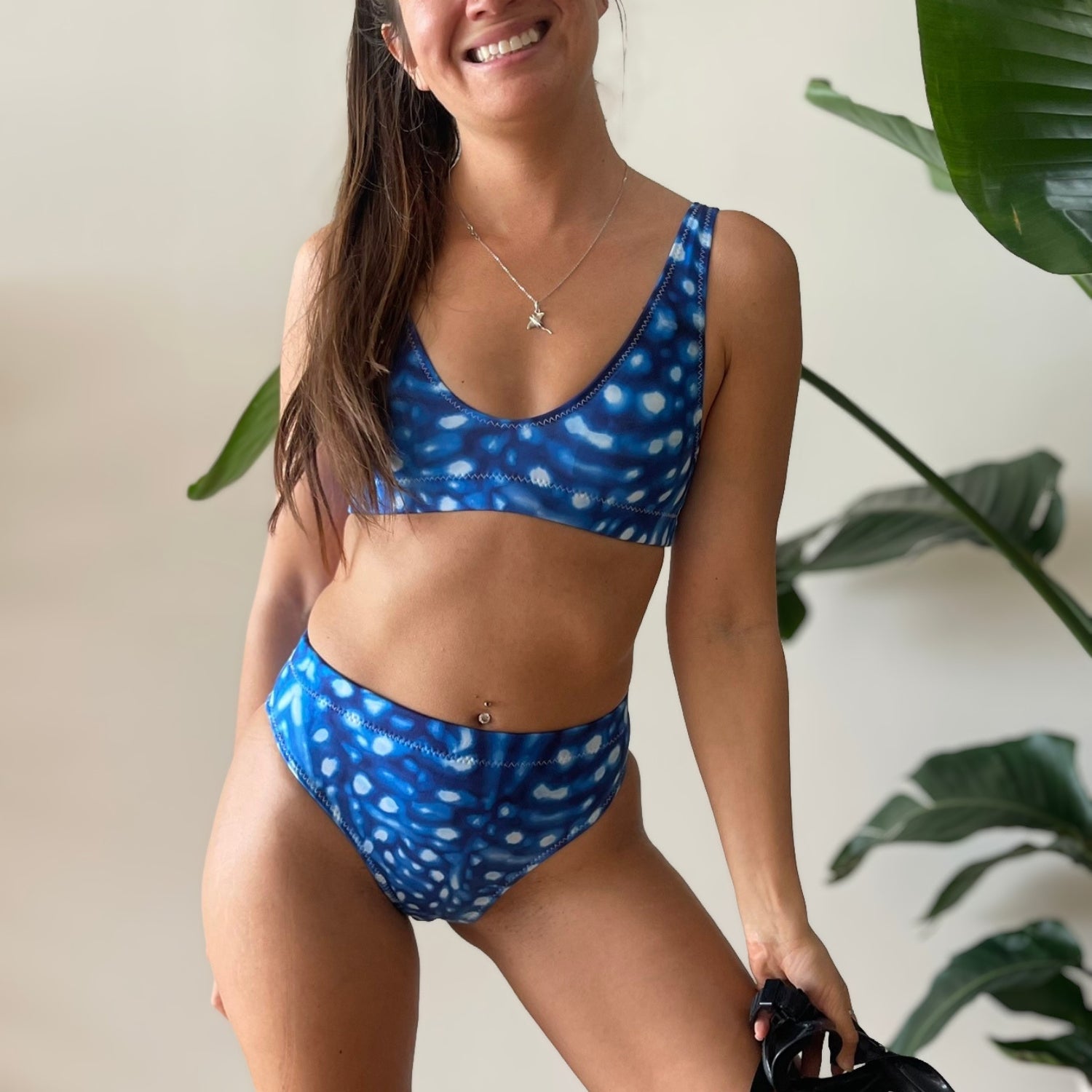
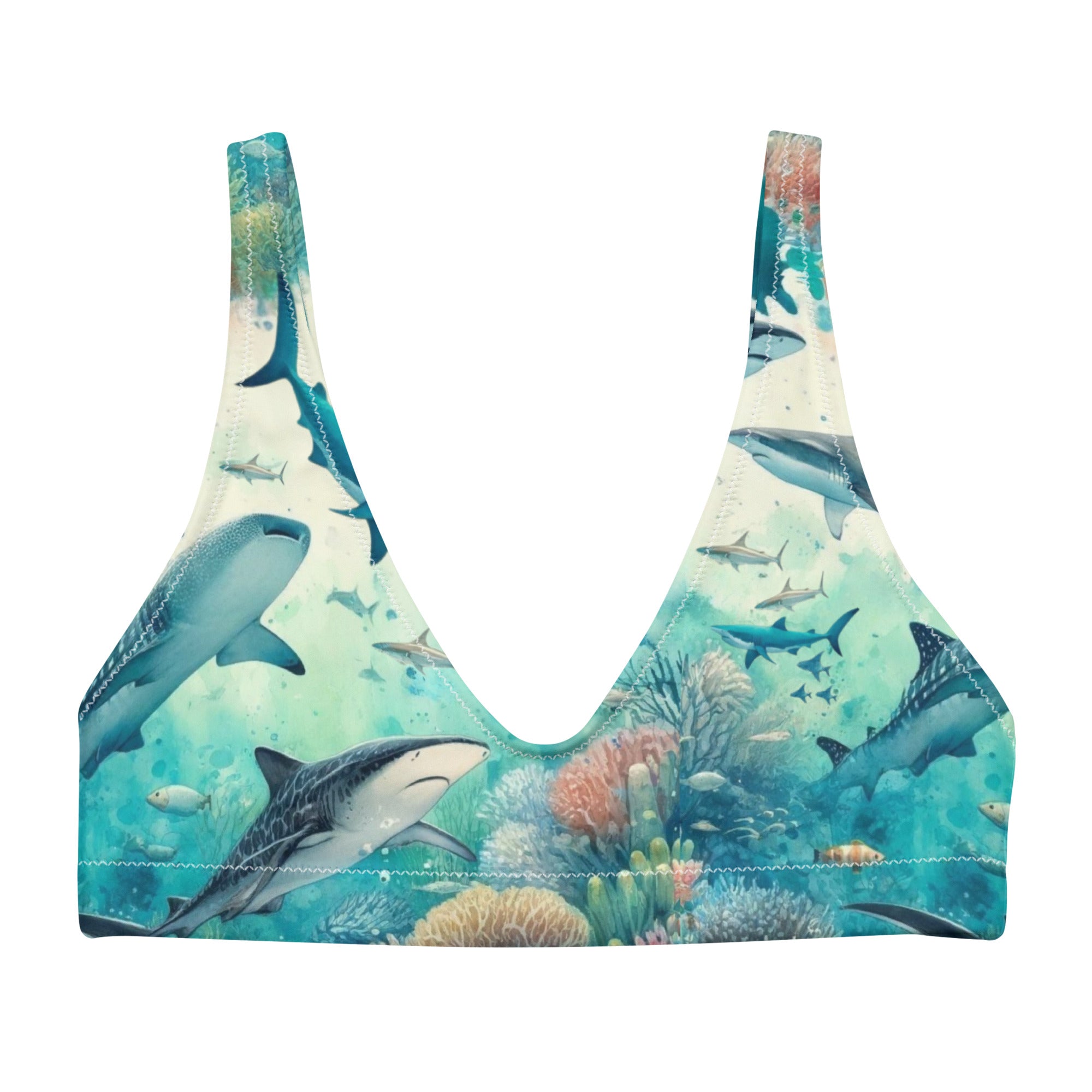
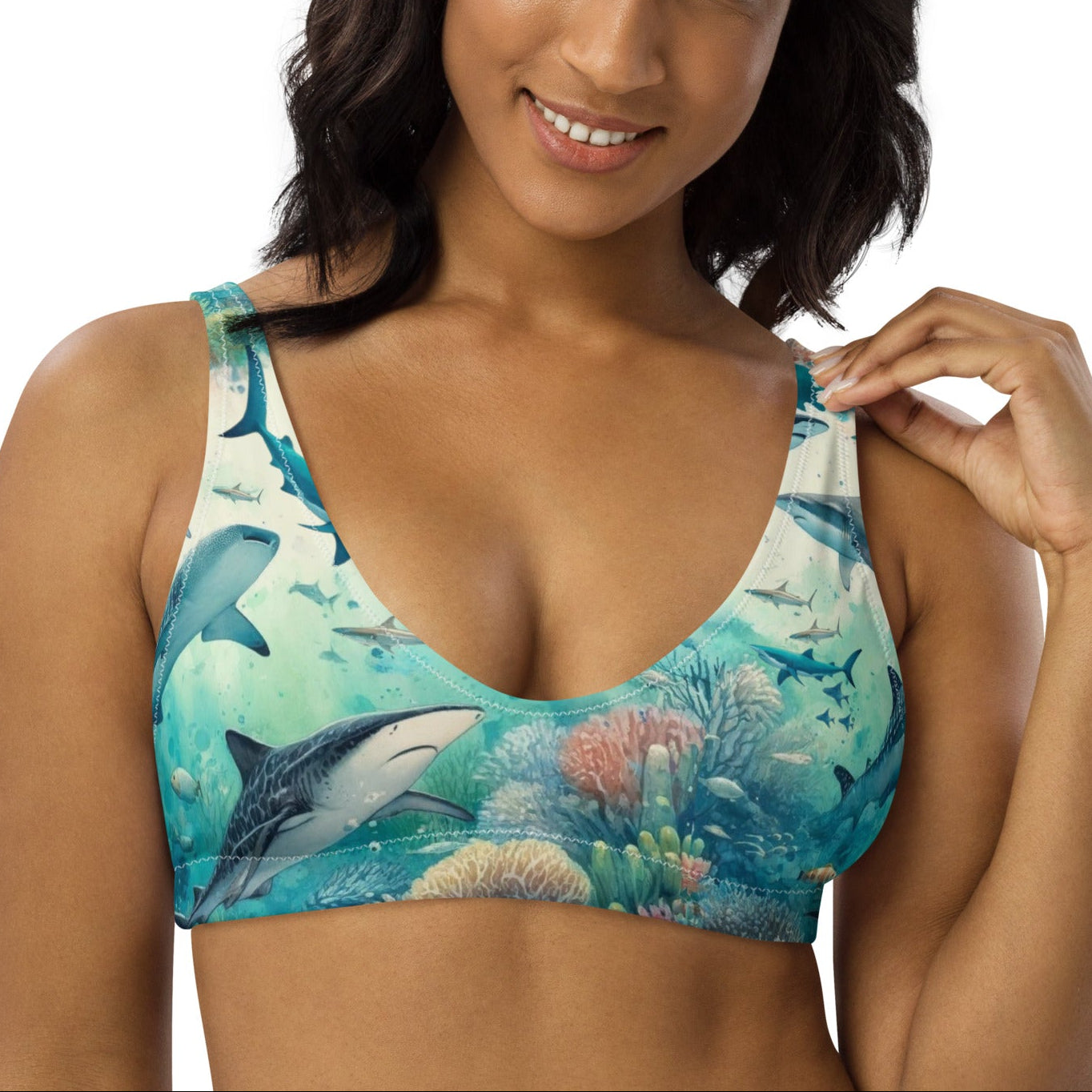
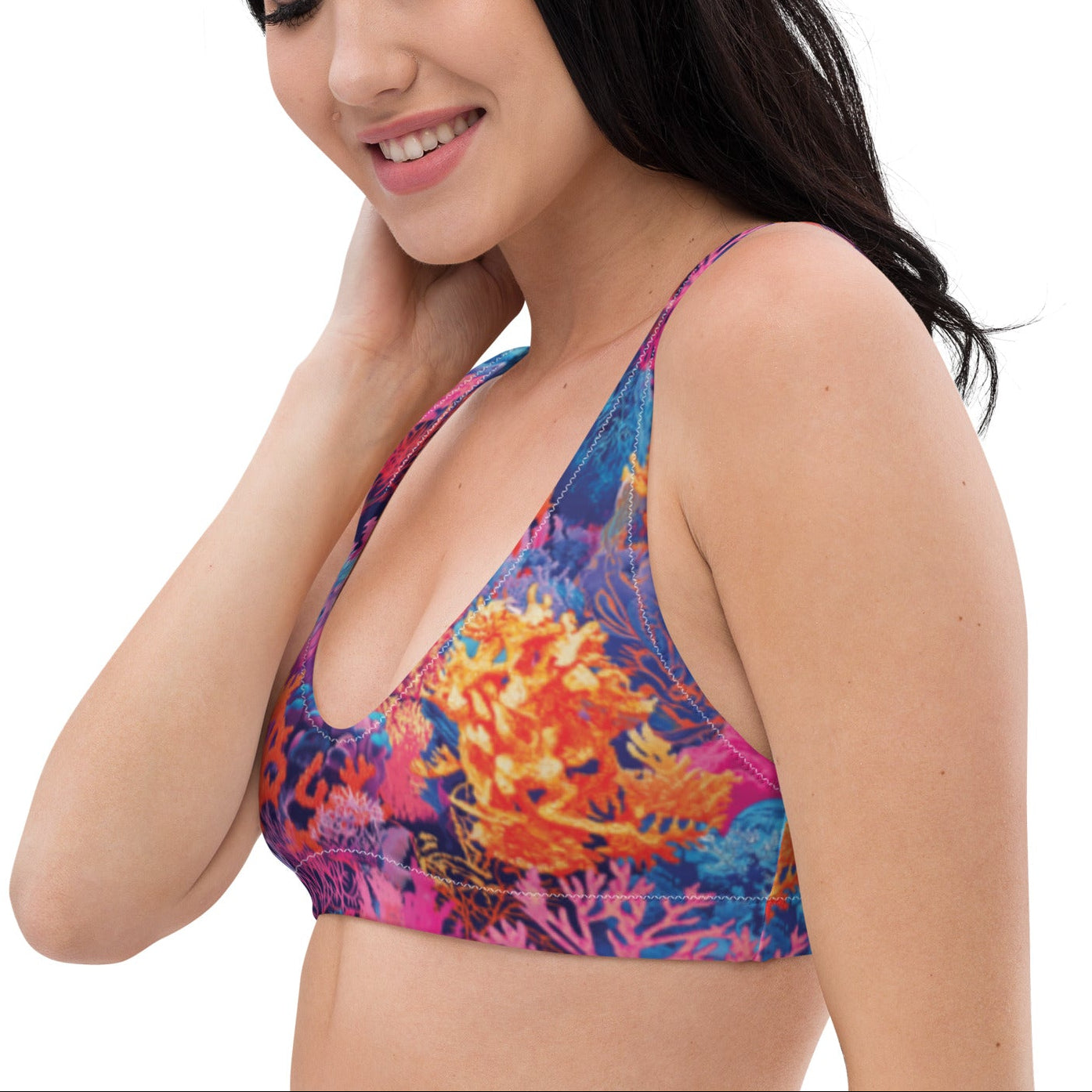
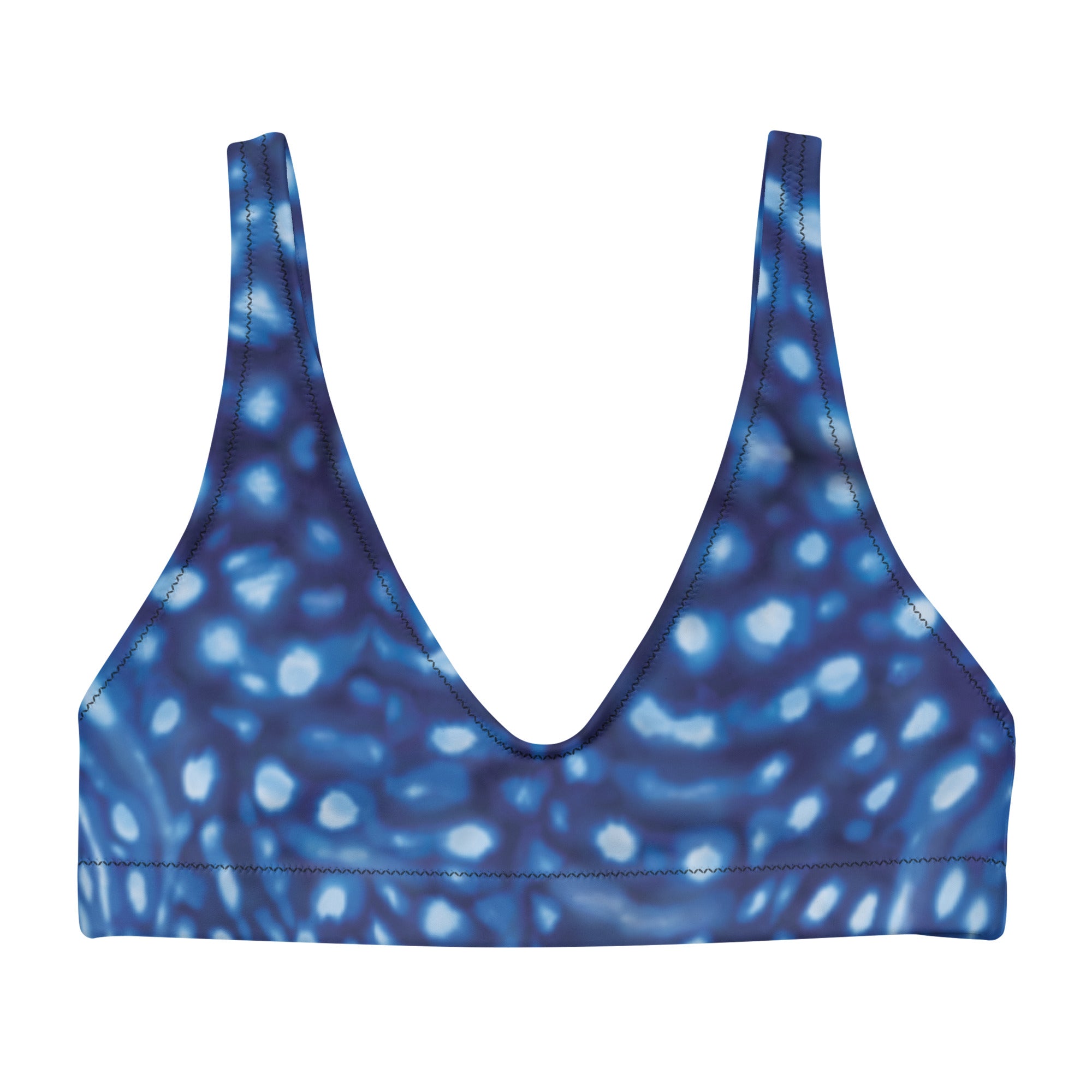
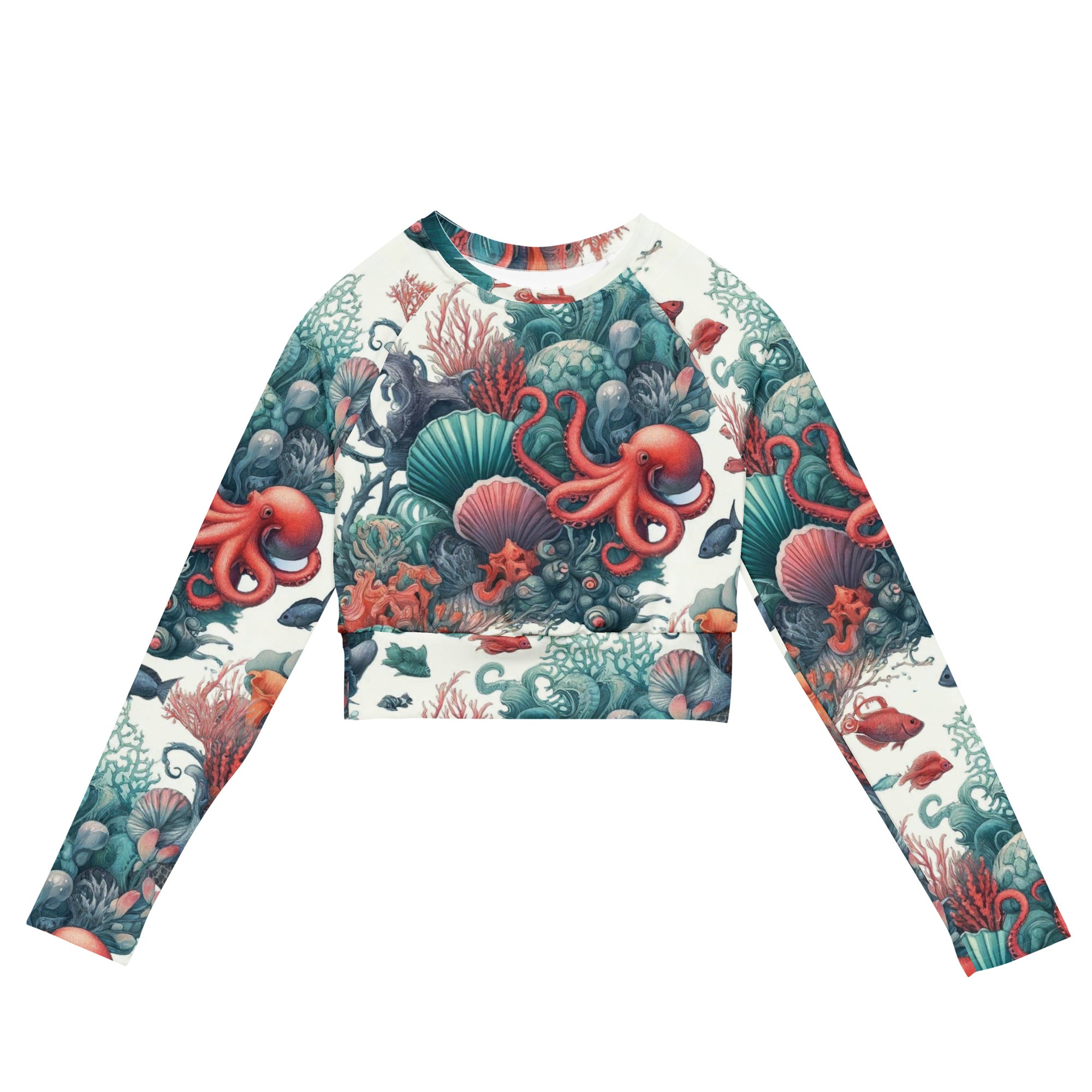
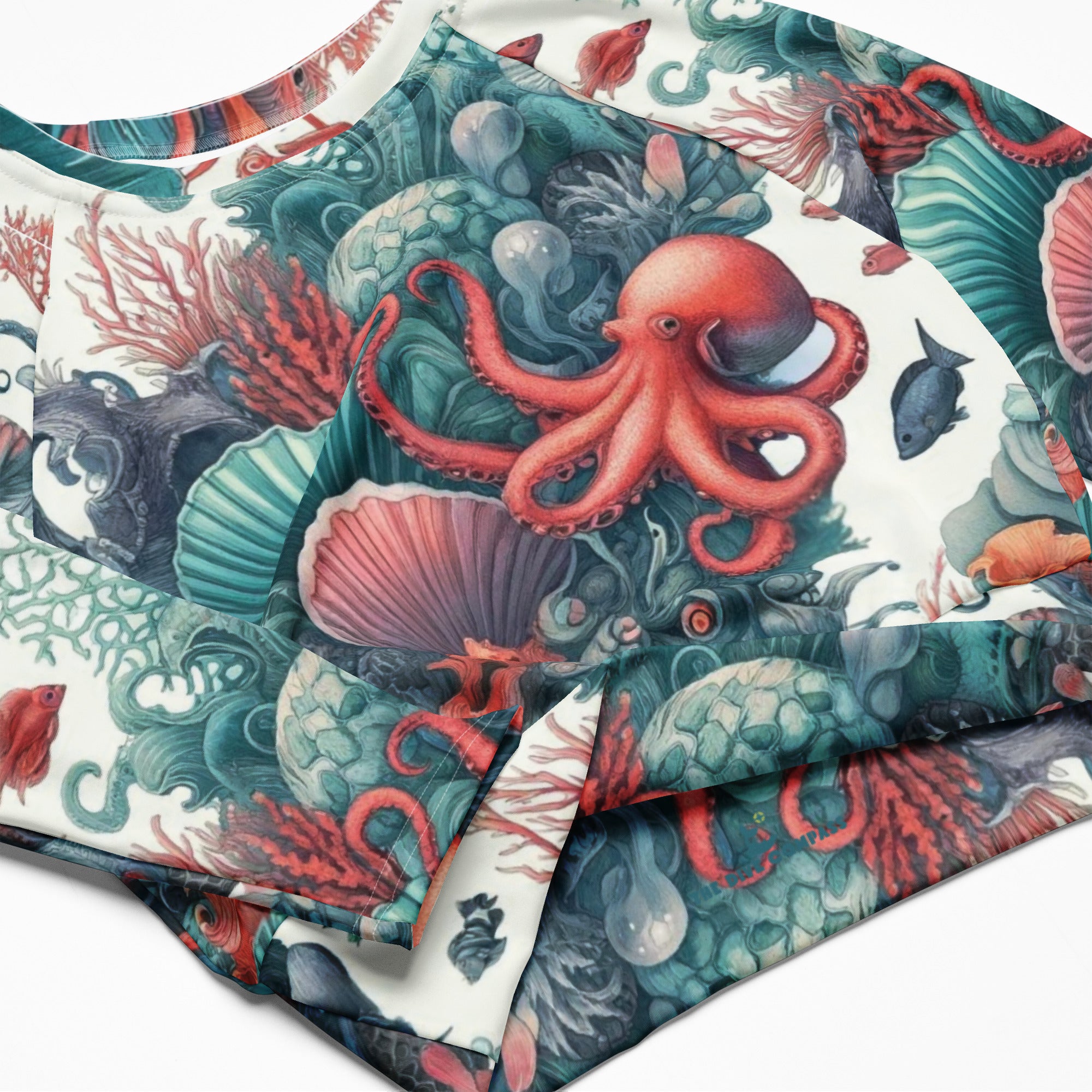
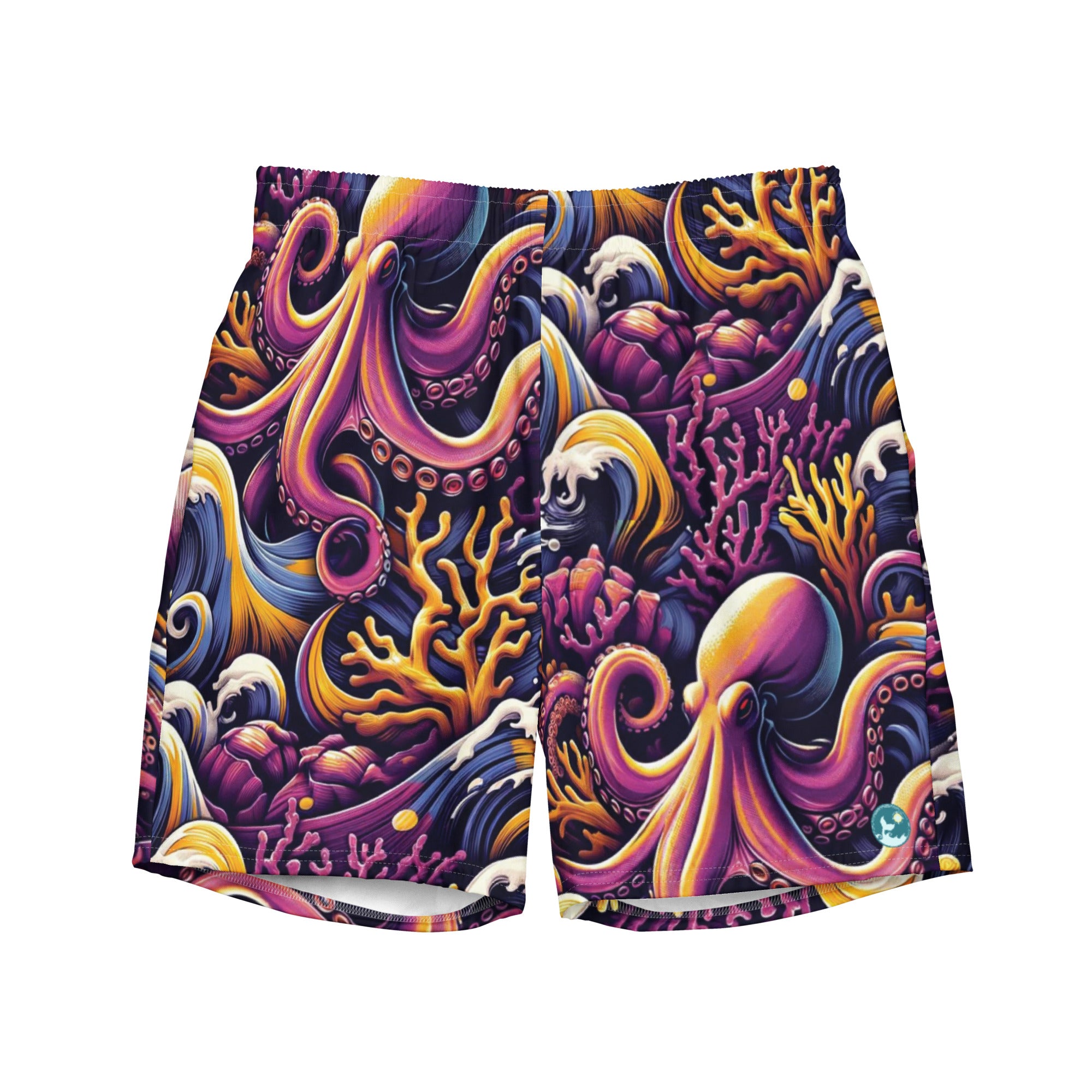
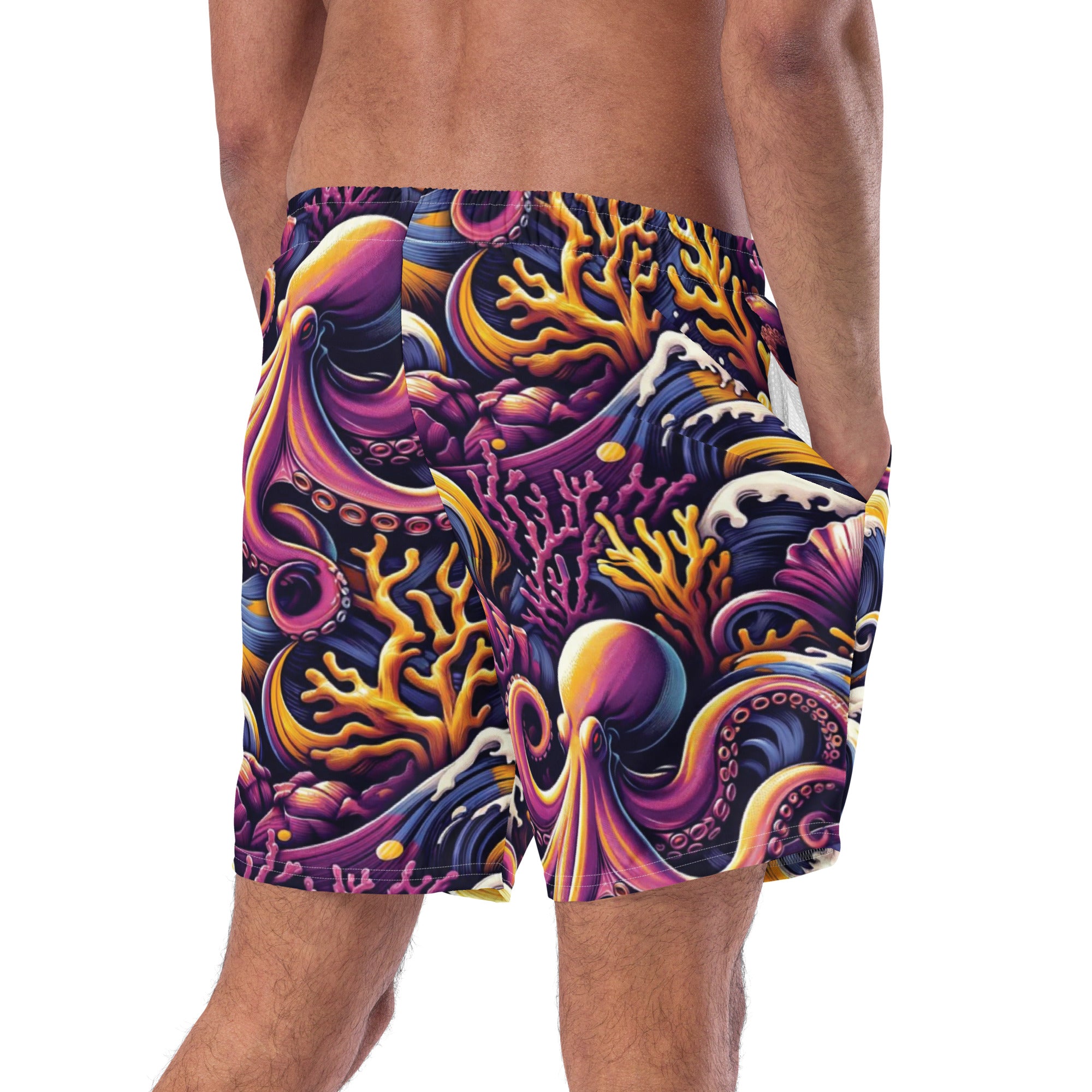
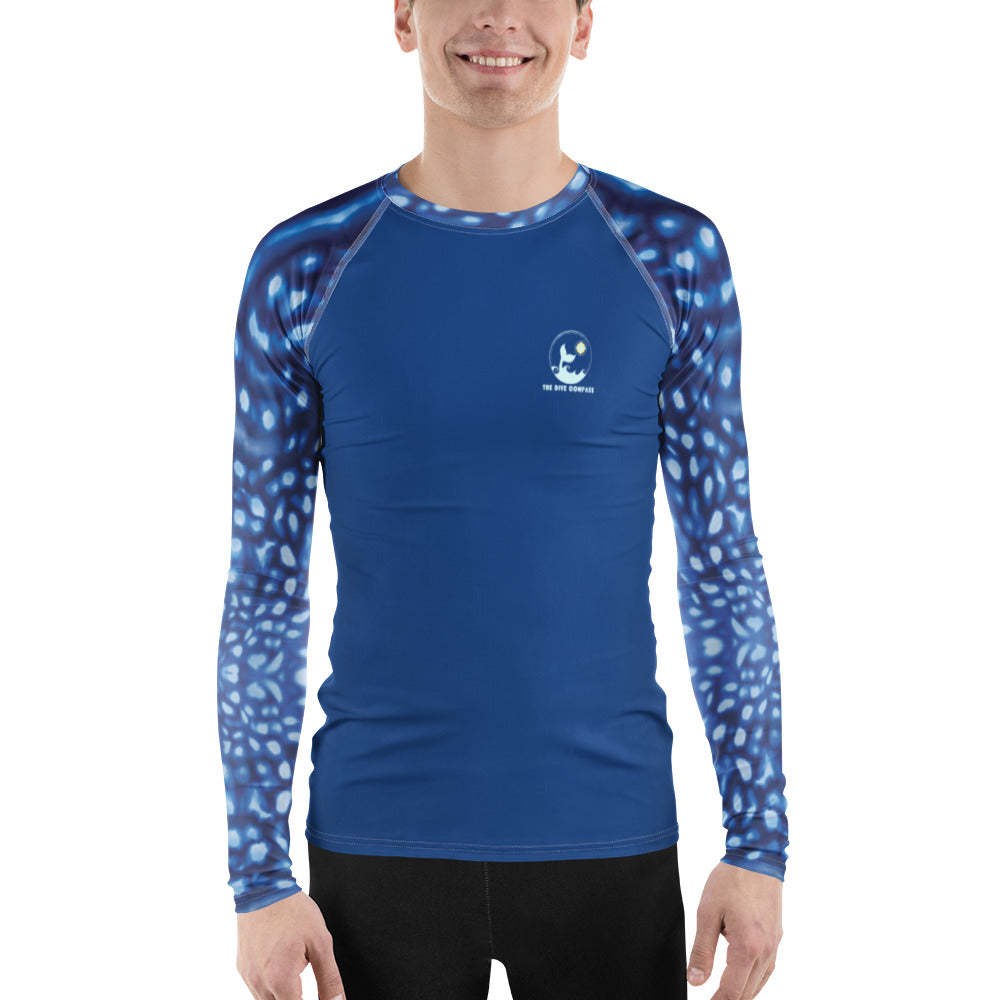
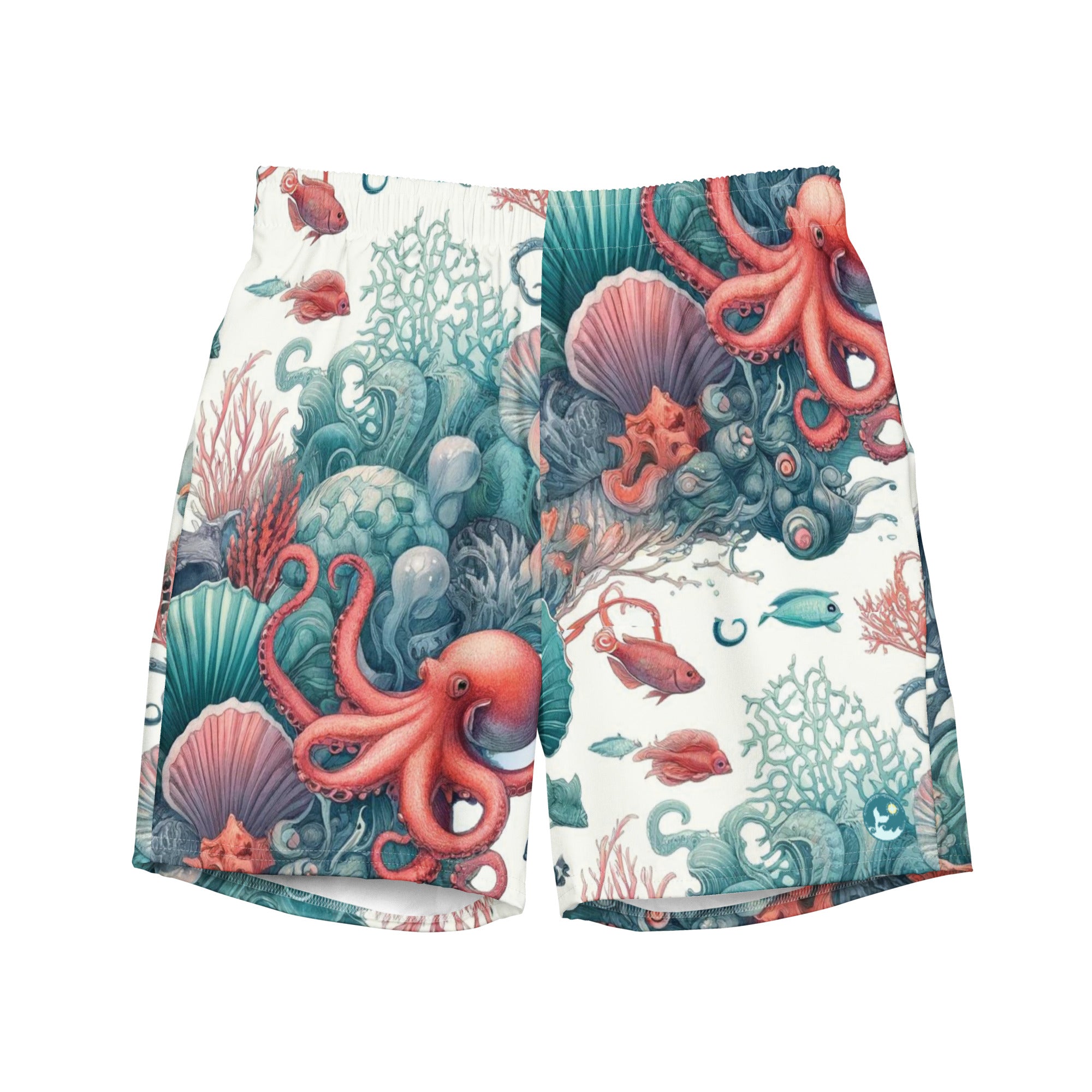
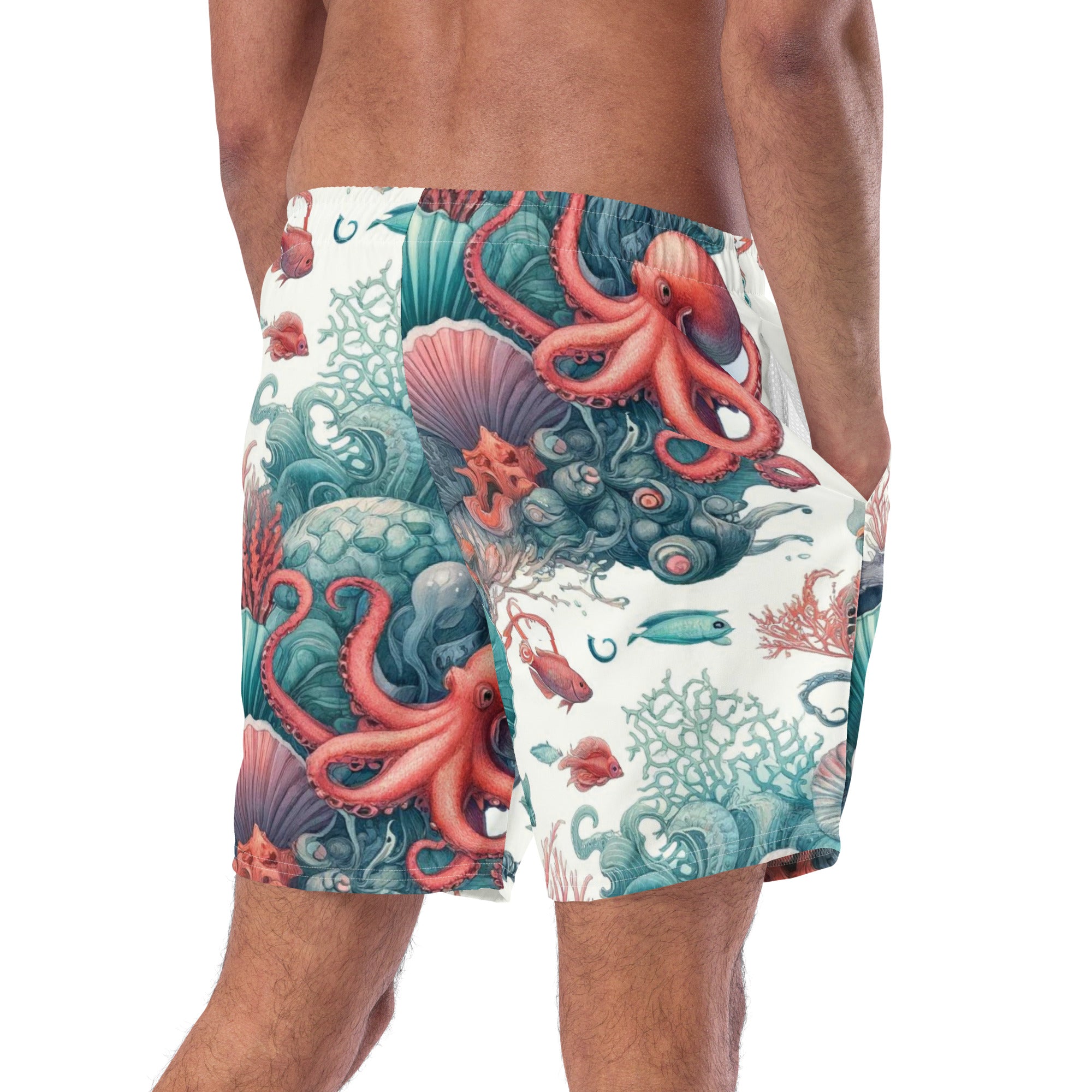
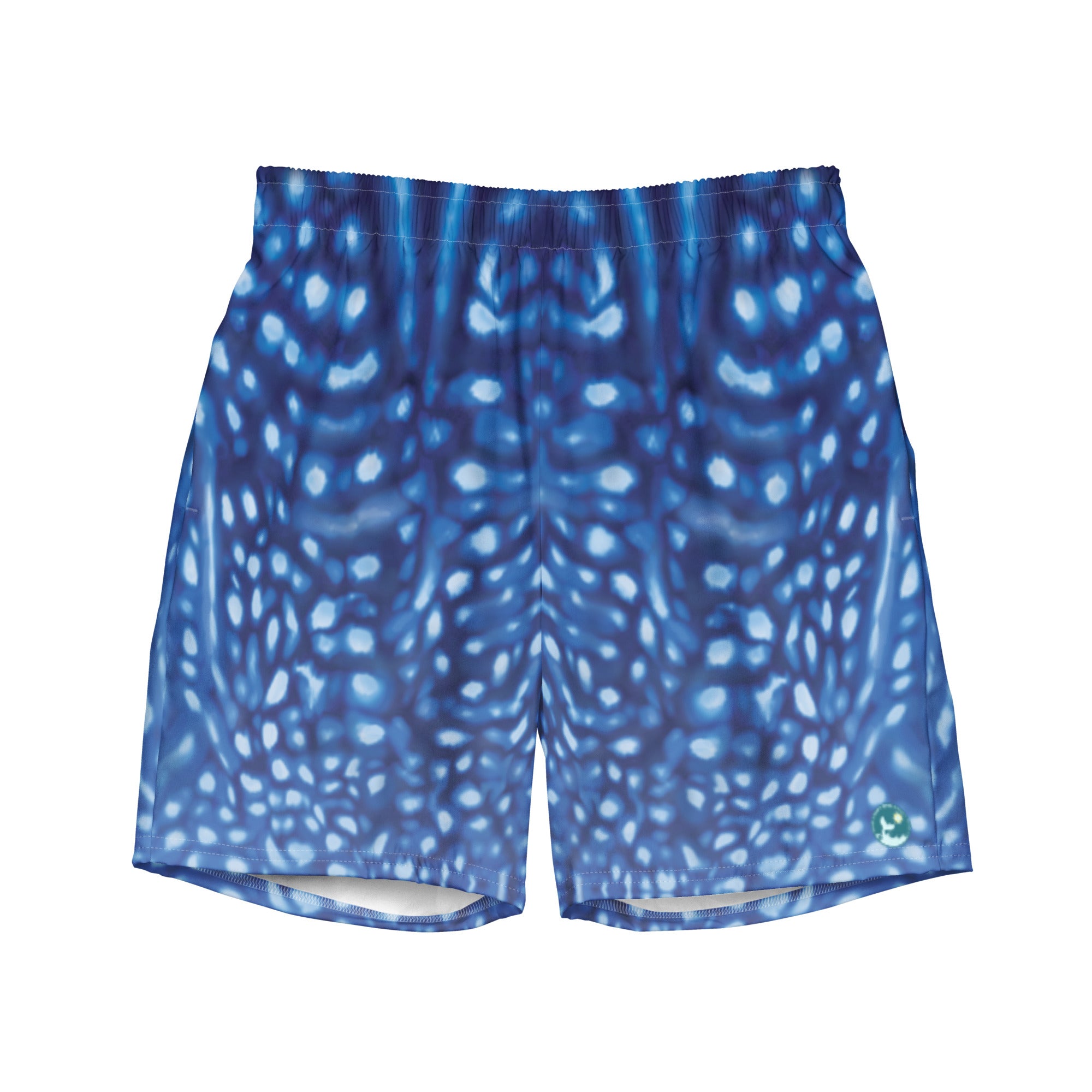
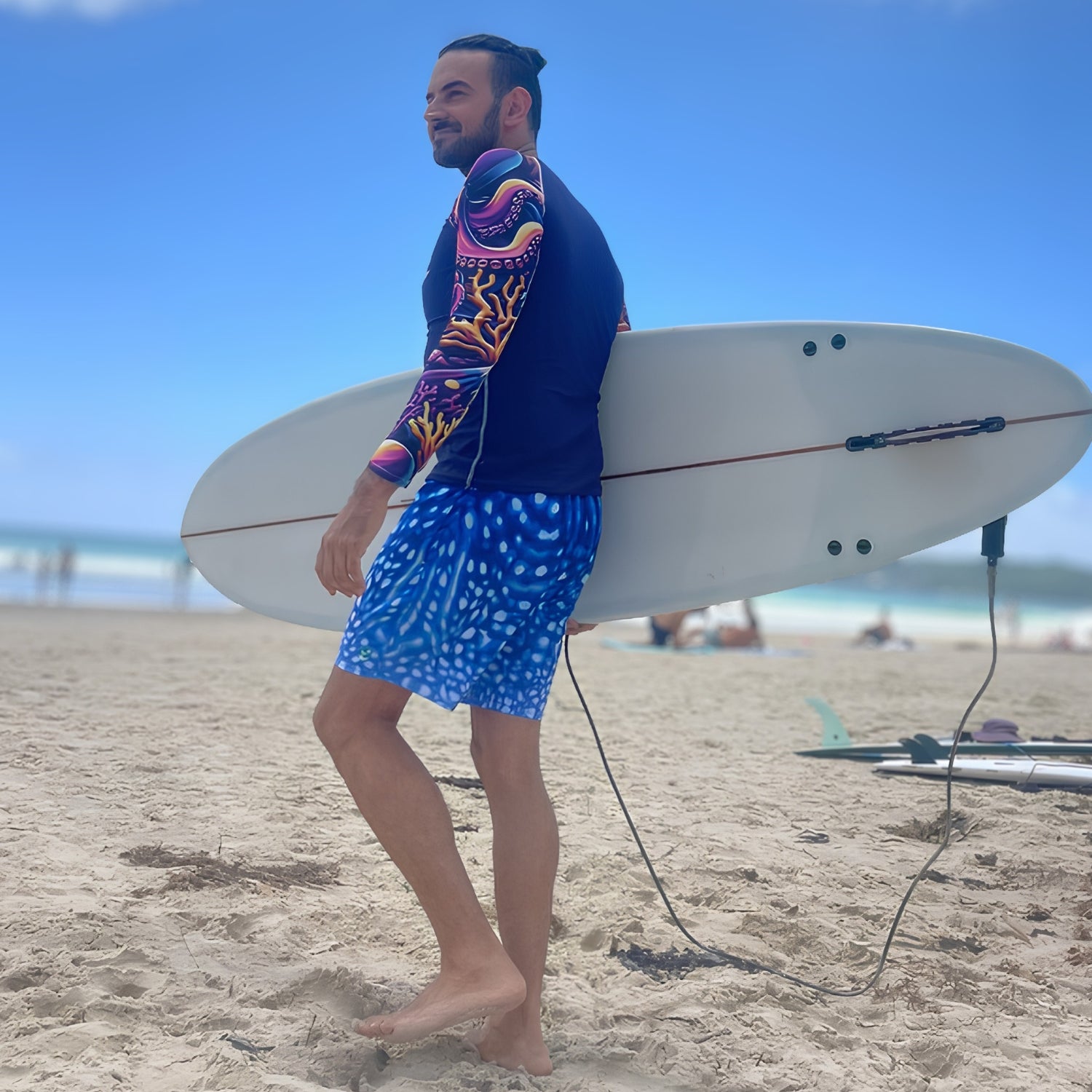
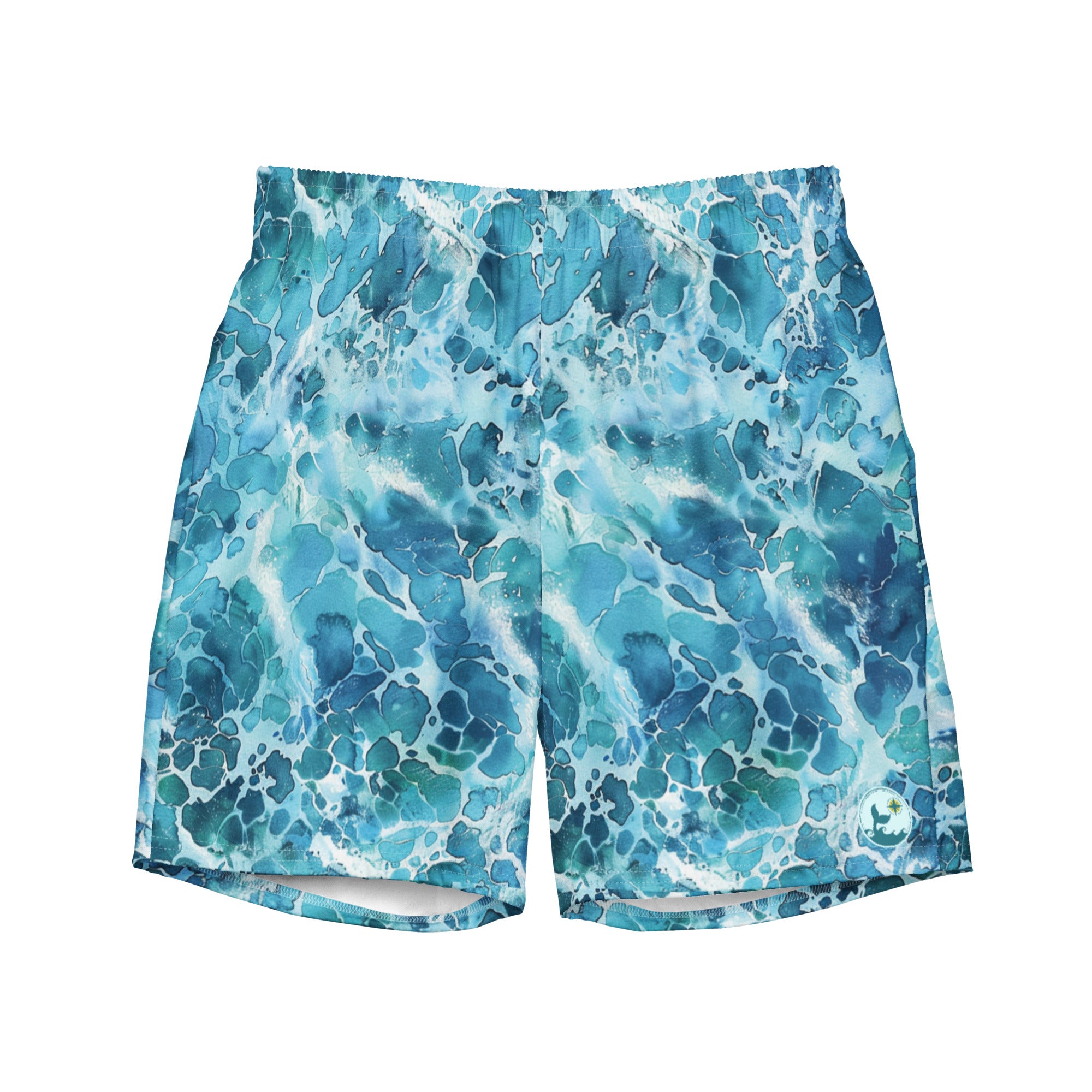
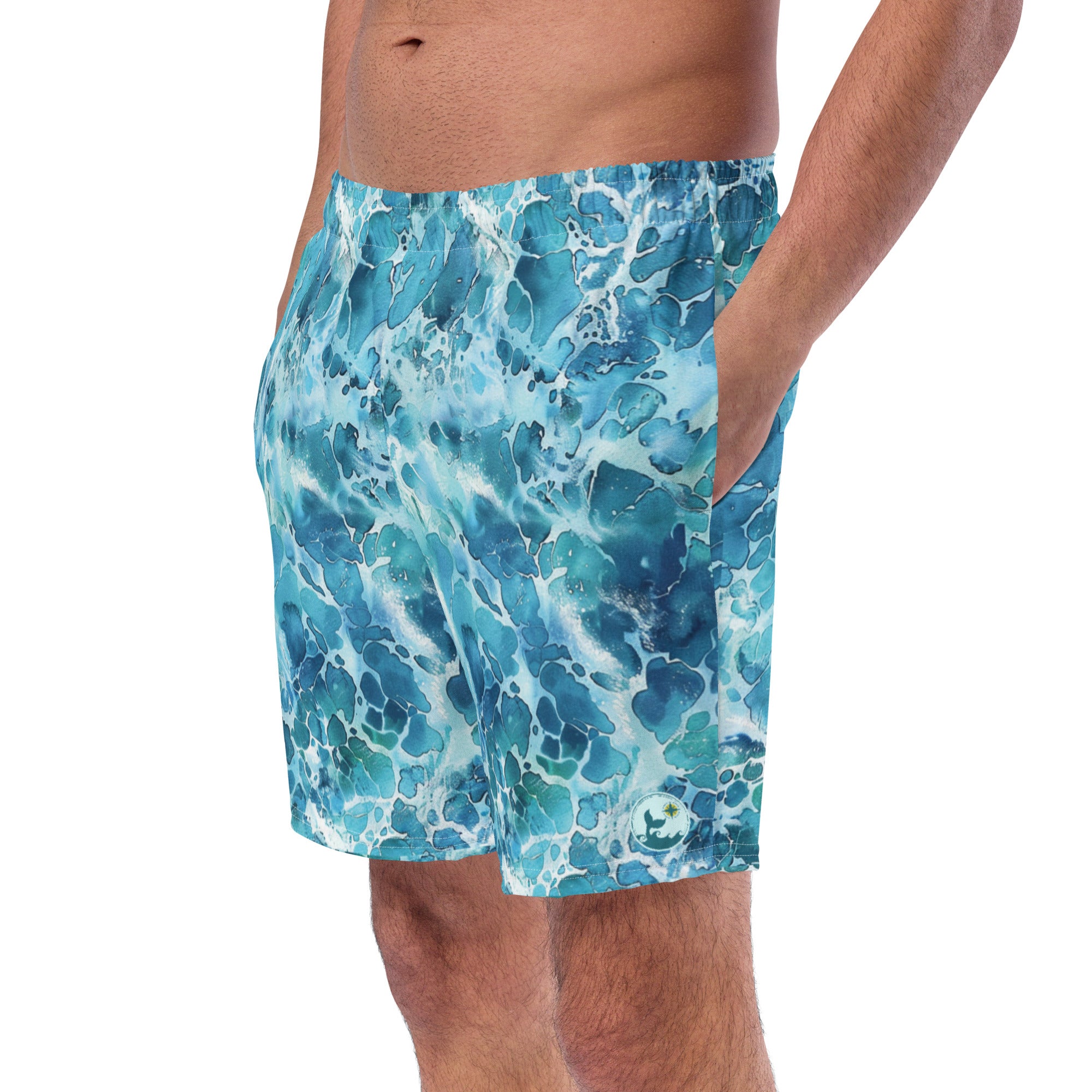
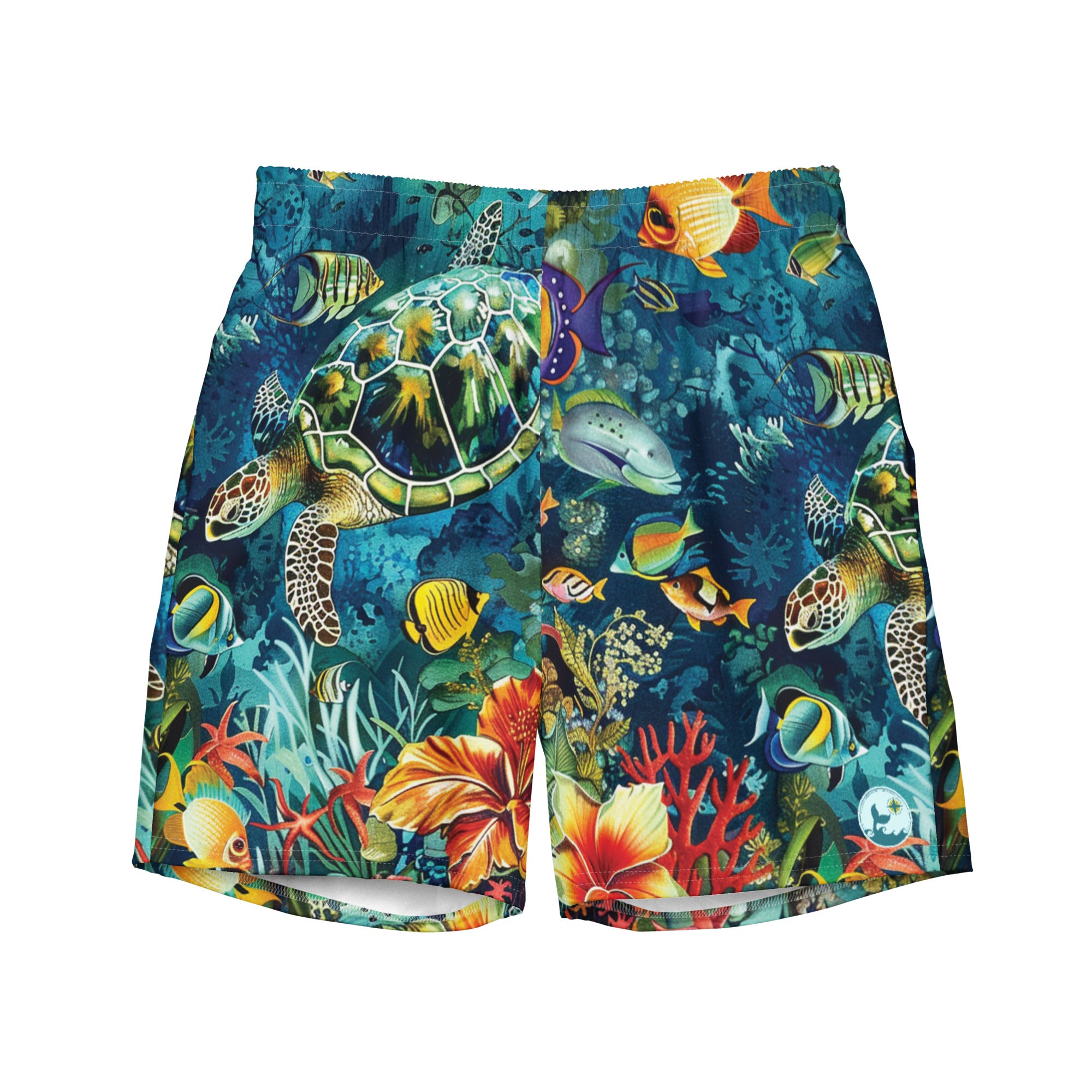
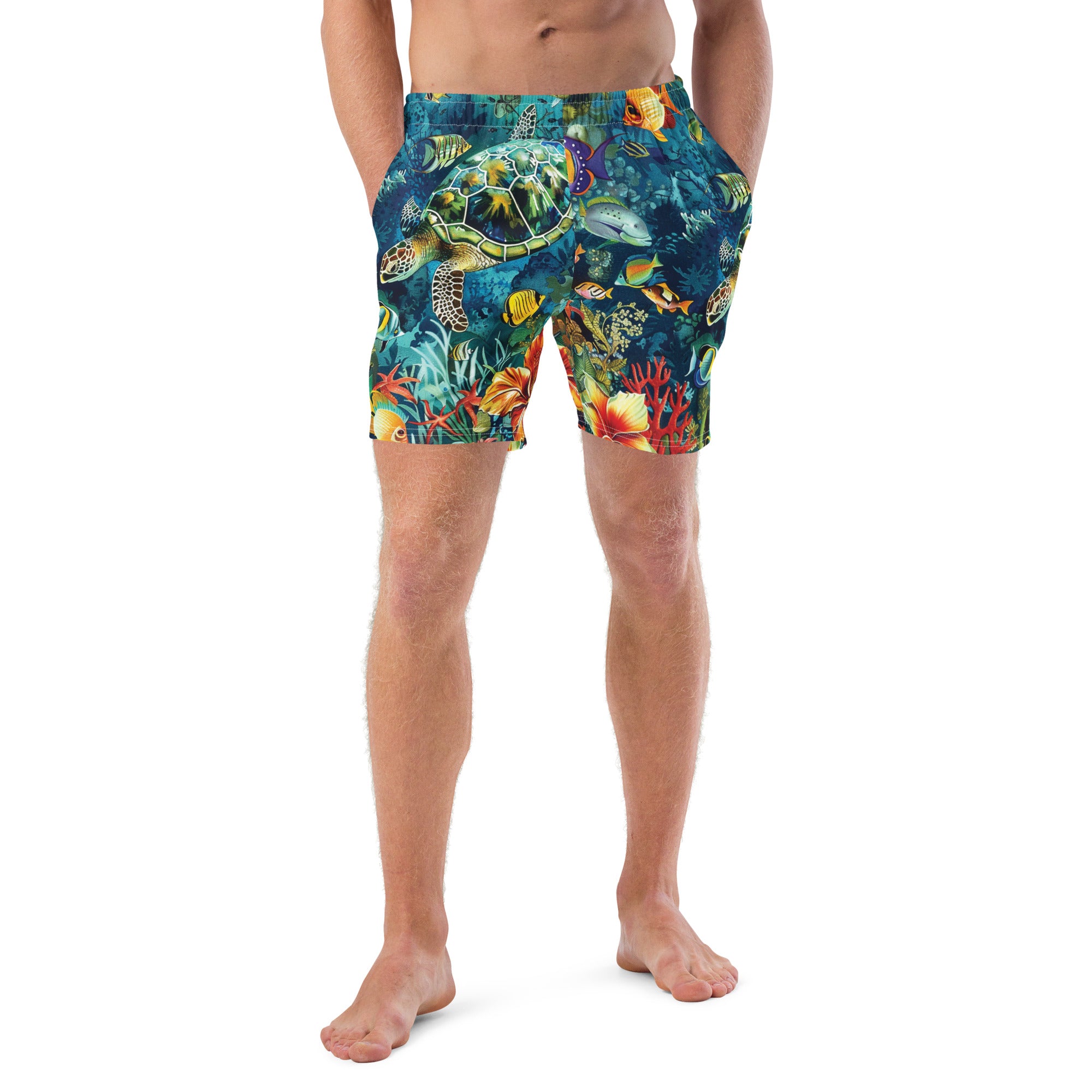
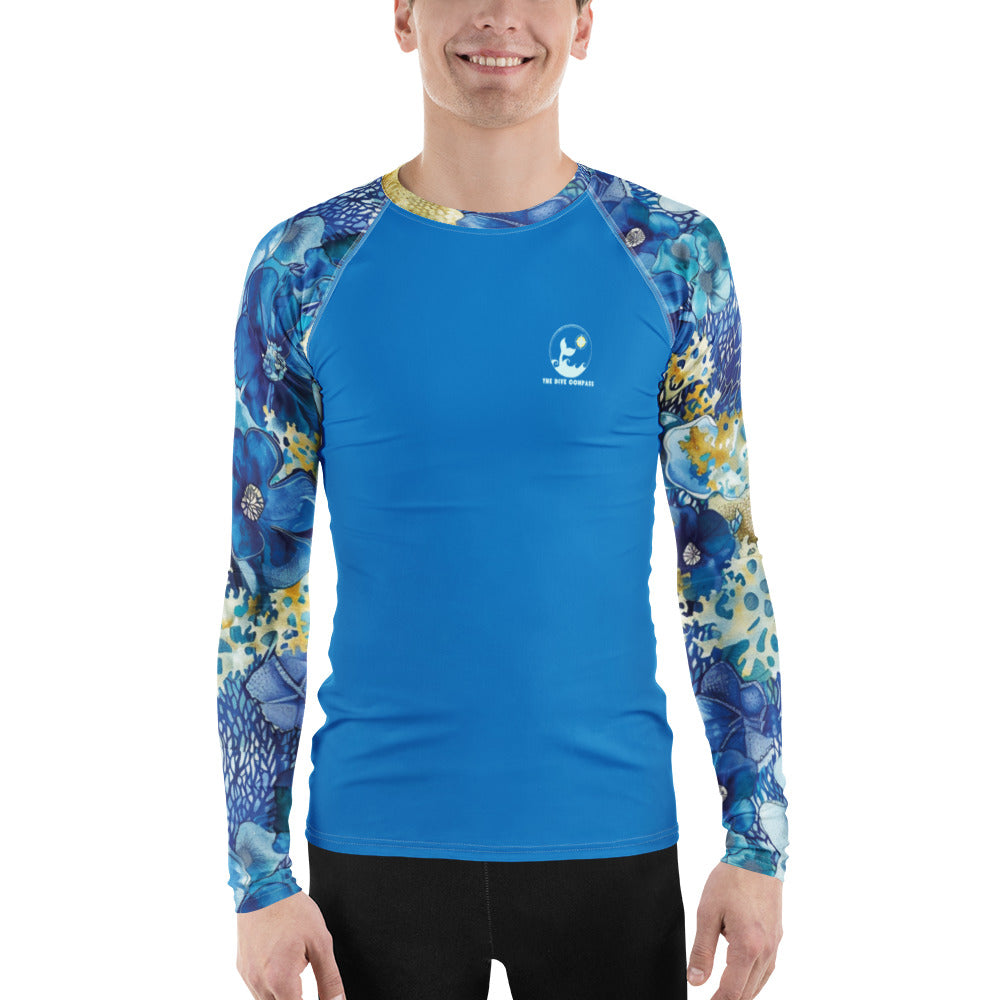
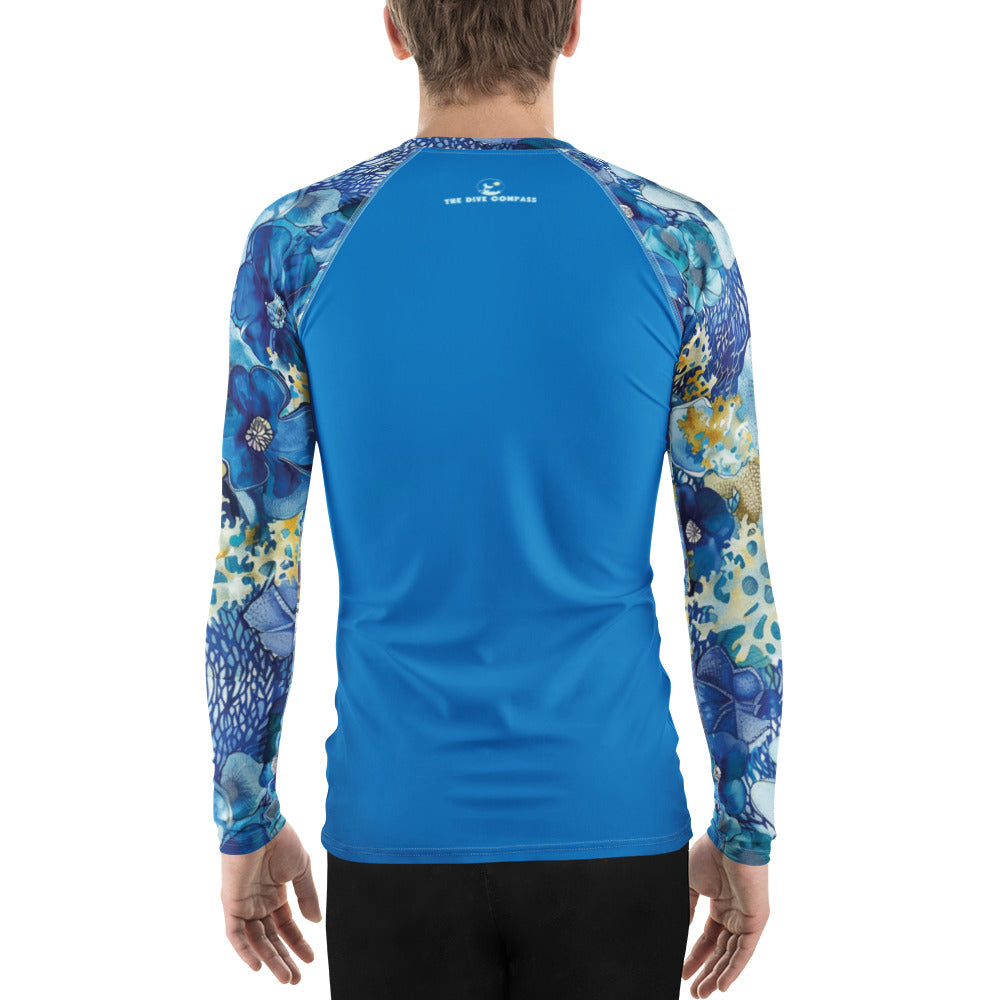
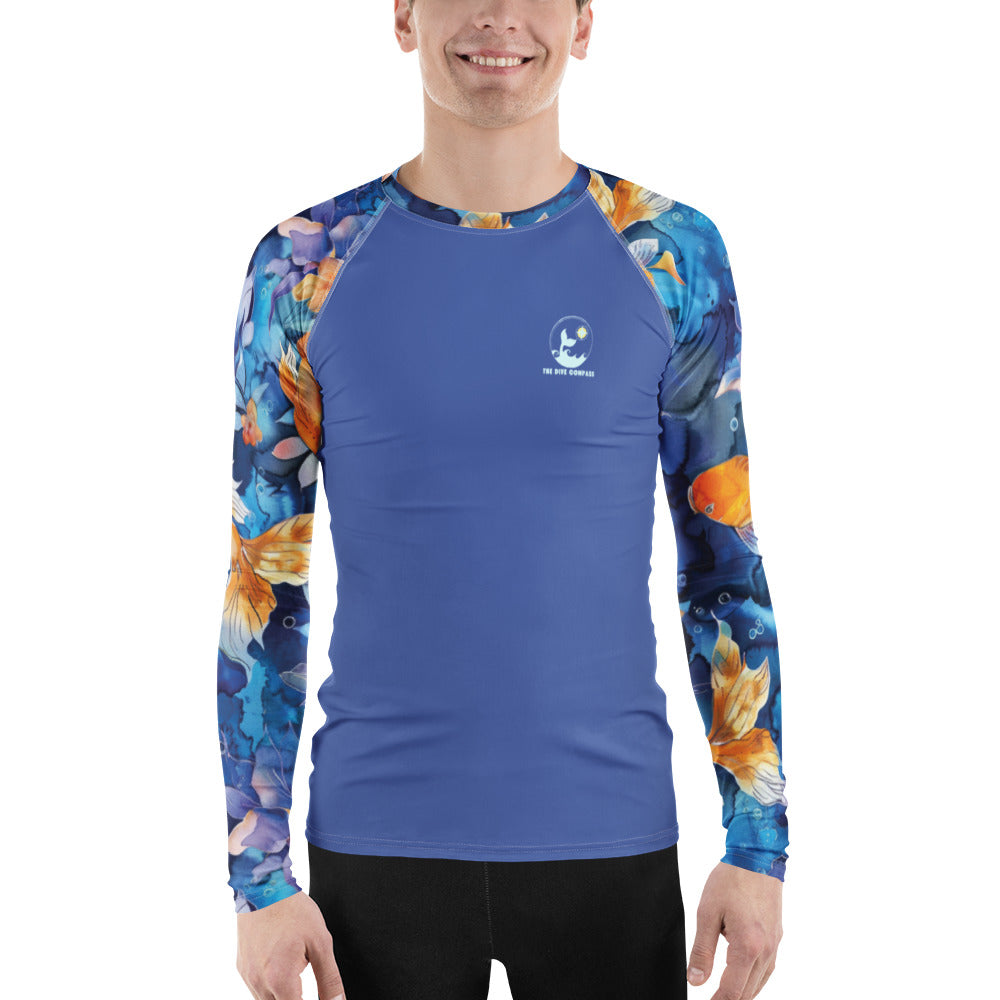
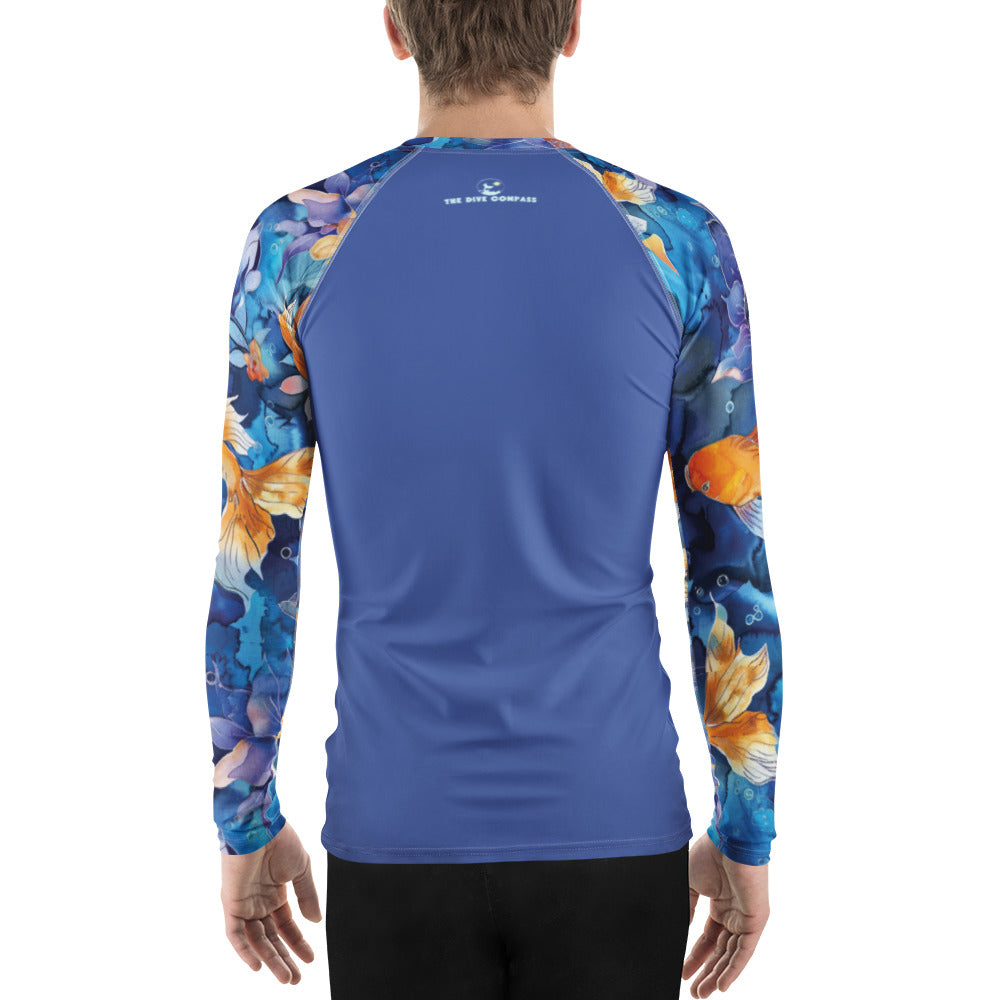
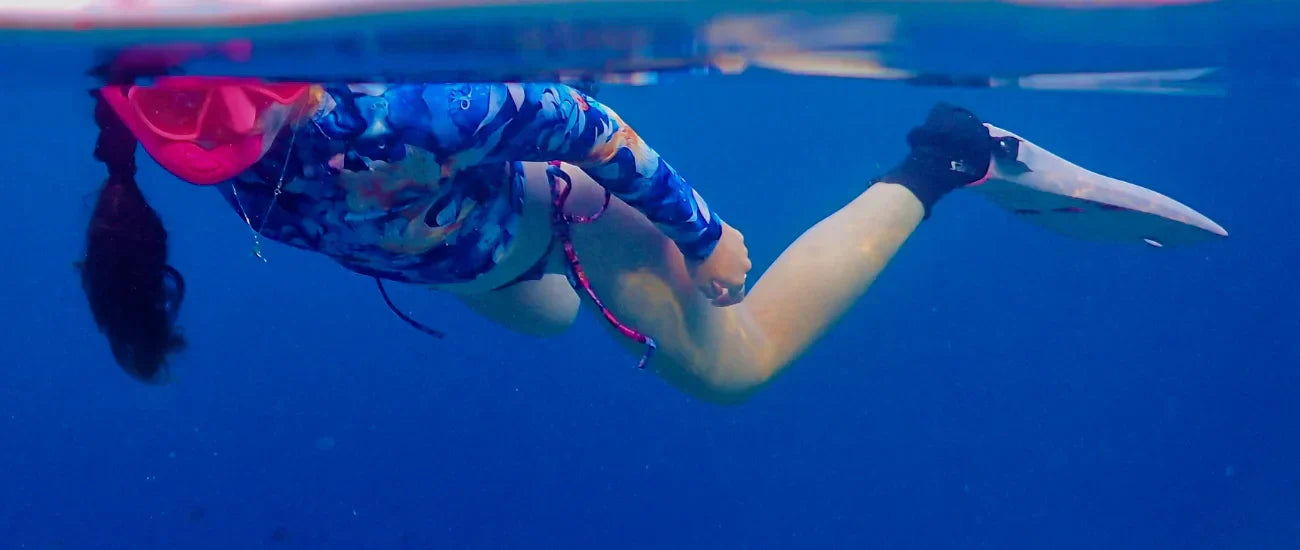
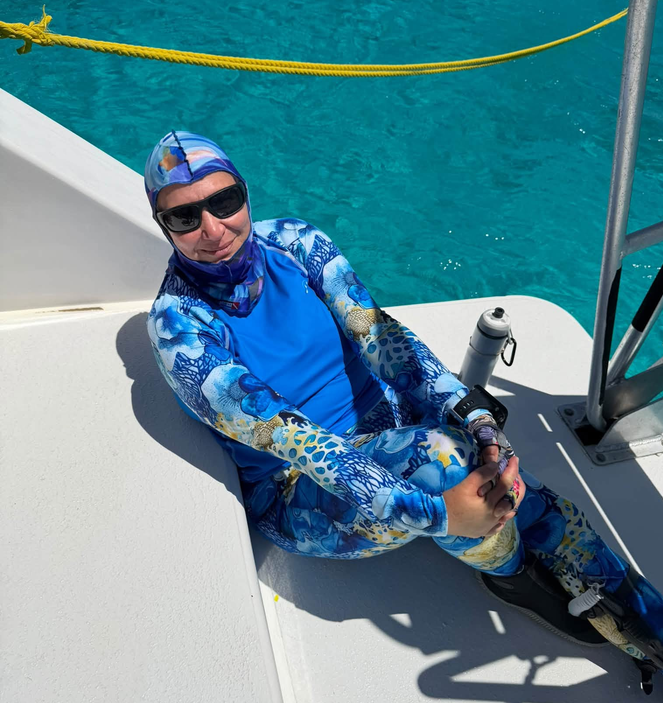
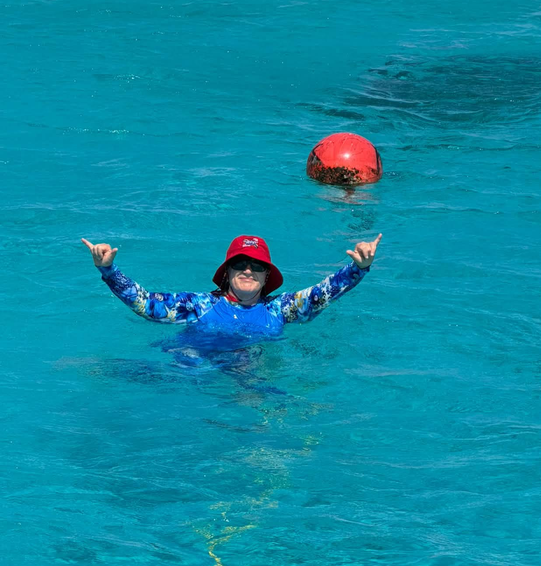
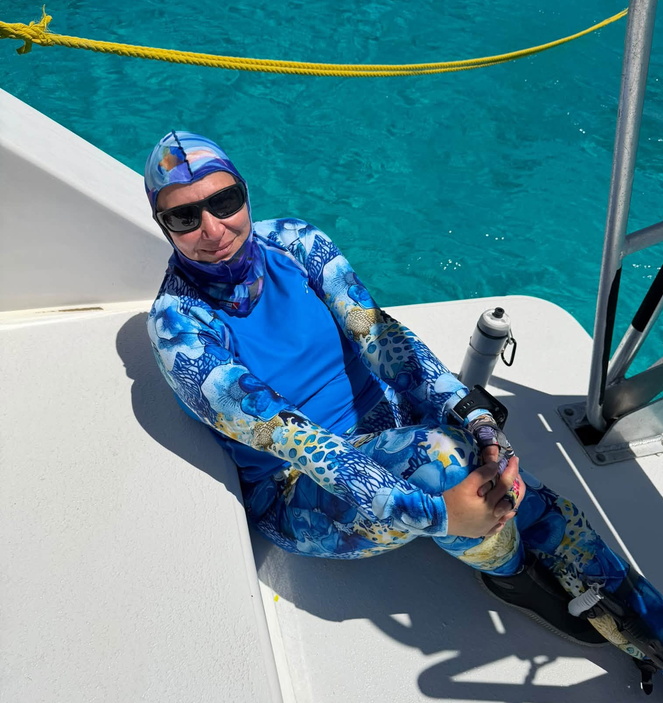
At The Dive Compass, our swimwear — including Scuba Bikinis, String Bikinis, Cropped Rashies, Swim Trunks, and Swim Shorts — is made with recycled polyester, combining durability, stretch, and eco-friendliness. But how exactly is this plastic transformed into soft, wearable fabric?
2. The Journey from Plastic to Swimwear

Step 1: Collection and Sorting
The process begins by collecting plastic bottles and post-consumer plastics through recycling programs. These plastics are sorted by type and color to ensure quality and consistency in the recycled fibers.
Step 2: Cleaning and Shredding
After collection, the plastics are cleaned to remove labels, caps, and residues. Once clean, they are shredded into small flakes — the first step in transforming waste into something usable.
Step 3: Melting and Extruding
These plastic flakes are melted down and pushed through spinnerets, similar to the way cotton candy is made, to form thin filaments of polyester fiber. These fibers are then spun into yarn.
Step 4: Knitting into Fabric
The recycled yarn is then knitted or woven into fabric, which becomes the foundation for our swimwear. The result is a soft, stretchy, and durable material that feels just like virgin polyester — without the environmental impact.
3. Diverting Plastic Waste: Why It Matters

By transforming discarded plastics into swimwear, we're not just reducing waste — we're actively diverting plastic from the waste stream before it reaches the ocean. For every piece of recycled swimwear you buy, you're helping to:
- 🌱 Reduce plastic waste that would otherwise pollute our oceans.
- 🌊 Lower the demand for virgin polyester, which relies on fossil fuels.
- ♻️ Support a circular economy by turning waste into resources.
4. A Step Towards a Circular Economy
The fashion industry is notorious for waste, with millions of tons of clothing ending up in landfills every year. By using recycled polyester, we're embracing a circular economic model — where waste isn't just thrown away, but transformed into new products.
In a circular economy, the goal is to keep resources in use for as long as possible, extract maximum value from them, and recover and regenerate products at the end of their life cycle. Using rPET helps:
- Reduce landfill waste by repurposing existing plastics.
- Lower carbon emissions compared to virgin polyester production.
- Inspire mindful purchasing by encouraging consumers to choose recycled options.
5. Mindful Choices for a Cleaner Ocean

Choosing recycled polyester is more than just a sustainable choice — it's a statement. It's a commitment to protecting our oceans, reducing waste, and supporting brands that are working towards a better future.
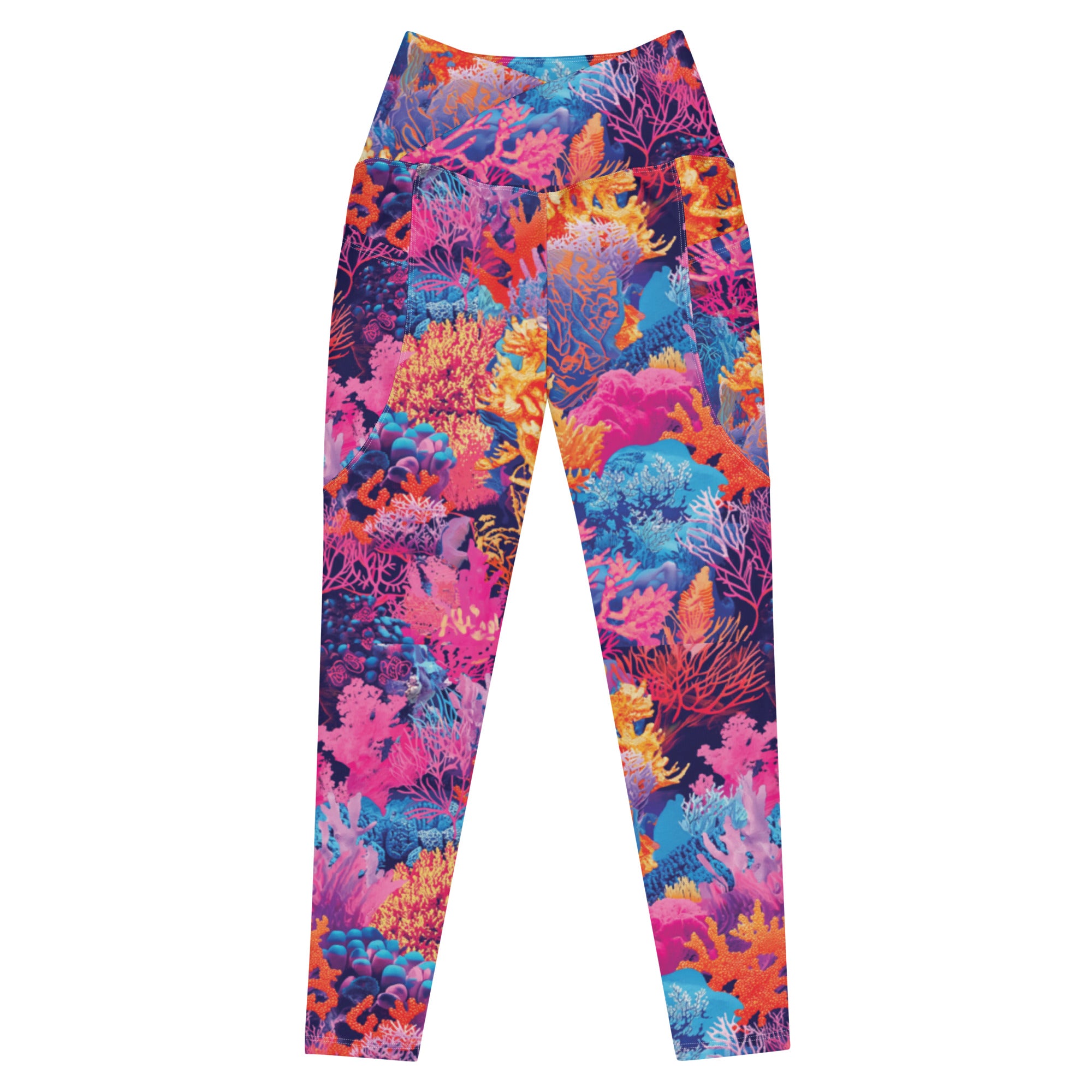
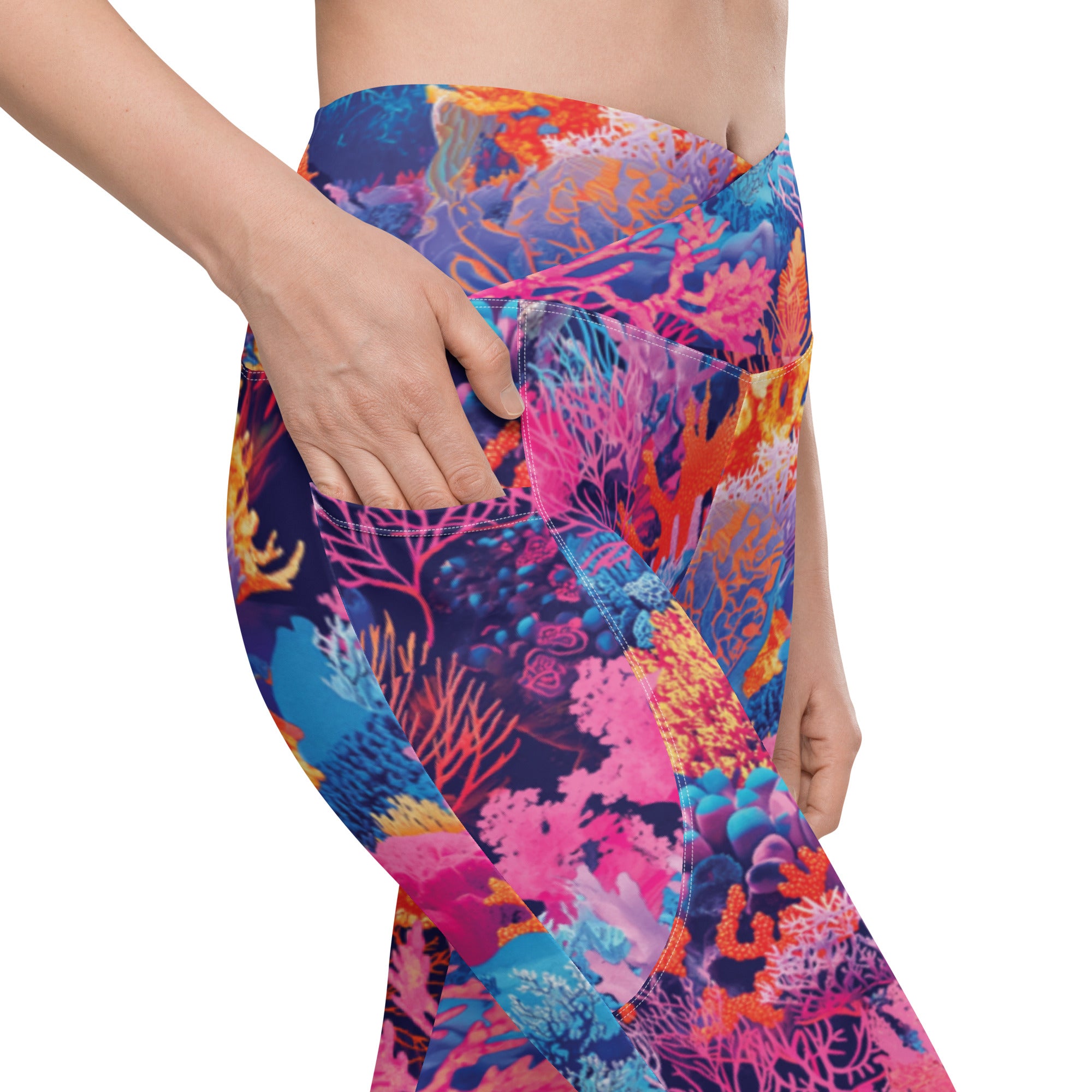
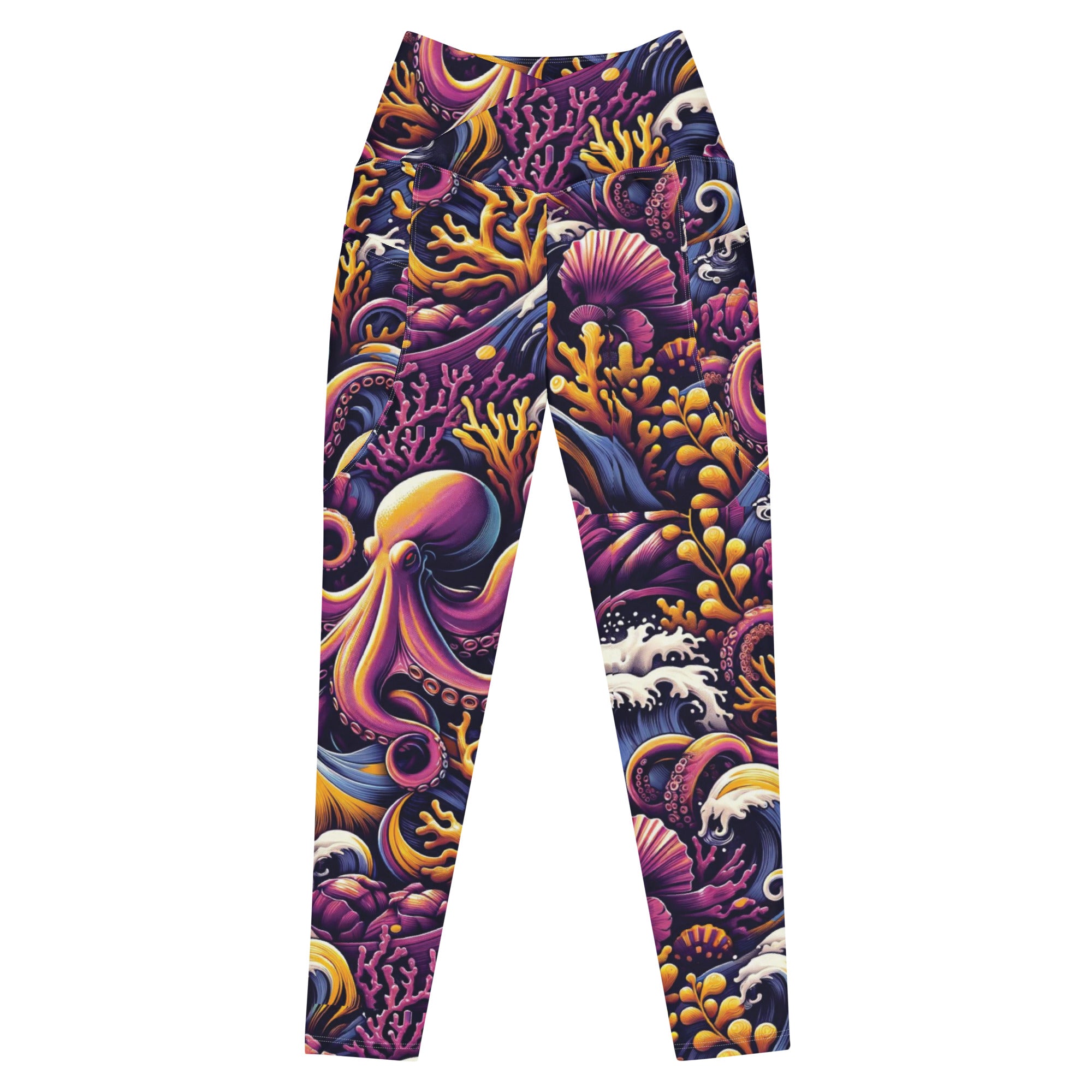
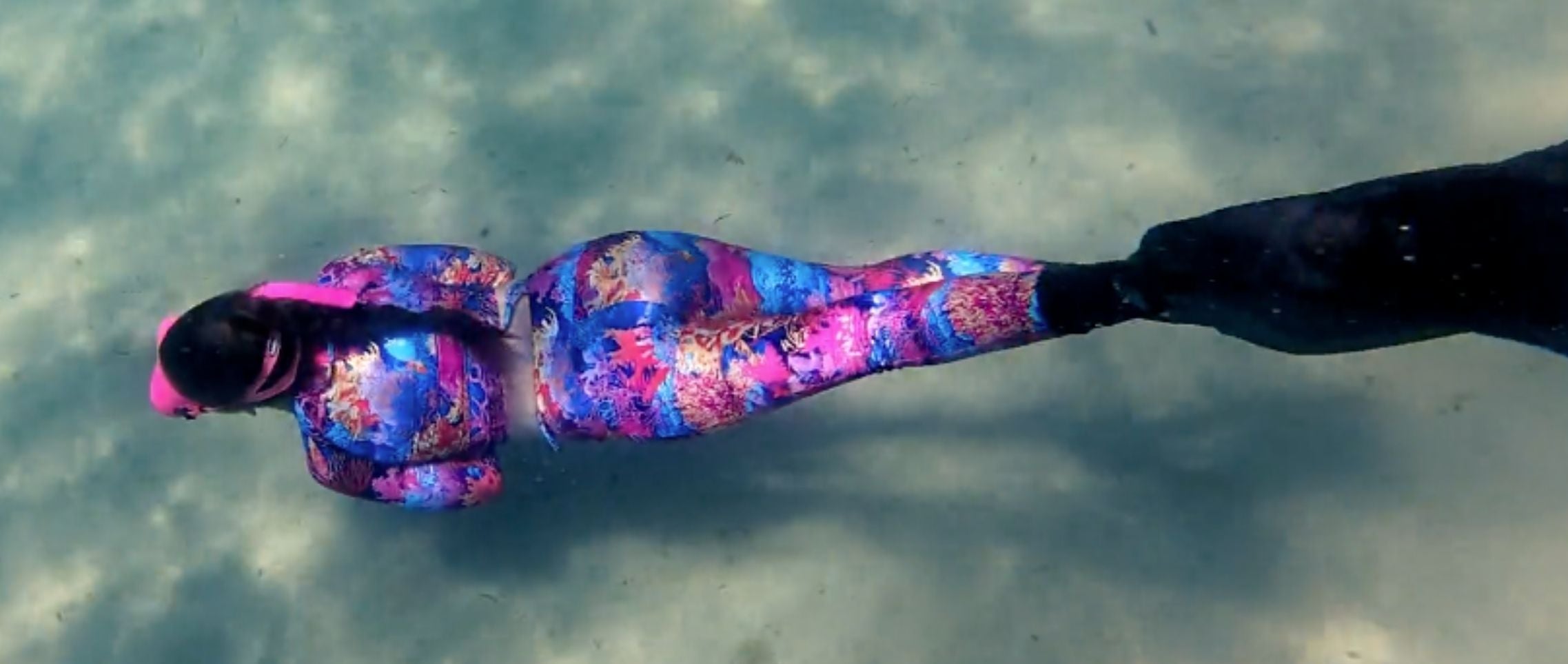
At The Dive Compass, we're dedicated to making sustainable swimwear that looks good, feels good, and does good for the planet. From our ocean-inspired prints to our commitment to donating 10% of every sale to ocean conservation, we're proud to offer swimwear that gives back.
6. How You Can Help
Want to make an impact? Here are three ways to support a circular economy and protect our oceans:
- Choose recycled swimwear: Opt for products made from recycled polyester to help reduce plastic waste.
- Support ocean conservation: Brands like The Dive Compass donate a portion of sales to protect marine life and coral reefs.
- Be a mindful consumer: Buy what you need, invest in quality, and support brands that share your values.
Together, We Can Make Waves
Turning plastic waste into swimwear is just the beginning. By choosing recycled polyester, you're helping to create a cleaner ocean and a more sustainable future — one bikini at a time.
Ready to dive in? Explore our collection of recycled swimwear and join us in protecting the seas we love. 💙
Thank you for supporting ocean conservation, one mindful choice at a time!
— Andrea Galassi, Founder of The Dive Compass


























Leave a comment
This site is protected by hCaptcha and the hCaptcha Privacy Policy and Terms of Service apply.