















Yes, You Can Scuba Dive in a String Bikini (Here's How)
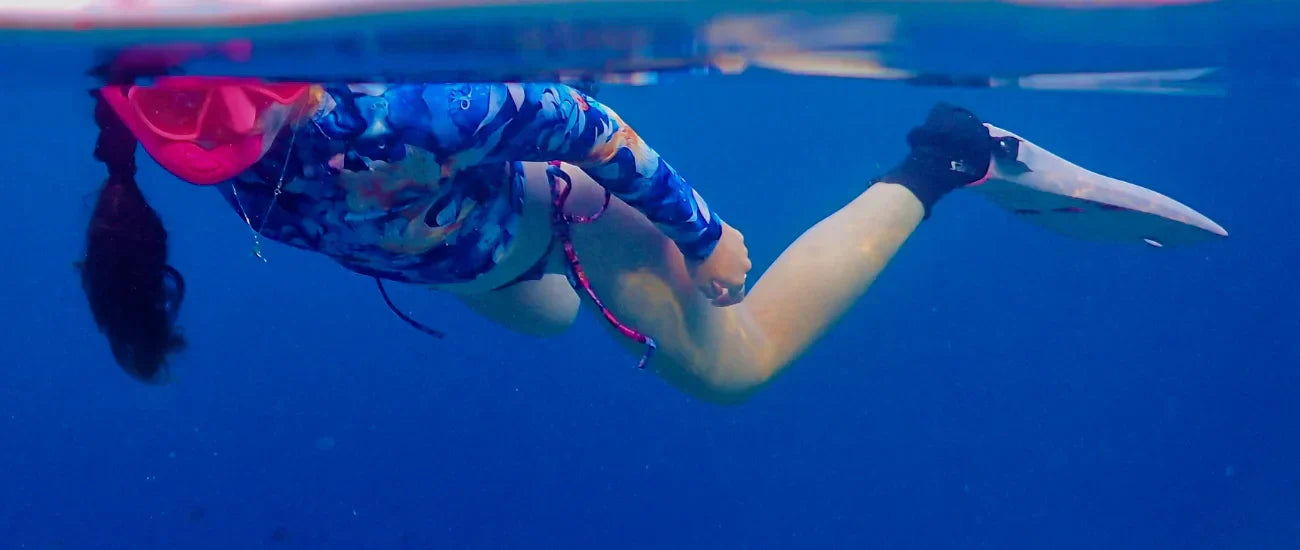
I get asked this question a lot, and I have a pretty direct answer: yes, you can absolutely scuba dive in a string bikini. I've done it, many times, under wetsuits in Dahab, in Playa del Carmen and Cozumel, across the Mediterranean, off Barcelona, in the Canary Islands. It does work.
But there are a couple of things nobody tells you before you giant stride off the boat in your favorite string bikini, and I want to share them with you, divemaster to fellow diver. Some of it is good news. One bit is mildly embarrassing and learned the hard way. And there's one tip that almost nobody else writing about this is going to mention, which alone makes the difference between a comfortable dive and an hour of low-grade discomfort.

Yes, You Can Wear a String Bikini Under a Wetsuit
The short version, a string bikini works fine under a wetsuit. The strings don't dig in the way you might expect, the bikini doesn't shift much once your suit is sealed, and for warm-water fun dives, it's a perfectly comfortable choice.
It works especially well for:
- Fun dives of 45 minutes to an hour
- One or two tank days
- Warmer tropical water with a thinner wetsuit, a shorty, or just a dive skin
- Boat days where you're not constantly suiting up and unsuiting
That's the kind of diving I've worn one for, reef dives in tropical and warm-temperate water, where a thick wetsuit wasn't on the table. If that sounds like the diving you're doing, you're fine in a string bikini.
But here's the part most divers don't think about until it happens to them.
The Real Risk Nobody Warns You About: Taking the Wetsuit Off
The actual problem with a string bikini and a wetsuit isn't underwater. It's the surface interval.
When you peel a wetsuit off, it's easy to accidentally pull the ties. I've genuinely, accidentally untied my own bikini while taking off my wetsuit, more than once. It's an awkward moment between dives that you'd rather avoid, especially on a crowded boat.
There's no perfect solution, but there are three things that help significantly:
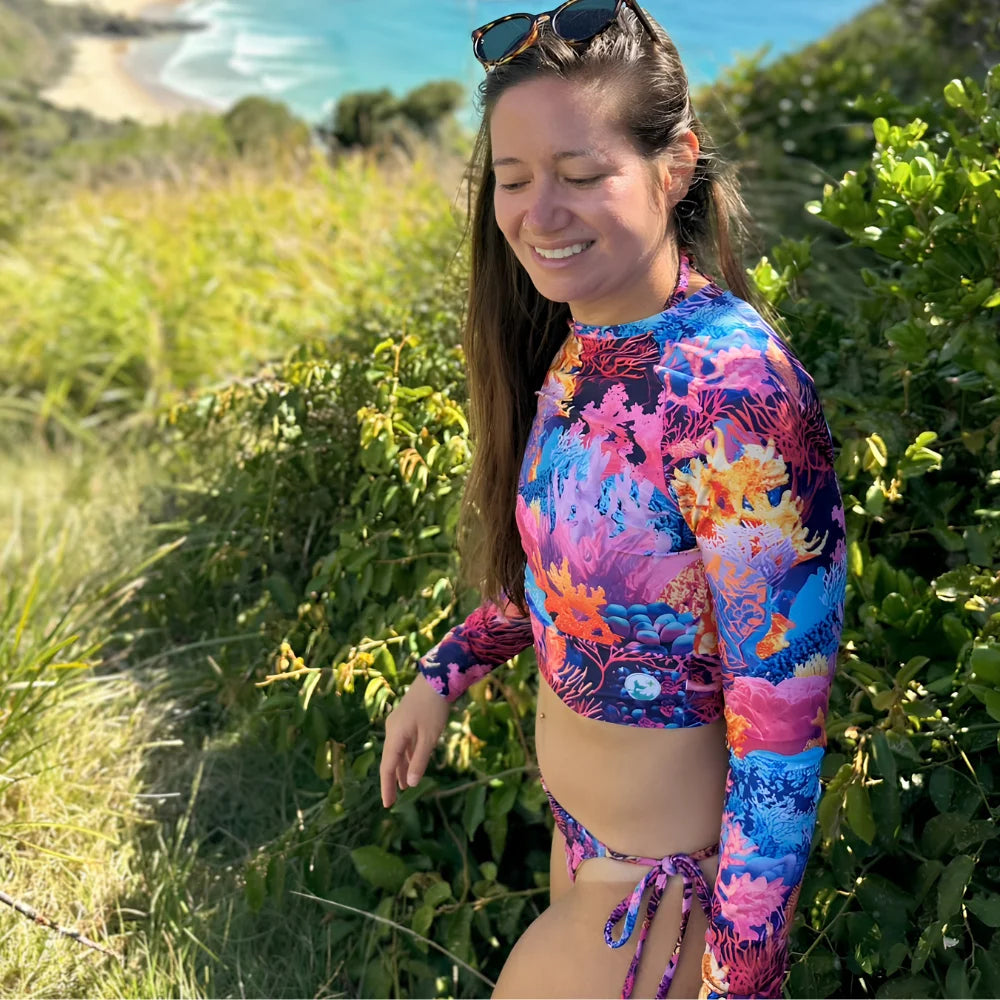
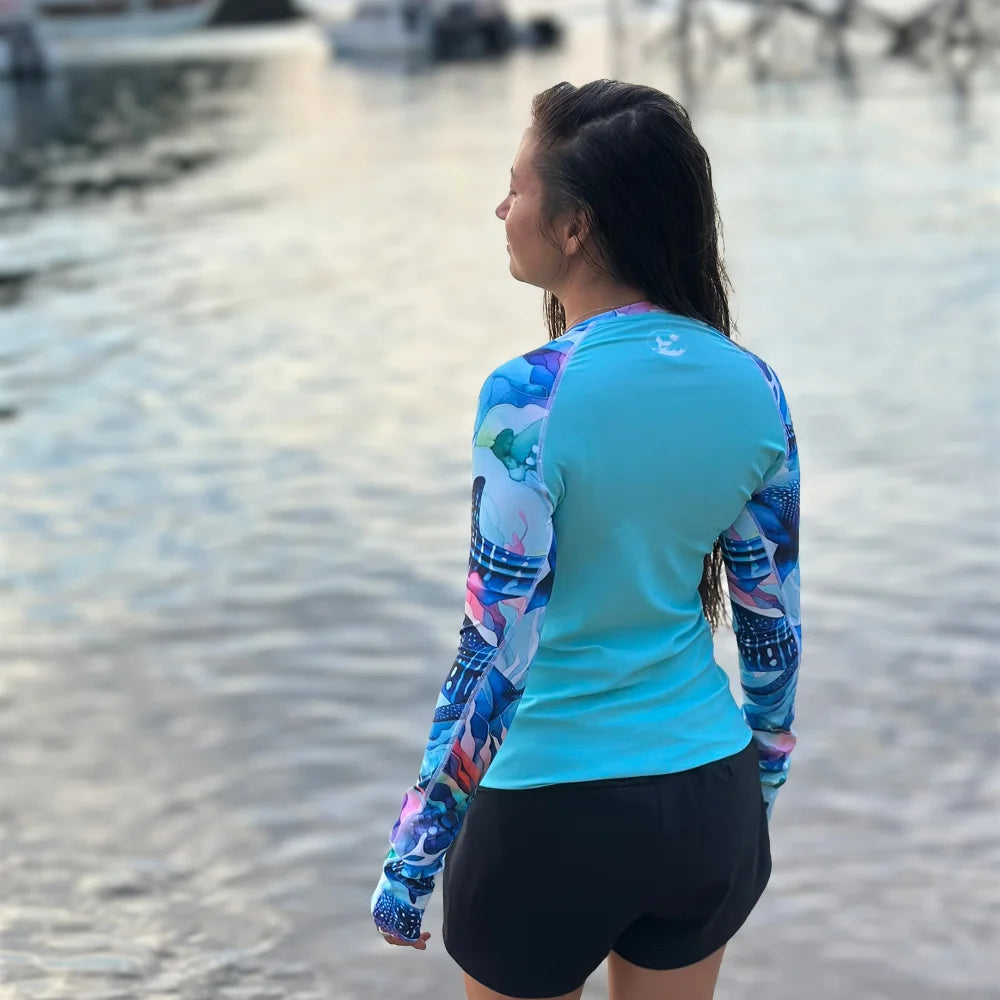
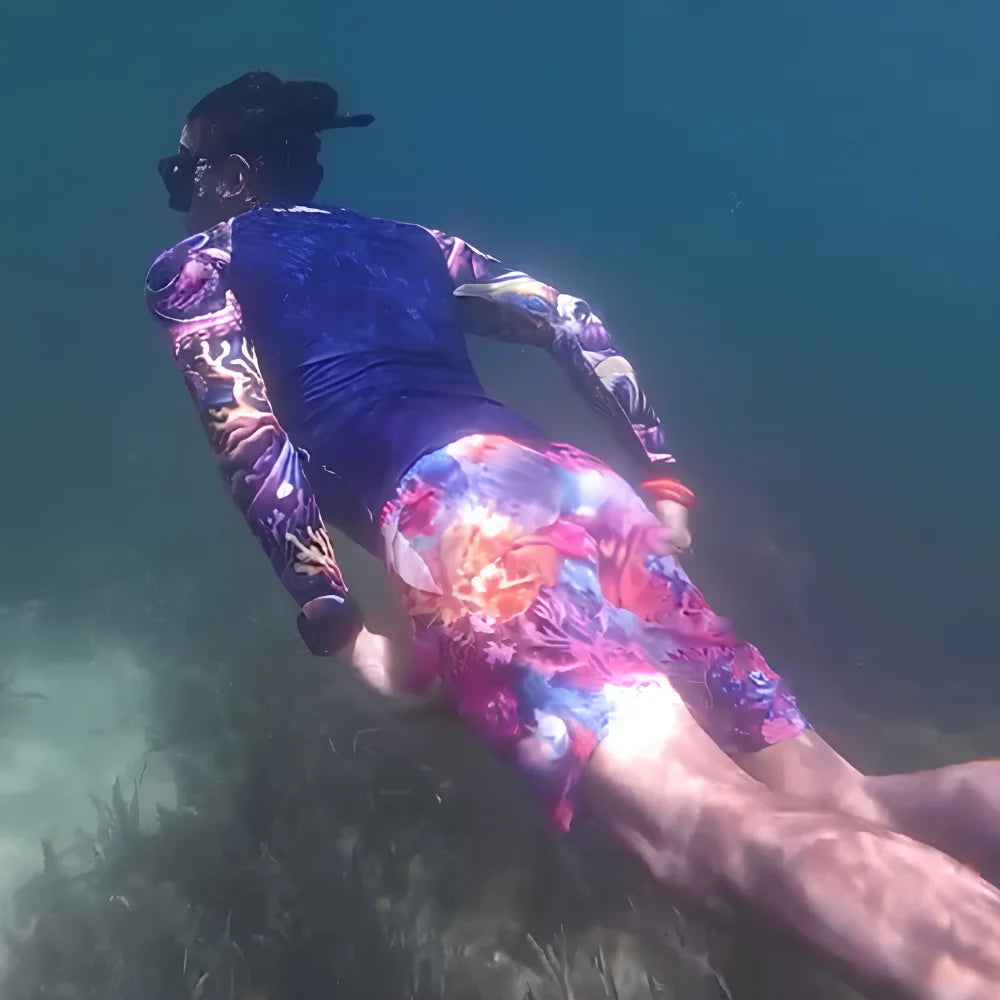
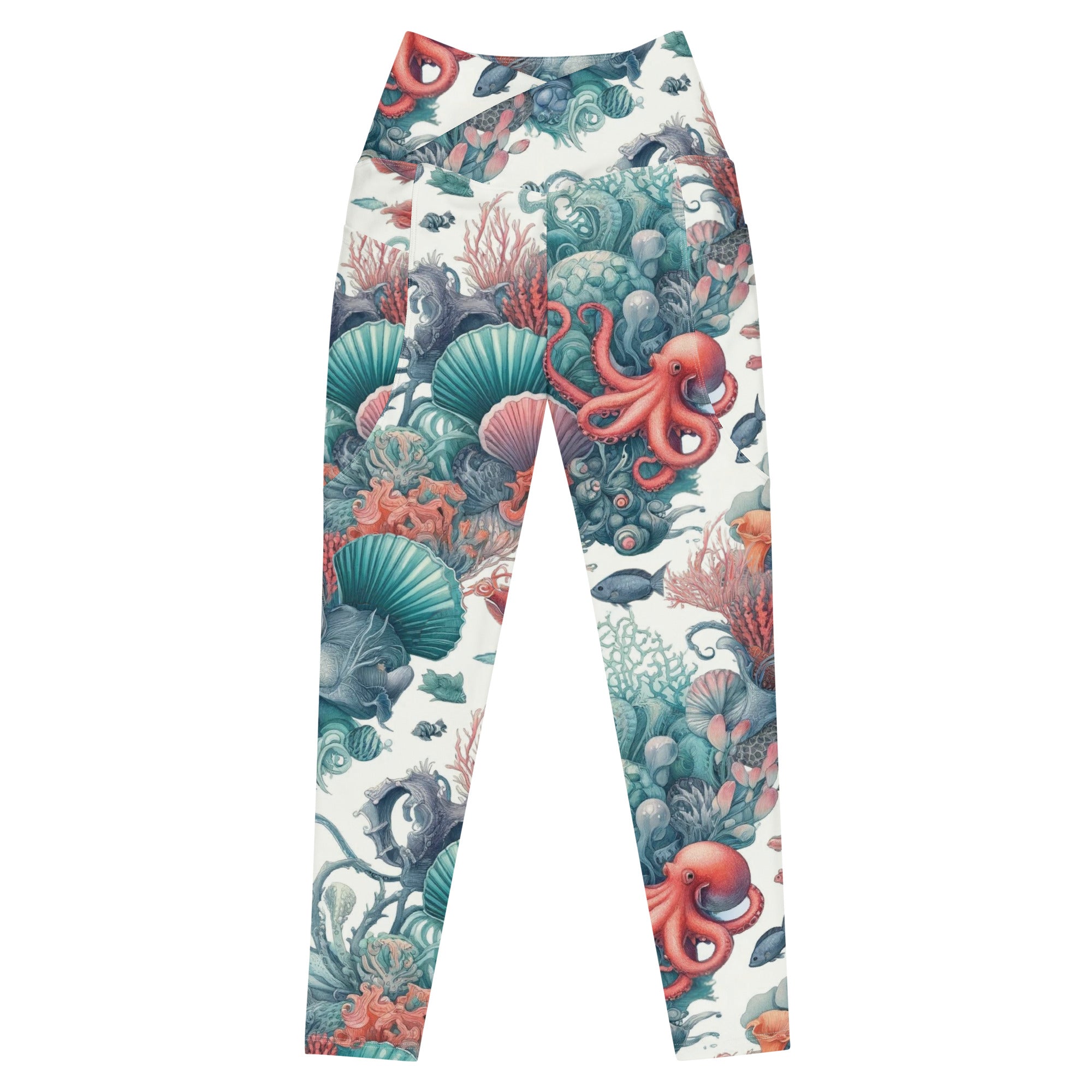
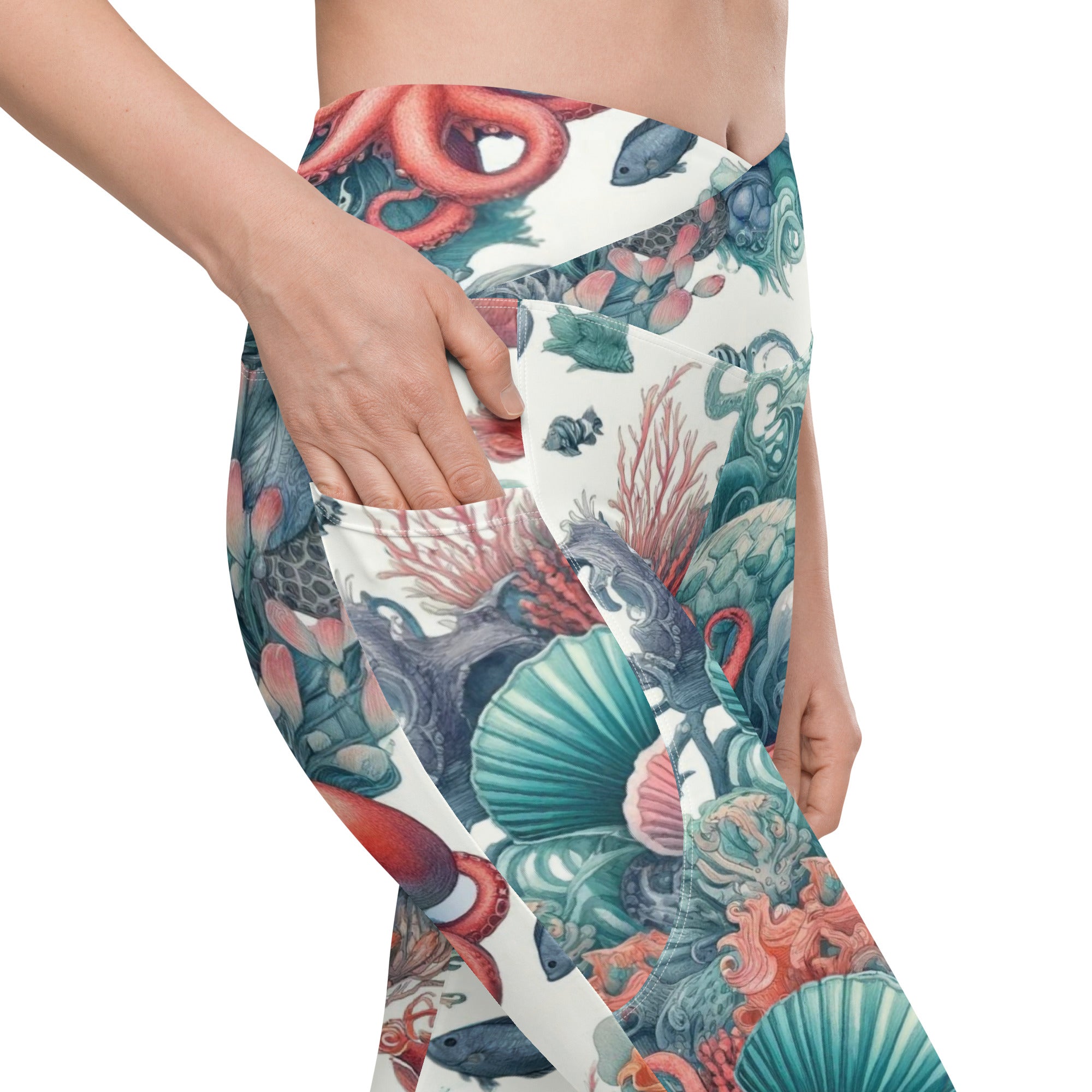
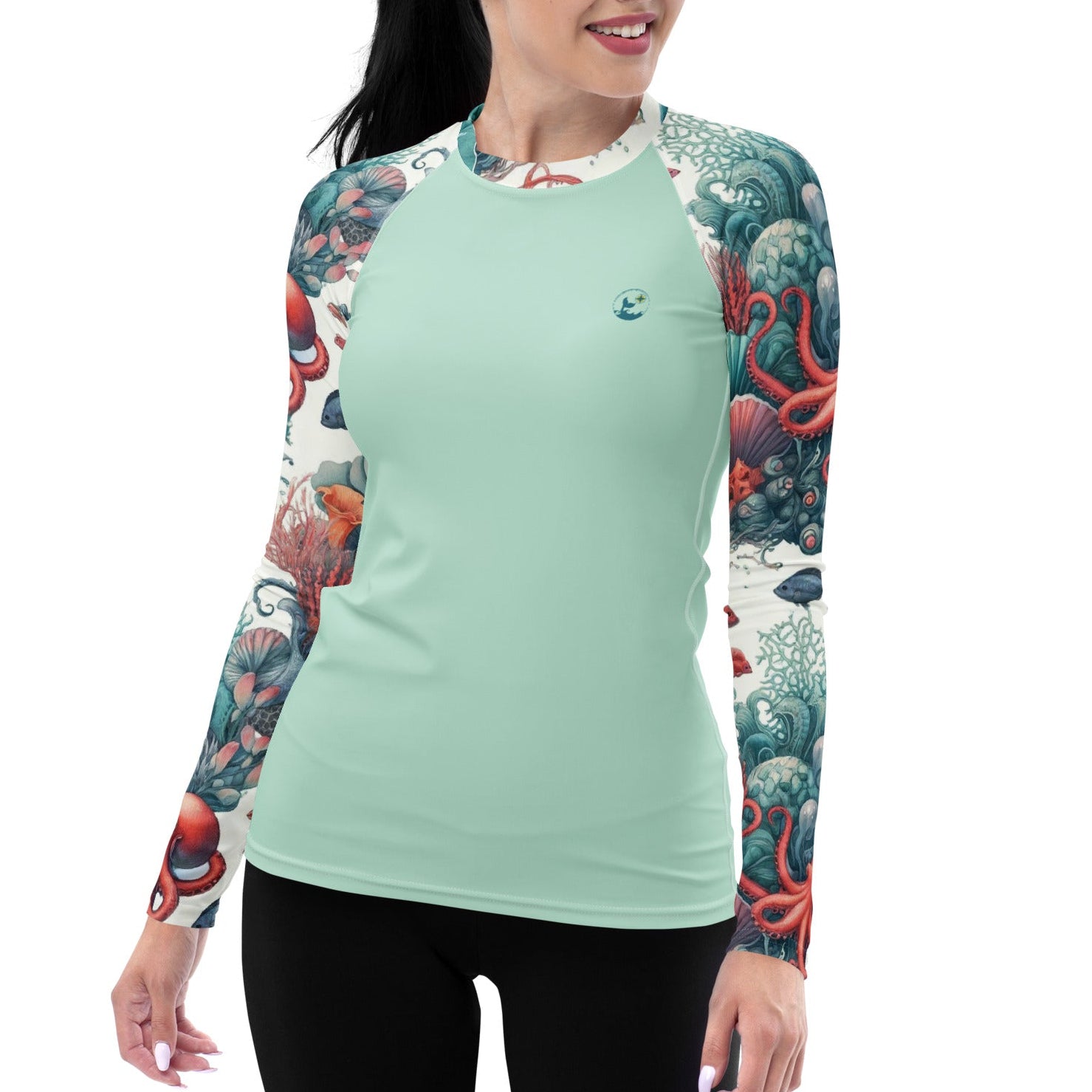
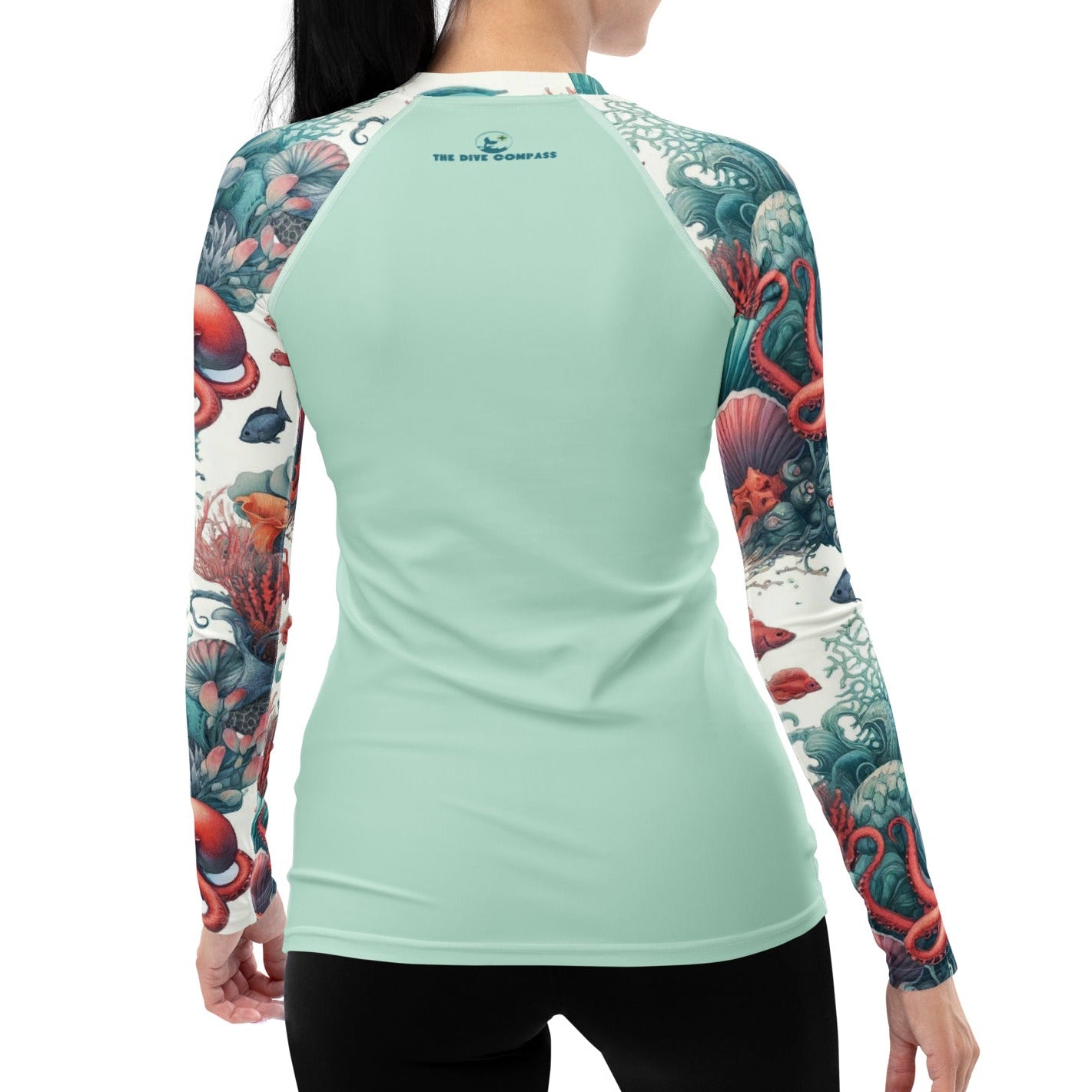
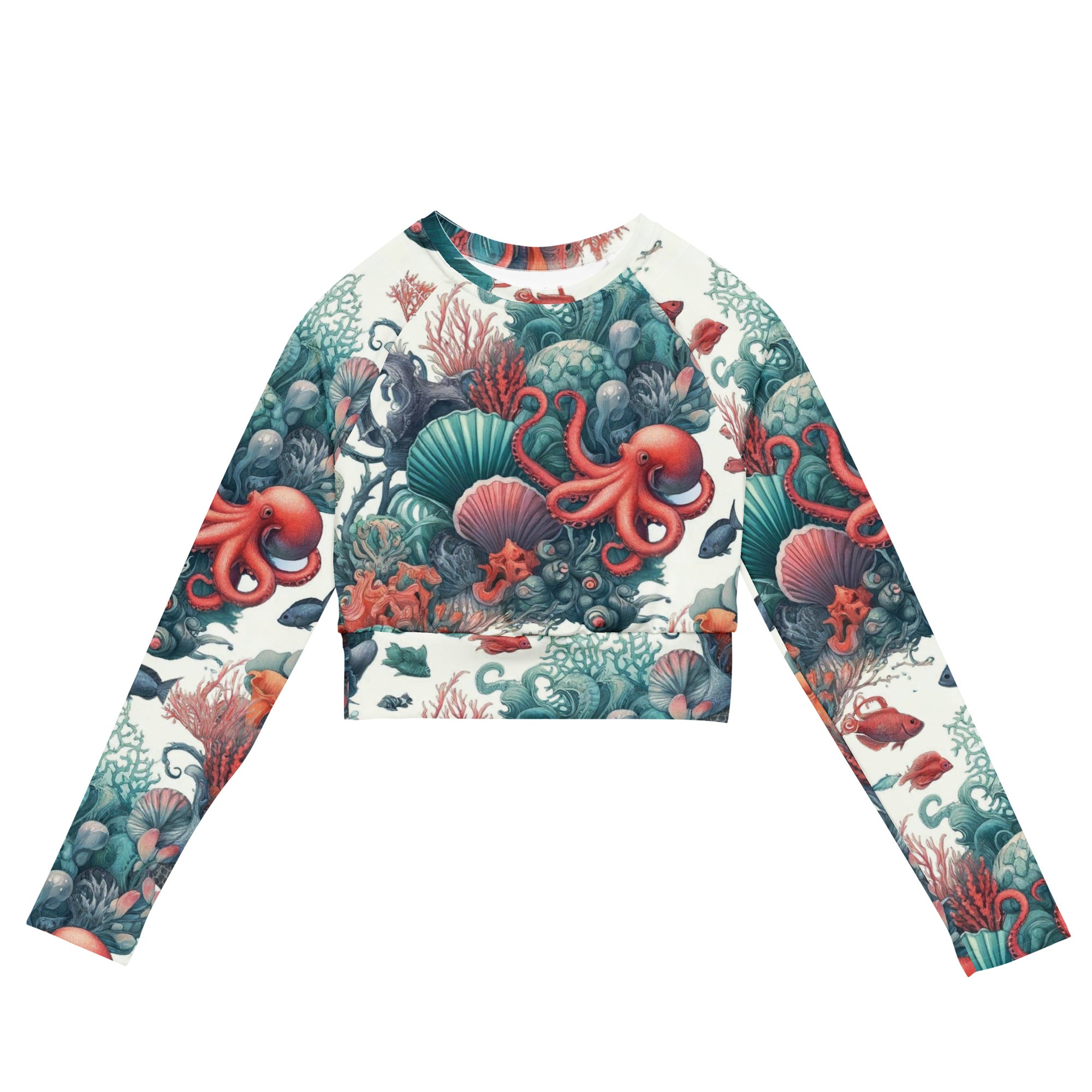
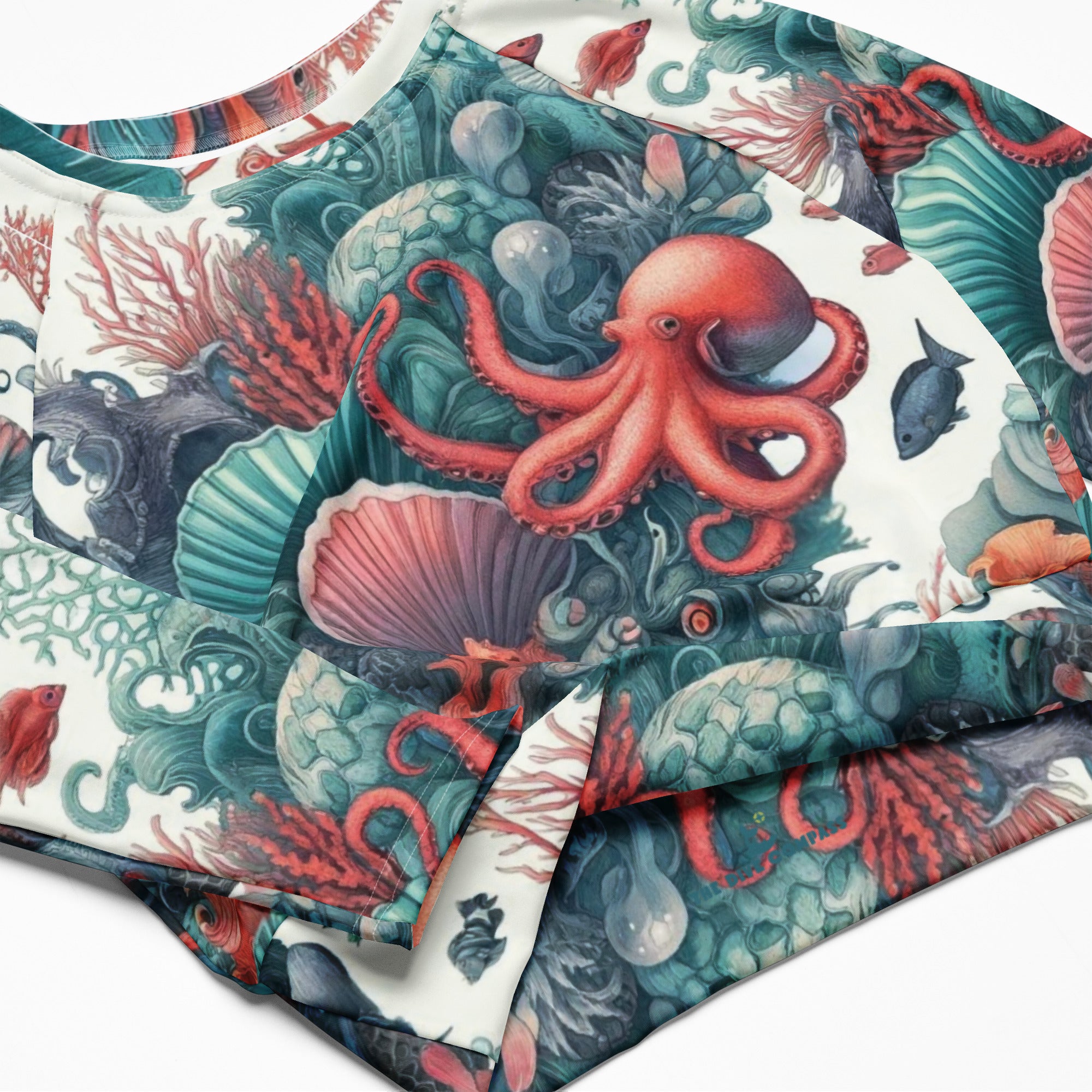
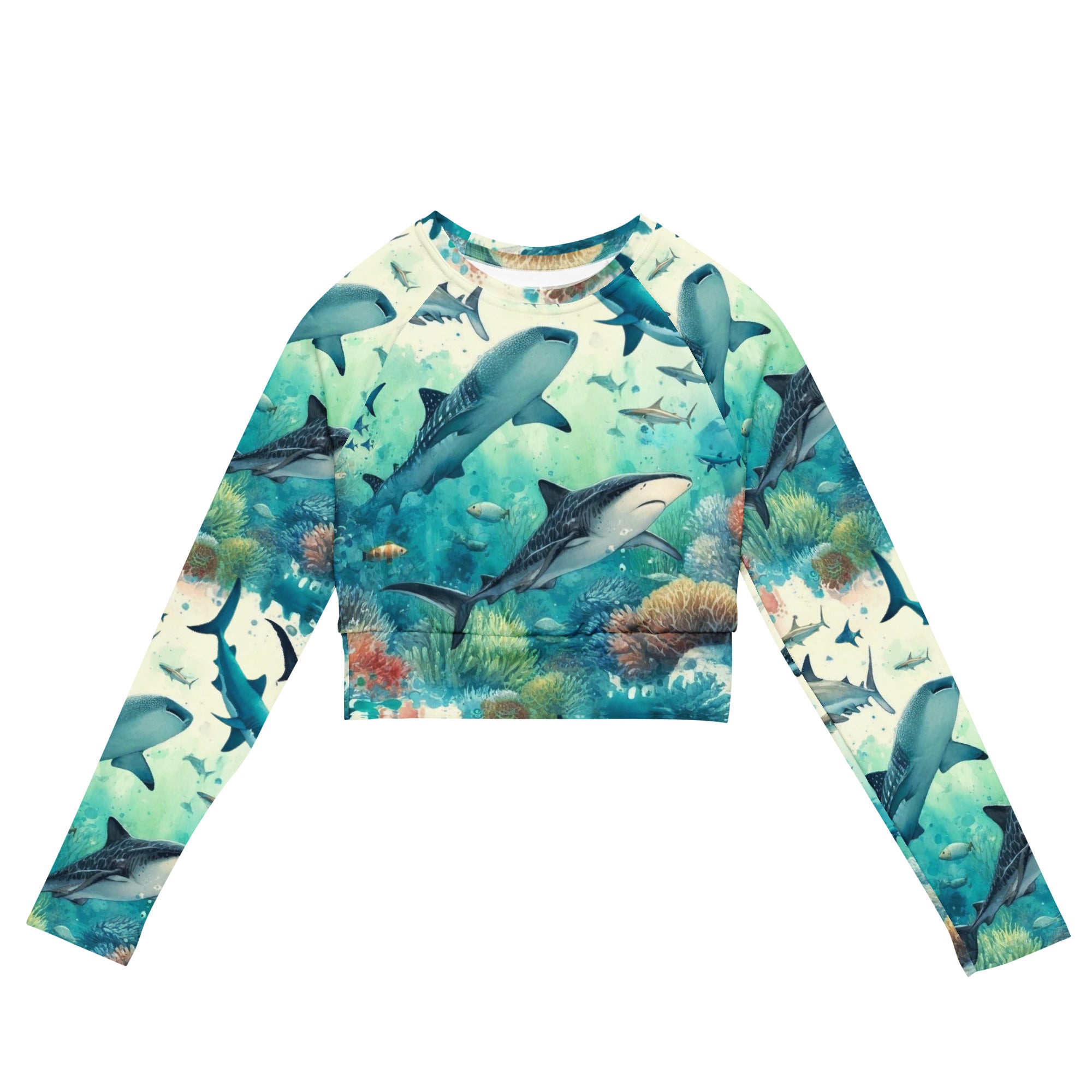
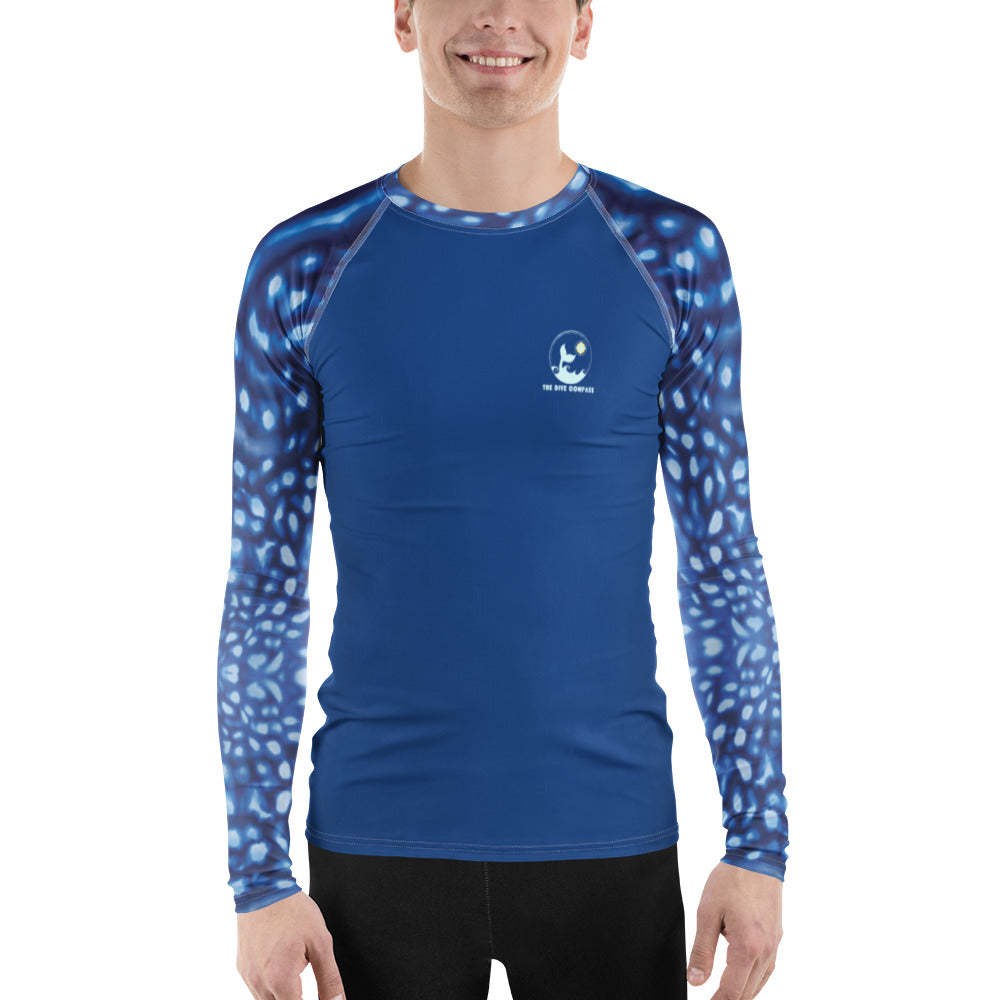
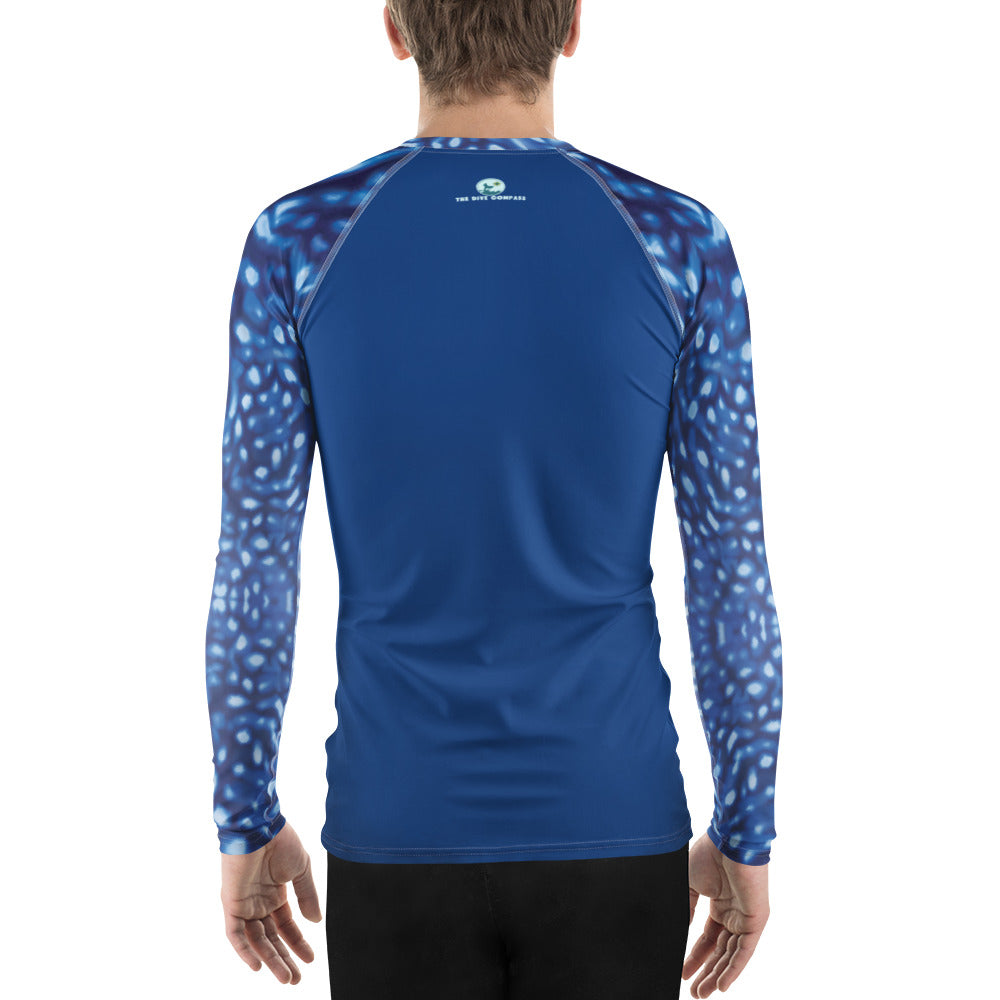
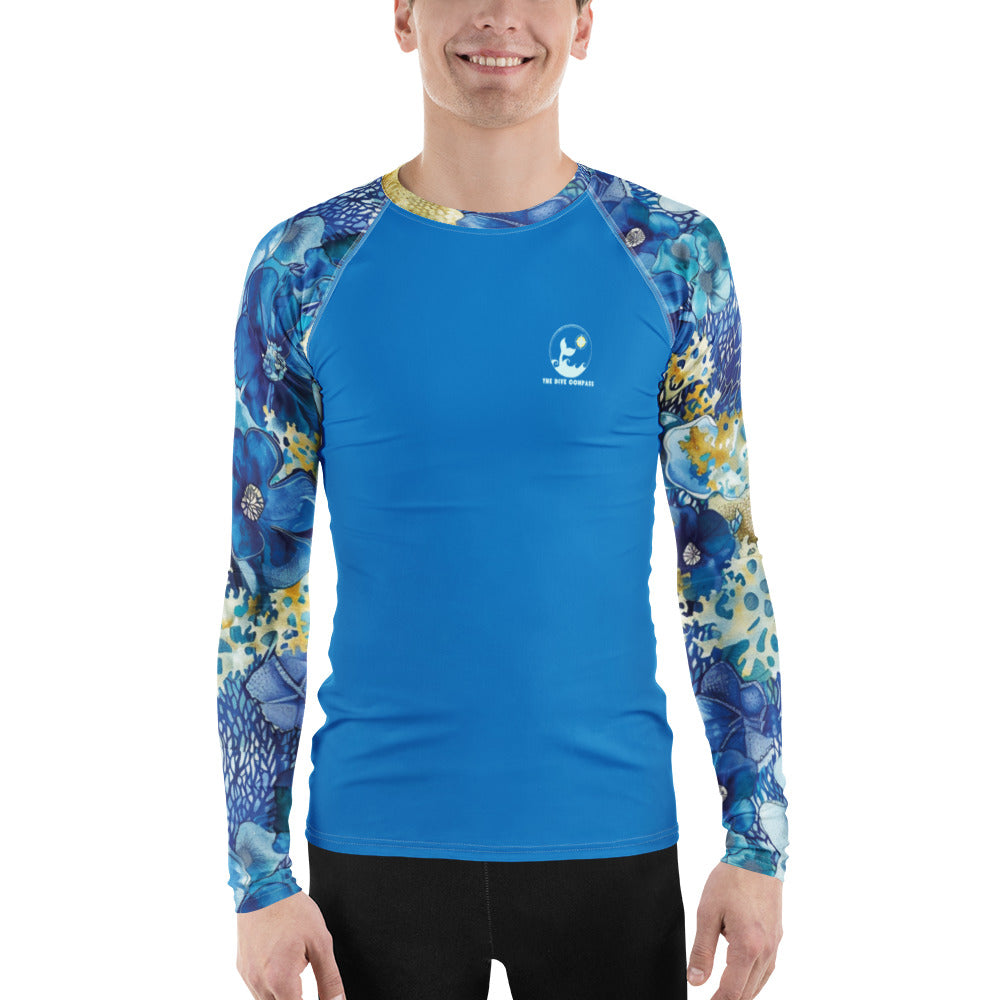
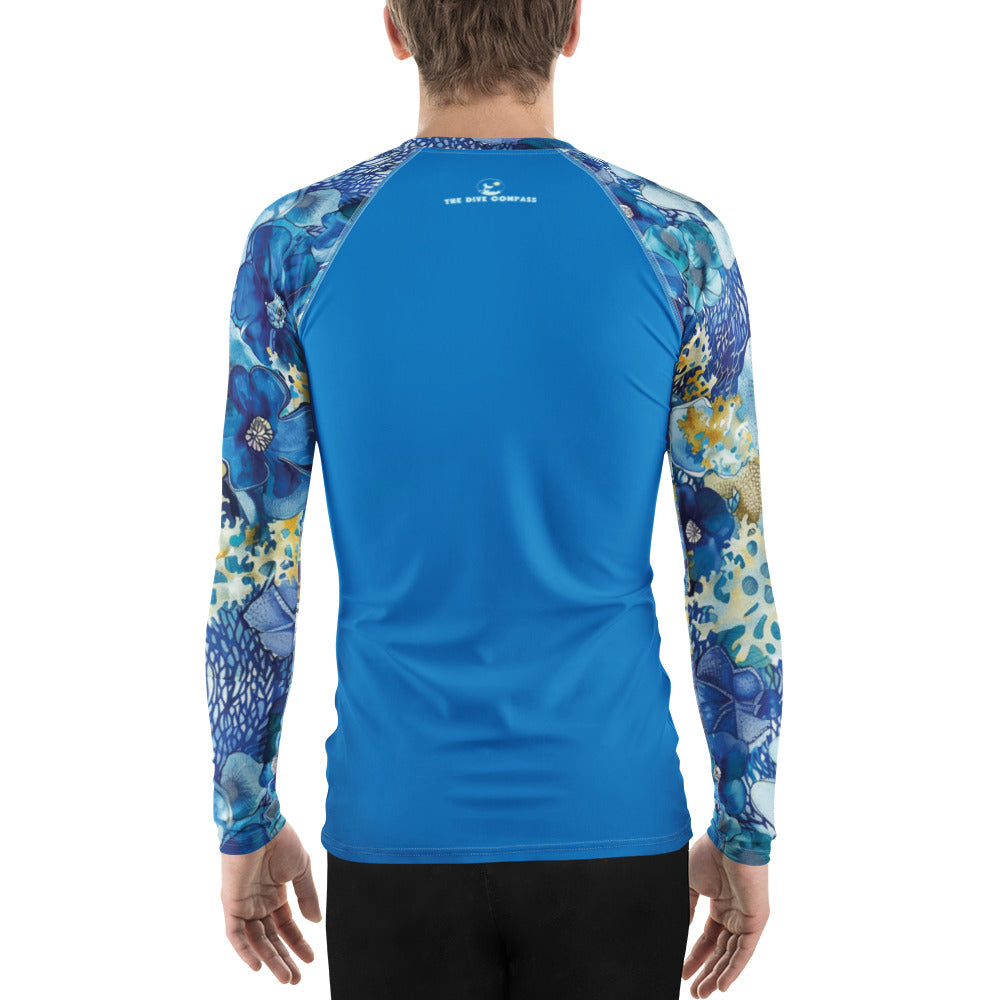
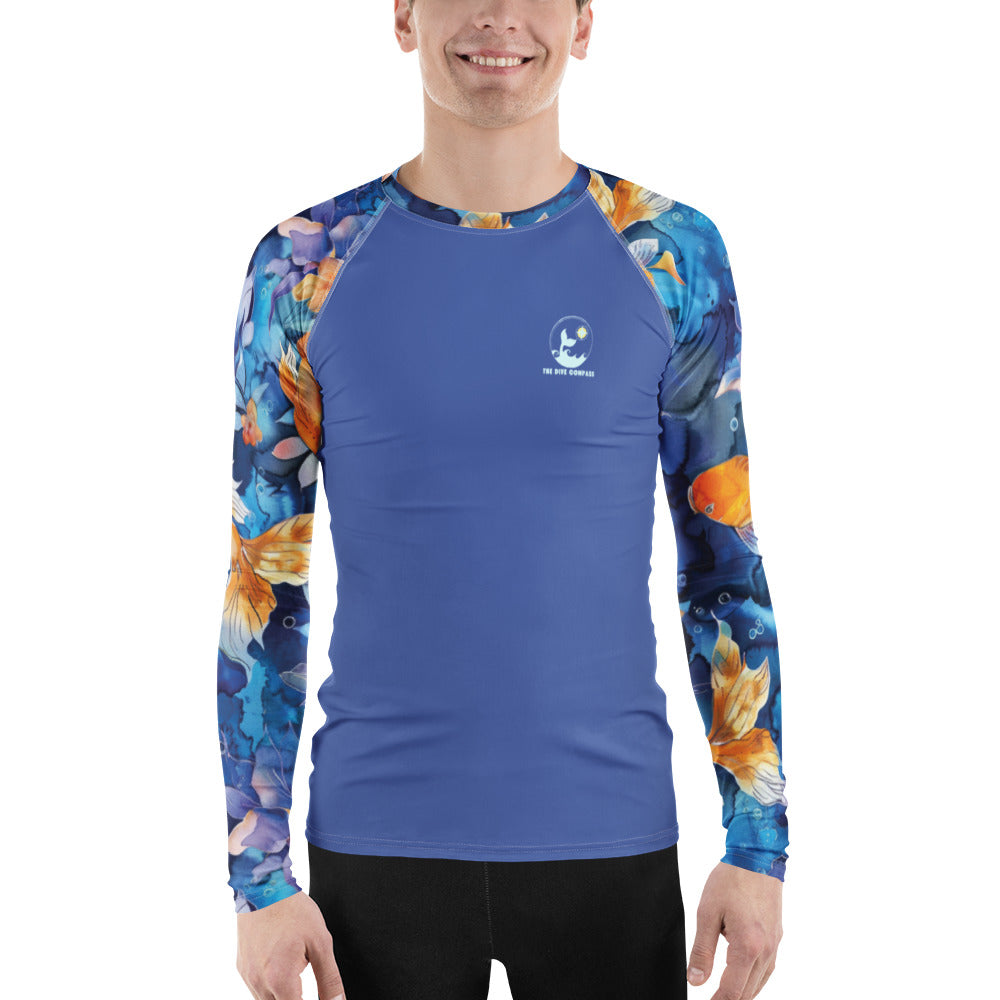
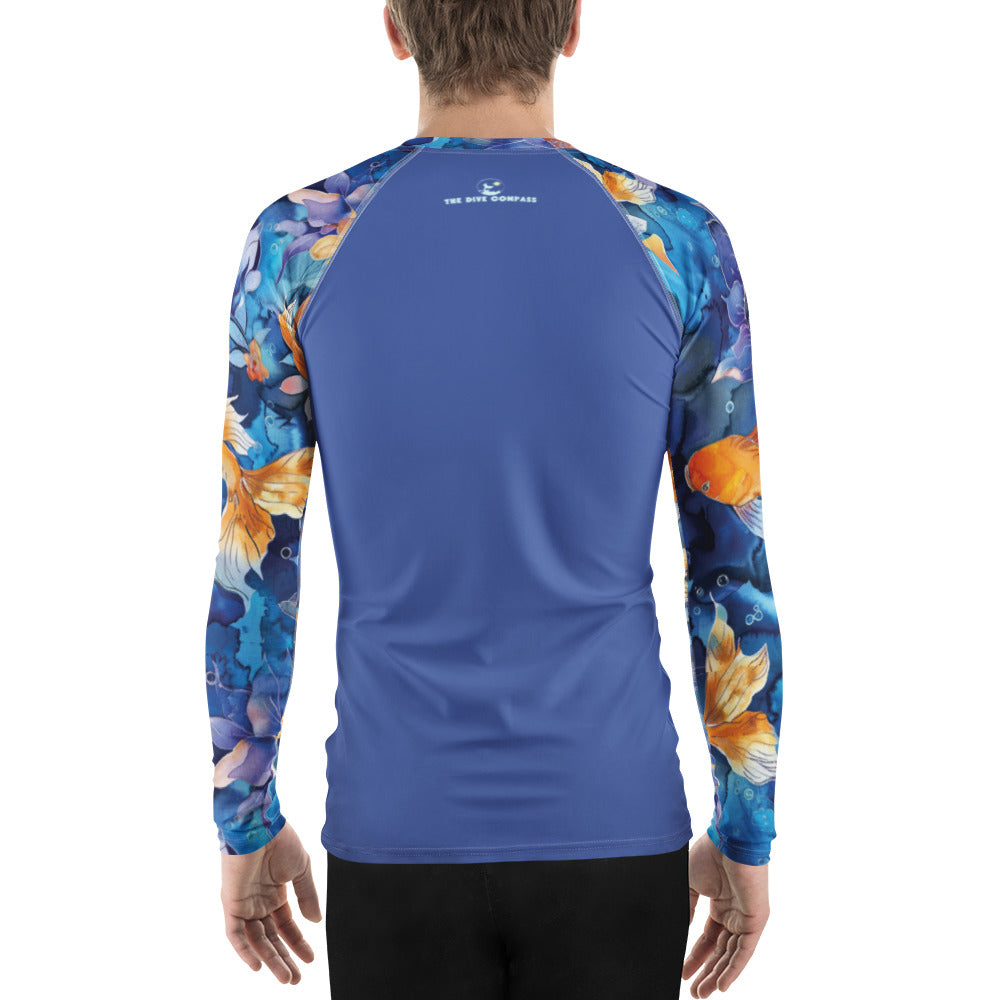
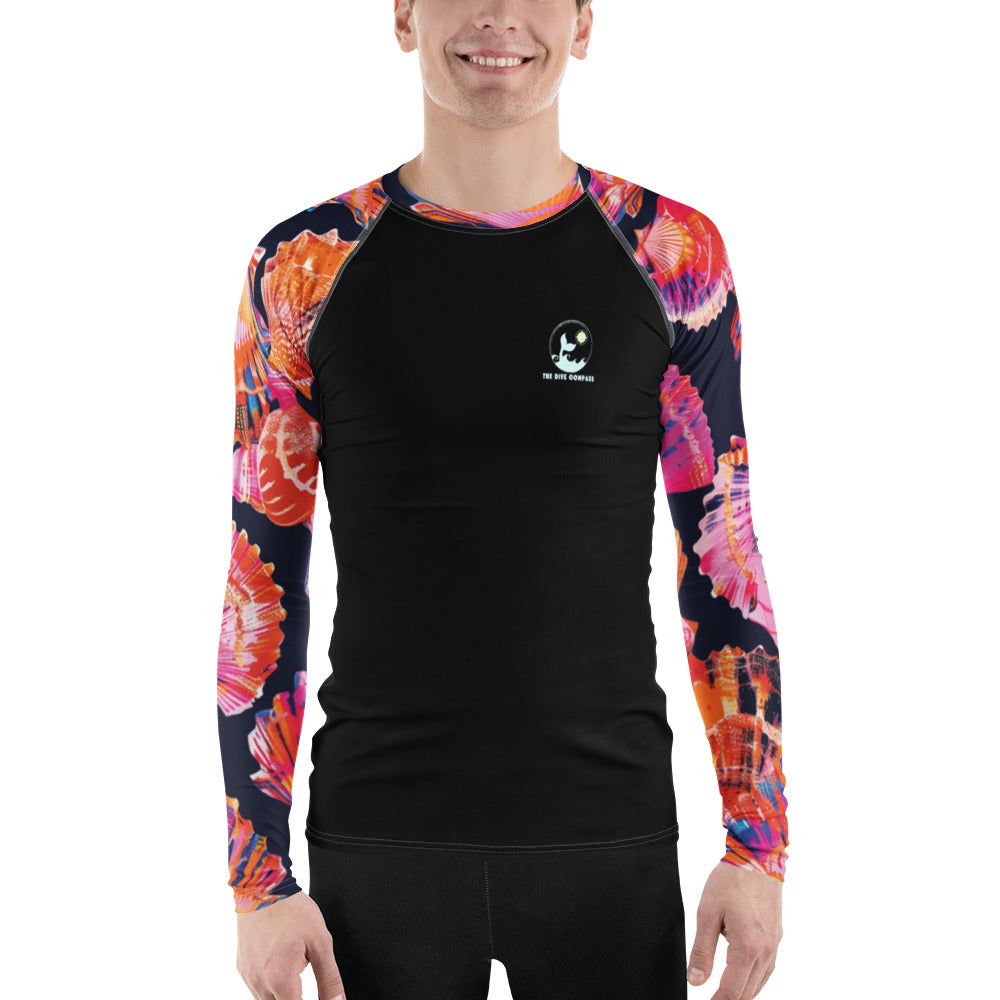
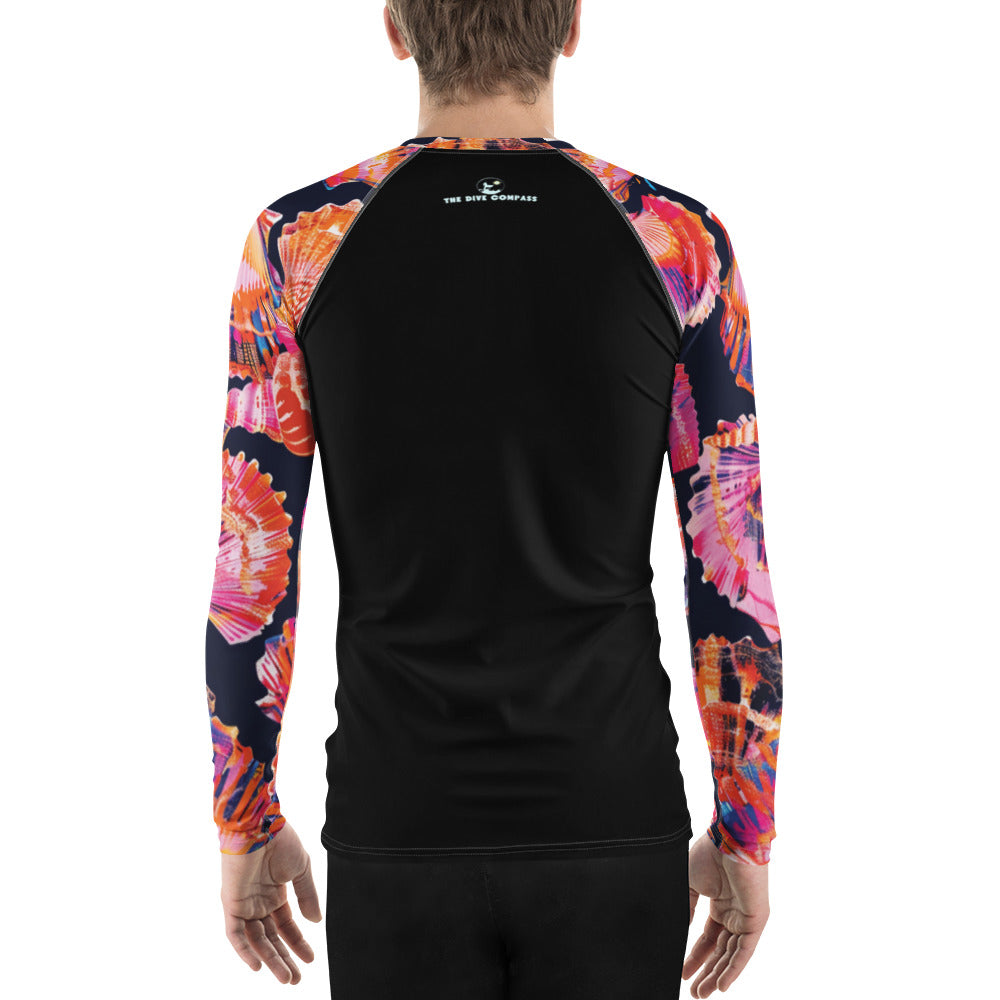
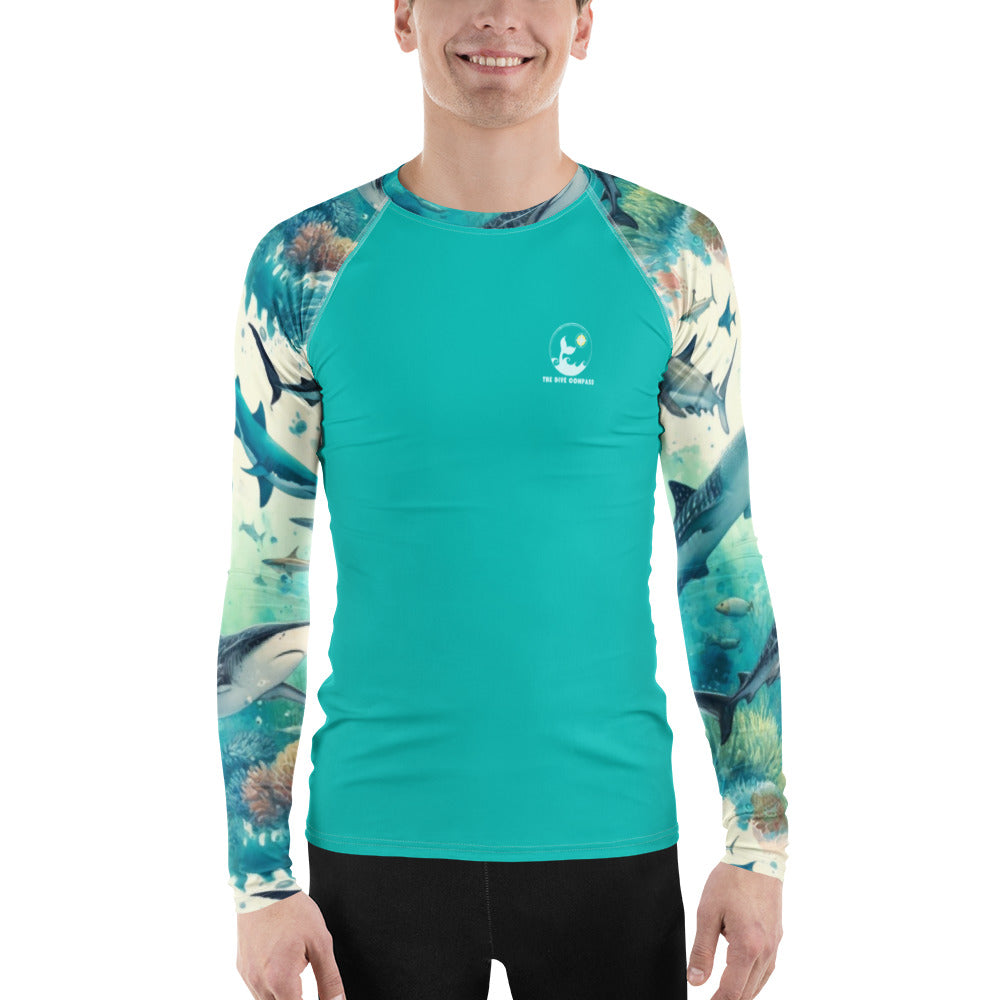
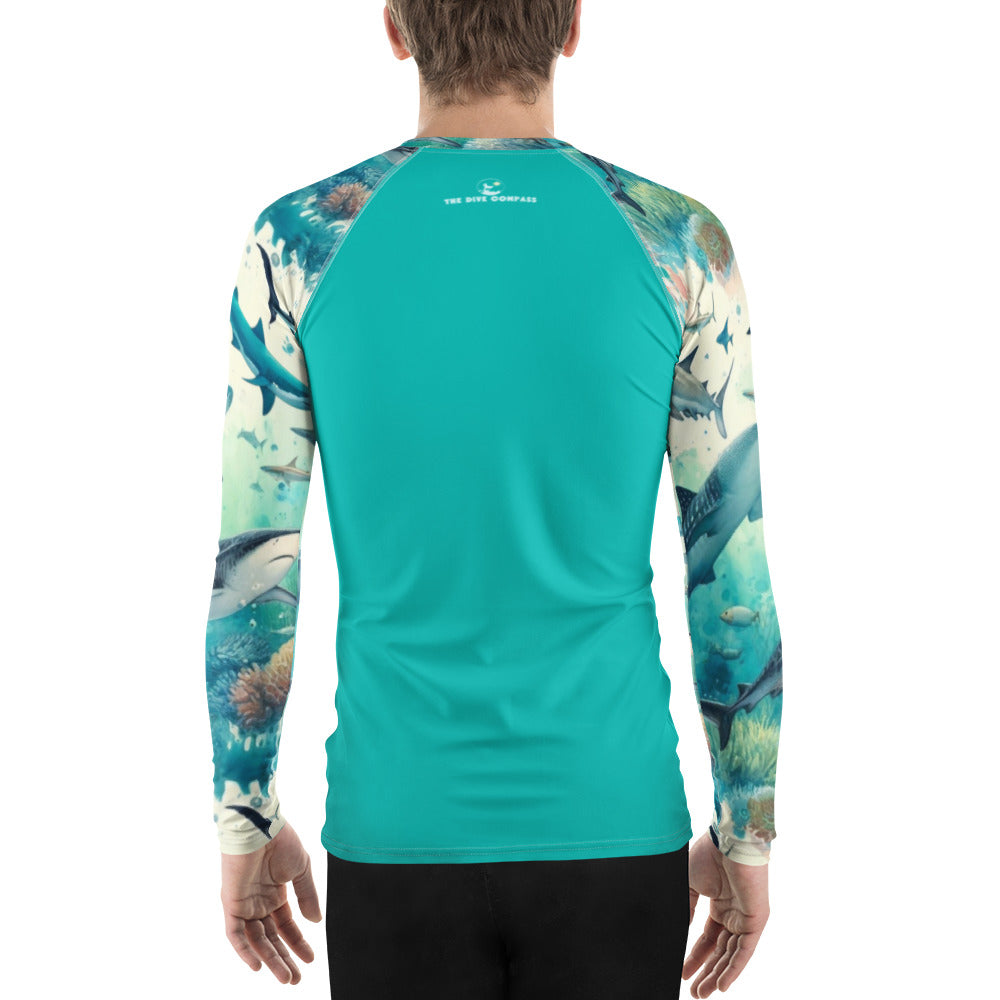
Wear a rash guard between your bikini and your wetsuit. This is the single biggest fix. The rash guard creates a barrier so the wetsuit doesn't grab your ties on the way off. It also gives you sting and scrape protection during the dive itself if you're not wearing a wetsuit at all, which is something I'd recommend anyway. (For the rash guard side of that decision, full-length vs cropped, when to wear what, I've written more on that elsewhere on the journal.)
Take the wetsuit off slowly and pay attention. Roll it down rather than yanking. Catch the moment you feel resistance and reach in to hold the tie in place.
Choose your changing moment. Find somewhere private to peel down rather than doing it leaning over the rail of a crowded dive boat. If your bikini is going to shift, you'd rather be the only one who notices.
This is the trade-off you're accepting when you choose a string bikini for diving. It's manageable. It's worth knowing about up front.

When a String Bikini Genuinely Wins
Here's when I personally reach for a string bikini over a more secure scuba bikini for diving:
Warm water destinations. When the water is 28°C or higher and I'm in a 3mm suit, or just a dive skin, the string bikini becomes the comfortable choice. The pressure points that matter under a thicker wetsuit just aren't there.
Single fun dives or short boat days. If I'm doing one or two dives and not constantly battling in and out of my wetsuit, the wardrobe-malfunction risk drops a lot.
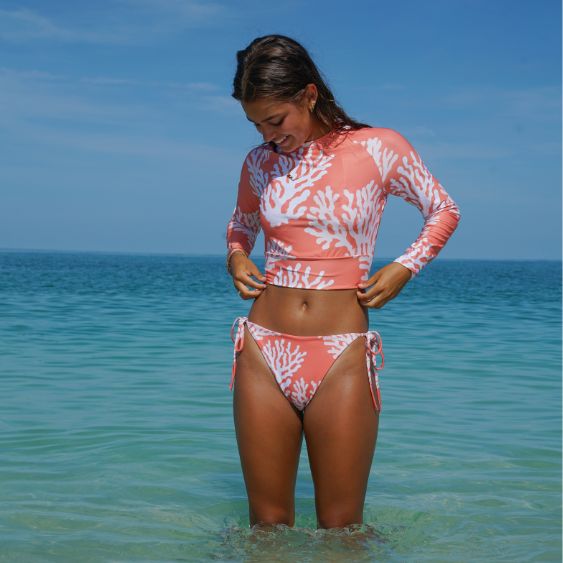
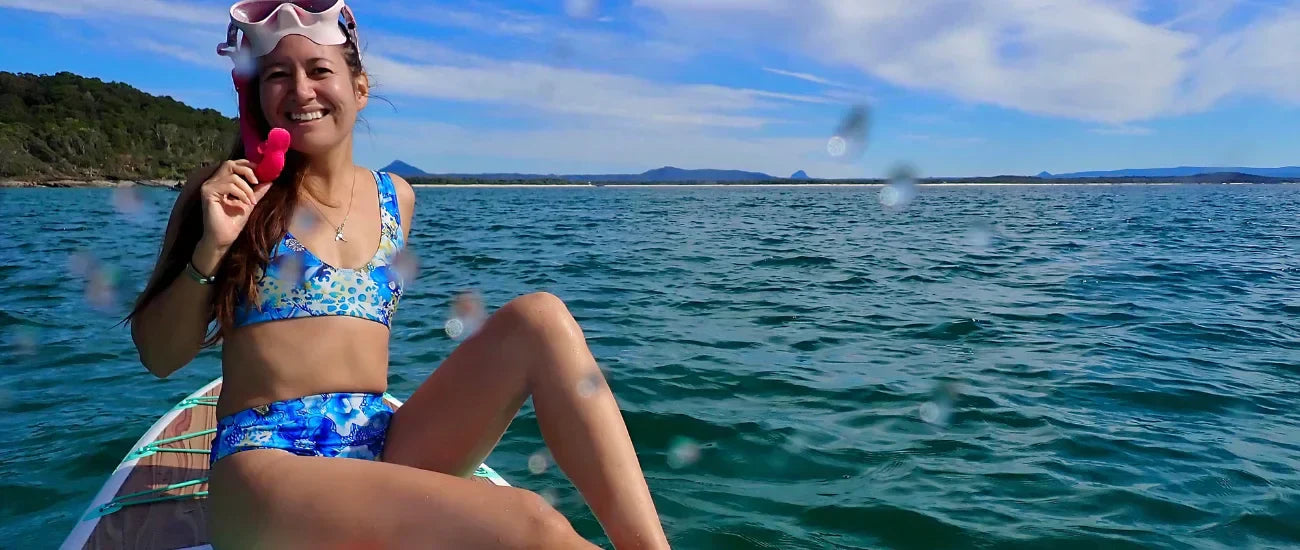
Trips where I want my swimwear to do double duty. Sometimes my dive trips include a snorkel session, a swim off the boat, a beach moment after diving. A string bikini transitions from dive to lifestyle better than most scuba-specific cuts, especially if you're looking for less noticable tan lines.
The awkward boat change becomes much easier. Anyone who's done a multi-stop dive day knows the awkward moment of trying to change into a dry bikini on a crowded boat without flashing anyone. A string bikini makes this dramatically simpler, you put a dry bikini on over the wet string bikini, then untie the string bikini underneath and pull it out from the side. Same principle works for swimming and snorkeling. No more wrapping yourself in a towel and praying nobody walks past at the wrong moment. Once you've had this work for you on a packed dive boat, it's hard to go back.
When I want the post-dive sun without the scuba bikini tan lines. Sometimes minimizing tan lines is the priority.
When to Reach for Something Else
There are clear conditions where I personally would not pick a string bikini for the dive:
Colder water diving or when you're wearing a 5mm wetsuit. This is the biggest one. The tighter your wetsuit needs to be, the more your bikini ties become pressure points. In a 5mm or 7mm suit, the knots at your back, neck, and hips dig in. After a 60-minute dive, you feel them. After two tanks, it can get uncomfortable.
Multi-dive days with constant suit changes. Liveaboards, multi-tank charter days, dive trips where you're going in and out of your wetsuit up to four. The cumulative wardrobe-malfunction risk goes up with every wetsuit removal.
Strong currents or drift dives. Where you're already managing buoyancy, depth, and current, you don't want to also wonder if your bikini is still where you left it.
Trips where you can't easily replace gear. Remote liveaboards, multi-week trips, dive holidays where bikini shopping isn't really an option mid-trip. A more secure scuba bikini removes that small background anxiety entirely.
In any of these, I reach for a scuba bikini. The construction is built specifically for these conditions, secure straps, no loose ties, secure fit that doesn't shift when your wetsuit comes off.
The One Tip Almost Nobody Mentions: Tie It in the Front
This is the single most useful piece of advice I can give you about diving in a string bikini, and I almost never see it written down.
The strings on a properly designed dive-ready string bikini are longer than fashion ones. That's an intentional design choice, not a coincidence, it means you can tie them multiple ways. The relevant one for diving: tie your bikini top in the front instead of the back.
Here's why it matters. When you're scuba diving, your tank rests on your back. Right where your bikini knot would be. That knot under the strap of your BCD becomes a pressure point you'll feel for the entire dive.
Tie it in the front, and the pressure point moves to somewhere with much less weight on it. You can also tuck the knot flatter, or tie a smaller, more compact knot, because it's not what's holding the bikini in place against tank pressure.
It's one of those small adjustments that's the difference between "tolerable" and "actually comfortable" for an hour underwater.

What Makes a Dive-Ready String Bikini Different From a Fashion One
If you're going to dive in a string bikini, the construction matters more than you'd think. Here's what to look for, and what I build into the string bikinis at The Dive Compass:
Recycled polyester construction. This isn't just an environmental box-tick, though our recycled polyester does come from post-consumer plastic that would otherwise could end up in the ocean. It also holds up better against UV, salt, and the repeated compression that diving puts swimwear through. Fashion bikinis are often made from blends that degrade faster. The polyester recovers its shape after compression in a way that thinner fast-fashion fabrics don't.
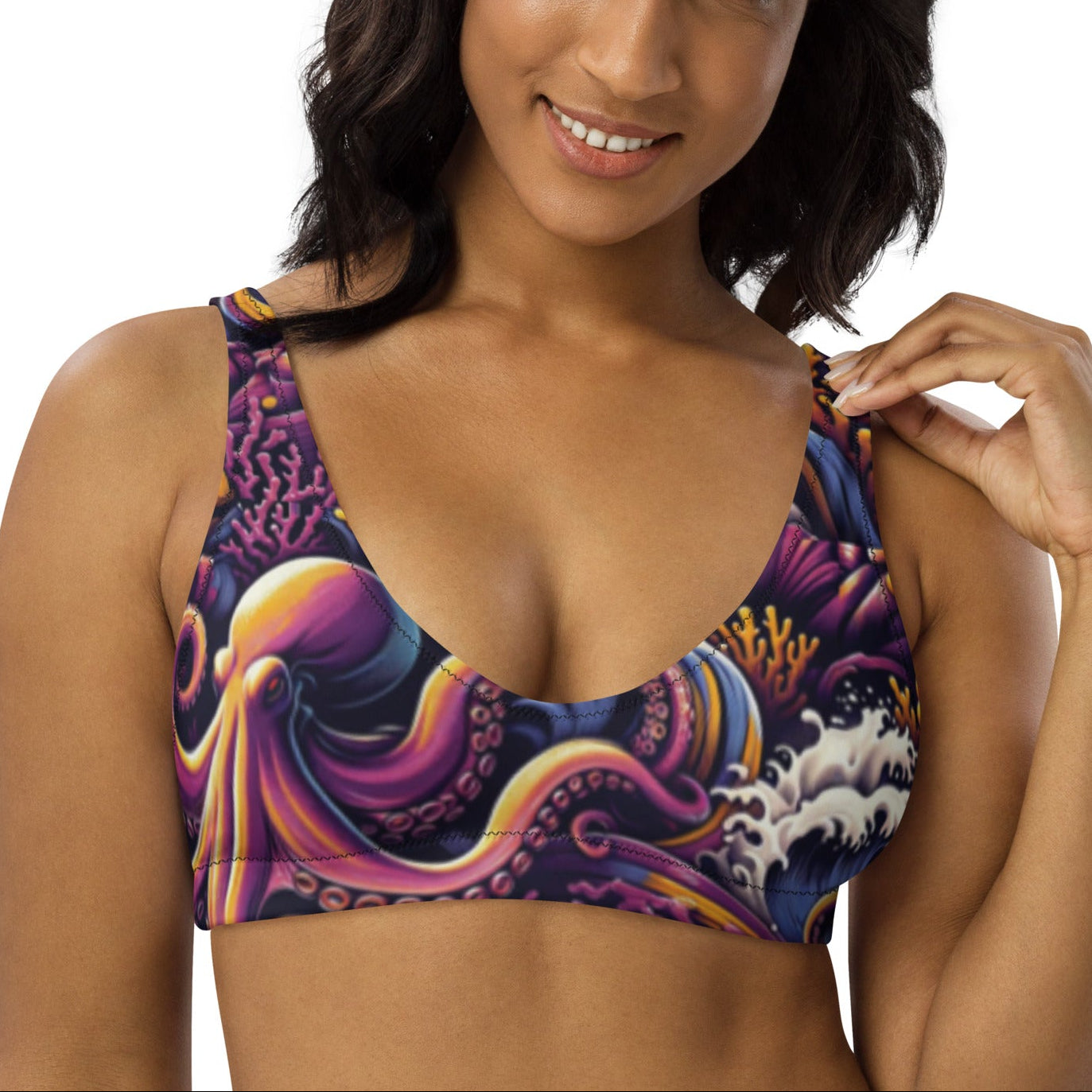
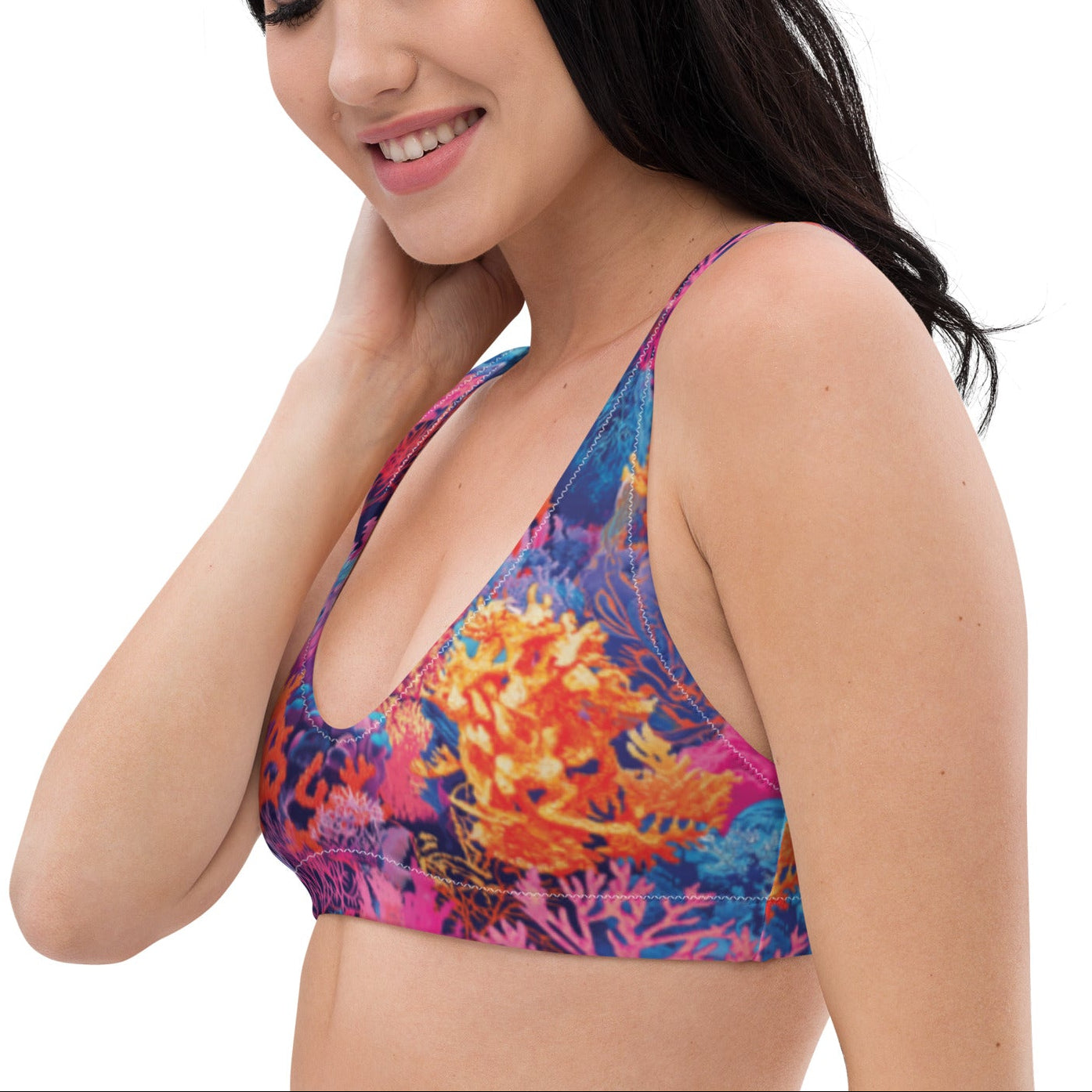
Long, multi-tie strings. Longer strings let you choose how to tie. That flexibility — back, front, halter, low-tie — is a feature, not an accident. It's what lets you do the front-tie trick I mentioned above.
Minimal seams. This one sounds small. It isn't. Seams under a wetsuit press into your skin and become uncomfortable surprisingly fast. The fewer seams in your bikini, the more comfortable a long dive becomes. Our string bikinis are built with minimal seams specifically because of this.
Removable pads. Some divers want them, some don't. Either way, the option to remove the bra pads helps with drying time, fit under a tight wetsuit, and just avoiding bulk where you don't want it.
Designed by someone who actually dives in them. I'm not making string bikinis as a fashion designer who's never been below the surface. I'm making them as a divemaster who's gotten her own ties caught in her own wetsuit and adjusted the design accordingly. Every piece of construction choice has a reason that came from actual diving.
The fast-fashion alternative is cheaper. It also fades faster, the strings break, the ties dig in harder under wetsuits, and the fabric doesn't recover from compression. You'll replace a fast-fashion string bikini three times before you'd replace a properly constructed dive-rated one — which is the slow-fashion math I think about a lot when designing.
And because every Dive Compass purchase plants a coral in Bali through our partnership with Livingseas Foundation, your choice of swimwear ends up doing more than just sitting in your dive bag. (We've planted over 410 corals so far. I've personally helped plant some of them.)
A Note on Dive Skins (Brief, But Important)
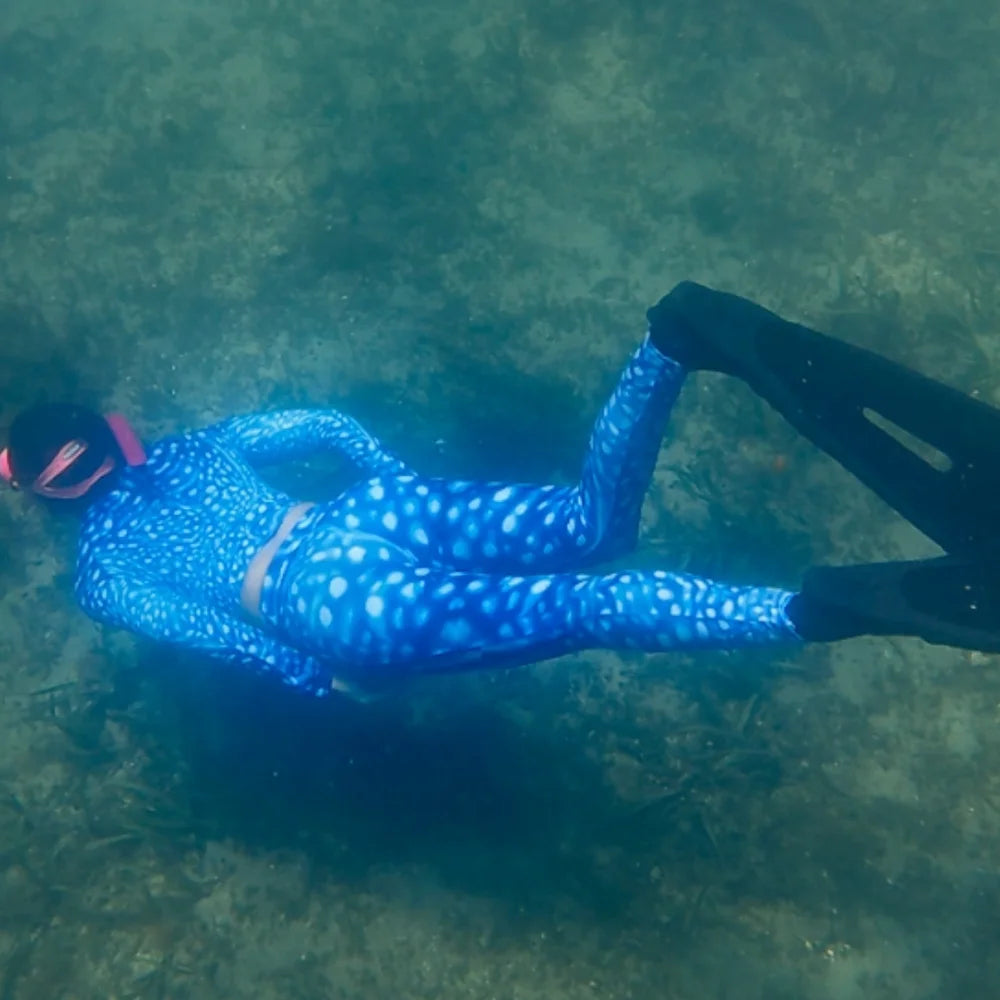
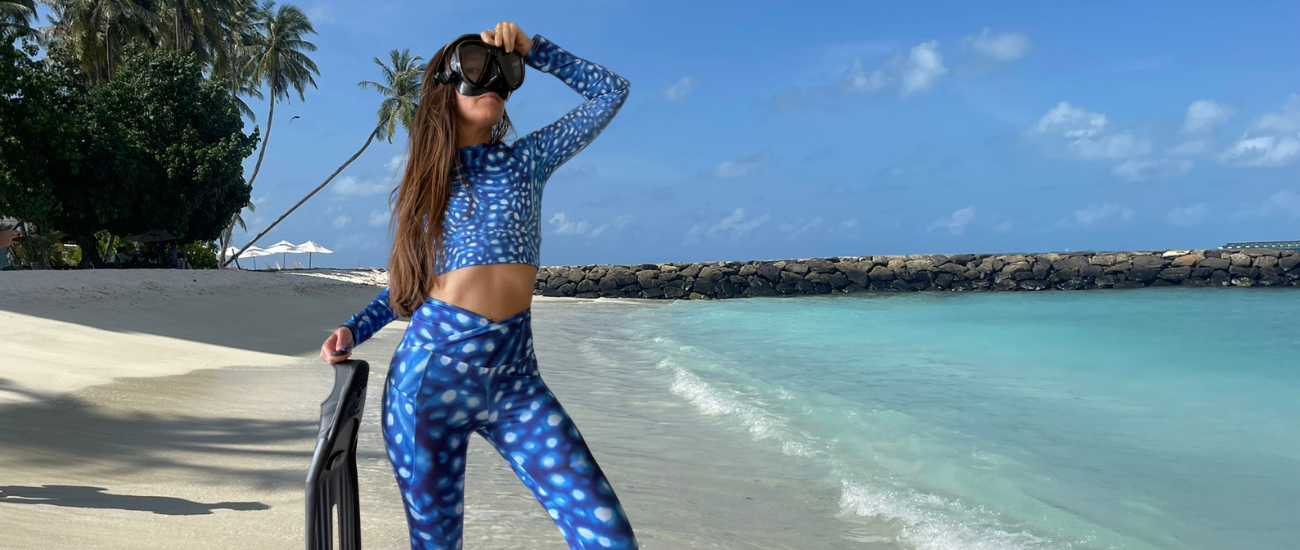
One last thing, regardless of which bikini you're wearing underneath: I always recommend a dive skin if you're not in a full wetsuit. It protects against jellyfish stings, fire coral brushes, hydroids, and the kind of small scrapes you don't realize you've collected until you're back on the boat. A dive skin is light, packable, and turns a "thin tropical wetsuit or nothing" decision into "thin wetsuit or dive skin," which is a much better trade-off for your skin.
The dive skin layer also makes the front-tie trick redundant — your knot is under the skin, not directly under the BCD strap. Worth considering if you find yourself diving in conditions where the string bikini is fine for the water but the surface interval makes you nervous.
My Honest Recommendation
Here's the framework I'd use if you were standing on a dive boat with me asking which to wear:
Warm tropical water (28°C+), thin suit or skin, fun dives, one or two tanks? Yes to a string bikini. Tie it in the front. Wear a rash guard between the bikini and your wetsuit to make wetsuit removal easier. Have a great dive.
Cooler water requiring a thicker wetsuit, multi-dive days, or drift conditions? Reach for a scuba bikini. The pressure points and wardrobe-malfunction risk aren't worth it when you have a more secure option.
Diving and then going to the beach, snorkel, or boat lunch? String bikini. The versatility is real.
Liveaboard with four dives a day? Pack both. Wear the scuba bikini for the suit-on-and-off-all-day reality. Wear the string bikini for the surface interval sundeck moment.
There's no rule that says you have to pick one or the other. Both are useful, and knowing which situation you're in is the actual skill.
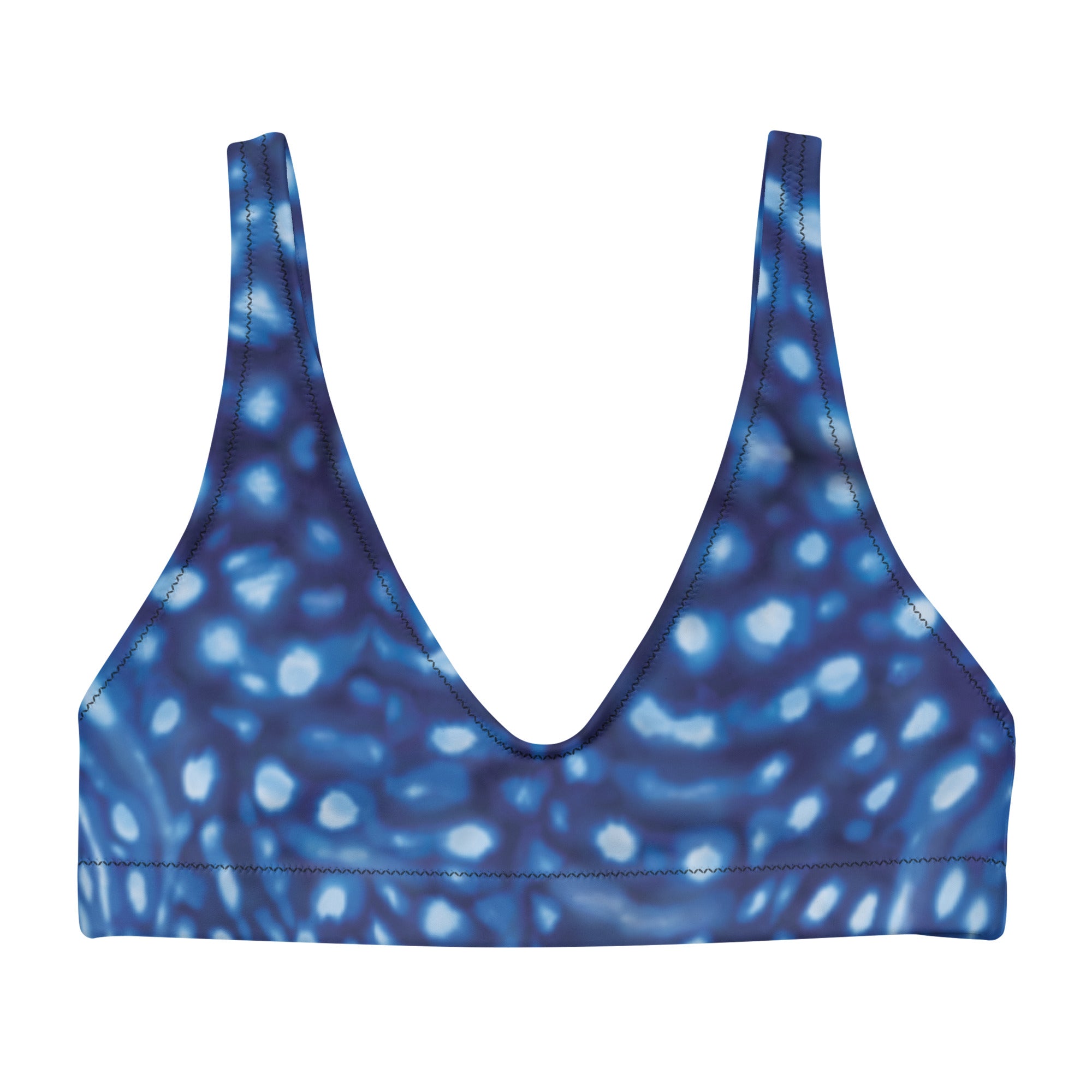
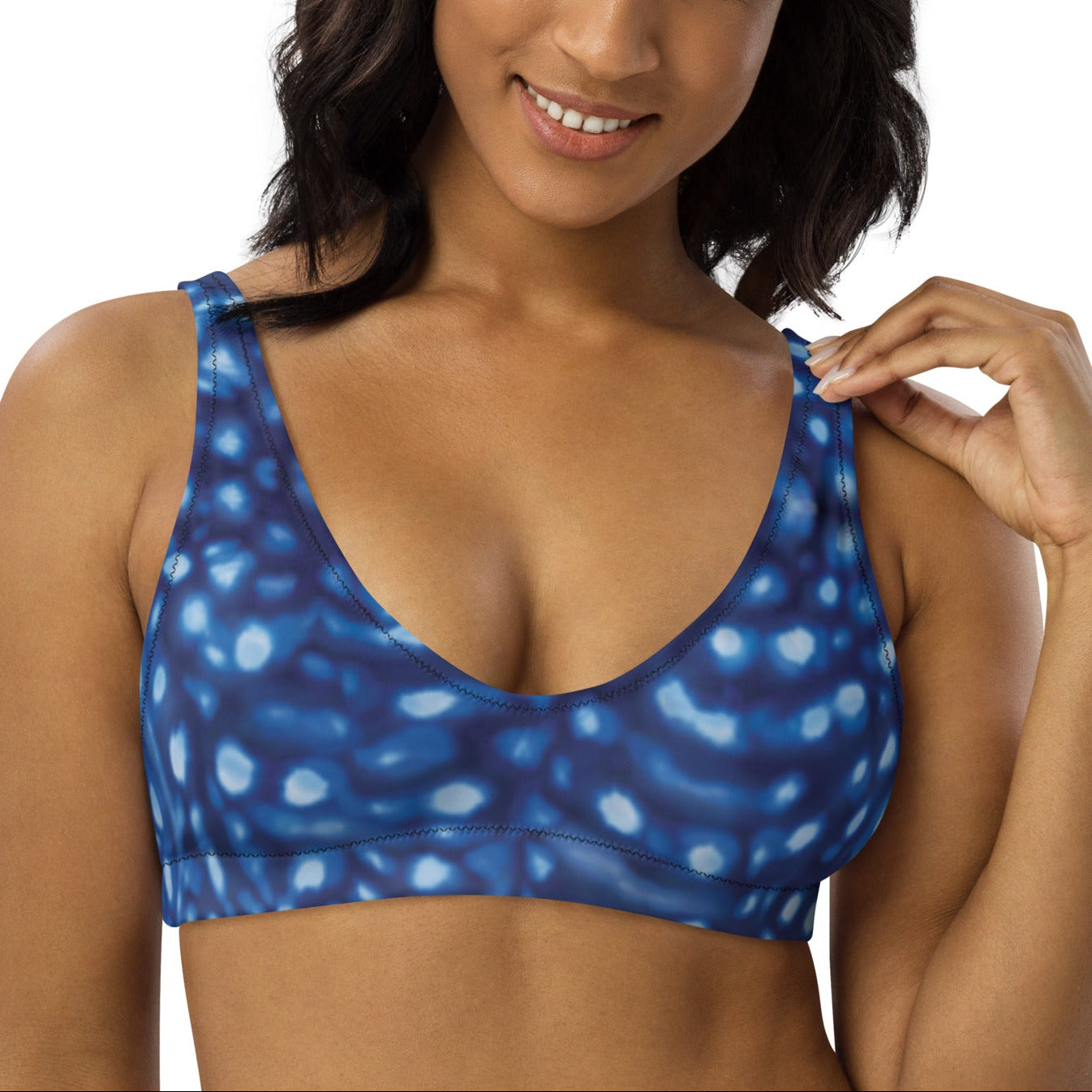
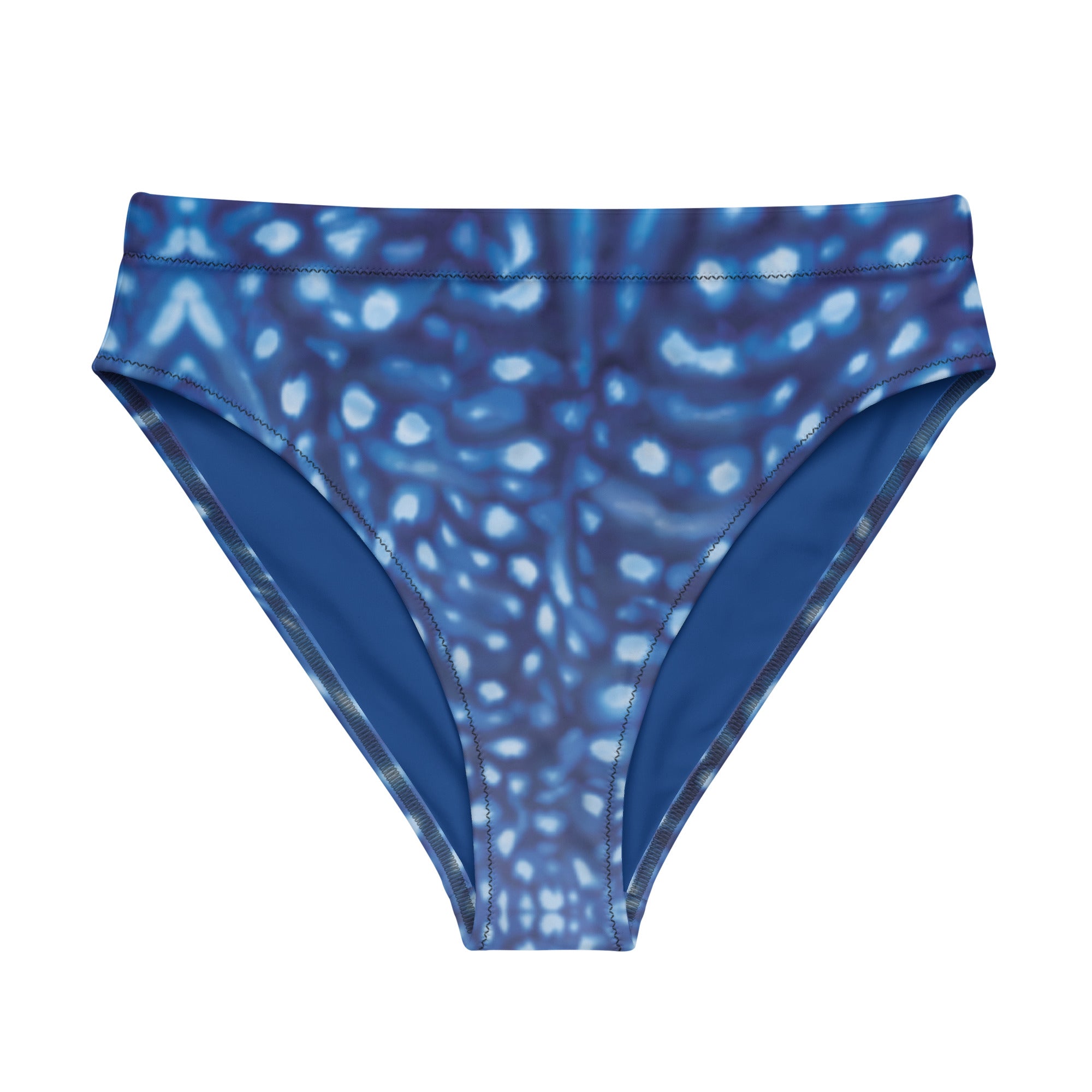
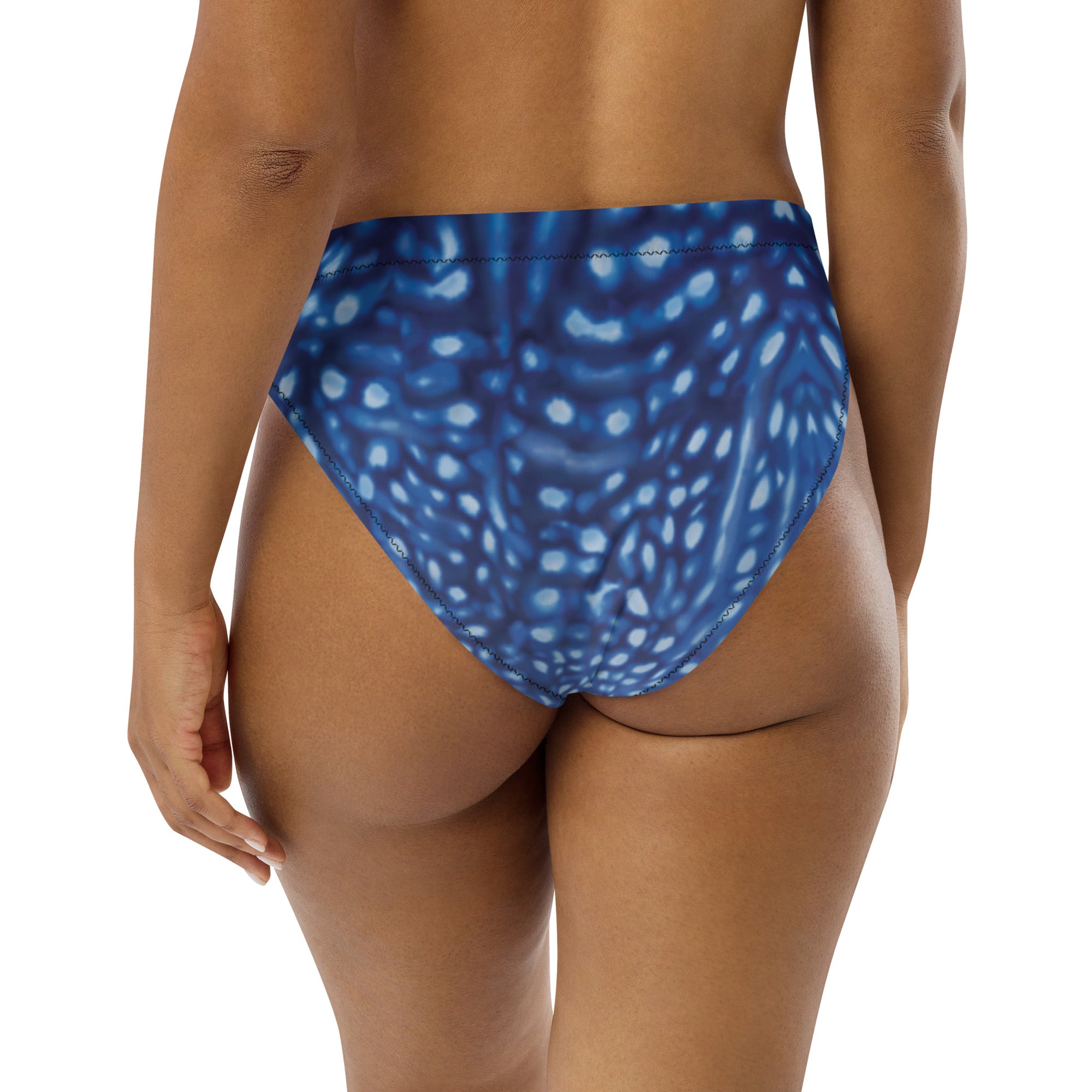
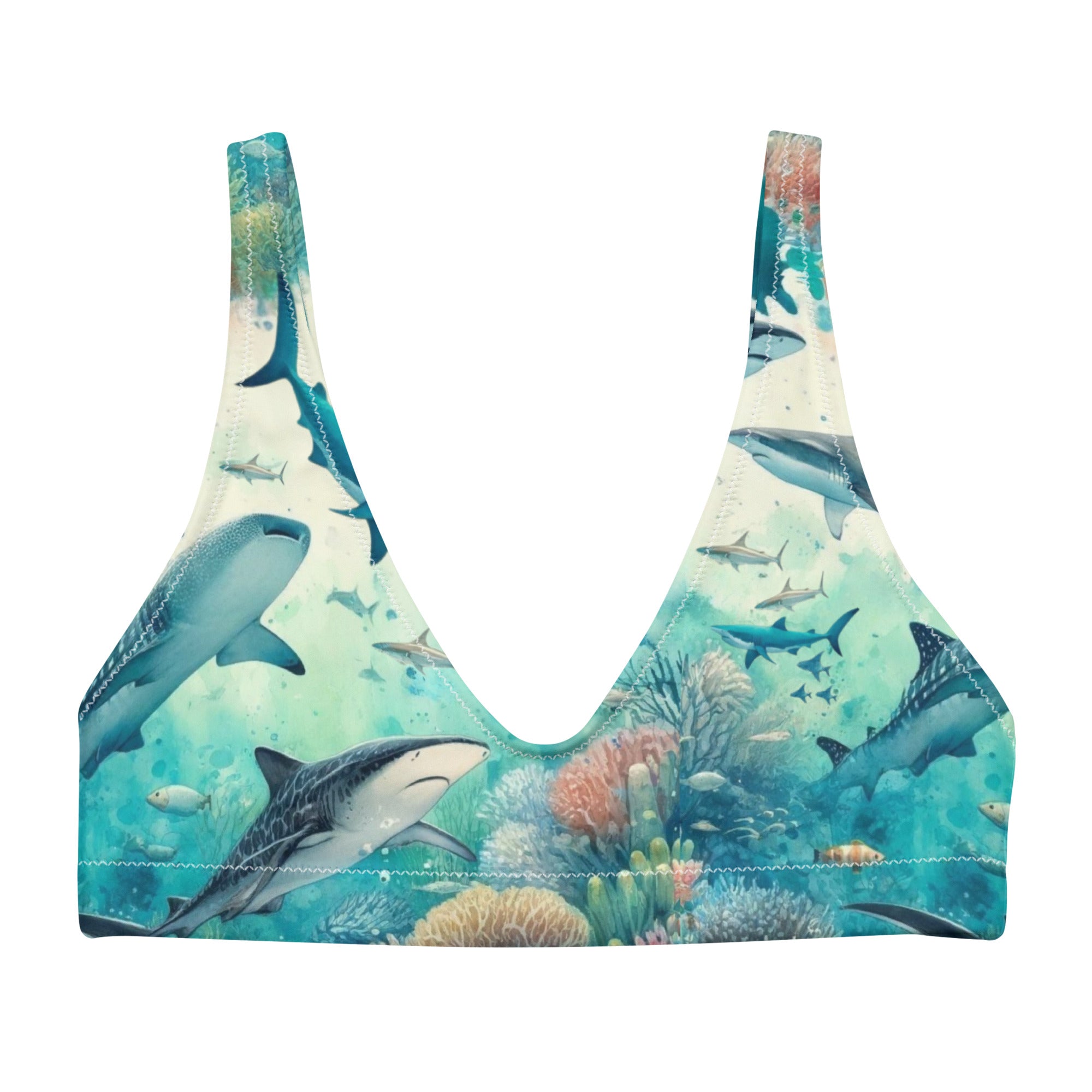
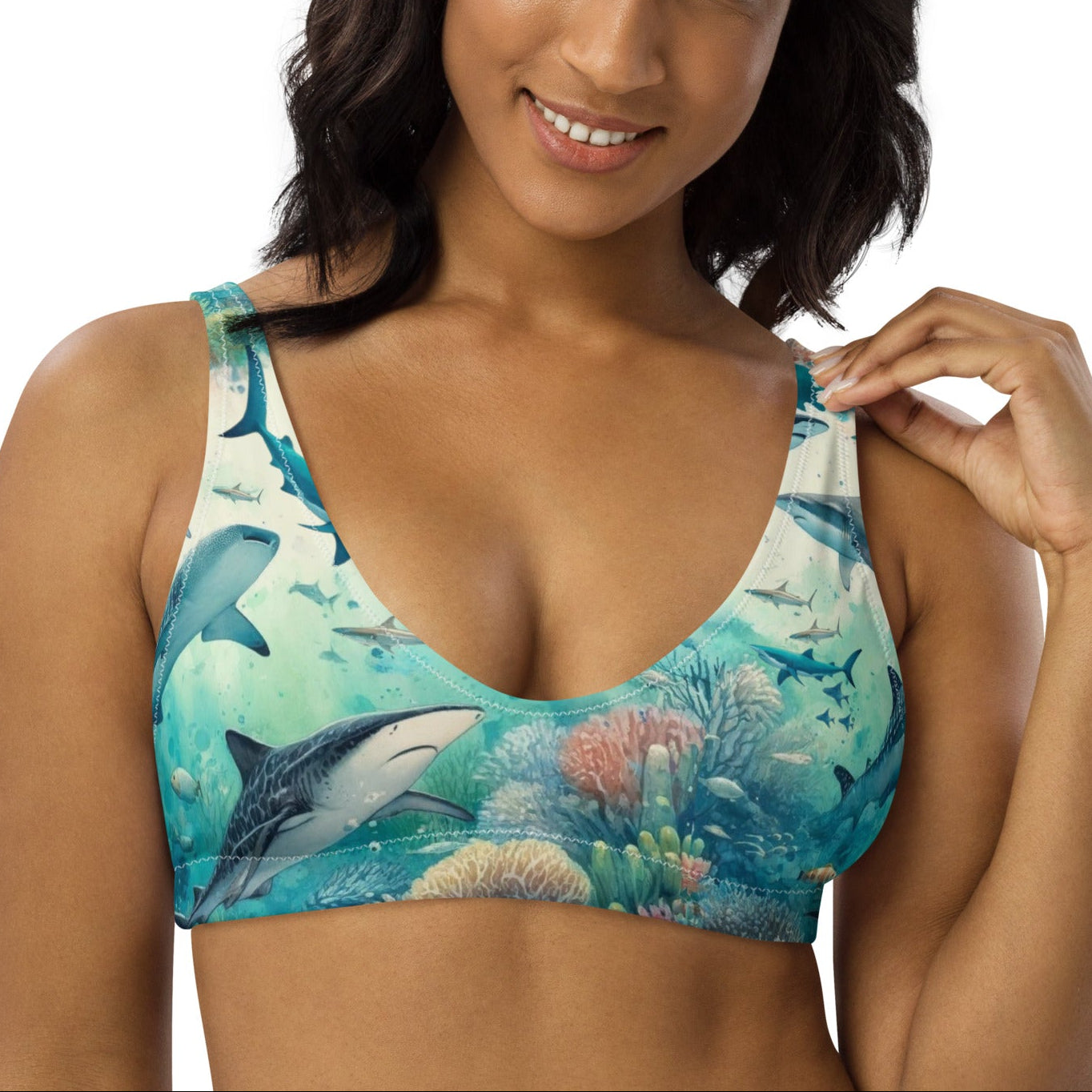
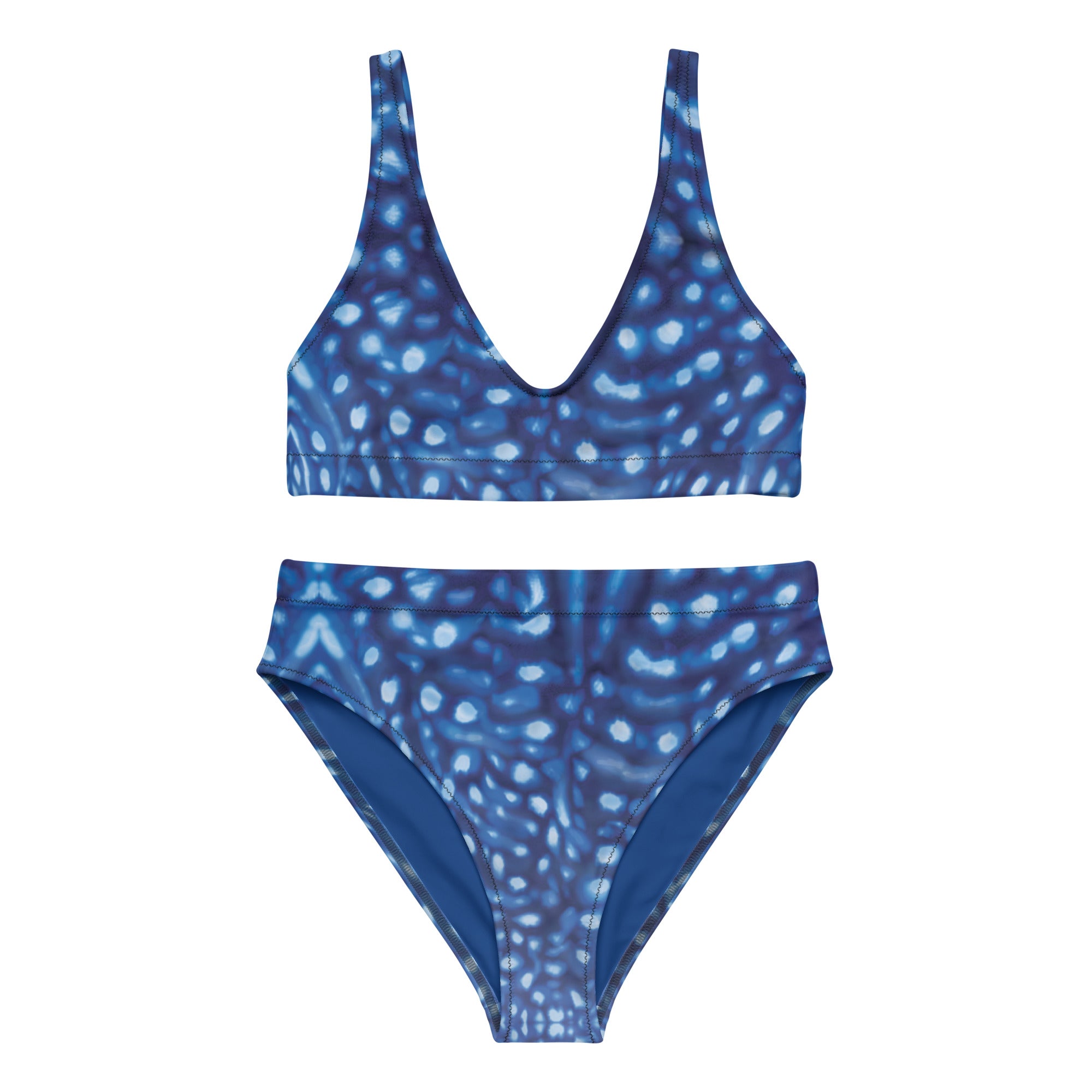
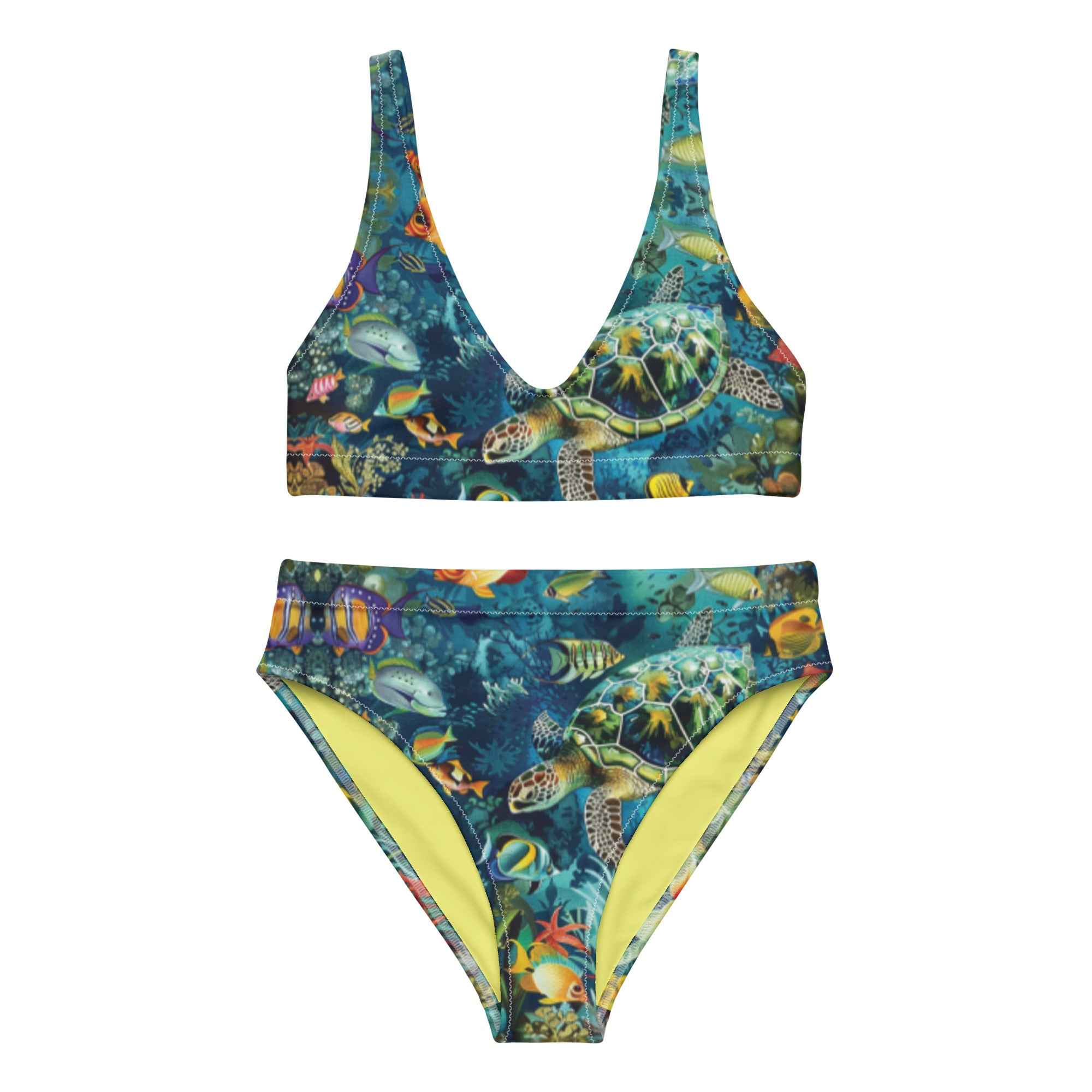
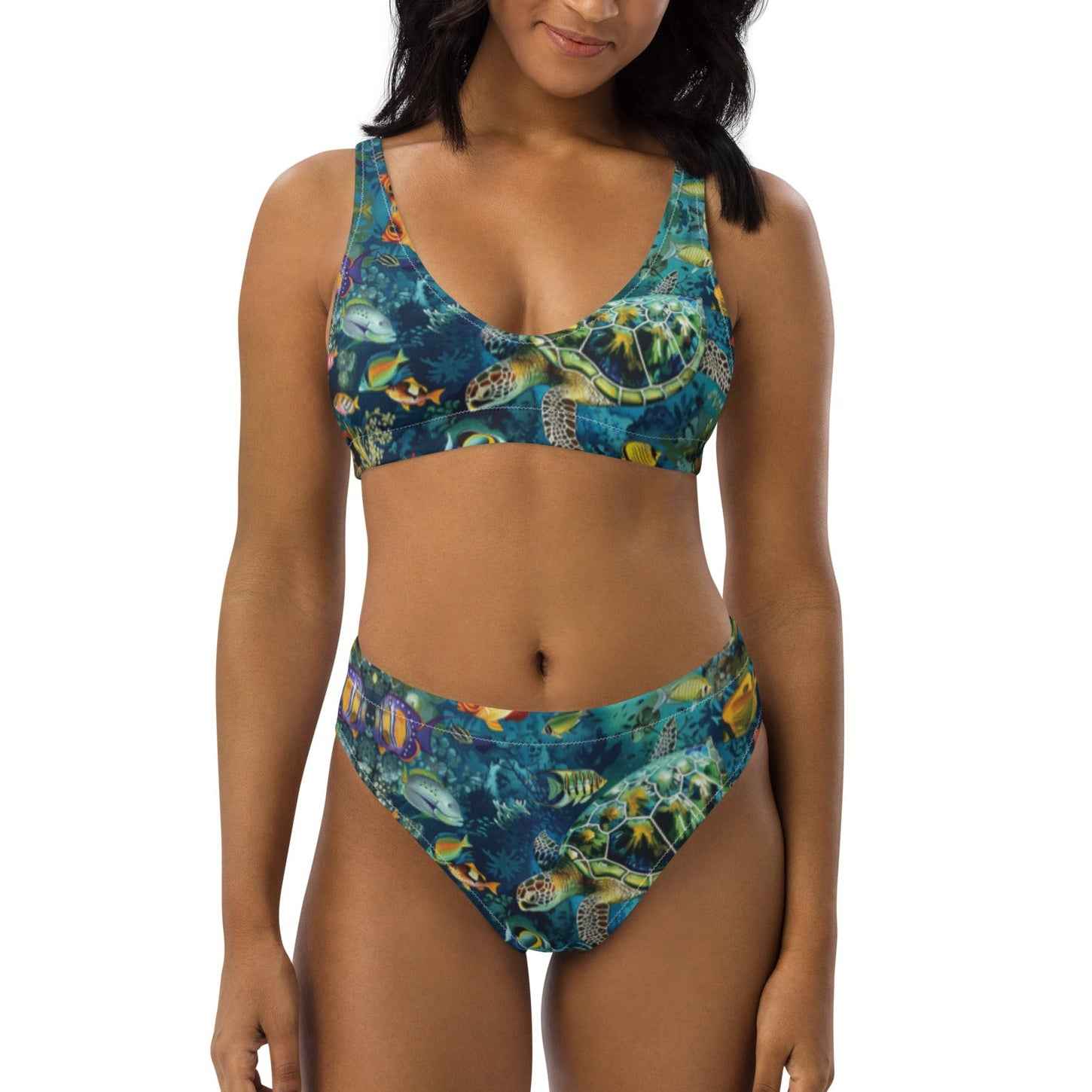
If you want to see what dive-rated string bikinis look like — long ties, minimal seams, recycled polyester, removable pads — they're all in the String Bikini collection. And the Scuba Bikini collection is where the more secure construction lives, for the trickier dive conditions.
If you've got a question about what to wear for a specific dive trip you're planning, drop me a message. I love this stuff. It's literally why I built the brand.





























Leave a comment
This site is protected by hCaptcha and the hCaptcha Privacy Policy and Terms of Service apply.