

Article: Sustainable Diving and Tourism: 5 Tips How to Leave Only Bubbles Behind
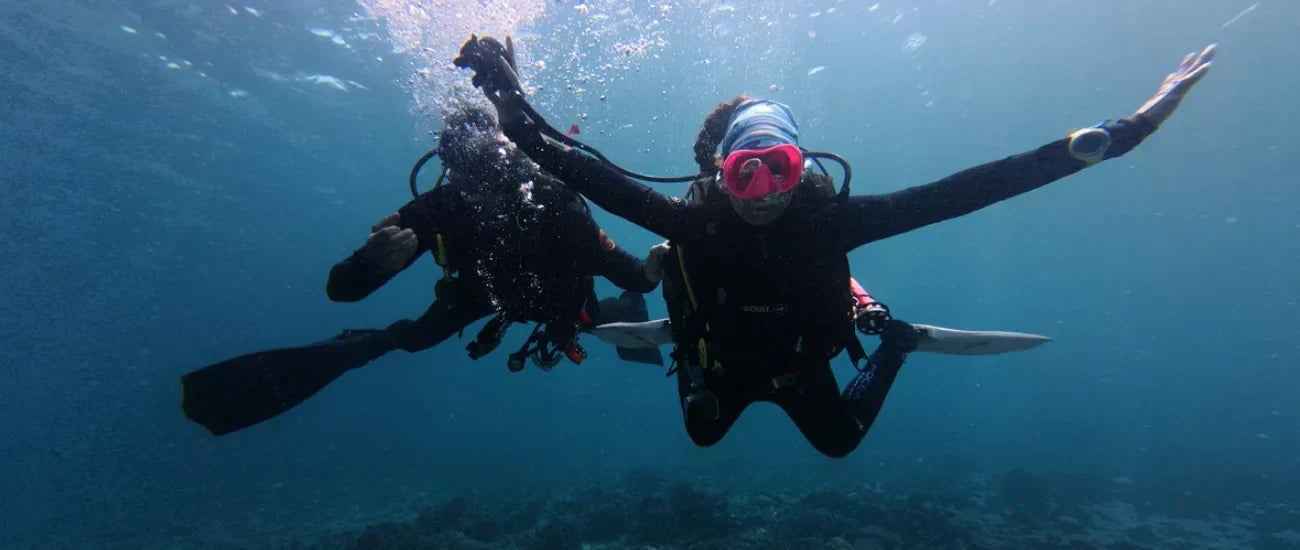
Sustainable Diving and Tourism: 5 Tips How to Leave Only Bubbles Behind
What is Sustainable Diving?
Sustainable diving is all about minimizing your environmental impact while exploring the ocean. This means:
- Choosing dive operators and gear that prioritize sustainability.
- Following best practices to protect coral reefs and marine life.
- Supporting ocean conservation efforts with your travel choices.
It's the difference between being just a visitor and becoming a guardian of the sea — someone who leaves dive sites as beautiful as they found them.
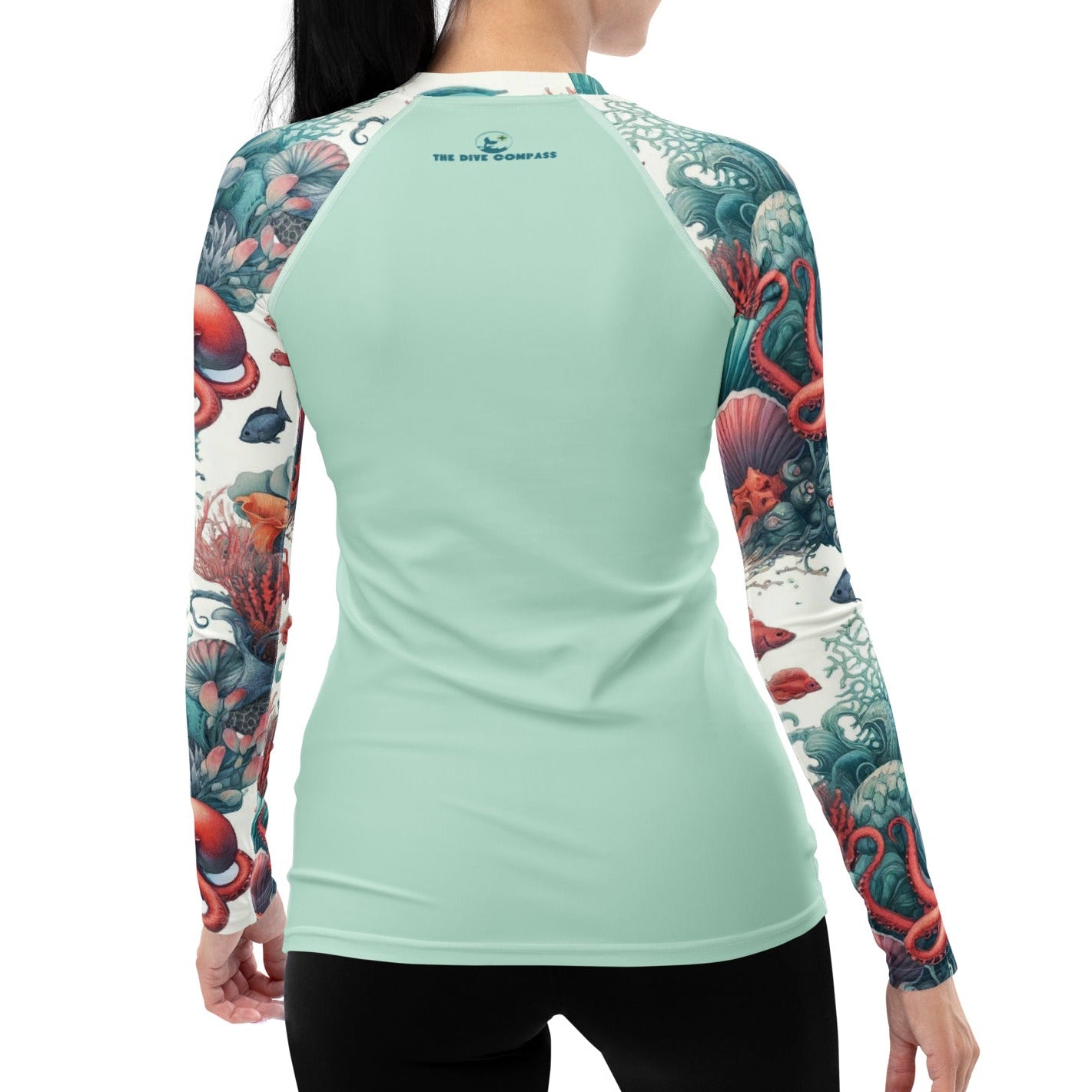
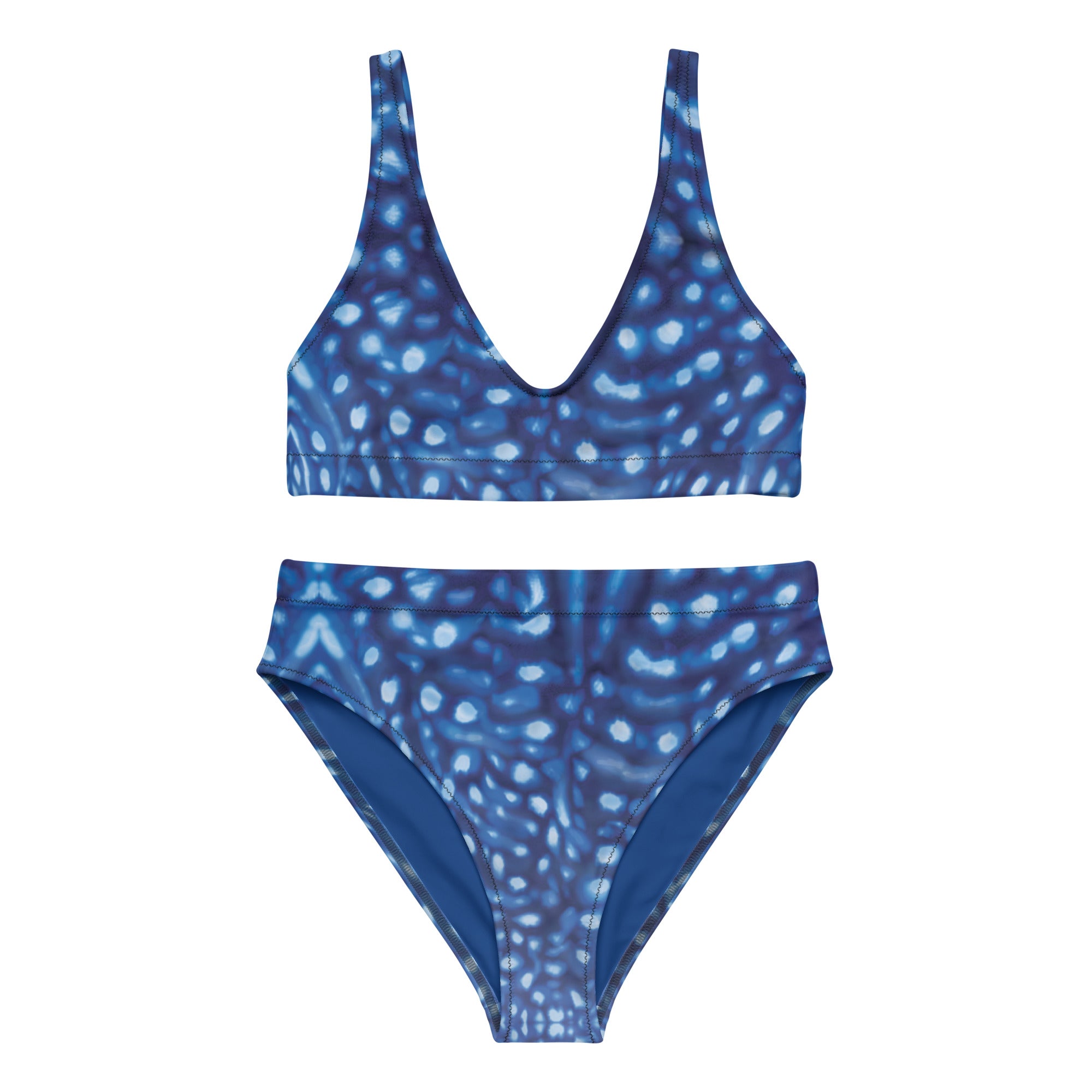
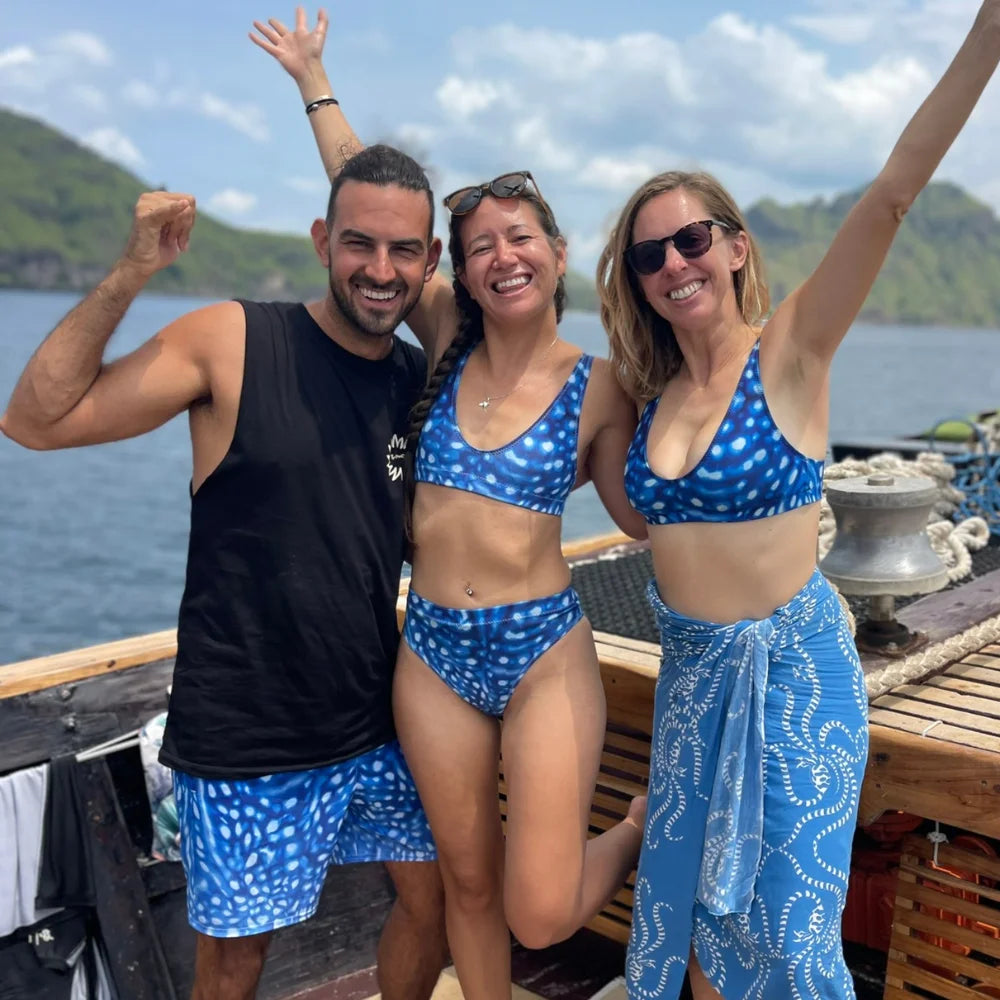
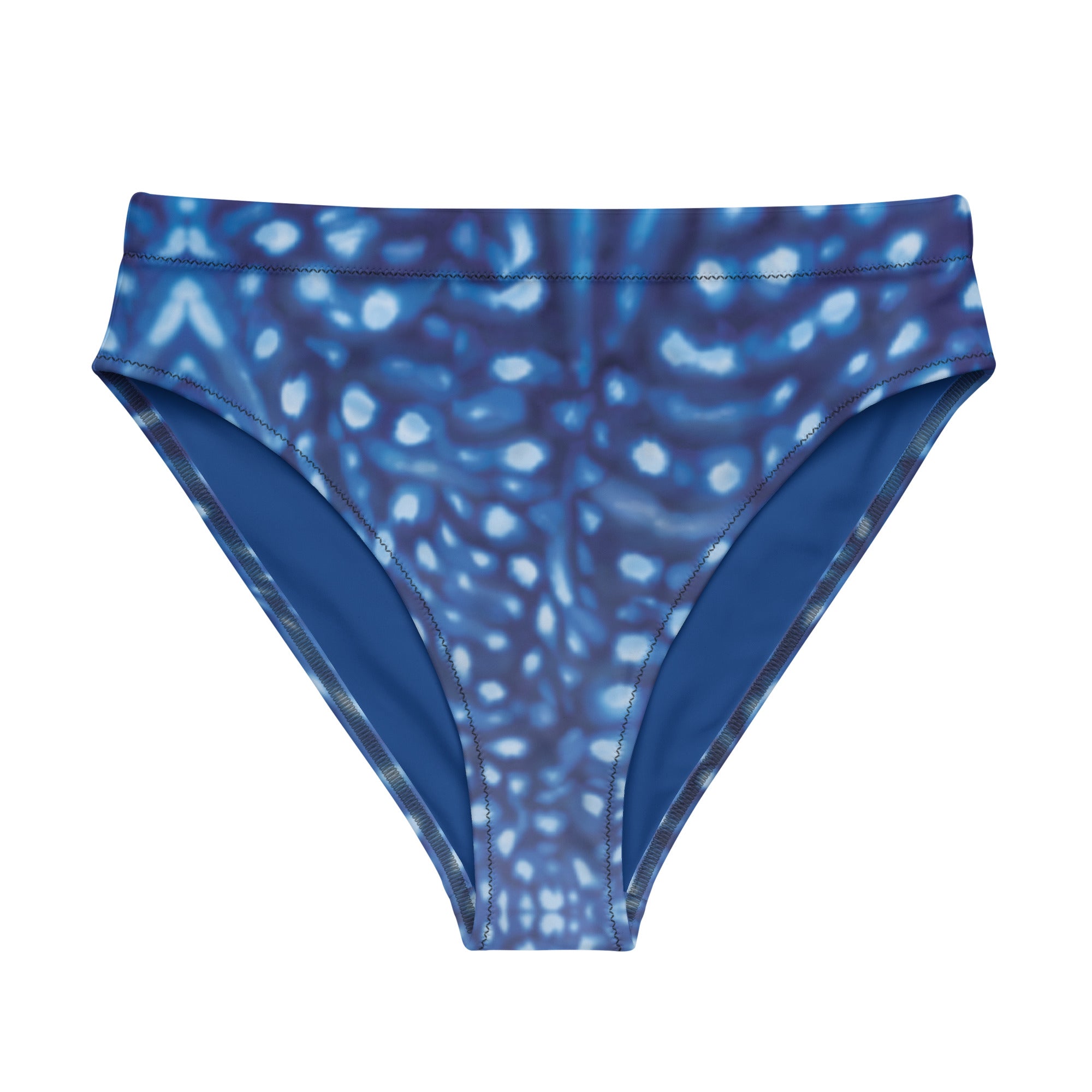
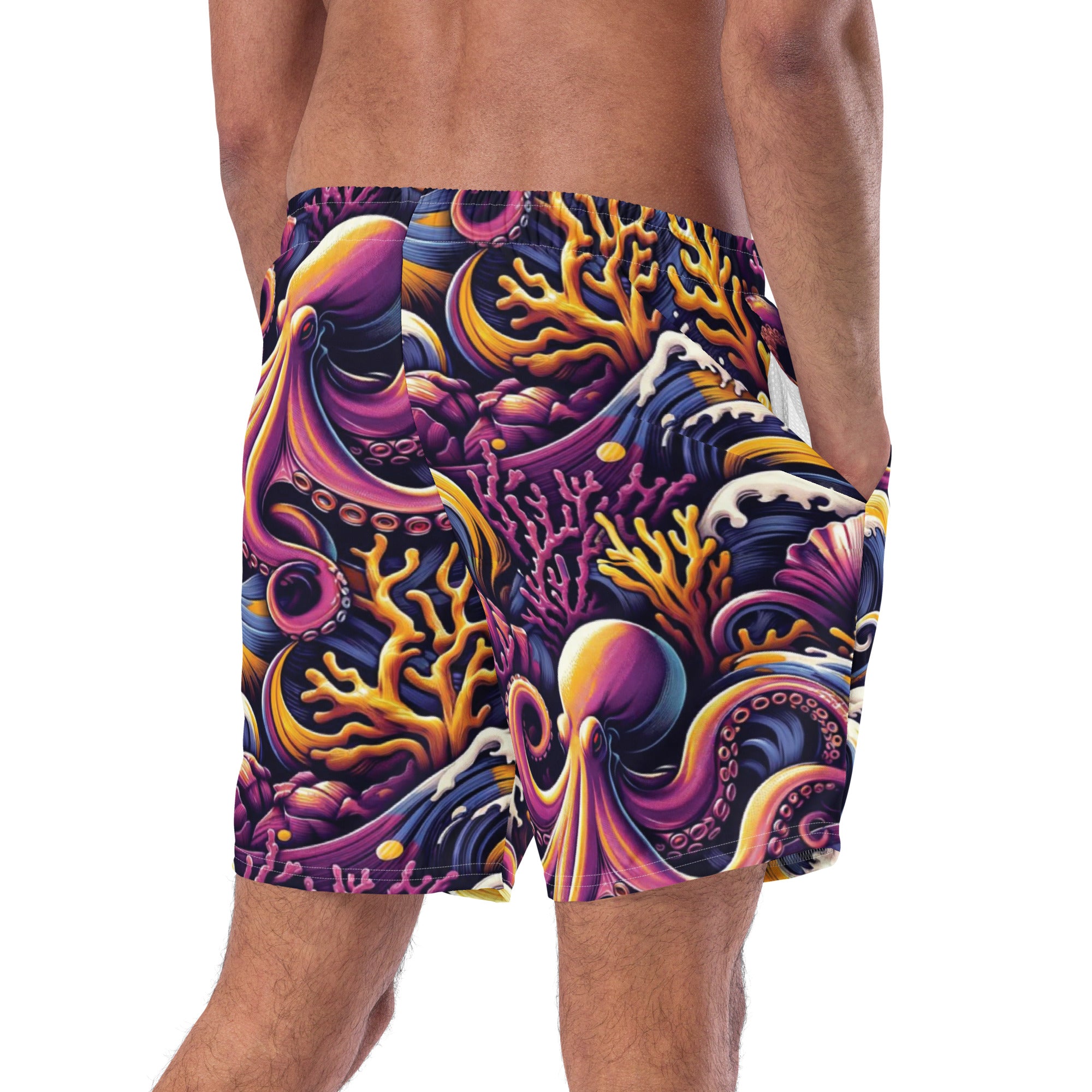
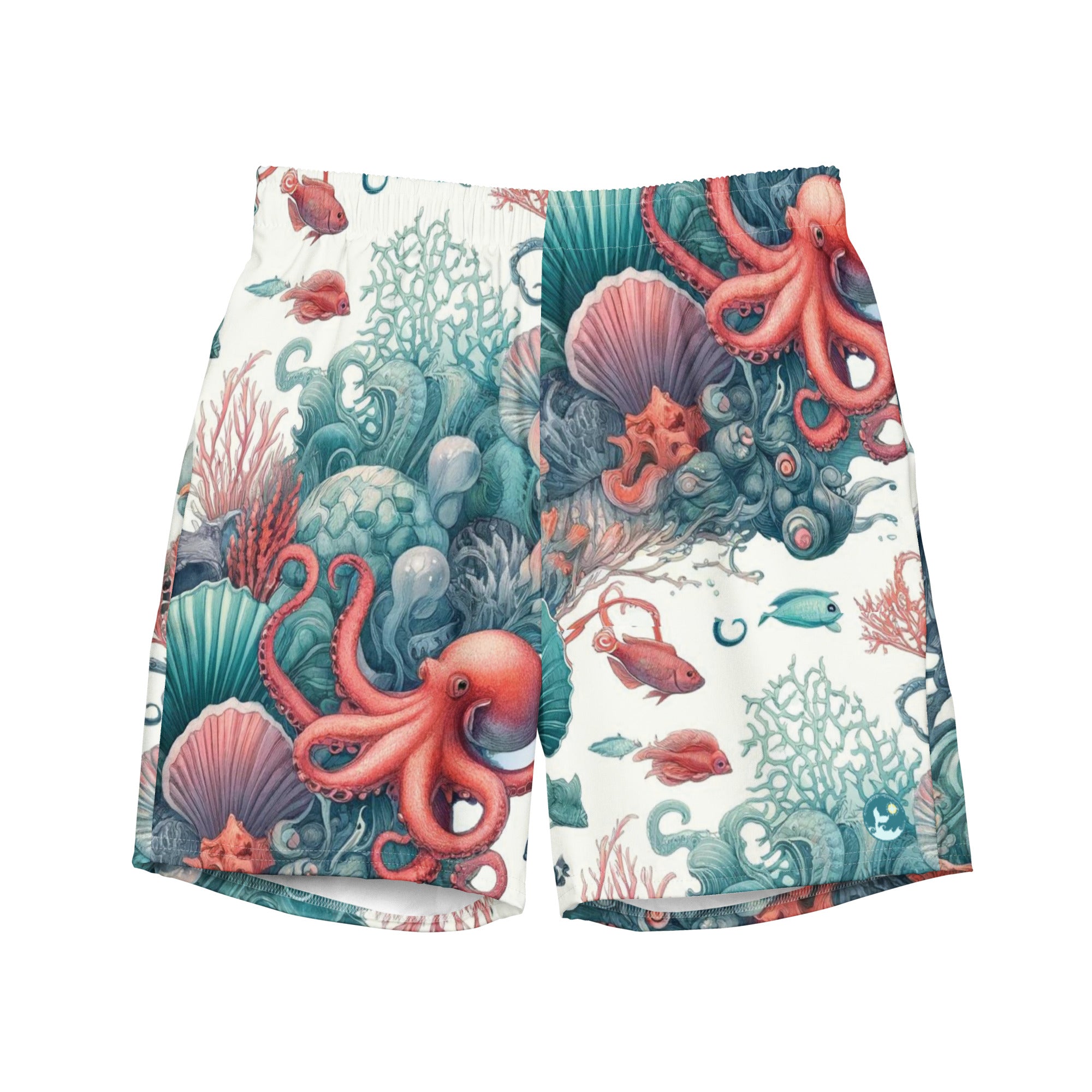
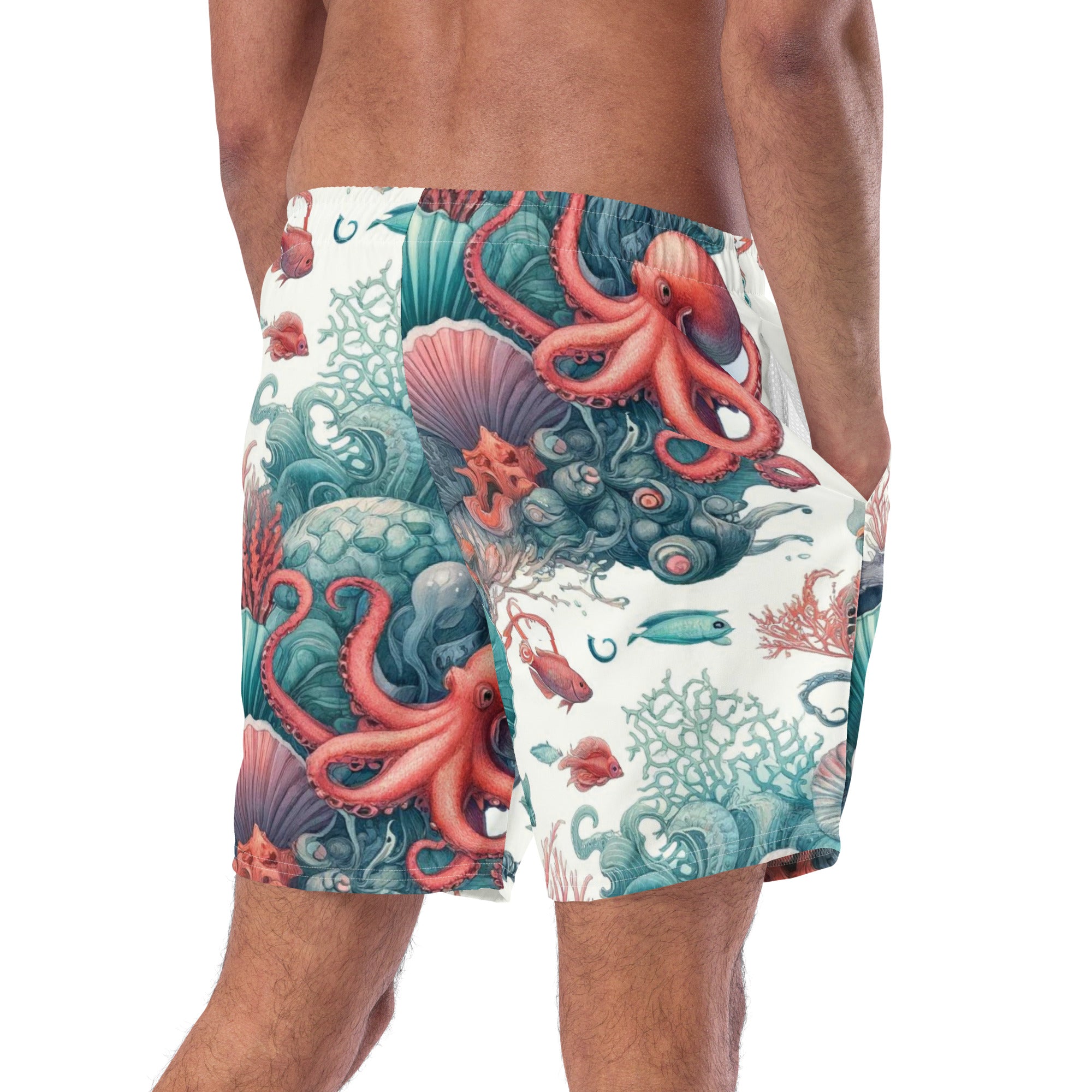
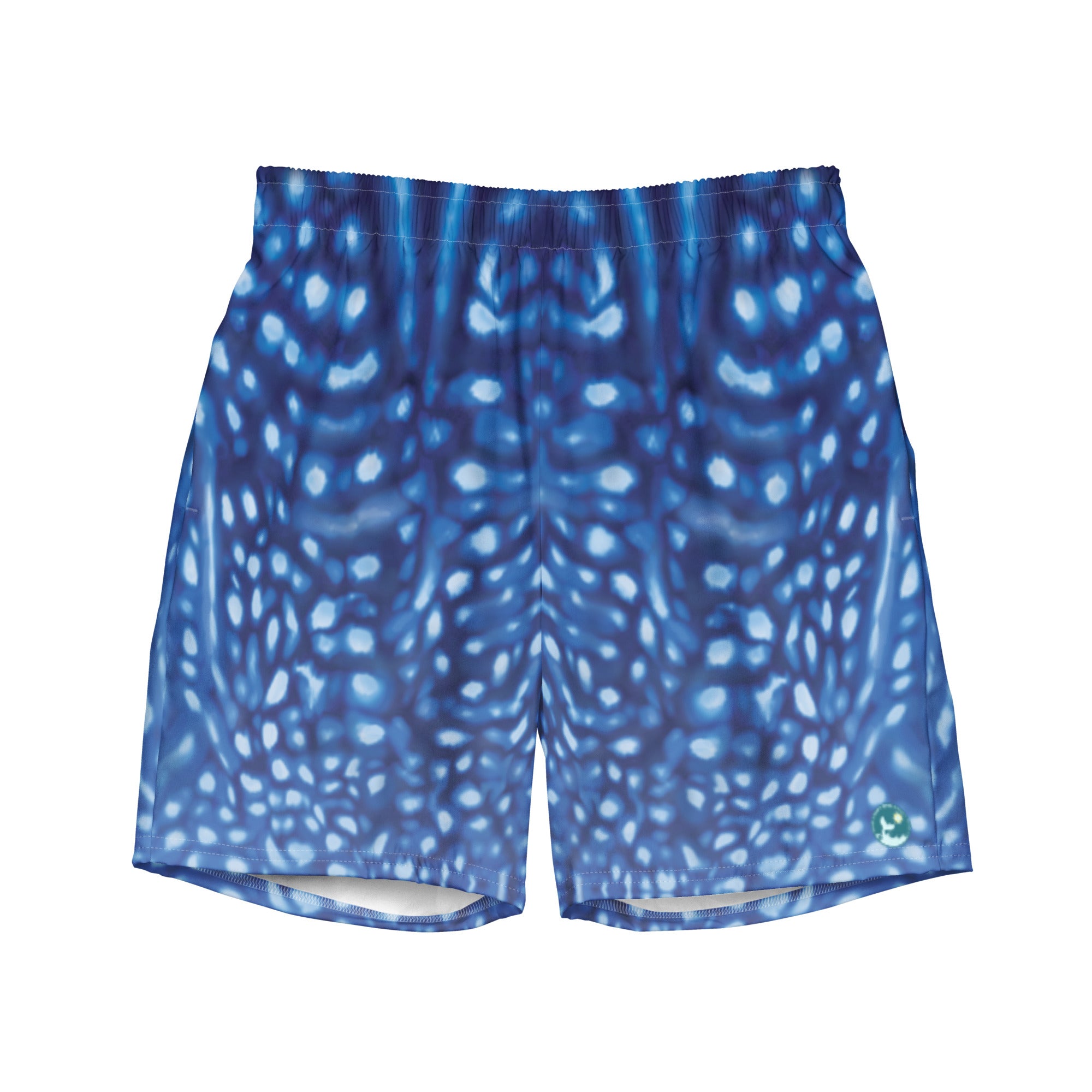
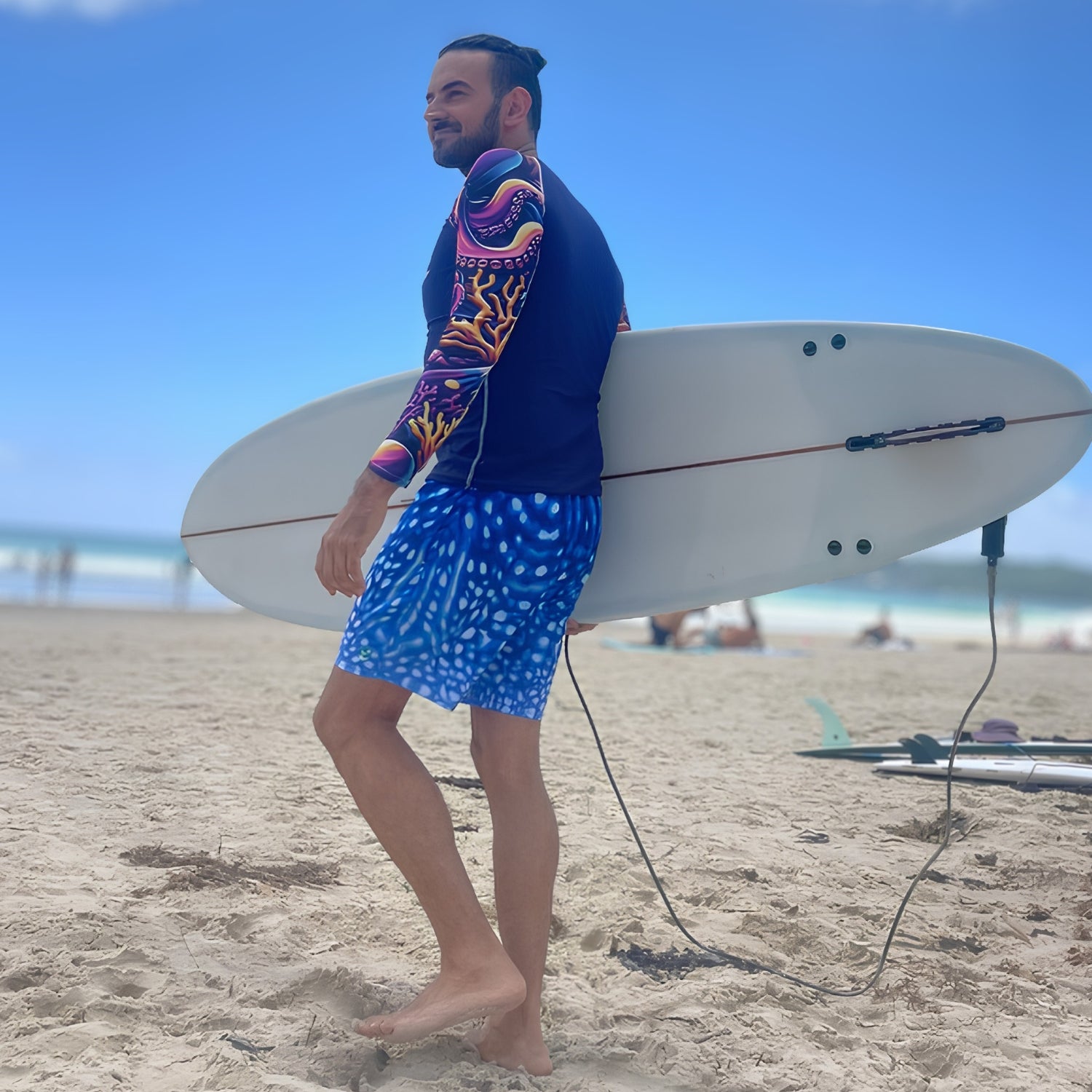
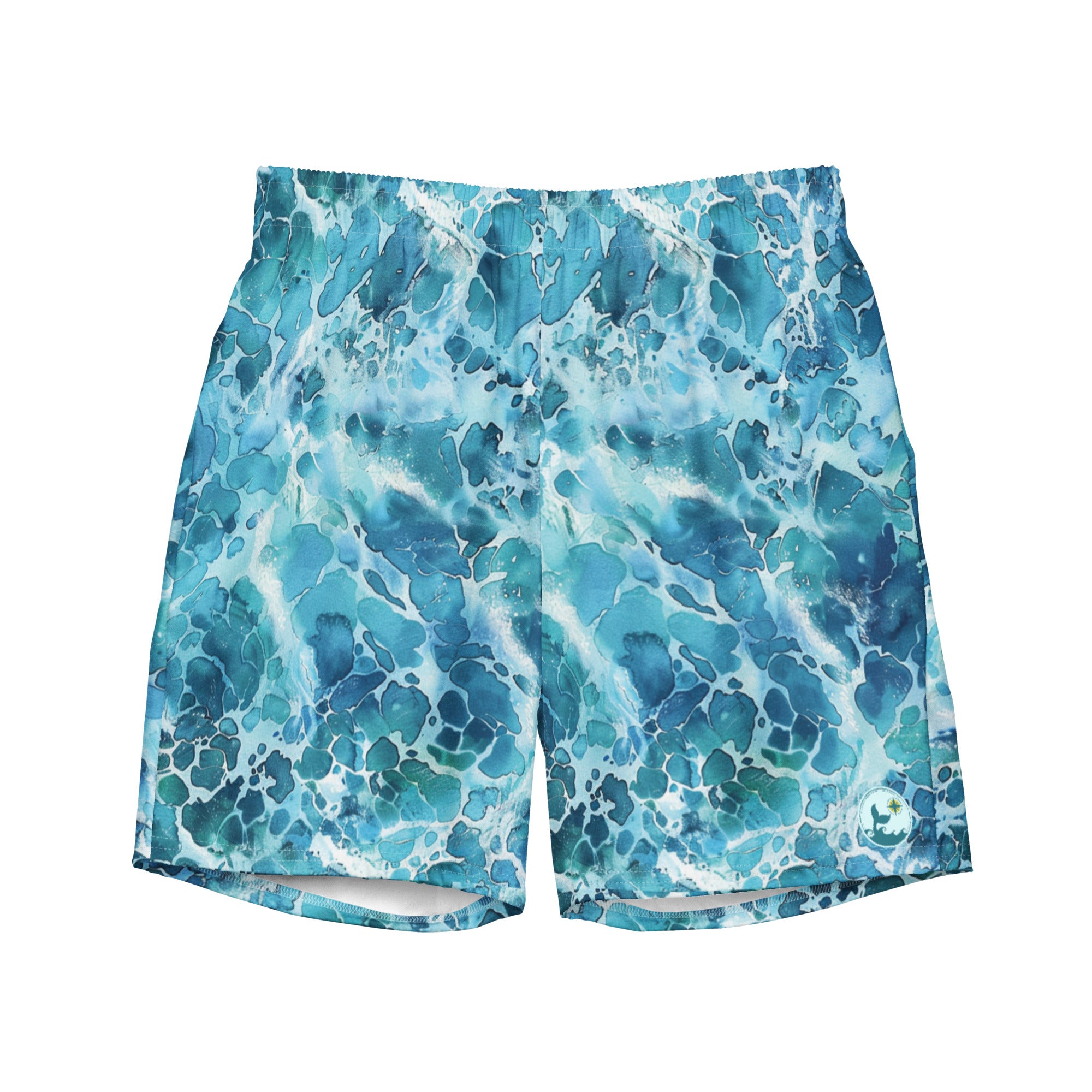
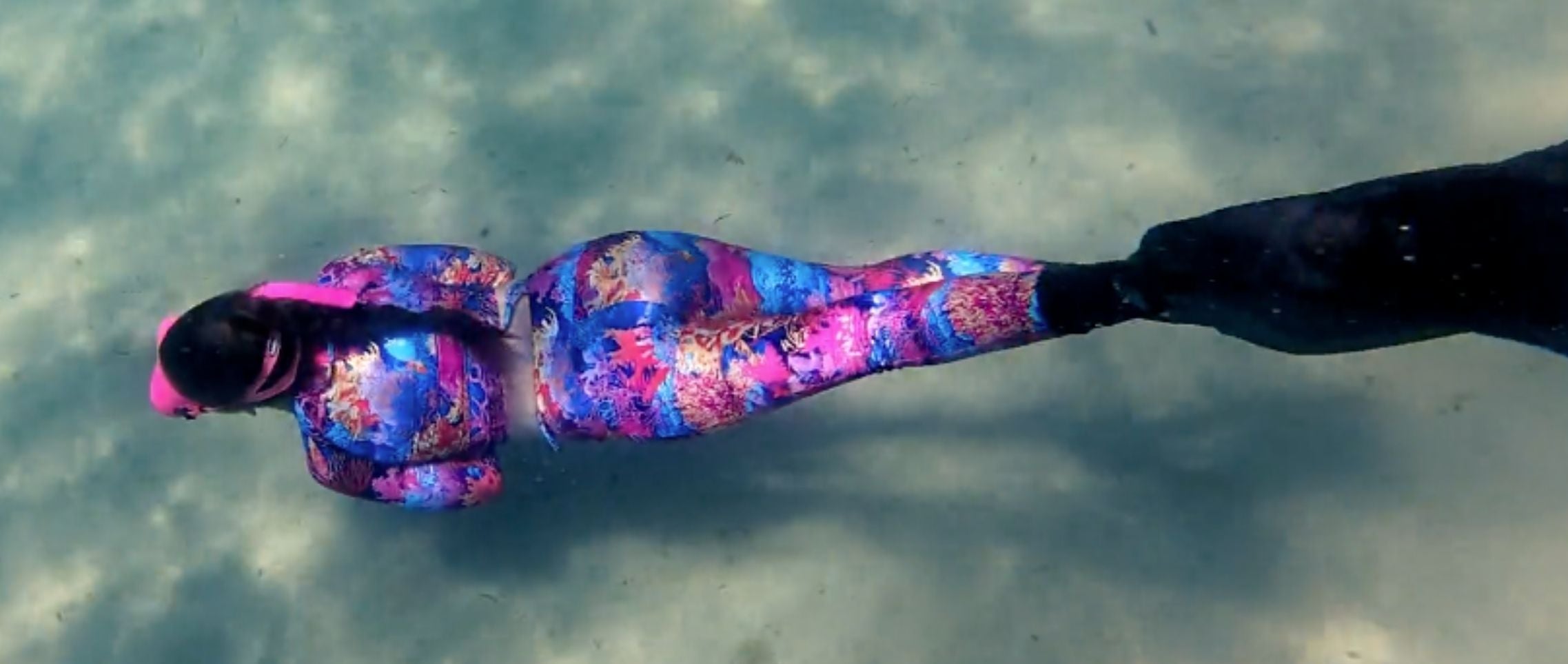
At The Dive Compass, we're committed to sustainability in everything we do — from our recycled polyester swimwear to donating 10% of every sale to ocean conservation organisations including Sea Shepherd, Ocean Conservancy, and Livingseas Foundation. Because small actions can make big waves.
How to Dive Sustainably: 5 Tips for Ocean Lovers

1. Choose Eco-Certified Dive Shops
Look for dive shops that follow the standards of PADI's Green Star Award or are Green Fins certified. These certifications mean the shop uses eco-friendly practices, such as:
- Proper waste management and recycling.
- Educating divers on coral-safe practices.
- Avoiding single-use plastics.
Choosing eco-certified dive operators is one of the easiest ways to make a positive impact on the ocean — supporting businesses that care about marine conservation as much as you do.
2. Wear Reef-Safe Swimwear and Sunscreen

Many traditional sunscreens contain oxybenzone and octinoxate — chemicals that cause coral bleaching. Choose reef-safe sunscreen made with non-nano zinc oxide instead.
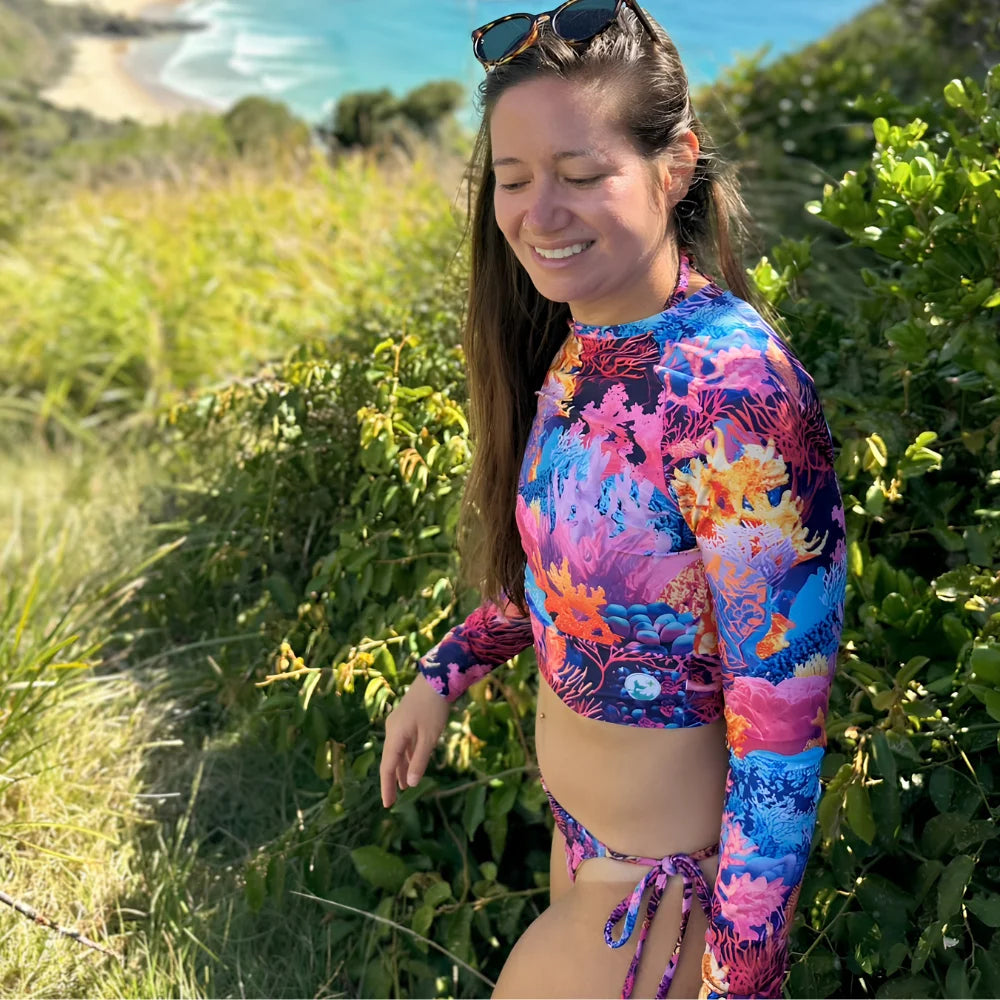
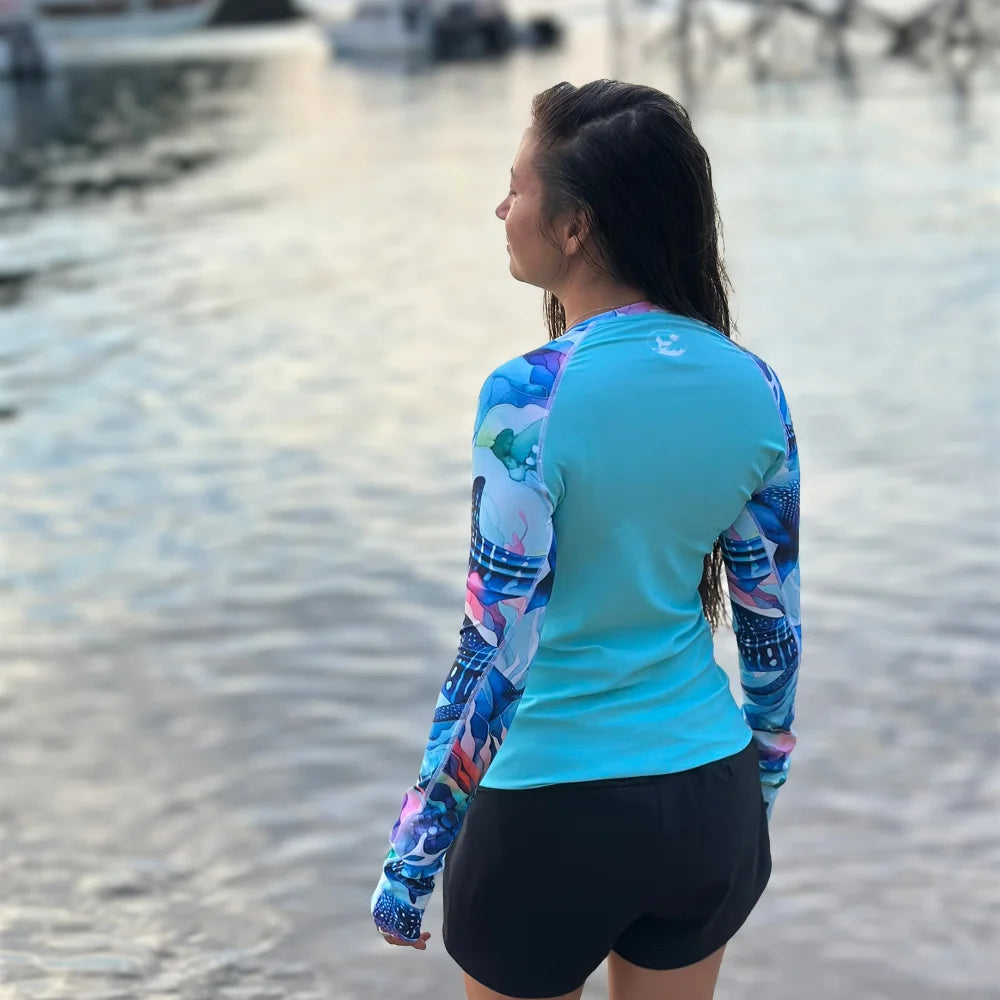
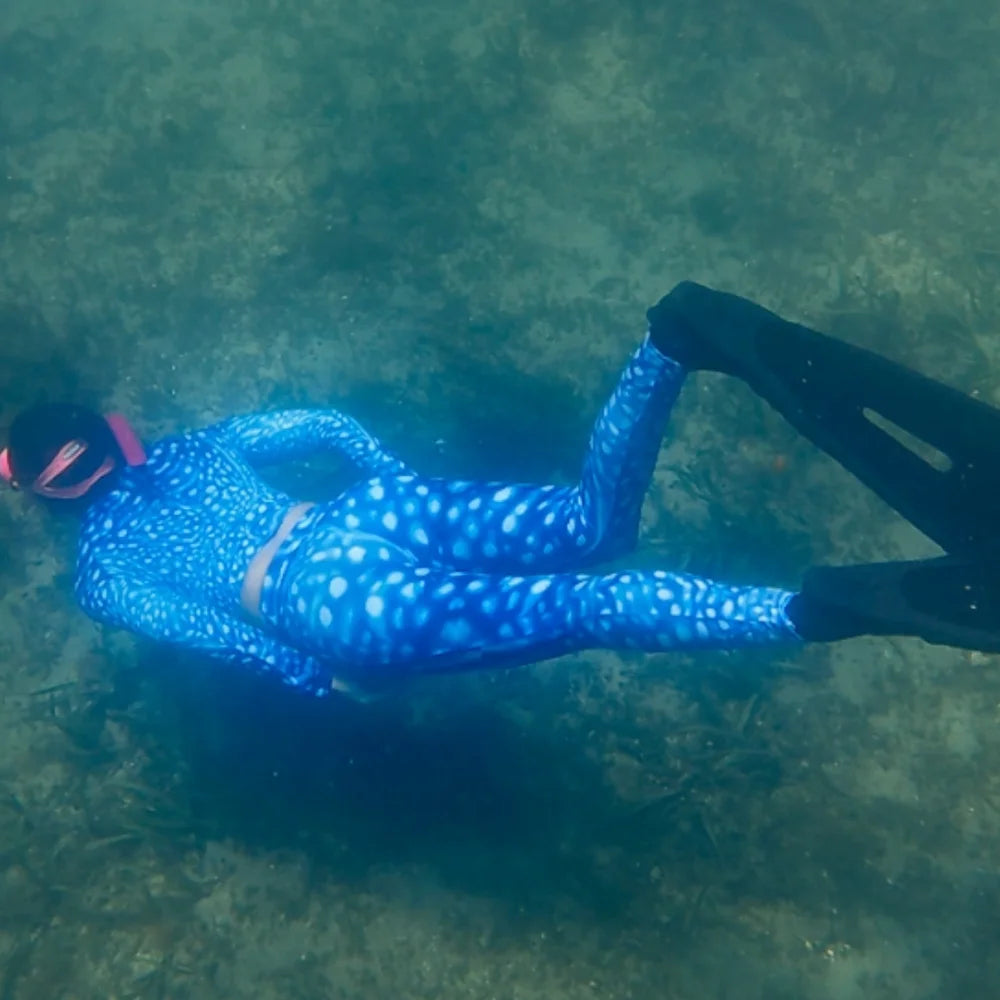
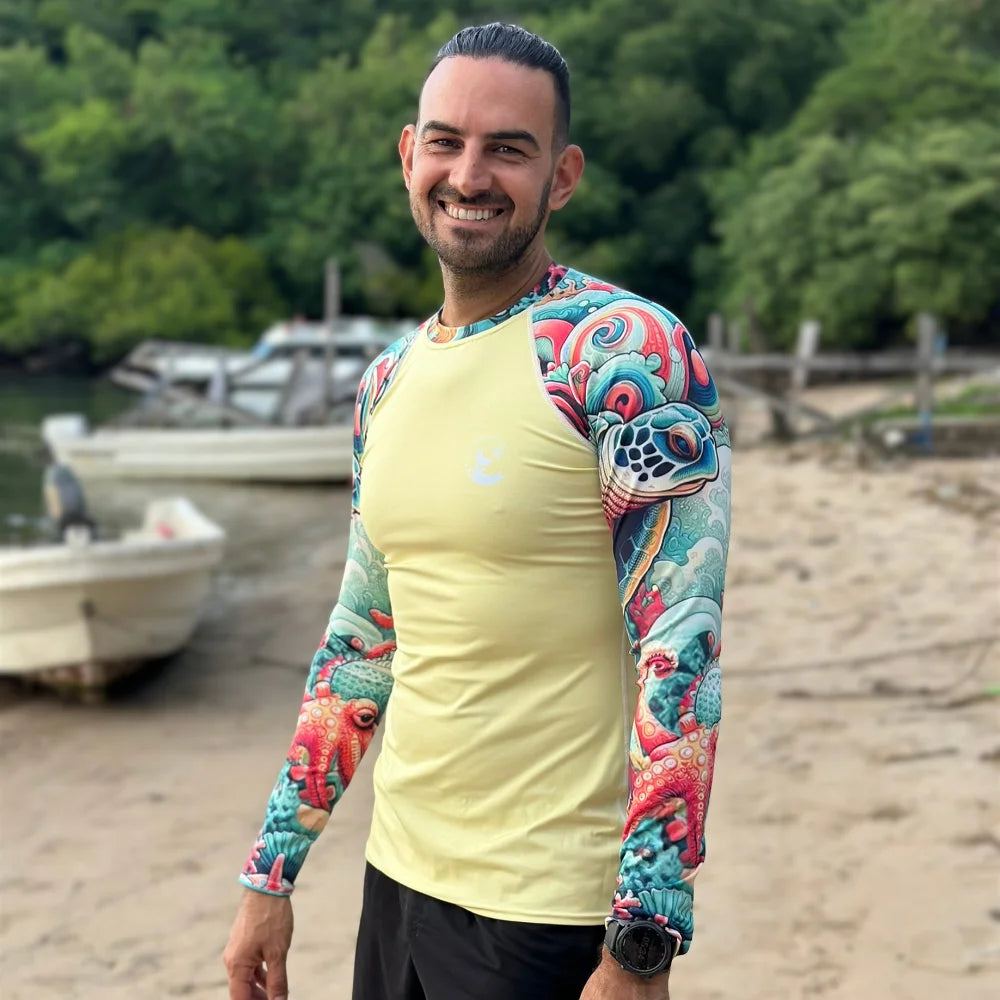
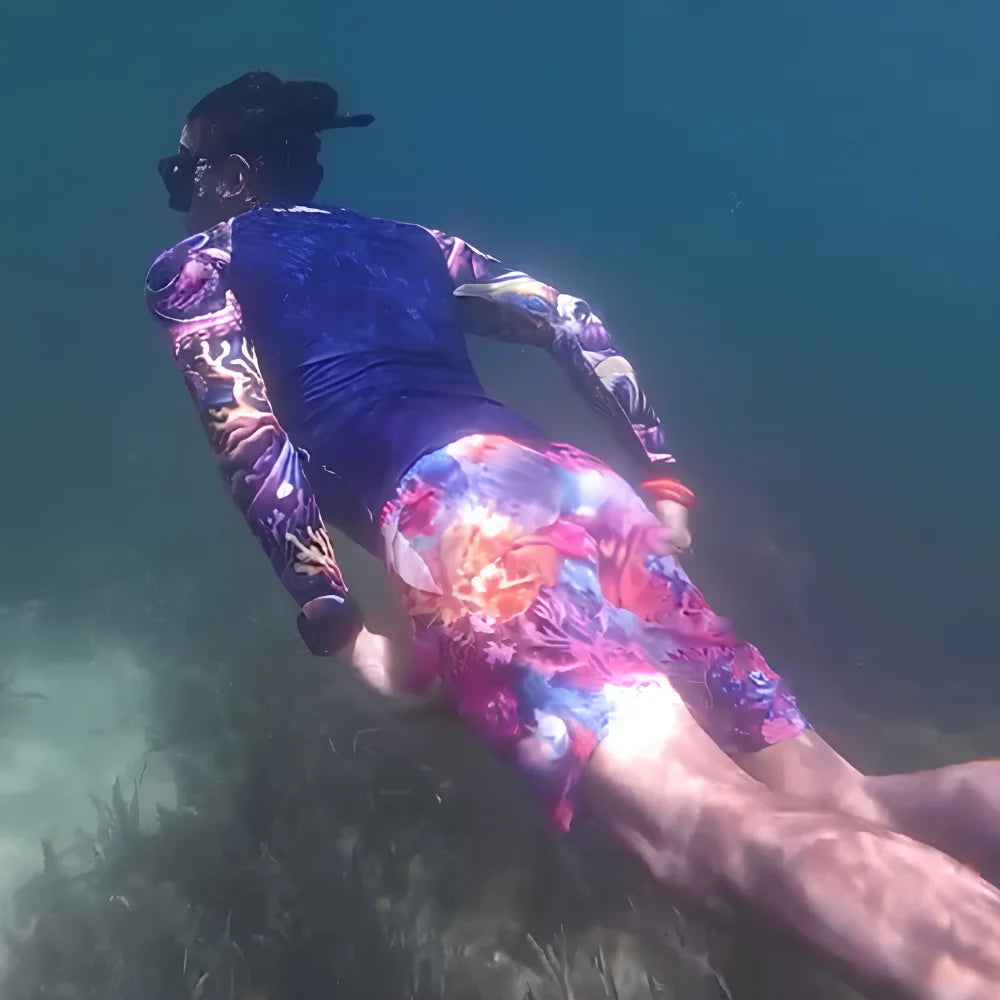
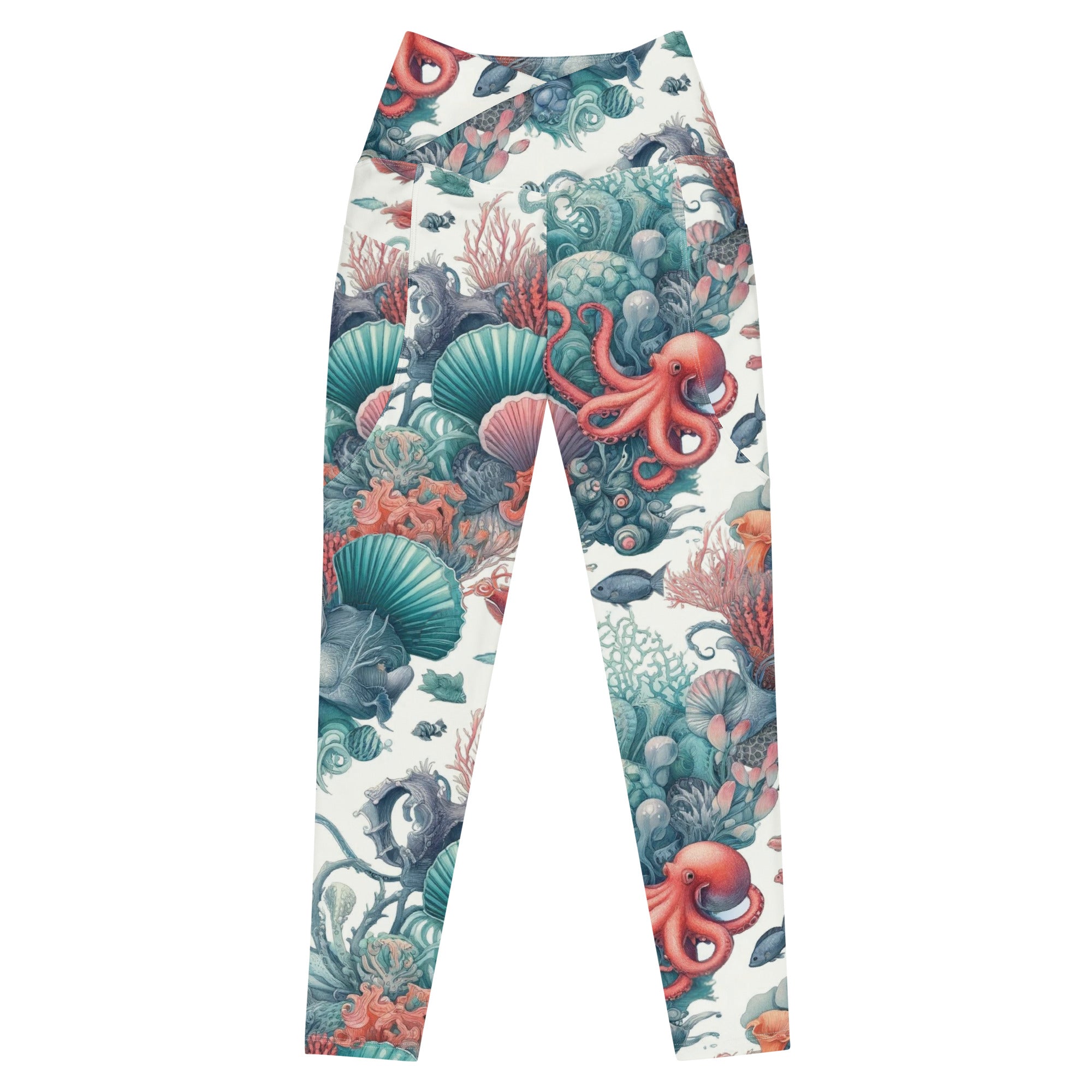
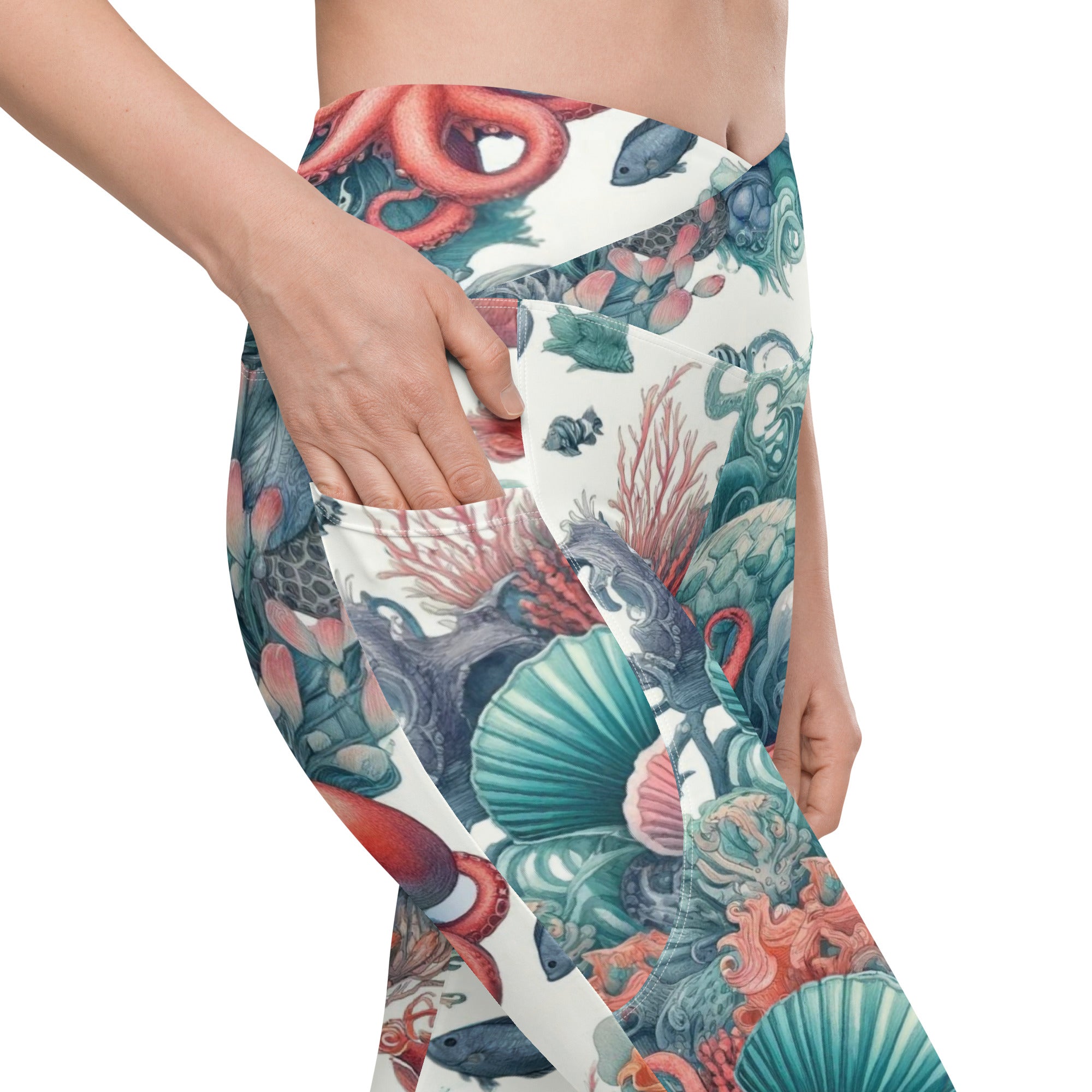
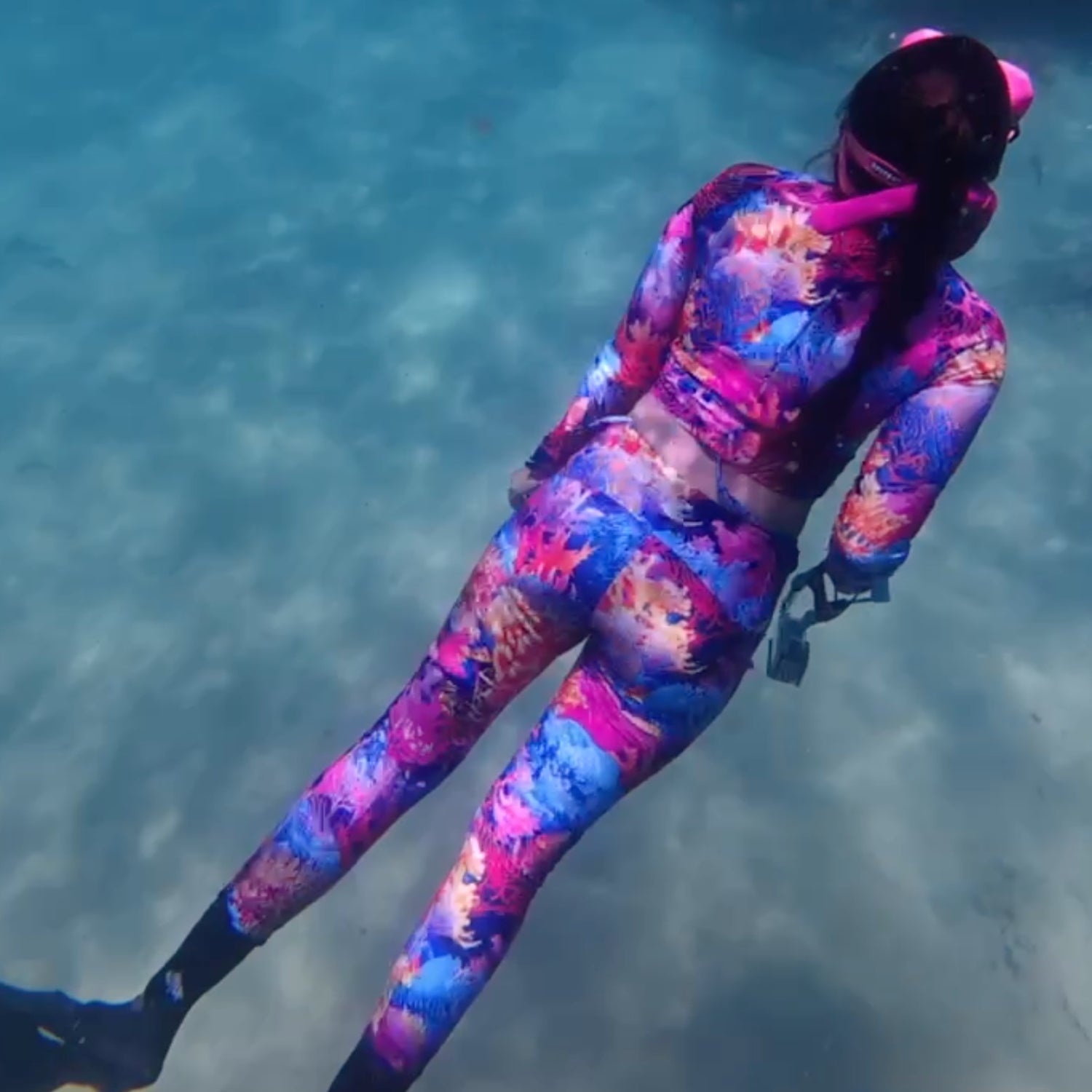
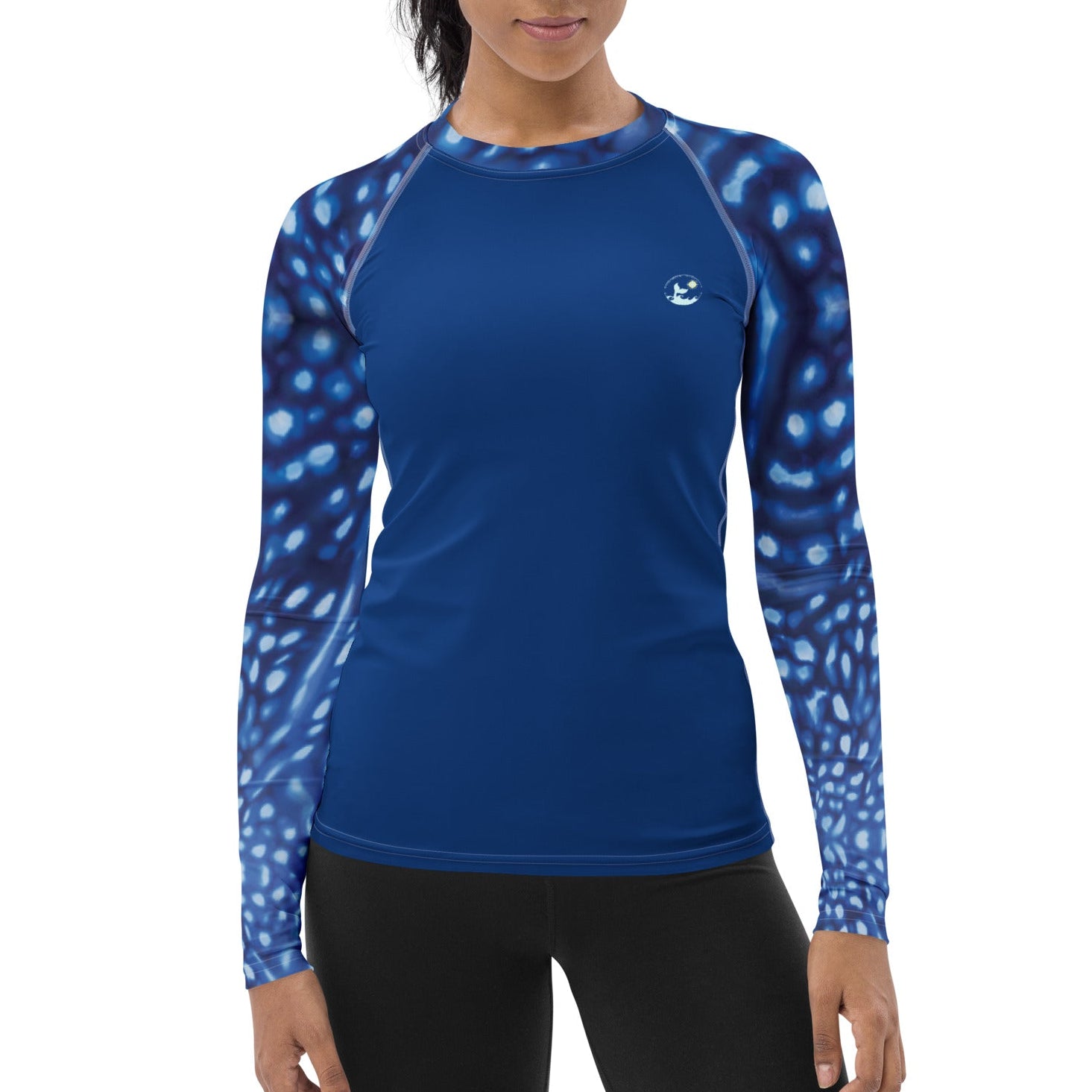
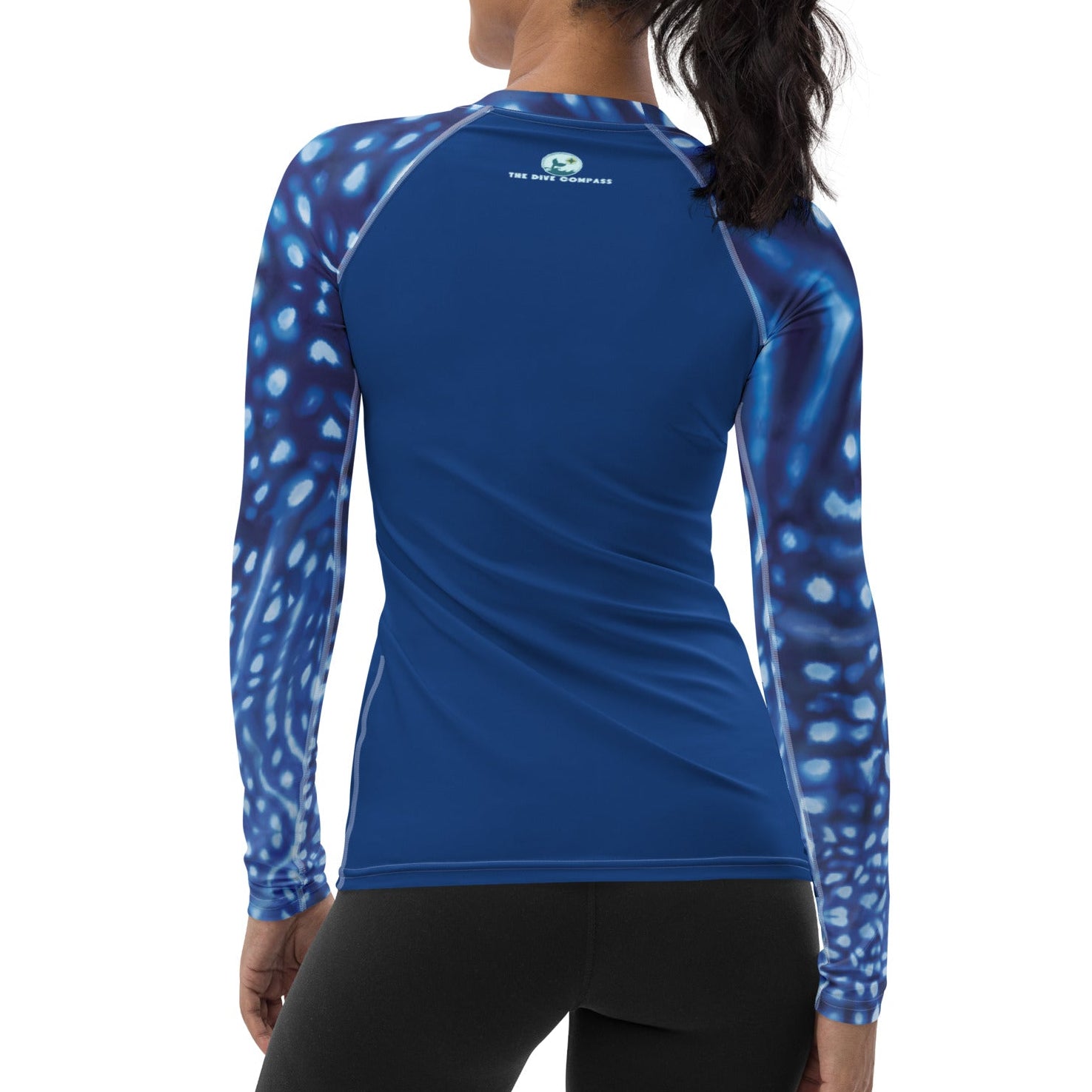
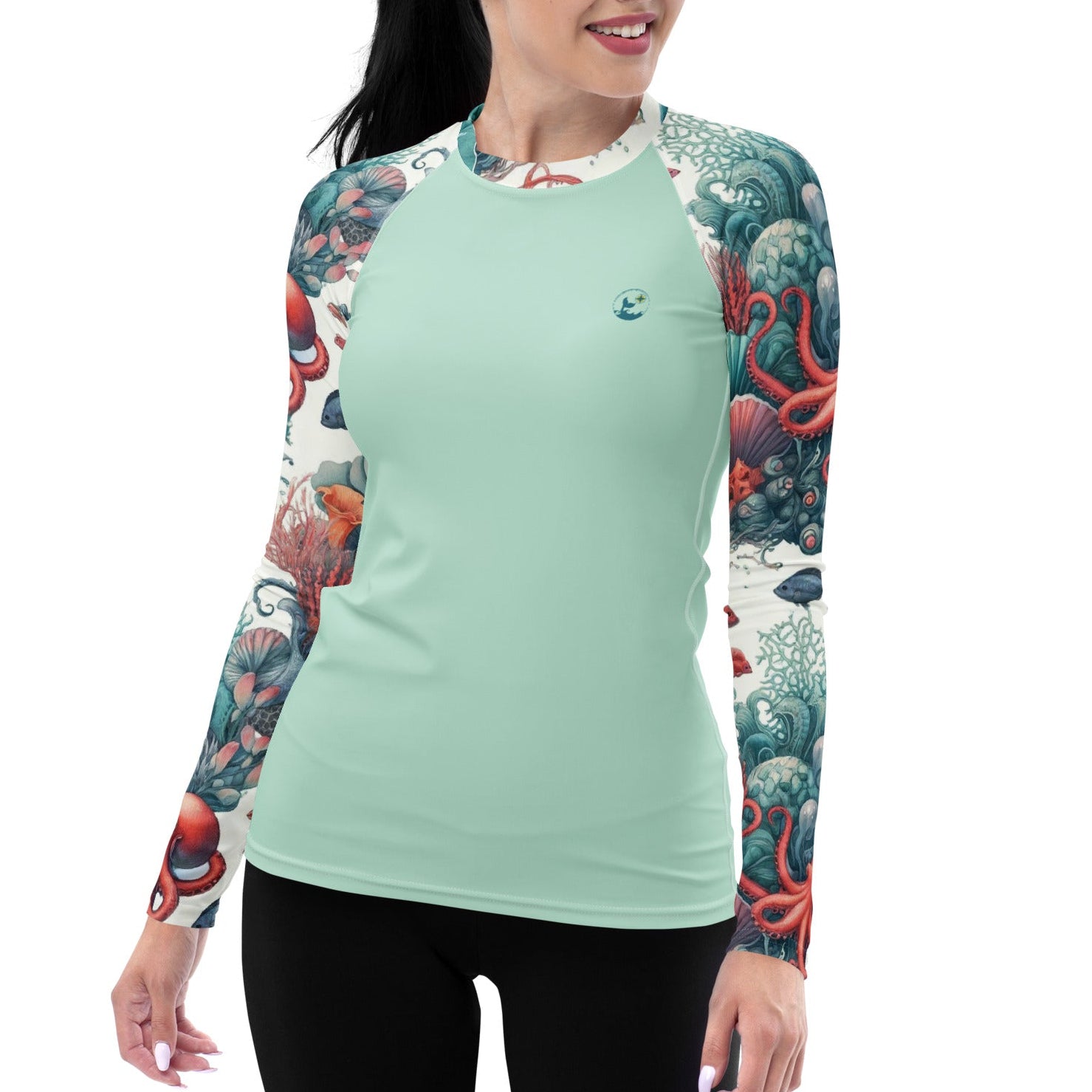
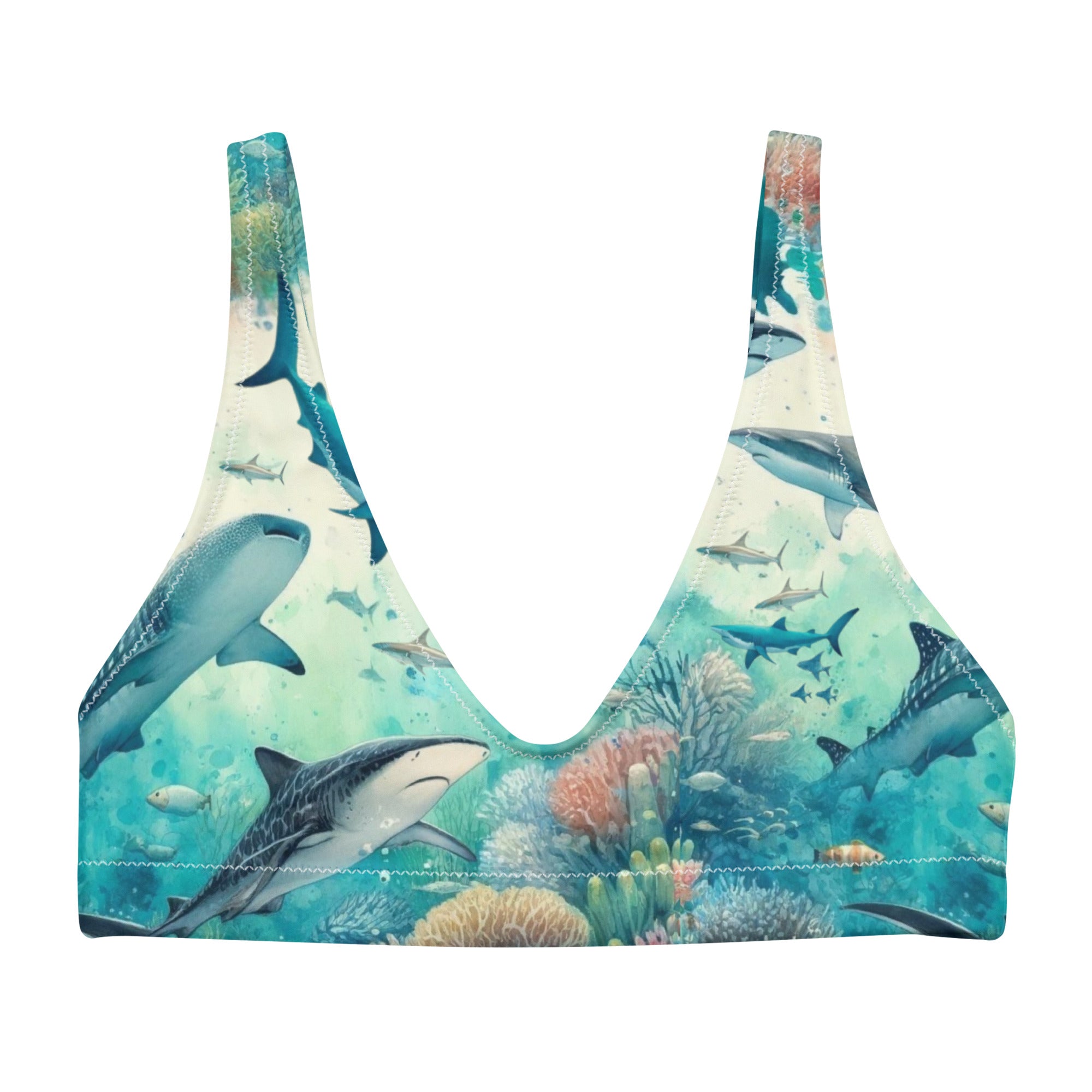
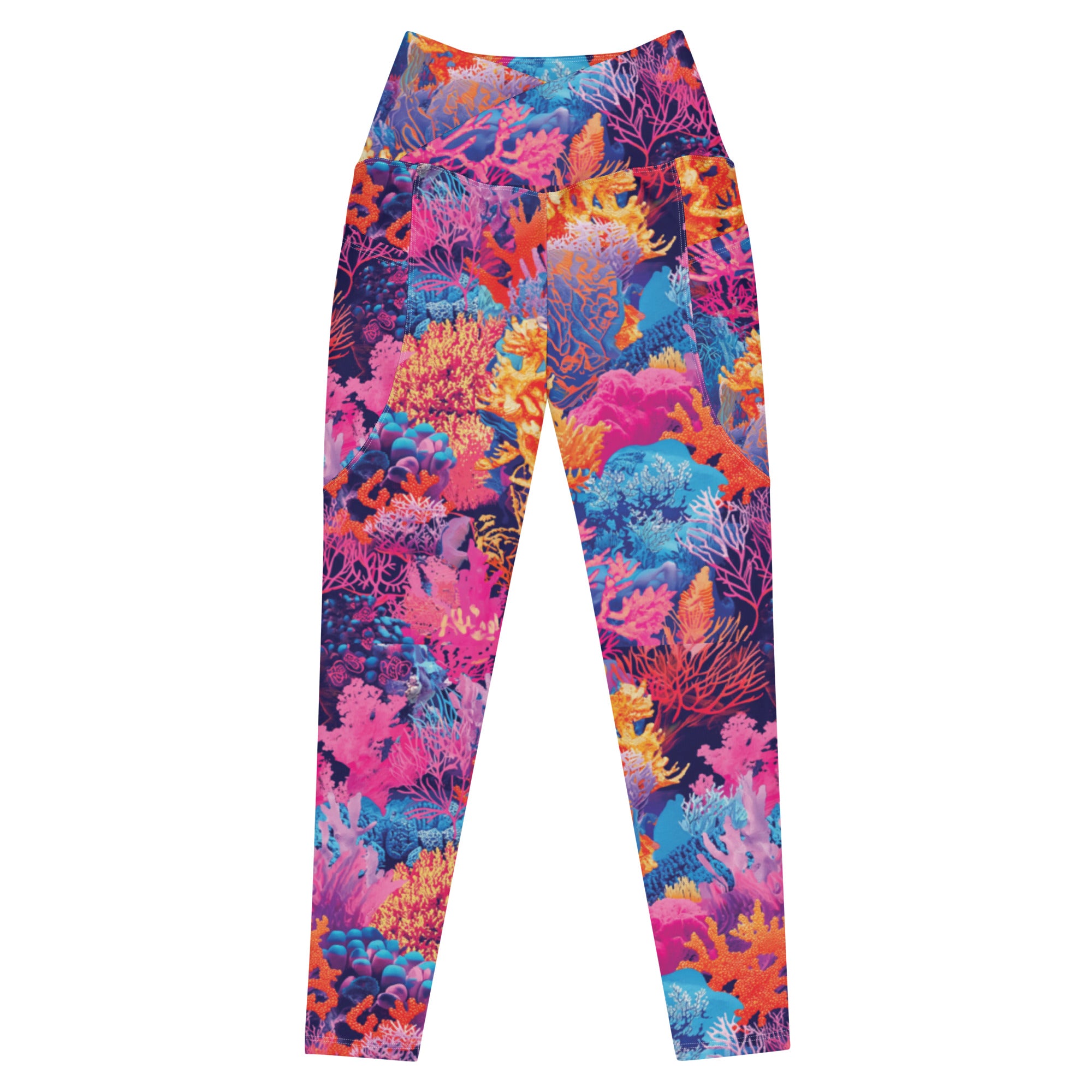
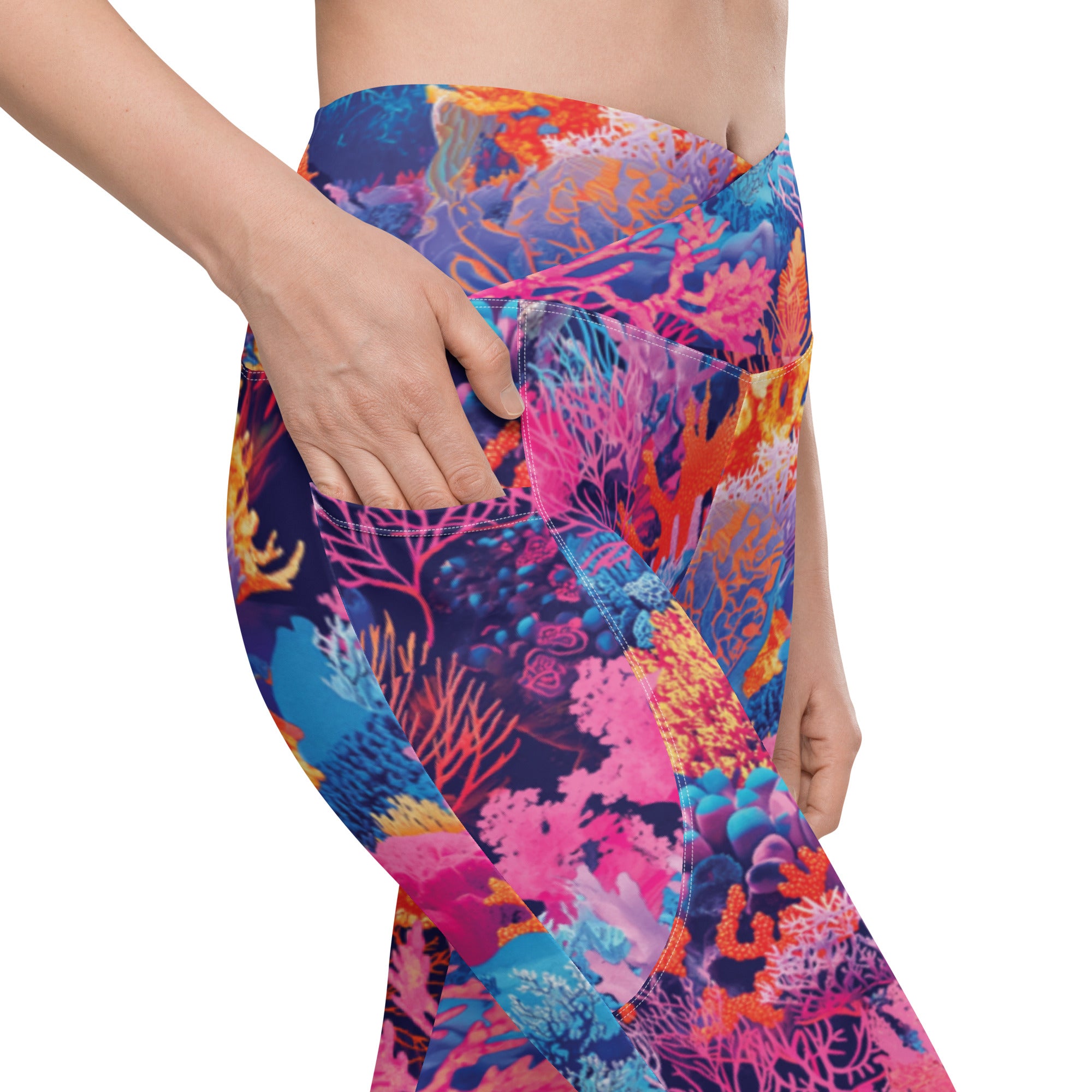
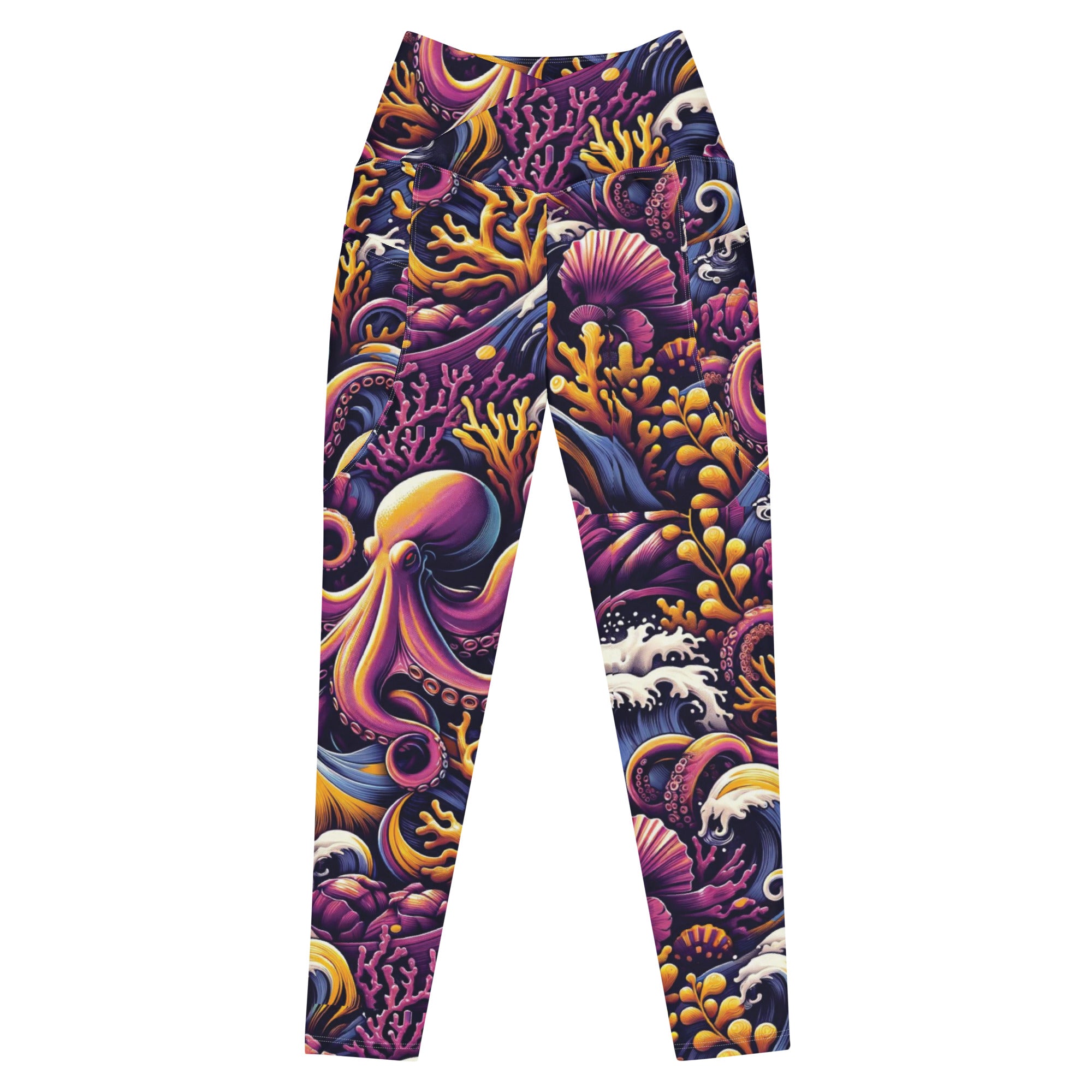
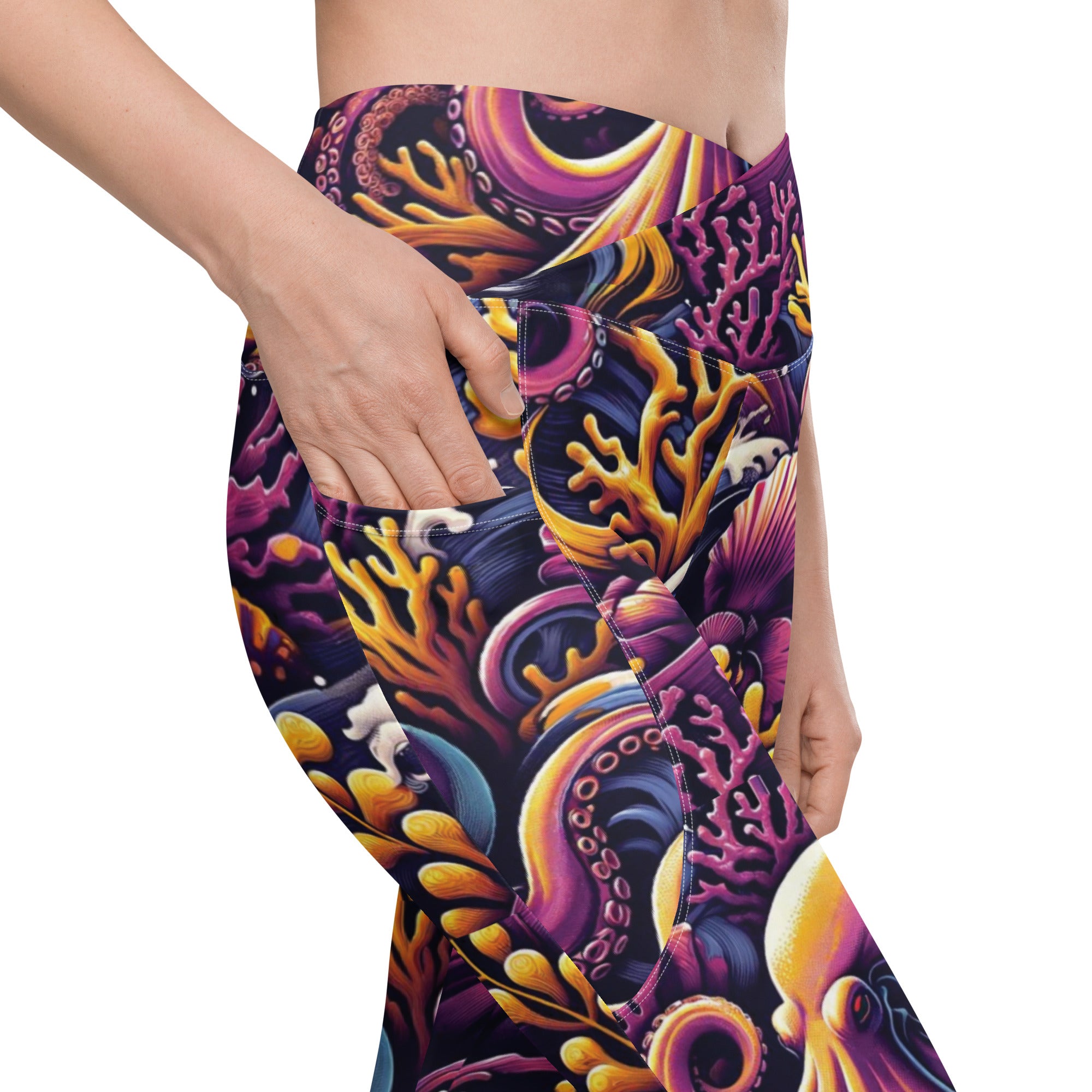
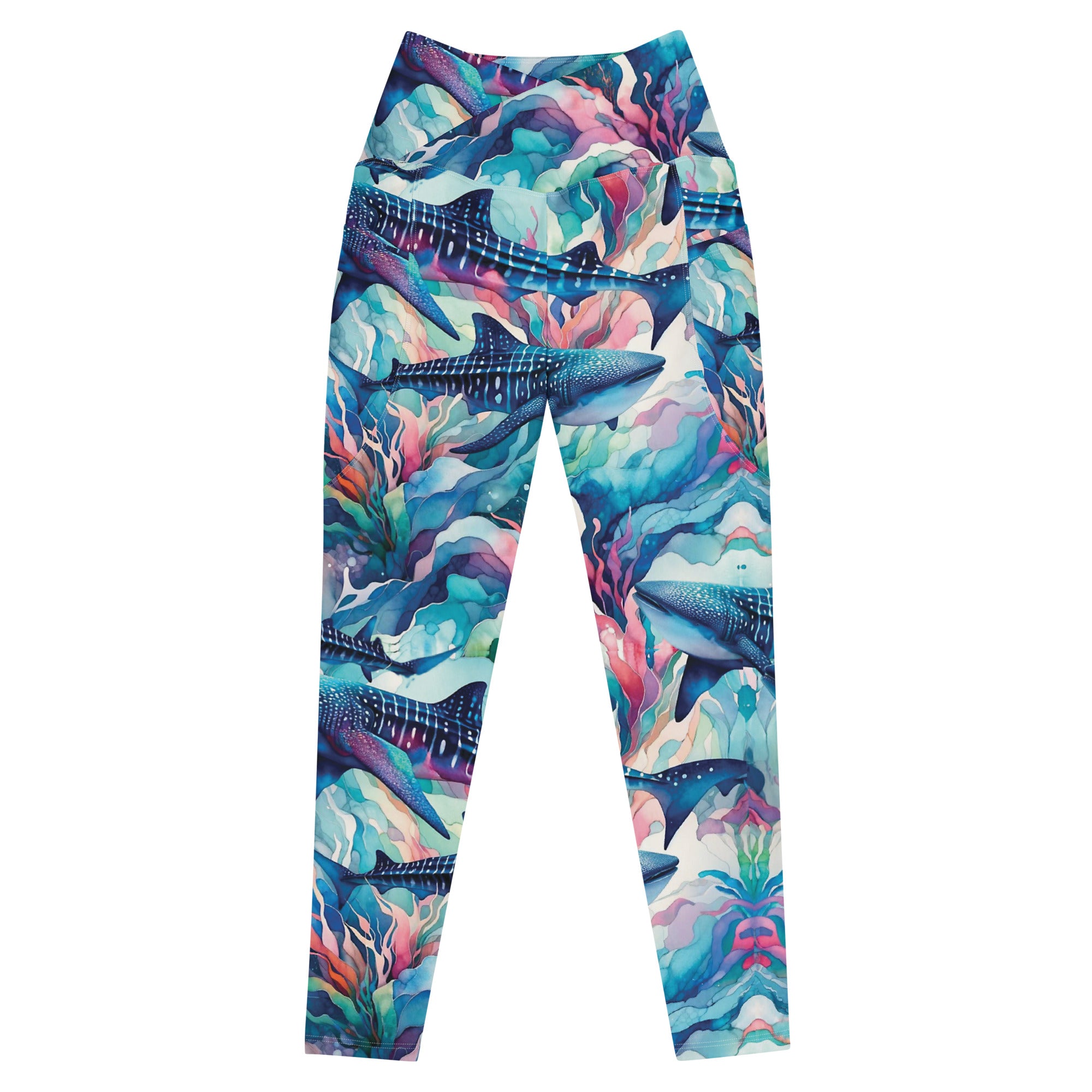
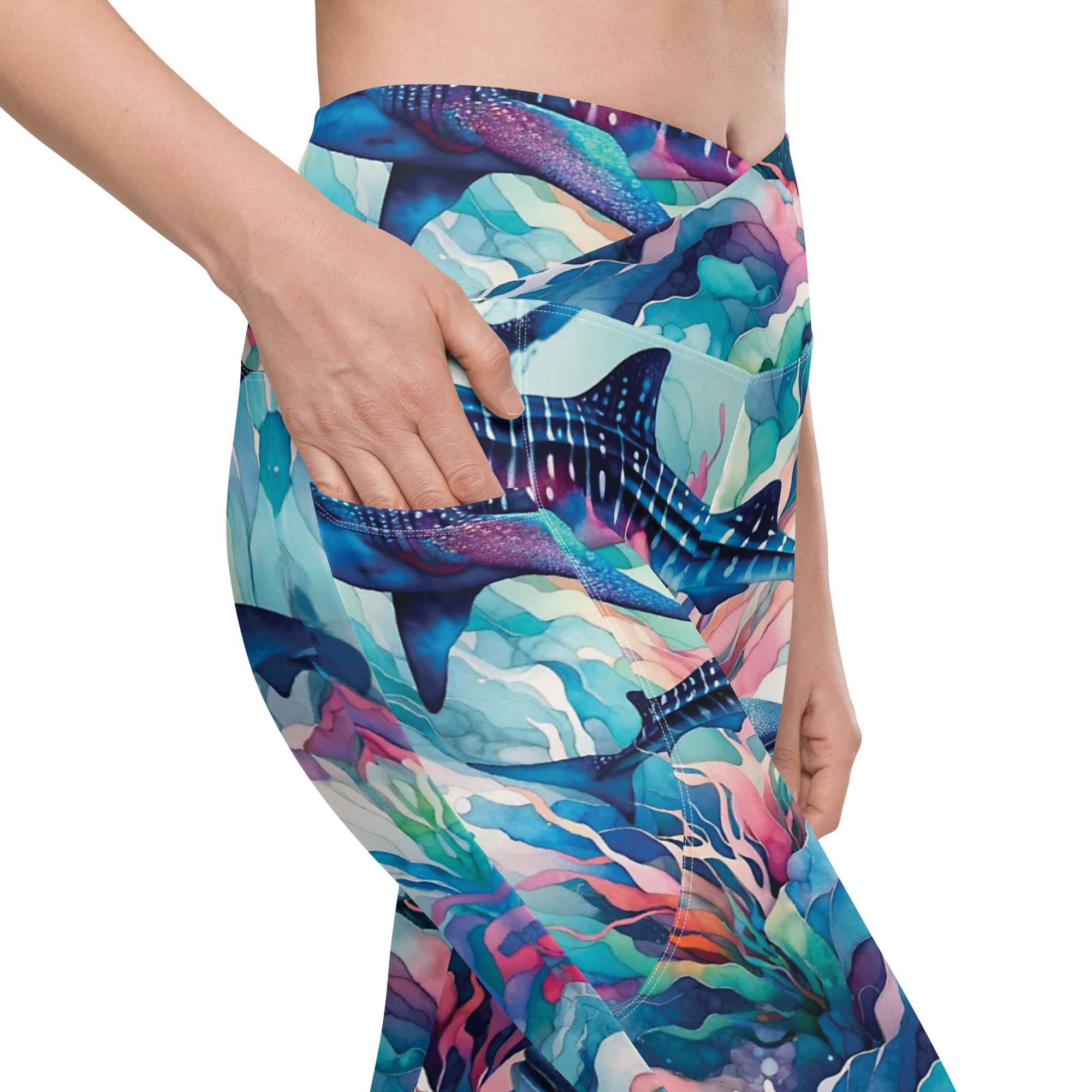
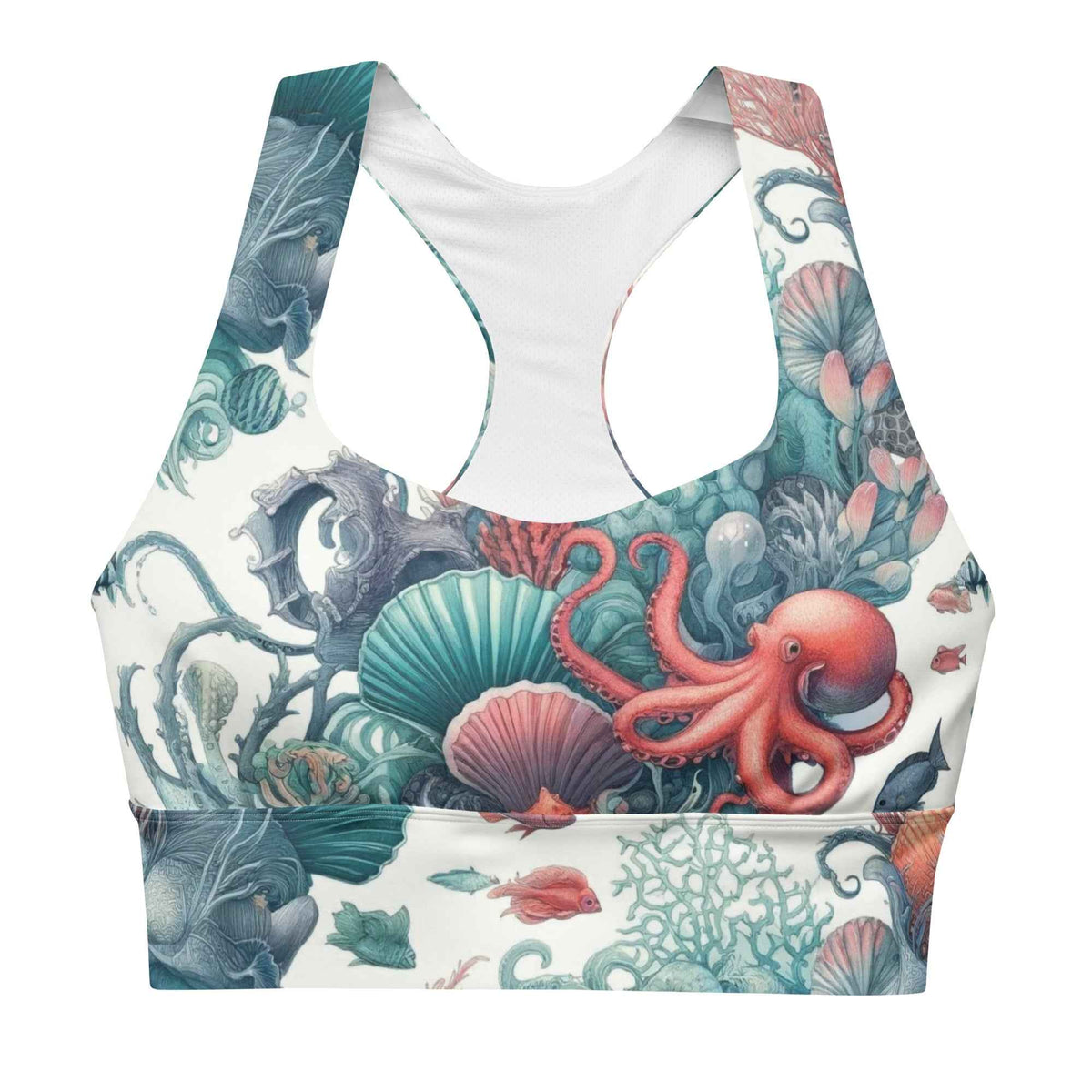
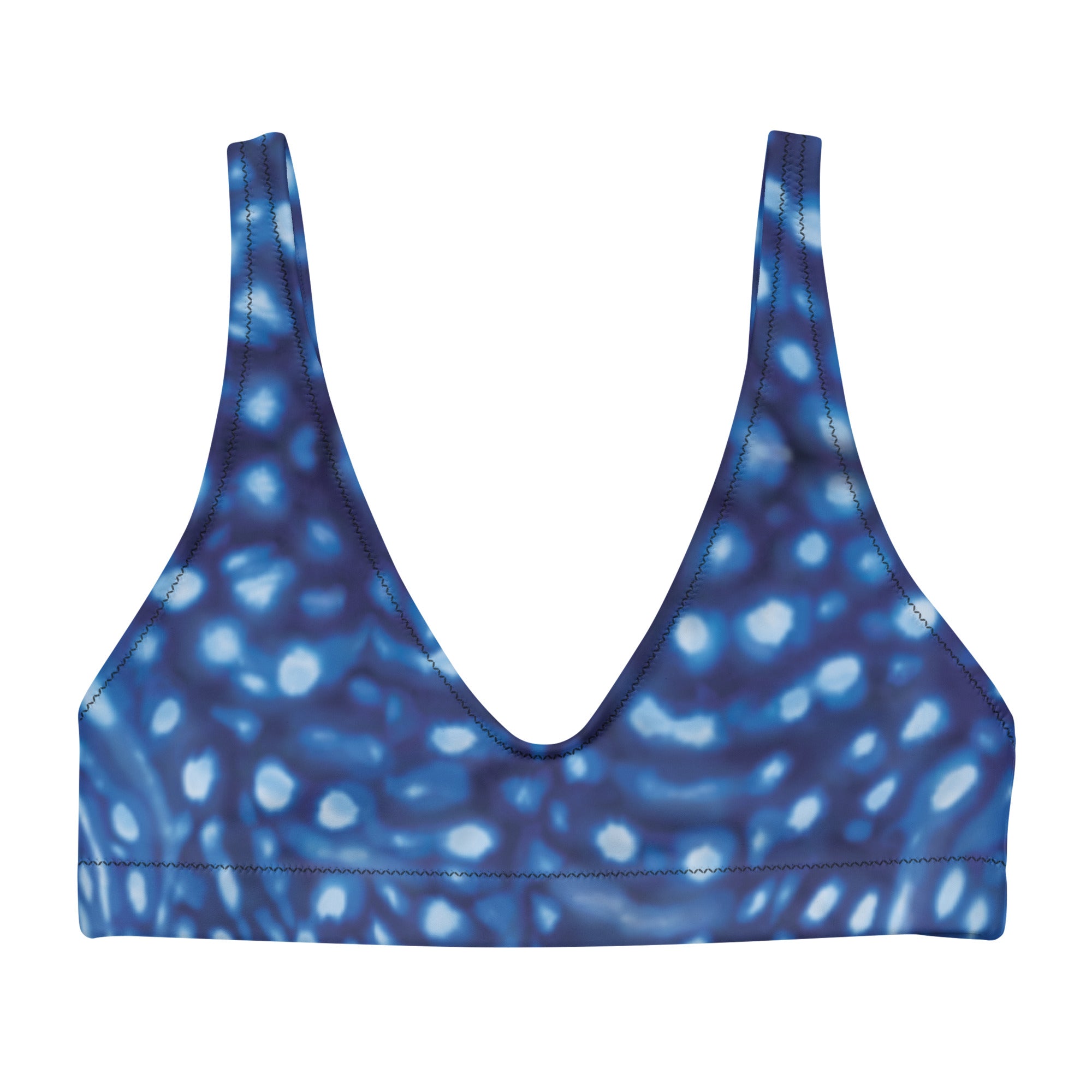
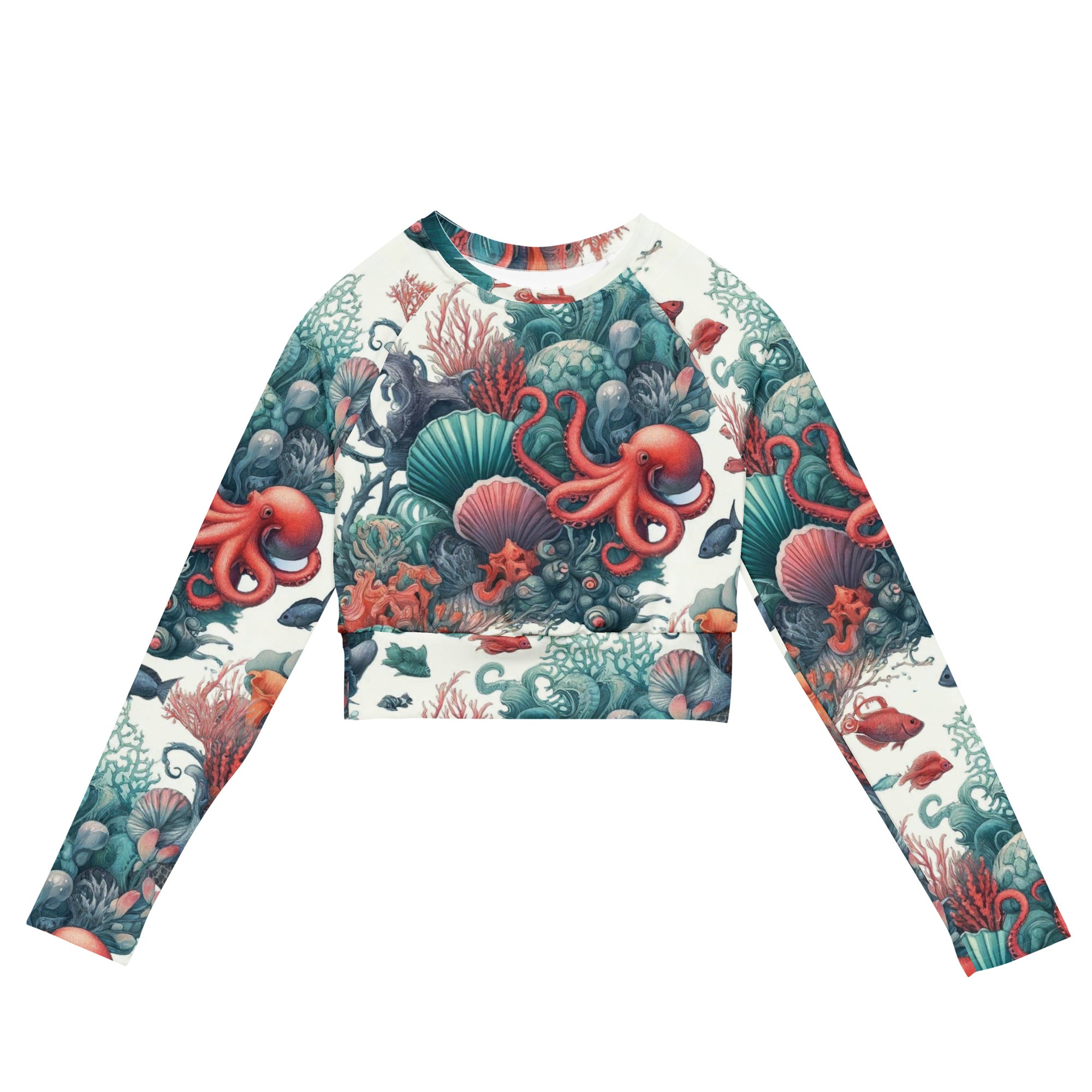
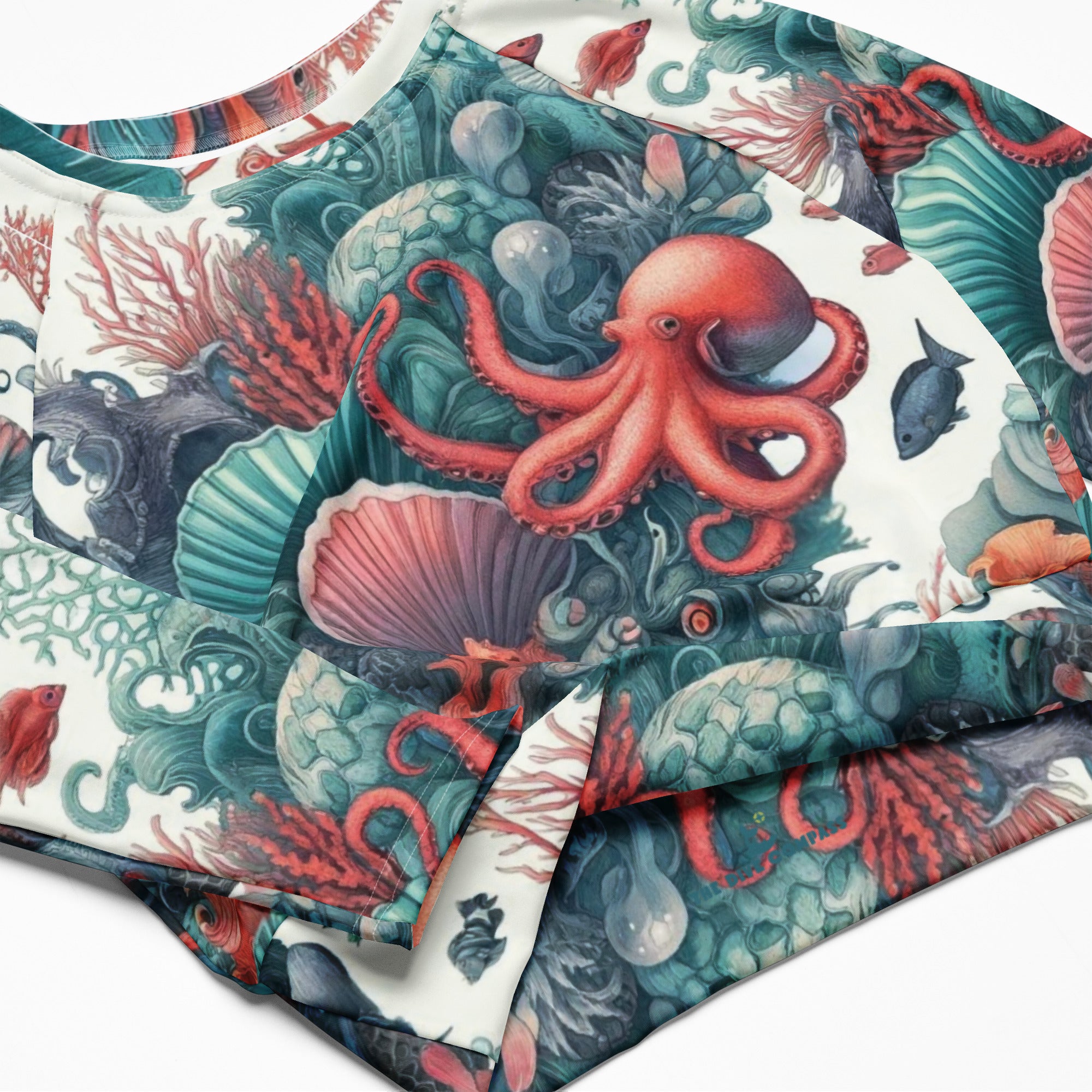
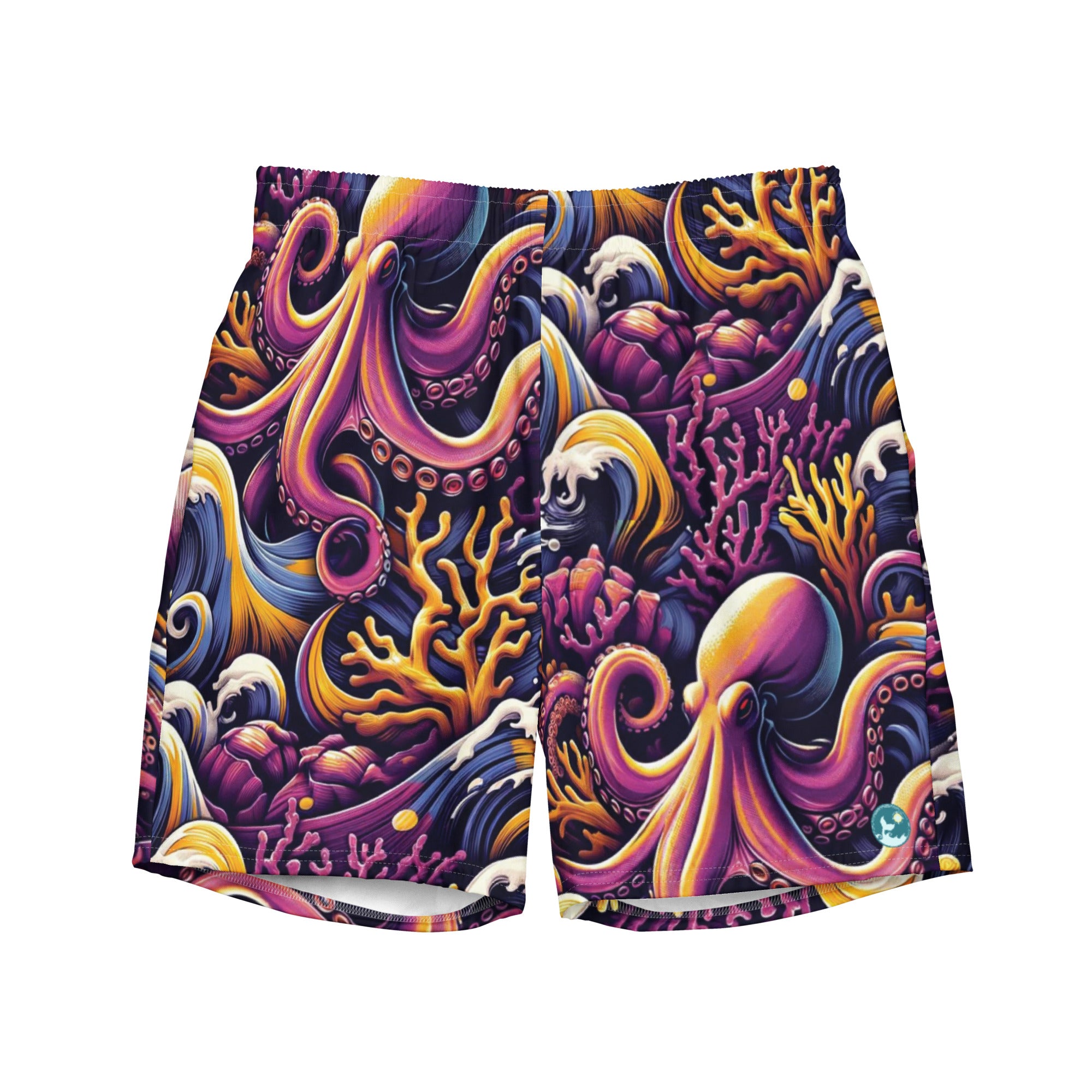
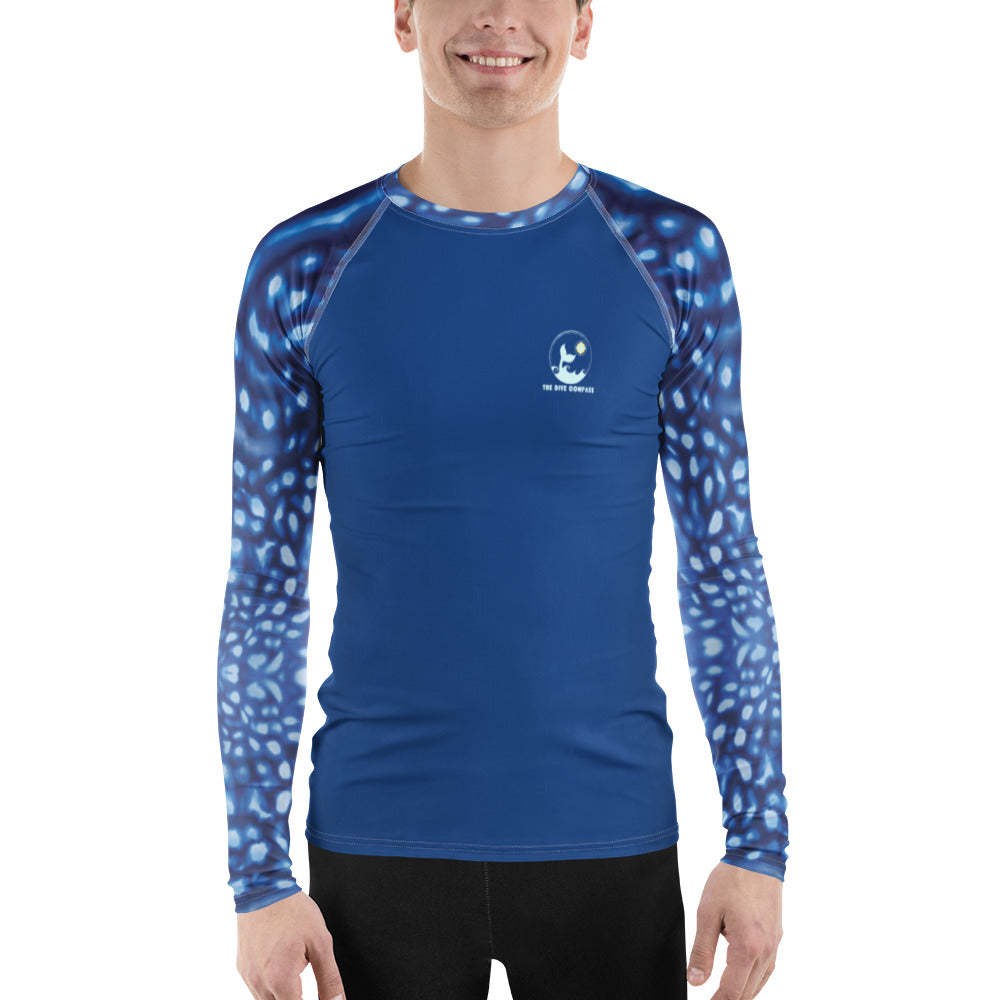
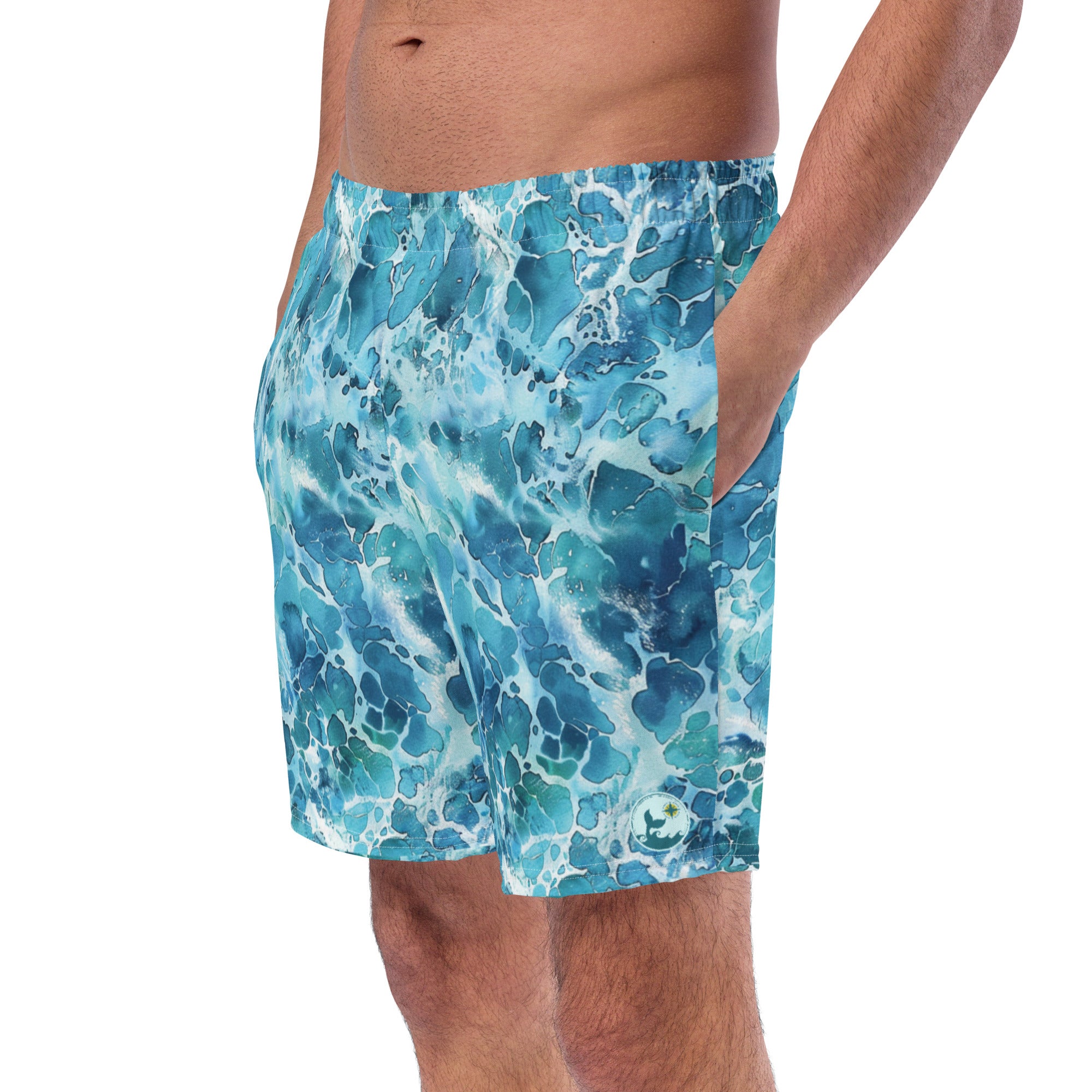
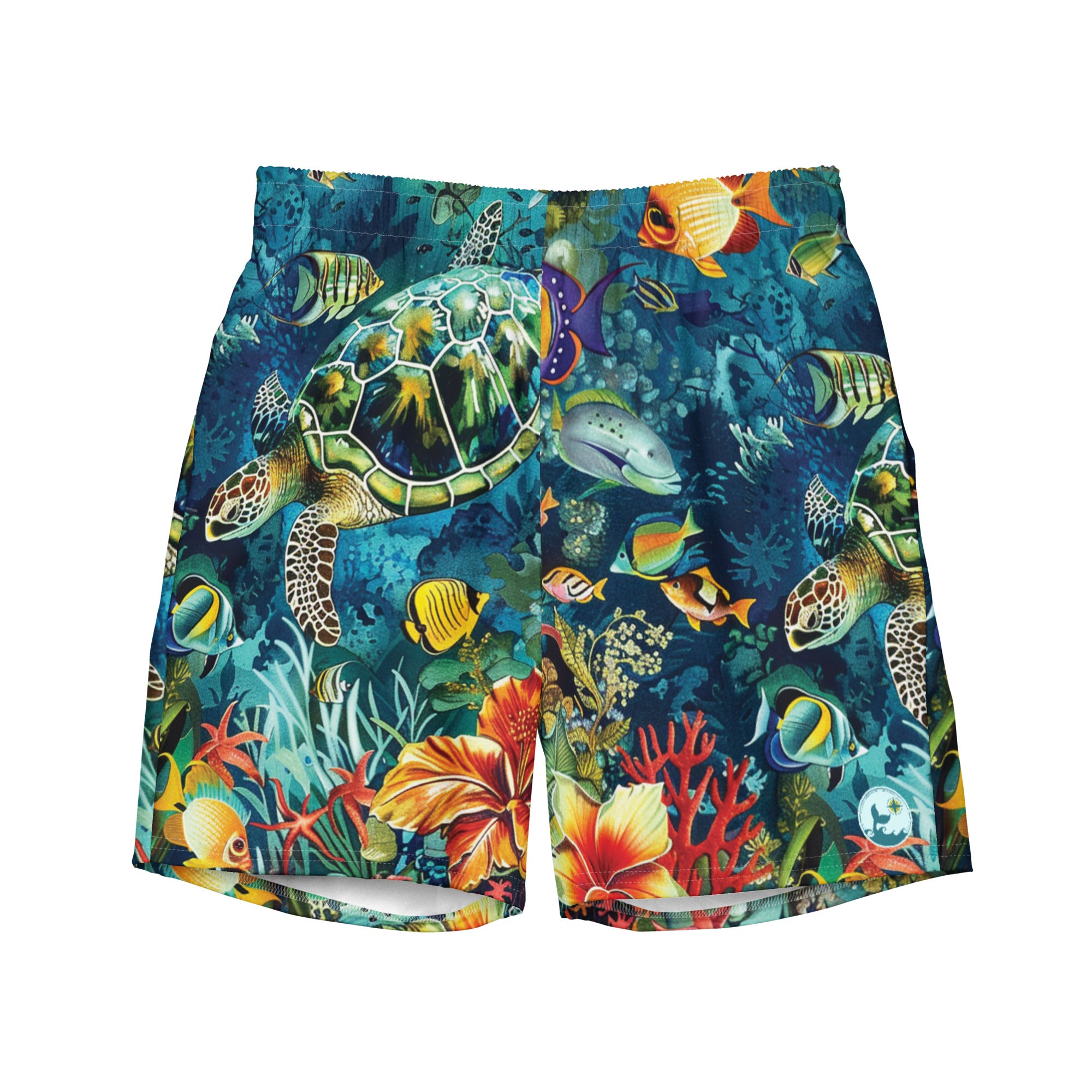
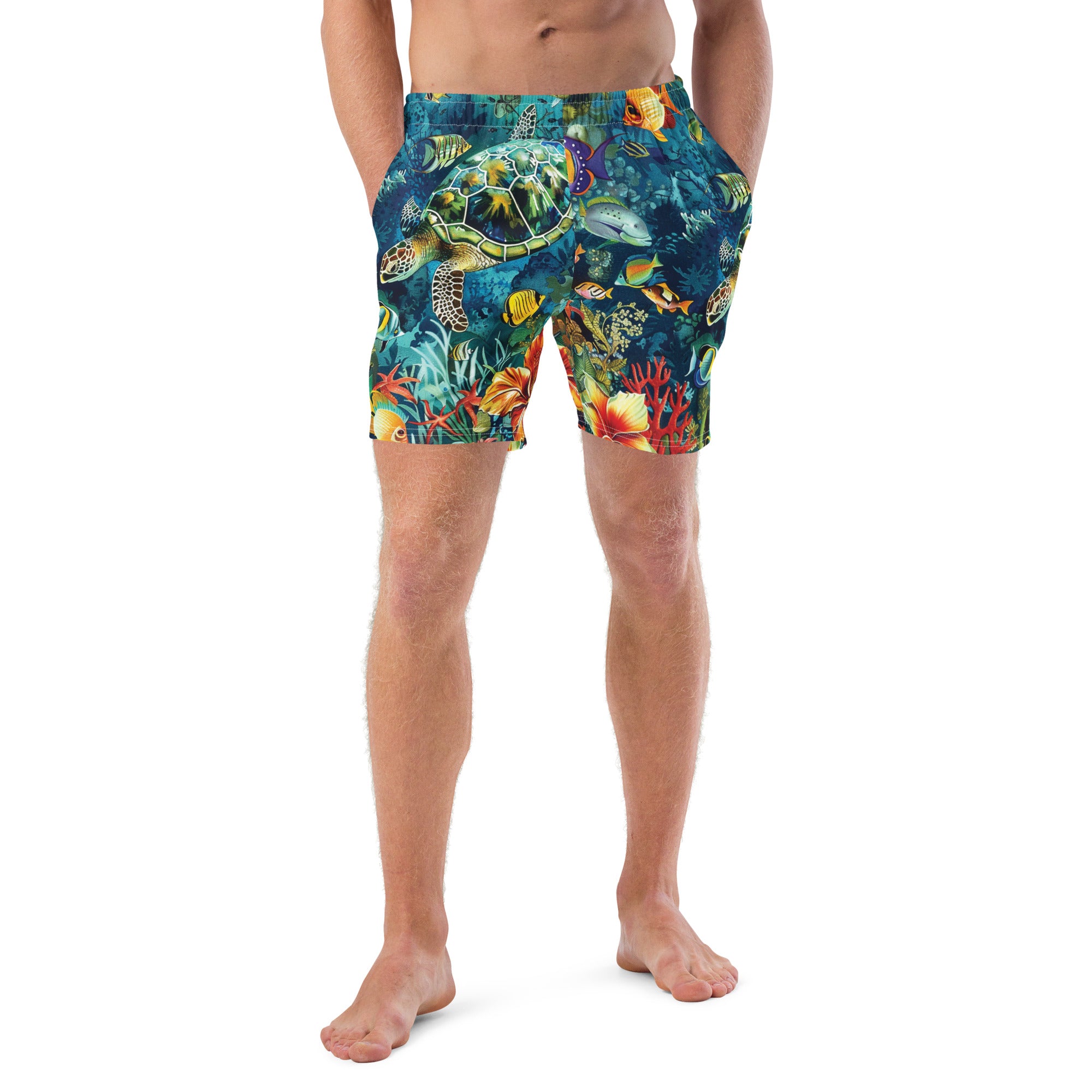
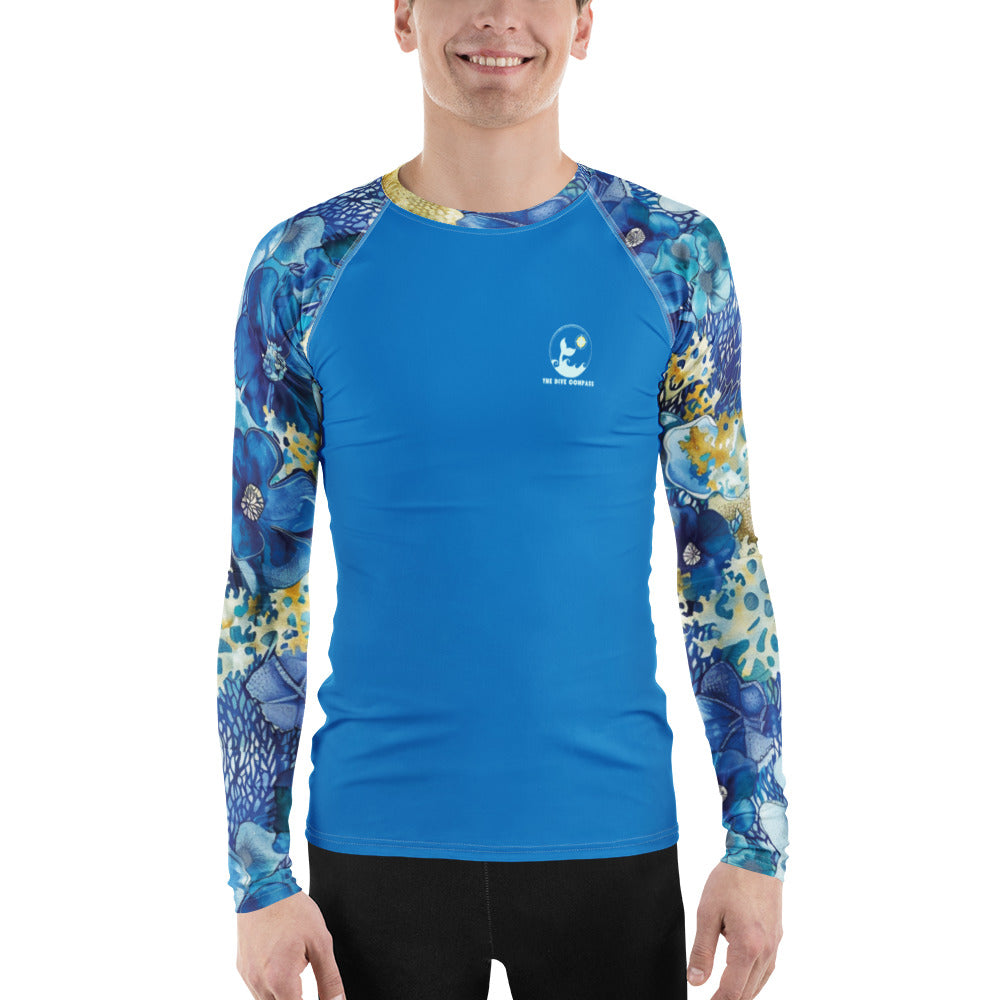
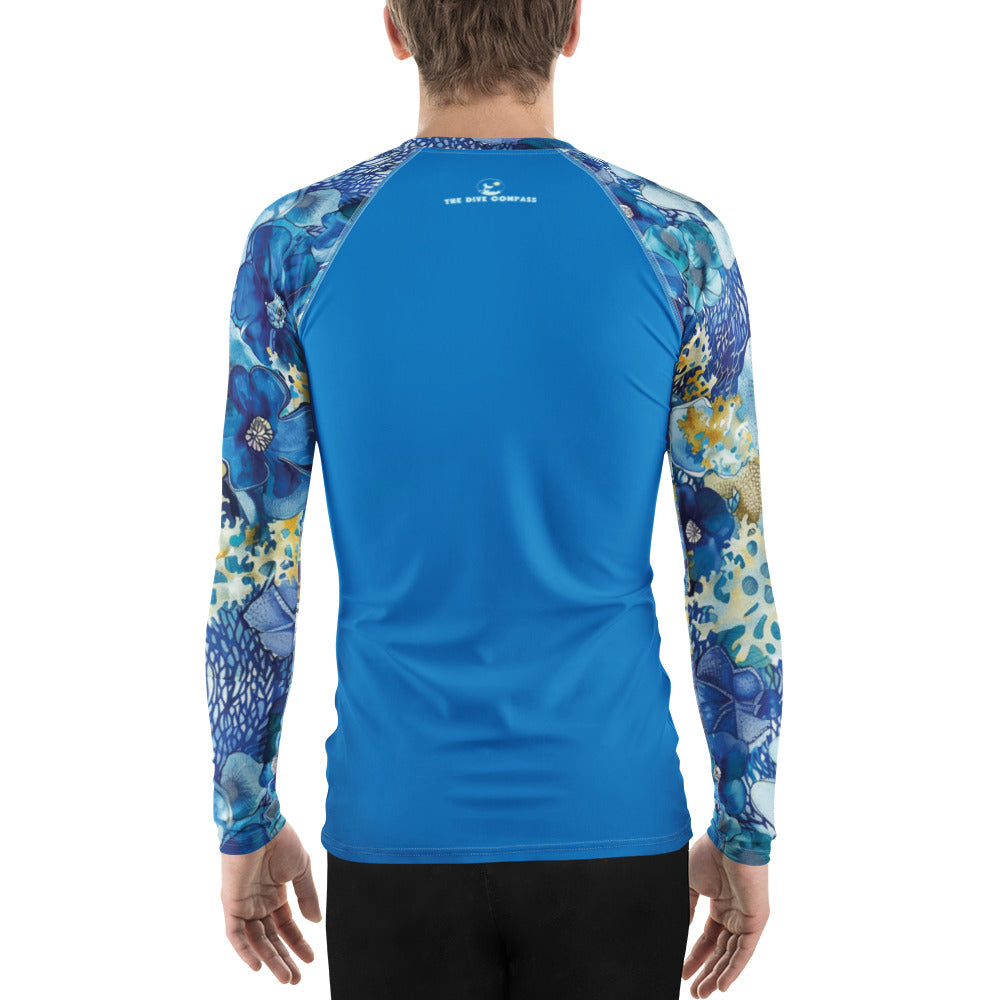
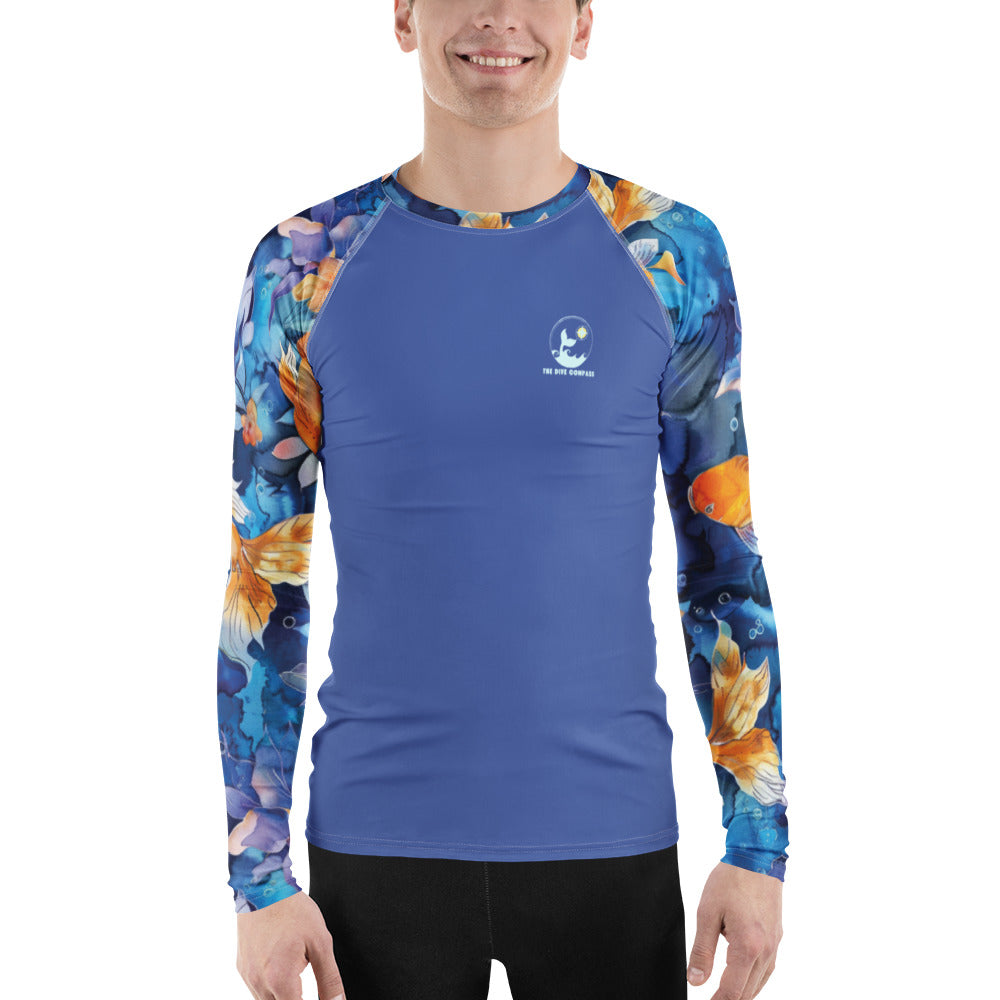
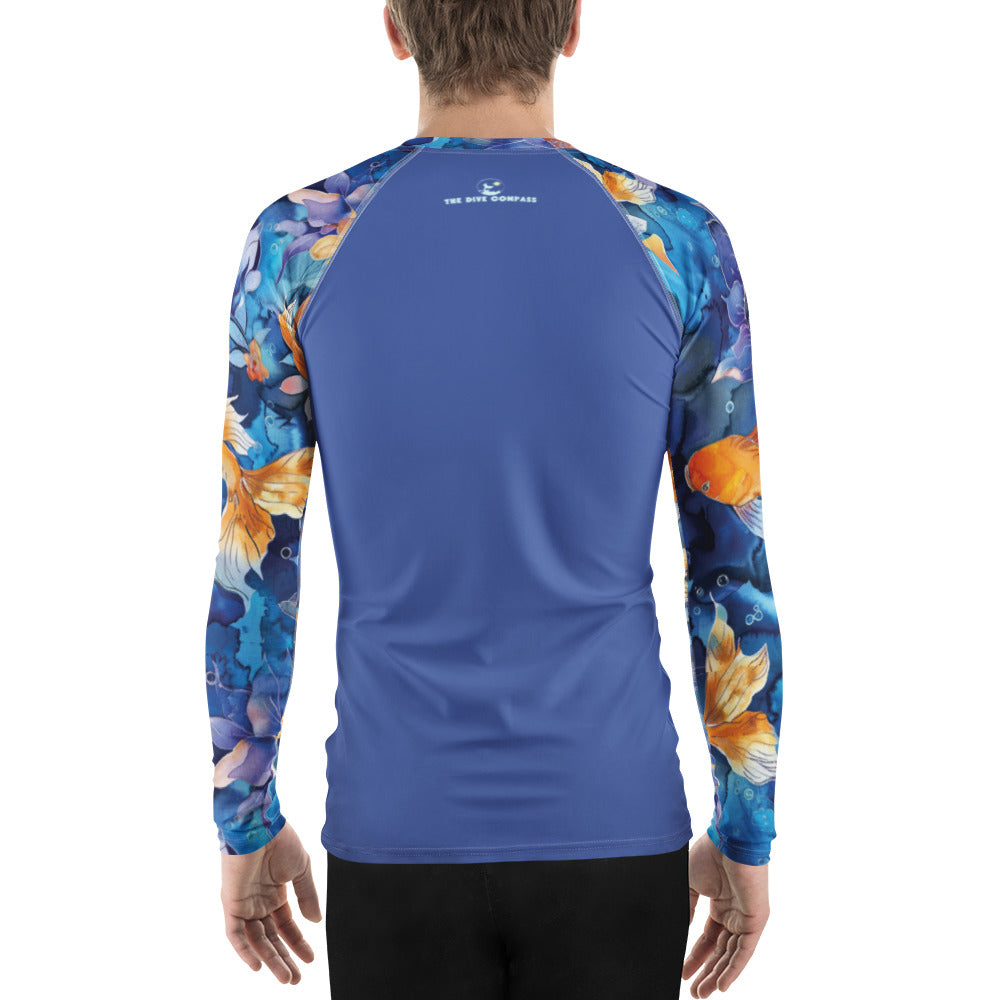
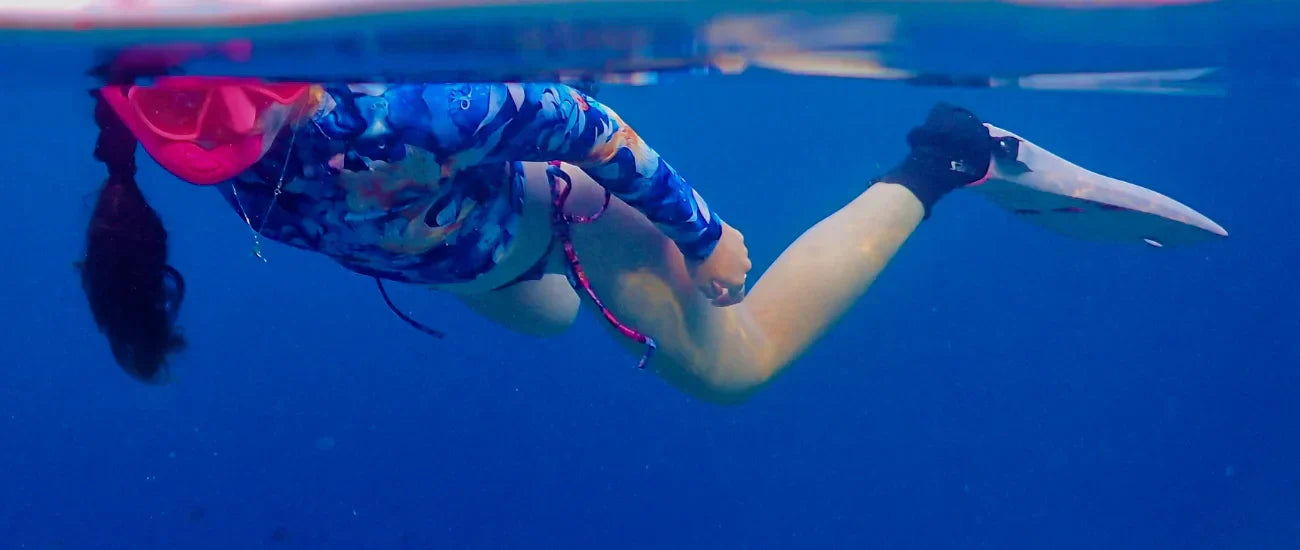
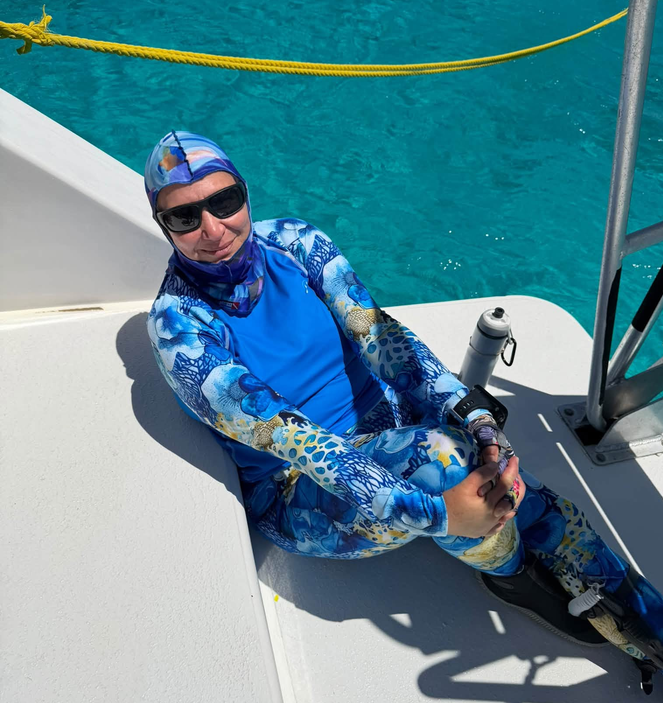
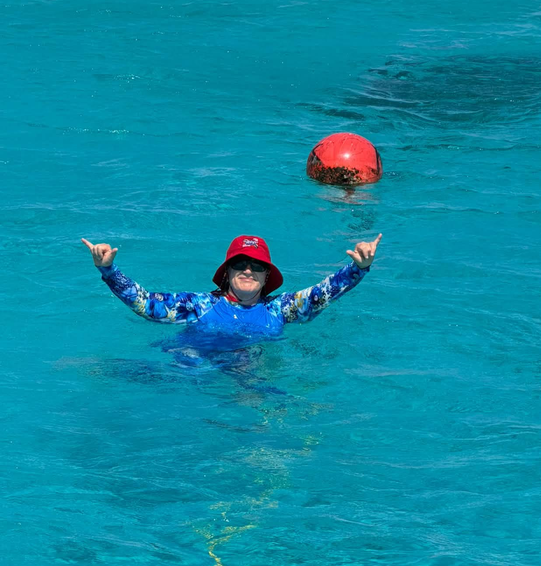
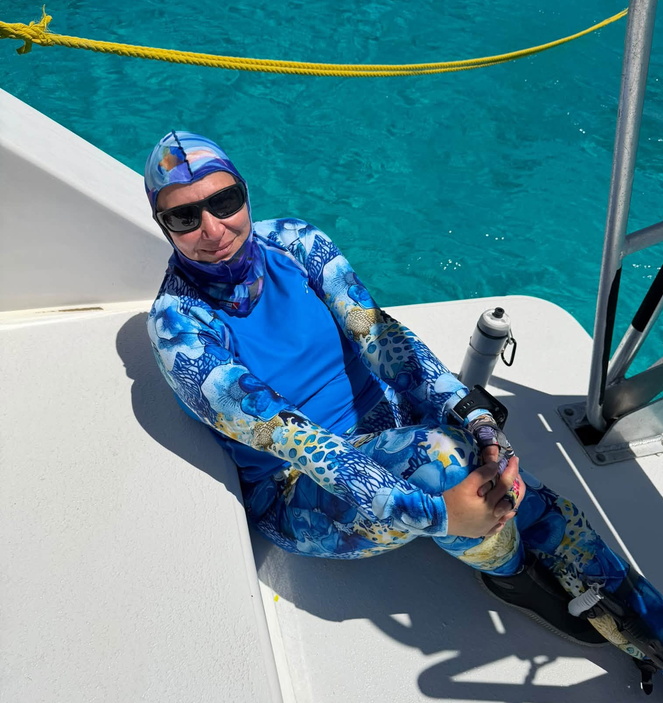
At The Dive Compass, our swimwear and rash guards provide UPF 50+ sun protection — wearing a rash guard in the water is one of the most effective ways to protect your skin without putting chemicals on the reef. Our recycled polyester swimwear helps divert plastic from the waste stream, so choosing sustainable swimwear isn't just a style choice — it's a commitment to protecting the seas.
3. Perfect Your Buoyancy

Accidentally kicking or dragging fins across coral reefs can cause long-lasting damage. Did you know that corals grow incredibly slowly? A fast-growing coral grows around 10cm per year — while slower-growing species manage just 1–2cm. A developed coral reef or atoll could have been growing for over 100,000 years. That's why protecting coral from physical damage is so critical.
Practicing buoyancy control isn't just for comfort — it's essential for protecting marine life. Here's how:
- Stay calm and use your breath to help with buoyancy control.
- Make sure you are properly weighted before every dive.
- Take a buoyancy course if you need to — it's one of the best investments you can make as a diver.
- Avoid touching corals or marine animals, no matter how tempting.
- Keep dive gear streamlined to prevent snagging on reefs.
The goal? To glide through the water effortlessly — like a manta ray — and leave coral reefs untouched.
4. Pack Light and Plastic-Free

Single-use plastics are one of the biggest threats to our oceans. For your next dive trip, consider:
- Packing reusable water bottles, utensils, and bags.
- Choosing hotels and accommodations that support plastic-free initiatives.
- Bringing your own reusable toiletry bottles to reduce waste.
At The Dive Compass, we ship in post-consumer recycled plastic mailers and use eco-friendly recycled materials in our products — because every piece of plastic avoided is one less threat to marine life.
5. Support Local and Conservation-Focused Projects

Choose dive shops and tour operators that give back to the local community and support marine conservation. Some great ways to do this include:
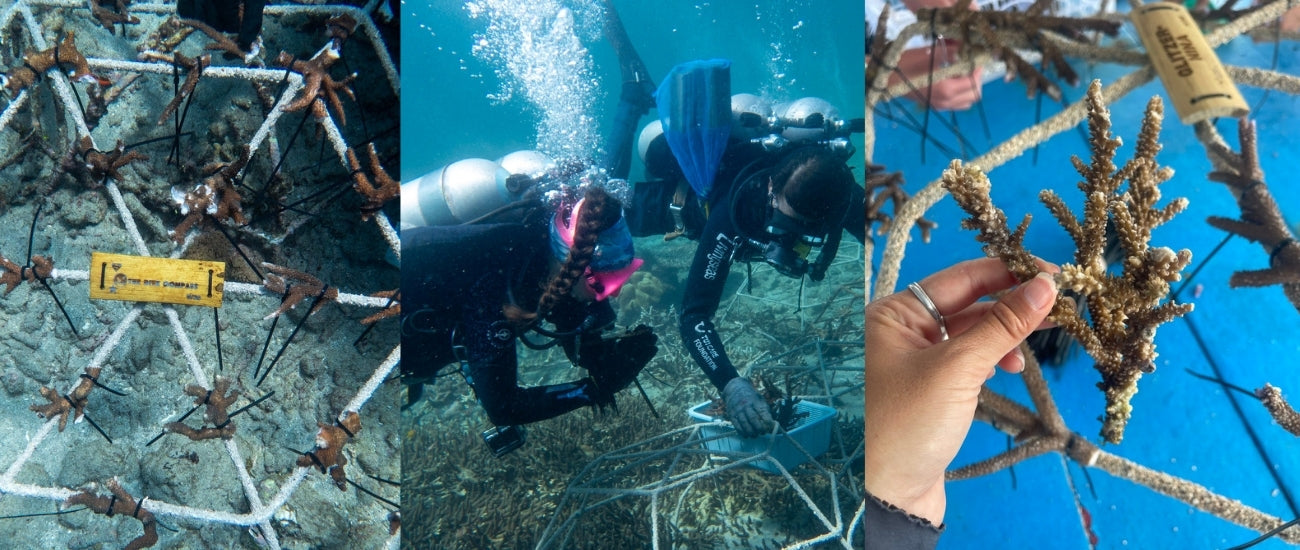
- Booking dives with shops that organise beach cleanups or support coral restoration projects.
- Staying at eco-lodges that reinvest in protecting local ecosystems.
- Participating in citizen science dives to help monitor reef health.
Every dollar spent on sustainable tourism is a vote for a cleaner, healthier ocean.
Sustainable Tourism: Travel with a Purpose 🌍
Sustainable tourism is all about leaving places better than you found them. This means:
- Choosing slow travel over whirlwind itineraries to reduce your carbon footprint.
- Flying less and offsetting your carbon emissions when you do.
- Opting for eco-friendly accommodations and tours that prioritize conservation.
At The Dive Compass, our made-to-order business model helps reduce waste by only producing swimwear when it's ordered — our way of supporting slow fashion and sustainable tourism, because fast fashion has no place in a sustainable future.
Leave Only Bubbles Behind: How You Can Help
Want to make a difference on your next dive trip? Here's how:
- Dive with eco-certified operators that prioritize reef conservation.
- Choose sustainable swimwear made from recycled materials.
- Support ocean conservation by buying from brands that give back — like The Dive Compass.
Ready to dive in? Explore our collection of recycled swimwear and join us in leaving only bubbles behind.
Thank you for choosing sustainability and helping to protect our oceans!
— Andrea Galassi, Founder of The Dive Compass
































Leave a comment
This site is protected by hCaptcha and the hCaptcha Privacy Policy and Terms of Service apply.