




Scuba Diving Outfit Guide: What to Wear Scuba Diving
Most "diving fashion" articles online are cute swimsuit roundups, but this isn't one of those. In my opinion, a real dive day has four distinct outfit stages, and what works for each isn't really about fashion, instead it's about staying warm, dry, comfortable, and not flashing the entire boat when you peel off your wetsuit.
This is my actual dive day setup, from what I wear when I arrive at the boat, to what goes under my wetsuit, what I change into between dives, and what I always pack for the ride home. Plus, because this is the part most "what to wear scuba diving" articles skip, the outfit mistakes I see new divers make every single trip. Which, honestly, happens more than you think.
A dive day has four outfits, not just one. Let me walk you through mine.

Stage 1 — Pre-Dive: What I Wear When I Arrive for the Dive
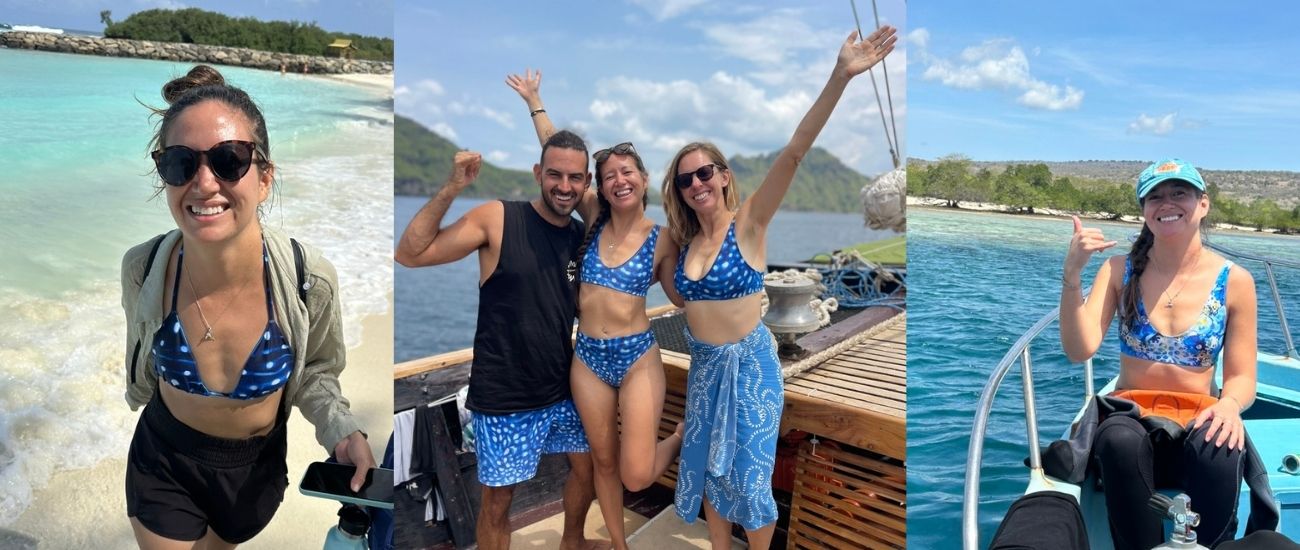
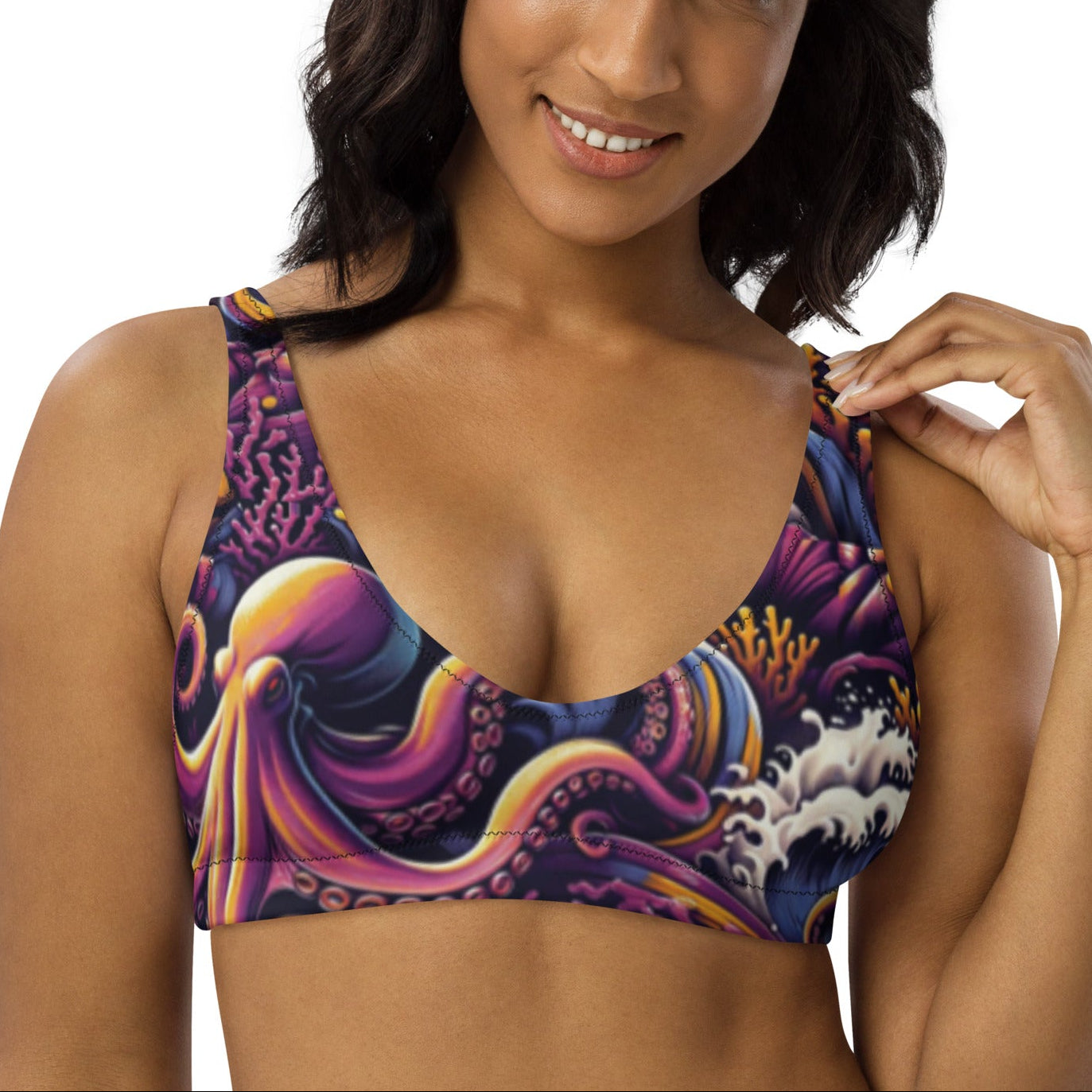
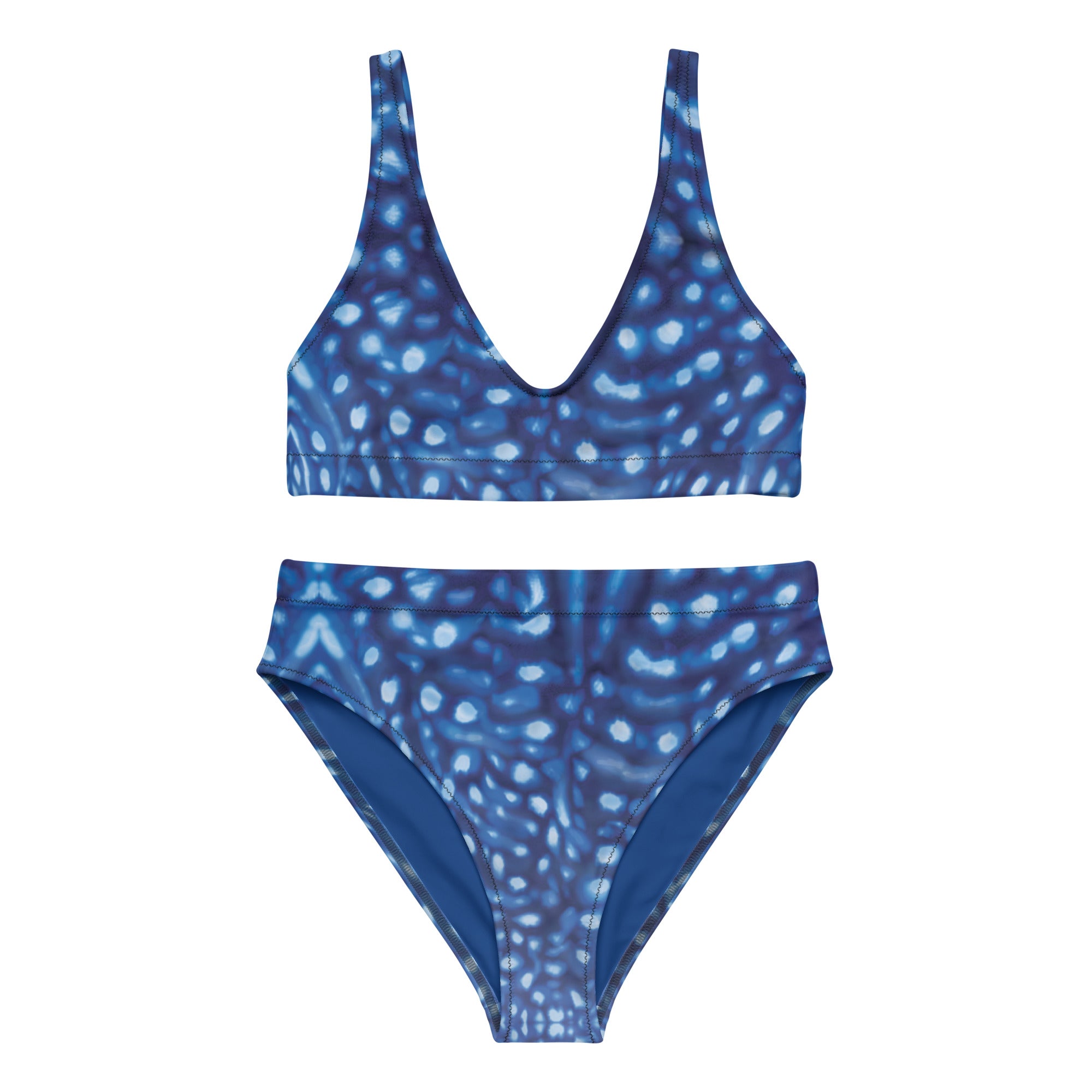
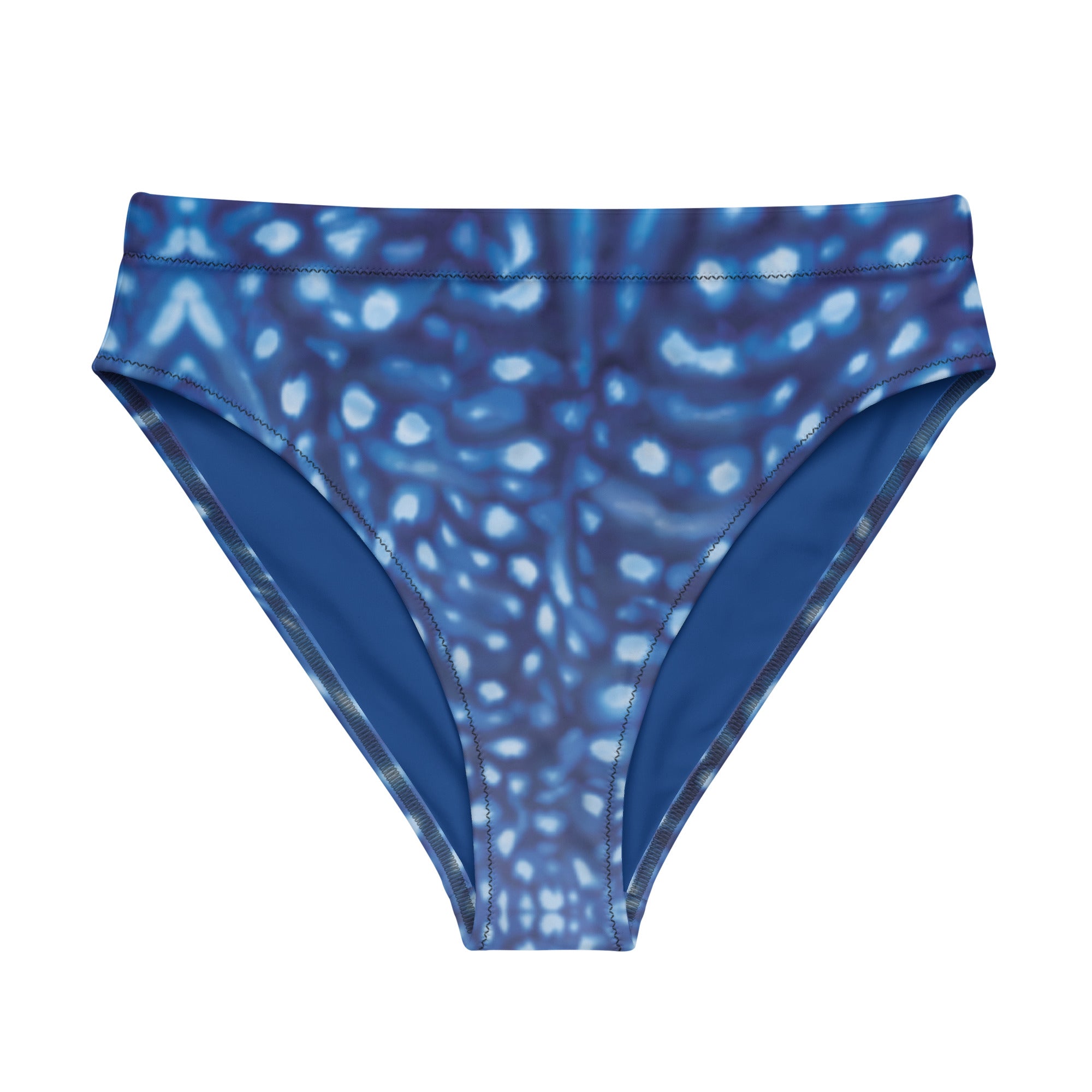
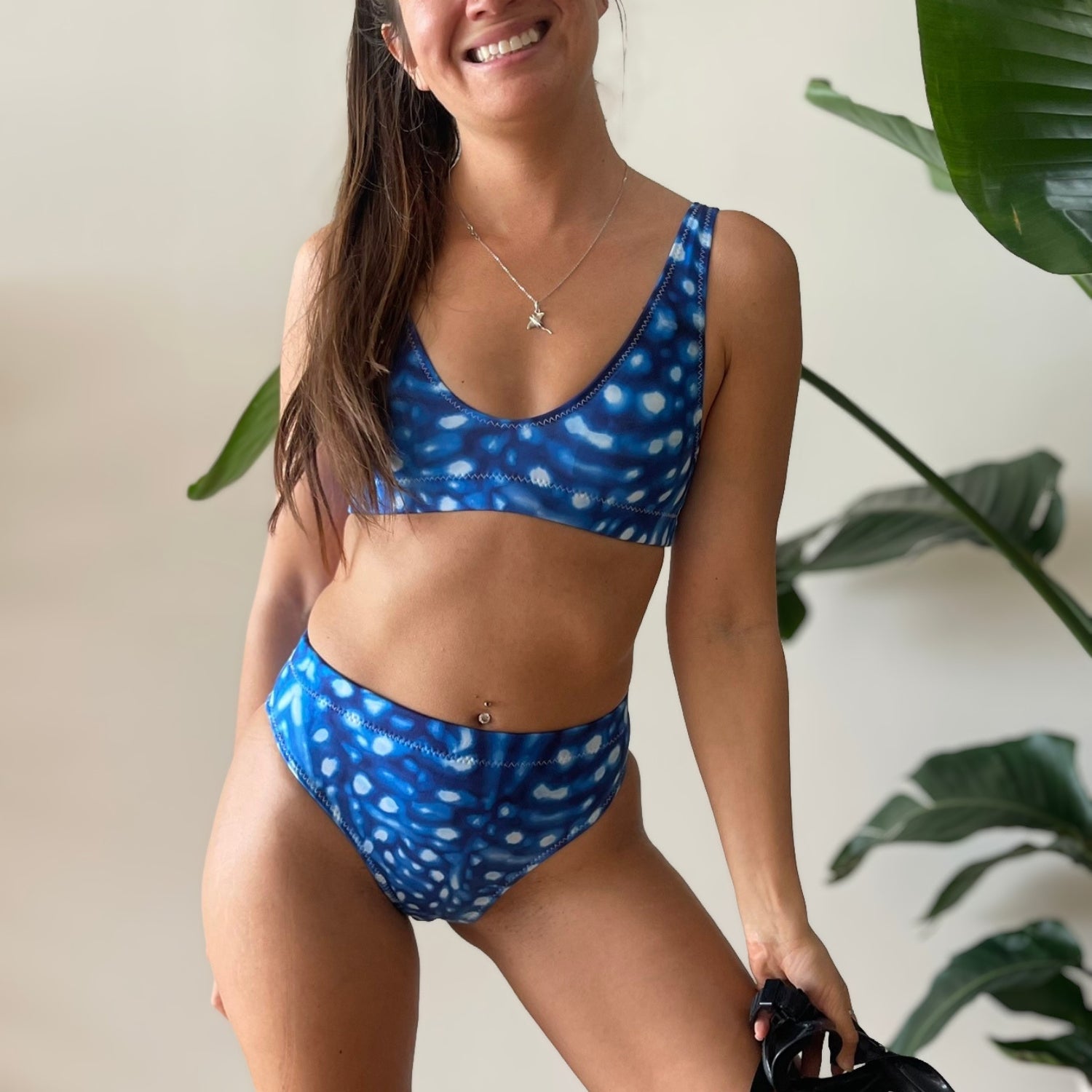
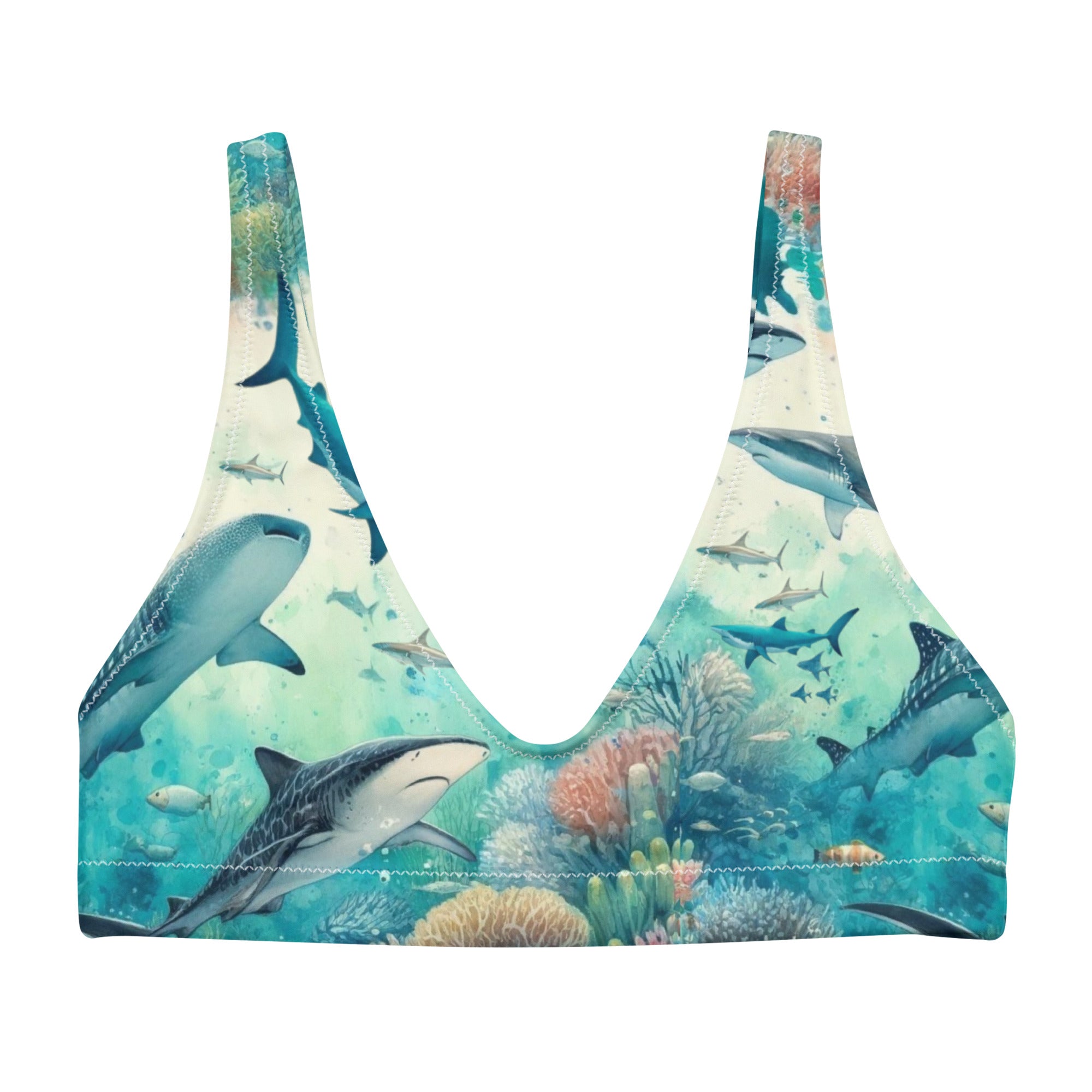
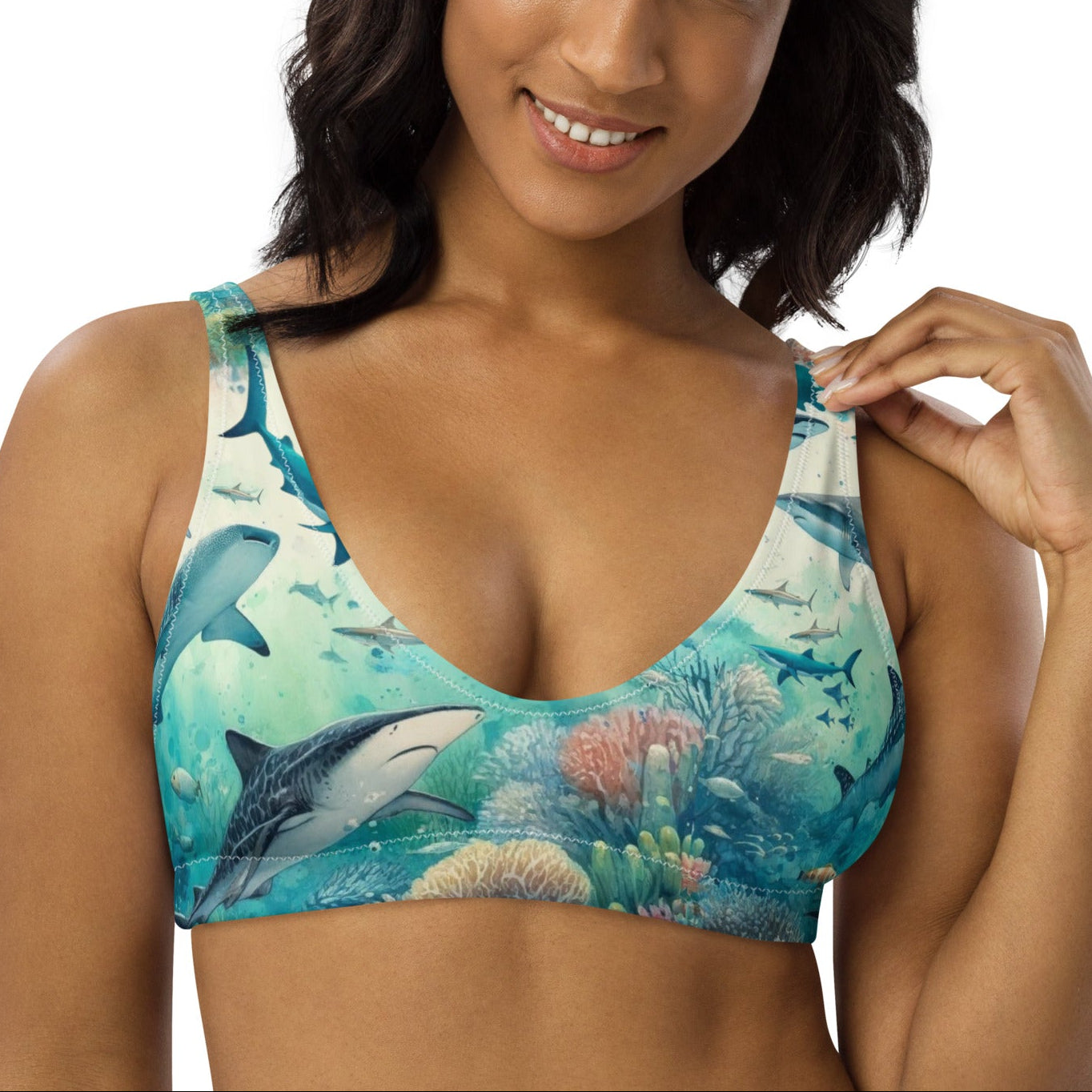
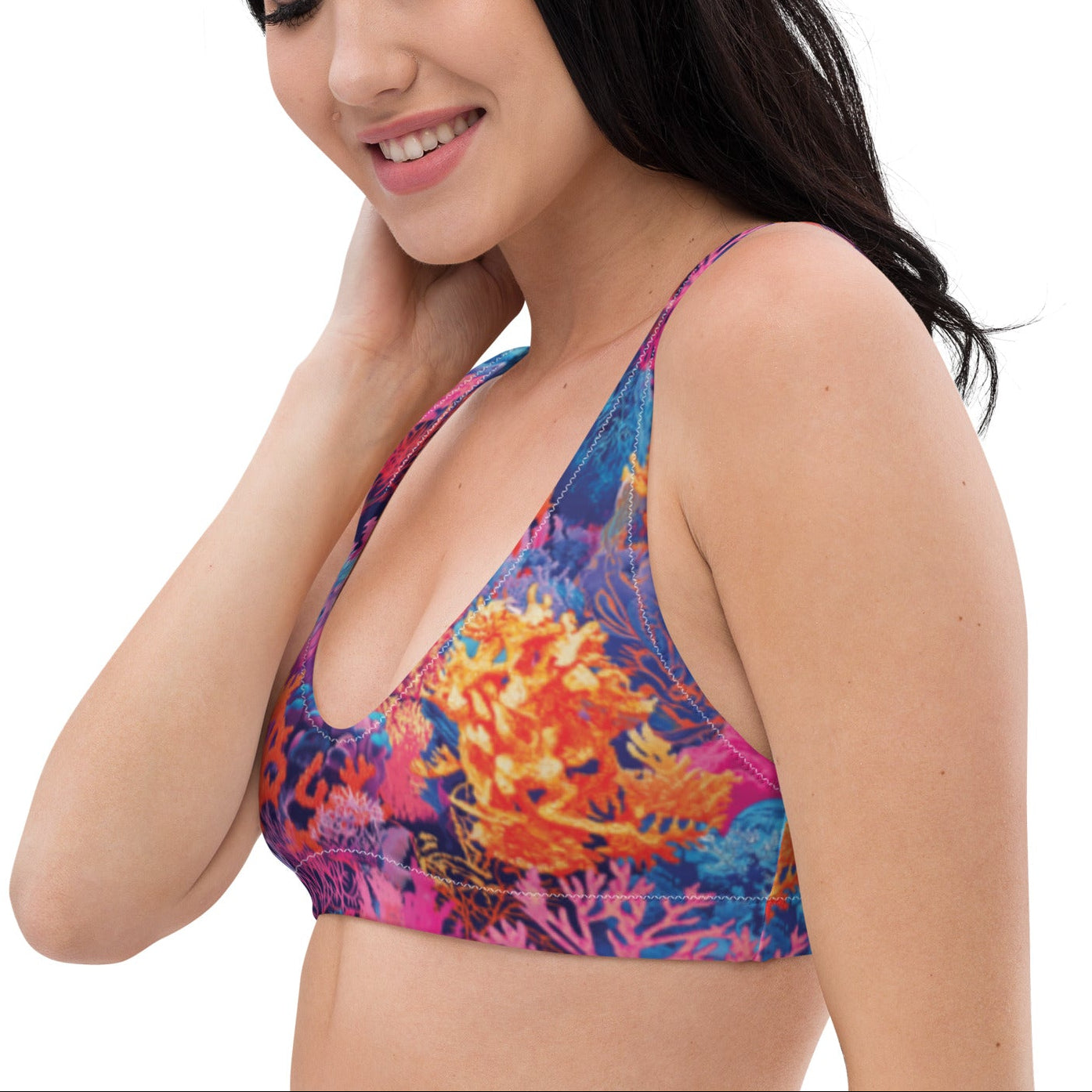
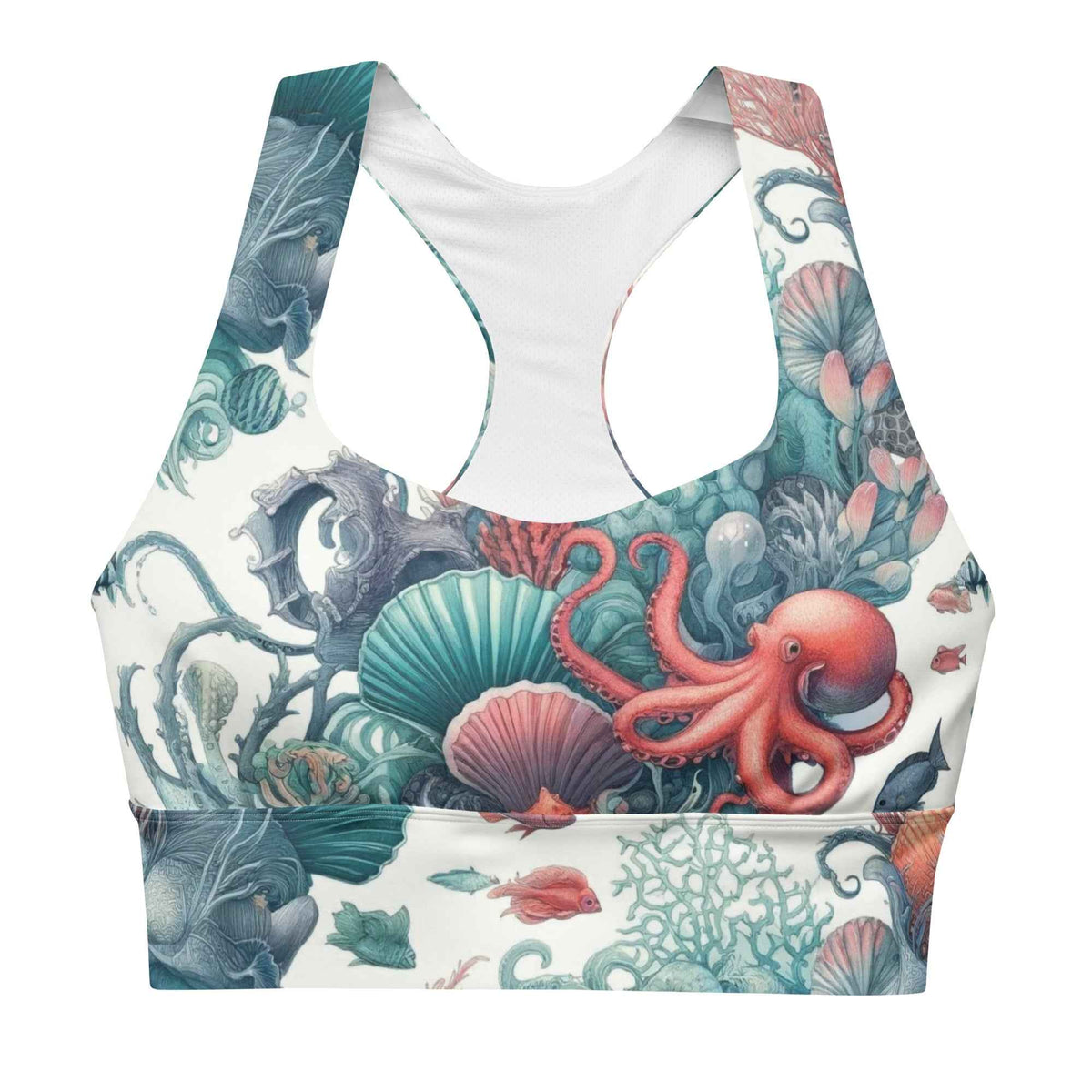
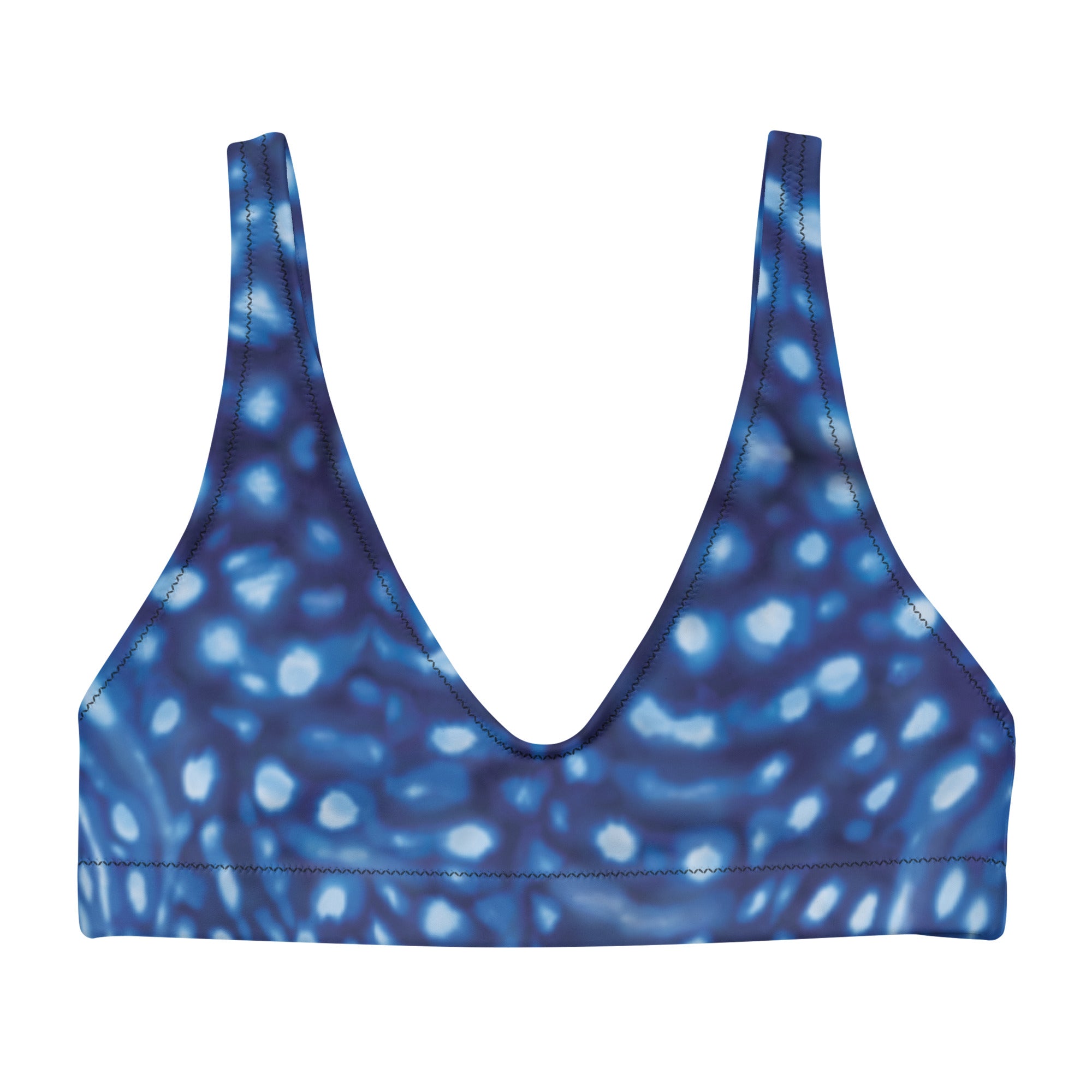
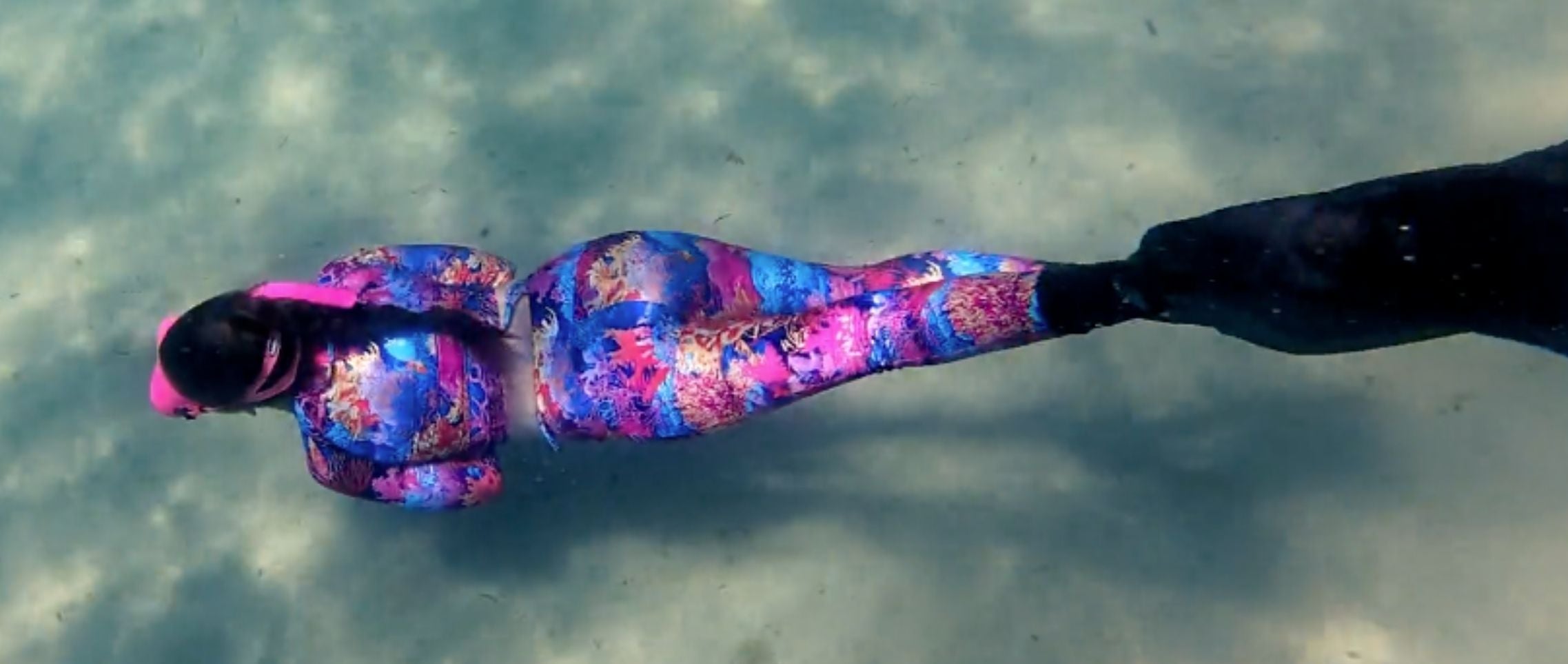
When I arrive at the boat, I'm already wearing the Scuba Bikini I'm going to dive in. That's the most important thing about your pre-dive outfit: the dive bikini goes on first, under everything else, because the moment you step on the boat the suiting-up clock starts. You don't want to be doing a full swimsuit change in a crowded changing area at 7am.
Over the scuba bikini I'll throw on:
- A pair of shorts
- A crop top or tank top
- A sweatshirt or light jacket if it's a cooler morning
Minimal, practical, easy to peel off when it's time to gear up. Everything I'm wearing pre-dive needs to come off in under a minute without thinking about it.
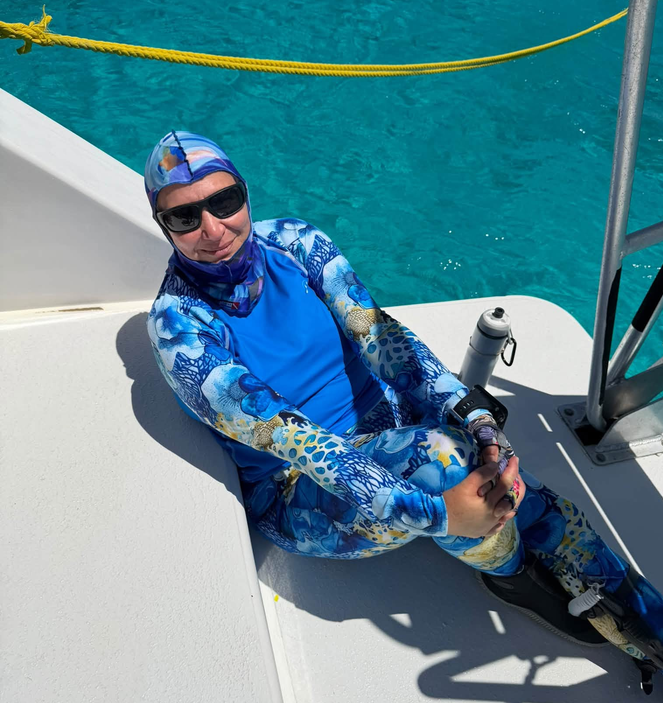
Let's talk about sun protection while you're on the boat: bring a hat to protect your face, hats with a chin strap are great for really windy boats (otherwise it's going overboard the moment the boat picks up speed), polarized sunglasses, and reef-safe sunscreen (non-nano zinc oxide ONLY) for anything that won't be covered by your wetsuit. I've written about why reef-safe sunscreen isn't enough on its own if you want the full conversation on sun-and-reef protection. The short version, wear UPF clothing wherever you can.

Stage 2 — Under your Wetsuit: The Layer System
What goes under your wetsuit changes based on water temperature. Here's how I think about it:
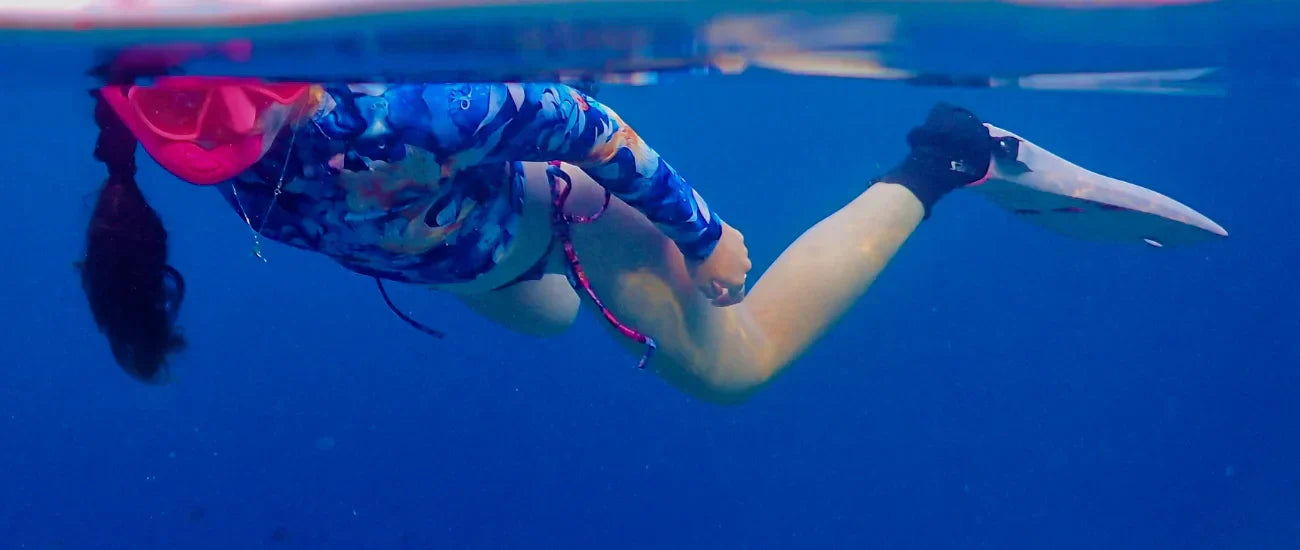
Warm tropical water (27°C/80°F+): Just my scuba bikini. Nothing else. The whole point of a scuba bikini (as opposed to a regular swimsuit) is that it stays put under a wetsuit. Secure straps, no shifting, no string-tie pressure points dig into your skin. In warm water, that's all you need.
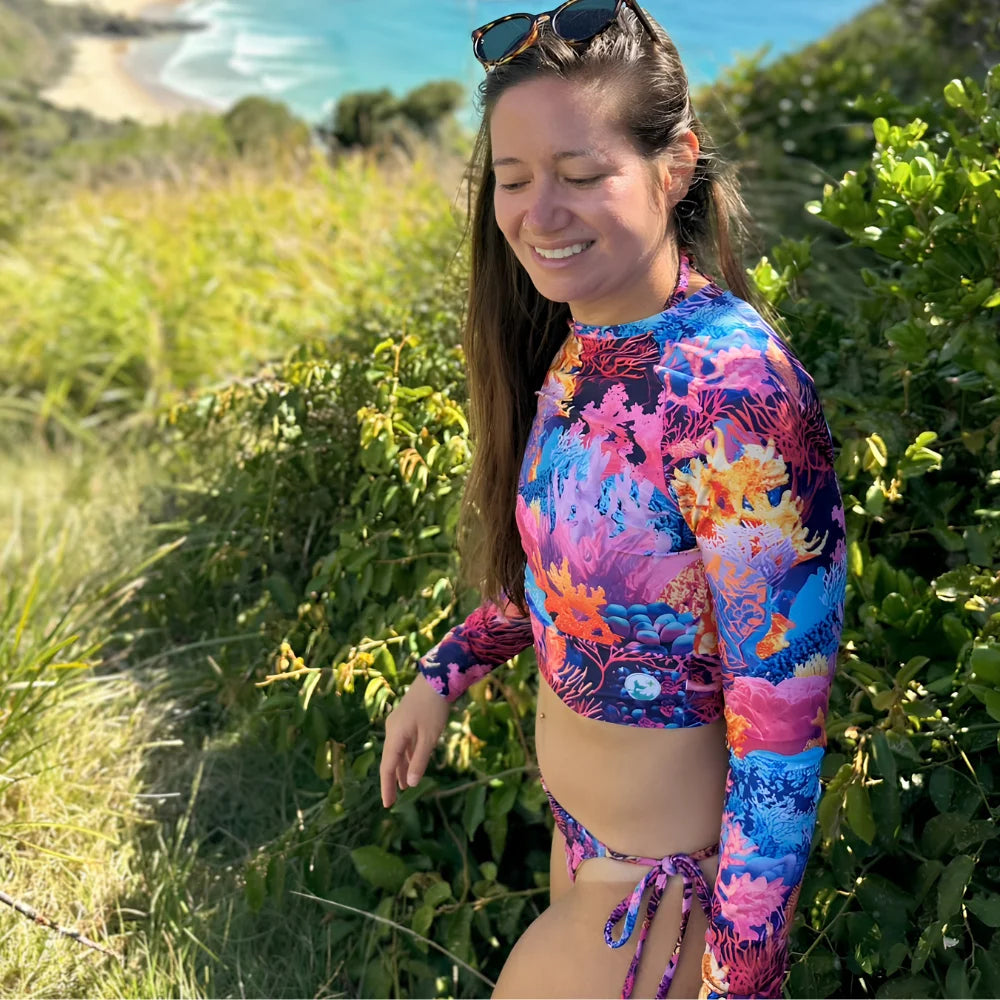
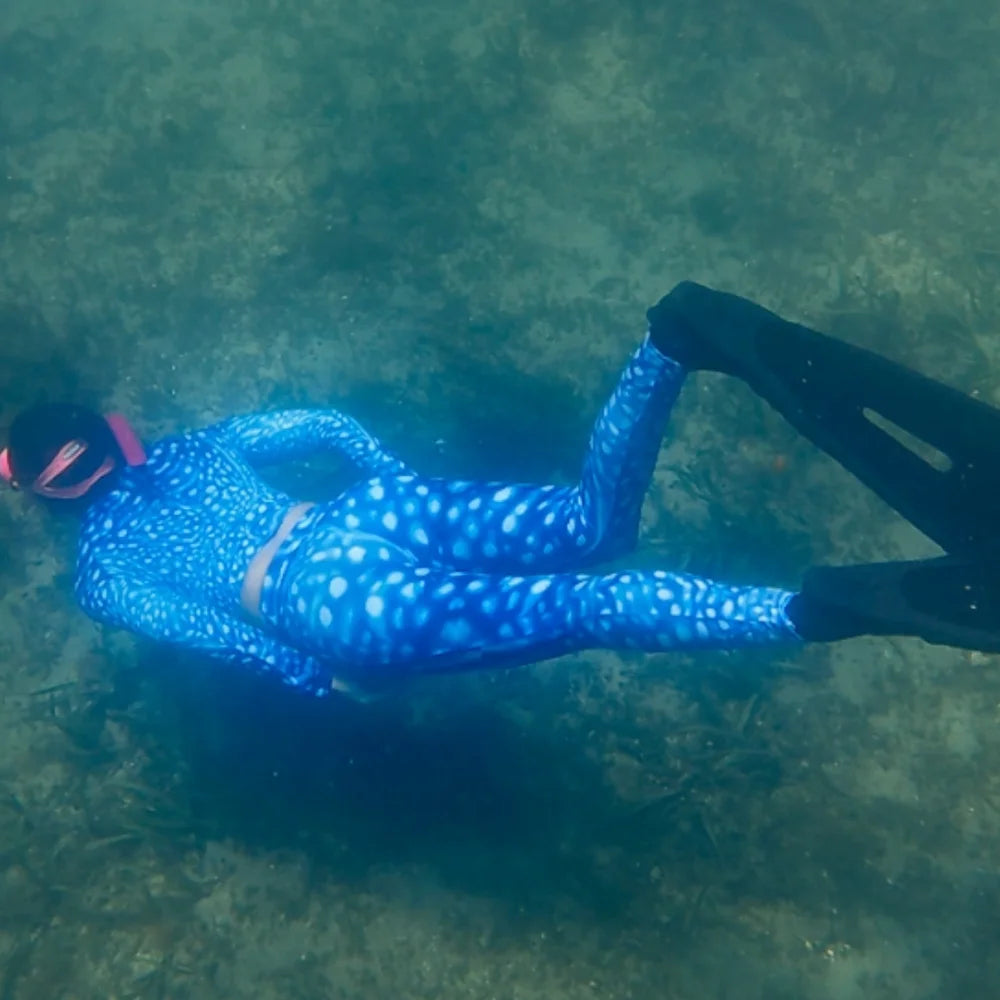
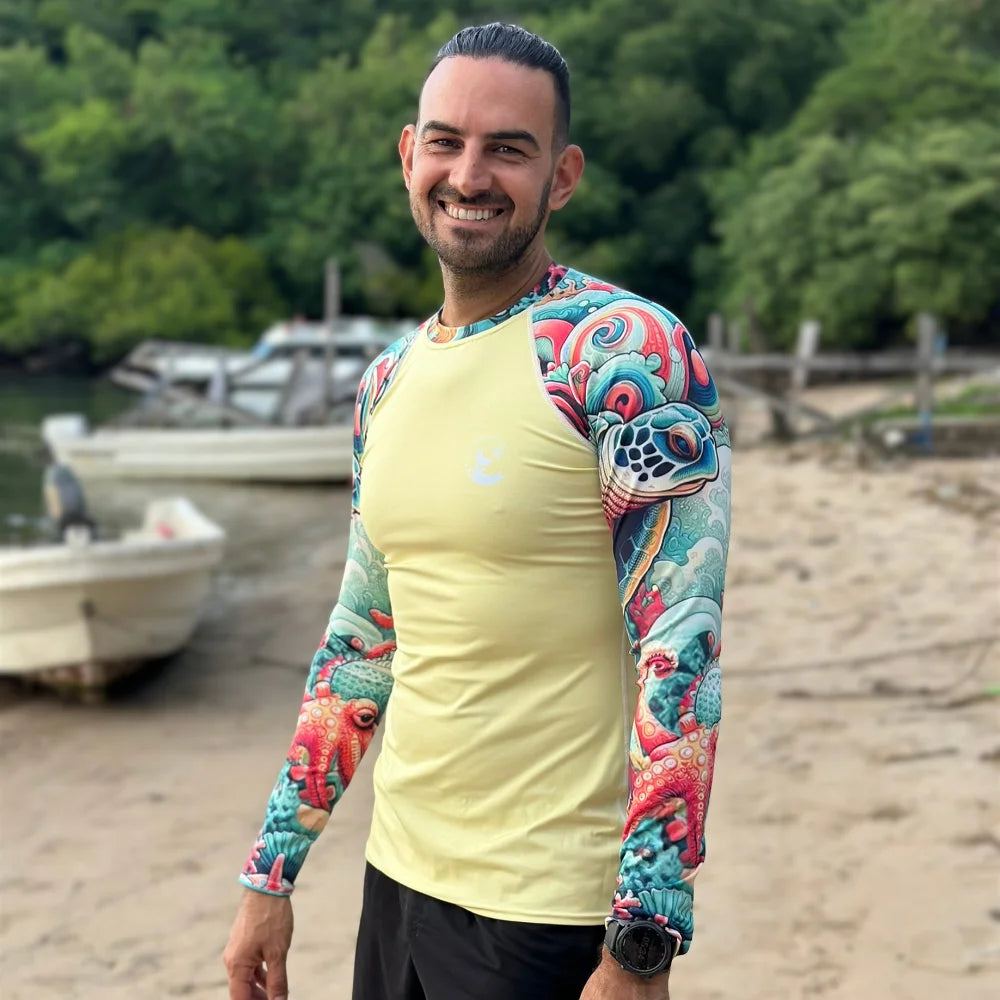
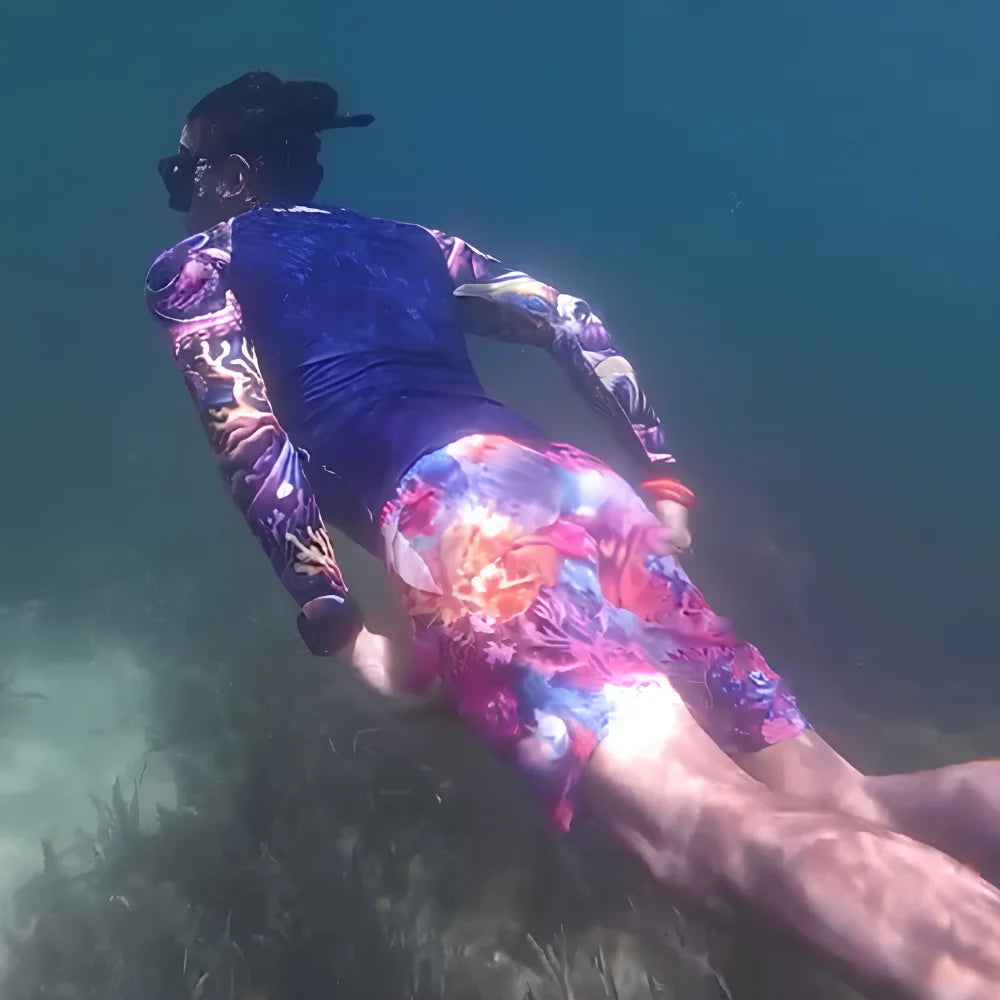
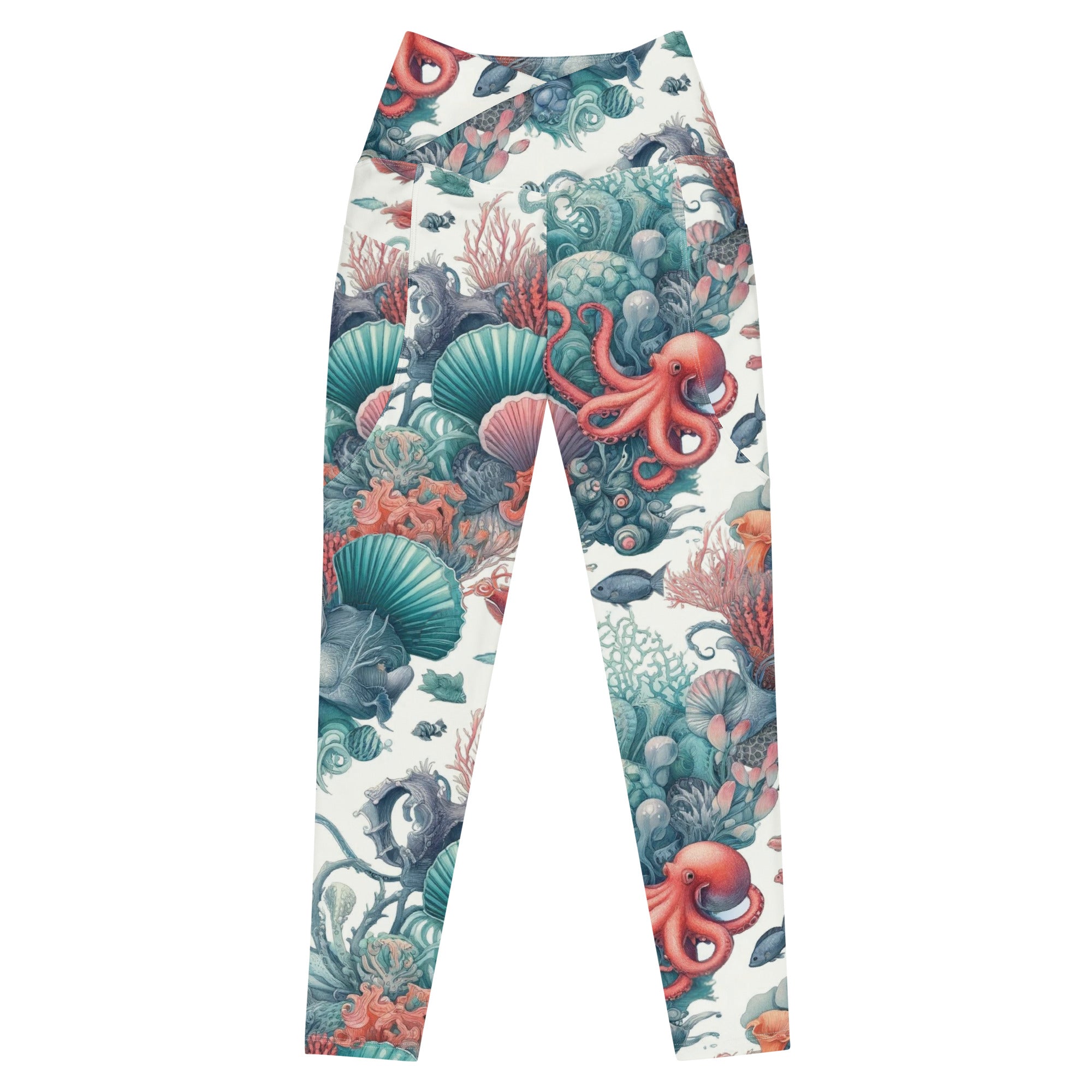
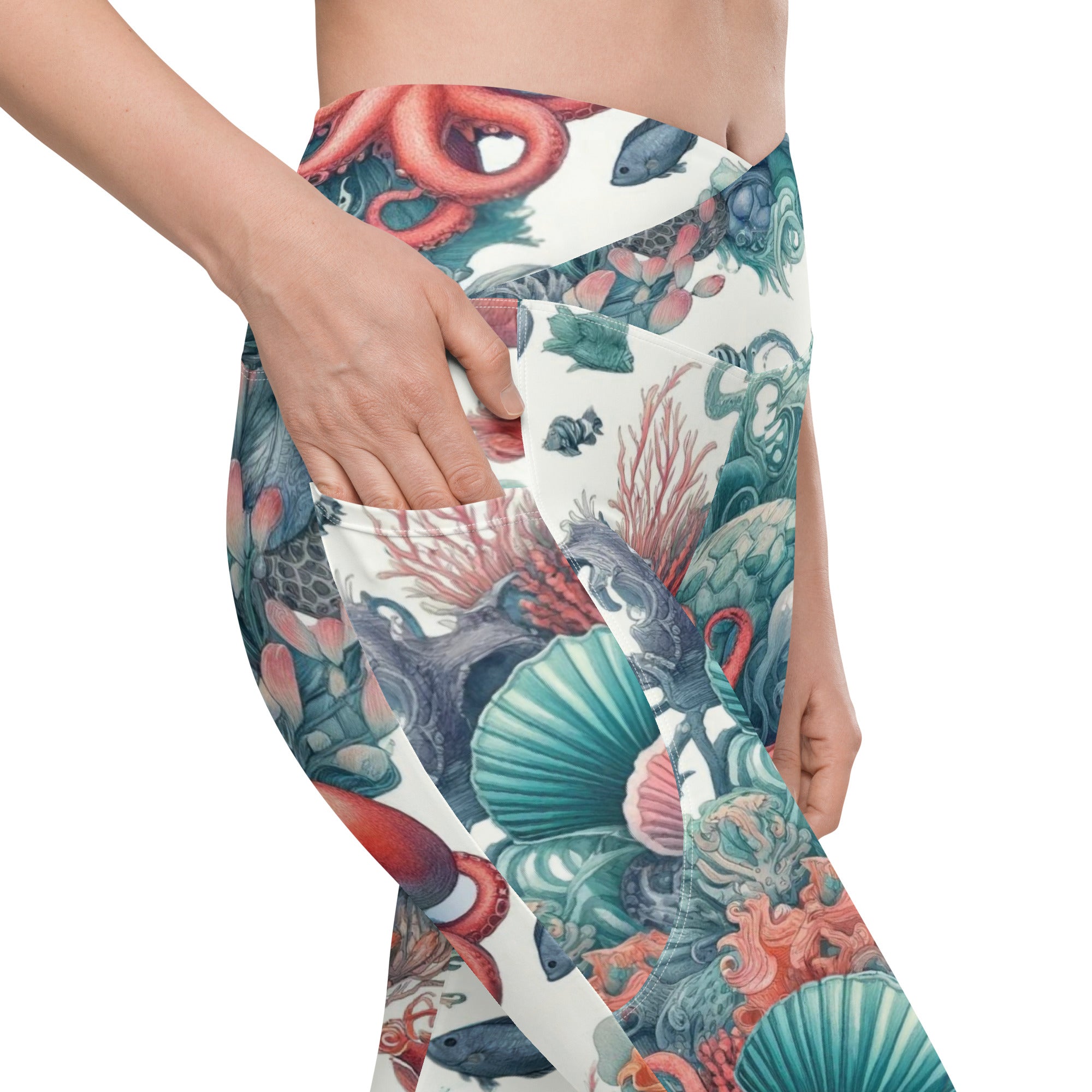
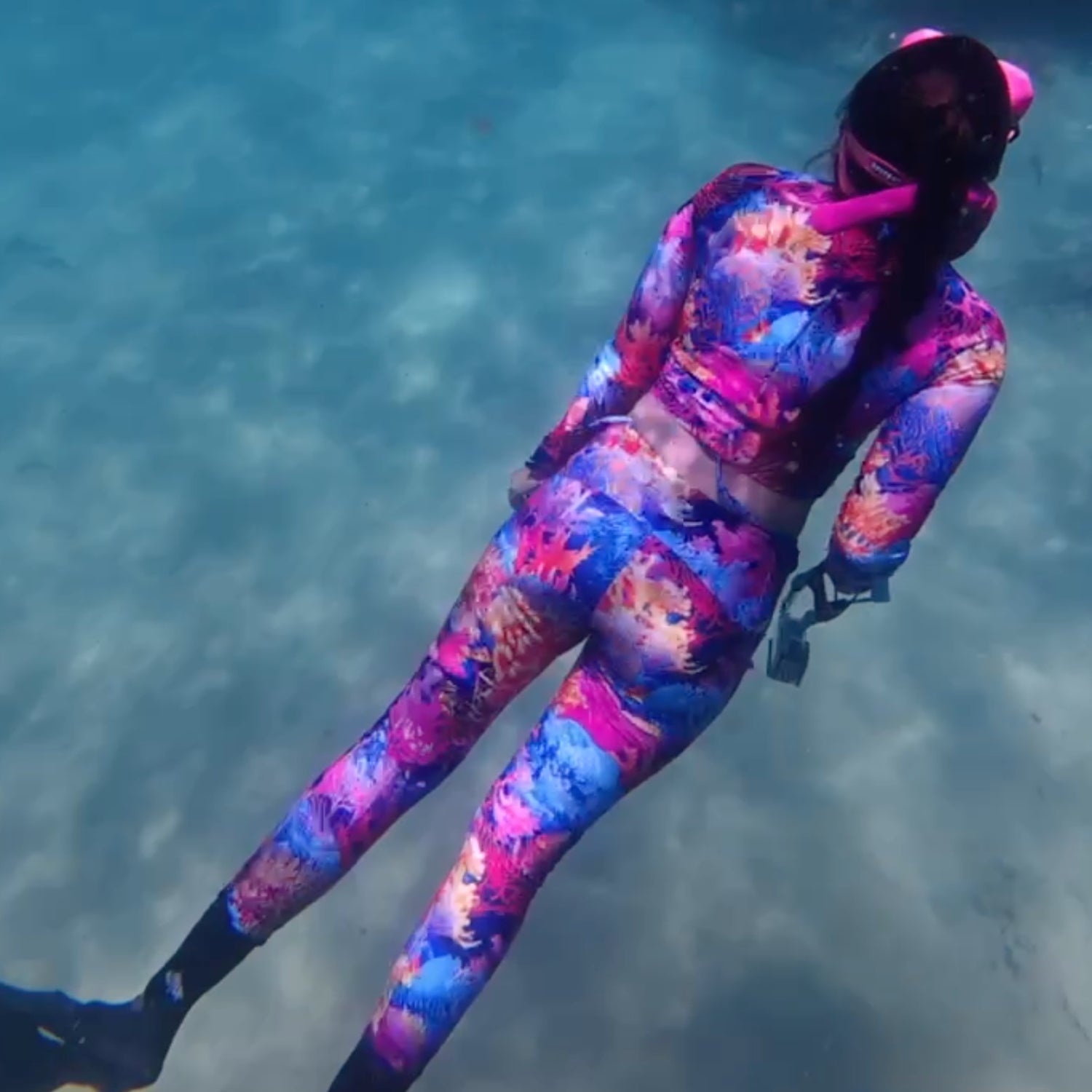
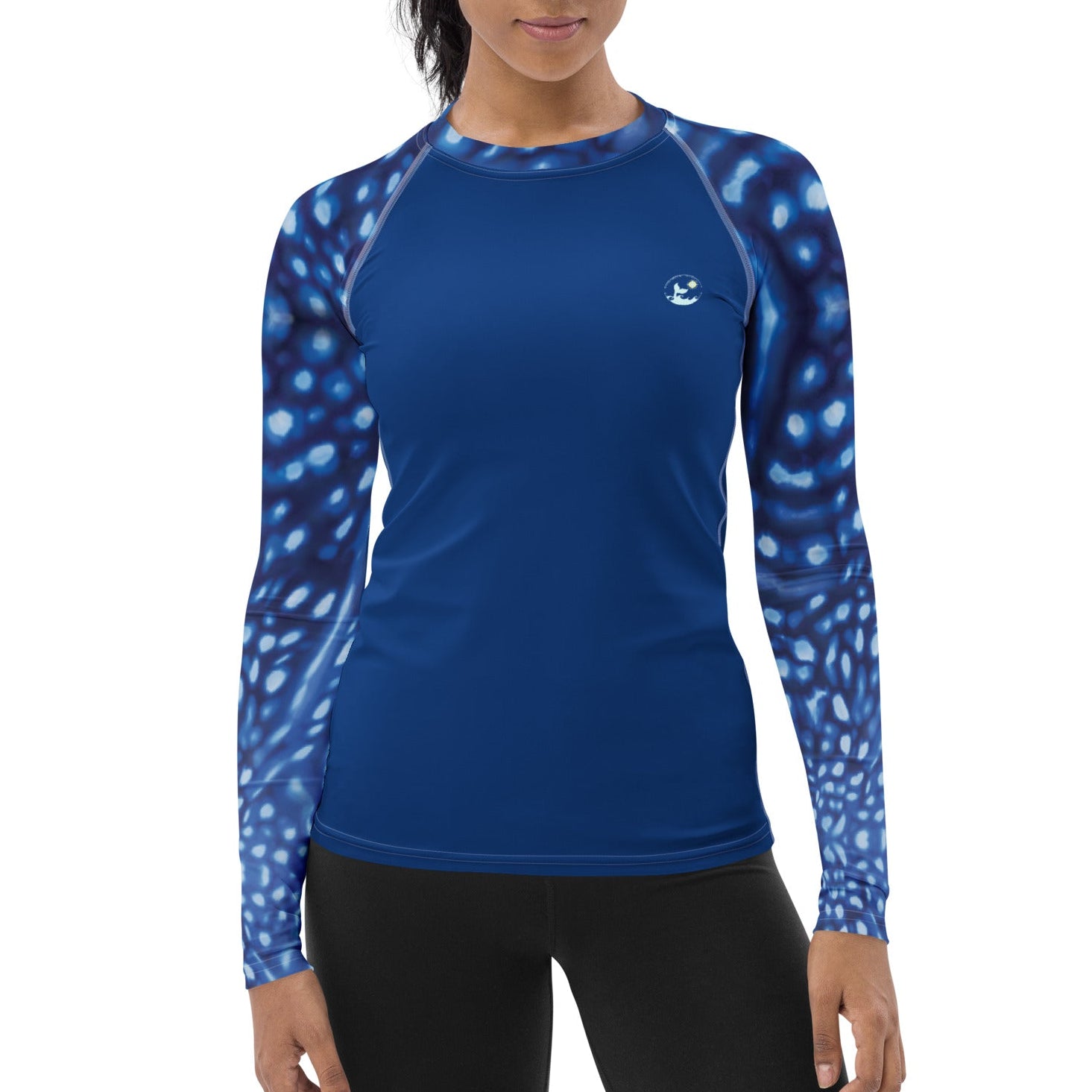
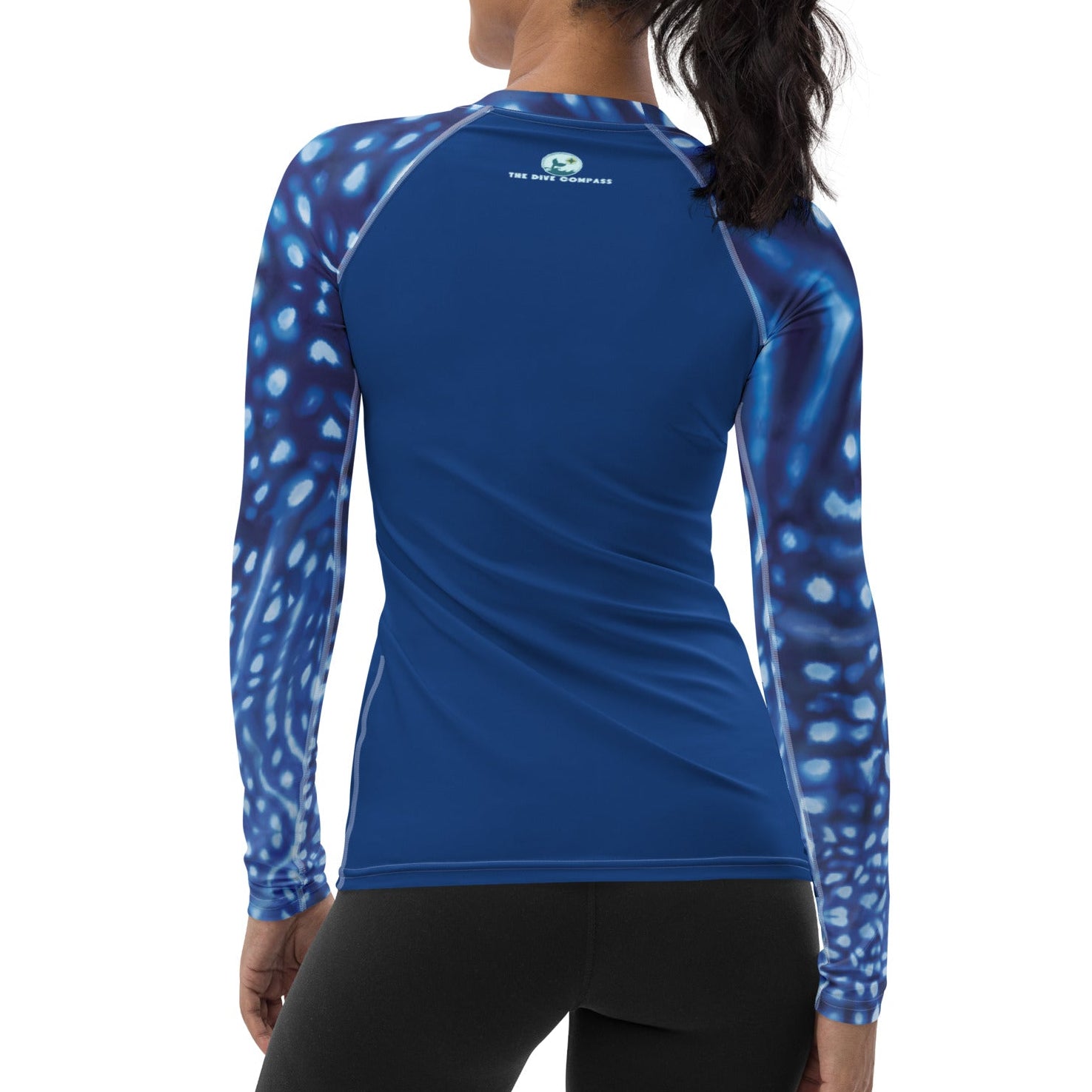
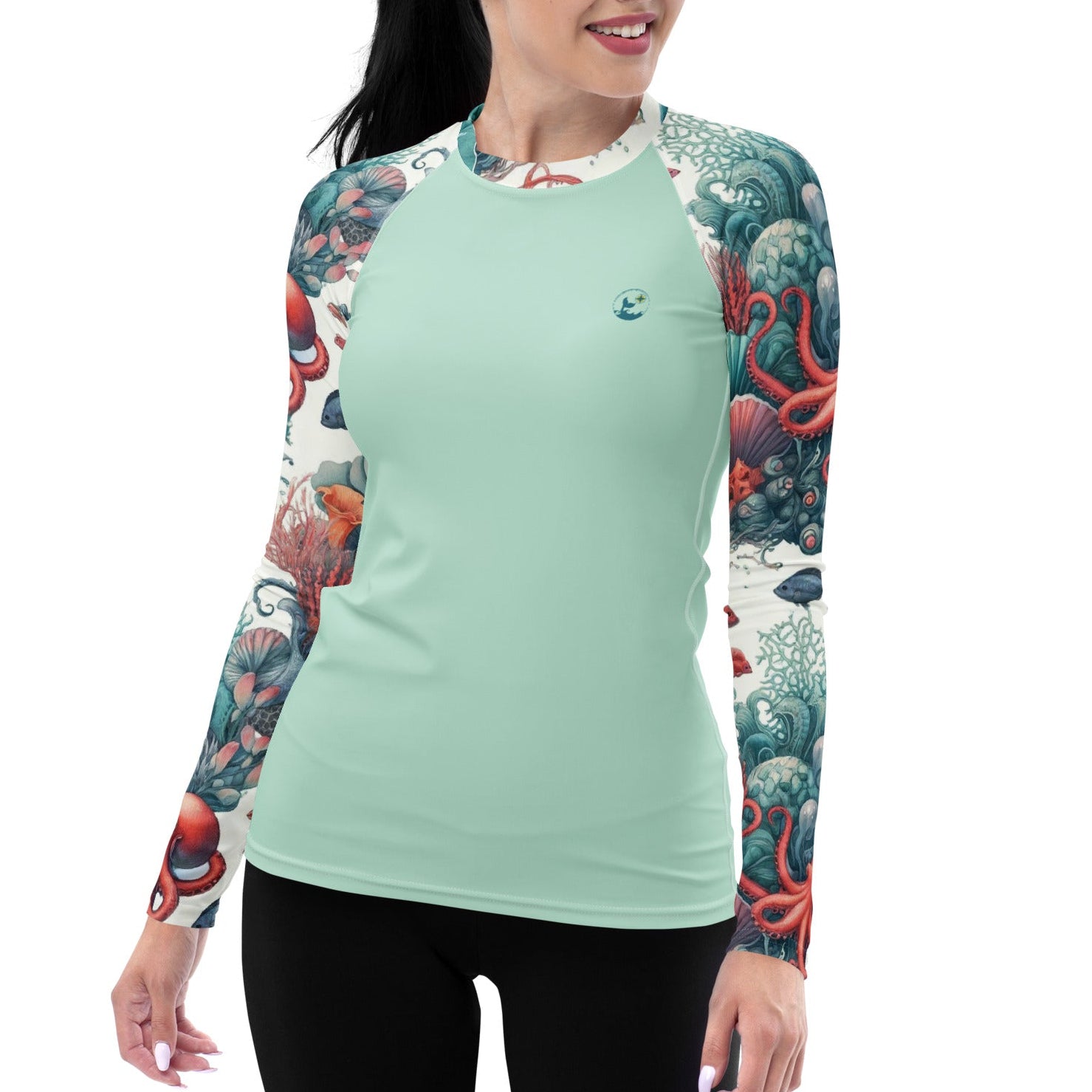
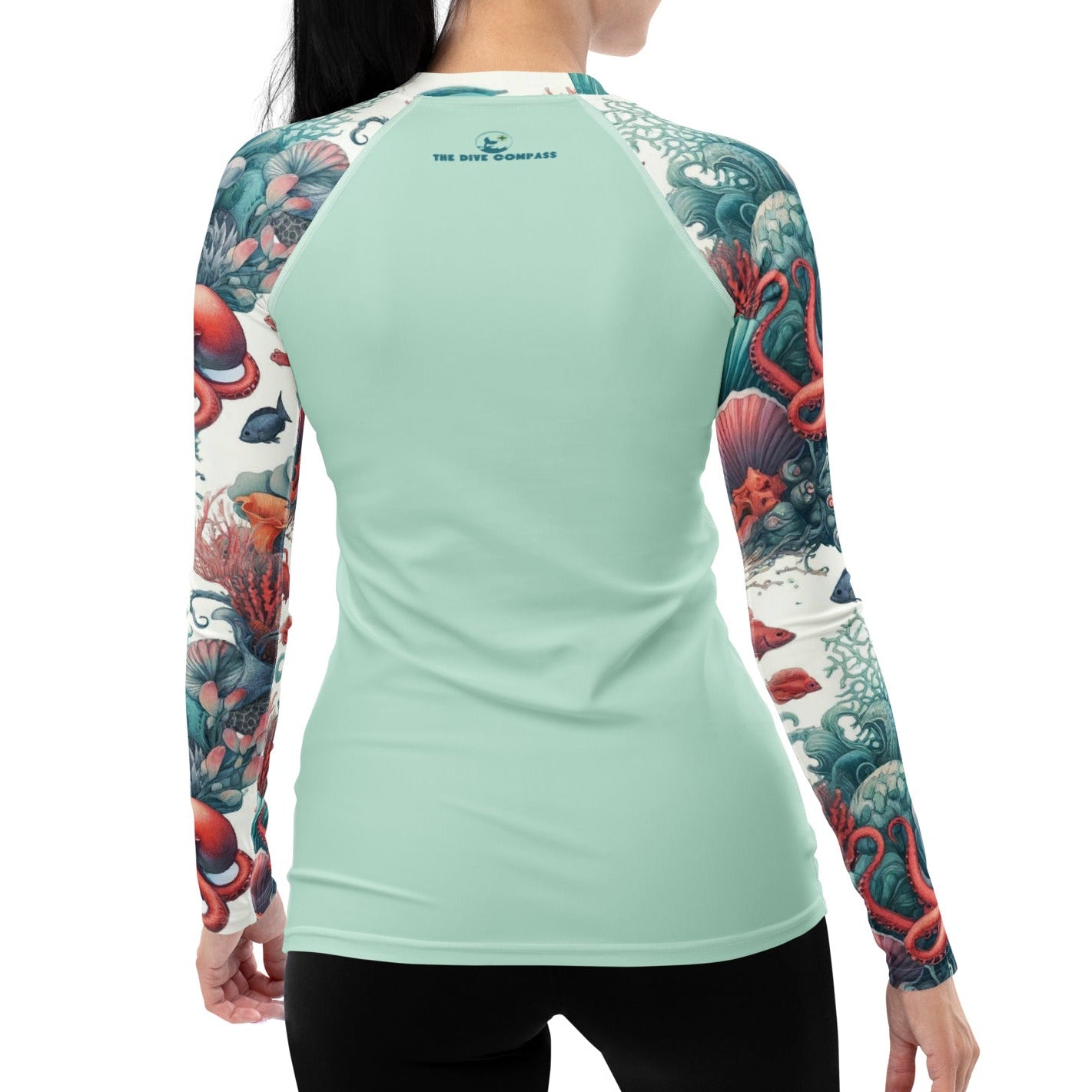
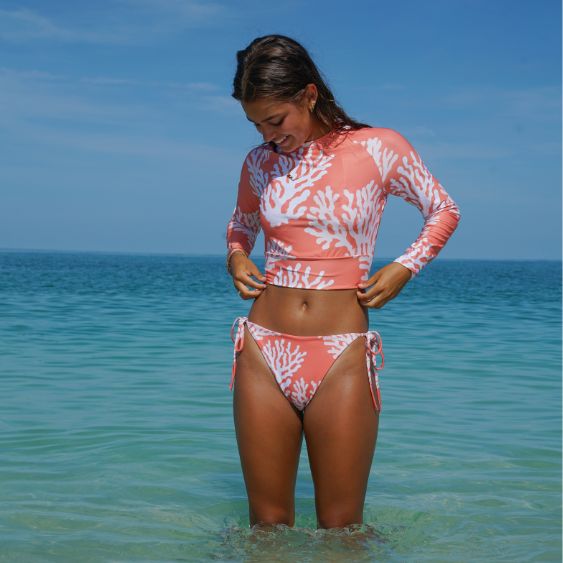
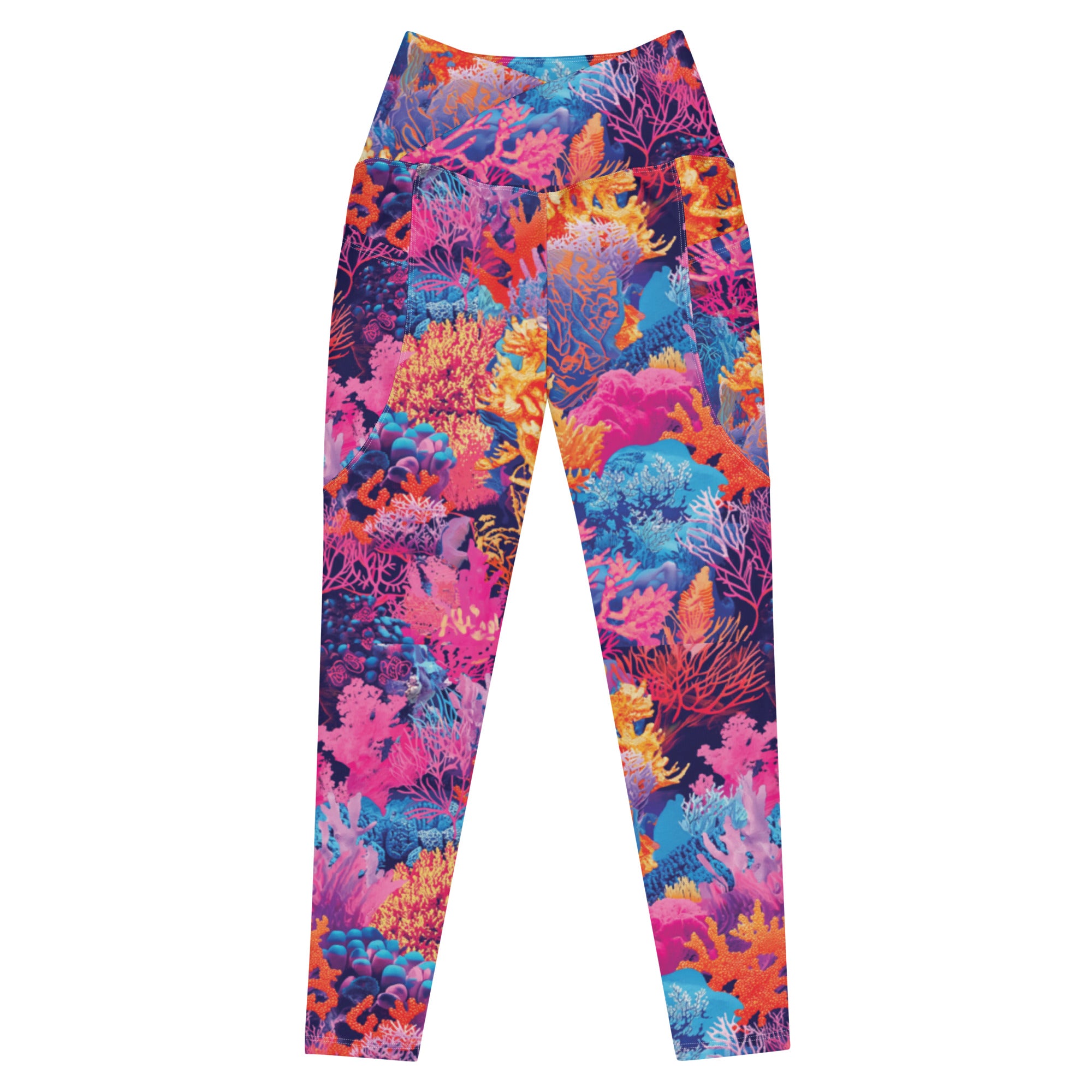
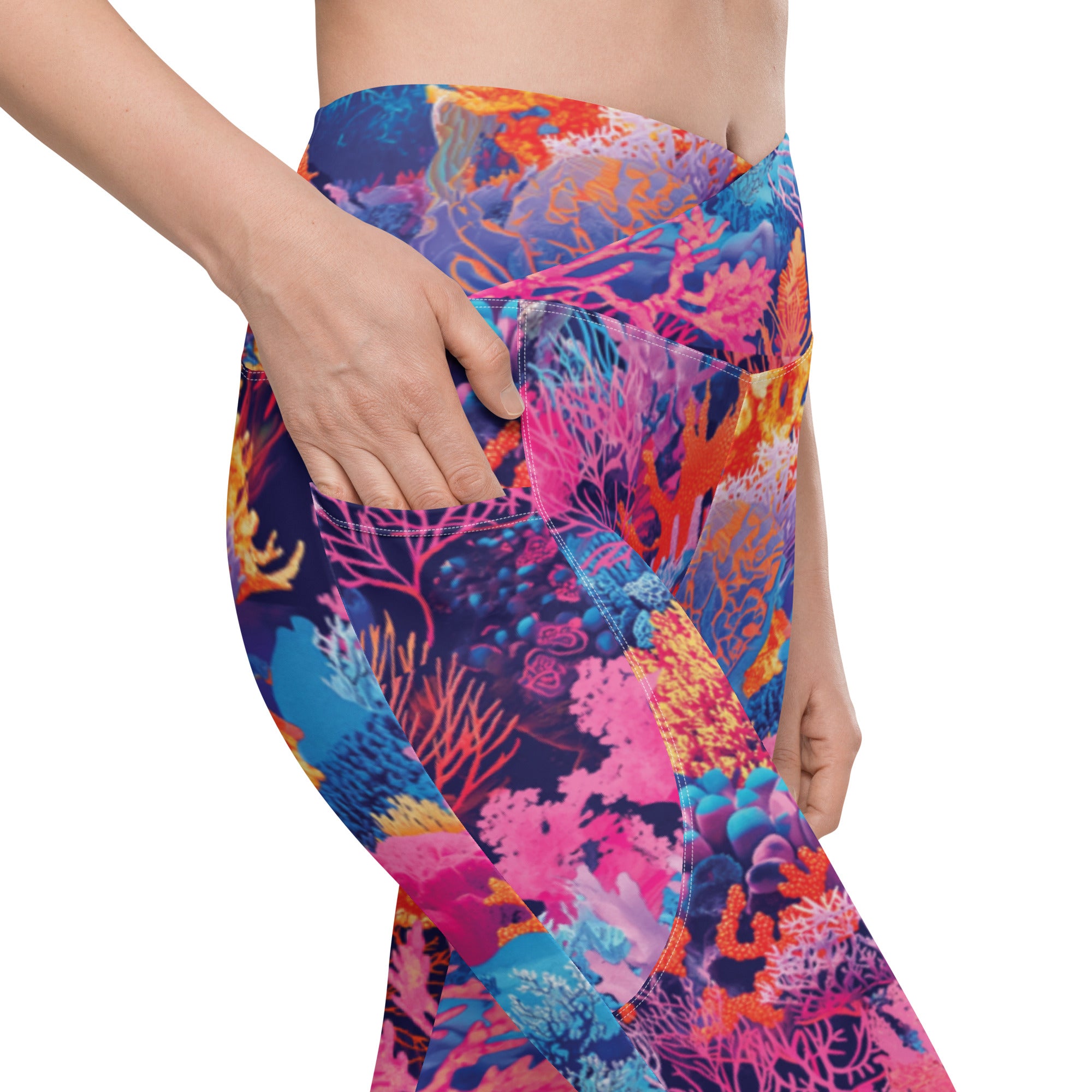
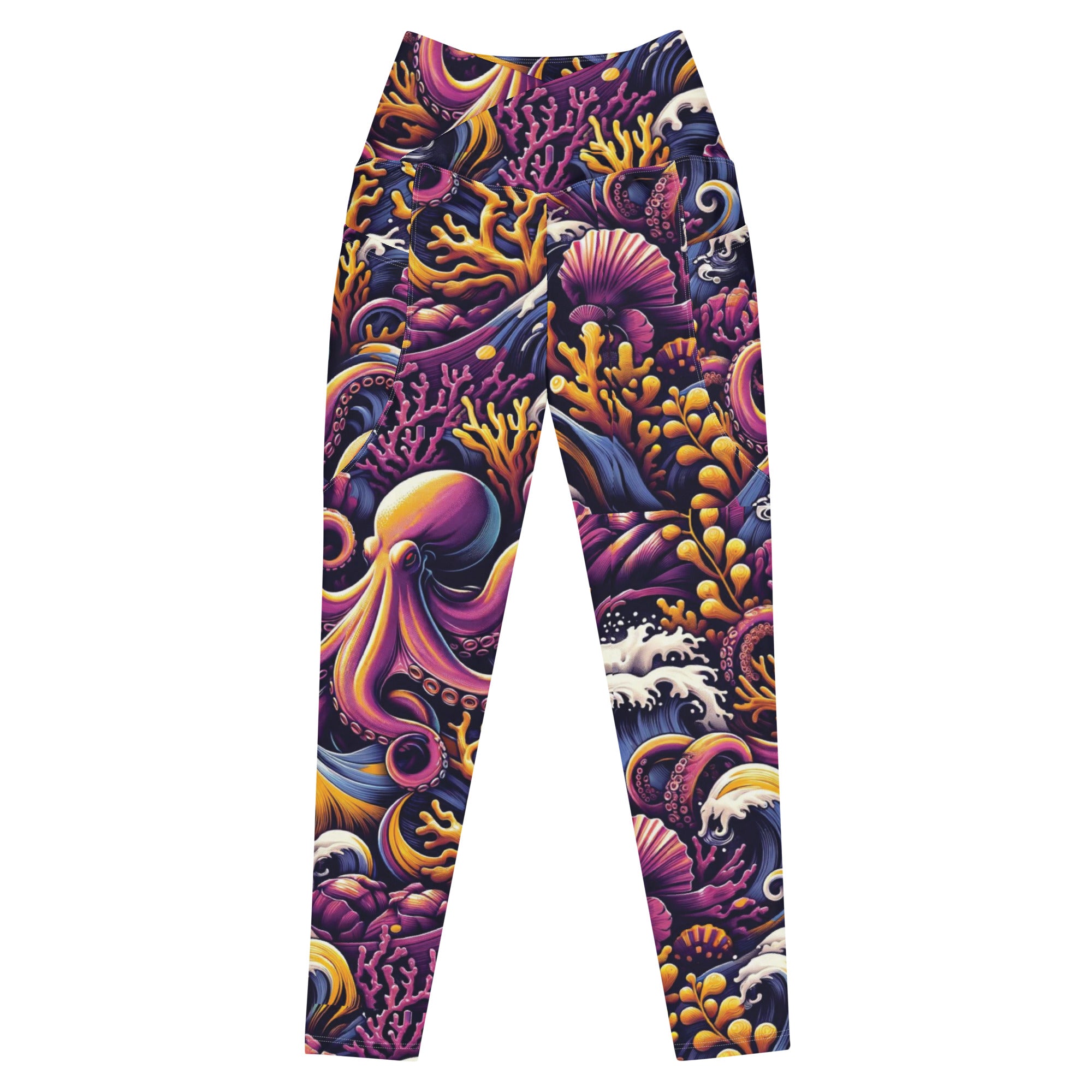
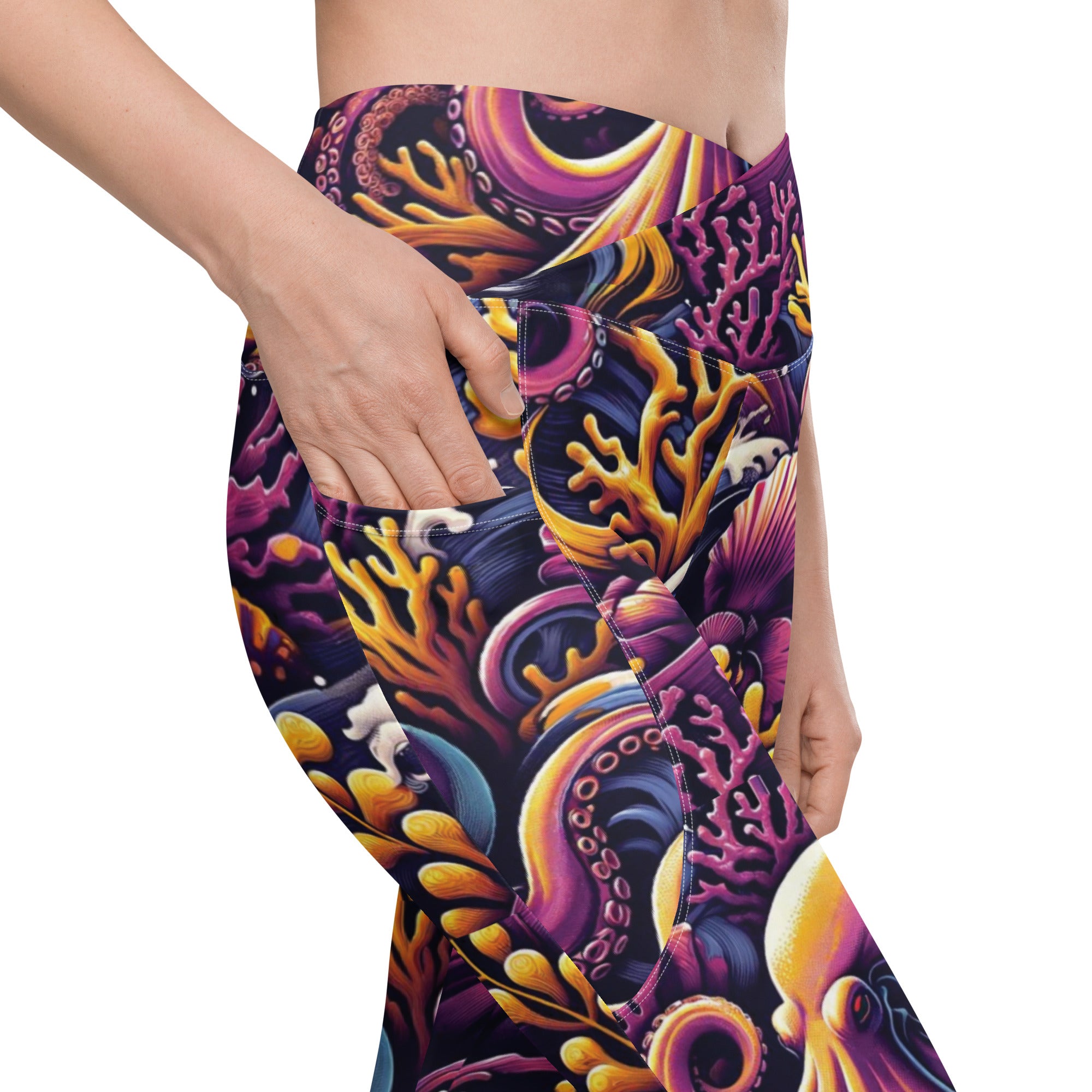
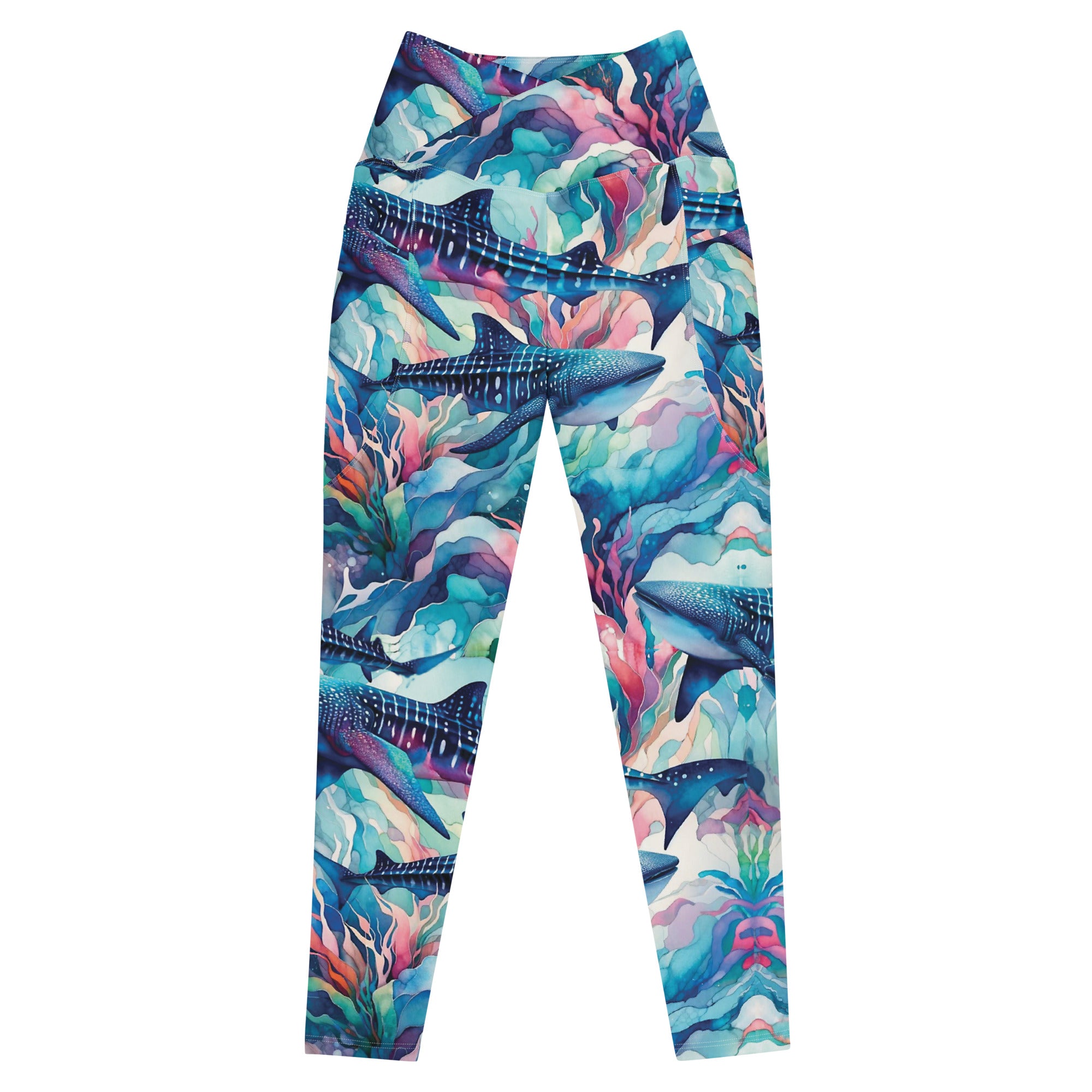
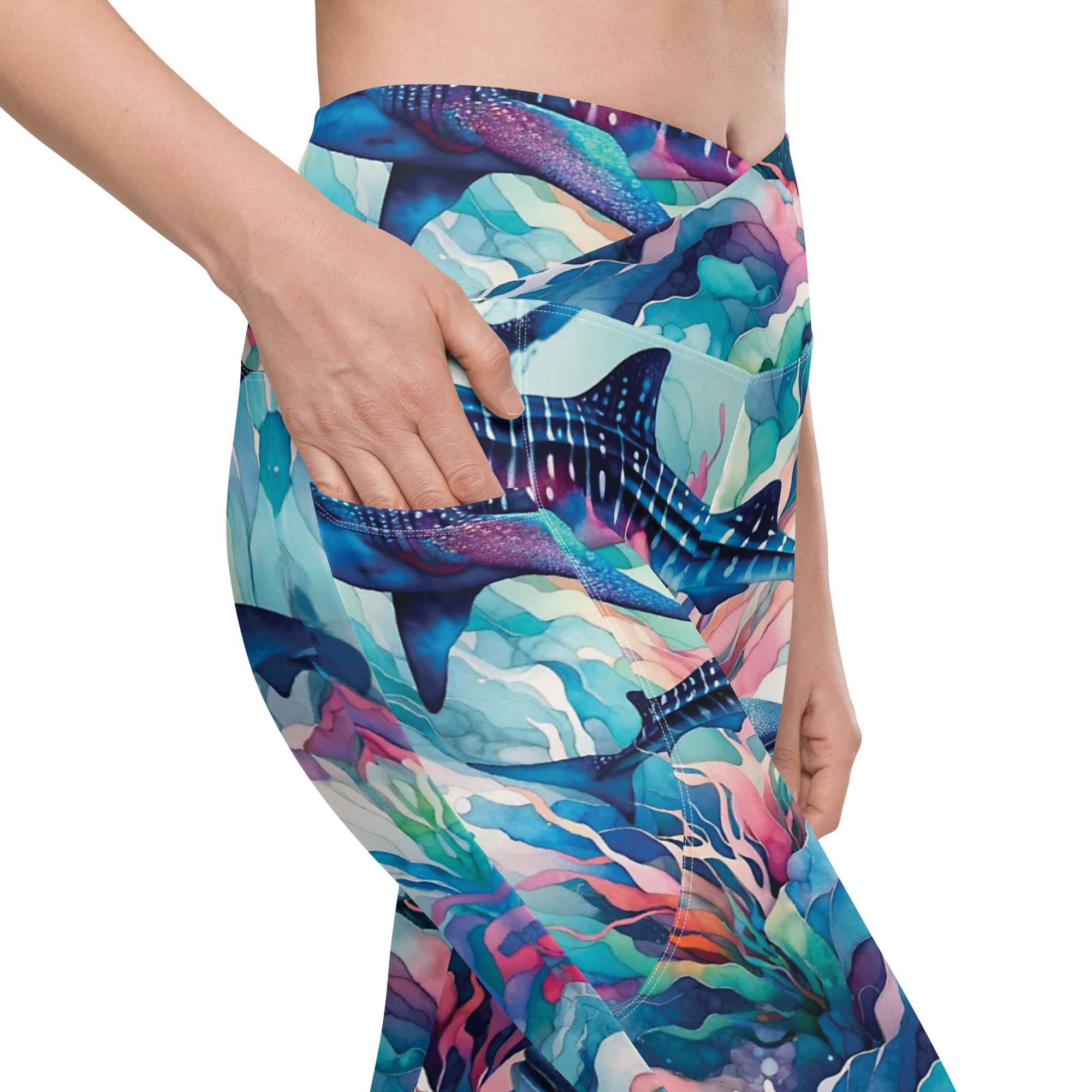
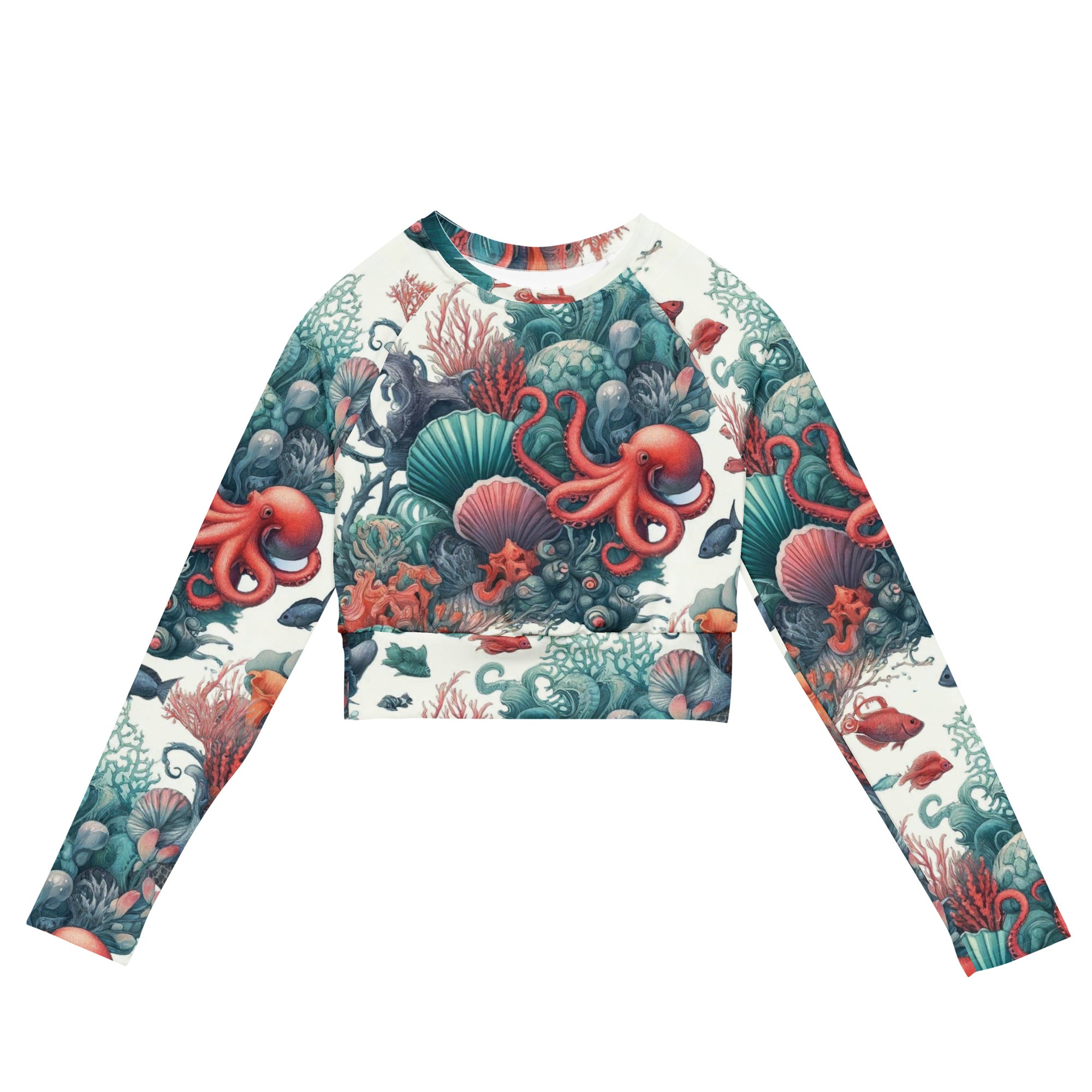
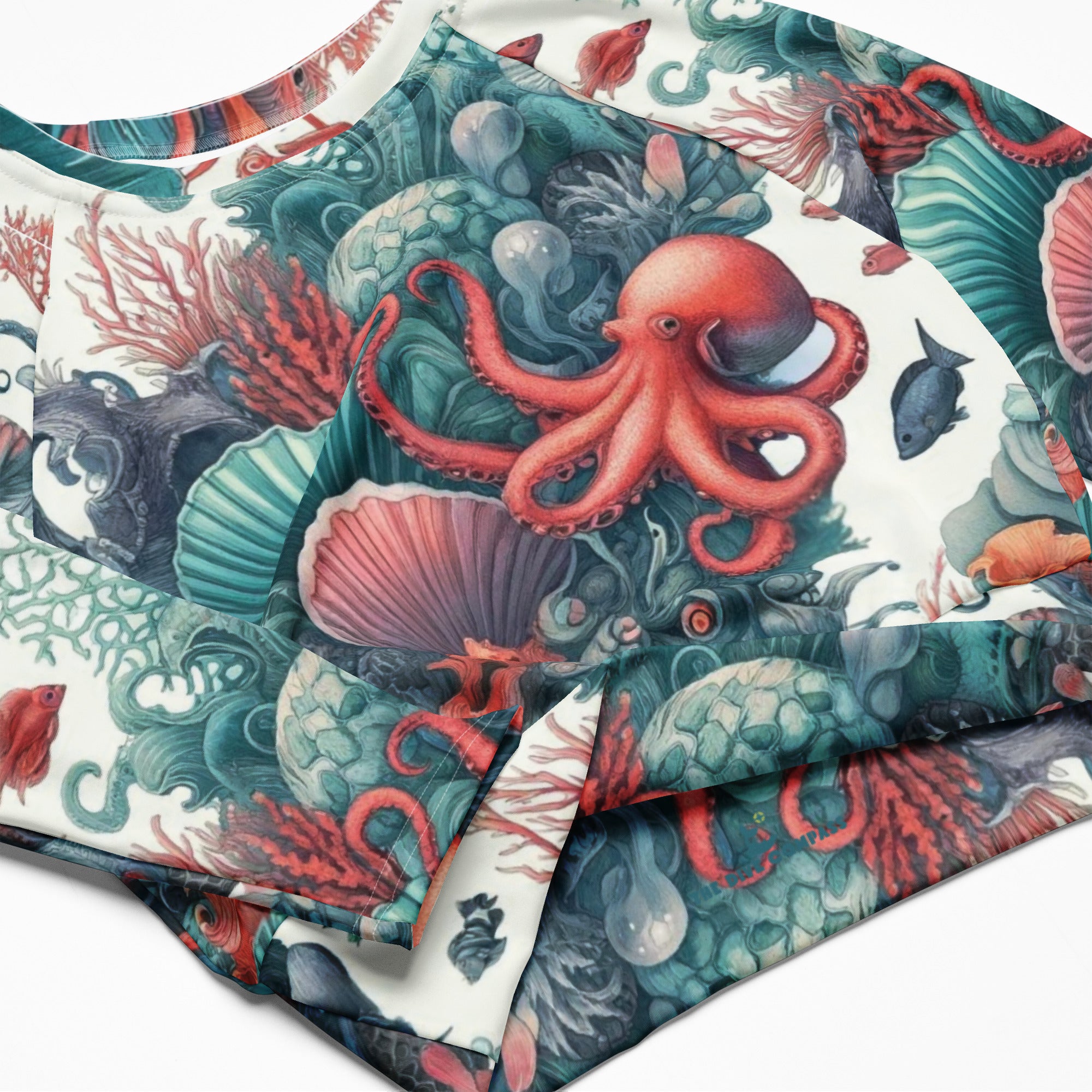
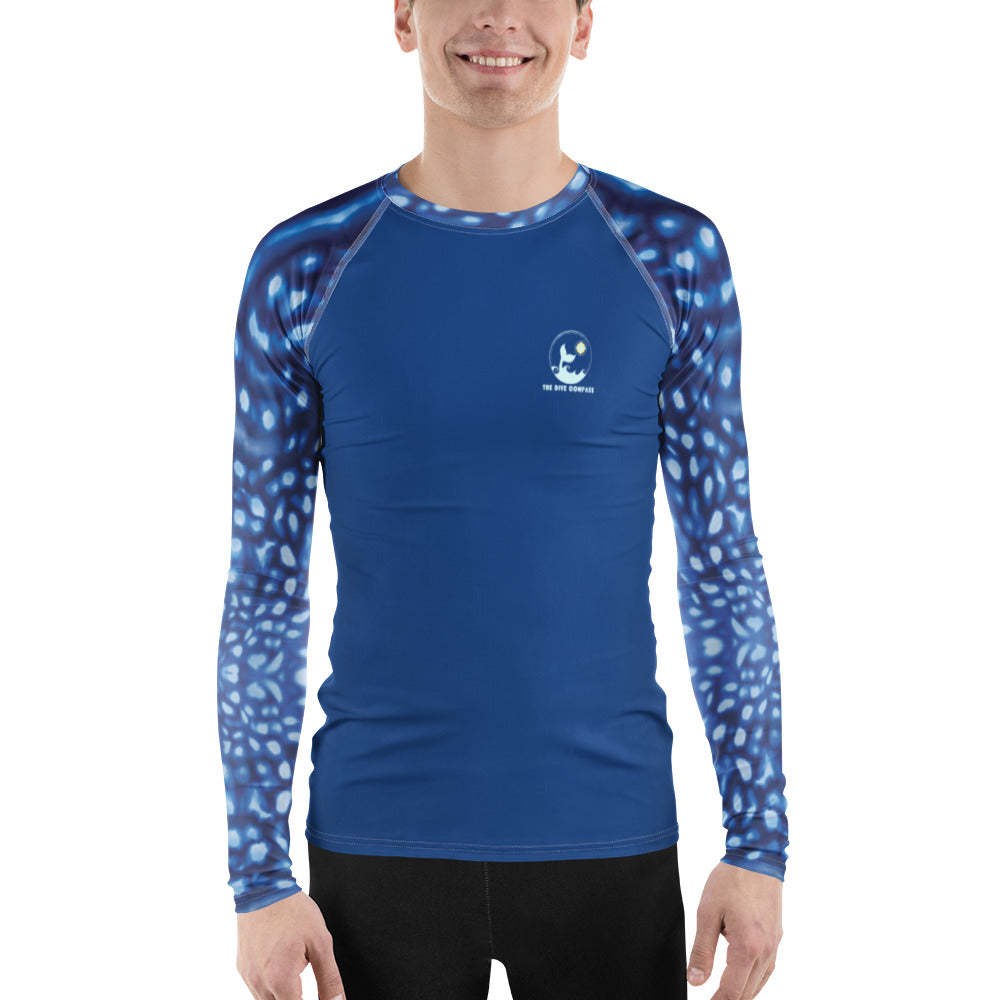
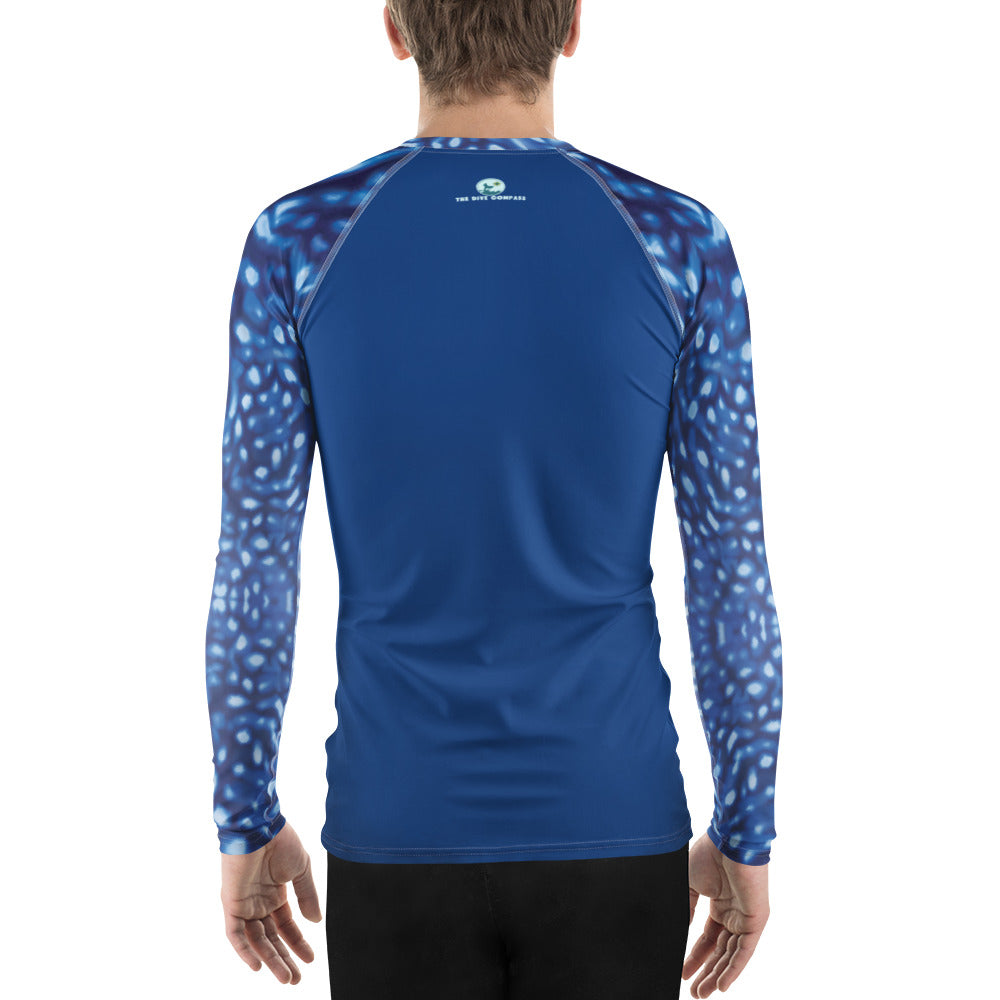
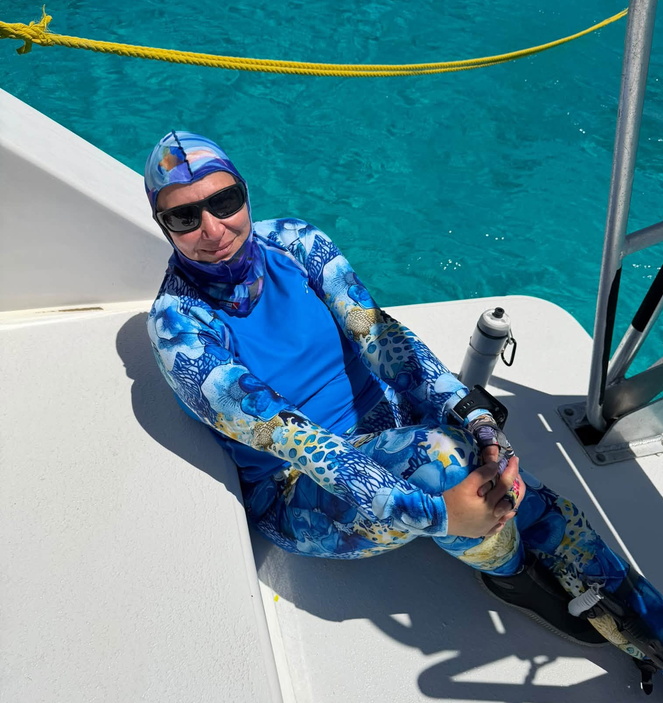
Cooler water requiring a thicker wetsuit: Scuba bikini first, then a rash guard and dive leggings, and finally the wetsuit over the top. Three layers between my skin and the neoprene.
This isn't just for warmth, there's actual science to it. Wetsuits don't keep you warm by being waterproof. They trap a thin layer of water against your skin that your body heats up. If your wetsuit fits loosely, that warm water cycles out and cold water cycles in, and you'll stay cold no matter how thick the suit is. The rash guard and leggings layer underneath helps your wetsuit fit more snugly, which traps that warm water more effectively. The colder the dive, the more this matters. (For more on how to choose between a rash guard, a wetsuit, and combinations of both, this article goes deeper.)

Stage 3 — Between Dives: Staying Warm and Dry on the Surface Interval
The surface interval is where your outfit choices actually matters for comfort. You've just been wet for an hour. The wind is blowing on the boat. Your wetsuit is half-peeled-down to your waist while you wait for the next dive.
What I always have ready for between dives:
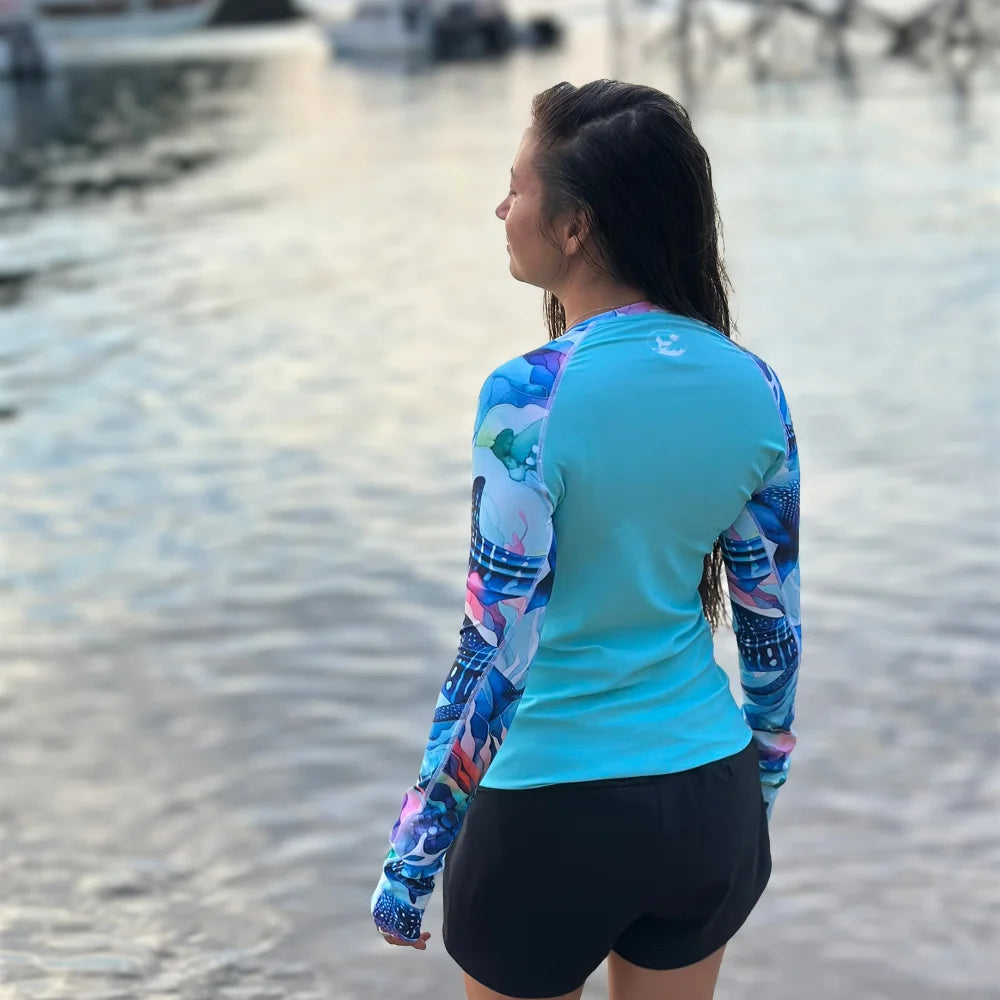
- A jacket or sweatshirt to throw on over my half-peeled wetsuit, especially if it's a cloudy day or cooler air temperatures
- A quick-dry towel
- A dry bikini, especially between dives on live aboards
That last one is the standout, and it's the single biggest comfort upgrade I can recommend for any dive day. Once you're out of the water, instead of sitting in a wet bikini for an hour in the wind waiting to warm up, you change into a dry one. You're warmer and more comfortable. This is my expert tip especially for liveaboards where your cabin is right there and you're doing 4 dives a day, it's so important to conserve your body heat especially if there is a night dive planned.
For the dry bikini, I almost always reach for a string bikini specifically, the ties make it so much easier to change in and out of on a moving boat (especially if privacy is limited).
(I wrote a whole article on why string bikinis are the surface-interval MVP for diving if you want the full version.)
Expert Tip for Liveaboards: On a liveaboard where you're doing four dives a day and your cabin is right there, I'll have an entire rotation of backup bikinis. Change into a dry one for the surface interval. Head back to the room or the deck. Change back into the wet dive bikini before gearing up for the next dive. By the end of the week, every bikini in my bag has been worn for either a dive or a surface interval, with nothing untouched. That's my go-to rotation, and it's the one packing strategy that makes a liveaboard genuinely more comfortable.

Stage 4 — Heading Home: The Dry Bikini Move
At the end of the day when you're packing up, you have one of two options: change into dry underwear, or change into a dry bikini. I always go bikini for two reasons:
- It's much easier to change into under a towel on a beach or at the back at the dive shop.
- You can comfortably walk around town in a bikini and shorts. You can't really walk around in your underwear.
A dry bikini is the most versatile end-of-dive-day garment in your bag. It's casual enough to wear walking around, secure enough to swim in if there's a beach detour on the way home, and you can layer over it without worrying about whether your underwear is showing through your clothes.
The Outfit Mistakes I See Every Single Dive Trip
Okay, this is the part where I have strong opinions, and where you'll genuinely benefit from listening to a divemaster who's seen a lot of new divers show up to dive boats with the wrong gear. Some of these mistakes are mildly annoying. One of them is a genuine hygiene problem... Let me run through them.
Full face of makeup before a dive. I've watched this happen more times than you'd think. Mascara is the obvious one, it's going to run as soon as your eyes get wet, which they will, especially during your first few mask-clearing attempts. Foundation will run. Eyeliner will smudge. By the second dive you'll have black streaks down your face and you'll be wondering why nobody warned you.
Let's talk lipstick. Specifically lipstick. This one isn't just annoying, it's a hygiene issue. Lipstick gets stuck on the mouthpiece of the regulator, and it is genuinely hard to clean off. If you're using rental gear (which most newer divers are), the next person renting that regulator can end up with traces of your lipstick. Please, just don't wear lipstick to a dive. Keep the regulators clean for the next diver.
If wearing some light makeup makes you feel more comfortable on a new dive trip, I genuinely respect that, diving can feel exposing, and you should be allowed to feel like yourself. But skip the lipstick.
Fashion bikinis with hardware. Frills, bows, big plastic rings, heavy metal clasps... anything that's going to dig into your skin under the compression of a wetsuit. Metal clasps under wetsuit pressure can be very uncomfortable. It's the kind of mistake you make once and never repeat.
Itty-bitty fashion string bikinis under your wetsuit. A string bikini under a wetsuit can absolutely work (I wrote a whole article on this), but the tiny fashion variety shifts around so much during the dive that you'll spend half the surface interval re-adjusting it. If you're going to dive in a string bikini, it needs to be one designed for compression and dive movement, not the kind that ties up with literal flimsy string.
My Cold-Water and Night Dive Add-Ons
For colder dives, or for night dives in tropical water (which always feel colder than day dives, even when the water temperature is identical), I add:
- A heavier sweatshirt or fleece for the ride home
- A wetsuit changing poncho, the long towel ones you pull over your head, which makes changing in public infinitely easier
- A quick-dry towel for between dives
- The full rash guard + leggings base layer under the wetsuit
- A neoprene hood
Night dives specifically, I'm always freezing afterwards. The post-night-dive chill is real, and it doesn't matter if you're in 28°C water. Pack like you'll be cold even if logic says you shouldn't be, you'll be surprised how much heat can be sucked out of your body after 4 dives a day even in tropical water.
Build Your Dive Day Outfit: A Stage-by-Stage Checklist
To pull this all together, here's the checklist I actually run through when I'm packing for a dive day:
Stage 1 — Pre-dive:
- Scuba bikini (the one you'll dive in)
- Shorts
- Crop top or tank top
- Sweatshirt or light jacket (cool morning)
- Hat (with chin strap if it's windy), sunnies, reef-safe sunscreen (non-nano zinc oxide only)
Stage 2 — Under the wetsuit:
- Scuba bikini (you've already started the day with this)
- Rash guard (cooler water recommended)
- Leggings (cooler water recommended)
Stage 3 — Between dives:
- Jacket or sweatshirt
- Quick-dry towel
- Dry string bikini for surface interval changes
- (Liveaboard- full rotation of bikinis in your cabin)
Stage 4 — Heading home:
- Dry bikini
- Clean cover-up
- A waterproof bag for your wet dive gear, or I will roll it in my quick dry towel after returning to shore
Add-ons for cold water or night dives:
- Wetsuit changing poncho
- Extra layers (fleece, heavy sweatshirt, or waterproof jacket)
- Second quick-dry towel
There you have it! Build your dive day outfit around these four stages and you'll be more comfortable than 90% of the people on any given dive boat, and you won't be the new diver with mascara running down your face by dive two.
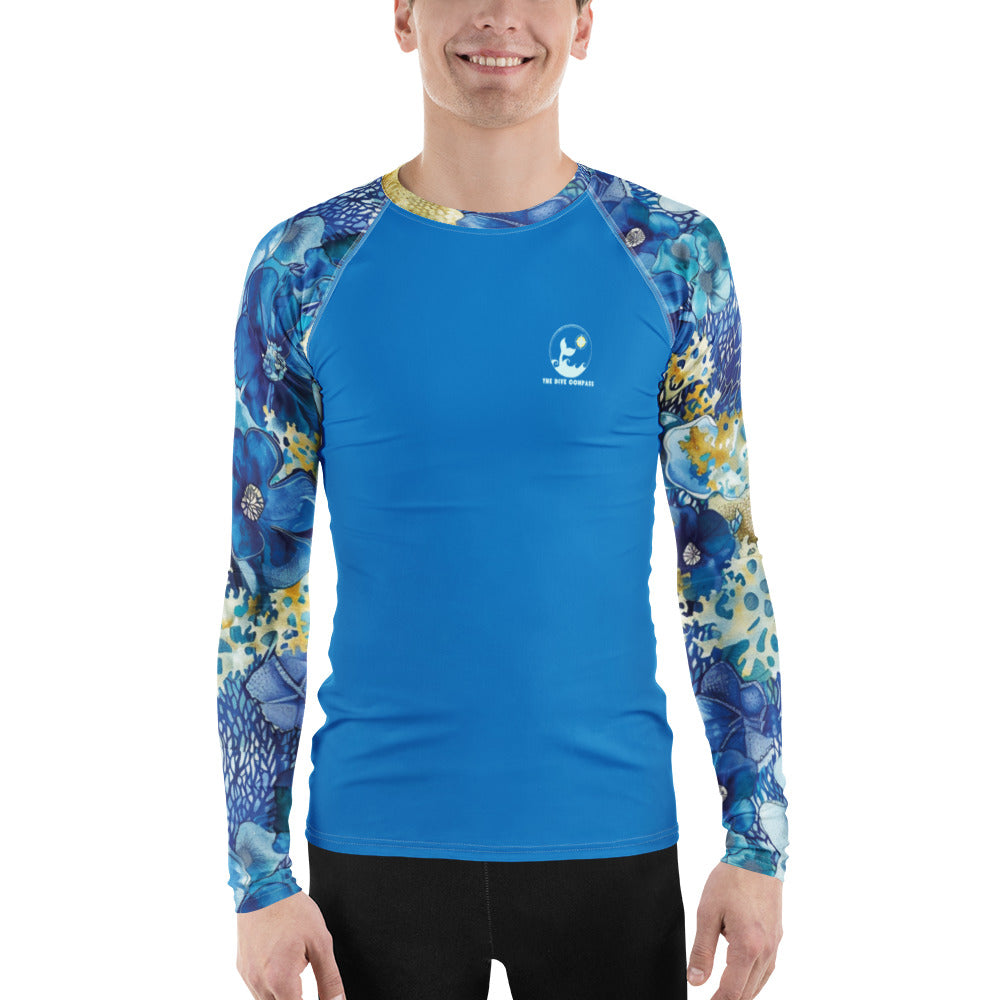
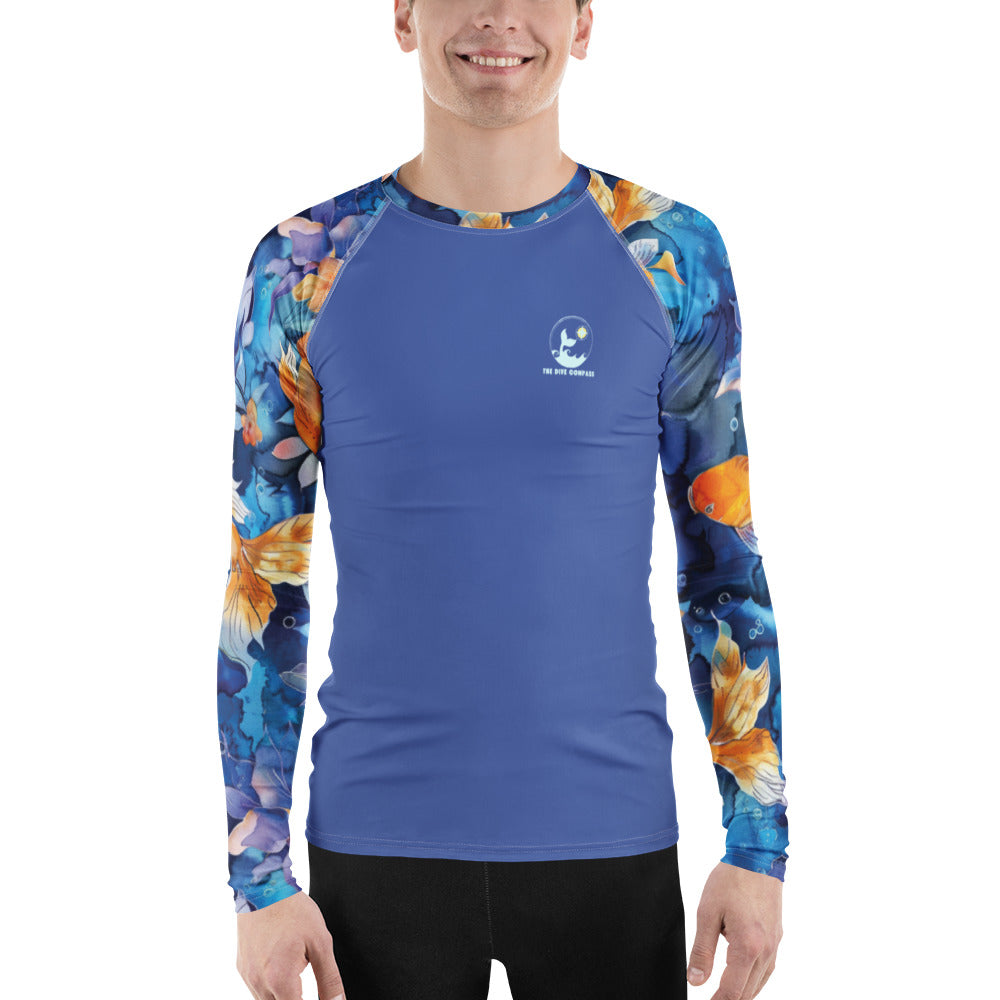
If you're putting together your first dive kit and want a starting point, the scuba bikini collection is the foundation piece (dive-rated, designed to stay put), the rash guard collection is the surface-interval workhorse, and the dive leggings collection handles cooler water. Everything in this article can be built from those three categories.
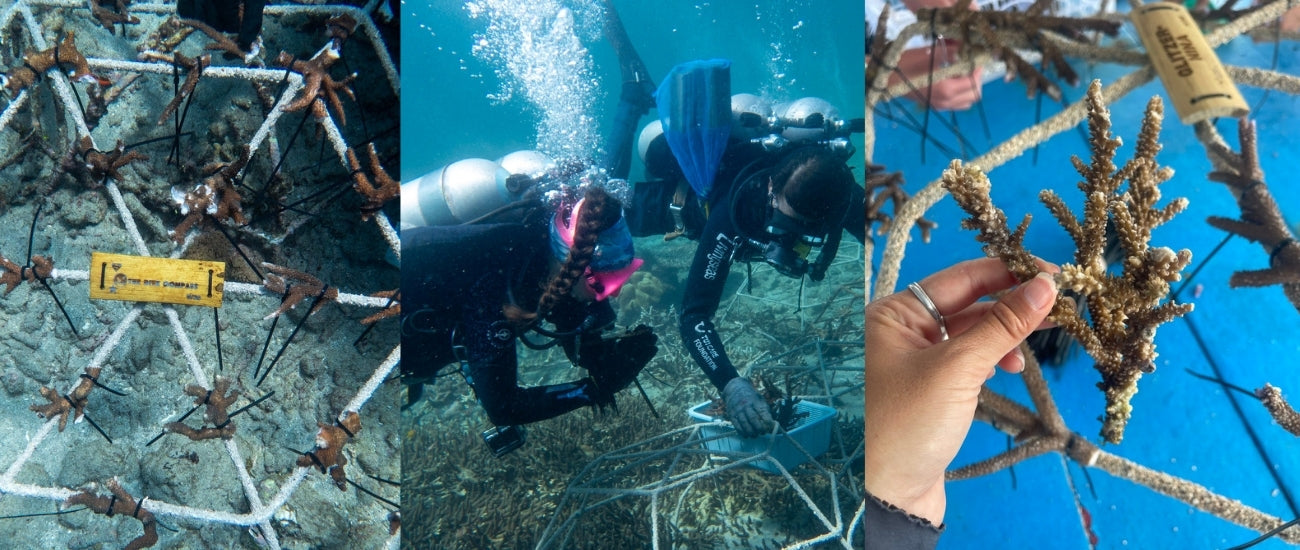
Every Dive Compass piece is made-to-order from recycled polyester, and 10% of every purchase plants corals in Bali through our partnership with Livingseas Foundation. Your dive day outfit ends up doing more than just keeping you warm, it plants a coral too!
If you've got a specific trip coming up and want help thinking through what to pack, send me a message. I love hearing from you.






























Leave a comment
This site is protected by hCaptcha and the hCaptcha Privacy Policy and Terms of Service apply.