














Scuba Leggings for Diving: Are They Worth It?
A divemaster's honest take on swapping your wetsuit for leggings and a rash guard; what they're great at, what they're not, and whether they belong in your dive bag.
I started The Dive Compass after one too many dives that ended in sunburn on the boat, or fighting to take off my wetsuit without untying my bikini. There had to be a better way to dress for a dive day. Scuba leggings were a big part of the answer.
Here's exactly when scuba leggings are worth it, when they're not, and what makes a dive-specific pair different from the gym leggings already in your drawer.
What scuba leggings actually are (and who they're for)
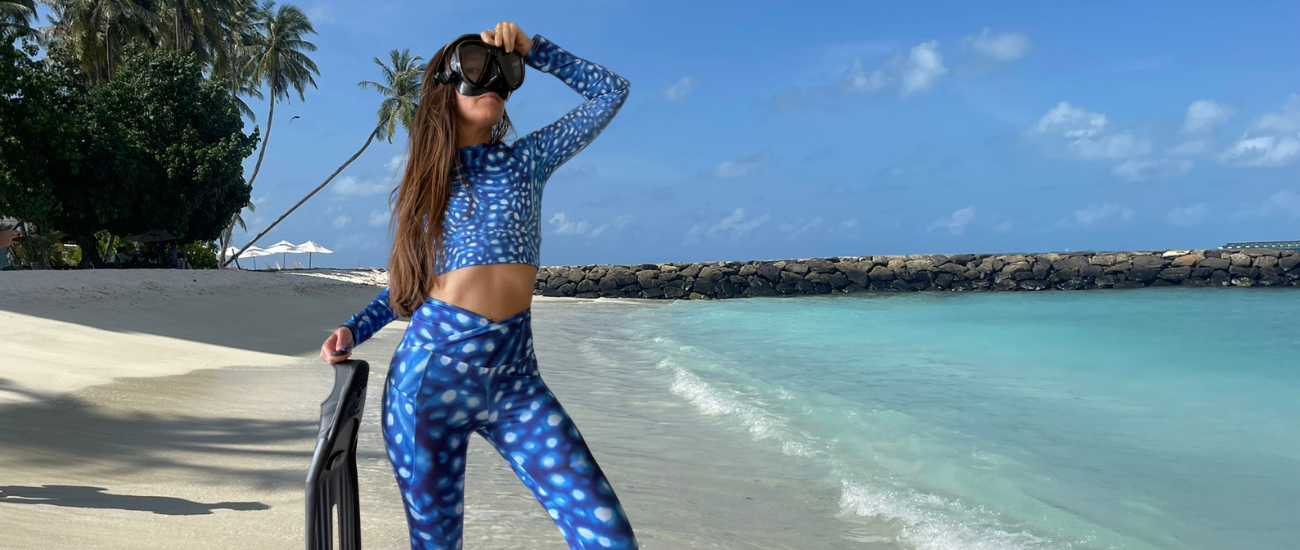
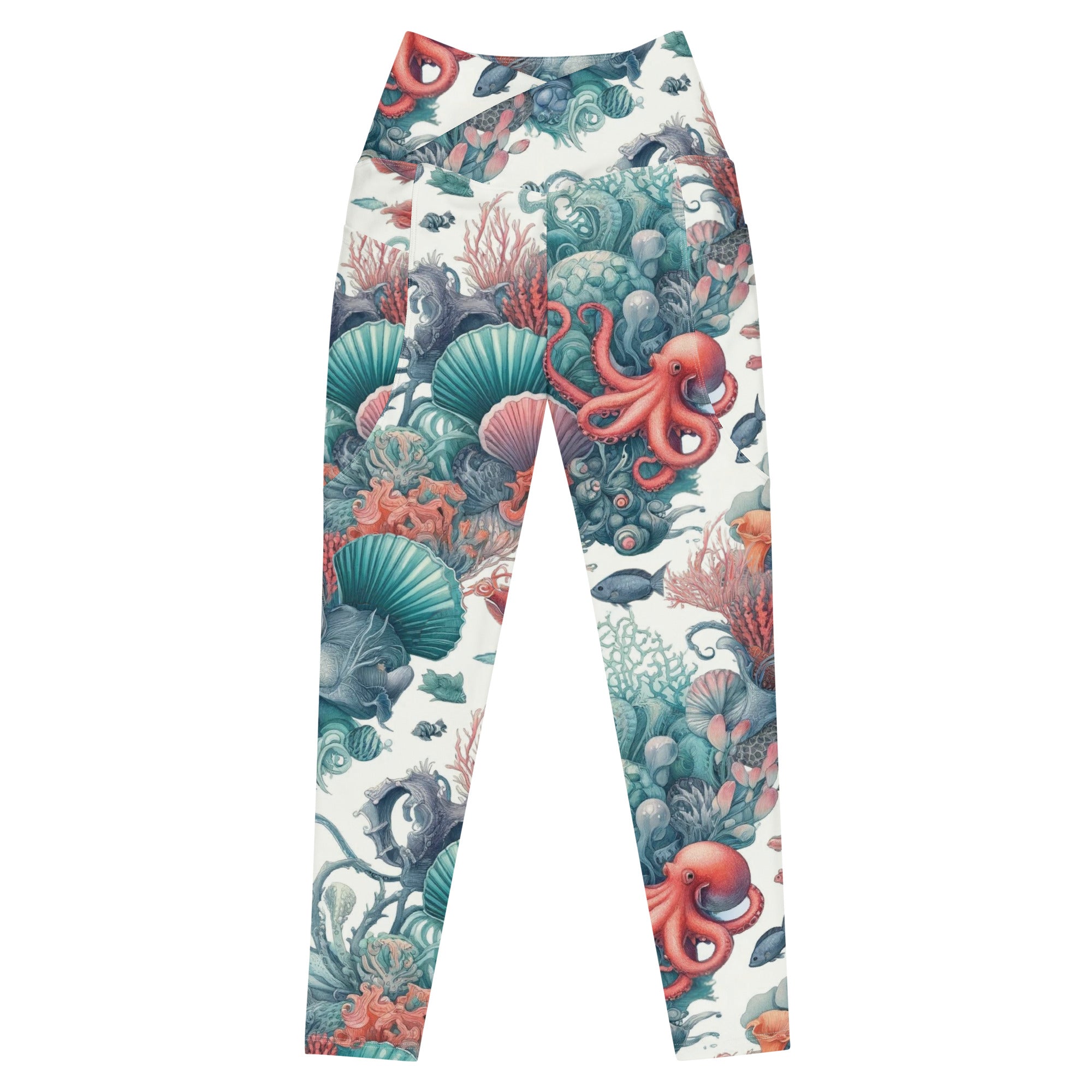
Scuba leggings are full-length, water-ready leggings built to be worn in and around the ocean, not at the gym. The good ones are made from quick-drying, moisture-wicking recycled fabric with UPF 50+ sun protection, a secure waistband that won't roll, and a fit that stays put instead of bunching under your gear.
They do two jobs:
- As a base layer under your wetsuit: they help you slide the wetsuit on (no more skin-on-neoprene fight), add a thin bit of warmth, and stop chafe on long dive days.
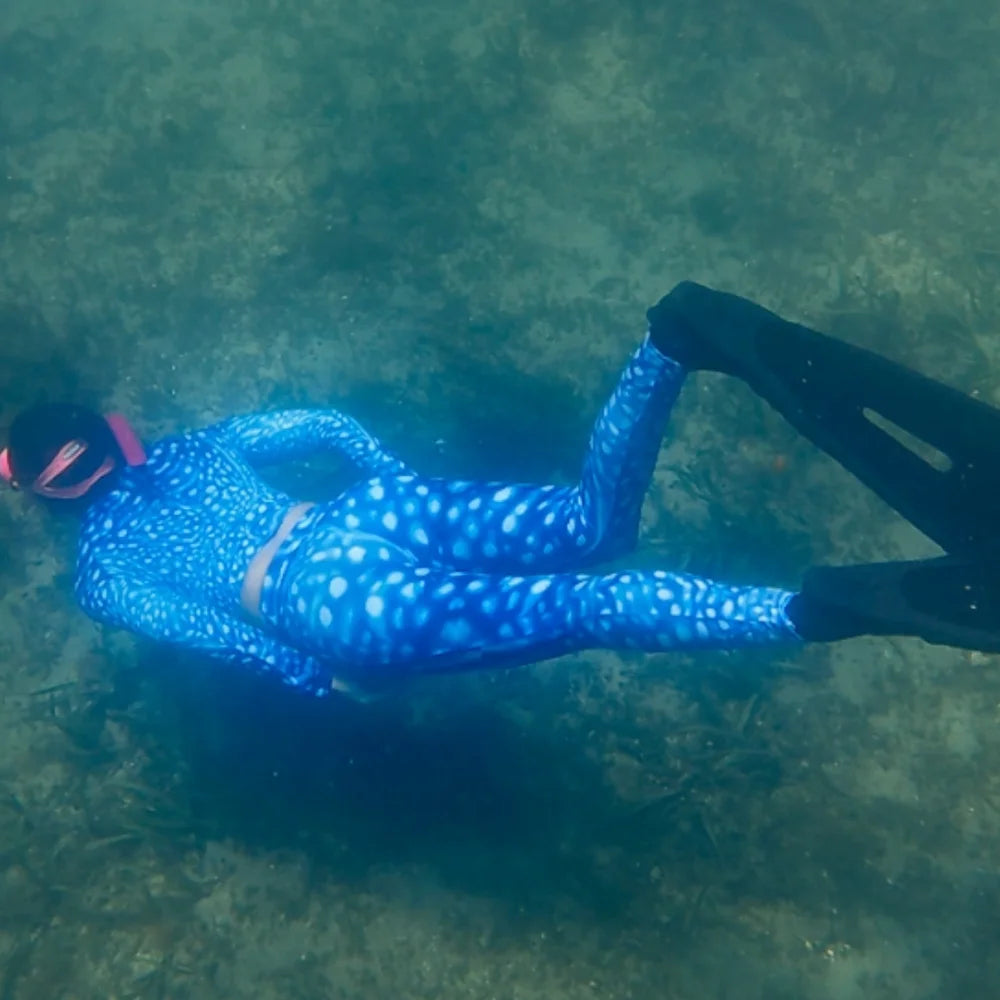
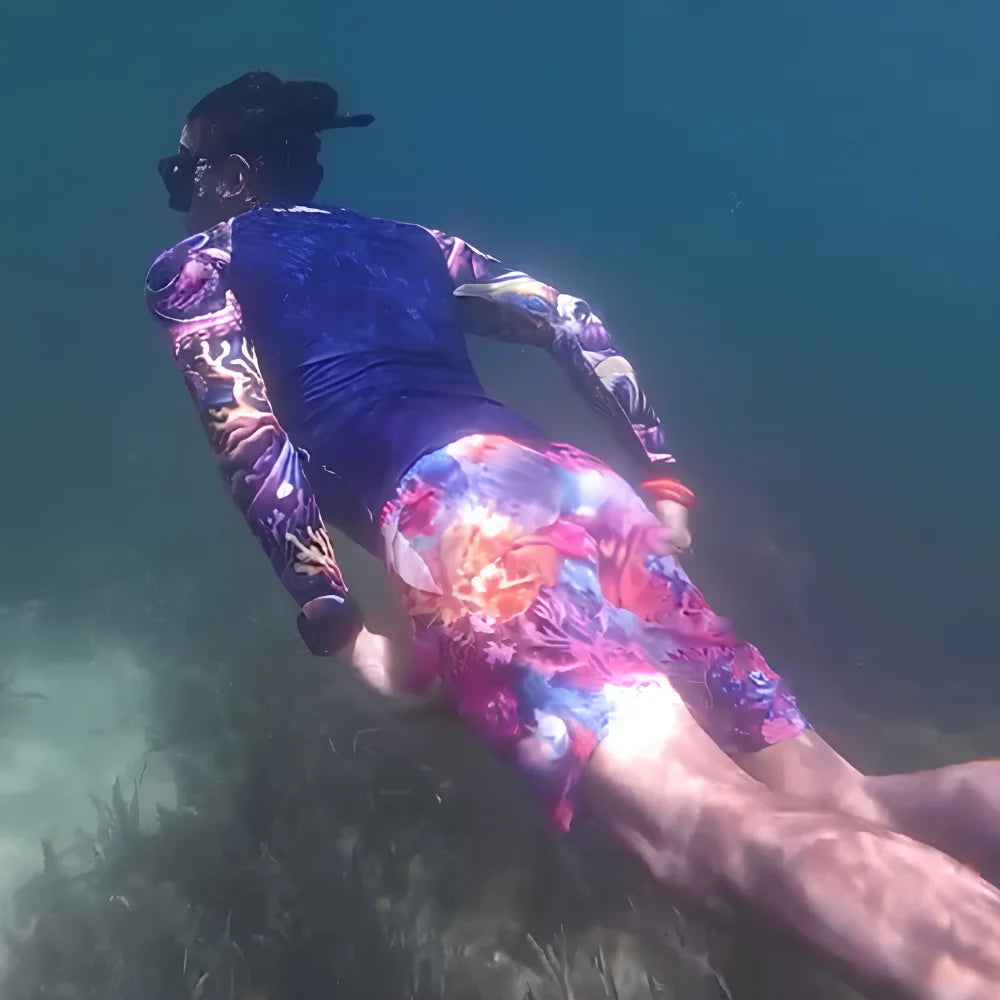
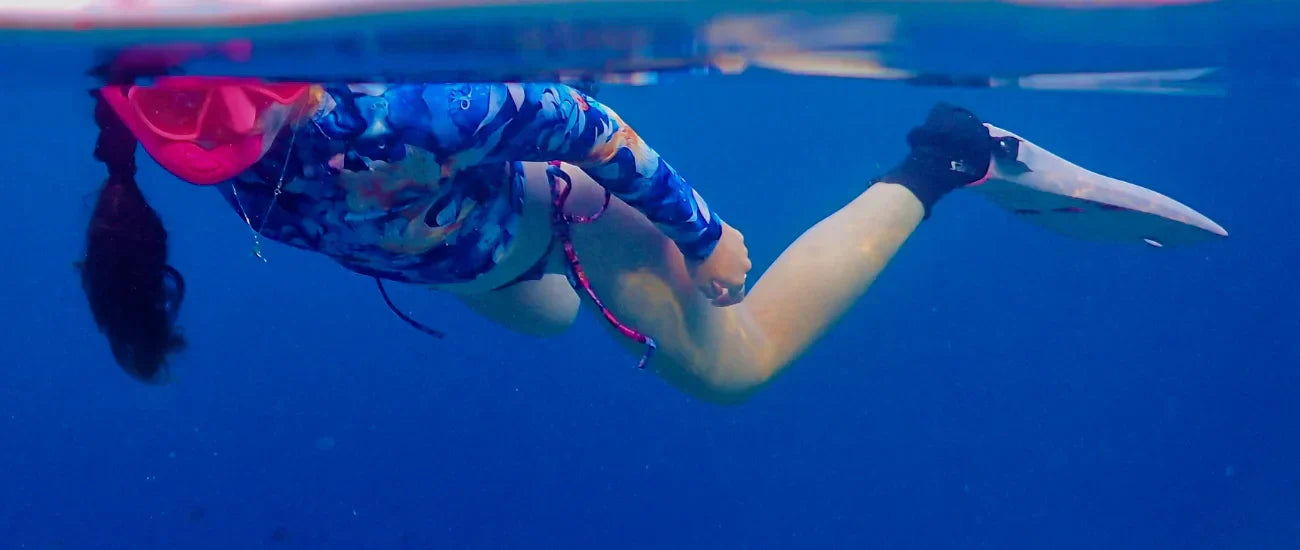
- As a standalone dive skin in warm water: full-length sun and sting protection without the heat of a wetsuit, perfect for tropical diving, snorkeling or freediving, and surface intervals.
If you dive in warm or temperate water, do liveaboard trips with three or four dives a day, burn easily, or just want to stop slathering sunscreen onto skin that's about to enter a reef, leggings are made for you. And even if you dive cold water, keep reading, they're a layer, not a replacement.

Leggings vs. wetsuit: a water-temperature guide
The honest answer to "what should I wear on my legs?" is "it depends on the water"... and on you. I'll tell you up front that I run cold and wear a wetsuit on basically every scuba dive. When you're diving, your buoyancy is doing the work and you barely move, so you don't generate much heat. (Free diving is different, I'm moving constantly, so I'll happily free dive in just a rash guard and leggings in cooler water than I'd ever scuba dive in.) Some of my dive buddies run warm and need far less. So treat this as a starting point, not hard coded rules:
- 29°C / 84°F and up: A rash guard and leggings, with the leggings acting as a dive skin, is all you need. If you get cold easily, add a 3mm wetsuit.
- 26–28°C / 79–82°F: You can dive in a rash guard and leggings if you don't get cold. If you do, go for a 3mm or 5mm, and make it a long, not a shorty. Full-length always wins, because it protects you from stingers and scrapes too.
- 22–26°C / 72–79°F: At least a 5mm wetsuit, 100%. If you get cold like me, leggings underneath are always a good shout.
- 18–22°C / 64–72°F: A thicker wetsuit, up to a 7mm or a semi-dry, with leggings as a base layer, and to be honest if I had a dry suit I would wear it in these temperatures.
- Below 18°C / 64°F: A 7mm semidry or a drysuit. And yes, you can wear leggings under your drysuit if you want.
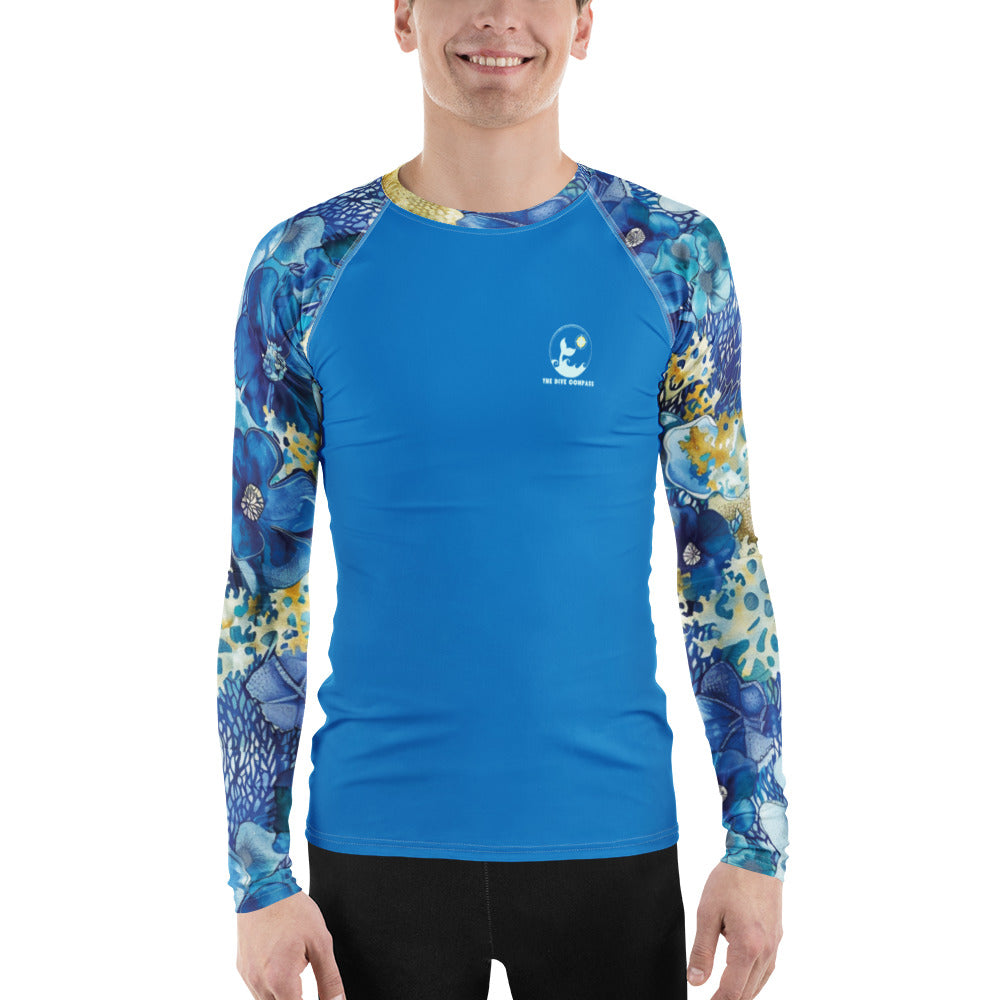
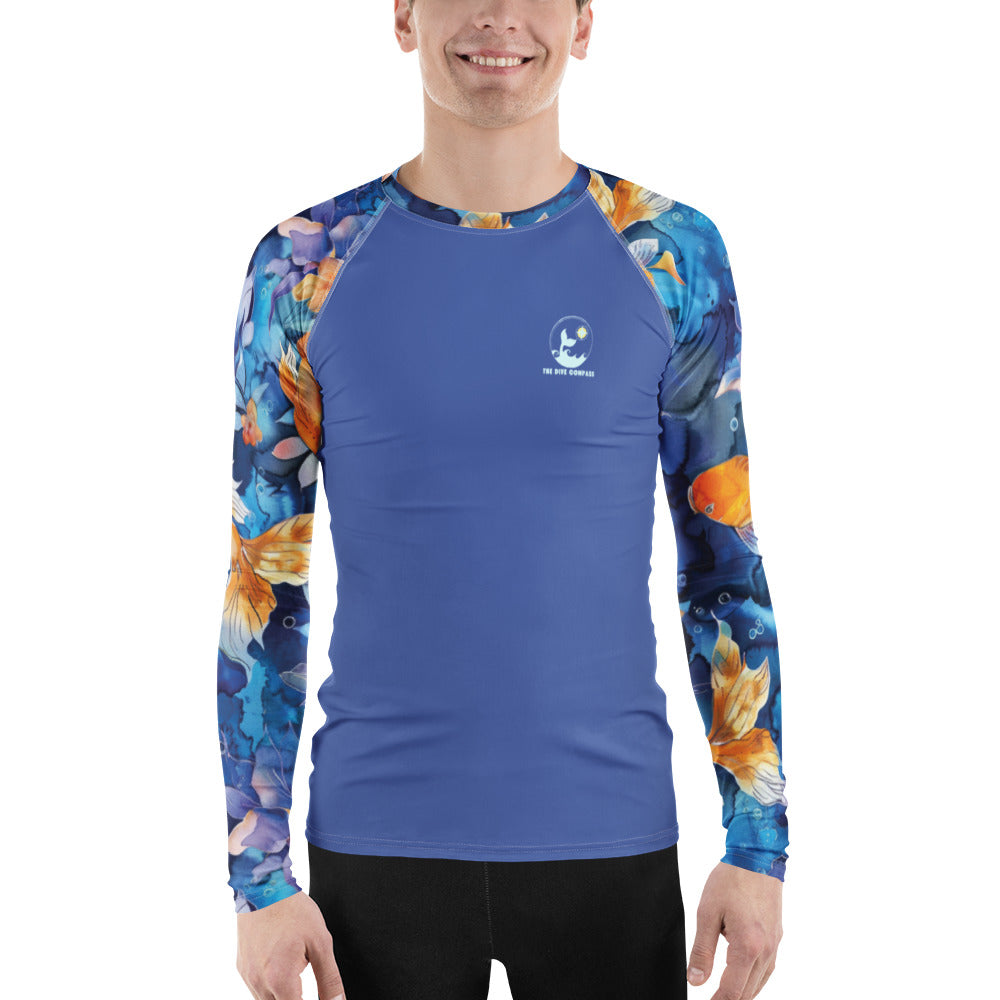
So leggings aren't a wetsuit replacement in cooler water but they're the smartest thing you can wear with one, and in warm water they're a genuine replacement for your wetsuit when paired with a rash guard. If you want the full breakdown of layering options, I go deep on it in rash guard vs. wetsuit for diving.
The case for pockets
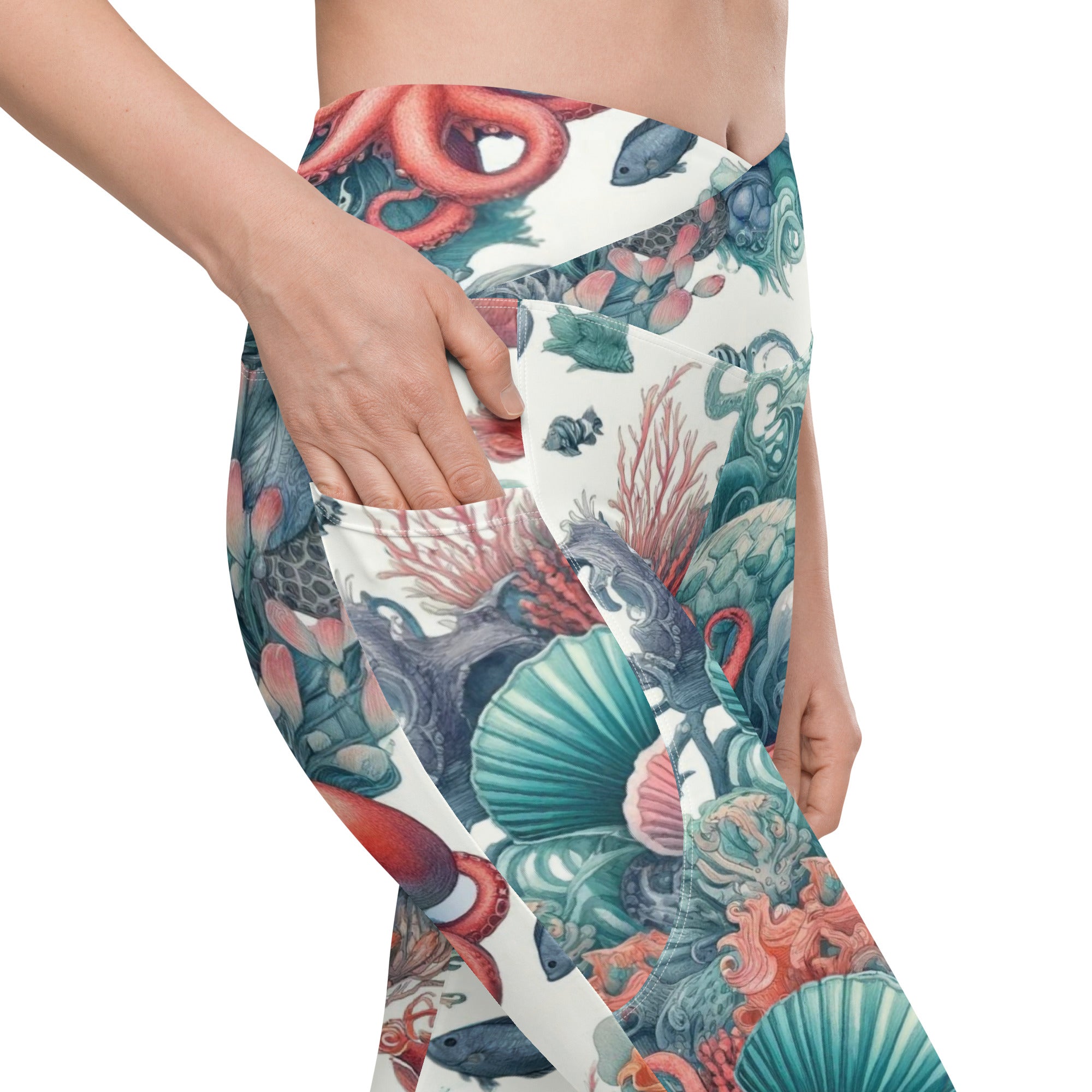
Here's the feature most "scuba leggings" skip and the one I refused to: real, secure side pockets.
It sounds small until you've spent a dive day without them. A dive day is a constant low-grade game of "where do I put this?" and a wetsuit has nowhere to put anything.
Topside, they carry anything small. Walking around the liveaboard deck, mine hold my phone, lip balm, and defog so my hands are free. One word on the phone, though, keeping it on you is handy, but only if you're disciplined about taking it out before you get in the water. I have a friend who went diving with his phone because he forgot it was in his pocket please don't be that person. If you're not 100% sure you'll remember, leave it in your dry bag.
Underwater, they're more useful than you'd think. A dive slate slips straight into a pocket and stays put. And if you come across plastic or trash on a dive, which, sadly, you often do, a pocket is the perfect place to stash it and carry it out. Every little bit you remove helps the reef.
A few honest cautions. Don't pocket anything sharp like a fishing hook if you find one, it can snag and tear, and it's a hazard. And anything valuable such as your torch and your camera should always be clipped to your BCD, not trusted to a pocket. The pockets are for small, low-stakes items like a slate, a bit of debris, or somewhere to tuck something for a second while you free up a hand to adjust your gear, then take it straight back out. Used that way, they're genuinely one of my favorite features.

Sun protection and the reef-safe angle
Every pair of our leggings is rated UPF 50+, which blocks about 98% of UV rays. On a liveaboard or a long day of repetitive dives, your legs are exposed to the sun far more than you think.
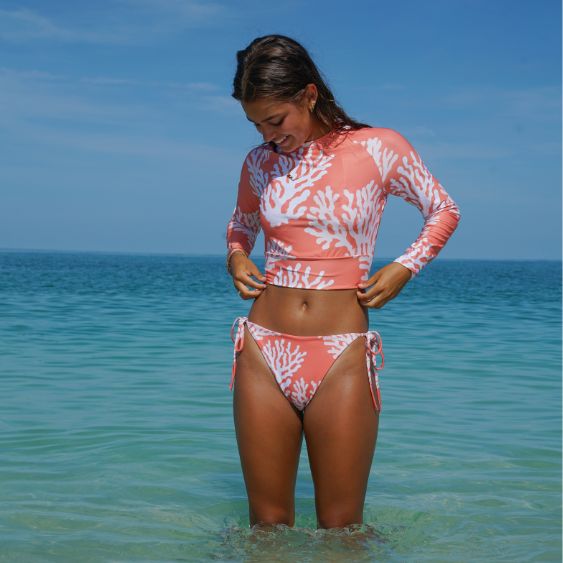
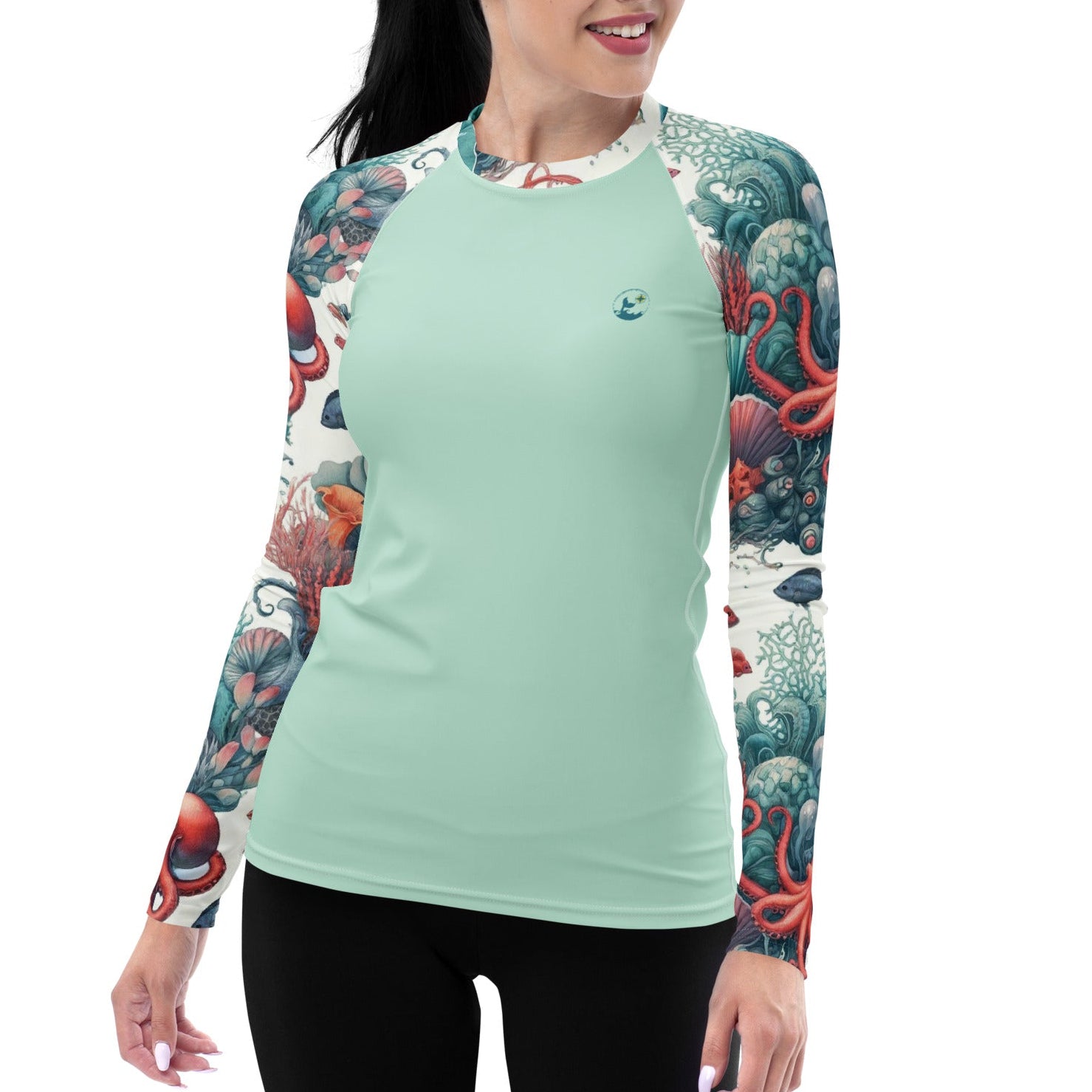
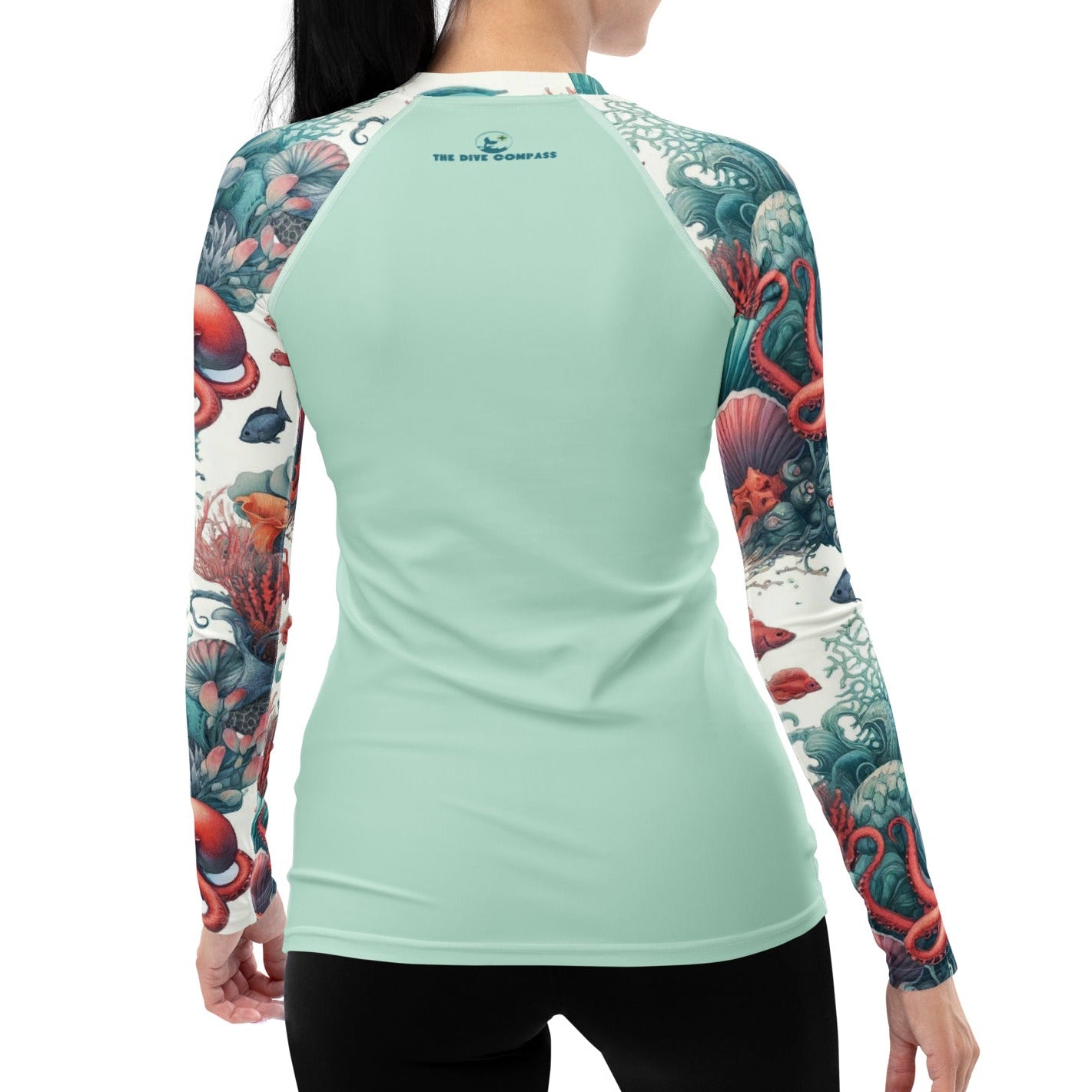
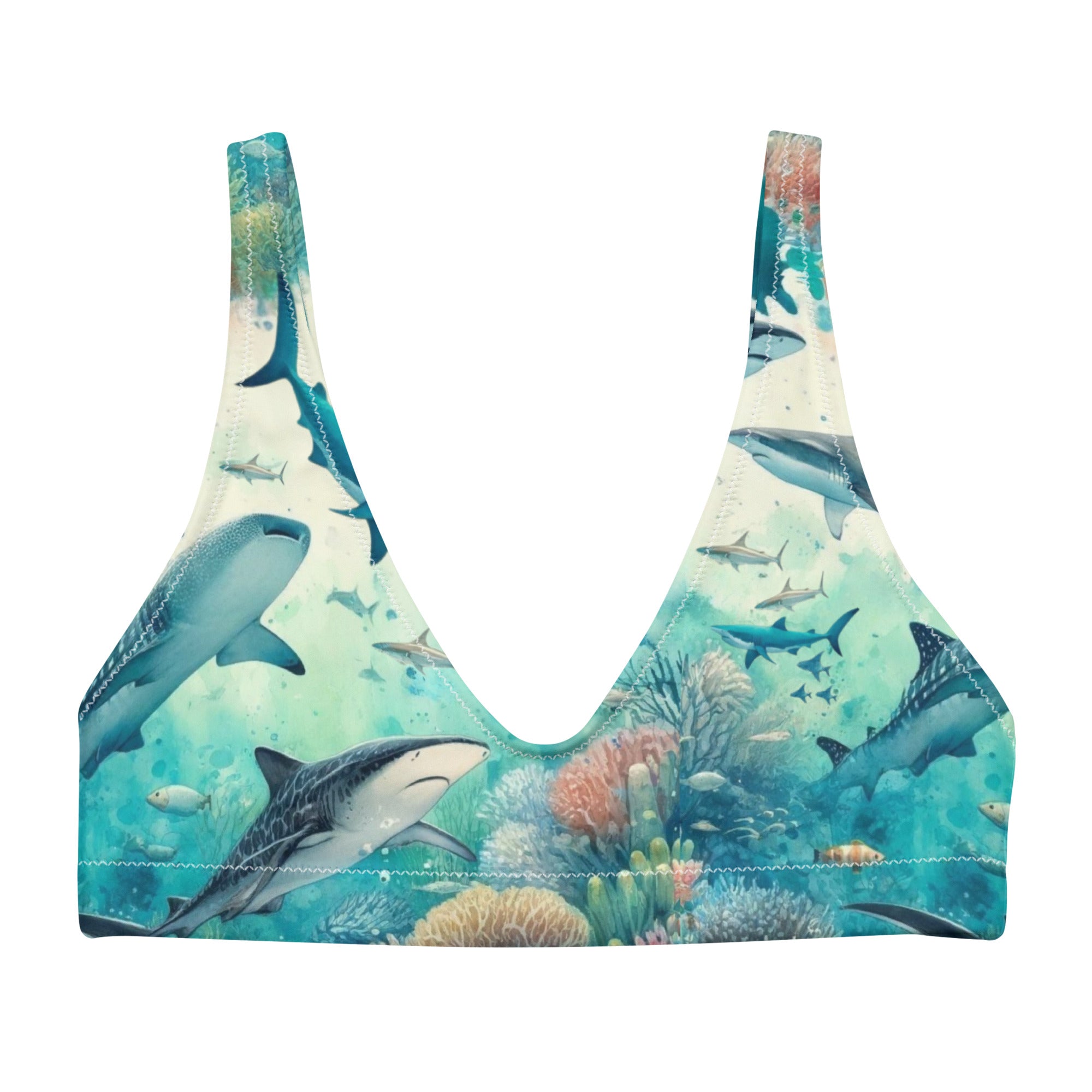
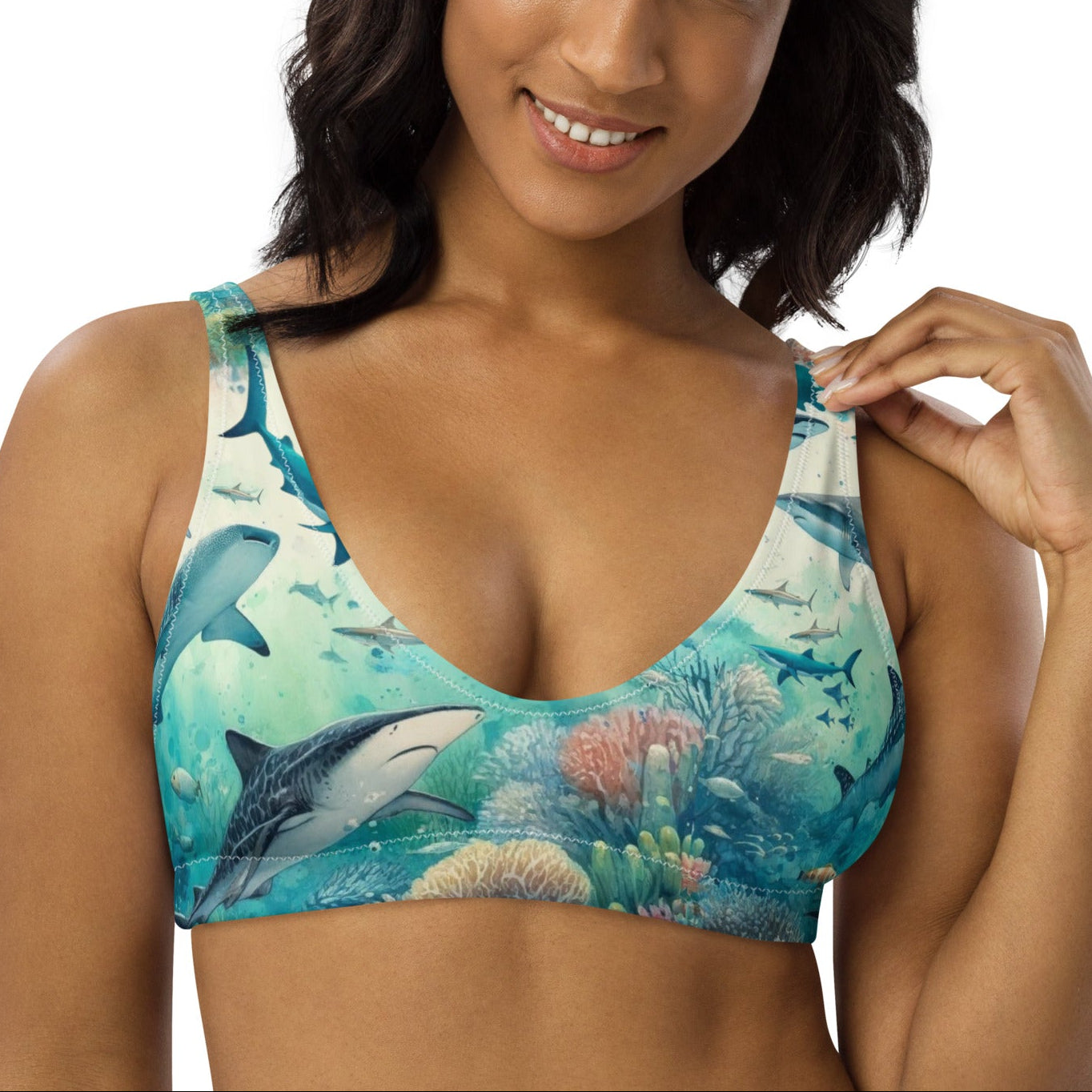
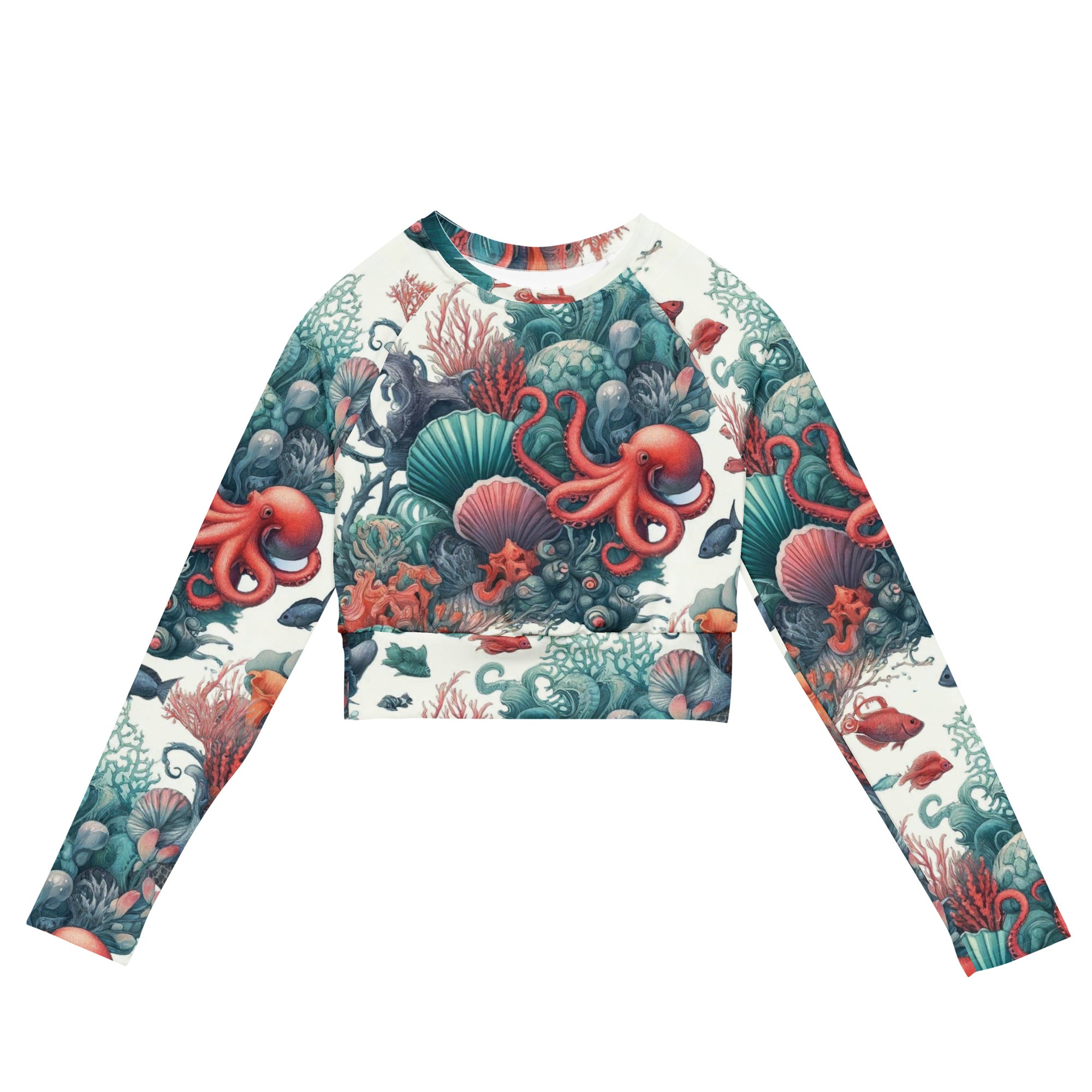
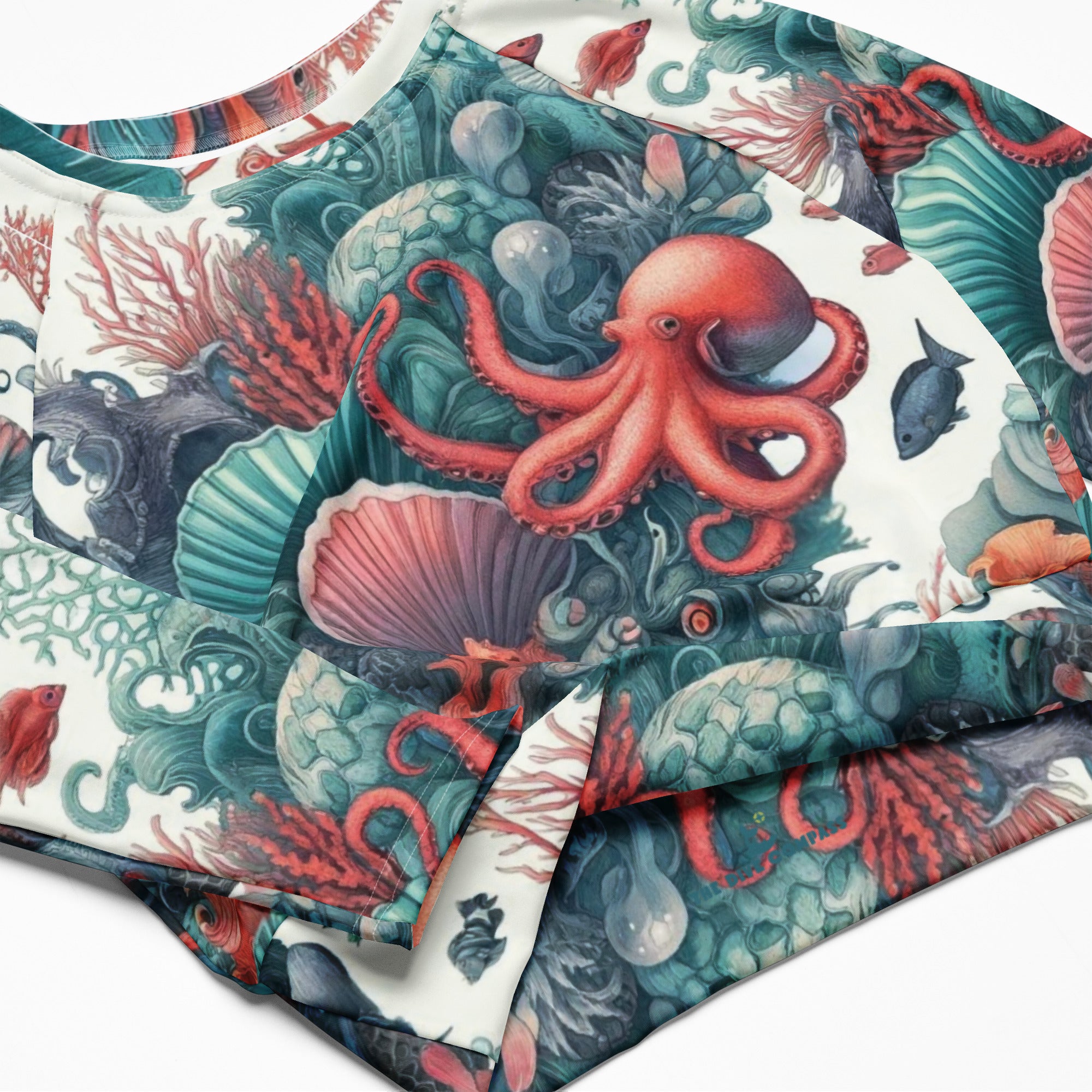
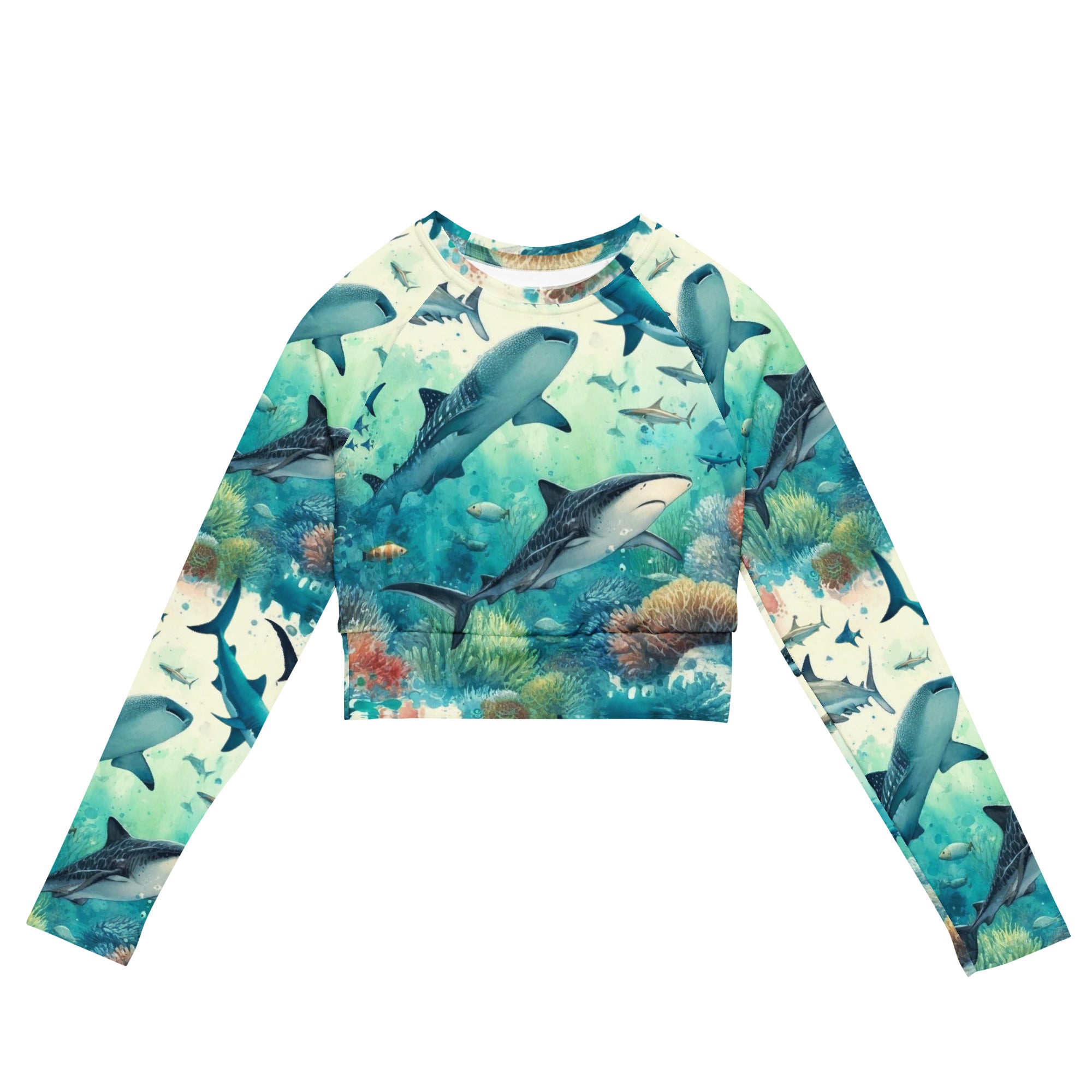
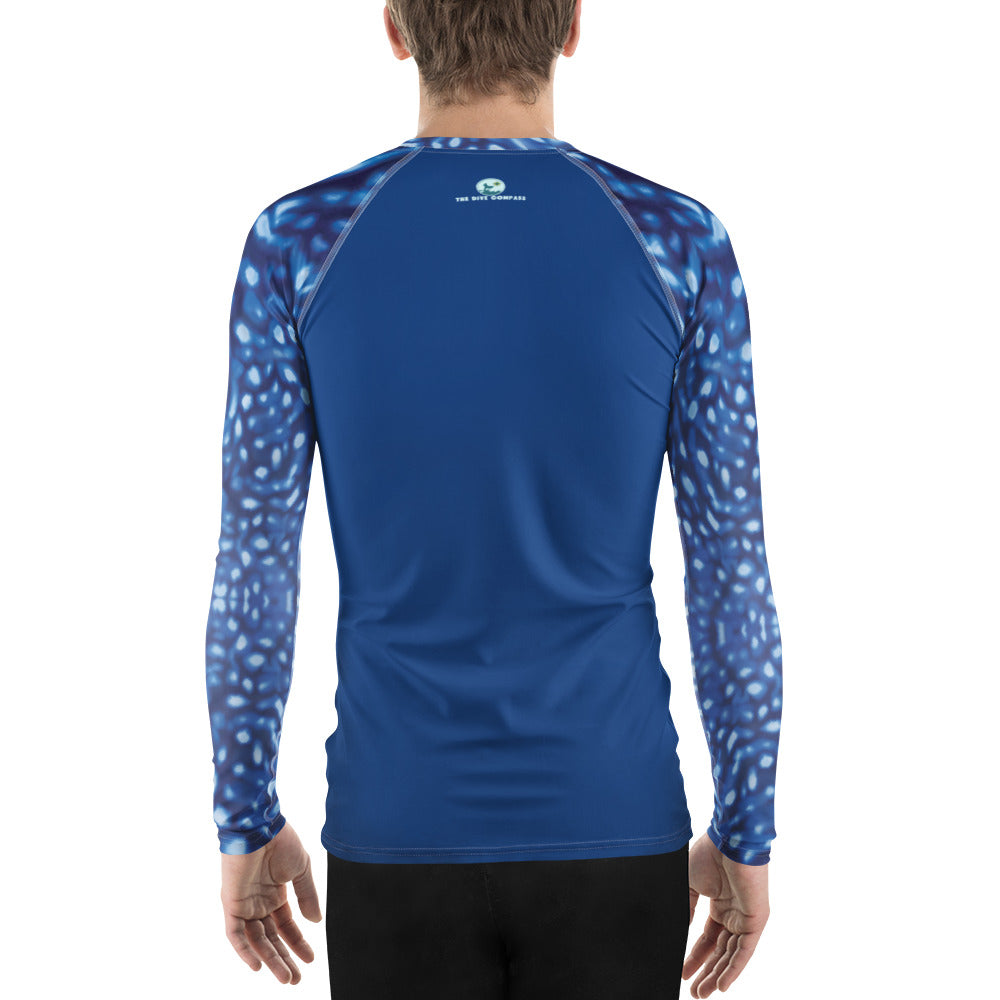
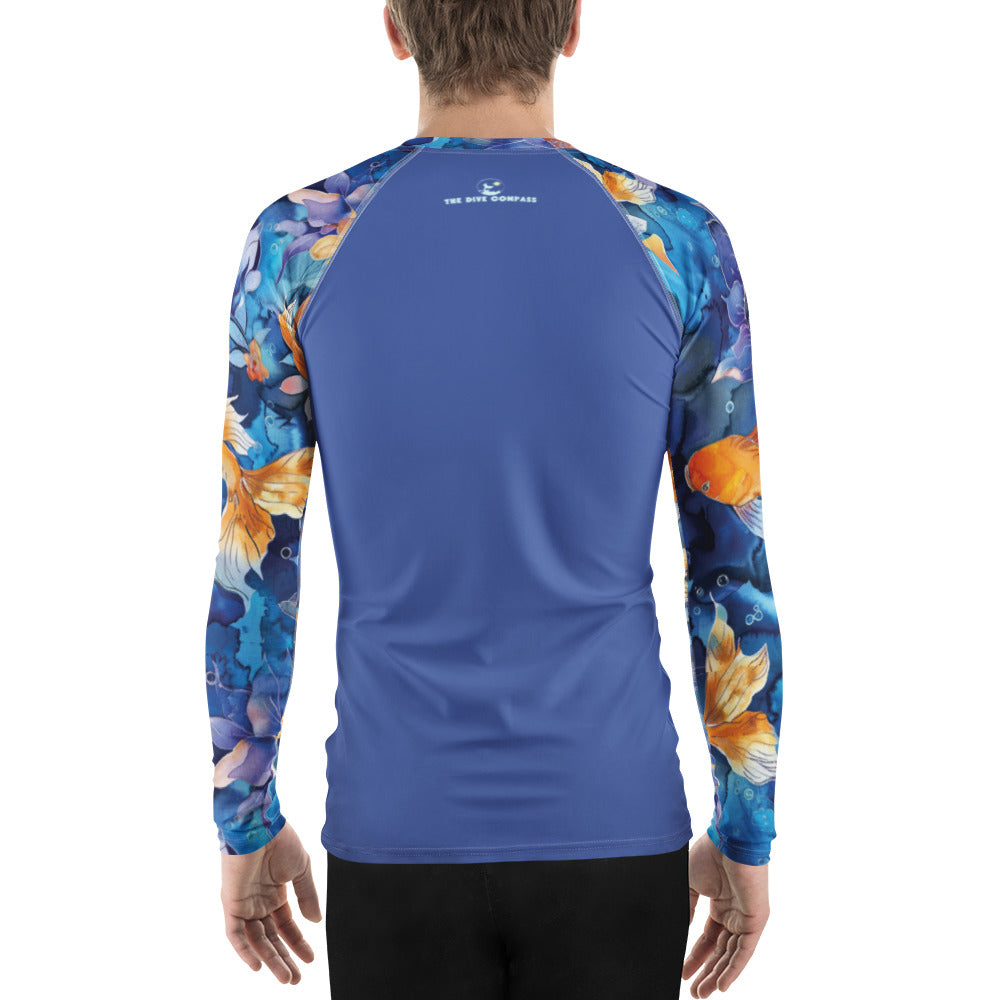
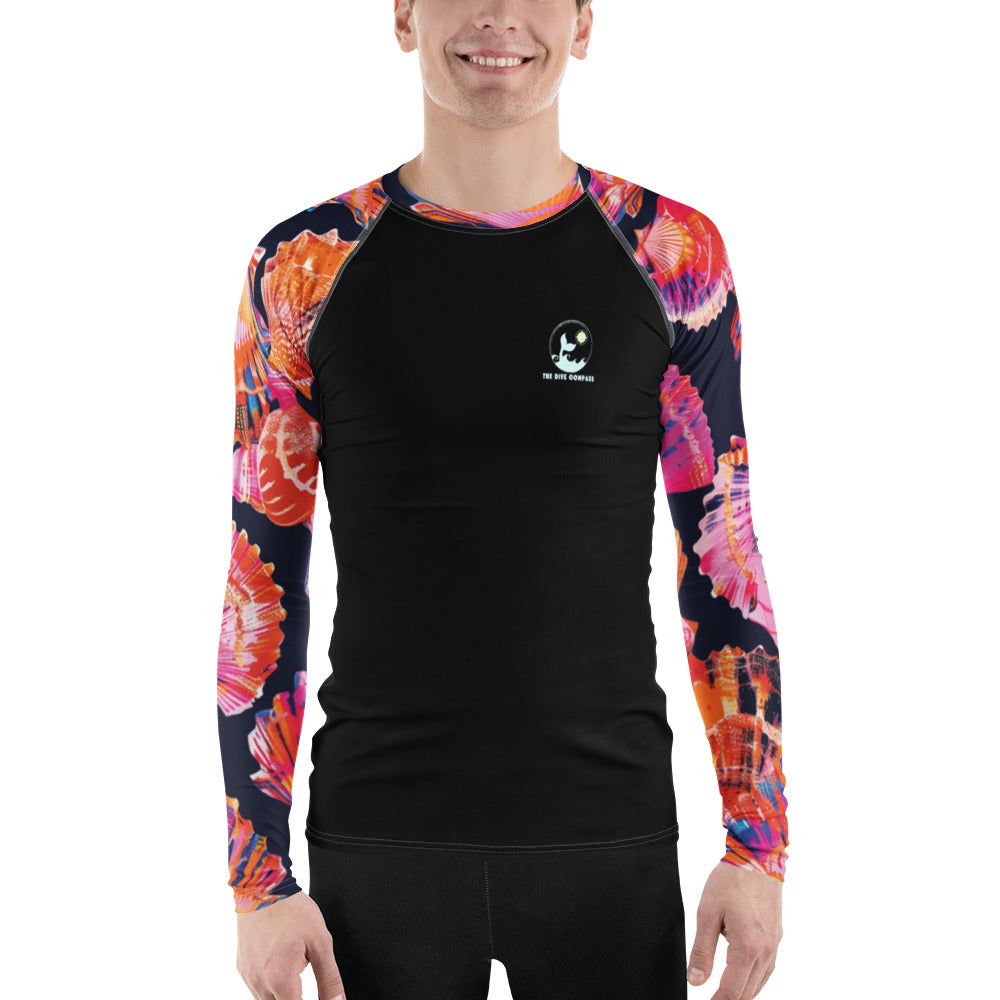
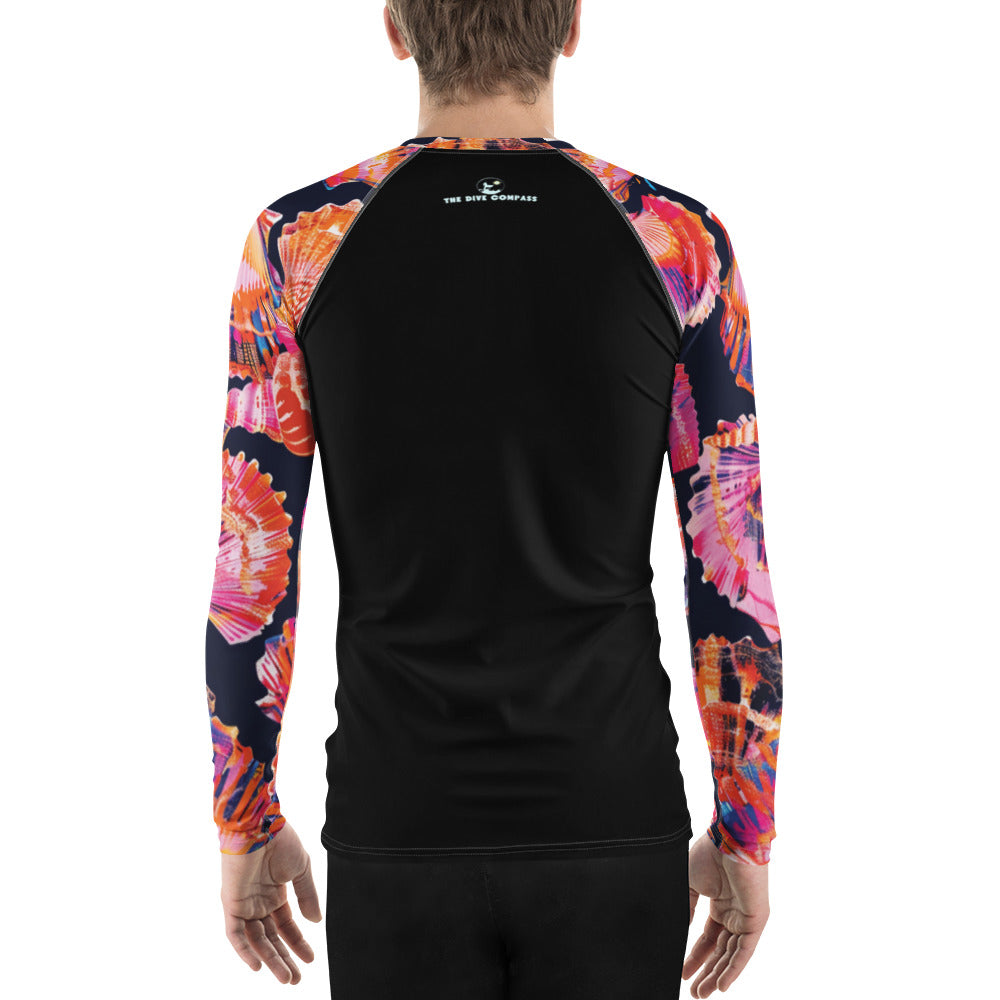
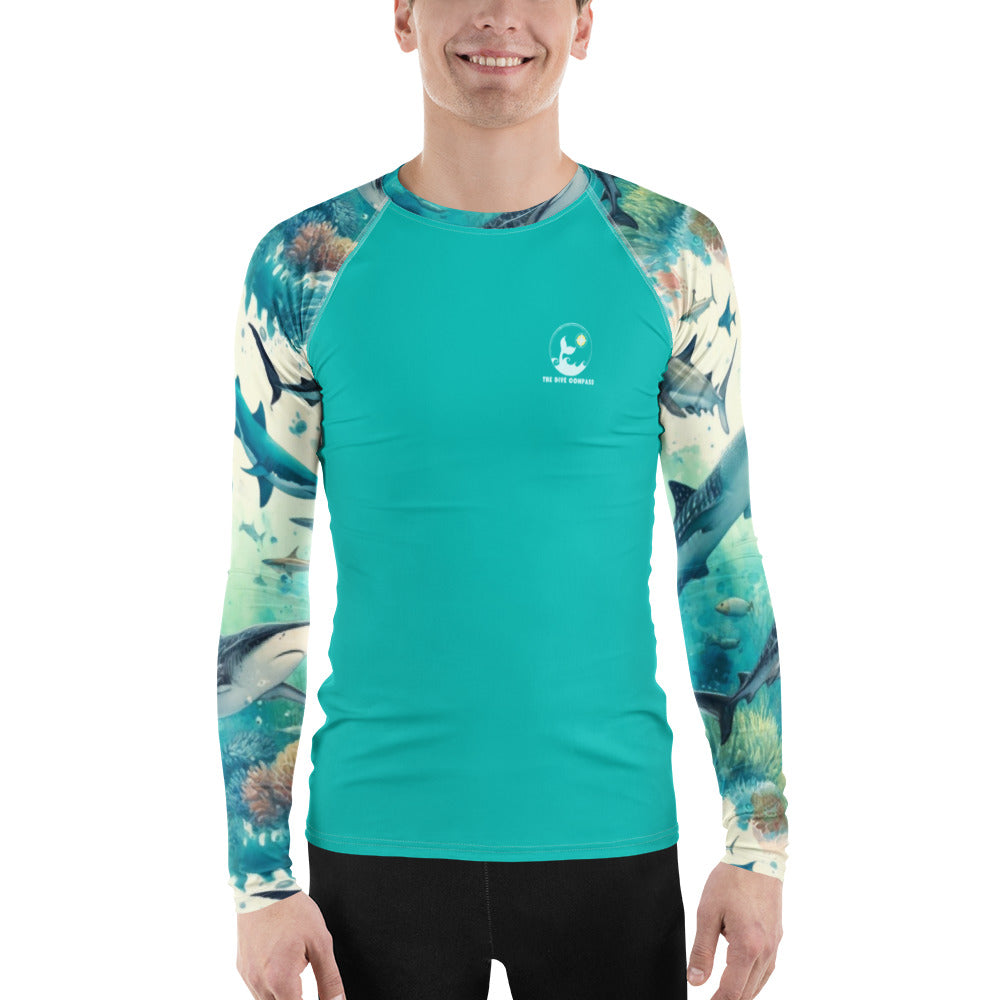
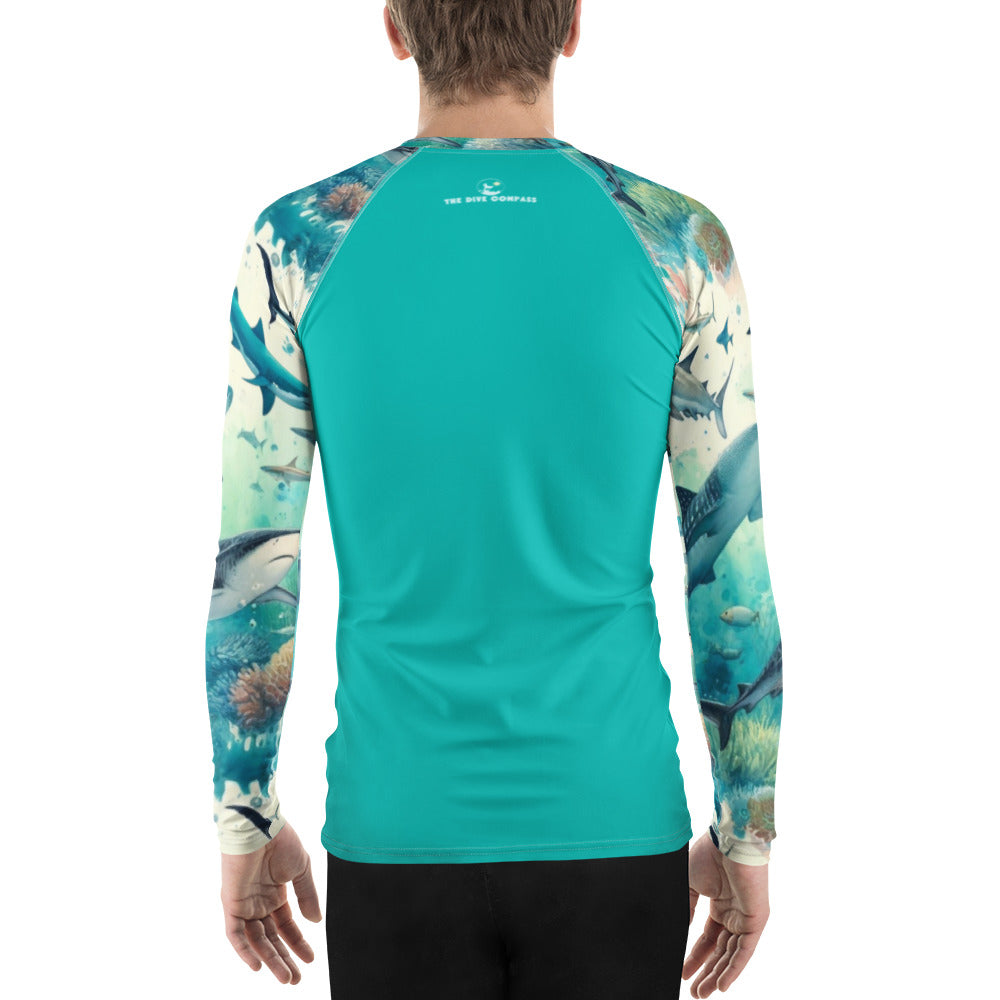
Full-length leggings cover that skin so you're not constantly reapplying sunscreen. And that's not just convenience: every bit of sunscreen you don't rub on is sunscreen that doesn't wash off into the reef. Less sunscreen on your skin means happier coral. Covering up with UPF fabric is one of the simplest reef-safe choices a diver can make. (A good UPF rash guard does the same job up top.)
Fit and sizing under a wetsuit
The whole point of dive-specific leggings is that they stay put. Ours use a crossover waistband for a secure fit that doesn't roll or dig, and the cut is designed so the fabric doesn't bunch under a wetsuit or your BCD straps. That base layer also makes pulling a clingy wetsuit on and off dramatically easier, the fabric glides instead of sticking to your skin.
On sizing, our scuba leggings run from 2XS to 6XL, because dive gear should fit your body, not the other way around. If your measurements fall between two sizes, we recommend sizing up, and you can always size down if you want more of a compression fit for under your wetsuit. Measure your waist and hips before you order rather than guessing, and check the size guide for exact body measurements. Because everything is made to order, a few minutes with a tape measure now saves you a return later.
Care and longevity
Dive gear lives a hard life from saltwater, chlorine, sun, and sand. A few habits will keep your leggings performing for years:
- Rinse in cool fresh water after every dive day to flush out salt and chlorine.
- Skip the heat. No hot wash, no dryer, no direct radiator. Heat and harsh chemicals break down performance fabric and elastane over time.
- Wash in a GUPPYFRIEND bag. It catches the microfibers that would otherwise shed into the water system, and it protects your leggings at the same time, better for the ocean and for your gear.
It helps that the fabric is built to last in the first place. Our leggings are made from roughly 74–75% recycled polyester blended with elastane, turning existing plastic waste into high-performance fabric and cutting CO₂ emissions by up to 79% compared to virgin polyester. And because every piece is made to order rather than mass-produced, there's no overproduction sitting in a warehouse.

So are scuba leggings worth it?
If you dive warm or temperate water, hate sunburn, do back-to-back dives, or are tired of board shorts and wetsuit pants that do nothing useful, then yes, easily. They protect your skin, make wrestling into a wetsuit far less of a fight, and finally give you somewhere to put your stuff. If you dive cold water, they're still the best base layer you can own, just not a wetsuit replacement.
Designed by a diver, made from recycled fabric, and backed by our Save Our Seas Pledge, every order helps plant coral with Livingseas Foundation in Bali. Have a look at the full range:
→ Shop the scuba leggings collection
FAQ
Q: Can you wear leggings under a wetsuit? A: Yes, that's one of the best reasons to own dive leggings. A smooth base layer helps a clingy wetsuit glide on and off, adds a thin bit of warmth, and prevents chafing on long dive days. Look for a flat, secure waistband that won't bunch under your suit.
Q: What can I wear instead of wetsuit pants? A: In warm water, full-length scuba leggings are the natural replacement with UPF 50+ sun and sting protection without the bulk and heat of neoprene. In cooler water, wear them under a 3mm, 5mm, or thicker wetsuit as a base layer rather than on their own.
Q: Do scuba leggings really need pockets? A: They're more useful than you'd expect. Topside they hold your phone, lip balm, and defog so your hands are free; underwater they're great for a dive slate or for carrying out any plastic you find on the reef. Keep them for small, low-stakes items and clip valuables like a torch or camera to your BCD, and always remember to take your phone out before you get in the water.
Q: Are leggings warm enough to dive in without a wetsuit? A: In genuinely warm water, around 29°C / 84°F and up, a rash guard and leggings work well as a lightweight dive skin. That said, many divers (myself included) run cold and prefer a wetsuit even in warm water, because you move so little while scuba diving. Below that range, wear leggings as a base layer under a wetsuit.
Q: What size scuba leggings should I order? A: Our leggings run from 2XS to 6XL. Measure your waist and hips and check the size guide before ordering.
Written by Andrea Galassi — PADI Divemaster, chemical engineer, and founder of The Dive Compass































Leave a comment
This site is protected by hCaptcha and the hCaptcha Privacy Policy and Terms of Service apply.