


Article: Diving Dahab: A Female Diver's Guide to the Red Sea
Diving Dahab: A Female Diver's Guide to the Red Sea
For four months in 2022 my day looked like this- two dives from nine in the morning, back on land by three or four in the afternoon, then eight hours at my laptop working full time for a US company back home. I'd finish around midnight with a break for dinner.
Written down, it sounds like I was punishing myself, but it was one of the best periods of my life.
I was doing my divemaster training in Dahab, on the Sinai coast of Egypt, and my job happened to be fully remote. So I dived every single morning and worked every single evening, and because Dahab has minimal nightlife to speak of, I never once felt like I was missing anything. That turned out to matter more than I expected. In a lot of dive towns, working evenings would have meant watching everyone else head out and the FOMO would have been real. In Dahab, everyone else had gone to bed too.
I dove a couple of hundred times in those four months, six or seven days a week, across every site the town has to offer divers. This is what I learned.
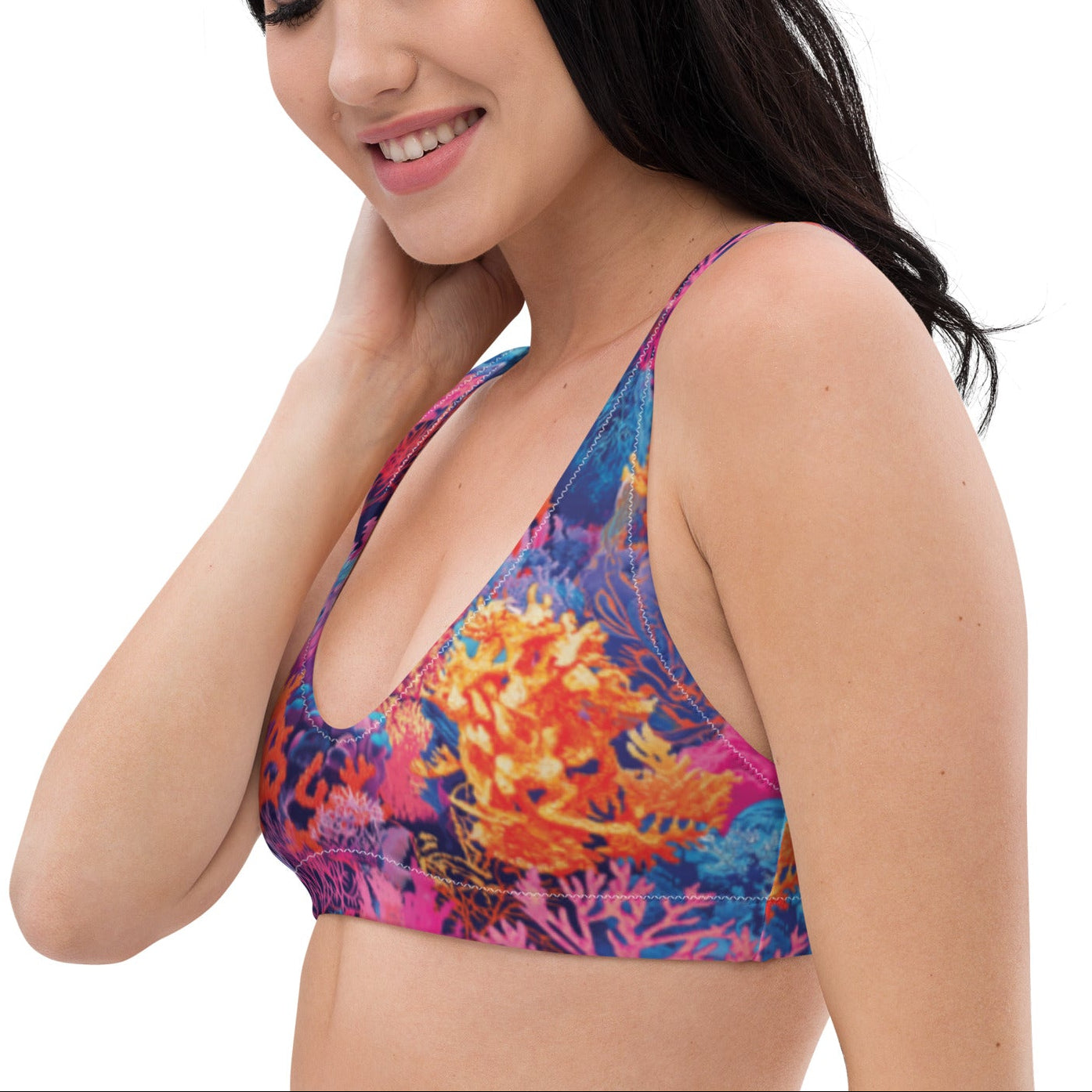
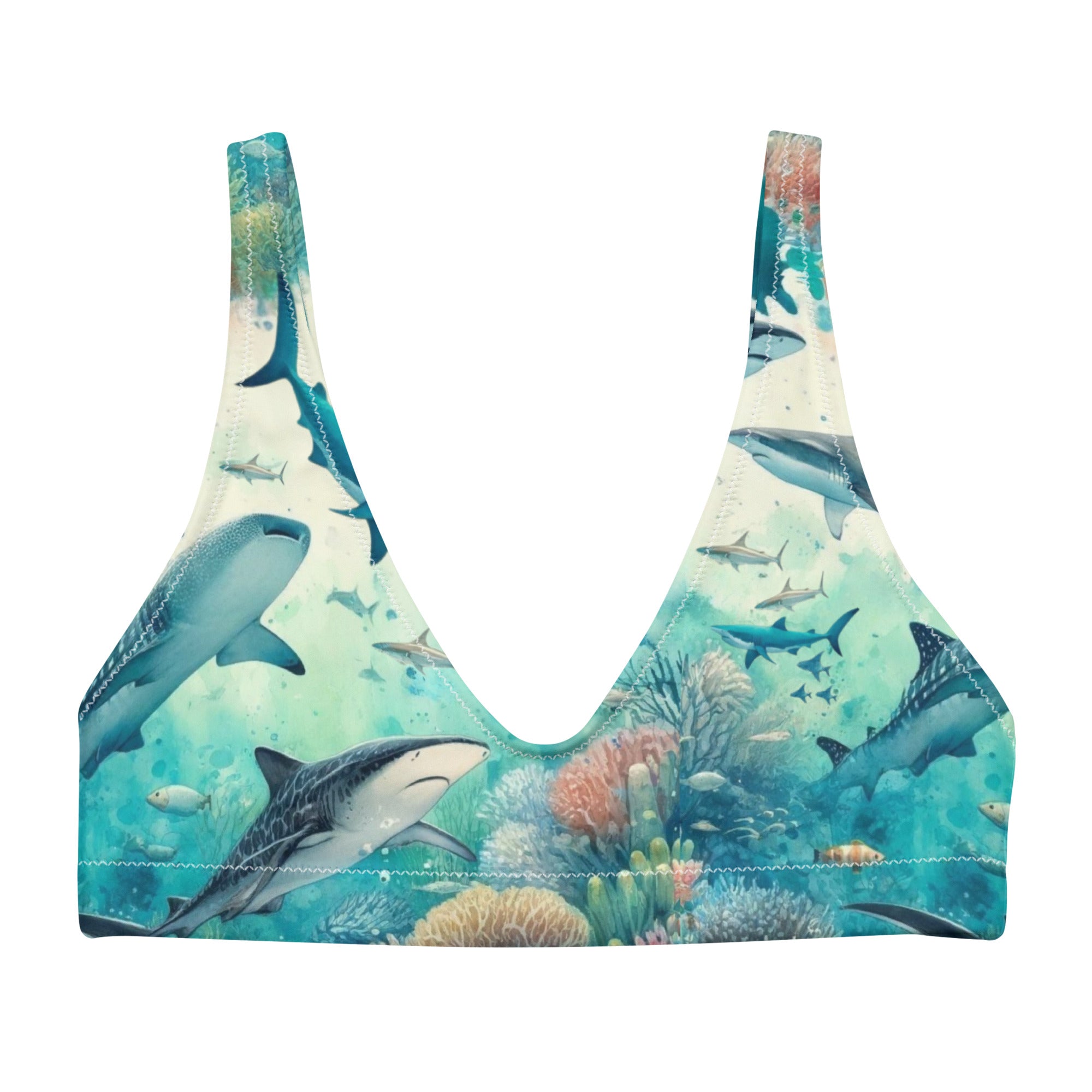
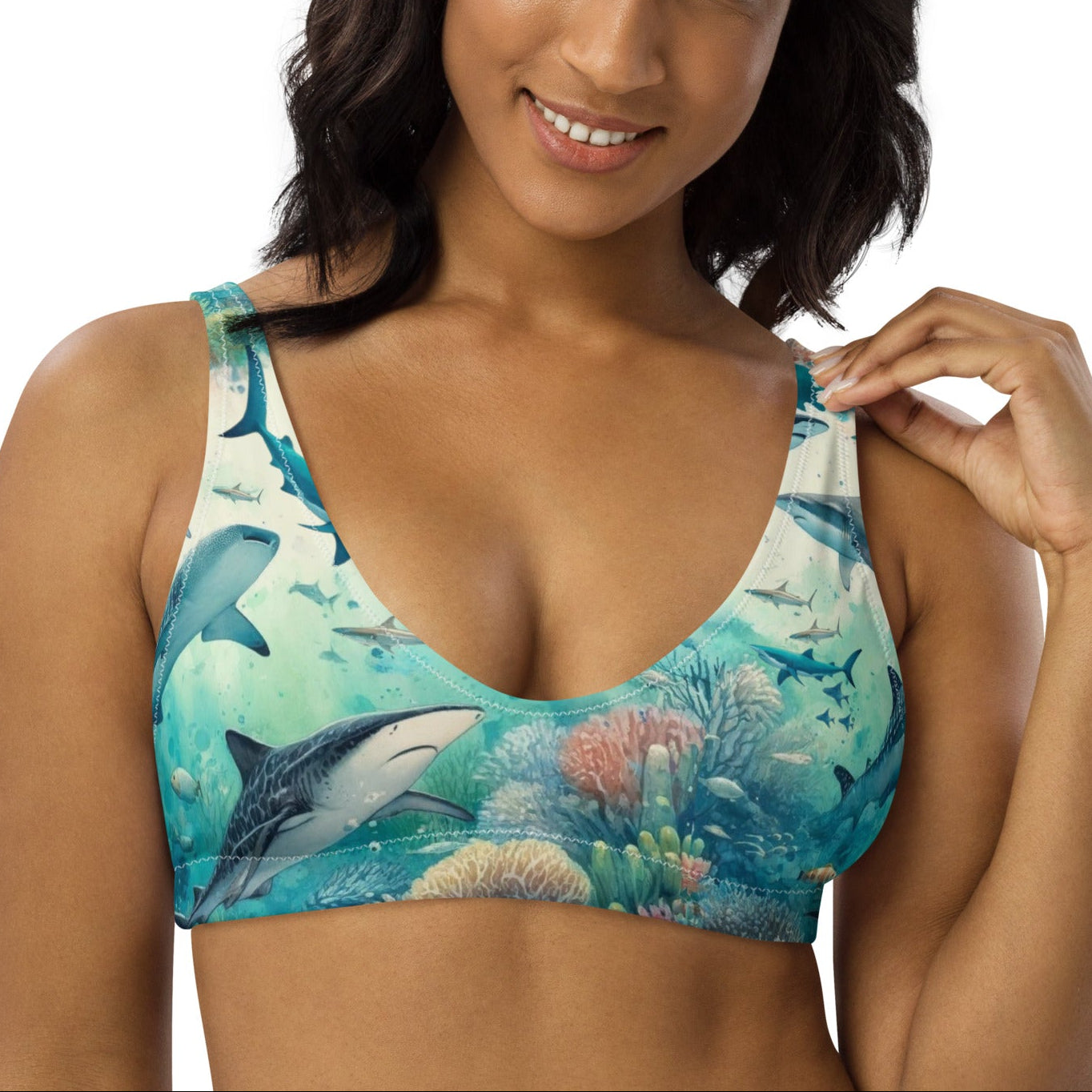
✨ Planning a Red Sea trip? Shop dive-ready swimwear →

Why Dahab, and not Sharm el Sheikh
Most people arrive in Egypt for diving through Sharm el Sheikh (or Hurghada, but that's another story), and a lot of them never leave it. I spent maybe an hour or two there either side of liveaboard trips and never more than that. It is too built, too packaged, too much resort and too tacky and not enough town and culture for me.
Dahab is an hour and a half up the coast and has a completely different feel.
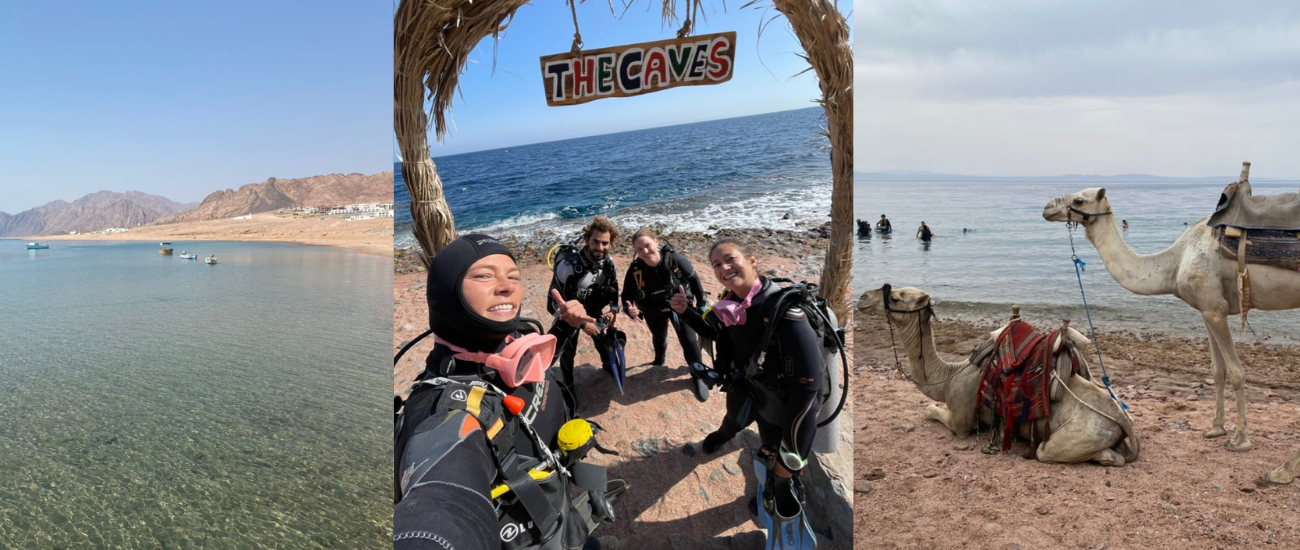
Almost all the diving is from shore. No boat schedule, no crossing, no waiting. You load a jeep at the dive centre and drive to the site.
- There is essentially no current. The Red Sea can move, but Dahab specifically sits in a sheltered stretch of the Gulf of Aqaba and current is rarely a factor. It is one of the calmest places I have ever dived.
- The visibility is spectacular and it stays that way most of the year.
- It is a desert. Hot, but dry rather than humid, which changes everything about how a full dive day feels.
- It is cheap. Genuinely, still, one of the most affordable places in the world to dive.
The town itself is small, international and slow. People sit on cushions on the floor to eat, share a hookah and a chat over a tea in the evenings, and the people that stay have a strong love for the ocean. That is the pace of the place, and it is the reason I would send someone there over Sharm every time.
Where I dived, and where I stayed
I trained with Dahab Divers, a five star PADI resort, and I stayed in their accommodation for the whole four months. I would recommend them without hesitation.
Two reasons. The first is that they were genuinely professional and serious about standards, which I will come back to, because it matters more in Egypt than people realize. The second is pure convenience: the centre sits right beside Lighthouse Reef, so you can walk down to one of the best dive sites in Dahab carrying your own gear. No jeep or transfer with a flexible schedule.
My PADI Divemaster Training cost around a thousand US dollars and I deliberately stretched it over three to four months rather than knocking it out in six weeks. Under the divemaster program my diving was included, so the longer I took, the more I could dive. I wanted the hours and experience far more than I wanted the certificate.
Working as a foreigner even as a divemaster in Egypt requires a visa I did not have, but training is different. Under the program I could lead intro dives, which are Egypt's version of a Discover Scuba experience, and assist on Open Water and Advanced courses. Groups were small throughout, never more than three or four divers with me, and the courses I assisted on were usually one to one with the instructure, student and myself.
The dive sites of Dahab
I dived every site around town, some of them thirty or forty times. That repetition is the thing I would wish on any new diver. You learn a reef properly when you stop seeing it as a novelty.
Check out my Dahab dive site map so you have all the information you need to know for your next Egyptian dive escape.

Lighthouse Reef
The main training site and, quietly, one of the best. Shallow reef running down a slope that drops past forty metres if you follow it. It is where almost everyone in Dahab does their skills, which means it gets dismissed, and it should not be. I dived it more than anywhere else. Me and my dive buddy who had just finished her divemaster training with Dahab Divers had some very memorable 80 minute night dives here as well as incredible day dives, finding octopus, nudibranch, sting rays, turtles and more.
The Canyon
A narrow fissure in the reef that you drop into around twenty metres and follow along. The site bottoms out much deeper, past fifty metres, but the recreational route sits comfortably in the twenty to thirty range. Light coming down through the crack is the whole point of it. This is where you would do your Deep Speciality and learn how to dive to 40 meters.
Eel Garden
Shallow, around eighteen metres, and walkable from the north end of town. A sand patch full of garden eels that retract as you approach and reappear behind you. Easy, gentle, and a good second dive. I did a the drift dive from Eel Garden to Lighthouse reef a couple of times, I would recommend taking a 15L tank if you can or a slinky tank for the the drift dive.
The Islands
South of town, sixteen or seventeen metres, a maze of coral heads and sandy channels you weave through. This was one of my favorites, it is not the deepest or the most dramatic, but it is a genuinely fun dive with beautiful coral reefs and pretty shallow so you get the beautiful Egyptian light sparkling on the coral bommies.
The Blue Hole and The Bells
The Bells is the entry, not really a site of its own. You climb down the rocks and step into a narrow vertical chimney in the reef top, wide enough for one diver at a time, and descend through it until it opens into blue at around twenty six or twenty seven metres.
The name comes from the sound of tanks clanging against the rock on the way down, because the chimney is tight enough that it happens. I do not think mine ever actually rang, but sometimes you hear other people's.
From the bottom of the chimney you turn right and drift the outer wall, which is where you spend most of the time on the dive. Overhangs, soft corals, gorgonians, and life the whole way. You finish by crossing the saddle at six or seven metres into the Blue Hole and walking out.
This is the only place I've dove where the cleaner wrasse will actually clean your teeth if you let them as well. If you're good with buoyancy and feel comfortable with your regulator out of your mouth for a few seconds, give it a try. Open your mouth and let the cleaner wrasse do its thing, in Dahab we call this going to the dentist.
Gabr el Bint
Further south and harder to reach, by boat, four by four or camel, I've actually only ever been here by boat. One of the most beautiful dive sites in Dahab with amazing soft corals and lots of fish. The name of the site actually means "the Grave of the Girl", and comes from a tragic folk story of a young Bedouin girl who tragically drowned at the site while she was trying to meet her lover. The inconvenience of getting there compared to the typical Dahab shore dive is exactly why the reef is so beautiful, less divers mean less damage.
The Blue Hole, honestly
When I tell divers outside Egypt that I have dived the Blue Hole, a certain look crosses their face. It has a reputation as the most dangerous dive site in the world, and there is a memorial of plaques on the cliff above it for the people who have died there.
Estimates of the death toll range from around 130 to as many as 200, most often cited for the period between 1997 and 2012. Egypt keeps no official count, which is part of why the figure is so slippery.
Here is the thing though. Diving the Blue Hole on the normal recreational route is one of the easiest dives in Dahab.
The standard dive is a wall. You enter at the Bells, drift the outside of the reef, and cross the saddle at six or seven metres into the crater. Minimal current, because Dahab has no current. Maximum depth around thirty metres. Walk out. I did it many times and so does everyone else, every day.
What kills people is the Arch.
The Blue Hole itself is a crater over a hundred metres deep, connected to the open sea by a tunnel. That tunnel is about twenty six metres long and its ceiling sits at fifty five to fifty six metres. To swim it you need technical training, mixed gas, redundant cylinders and a certification well beyond recreational limits.
People attempt it on a single tank of air. At fifty six metres on air you are narced, your gas consumption has multiplied, and the water is so clear that the tunnel looks far shorter than it is. Divers miss the entrance in the gloom, keep descending looking for it, and by the time they understand the mistake there is not enough gas left to fix it.
It is not the site. It is ego, and a technical dive being attempted with recreational equipment.
And here is what I would actually tell you: the crater is the worst part of the dive anyway. It is dark, it does not get much sun, and there is almost nothing living in it. The wall on the outside is where everything is. Turtles, dense fish life, and the cleaning station where the cleaner wrasse are so bold they will clean your teeth if you hang still and take your regulator out and open your mouth. We called them the dentists. It is one of the strangest and best things I have done underwater.
Dive it within your training and your limits and it is a beautiful, gentle wall dive. That is true of almost every site that has earned a frightening reputation.

When to dive Dahab
Dahab dives year round. What changes is the temperature and the crowds.
- May and June: water around 24 to 25°C / 75 to 77°F. This is when I arrived, and it is where a 5mm earns its place. Air temperatures are hot, but the water hasn't caught up yet.
- July to September: the warmest water of the year, 27 to 29°C / 81 to 84°F by August. Also the busiest, and the air is hot and can hit 37°C+. The diving is easy; the surface interval is the hard part if you run warm.
- October and November: water still 25 to 27°C / 77 to 81°F, crowds thinning. If someone asked me for the single best window, this would be it. Water temperatures are cooling off a bit, and air temperatures aren't dessert hot anymore.
- December to April: water down to 21 to 23°C / 70 to 73°F, coldest in February and March. Quietest of the year. You want a 5 to 7mm and a hooded vest, especially for a third dive. Air temperatures are quite cold in this time, definitely bring a jacket to warm up between dives.
I was there May to September in a 5mm, often with a hood, and I know that sounds like a lot for water that warm. Two reasons. I get cold faster than most people, which I have written about elsewhere. And I was diving twice a day, six days a week, which is a completely different thermal proposition to two dives on a holiday. Cold is cumulative. Dress for your tenth dive of the week, not your first.
👉 Water temperatures and what to wear, destination by destination

Diving Dahab as a woman
This is the part people ask me about most, and my honest answer is probably not the one you are expecting.
Dahab is not Cairo. In Cairo I covered my shoulders and knees and dressed more conservatively, and I was glad I did. In Dahab I wore shorts and a tank top, and between dives I was in a bikini with a towel and a wetsuit rolled down to my waist, like anywhere else. Dahab is small, international, and used to divers.
I never felt unsafe. Not once, in four months, diving and living there.
What I did notice was being a minority. There were very few women working in diving there. I think I met one or two the whole time. Almost everyone in the industry around me was male, and the vast majority of them were warm, open and easy to be around. I made real friendships, and I ended up doing liveaboards with a group of Egyptian friends, men and women together.
There was one instructor who very obviously believed men were better divers than women. He was the exception, and everyone around him knew it.
I want to be careful here, because people carry a lot of assumptions about Egypt and the Arab world and I do not want to feed them. What I experienced was not the sexism people imagine before they go. It was the ordinary experience of being the only woman in a room, which happens in dive centres in Europe and Australia too. The younger generation I met there were modern and genuinely egalitarian, and my time in Dahab broke more stereotypes than it confirmed.
What I would say: it is nice to have another woman around. I was lucky to have a friend there for most of my stay and it made a difference.
The thing I would actually warn you about
Not safety as a woman. Operator quality.
Egypt has a reputation in the diving world for carelessness, and I hear stories from people who had bad experiences with operators who cut corners on safety procedures. Every time, it surprises me, because Dahab Divers, the center I trained with, was rigorous. They followed PADI standards and the Egyptian regulations properly and took both seriously.
Both things are true. There are excellent operators in Egypt and there are bad ones, and the gap between them is wider than in most countries.
So do the research. Egypt has an actual regulation body, the Chamber of Diving and Watersports (CDWS), which licenses dive centres and maintains a public blacklist of operators shut down or working illegally. Check your centre is CDWS registered. Ask how many divers they put with one guide. Ask what happens when something goes wrong. An operator who is proud of their standards will be delighted you asked.
A few Egypt-specific rules worth knowing: recreational guiding is to thirty metres unless you hold a deep specialty and can show insurance covering the depth, solo diving is not permitted so solo travelers get buddied up, a dive medical or medical statement is mandatory if you check yes on anything in the paperwork, and gloves are forbidden under national park regulations in South Sinai. There is also a national park fee of roughly twenty US dollars a day for the Blue Hole as of 2026 (in 2022 it was only 5 USD a day!).

What a dive day actually looks like
This is my favorite part of Dahab and nobody photographs it.
You load the jeep at the centre and drive out to the site. When you arrive, someone rolls out a Bedouin rug on the ground, and the tanks and crates go on top of it. That is your base for the day.
At most sites there is a little station serving drinks and coffee and food, so the surface interval is spent sitting on the rug with a coffee, looking at the Sinai mountains on one side and the Gulf of Aqaba on the other. At Coral Garden there were usually camels.
Then you kit up, walk in off the shore, and dive.
There is no boat, no crossing, no schedule beyond your own. After a few weeks of it, a boat dive starts to feel like an enormous amount of admin.
What it costs
I paid around a thousand US dollars for my divemaster course in 2022, with diving included for the length of the program, which is why I stretched it out.
For a visitor in 2026, a guided two dive shore day in Dahab runs roughly 70-100 including rental gear, with multi-dive packages bringing that down substantially. Boat trips to Gabr el Bint or Ras Abu Galum sit around 60-65 euros supplement charge. Add the Blue Hole park fee on days you dive there.
By the standards of anywhere else in the diving world, that is remarkable value.
Beyond Dahab: Ras Mohammed
While I was training I did a liveaboard out of Sharm el Sheikh into Ras Mohammed National Park three or four times, short trips of three nights and four days each.
Ras Mohammed is a different kind of diving to Dahab. Shark and Yolanda Reef is the headline, a submerged pinnacle with a wall dropping away past eighty metres, dense soft coral, and the scattered cargo of the Yolanda, a Cypriot ship wrecked in 1980 that spilled its load of toilets and bathtubs across the reef at twenty five to thirty metres. There is genuine current there, which after months in Dahab felt like a different sport.
The park is best from October to April, with the strongest shark season October to February. Most itineraries run a week; shorter mini safaris like the ones I did also exist. The advantage of sleeping on the boat is reaching Shark and Yolanda at dawn, before the Sharm day boats arrive.
If you have a week in Dahab, going down for a short liveaboard is worth it. If you have ten days, do both.
What to pack for Dahab
Everything is shore diving, which means you carry your own kit more than you would elsewhere, and you are in and out of a wetsuit twice a day in a desert.
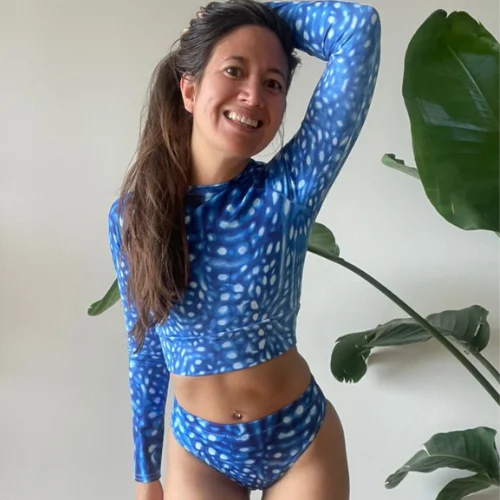
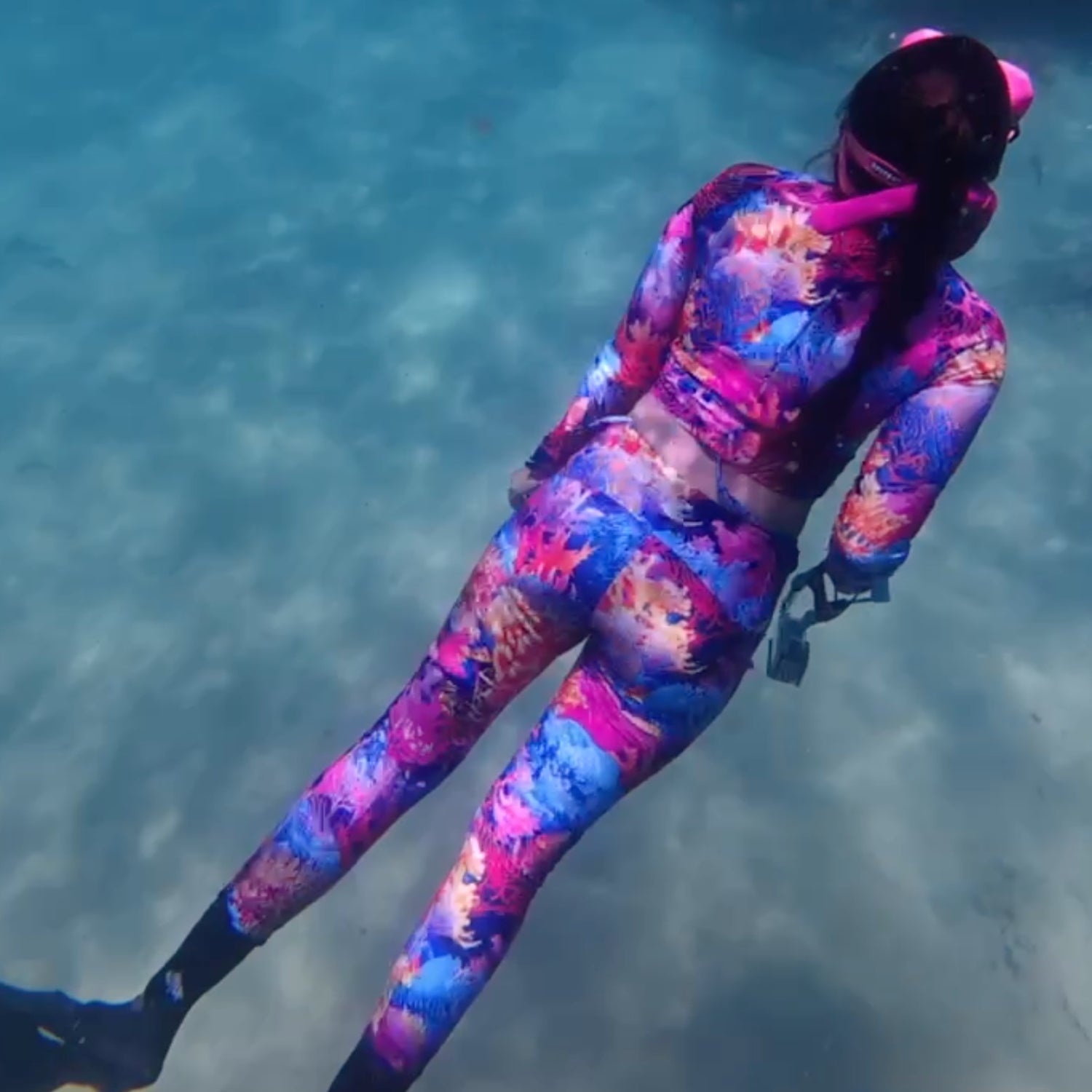
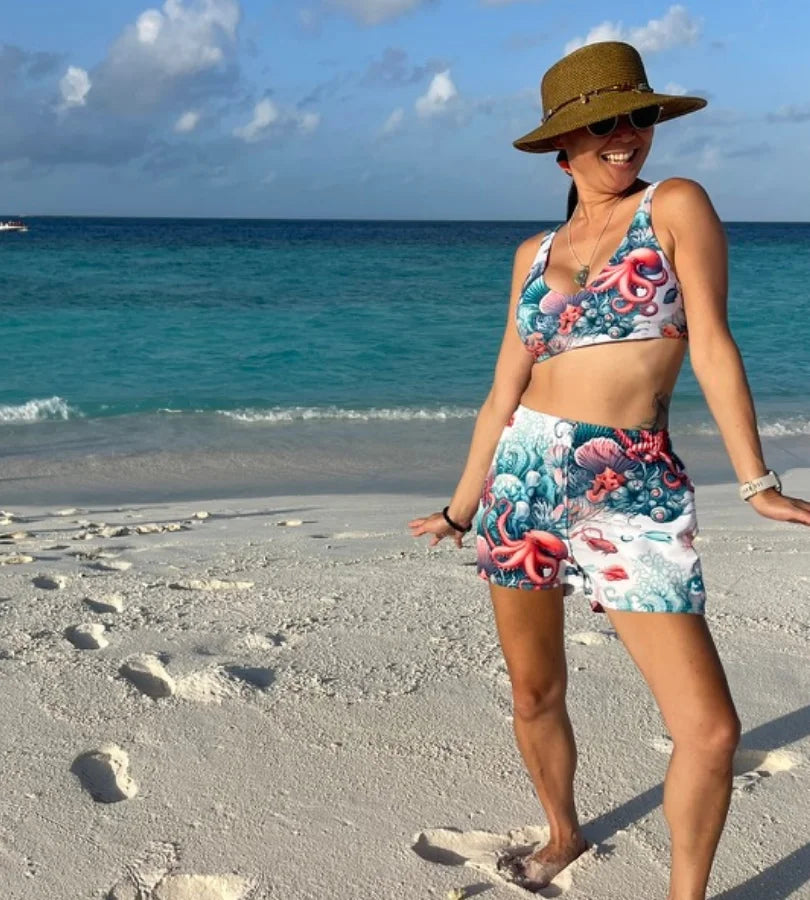
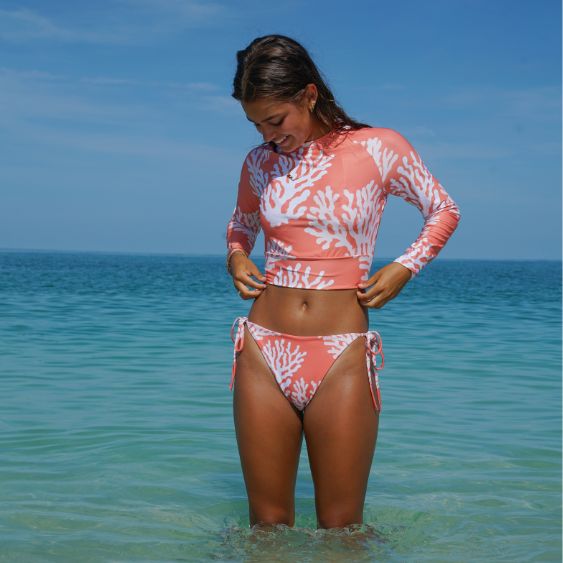
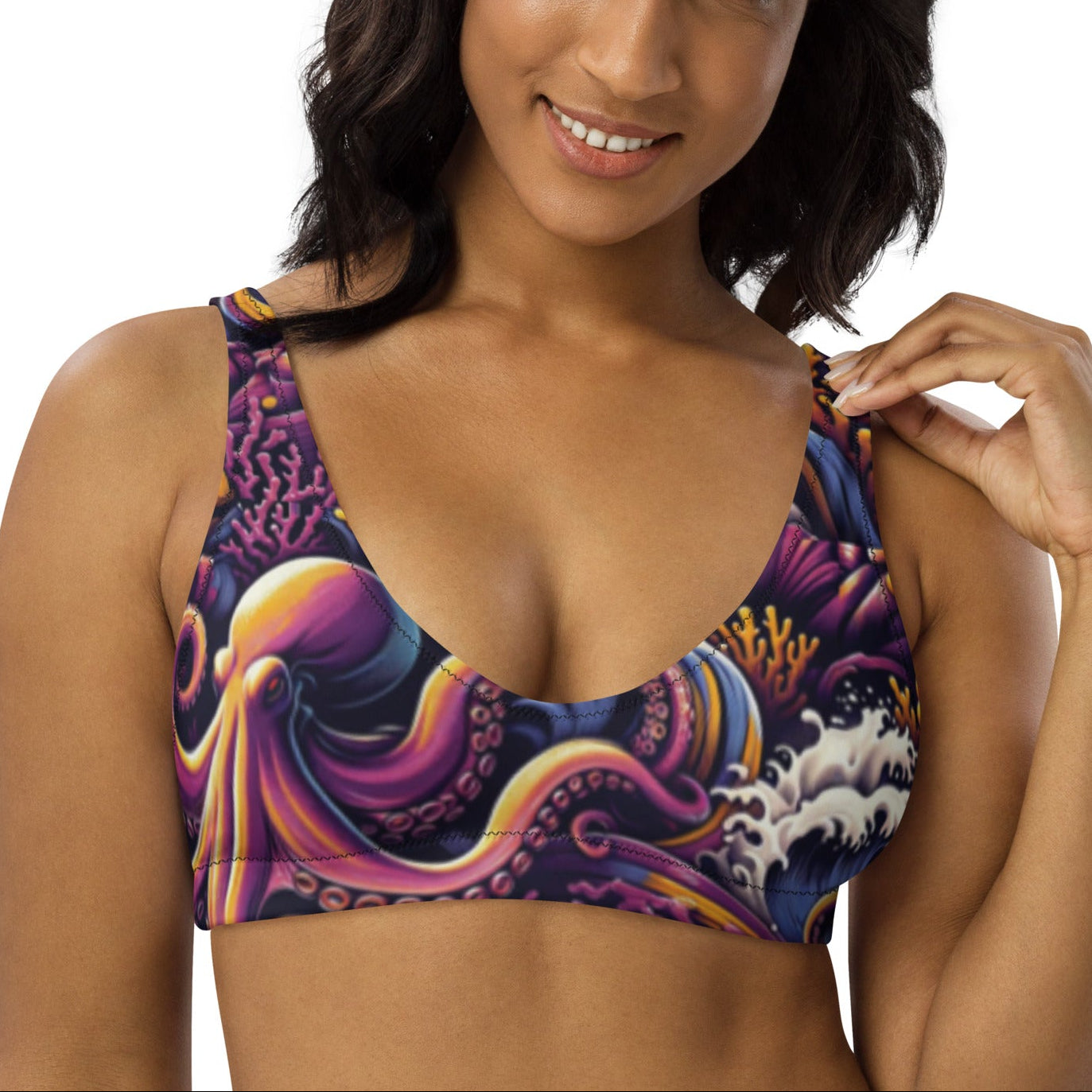
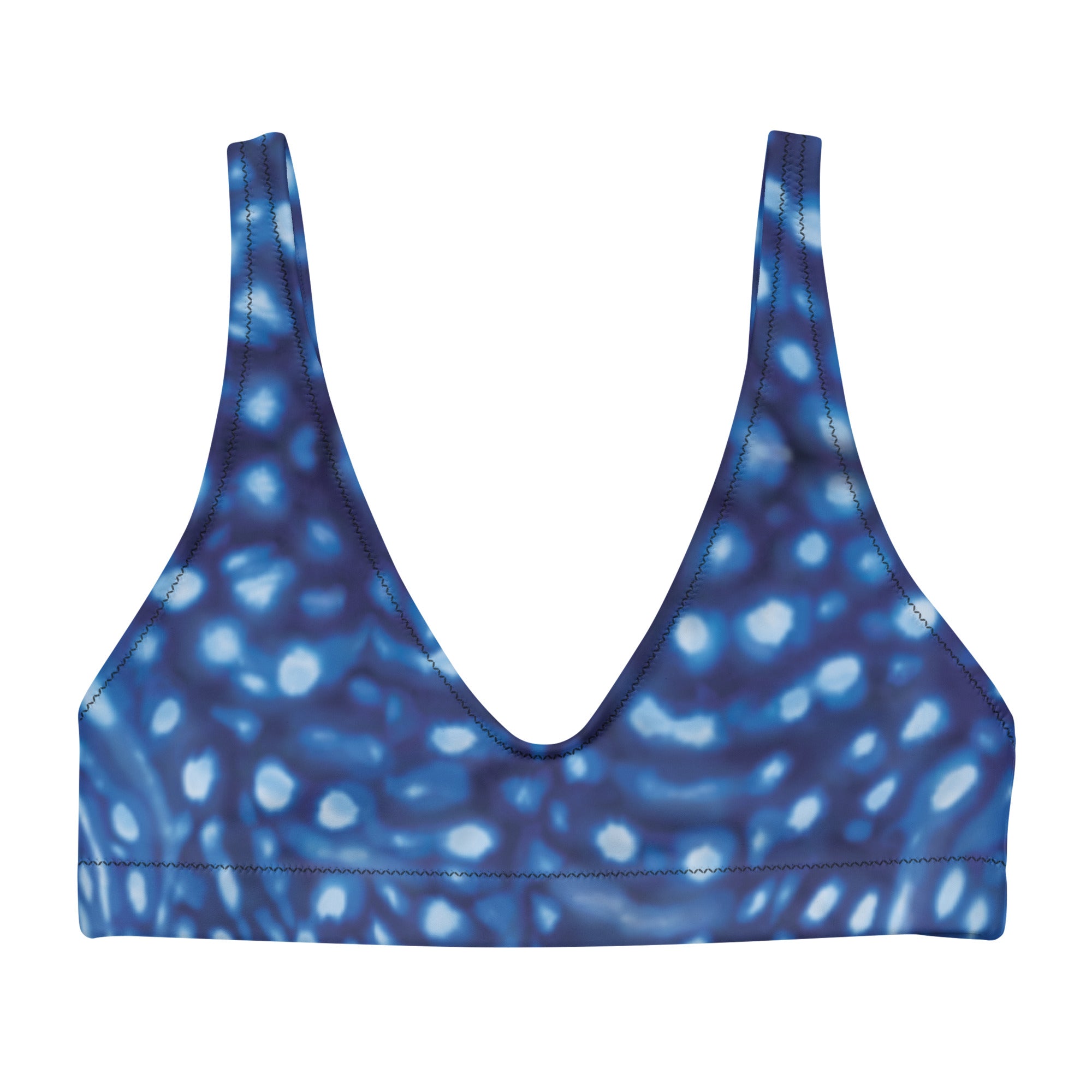
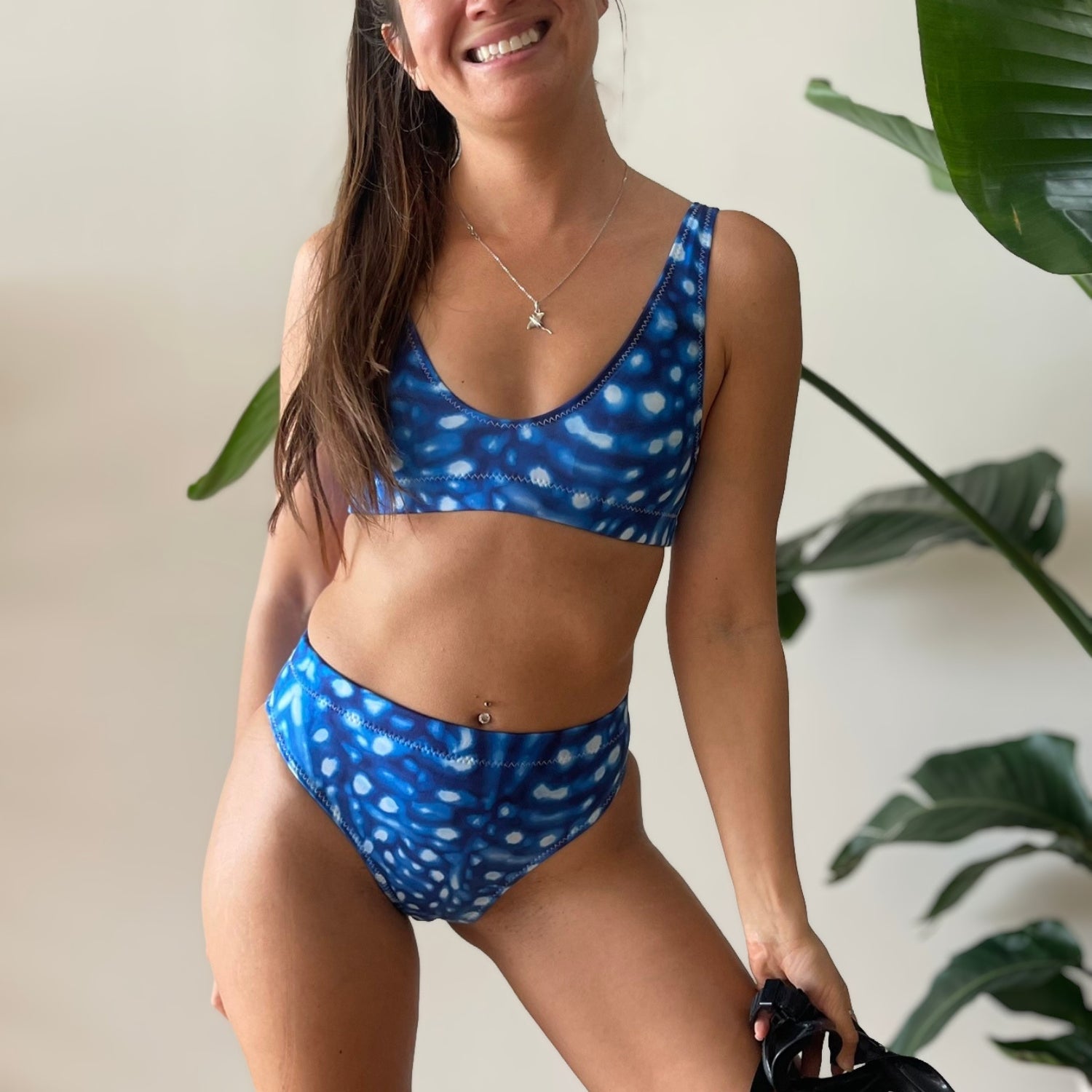
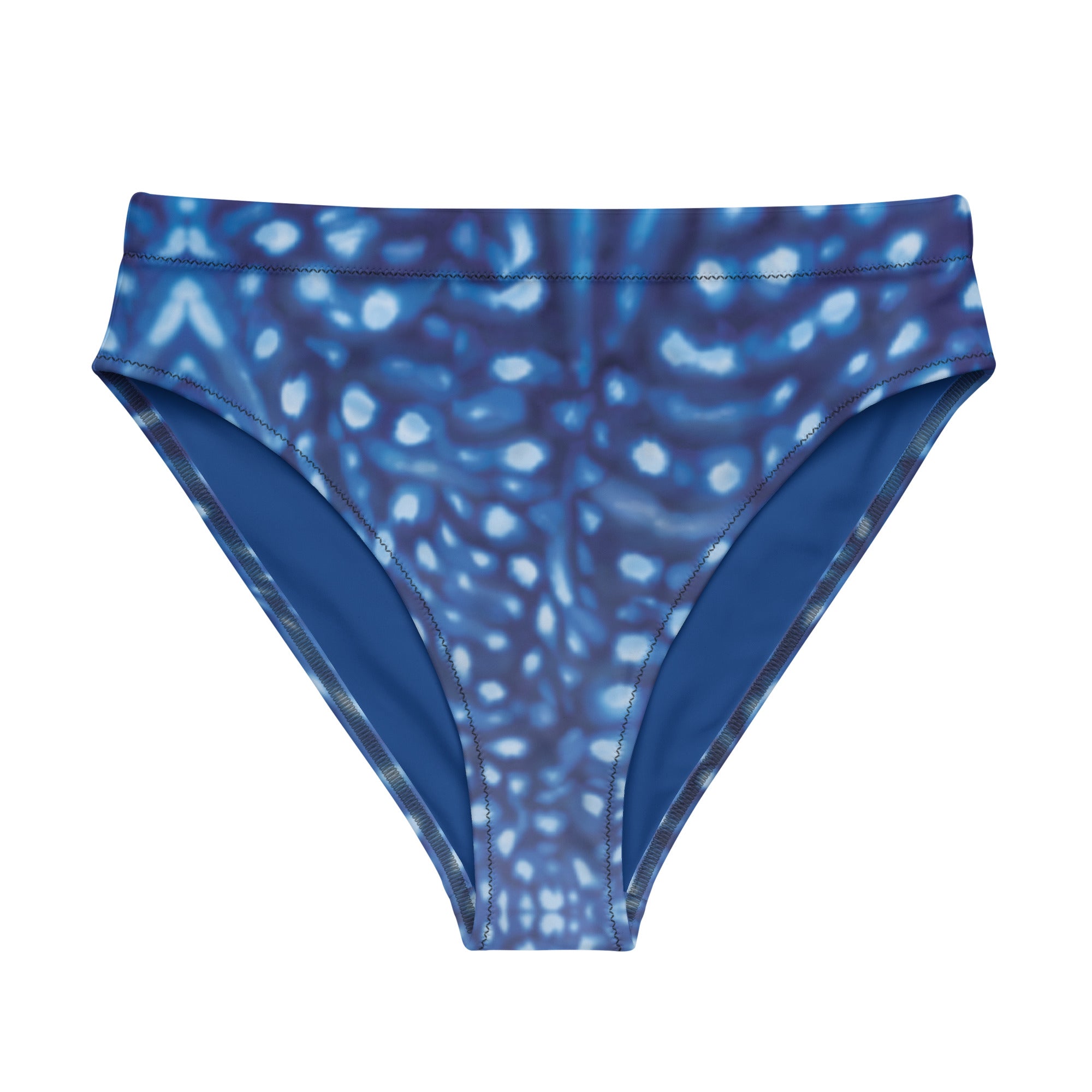
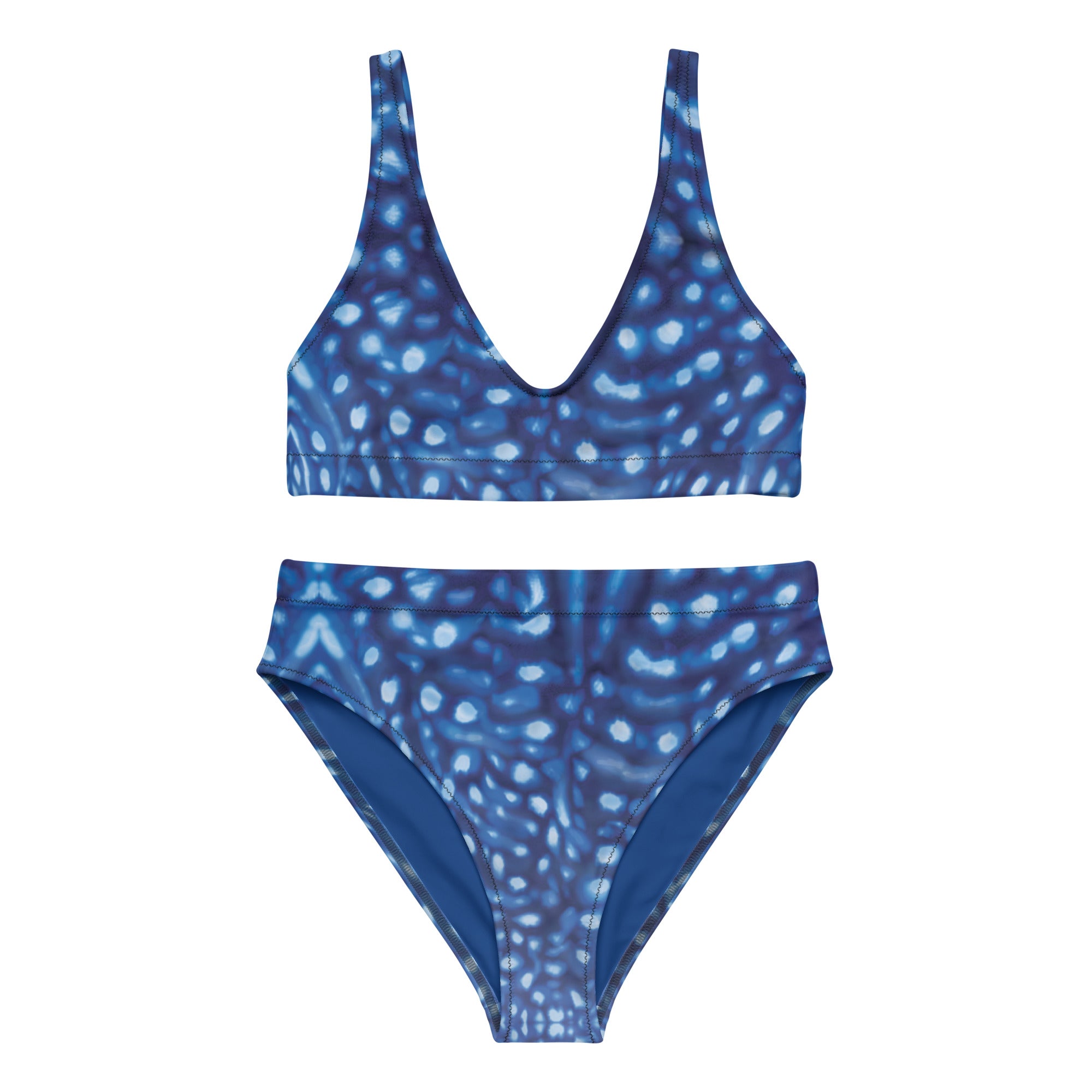
- ✅ A scuba bikini as your base layer. You will live in it.
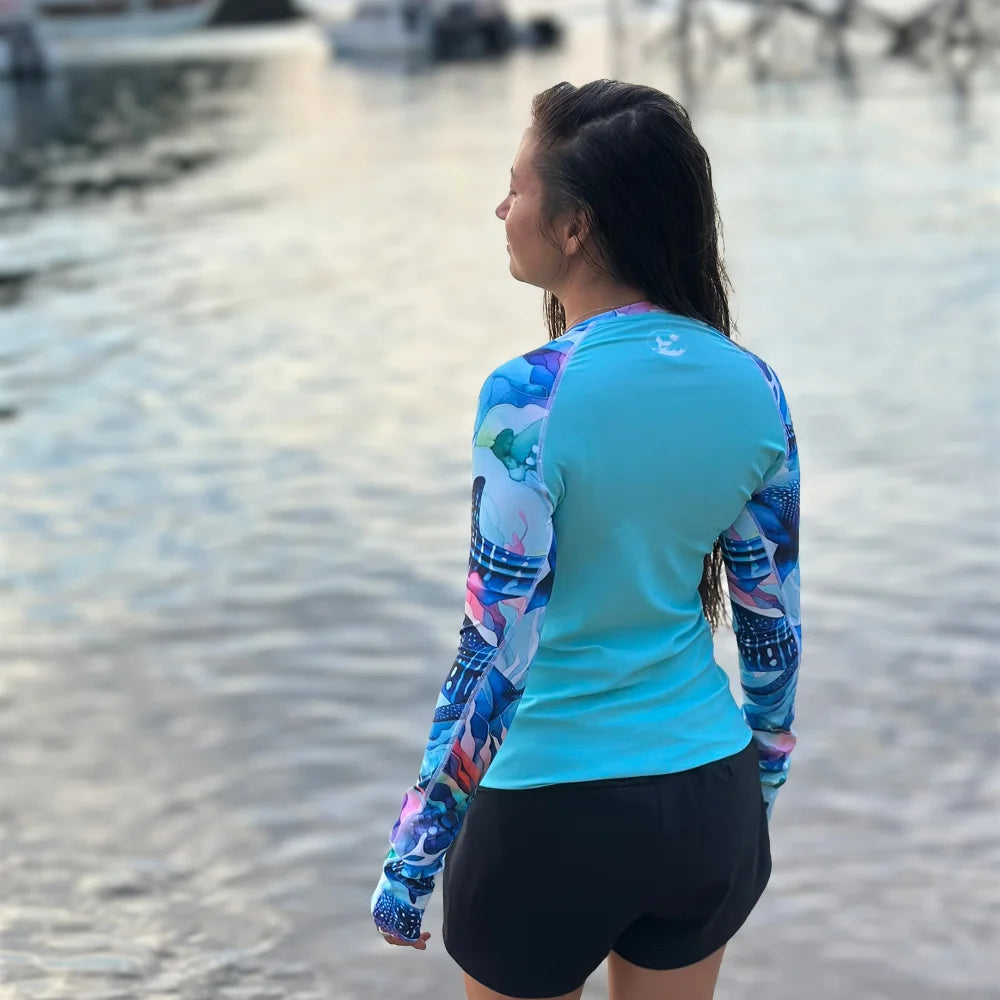
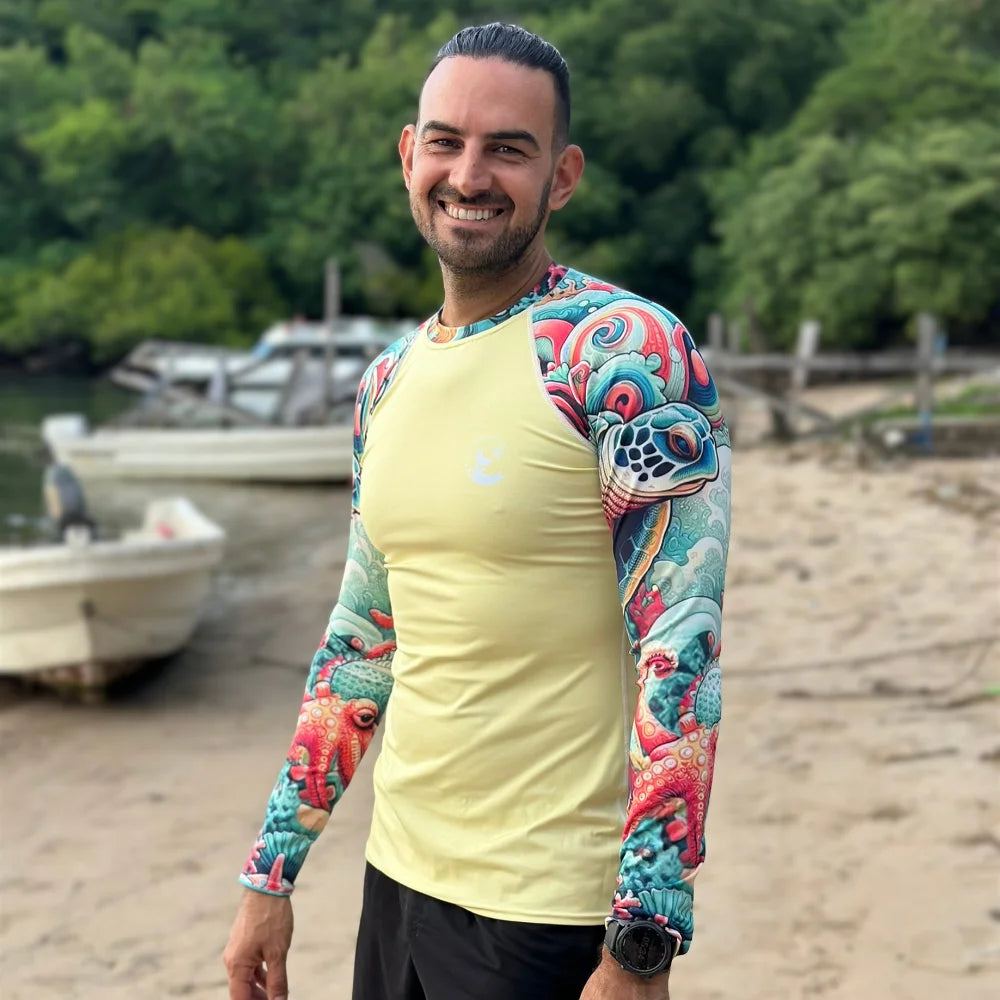
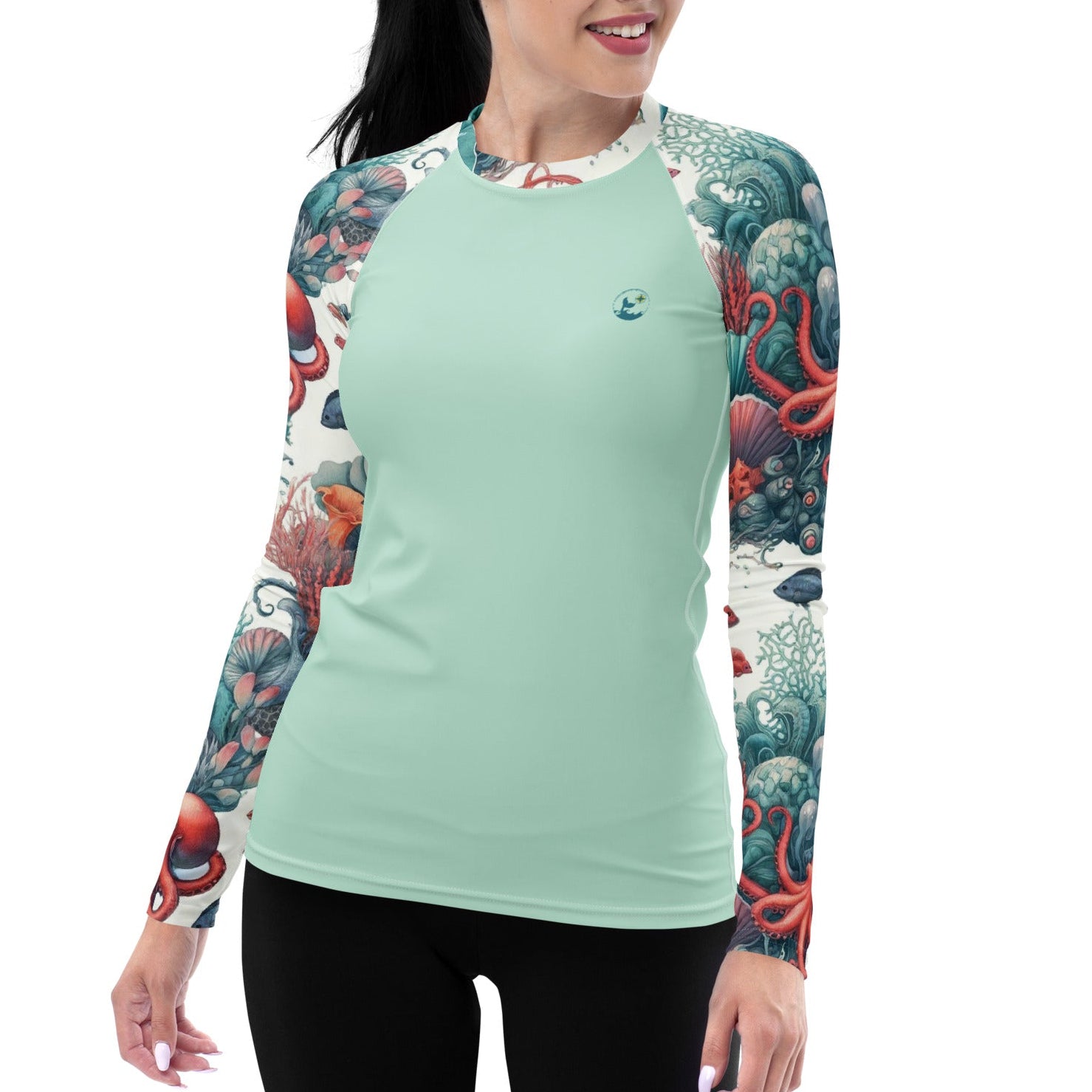
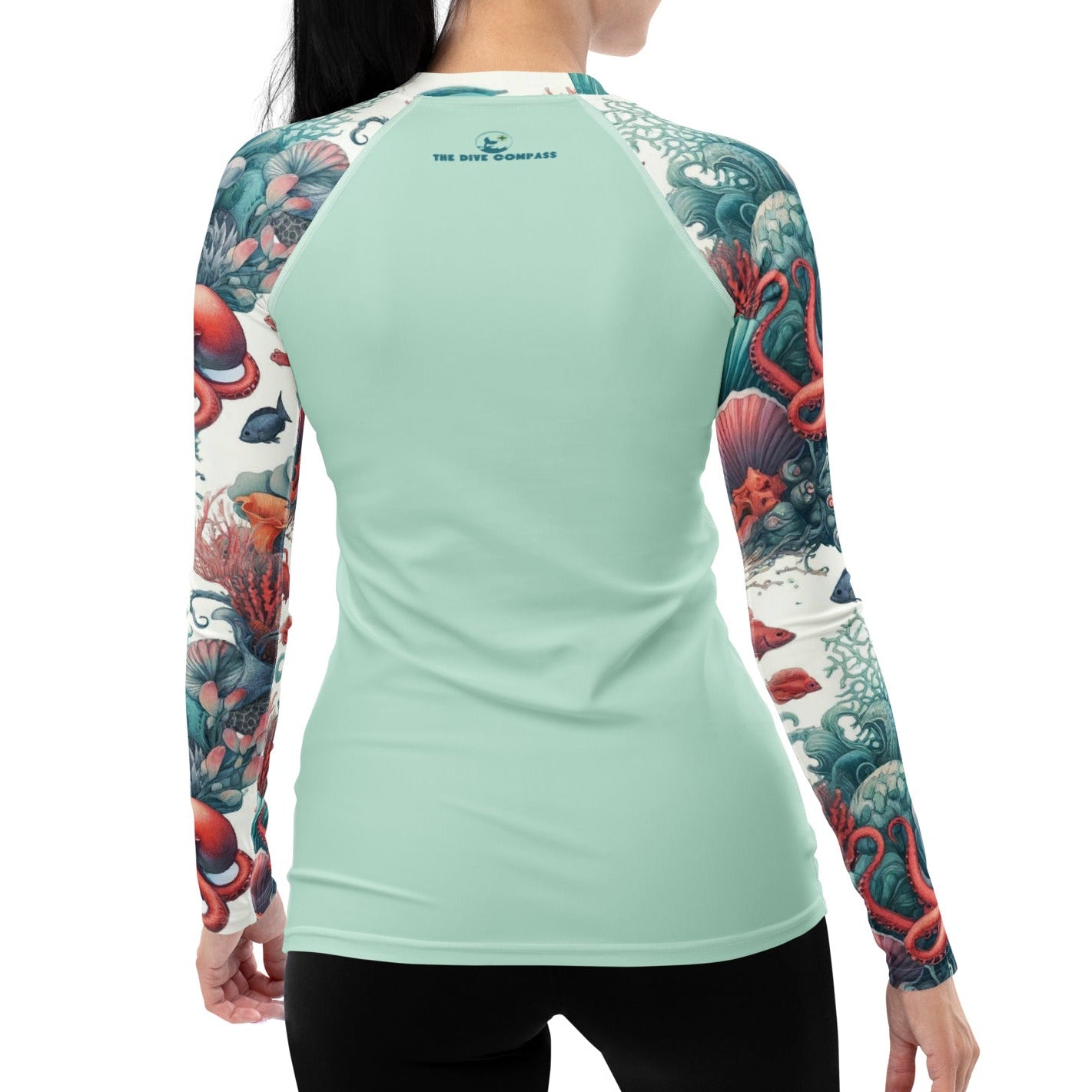
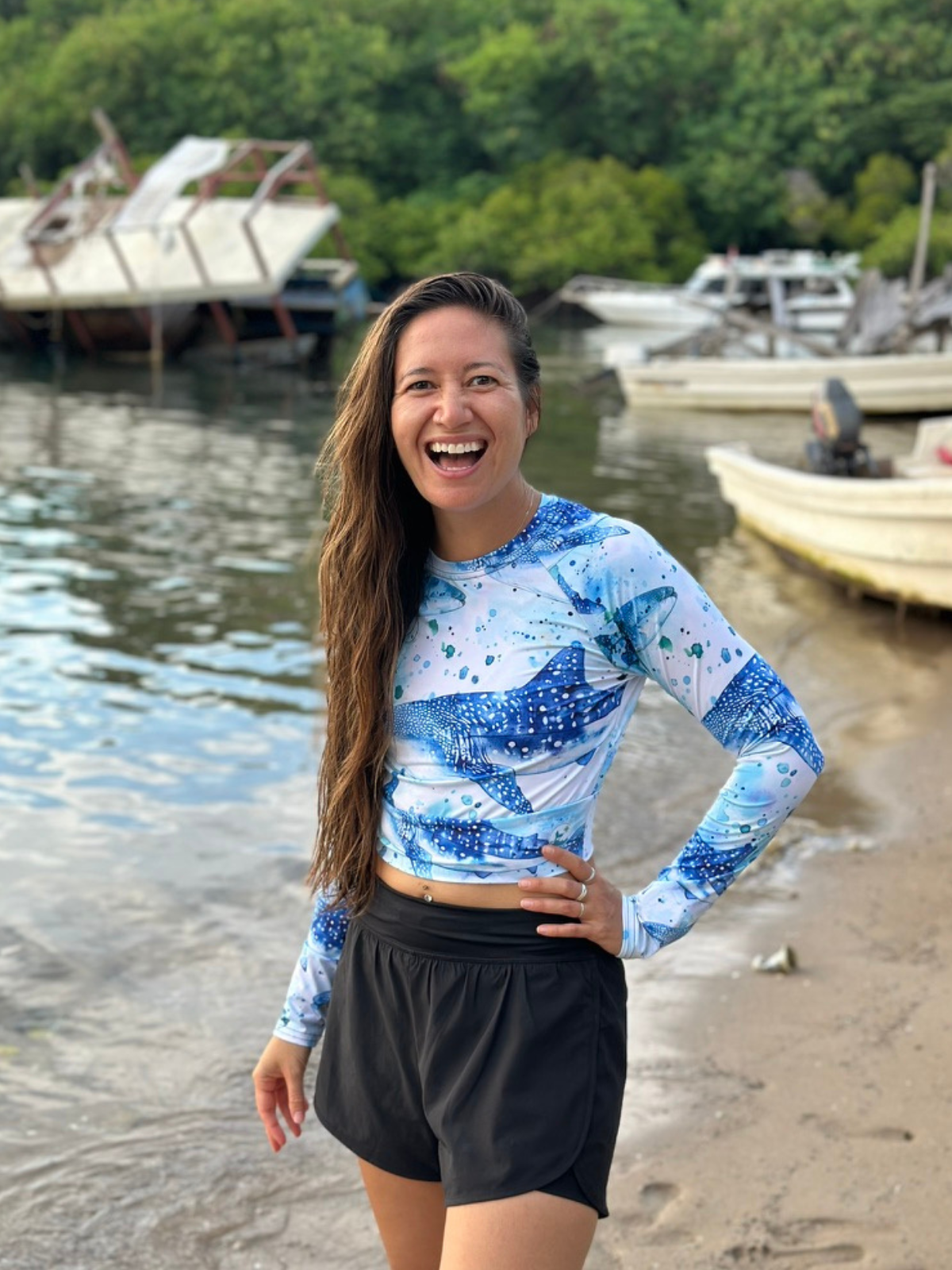
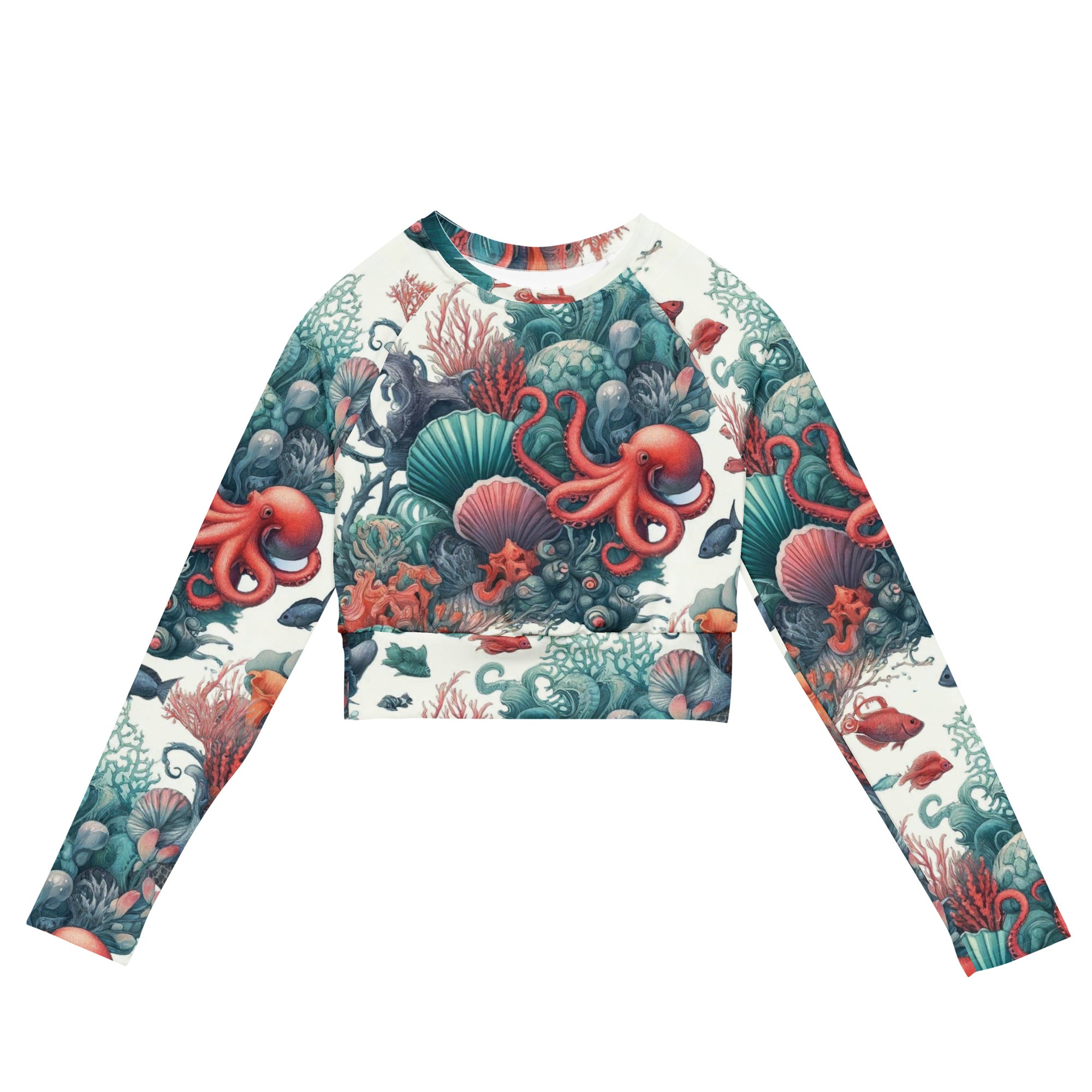
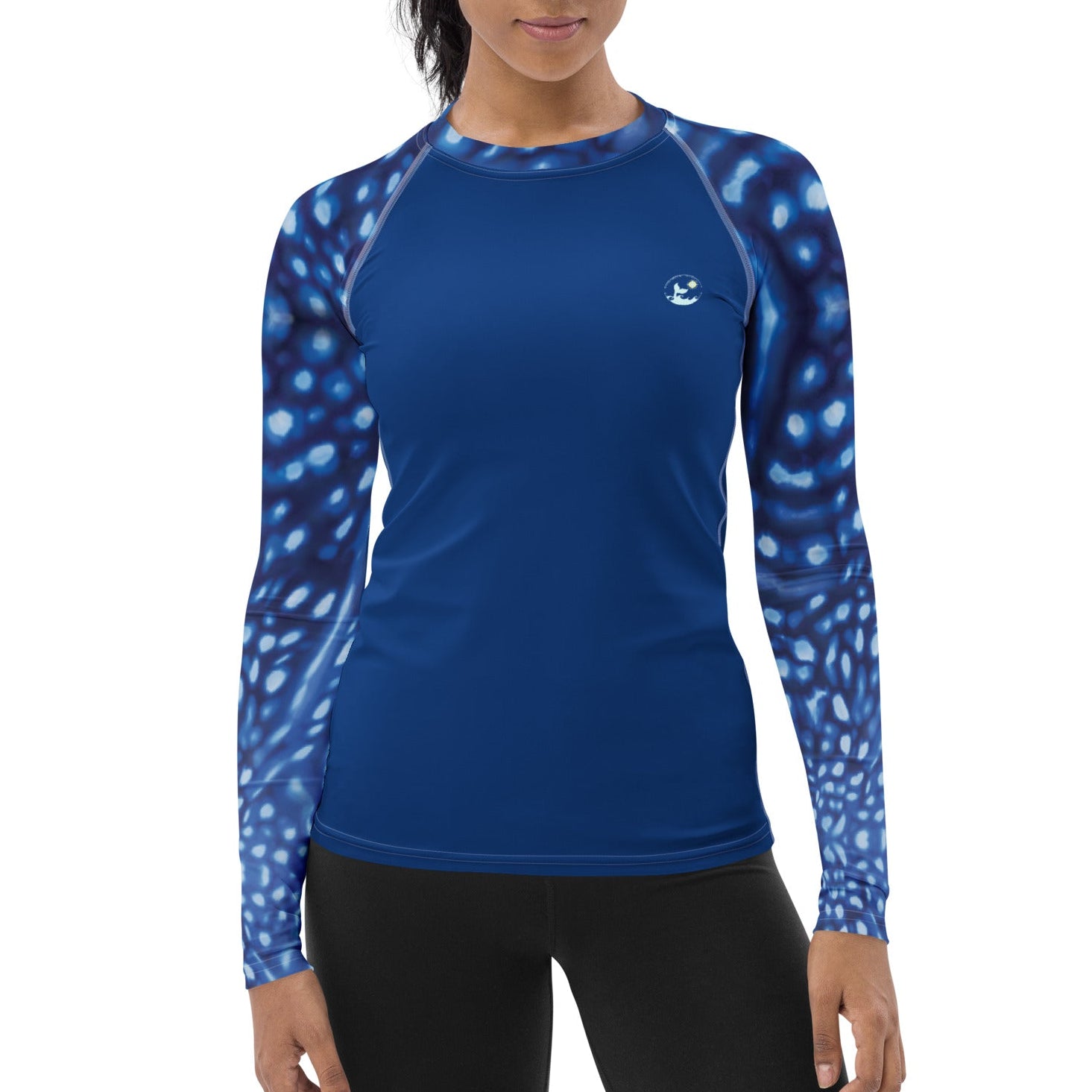
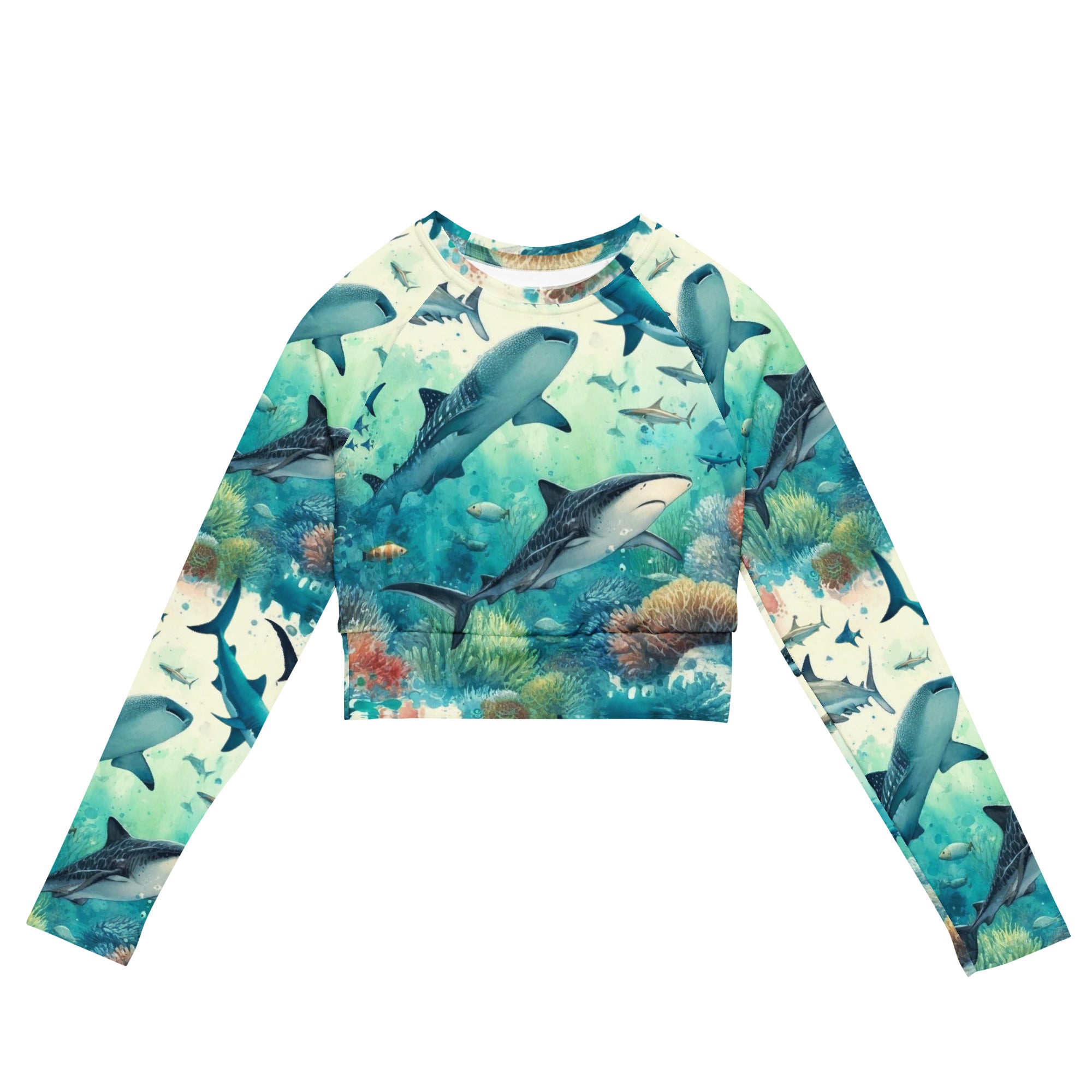
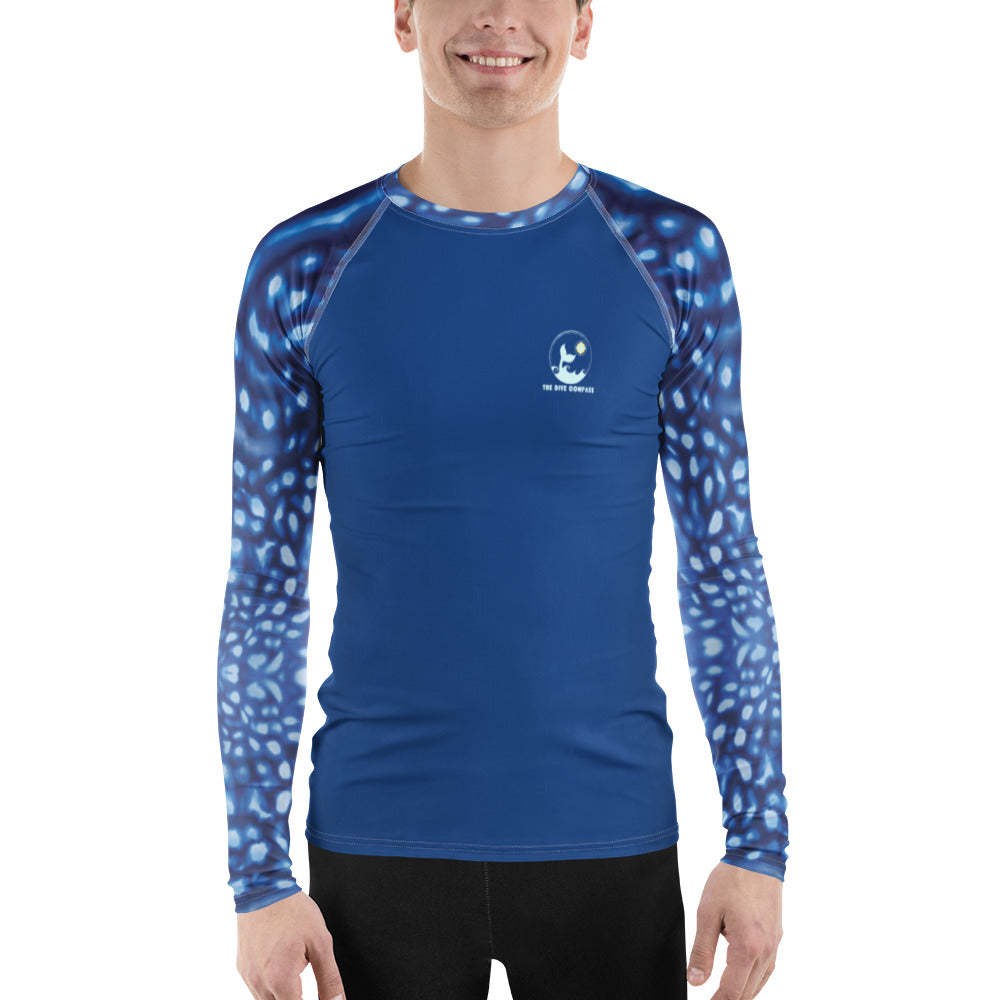
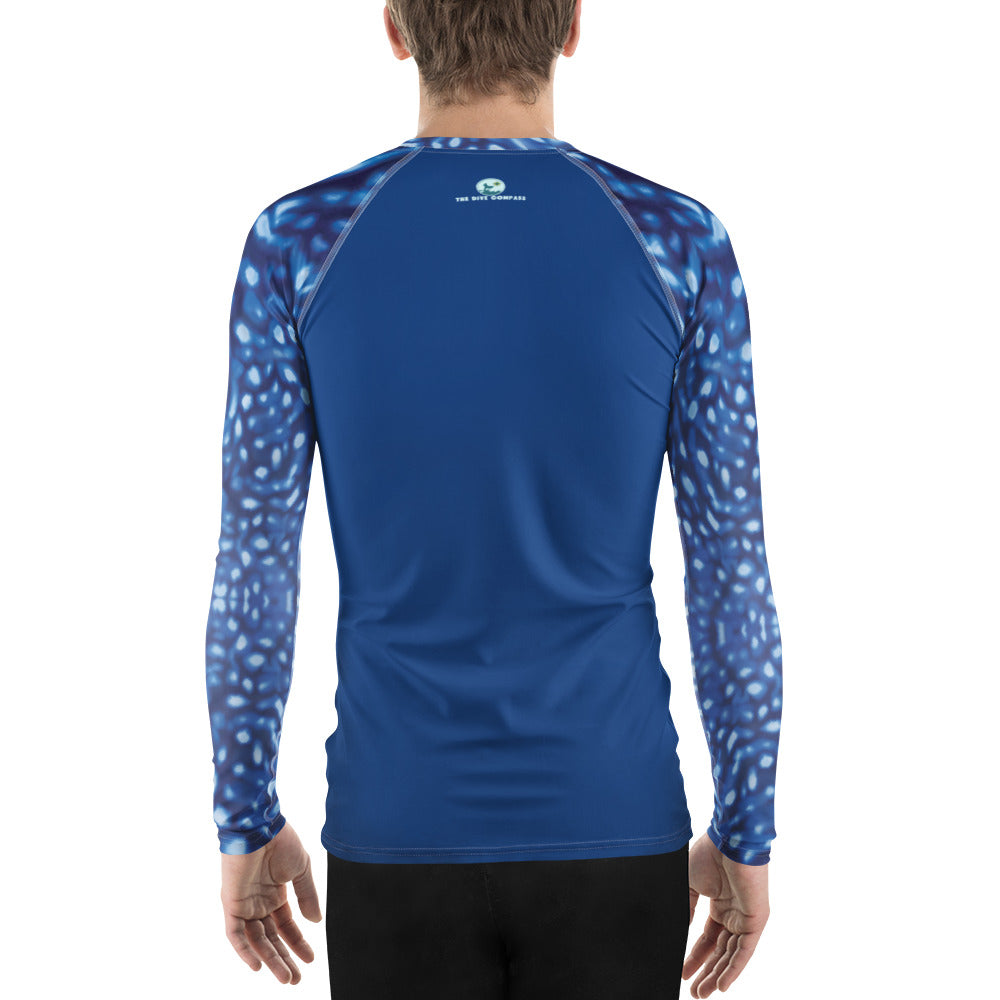
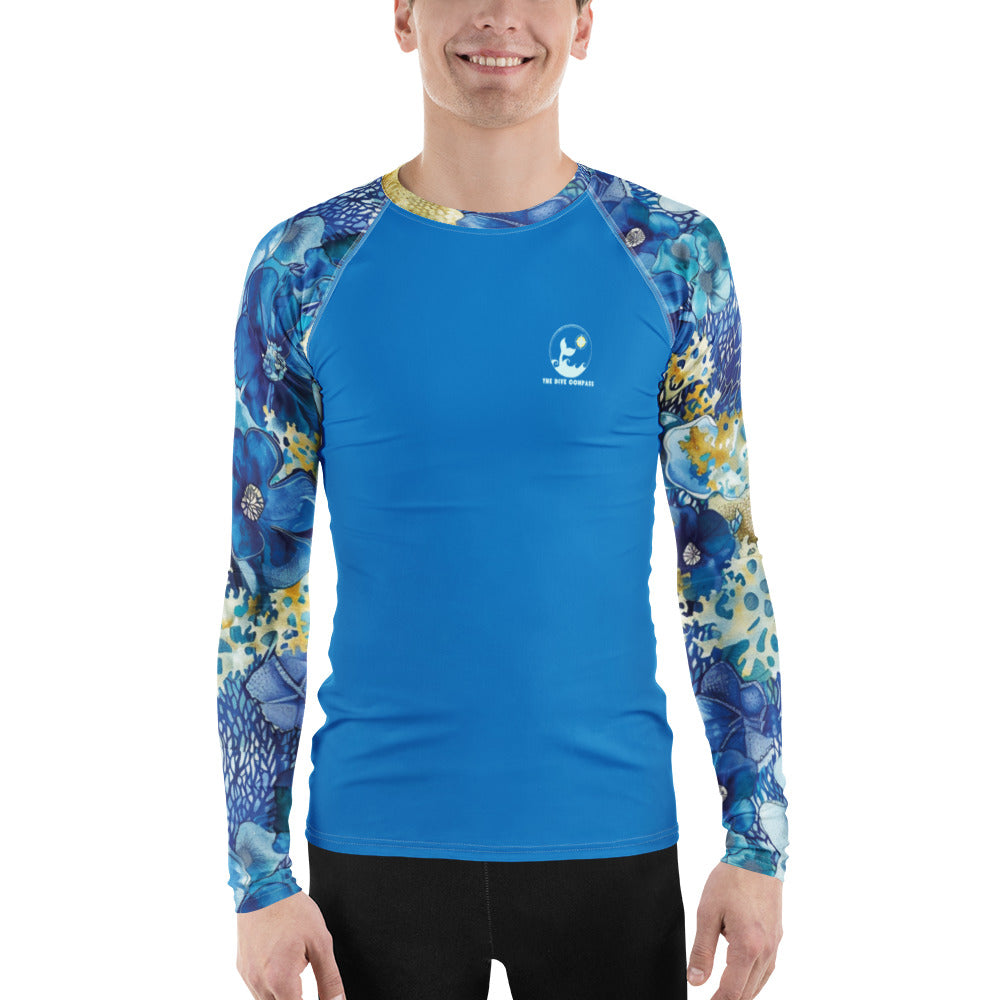
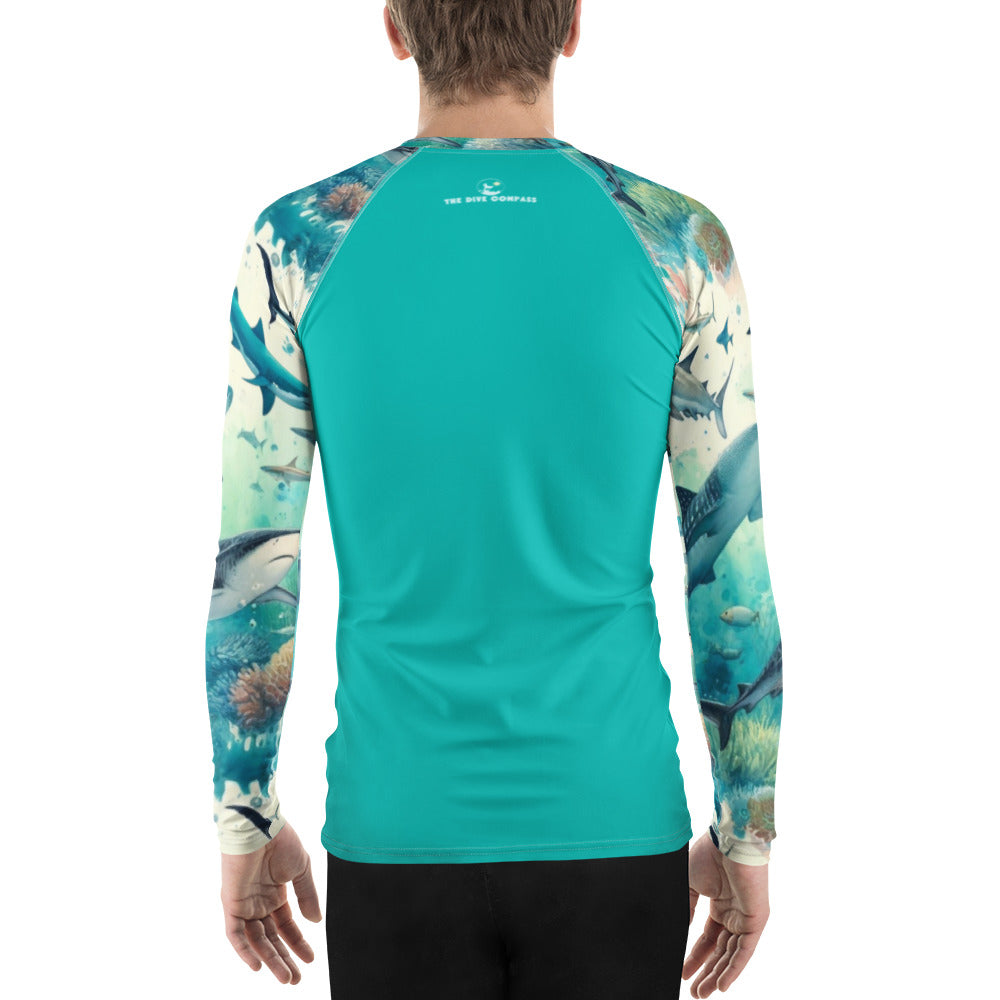
- ✅ A full-length UPF 50+ rash guard. Sun on the shore, and it makes a damp wetsuit twice a day survivable.
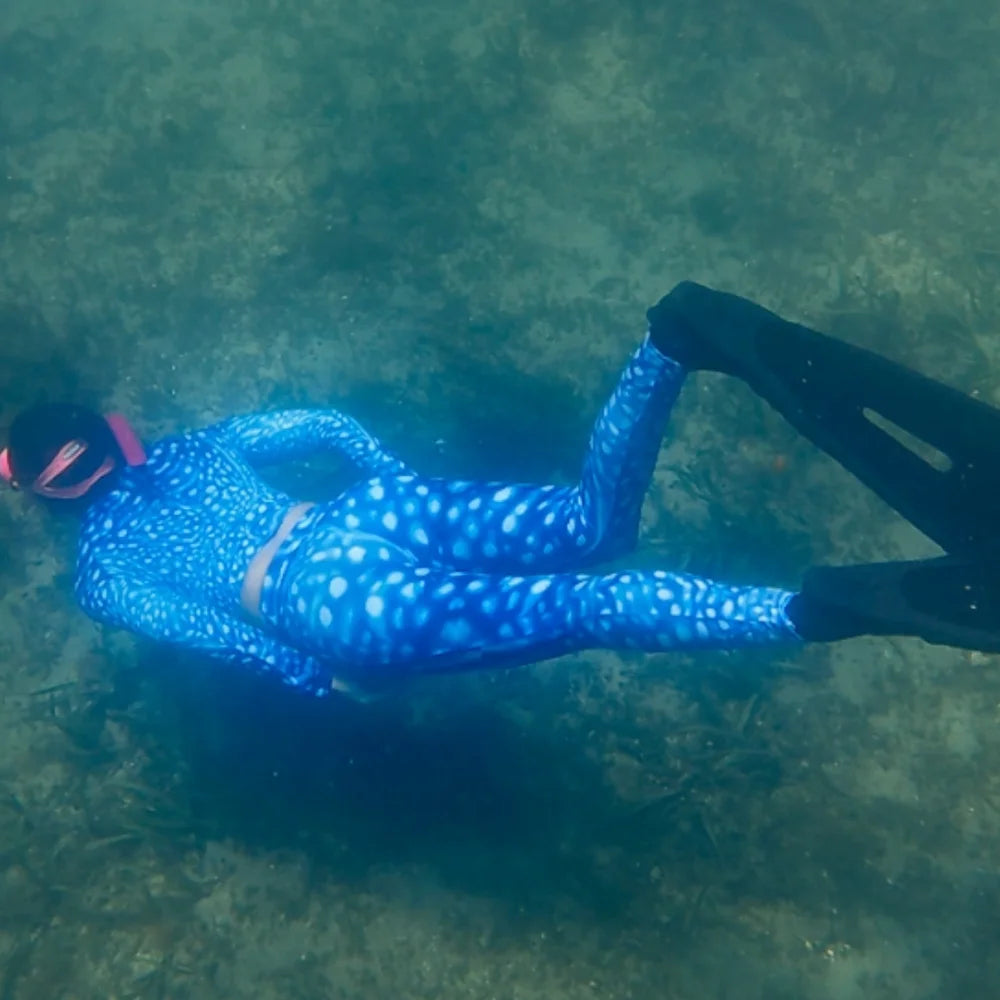
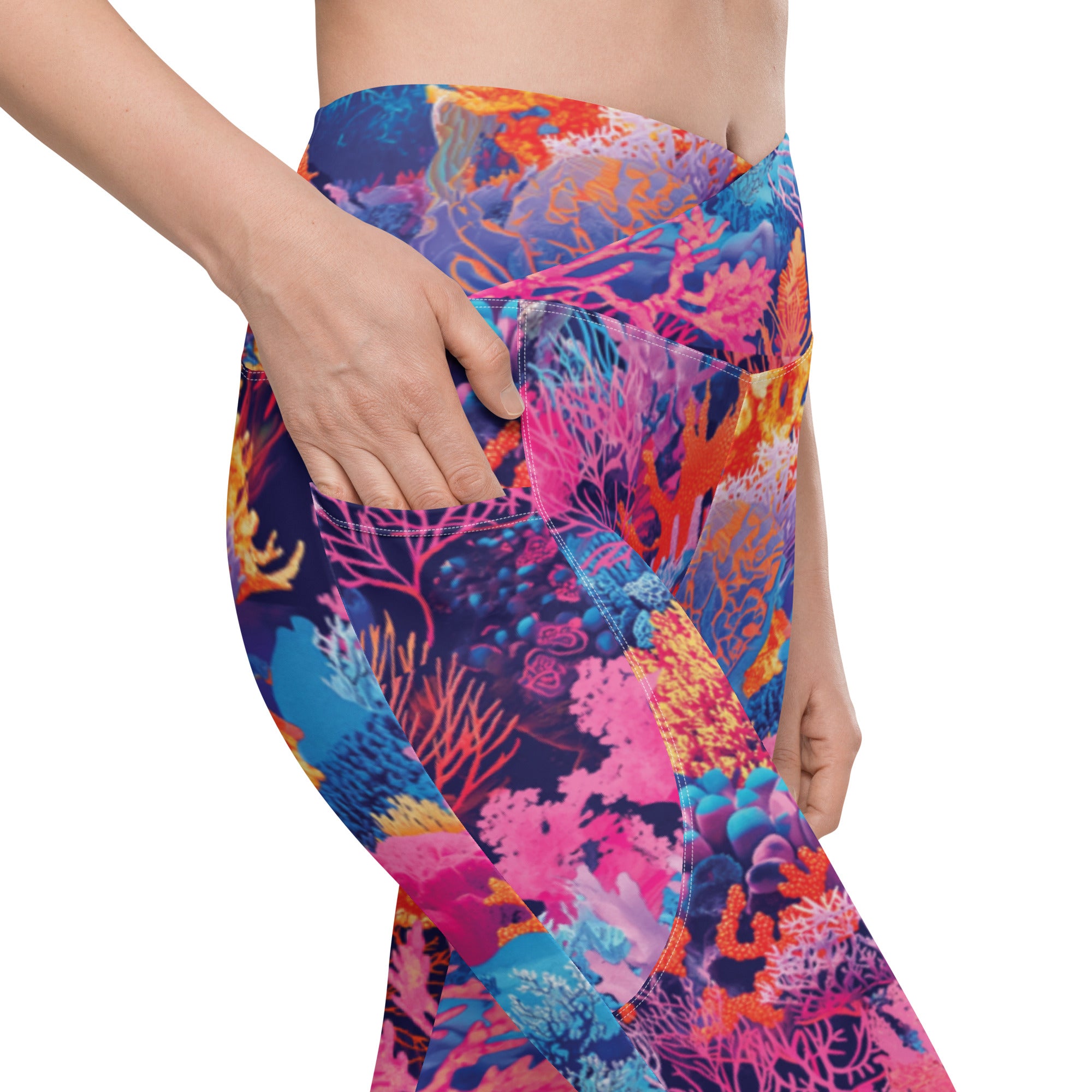
- ✅ Dive leggings for the same reason.
- ✅ A 5mm, or a 3mm if you are diving August and you run warm. A hood if you feel the cold like I do.
- ✅ A second set of swimwear. Nothing dries as fast as you want it to when you are diving daily.
- ✅ Shoes you can walk into the water in. Shore entries are over rock and reef flat.
- ✅ Reef-safe sunscreen and a hat. It is a desert and there is no shade on the rug.
- ✅ Something to cover up in for town, and more for Cairo if you are stopping there.
👉 What to wear under a wetsuit · The full dive trip packing list
Would I go back?
I would move back.
Dahab gave me the thing that is hardest to buy in diving, which is volume. Two hundred dives in four months, the same sites over and over, in calm water with good visibility and no current to fight while I was learning. Every skill I have now was built there.
And it gave me a shape of life I did not know was possible: dive in the morning, work in the evening, eat dinner sitting on the floor looking at the mountains. If you are considering doing a divemaster somewhere, or you just want a month of diving that will not cost you a fortune, this is the place I send people.
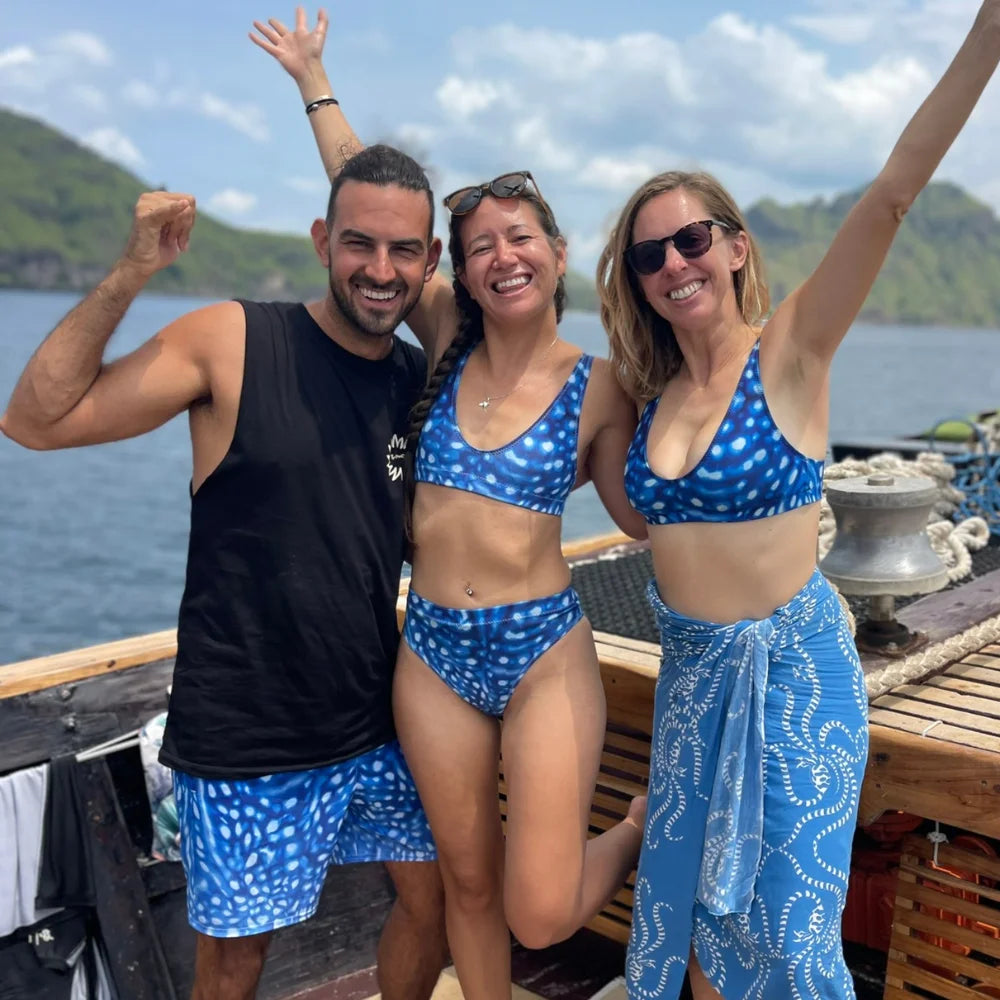
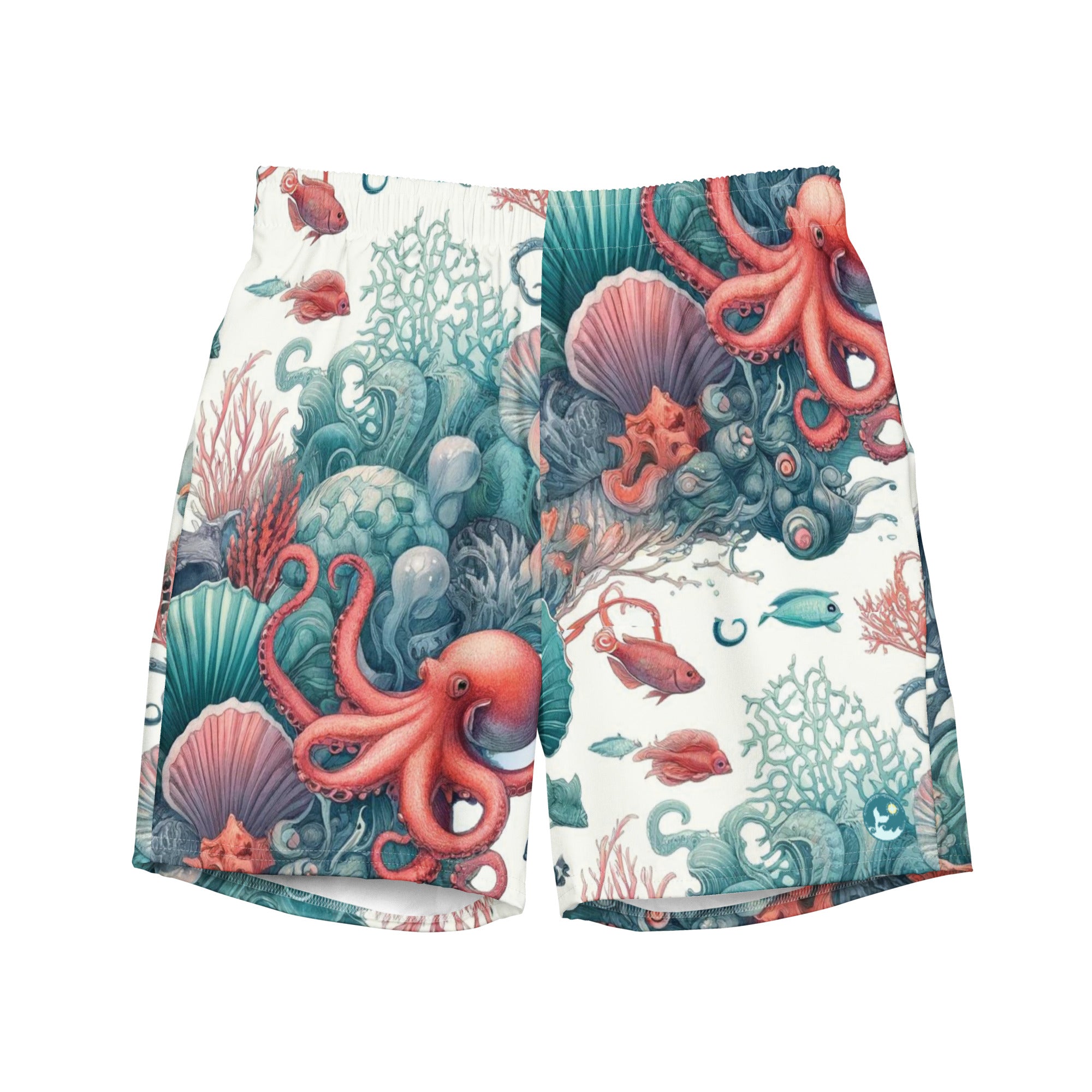
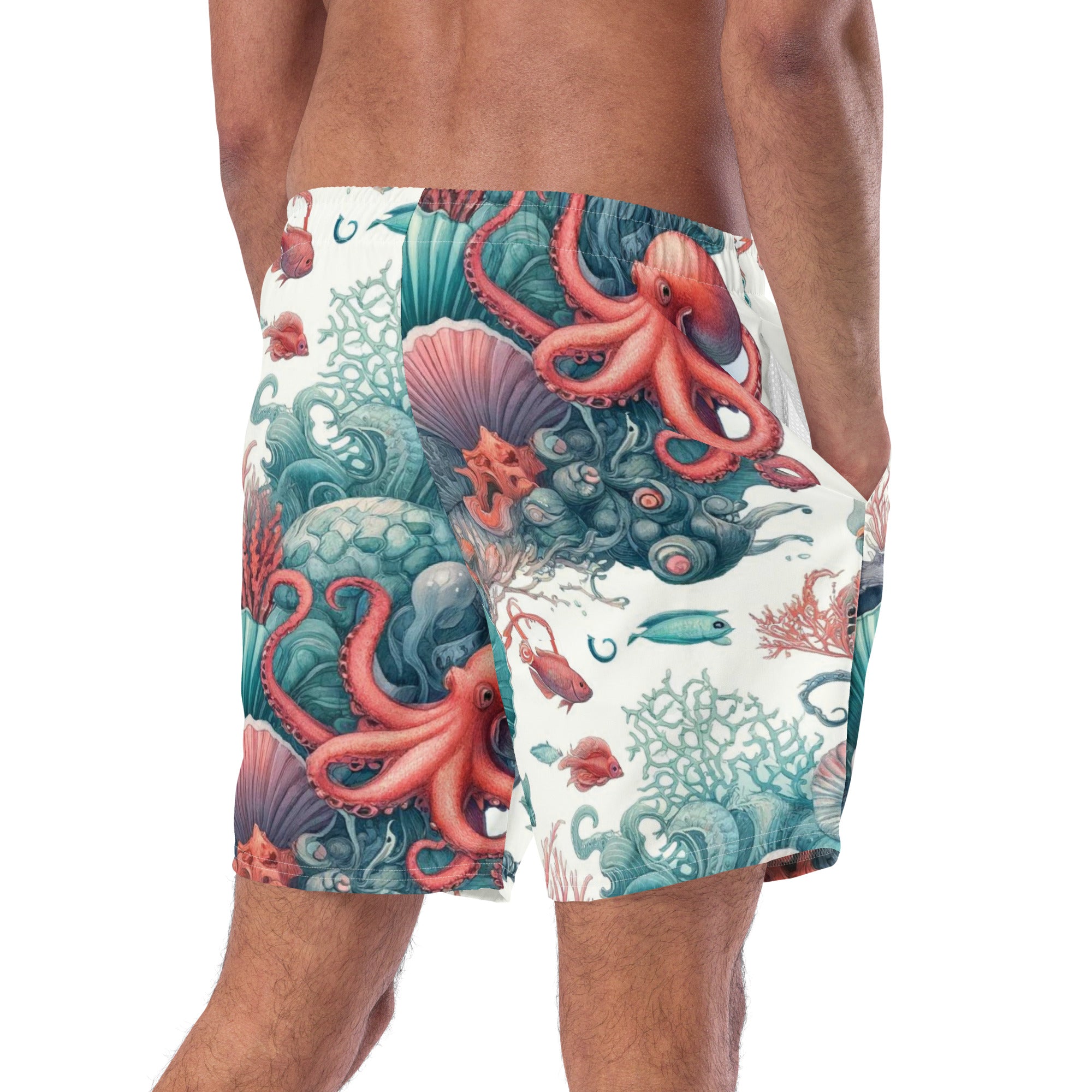
🪸 Wherever you dive next, what you wear closest to your skin does the most work. Every Dive Compass piece is made to order from recycled polyester with a UPF 50+ rating, and 10% of every order funds coral restoration at Padang Bai in Bali with the Livingseas Foundation.
✨ Ready to gear up? Shop dive-ready swimwear →
Keep reading
- Water Temperature by Dive Destination: What Women Divers Actually Need to Wear
- What to Wear Under a Wetsuit (Female Diver's Guide)
- The Ultimate Dive Trip Packing List for Women
- 5 Ocean Creatures Every Diver Dreams of Seeing






















Leave a comment
This site is protected by hCaptcha and the hCaptcha Privacy Policy and Terms of Service apply.