




Scuba Diving Bali: A Divemaster's Honest Guide to Indonesia's Best Sites
The first time I dove in Bali wasn't in Bali as most people know it. I was in Malaysia — diving Mabul and Sipadan — and I met a couple of dive instructors who told me that if I ever went to Bali, I had to go to Menjangan Island in the northwest, Menjangan is not the typical touristy Bali diving spot. So I took their advice on my first trip to Bali and I stayed in a small coastal village called Pemuteran. The wall dives and reefs I found there were extraordinary. I was hooked.
That was over a decade ago. I've since been back to Bali more than a dozen times, across nearly every season, and dove sites from the north coast to Nusa Penida in the south. I've clocked around a hundred dives at one Padang Bai site alone (more on that in a moment). Bali is one of the very few places I keep returning to, and every visit still teaches me something new.
This is my honest guide to diving Bali, where to go, when to go, what to expect, and what most guides won't tell you.
Why Bali Actually Belongs on Every Diver's List
If you know Bali as a yoga destination, a honeymoon spot, or an influencers paradise, the diving side of the island can feel like a well-kept secret, but it shouldn't be. Within a small geographic area, you get:
- World-class wreck diving (the USAT Liberty)
- Big-fish drift diving (Nusa Penida — mantas, mola mola)
- Pristine wall reefs (Menjangan, Pemuteran)
- Some of the best macro diving in Indonesia (Amed)
- Active coral restoration sites you can dive on and volunteer with (Padang Bai)
You can experience four or five completely different dive environments in a single trip without a domestic flight. That kind of variety in a small area is rare, and it's what makes Bali stand out even in a country as diving-rich as Indonesia.

When to Dive Bali
Honestly? Every season I've dived Bali has been good. I've been in March, April, May, July, and November, and every one of them delivered. Bali has two loose seasons (dry season, roughly from April to October, and wet season, roughly from November to March), but the underwater conditions don't swing as dramatically as the topside weather might suggest.
A few specific seasonal considerations that actually matter:
Mola mola season is July and August. Water at Nusa Penida gets significantly colder in this window — cold upwellings are what draw the mola mola to the surface from deeper water — and the currents get stronger. This is peak season for encounters, but also peak for crowds and challenging conditions.
Manta season at Manta Point is broadly year-round but most reliable during the drier months (April to October).
Nyepi the Balinese silent day — is worth planning around. On Nyepi (the Balinese New Year, usually in March), the entire island shuts down. No tours, no restaurants, no cars on the road, and no flights, even the airport is closed. If you're mid-trip, plan for a quiet day of rest at your accommodation. If you'd rather keep diving, hop to the Gili Islands off Lombok (Gili T, Gili Air, or Gili Meno) as part of Lombok these islands are Muslim and they're not affected by Nyepi which is a hindu holiday and are only a couple of hours away by fast boat.
The Dive Sites of Bali (Region by Region, an honest review)
Rather than list every site alphabetically, here's how I actually think about Bali's diving by region, with an honest note on who each area is best for.

Northwest Bali: Menjangan Island and Pemuteran
Menjangan Island sits inside the West Bali National Park, and it's home to some of the most beautiful wall dives in Bali. Vibrant coral, healthy reef fish populations, sea fans that seem to go on forever. This is where I first dove in Bali, and it's still one of my favourite corners of the country.
Pemuteran, the coastal village where you'd base yourself, deserves its own mention. It's home to the Bio Rock coral restoration project — one of the oldest and largest of its kind in the world — and you can dive on the Bio Rock structures directly. There's also a mandarin fish dive at dusk that I highly recommend. On my last visit, we were lucky enough to see mandarin fish mating, which is a brief, iridescent display that most divers never get to witness.
Best for: Reef and wall lovers, divers who want quieter and less commercial diving, anyone curious to see coral restoration in action.

North Bali: Tulamben & Amed
This is the region where I've done most of my Bali diving.
Tulamben is home to the USAT Liberty shipwreck — an American WWII cargo ship that lies in shallow water just off the beach, making it one of the most accessible wrecks in the world. You literally walk in from shore. Beginners can dive it. Photographers can spend a week there. The wreck is beautifully overgrown with soft coral and reef life.
Amed is where I need to be honest with you. Amed is a lovely beach town with easy shore-diving access to sites like Jemeluk Bay, Pyramids, and the Japanese Wreck. The water is warm, calm, and beginner-friendly. It's also a phenomenal macro spot — I've seen a mimic octopus in Amed, plus ghost pipefish and all sorts of small, weird, wonderful things you don't find in busier waters.
But over three or four visits to Amed spanning a few years, I've watched the reefs there noticeably degrade. The water is still and warm — which is what makes it beginner-friendly, but also means there's little current bringing fresh, cooler water to circulate around the coral. Warming ocean temperatures have hit these still-water reefs hard. If your priority is seeing pristine, healthy reefs, Amed isn't the place to go anymore. If your priority is macro diving, easy access, and calm conditions to build confidence, it still delivers.
Best for: wreck lovers, photographers, divers from beginner to advanced. Amed — new divers and macro enthusiasts.
East Bali: Padang Bai
Padang Bai is where I've done more diving than any other single location in Bali — around a hundred dives at one site alone (the Coral Restoration site, which I'll come back to in a moment). Padang Bai also has excellent fun dives like Blue Lagoon (gentle, colourful, great for both new and experienced divers), Bias Tugal, and Gili Tepekong (a more challenging drift dive with the possibility of mola mola encounters in season).
Best for: Divers of all levels, and anyone who wants to see conservation work firsthand.
 Nusa Penida and Nusa Lembongan: The Drift Diving Playground
If you want big fish, big currents, and big adventure, you want to be here.
Nusa Penida is famous for its manta rays and its mola mola encounters, and both are genuinely possible — but I want to be honest about what a Nusa Penida dive day actually feels like. The currents at sites like Crystal Bay and Manta Point are strong. During mola mola season (July and August), the water can get cold enough that you'll want a 5mm wetsuit or even a hood. This is not diving for beginners.
I've been in Nusa Penida groups that included open-water divers who weren't ready for the conditions. On one dive, we cut the whole thing short at around 20 minutes because a newer diver had already burned through their air managing the current. That's not the diver's fault — it's a group-planning issue — but it's the reason I recommend Nusa Penida for experienced divers only. Do your Advanced Open Water first. Get some drift-diving destinations under your belt. Come to Nusa Penida when you're comfortable with strong current, cold water, and last-minute condition changes.
I did see a mola mola myself, once, from about 30 metres away at Crystal Bay. It was distant but unmistakable — that huge, alien silhouette hovering in the blue. I know divers who've had close encounters, and I've had my one distant one. Both count.
Nusa Lembongan offers a slightly gentler alternative with plenty of drift dives at a more manageable pace. If you want the Nusa Penida experience without diving Nusa Penida itself, this is a good stepping stone.
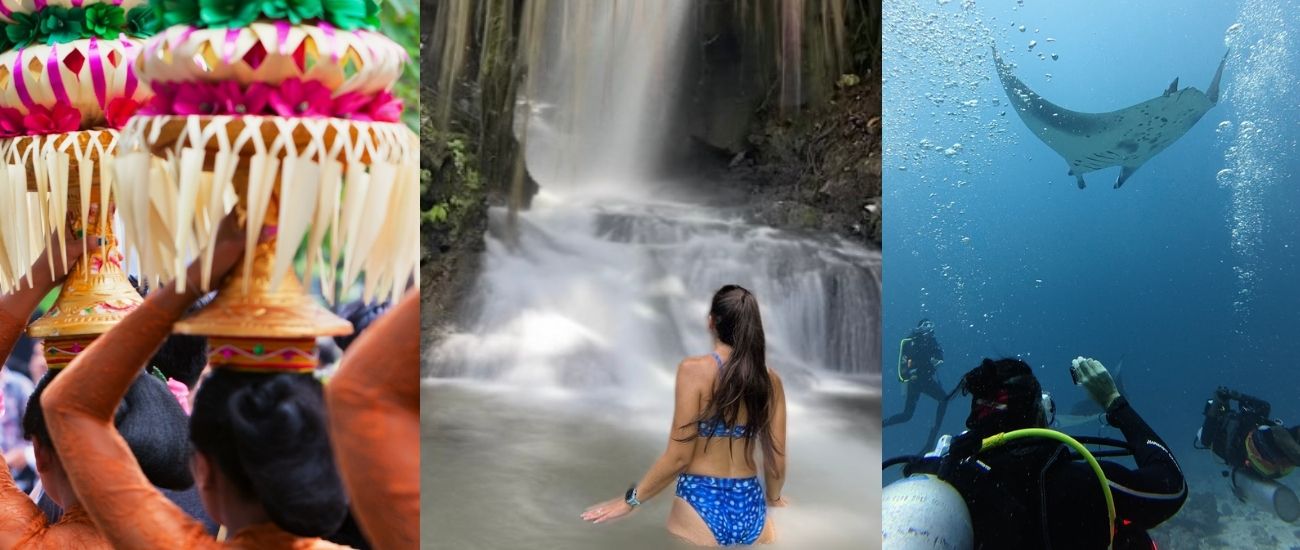
On Manta Point specifically — I need to be honest here too. Manta Point is the single most popular dive site in Bali, and the crowding at times is genuinely uncomfortable. I've been on dives where there are so many boats and so many divers around a small cleaning station that it takes some of the joy out of the encounter, and it makes you worry about the mantas themselves. If you go, go with an operator that limits group sizes, respects distance guidelines from the mantas, and avoids peak times. If seeing mantas without the crowding is your priority, better encounters happen elsewhere in Indonesia (I'll write more about this in a future article on diving with whale sharks and mantas). But if you want to see a manta in Bali, this is where you'll find them.
Best for: Experienced divers only. Not the place to do your Open Water course.
The Gili Islands (Bonus — Technically Lombok, But Close Enough)
The Gili Islands (Gili T, Gili Air, Gili Meno) are just a couple of hours by fast boat from Bali's east coast, and they're worth including in any dive trip longer than a week. The diving is easier and more relaxed than Nusa Penida — think turtles, macro life, and gentle current — and Gili T in particular has a fun social scene between dives.
Best for: Divers who want a change of pace mid-trip, turtle lovers, anyone diving during Nyepi.

The Livingseas Coral Restoration Story
I've mentioned the Padang Bai coral restoration site a couple of times, and it deserves its own section — because it's the reason I keep coming back to Bali, and it's the direct connection between diving here and the mission behind The Dive Compass.
I work with Livingseas Foundation, a coral restoration organisation whose site at Padang Bai is where I've done around a hundred of my Bali dives. The work is direct and hands-on: propagating coral fragments, transplanting them onto artificial structures, and monitoring their growth over months and years. The results are visible dive by dive — you can see areas that were bare eighteen months ago now covered in juvenile coral colonies.
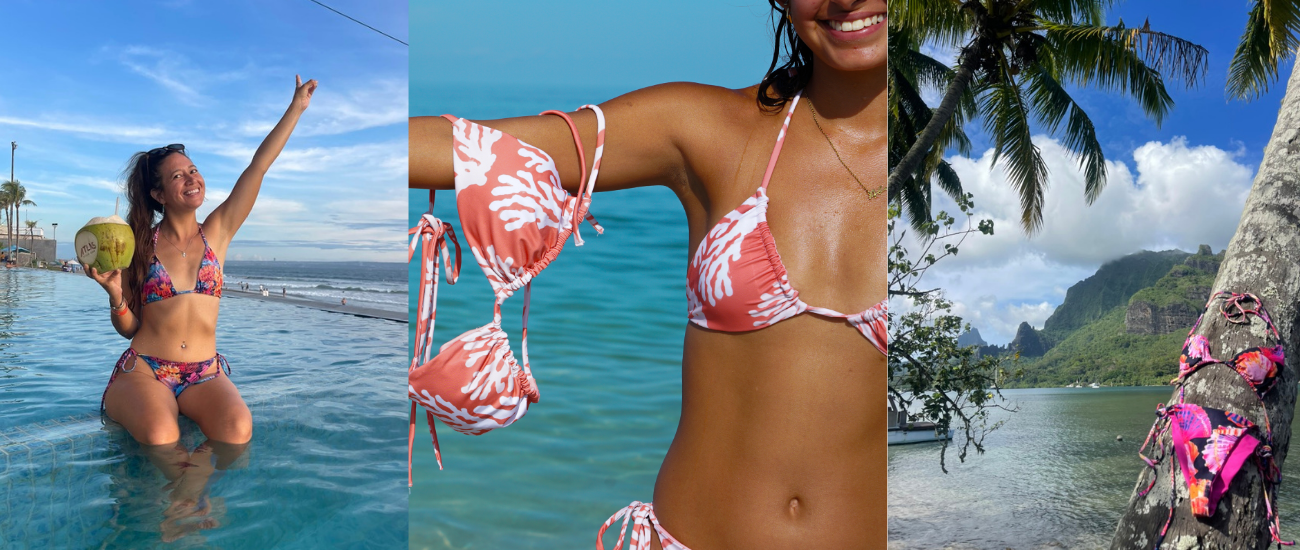
This is also where every Dive Compass order connects back to the ocean. We donate 10% of every purchase to Livingseas' coral restoration work in Indonesia. Over 410 corals have been planted through customer purchases to date. When I say every scuba bikini plants a coral, I mean it very literally — that coral is being planted here, in this site, by these people.
I'll write about a full day of coral restoration in a future article. For now, if you're diving Bali and want to see something more than fish and coral, ask your operator (or reach out to Livingseas directly) about diving the restoration site. It changes how you think about diving.
How to Choose a Dive Operator in Bali
Bali has hundreds of operators across every region. My general approach: support local operators wherever possible. They're the ones investing in the community, and generally the ones most invested in the reef's long-term health.
Two operators I've personally dived with and recommend:
- Livingseas in Padang Bai — the coral restoration operator I work with directly. Small groups, conservation-first ethos.
- Blue Corner in Nusa Lembongan, have an extensive restoration program and dive master training program
- Dream Divers in Amed — one of the very few locally-owned operators in that area. Excellent guides, small groups, honest briefings.
If you're diving other regions, here's what I look for in any Bali operator:
- Locally-owned or with clear local staff investment
- Small group sizes (six divers per guide, maximum)
- Briefings that include reef etiquette, not just dive-site logistics
- Willingness to skip Manta Point on overcrowded days
- Clear conservation commitments — coral restoration, mooring line use over anchor drops, plastic-free boats
Big-name international operators aren't automatically bad, but a small locally-owned shop that respects the reef will almost always give you a better dive experience than a busy commercial one moving fifty divers a day.

What Most Bali Diving Guides Won't Tell You
A few things that don't fit neatly into a dive-site section but that matter:
- The currents at Nusa Penida are genuinely serious. If you're not comfortable with drift diving, don't make Penida your first current dive. Work up to it.
- Amed's reefs aren't what they used to be. If you're going for the reef itself, adjust expectations or go elsewhere. If you're going for macro, calm water, and easy shore access, it still delivers.
- Manta Point is a beautiful site that's under real crowding pressure. Choose your operator carefully or accept that you may see the mantas alongside many other divers.
- Nyepi day means everything closes. Plan around it.
- The Balinese ocean is not always warm. Especially at Nusa Penida in July–August, pack for cooler water than you'd expect from a tropical destination.
What to Pack for Diving Bali
For most of Bali (Tulamben, Amed, Padang Bai, Menjangan, Pemuteran):
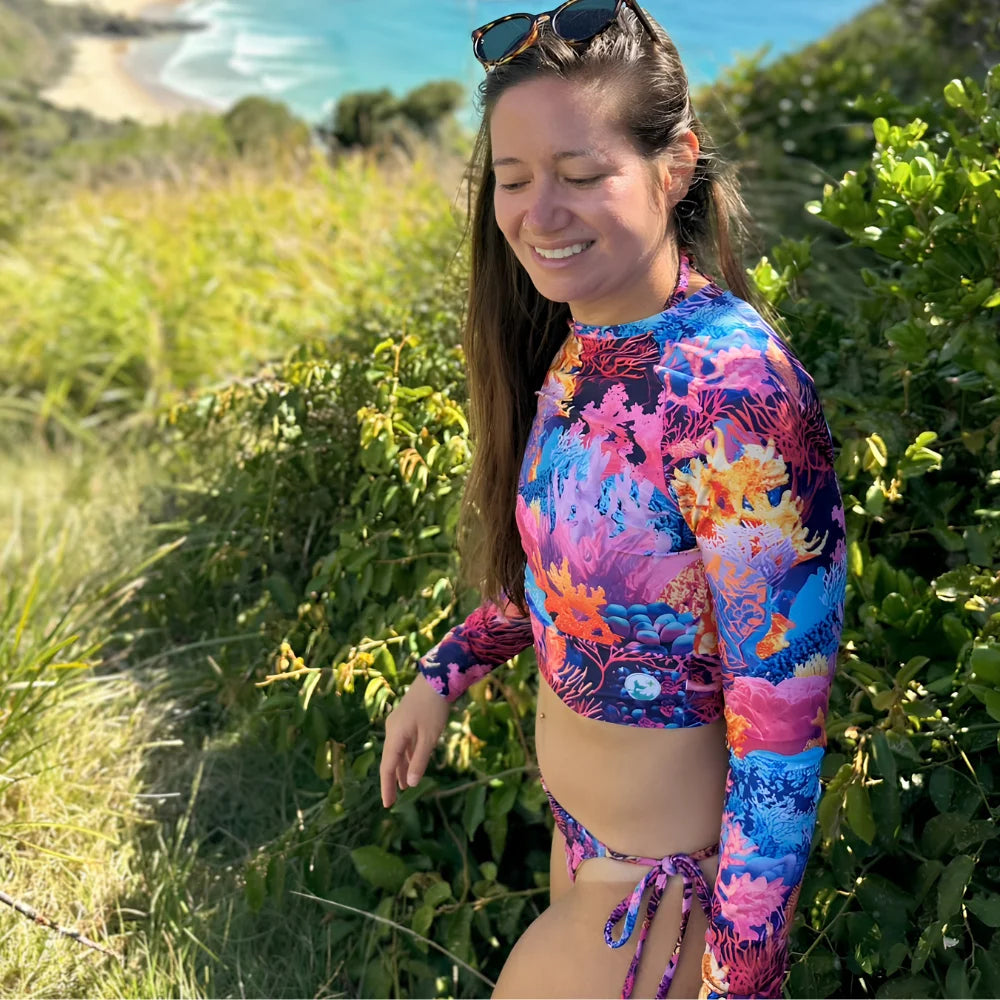
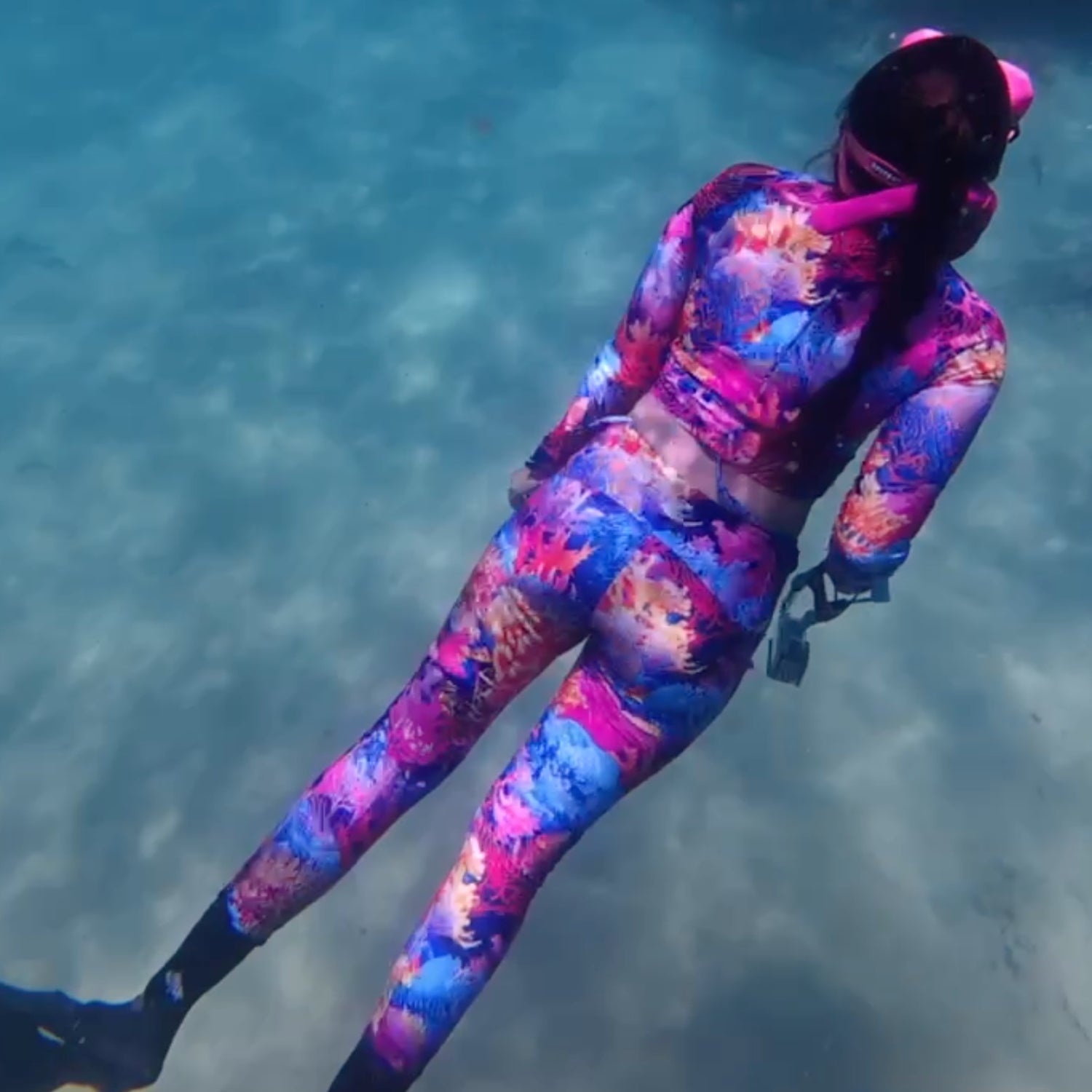
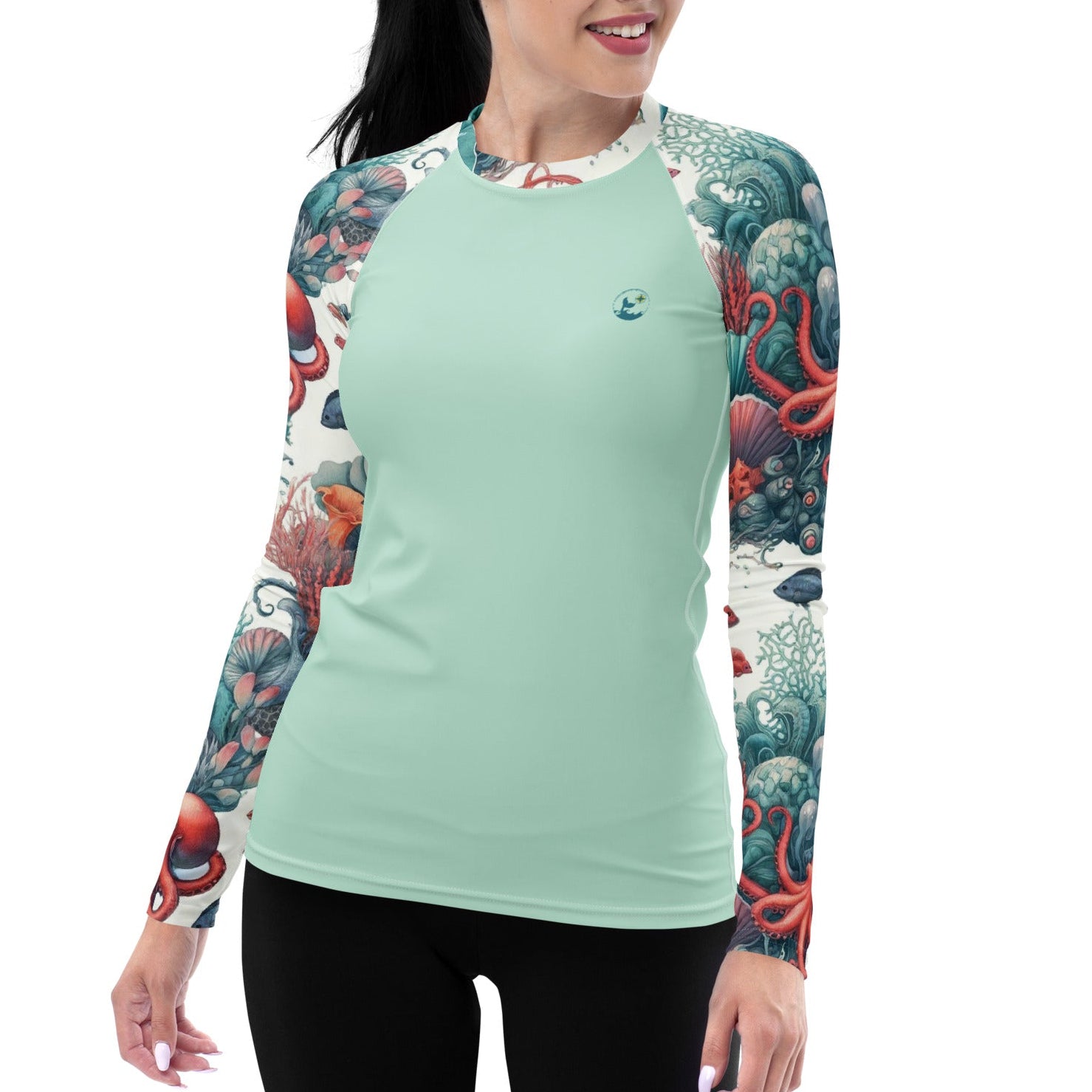
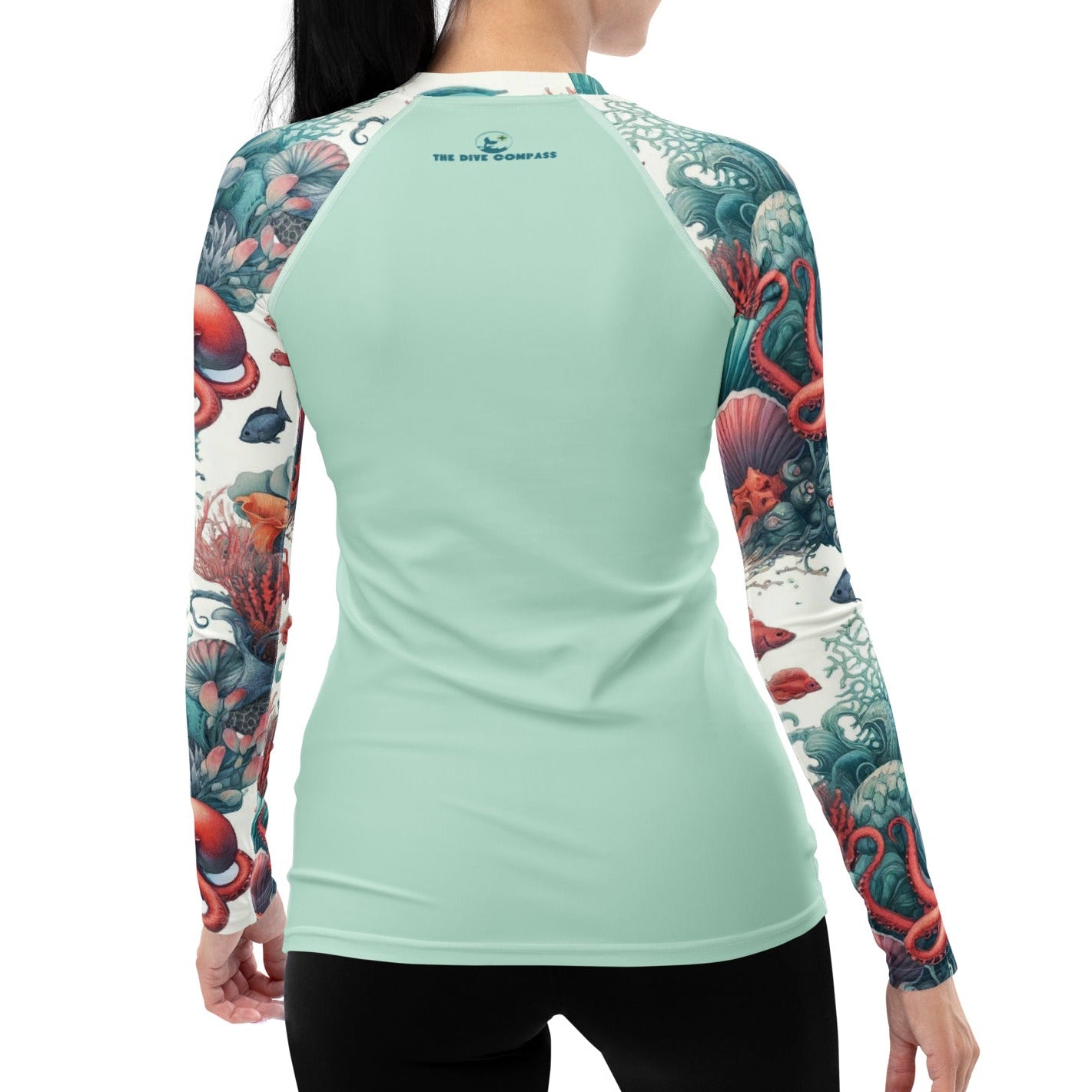
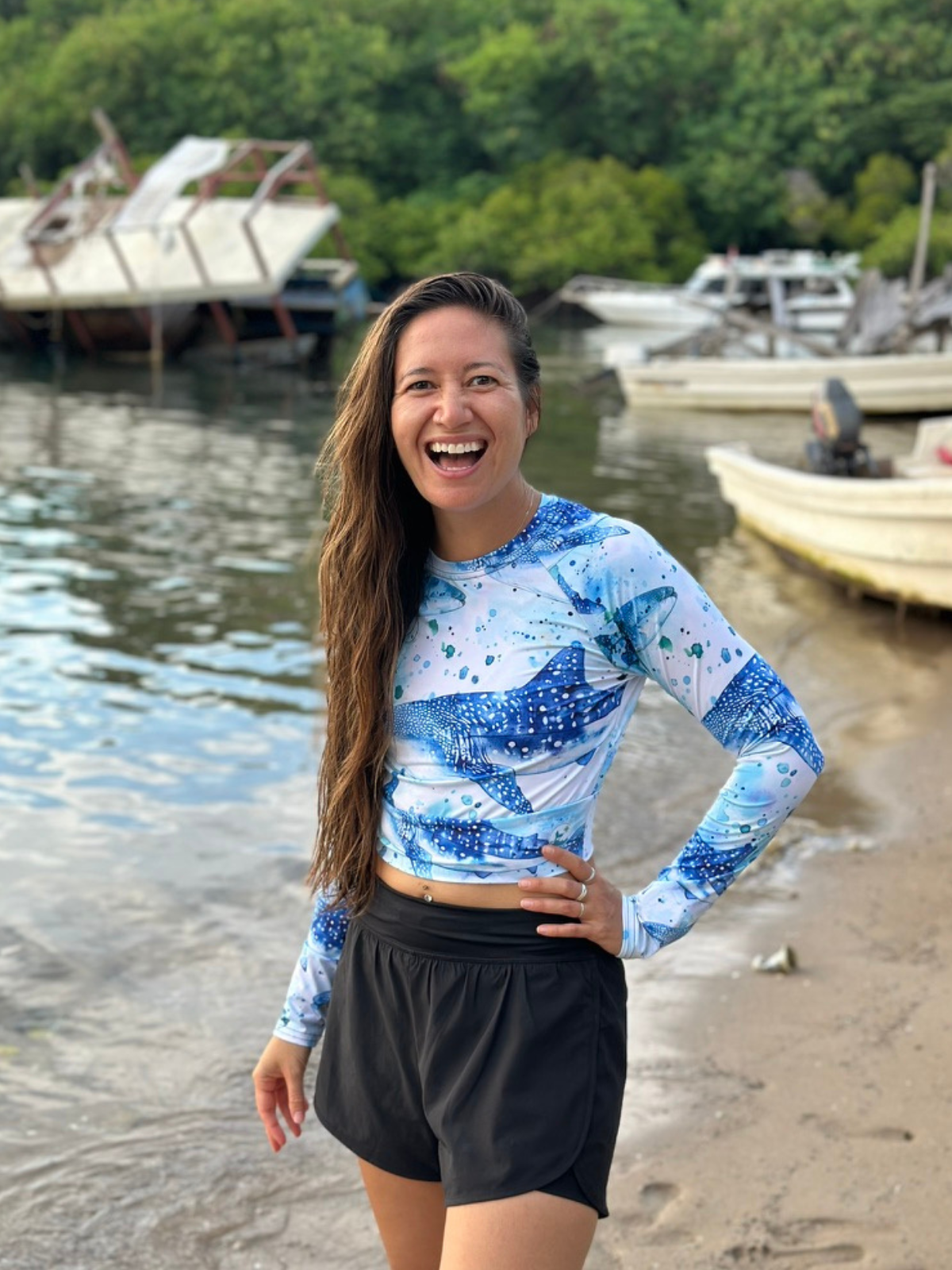
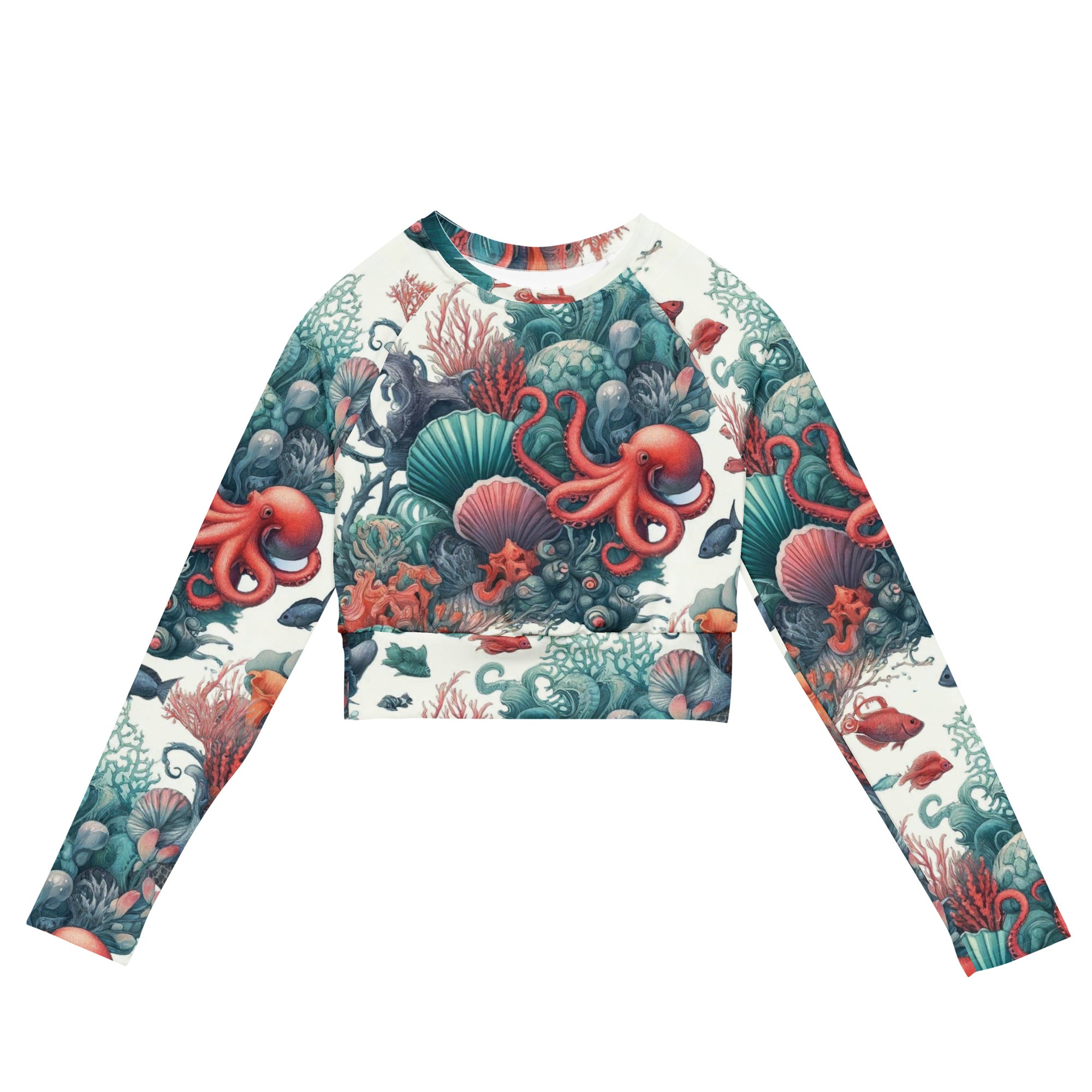
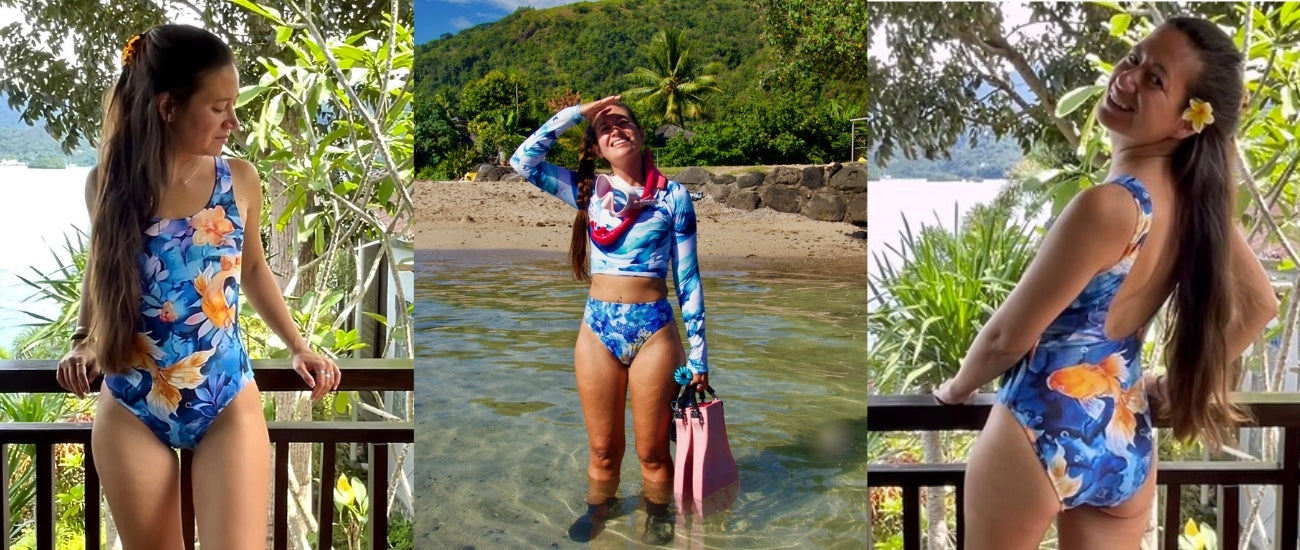
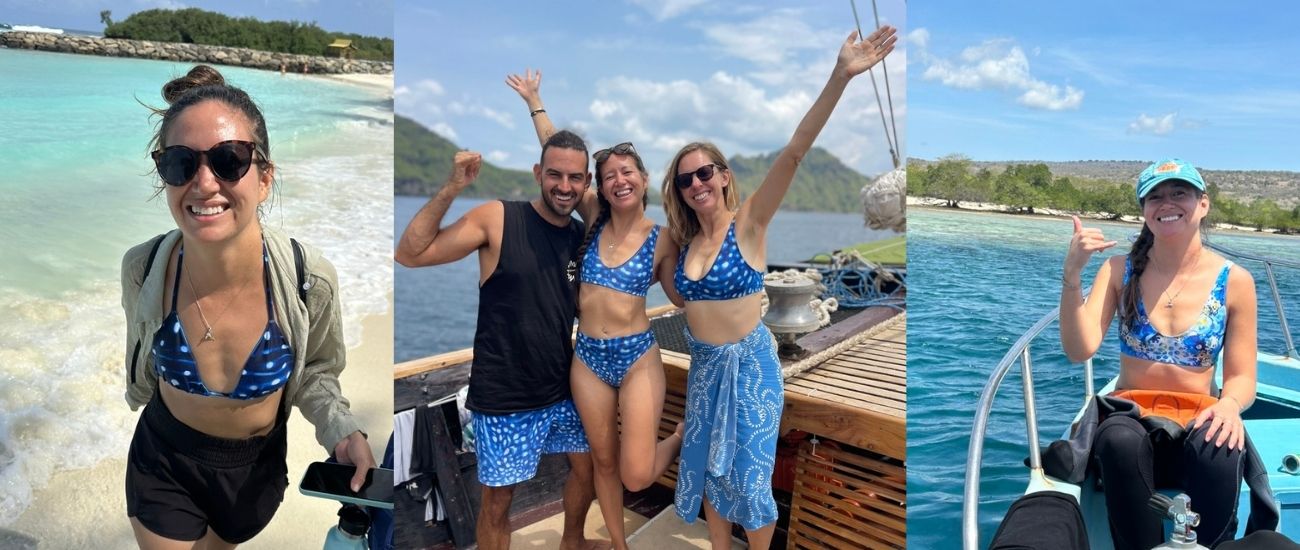
- Warm-water swimwear (scuba bikini and/or rash guard combo — see my dive day outfit guide for the full setup)
- 3mm wetsuit or dive skin
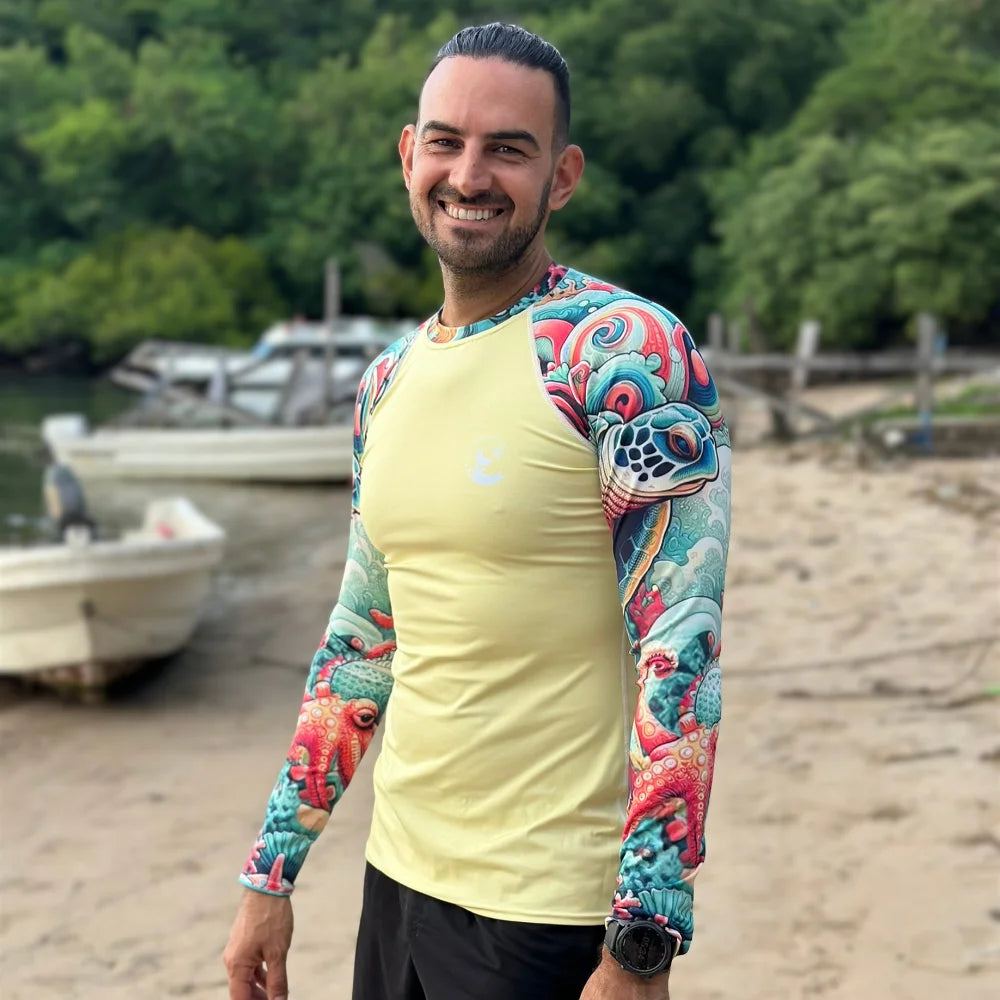
- Reef-safe sunscreen (and UPF clothing, honestly)
- Underwater camera — Bali's macro and coral are built for photography
For Nusa Penida specifically:
- 5mm wetsuit (some divers wear a hood in July–August)
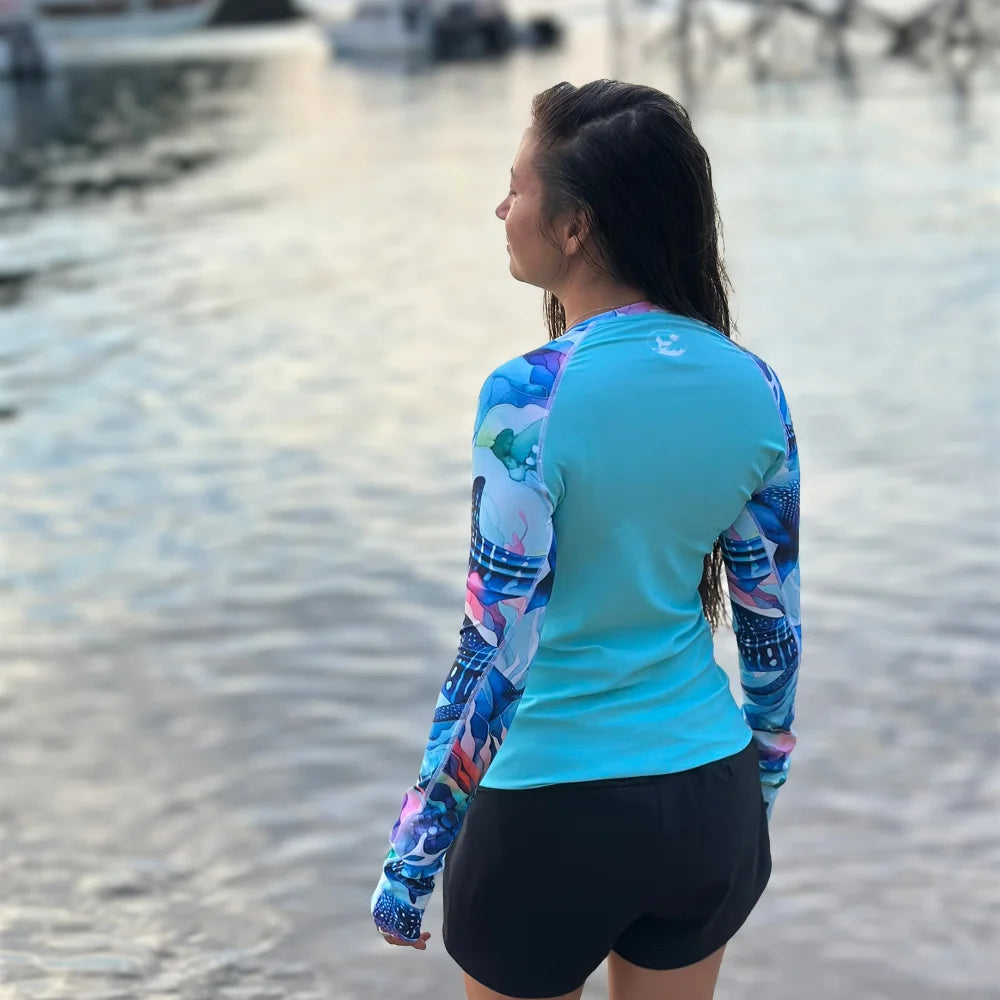
- Full-length rash guard as a base layer for extra warmth
- Gear you know well and can rely on in current
If you're diving multiple regions in one trip, a well-made scuba bikini is your base layer from the warmest Amed shore dive to the coldest Penida drift — it doesn't shift under a wetsuit, and it works across every dive type.
Where to Start: My Bali Recommendations by Diver Type
If you're planning a trip and want a starting point:
Your first Bali diving experience? Go northwest. Menjangan Island and Pemuteran offer some of the best reef and wall diving on the island, plus the Bio Rock and mandarin fish dives you can't get anywhere else. Quiet, beautiful, foundational.
New divers (Open Water certified, less than 30 logged dives)? Amed and Padang Bai. Calm water, macro-rich, forgiving conditions — and you can dive the coral restoration site with Livingseas.
Experienced divers looking for adrenaline? Nusa Penida and Nusa Lembongan for drift diving, mantas, and (if you're lucky) a mola mola encounter in July–August.
Wreck lovers? Tulamben. The USAT Liberty is one of the most accessible and rewarding wrecks in the world.
If you have two weeks? Do all of the above. Start in the northwest for reefs, work east through Tulamben and Padang Bai, and end with a few days at Nusa Penida if you're up for it. Add a Gili Islands detour if you want a change of pace.
Bali isn't a "one perfect dive" destination — it's a dozen different dive experiences bundled into a small enough area that you can genuinely do all of them in one trip. That's why I keep coming back. Honestly, that's why I might see you there.
If you're planning a Bali dive trip and want help thinking through the itinerary, drop me a message. Or pack your dive day kit and just book the flight. Bali will teach you the rest.











Leave a comment
This site is protected by hCaptcha and the hCaptcha Privacy Policy and Terms of Service apply.