












The Truth About Reef Safe Sunscreen (and Why It’s Not Enough)
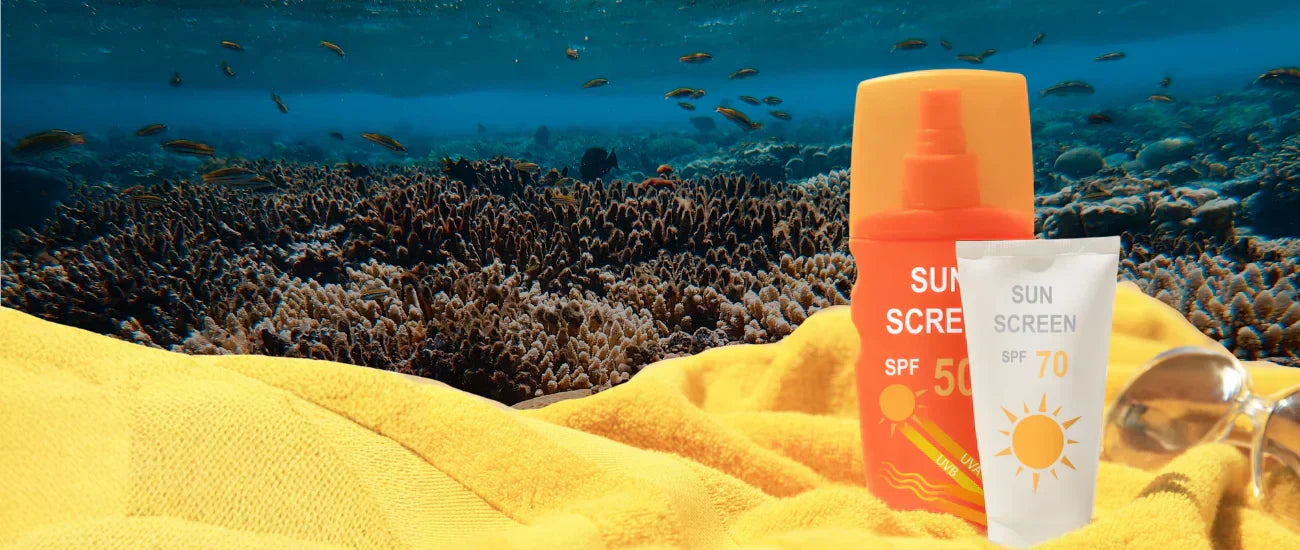
If you’ve ever packed for a tropical dive trip, chances are you’ve seen bottles labeled “reef safe sunscreen.”
They promise to protect your skin and the ocean, but here’s the truth: most “reef-safe” sunscreens still leave a mark on marine ecosystems.
In this article, we’ll dive into what reef-safe really means, why sunscreen isn’t the full solution, and how switching to UPF 50+ rash guards and leggings is the most ocean-friendly way to protect both your skin and the reefs we love.
How Regular Sunscreen Harms Coral Reefs
Every year, an estimated 14,000 tons of sunscreen enter the world’s oceans, from swimmers, snorkelers, and divers.
What many people don’t realize is that certain sunscreen ingredients can be toxic to coral and marine life, even in tiny concentrations. Even when the sunscreen is claiming to be safe for coral reefs!
🚫 The Problematic Ingredients
Common chemical UV filters like oxybenzone, octinoxate, and octocrylene are linked to:
- Coral bleaching — by damaging coral DNA and inhibiting growth
- Disrupted reproduction in fish and invertebrates
- Toxic buildup in marine ecosystems
Even sunscreens marketed as “reef-safe” sometimes include alternative chemicals that aren’t fully tested or biodegradable — meaning they may still pose risks once they wash off in the water.
Corals and marine life are super sensitive to any chemical added to the water, it is better to avoid wearing any sunscreen or if you want to apply sunscreen, apply at least 1 hour before entering the water.
How Sunscreen Impacts Coral Ecosystems

When chemical sunscreens wash off your skin, they don’t just disappear — they accumulate in the water column and settle on coral reefs.
Research shows that oxybenzone and similar compounds:
- Damage coral larvae, preventing new reef growth
- Increase coral’s susceptibility to heat stress (a major factor in bleaching)
- Disrupt photosynthesis in symbiotic algae, which corals rely on for energy
Even at concentrations as low as one drop in six Olympic-sized swimming pools, oxybenzone can harm coral.
When divers, snorkelers, and swimmers all enter the water wearing sunscreen — the cumulative effect adds up fast.
What “Reef Safe Sunscreen” Actually Means (and Why It’s Misleading)
The term “reef-safe” isn’t regulated. That means brands can use it freely, even if their products still contain harmful or poorly studied ingredients.
Even mineral-based sunscreens (zinc oxide and titanium dioxide) can harm marine life if they’re not non-nano, meaning the nano-particles are small enough to be ingested by plankton which can harm corals.
So while mineral sunscreens are a step in the right direction, the best way to protect reefs is to minimize sunscreen use altogether.
The Better Solution: UPF 50+ Rash Guards and Dive Leggings

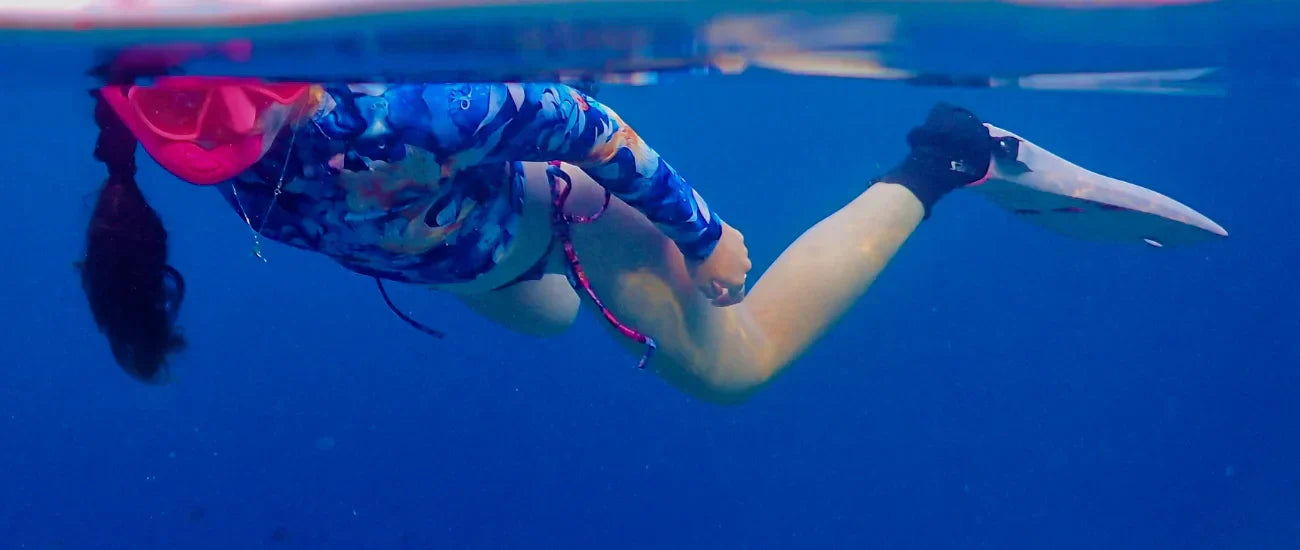
Instead of relying on sunscreen, divers and ocean lovers can use UPF 50+ protective clothing — a physical barrier that blocks 98% of UV rays without introducing chemicals to the ocean.
Why Divers Love Rash Guards and Leggings
- Reef-safe by design: No chemicals, no pollution.
- Sun protection that lasts: UPF 50+ protection even when wet or salty.
- Comfort + performance: Lightweight, quick-drying, and made to move underwater.
- Perfect for travel: Fewer liquids in your bag — no more leaky sunscreen bottles.
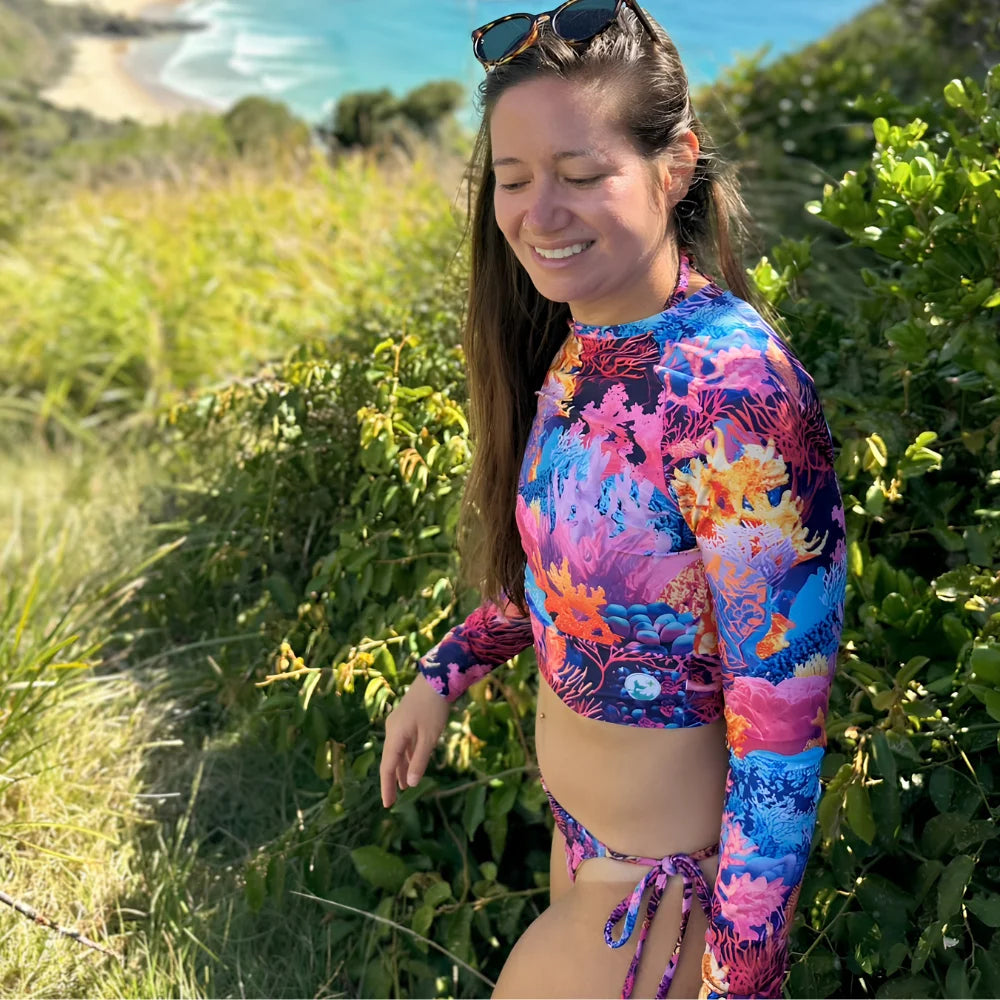
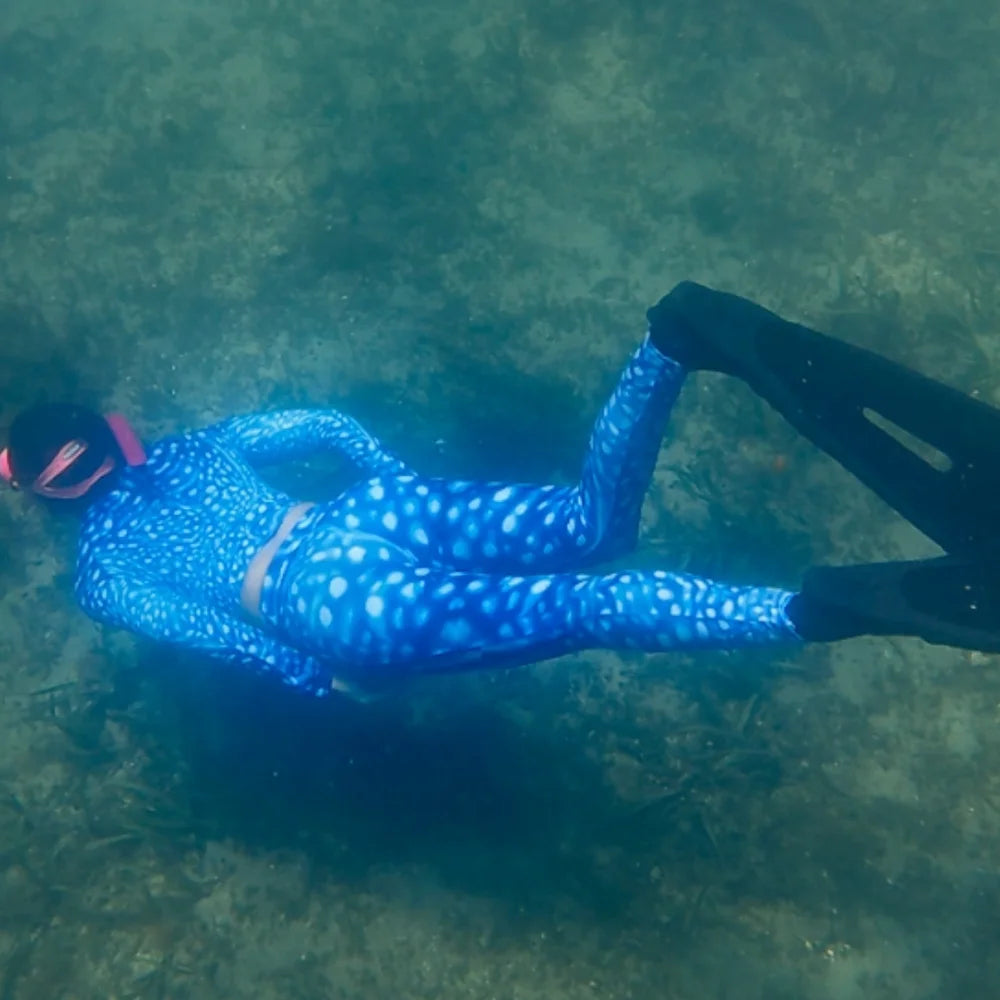
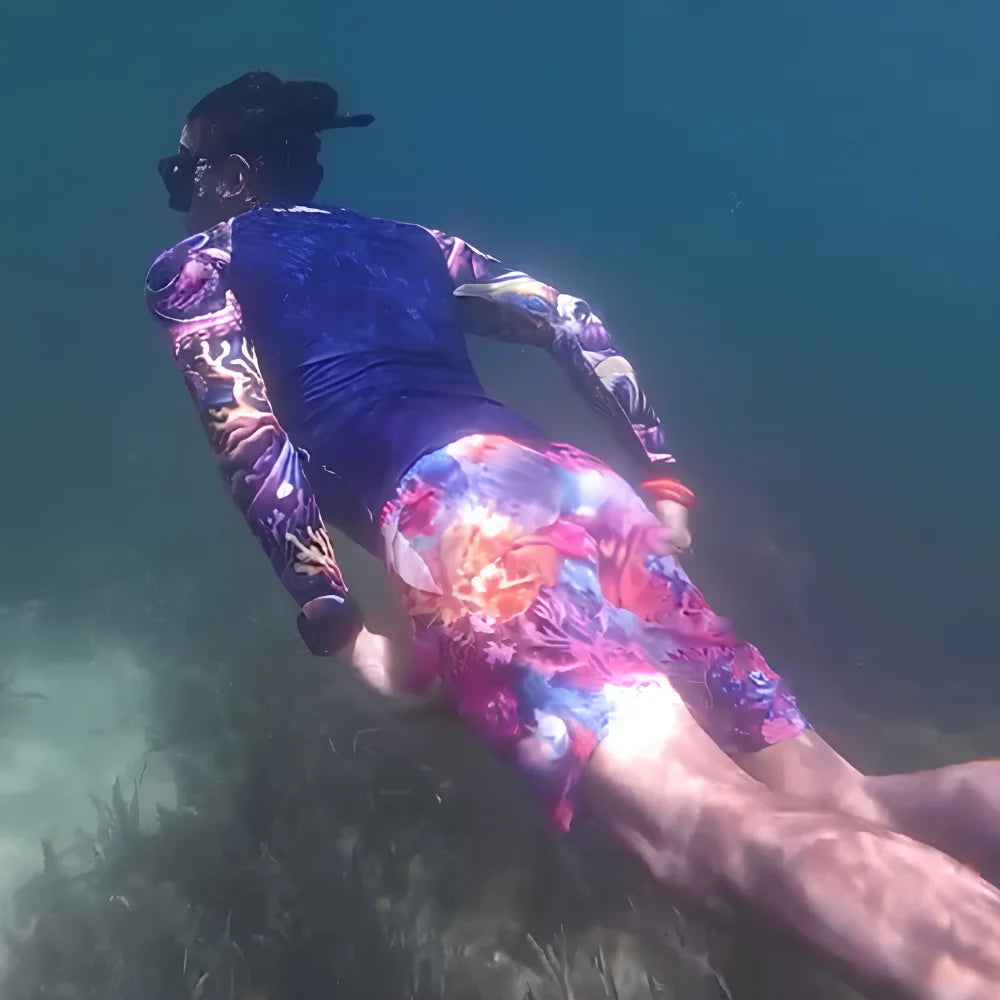
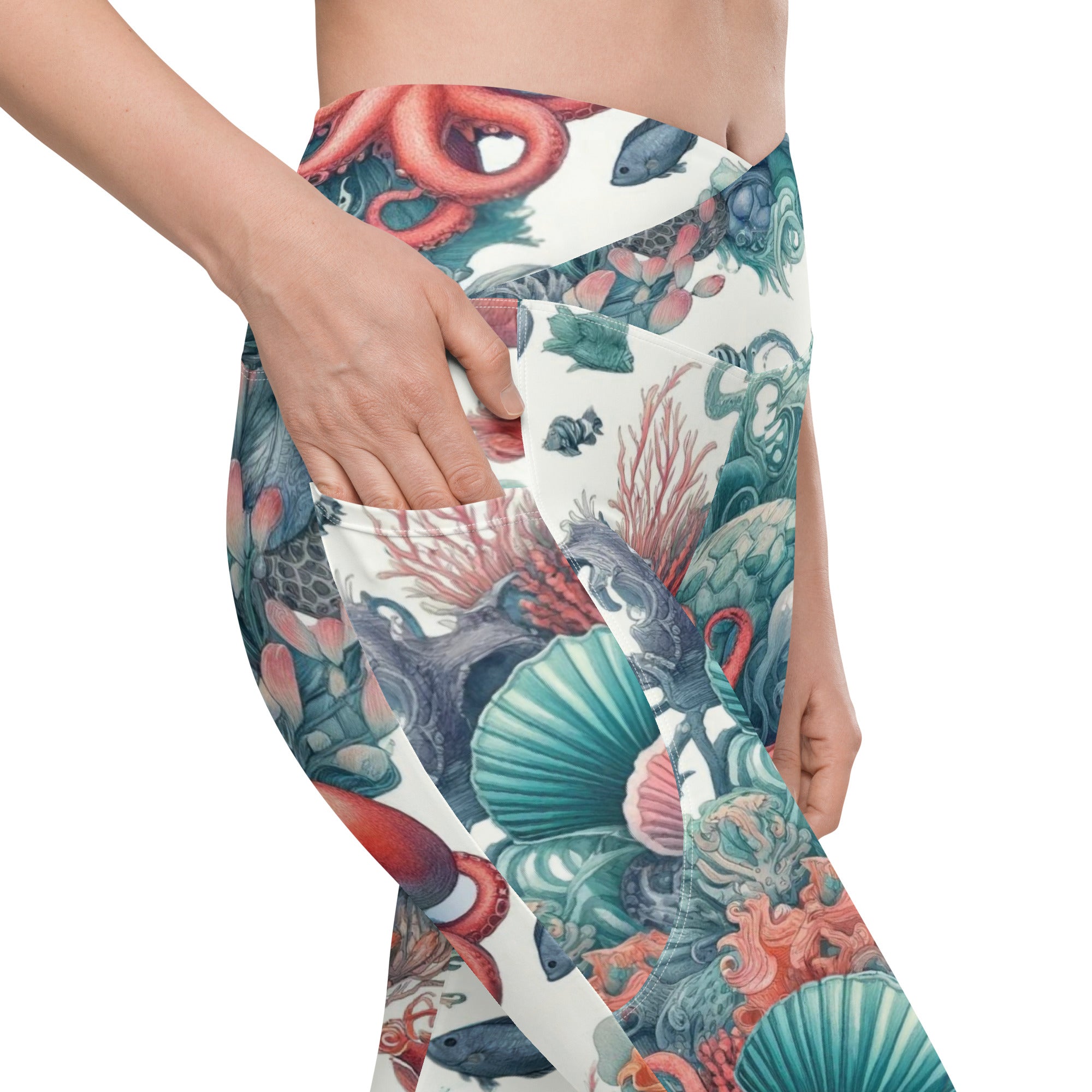
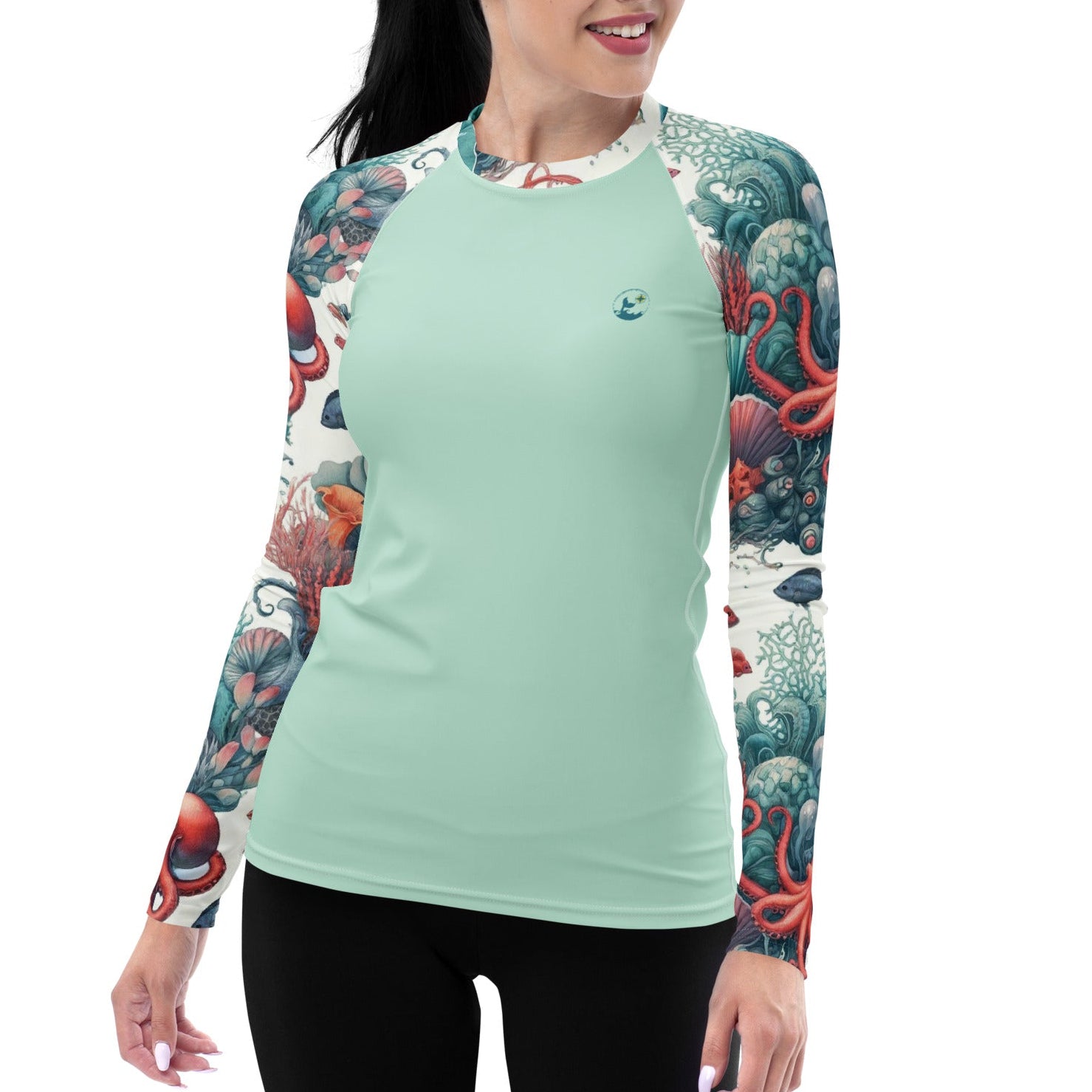
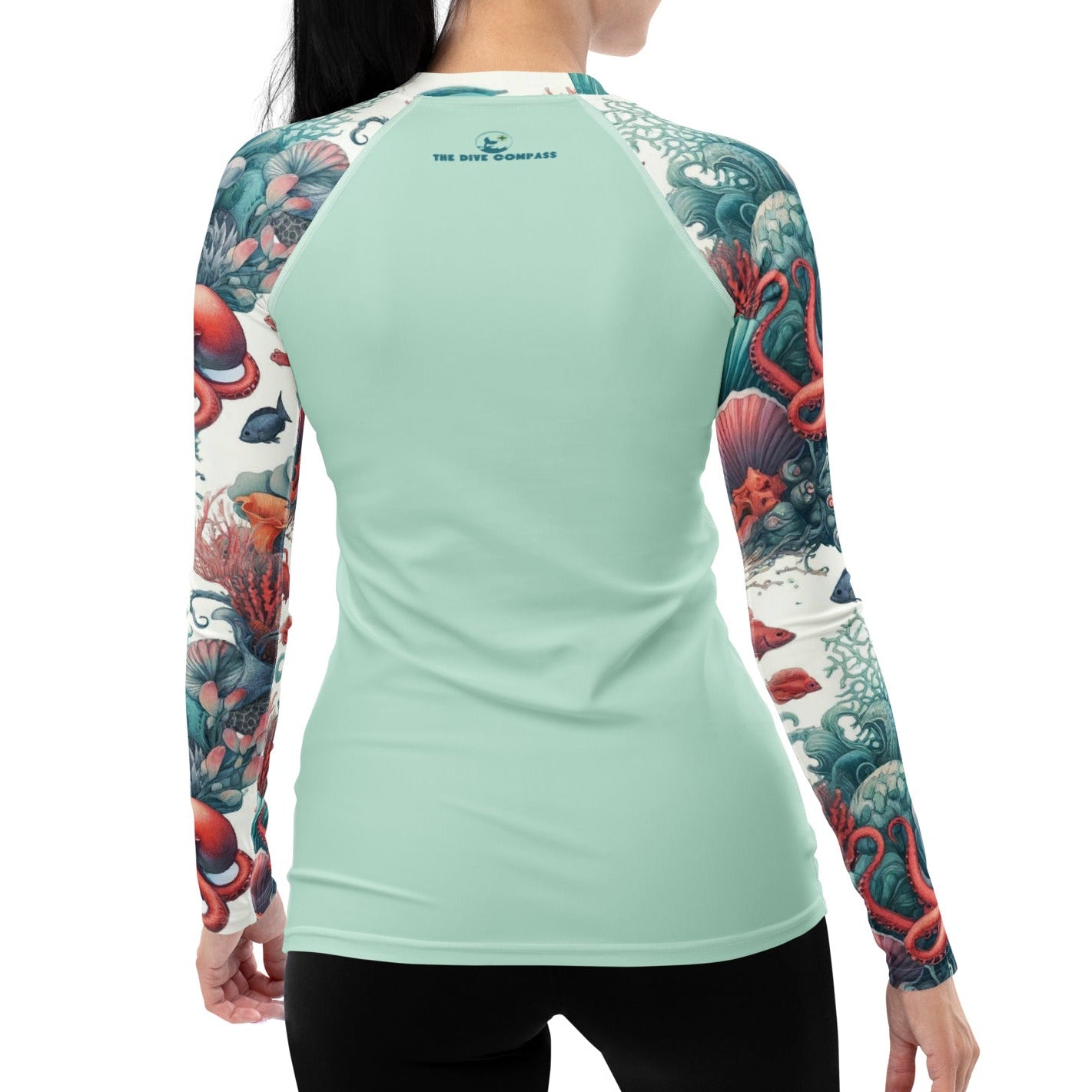
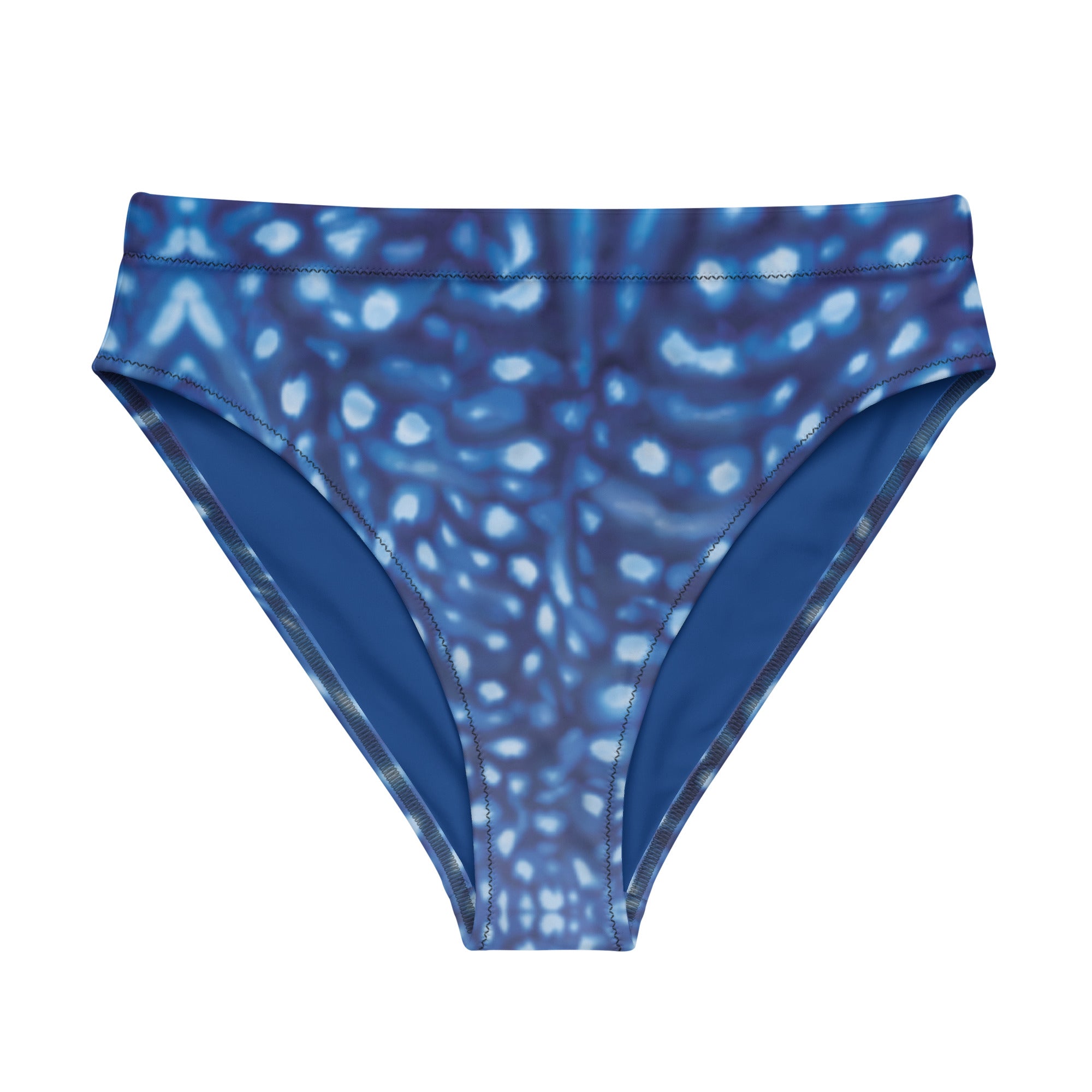
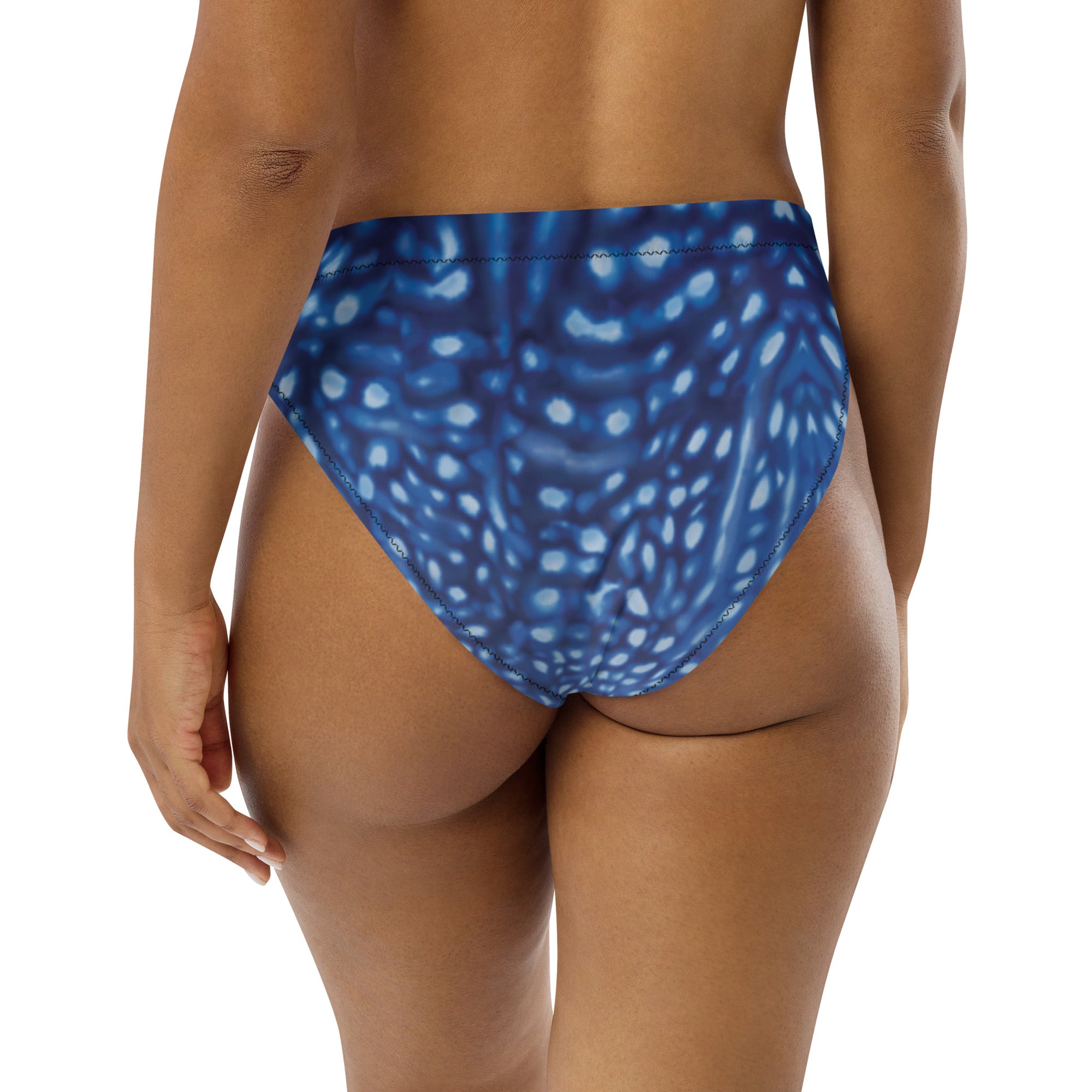
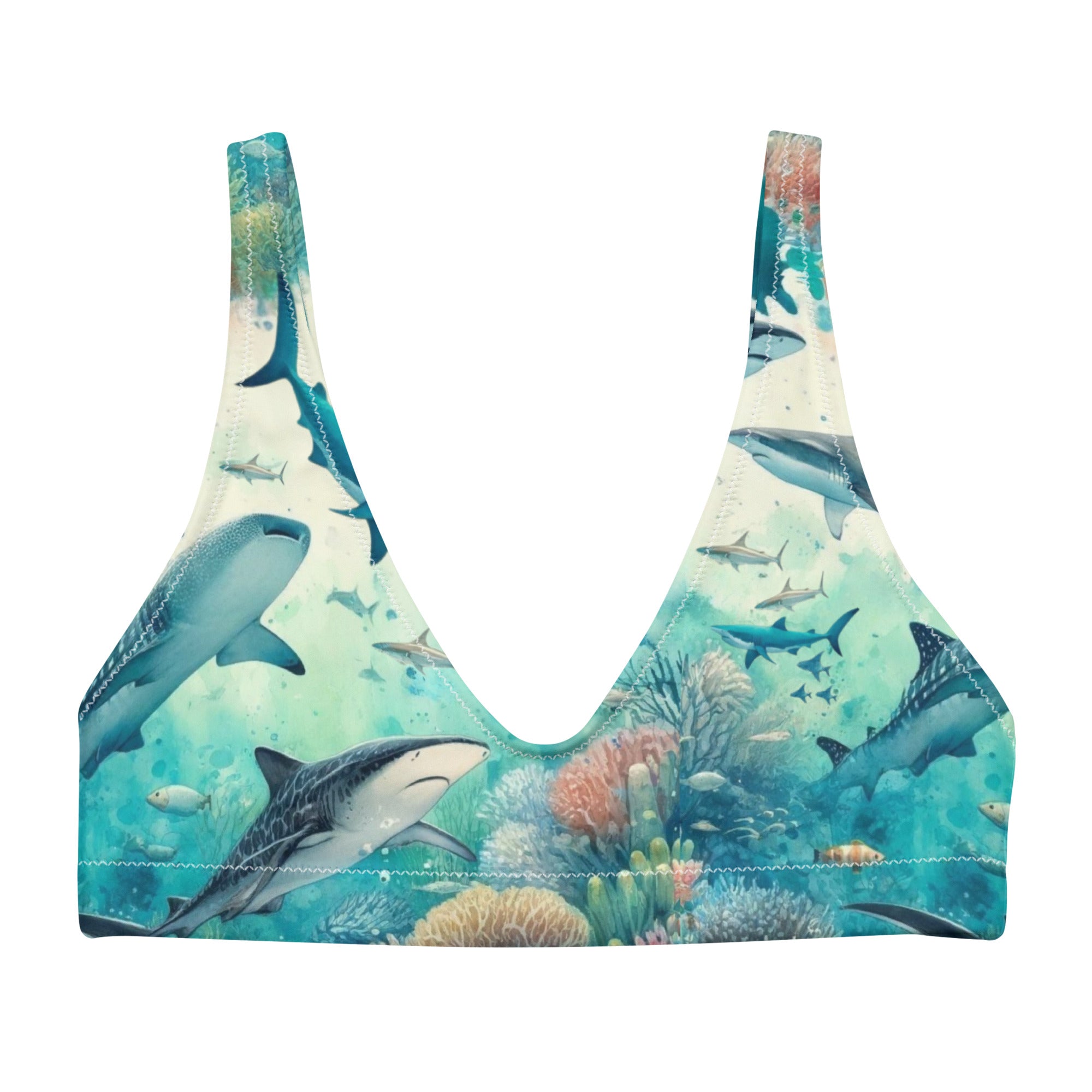
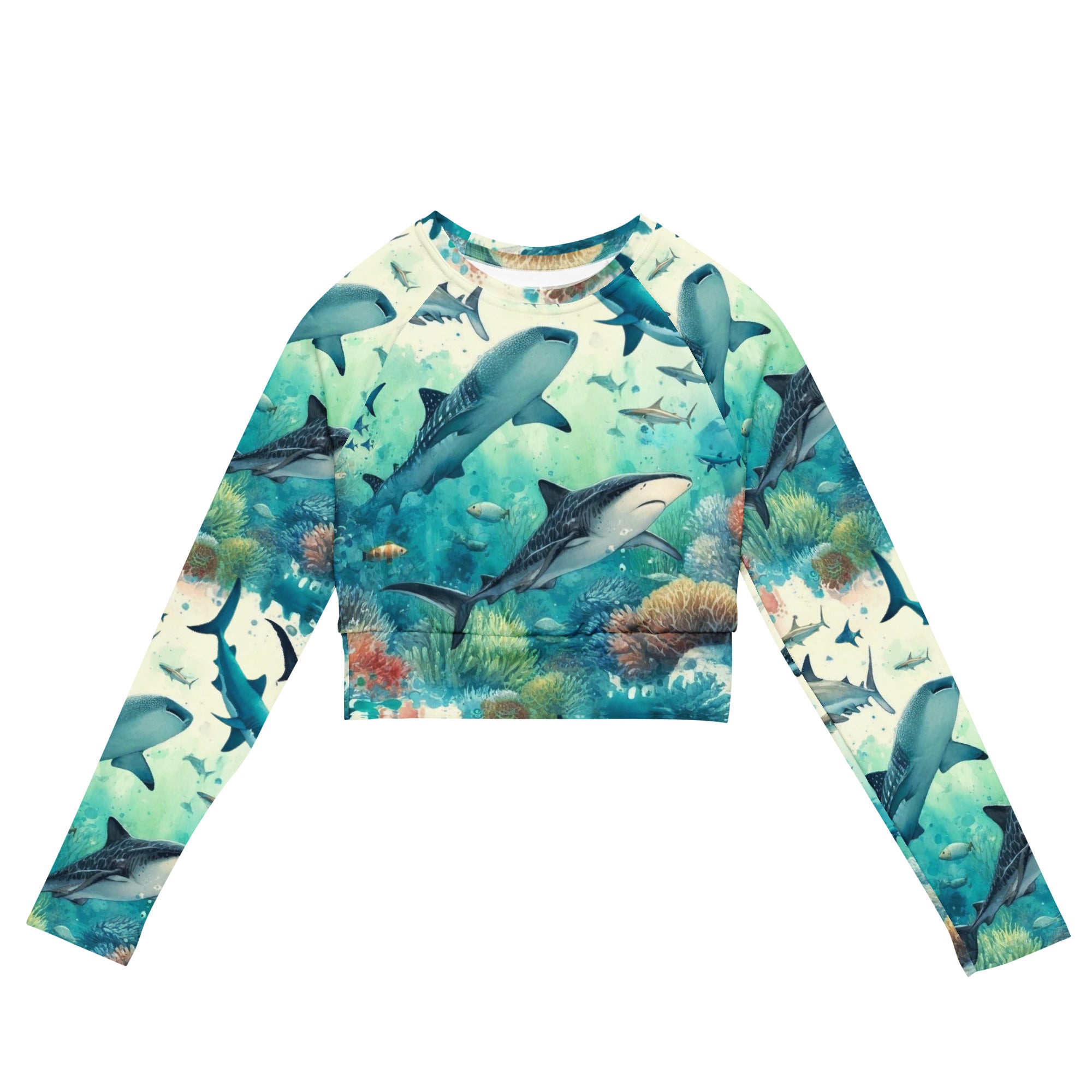
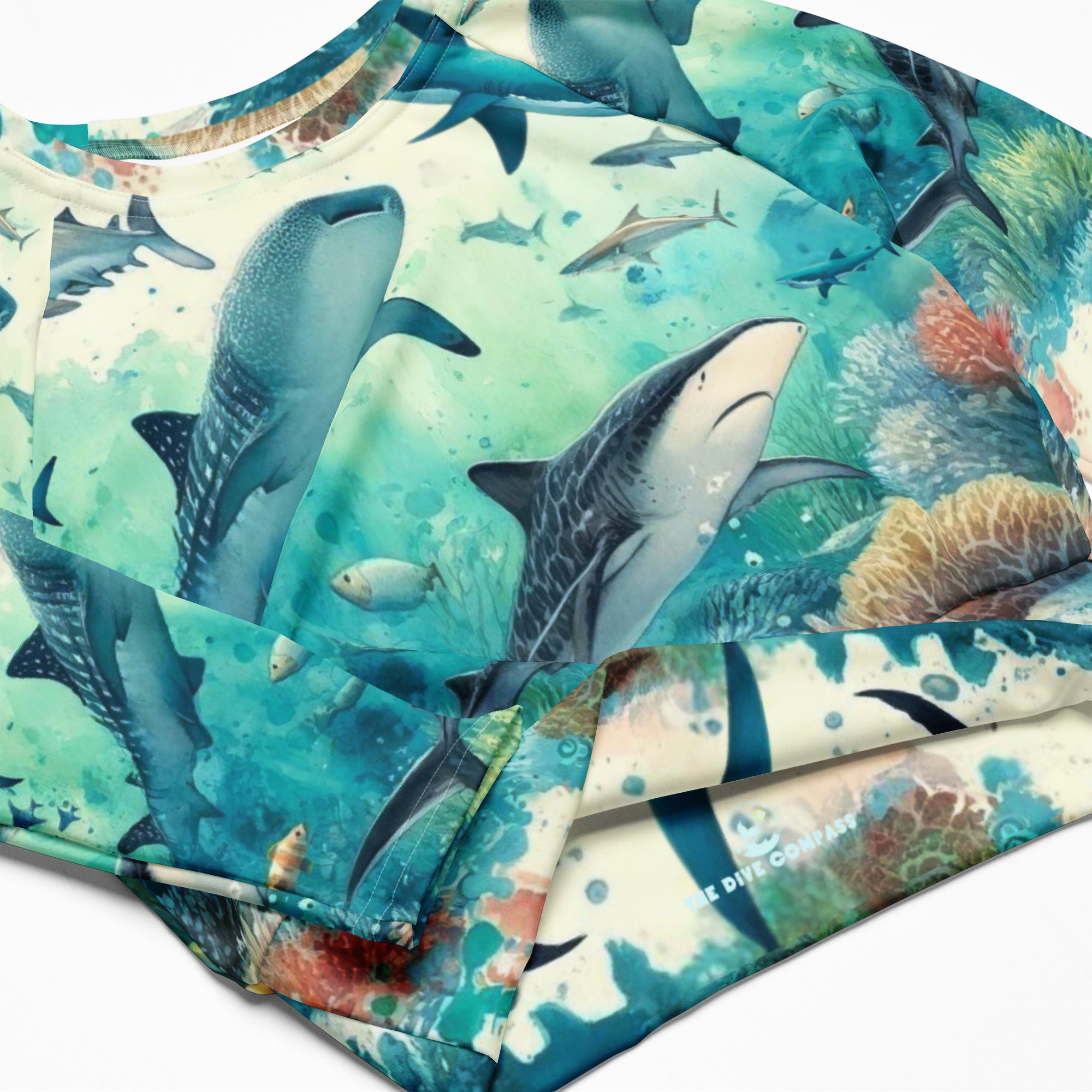
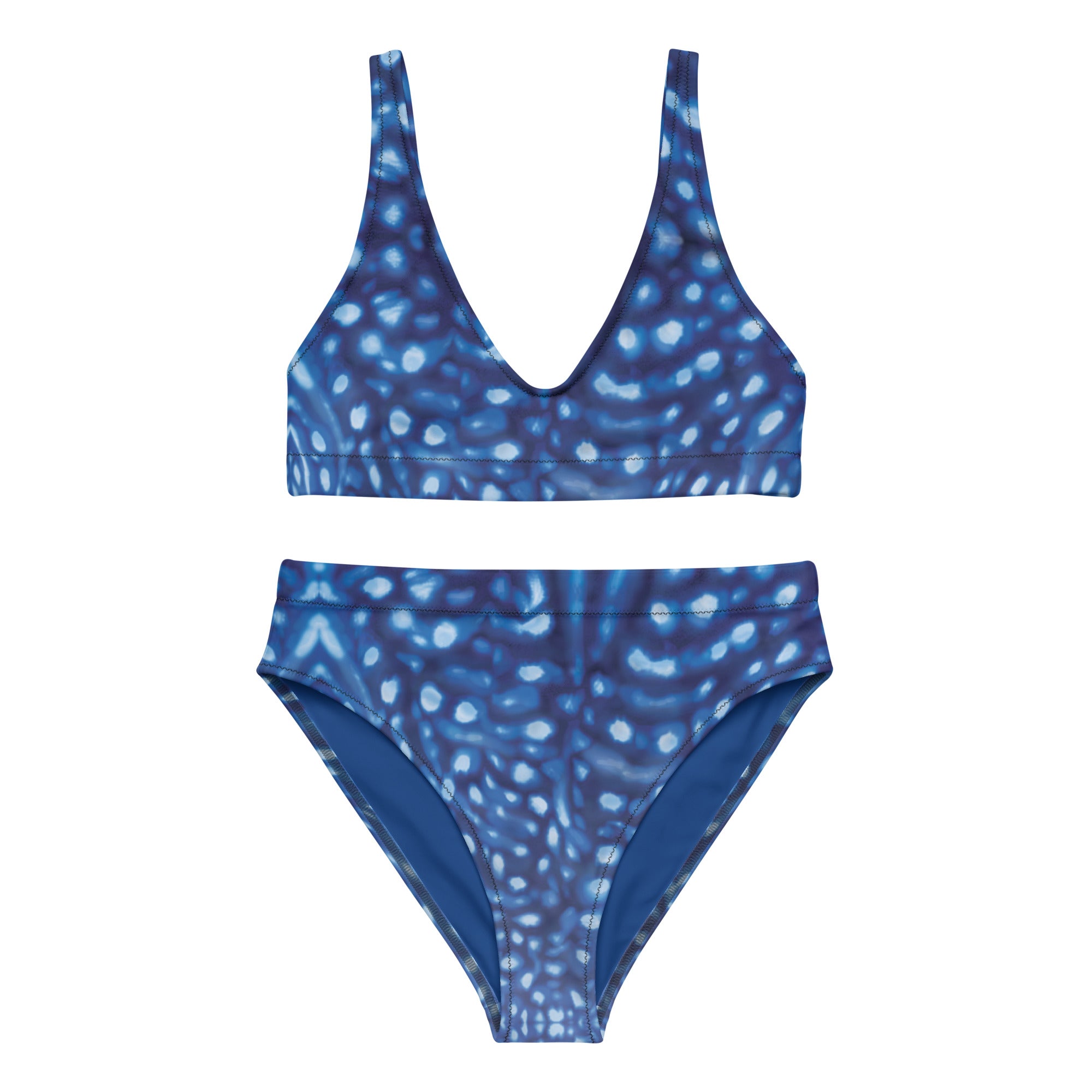
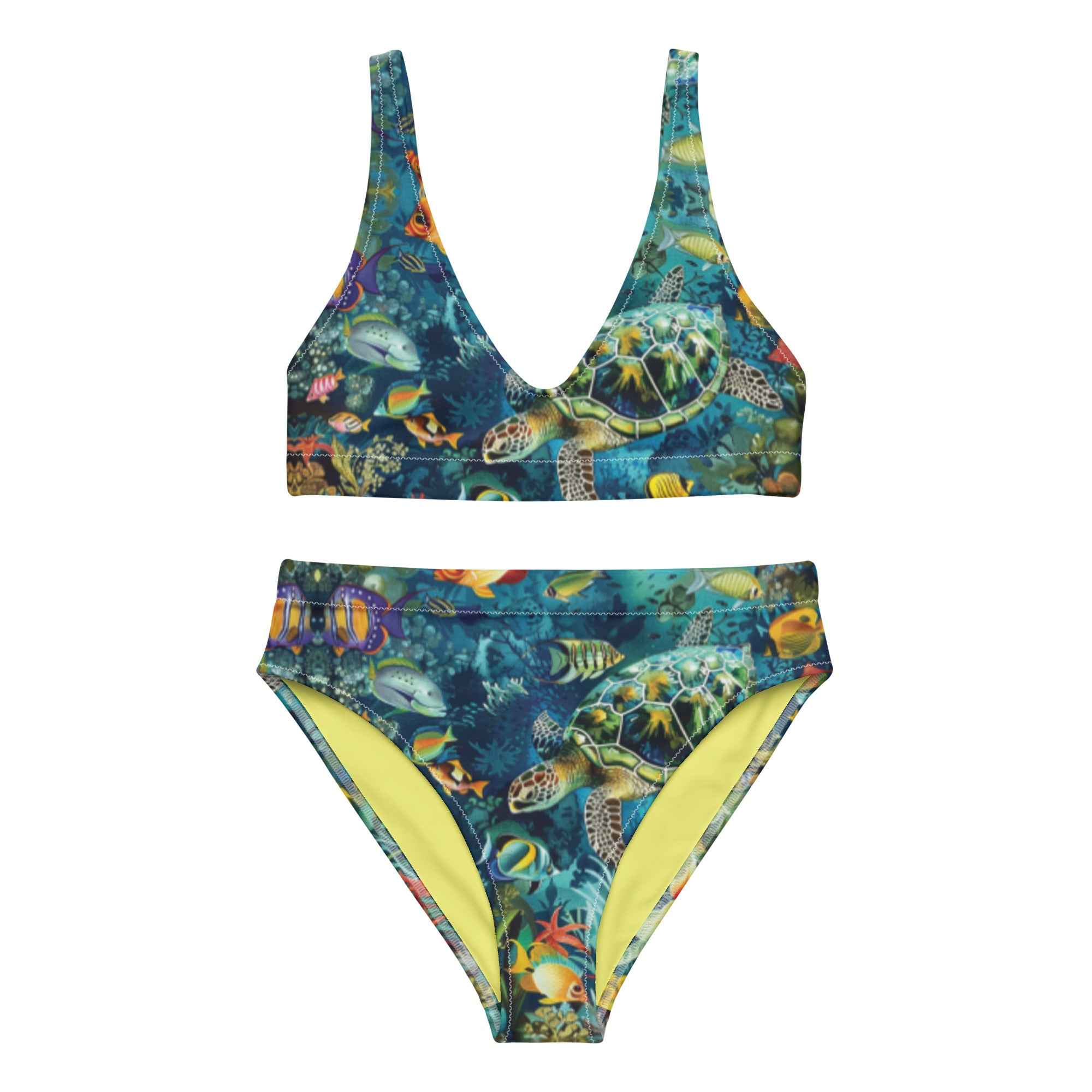
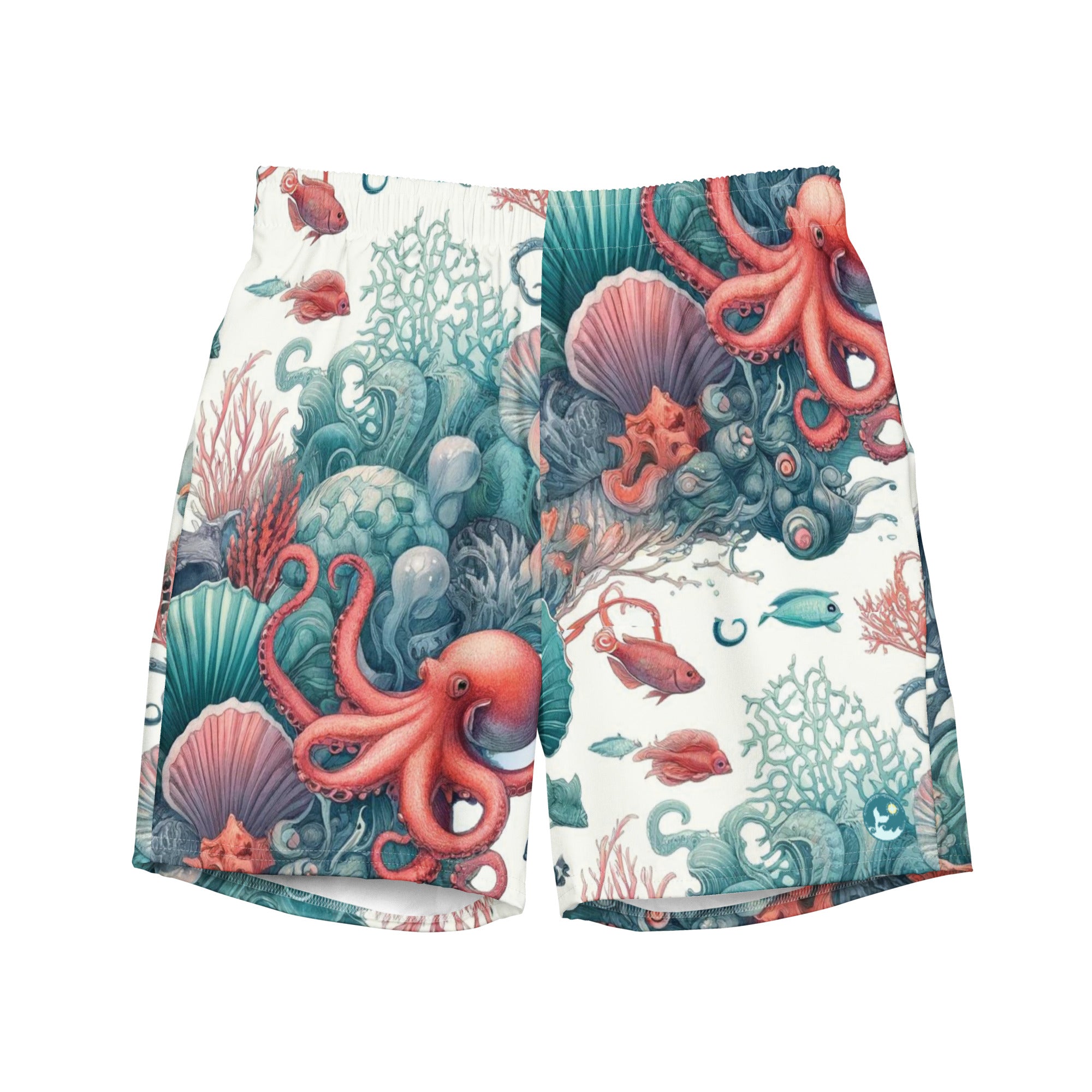
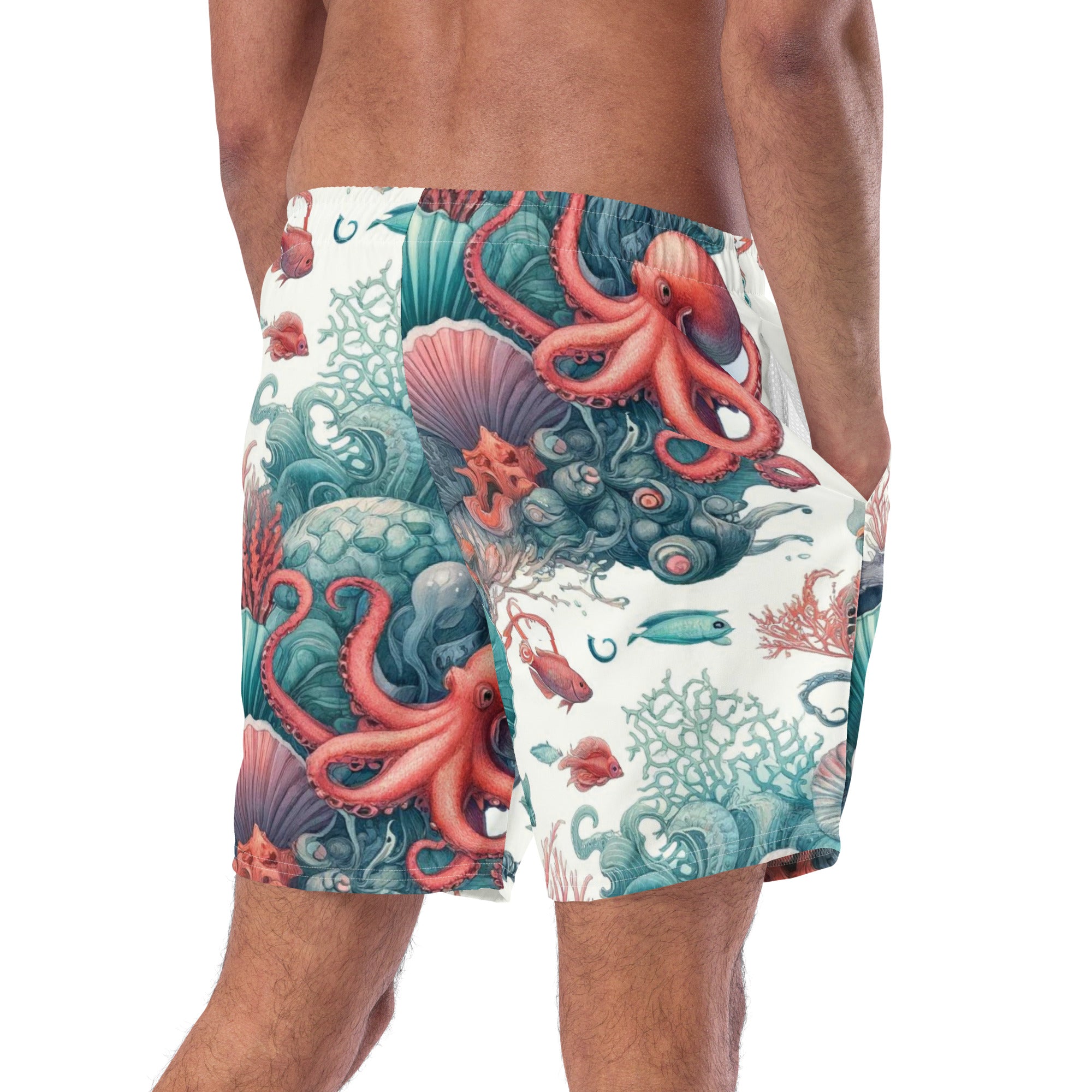
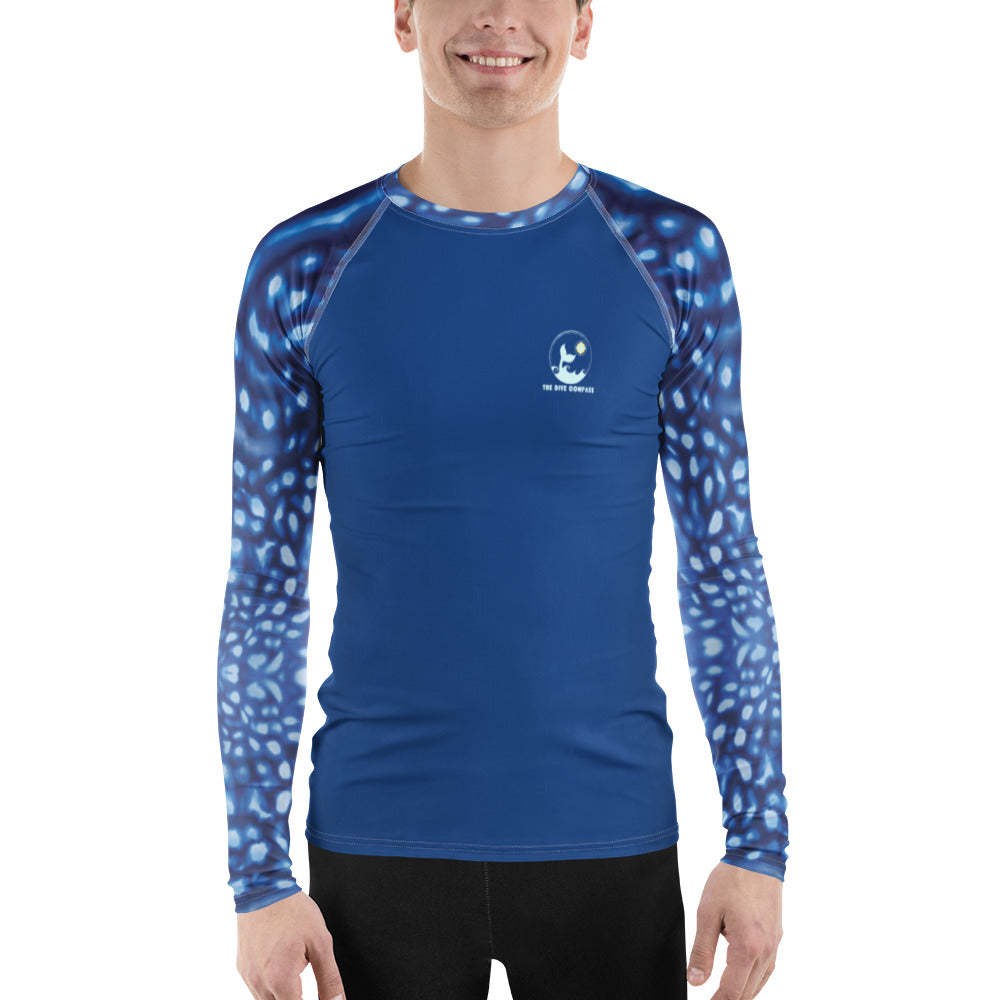
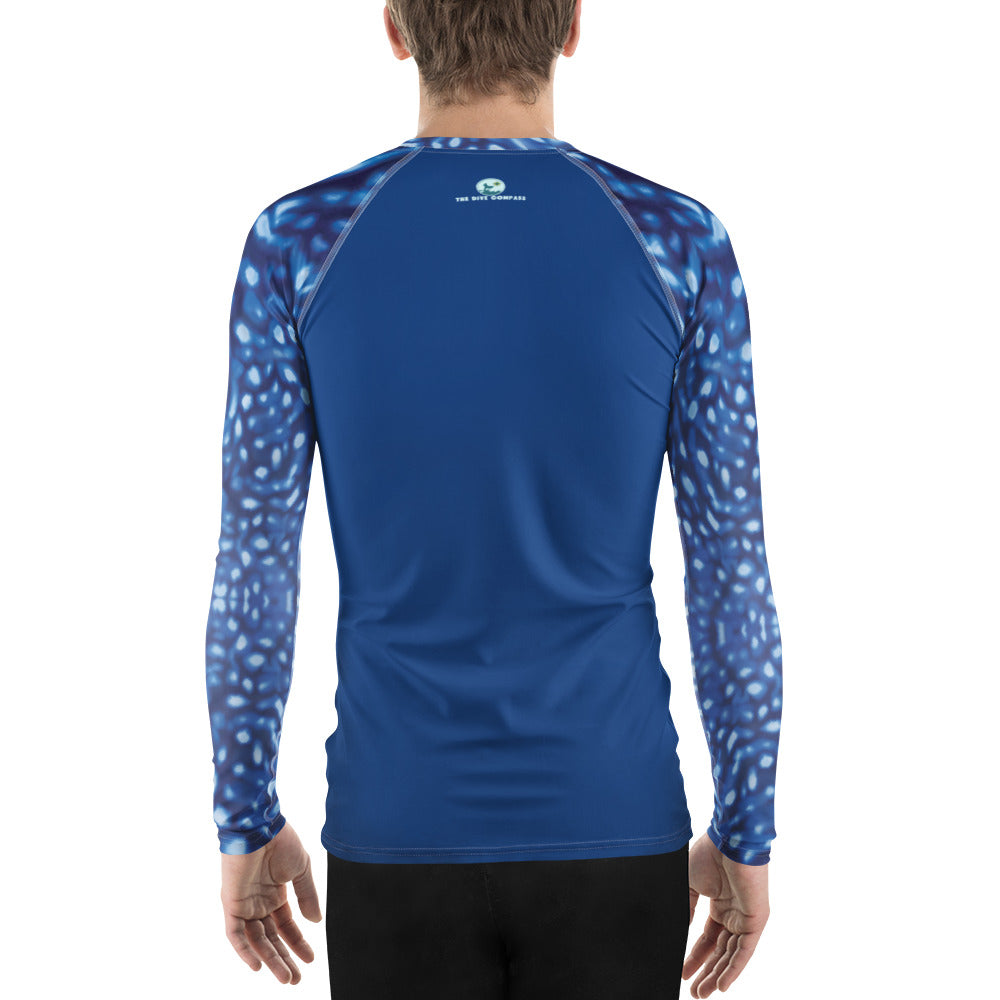
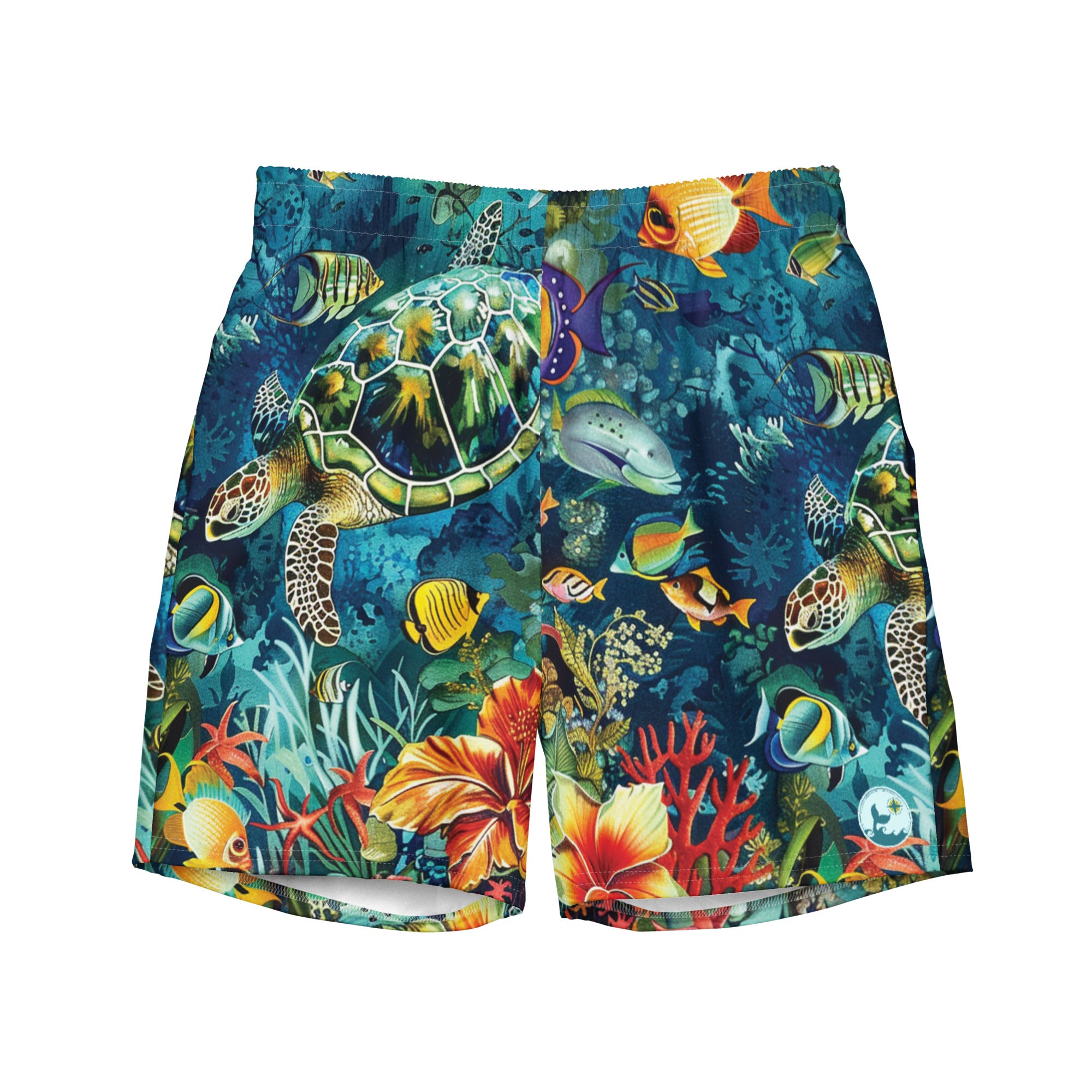
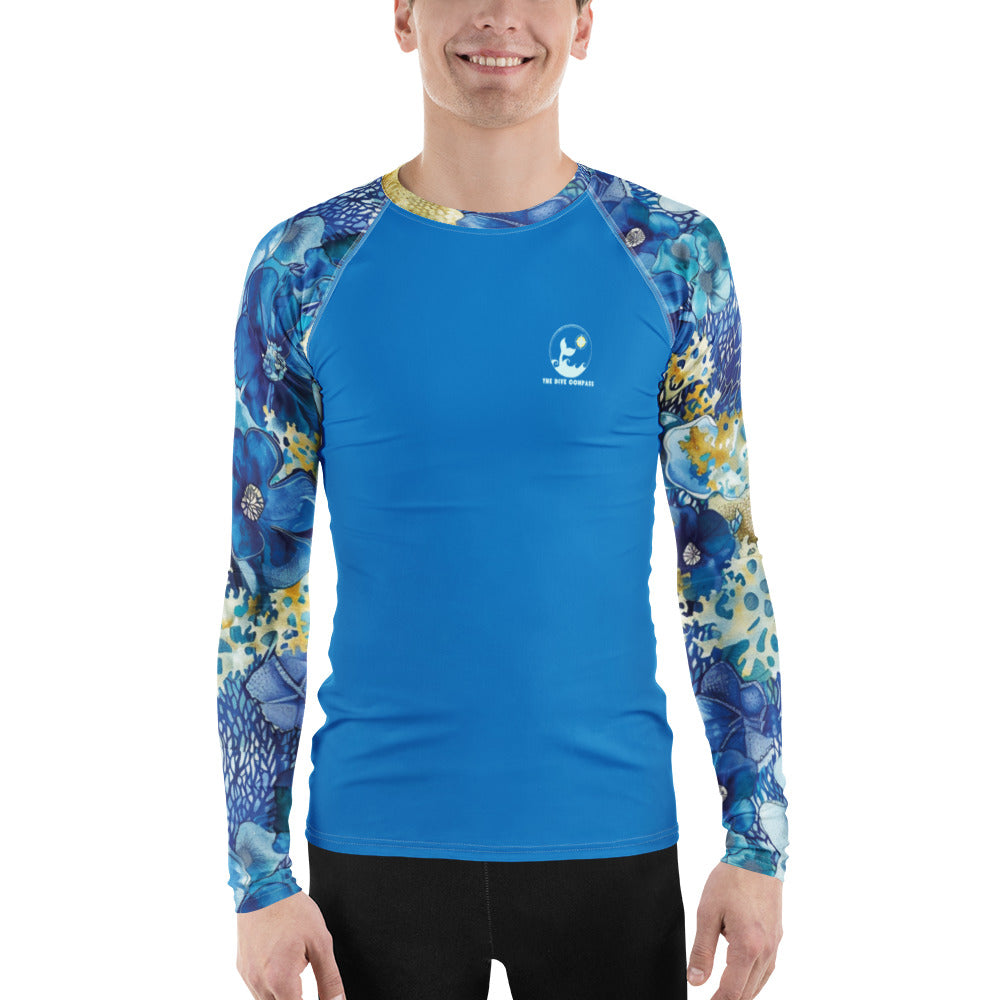
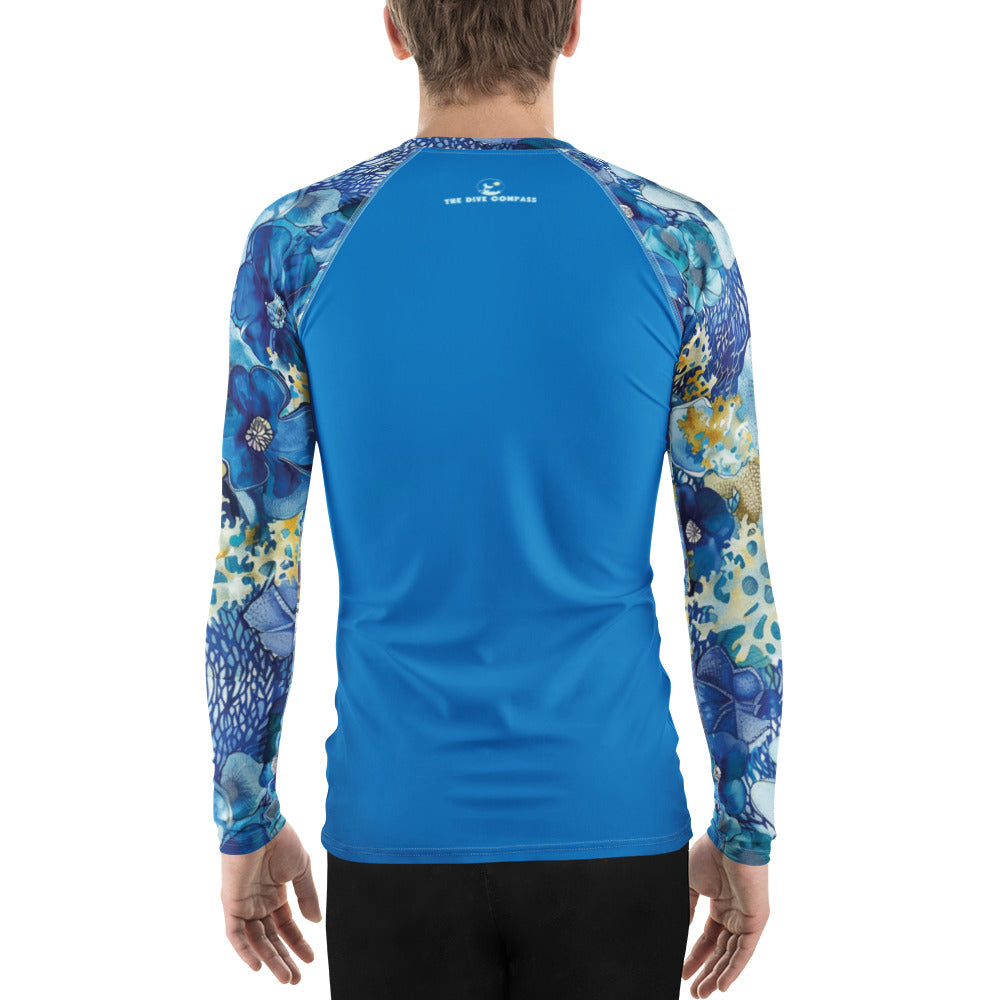
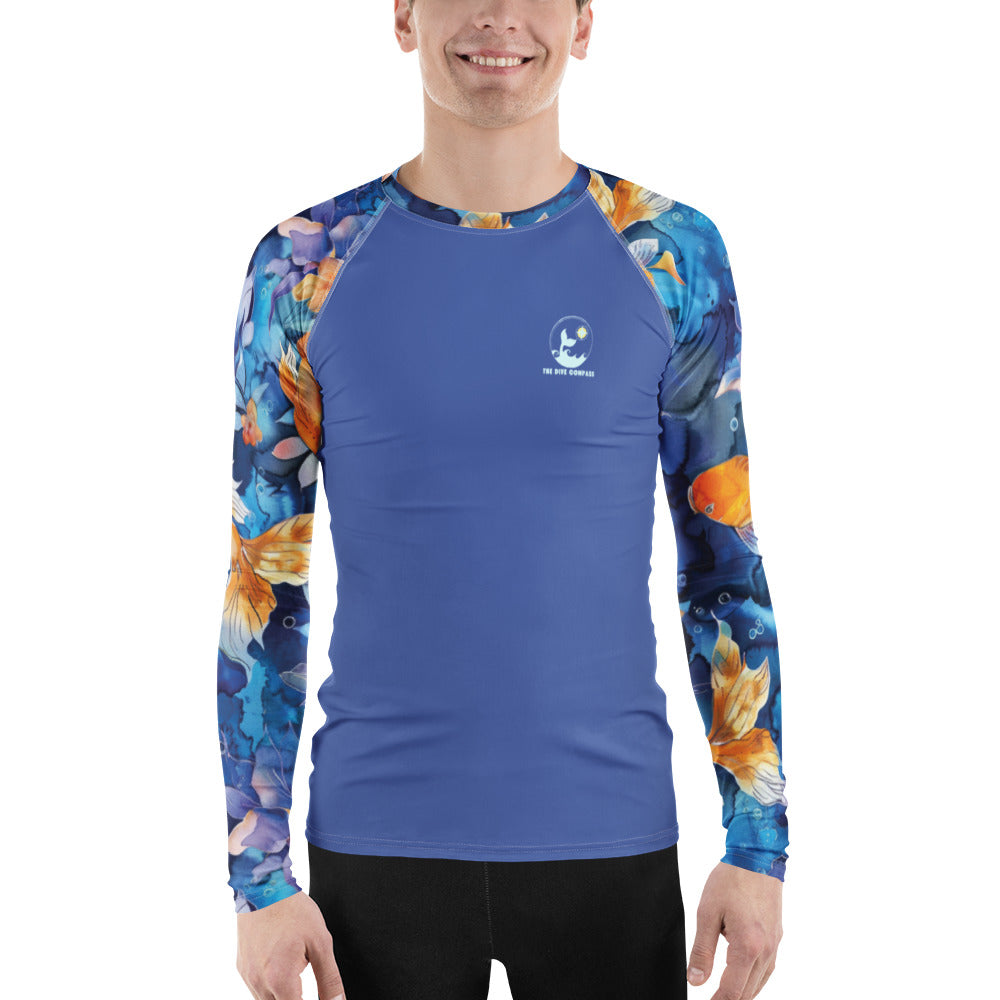
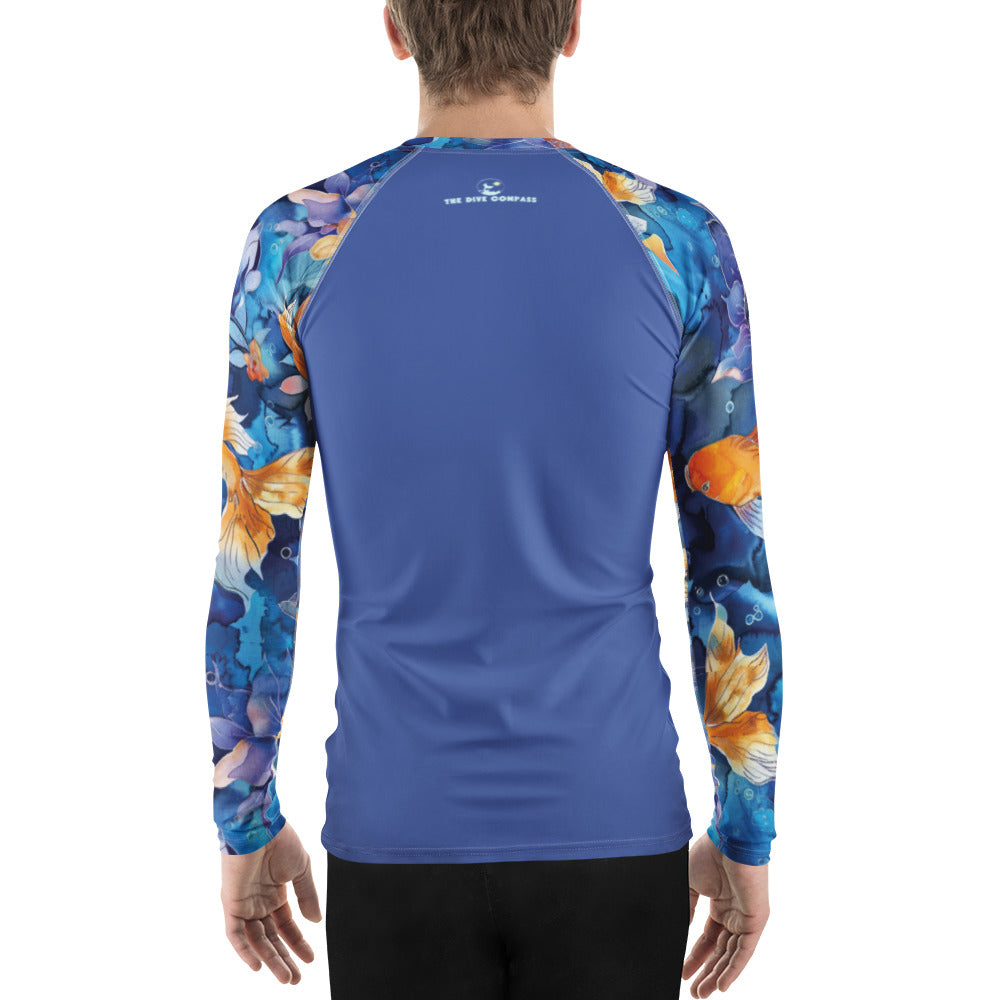
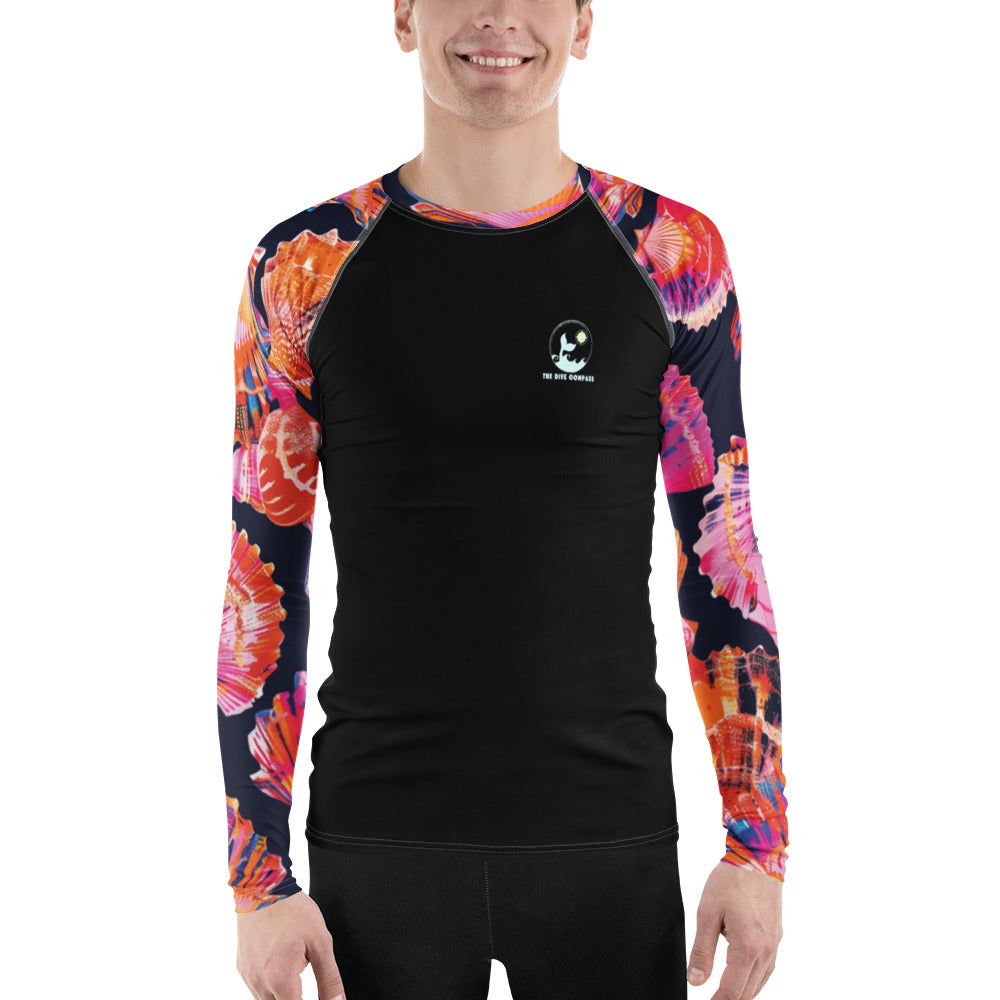
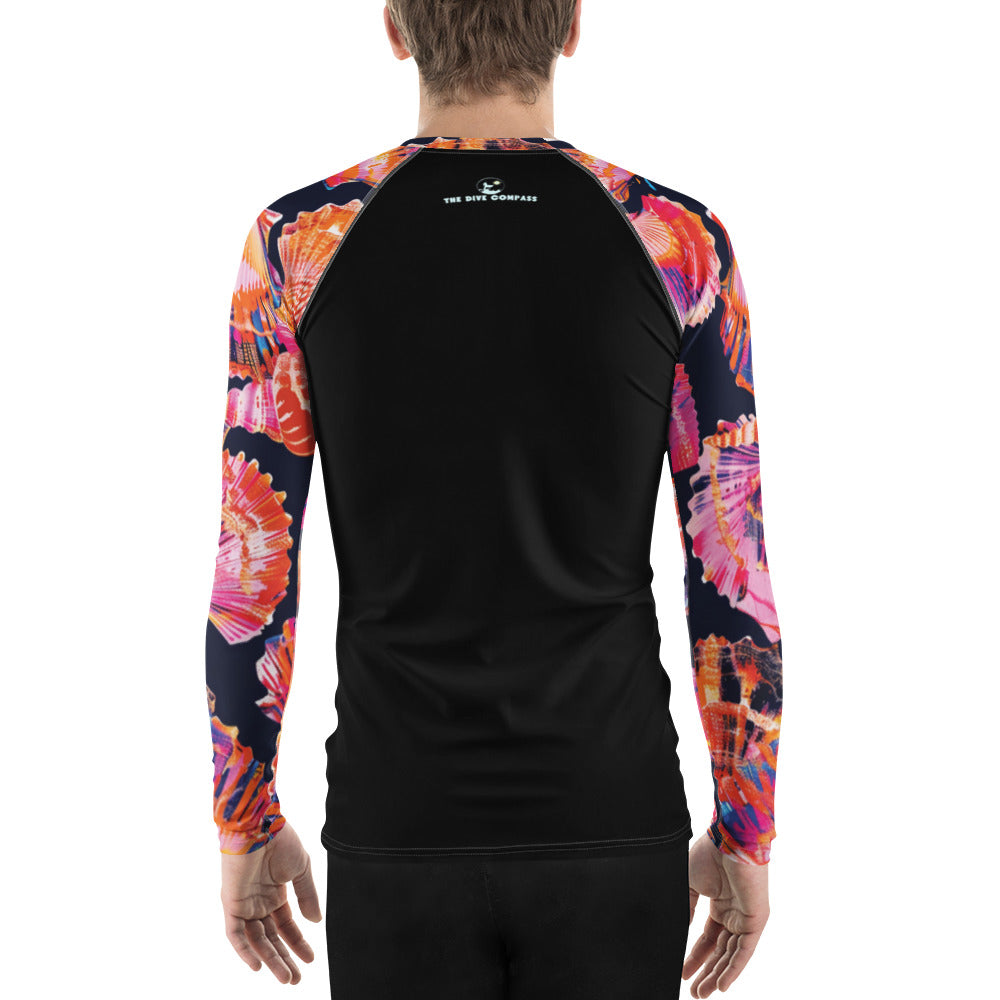
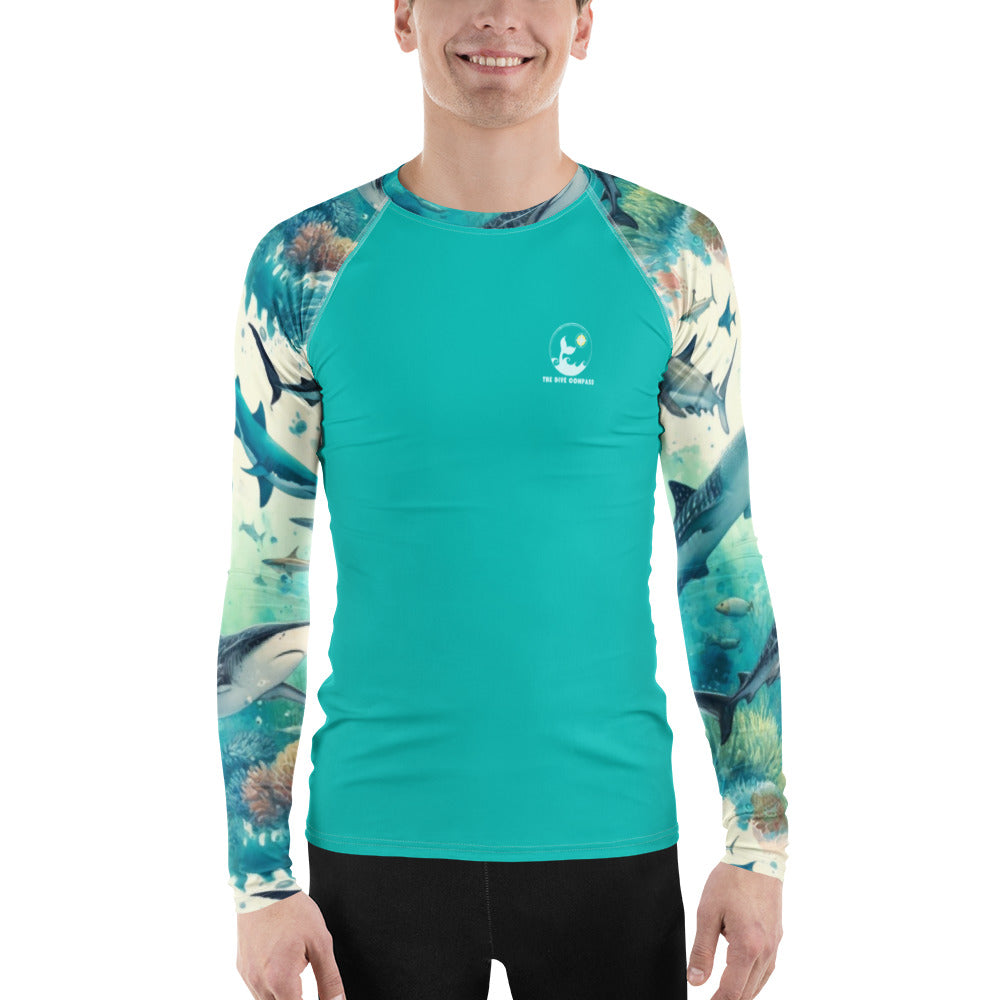
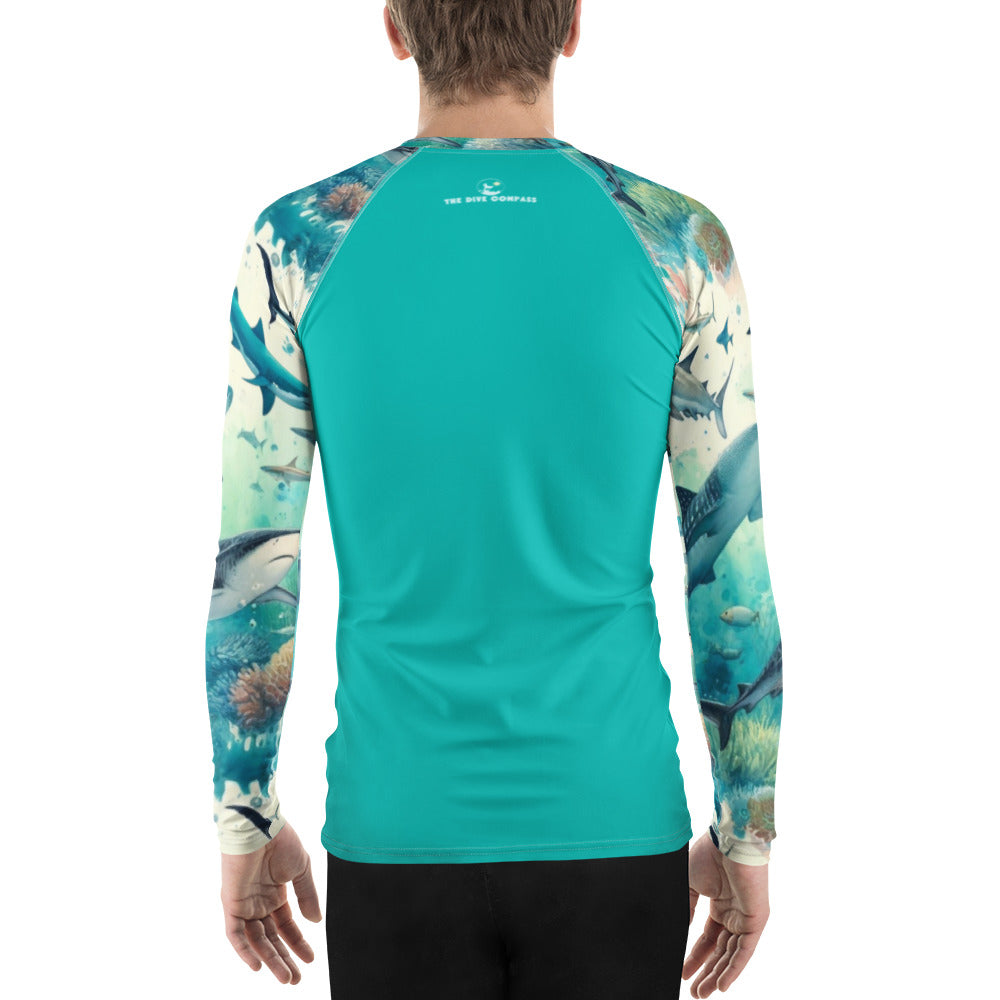
🌿 The Dive Compass Rash Guards are made from recycled REPREVE® fabric — turning ocean-bound plastics into ocean-friendly protection. Each one is UPF 50+ certified, sustainably produced, and designed for divers who care about the sea.
Ocean-Friendly Alternatives Beyond Sunscreen
Being an eco-conscious diver means taking a holistic approach to protecting the ocean. Here’s how to go beyond sunscreen:
1. Cover Up with UPF Gear
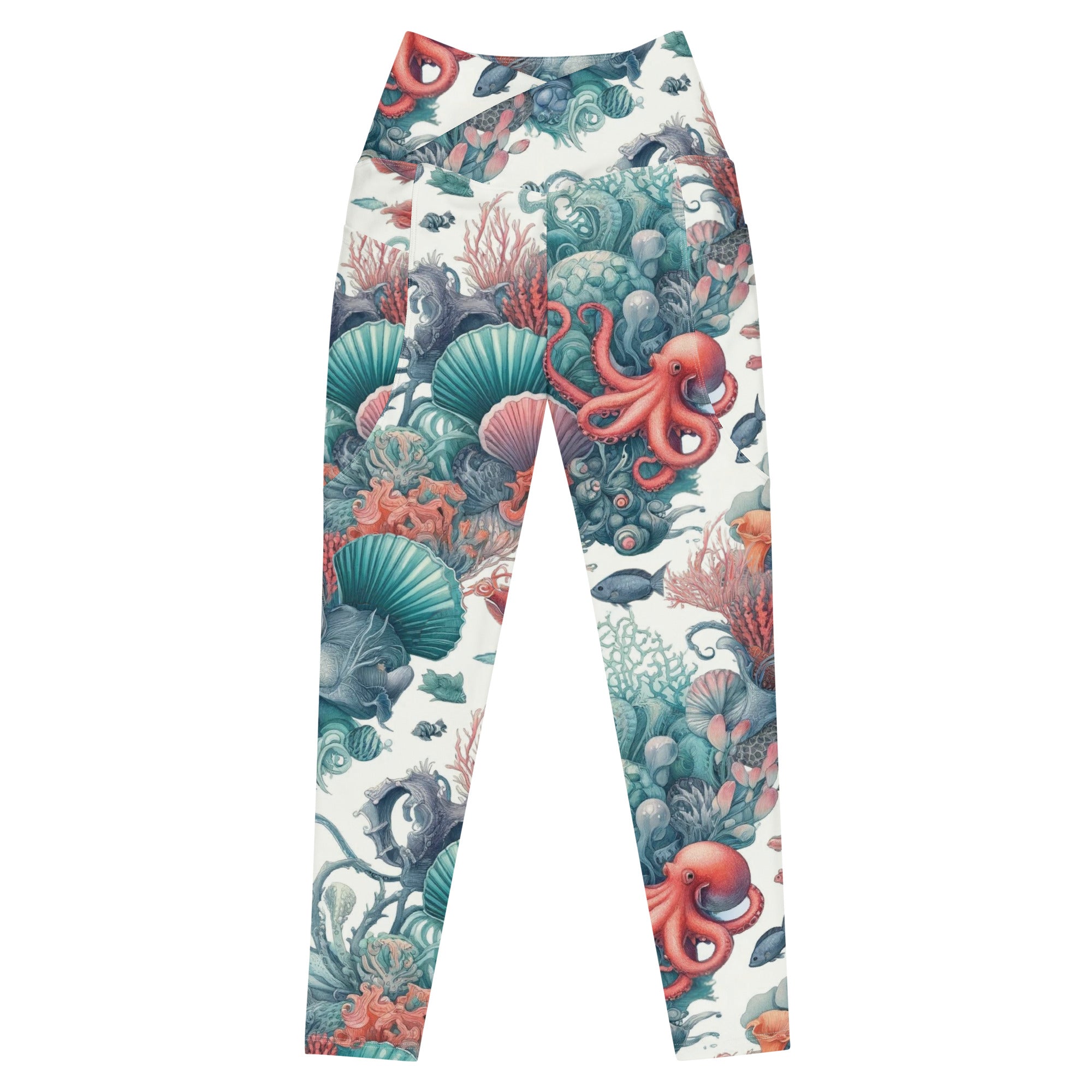
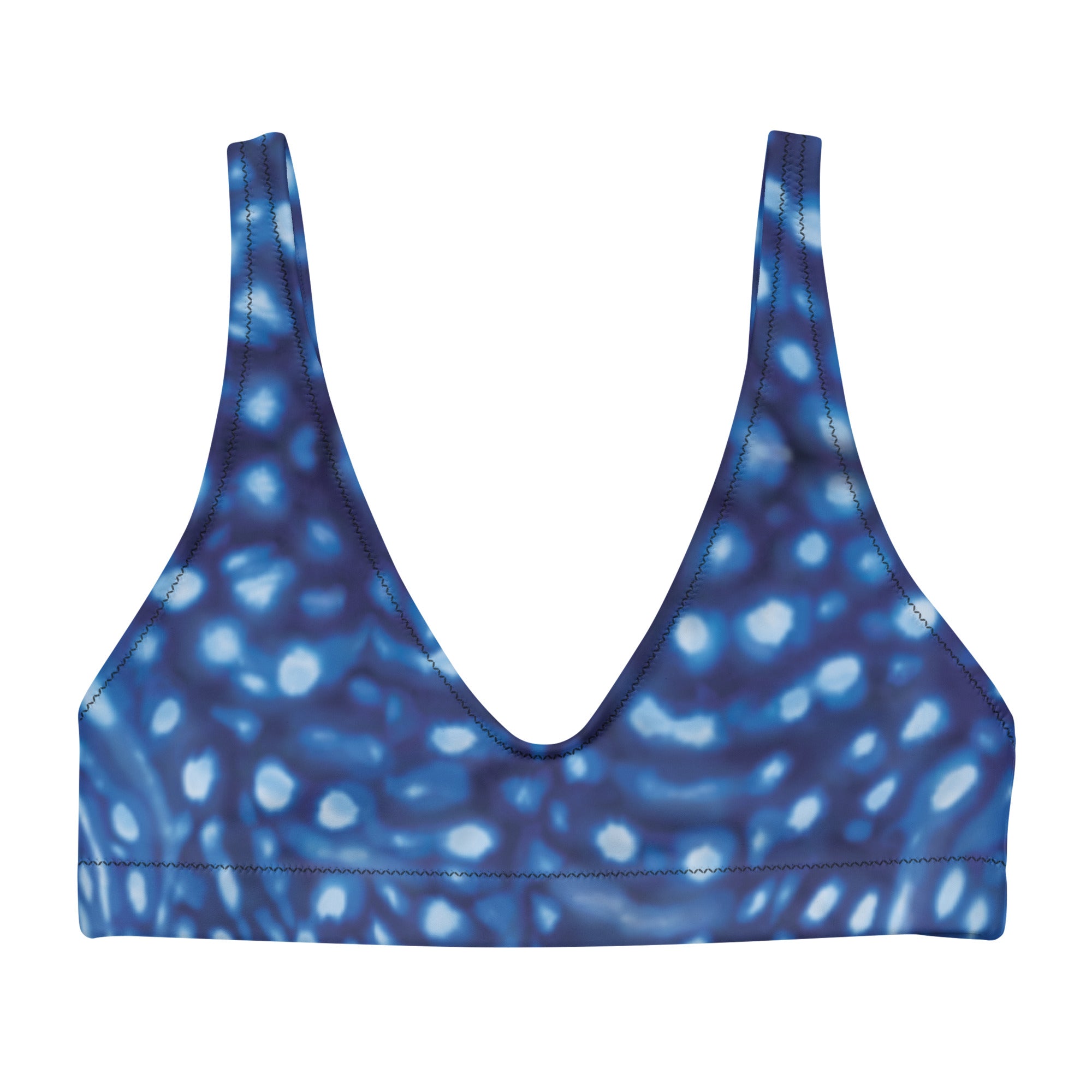
Rash guards, scuba leggings, and cropped tops made with UPF 50+ protection shield your skin naturally.
→ Bonus: They’re reusable, stylish, and never expire.
2. Seek Shade During Surface Intervals
Use natural shade on boats or beaches instead of constant reapplication of sunscreen.
3. Choose Certified Mineral Sunscreens (If Needed)
If you must use sunscreen, choose non-nano zinc oxide formulas with no synthetic fragrance or silicones.
Companies like Ethical Zinc and Winki Zinc use non-nano zinc oxides in their sunscreen.
4. Rinse Before Diving
Always shower before entering the ocean to remove lotions, makeup, and other products that can affect water quality.
Why UPF Gear Is the Future of Reef Protection
Unlike sunscreen, UPF clothing is a one-time investment that provides lasting protection — for you and the planet.
By wearing eco-conscious UPF rash guards and leggings, you:
- Reduce the chemical load entering the sea
- Decrease your plastic footprint (since many eco rash guards are made from recycled fibers)
- Support sustainable fashion over disposable products
At The Dive Compass, sustainability isn’t an afterthought — it’s the foundation.
Each product is:
- ♻️ Made from recycled ocean plastics
- 🌍 Ethically produced on-demand to reduce waste
- 🧵 Designed for performance underwater and comfort on land
- 💙 Donates 10% of every sale to ocean conservation
So you can protect your skin and your favorite dive sites — in one stylish, reef-safe move.
The Takeaway
Reef-safe sunscreen is better than traditional formulas, but it’s not a perfect solution. The most effective, truly reef-friendly approach is to reduce reliance on sunscreen altogether and switch to UPF 50+ eco-friendly divewear.
When you wear The Dive Compass, you’re making a conscious choice — one that protects the ocean, honors marine life, and keeps you sun-safe while exploring the underwater world.
💙 Dive sustainably. Protect beautifully.
👉 Shop UPF 50+ Rash Guards & Sustainable Divewear








































Leave a comment
This site is protected by hCaptcha and the hCaptcha Privacy Policy and Terms of Service apply.