











Beginner’s Guide to What to Wear Scuba Diving — From Rash Guards to Scuba Bikinis
So you've decided to take the plunge into the underwater world, welcome to one of the most incredible communities on the planet! Whether you're signing up for your first Open Water course or planning your next dive trip, one question always comes up:
"What should I wear scuba diving?"
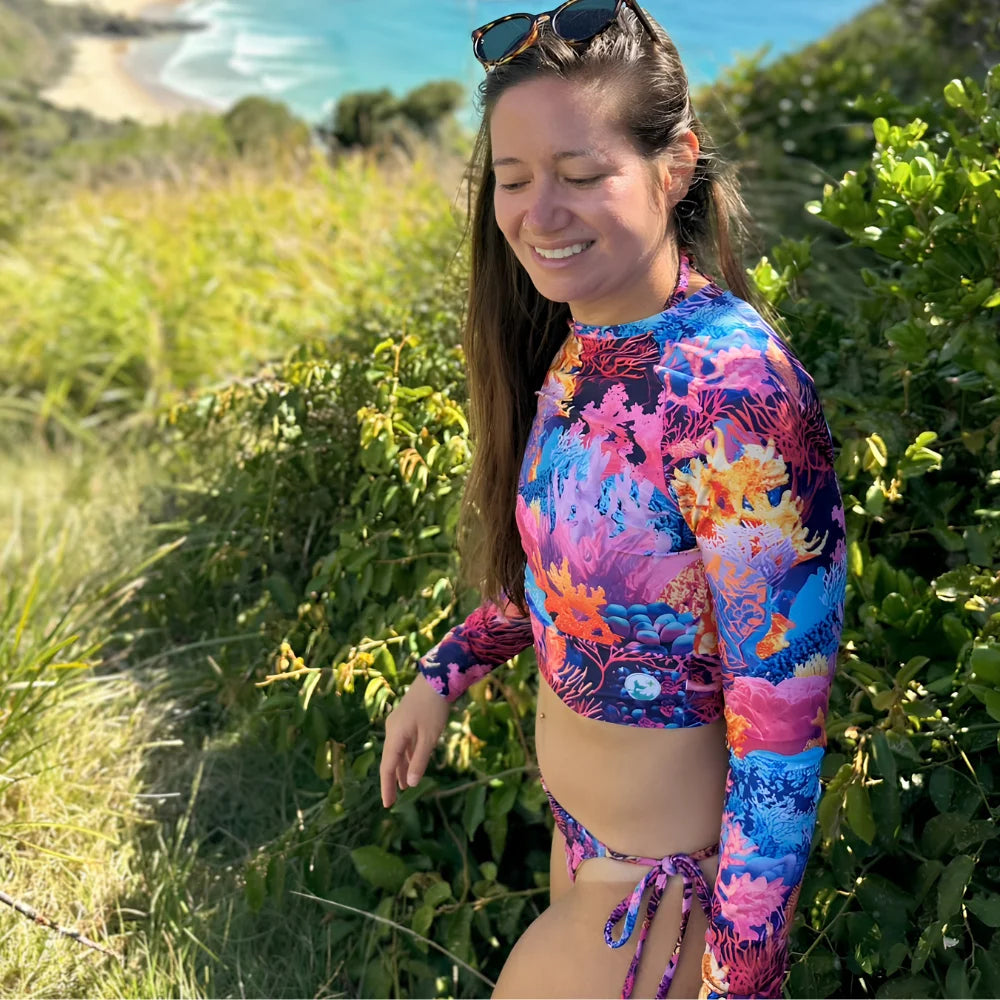
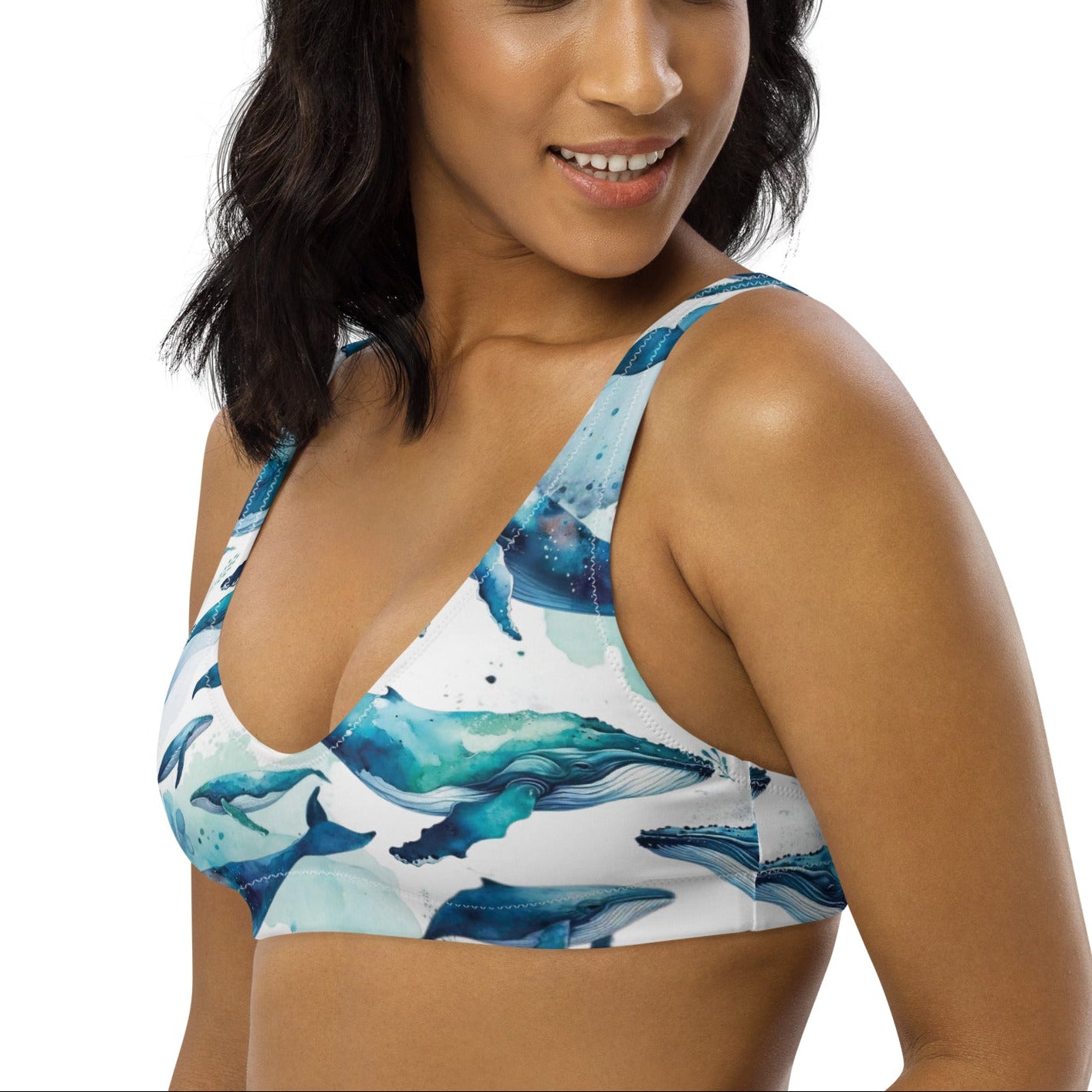
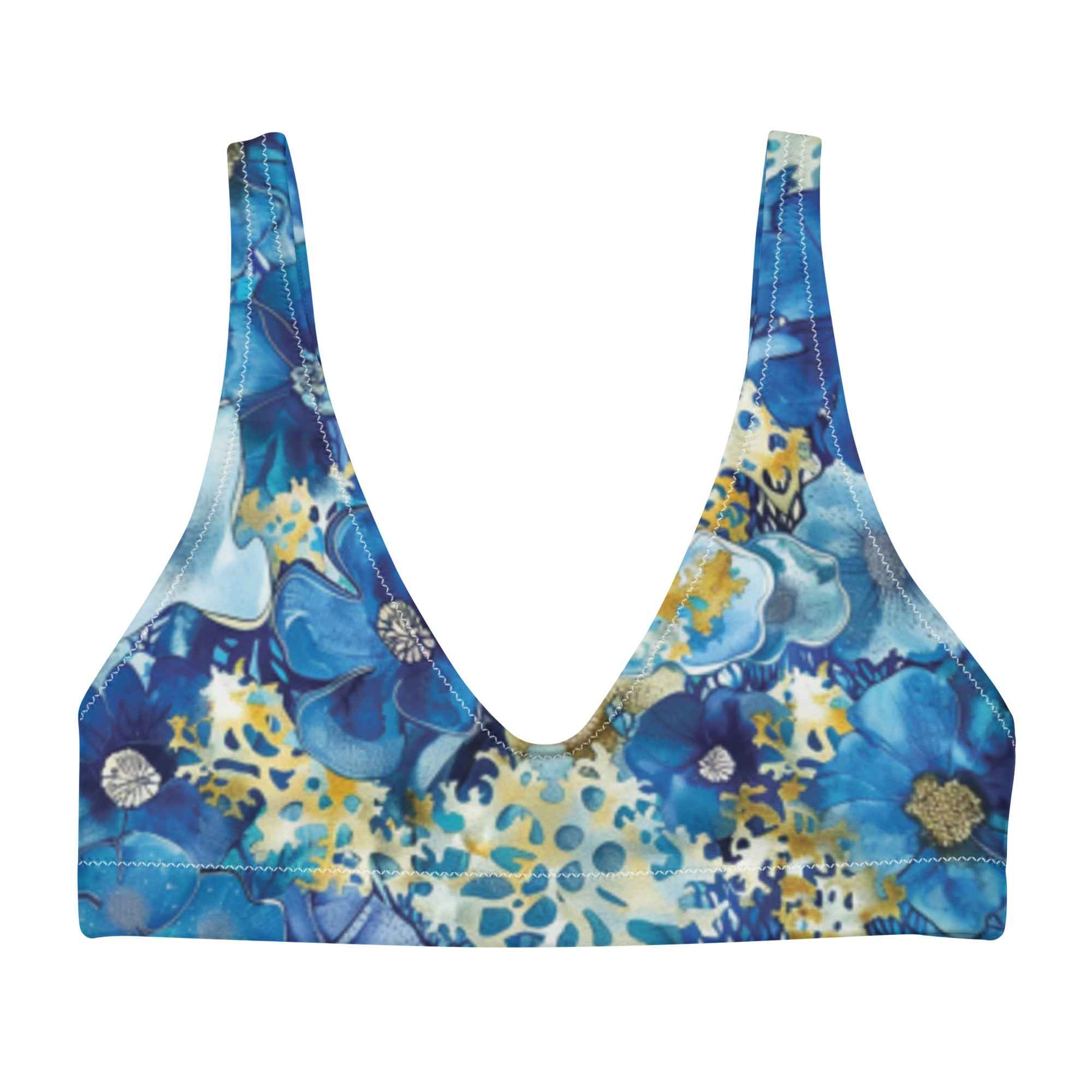
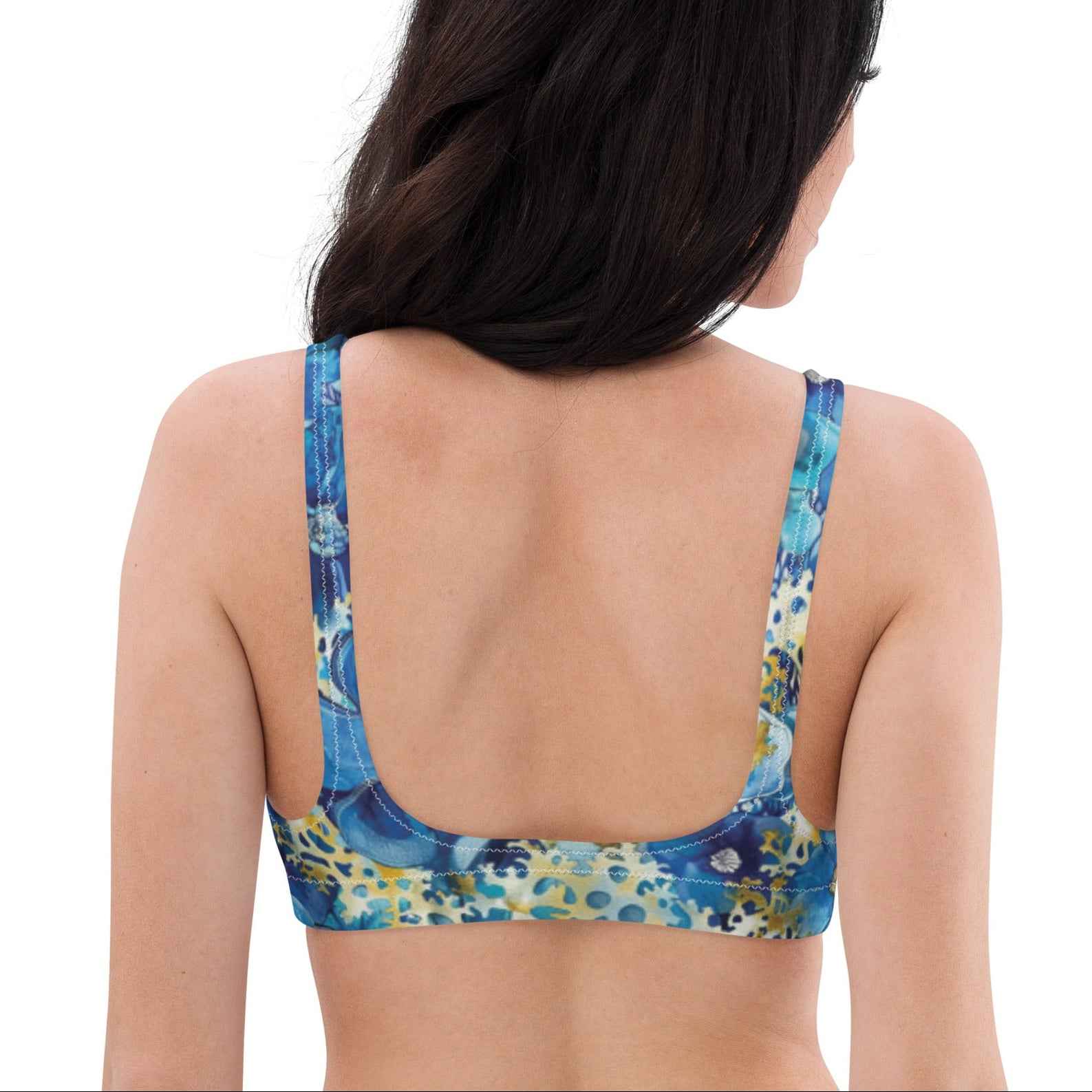
The truth is, choosing the right divewear isn't just about comfort. It's about performance, protection, and even ocean conservation. In this beginner's guide, we'll break down what divers actually wear under the waves, how to stay protected from the elements, and why sustainable divewear — like The Dive Compass Scuba Bikini — is changing how divers gear up.

What to Wear Scuba Diving: The Essentials
When you're new to diving, it can be confusing to figure out what to wear — especially since what you see on social media isn't always what's practical. Let's break it down layer by layer.
1. Swimwear or Scuba Bikini (Base Layer)

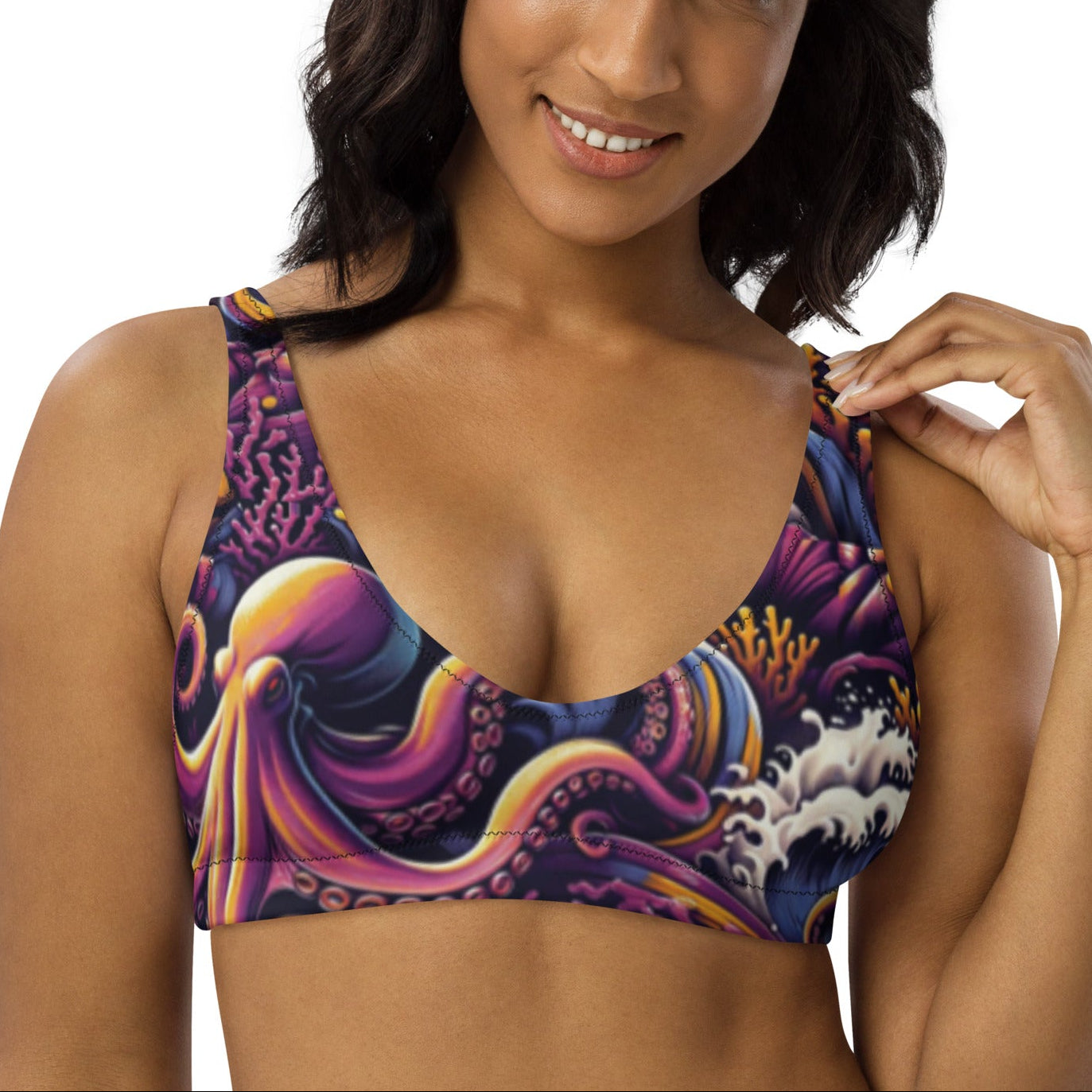
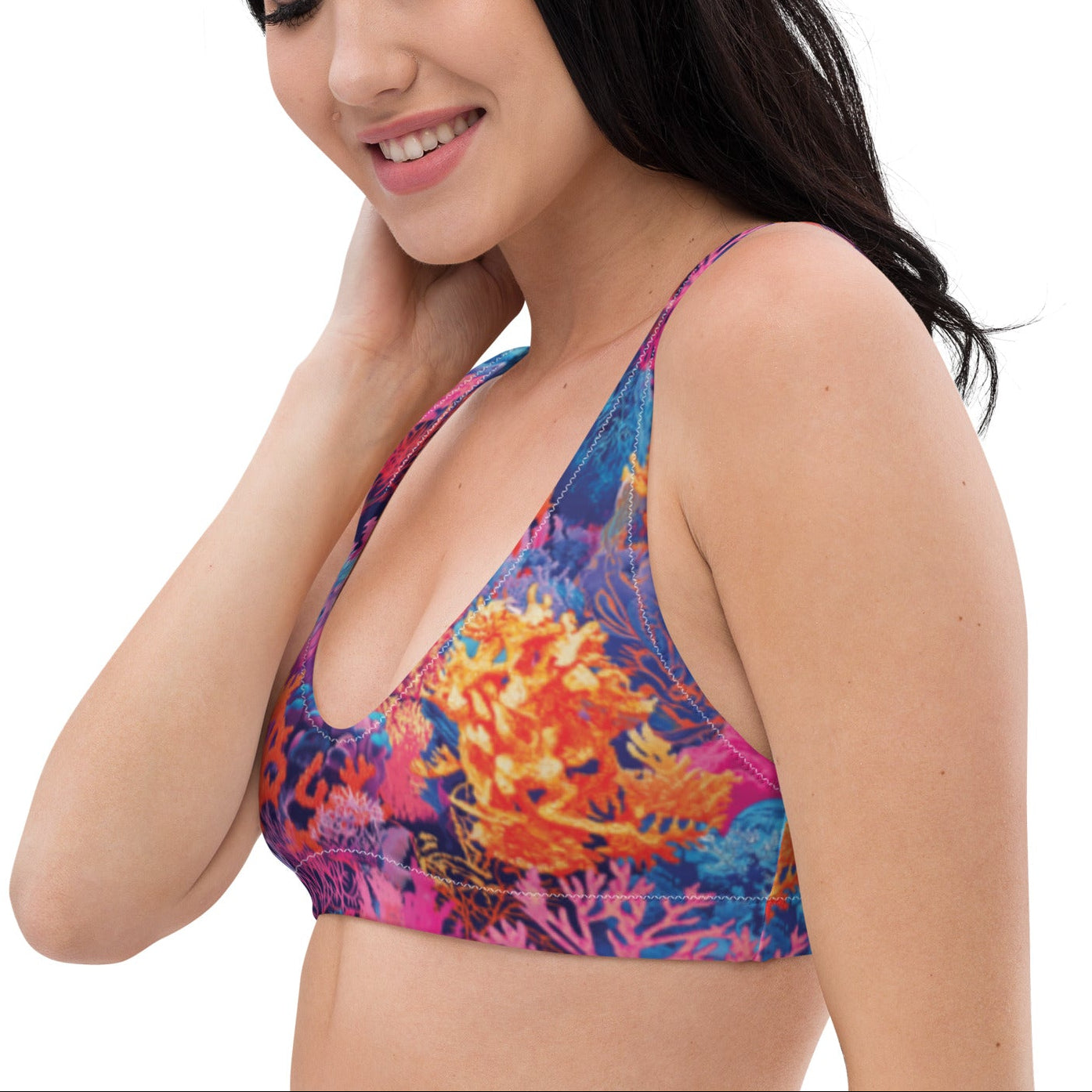
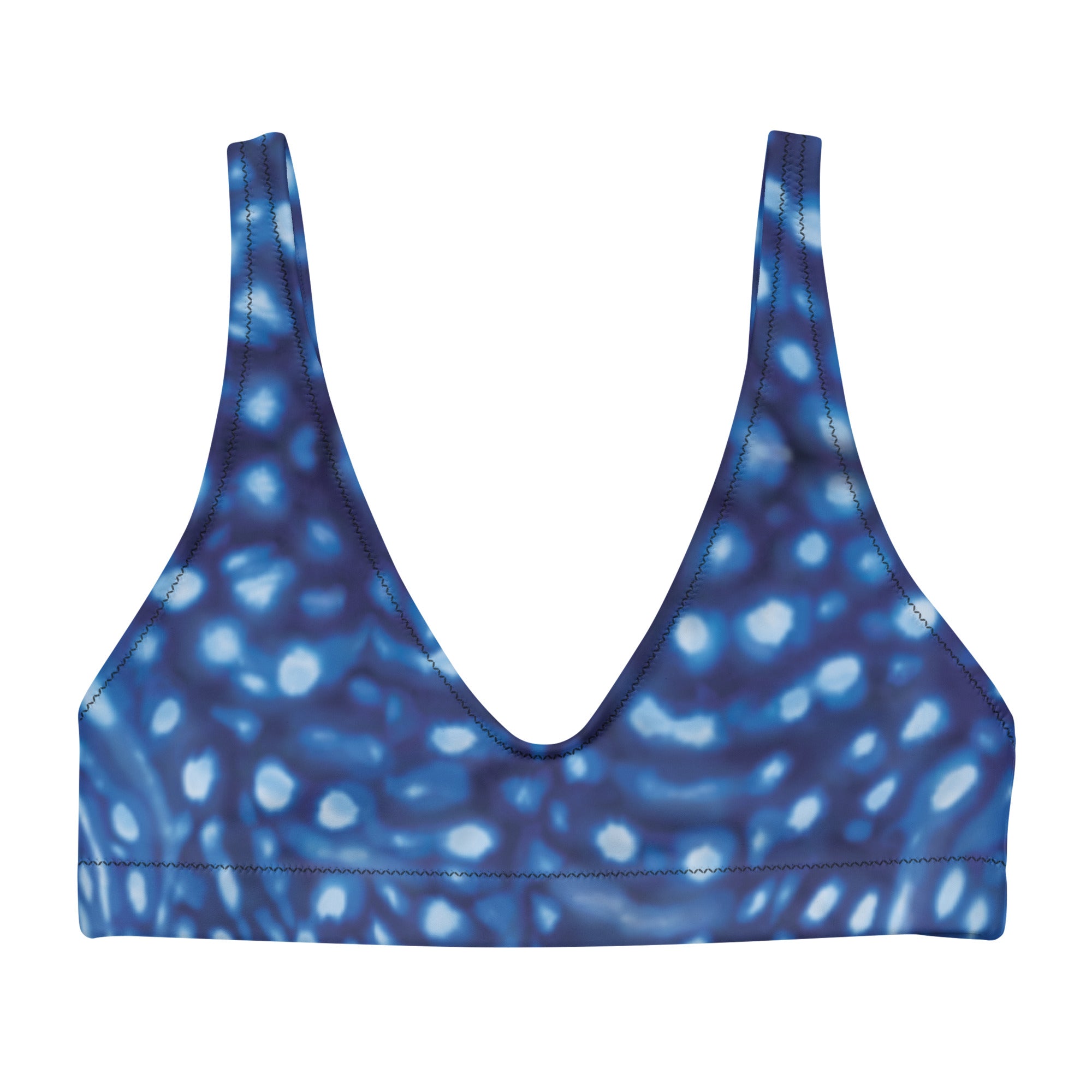
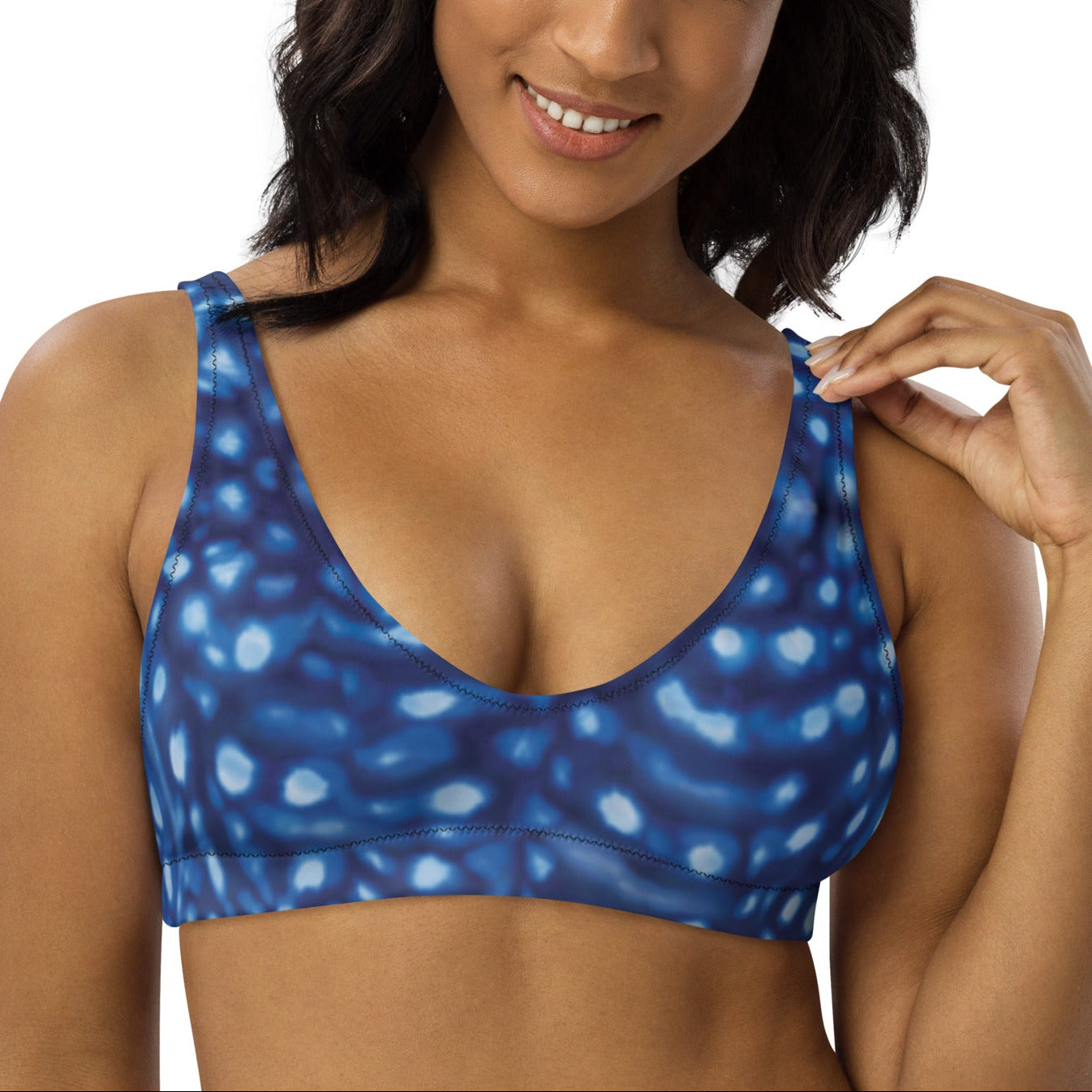
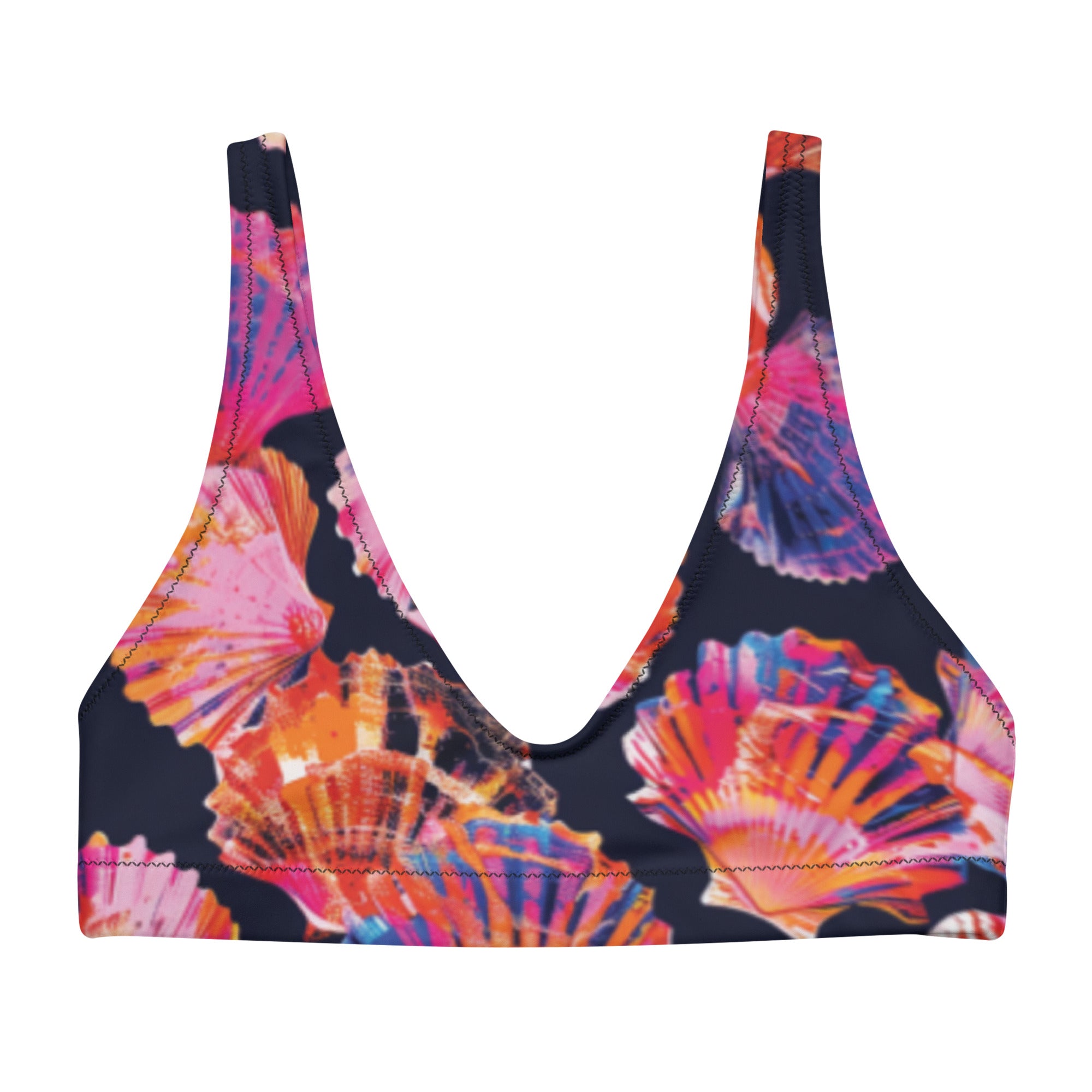
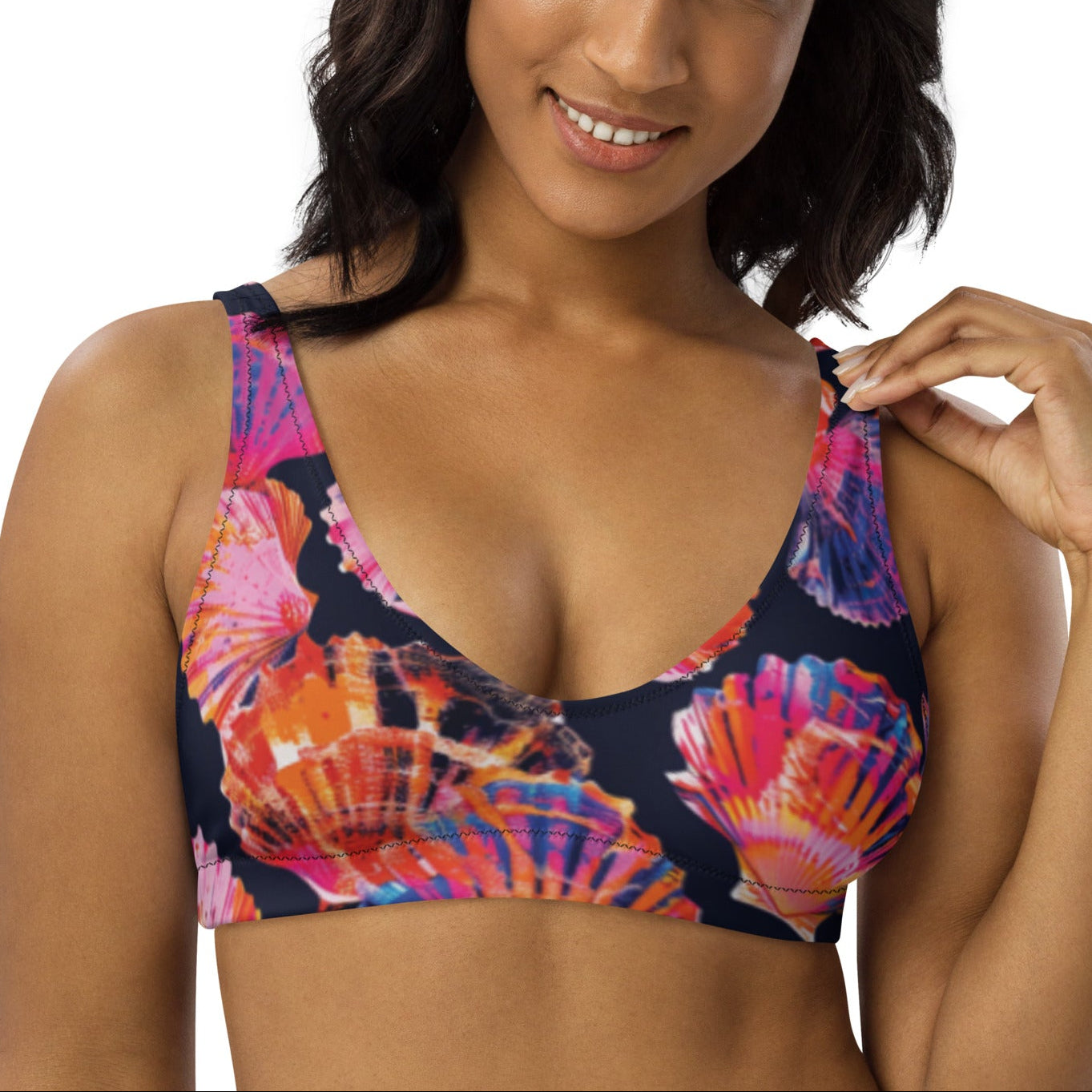
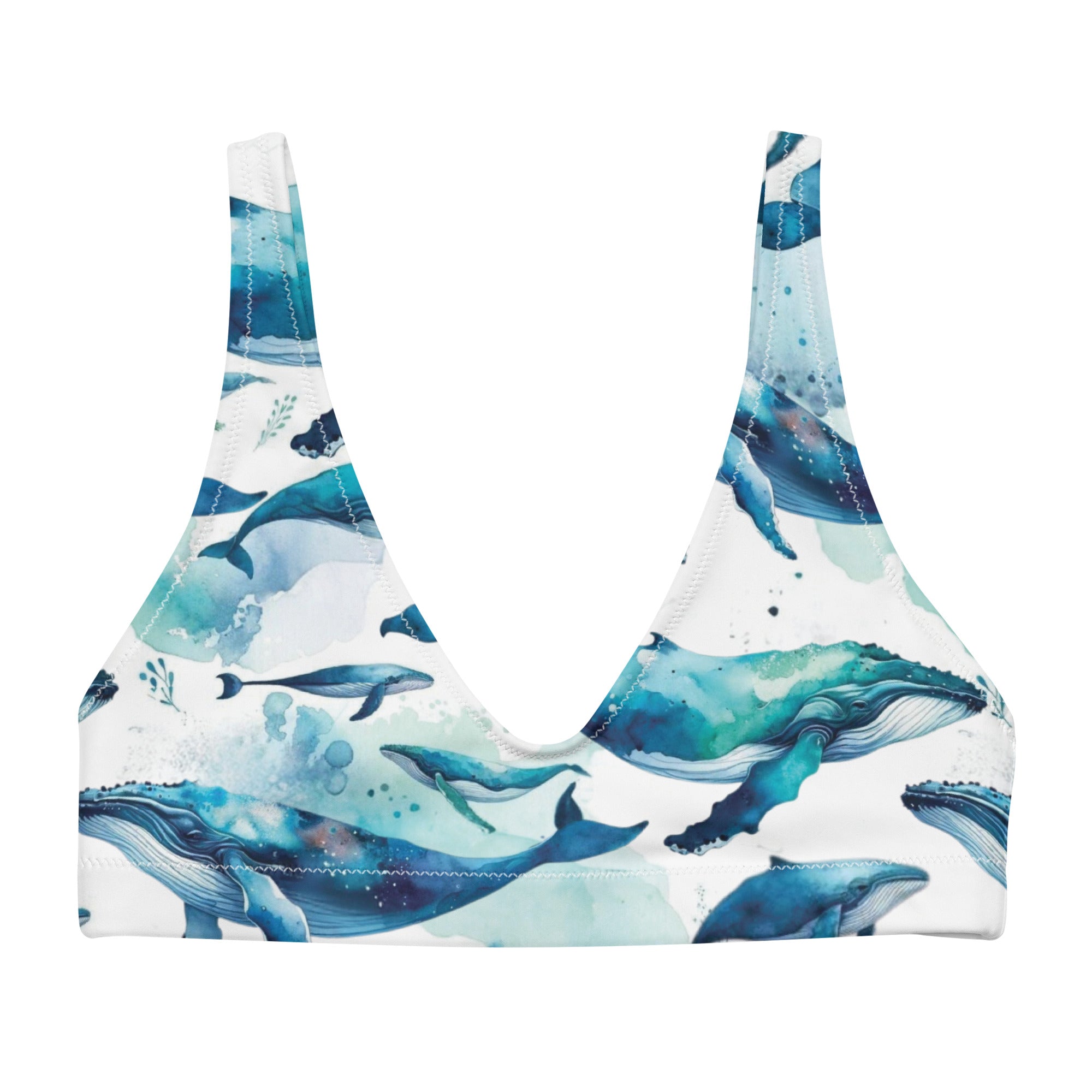
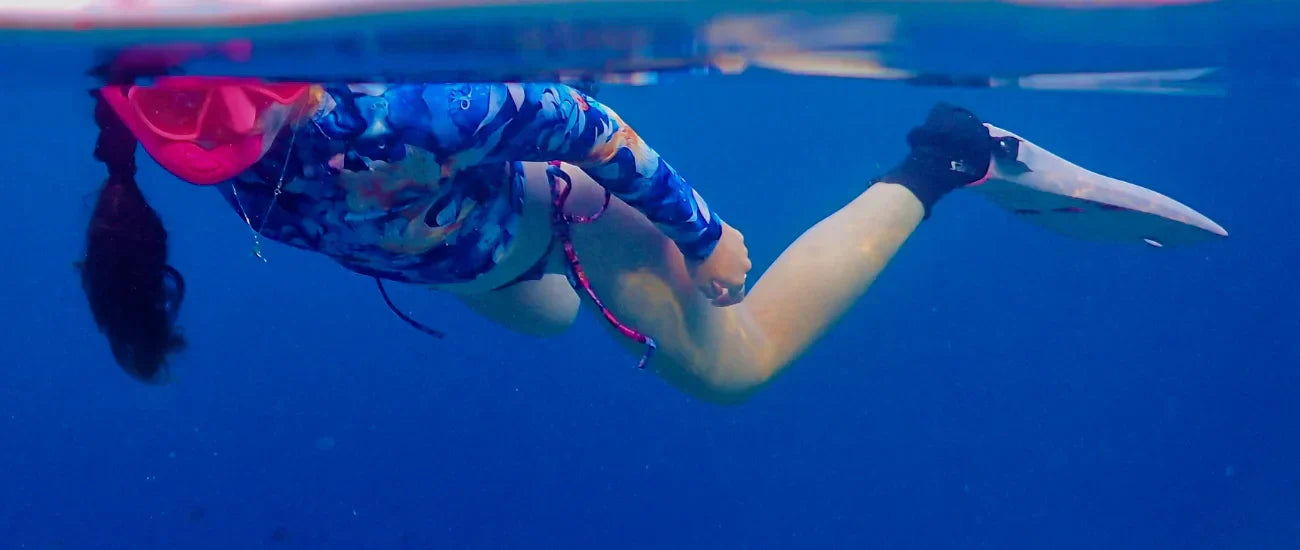
Your base layer is what you wear directly against your skin — and yes, it matters. Traditional swimwear often slips, rides up, or stretches out under wetsuits. That's why scuba bikinis are specially designed for divers:
- They stay in place under wetsuits and BCD straps.
- They're quick-drying and durable, made to handle saltwater and sun.
- They offer full freedom of movement — no distractions while you dive.
🌿 Eco tip: The Dive Compass Scuba Bikini is made from 75% recycled polyester — helping reduce plastic waste while keeping you comfortable underwater. Every order plants a coral through our Save Our Seas Pledge.
2. Rash Guards (Sun and Skin Protection)

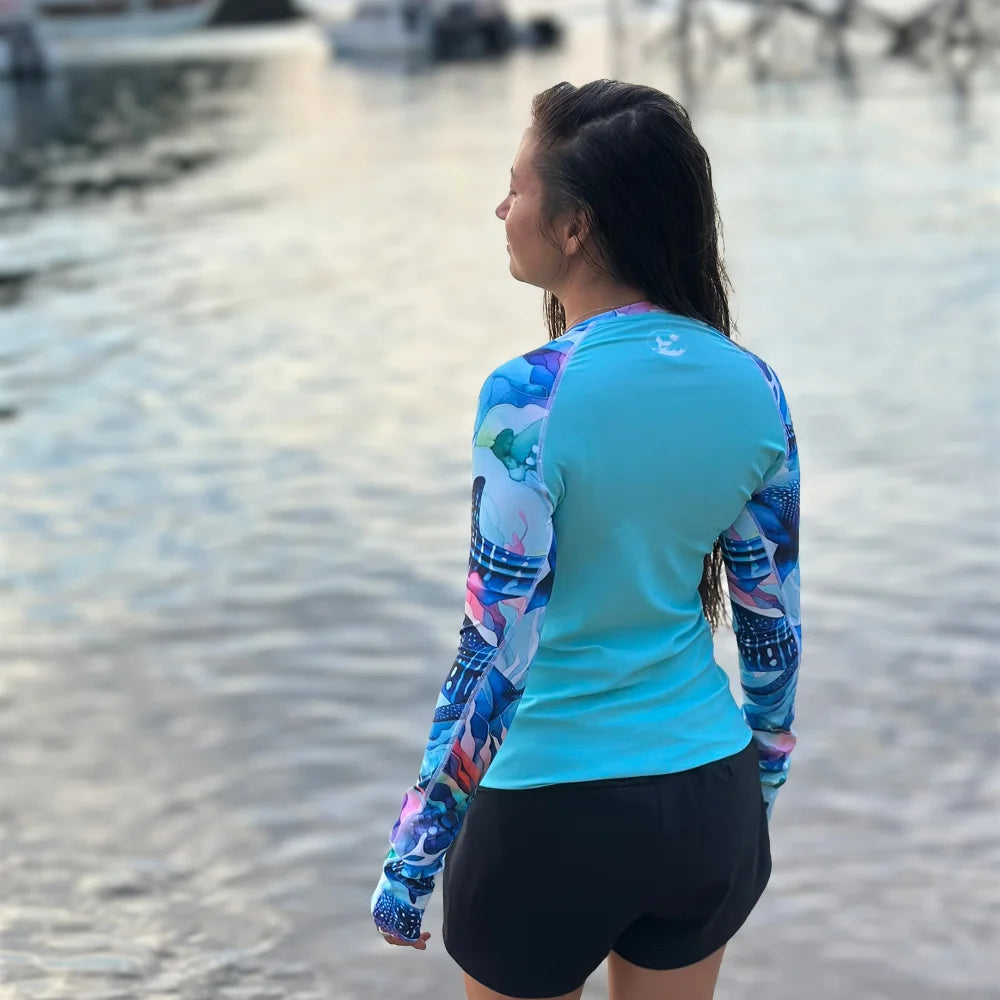
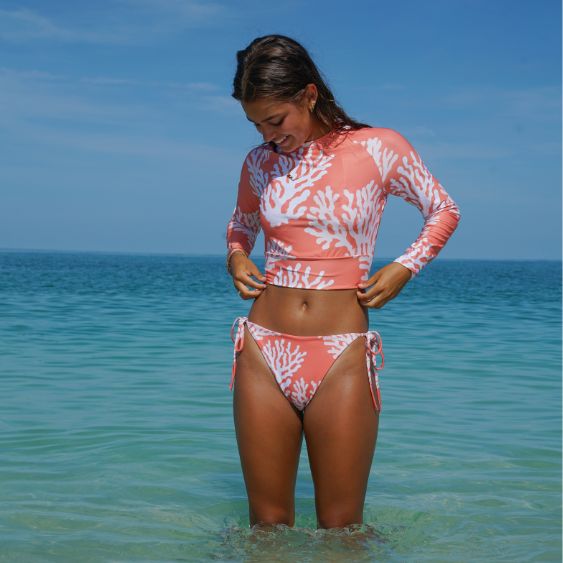
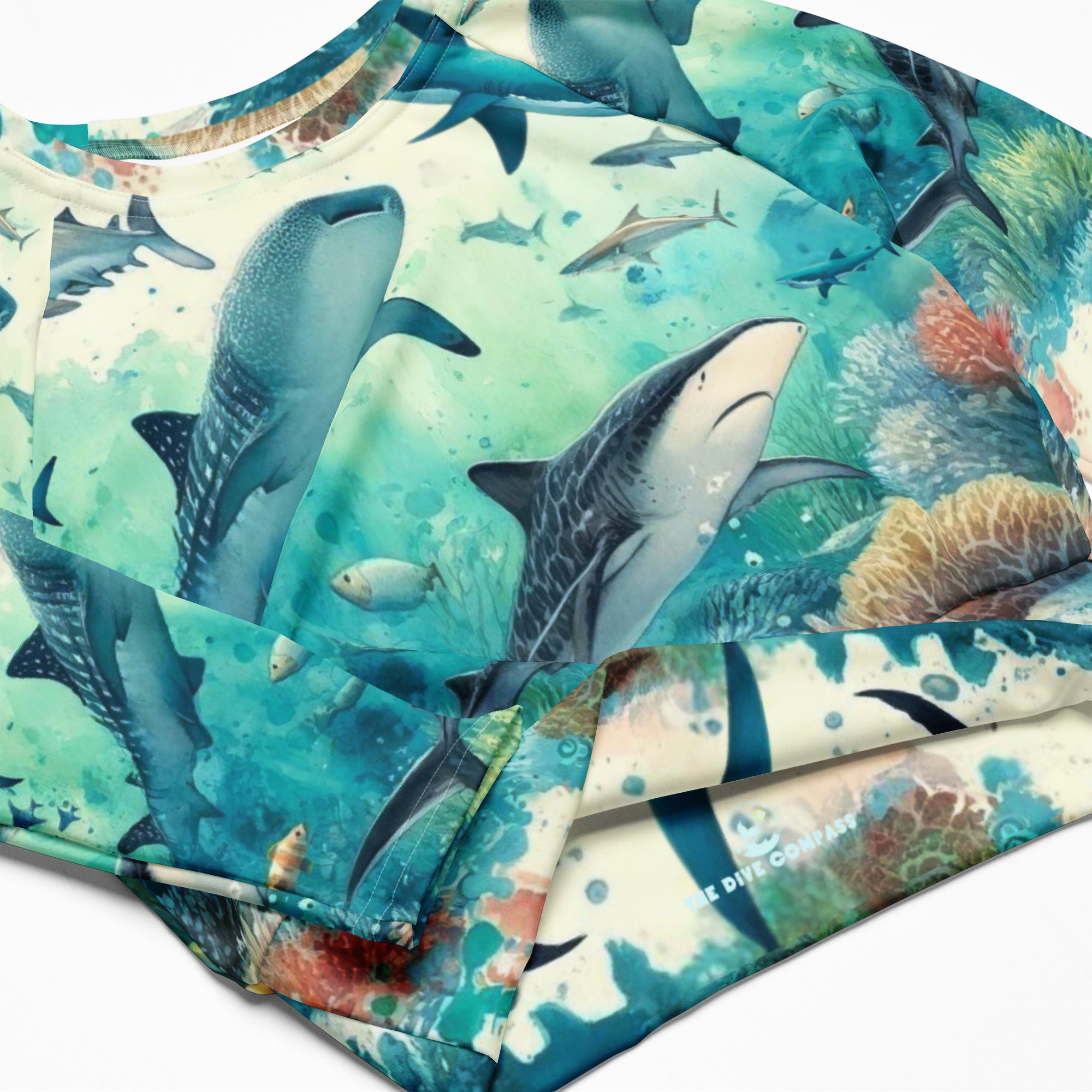
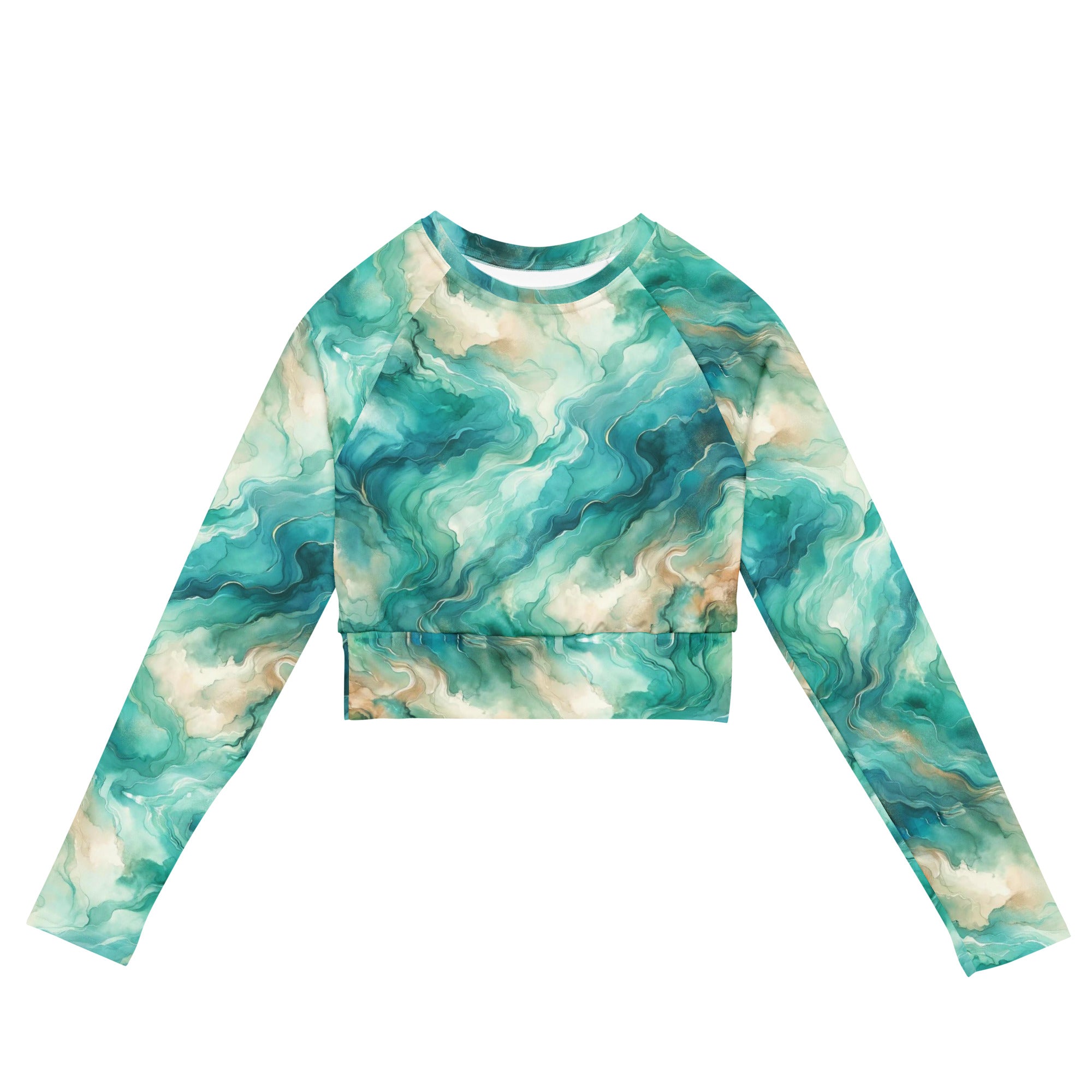
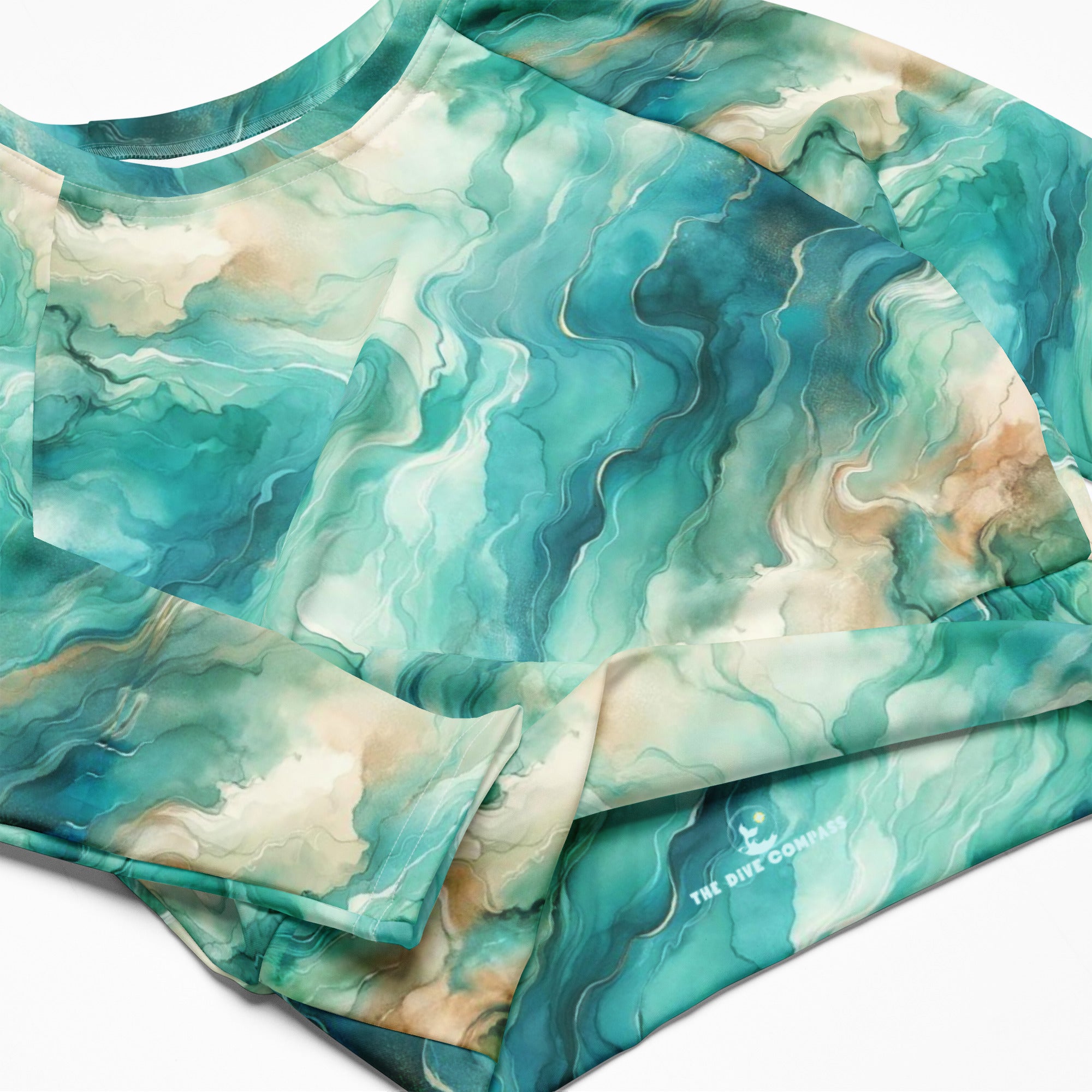
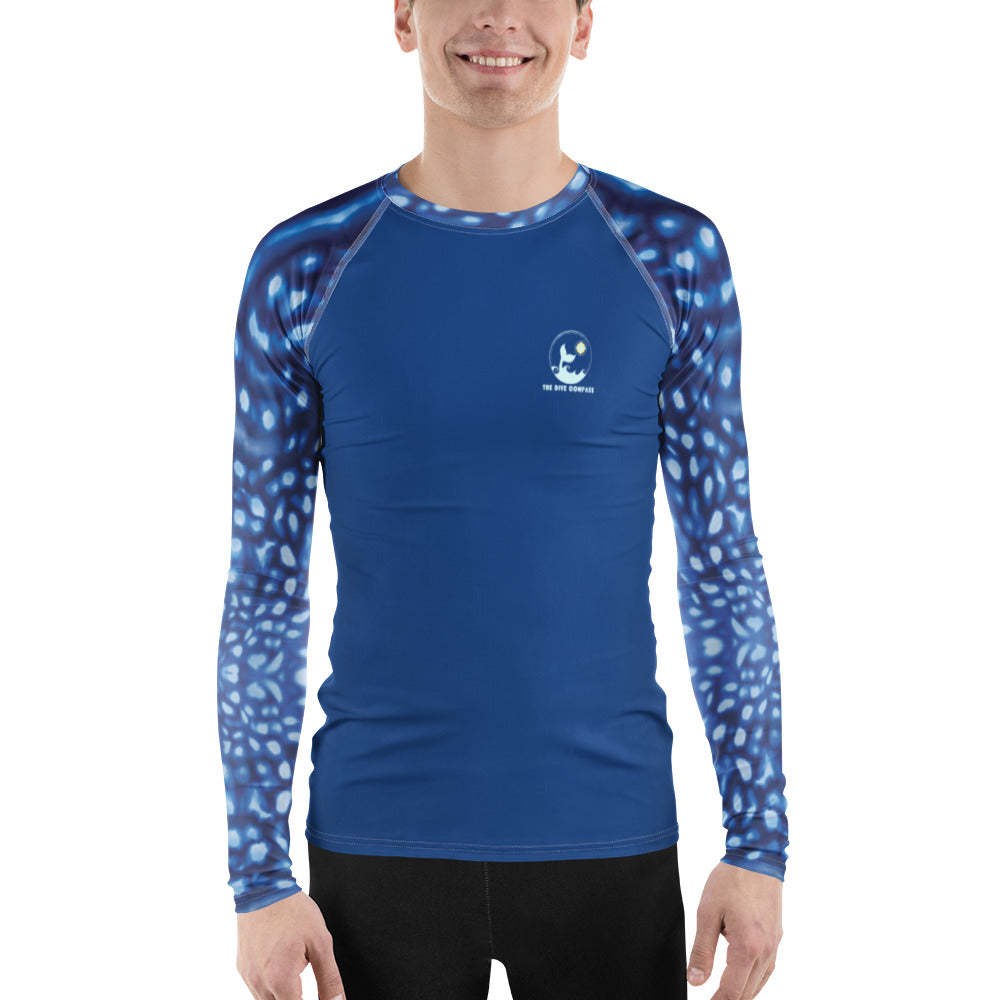
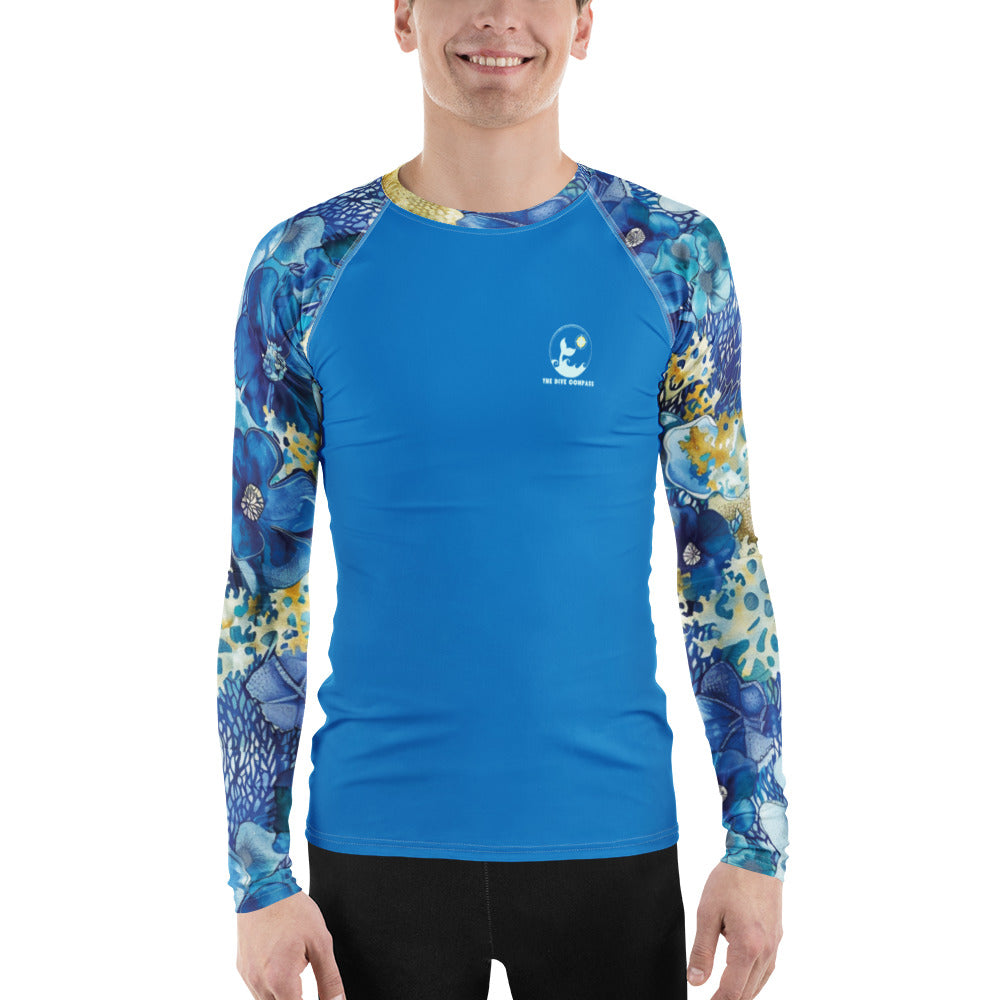
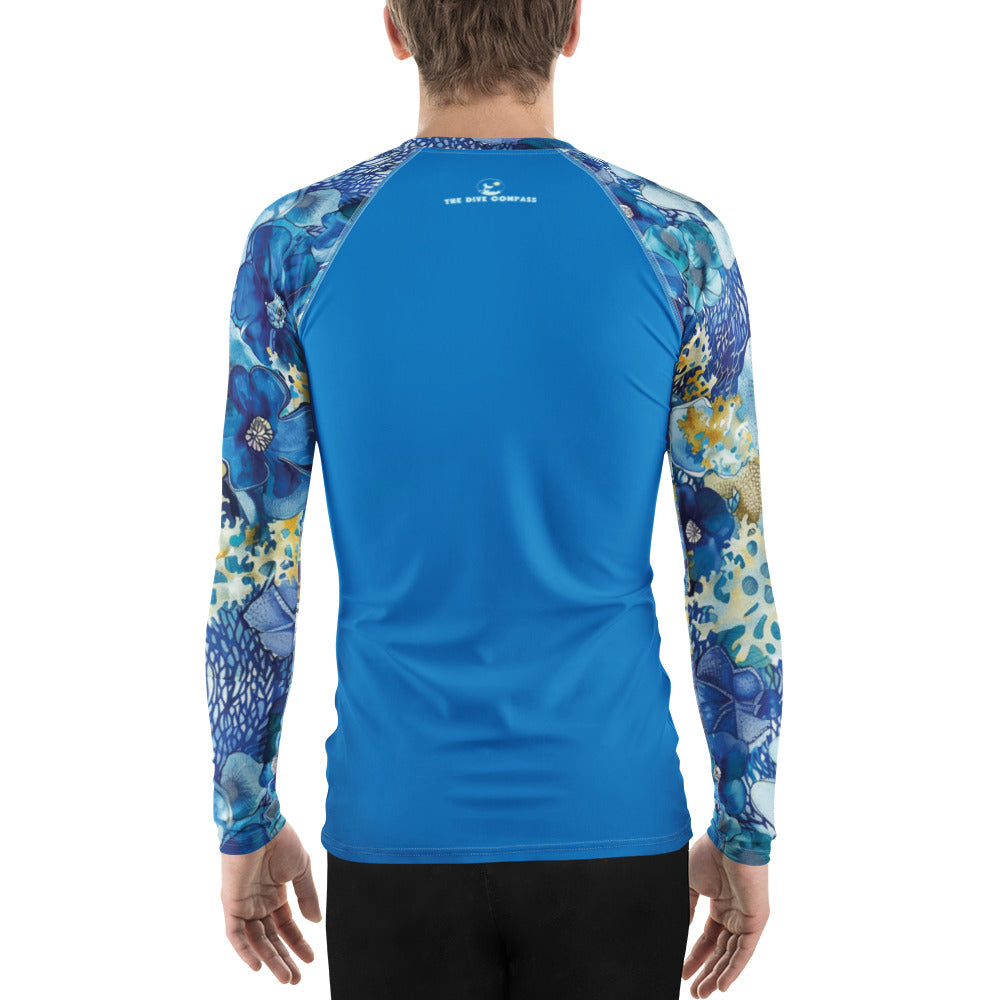
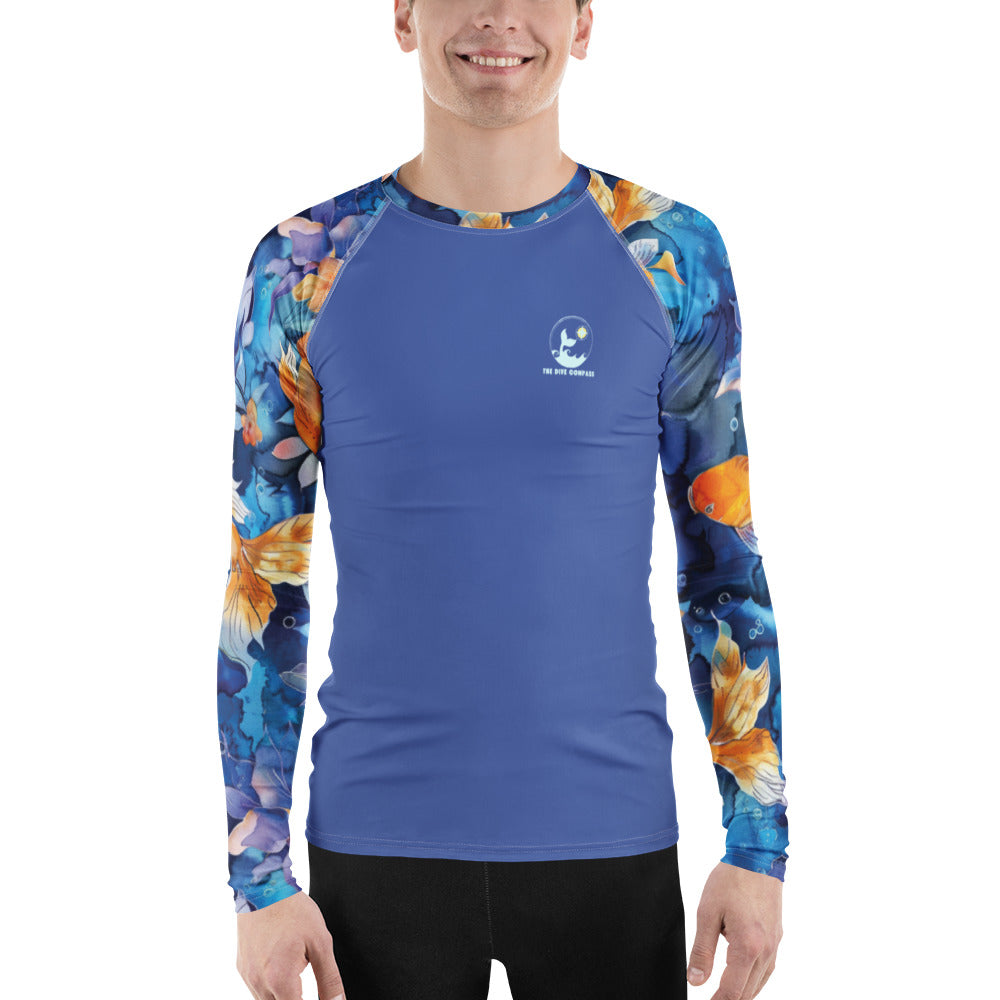
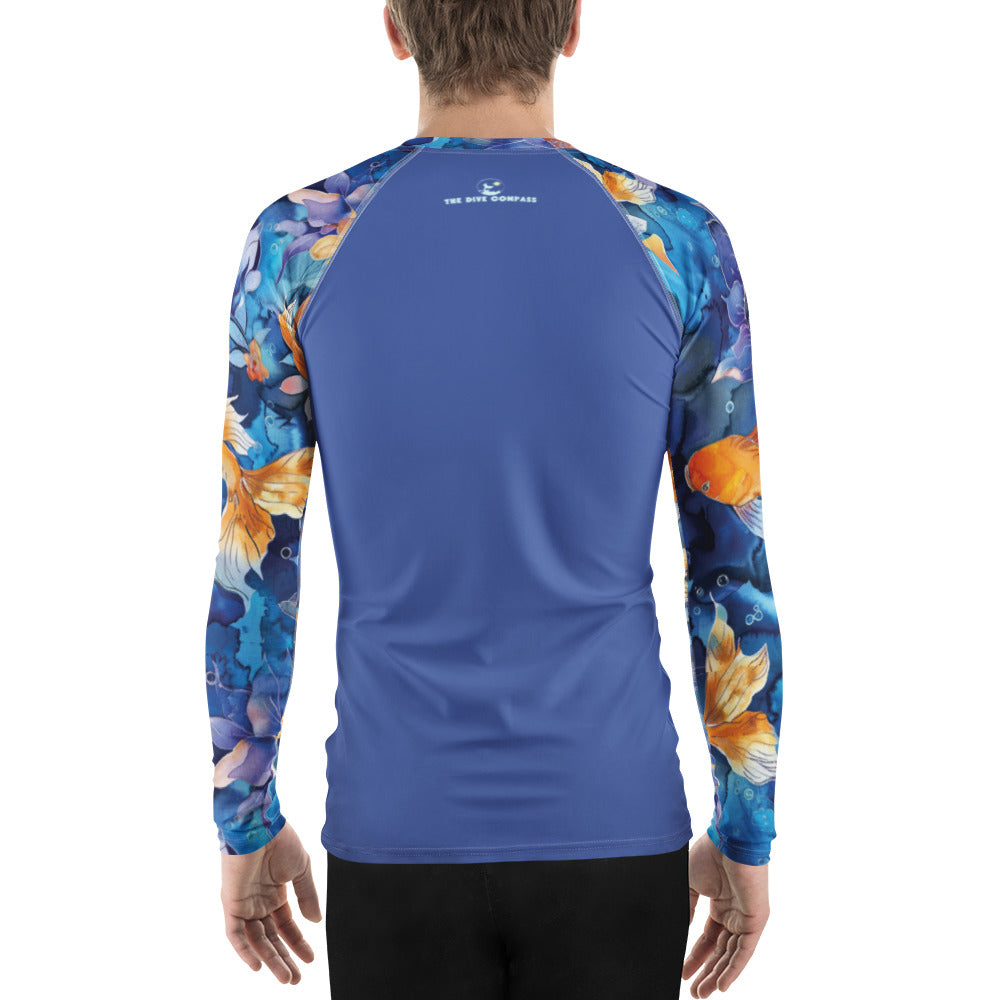
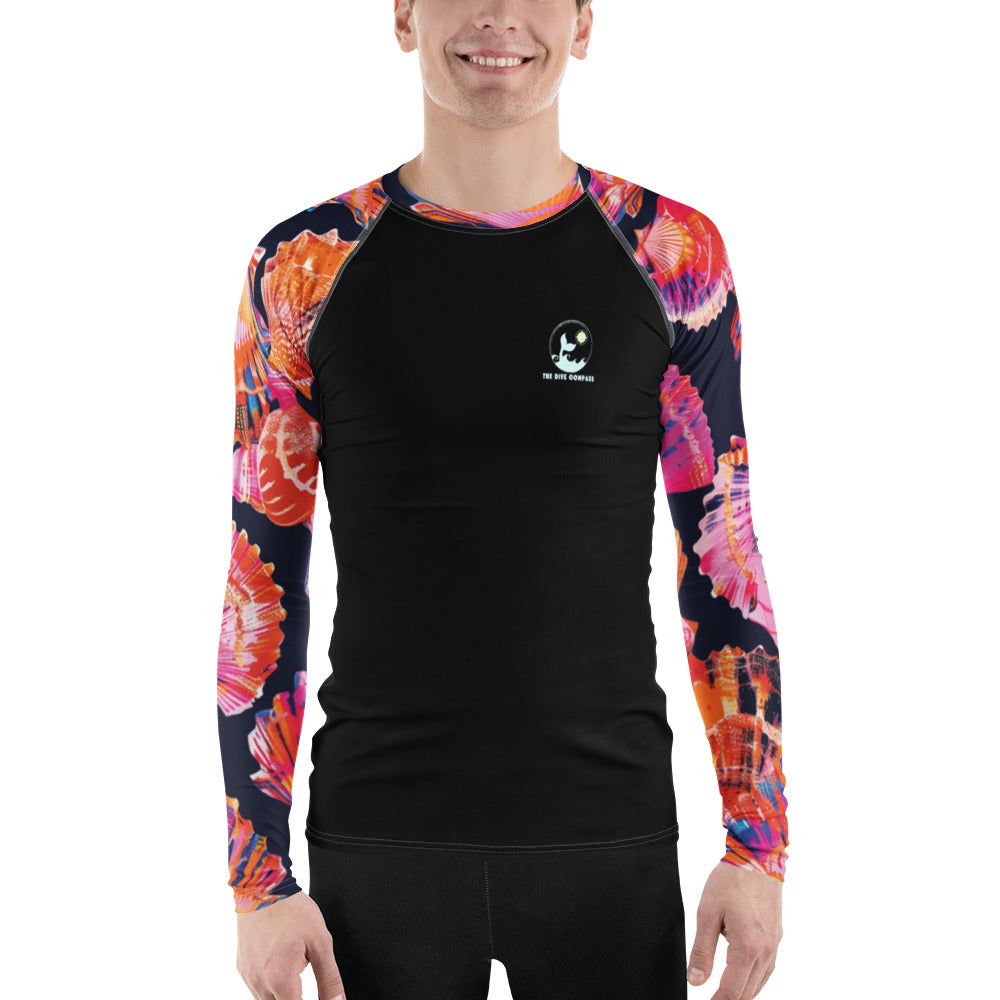
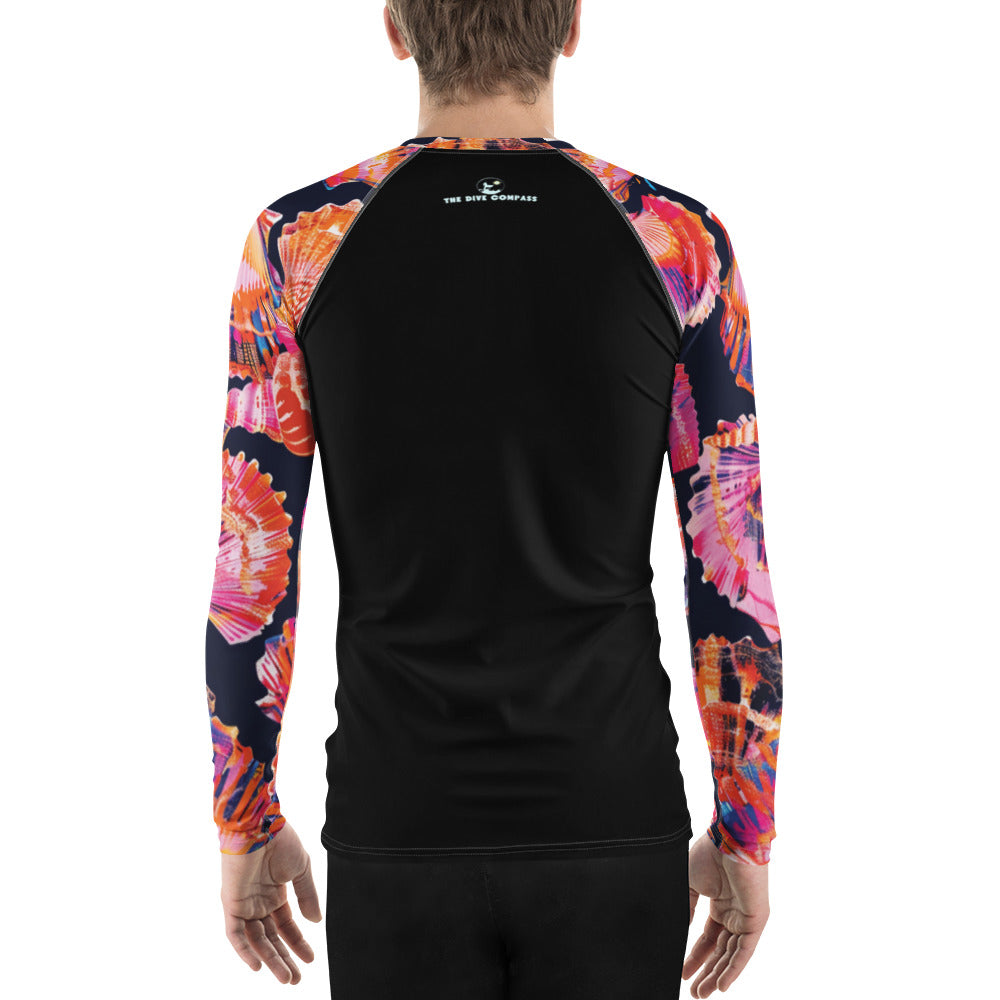
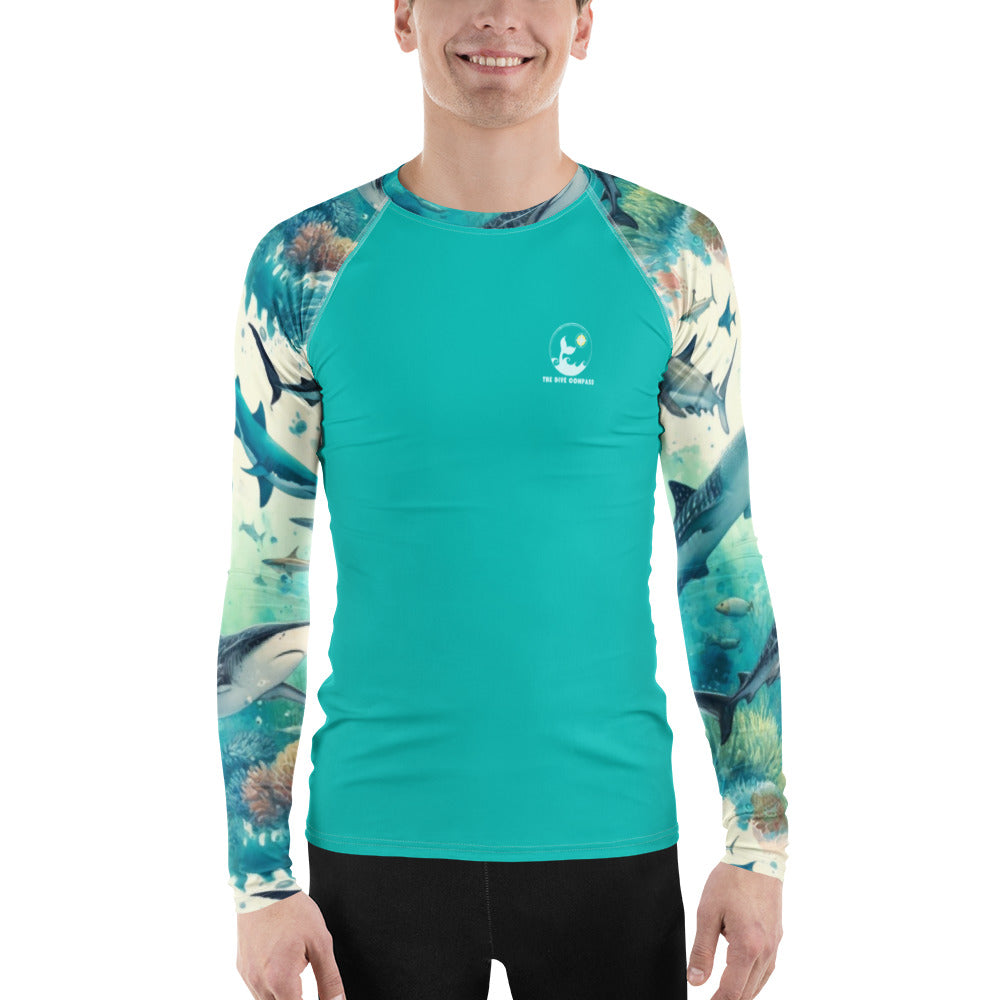
Rash guards are lightweight, long-sleeve tops made with UPF 50+ sun protection. They're a diver's best friend both above and below the surface.
Why divers wear rash guards:
- 🩵 They block 98% of UV rays, keeping you safe from sunburn on the boat and during surface intervals.
- 🪸 They protect you from jellyfish stings, coral scrapes, and wetsuit chafing.
- 🌊 They reduce the need for sunscreen, helping keep toxic chemicals out of our oceans.
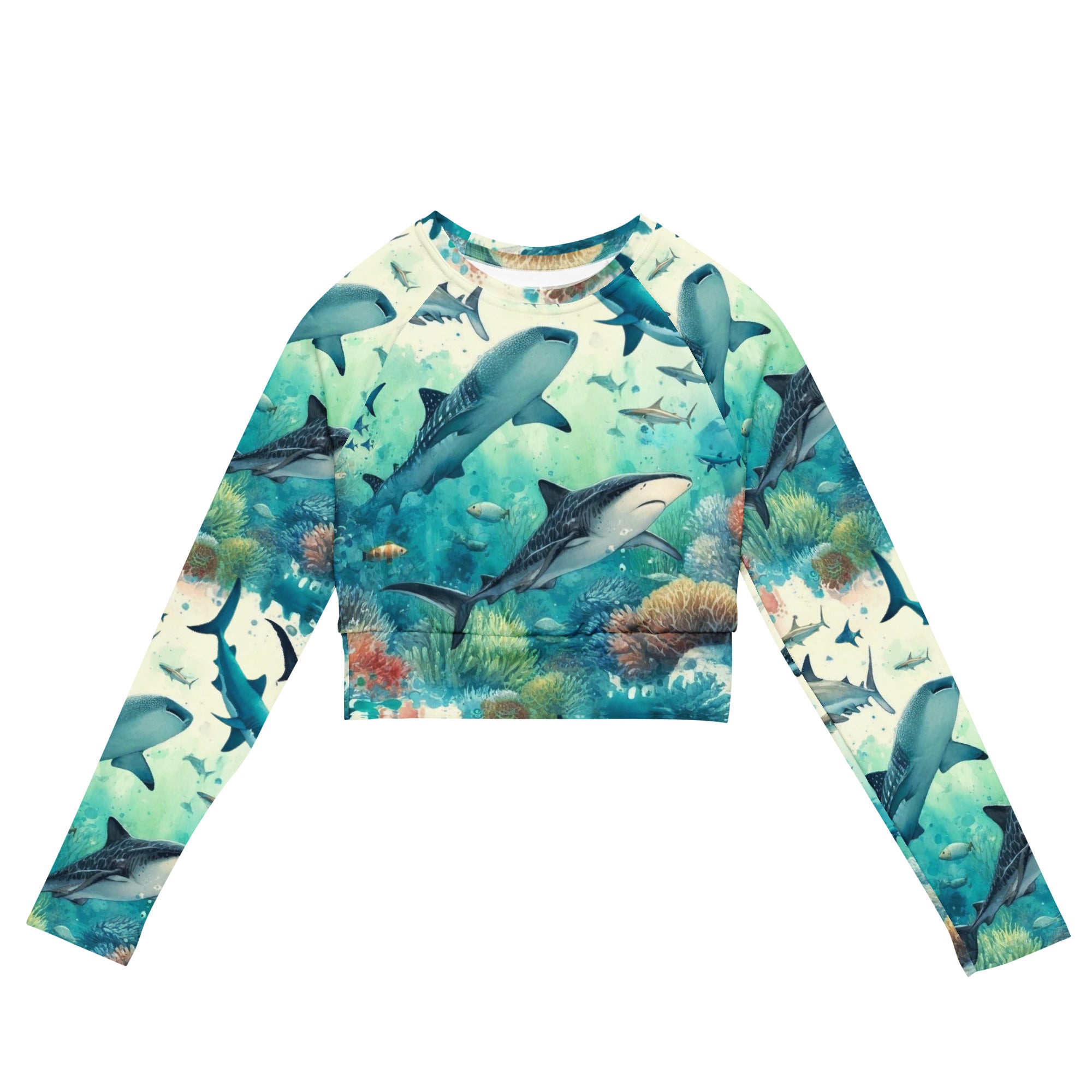
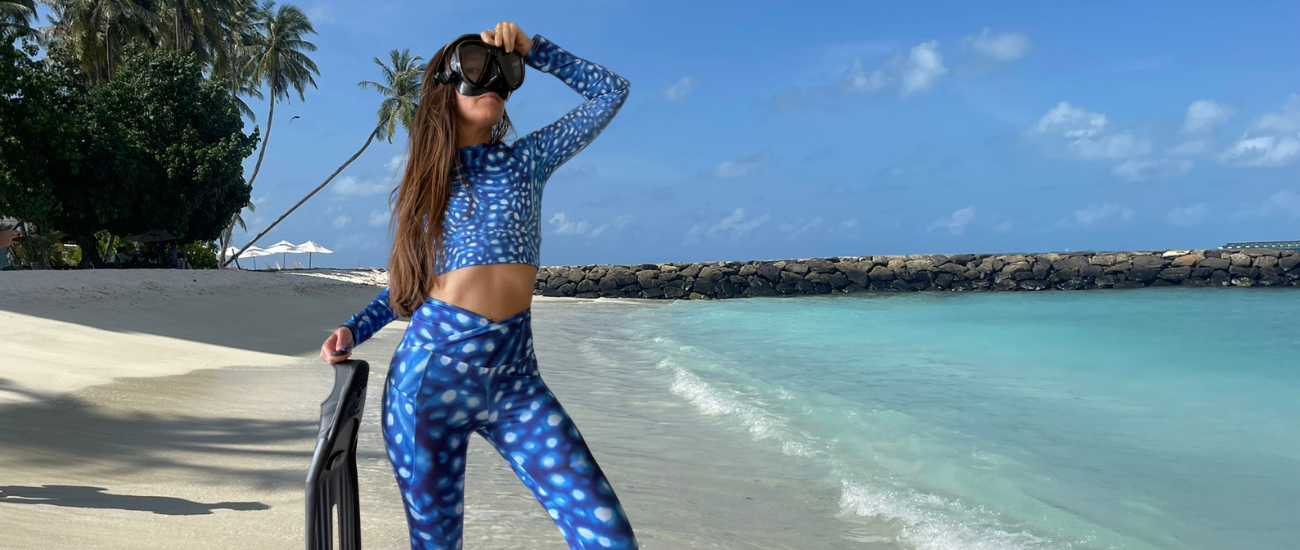
Rash guards are available in both cropped and full-length styles. Cropped rashies are perfect for warm waters and tropical dives, while full-length designs provide extra coverage and can be worn as a base layer under a wetsuit.
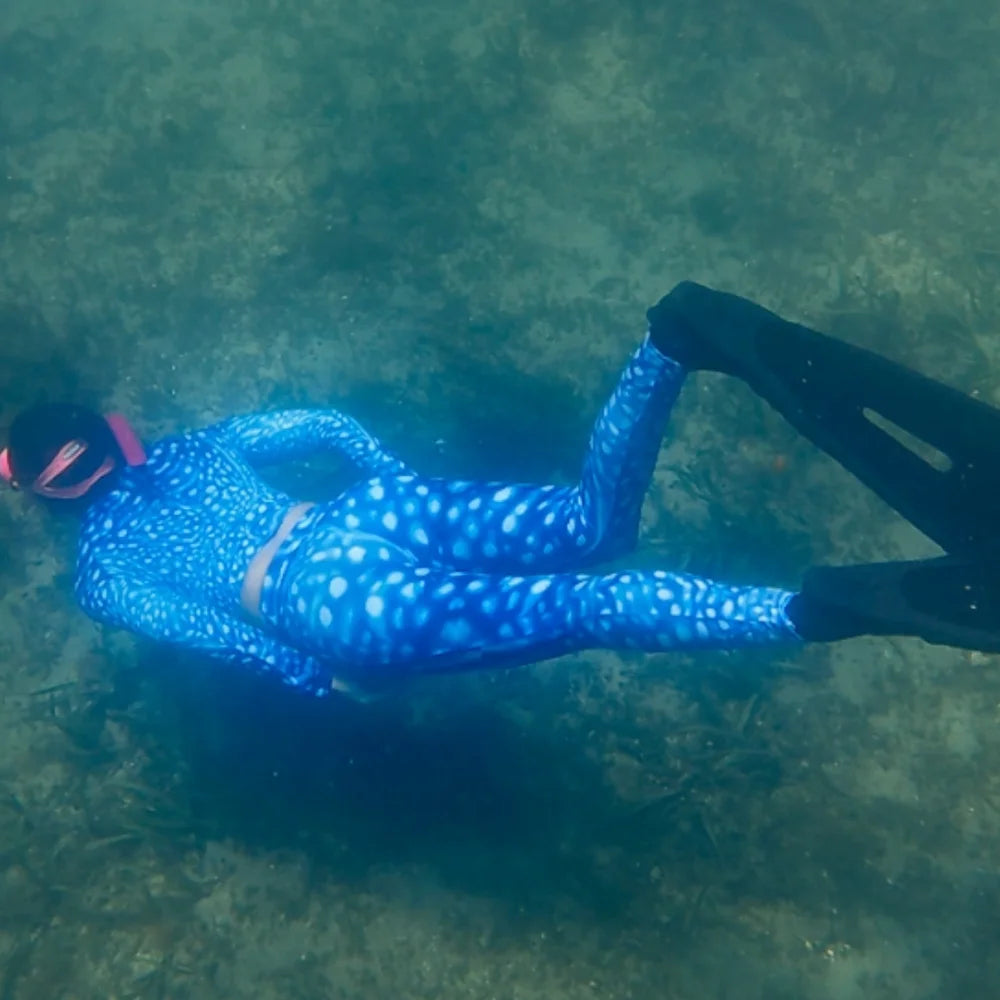
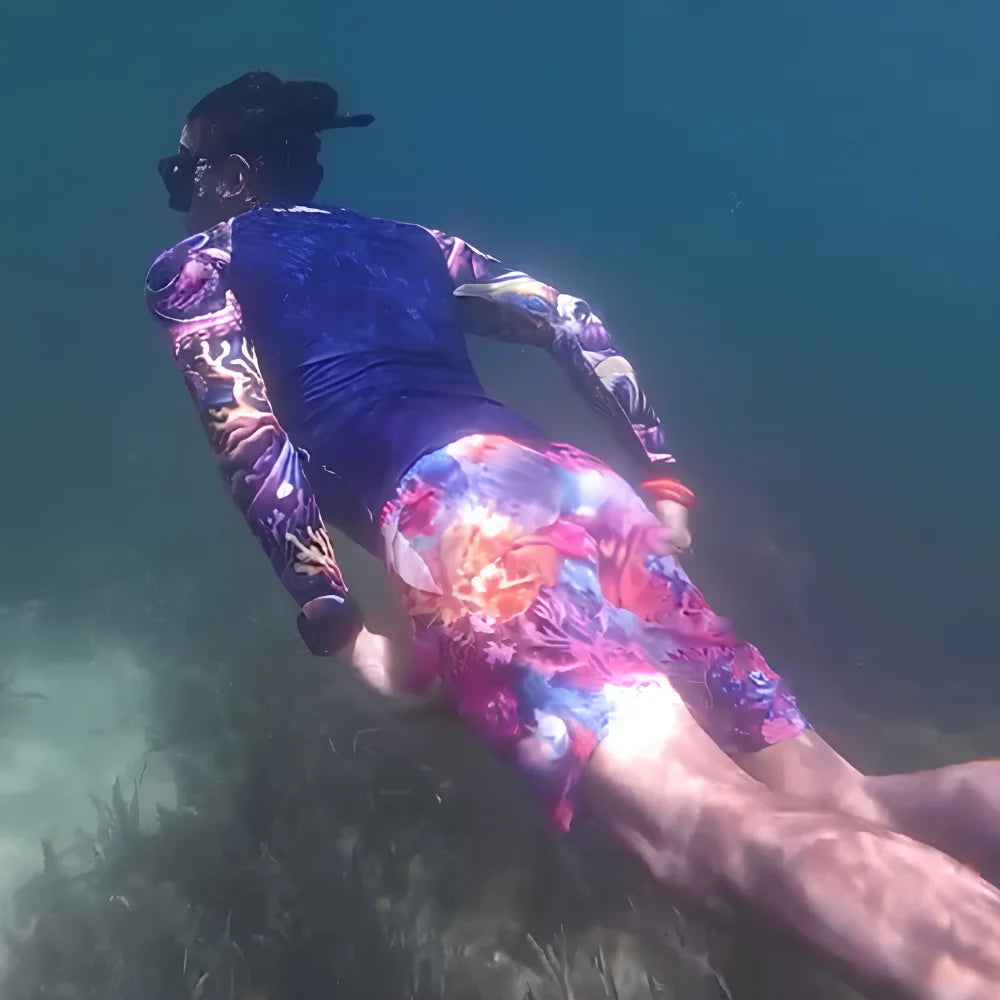
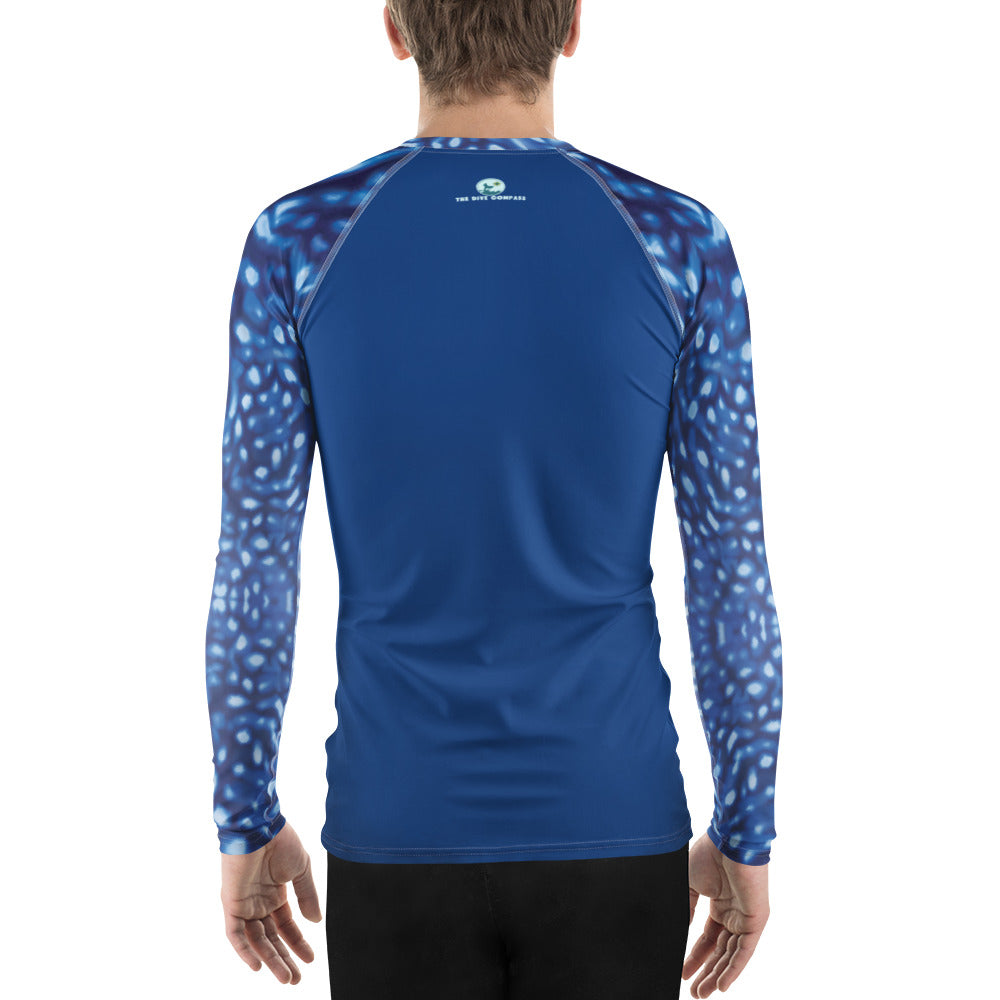
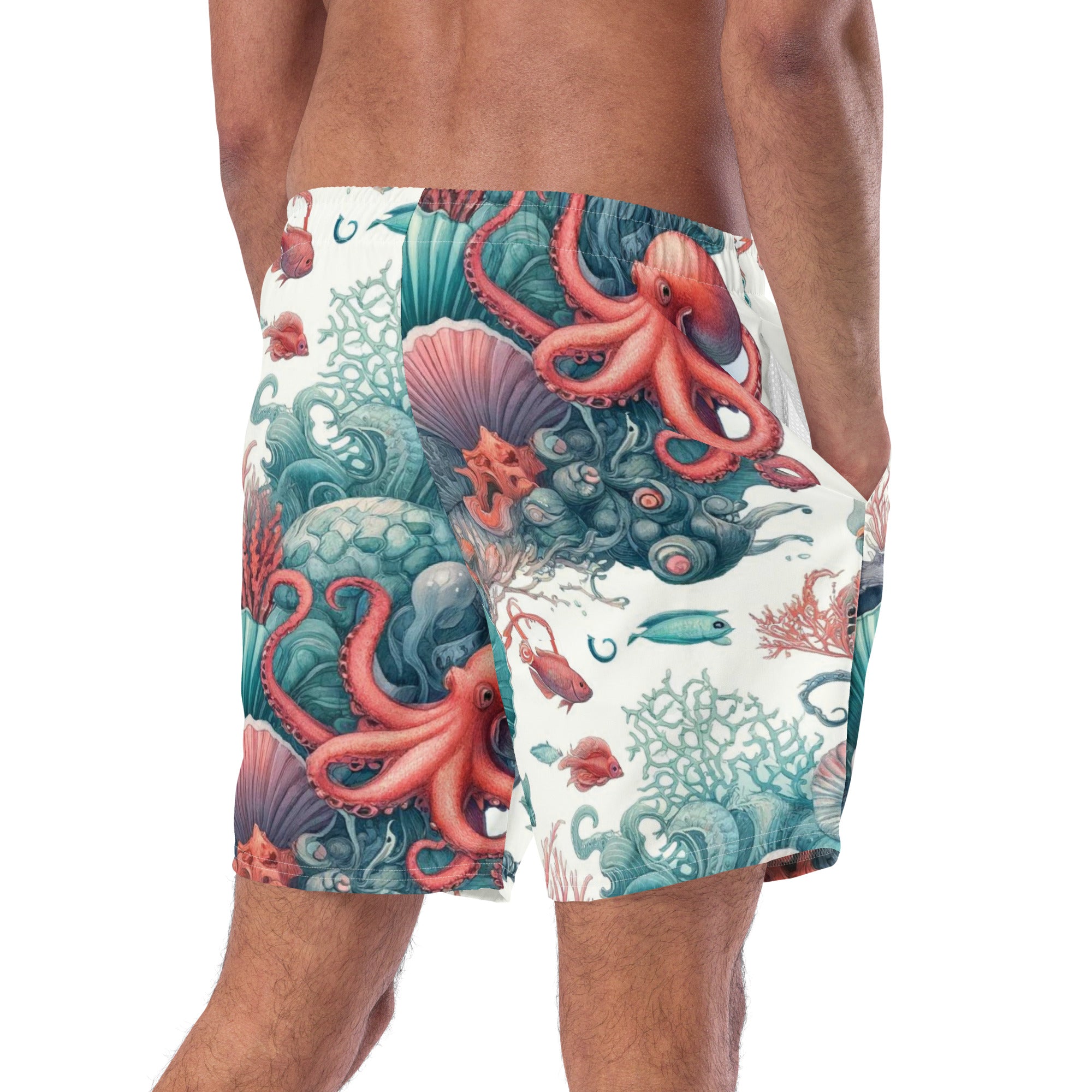
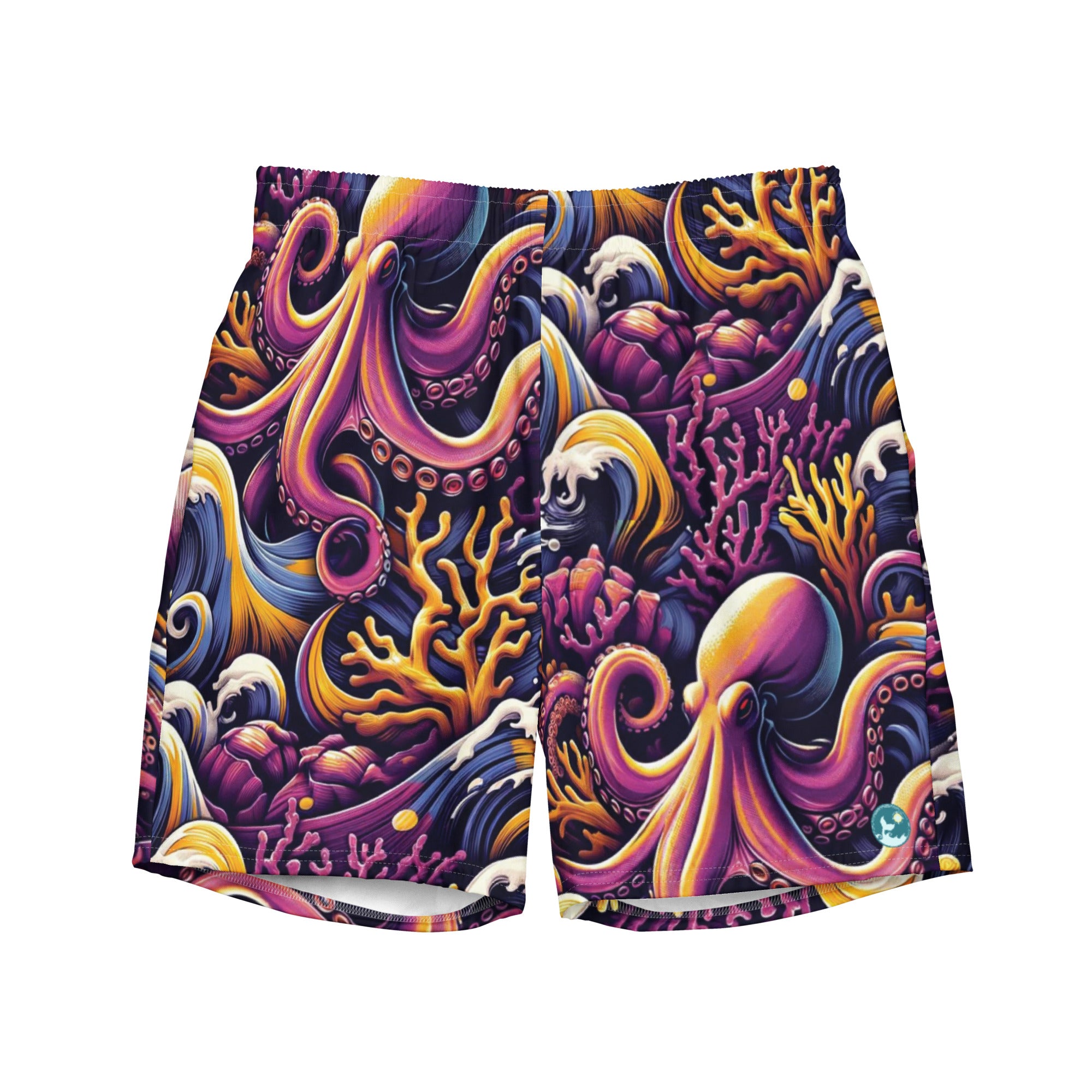
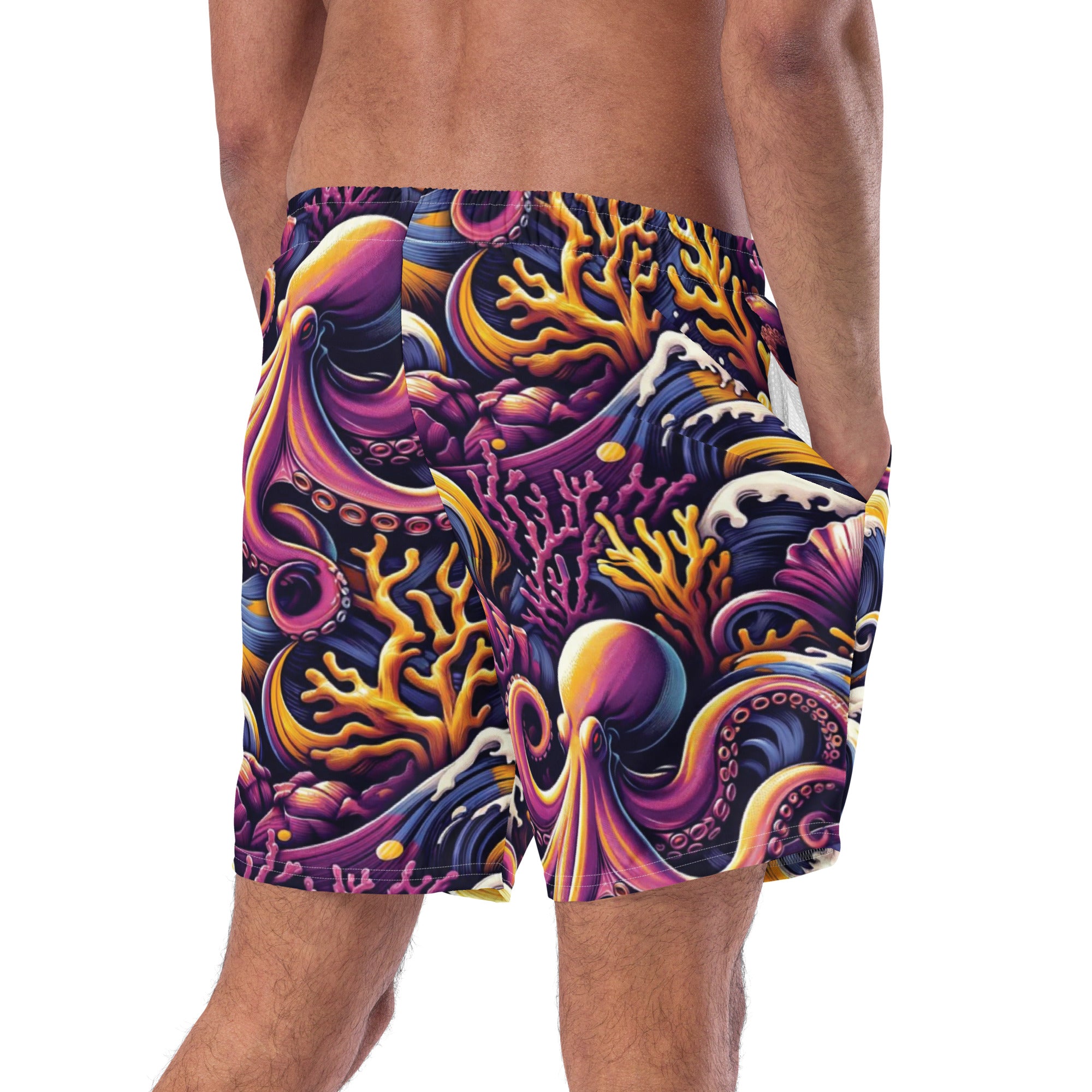
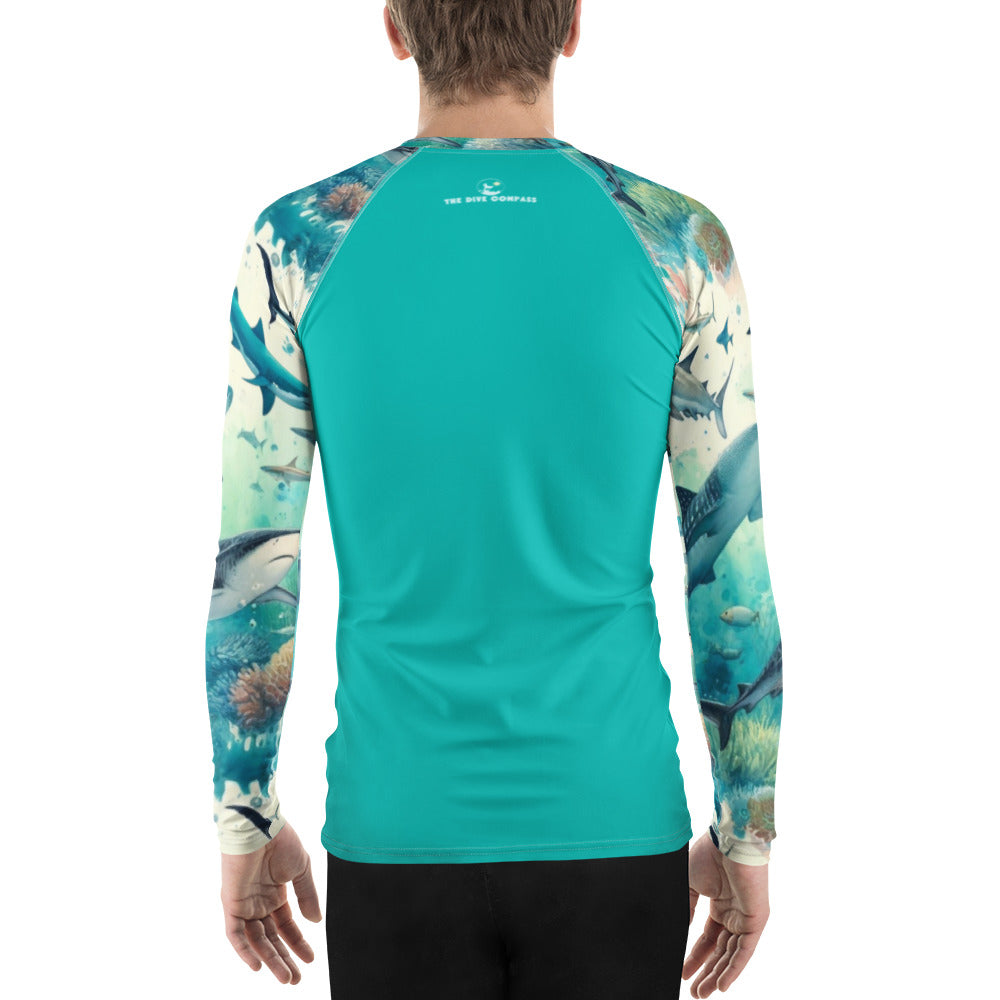
💙 Sustainability note: All Dive Compass Rash Guards are made from recycled polyester in our US/Mexico production and feature ocean-inspired prints that celebrate marine life — from octopus patterns to whale shark designs.
3. Wetsuits (Thermal Protection)
Depending on where you dive, a wetsuit may be essential. This also depends on your cold tolerance — personally, I prefer wearing a 5mm wetsuit even in warmer water temperatures around 28–29°C because I tend to get cold. The most important thing is wearing what you feel most comfortable in — getting too cold during a dive can completely ruin and shorten the experience.
Here's a general guide to wetsuit thickness:
- Warm water (26–30°C / 79–86°F): 3mm long wetsuit or shorty
- Temperate water (20–26°C / 68–77°F): 5–7mm full wetsuit
- Cold water (below 20°C / 68°F): 7mm+ full semi-dry wetsuit or drysuit
Your wetsuit keeps you warm by trapping a thin layer of water against your skin that your body heats up.
🌱 Pro tip: Wear a rash guard or scuba bikini underneath your wetsuit to stay comfortable and make getting changed between dives much easier.
4. Dive Leggings (Versatile Coverage)

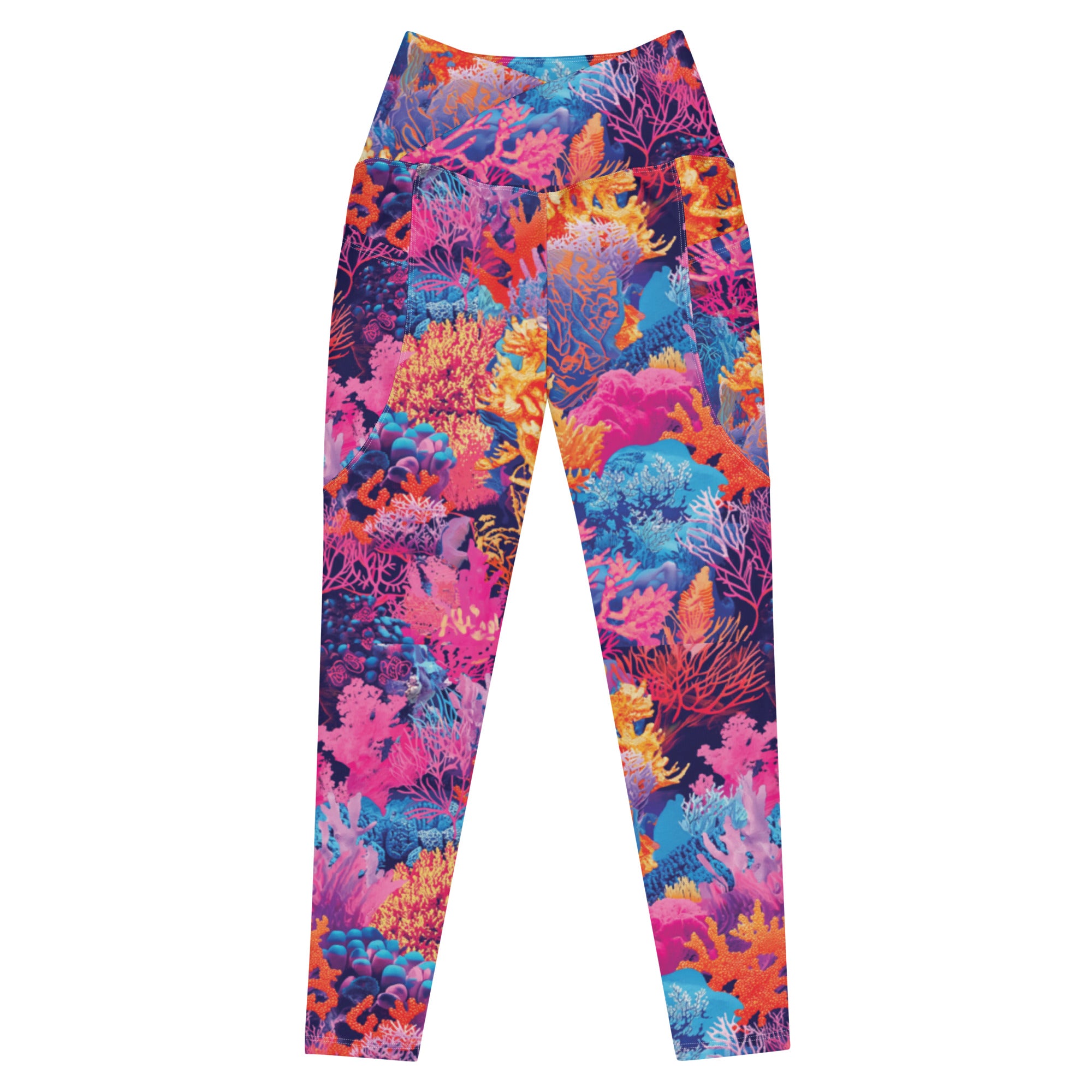
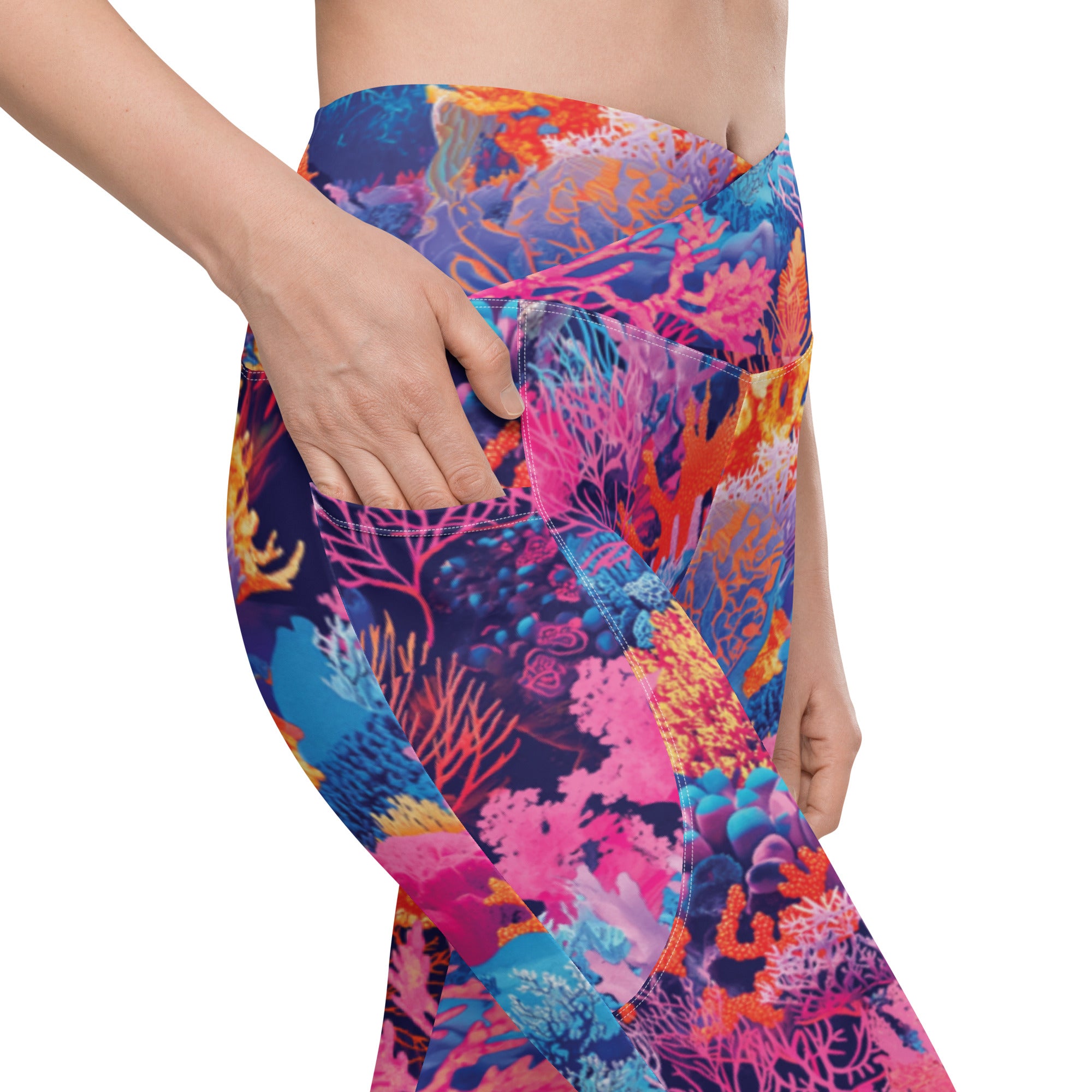
Dive leggings are becoming increasingly popular for women divers. They're lightweight, flexible, and perfect for warm-water dives where a full wetsuit isn't needed.
Benefits of dive leggings:
- Prevent scrapes and jellyfish stings.
- Add sun protection during long surface swims.
- Offer flattering,