



Water Temperature by Dive Destination: What Women Divers Actually Need to Wear
Every dive trip starts with the same question, usually at 11pm the night before the flight, with a half-packed bag on the bed: do I need the wetsuit, or will a rash guard do?
The honest answer has almost nothing to do with the rash-guard-versus-wetsuit debate in the abstract. It depends entirely on where you're going, what month it is, and how deep you're diving. Twenty-eight degrees in the Maldives and twenty-eight degrees at Crystal Bay in Nusa Penida are not the same twenty-eight degrees, one of them will drop to eighteen the moment you sink past fifteen metres.
It also depends on something most gear guides ignore entirely: who's wearing it.
So here it is, real sea temperatures for fifteen of the world's most-dived destinations, what to wear at each one, and the handful of places that catch divers out every single season.
✨ Ready to gear up? Shop our scuba diving swimwear →
Why Most Wetsuit Charts Don't Work for Women
Here's something I've noticed on every dive boat I've ever worked: the men peel out of their 3mm at the surface interval while the women are asking for a hood.
That's not imagination. Most women lose heat in water faster than most men do, a combination of surface-area-to-mass ratio and how the body prioritises circulation to the core over the extremities. The standard temperature charts you'll find online are written to a general average, and that average skews warm.
So the thresholds in this guide are calibrated differently:
- 28°C / 82°F and above — a rash guard alone can be enough, but listen to your body
- 24–27°C / 75–81°F — wear the wetsuit. A 3mm or 5mm, with a rash guard layered underneath.
- Below 24°C / 75°F — 5mm or 7mm, plus a hood.
You'll see general guides put the rash guard cut-off at 27°C / 81°F. Realistically, for most women, 28°C / 82°F is the honest number. If you run warm, brilliant, dive the rash guard, but pack for all occasions.
The One Rule That Matters
Dress for the coldest dive of your trip, not the average one.
You can always unzip a wetsuit on the surface, roll it down between dives, or leave the hood in your bag. What you cannot do is add neoprene at twenty-five metres. Being slightly too warm on the boat is an inconvenience; being cold at depth cuts your dive short, burns through your air faster, and, on a trip you've saved a year for, is a genuinely miserable way to spend your bottom time.
Why the Brochure Number Lies
The temperature on a dive centre's website is a surface average. Four things make the water feel colder than that figure:
- Depth and thermoclines. Water doesn't cool gradually, it layers. You can swim through a boundary and lose eight degrees in the space of a metre. Tropical destinations are not exempt.
- Repetition. Cold is cumulative. Three dives a day in 28°C / 82°F water will chill you far more than one dive in 25°C / 77°F. This is why liveaboard divers wear more neoprene than the numbers suggest they need.
- The surface interval. Wet skin plus wind on a moving boat is its own kind of cold, and it's what you carry into the next dive.
- You. Cold tolerance is deeply personal. I dive in a 5mm at 28–29°C / 82–84°F because I get cold easily, and I've never once regretted it. Know your own baseline and pack to it, not to the chart.
Water Temperature and What to Wear: 15 Dive Destinations
Typical sea temperatures and what I'd actually recommend a woman diver packs for each. Where a destination swings hard by season or site, I've said so.
| Destination | Typical Sea Temp | What to Wear |
|---|---|---|
| Maldives | 28–30°C / 82–86°F | Rash guard. A 3mm for channel dives or the far southern atolls. |
| Similan Islands, Thailand | 28–30°C / 83–87°F | Rash guard. Cool thermoclines drift through but rarely last. |
| Philippines (Cebu & Bohol) | 27–30°C / 80–86°F | Rash guard May–October; 3mm in January–February. |
| Komodo — northern sites | 27–29°C / 81–84°F | 3mm. Rash guard alone only on the warmest days. |
| Bonaire & Roatán | 26–29°C / 79–85°F | 3mm most of the year — especially for shore-diving five times a day. |
| Cozumel, Mexico | 26–29°C / 78–85°F | 3mm. Rash guard alone works in August–September. |
| Great Barrier Reef | 24–29°C / 75–85°F | 3mm; 5mm June–August. Stinger suit November–May regardless. |
| Hawaii | 23–27°C / 73–82°F | 3mm, or 5mm in winter. Cooler than most people expect. |
| Red Sea, Egypt | 22–30°C / 72–86°F | Rash guard in August; 5mm and a hood in February–March. |
| Nusa Penida, Bali | 22–27°C / 72–81°F, dropping to 18°C / 64°F | 5mm plus hood in Mola mola season (July–October). |
| Komodo — southern sites | 20–25°C / 68–77°F | 5mm plus hood. Many women go 7mm. |
| Galápagos | 16–28°C / 61–82°F | 7mm plus hood; a hooded vest for the western islands. |
| Cape Town, South Africa | 8–14°C / 47–57°F Atlantic; 12–20°C / 53–68°F False Bay | 7mm with hood, boots and gloves. Drysuit on the Atlantic side. |
| Monterey, California | 9–13°C / 48–55°F | 7mm semi-dry or drysuit, year-round. |
| United Kingdom | 6–18°C / 43–64°F surface; 8–12°C / 46–54°F at depth | Drysuit, with a brief summer wetsuit window in the southwest. |
Rash Guard Territory: 28°C / 82°F and Above

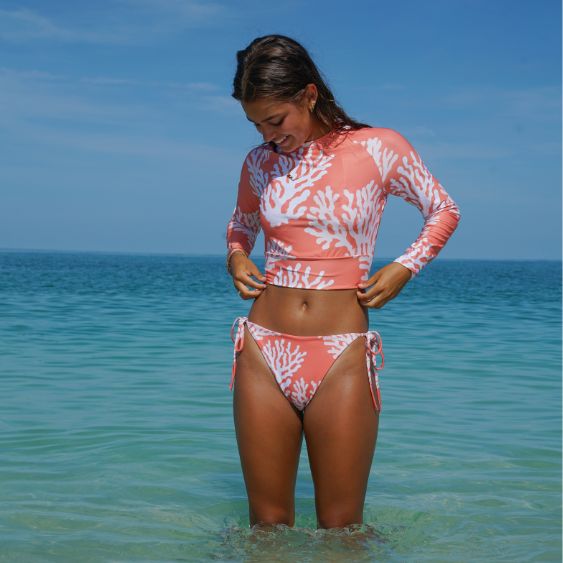
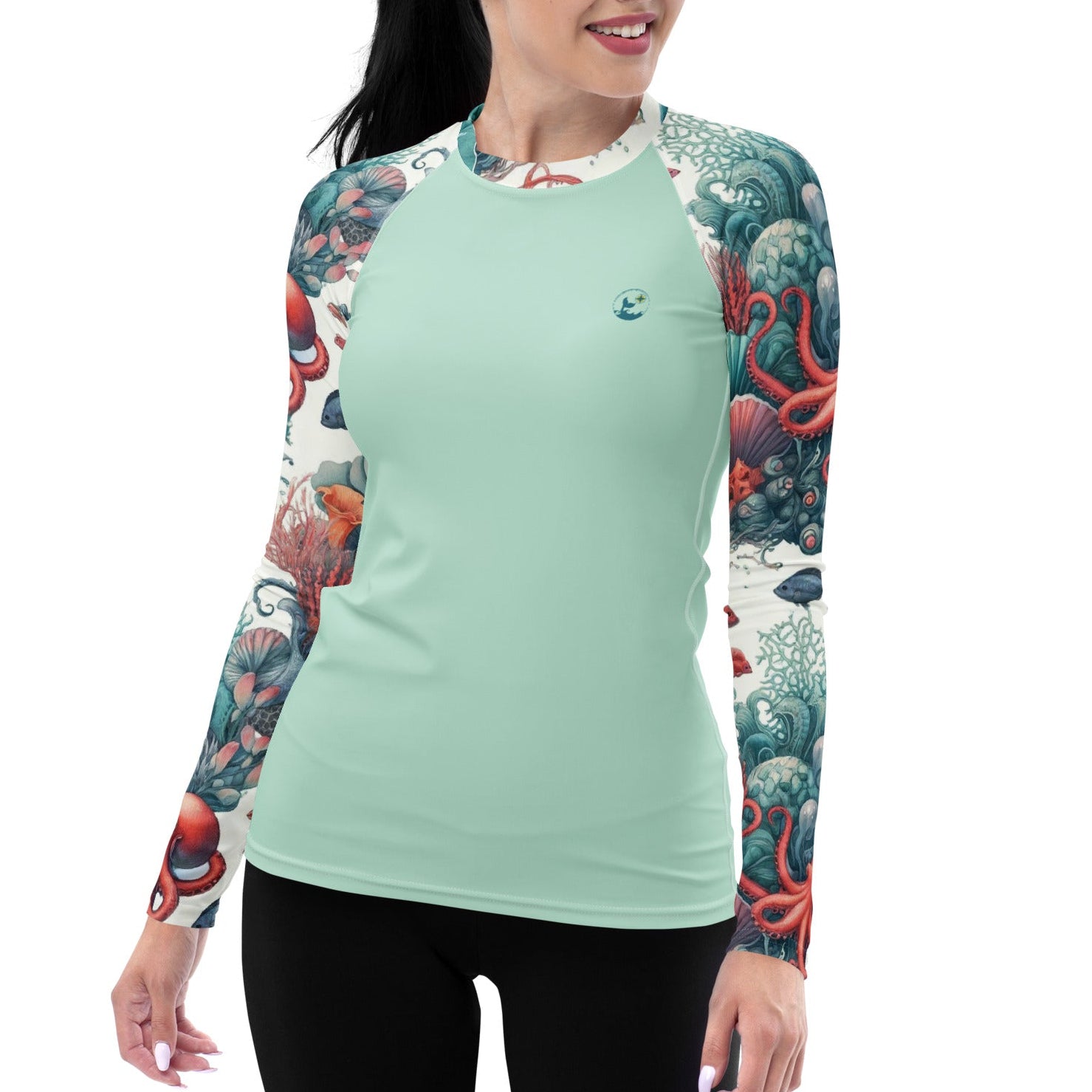
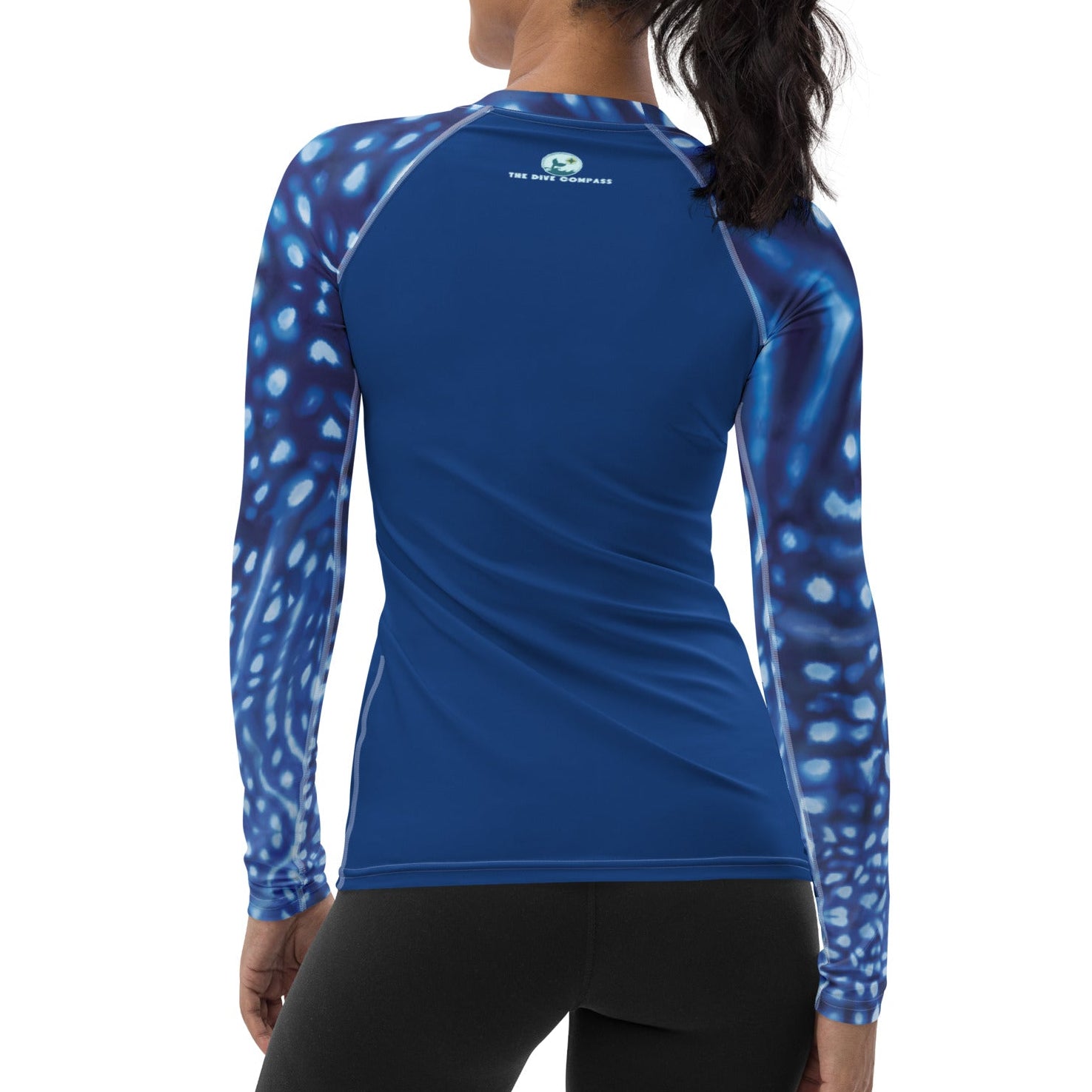
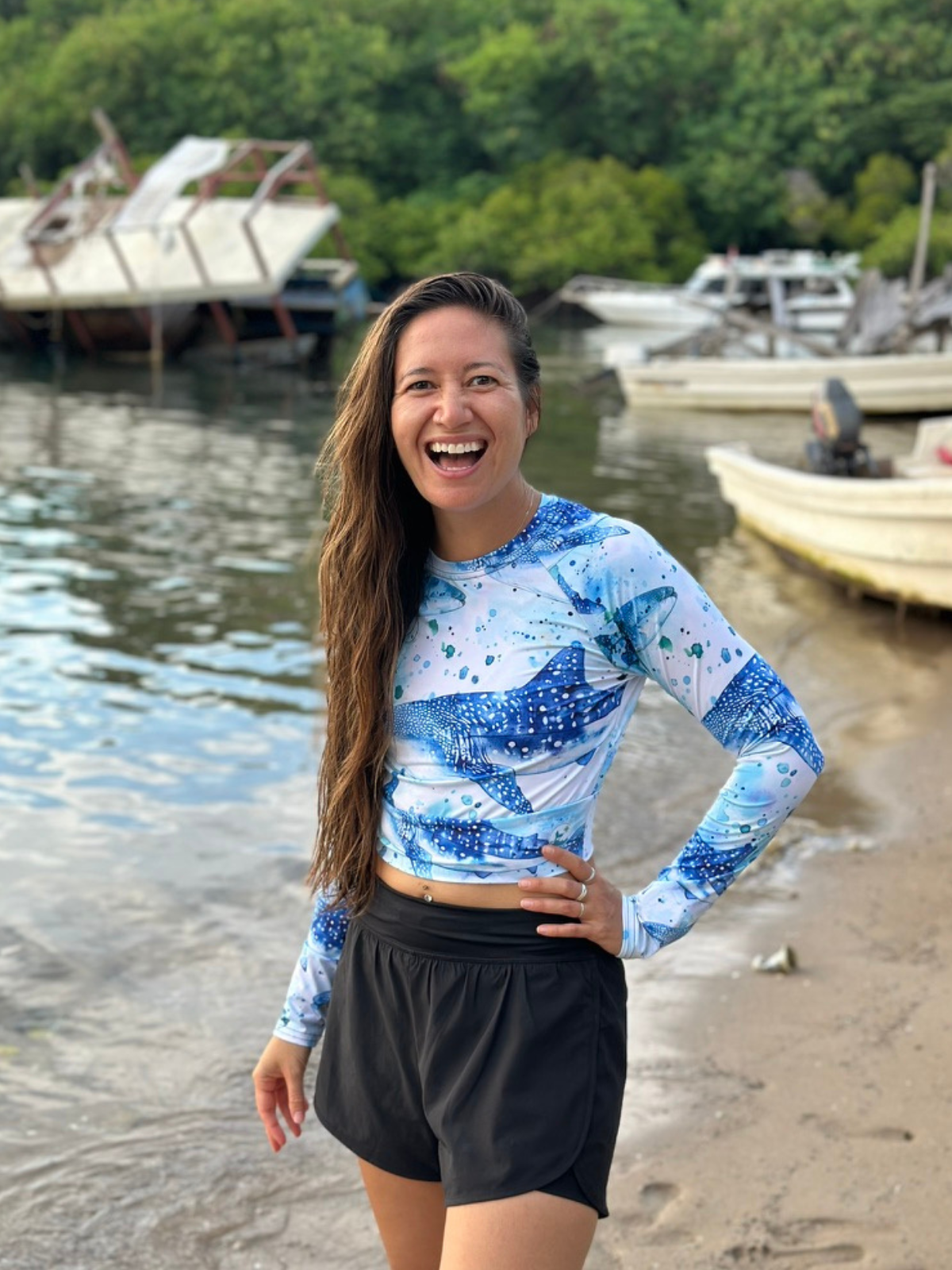
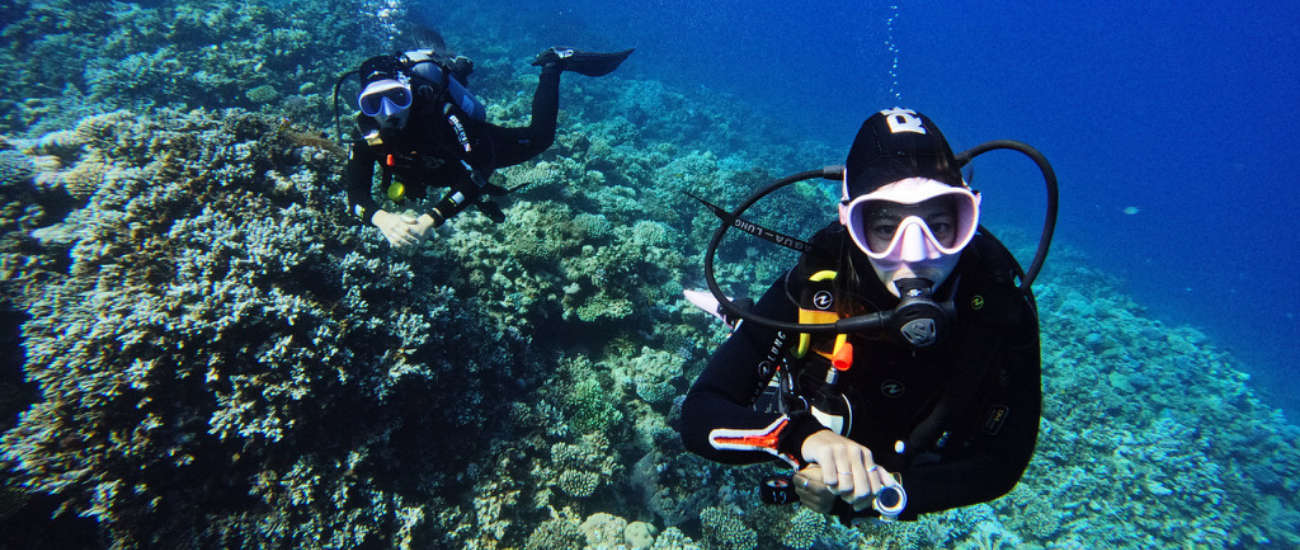
The Maldives, the Similans, the central Philippines in summer, this is where a full-length rash guard genuinely is all you need. At these temperatures your problem isn't warmth, it's sun, stings, and scrapes. A UPF 50+ rash guard blocks 98% of UV, stops the near-invisible stingers that drift through tropical water, and saves your shoulders from a day of reef-toxic sunscreen.
It's also just more pleasant. Neoprene in 30°C / 86°F water means overheating on the boat, a slow miserable struggle into a damp suit between dives, and mobility you didn't need to give up.
The exception: volume. Four or five dives a day, day after day, will chill you even here. Liveaboard divers and Bonaire shore-diving addicts routinely wear a 3mm in water a once-a-day traveller would happily skin-dive.
The Layering Zone: 24–27°C / 75–81°F
This is the band that causes the most packing anxiety, Hawaii, the Great Barrier Reef in winter, Cozumel in February, the Red Sea in spring and autumn, northern Komodo.
General guides will tell you a rash guard covers the top of this range. For most women, it doesn't, not for a second dive, and definitely not for a third. Bring the 3mm or 5mm, and wear a full-length rash guard underneath it.
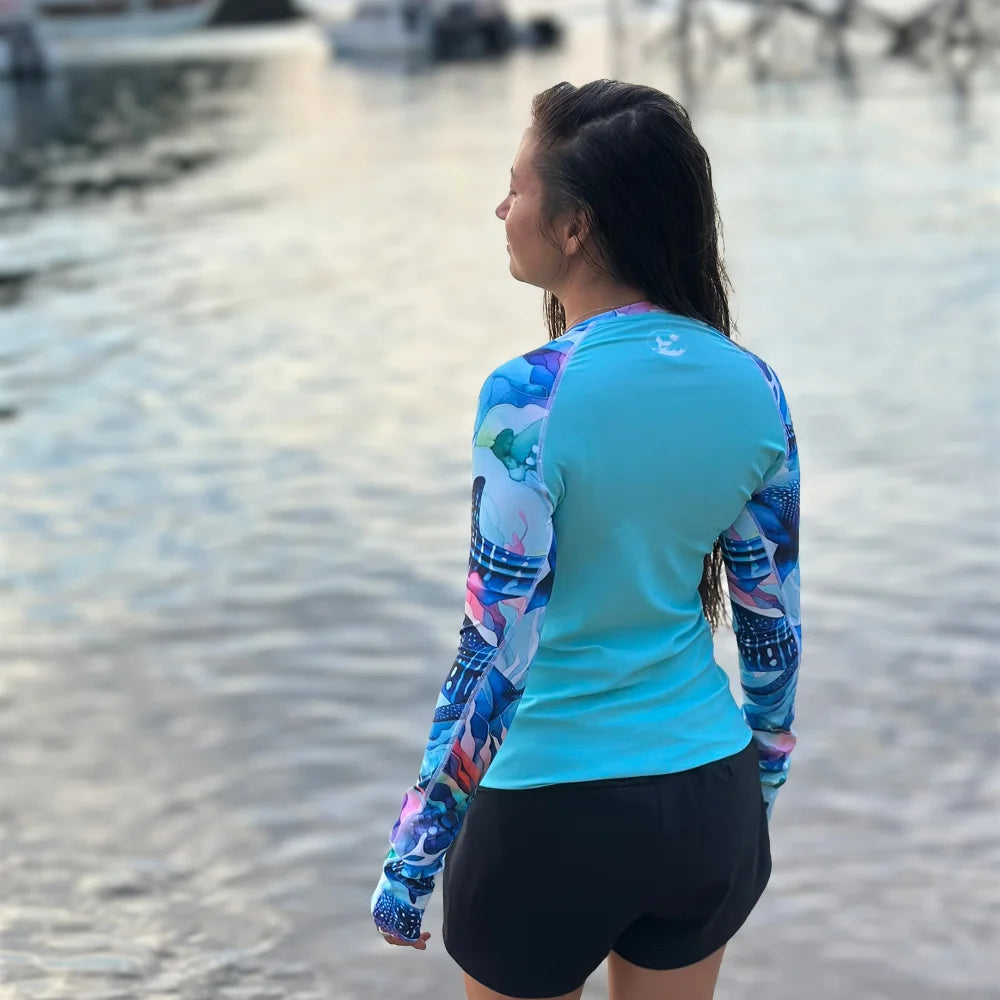
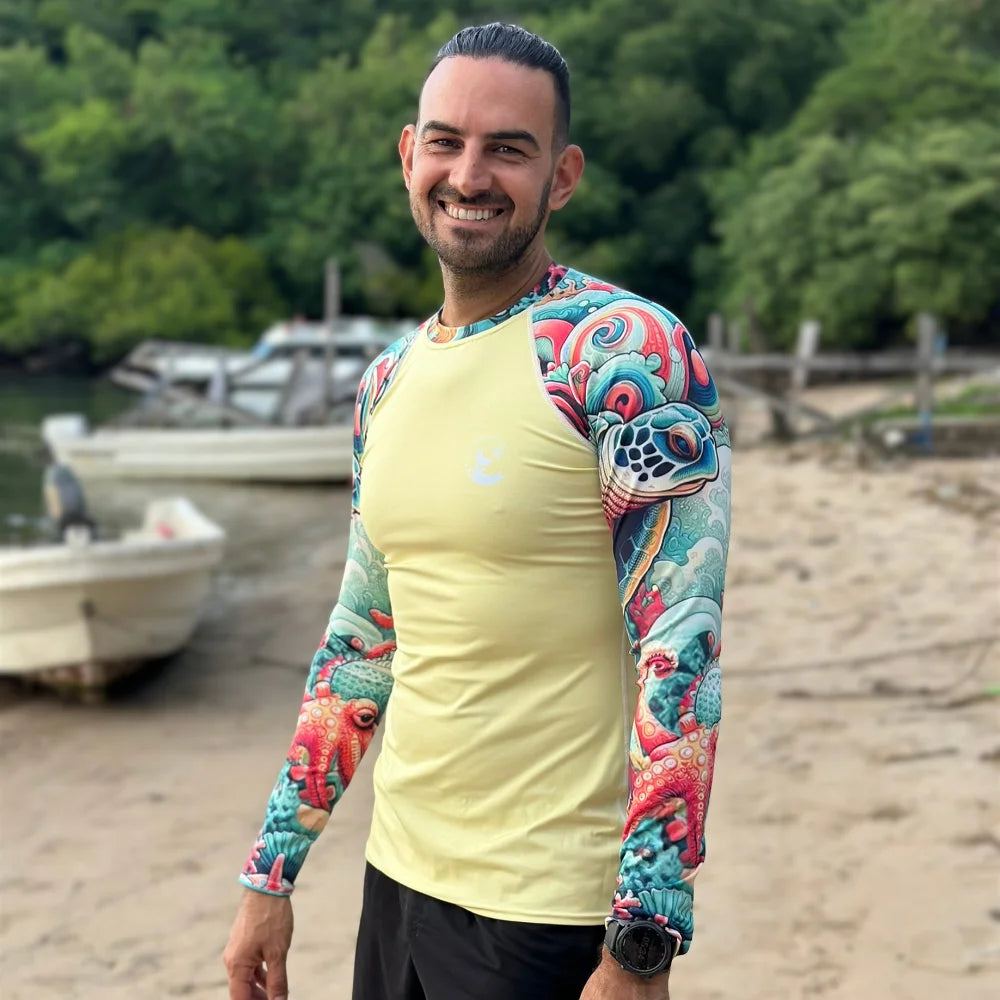
That combination is the single most useful thing in my dive bag. It weighs almost nothing, makes a damp wetsuit dramatically easier to pull on, stops neck and underarm chafe, and gives you a rash-guard-only option if the water turns out warmer than forecast.
💙 It's also the most sustainable way to pack — one versatile kit instead of buying something new for every trip.
Thick Wetsuit Country: Below 24°C / 75°F

Galápagos, southern Komodo, Cape Town, Monterey, the UK — here the wetsuit stops being a comfort choice and becomes safety equipment. A few things worth knowing:
- Fit matters more than thickness. A loose 7mm flushes cold water through on every kick and will chill you faster than a well-fitted 5mm. This is exactly where women's suits cut for a men's torso length let people down.
- Extremities go first. A hood, gloves and boots make a bigger difference than moving up a millimetre of core neoprene. You lose a startling amount of heat through your head.
- A rash guard still earns its place. Worn underneath, it adds a little warmth, stops chafe, and turns the fight into a suit into something manageable.
- Below about 15°C / 59°F, most divers move to a drysuit. It's a different skill set and worth proper training rather than improvising.
The Five Destinations That Catch Divers Out
These are the ones I see people underestimate season after season.
1. Nusa Penida during Mola mola season. The surface at Crystal Bay reads a comfortable 27°C / 81°F, then you drop past fifteen metres into a thermocline and it falls to 18–20°C / 64–68°F within a minute. Divers arrive in a shorty and finish the dive shaking. If you're going for the sunfish between July and October, bring the 5mm and the hood.
2. The Red Sea in winter. Egypt has a warm-water reputation, and in August it earns it. But February and March sit at 22–23°C / 72–73°F, with a thermocline around twenty-five metres running several degrees cooler again. This is the one classically "tropical" destination where I regularly watch divers get properly cold.
3. Hawaii. Same latitude as the Caribbean, meaningfully cooler water, and the windward sides of the islands run a few degrees colder still. Pack Cozumel expectations and you'll be disappointed.
4. The Great Barrier Reef in minke season. June and July bring the dwarf minke whales to the Ribbon Reefs, and the year's coldest water, around 24°C / 75°F. Peak wildlife, peak neoprene.
5. Galápagos, any month. Here the site matters more than the season. One liveaboard itinerary can take you from 26°C / 79°F at Darwin to 16°C / 61°F off Isabela inside forty-eight hours. Pack for the coldest day on the schedule, not the brochure average.
What I Pack for a Warm-Water Dive Trip
The kit that covers almost every tropical destination on this list:
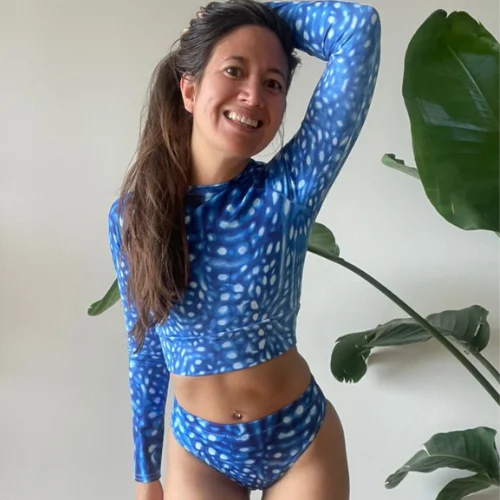
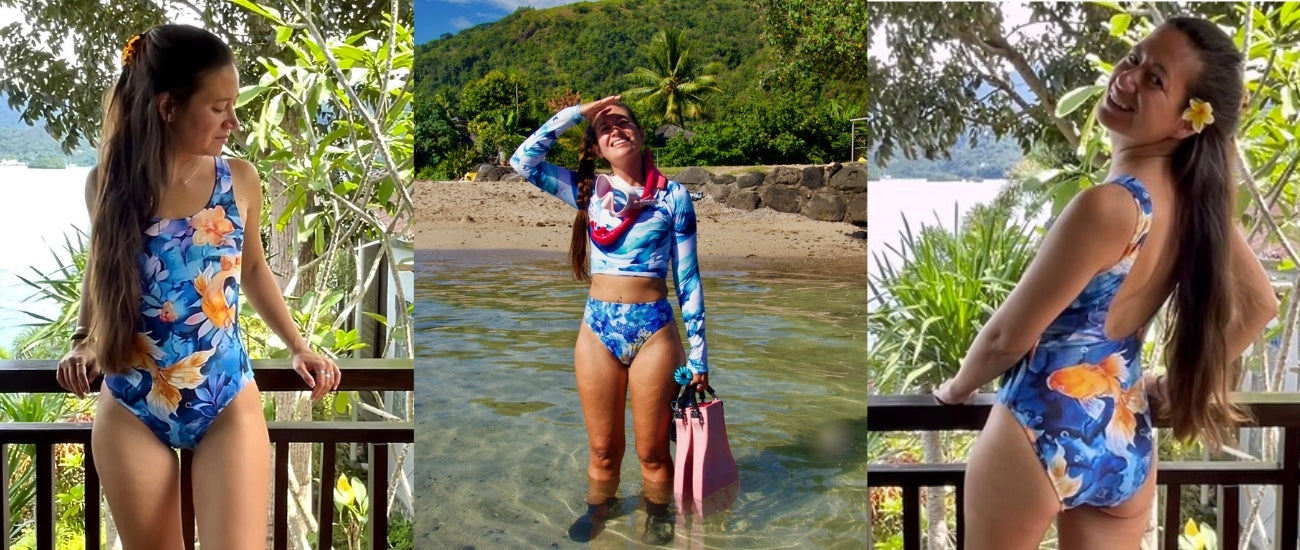
- ✅ A scuba bikini as the base layer — it stays put under everything
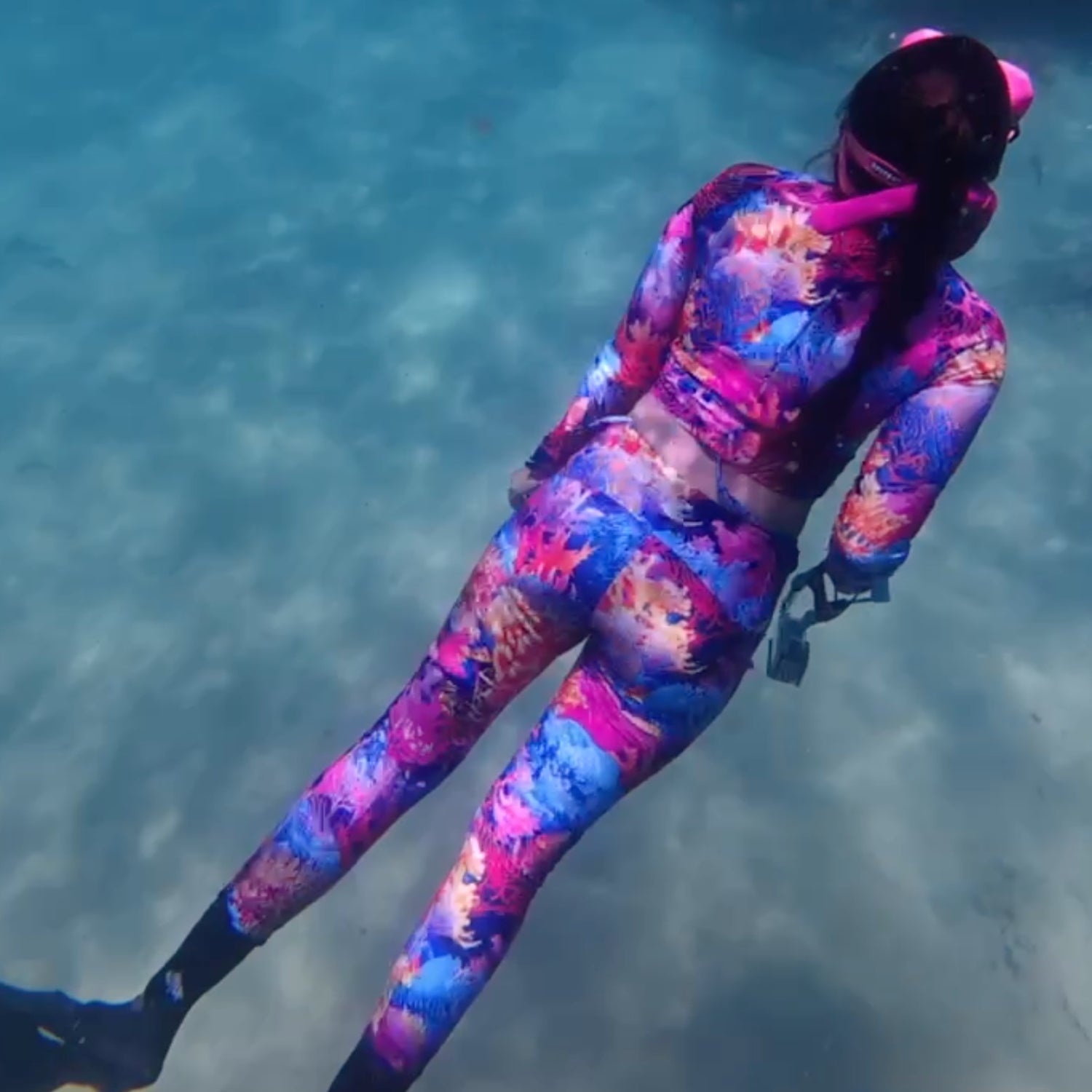
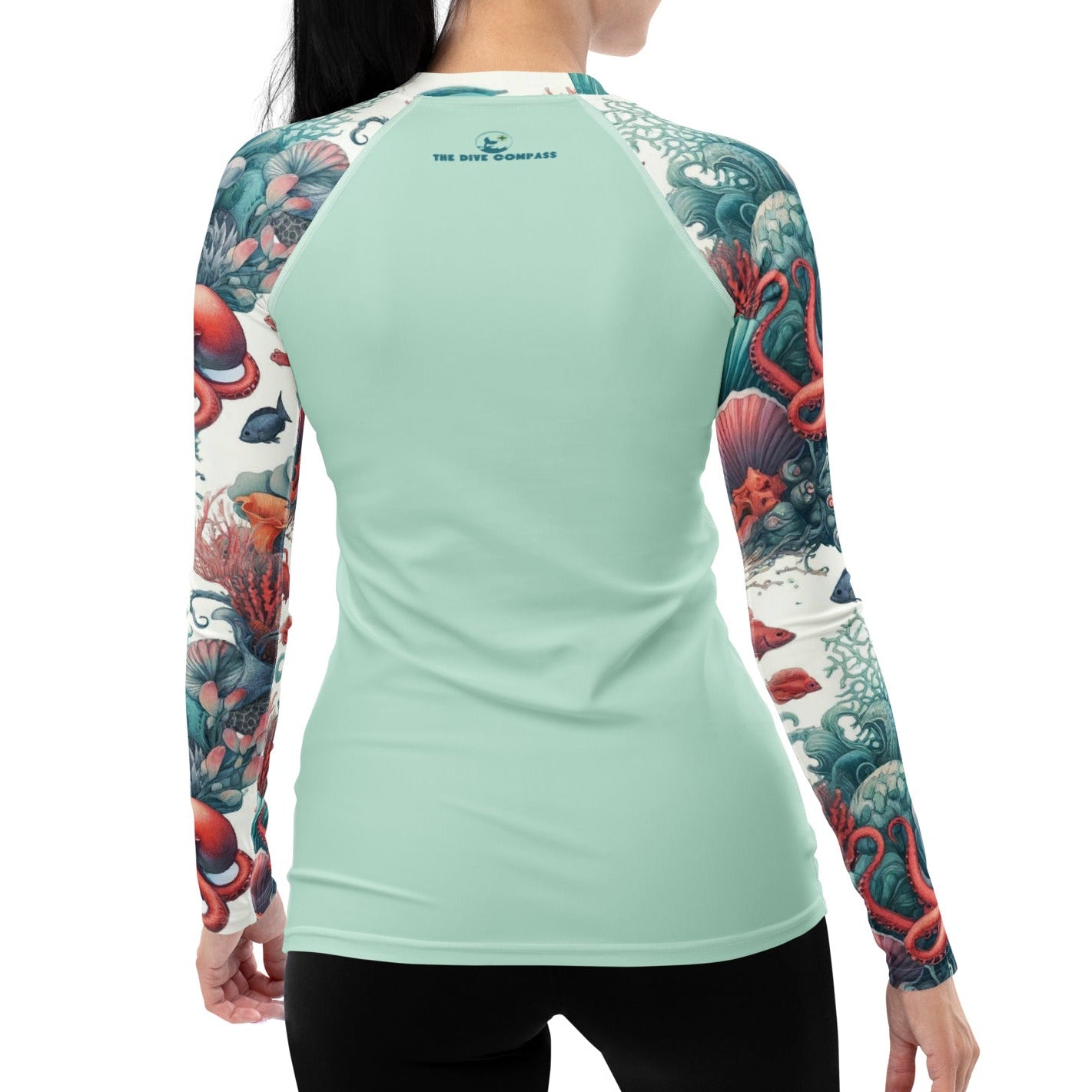
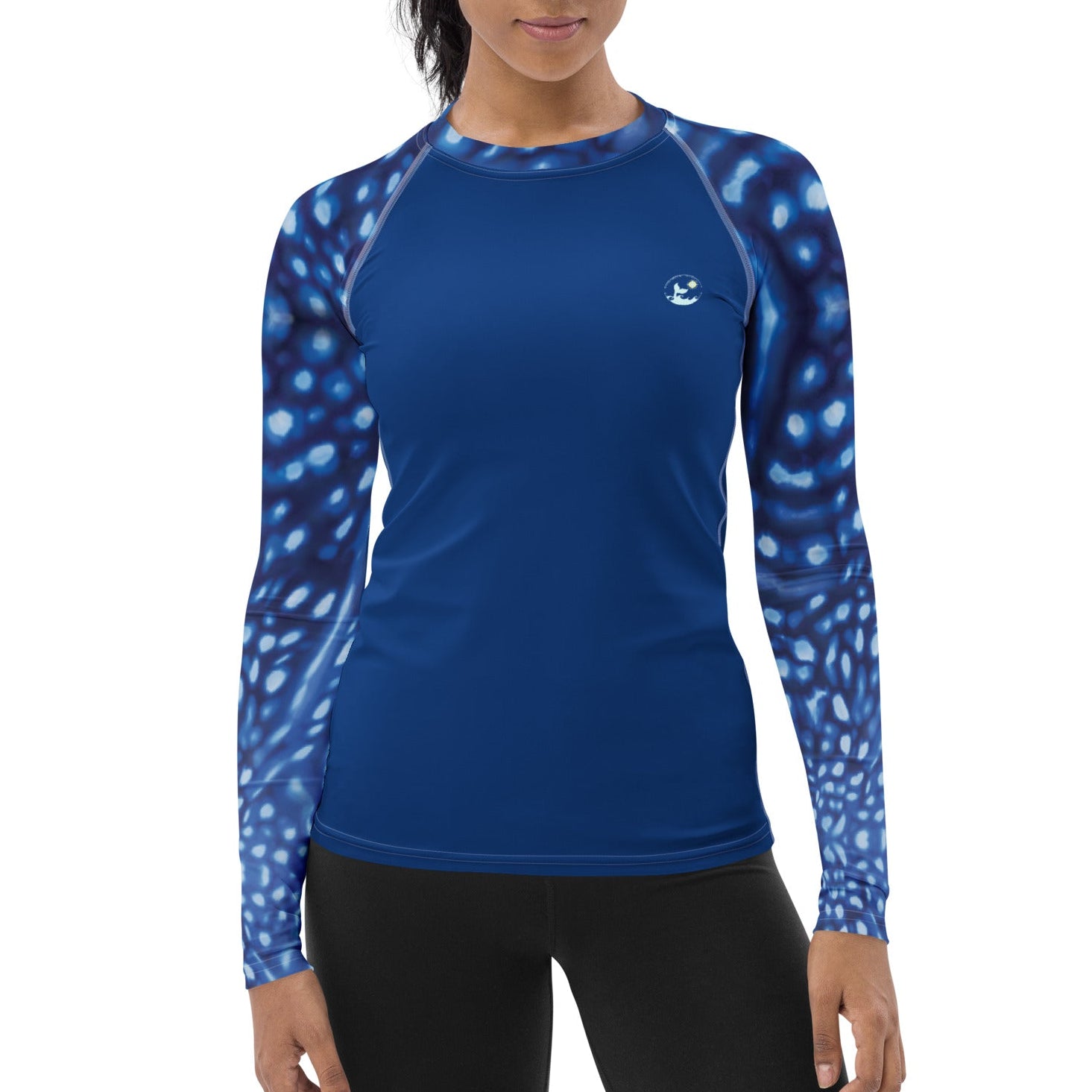
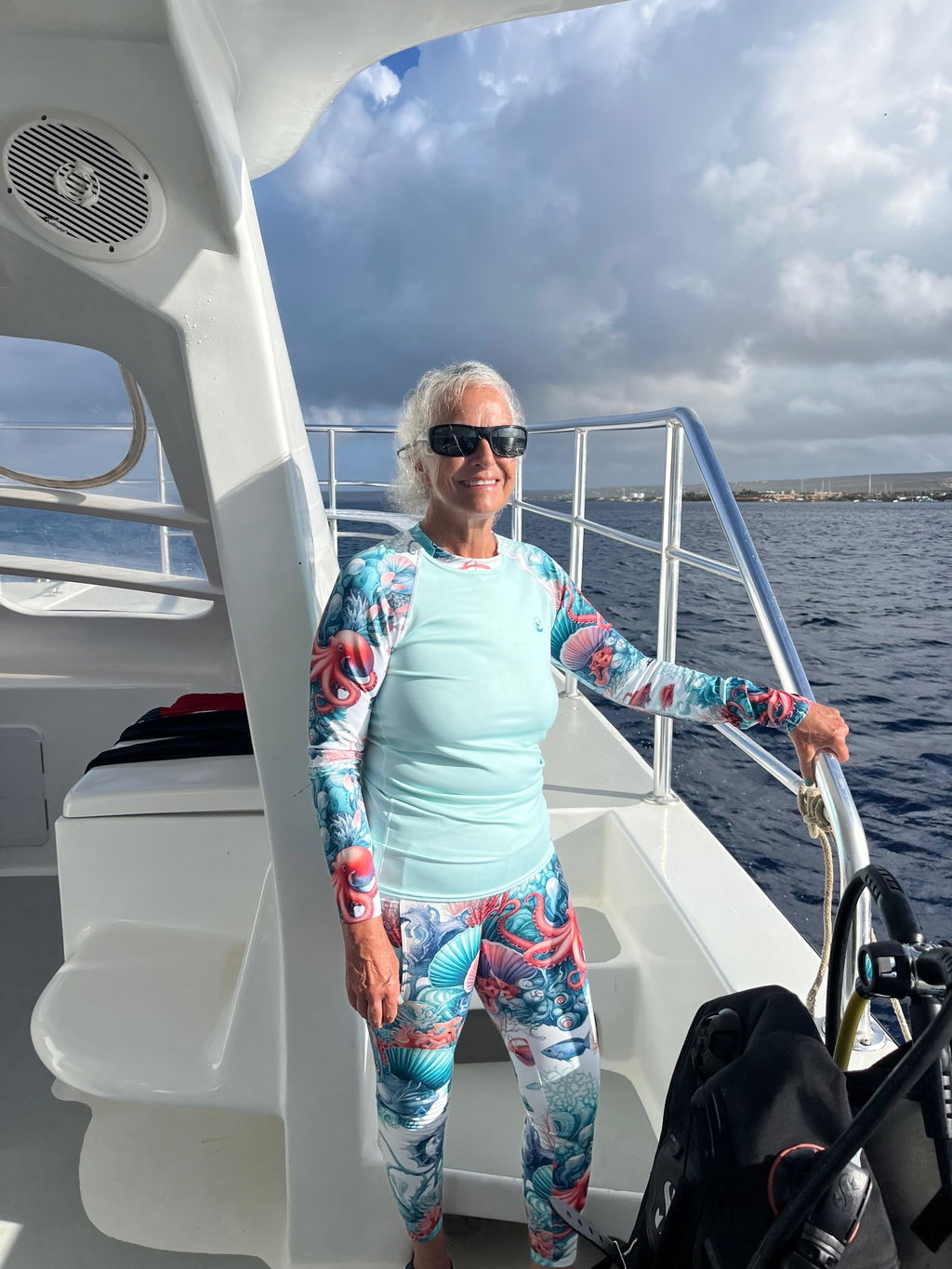
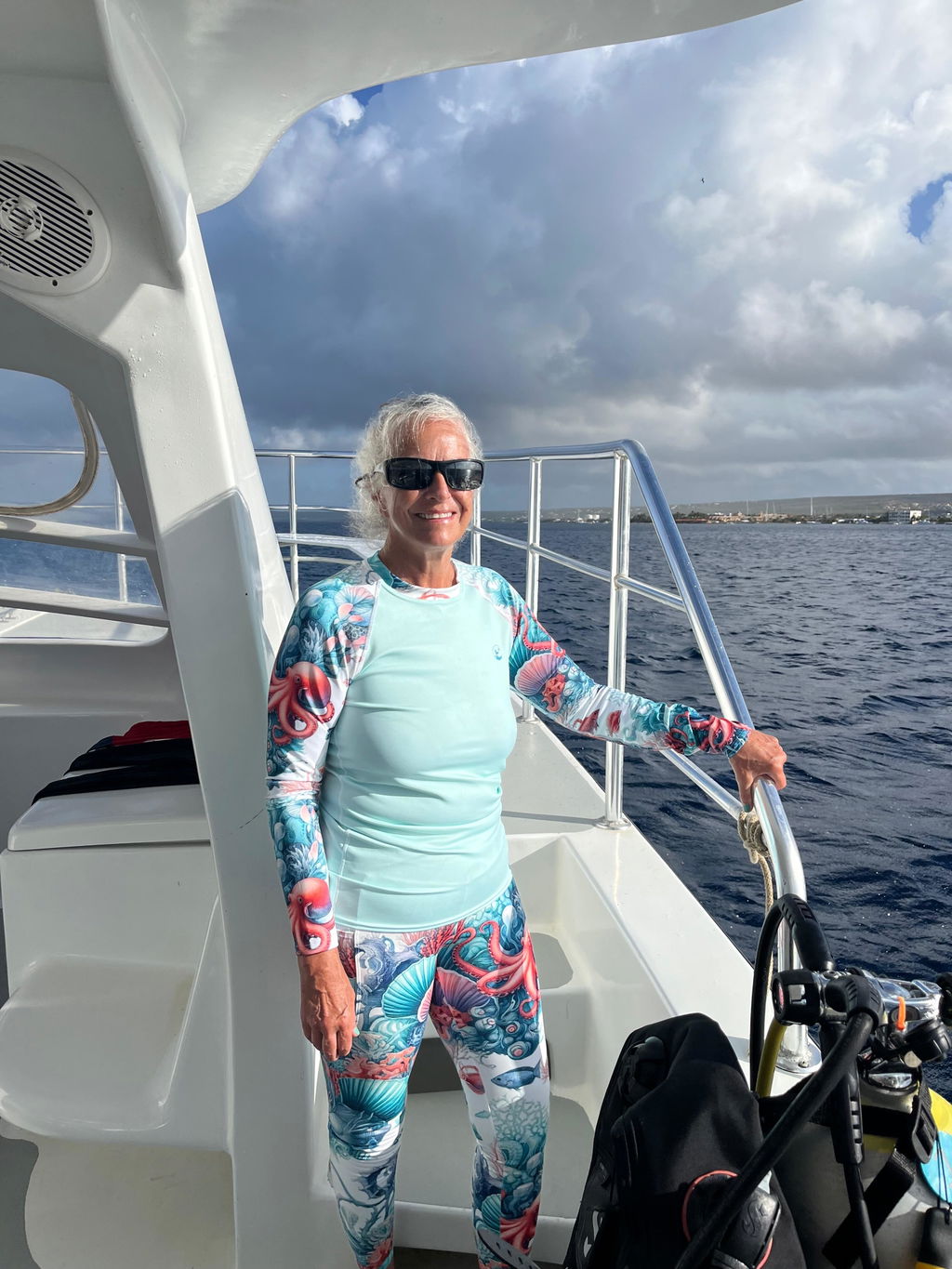
- ✅ A full-length UPF 50+ rash guard for sun and sting protection
- ✅ Dive leggings to complete the coverage without the bulk
- ✅ A 3mm wetsuit for anything below 28°C / 82°F
- ✅ A hood or headband — tiny, weightless, and the difference between finishing a dive and calling it early
- ✅ Reef-safe sunscreen for whatever the fabric doesn't cover
Destination Divewear FAQs
Do I need a wetsuit in the Maldives?
For most divers, no. At 28–30°C / 82–86°F a full-length rash guard is plenty. Bring a 3mm if you're diving three or four times a day, doing channel dives, or heading to the far southern atolls, which run cooler.
Do I need a wetsuit in Bali?
Around Tulamben and Amed a 3mm is comfortable year-round. Nusa Penida is a different destination thermally — during Mola mola season you'll want a 5mm and a hood for the southern sites.
What wetsuit do I need for the Red Sea?
It depends entirely on the month. August is rash guard weather. February and March call for a 5mm, and many divers add a hood for the northern and offshore sites.
Can I dive the Galápagos in a 5mm?
Some divers manage during the warm season (December–May), but 7mm plus a hood is the standard recommendation, and the western islands can drop to 16°C / 61°F. Most operators will tell you the same.
Is a rash guard warm enough for scuba diving?
A rash guard offers very little thermal protection — its job is sun, sting and abrasion protection. Above roughly 28°C / 82°F that's usually all you need. Below that, warmth has to come from a wetsuit.
Why do I get colder than the men on my dive boat?
Because you probably do lose heat faster — it's a matter of surface-area-to-mass ratio and circulation, not fitness or nerve. Size your exposure protection to your own comfort, not to what the group is wearing.
What water temperature is too cold for a wetsuit?
Below about 15°C / 59°F, most divers switch to a semi-dry or a drysuit. It's less about a hard cut-off than about dive length: a 7mm might be fine for a short dive at 14°C / 57°F and thoroughly unpleasant for an hour.
Keep Reading
- Rash Guards vs. Wetsuits: What to Wear Scuba Diving — The layering system in depth, and why UPF 50+ fabric protects both you and the reef.
- Scuba Diving Outfit Guide — My four-stage dive day system, from arrival to the ride home.
- The Best Swimsuits for Scuba Diving — What to wear under all of it, and why fashion swimwear fails underwater.
Pack Light. Dive Warm. Protect the Reef.
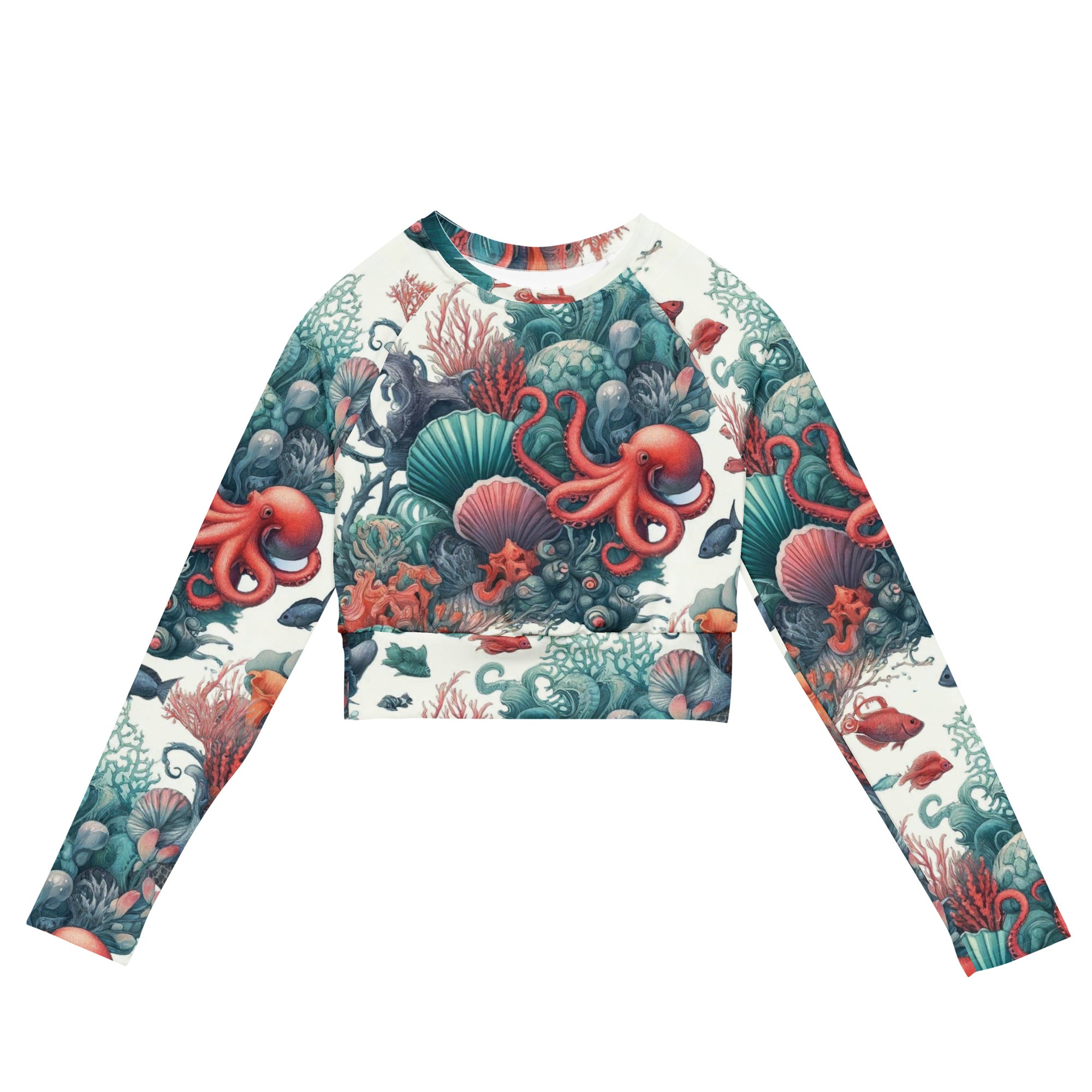
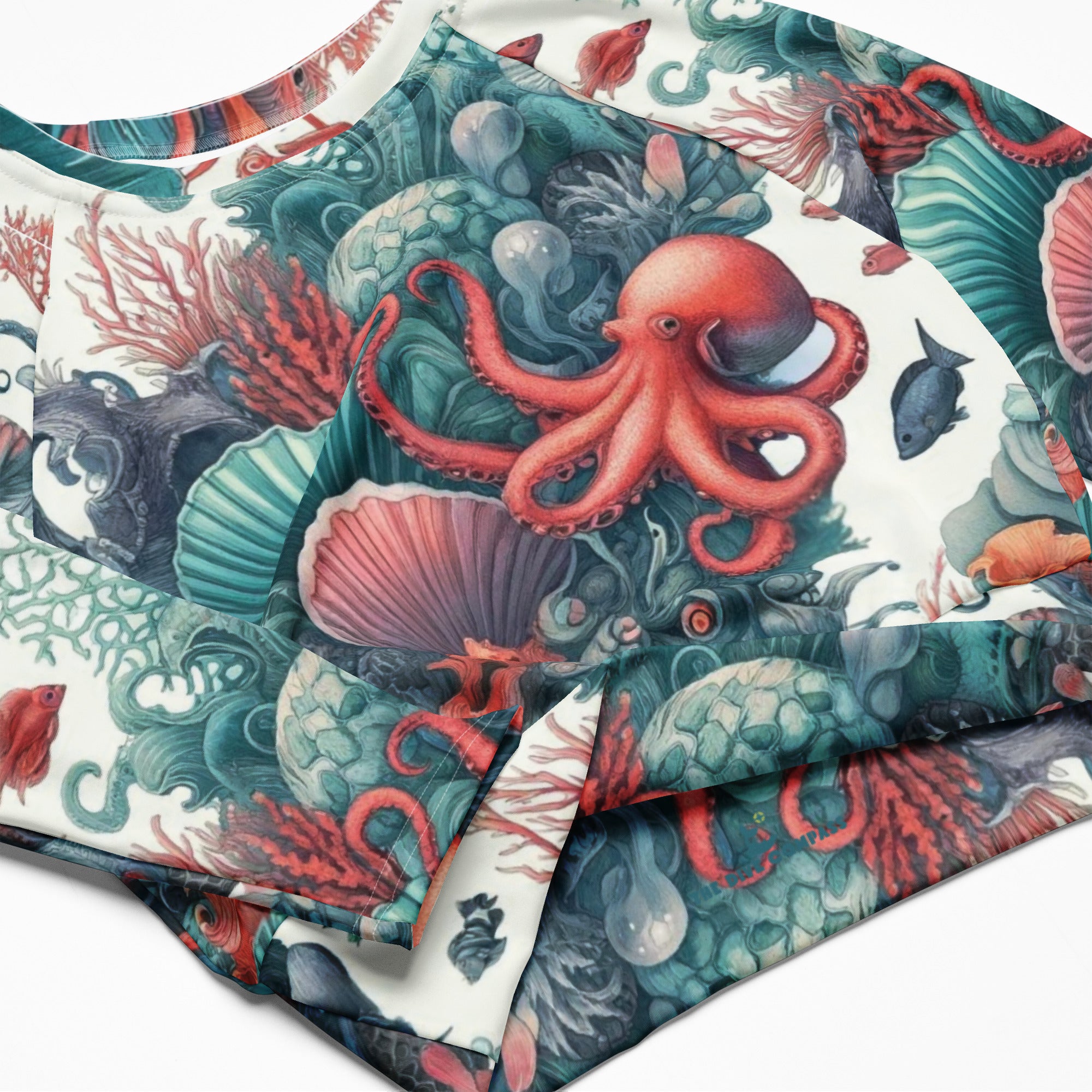
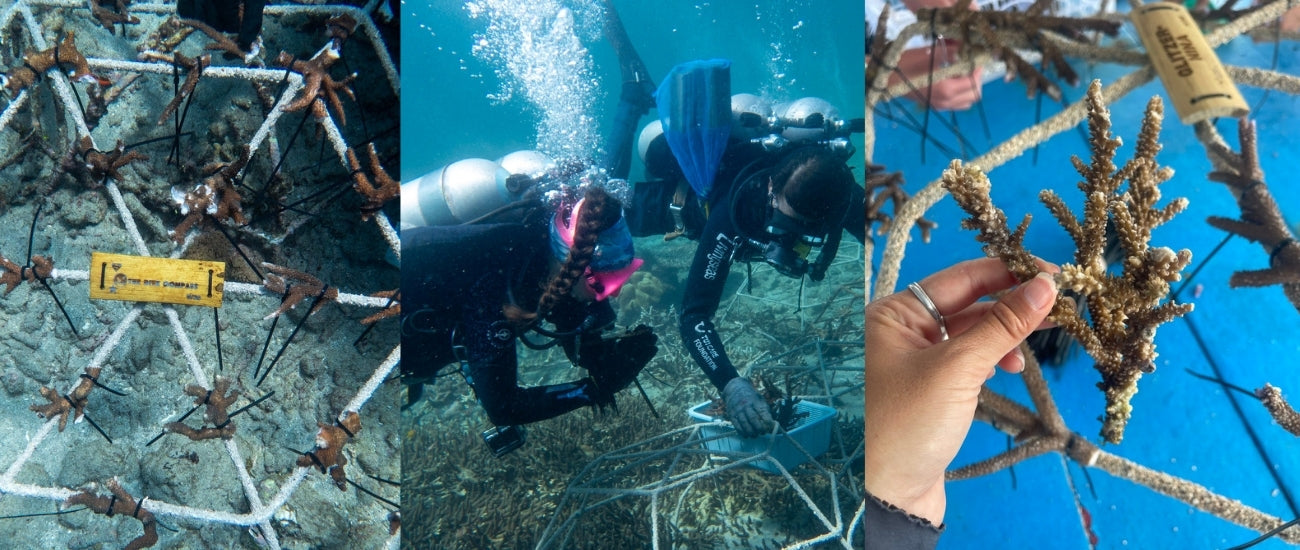
Wherever you're headed, the layer closest to your skin does the most work — and it's the one piece that travels to every destination on this list. Every Dive Compass rash guard and legging is made from recycled polyester with a UPF 50+ rating, built to survive season after season of saltwater rather than one trip.
🪸 And every order plants a coral through our Save Our Seas Pledge, so the reefs on your bucket list are still there when you finally get to them.
See you beneath the surface. 🌊
✨ Ready to gear up? Shop our scuba diving swimwear →









Leave a comment
This site is protected by hCaptcha and the hCaptcha Privacy Policy and Terms of Service apply.