










What to Wear Under a Wetsuit Scuba Diving (Female Diver Guide)
If you've ever stood on a dive boat wondering what to wear under a wetsuit, you're not alone. It's one of the most common questions beginner and even experienced female divers ask before a trip.
The truth is: what you wear under your wetsuit can completely change your comfort, warmth, and confidence underwater.
After more than 15 years of diving across Indonesia, Mexico, and the Red Sea, I've tested just about every option under a wetsuit. From tropical liveaboards to cooler thermocline dives, the right base layer makes a bigger difference than most divers expect.
This guide breaks down exactly what female divers should wear under a wetsuit, depending on water temperature, comfort needs, and dive conditions.

Quick Answer: What Should You Wear Under a Wetsuit?
If you just want the simple answer:
Warm water diving (tropics):
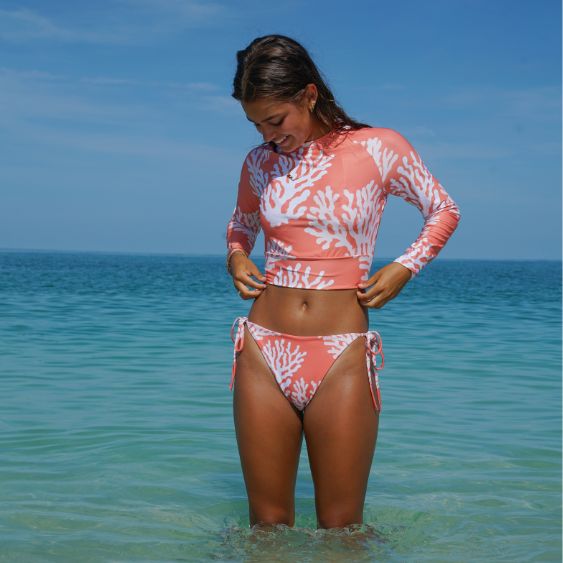
- Scuba bikini
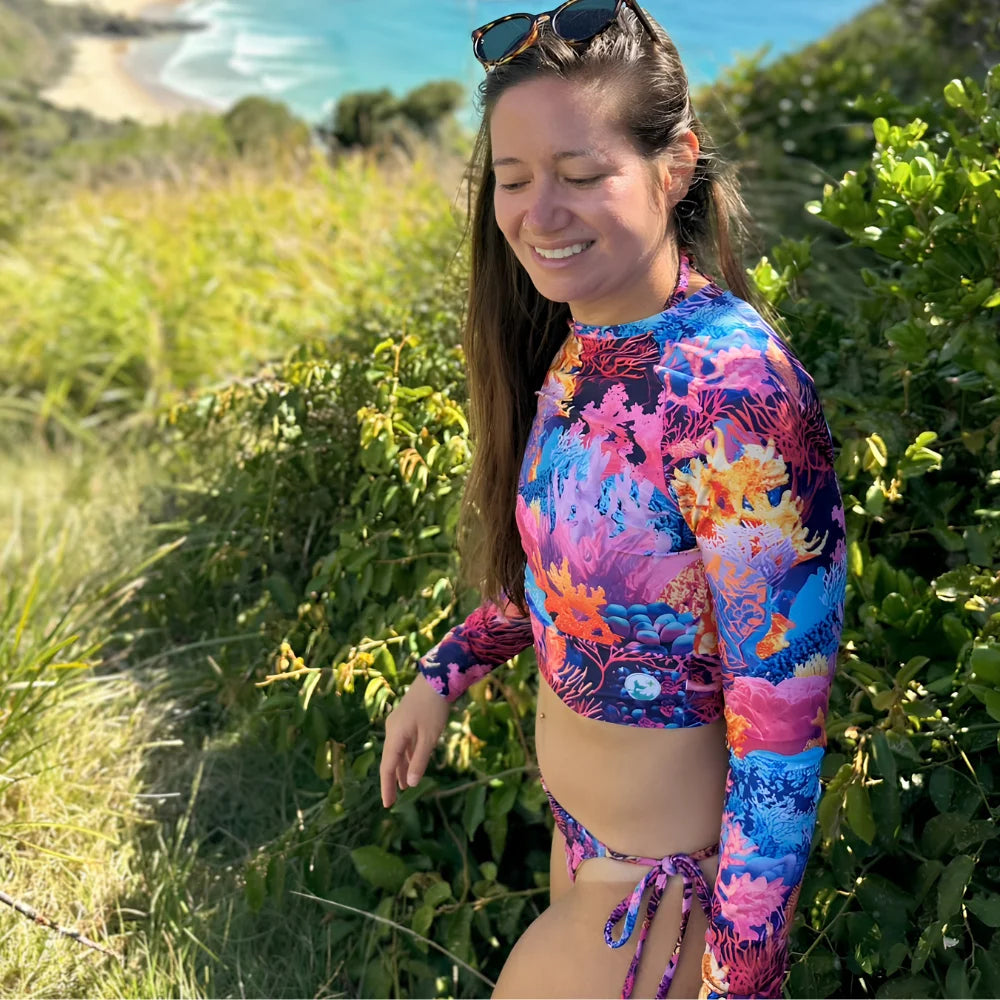
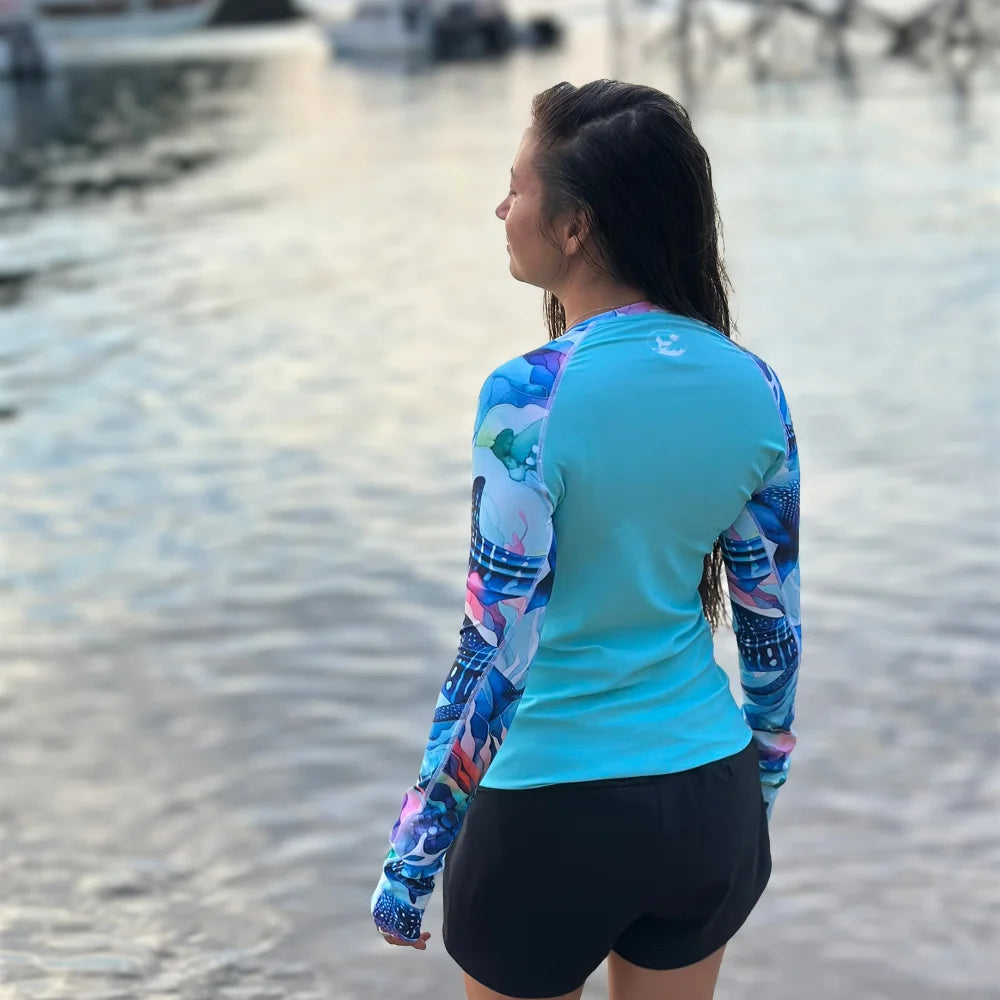
- Rash guard
- Leggings or dive skin
Cooler water diving:
- Full rash guard and leggings under a wetsuit (I prefer 5mm at least!)
- Thermal base layer
- Compression or dive skin
The goal is simple: wear something that stays in place, dries quickly, and keeps you comfortable through multiple dives.
Why What You Wear Under a Wetsuit Matters
Wetsuits work by trapping a thin layer of water between your body and the neoprene, which your body warms. But what you wear underneath affects:
- Warmth and insulation.
- Chafing and skin comfort.
- How easily your wetsuit goes on.
- Confidence on the boat and underwater.
- How quickly you dry between dives.
Choosing the right base layer can make long dive days far more comfortable — especially for travel and warm-water diving.
Best Things to Wear Under a Wetsuit for Female Divers
1. A Bikini (Most Popular for Warm Water Diving)

For tropical diving, a secure bikini is the most common and comfortable option. A well-fitting scuba bikini:
- Stays in place under your wetsuit.
- Dries quickly between dives.
- Is comfortable on boats and beaches.
- Allows easy changing between dives.
- Works perfectly in warm water destinations.
Many divers prefer bikinis because they create minimal bulk and feel natural under neoprene. When choosing one, look for:
- Secure straps and bands that don't slip.
- A snug fit that won't shift underwater.
- Durable fabric that handles saltwater and repeated wear.
- Comfort for multiple dives per day.
If you're diving in warm destinations like Bali, Mexico, Hawaii, or the Red Sea, this is usually the simplest and best option.
→ Explore scuba bikinis designed specifically for diving
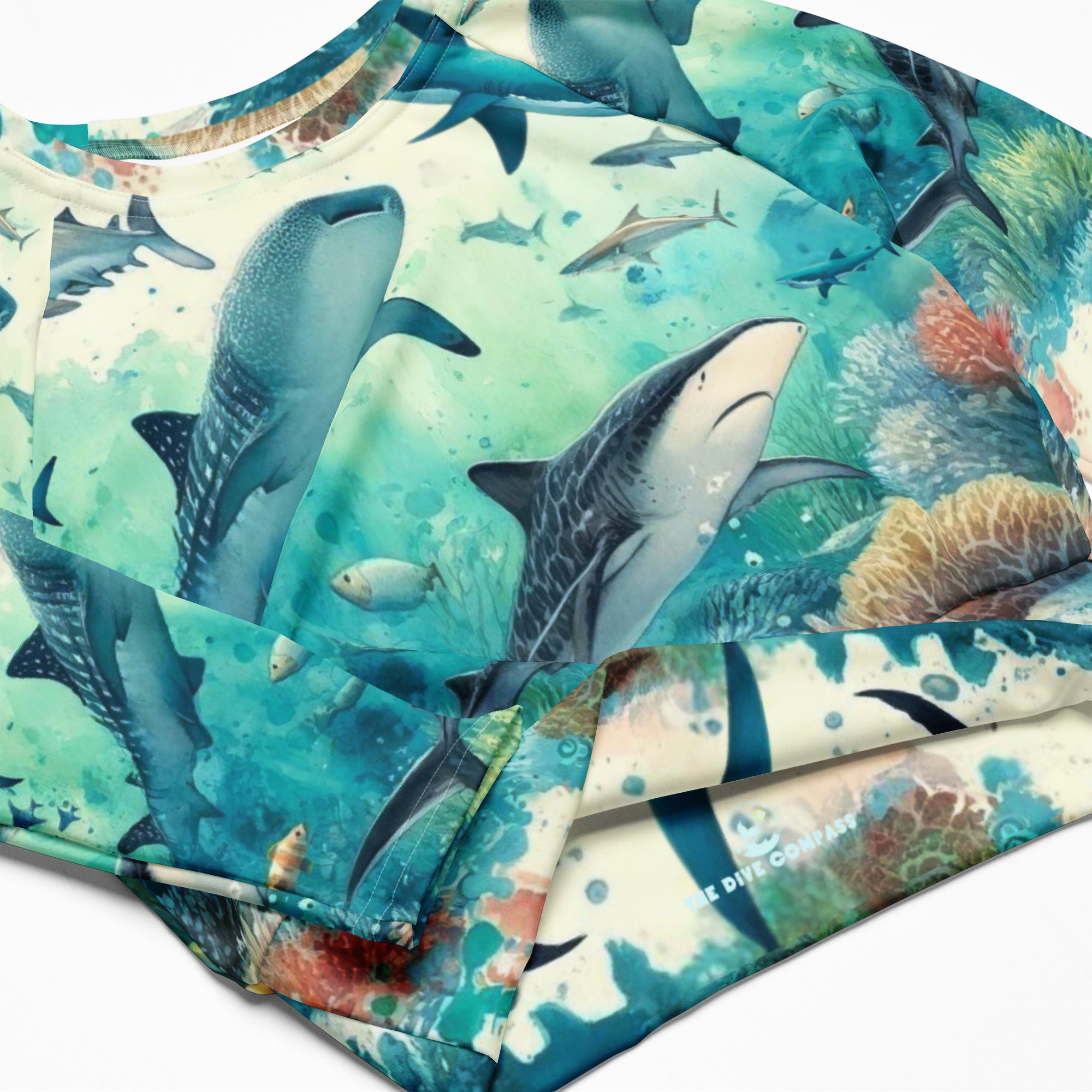
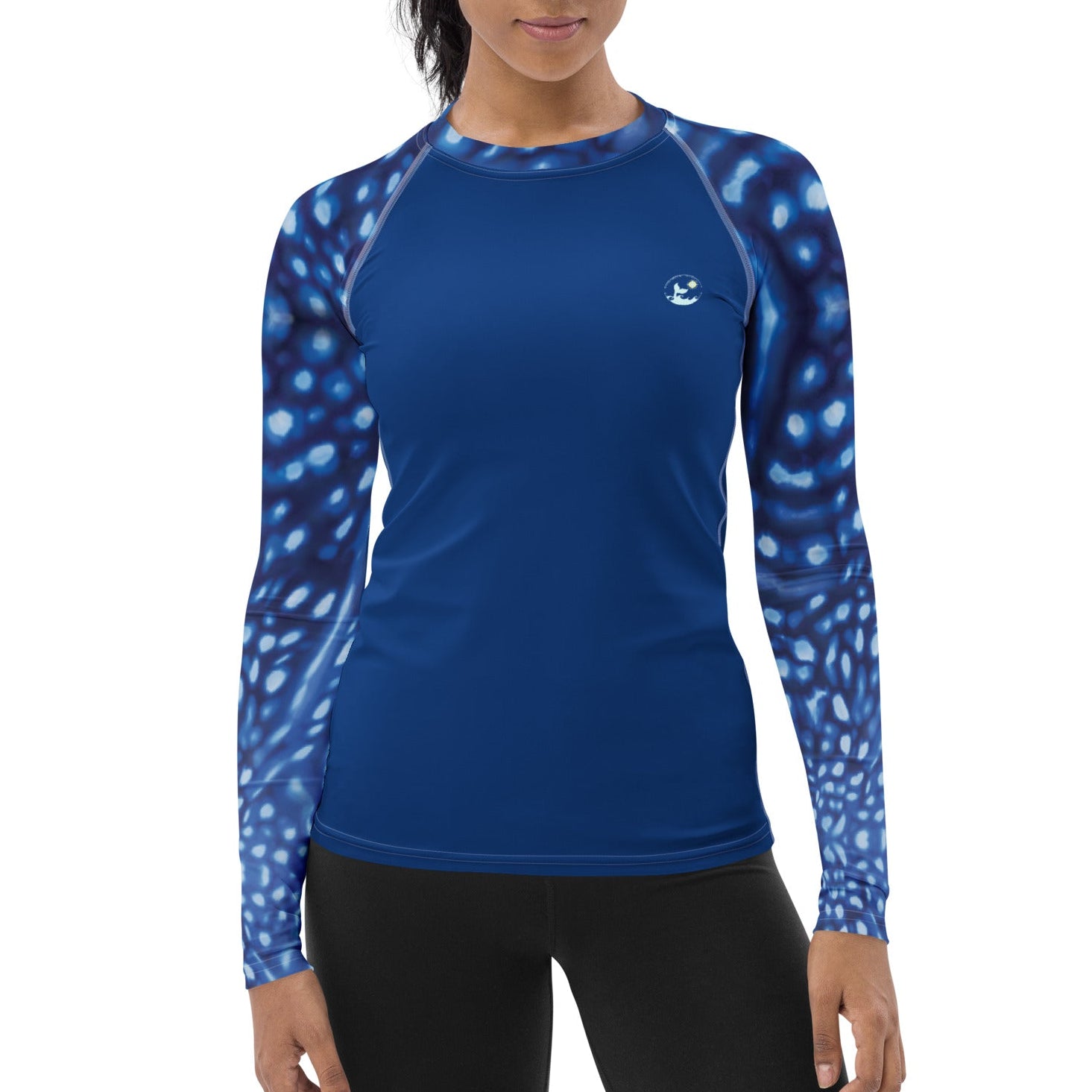
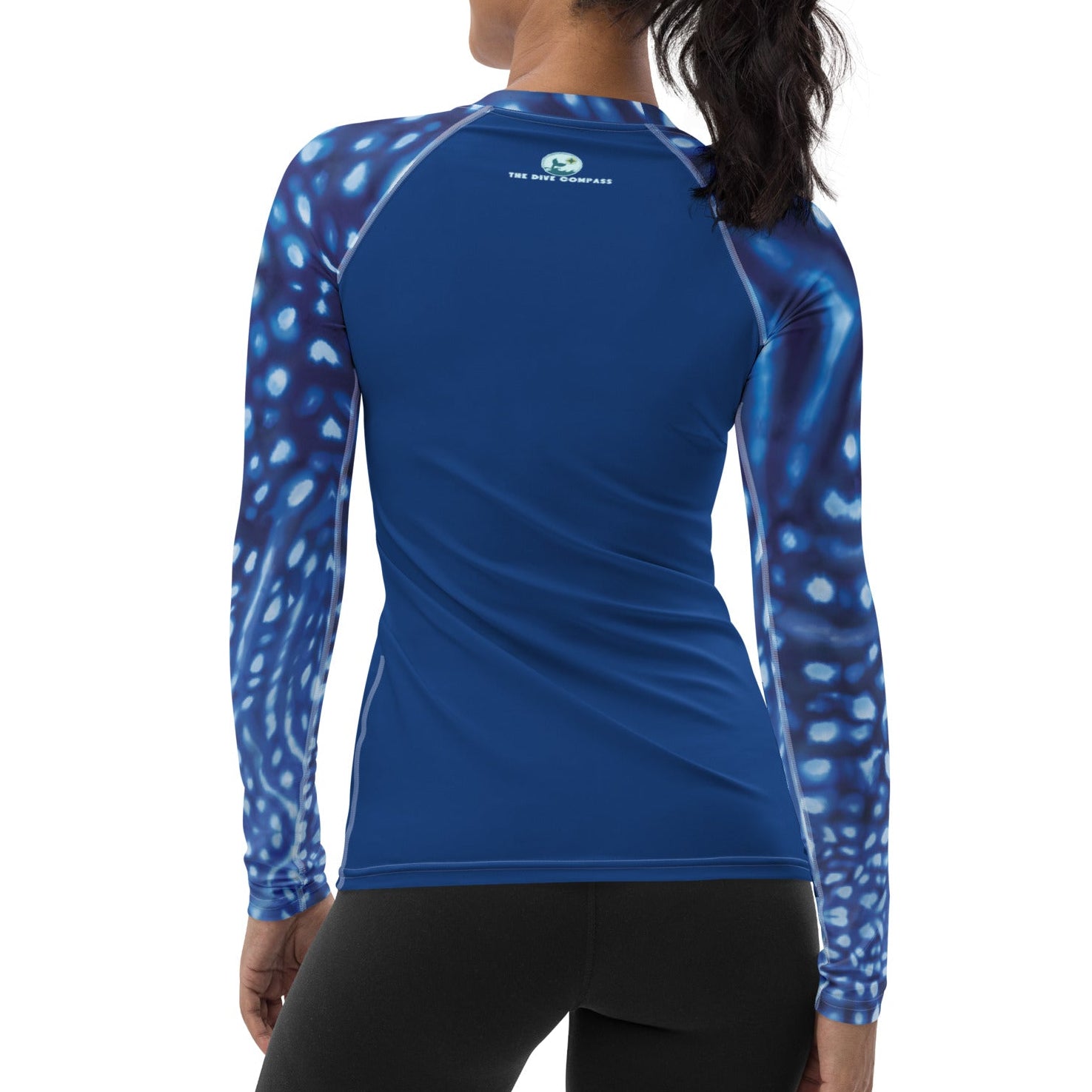
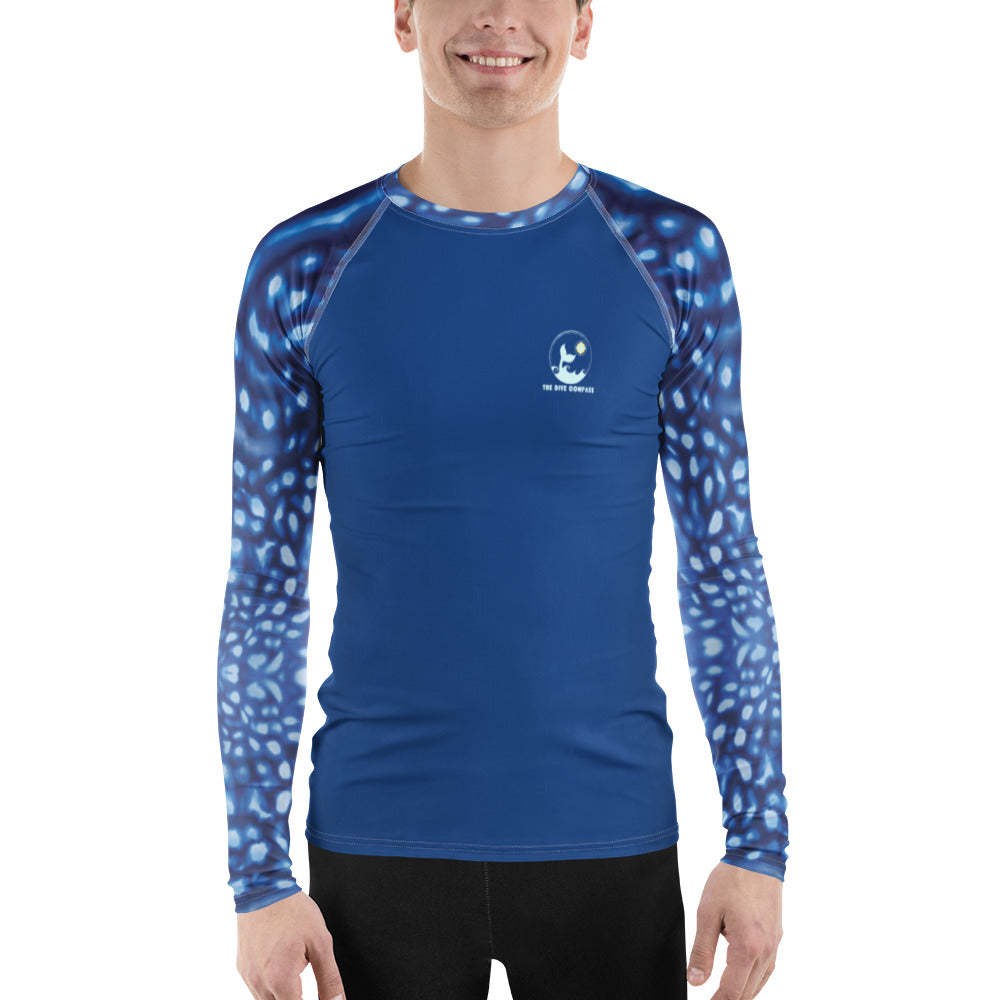
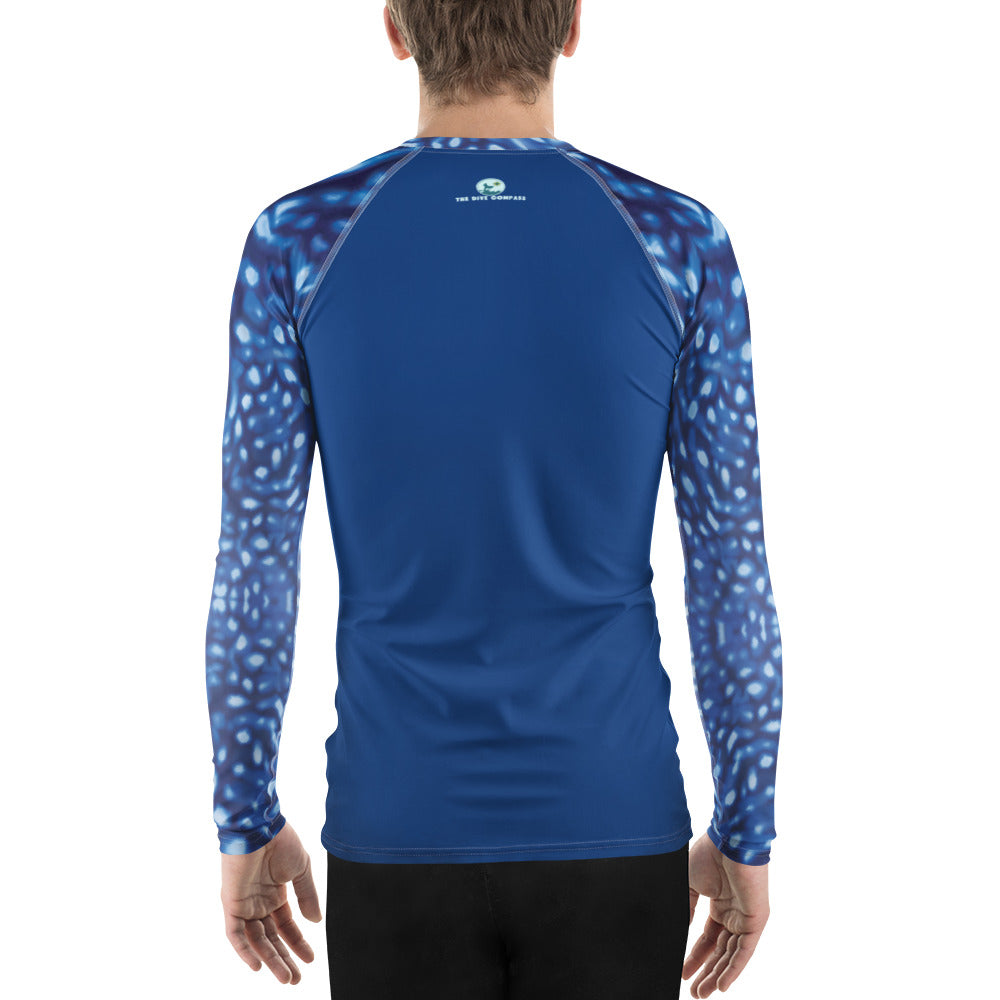
2. Rash Guards (Sun Protection and Comfort)

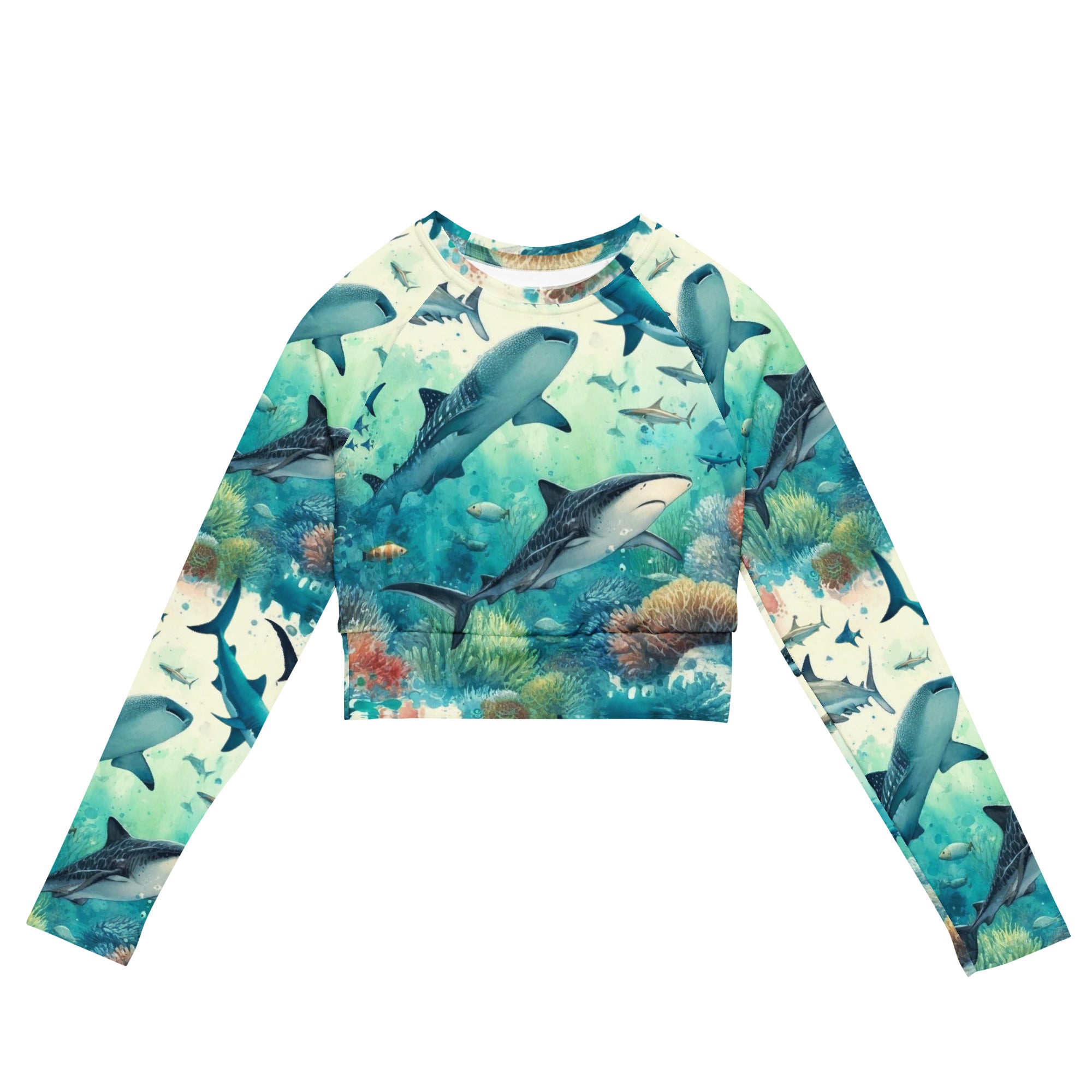
Rash guards are one of the most versatile layers you can wear under a wetsuit. They:
- Prevent chafing from rental wetsuits.
- Protect sensitive skin from neoprene contact.
- Add warmth without bulk.
- Provide UPF 50+ sun protection.
- Reduce the need for sunscreen on reefs.
- Double as a dive skin in tropical water.
Many divers wear a rash guard in warm water as a standalone dive skin — or under a wetsuit because it makes it significantly easier to slide the suit on and off and adds comfort for long dive days.
They're especially helpful if you're wearing rental wetsuits, have sensitive skin, are doing multiple dives per day, or want reef-safe sun protection without chemical runoff.
→ Browse rash guards designed for diving and ocean conditions
3. Leggings or Dive Skins

Leggings are often overlooked but incredibly useful. Dive leggings:
- Prevent leg chafing under neoprene.
- Help wetsuits slide on easily.
- Add warmth in cooler water.
- Protect against sun on boat rides.
- Double as dive skins in tropical conditions.
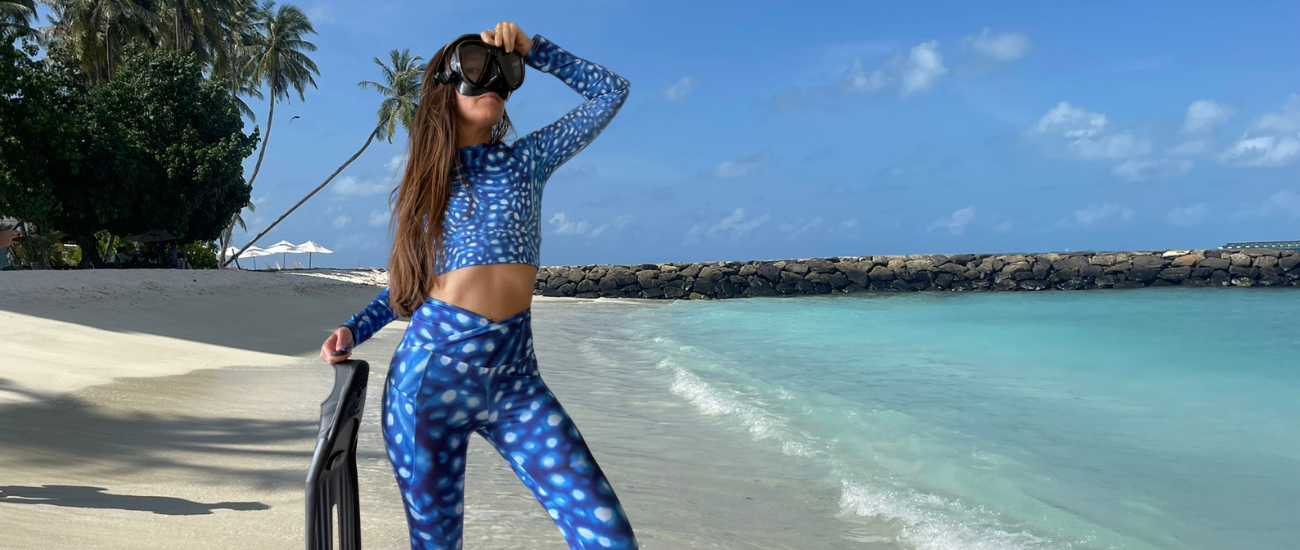
In warm destinations, many divers wear a full rash guard and leggings set instead of a wetsuit entirely. They're also ideal under rental wetsuits for added hygiene and comfort.
→ Explore scuba leggings and protective layers
How Water Temperature Affects What You Wear
Tropical / Warm Water (29–31°C / 84–89°F)
Most divers wear a bikini, or a bikini plus rash guard, or a full rash guard and leggings set. Focus on comfort, sun protection, and minimal bulk.
Moderate Water (26–29°C / 79–84°F)
Layering helps if you tend to get cold:
- Bikini or swimsuit base layer.
- Rash guard and leggings as needed.
- A 3–5mm wetsuit.
Cooler Water (Below 26°C / 79°F)
Warmth and insulation become more important:
- Thermal rash guard and leggings as a base layer.
- A 5–7mm wetsuit over the top.
What Most New Female Divers Don't Realize
Some new divers assume they should wear normal underwear or nothing under a wetsuit. In reality:
- Cotton holds water and gets cold quickly.
- Loose swimwear shifts and bunches under neoprene.
- Cheap fast-fashion swimwear stretches out quickly.
- Rental wetsuits can irritate skin without a protective layer underneath.
Wearing proper swimwear or performance layers underneath makes diving significantly more comfortable — especially on multi-dive days.
Common Mistakes to Avoid
Avoid these under your wetsuit:
- Cotton underwear — Holds water, gets cold, uncomfortable.
- Loose bikinis — Shift under the wetsuit and distract you underwater.
- Bulky seams — Can cause chafing on long dives.
- Nothing at all — Less hygienic with rentals and often less comfortable.
How to Choose the Right Option for You
Ask yourself:
Are you diving in warm tropical water?
→ A bikini or rash guard works best.
Do you want extra sun or skin protection?
→ Rash guard and leggings.
Using rental wetsuits?
→ Rash guard and leggings for comfort and hygiene.
Colder water or multiple dives?
→ Add thermal layers under a thicker wetsuit.
The best setup is one that feels secure, comfortable, and effortless — so you can focus on the dive, not your gear.
Dive Comfort = Better Dive Experience
The more comfortable you are under your wetsuit, the more confident and relaxed you'll feel underwater.
After years of diving and guiding divers around the world, one thing is consistent: the right base layer makes every dive day better.
Whether you prefer a simple bikini, a full rash guard set, or layered protection — choosing pieces designed for diving and ocean conditions makes a noticeable difference.
→ Explore dive-ready swimwear and layers designed for ocean adventures